
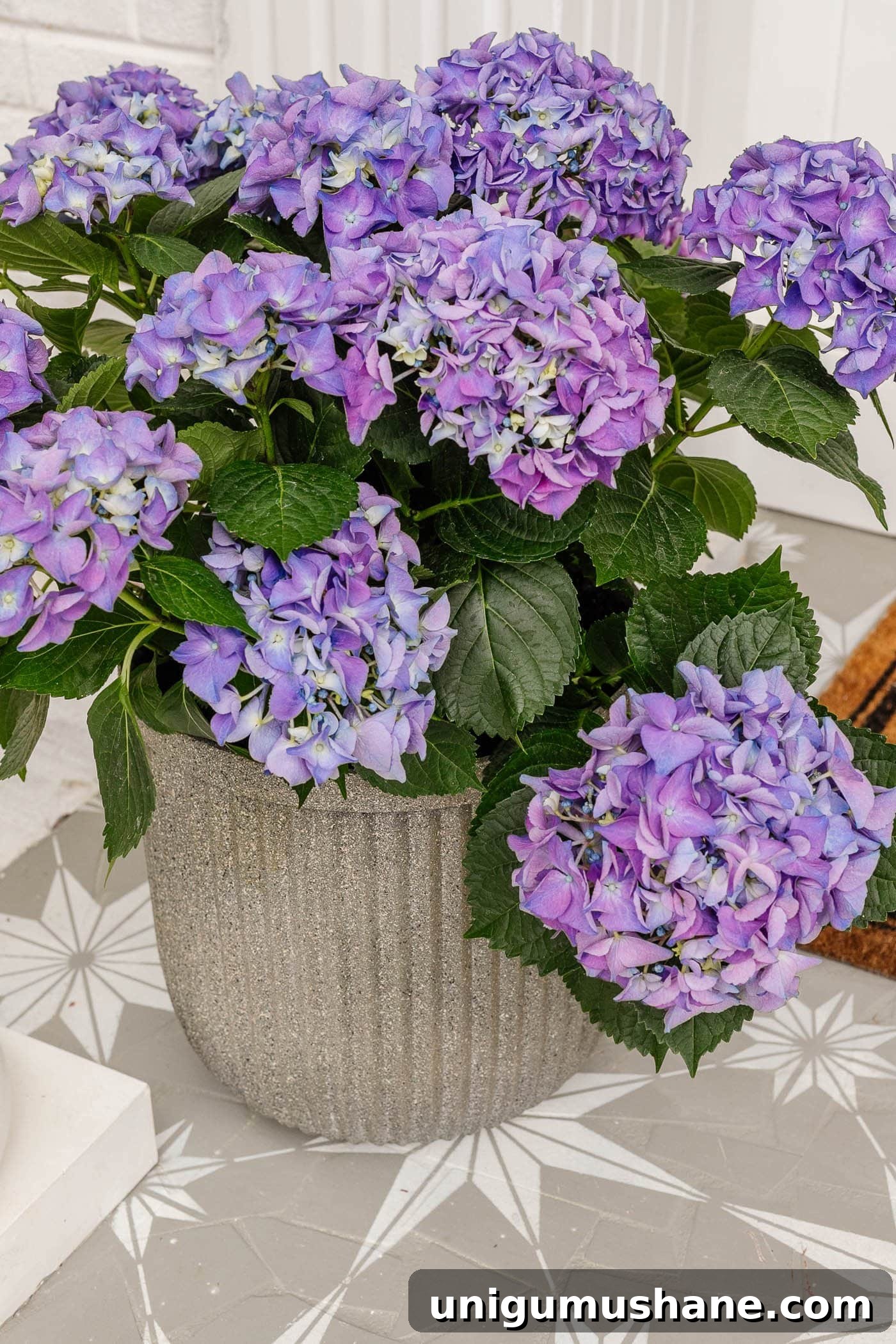
How to create a designer look for less: DIY concrete planters with a faux finish using leftover neutral cans of spray paint.
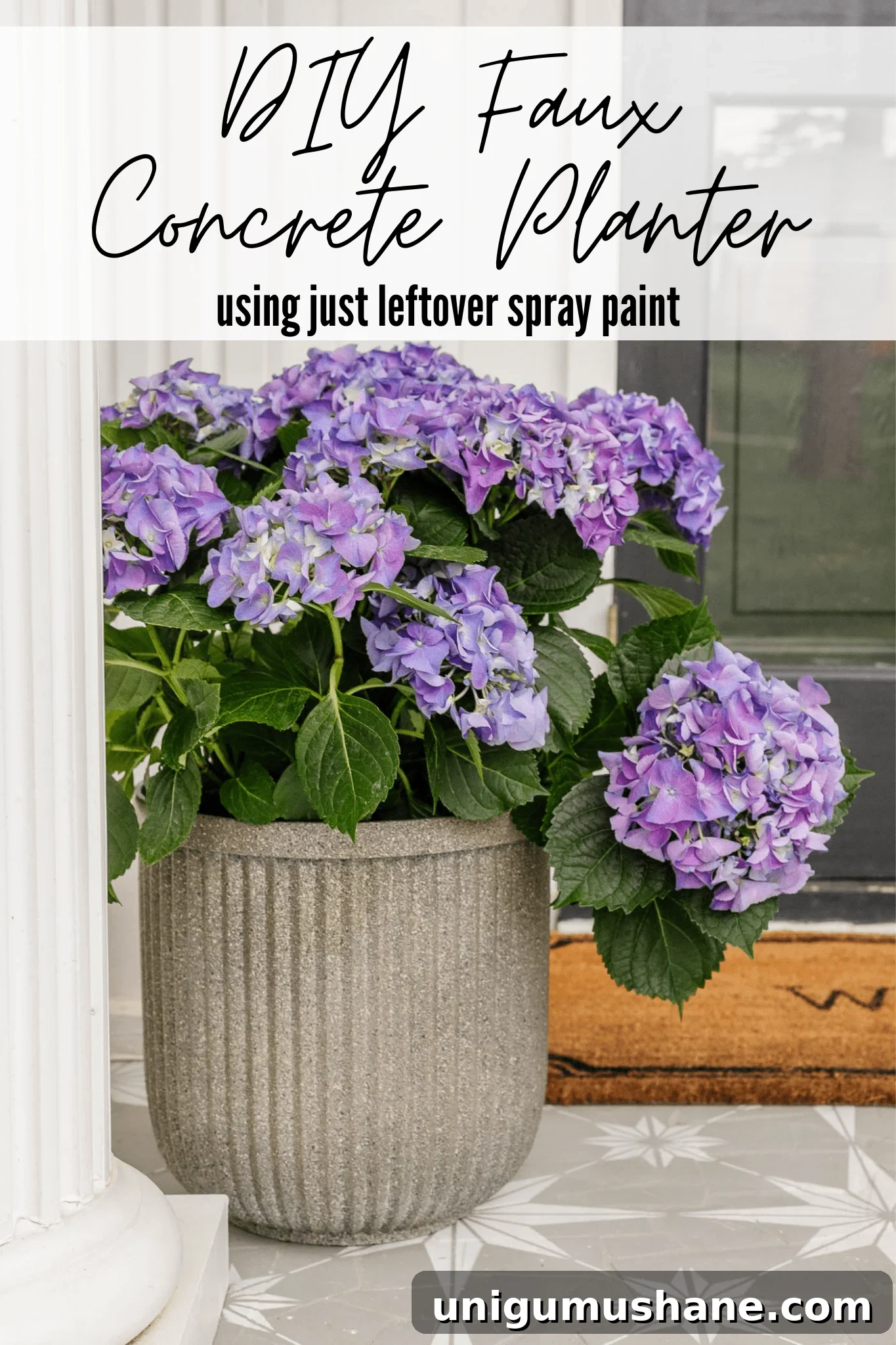
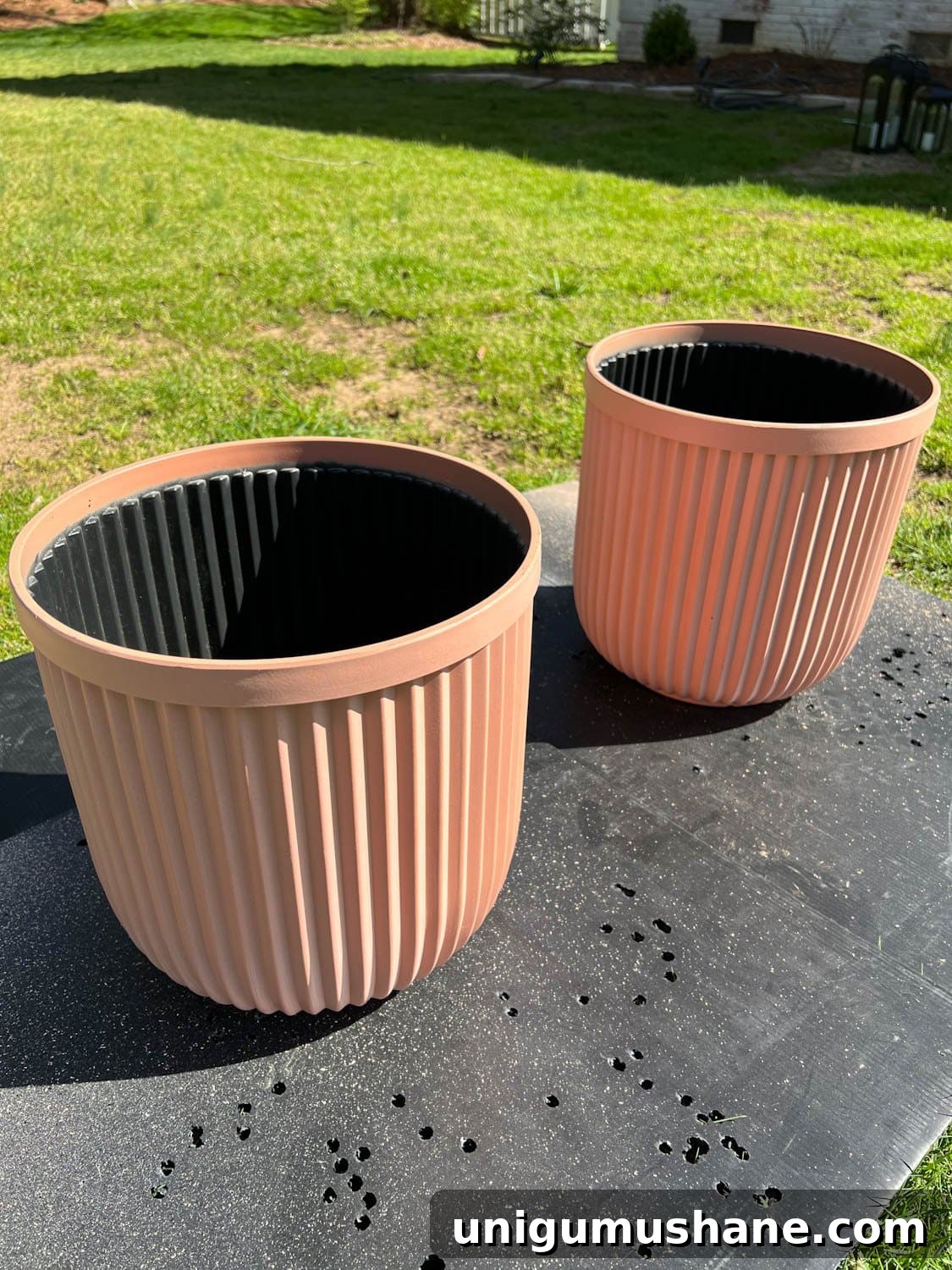
This project began as a spur-of-the-moment idea driven by a pile of leftover spray paint. If you keep half-used cans like I do, you know the temptation to save every color “just in case.” Instead of letting those cans gather dust, I used them to transform inexpensive resin planters into stylish faux concrete pieces for our front porch.
These started life as basic fluted resin planters and, with a few simple steps and a handful of neutral spray paints, became convincing faux concrete pots with natural variation and texture.
After a recent lamp makeover using textured spray paint, I still had several textured cans leftover. Using them here felt like the perfect way to use what I already owned and achieve a designer look without buying expensive concrete planters.
Fluted Concrete Planters: Designer Inspiration
If you’ve browsed high-end home stores recently, you’ve probably noticed fluted concrete planters selling for $100–$300 each. They’re beautiful, but pricey. That’s where a faux finish can shine: you get a similar look at a fraction of the cost with a lot less work than casting real concrete.
There are also excellent tutorials for more authentic hypertufa or faux stone planters if you want a true stone feel, but this spray-paint method is fast, budget-friendly, and ideal when you want the look without mixing concrete or waiting long cure times.
Faux DIY Concrete Planters Using Spray Paint
My goal was simple: use supplies already in the stash to create natural-looking, fluted faux concrete planters. The technique relies on layered neutrals, texture, and an imperfect application to mimic the mottled surface of real concrete.
TIP 1: Use neutral colors from your spray paint collection—grays, beiges, tans, and black work best. You don’t need the exact shades I used; pick what you have.
TIP 2: Textured spray paint makes the finish more authentic. If you only have flat spray paint, sprinkle fine silica sand onto a wet first coat and then spray a light second coat to lock in the grainy texture.
Supplies
- Planter pot(s) of your choice (fluted resin pots work well)
- Exterior-rated spray primer (essential for adhesion)
- Light gray spray paint (textured if possible)
- Black spray paint
- Beige and tan spray paints
- Taupe or additional neutral shades for variation
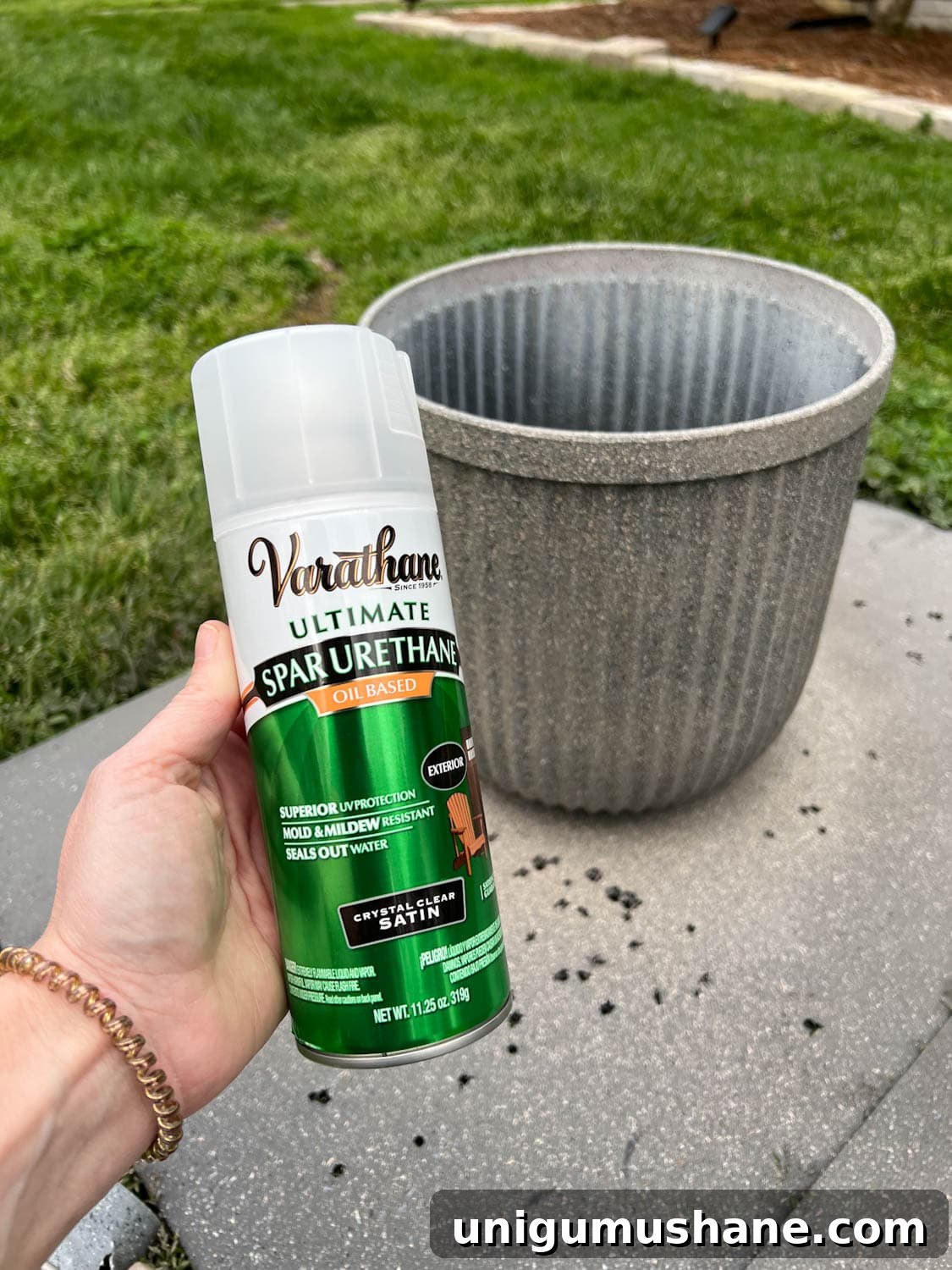
- Spray clear satin oil-based spar urethane (for sealing outdoor use)
- Optional: Silica sand for adding texture if you don’t have textured spray paint
- Drop cloth or cardboard to protect your work surface
- Potting soil and plants to finish the project
Steps
Step 1 – Prime
Work on a warm, dry day to ensure proper adhesion and texture formation. Lay down cardboard or a drop cloth and spray one light, even coat of exterior primer over the planter’s exterior. Allow it to dry completely before moving on.
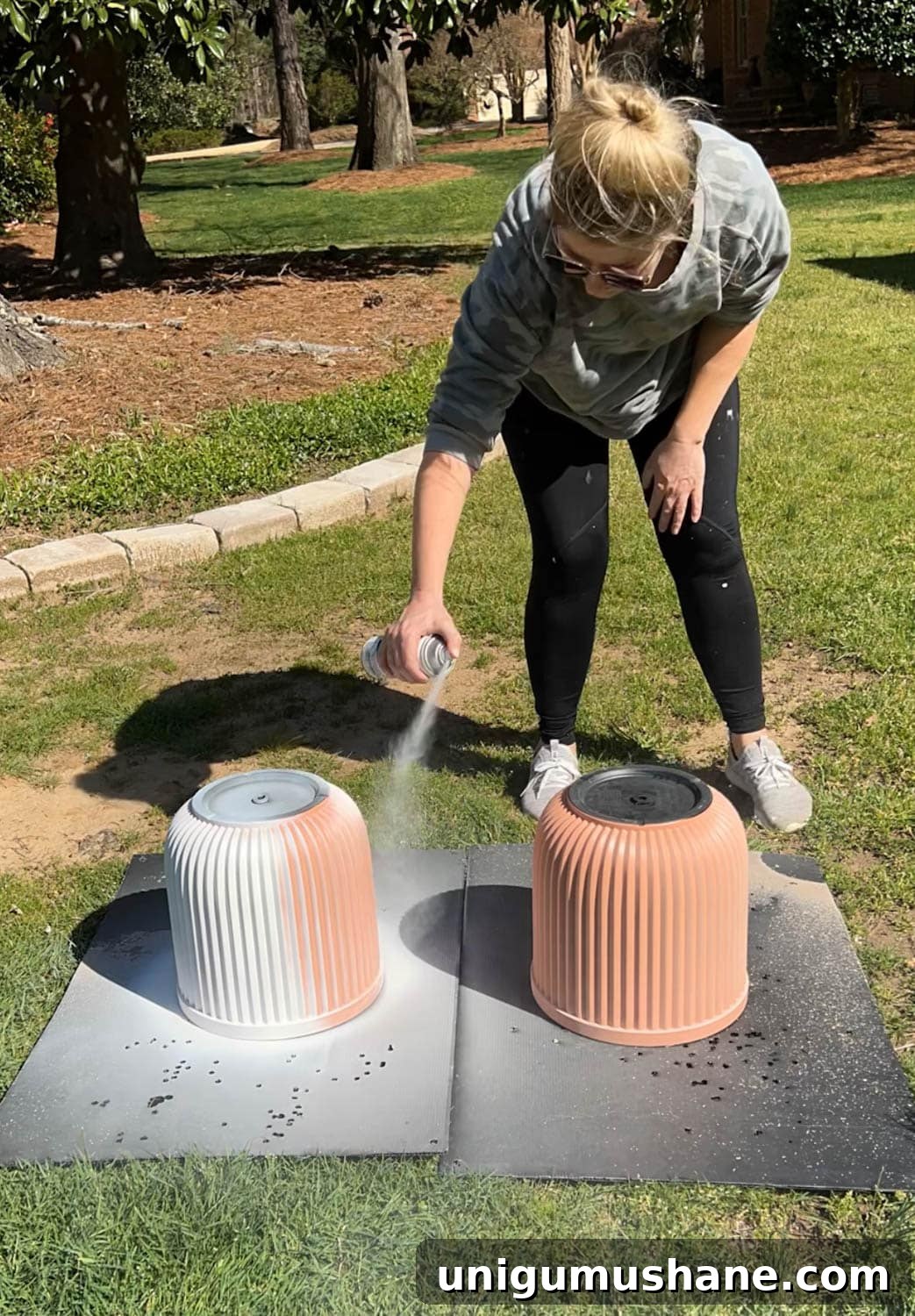
Step 2 – Apply a Thin, Even Coat of Textured Light Gray Spray Paint
Spray with a steady sweeping motion, keeping the can moving and slightly overlapping each pass to avoid drips and build an even thin coat. If you’re using flat paint, apply a light coat and while it’s still wet, scatter a thin layer of silica sand. Then lightly spray over the sand with the same gray to embed it in the surface.
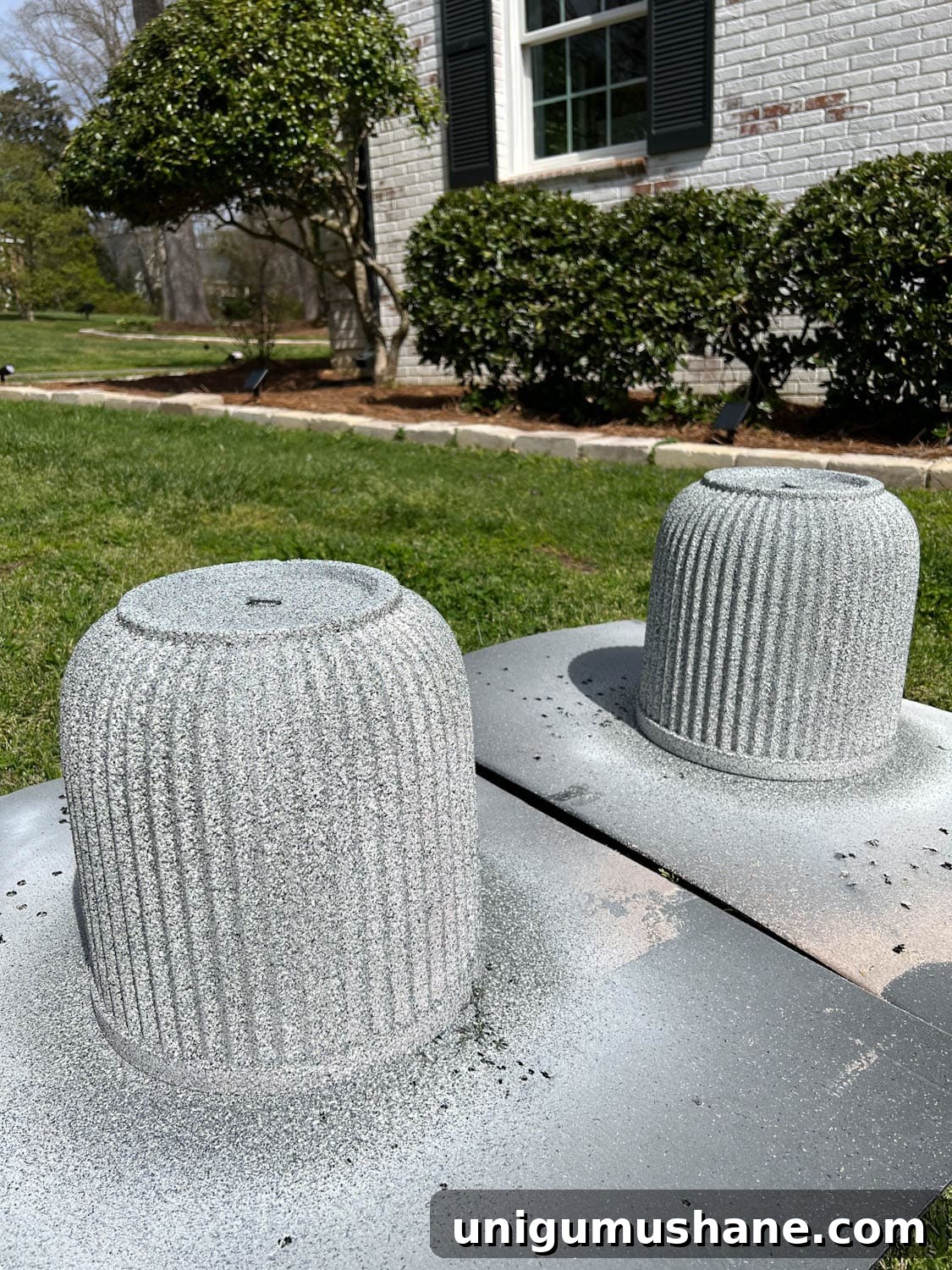
Step 3 – Layer Uneven Coats of Neutral Colors
The key to a realistic concrete look is variation. Lightly and unevenly spray additional neutral colors—beige, tan, taupe, and a touch of black—over the base coat. The aim is to create subtle mottling, so keep applications sporadic and thin, allowing the underlying gray to show through in places.
Work in light passes and step back now and then to assess the balance. Imperfections make it believable: softer edges, small splotches, and irregular coverage mirror the natural texture of concrete.
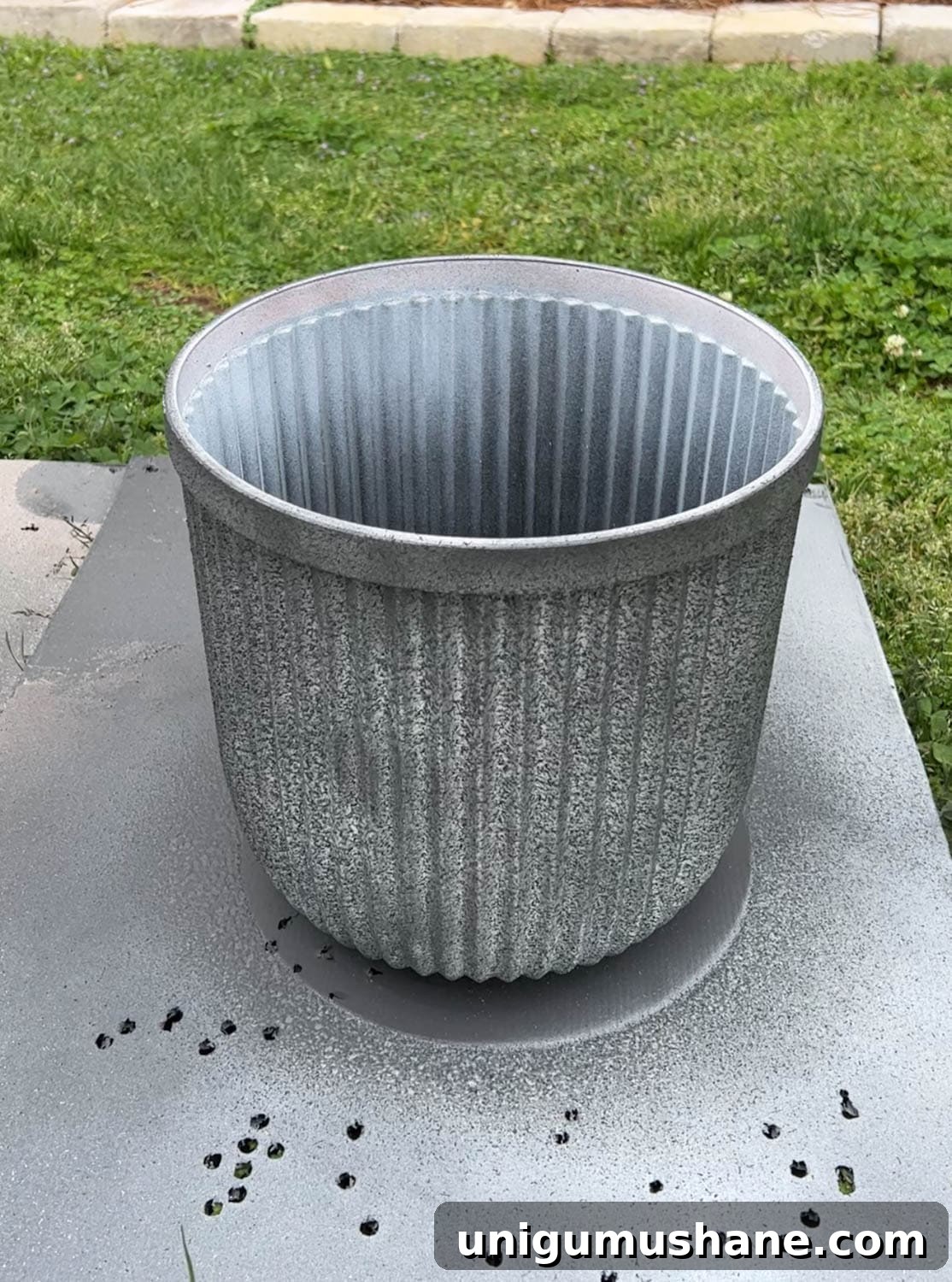
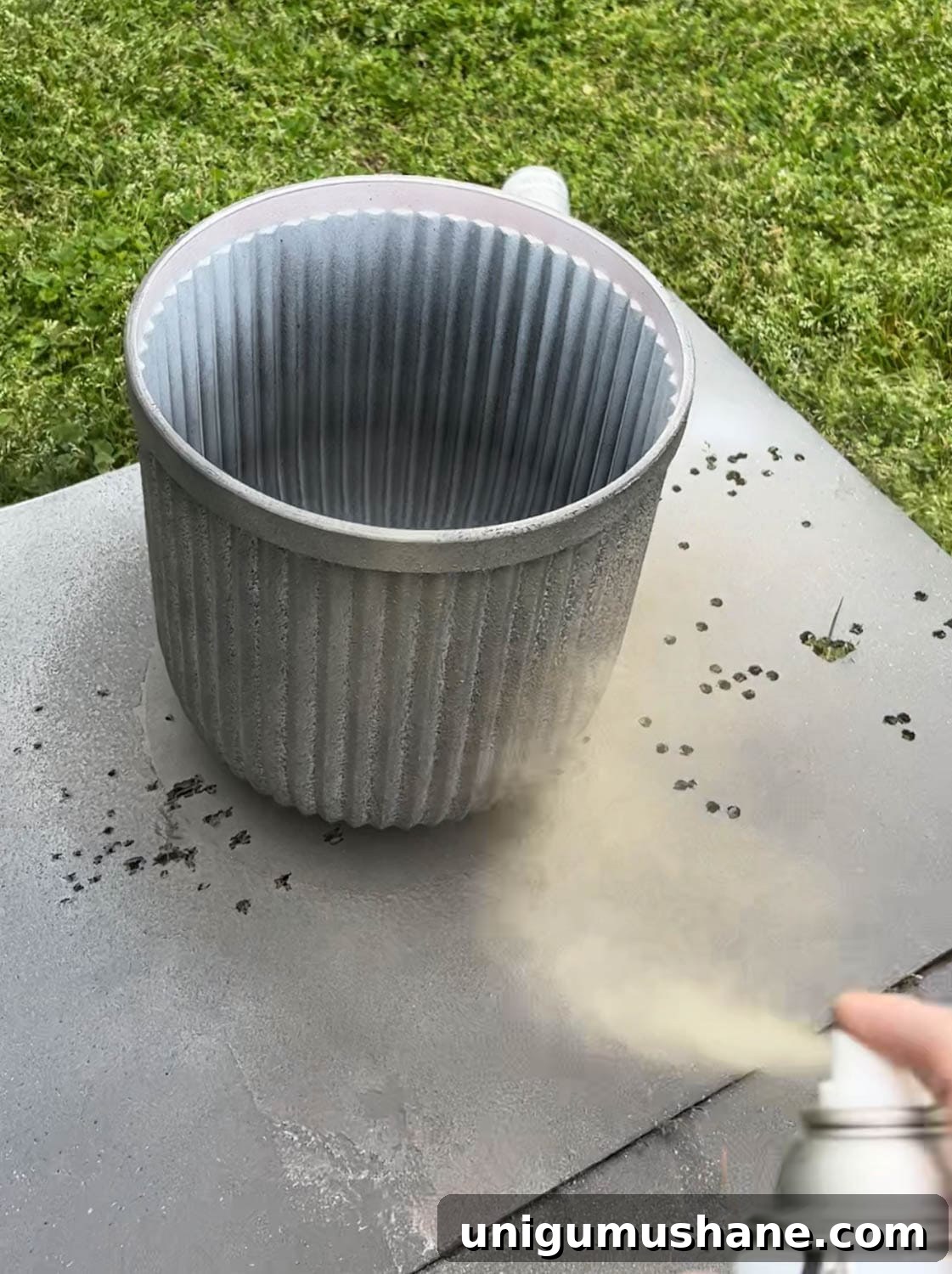
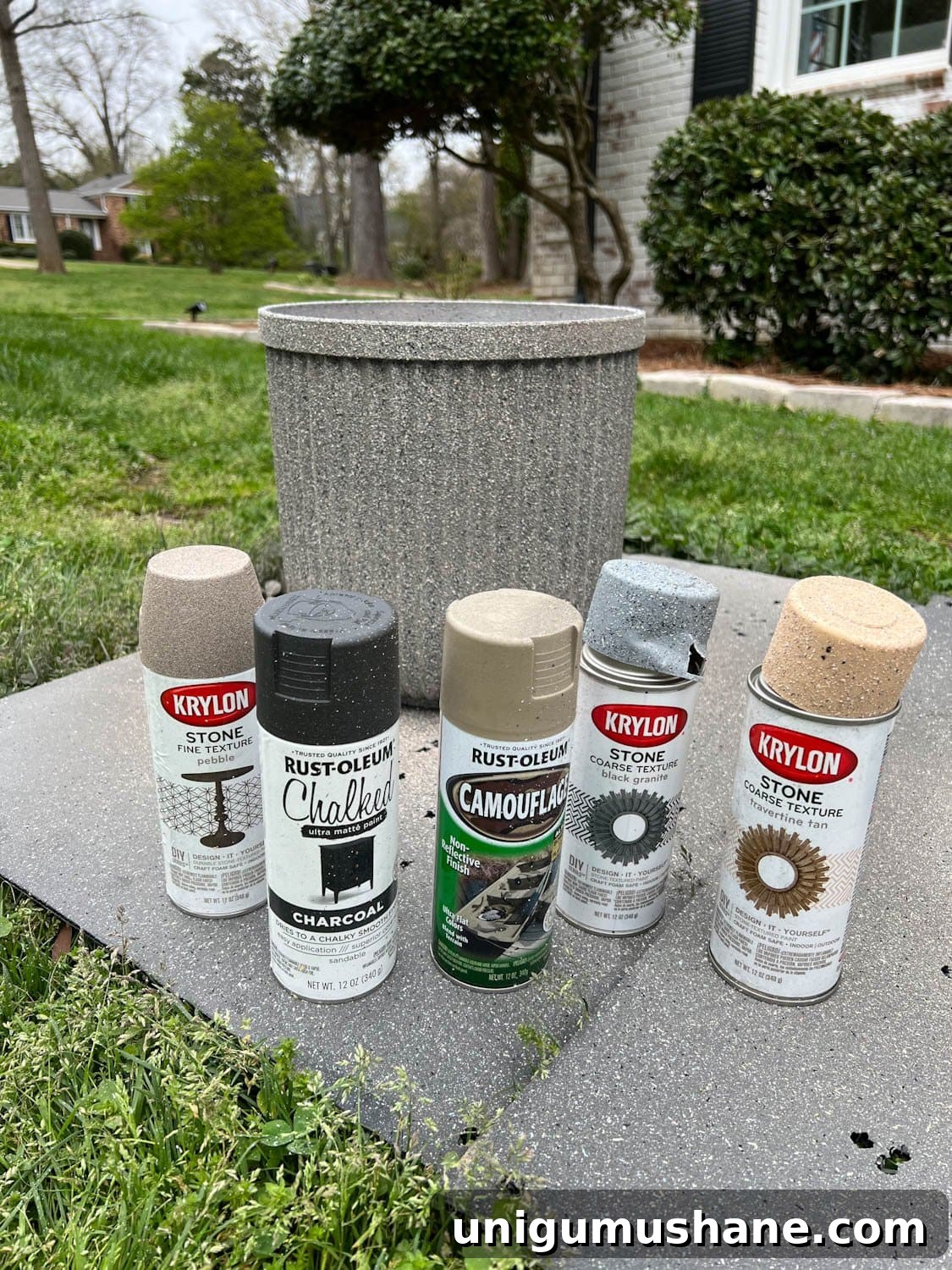
Step 4 – Seal with Spar Urethane
After the paint is fully dry, protect the finish with 2–3 light coats of a clear oil-based spar urethane spray. This sealer helps the finish withstand moisture and outdoor conditions. Allow each coat to dry completely before applying the next.
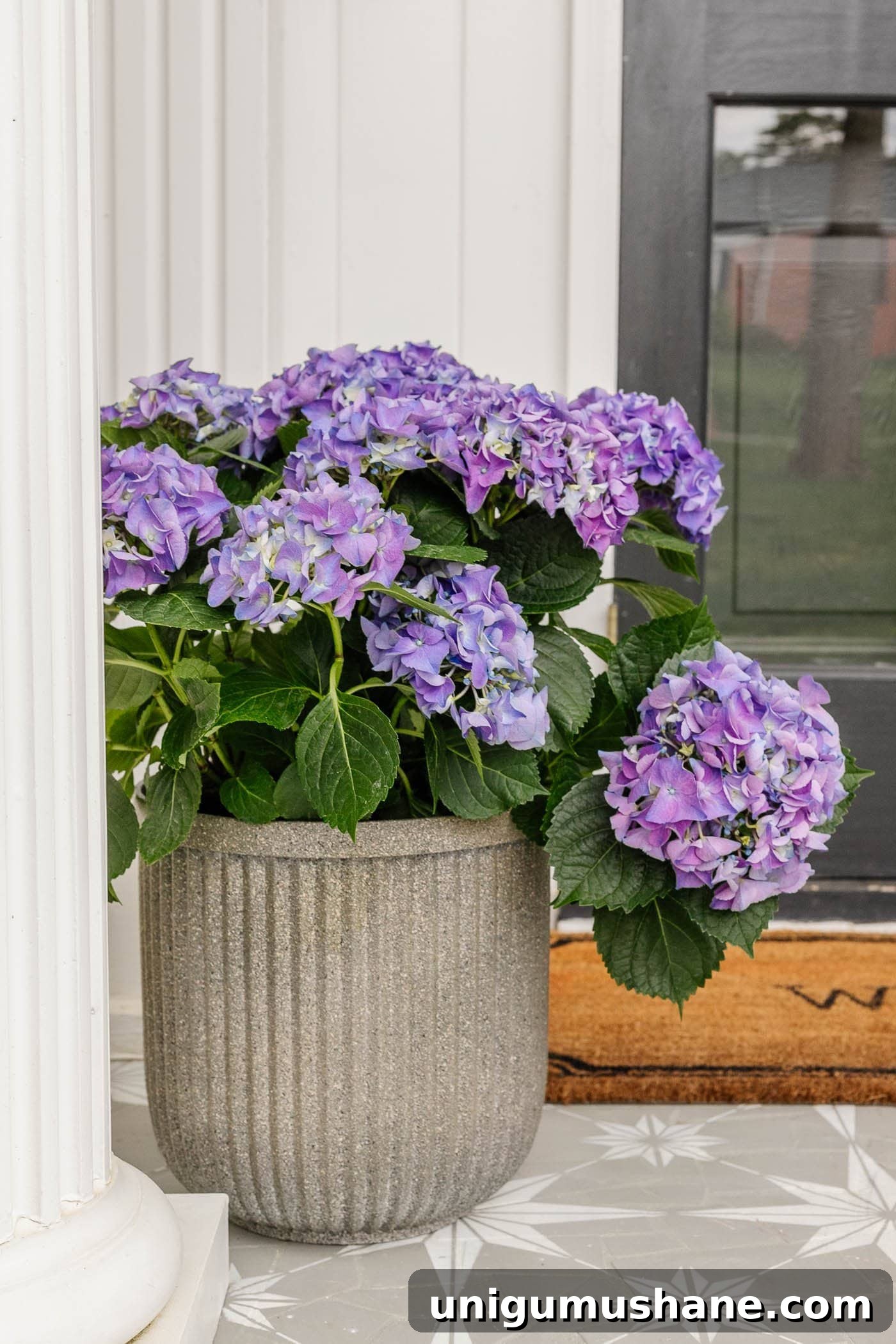
The Finished Faux Concrete Planters
The result is a convincing faux concrete finish that reads like an expensive fluted planter at a fraction of the cost and time. Don’t forget to open drainage holes if your planters don’t already have them, and fill with potting mix and your favorite plants.
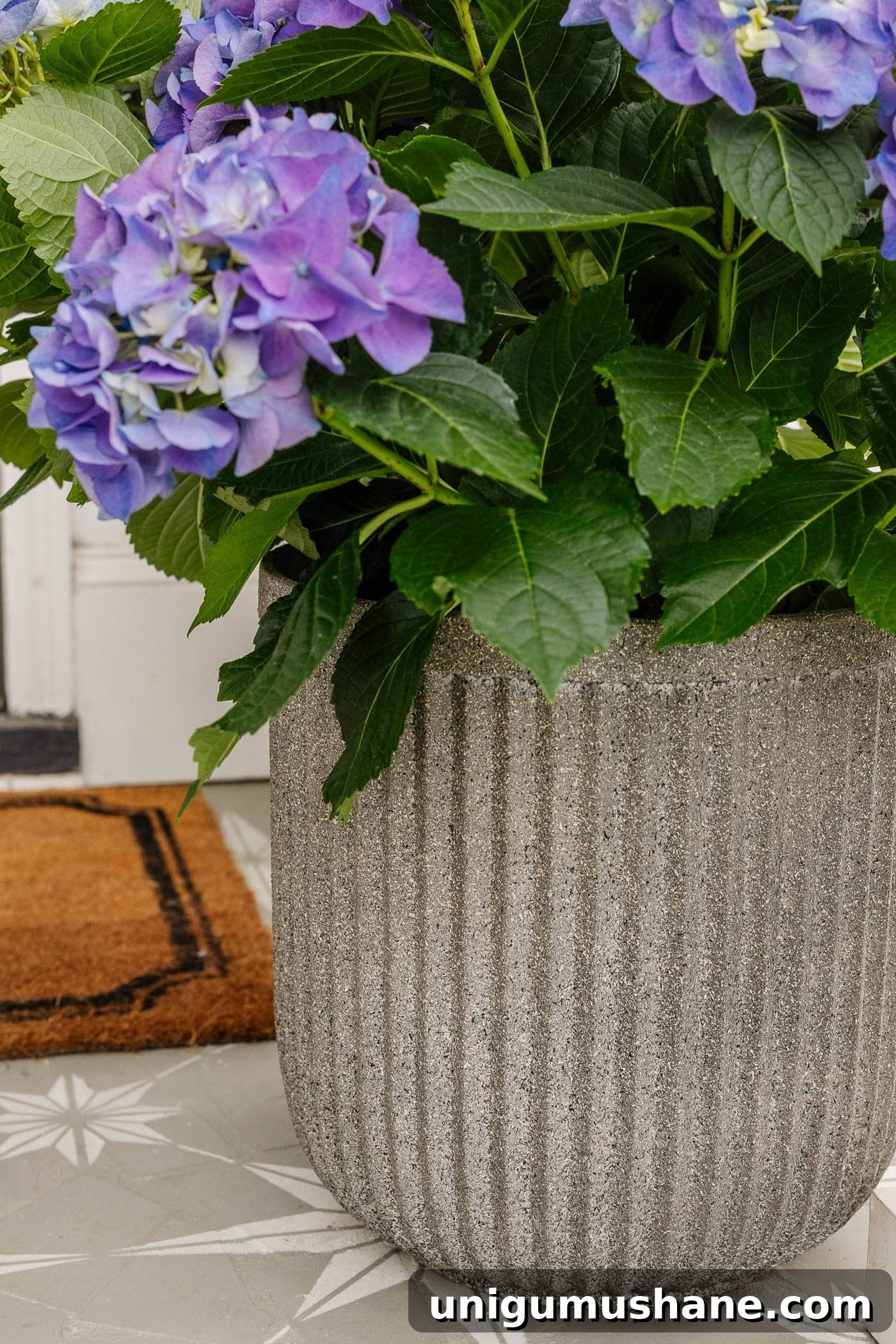
This approach is particularly cost-effective if you already own most of the supplies. Compared with mixing and casting real concrete, this method is quicker and far less labor-intensive, yet it still delivers the textured, varied look of genuine concrete.
Try this method to refresh inexpensive planters, update your porch decor, or create a cohesive look without buying expensive pieces. With a few neutral spray paints, some primer, and a protective sealer, you can craft long-lasting faux concrete planters that look like they cost much more than they did.
Related Spray Painting Projects
- How to spray paint bathroom fixtures
- Ways to transform rooms with paint
- Painted vase makeover ideas
- DIY light fixtures from repurposed items