
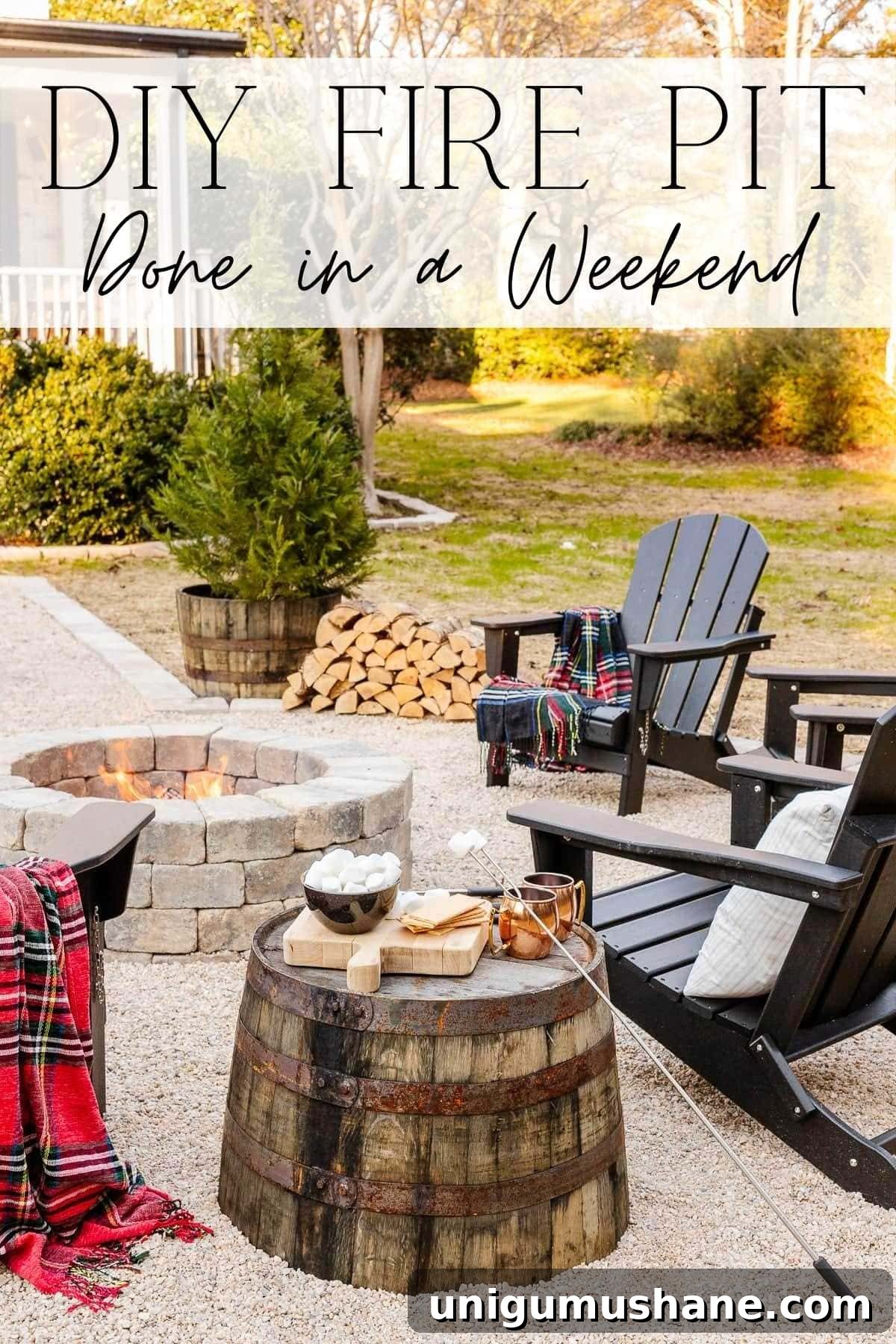
A step-by-step tutorial for building a DIY backyard fire pit and the best tools to make the project faster and easier.
One of the best projects my husband and I gave ourselves was a backyard fire pit. Rather than wrapping a typical gift, we invested in a DIY fire pit that keeps giving—warmth, ambiance, and a place to gather. Best of all, this project can be completed in just two days.
We actually finished about nine hours of work across two days, waiting only for a gravel delivery to wrap up the job. Using a STIHL Yard Boss (and attachments) helped speed things along, making the most labor-intensive steps much faster.
We chose a spot that was level and didn’t collect water. If your yard needed cleanup—like ours once did—you’ll want to remove broken fencing, overgrown shrubs, and any uneven areas before installing a pea gravel patio and fire pit. Getting to a blank slate took time and some professional help for grading and tree removal in our case.
Important Backyard Conditions for a Pea Gravel Patio
Choose an area that stays relatively dry and is fairly level. Poor drainage will create puddles and cause gravel to shift. If your yard slopes or retains water, consider grading or creating a raised area first. We removed an old pergola and fence and leveled our space before beginning. After grading and reseeding, the yard was ready for the patio and fire pit.

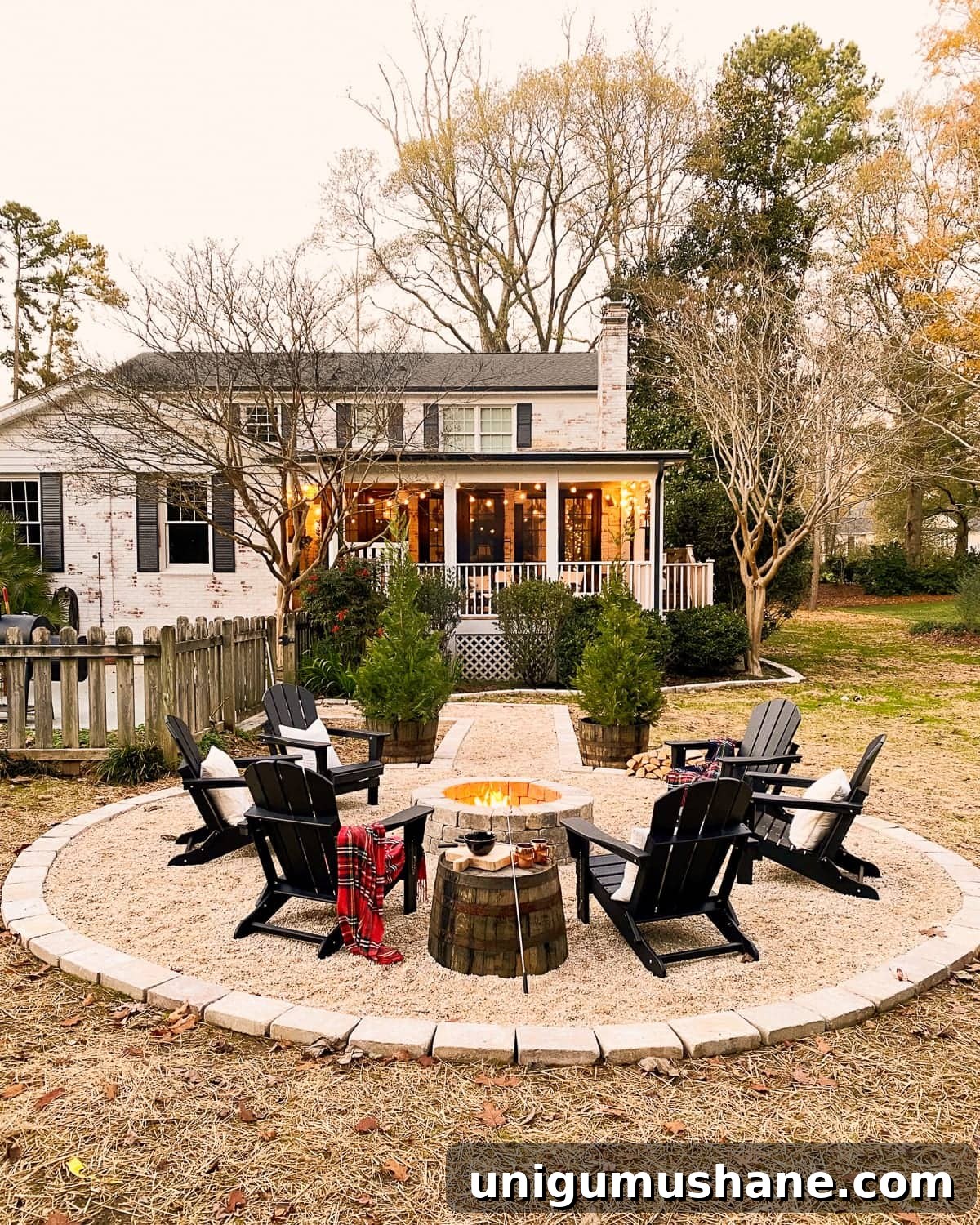
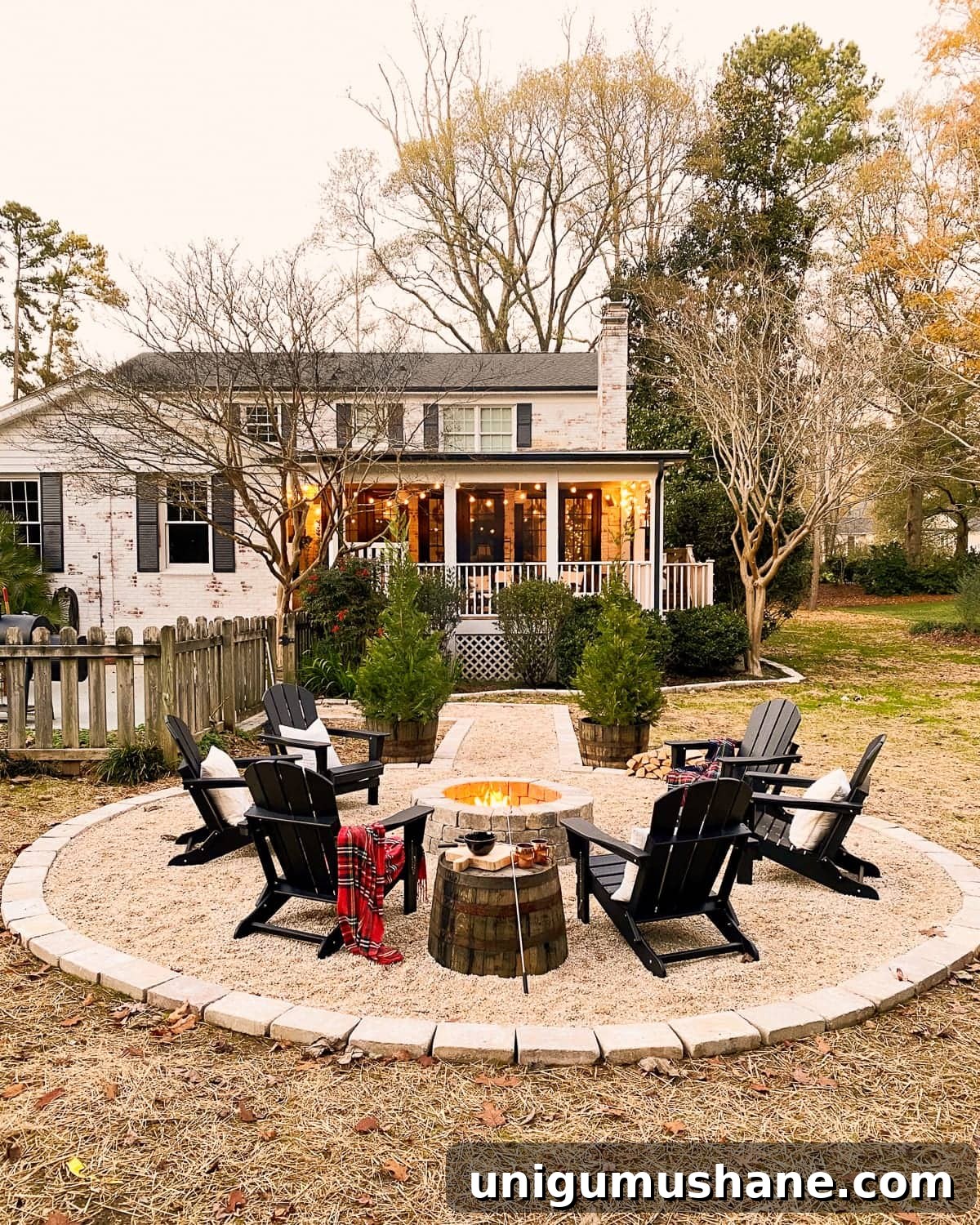
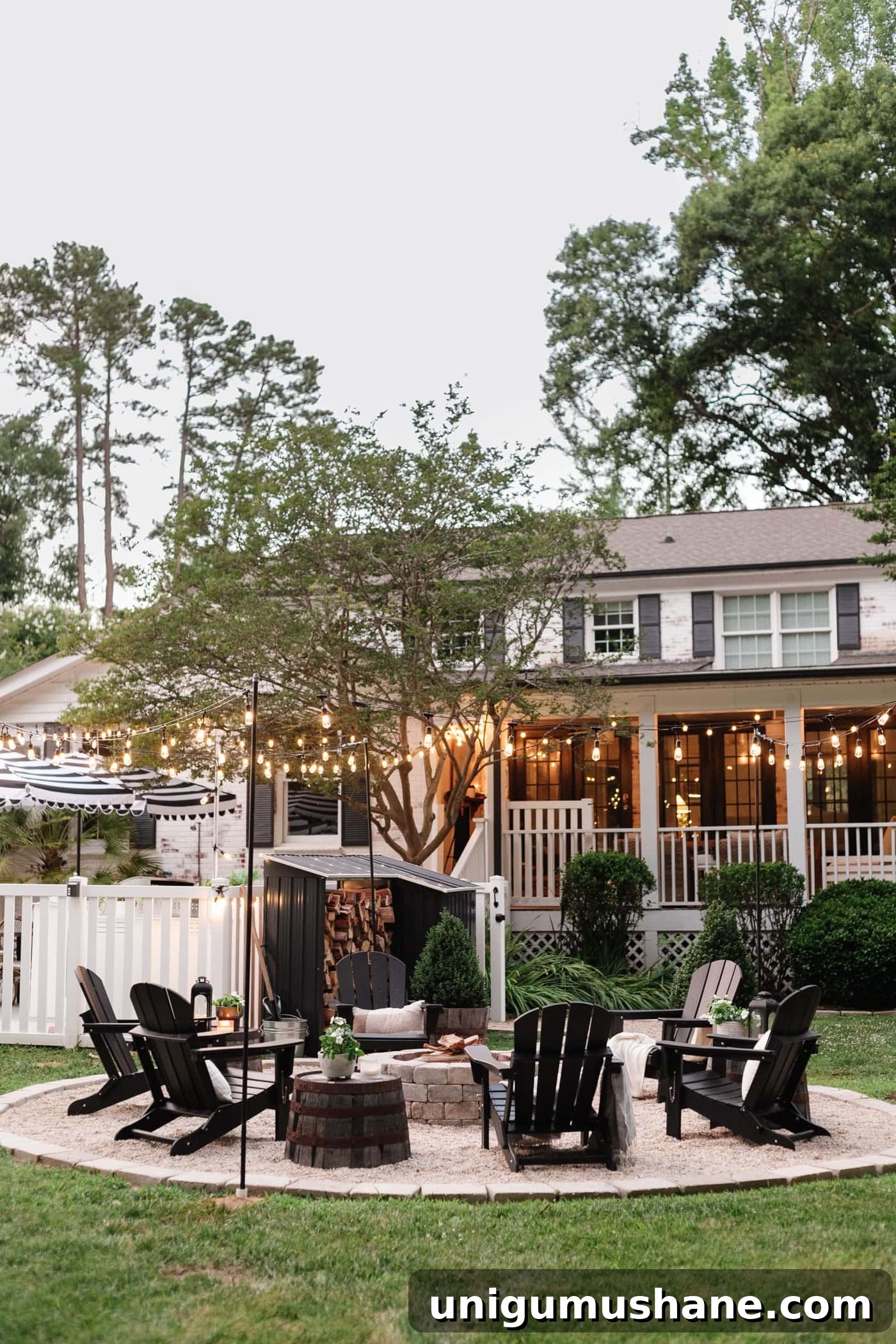
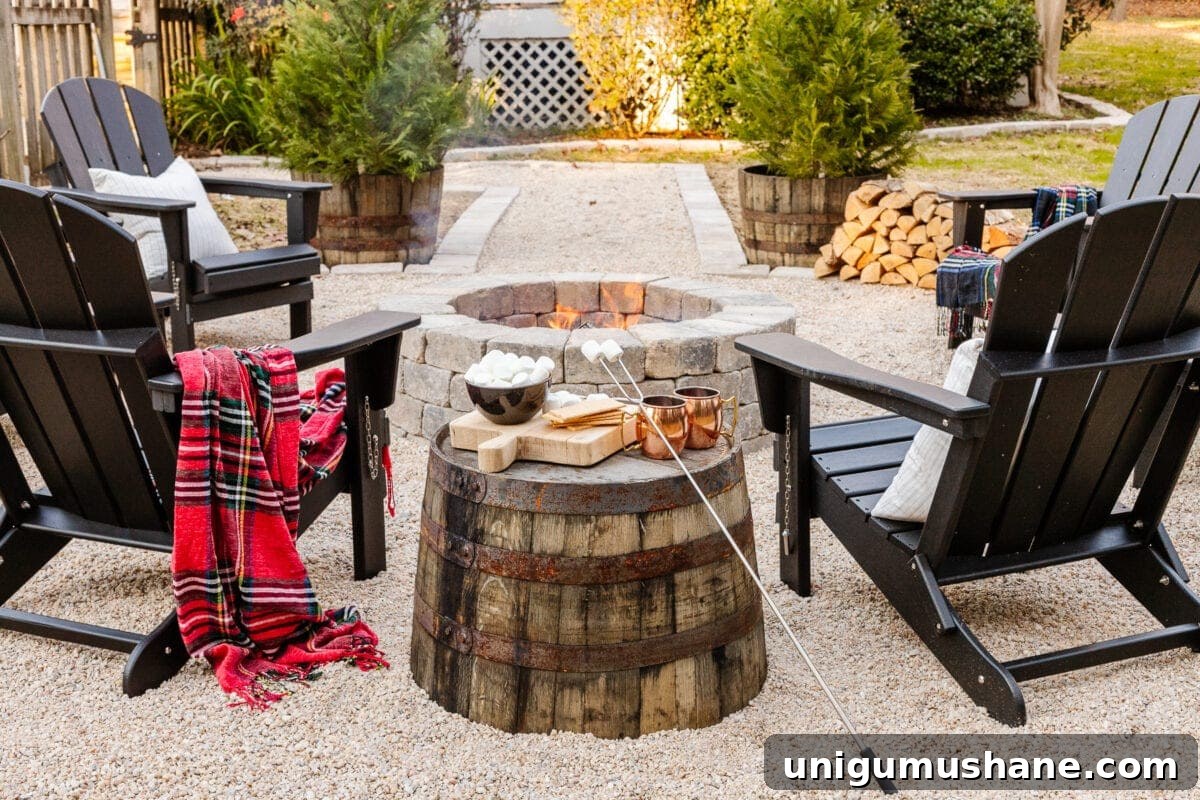
The Finished DIY Fire Pit
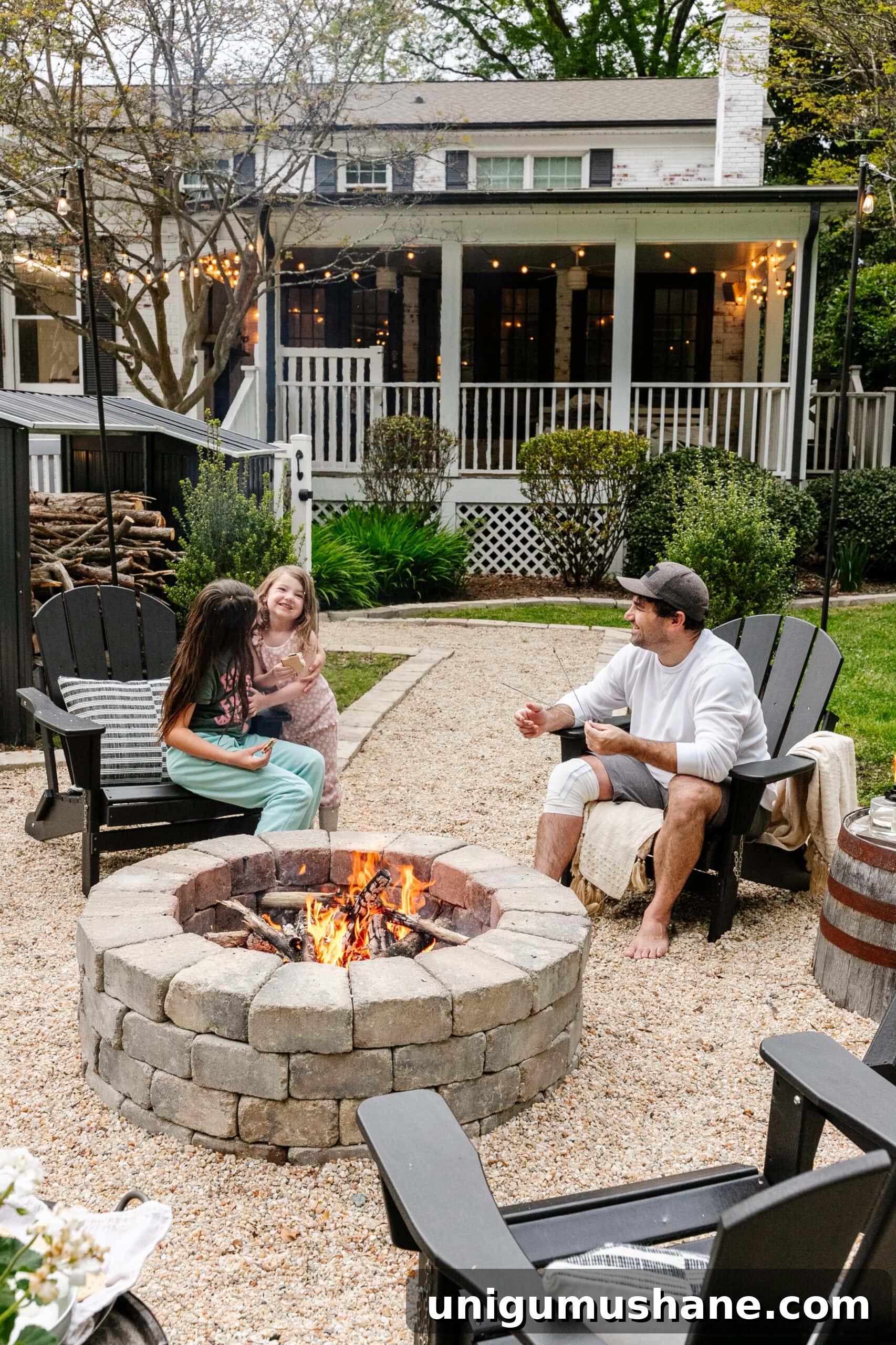
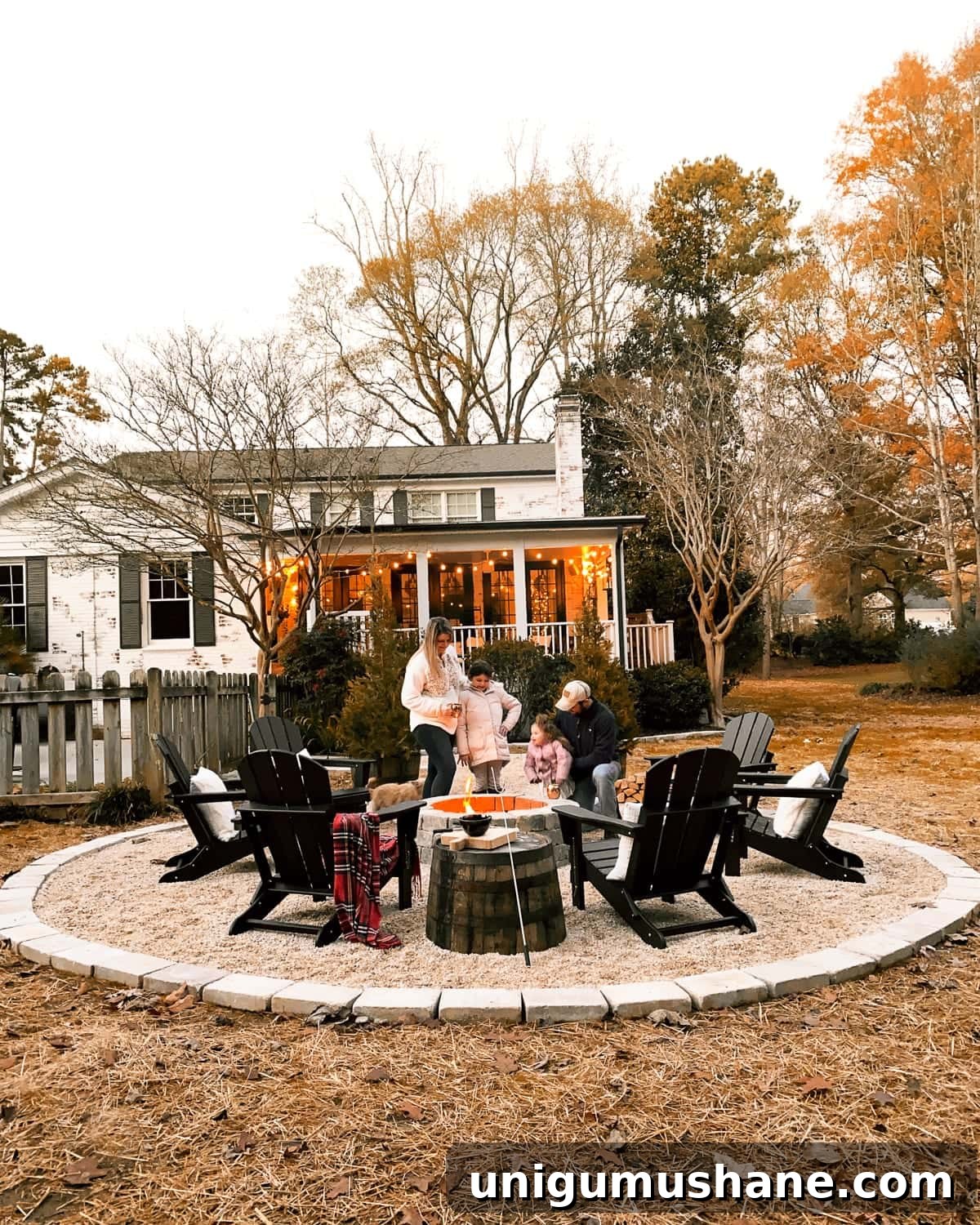
When the project was finished, the fire pit transformed our backyard into a cozy gathering spot. Three years later, the grass filled in and we added string lights to complete the look. It’s now one of our favorite places to spend evenings with family and friends.
Backyard DIY Fire Pit Tutorial
This is a straightforward project that’s slightly labor intensive but well within reach for a beginner DIYer. Below are the supplies, tools, and step-by-step instructions we followed.
Supplies
- Tape measure
- Spray paint for marking
- Flag markers
- Heavy-duty weed block landscape fabric
- Landscape fabric staples
- Mallet
- Scissors or utility knife
- Wooden stake and string
- Heavy-duty construction adhesive
- Caulk gun (for adhesive)
- Landscape edging (recommended)
- Fire pit stone kit (we used a Tremron Munich stone kit in Sand)
- Edging stone (Tremron Munich wedge blocks)
- Pea gravel (we used Colonial Grits pea gravel)
Tools
- STIHL Yard Boss multi-task tool
- STIHL Yard Boss Edger Attachment
- STIHL Bolo Tines Cultivator Attachment
- Large shovel
- Wheelbarrow
- Rake
- Leaf blower
Step 1 – Plan and Mark the Fire Pit Perimeter
Use flag markers and spray paint to map out your pathway and circle. We created a circular patio 20 feet in diameter (about 314 square feet) and planned the fire pit to be 4 feet in diameter. Keep the length of your edging stones in mind so you can avoid unnecessary cuts.
Step 2 – Dry Fit the Fire Pit Kit Stone
Dry fit the fire pit kit without adhesive to ensure the area around it will comfortably accommodate chairs and foot traffic. Confirm measurements and spacing before proceeding.
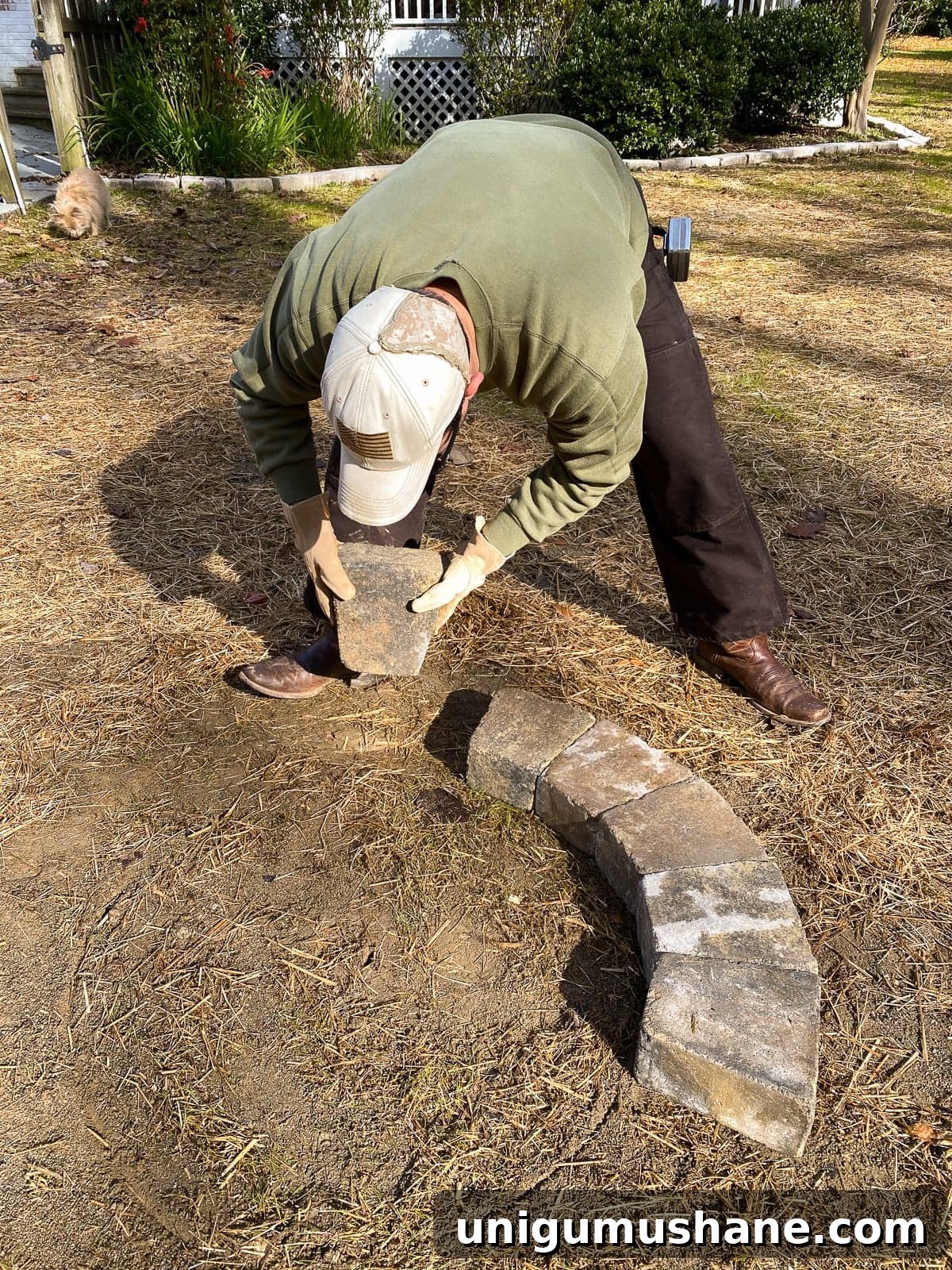
Step 3 – Mark the Seating Area
Drive a wooden stake at the center, tie a string to it, and mark a perfect circle by walking around with the string taut. Place flags or spray paint to outline the seating area.
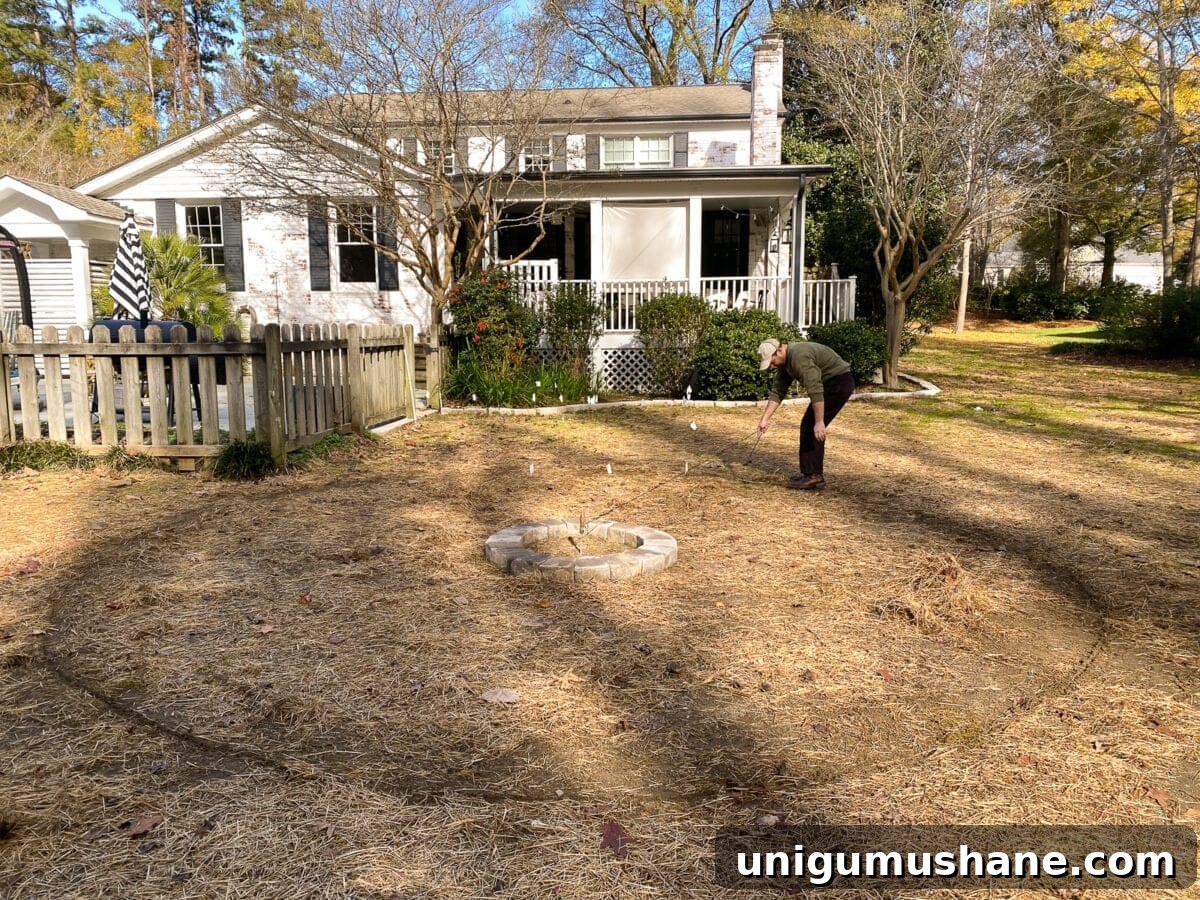
Step 4 – Spray Paint the Outline
Spray paint your finalized layout and remove the flag markers so the spray lines are easy to follow as you work.
Step 5 – Edge the Painted Lines
Create a clean edge along your painted lines using an edger. We used the STIHL Yard Boss with the Edger Attachment to cut a crisp trench for the edging stones.
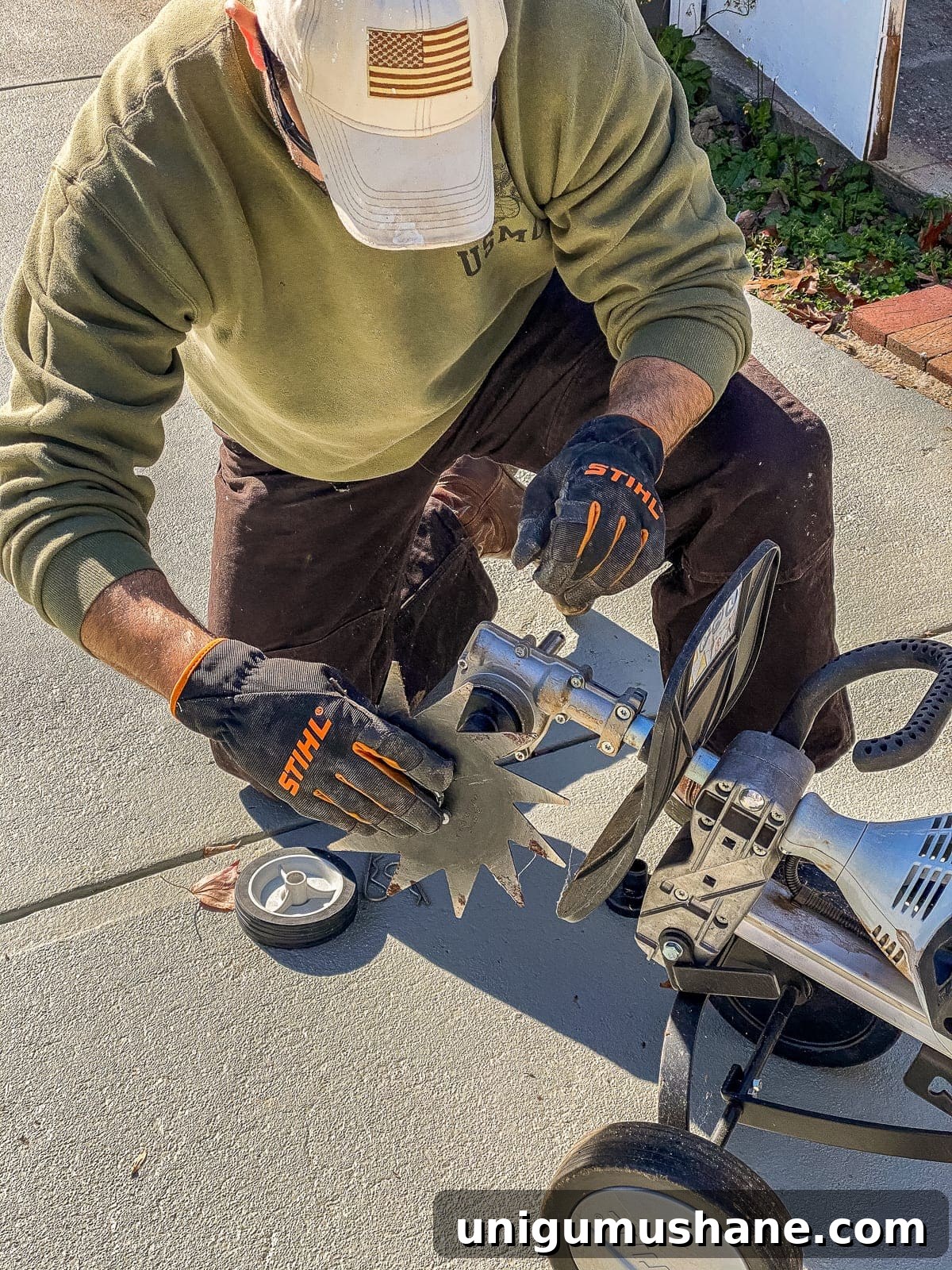
Step 6 – Remove Grass with a Cultivator
Remove the top layer of grass and roots using a cultivator or tiller attachment. Brush the removed material aside to expose a smooth soil surface. Always wear the proper protective equipment and follow the tool manufacturer’s safety instructions.
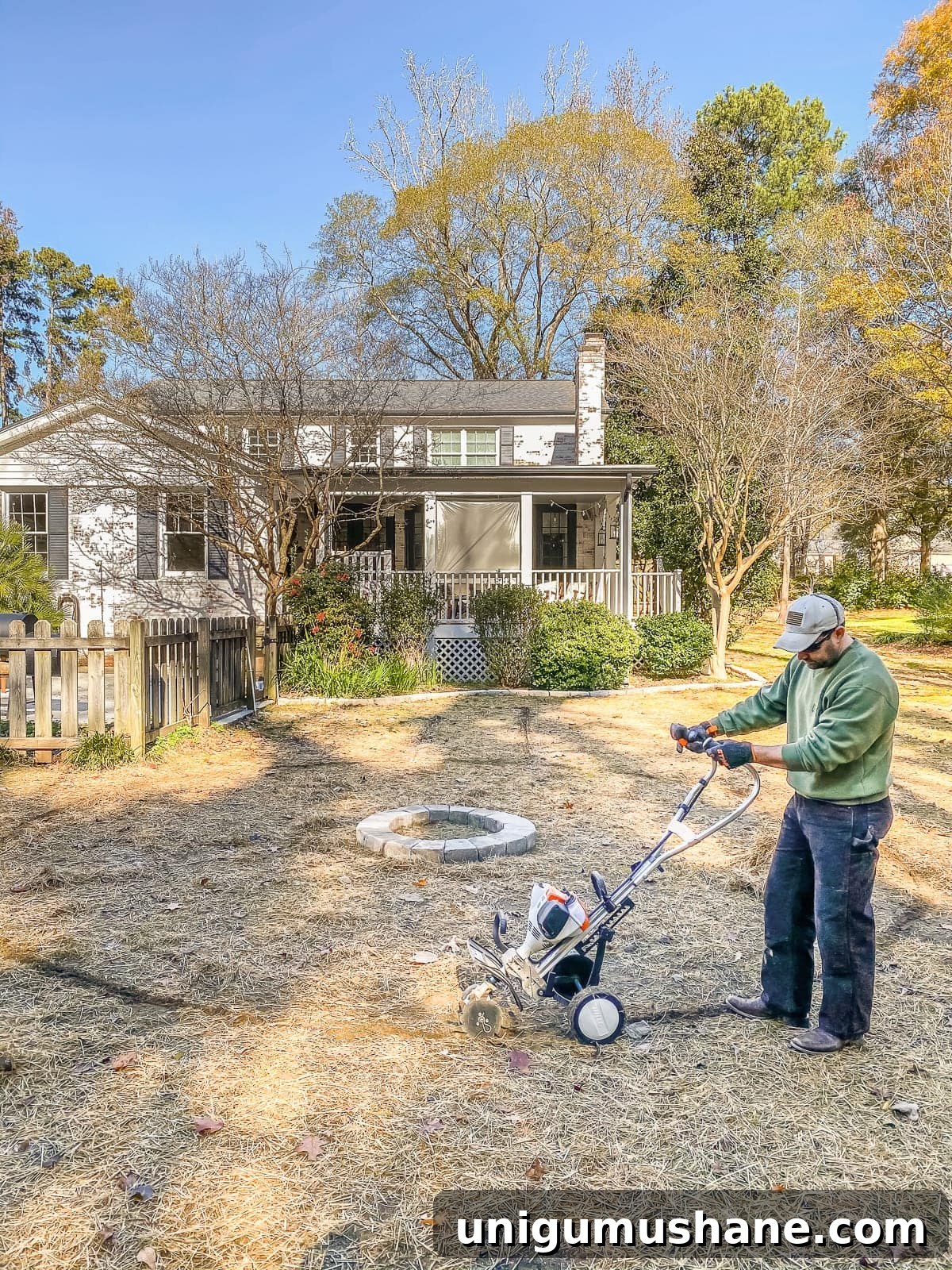
Step 7 – Roll Out Landscape Fabric and Secure
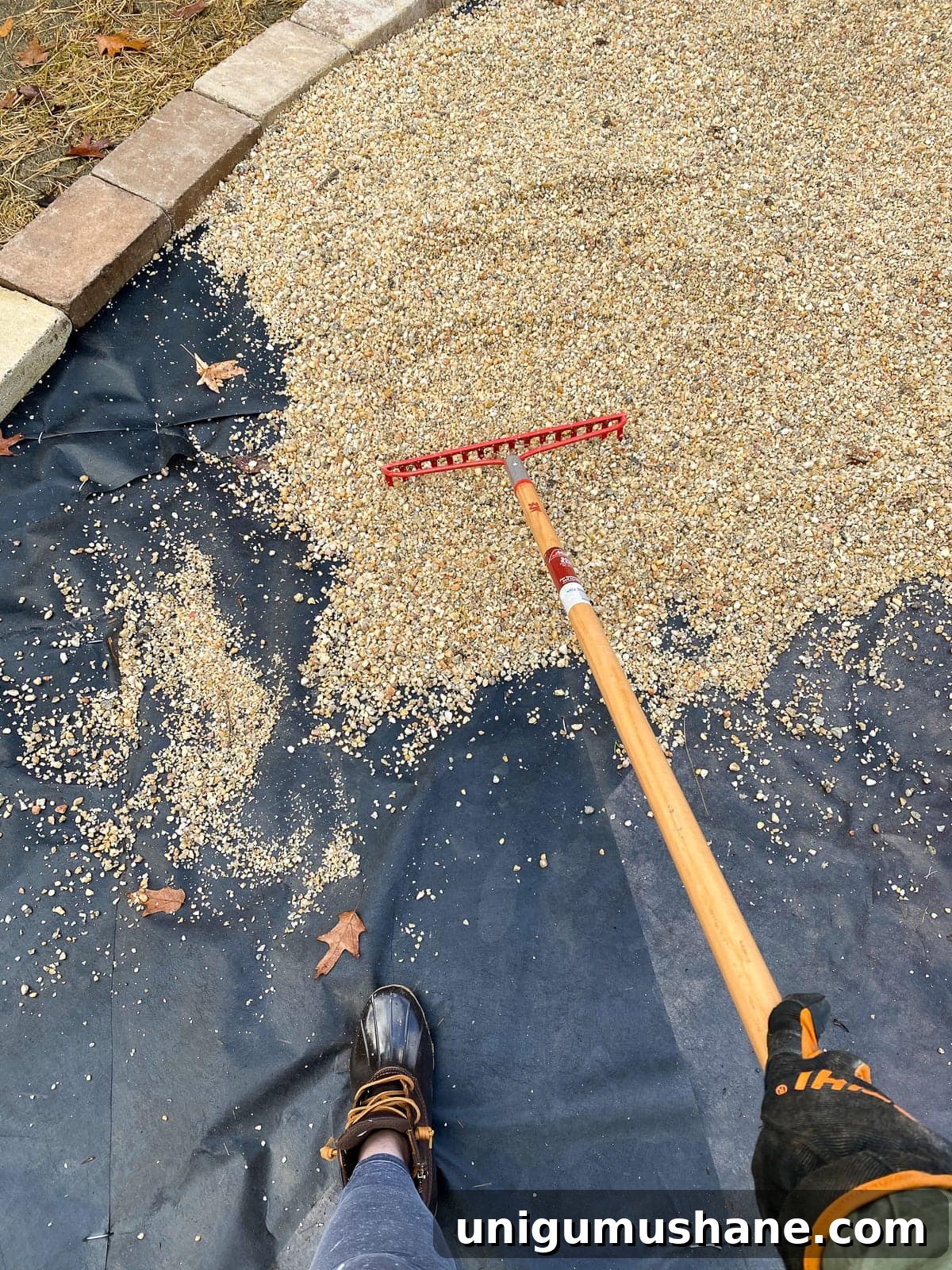
Cut landscape fabric to the size and shape of the seating area and secure it with staples. Leave an opening in the center for the fire pit. We also placed an old canvas tarp under the fabric as an extra weed barrier.
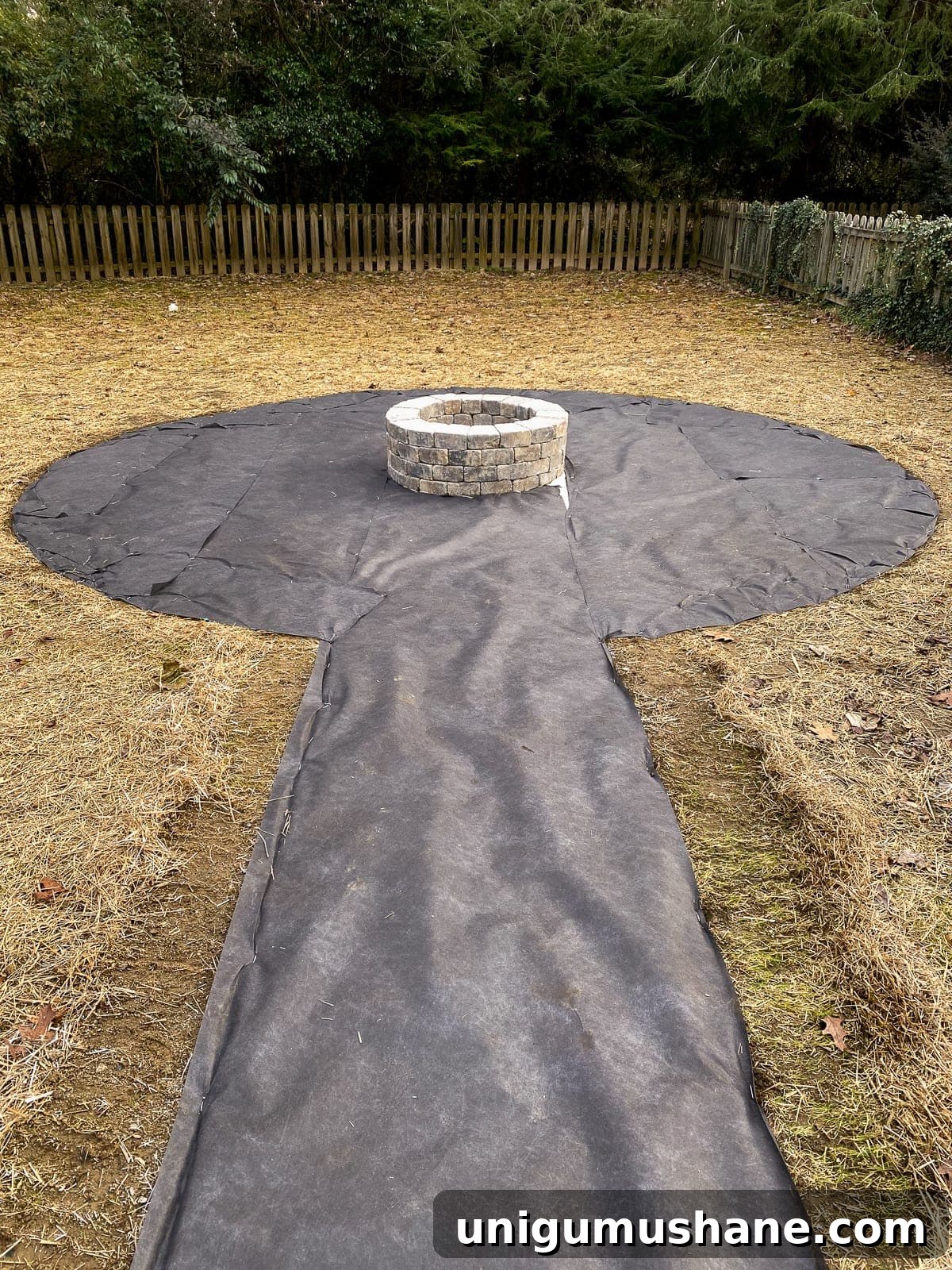
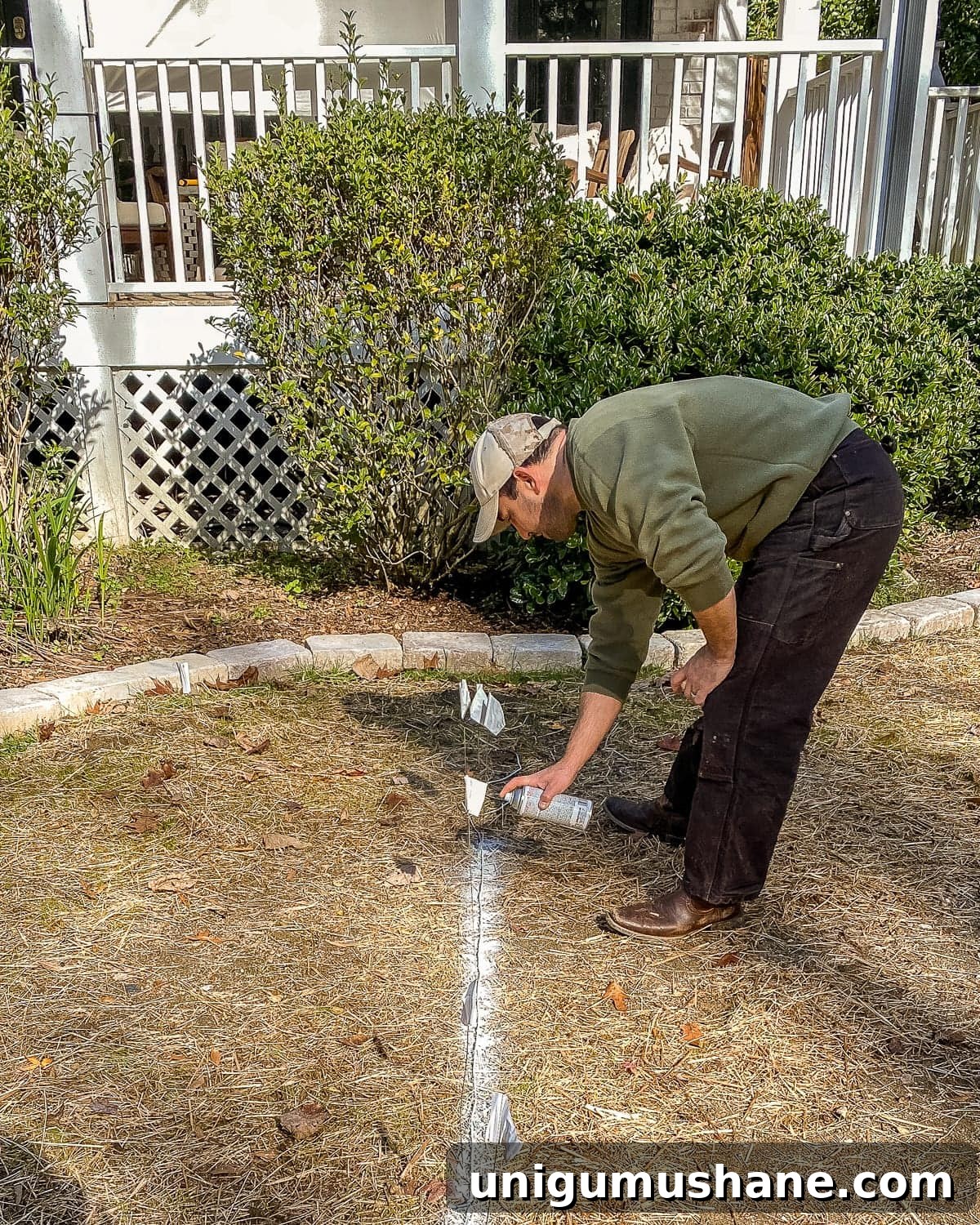
Step 8 – Place Edging Stones Around the Seating Area
Arrange the edging stones around the perimeter of the landscape fabric. When satisfied with the layout, attach stones to each other and to the fire pit kit using heavy-duty construction adhesive. Metal landscape edging can help keep stones from shifting over time; we recommend using it even though we didn’t initially.
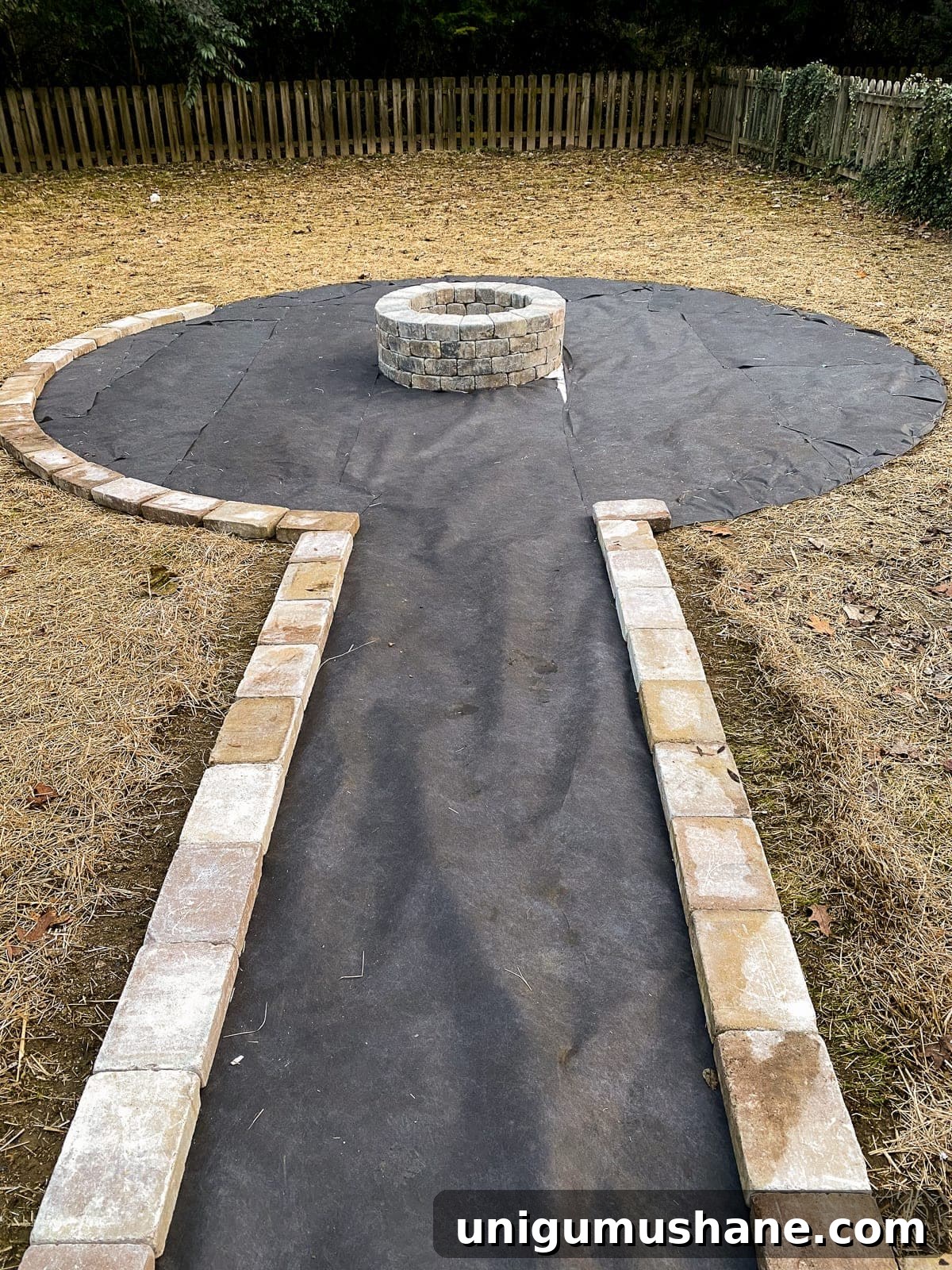
Step 9 – Place Pea Gravel
Wheelbarrow in the pea gravel and spread it evenly over the landscape fabric. Aim for about 2½ inches of depth for a solid walking surface. For our 20-foot diameter area we used approximately 2.5 cubic yards of pea gravel—check with your local supplier to calculate the amount needed for your space.
Step 10 – Light a Fire and Enjoy Your Backyard Fire Pit
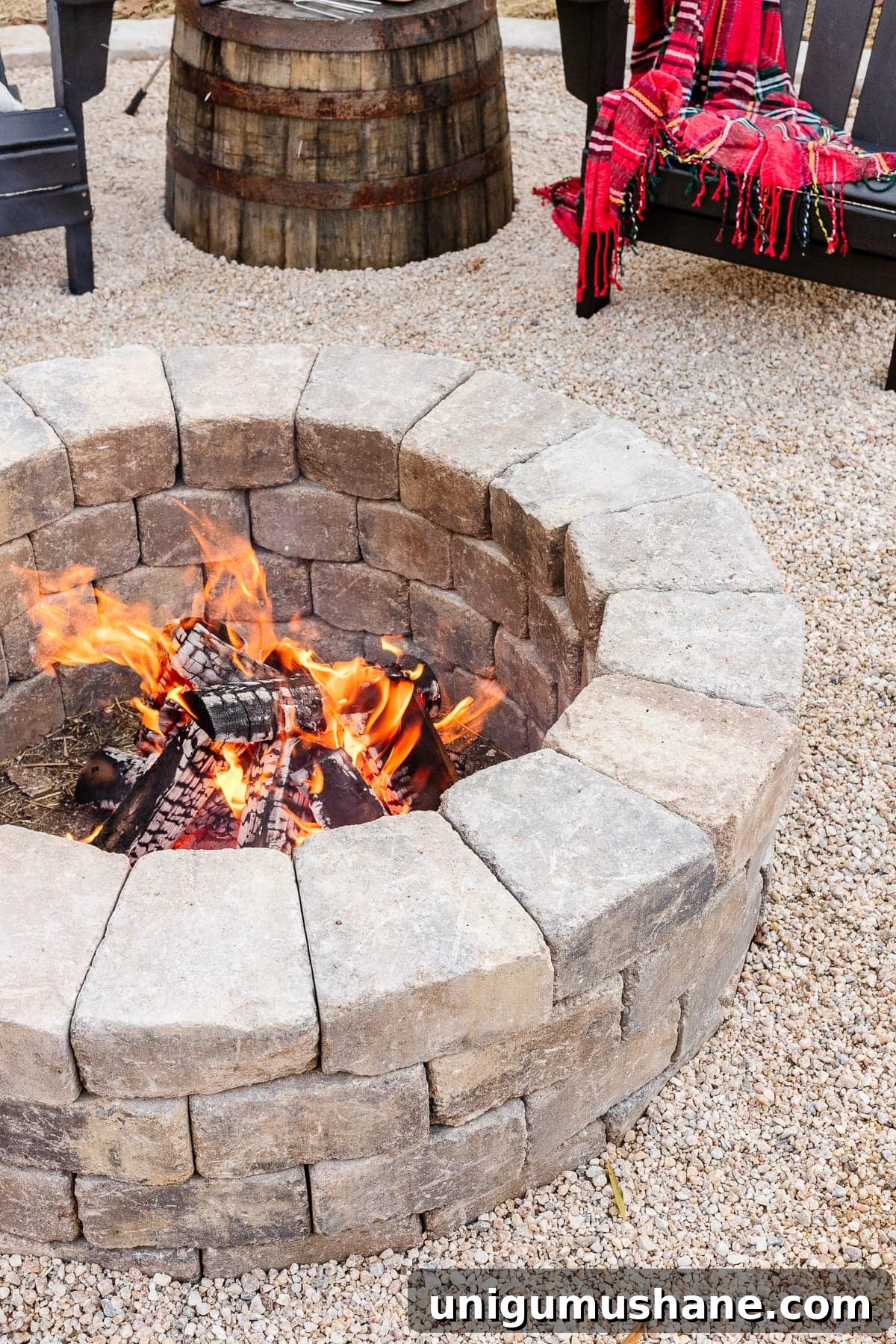
Once everything is set and adhesive has cured per the manufacturer’s instructions, light a small test fire and enjoy your new outdoor living space. Add seating, string lights, a small side table, and any decorative elements you like.
Backyard Fire Pit Decor
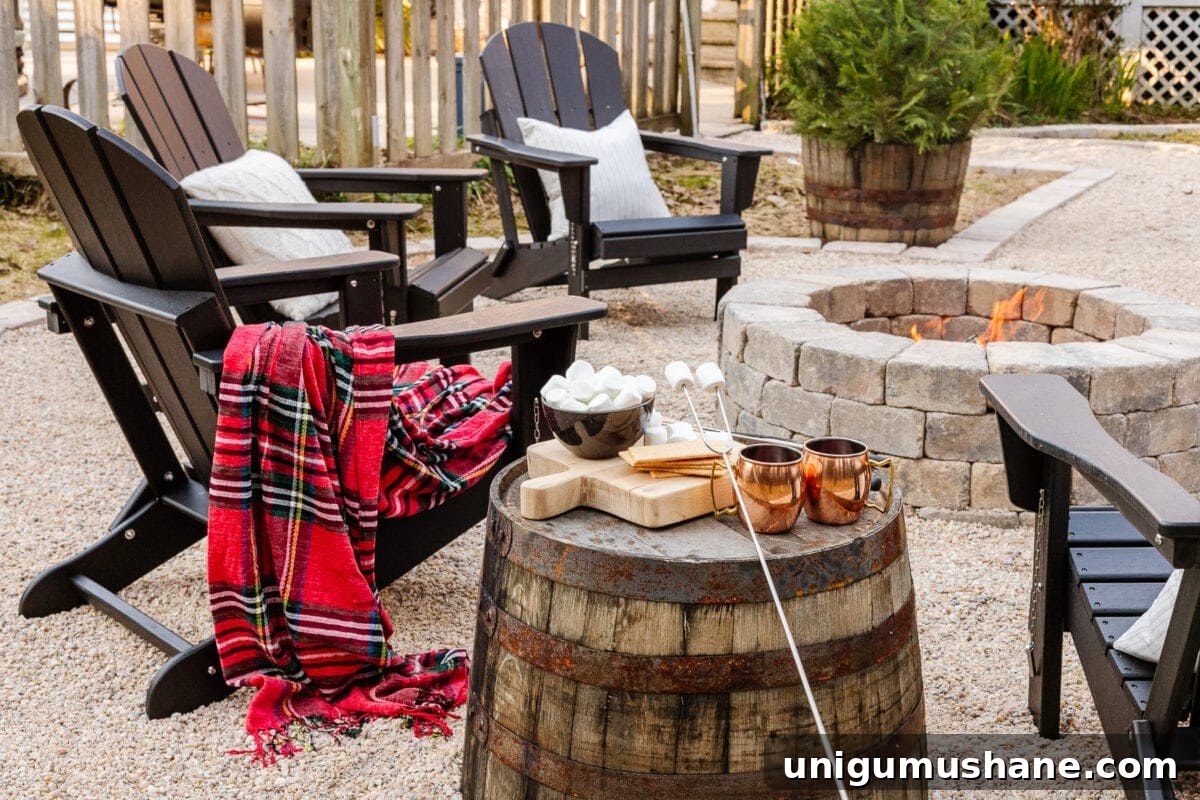
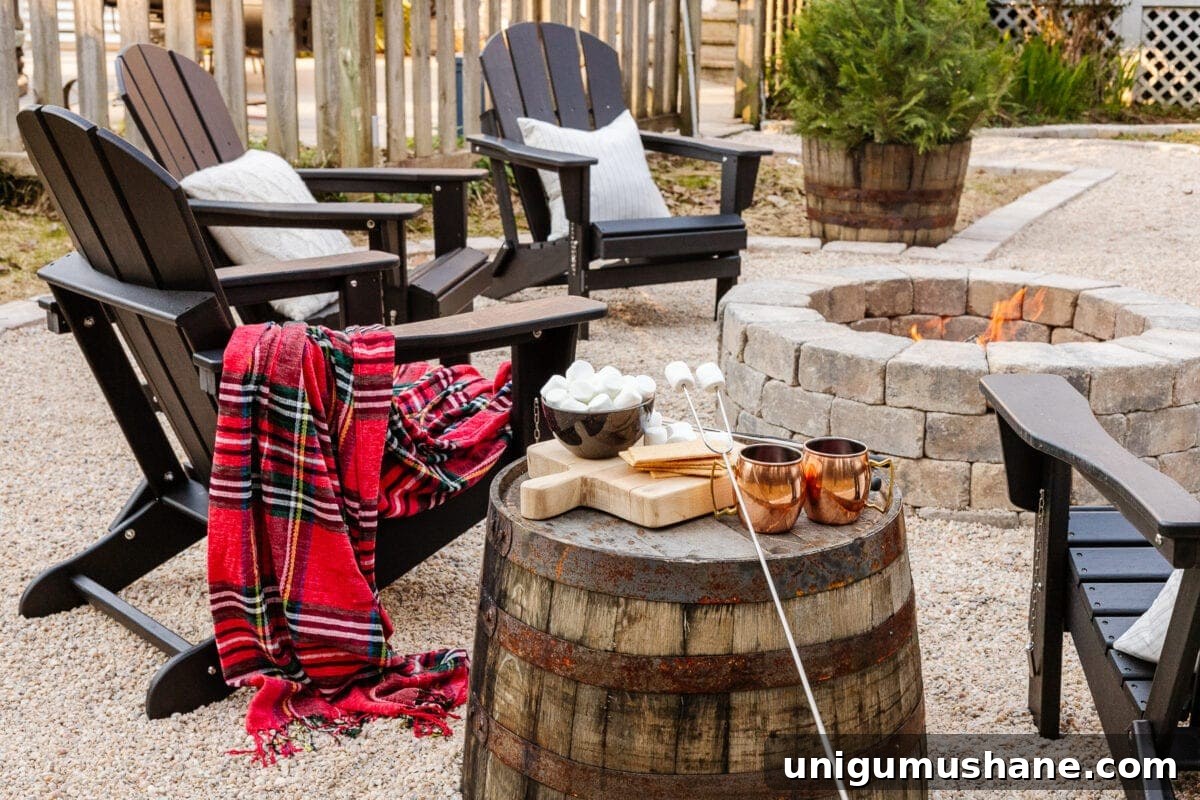
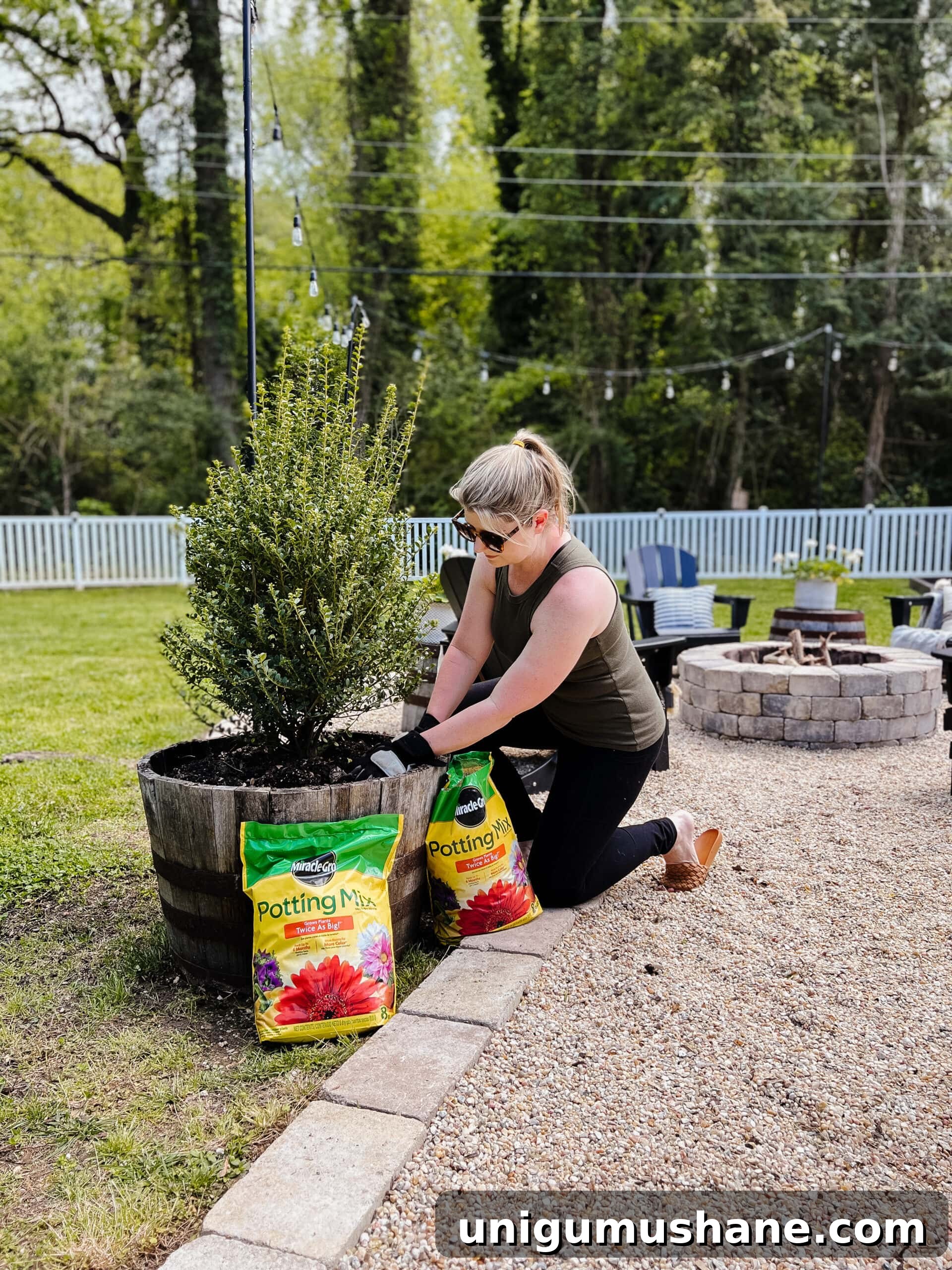
We added black Adirondack chairs for comfort and used an overturned wooden barrel as a small table for s’mores supplies. Simple plantings in barrel planters and string lights complete the cozy atmosphere. Small evergreen trees in planters add structure and winter interest while we plan longer-term plantings like boxwoods.
Maintenance: Pea Gravel Patio & Fire Pit
Update: 3 Years Later
After several seasons, this setup has proven low-maintenance and durable. We regularly use a leaf blower to clear leaves in autumn. In spring we treat the gravel once with a weed killer, which keeps it mostly weed-free through the season. A little gravel occasionally gets kicked out into the yard, but we’ve never needed to add more. The rounded pea gravel is comfortable under bare feet.
Removing Debris
Use a leaf blower or rake to remove leaves and debris from the gravel surface.
Weed Removal
Apply a spring weed treatment and spot-spray as needed throughout the year.
Gravel Dressing
Top-ups are rarely necessary, but keep a small reserve of pea gravel on hand to fill any low spots in the first year or two.
Frequently Asked Questions
What are the dimensions of your fire pit?
Where is the best place to purchase pea gravel and pavers for a fire pit?
More DIY Backyard Project Ideas
15 Gorgeous Fire Pit Decorating Ideas — great for styling your new space

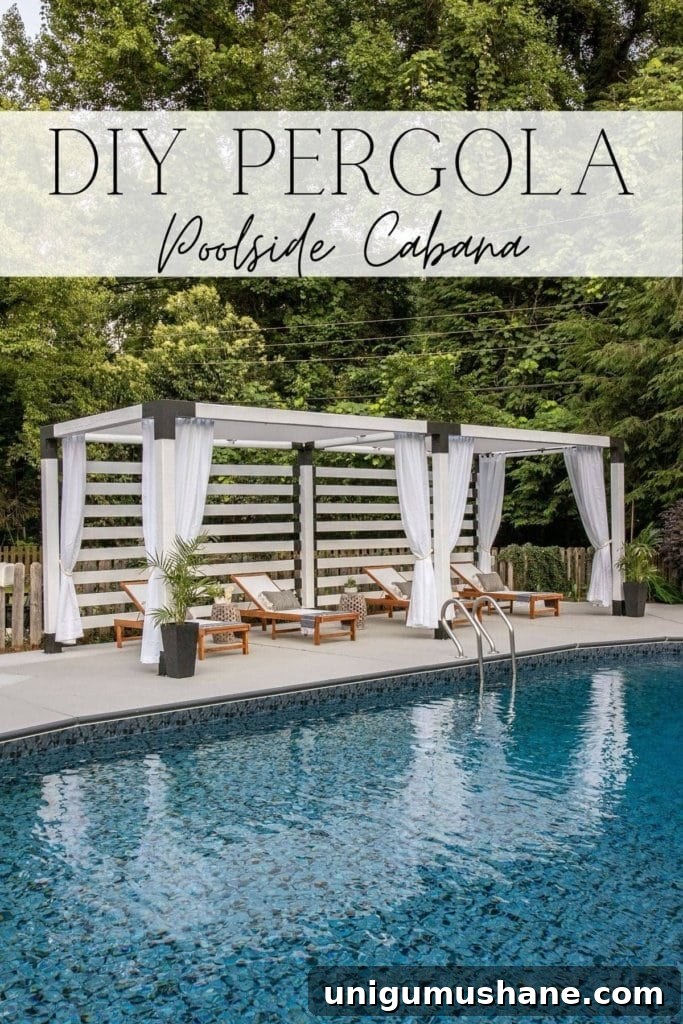
How to Build a Luxurious DIY Backyard Pool Cabana Pergola
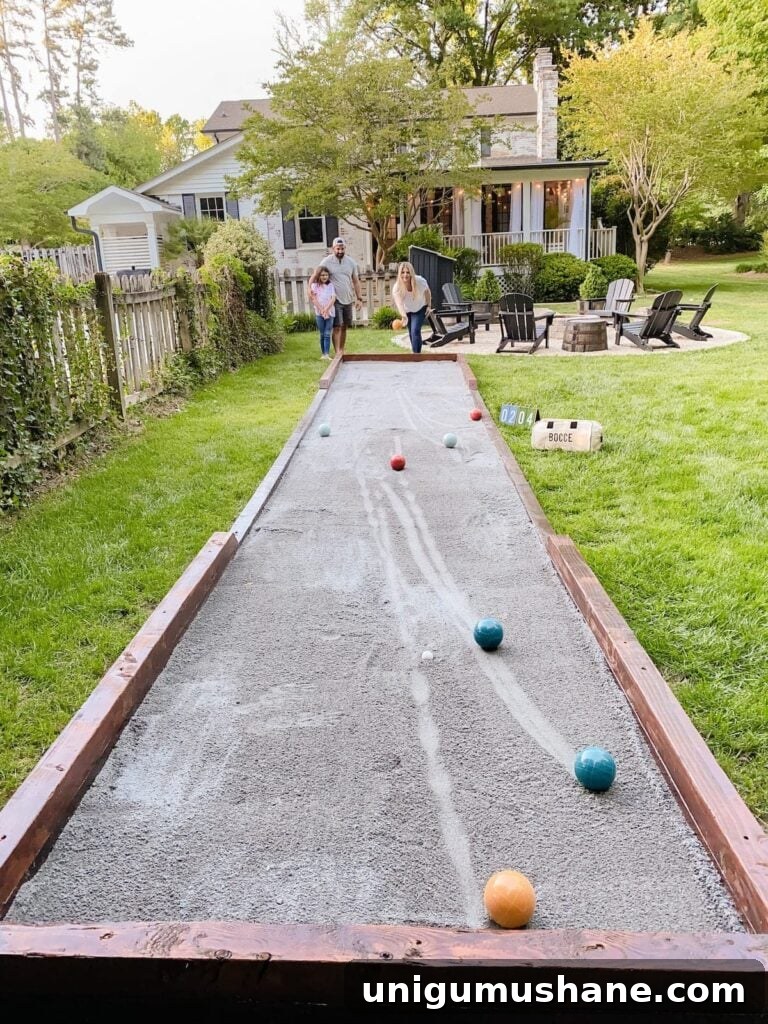
How to Build a DIY Bocce Ball Court in a Weekend
It has been a rewarding journey to see this backyard take shape. The fire pit has become a central spot for memories year-round. If you’re planning a similar project, take your time leveling and preparing the site, choose quality materials, and consider renting or borrowing power tools and attachments to make the work easier and faster.

Home improvements don’t happen overnight, but with planning and a few helpful tools, a backyard fire pit is a weekend project that delivers lasting enjoyment.