
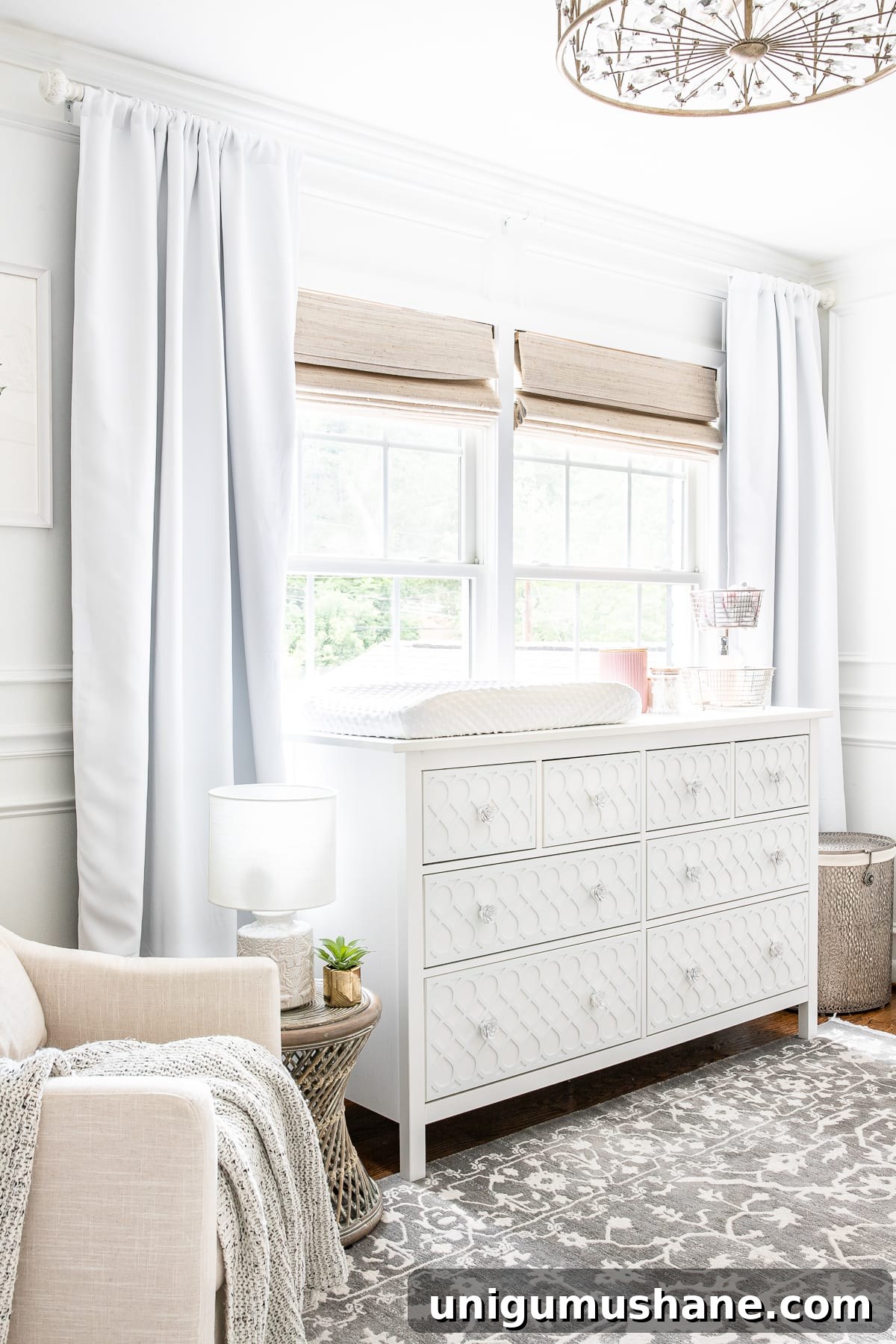
A practical guide to hanging curtains so windows feel larger and ceilings look taller + my favorite blackout curtains, shades, and rods that won’t break the bank.
Why did it take me so long to realize blackout curtains were the missing piece for my kids’ rooms? With long summer evenings and sunrise creeping in early, bedtime and mornings were a daily battle. We tried white noise, cozy pajamas, and every bedtime ritual I could think of—but installing true blackout panels made the biggest difference.
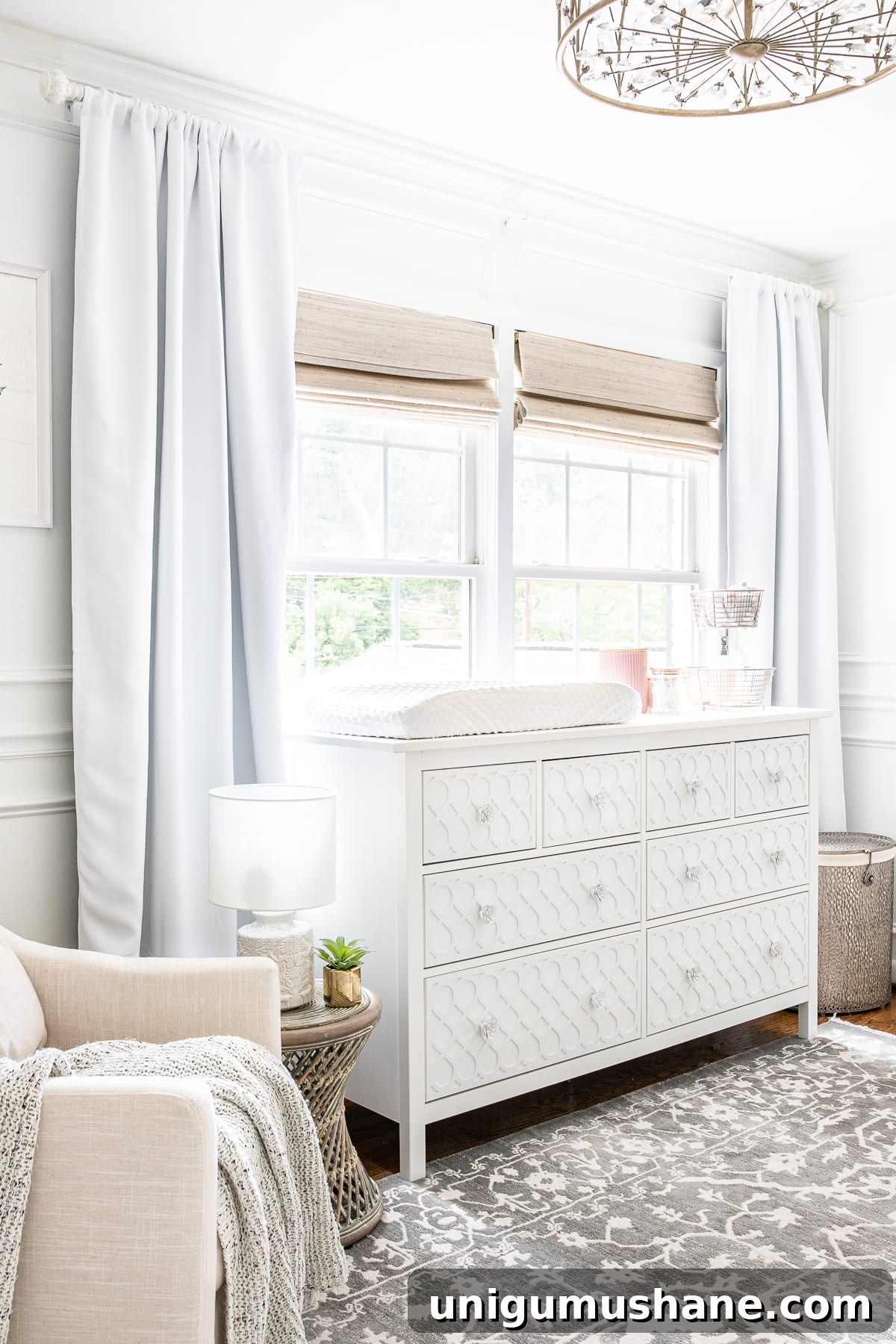
Swapping out thin curtains for heavy, full blackout panels cut evening light completely and gave us calmer bedtimes. Mornings improved, too—an extra hour of sleep has felt like a miracle. If you’ve been on the fence about blackout curtains, here are practical tips for hanging them plus my go-to categories for panels, shades, and rods that deliver darkened rooms and stylish windows without a designer price tag.
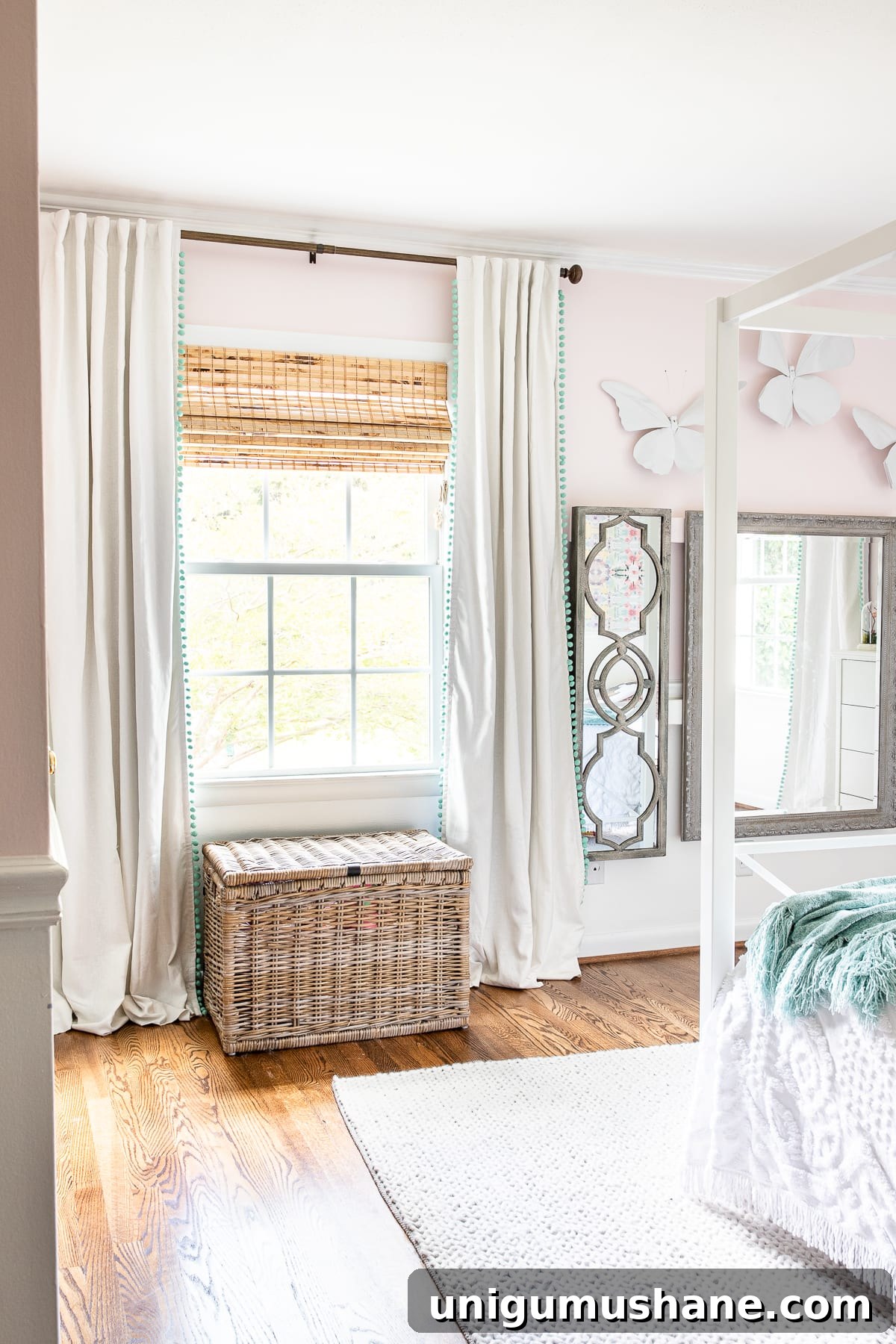
How to hang curtains to make windows look bigger and ceilings taller
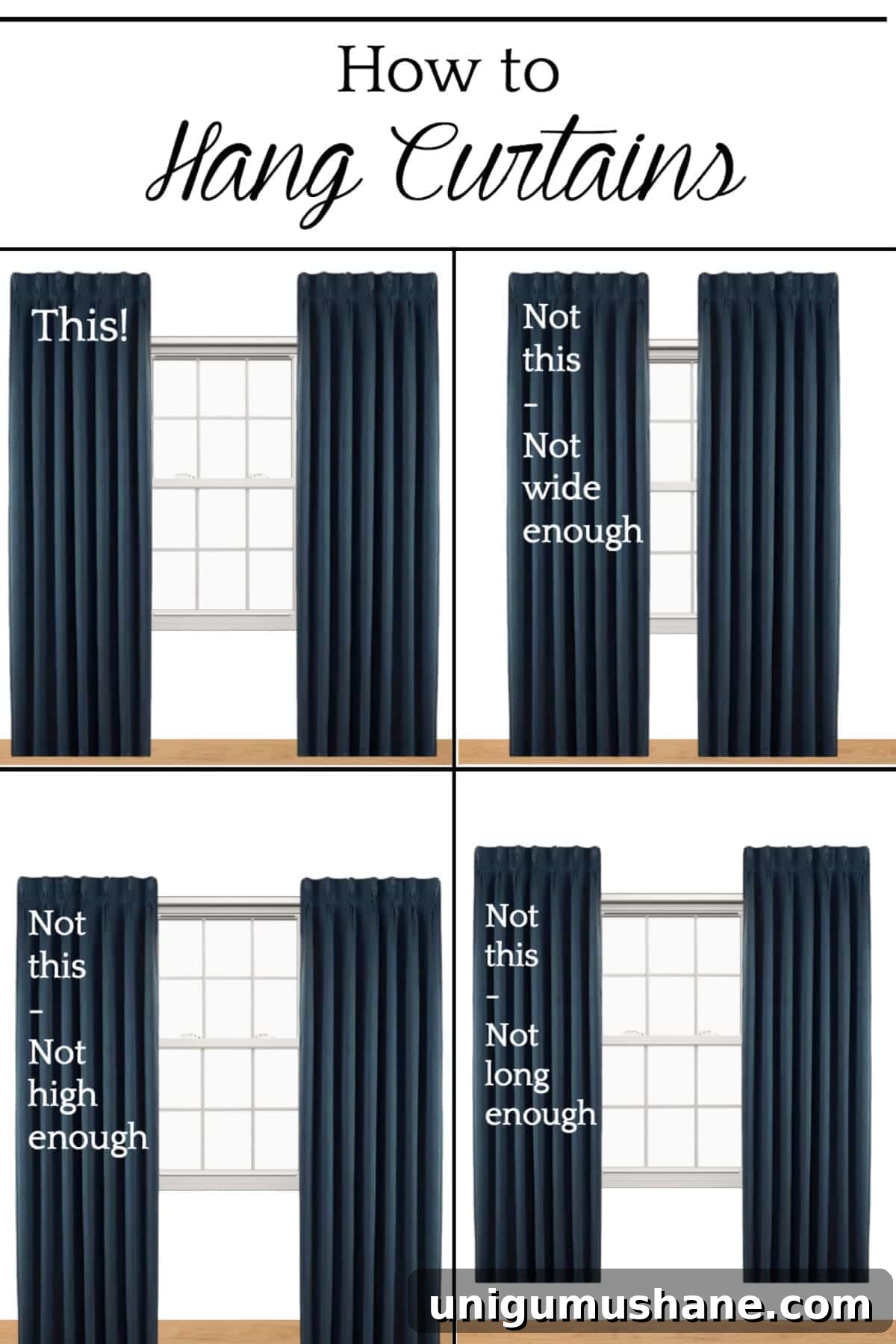
Small adjustments in curtain placement and length transform the feel of a room. Follow these simple rules:
- Hang high: Position the rod 2–6 inches below crown molding or as high up the wall as possible. Mounting the rod closer to the ceiling makes the window appear taller and draws the eye upward, creating the illusion of higher ceilings.
- Hang wide: Extend the rod 12–18 inches beyond each side of the window opening. This lets the curtains stack neatly off the glass when open, revealing more of the window and letting in extra light.
- Choose the right length: For standard 8-foot ceilings, 96-inch panels are ideal for a soft “puddle” or a slight break at the floor. If you prefer a crisp look, hem panels so they just skim the floor.
- Pick the right header: Grommet and rod-pocket headers are easy to install, while pinch-pleat or back-tab styles offer a more tailored, upscale look. Select a header that complements your rod and overall decor.
- Layer for function: Use blackout panels to block light and pair them with sheers if you want daytime privacy with softened light when blackouts are open.
Favorite Blackout Curtains
When shopping for blackout curtains, focus on construction and fabric rather than brand. Here are the features I look for and why they matter:
- Triple-weave or thermal-lined fabric: These block the most light and add insulation for quieter, cooler rooms in summer and warmer rooms in winter.
- Weight and opacity: Heavier panels drape better and keep light from leaking around the fabric. Aim for medium- to heavyweight panels for bedrooms and nurseries.
- Color and pattern options: Darker colors block more light, but light-colored blackout fabrics still perform well and can brighten a room while keeping it dark when closed.
- Easy care: Look for machine-washable panels with durable finishes so you can clean them without damaging the blackout layer.
- Header styles: Grommet-top panels slide easily on rods; pinch-pleat or tab-top panels give a more finished look. Choose based on your rod and aesthetic.
Favorite Window Shades
Shades are a great alternative or complement to curtains. Consider these options:
- Cellular shades: Excellent for insulation and light control; the honeycomb structure traps air and improves energy efficiency.
- Roller blackout shades: Simple, sleek, and effective—these provide uninterrupted coverage and work well behind decorative panels.
- Roman shades with blackout lining: Add texture and style while still blocking light when lined with a blackout backing.
- Motorized options: For hard-to-reach windows or convenience, motorized shades provide quiet, remote-controlled light blocking, though they can be pricier.
Favorite Curtain Rods
The right rod ties the whole window treatment together. I look for sturdy hardware that coordinates with my room’s style:
- Extendable metal rods: Affordable and adjustable to fit many window widths; choose thicker diameters for heavier panels.
- Decorative finials: Finials add style without overwhelming the curtain; opt for simple shapes for modern rooms and more ornate styles for classic interiors.
- Double-rod systems: These let you layer sheers and blackout panels for flexible light control and a polished look.
- Heavy-duty brackets: For thick blackout panels, use robust brackets and wall anchors to prevent sagging.
More ideas for dressing up windows
- DIY Window Trim – The Easy Way (project ideas for framing windows)
- 3 Must-Do Tricks to Upgrade Plain Windows (simple styling shortcuts)
- DIY Window Boxes from Repurposed Scrap Wood (add curb appeal with planters)
- DIY Window Seat from a Kitchen Cabinet (create cozy seating and storage)

Bottom line: properly hung blackout curtains are one of the simplest, most effective upgrades you can make to a child’s bedroom—or any room that needs darkness and privacy. Hang them high and wide, choose panels with good blackout construction, and pair them with well-chosen rods or shades for a peaceful, polished space.