
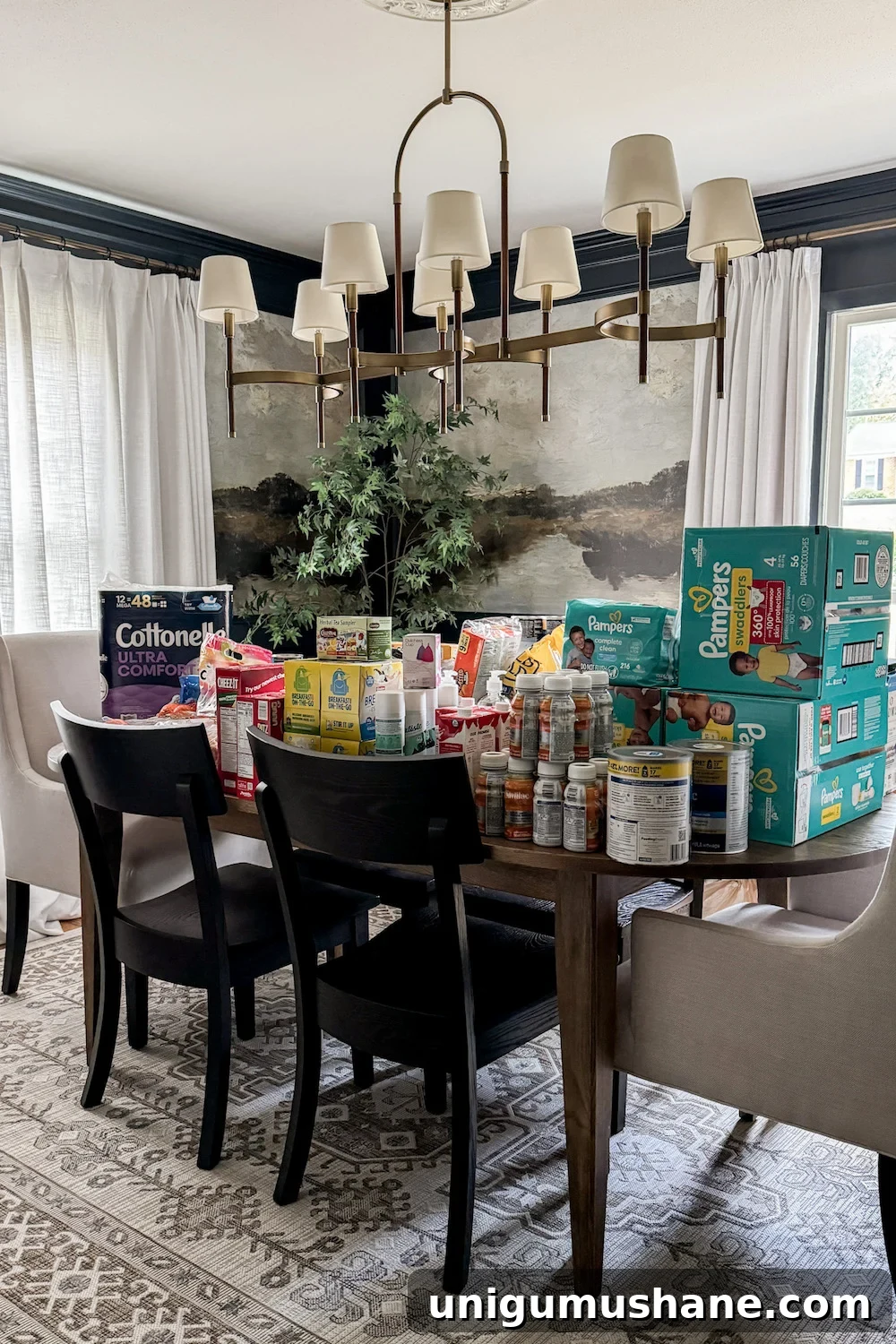
After everything that’s happened across the Carolinas in recent days, I felt compelled to share this information. It’s something I haven’t discussed here before, but Robert and I prioritize keeping a well-stocked home disaster kit. Emergencies happen without warning, and having supplies ready can make a real difference.
Yesterday, while packing items to send to Western North Carolina, I realized how important it is to share what we’ve learned about preparing for storms and other disasters.
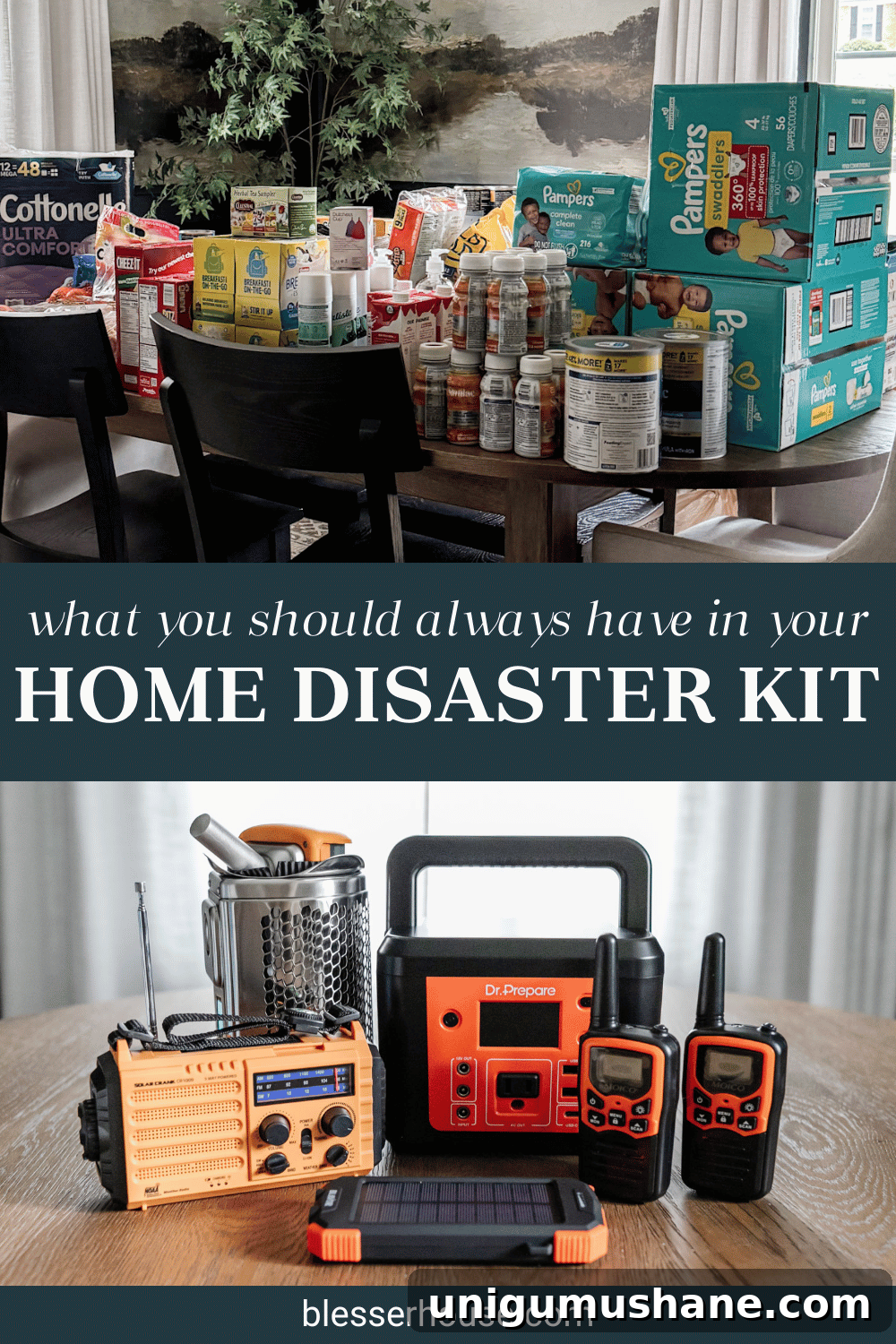
What to do before disaster strikes
Robert served in the Marine Corps and took part in relief efforts during Hurricane Katrina. His training in survival and emergency response has shaped how we prepare our household for natural disasters.
To be better prepared, take these steps now:
- Take a basic first aid class. The Red Cross and similar organizations offer short courses that teach lifesaving basics.
- Create a clear family emergency plan and discuss it with everyone in your household, including children.
- Check for local safety and preparedness events—many fire departments and community centers offer kid-friendly training.
- Gather and inventory emergency supplies well before a storm is forecast. Buying early avoids scarcity during high demand and helps prevent panic buying.
Tasks to do 24 hours before a storm
Hurricanes usually give you some warning, unlike earthquakes or certain tornadoes, so use that time wisely. The day before a hurricane or major storm we typically:
- Fill the gas tanks in our vehicles.
- Test the generator and ensure it has fuel.
- Pack go bags and top off our grab-and-go storage bin (details below).
- Fill Tupperware containers or 2-liter bottles with water and freeze them. They help keep your fridge colder longer and can serve as an emergency drinking supply if needed.
Prioritize protection, rescue capability, clean water, and food.
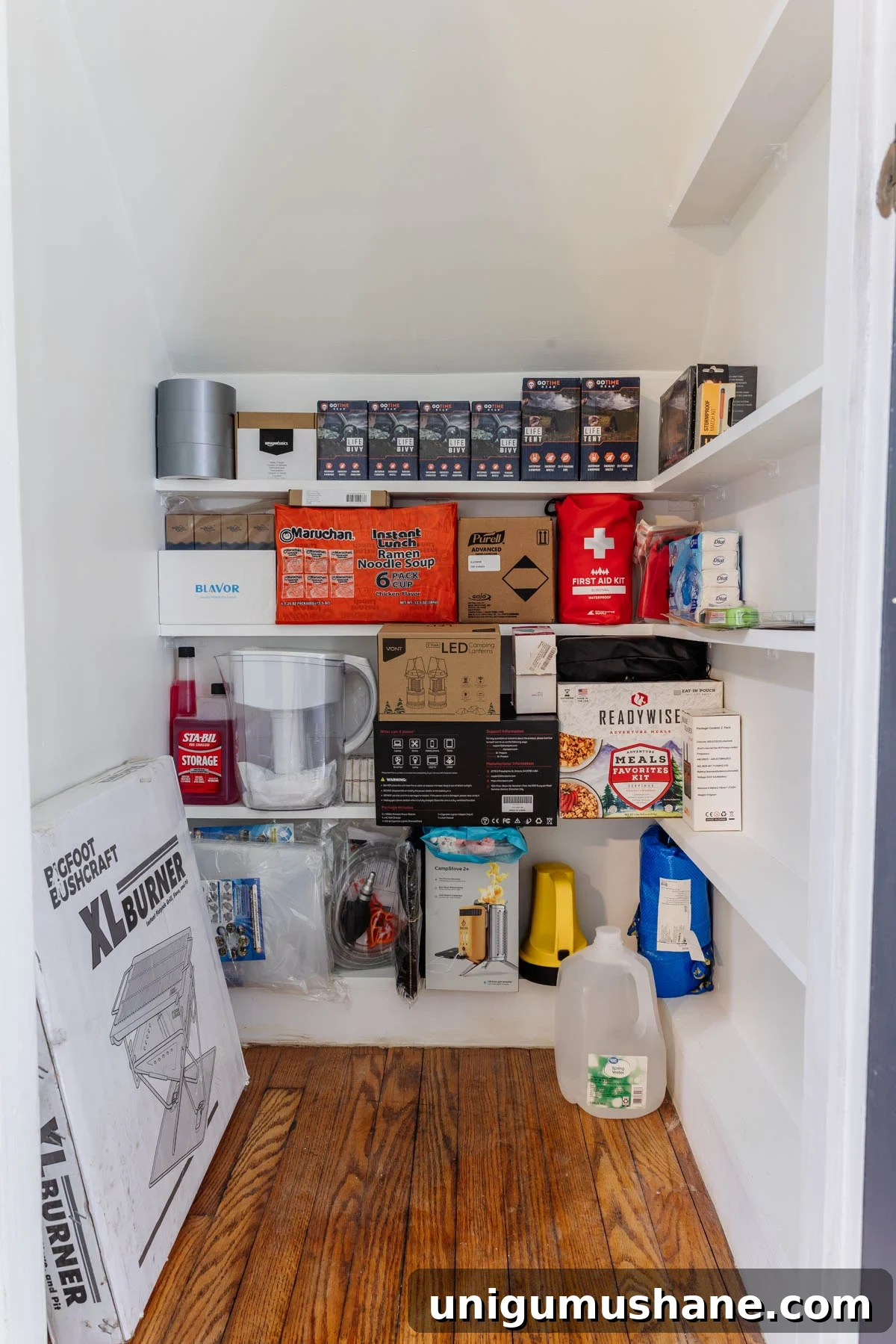
*Note: the kit photos show a lighter load because we already used some supplies for the recent storm relief effort.
I’ve included affiliate links in this post. We will donate any affiliate commissions earned from this article this week to Hurricane Helene relief at no cost to readers. Full disclosure available on the site.
Kit Storage
The lists below show what we recommend keeping in your emergency stash. Store supplies in a cool, dry place—ideally on a shelf off the floor. For serious scenarios, use a waterproof backpack and a lidded, weatherproof bin so items stay protected and transportable.
Go Bag or “Bug-Out” Bag
We keep a waterproof backpack for each adult with essential items so if we must leave quickly, each person has what they need to survive for a short period.
What to include in your go bag:
- Gallon-sized water bottle (can clip to the bag)
- Personal water filter (LifeStraw or similar)
- Three days’ worth of non-perishable, calorie-dense food (jerky, protein bars, peanut butter)
- Waterproof first aid kit, including any prescription medications
- Portable solar phone charger or power bank
- Multi-tool or pocket knife
- Reliable flashlight or headlamp
- Emergency blanket or compact shelter
- Sturdy shoes, socks, and a change of clothes
- Wet wipes and hand sanitizer
- Waterproof matches, a lighter, and fire starter
- Solar crank radio or NOAA emergency radio
- Small amount of cash in small bills and important documents in a fireproof/waterproof pouch
- Paper map of the local area and a compass
- Duct tape, work gloves, insect repellent, sunscreen, and a whistle
- Contact saline and a spare pair of glasses, if needed
Grab-and-Go Bin
Keep the remainder of your supplies in a sturdy waterproof storage bin. We store ours in a closet and keep it nearby so we can toss in anything extra and take it with us quickly. During a tornado watch we top the bin; during a warning we take it to our safe interior room and shelter in place.
Food and Water
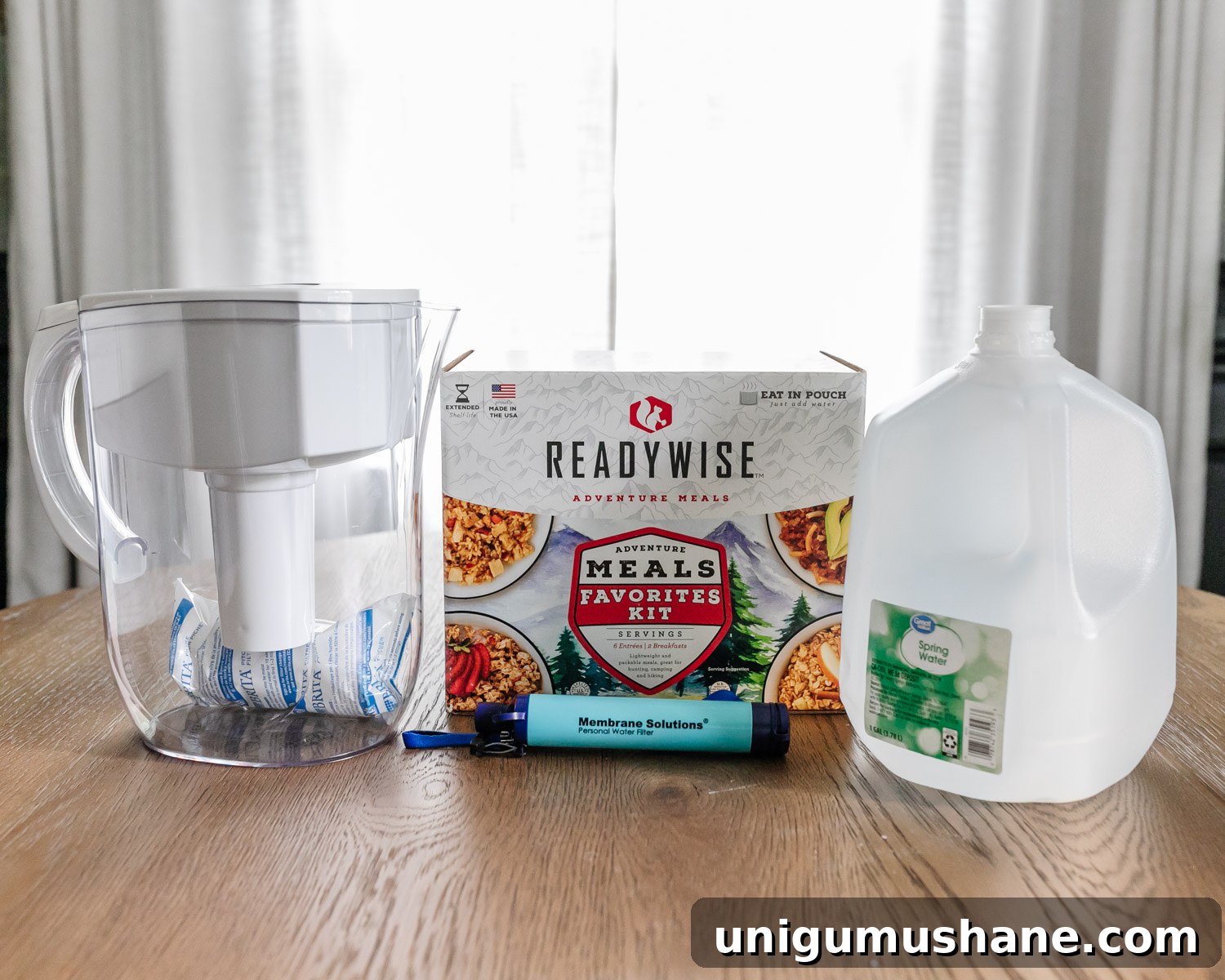
FEMA recommends a minimum three-day supply of water—one gallon per person per day. If you don’t have specialized water containers, filling pitchers or large plastic containers before a storm is a simple and effective step.
Suggested water and food items we rely on:
- Large water jugs or cubes filled before a storm (5-gallon jugs can sustain one person for several days)
- Household water storage such as a bathtub water bag for up to 100 gallons (useful when you have advance notice)
- Personal water filters to make unsafe water drinkable (LifeStraw or equivalent)
- Long-shelf-life emergency food kits or freeze-dried meals for extended storage
Types of Food to Keep in Your Stash
Keep a variety of nutrient-dense, non-perishable foods:
- Protein: ready-to-eat meats, beans, canned fish, jerky, peanut butter
- Canned fruits and vegetables, shelf-stable juices
- Grains and snacks: crackers, granola bars, oatmeal, rice
- Shelf-stable dairy alternatives: powdered milk or boxed milk and protein shakes
- Comfort items: canned soups, honey, instant coffee, and tea
- Paper plates, disposable utensils, and a manual can opener
If you have infants or toddlers, add formula and baby food. Don’t forget pet food if you have animals. Check expiration dates every six months and rotate supplies into regular use to keep everything fresh.
If power is lost, consume perishable items from the refrigerator first, then the freezer (use within 48 hours if frozen), and finally rely on non-perishables.
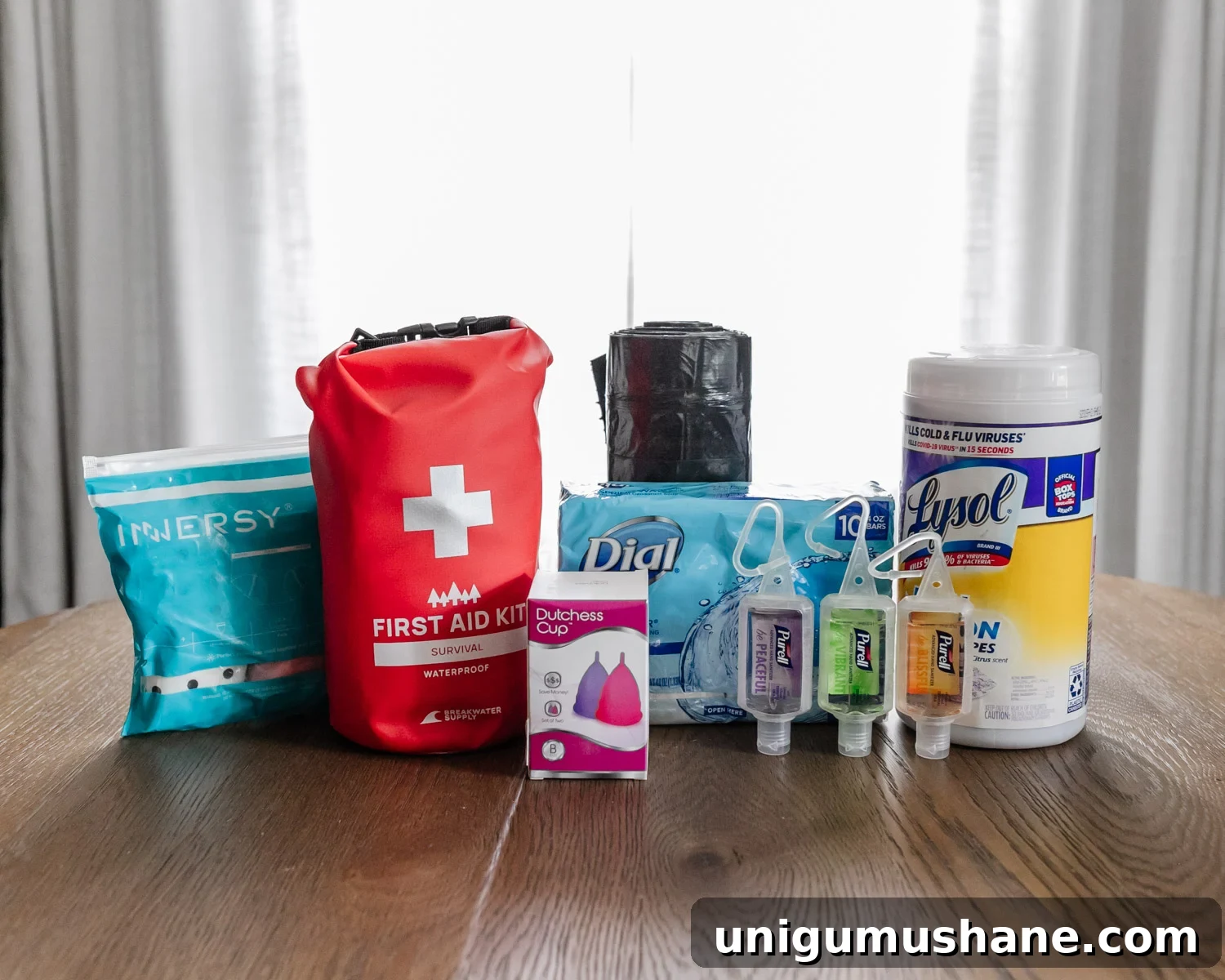
Hygiene and Health
After Robert was hospitalized with a serious staph infection from a minor cut, we learned how critical wound care and hygiene are during an emergency. Always keep a month’s supply of prescription medications in your emergency kit.
Other hygiene and health items to store:
- Toothbrushes and toothpaste
- Contact saline and an extra pair of eyeglasses
- Feminine hygiene supplies (a reusable menstrual cup can be useful long-term)
- Antibacterial soap and hand sanitizer
- Bug repellent and sunscreen
- Diapers, wipes, and diaper cream if you have an infant
Biodegradable body wipes are invaluable when water is limited. A waterproof, floating first aid kit with essentials and a carabiner clip is ideal for attaching to a go bag. Also store cleaning supplies like trash bags, disinfecting wipes, work gloves, and dust masks.
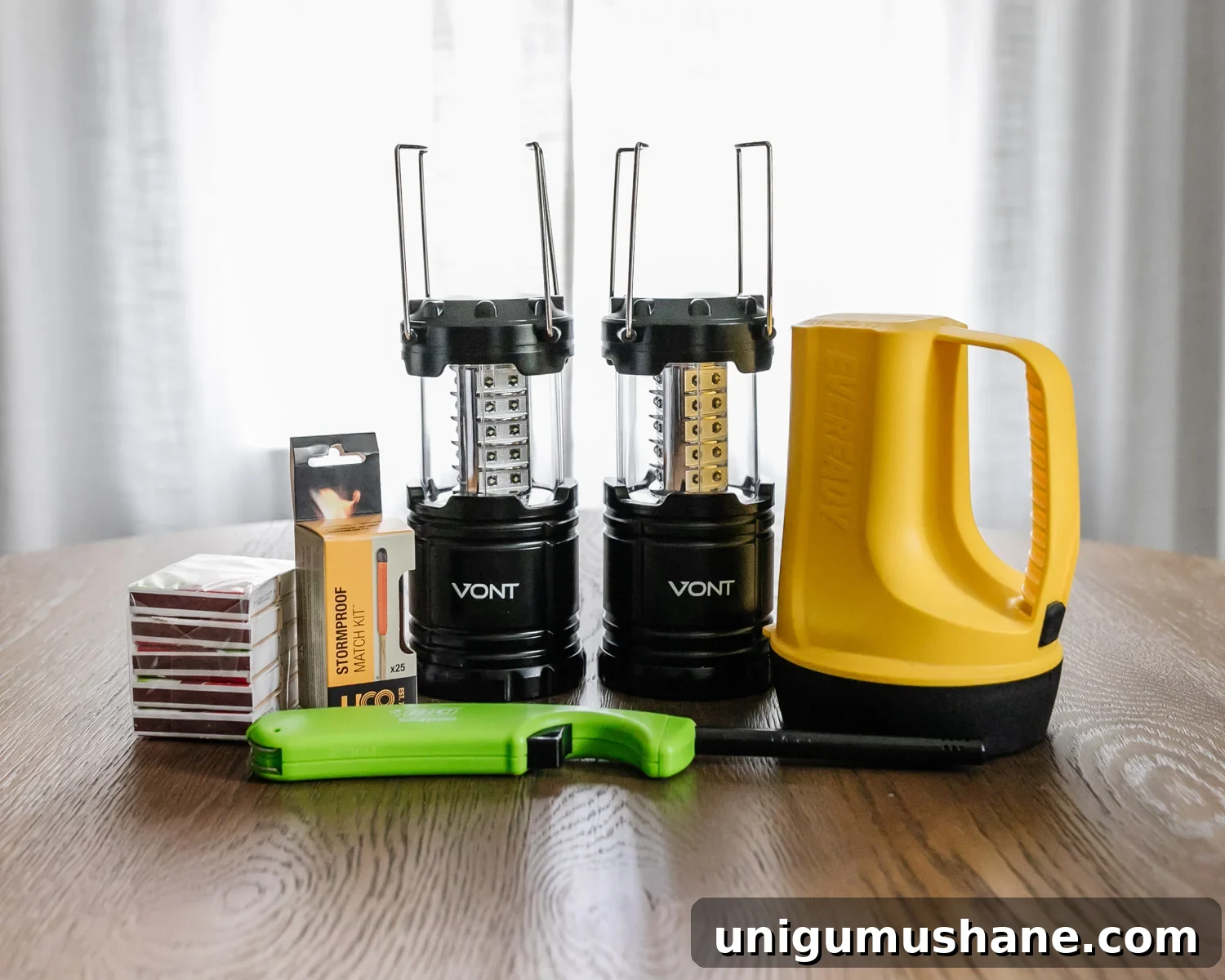
Heat and Light
We’ve tested many lighting and heating options over the years. Reliable light sources and the ability to cook or boil water are essential.
- Solar or rechargeable waterproof lanterns with long run times (and USB charging capability)
- Stormproof matches, waterproof match kits, and fire starters
- Portable wood-burning stoves that can generate small amounts of electricity and provide a safe cooking surface
- 3-in-1 portable grills or simple fire pits as affordable cooking options
- Solar-powered headlamps for hands-free lighting
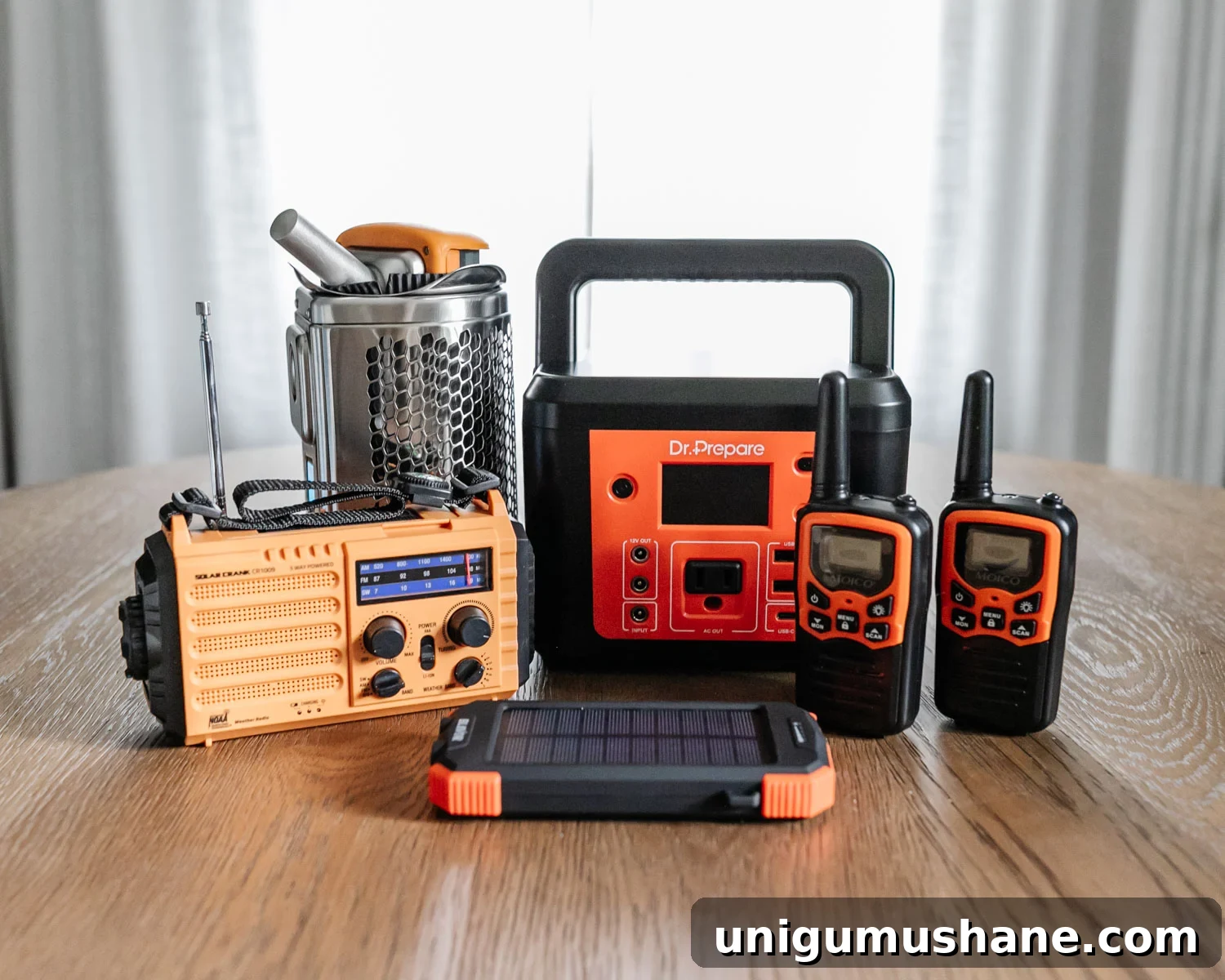
Power and Communication
Even on a normal day I carry a small backup charger. In an emergency, staying connected and informed matters.
- Solar-powered phone chargers and portable solar generators for extended outages
- Gas generators if fuel is available, but remember gasoline can become scarce after a disaster
- Long-range walkie-talkies for team communication during supply runs or separation
- Solar hand-crank NOAA radios with flashlight and SOS features to receive alerts when cell service is down
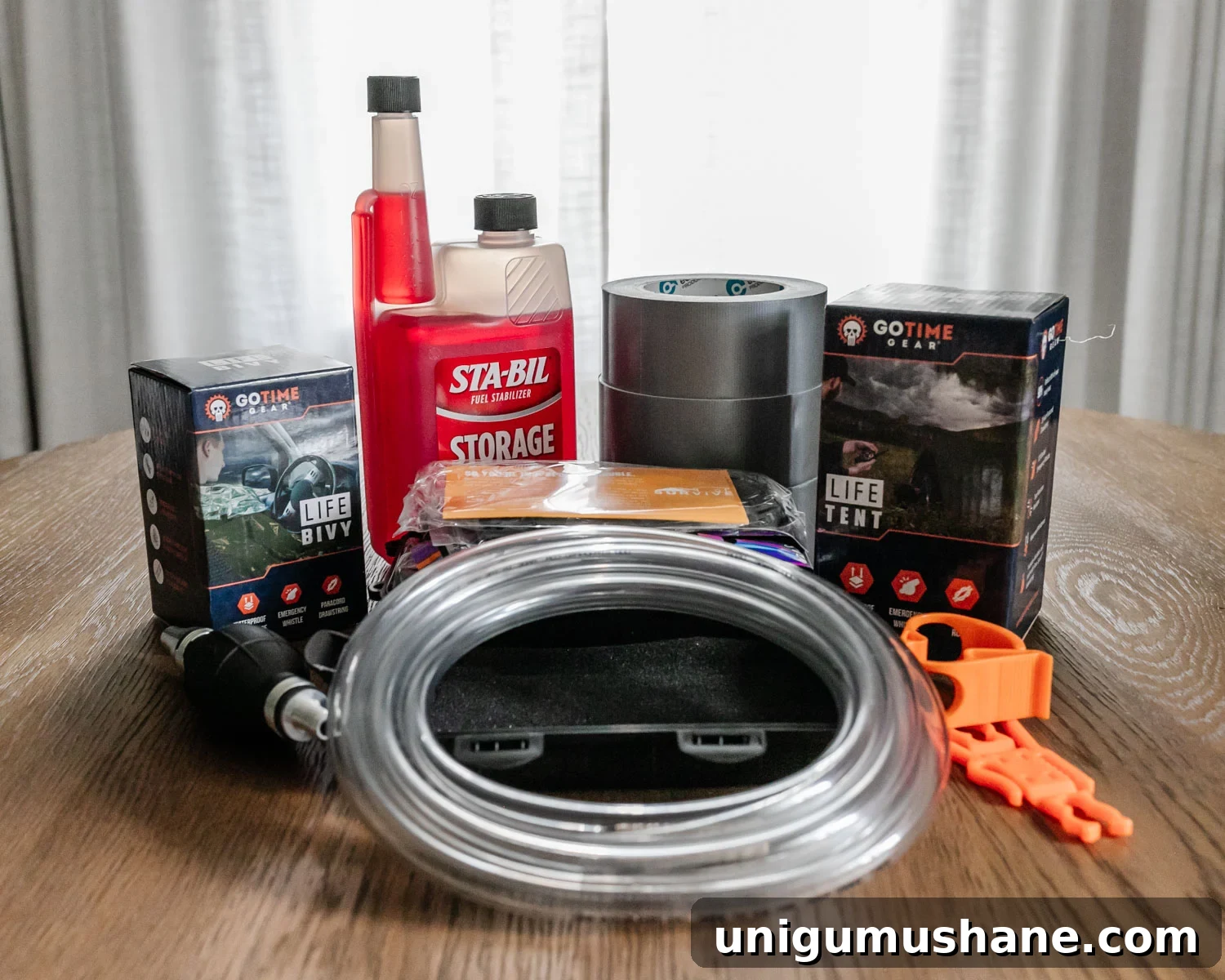
Tools
Small tools can solve big problems in an emergency. At minimum, keep a pocket knife, some duct tape, and a multitool.
- Comprehensive survival tool kit or a multitool
- Compact emergency bivy or thermal sleeping bag
- Gas siphon pump and fuel stabilizer if you plan to store gasoline (store fuel safely in recommended containers and ventilated areas)
- Manual tools such as an axe and chainsaw can be useful for clearing debris if you know how to use them safely
Documents and Cash
Displacement after a disaster can be chaotic. Keep essential documents and a supply of small bills in a fireproof, waterproof bag that fits in your go bag.
Important documents to keep on your person
- Identification: social security cards, birth certificates, passports, driver’s license copies, marriage or adoption records
- Contact information: printed emergency contacts and important phone numbers
- Medical information: lists of medications, conditions, and allergies
- Insurance documents: policy numbers, deed copies, and proof of ownership
Other Items to Pack
- Waterproof camping backpack
- Change of clothing, socks, and waterproof boots for each person
- Paper road map of your region
If this list feels overwhelming, start with the essentials and add supplies over time.
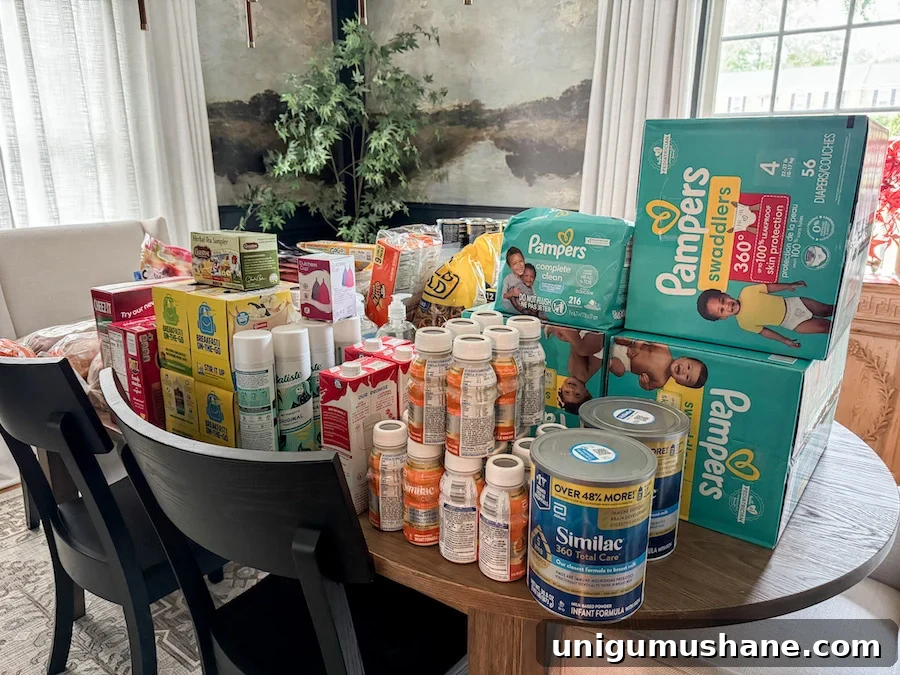
If I had to narrow it to absolute basics, I would stockpile:
- Water: one gallon per person per day for at least three days
- Personal water filter (LifeStraw or similar)
- Three days’ worth of non-perishable food per person
- Waterproof first aid kit with prescriptions
- Reliable camping lanterns and a solar power bank
- Hand sanitizer and wet wipes
- Solar hand-crank weather radio
- Waterproof matches or a lighter, a tarp, and duct tape
- Multitool, spare clothing, blankets, small-bill cash, and important documents in a waterproof fireproof bag
- One waterproof storage bin to keep everything organized
When to Maintain Supplies
Set calendar reminders to check and rotate supplies twice a year. Choose dates based on the seasons when storms or severe weather most often affect your region. Replace expired food, top off water, refresh batteries, and replenish items used during emergencies.
I hope you never need these supplies, but having a plan and a stocked kit brings peace of mind. The worst part of a storm is worrying about your family’s safety—practical preparedness is the best protection you can provide.
Is there anything you would add to this list?
More Home Tips to Help in Survival
How to Plant a Raised Bed Vegetable Garden with High Yield
The Best Wireless Lights from Amazon