Winter storms often arrive unexpectedly. One moment you’re casually checking the forecast, the next your town is emptying grocery shelves and everyone’s scrambling to prepare. Preparing ahead makes the difference between a stressful scramble and a calm, organized response.
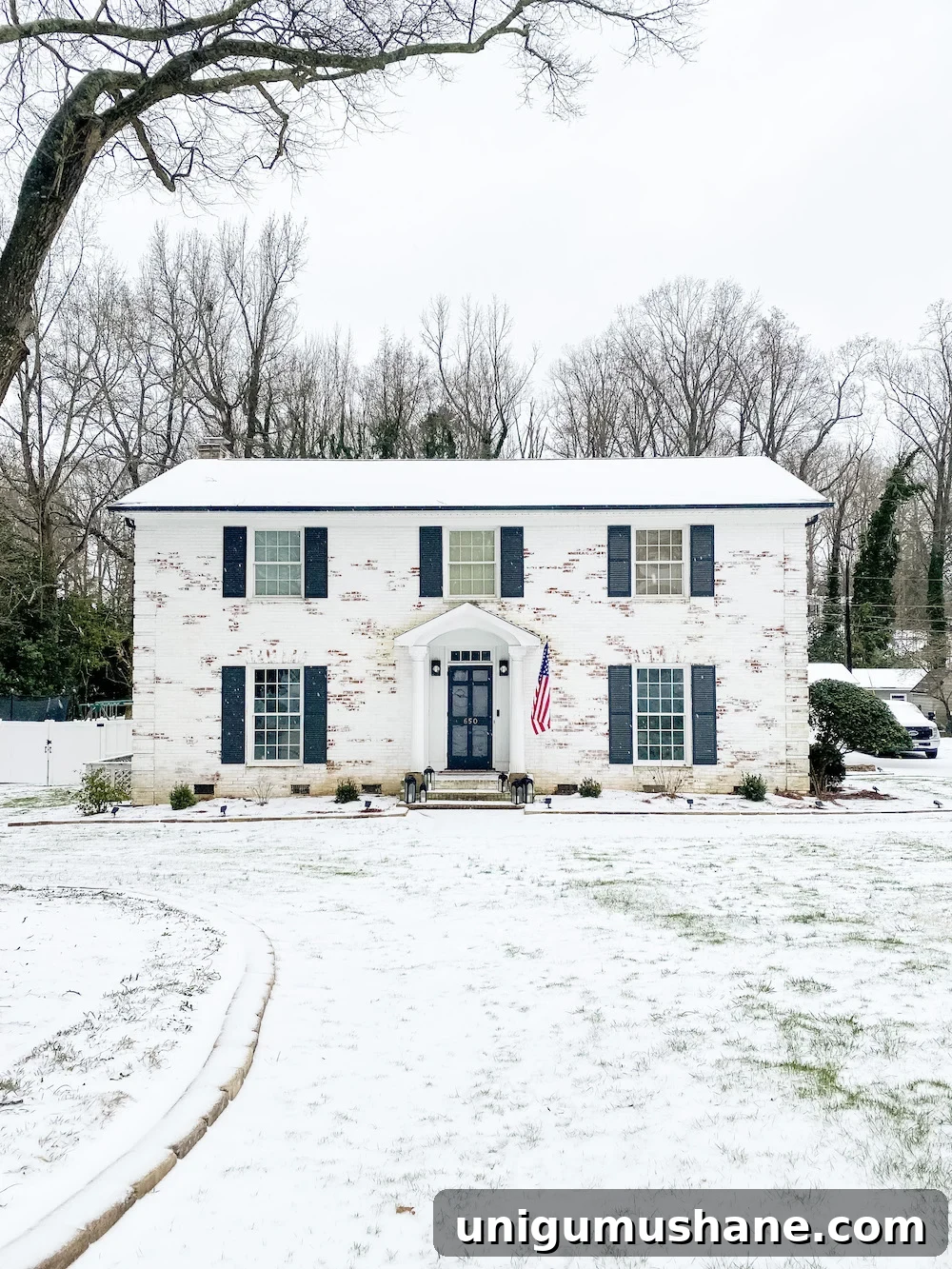
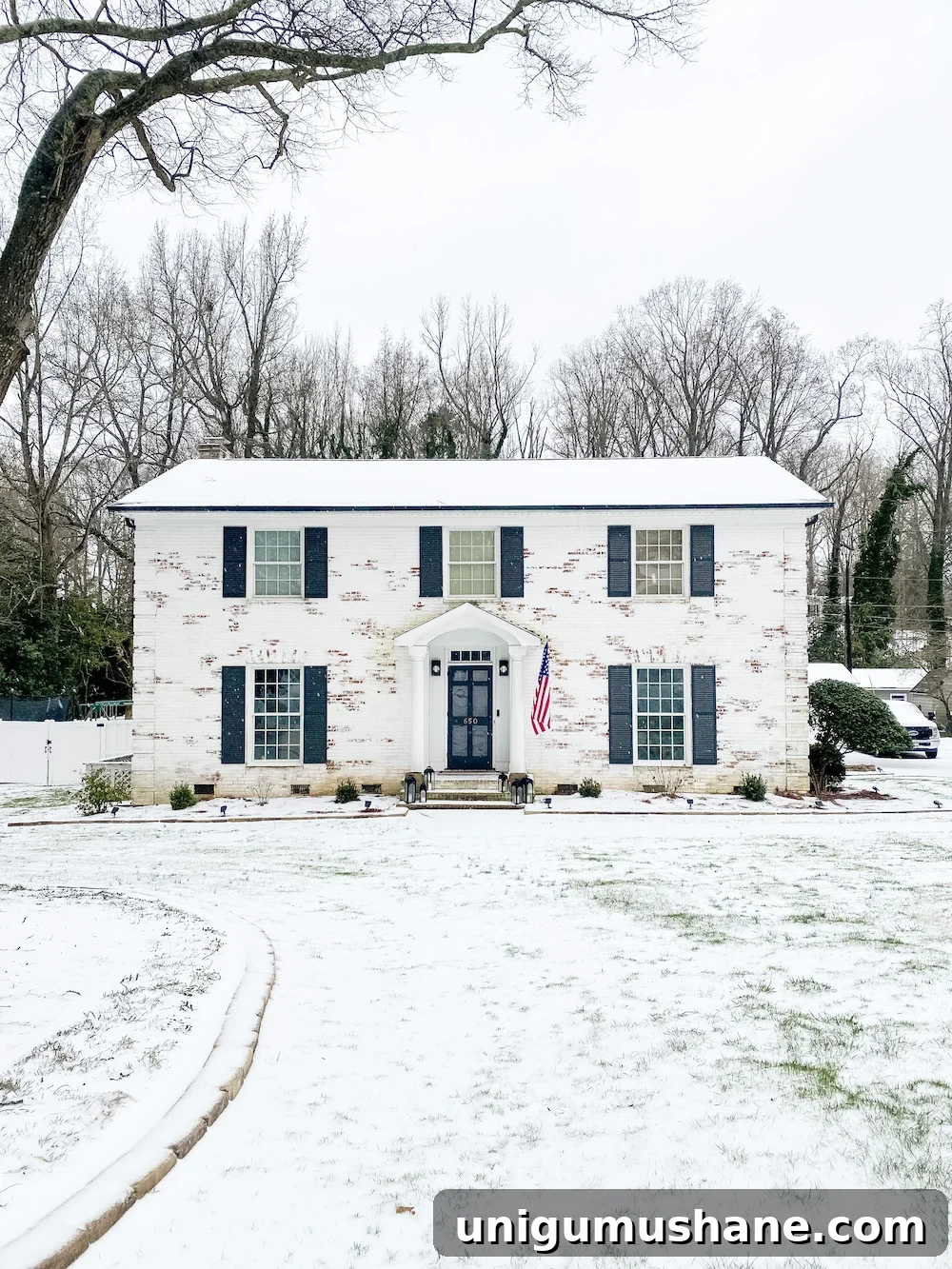
We live near Charlotte, where even a hint of winter weather can prompt alarm—especially when ice is in the forecast. Ice leads to hazardous roads and frequent power outages here, so preparing specifically for outages and cold weather is essential.
If you already keep a basic home disaster kit for hurricanes or other emergencies, you’re ahead of the curve—many of those supplies work well for winter storms too. The key is being intentional and spreading preparation across a few days so you avoid last-minute panic.
Below is a practical, step-by-step winter storm preparation checklist organized by timeline: 3 days before, 2 days before, and the day before the storm. You’ll also find meal ideas that don’t require electricity so you can eat well during outages. Use what fits your household—these suggestions are meant to give you options and peace of mind, not to create anxiety.
(Printable checklist available at the end of the post for easy use and reference.)

3 Days Before the Winter Storm
This is the planning and stocking phase. Focus on reducing last-minute rushes and gaining flexibility if conditions worsen.
1. Grocery Run: Non-Perishables & Backup Foods
Prioritize foods that don’t need refrigeration or electricity, plus a few fresh items you can eat early if power remains on.
Sensible grocery list ideas:
- Shelf-stable milk (boxed or powdered)
- Instant coffee and powdered creamer
- Canned soups and stews
- Canned meats (tuna, chicken, or shelf-stable sausage)
- Protein options such as jerky, nuts, canned beans, protein bars, and peanut butter
- Carbohydrates like crackers, tortillas, oats, bread, bagels, granola bars, and pasta
- Room-temperature produce such as apples, bananas, potatoes, onions, and peppers
- Shelf-stable sauces and condiments (jarred marinara, salsa, relish, etc.)
- Snacks and treats you’ll actually want to eat
- Water jugs and drink mixes
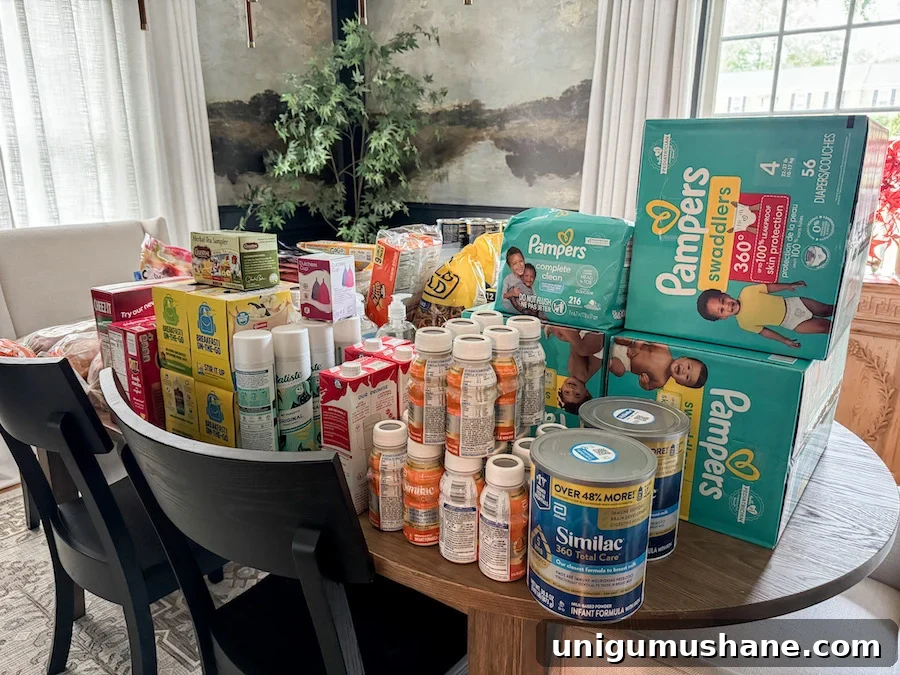
- Baby and pet supplies if applicable
- Basic hygiene items like toilet paper, wipes, hand sanitizer, and feminine products
- Disposable food prep items such as plates, cups, utensils, and a manual can opener
Tip: Aim for meals that combine protein + carbs + comfort. Buy only what your household would reasonably consume in a week—avoid panic buying so neighbors can prepare too.

2. Make an Eating Plan (This Is Key)
Arrange meals from most perishable to least perishable, assuming electricity may fail. Write the plan down so you don’t have to think through options when you’re tired or cold.
Below are no-electric meal ideas; some require only a camp stove, propane grill, or boiled water. Never grill or use fuel-burning devices indoors.
Breakfast ideas without power:
- Cereal with boxed milk
- Bagels with shelf-stable smoked salmon pouches and avocado
- Instant or stovetop oatmeal
- Peanut butter and banana sandwiches
- Avocado toast using a skillet to toast bread
Dinner ideas without power:
- Campfire or grill-baked potatoes
- Grilled pizza on pita or flatbread with jarred sauce and shelf-stable cheese
- Hot dogs cooked over a fire or grill
- Canned soup served with crackers
- Simple pasta made with quick-cook or lentil pasta and jarred sauce plus canned vegetables
- Tuna or chicken wraps using individual mayo packets
- Peanut butter and jelly sandwiches
- Nachos using shelf-stable cheese sauce, beans, and salsa
- Velveeta-style mac & cheese heated on a camp stove
- Canned beans with cornbread cooked in a skillet
- No-power charcuterie-style plates: cured meats, hard cheeses, nuts, dried fruit, and pickles
Snacks and treats:
- Stovetop popcorn or Jiffy Pop over a camp stove
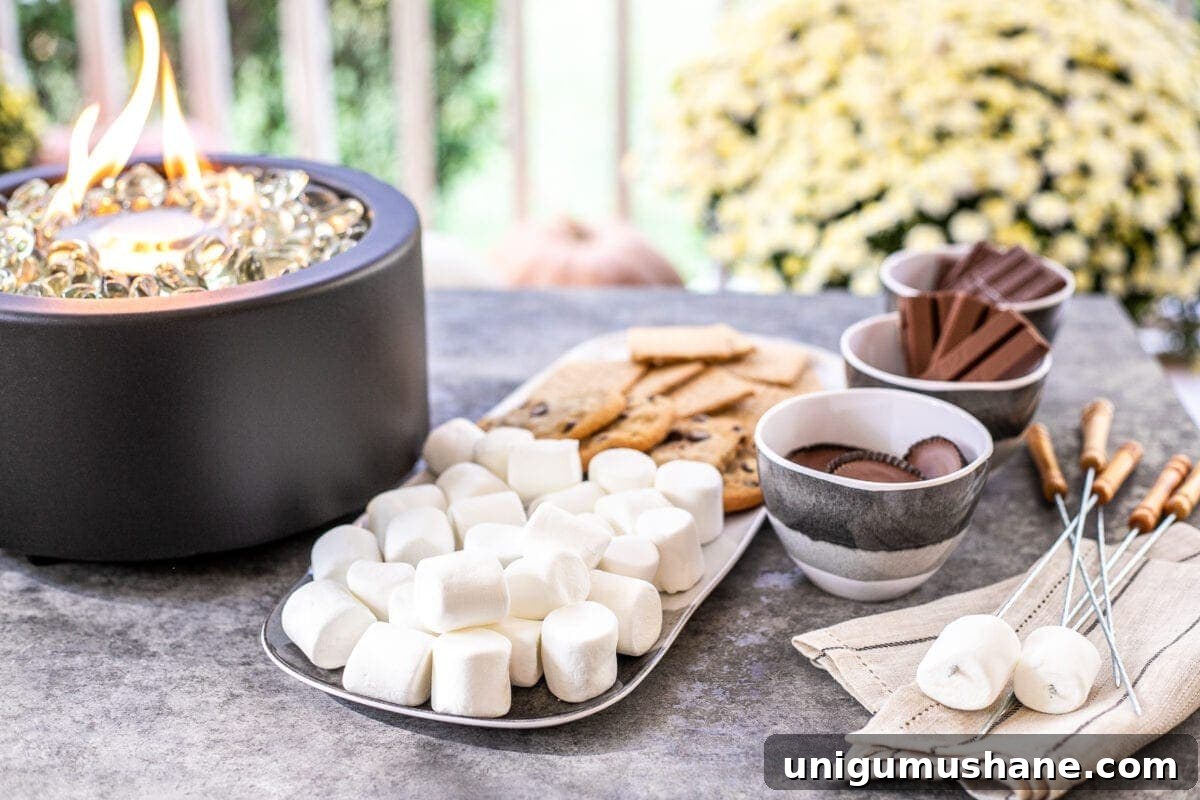
- S’mores made over a fire
- Campfire fruit cobbler made from canned pie filling
- Hot cocoa made with powdered mix and hot water
Tip: Post your meal plan on a sticky note in the pantry so everyone knows where things are and what to use first.
3. Set Up a Non-Perishable Food Prep Station
Designate one area of your kitchen as the no-power food prep zone so everything you need is in one place.
Include:
- Disposable plates, bowls, cups, and utensils
- Cookware such as a cast iron skillet and disposable aluminum trays
- Heat sources and ignition tools: propane, charcoal, Sterno cans, matches, lighters (use outdoors or in well-ventilated areas)
- Clean-up supplies: trash bags, paper towels, disinfecting wipes, aluminum foil, and resealable bags
- Manual can opener
2 Days Before the Winter Storm
This is your home safety and errands phase—check critical systems and pick up anything you’ll need for comfort and safety.
1. Safety Checks
- Test smoke and carbon monoxide detectors; review CO safety if you use gas heaters, fireplaces, or generators
- Confirm fire extinguishers are accessible and in working order
Note: Carbon monoxide risk rises during storms when people use alternative heating sources. Never operate generators indoors and ensure adequate ventilation for fuel-burning devices.
2. Plumbing Prep
- Insulate exposed pipes in the crawl space, basement, garage, and exterior walls
- Locate and label your main water shut-off valve so everyone knows how to turn it off quickly
3. Home & Personal Prep
- Finish laundry and wash dishes so you start with clean linens and an empty sink
- Check and reinforce weatherstripping on doors and windows; cover drafty windows if needed
- Create a cozy area for pets indoors with bedding and water
4. Fuel & Money Prep
- Top off vehicle gas tanks
- Fill gas cans for generators if you use one
- Withdraw some cash in case ATMs or card readers are down
- Gather important documents in a waterproof/fireproof bag or container
5. Supply Check
- Ensure first-aid kit is complete and prescriptions are filled
- Charge all portable phone chargers and devices
- Gather flashlights, lanterns, candles, matches, and a battery or crank radio
- Pack a small go-bag with essentials in case you need to leave
6. Freezer Trick
- Freeze a cup of water with a penny on top. If the penny remains on top after an outage, the freezer stayed cold; if it sinks, frozen food may have thawed and should be discarded.
1 Day Before the Winter Storm
This is your comfort and final safety prep day—focus on warmth, entertainment, and last-minute checks.
1. Cozy & Comfort Prep
- Have everyone shower and set out clean pajamas and bedding
- Bake a comforting treat like banana bread for morale and easy snacks
- Assemble no-power entertainment: board games, books, crafts, card games, puzzles, and battery-powered radios
2. Cold-Weather Gear
- Gather hand warmers, hot water bottles, winter coats, hats, scarves, gloves, thick socks, boots, and extra blankets
3. House Prep
- Fill a cooler with ice if you need to move perishables
- Set up battery backup for gas fireplace ignition if applicable
- Salt or sand driveways and walkways; use kitty litter or cardboard for traction if needed
- Have tools available in the garage—leaf blower for light snow clearing and a chainsaw with fuel if downed trees are a concern
- Trickle faucets and open cabinet doors to prevent frozen pipes; disconnect outdoor hoses and wrap spigots
- Fill the bathtub with water and keep a bucket nearby for flushing toilets if water service is interrupted
- Charge all devices and ready any backup generators if you own one; consider an indoor tent or a well-insulated shared room to concentrate heat
4. Garage & Cars
- Ensure garage doors can open manually; if not, move vehicles out of the garage
- Cover vehicles with tarps if they’ll remain outside

Winter Storm Car Prep (If You May Have to Leave for Work)
If travel is possible during or after the storm, keeping each vehicle stocked with essentials can be lifesaving. Pack for warmth, visibility, and basic survival.
Keep these items in each vehicle:
- Tire chains if appropriate for your area
- Blankets or emergency foil blankets
- Hand warmers and extra warm clothing
- Flashlight with fresh batteries
- Non-perishable food and bottled water
- Compact first-aid kit
- Windshield de-icer and an ice scraper
- Sand, salt, or flattened cardboard for traction
- Jumper cables and a portable tire inflator

Printable Storm Prep Checklist PDF
A printable PDF checklist makes it easy to follow these steps and check items off as you go. If you prefer, open a PDF viewer or print a copy to keep with your disaster supplies.
Final Thoughts
Winter storms are unpredictable, but thoughtful preparation doesn’t need to be. Spreading small tasks across several days reduces stress and keeps your family safer and more comfortable. If you already have a basic emergency kit, adapt it to include more cold-weather and no-power options.
Key priorities: protect pipes, know the main water shut-off, store extra food and water, ensure safe heating alternatives, and have a communication plan. With a little advance effort you can turn a potential crisis into a manageable event—and maybe even an opportunity for a cozy family night without power.
Stay warm, stay safe, and prepare ahead so you’re ready if the lights go out. If you have additional winter storm tips, share them to help neighbors and friends prepare too.