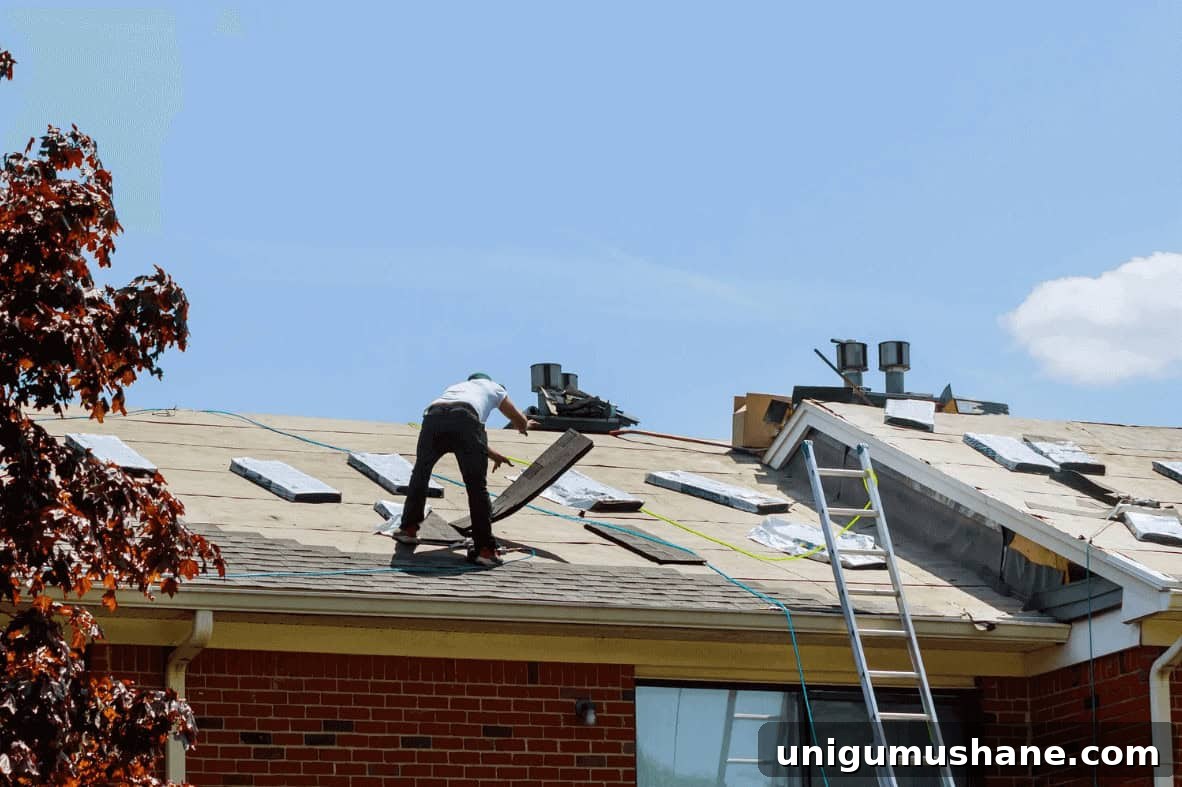
Home improvement projects often require much more than basic tools and a fresh coat of paint. Whether you are raising the height of your backyard wall, building a deck, replacing fixtures, upgrading electrical systems, or planning a full renovation, the work can involve power tools, ladders, heavy materials, chemicals, and equipment that may create serious safety risks.
For professional contractors, small construction teams, and experienced DIYers, working safely is just as important as completing the project correctly. A well-built improvement loses its value if the process leads to injuries, property damage, or unsafe conditions.
This is why safety training is such an important part of construction and home improvement. Proper training helps workers and homeowners recognize hazards, follow safe work practices, use tools responsibly, and respond correctly when something goes wrong.
Even skilled builders can benefit from a stronger understanding of jobsite risks. Many accidents happen not because people lack experience, but because hazards are overlooked, equipment is used improperly, or safety procedures are ignored under pressure.
This is where OSHA training becomes especially useful. These courses are designed to help workers understand the real risks found on construction sites and renovation projects while providing practical guidance for reducing those risks and maintaining safer work environments.
Why Safety Matters In Construction And Home Improvement
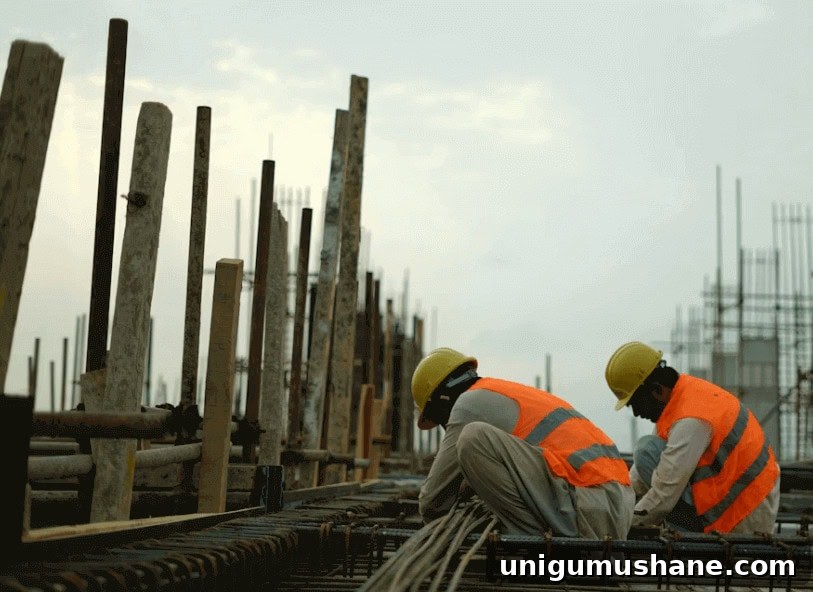
Construction sites and home improvement projects can expose workers to many hazards. Common risks include power tools, ladders, scaffolding, electrical wiring, falling objects, sharp materials, dust, paint, solvents, adhesives, and other chemicals. According to the U.S. Occupational Safety and Health Administration, construction remains one of the more dangerous industries and accounts for a significant share of workplace fatalities each year.
Homeowners and DIY enthusiasts should take these risks just as seriously. A small repair or weekend renovation may seem simple, but using tools incorrectly, working at height without proper protection, or handling chemicals without proper ventilation can result in serious injuries. Electrical work, demolition, roofing, and structural changes can be especially dangerous when safety procedures are not followed.
There are also legal and practical concerns. Many local building codes require certain types of work to be completed by licensed or certified professionals. If a project does not meet safety or code requirements, it may lead to fines, insurance problems, failed inspections, or unsafe living conditions. Understanding safety standards helps protect both the people doing the work and the property itself.
What OSHA Training Offers
OSHA training is designed to give workers a clear understanding of common workplace hazards and the steps needed to control them. In construction and home improvement, this knowledge can help prevent injuries, reduce delays, and support safer project planning from start to finish.
Training topics often include hazard communication, chemical safety, personal protective equipment, fall protection, safe tool use, electrical awareness, and proper procedures for working around machinery. These subjects are important because many renovation and construction tasks involve multiple risks at the same time.
For contractors, OSHA training helps create a safer and more organized jobsite. For DIYers, it provides a valuable foundation for understanding when a task is manageable and when a professional should be called. In both cases, the training encourages safer decision-making and better preparation before work begins.
Knowing OSHA regulations and safety practices can make the difference between completing a project safely and facing costly injuries, delays, or compliance issues. The goal is not only to follow rules, but to create a practical safety mindset that can be applied on every job.
How OSHA Training Enhances Jobsite Safety
Identifying And Mitigating Hazards On The Job
One of the most important benefits of OSHA training is learning how to identify hazards before they cause harm. On a construction site or during a home renovation, risks can come from many sources, including unstable ladders, unguarded tools, exposed wiring, cluttered walkways, poorly maintained scaffolding, or unsafe material storage.
Trained workers are better prepared to assess their surroundings and recognize warning signs. They learn how to evaluate potential hazards, understand the level of risk, and take preventive action. This may include securing equipment, improving ventilation, wearing the correct protective gear, keeping work areas clean, or stopping work until a hazard is corrected.
This proactive approach reduces the chance of accidents and helps everyone on the jobsite stay focused. Instead of reacting after an incident occurs, workers can take steps to prevent problems before they interrupt the project or cause injury.
Ensuring Safety Around Heavy Machinery And Tools
Many home improvement and construction projects require power tools and equipment. Circular saws, drills, nail guns, grinders, ladders, forklifts, and other machinery can speed up a project, but they also introduce serious risks when used incorrectly.
OSHA training helps workers understand how to operate, inspect, and maintain tools and machinery safely. It also reinforces the importance of using the right personal protective equipment, such as gloves, hard hats, eye protection, hearing protection, and appropriate footwear.
Safe tool use includes more than knowing how a tool works. It also involves checking equipment before use, following manufacturer instructions, keeping guards in place, maintaining stable footing, and making sure only trained individuals operate heavy machinery. These practices help reduce the risk of cuts, falls, crush injuries, electrical shock, and other common jobsite accidents.
Benefits Of OSHA Training For DIY Enthusiasts And Small Contractors
OSHA training offers clear benefits for homeowners, serious DIYers, and small contractors. The most important benefit is improved safety. When people understand common hazards and know how to avoid them, they are less likely to suffer injuries or create unsafe conditions for others.
Training can also increase confidence. Projects involving electrical systems, demolition, chemicals, ladders, or heavy materials can feel overwhelming without the right knowledge. OSHA training gives workers a stronger foundation for planning tasks, choosing protective equipment, and recognizing when a job requires specialized help.
For small contractors, safety training can also support professionalism and reduce liability. Clients want to know that the people working on their homes take safety seriously. OSHA training shows that a contractor understands important safety practices and is committed to protecting workers, clients, and property.
Homeowners can also benefit when they hire contractors with OSHA training. A contractor who understands safety standards is more likely to follow proper procedures, maintain a safer worksite, and complete the job in a way that supports compliance with applicable requirements.
Selecting The Right OSHA Training Course
Choosing the right OSHA training course depends on the type of work being performed. A general safety course may be useful for broad jobsite awareness, while more specific training may be needed for hazardous materials, fall protection, electrical safety, or heavy equipment operation.
Training providers such as FMTC offer OSHA courses designed for different safety needs. Online OSHA courses can be especially helpful for small business owners, contractors, and DIY enthusiasts who need flexible learning options that fit around work schedules and project timelines.
Before selecting a course, review the topics carefully and make sure they match the risks you are most likely to face. If your projects involve ladders and roofing, fall protection should be a priority. If you work with chemicals, hazard communication and safe handling procedures are important. If power tools and equipment are used regularly, tool and machinery safety should be included.
The best course is one that is both compliant and practical. It should help you understand safety requirements while giving you information that can be applied directly on real jobsites and home improvement projects.
Conclusion
Successful construction and home improvement projects depend on more than good design, quality materials, and the right tools. They also require a strong commitment to jobsite safety. Whether you are a contractor managing a crew or a homeowner taking on a major DIY project, knowing how to identify hazards and follow proper safety procedures is essential.
OSHA training helps contractors, builders, and serious DIYers develop the knowledge needed to work safely around tools, machinery, chemicals, electrical systems, and other common jobsite hazards. It also supports safer planning, better decision-making, and stronger compliance with safety expectations.
Investing in OSHA training is an investment in safer, more efficient projects. With flexible online OSHA training options available through FMTC, professionals and DIYers can build the skills needed to maintain safer worksites and complete home improvement and construction projects with greater confidence.