
Our 5-Month Unbiased Test of Sleep-Promoting Light Bulbs and How They Help Babies, Children, and Adults Settle for Bed
I never thought I’d care much about a light bulb, but after five months of testing sleep-promoting bulbs in our home, I’ve changed my tune. If sleep is a struggle for your family, these bulbs may be worth a try.
A few weeks ago, during one of my Instagram Story pop-ins, someone asked which light bulbs I liked best. At the time I drew a blank—until I remembered a sleep-promoting bulb I’d tried and forgotten to share. It sounded trivial at first, but the difference has been real for our bedtime routine.
This post is not sponsored. I share this because it helped our family and might help yours. For transparency: I previously included an affiliate link on my site.
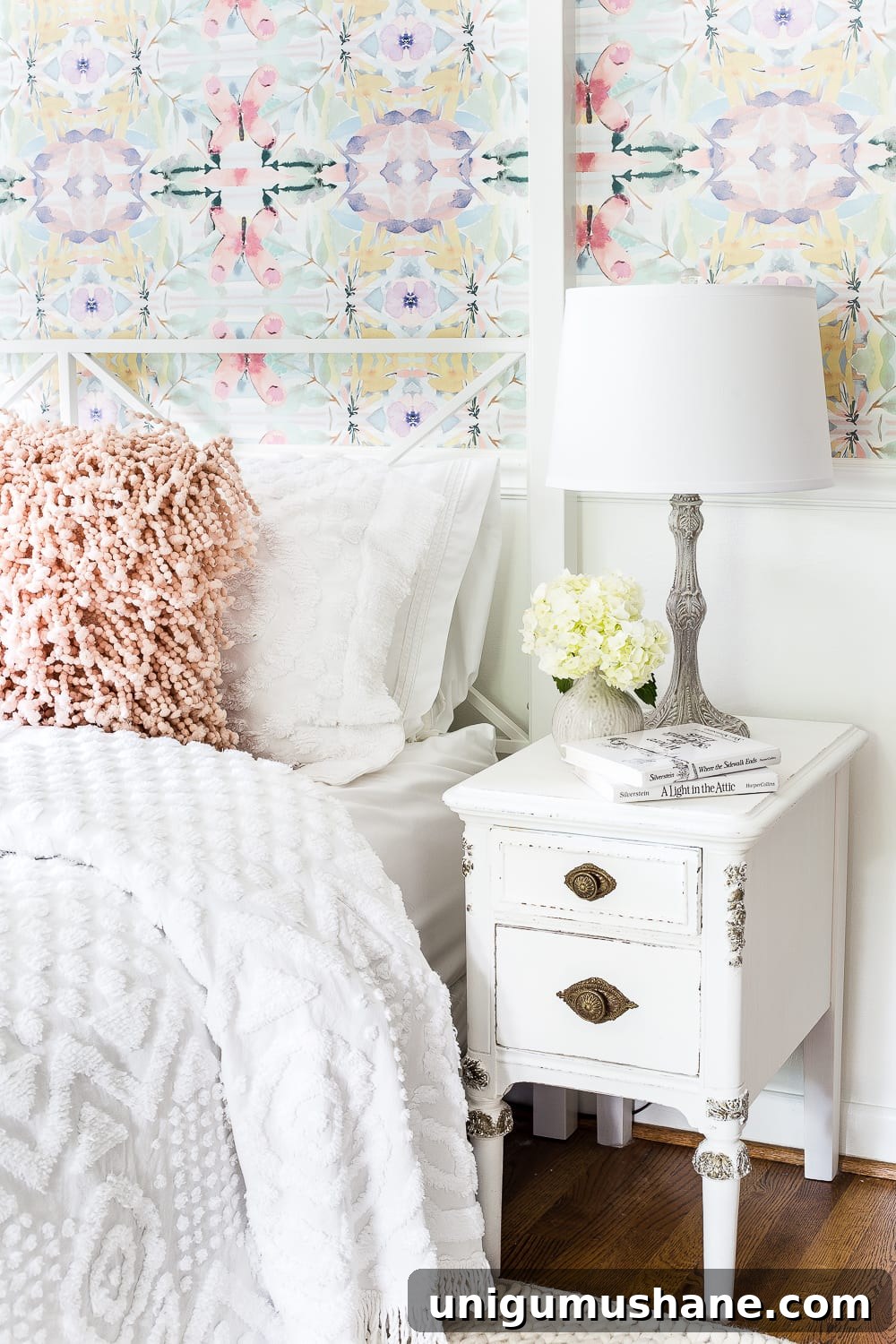
With small children, we’re familiar with the “witching hour,” middle-of-the-night feedings, sleep regressions, and late-night diaper changes. Every time we’re in that fog of tiredness, I secretly beg for a full night of sleep. When we started using sleep-promoting bulbs in our kids’ bedside lamps, bedtime routines became calmer and more consistent.
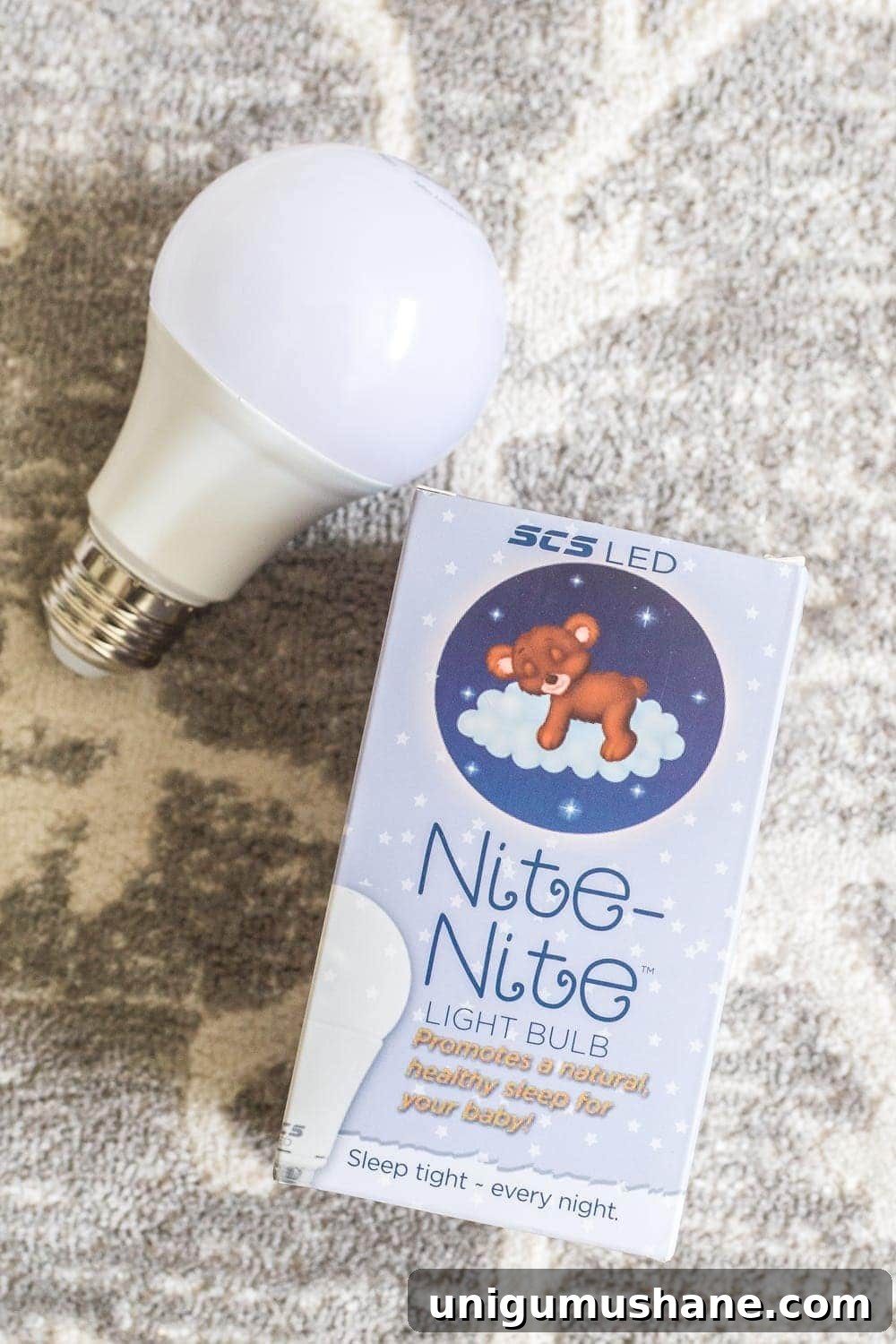
These bulbs are designed to block blue wavelengths and produce a warm amber glow. Because blue light suppresses melatonin—the hormone that helps signal your body that it’s time for sleep—reducing blue light exposure in the hour before bed can help the body naturally wind down. That’s also why many sleep experts recommend limiting screens before bedtime.
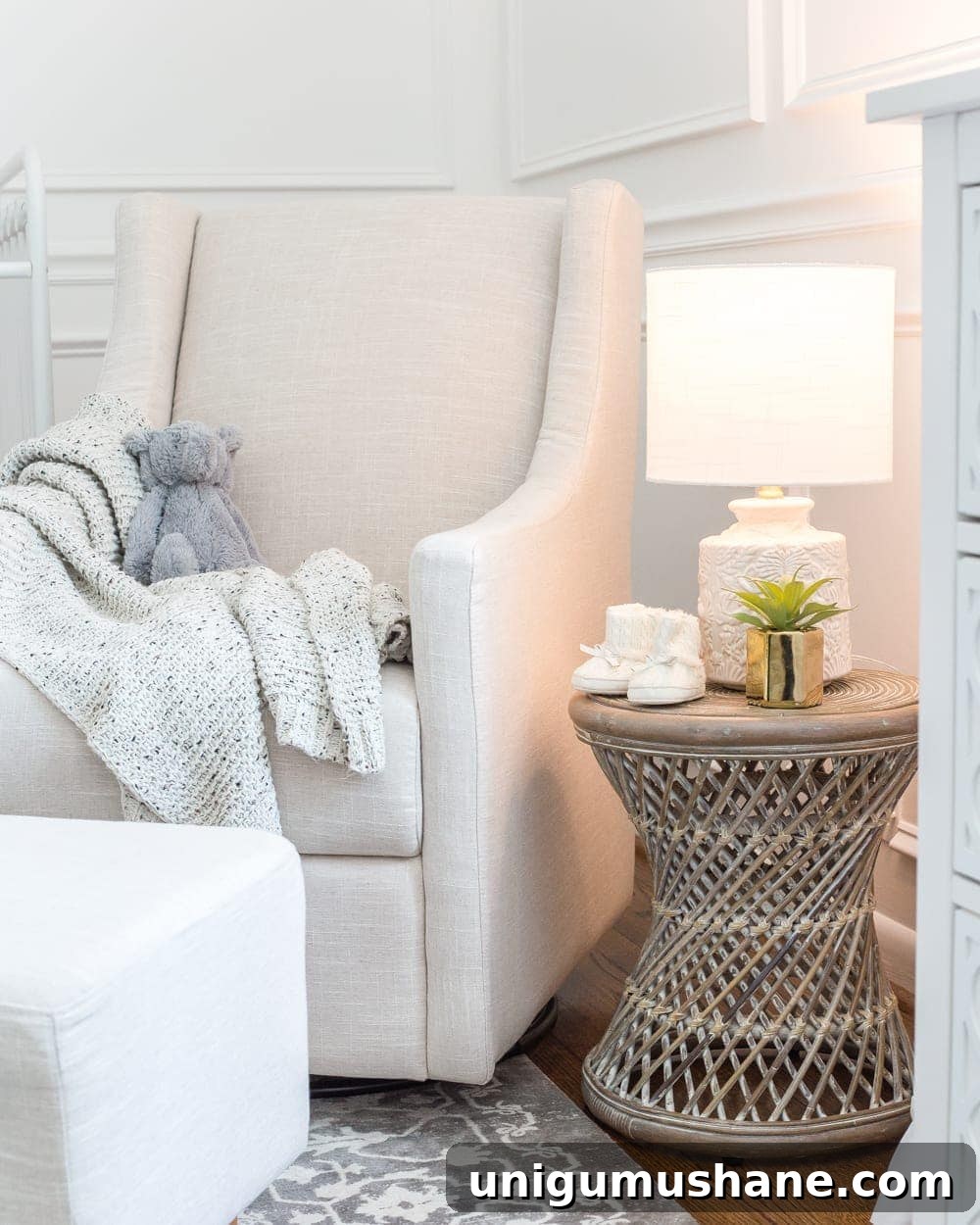
At our house, either Robert or I reads to Olivia with all overhead lights off and only the bedside lamp on, fitted with the sleep-promoting bulb. The soft, warm light helps calm her energetic self and signals the transition to sleep. For baby Regan, I use a small lamp while rocking her in the glider—bright enough to soothe but dim enough to keep her drowsy so she can learn to self-soothe in her crib.
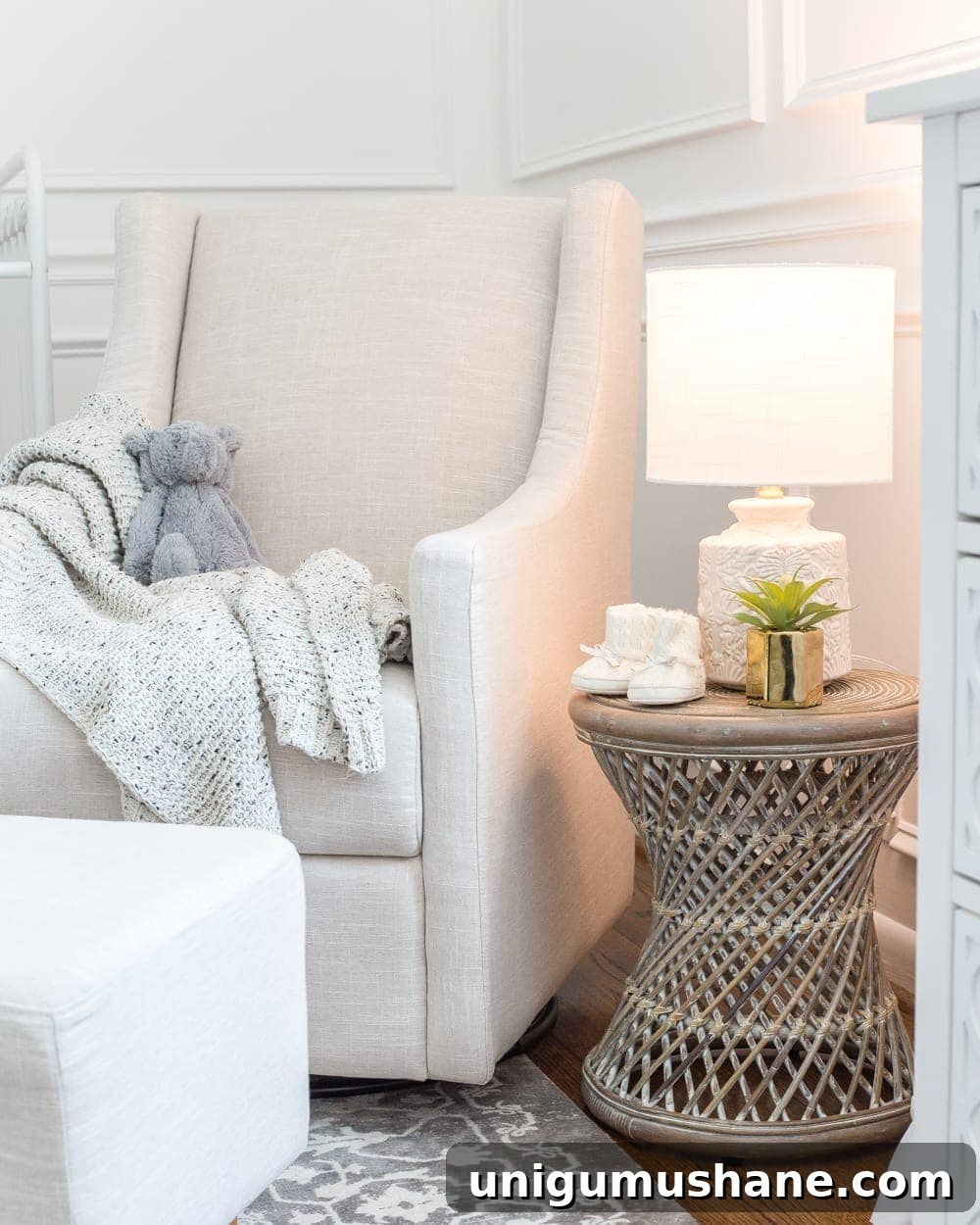
So far, the bulbs have worked like a charm. If we ever turn on a lamp in the middle of the night to find a pacifier or change a diaper, the amber light doesn’t jolt the baby awake the way an overhead light would. That preserved drowsiness makes middle-of-the-night care less disruptive for everyone.
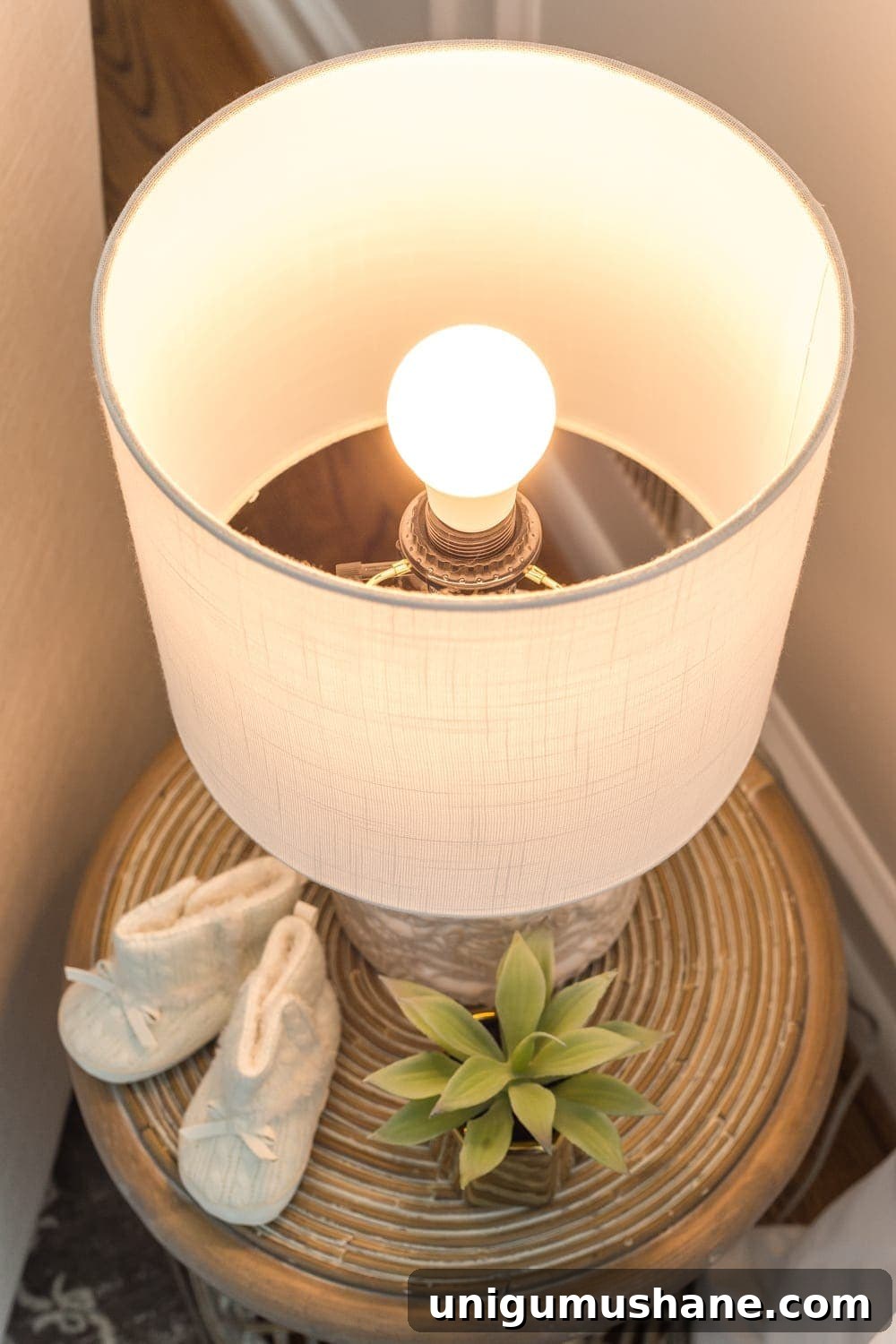
Although the particular bulb we use is marketed for babies and kids, the concept applies to adults as well. People with insomnia or difficulty winding down have found benefit from warm, low-blue lighting in the evening. Creating a consistent, calming bedtime environment supports a healthy circadian rhythm for any age.
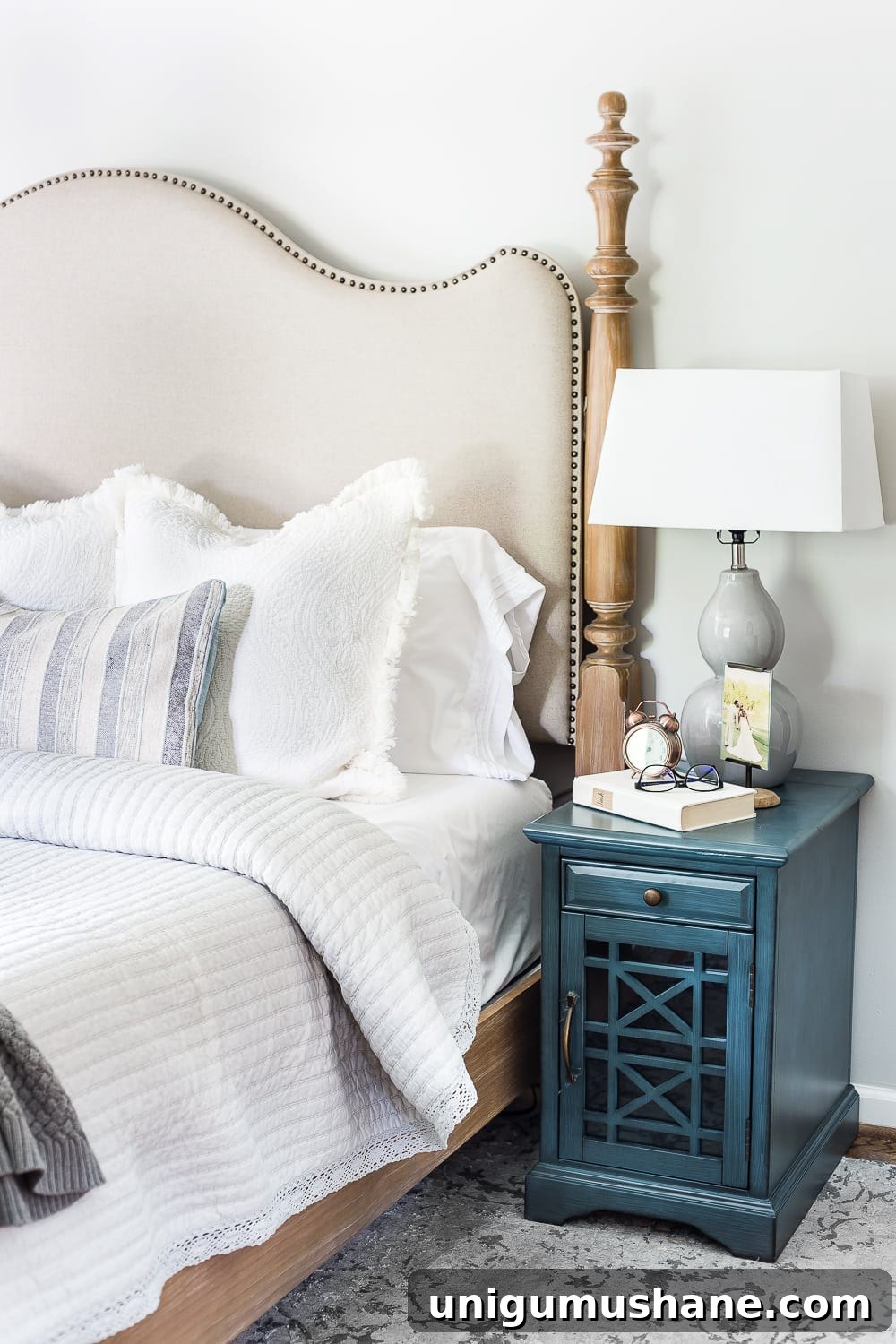
The bulbs we tried cost a modest amount and come with a warranty; after five months, ours are still working reliably. For families who value even a little extra sleep and a smoother bedtime routine, these bulbs have been worth the investment.
In short: swapping harsh overhead lights and blue-heavy bulbs for a warm, amber bedside lamp helped our children settle more peacefully at night. It reduced disruptive wake-ups during middle-of-the-night checks and supported our nighttime routines. If you’re searching for simple, low-effort ways to improve bedtime—whether for babies, kids, or adults—a blue-blocking, sleep-promoting bulb is an easy place to start.
I hope this experience is helpful for your family. Sweet dreams.