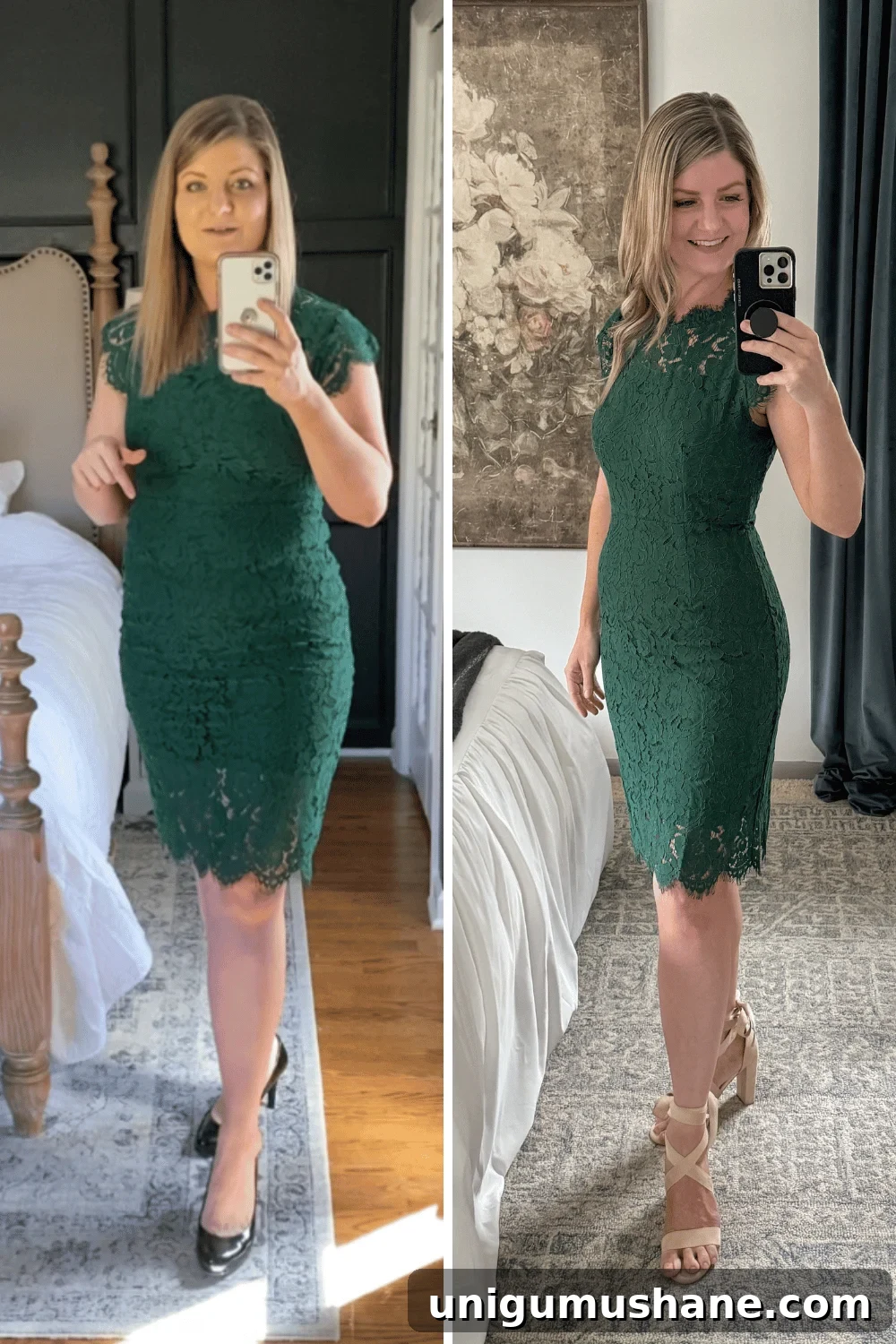
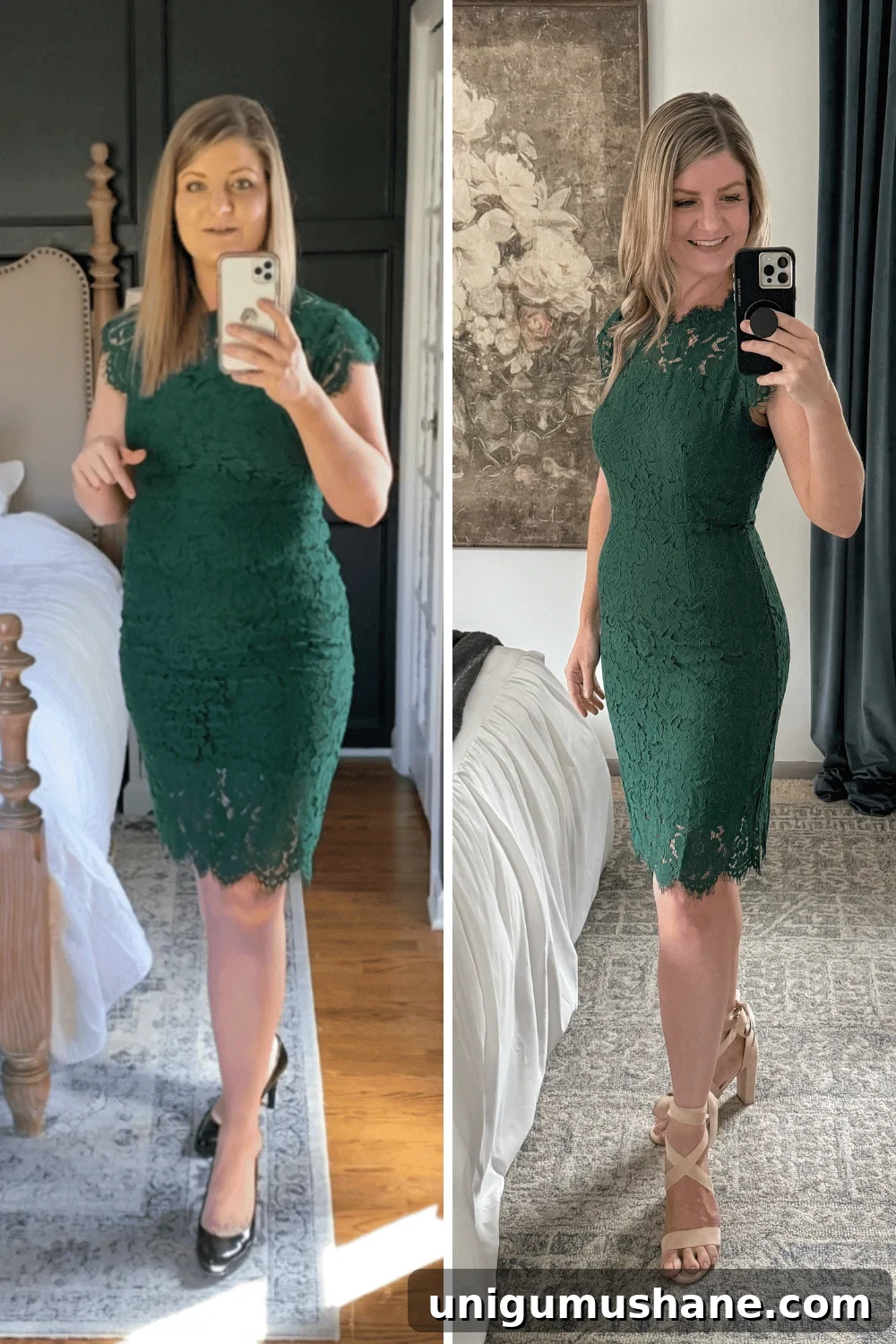
I put off writing this post for a while because I kept getting the same Instagram messages asking, “How did you lose so much weight?!” It’s a well-meaning question, but it often brings up complicated feelings for me. I want to be transparent about what worked, what didn’t, and why this journey is more than a number on a scale.
Below I’ve outlined the timeline, the habits, the tools, and the mindset shifts that helped me lose 52 pounds over about two and a half years, drop several dress sizes, and move into maintenance. The physical changes are meaningful, but the bigger wins are how I feel: clearer-headed, less achy, and more energetic.
Disclaimers
- Weight loss does not always equal better health; the scale doesn’t show the whole picture.
- Every body is beautiful and deserves respect.
- How you feel matters more than how you look.
- I am not a medical professional—this is my personal experience and not medical advice.
- This post is not a critique of anyone else’s appearance or health; we all have different bodies and needs.
For me, the turning point wasn’t vanity—it was the persistent fatigue, brain fog, joint pain, and low mood that were holding me back. When I look at photos from my heaviest, I remember how uncomfortable and unwell I often felt. Losing weight improved more than my clothes size; it improved my daily life.

How My Health Mindset Has Shifted
This journey taught me that health is ongoing. I once imagined a finish line at my pre-baby weight, but health isn’t a final destination—it’s daily choices. Some days I’ll slip up. What matters is how quickly I recover and return to healthy habits.
I also learned to treat food without extremes. There are no “good” or “bad” foods in my book—only choices that fit into my overall balance. If I want a slice of pizza, I’ll enjoy it and then make adjustments elsewhere in the day so I stay on track overall.
How I Gained Weight in the First Place
Understanding how I gained over 50 pounds helped me create a plan that would be sustainable and avoid repeating the same patterns. The main factors were pregnancy and postpartum complications, medication, and habits tied to stress and circumstance.
Pregnancy and Postpartum Complications
My first pregnancy’s weight came off over time, but after my second pregnancy I faced birth trauma, a postpartum procedure, severe postpartum depression, and sleeplessness from a colicky baby. Those experiences made it very hard to focus on physical recovery while my mental health was compromised.
Medication
I was prescribed an antidepressant that caused weight gain. I stopped cold turkey at one point, which was a mistake. Later, switching to a different medication helped my mood without the same weight side effects. My experience is a reminder to consult your physician before altering any medication.
Bad Habits
Working from home during the pandemic with kids around led me to use food for comfort. Mood and convenience often dictated my eating. Recognizing those triggers was a crucial step toward changing them.


What I Did to Lose Weight
My approach combined several strategies introduced gradually over two and a half years. Here are the main steps I took, roughly in the order I added them to my routine.
Food Sensitivity Test
I suspected sensitivity to gluten and dairy because of joint stiffness and tummy troubles. A food sensitivity test confirmed those suspicions. Removing gluten and dairy entirely for about a year produced major improvements in my joints, gut, headaches, energy, and skin. Later, I reintroduced those foods in smaller amounts, which has generally worked for me.
Rather than strict deprivation, I used healthier swaps to satisfy cravings and reduce discomfort while still enjoying meals socially and with my family.
My Favorite Dairy Alternatives
- Plant-based sorbet or dairy-free ice cream with toppings for an indulgence without dairy.
- Dairy-free frozen pints like plant-based flavors for dessert.
- Coconut milk yogurt with fruit and nuts for breakfast.
- Oat milk or other nondairy creamers for coffee.
- Plant-based butters and cheeses for cooking and sandwiches.
- Eggs over-easy in place of melted cheese on burgers at restaurants.
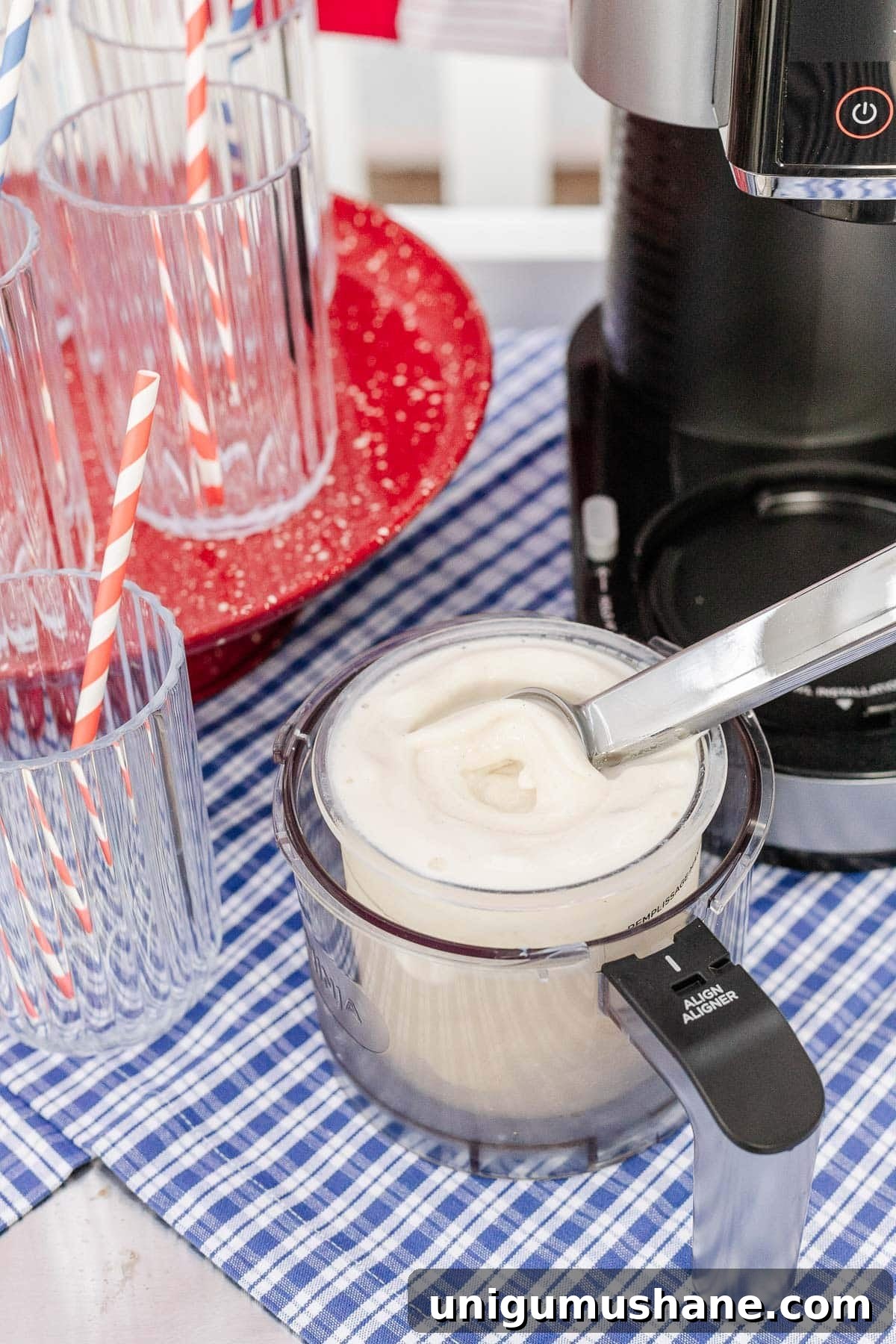
- Using a home ice-cream maker for dairy-free treats.
My Favorite Gluten Alternatives
- Gluten-free breads and mixes for baking.
- Gluten-free cookies and snacks that satisfy cravings.
- Gluten-free pastas that work well for family meals.
- Cauliflower crust pizza when available.
- Almond-based crackers and grain-free granola as snacks.

Prioritizing Mental and Spiritual Health
Changing my antidepressant and adding consistent mental and spiritual practices made a huge difference. Quiet time, short devotions, listening to encouraging podcasts, and brief breathing exercises helped my motivation and mood. These small daily practices—often five to ten minutes—built resilience and gave me the energy to focus on physical health as well.
Self-Care Checklists & Habit Stacking
Habit stacking was a game-changer: I linked new healthy habits to things I already did. Small pairings like drinking a glass of water while checking email, weighing in while brushing my teeth, or doing a short stretch while watching TV turned tiny actions into reliable routines.
- Drink water and take vitamins while checking morning email.
- Weigh in while brushing teeth.
- Do a short devotional and box-breathing with morning coffee.
- Log meals before leaving the table.
- Stretch while watching an evening show.

Supplements
I’ve added a few supplements gradually that have supported my overall well-being. I’m cautious about overloading on unnecessary pills, but these helped me feel better when taken consistently.
- Multivitamin designed for women with folic acid and biotin for overall support.
- A prebiotic/probiotic blend that improves digestion and daily comfort.
- CBD for stress management and calm on particularly hectic days.
- Magnesium, which helped my sleep and focus when taken regularly.

Noom App
I used the Noom app to learn the psychology behind eating and to build consistent food-logging habits. The app required daily weigh-ins, short lessons, and logging food and exercise—simple tasks that made me more mindful. Noom’s system of categorizing foods by nutritional value instead of labeling them “good” or “bad” changed how I handled treats and setbacks. Over a year, I lost about 35 pounds using Noom, with breaks and occasional detours. The lessons stuck with me and remain part of my routine even after stopping the paid subscription.

Semaglutide
After losing about 35 pounds with Noom, I hit a stubborn plateau. I consulted medical professionals and chose to use semaglutide injections to help lose the final 15 pounds. Before starting, I had blood work and a medical evaluation to confirm it was appropriate for me.
Semaglutide quieted my intense cravings and reduced portion size naturally; I felt satisfied with less food. It’s not a magic solution—you still need to prioritize protein and resistance training to avoid muscle loss. I experienced some nausea at higher doses or with very fatty meals, which was manageable. Because semaglutide isn’t right for everyone, talk to a doctor and research carefully before considering it. For me, it lowered my diabetes risk and helped me achieve my goal, and now I’m tapering into maintenance.
How I Reacted to Semaglutide
The biggest change was that my internal “craving noise” quieted. I could pass on treats I used to obsess over, and I no longer felt compelled to finish large portions. I did pay attention to strength training less I lose muscle, and I used anti-nausea medication briefly when needed.

Meals
Meal planning had slipped over time, so we started a meal-kit subscription that made dinners easier and reduced takeout. Choosing quicker, balanced recipes and doubling portions for lunch helped us stick to healthier meals and kept family life simpler.
Exercise
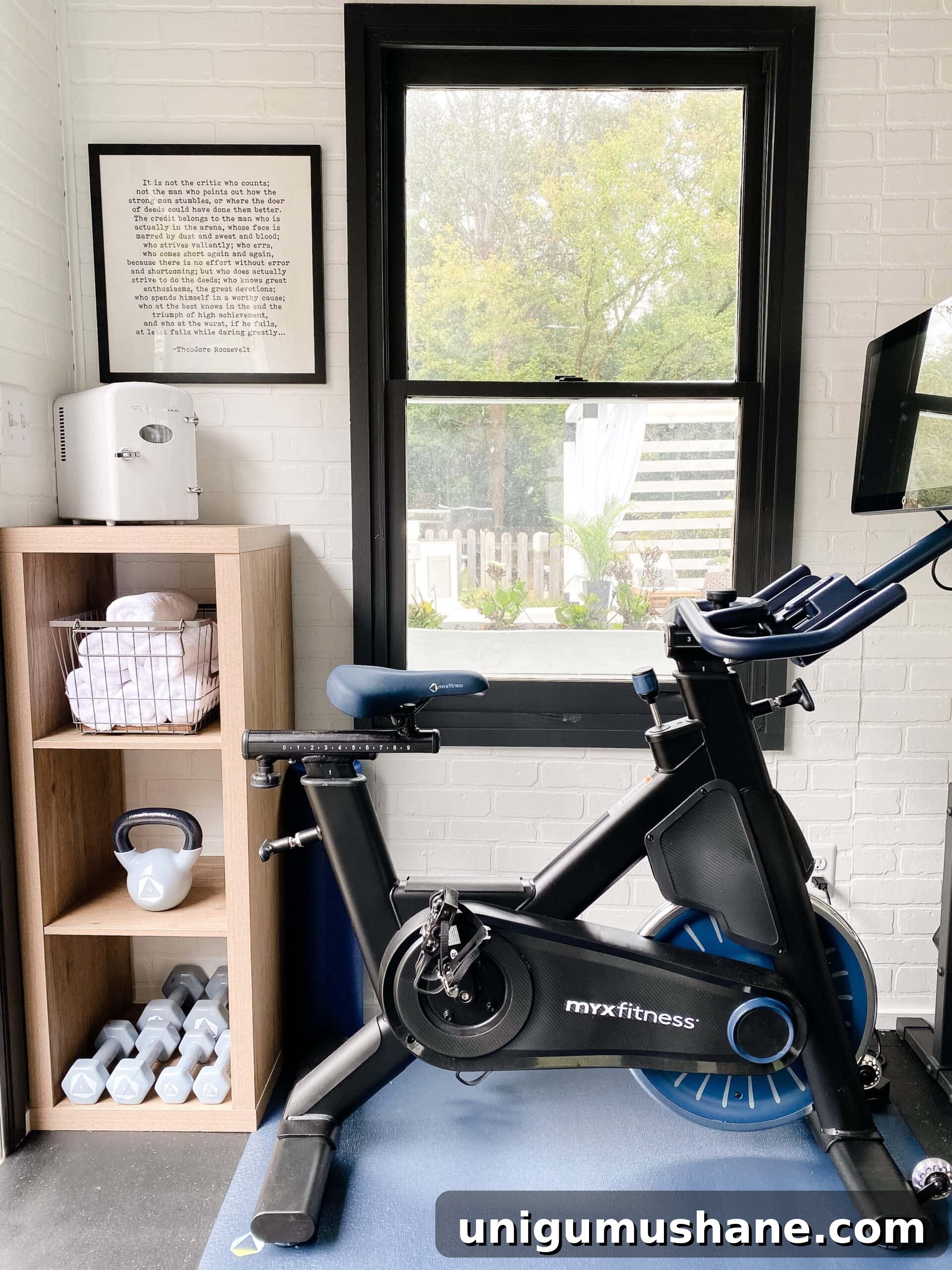
I mostly used a cardio bike and regular walks while listening to music or podcasts. Looking back, I wish I’d done more strength training while on semaglutide to preserve muscle. My next focus is adding weight training for tone and longevity.
Progress and Perspective
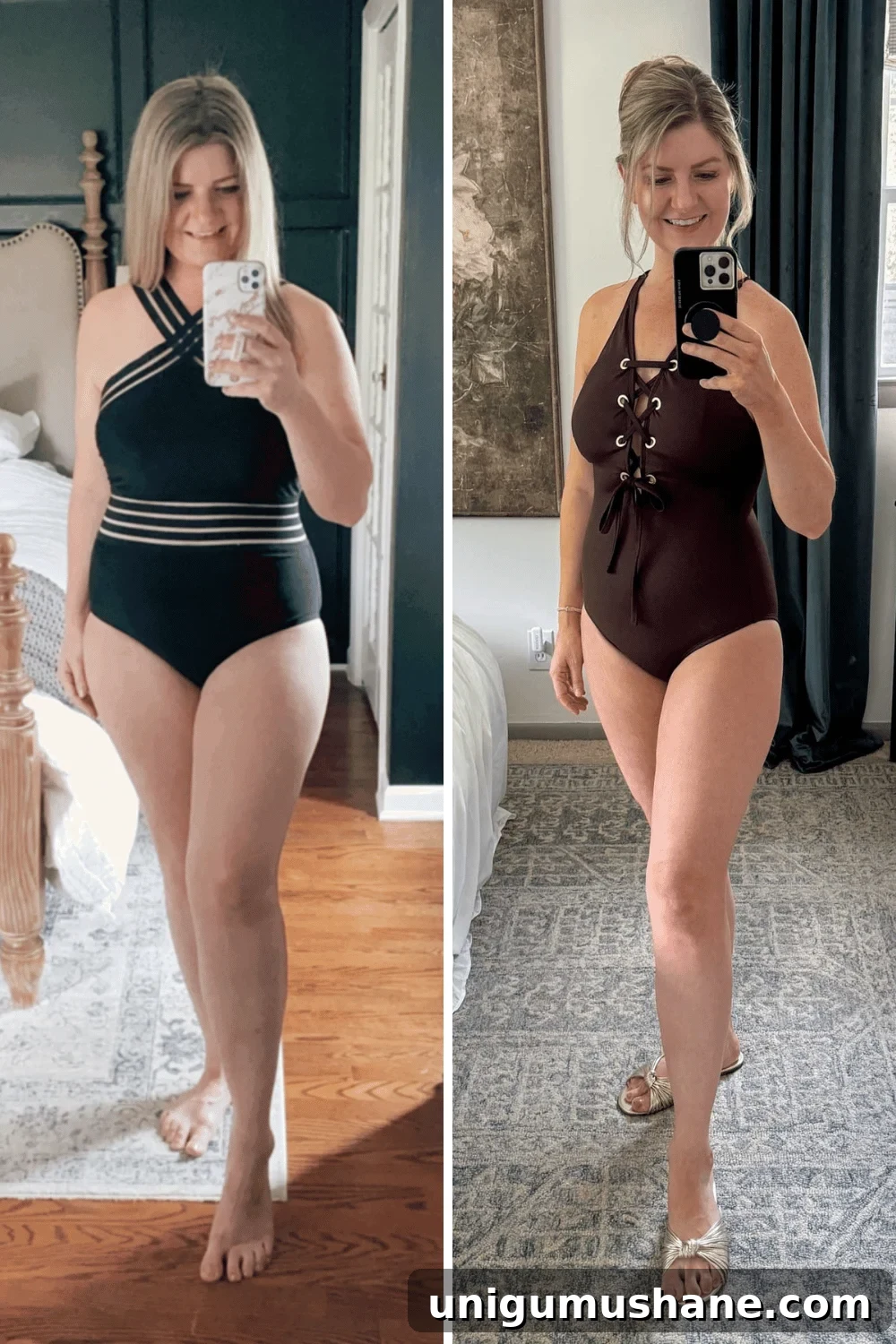
I prefer to say progress rather than “before and after.” There’s no final finish line—this is an ongoing path. Some days will be imperfect. The important part is continuing to show up. The woman I was before was always worthy; this journey was about improving how I feel and how I can be present for my family.
Frequently Asked Questions
Short answers to common questions I get:
Yes—Noom set a daily calorie target for me during weight loss and helped me learn portion sizes. Over time, logging built an understanding of what my body needs, and I now maintain without strict daily counting.
A photo of myself that I barely recognized was the catalyst. I realized my health and mood had a negative impact on my family and work, and I needed to change for all of us.
I removed dairy and gluten for a year after discovering sensitivities, then reintroduced them in moderation. Now I focus more on portion control, balance, and reducing highly processed foods.
Not intentionally. I often eat a later breakfast, but I still have frequent small meals and snacks, so I wouldn’t call it fasting.
The most meaningful victories aren’t on the scale: climbing steep stairs without getting winded, dancing with my kids without pain, and having energy for daily life. Those wins are far more valuable than any size number.
No matter where you are in your health, remember you are worthy and valuable exactly as you are. Your worth isn’t defined by a clothing size. Celebrate your body at every stage and take small, sustainable steps to care for it.