
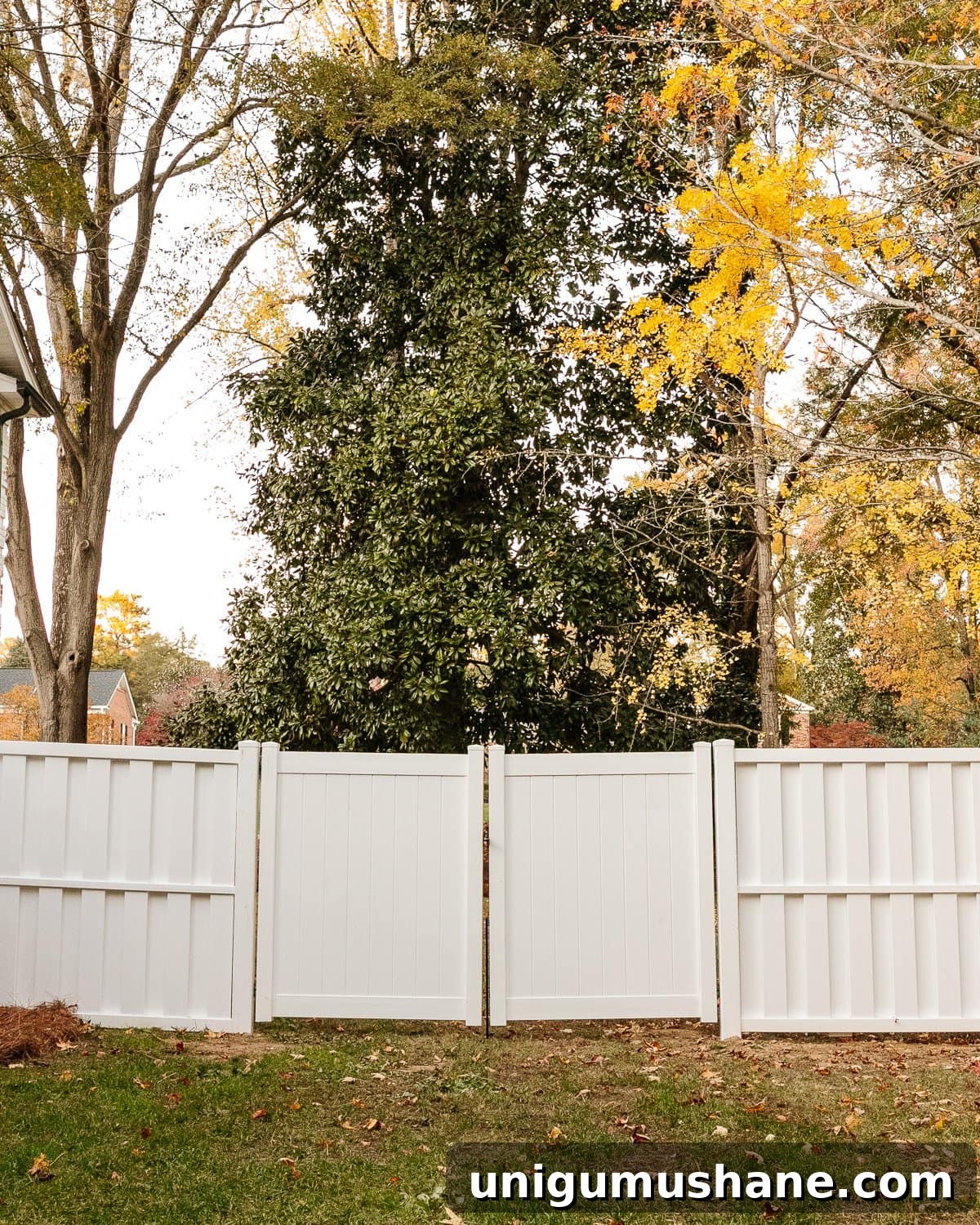
This post is sponsored by Ply Gem. All opinions are our own.
9 things to consider before choosing a vinyl fence — plus a straightforward guide to installing one yourself for a safe, low-maintenance yard.
Our vinyl fence is up and Phase 2 of the backyard is officially complete!
After years of planning, I can finally breathe a little easier. This project has been a long time coming — and it feels amazing to check it off the list.
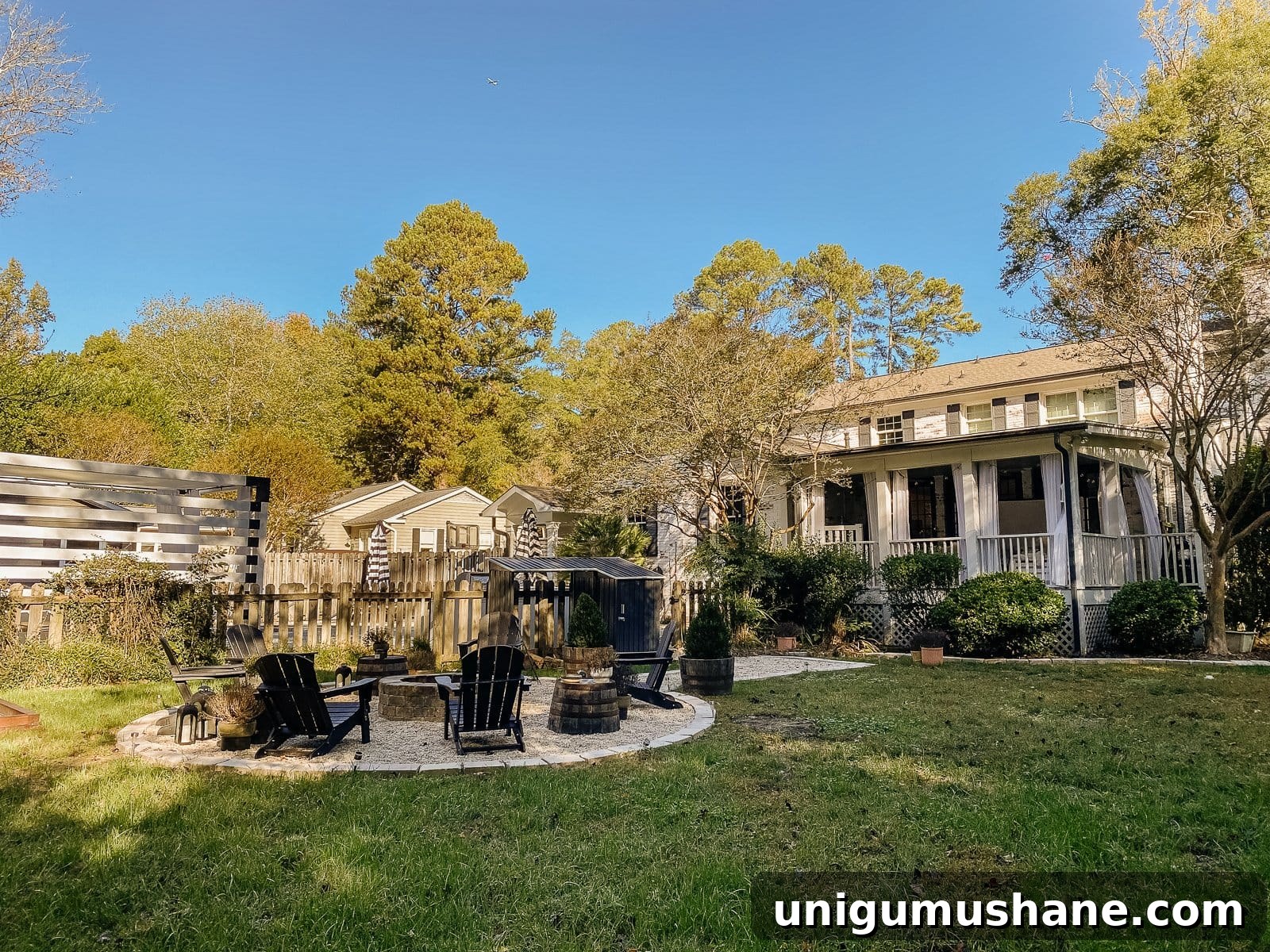
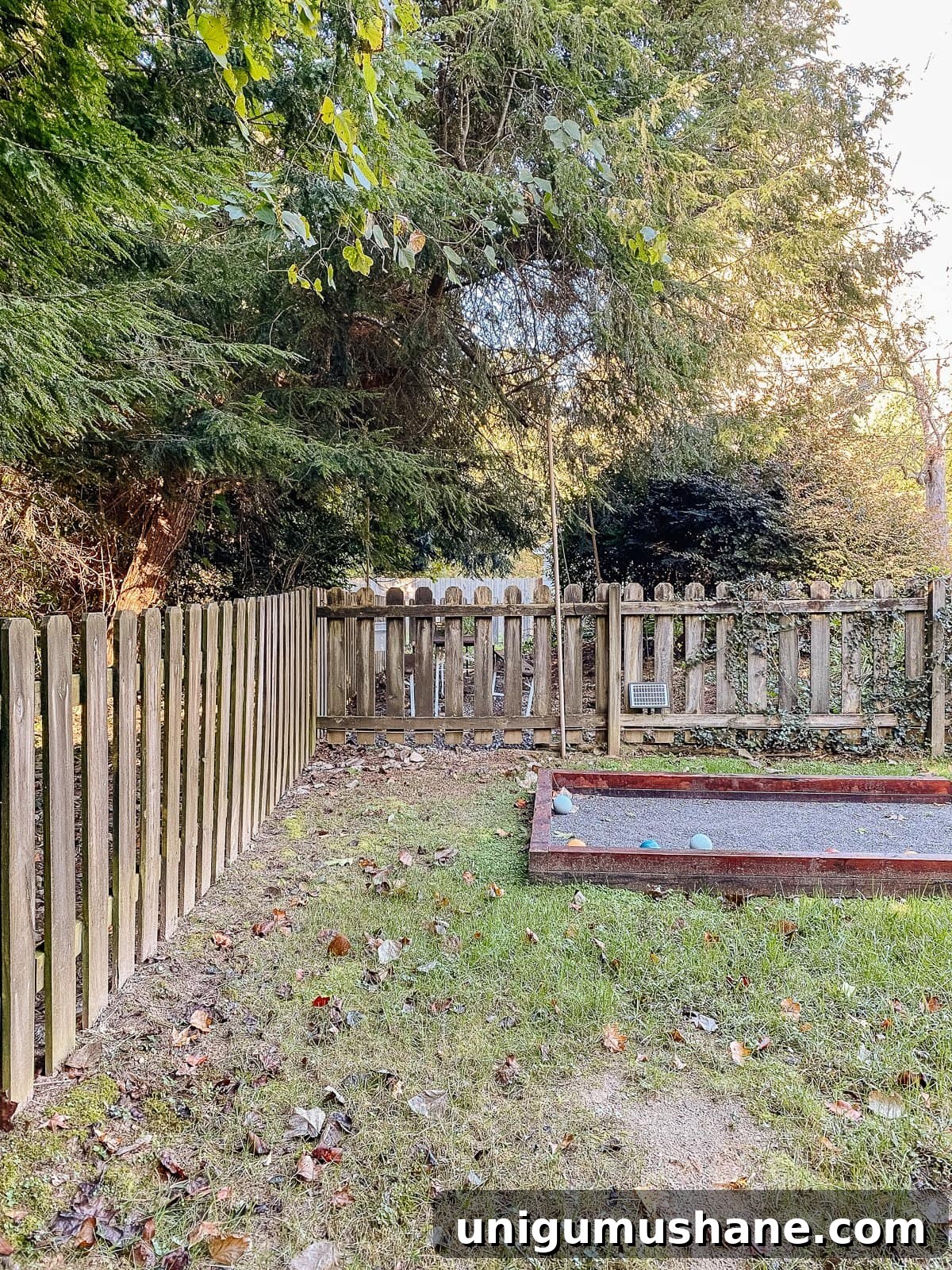
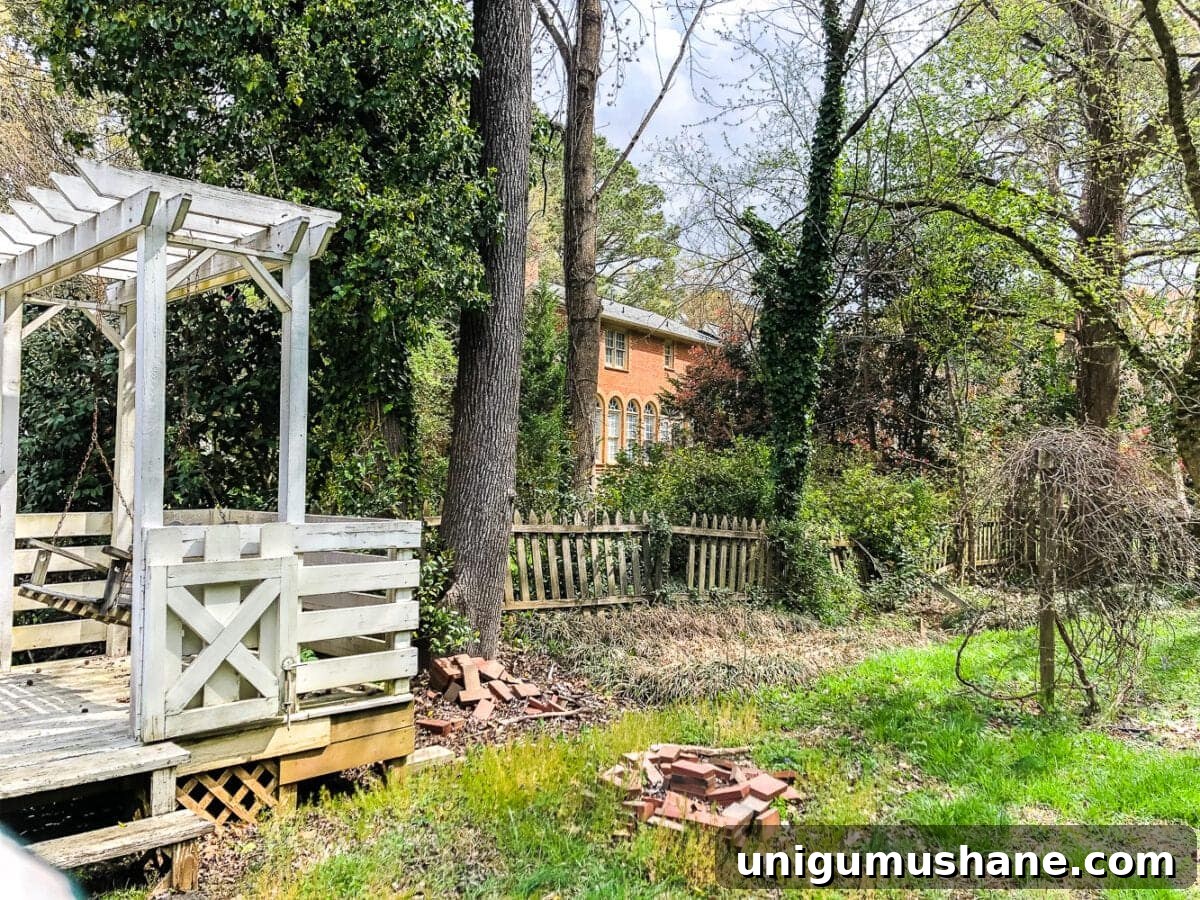
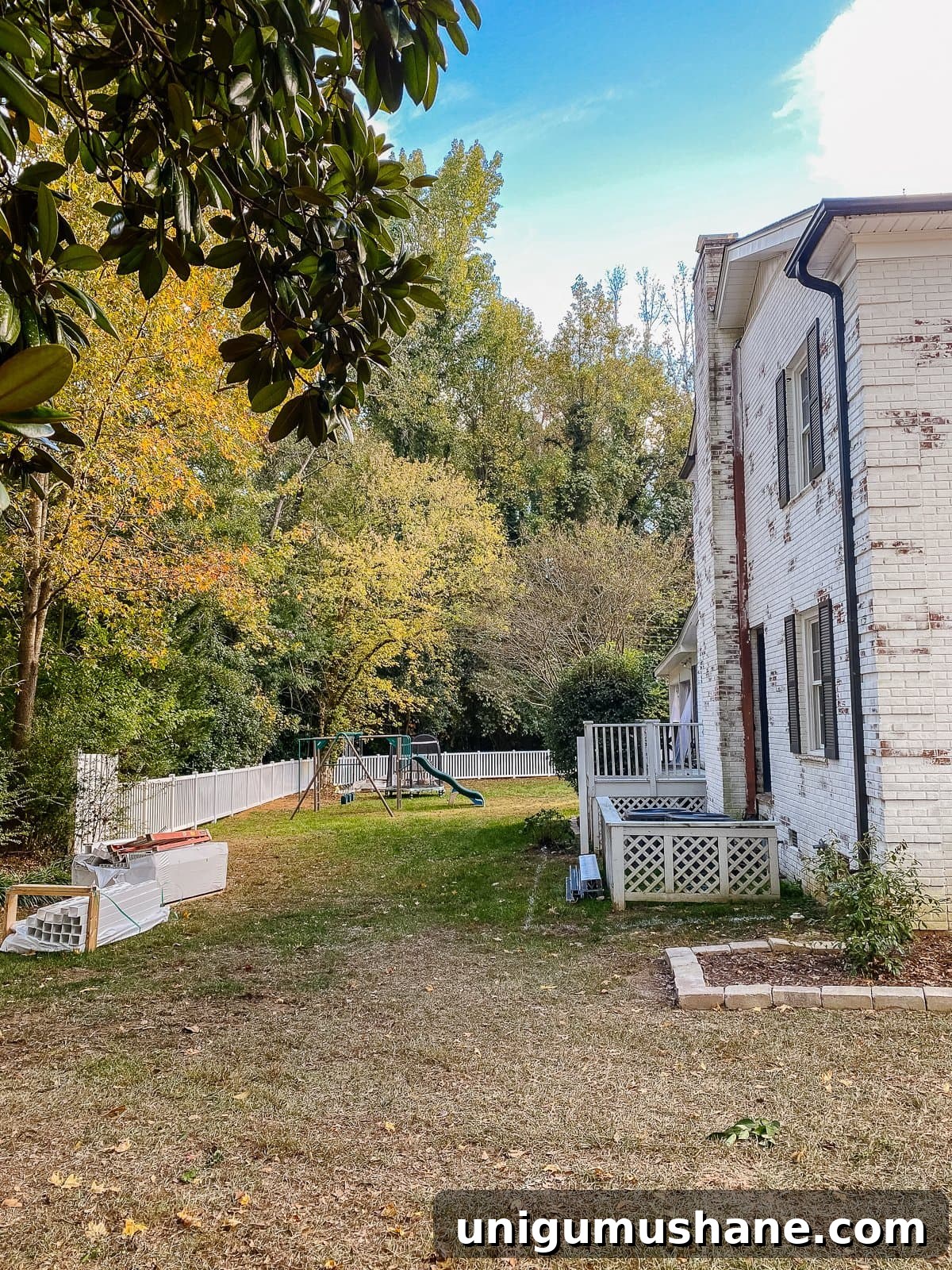
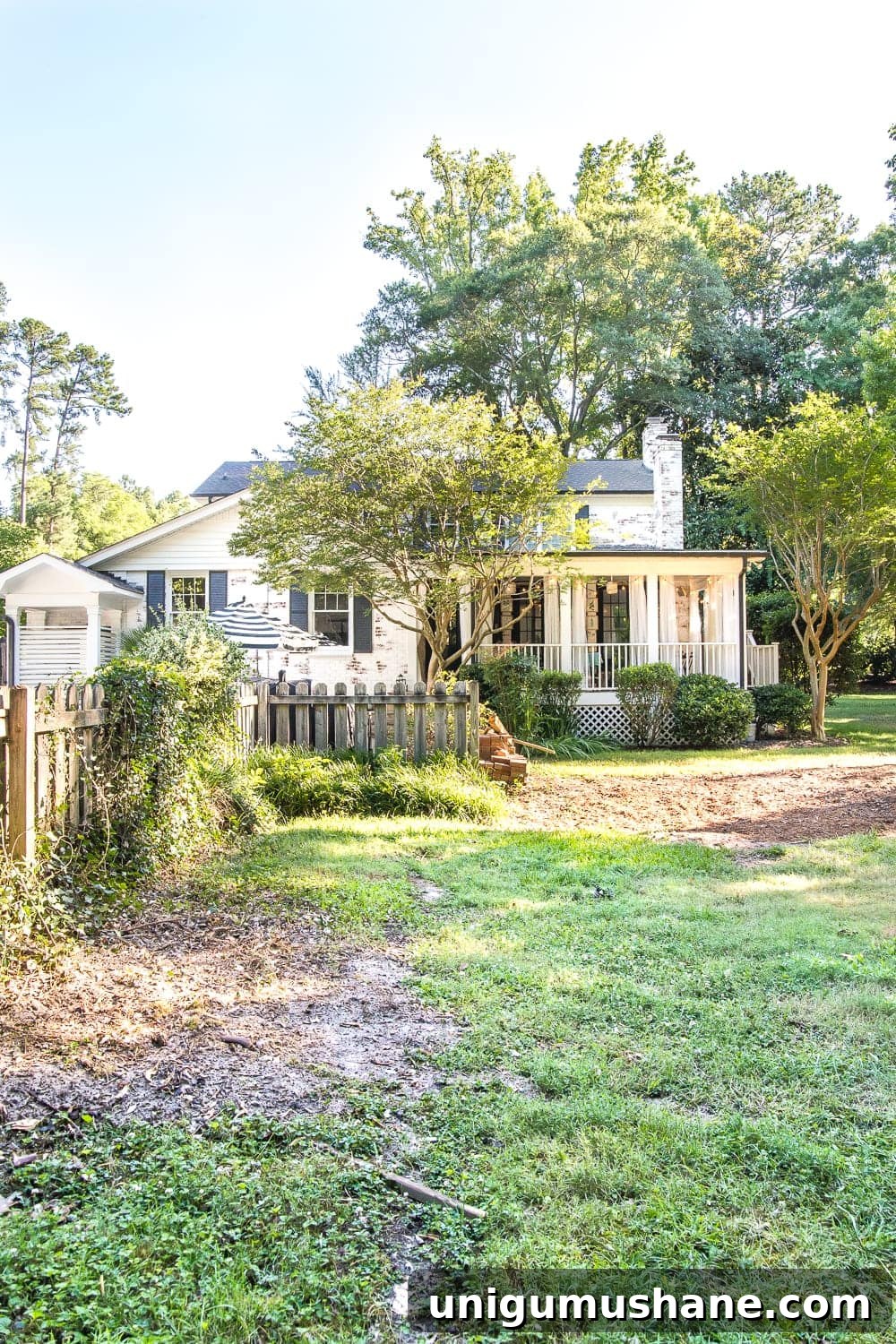
Remember this “before”? (Look how little Olivia was.)

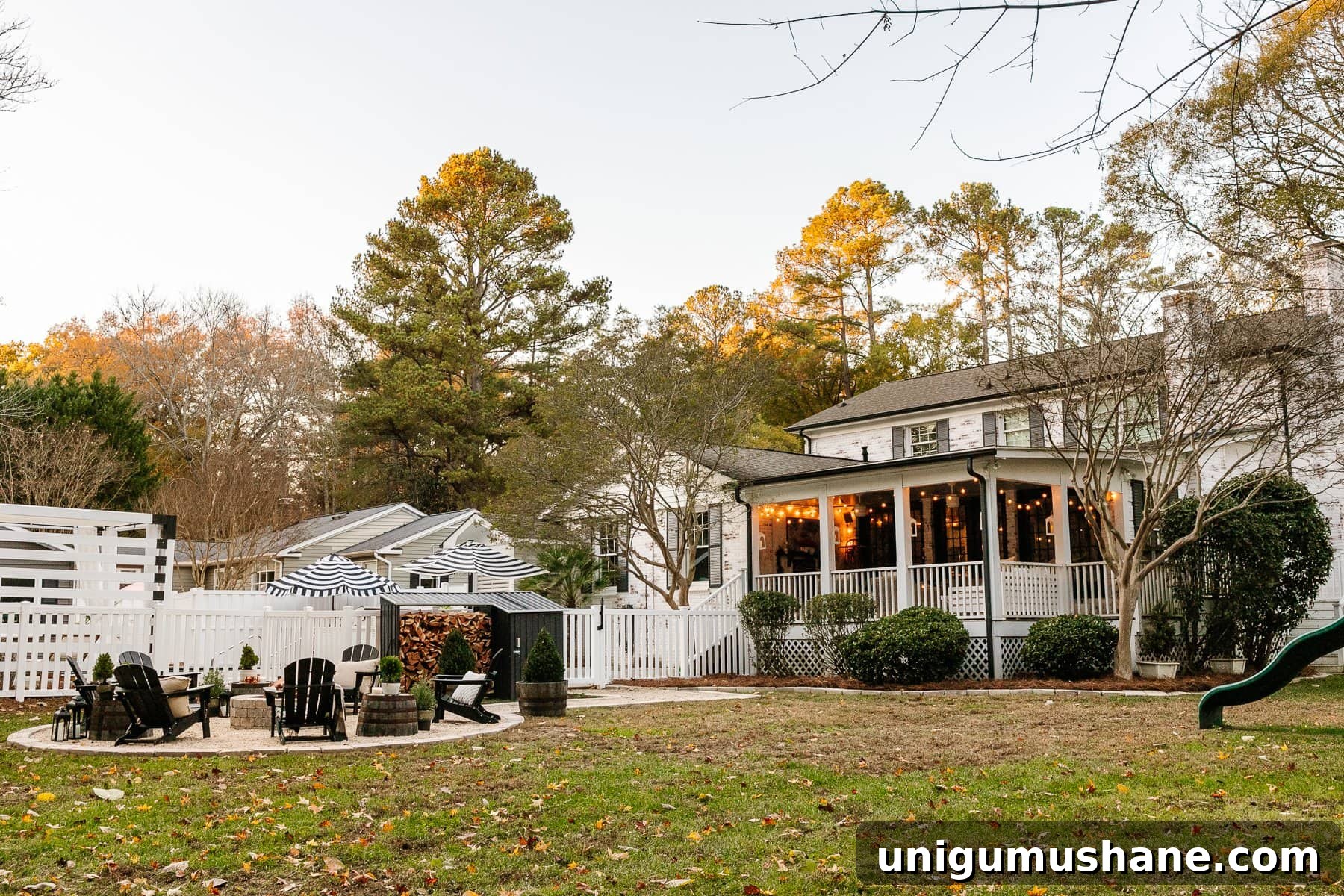
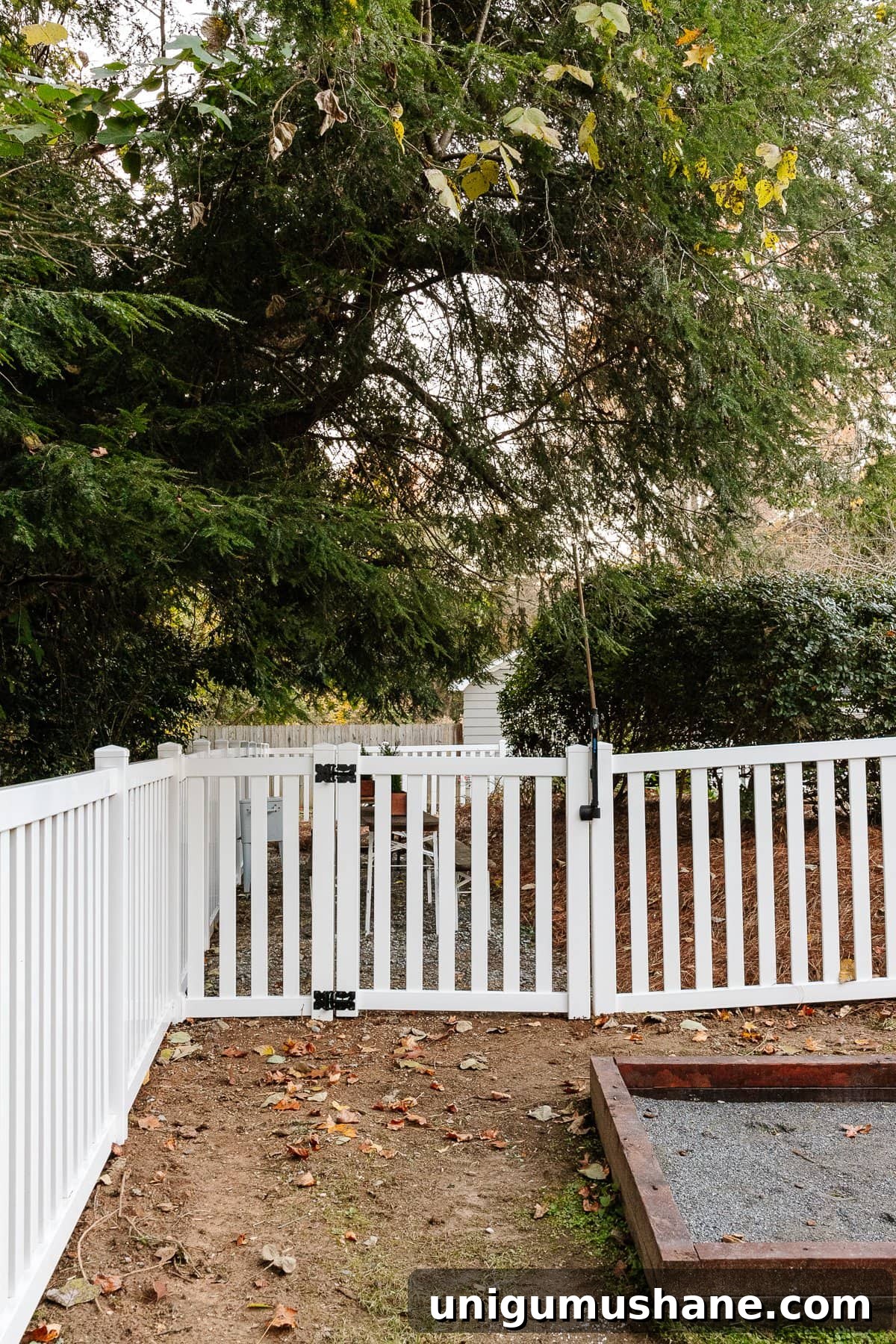
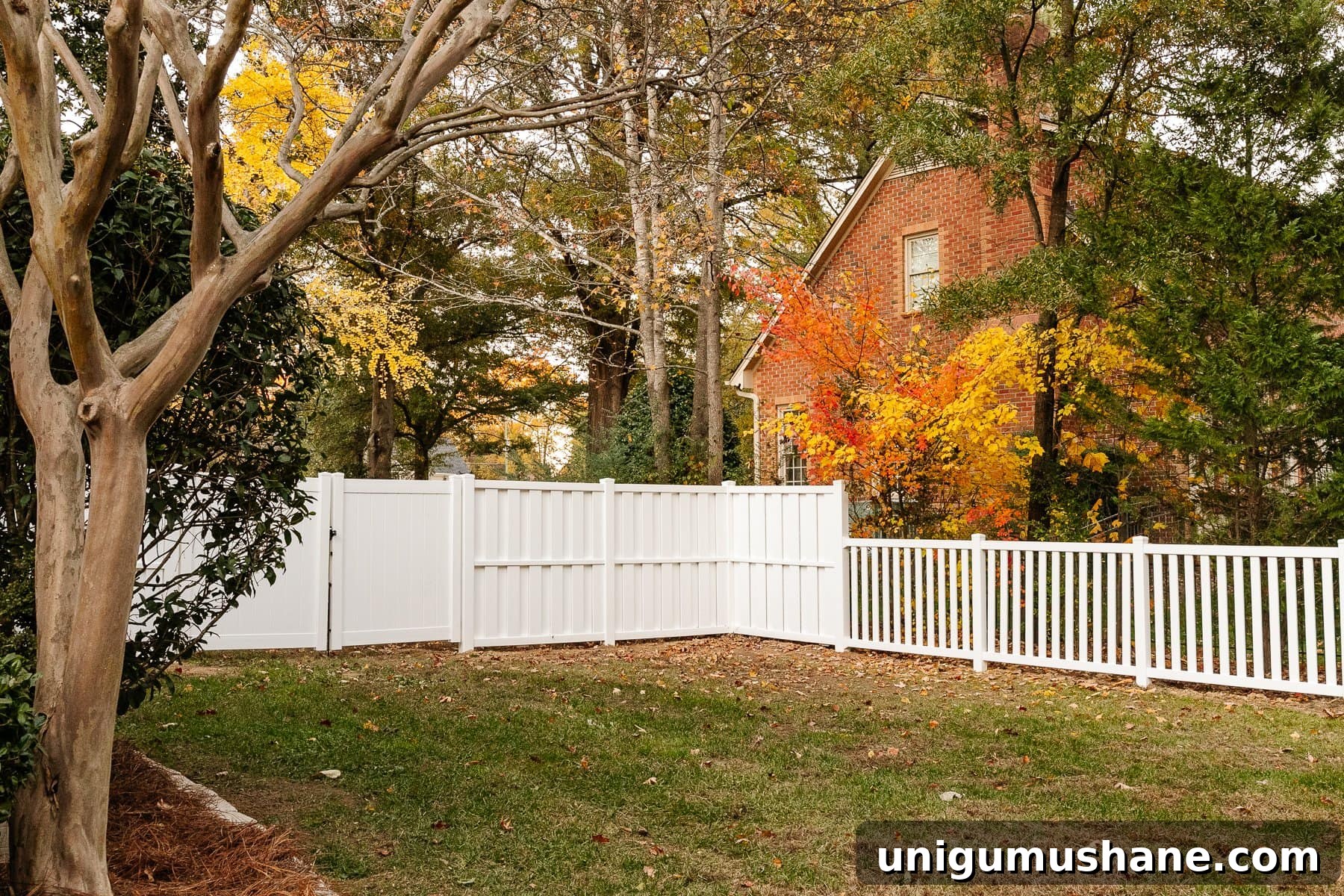
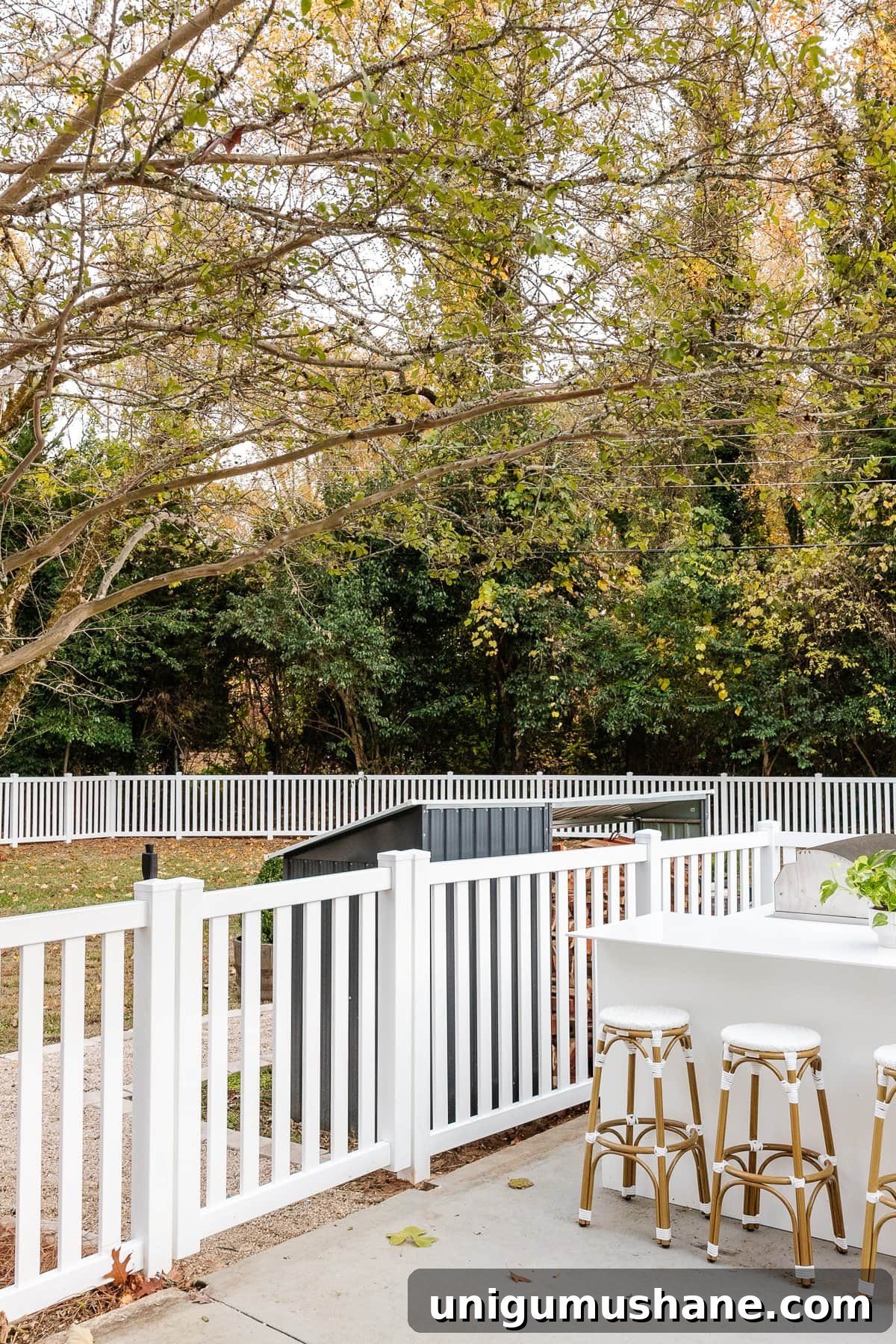
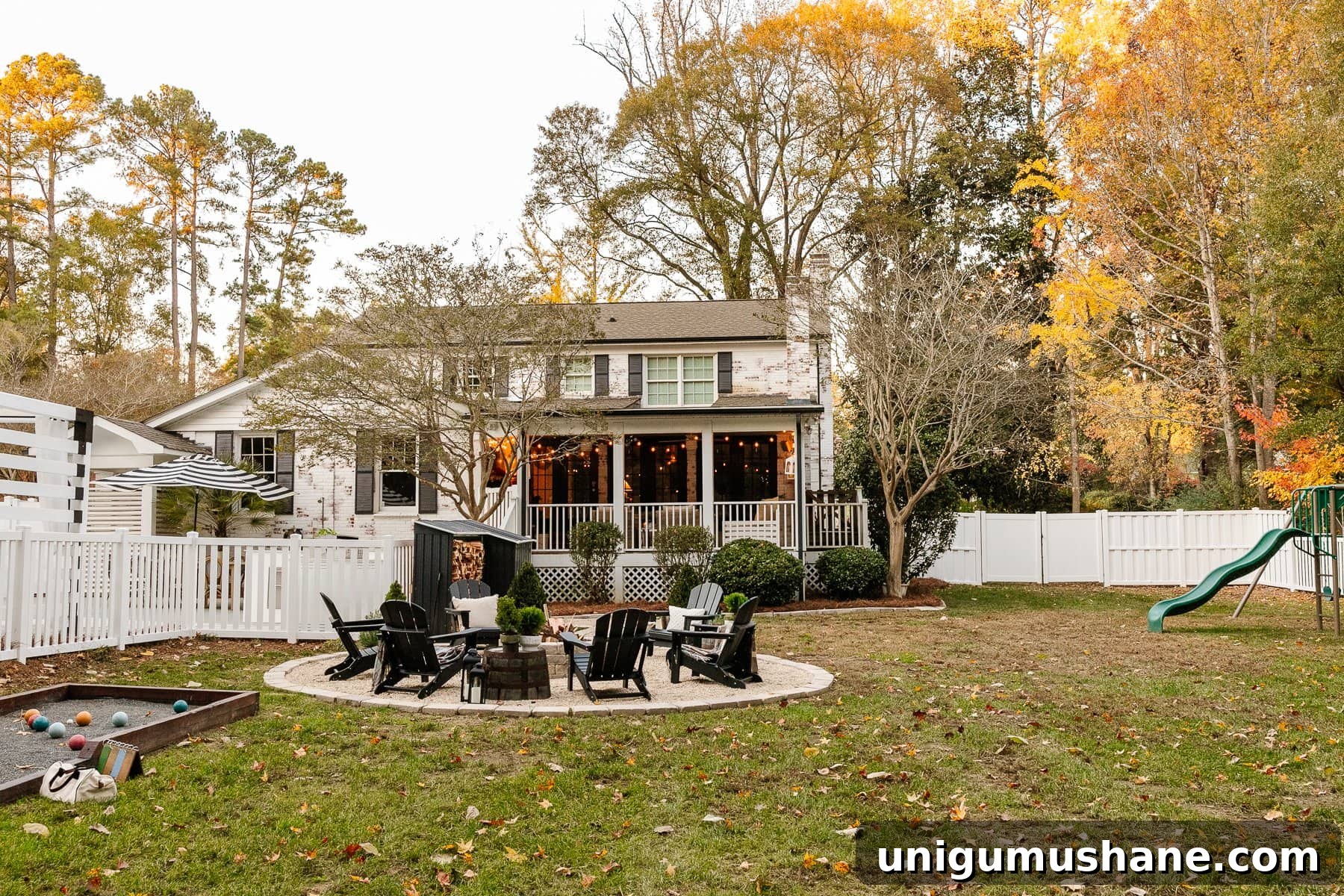
And here it is today — the transformation is so worth it. Our yard didn’t happen overnight, but it’s finally feeling finished.
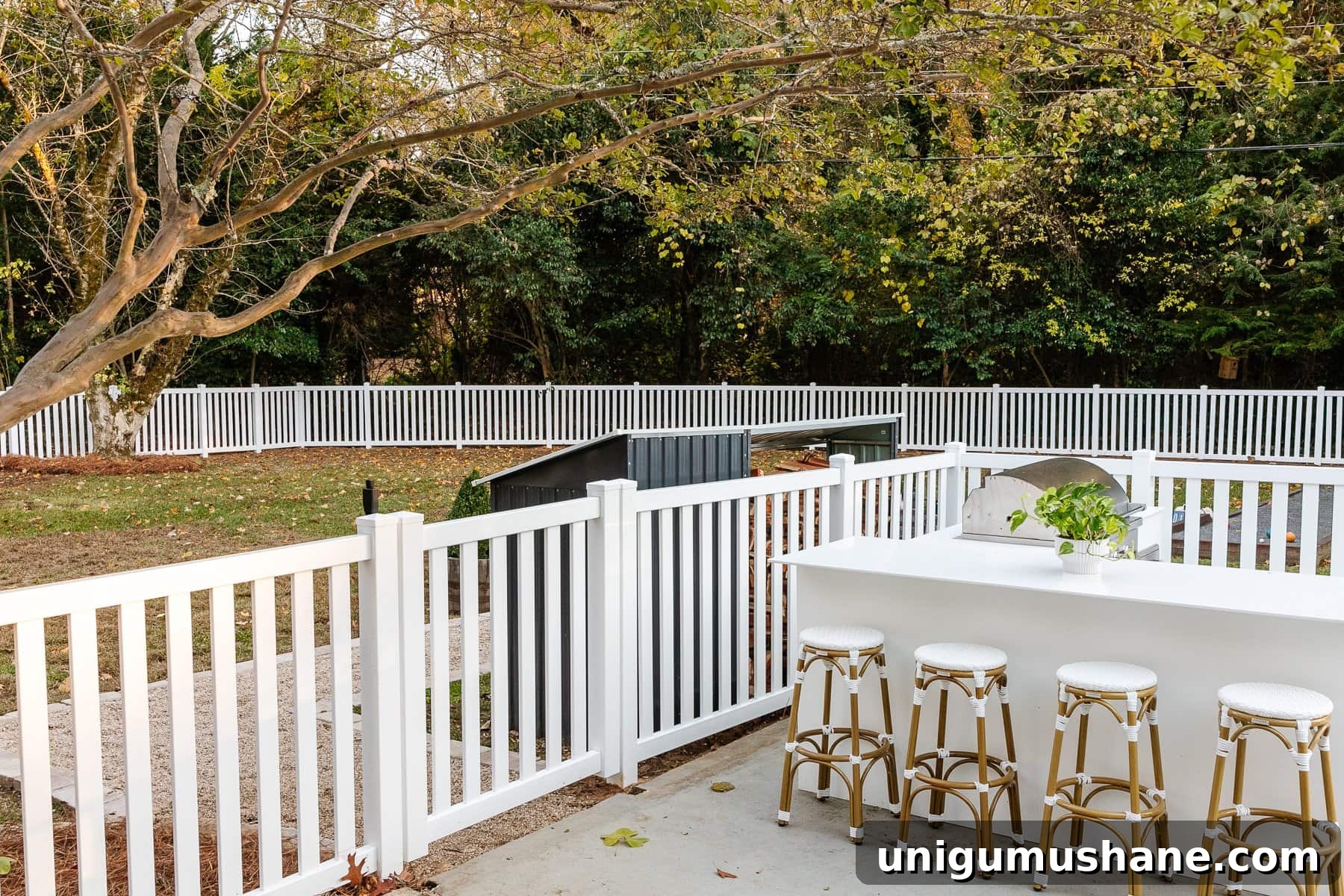
From the moment we moved in and saw the old, half-rotted wooden fence, we knew replacing it would be a major project. After four years of weighing options, we wanted a fence that would:
- keep our kids and dog safe
- be highly durable
- require very little maintenance
- look beautiful with our home
We evaluated many fence types and brands and chose a Ply Gem vinyl fence because it met all of our priorities. We partnered with Ply Gem for the installation, and it made a huge difference.
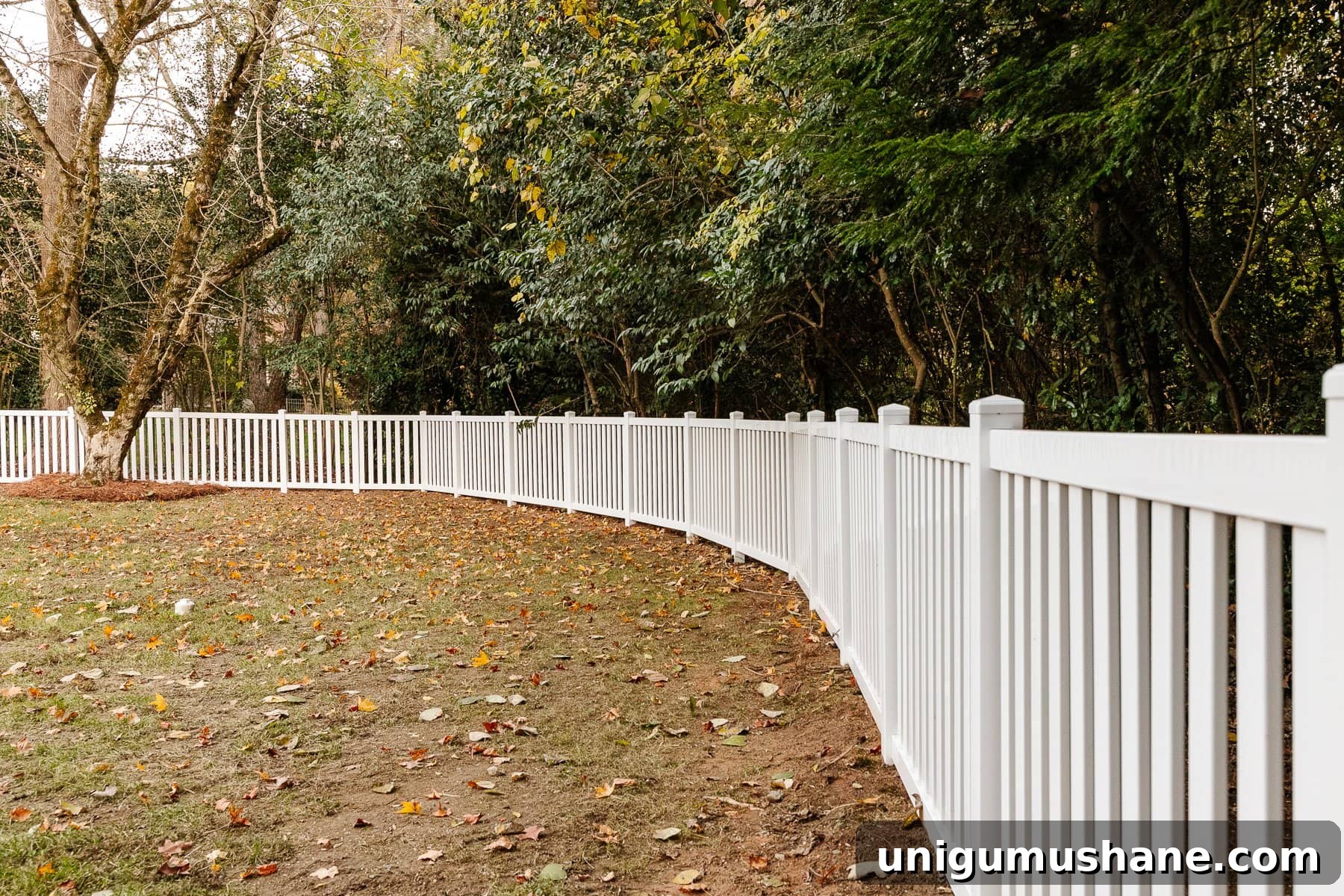
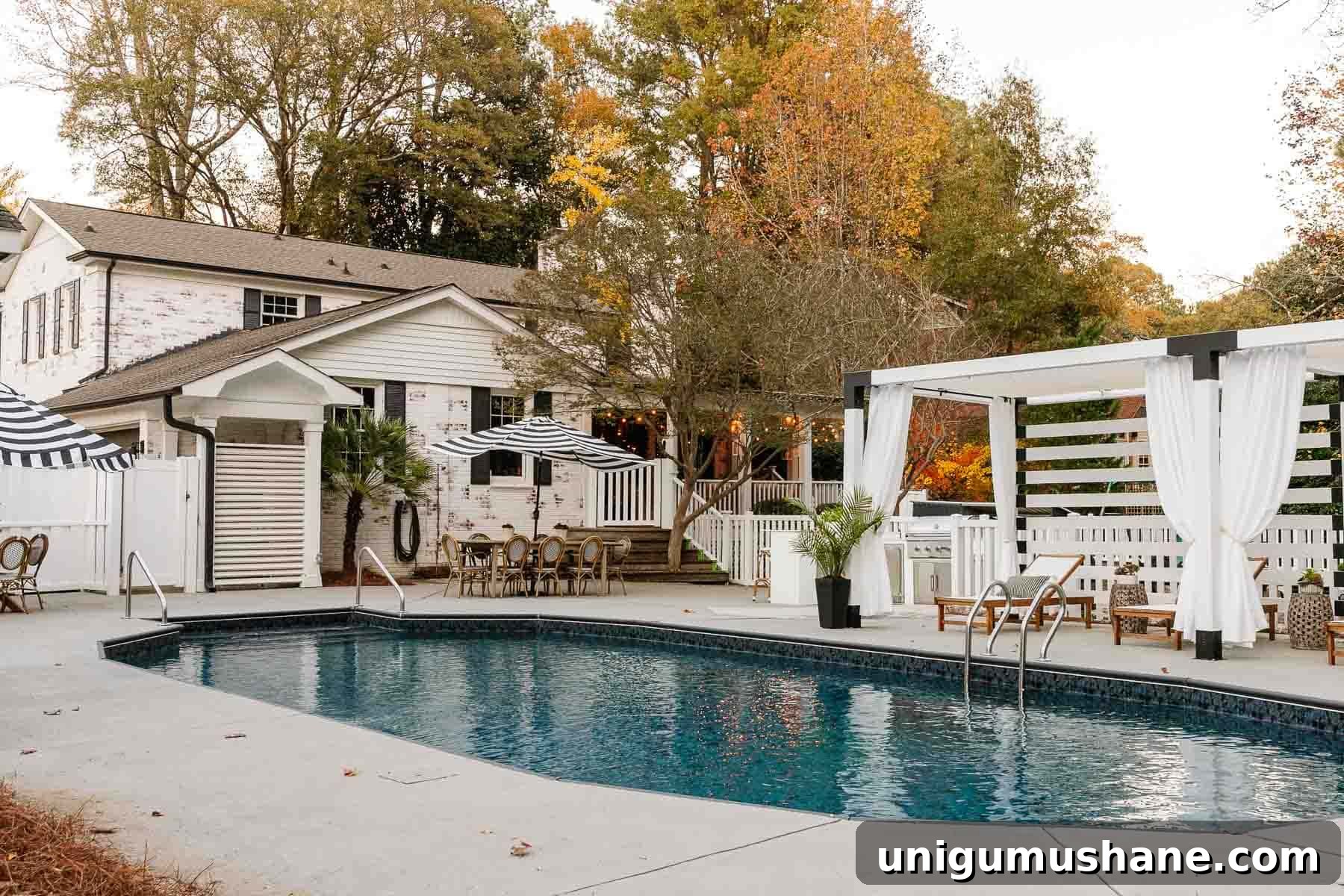
The new fence completely transformed the space.
What sealed the decision for us was the transferable lifetime warranty — we don’t anticipate ever needing to replace this fence.
If you’re facing a large fence replacement, here are nine important things to consider and a basic installation overview to help you decide whether to DIY or hire pros.
What to Know Before Building a Vinyl Fence
1. Understand Your Needs First
Decide the primary purpose of the fence. Need privacy? Choose a solid privacy panel. Want a boundary or to contain animals? A ranch rail or similar style will suffice. For decoration or safety around a pool or play area, a non-climbable picket fence at a minimum height of 4 feet is a common choice.
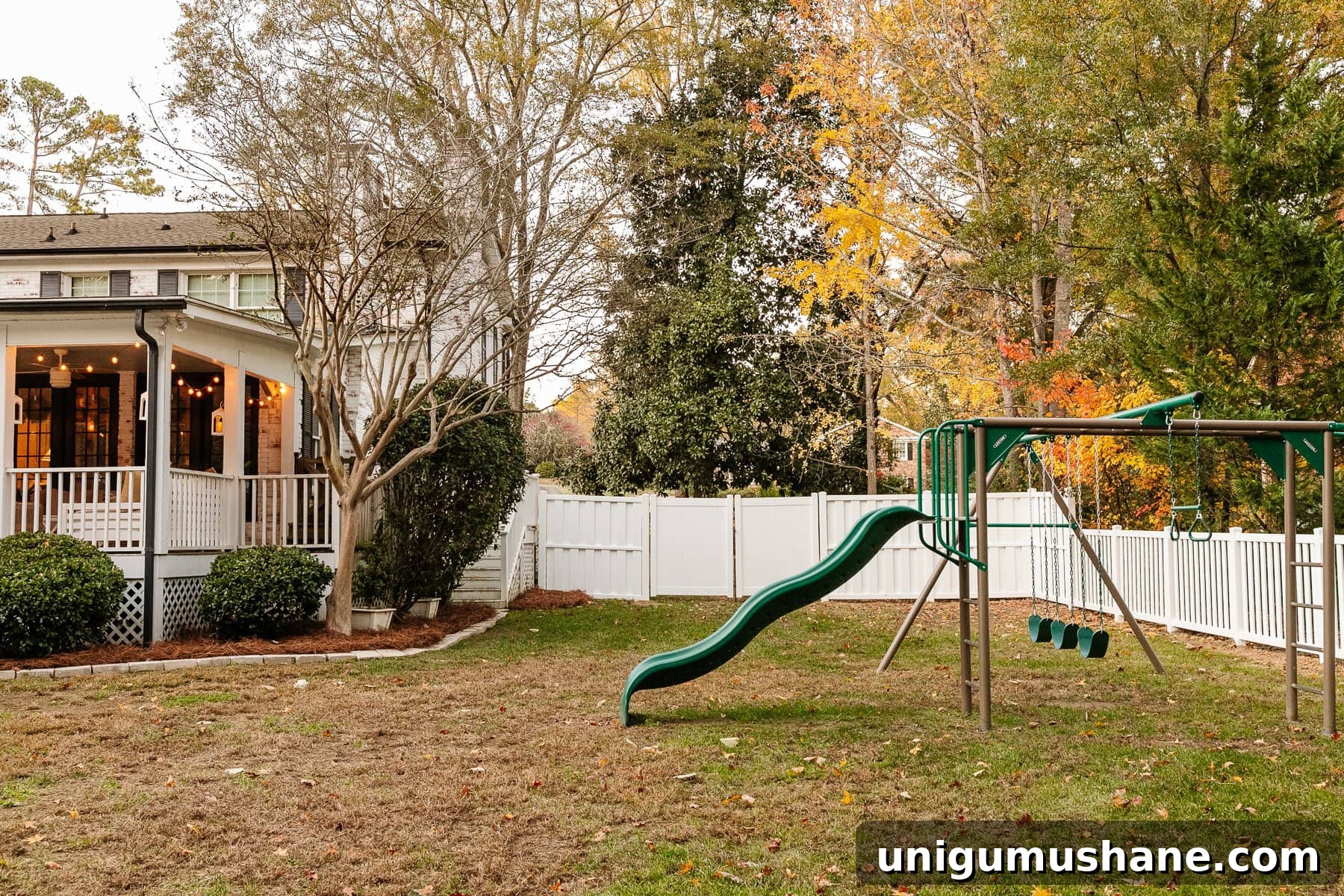
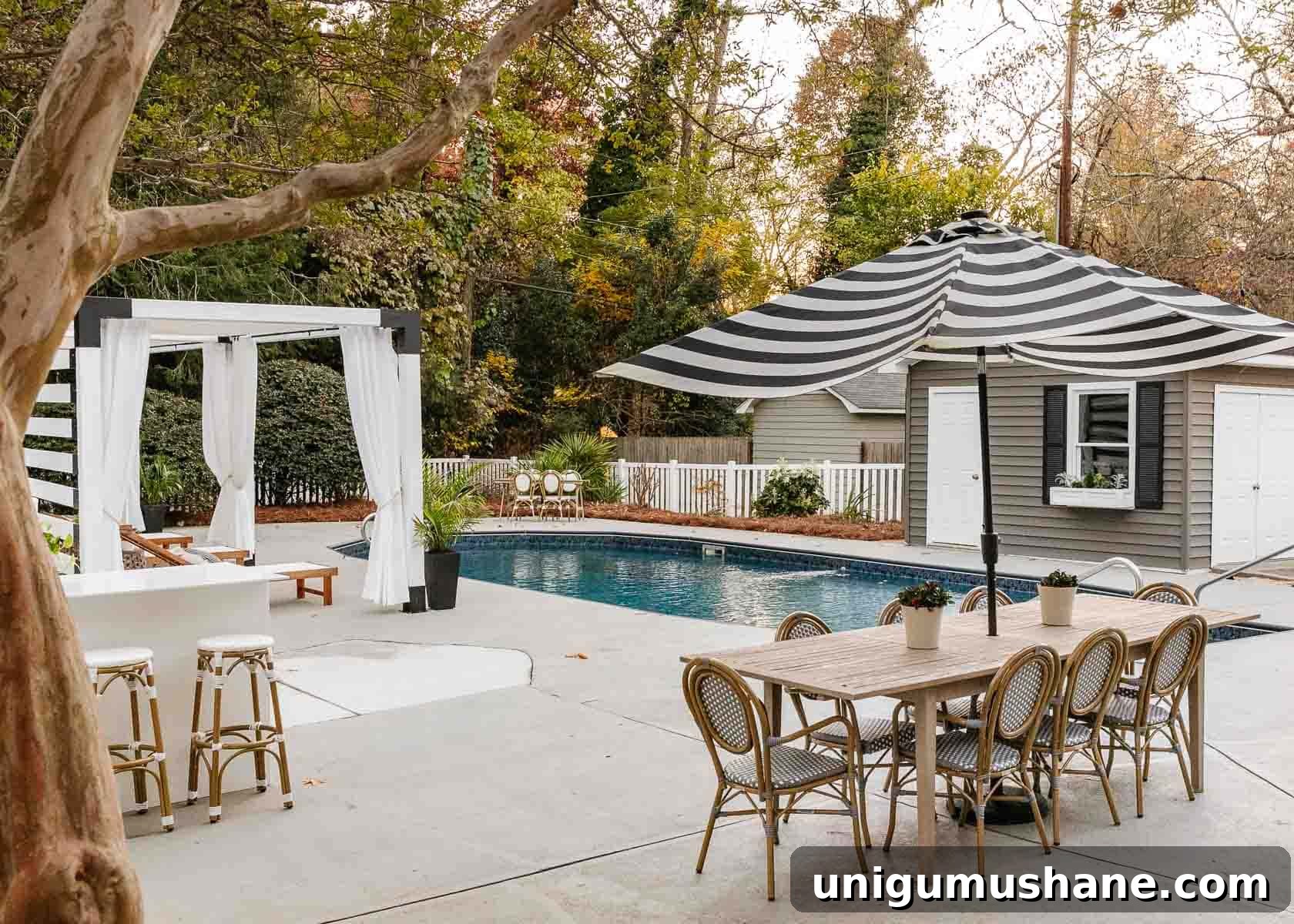
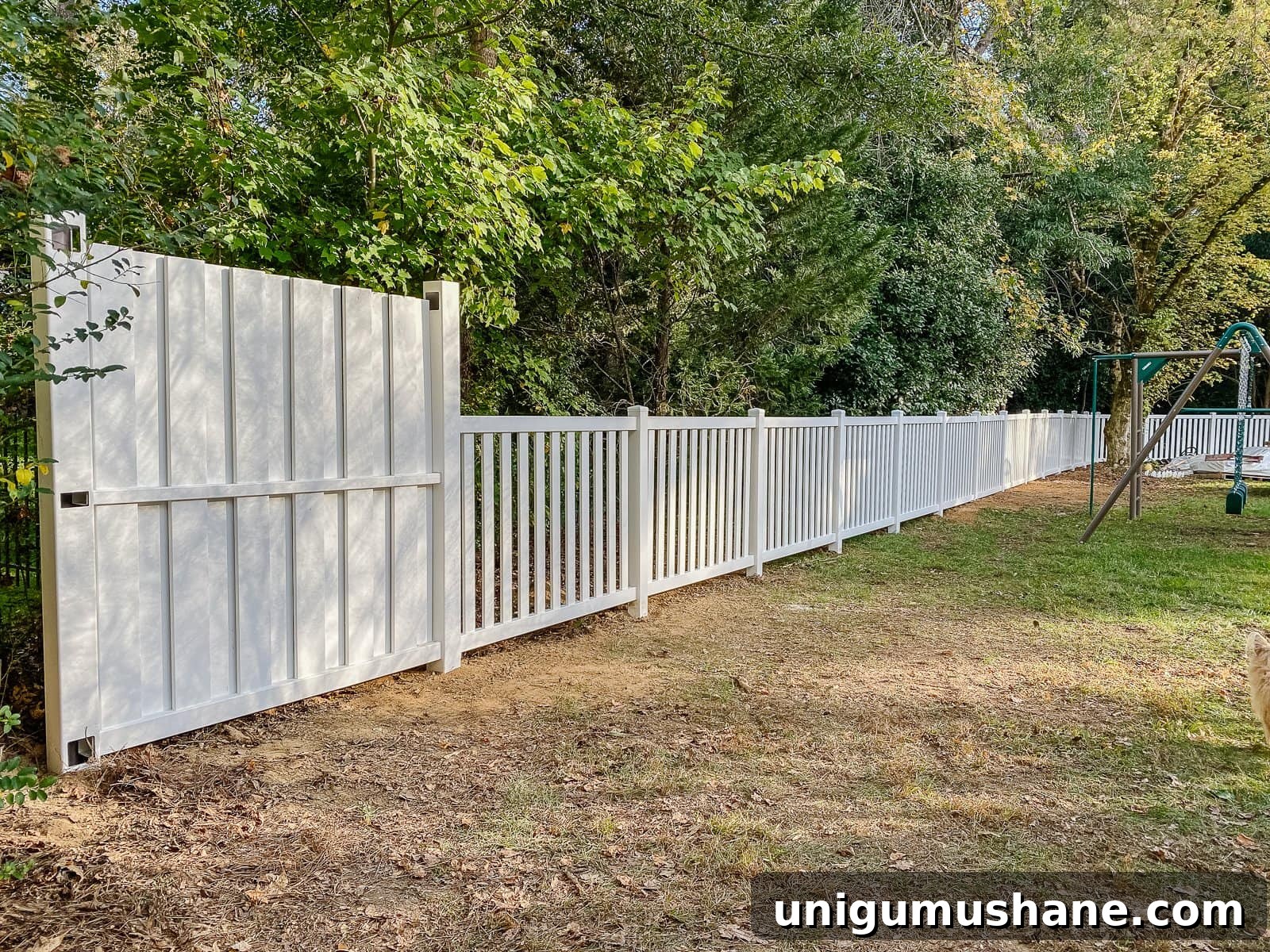
We needed a mix of privacy, aesthetics, and safety — so we used privacy panels along the street-facing portion of the yard and picket fencing to separate play and pool areas without closing off sightlines.
2. Match Your Home’s Color and Style
Choose a fence style and color that complement your home. Traditional homes often suit curved profiles and wood-look accents, while modern or rustic houses can work well with aged-wood tones or simpler lines. We opted for classic white Shadow Box Privacy combined with Closed Picket for a timeless, clean look.

3. Research Local Rules
Check with your HOA and local building department for restrictions on materials, height, style, and permits. Requirements vary by county and neighborhood, so confirm regulations before ordering materials or starting work.
4. Balance Cost and Longevity
Wood and metal fences can cost less up front, but wood rots and metal may rust over time. Vinyl costs more initially but can last decades without replacement, making it a strong long-term value. We chose vinyl to avoid future replacement costs and ongoing maintenance.
5. Verify Property Lines
Don’t risk building outside your property line. Have your property surveyed or check for an existing survey at your county records office. Mistakes can be costly and lead to neighbor disputes.
6. Talk to Neighbors
Discuss your plans with neighbors ahead of time to avoid surprises and address concerns. We were fortunate to have great neighbors who were supportive of the project.
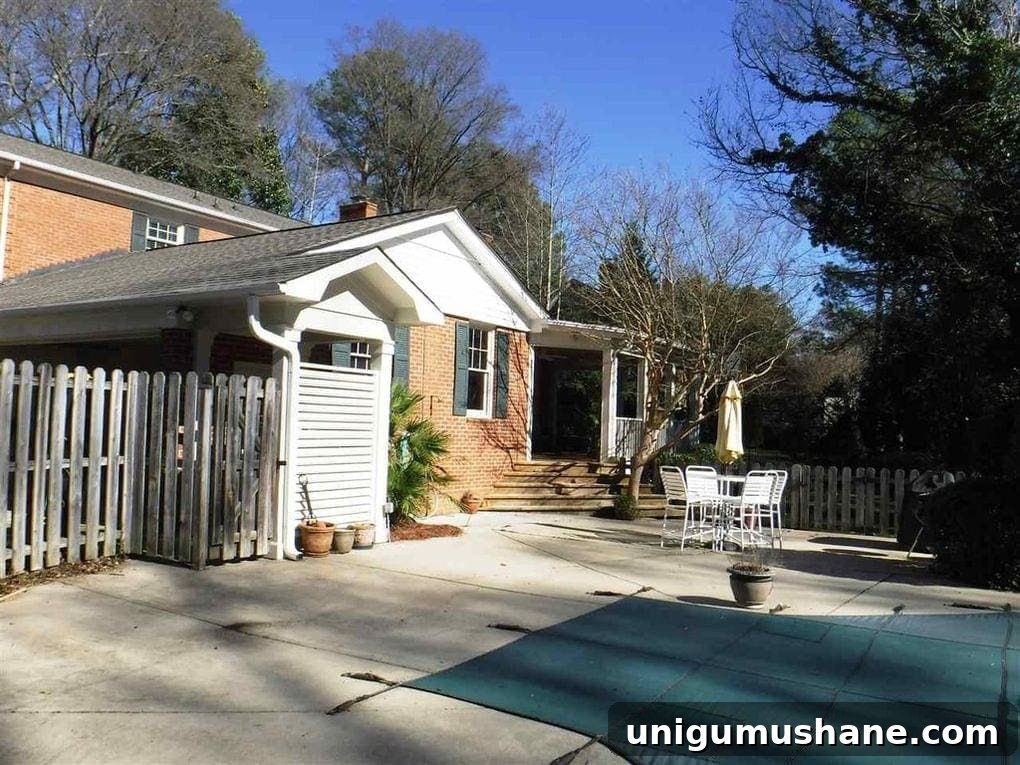
Here’s a reminder of what our yard looked like before — it was a lot of work to get to this point.
7. Mark Underground Utilities
Call 811 or your local utilities before digging so underground lines are located and marked. It’s essential for safety and to avoid service disruptions.
8. Plan Gates Carefully
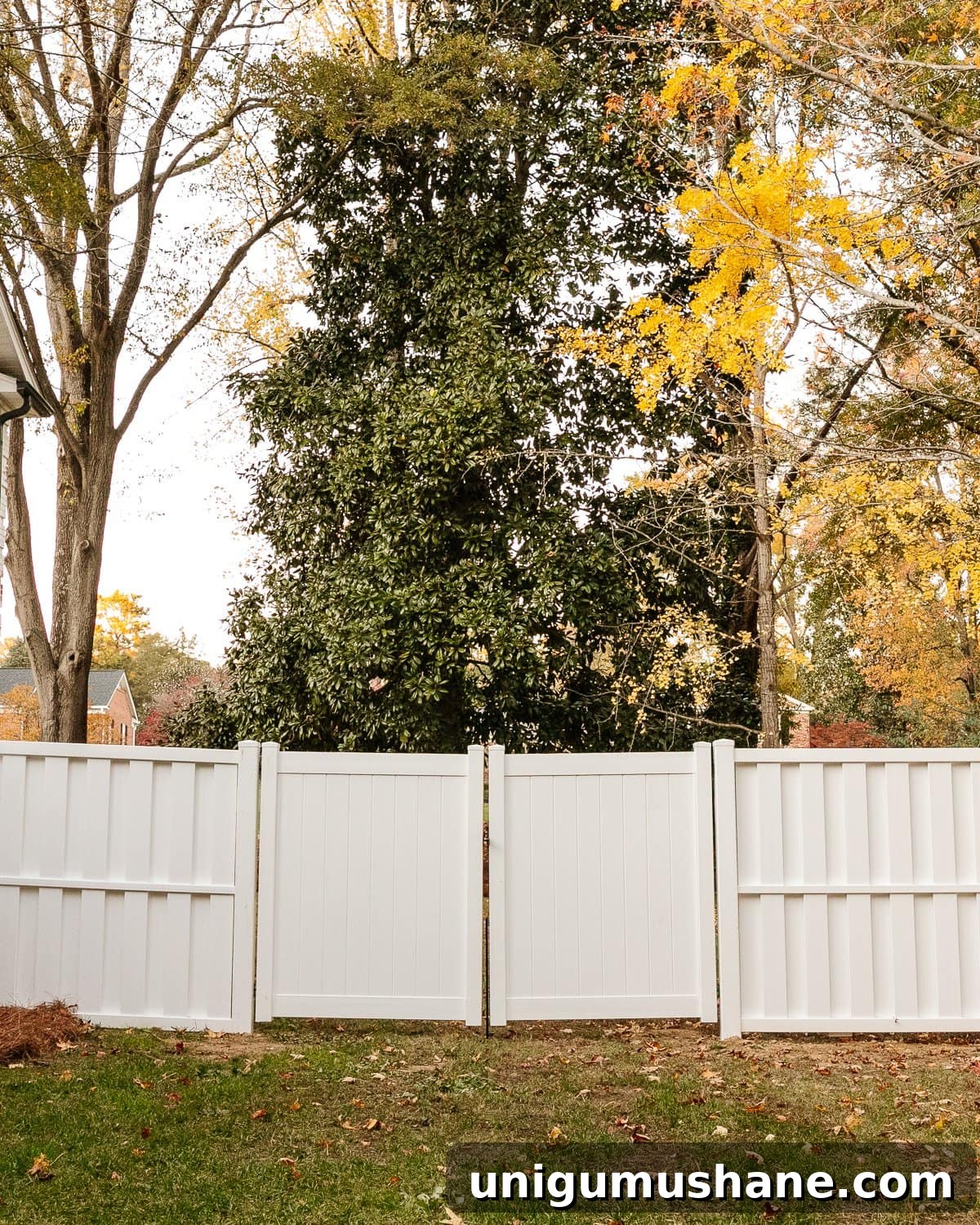
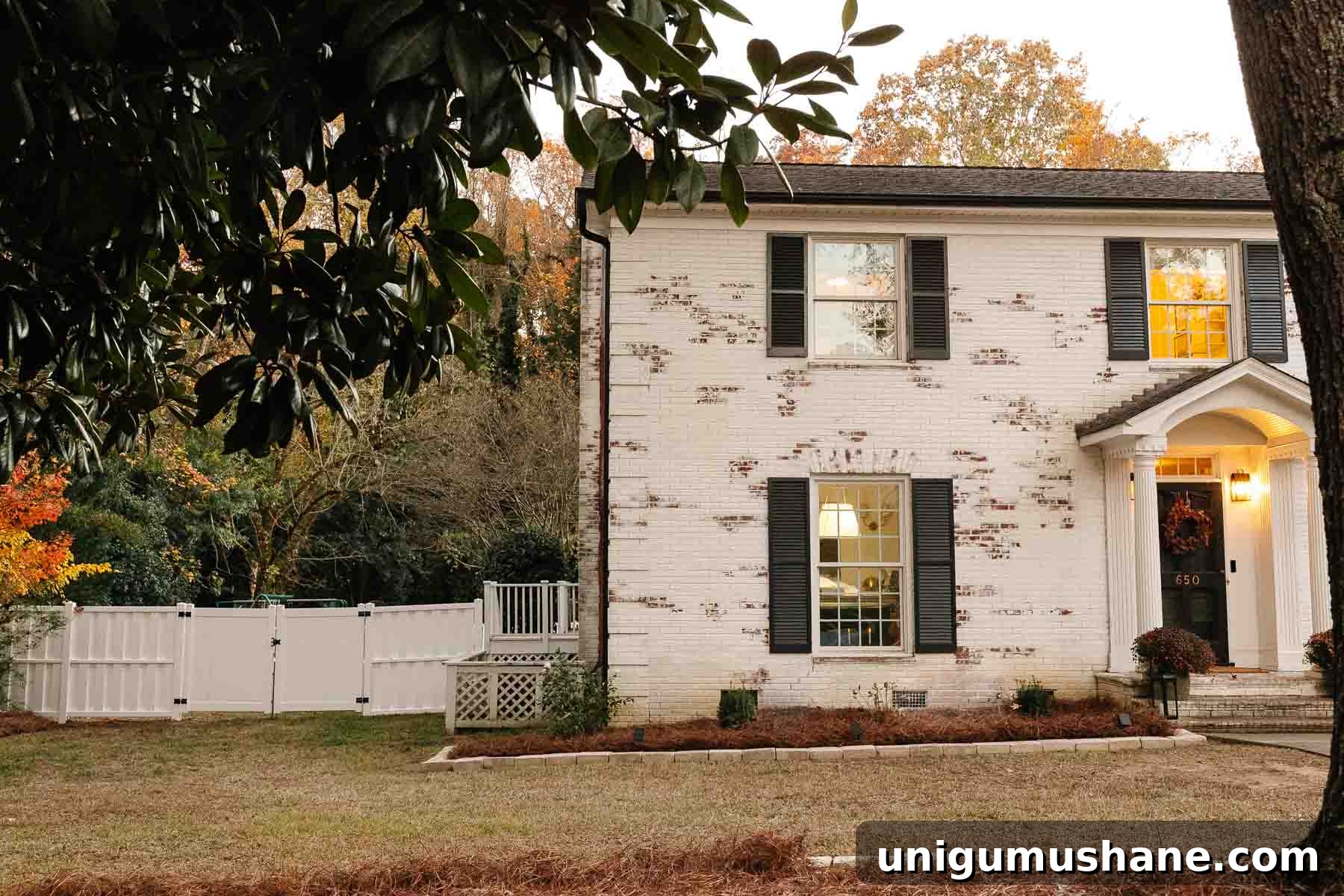
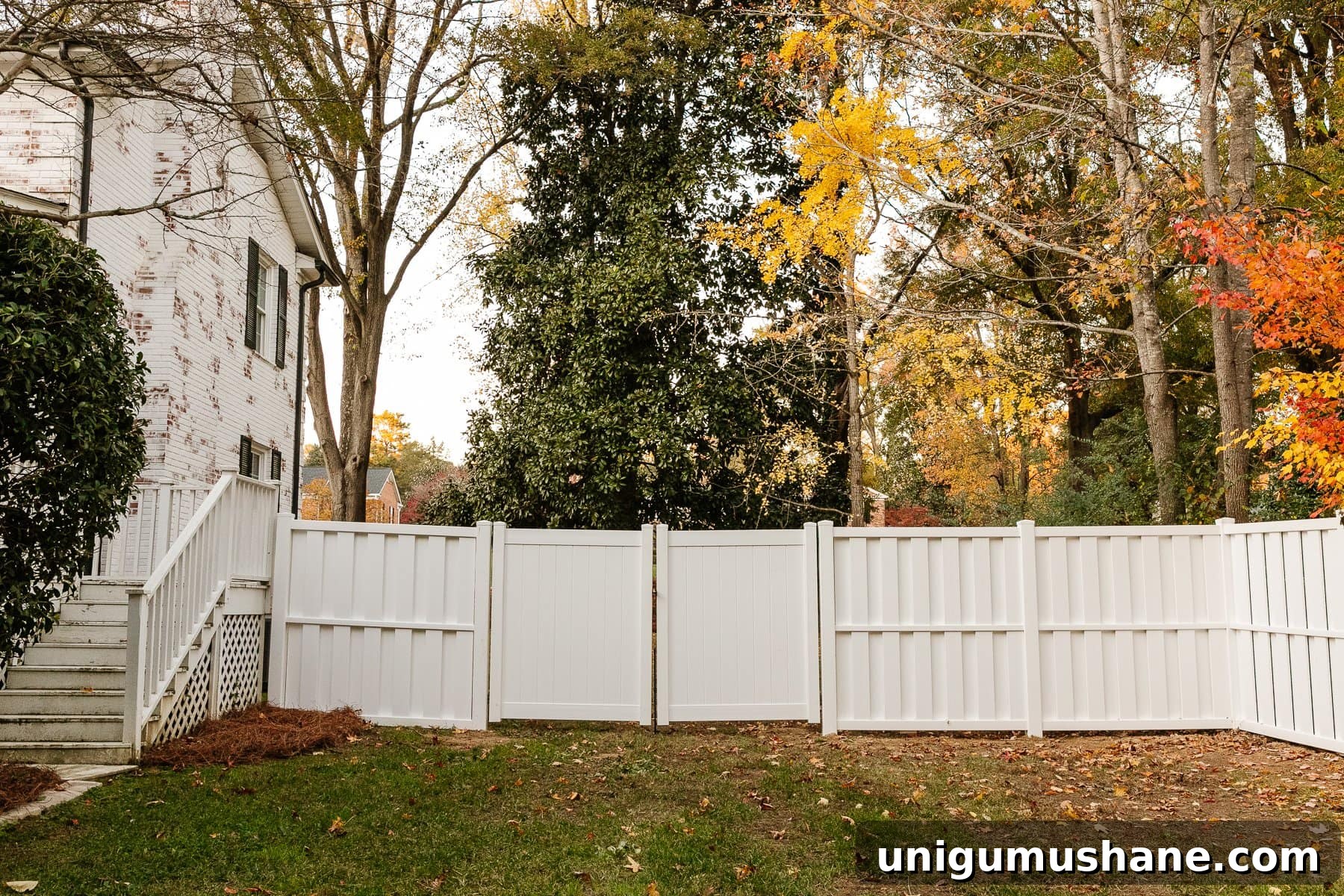
Have at least two gates, and make one wide enough for large equipment like a lawnmower. We added wide double gates on both sides of the house for equipment access, a pool entrance gate, and two gates along the interior picket divider to improve circulation during gatherings.
9. DIY or Hire a Contractor?
You can rent an auger and install Ply Gem vinyl fencing yourself, which may save money on labor. However, removing an old fence, hauling debris, and renting additional equipment can be time-consuming and costly. For us, removing the old wood and managing disposal made hiring a contractor the sensible choice.
Our contractors completed the job in two weeks with a four-person crew. The labor cost about $10,000, but considering the time, equipment, and safety involved in removing the old fence, it felt worth it.
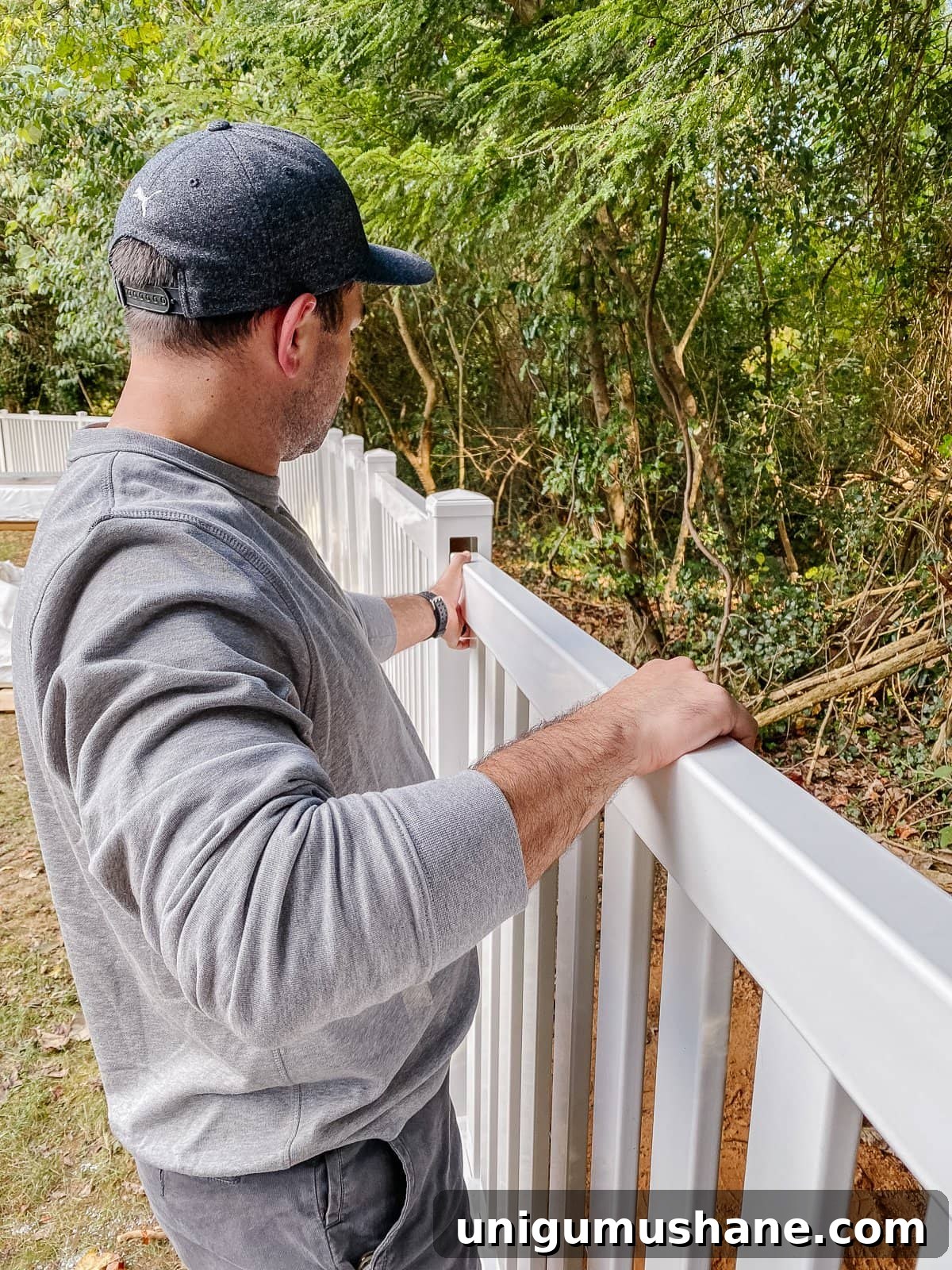
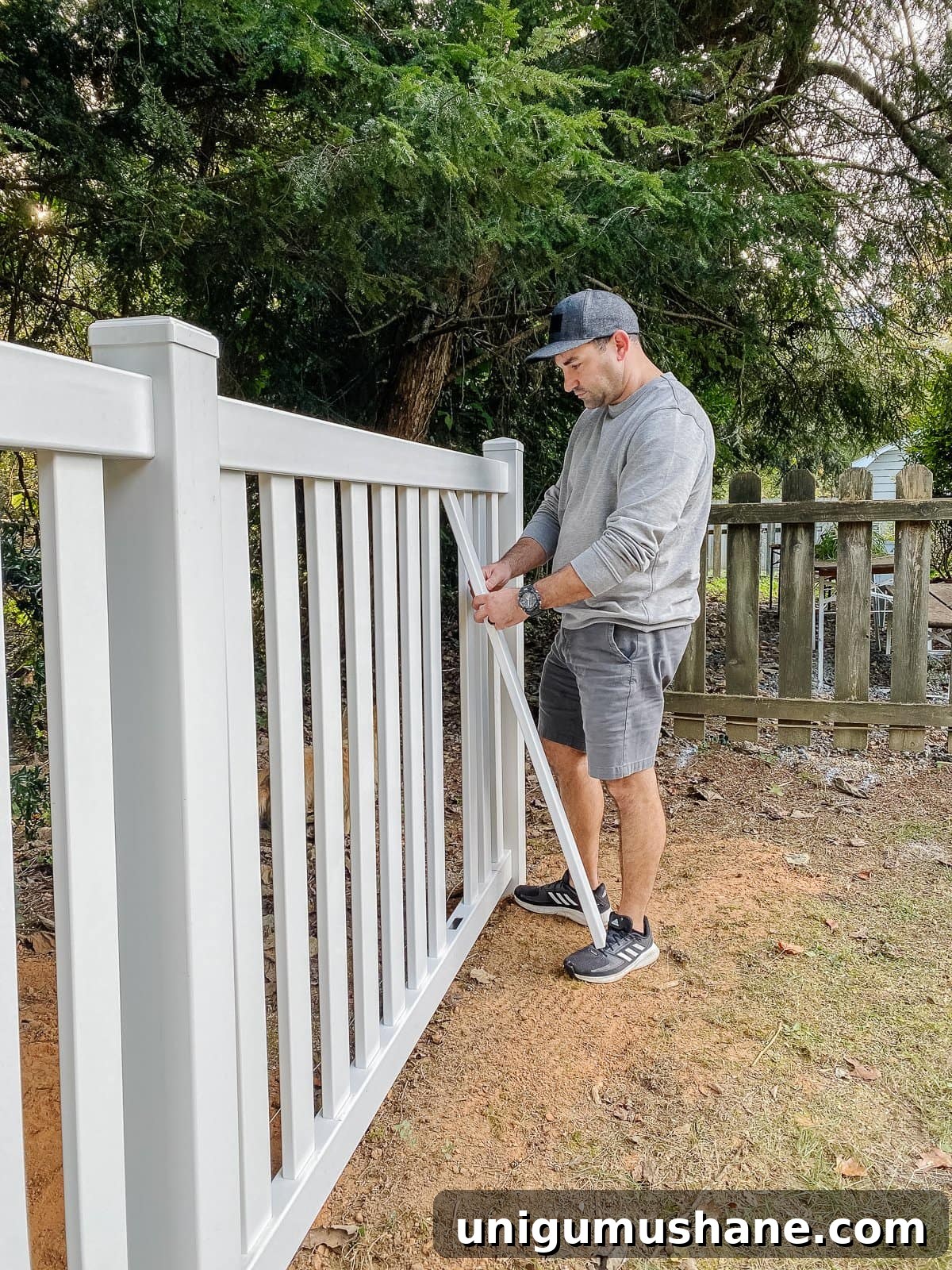
We did assemble a few sections ourselves to understand the process — it is straightforward for those comfortable with basic carpentry and tools. If we hadn’t had to remove the old fence, we likely would have done the installation ourselves.

How to Install a Vinyl Fence
Dig Post Holes
Use a post-hole digger or power auger to dig holes 10″ in diameter. Check local building codes for required post depths (a common guideline is one-third of the post height). Dig about 6″ deeper than required to allow for a gravel base for drainage.
Set gate and main posts 6″ deeper for additional stability, and add about 6″ of gravel at the bottom of each hole to reduce water buildup and erosion.
Set Posts
Fill the holes with quick-setting concrete according to the product instructions. Position the hollow posts over the gravel and tap them into place with a mallet until the post bottoms reach the gravel level.
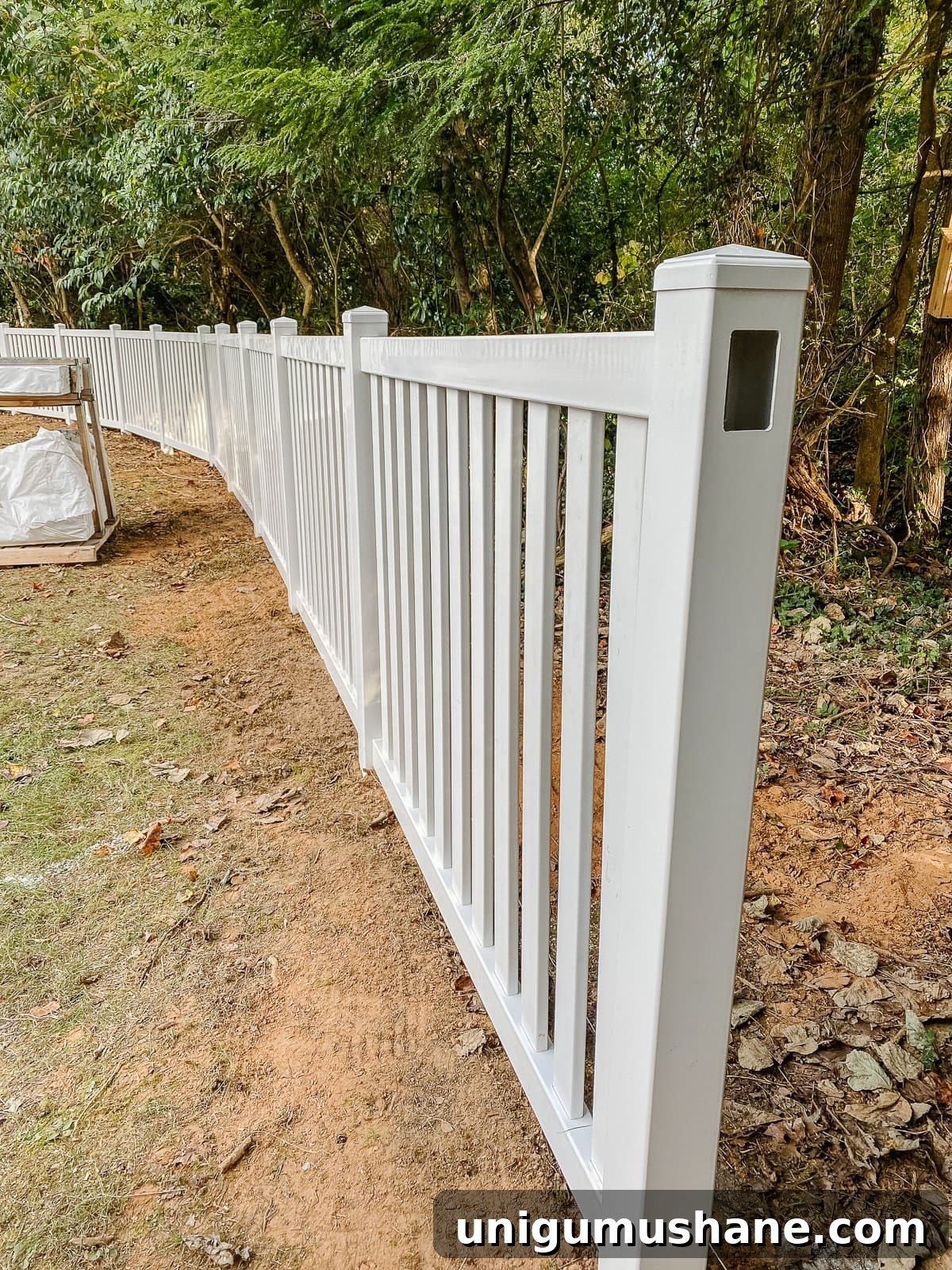
Use a level to make sure each post is plumb. Slope the concrete away from the post top to prevent water pooling. Set end and corner posts first, run a string between them, and use that line to align the intermediate posts. Before the concrete fully cures, recheck plumb and alignment and make final adjustments.
Attach Fence Panels
Fasten rail brackets to the installed posts per the manufacturer’s instructions. Slide the rails into the brackets and secure them with screws, then insert vertical pickets or panels into the rails.
Install Gates
When sizing gates, add 1-1/4″ to the gate measurement for the width between posts and leave about 5/8″ clearance on each side for hardware. Reinforce each gate post internally with outdoor-rated 2x4s, pre-drill for fasteners, and attach hardware designed for exterior use.
Vinyl Fence Maintenance
Vinyl fences are low-maintenance. Periodic pressure washing is all you’ll likely need if mildew or dirt appears. Otherwise, enjoy the fence and forget about frequent repairs or painting.
The (Semi) Finished Backyard
Our yard feels polished, bright, and more functional. We’re excited to watch the grass fill in this summer and may add a playhouse, improve turf and garden beds, or update the pool deck later — but for now, it feels like a major milestone.
These photos show how far things have come over the past few years. The hard work was worth it — this is our family’s happy place.
We’ll share a full budget breakdown for the entire backyard soon, including all the outdoor projects we completed, in case you want a detailed look at costs and timelines.
You can find more information, FAQs, and fence style options from Ply Gem to help with planning and selection.
Have you installed a backyard fence or completed a major outdoor project lately? We’d love to hear about your experience.

Related Posts
- Backyard DIY Fire Pit Done in a Weekend
- DIY Pergola Cabana Reveal!
- Our Modular Outdoor Kitchen Built in a Day!
- Our Back Porch Refresh
- Swimming Pool Liner Makeover Reveal
- At Home Gym Shed Makeover on a Budget!
- How to Paint Vinyl Siding & Pool Shed Makeover
- DIY Painted Concrete Pool Deck and Patio
- DIY Hidden Backyard Beer Garden
- DIY Bocce Ball Court
- FAQs About Our Limewashed Brick