
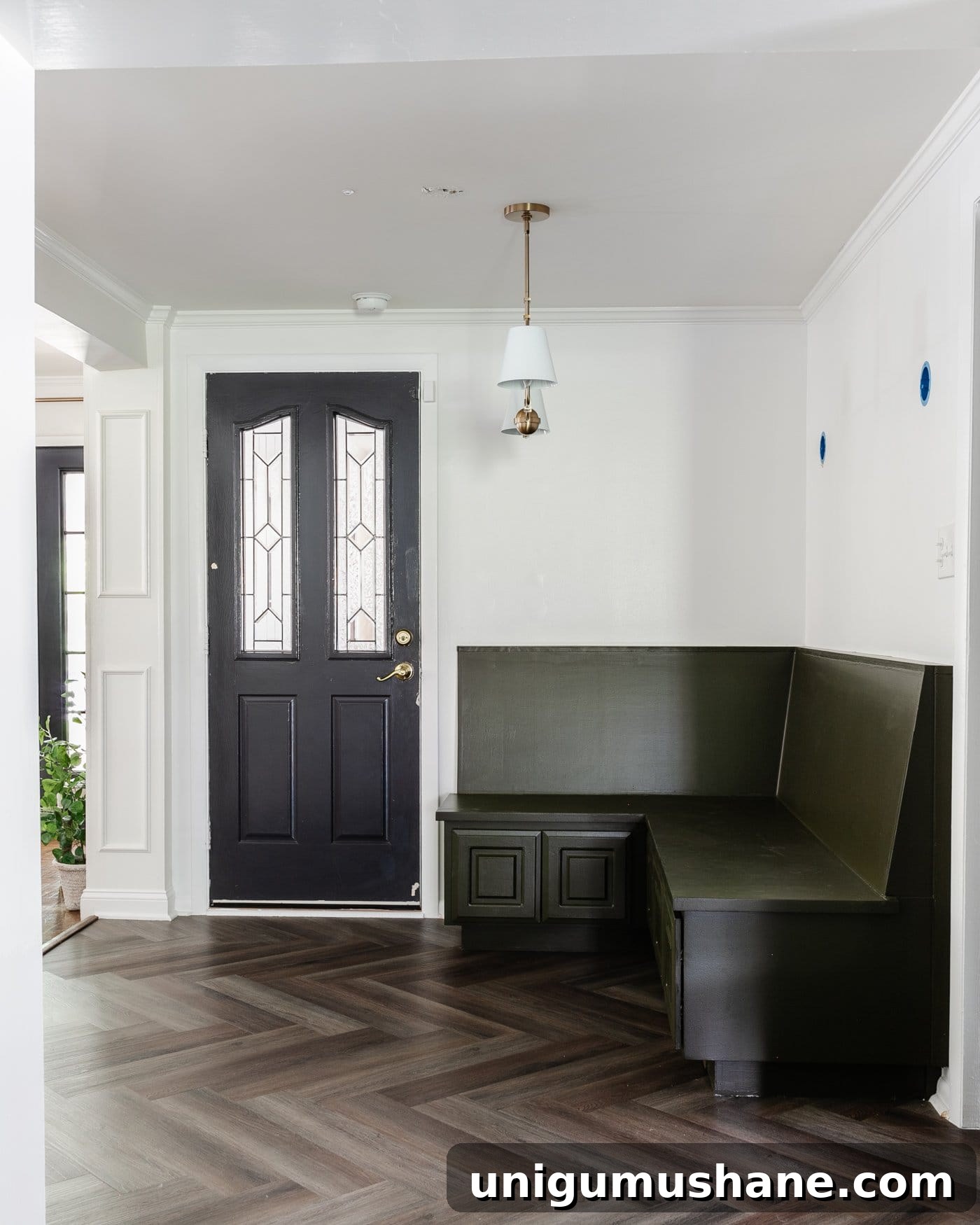
Everything you need to know to refresh a corner banquette with paint, plus a step-by-step guide to redirecting a floor air vent beneath a cabinet.
At last — our little breakfast nook is starting to come together!
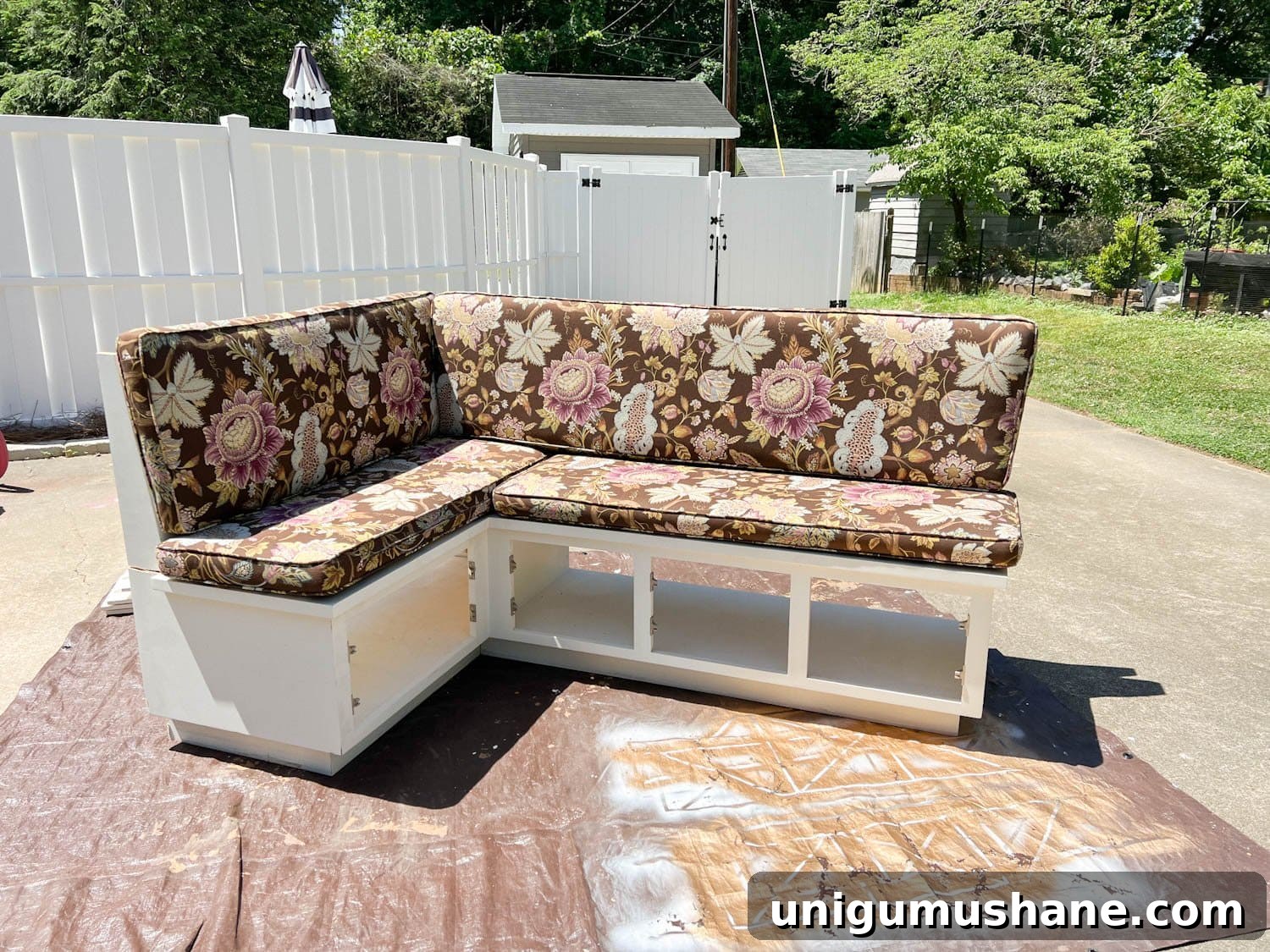
After hunting for a secondhand corner banquette on Facebook Marketplace, driving nearly four hours round-trip to pick it up, moving a door, installing herringbone LVP floors, redirecting an air vent, and painting for several days, the bench is finally in place and looking much better than it did when we found it.
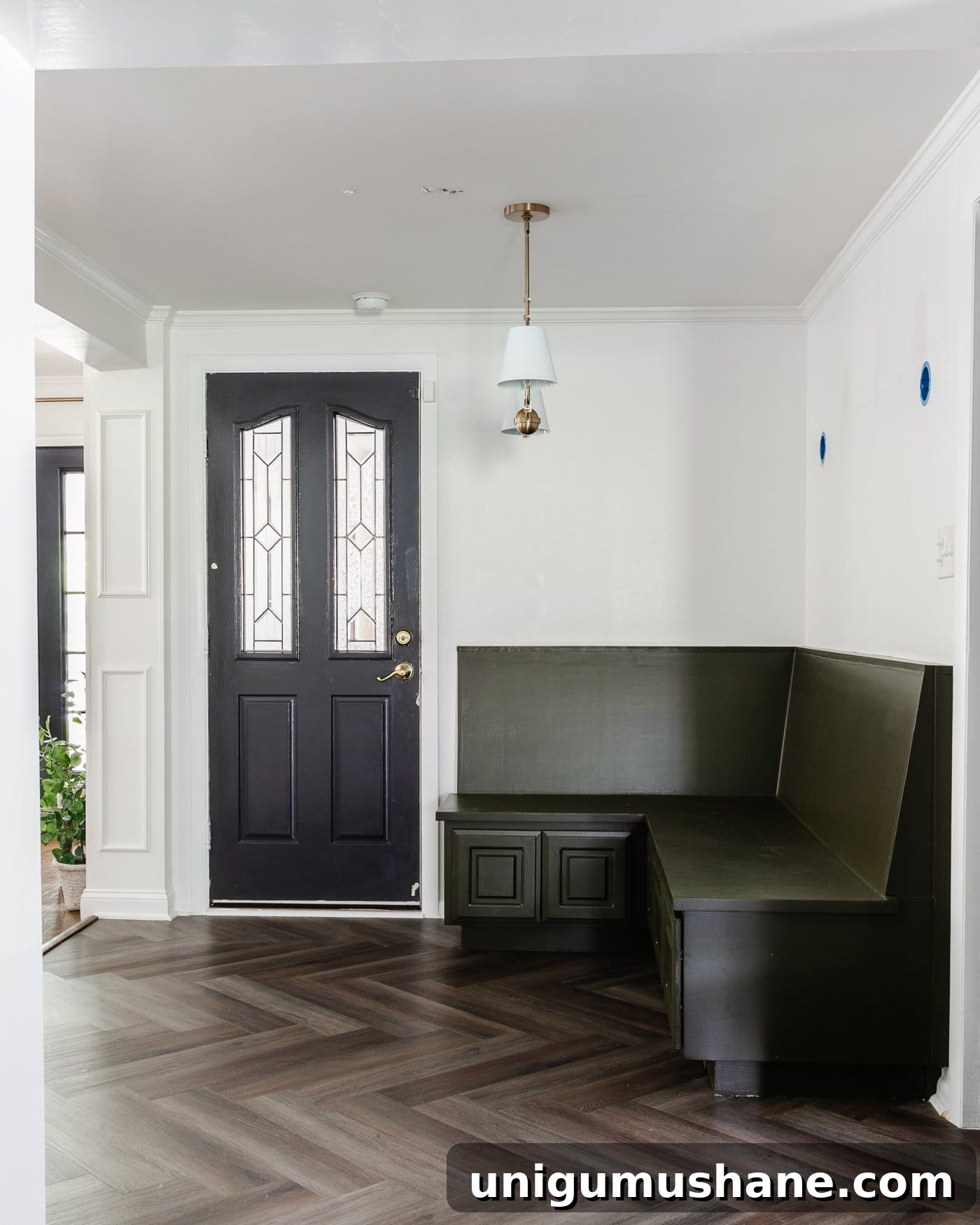
See 28 gorgeous banquette benches for all budgets here, if you prefer to skip the secondhand search.
I managed to photograph the banquette right after the electrician finished installing new sconce boxes and relocating wiring for the linear chandelier, so please excuse the dust in the photos.
We’re still waiting on reupholstered cushions, but even without seat covers the bench already feels inviting. I can picture lively family dinners here, everyone squeezed around the table in this cozy corner.
How to Redirect Air Vents Under Cabinets
One challenge we had to solve before styling the banquette was the floor vent located directly under the seat. If you plan to build built-in cabinets, shelves, a window seat, or a corner banquette, you can’t simply block a register — the airflow must be preserved for proper heating and cooling.
To keep the HVAC working and the bench functional, we routed the vent under the built-in using a purpose-made redirect kit.
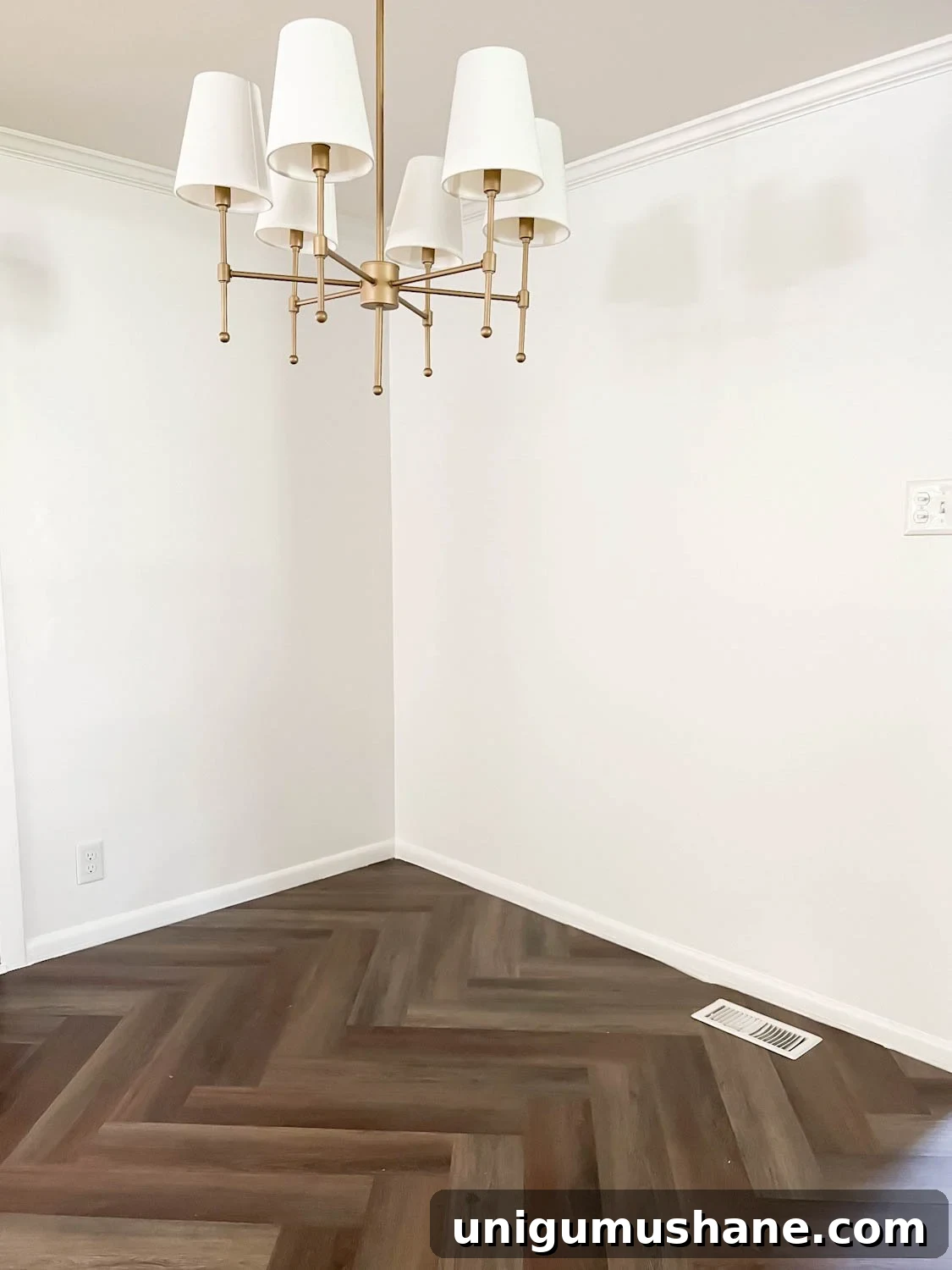
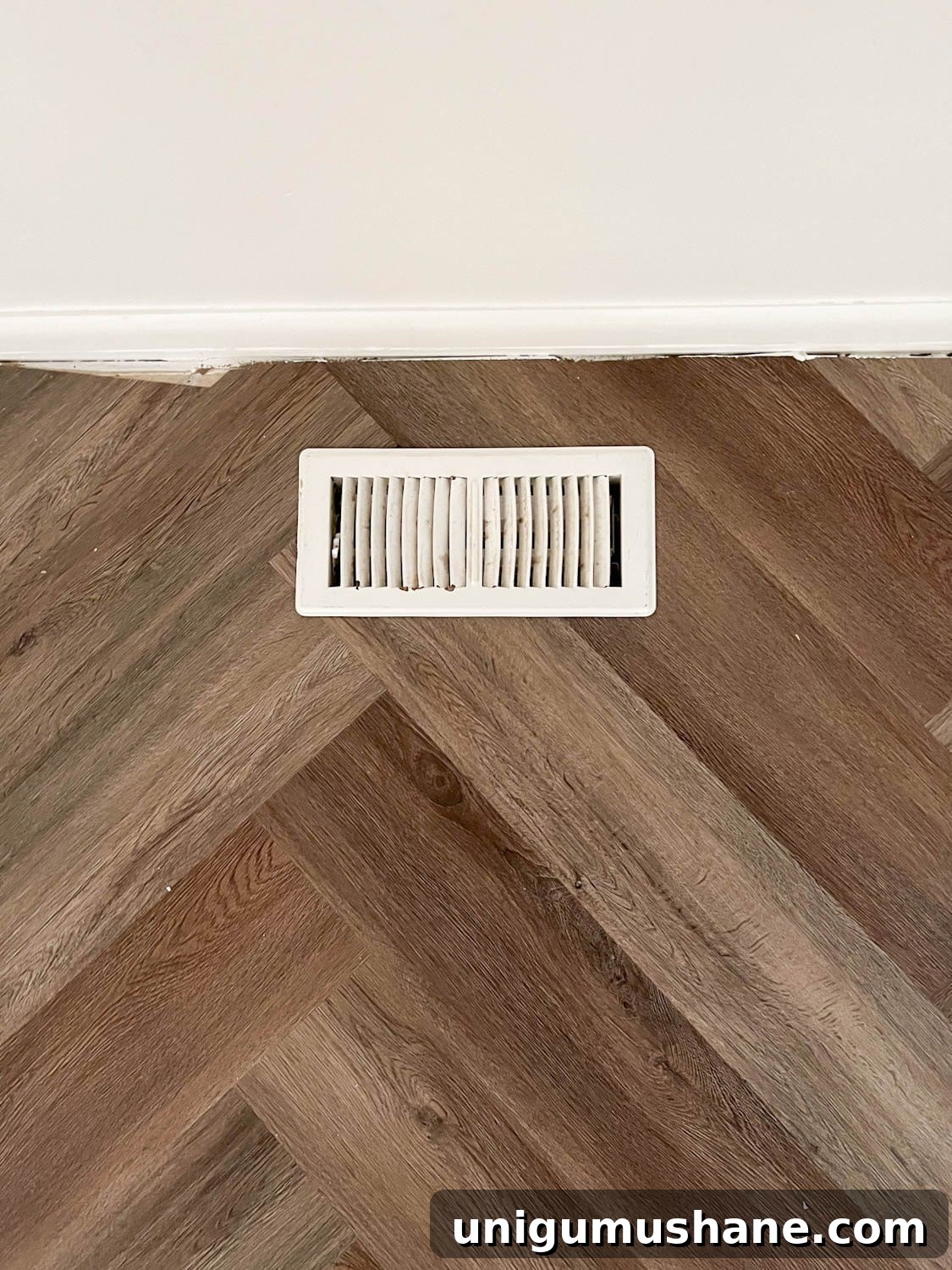
How to Install an Air Vent Redirect
We used a Toe Ductor kit, which works with floor, wall, and baseboard registers. This kit channels air under your built-in so the vent isn’t blocked by cabinetry. Plan for at least 4 inches of clearance under the cabinet or built-in so airflow won’t be restricted.
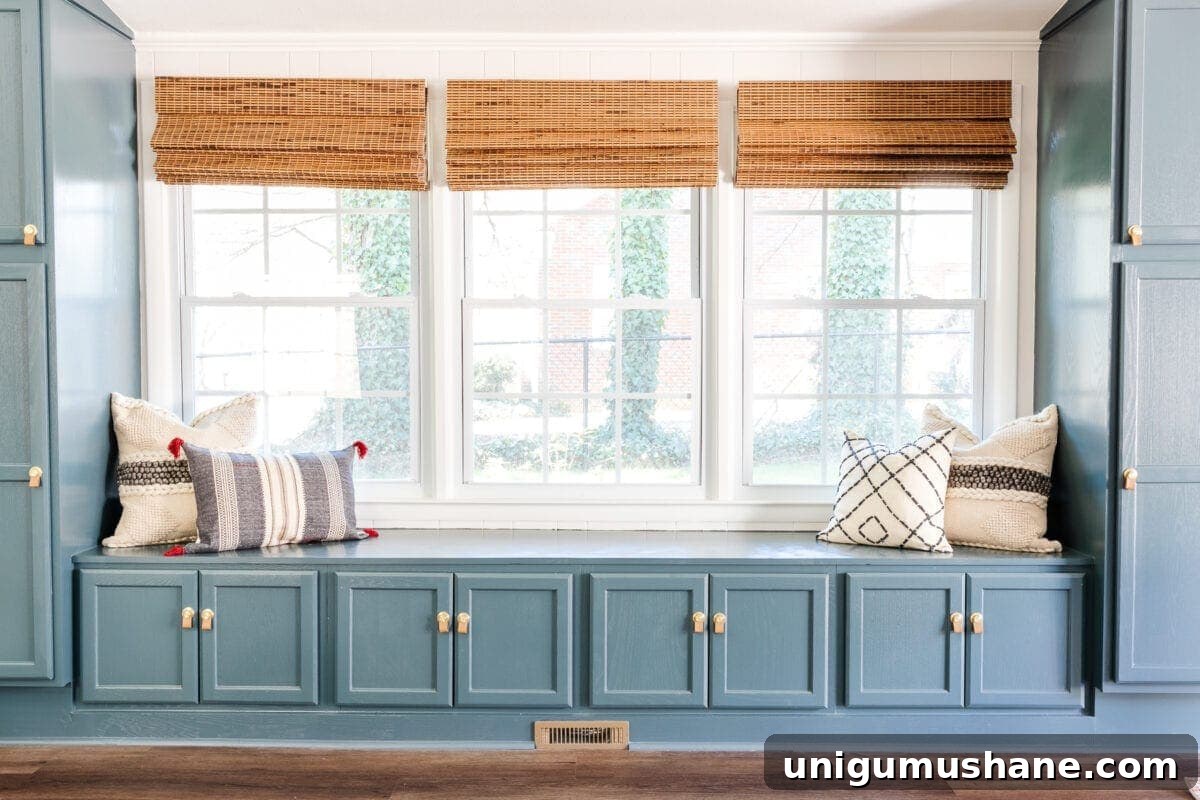
We used the same method under the built-in cabinets and window seat on a previous project; in hindsight I should have painted the vent grate to blend in better.
Supplies
- Toe Ductor kit (floor, wall, or baseboard depending on your register)
- Drill and 1/2″ wood screws
- Oscillating multi-tool
- Duct tape and metal strip provided in the kit
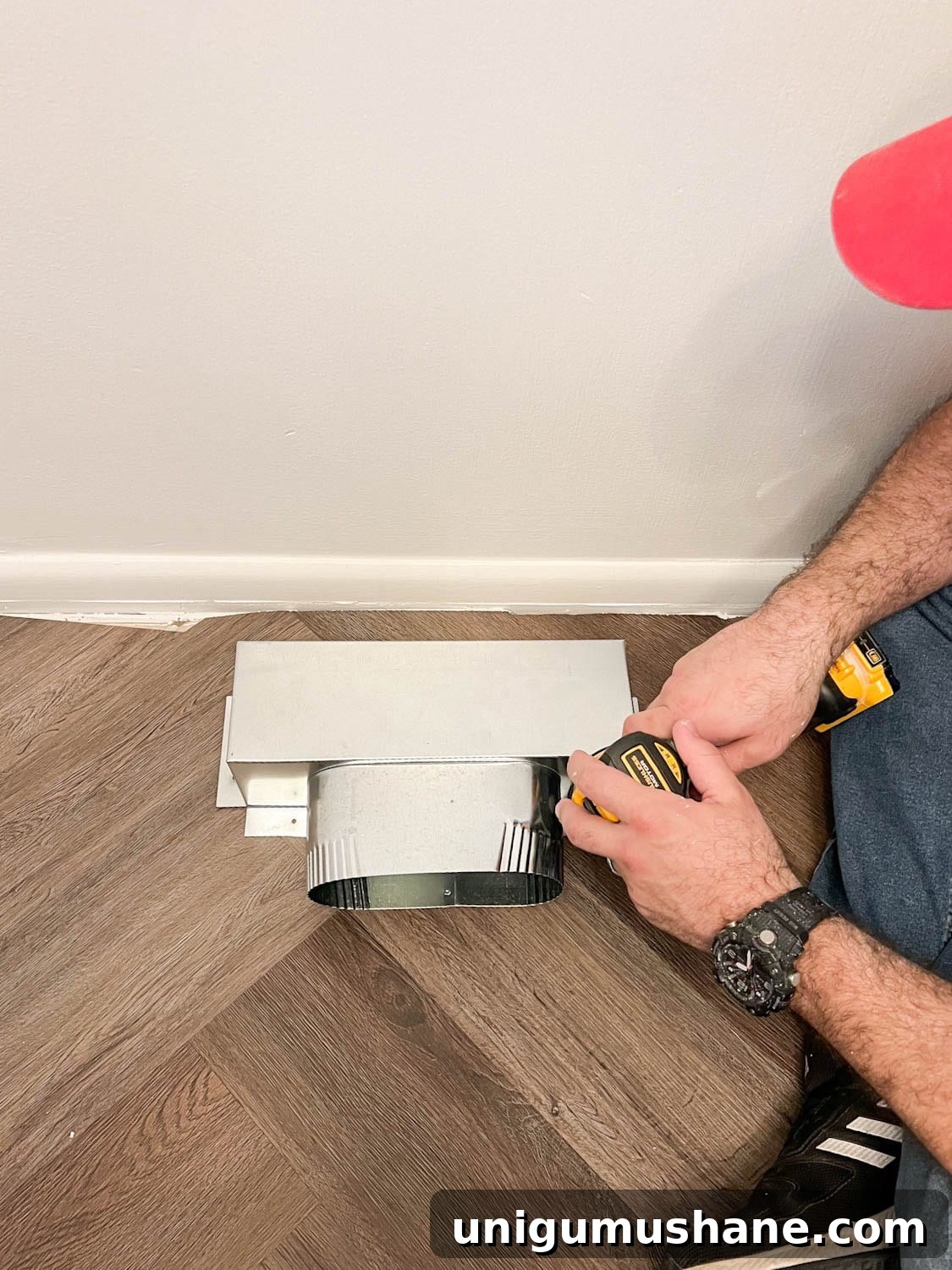
Step 1 – Attach the Box to the Floor Vent
Place the Toe Ductor box over the floor register and screw it securely into the floor so the incoming air is captured by the box.
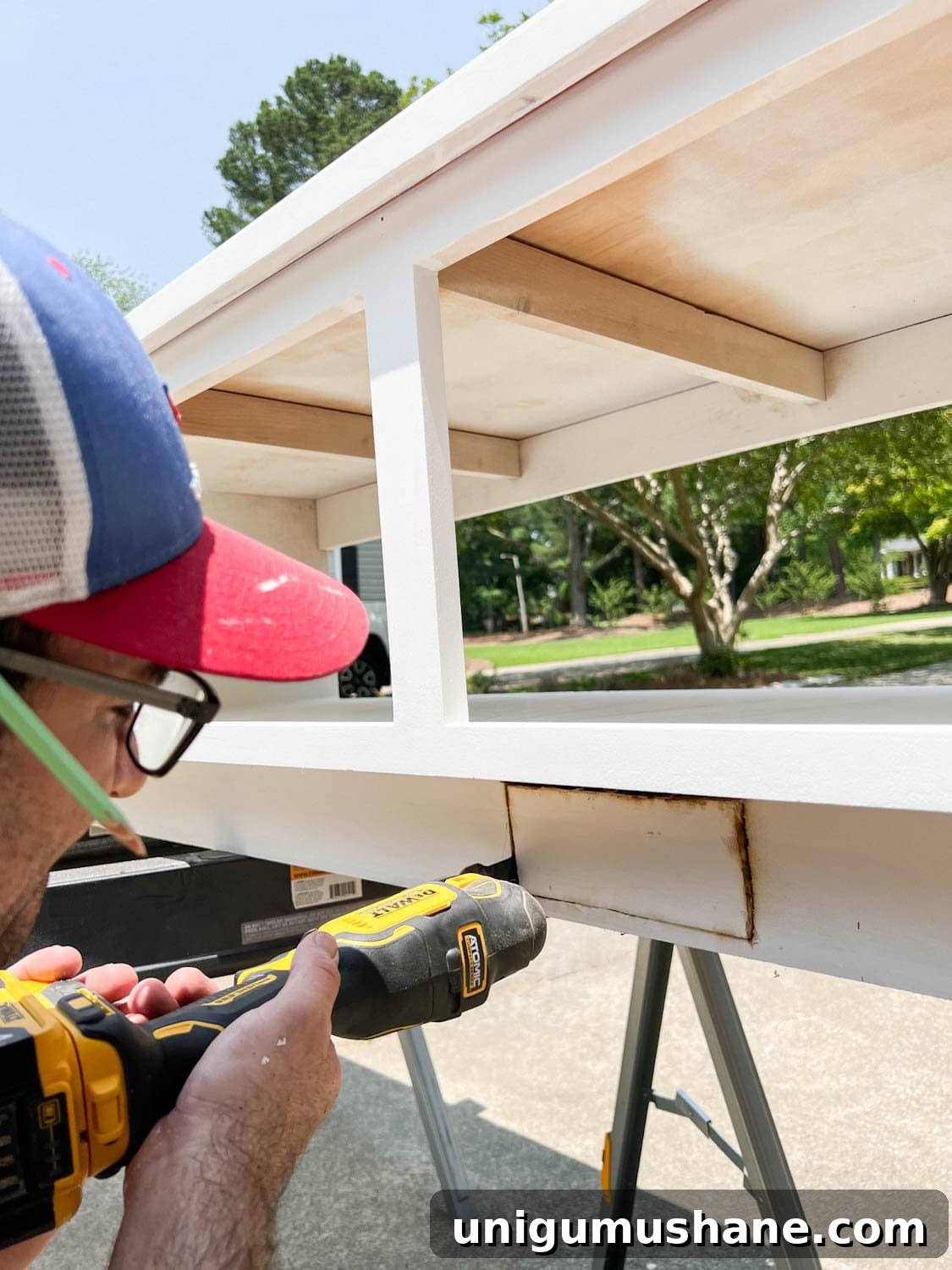
Step 2 – Measure and Cut for the Toe-Kick Cover
Decide where the new vent will sit on the toe kick of your built-in and mark the opening. Use an oscillating tool to cut a rectangular hole for the new register opening.
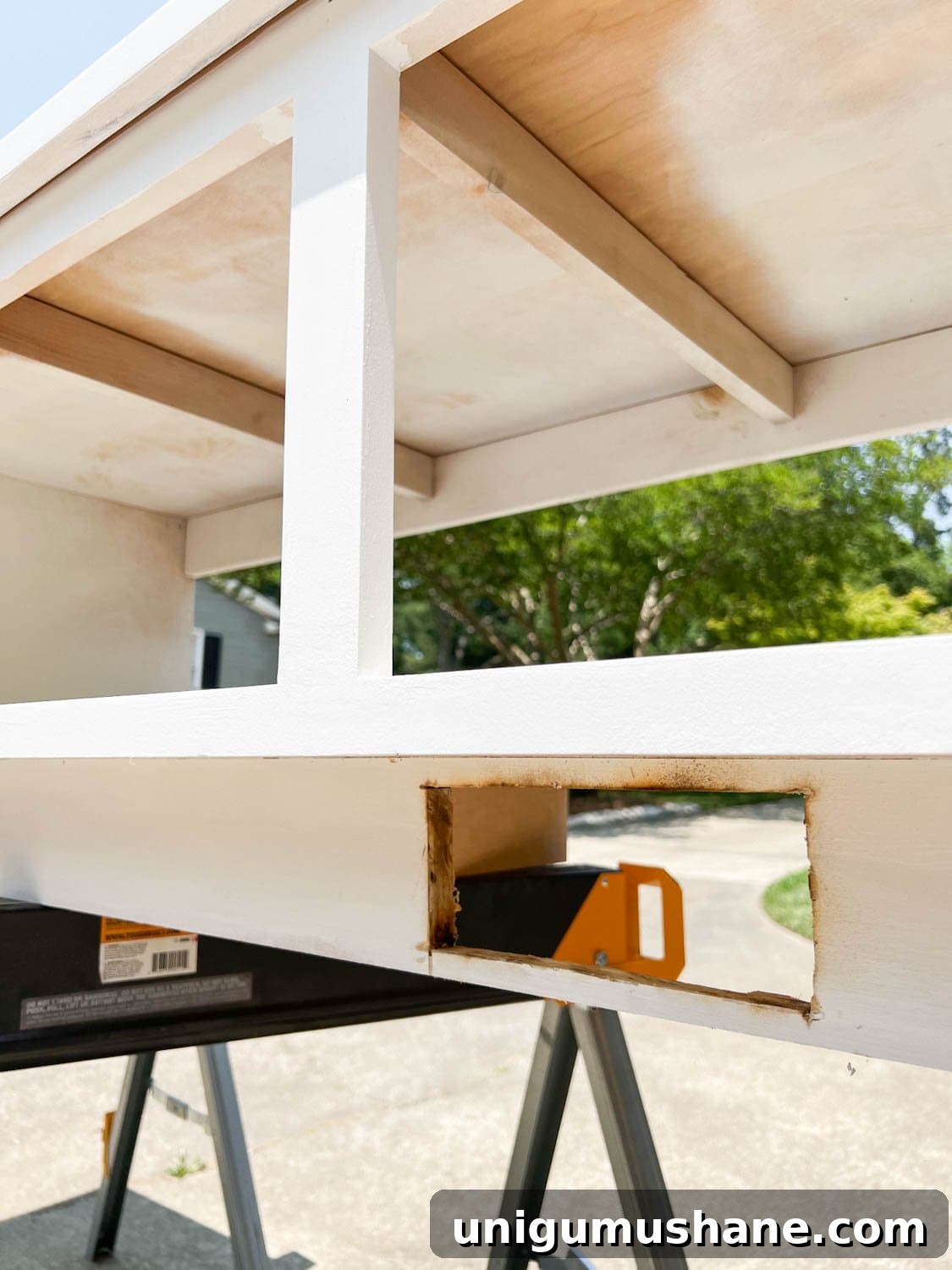
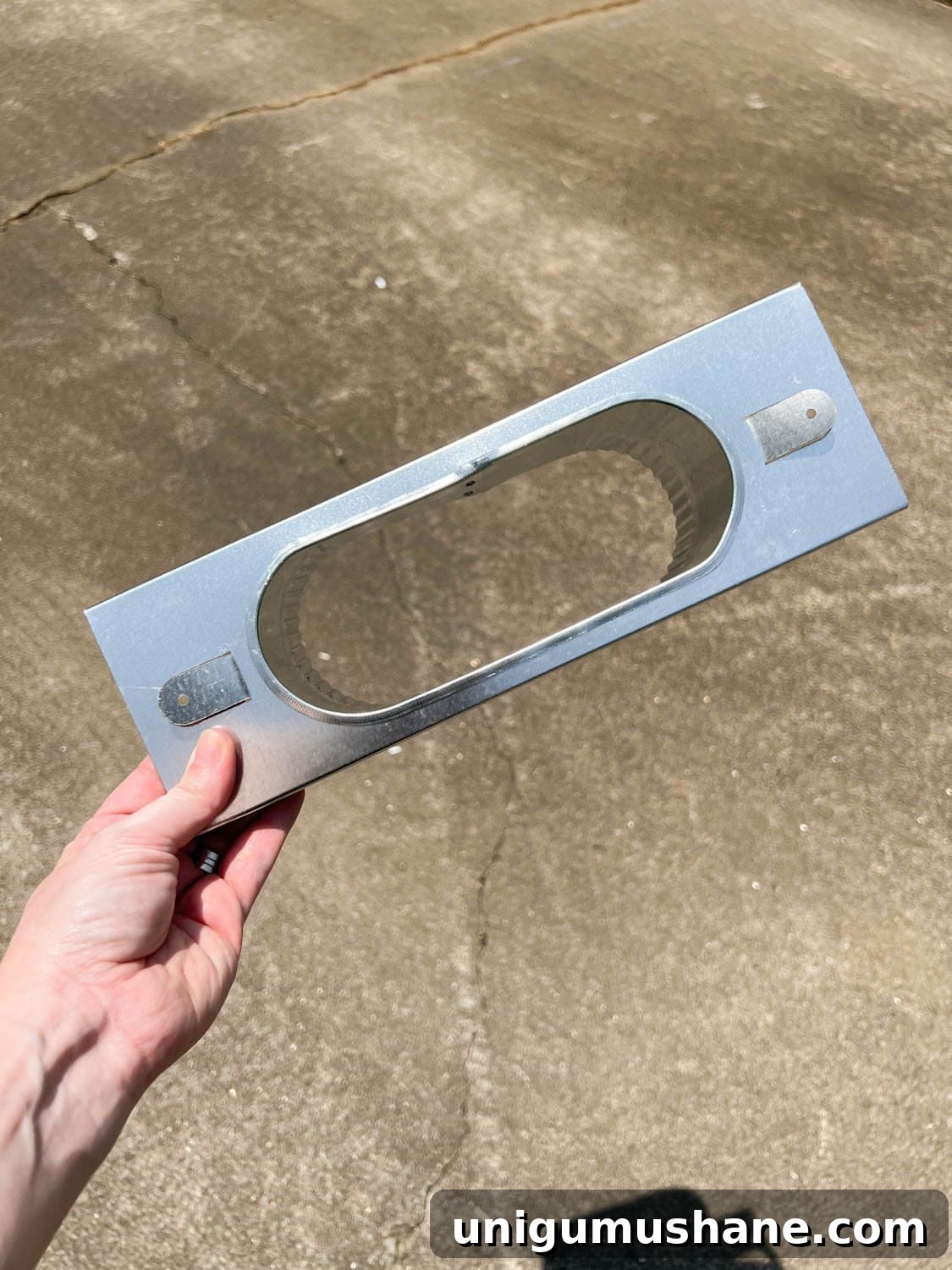
Step 3 – Attach the New Vent
From the back of the cutout, screw the new metal vent into place against the toe kick so it sits flush and secure.
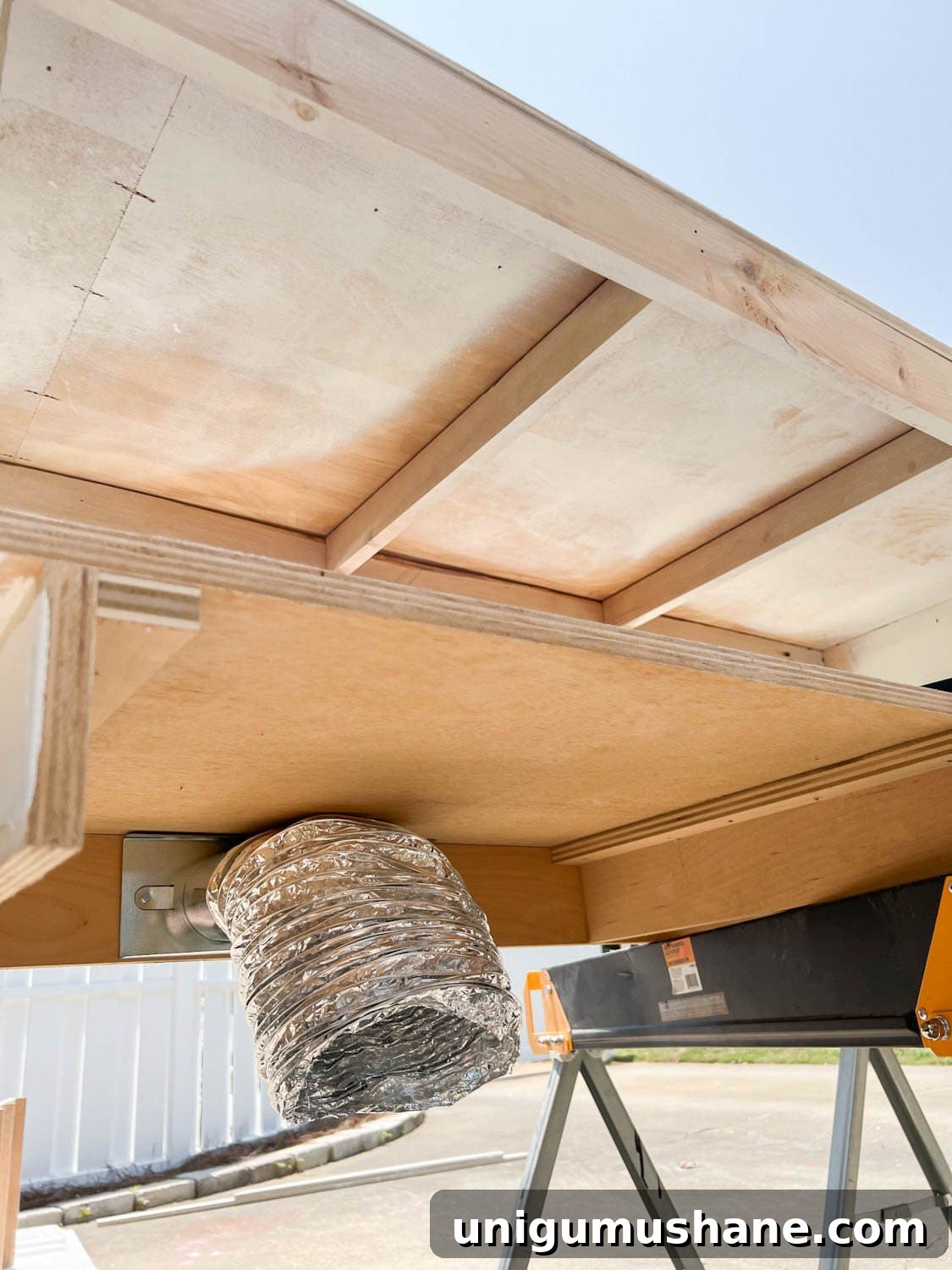
Step 4 – Attach Flexible Duct
Fasten the flexible duct to the back of the new vent using the metal strip supplied with the kit. If the connection feels loose, reinforce it with duct tape to prevent air leaks.
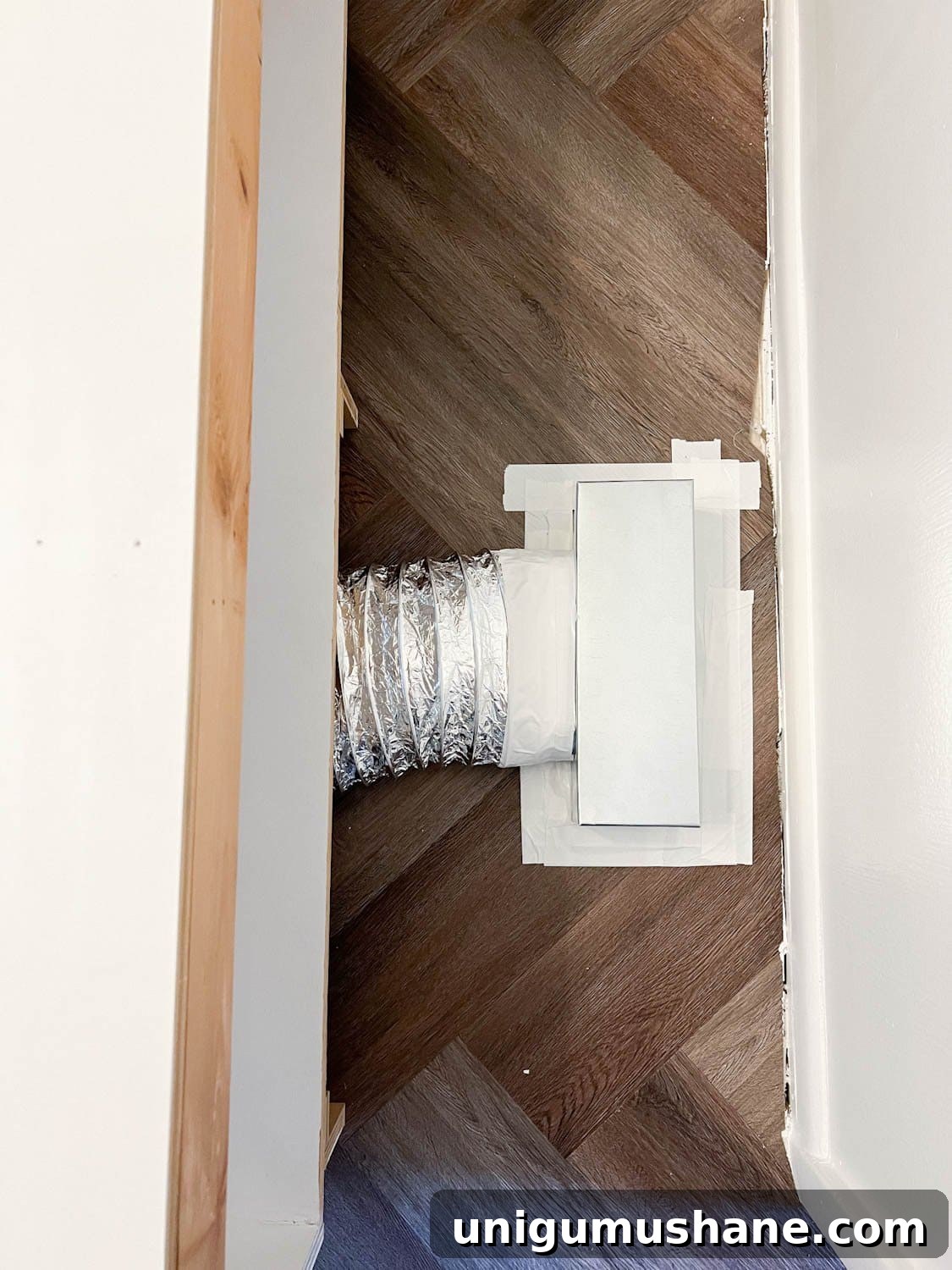
Step 5 – Attach Flex Duct to the Box and Position the Built-In
Extend the flex duct from the toe-kick vent back to the floor box and secure it to the box with the kit’s metal strip and tape. Slide the built-in over the box and anchor the unit to the wall as needed. Once installed, you can attach the toe-kick grate after painting for a finished look.
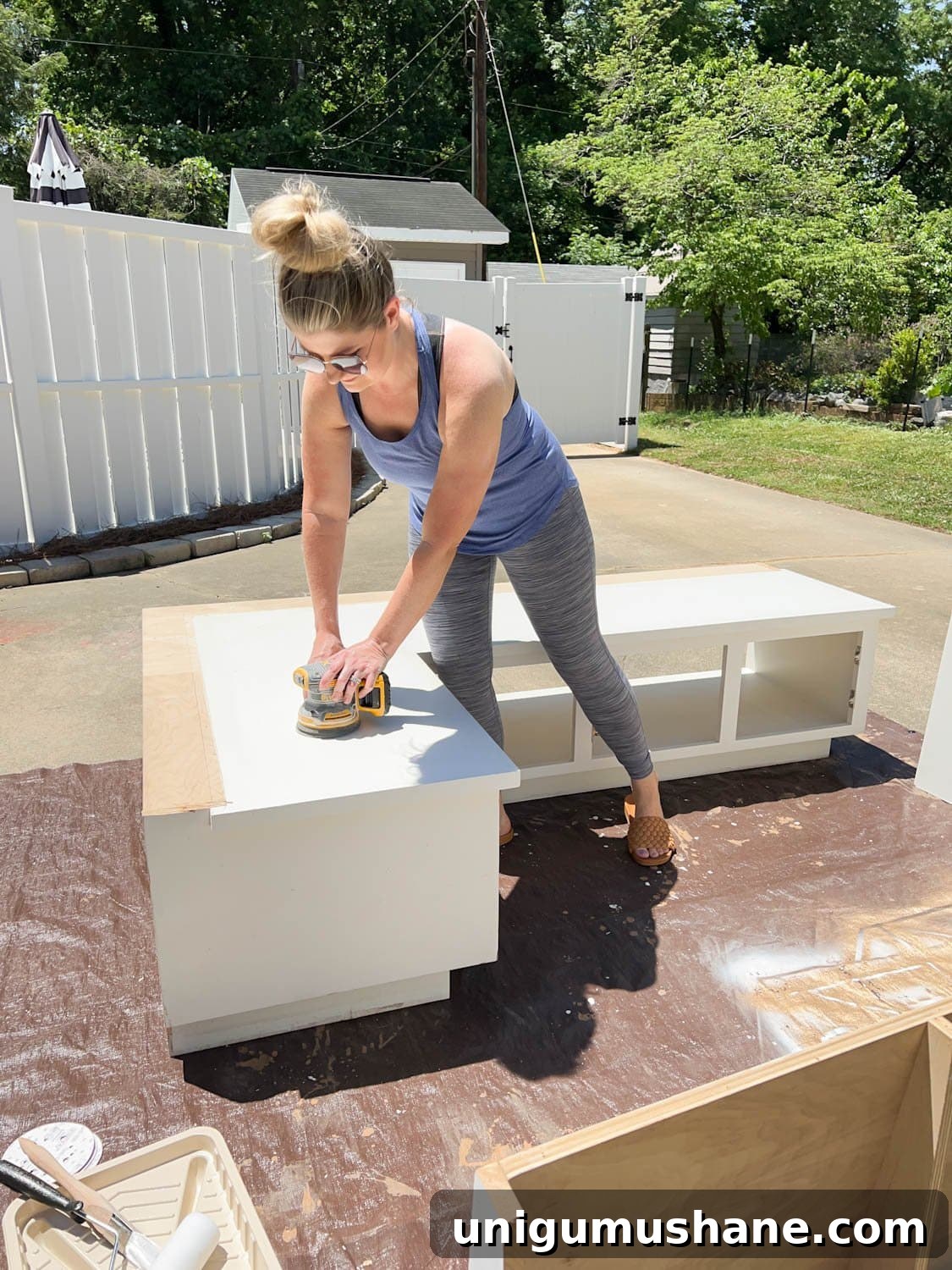
Step 6 – Prep and Paint the Banquette
Treat the corner banquette like cabinet work: prepare the surface, prime, and paint for a durable, smooth finish. My routine:
- Sand with an orbital sander (medium to fine grit)
- Vacuum and remove dust with a tack cloth
- Use a liquid sander/deglosser if the surface is shiny
- Prime with a shellac-based primer for adhesion
- Finish with an enamel satin paint for durability
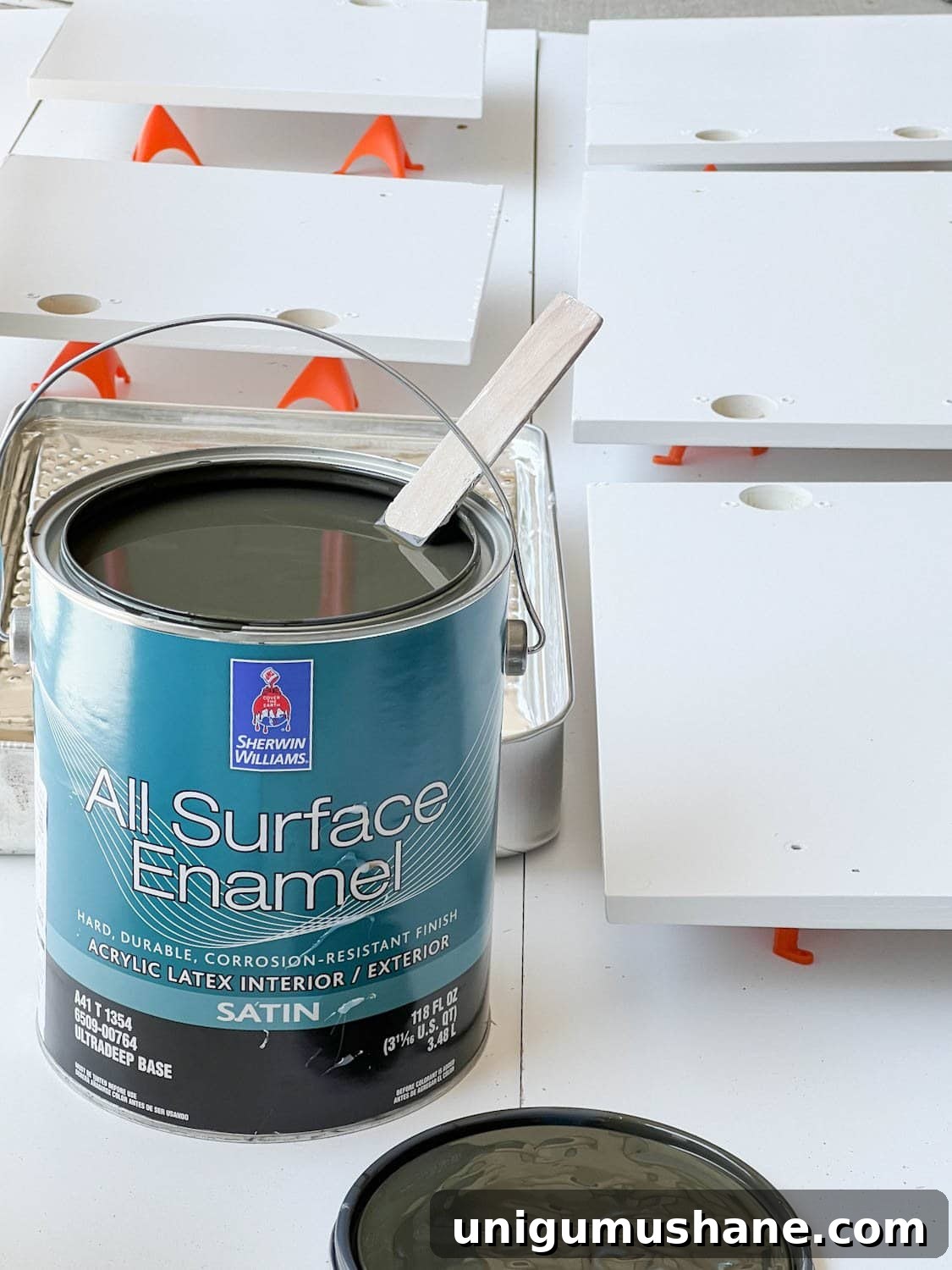
The color we used is Benjamin Moore Southern Vines — a deep, desaturated olive that plays nicely with our hunter green kitchen cabinets while still reading as a calm, neutral backdrop. We also anchored the bench to the wall so the kids can be as boisterous as they like without tipping anything over.
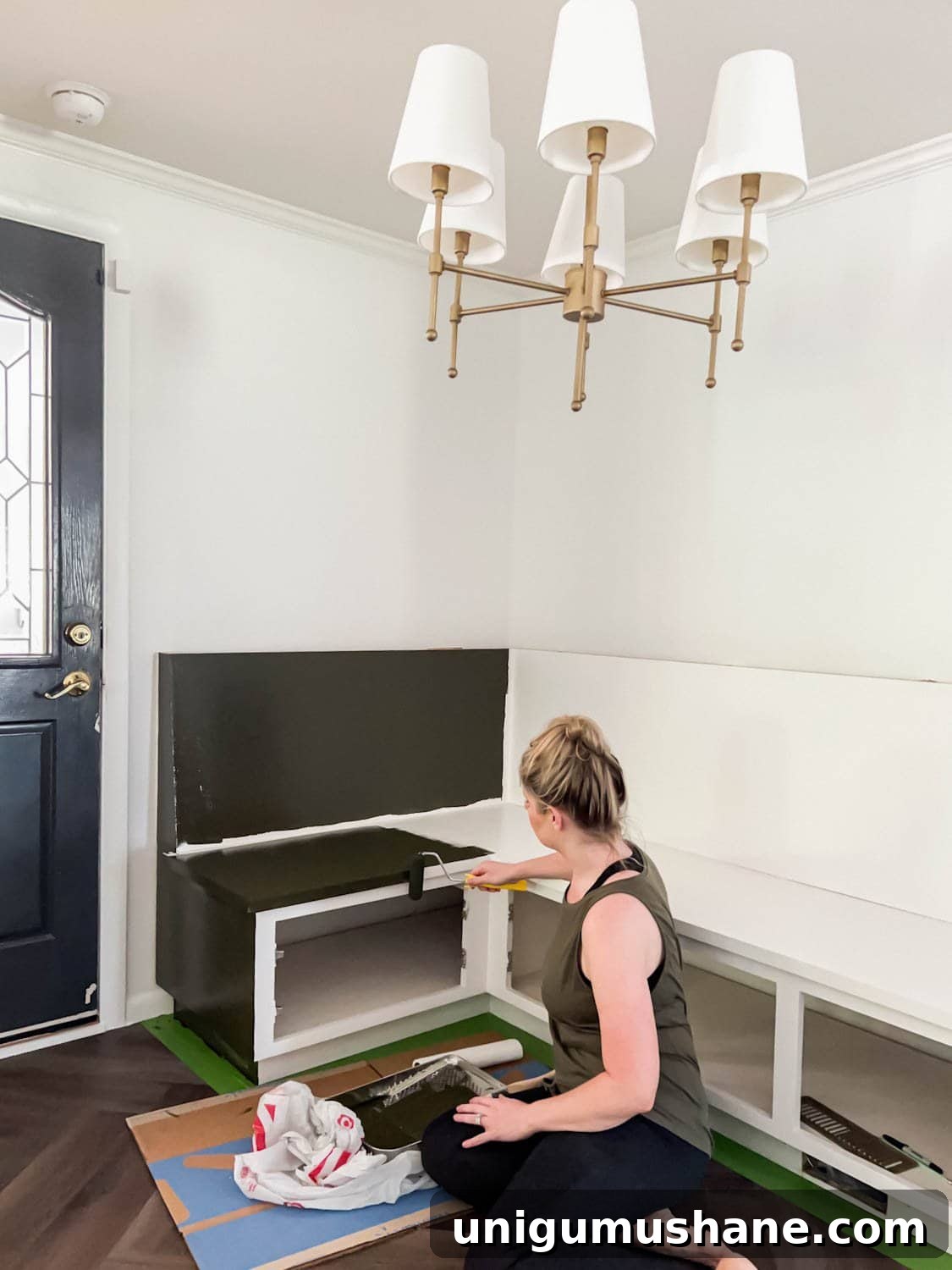
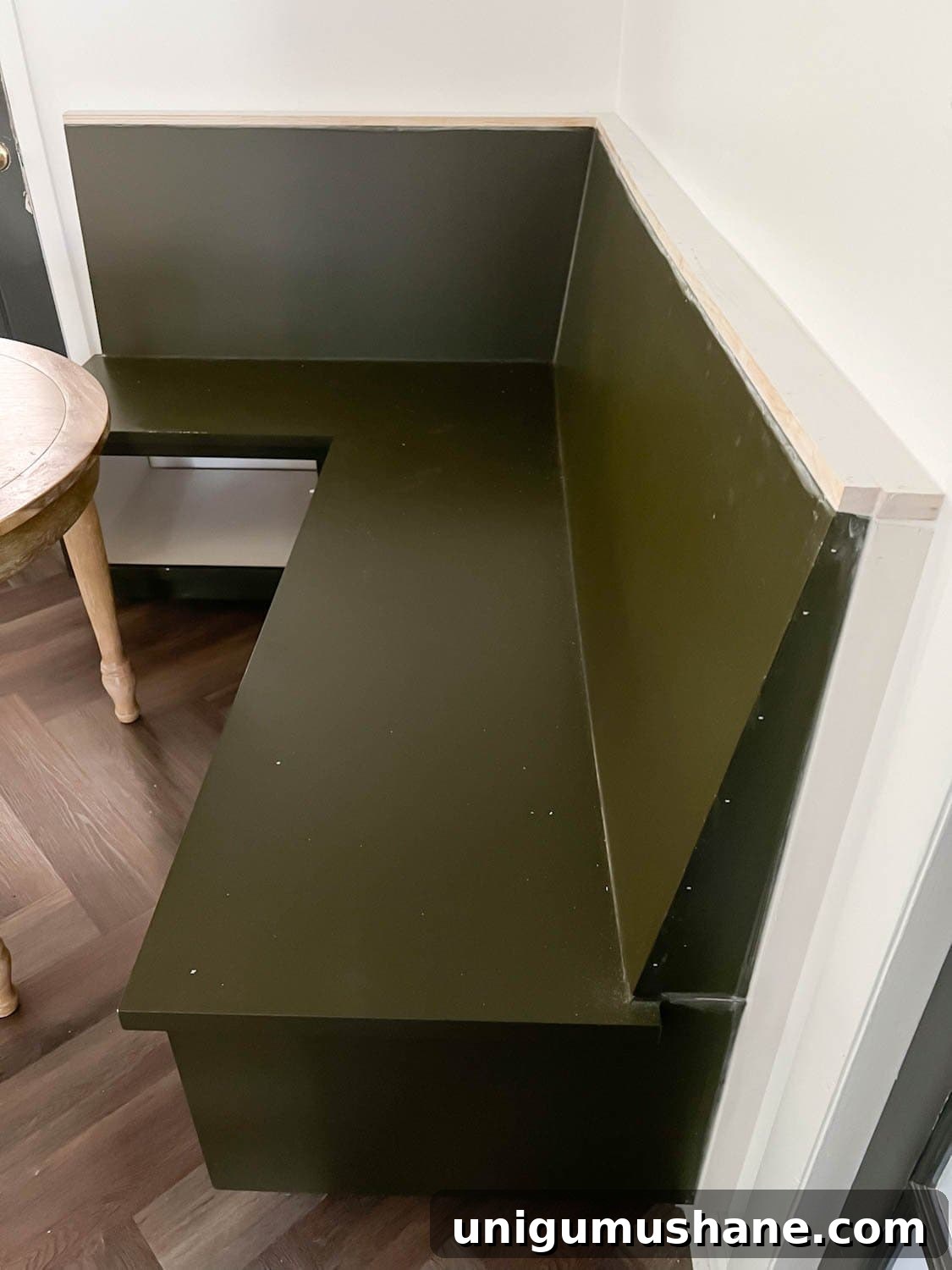
The Painted Corner Banquette
The banquette already looks great without cushions, but I’m excited to add striped seat pads soon for comfort and pattern. The linear chandelier suits the narrow dining table we’ll place here, and because this nook has no windows, the additional sconce boxes help brighten the corner.
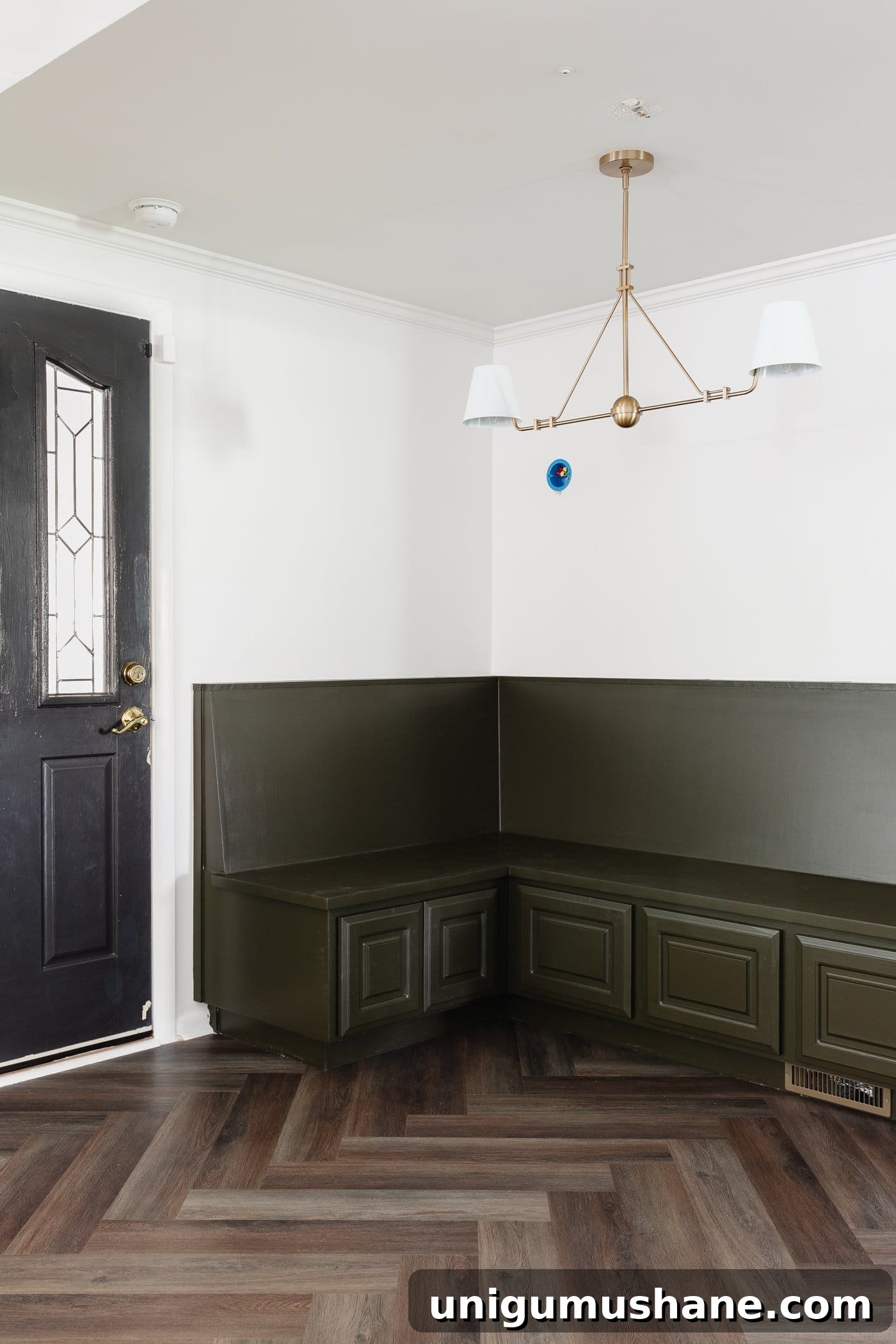
I plan to paint the toe-kick vent cover in the same Benjamin Moore Southern Vines so it blends in and becomes nearly invisible.
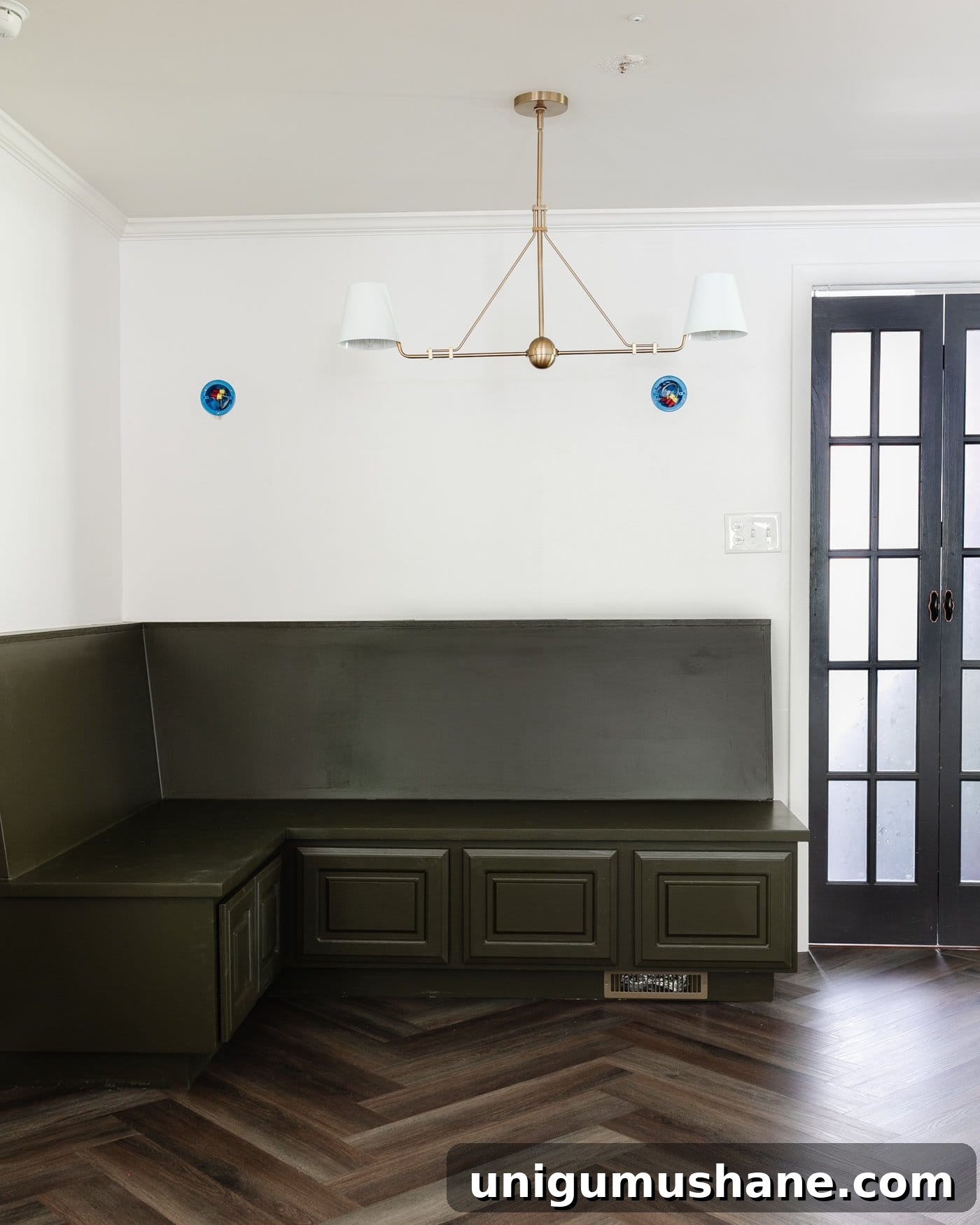
Can you see the concept coming together? The bench seating is functional and stylish, and next we’ll add an inexpensive wall treatment to give this nook even more character — I can’t wait to share that update.
More Furniture Ideas
- How to Find the Best Furniture Deals on Facebook Marketplace
- DIY Built-In Bookshelves Using the IKEA Billy Bookcase Hack
- DIY Built-In Cabinets and Window Seat
- How to Paint Kitchen Cabinets Like a Pro