
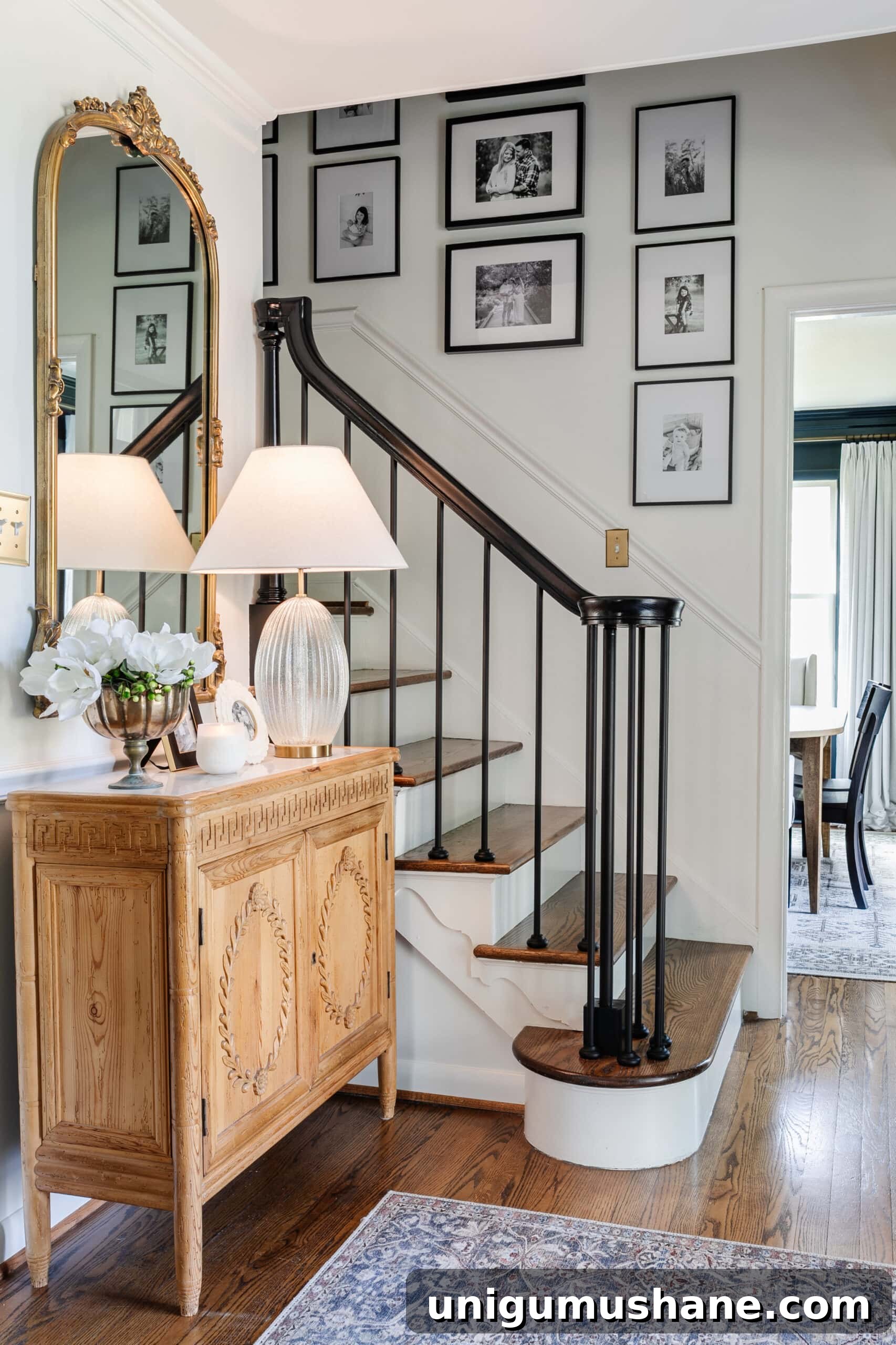
How to replace iron balusters and a newel post for a budget-friendly DIY staircase makeover using tool rentals to lower project costs.
Add this to the list of projects that make you ask, “Why didn’t we do this sooner?” Replacing balusters gives a staircase a whole new look without replacing the entire banister, and with a few rented tools you can keep costs low.
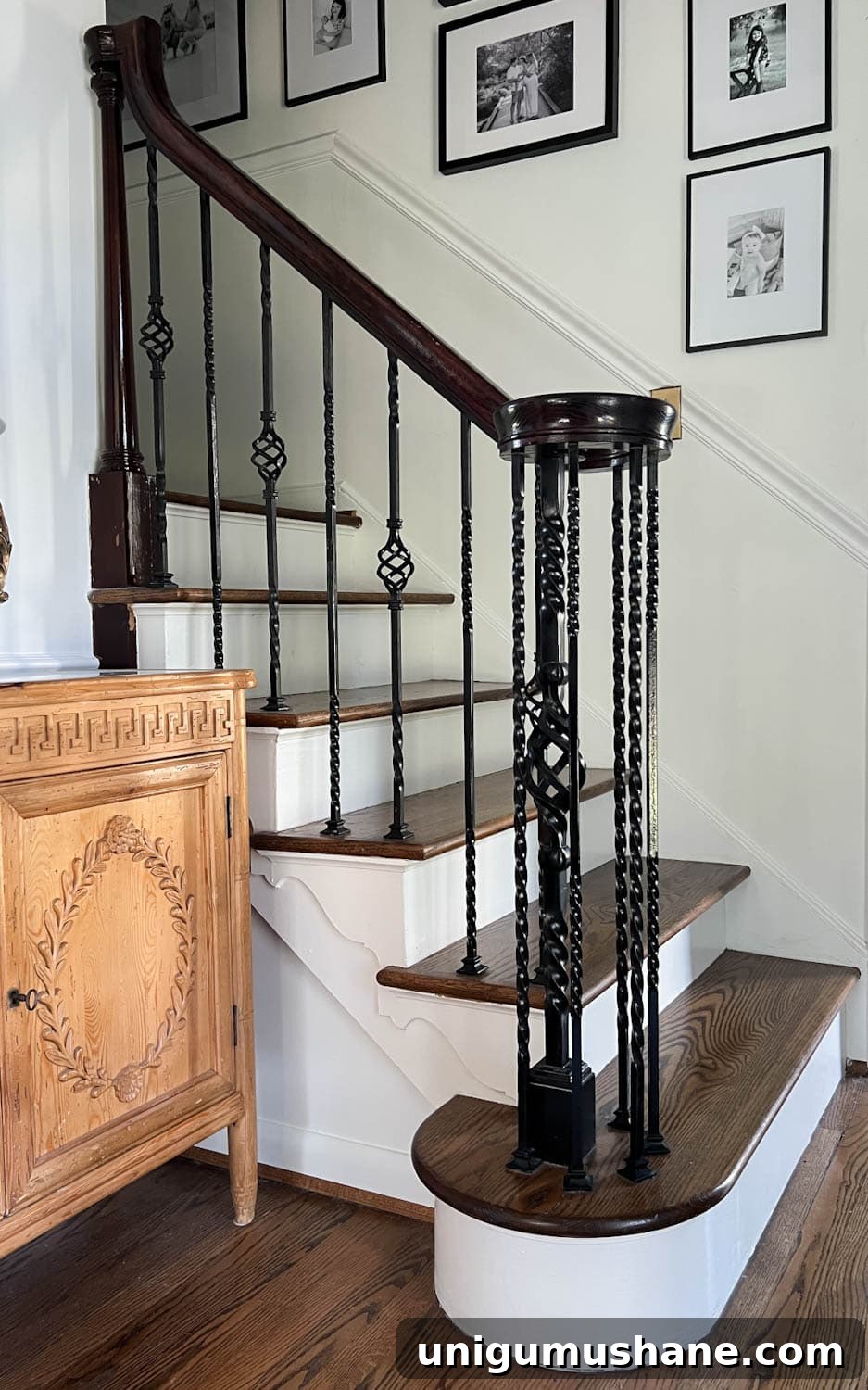
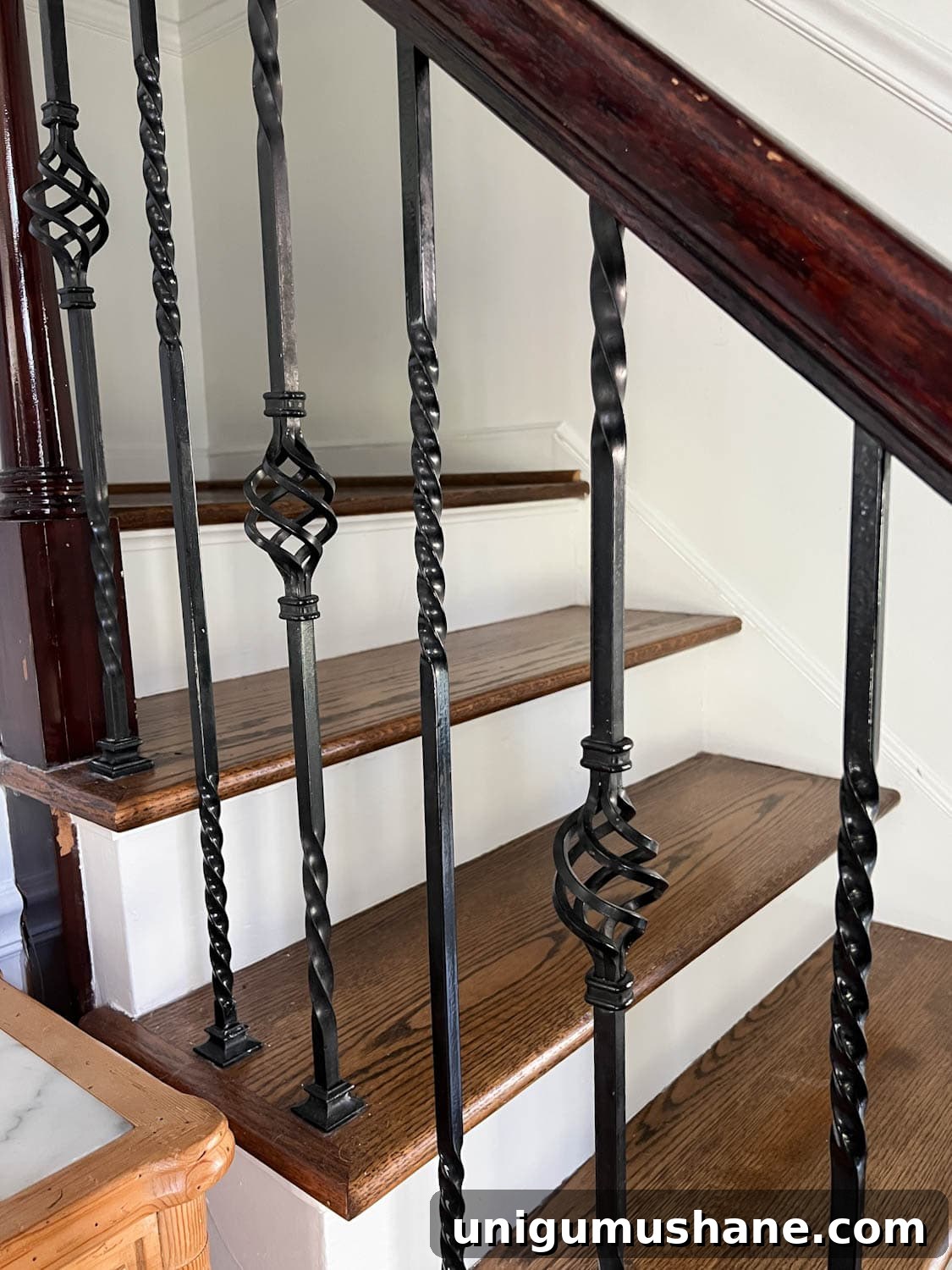
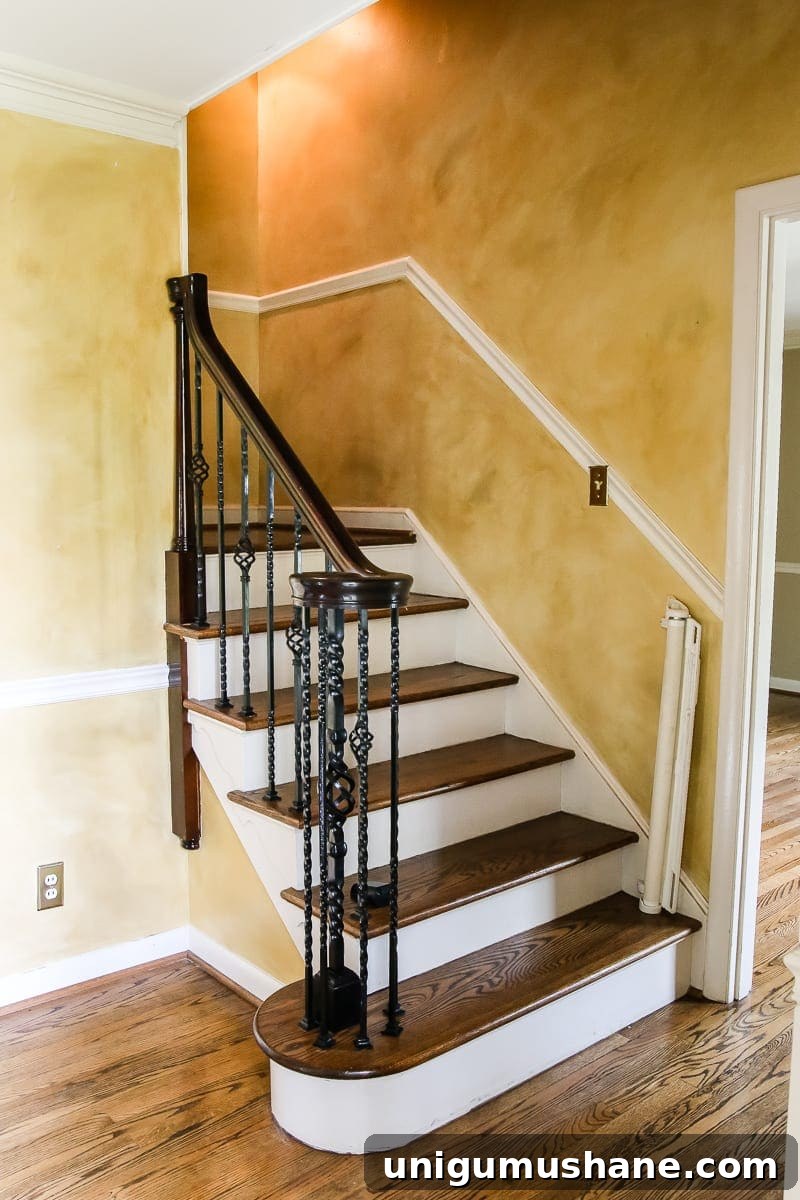
Our previous railing wasn’t broken, it was just not our style. The ornate twisted iron had character, but it felt too fussy for the clean, neutral look we wanted to complement our mid-tone hardwood floors. Once we decided to change the balusters and refinish the handrail, the project moved quickly—and the result felt like a big refresh for relatively little cost and effort.
Is it easy to replace staircase spindles?
Yes—in many cases you can swap out only the balusters (also called spindles) instead of replacing the full banister. This approach is an affordable way to update the look and most standard stair systems can be modified by an intermediate-level DIYer. Replacing metal balusters requires more power and patience than wood, but the process is straightforward when you have the right tools and plan.
We loved the idea of keeping the existing handrail shape but changing the finish and the baluster style. After chatting with my partner and agreeing on the new direction, we planned the steps and rented a high-performance reciprocating saw to handle cutting through the old wrought iron.
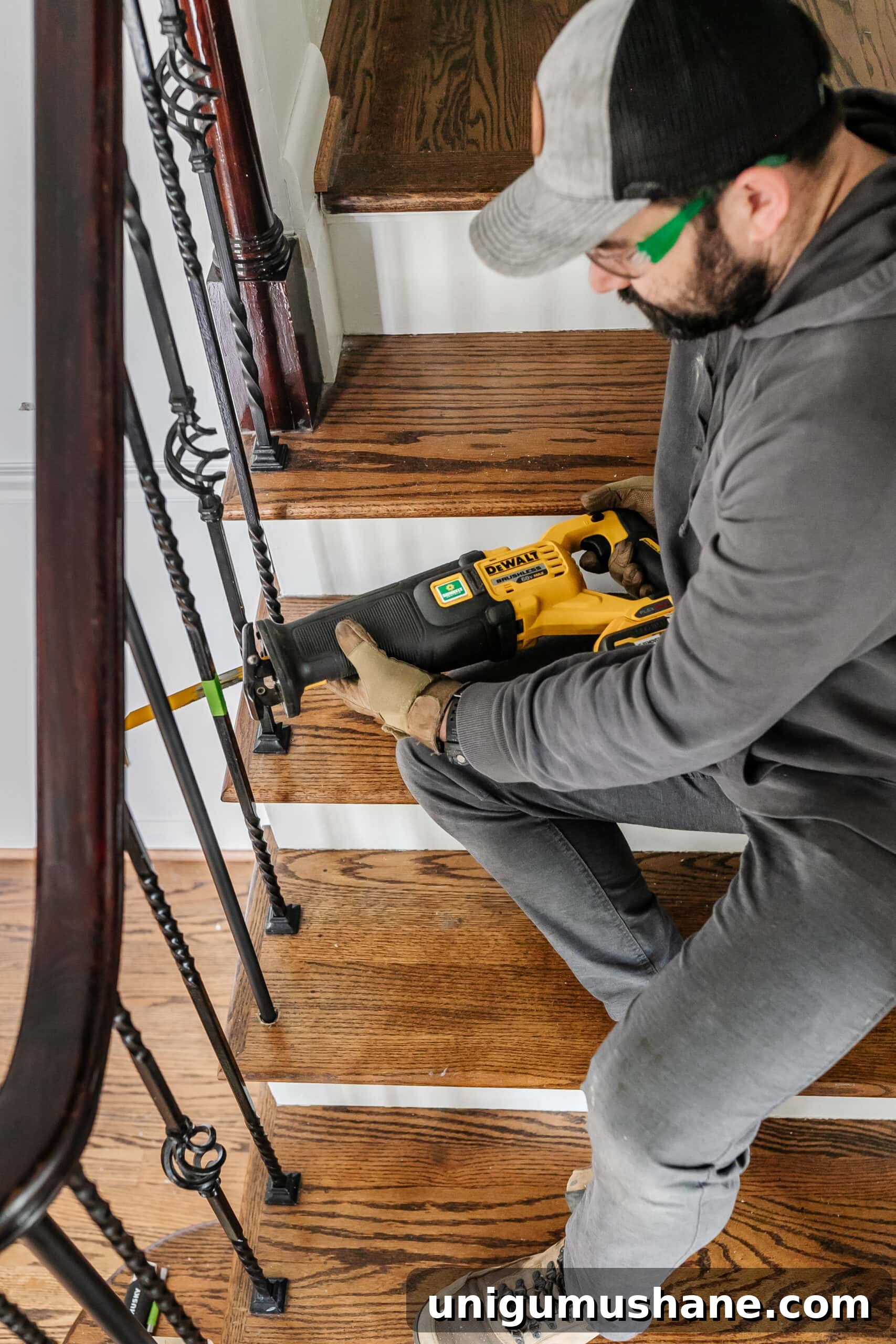
If you have the right tools—particularly a powerful reciprocating saw for metal—this job is very do-able and can save you thousands compared with hiring a contractor. For a one-off project, renting the specialty tool is often the most economical option. We consulted rental specialists to confirm blade type and technique since online tutorials mostly focus on wooden spindles.
Metal balusters vs. wood balusters
We replaced ornate wrought iron with simpler round powder-coated metal balusters, but the same method works if you prefer new wooden balusters. Wood is easier to cut and repair, so it’s a forgiving material for first-time DIYers. You can mix and match handrails, newel posts, and balusters to create a look that fits your home.
Replacing balusters for a simple DIY stair makeover
Tools
- High-powered reciprocating saw (rent a cordless 60V-class or similar for cutting iron)
- Multiple reciprocating saw blades (use metal-cutting blades for iron; switch blades every 2–4 cuts)
- Shop vacuum
- Drill
- Paddle/drill bit (size depends on the newel post mounting)
- Forstner bit (used to clean and enlarge existing holes)
- Phillips bit
- Pliers
- Hacksaw or miter saw
Supplies
- New stair balusters (we used 5/8″ plain round powder-coated metal)
- Stair shoes (match diameter and shape—angled or flat based on your stair geometry)
- Newel post (optional—replace if the old post doesn’t match the new balusters)
- 4×4 wood block (optional base for the newel post)
- Speed square
- 2-inch and 3/4-inch self-drilling wood screws
- Wood filler
- Construction adhesive
- Painters tape and pencil
- Bonding primer
- Waterborne alkyd paint (satin recommended)
- Pro-quality 2-inch angled paint brush
- Fine-grit sandpaper
- Tack cloth
- Safety gear — gloves, safety glasses, closed-toe shoes
A partner is helpful for several steps, including supporting the balusters while cutting.
Step 1 – Remove old balusters
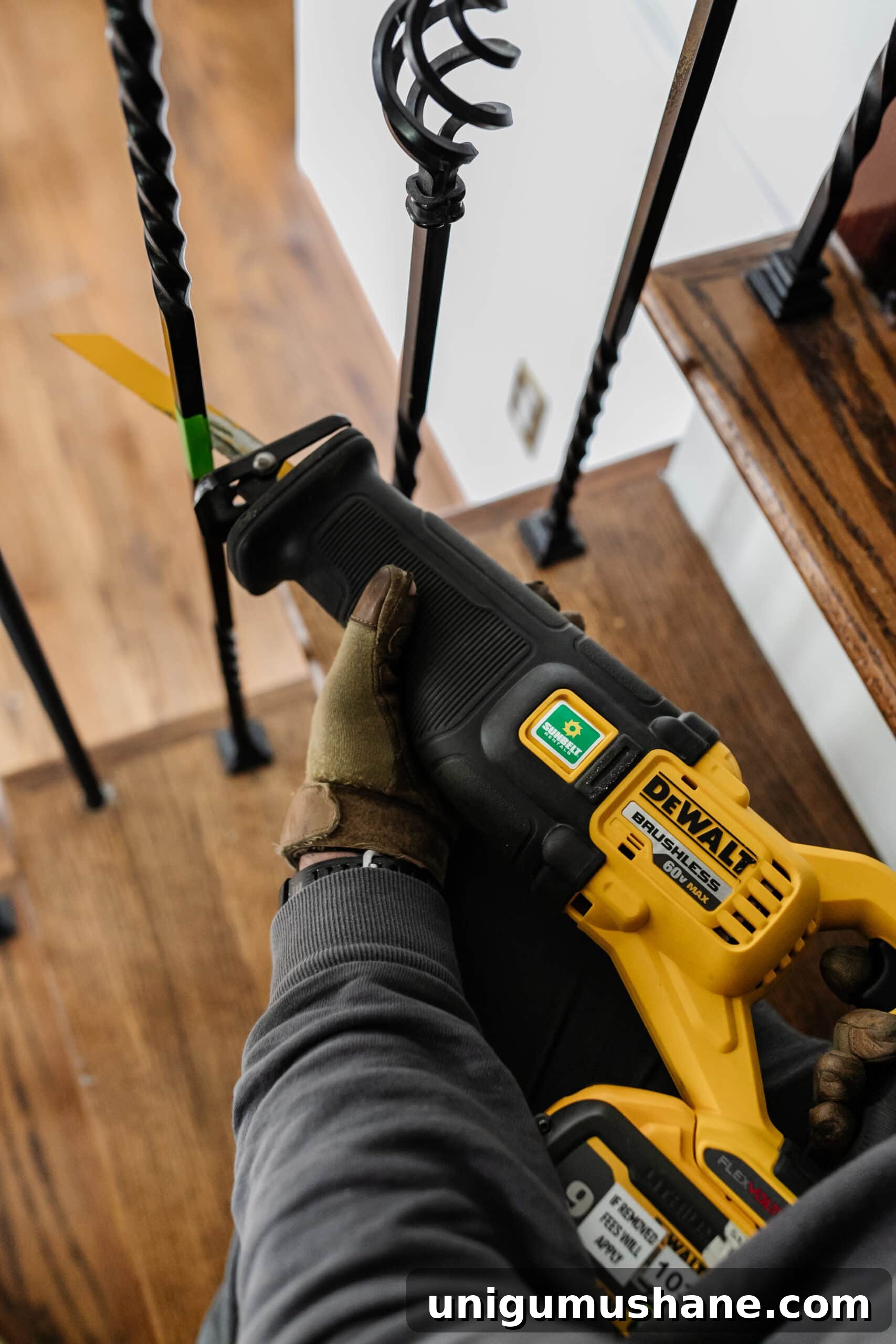
Start by examining how your balusters are attached: screws, nails, adhesive, or epoxy. Remove any fasteners first with a drill or pliers. If they’re glued in, cut them partway through with the reciprocating saw.
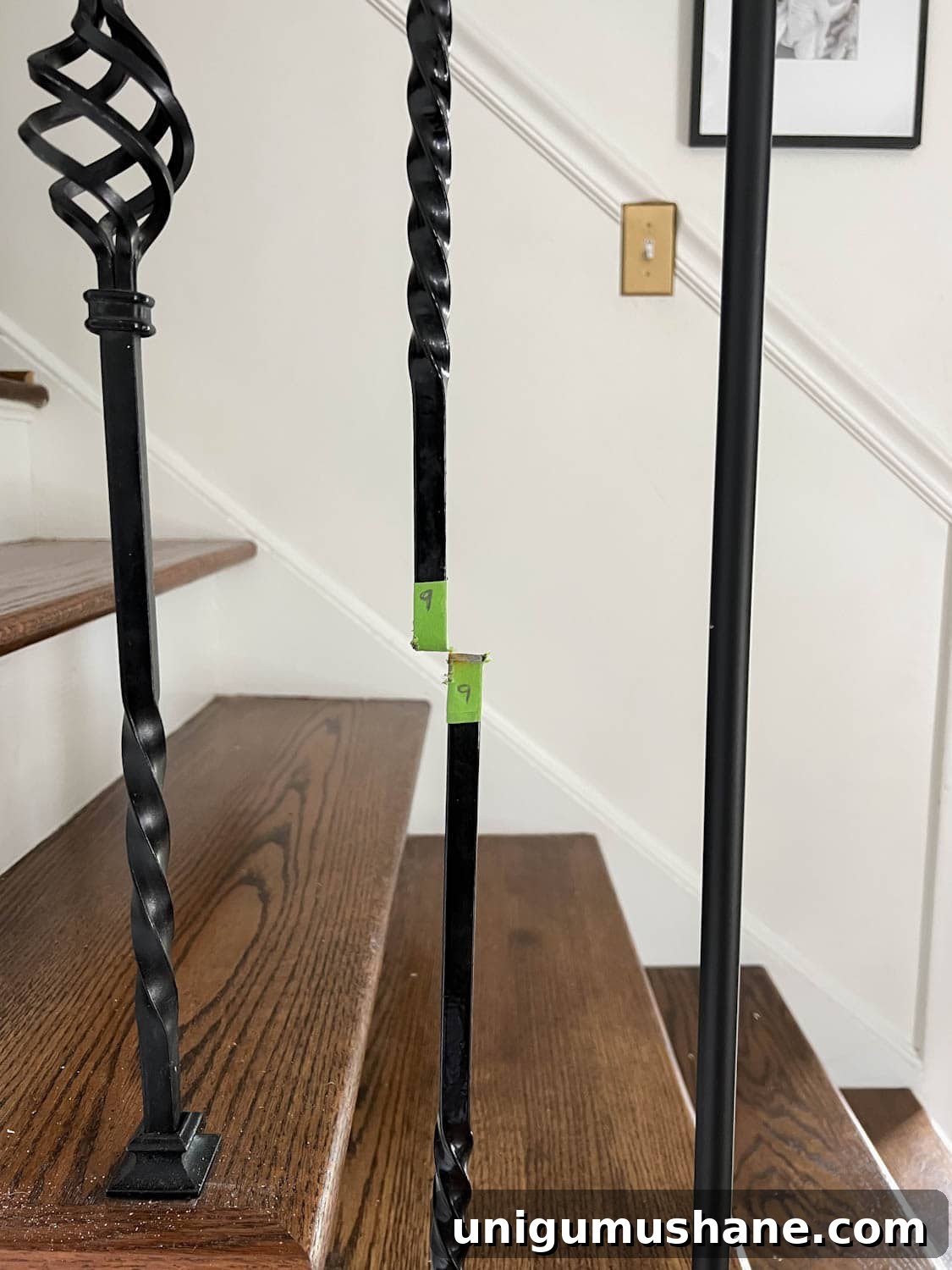
Wrap painter’s tape around each baluster and number them in order. The tape helps the blade bite for the initial cut and lets you keep the old balusters as templates for measuring and cutting new ones later.
Cut each baluster near the center using the reciprocating saw with a metal blade for iron or a wood blade for wooden balusters. Have your partner steady the top of the baluster to reduce stress on the handrail and avoid cracking. Always cut away from your partner and make sure they stand clear of the blade path.
After cutting, wiggle the baluster ends free from the handrail and tread. Use pliers to remove any stubborn adhesive residue. Replace blades frequently—dull blades increase friction and the chance of damaging the handrail. Use the shop vacuum to clean metal shards as you work.
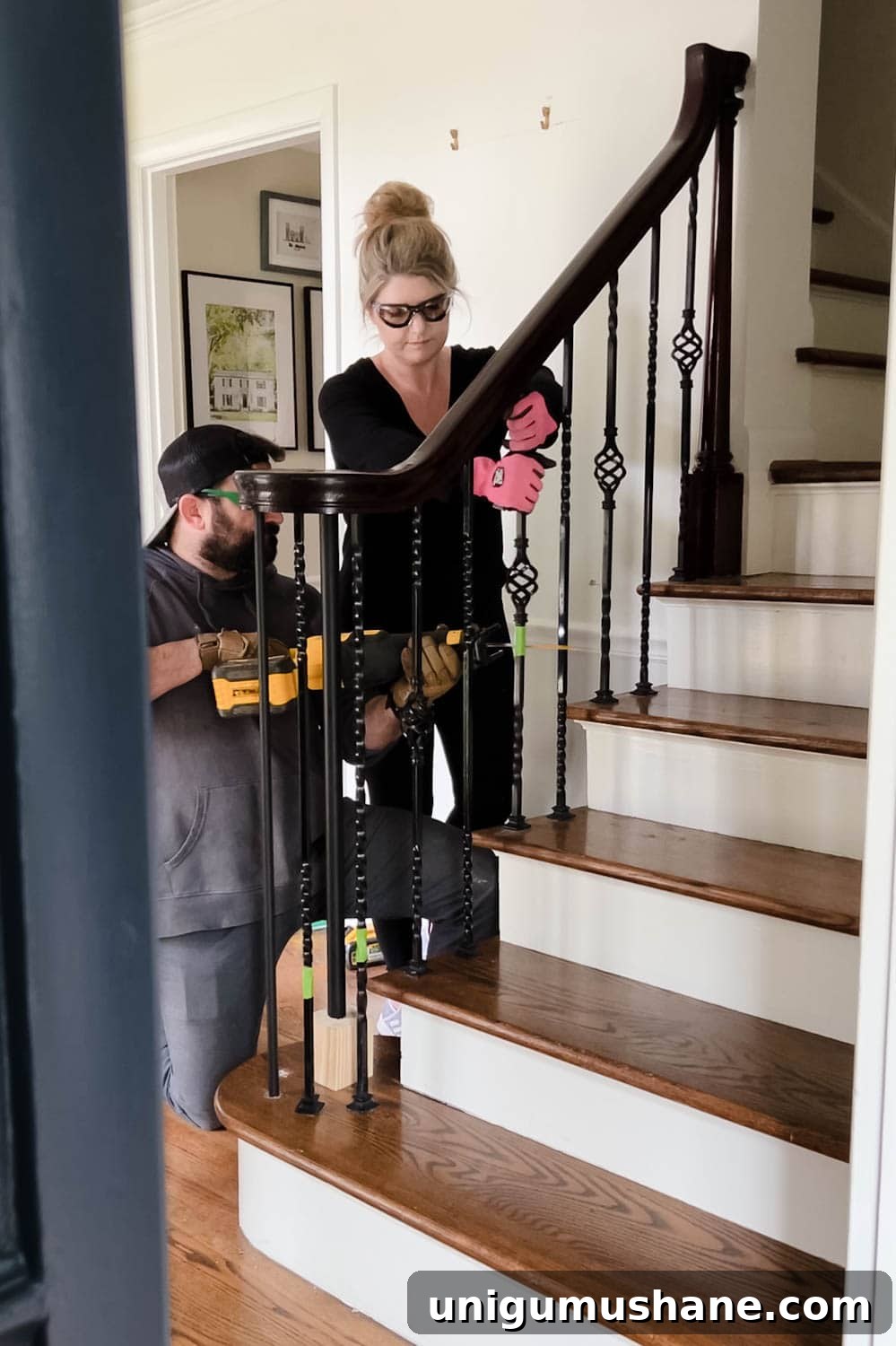
Keep the old balusters in order to use as templates. If you plan to replace the newel post, remove only one or two balusters first and skip ahead to the newel-post section to keep the handrail supported.
Step 2 – Clean up old holes and resize with the drill
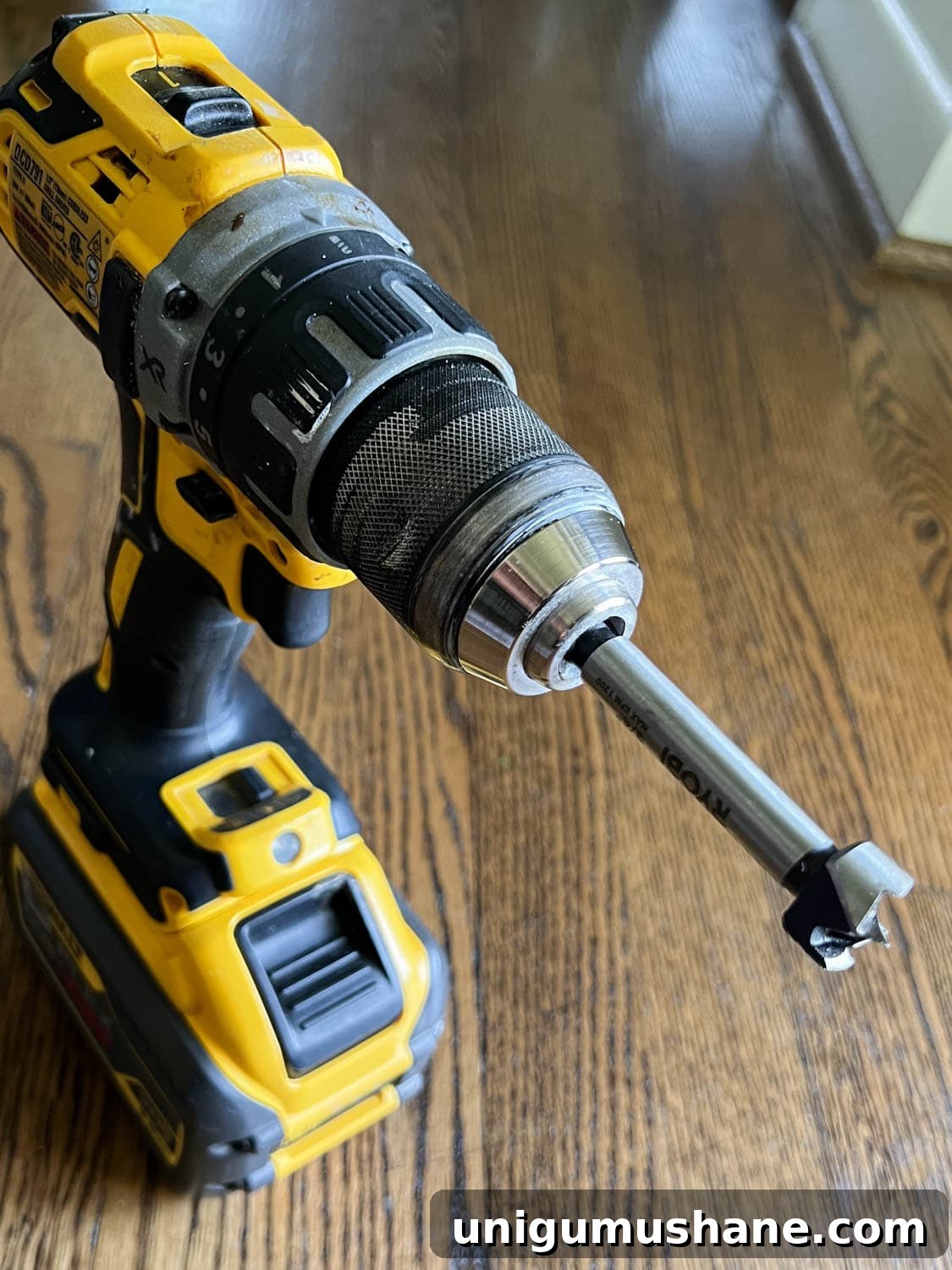
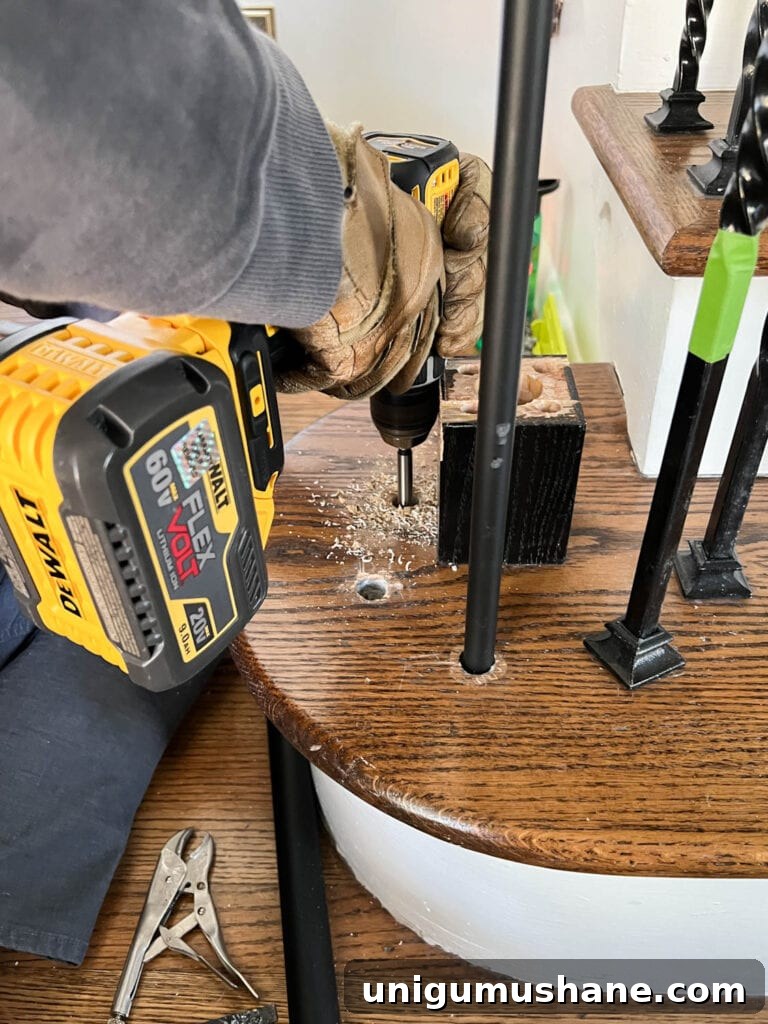
Reuse the existing spacing and holes when possible. Clean out old adhesive or epoxy using a Forstner bit sized to the hole to minimize splintering. If the holes are too small for your new balusters, enlarge them; if they’re larger than the new balusters, stair shoes can conceal the gap later.
Step 3 – Cut new balusters
Use the numbered old balusters as templates to mark and cut new ones. If you don’t have templates, measure from the top of the tread to the bottom of the handrail and add about 1″ for a snug fit.
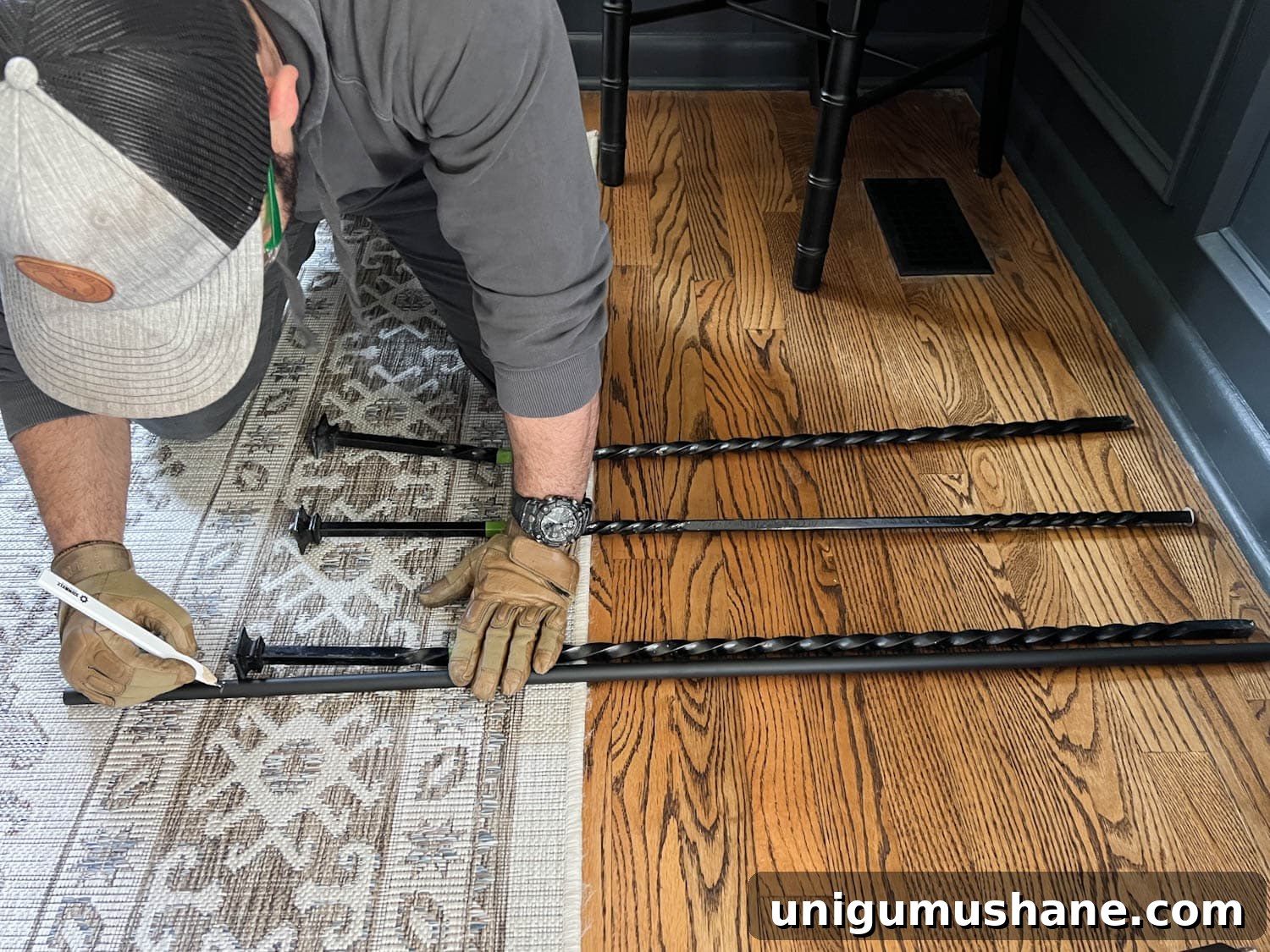
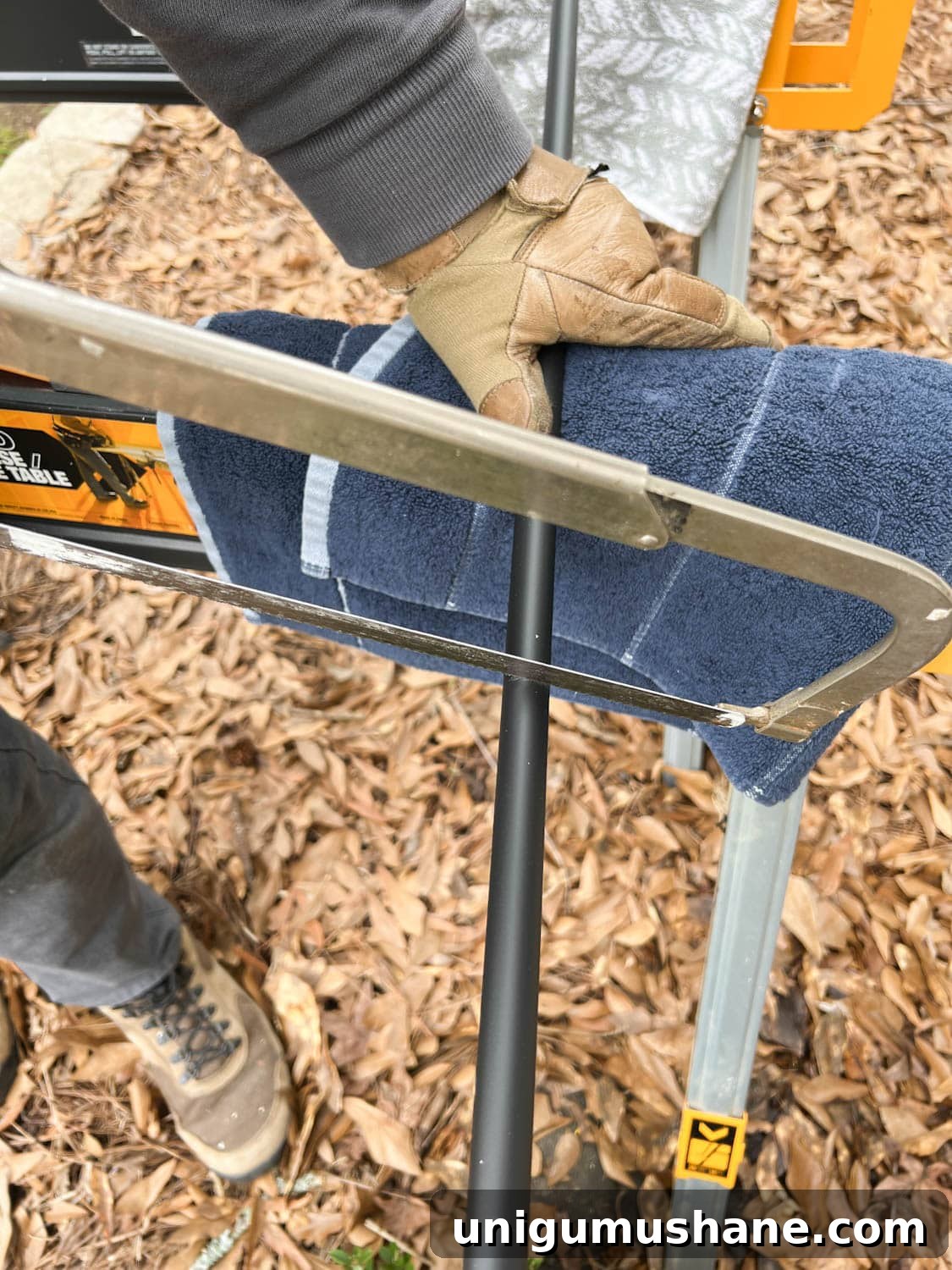
Cut metal balusters with a miter saw or hacksaw; wood can be cut with a handsaw. Protect finishes by placing towels beneath pieces when using sawhorses. Dry-fit all spindles to ensure proper length and placement, then remove them for painting and final installation.
Step 4 – Attach a new newel post
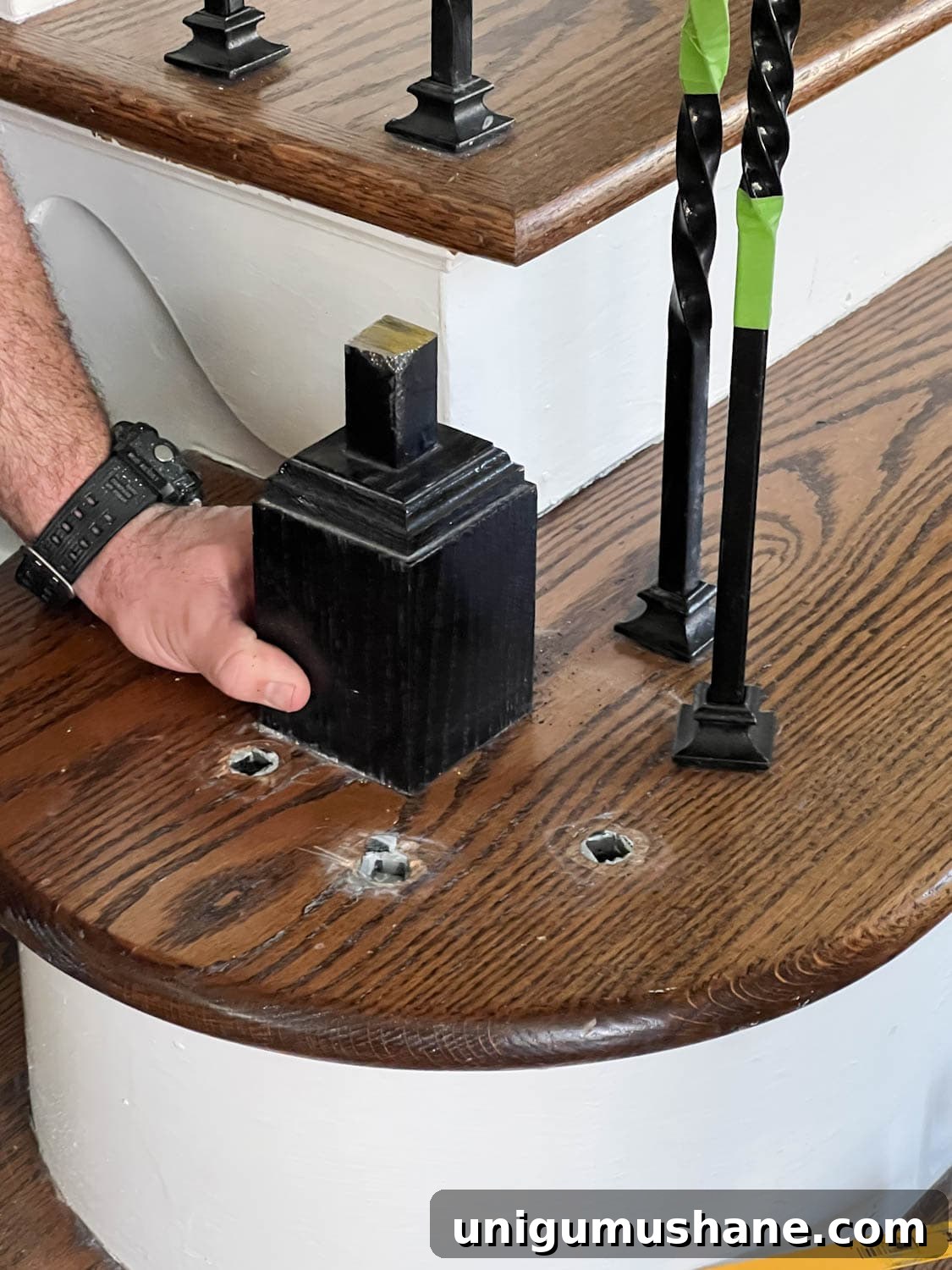
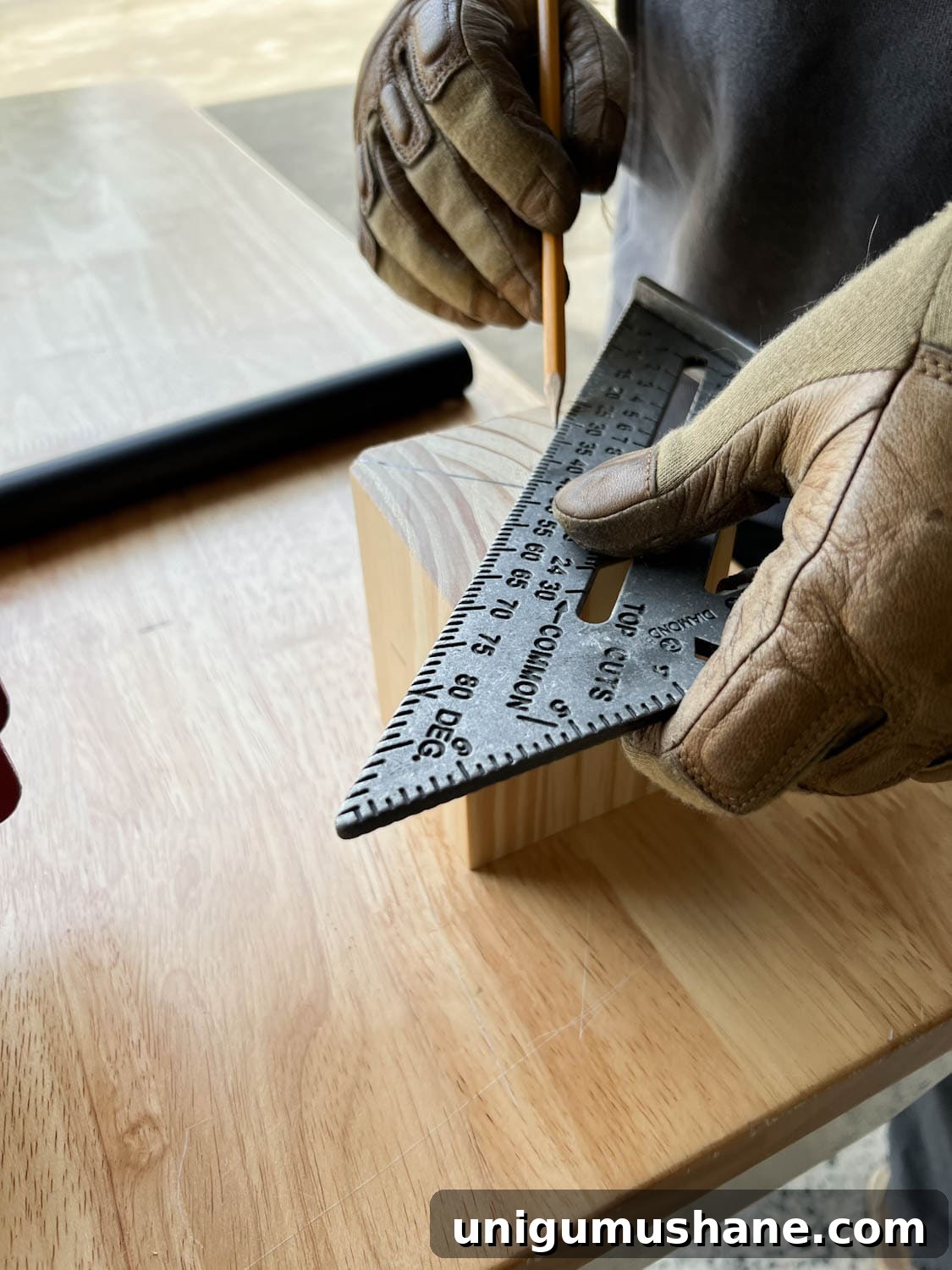
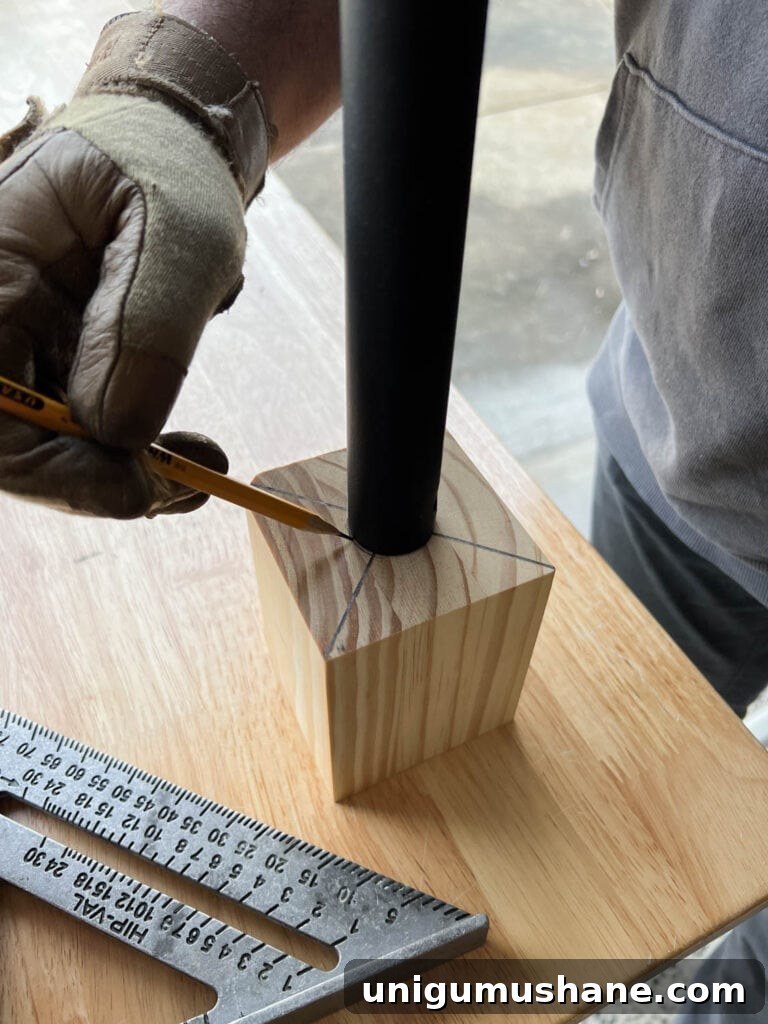
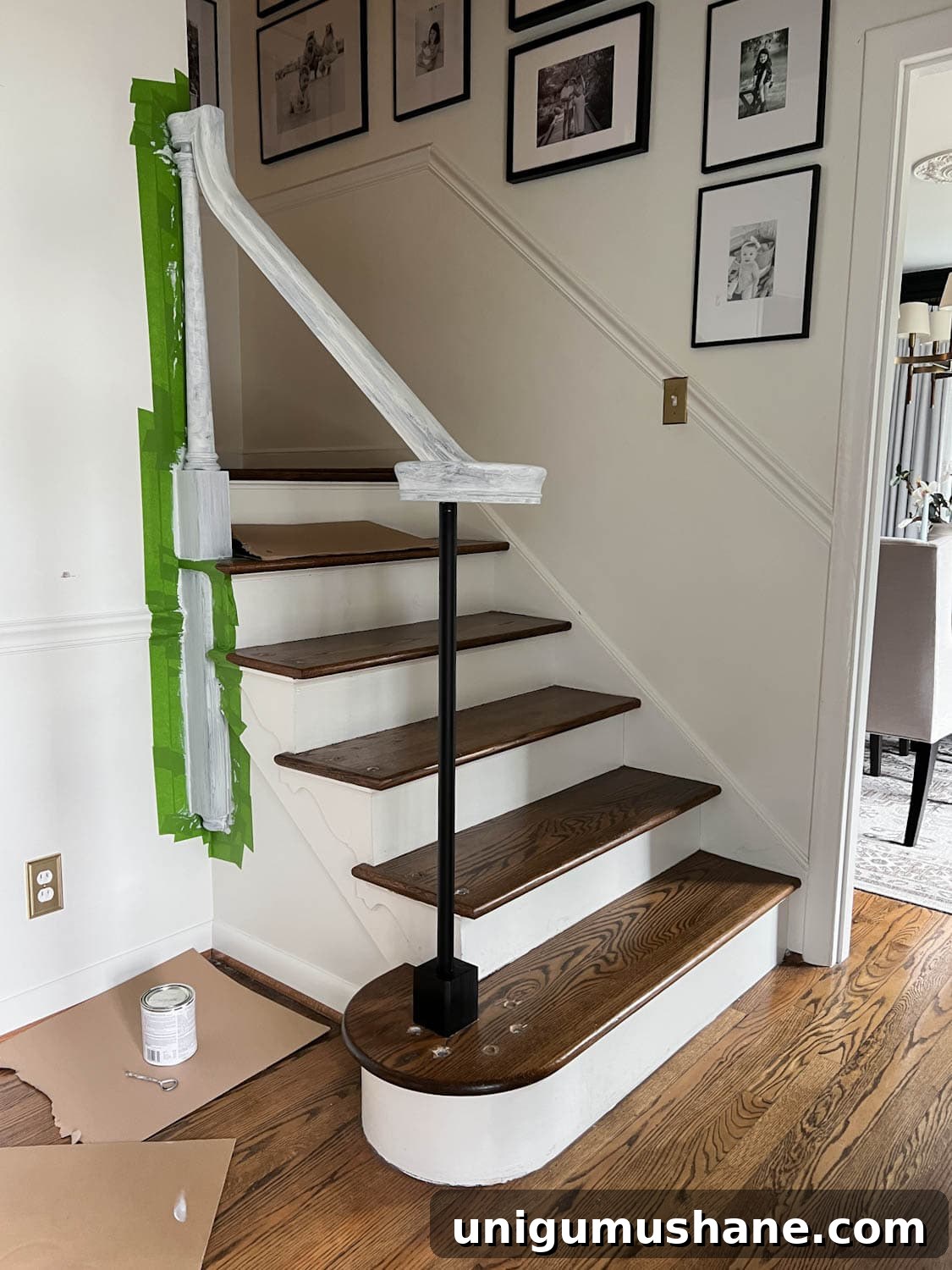
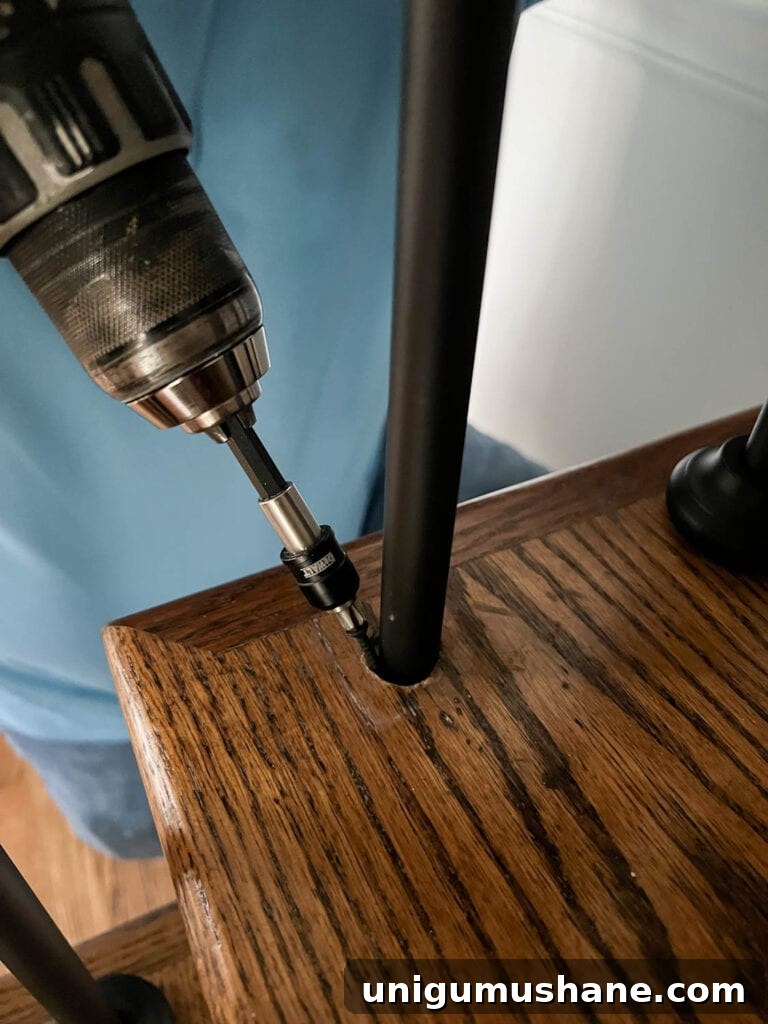
If you need a new newel post, remove only the balusters that block access so the handrail remains supported. Cut away the old post and its mounting block, then prepare a new 4×4 block as a base. Mark the block center with an X using a speed square, trace the post base, and drill the post hole with a paddle bit. Create pilot holes for mounting screws, set the post into the block and handrail, and secure the block to the tread with wood screws and construction adhesive. Fill screw holes with wood filler and finish-sand before painting.
Step 5 – Prime and paint
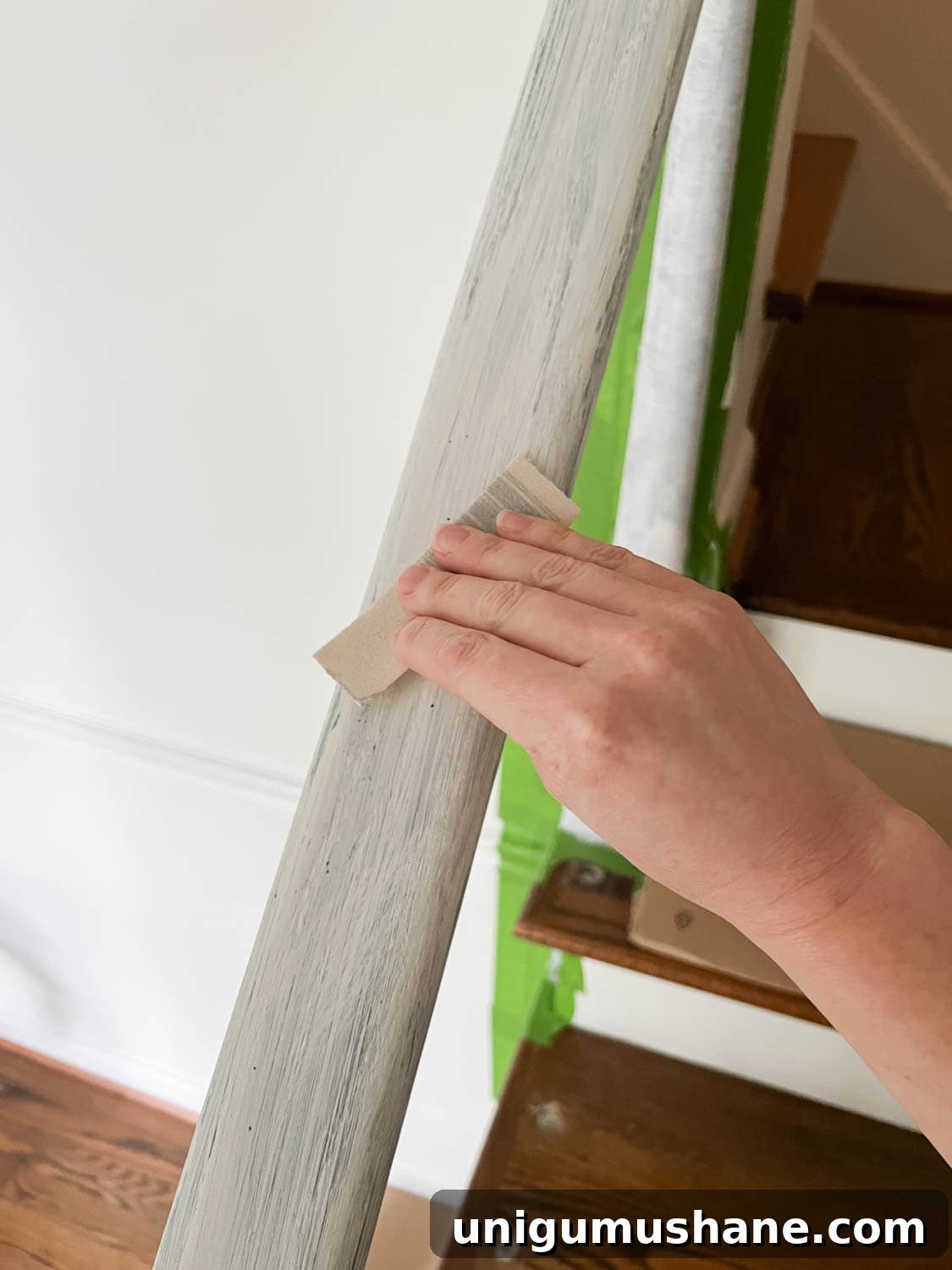
Prime and paint the handrail before reinstalling balusters. Lightly sand to give the primer “tooth,” clean with a tack cloth, and apply a coat of bonding primer. Once dry, smooth the primer with fine-grit sandpaper and remove dust. Finish with two coats of waterborne alkyd paint in satin for a durable, hard surface that levels well and hides brush strokes.
Step 6 – Attach new balusters
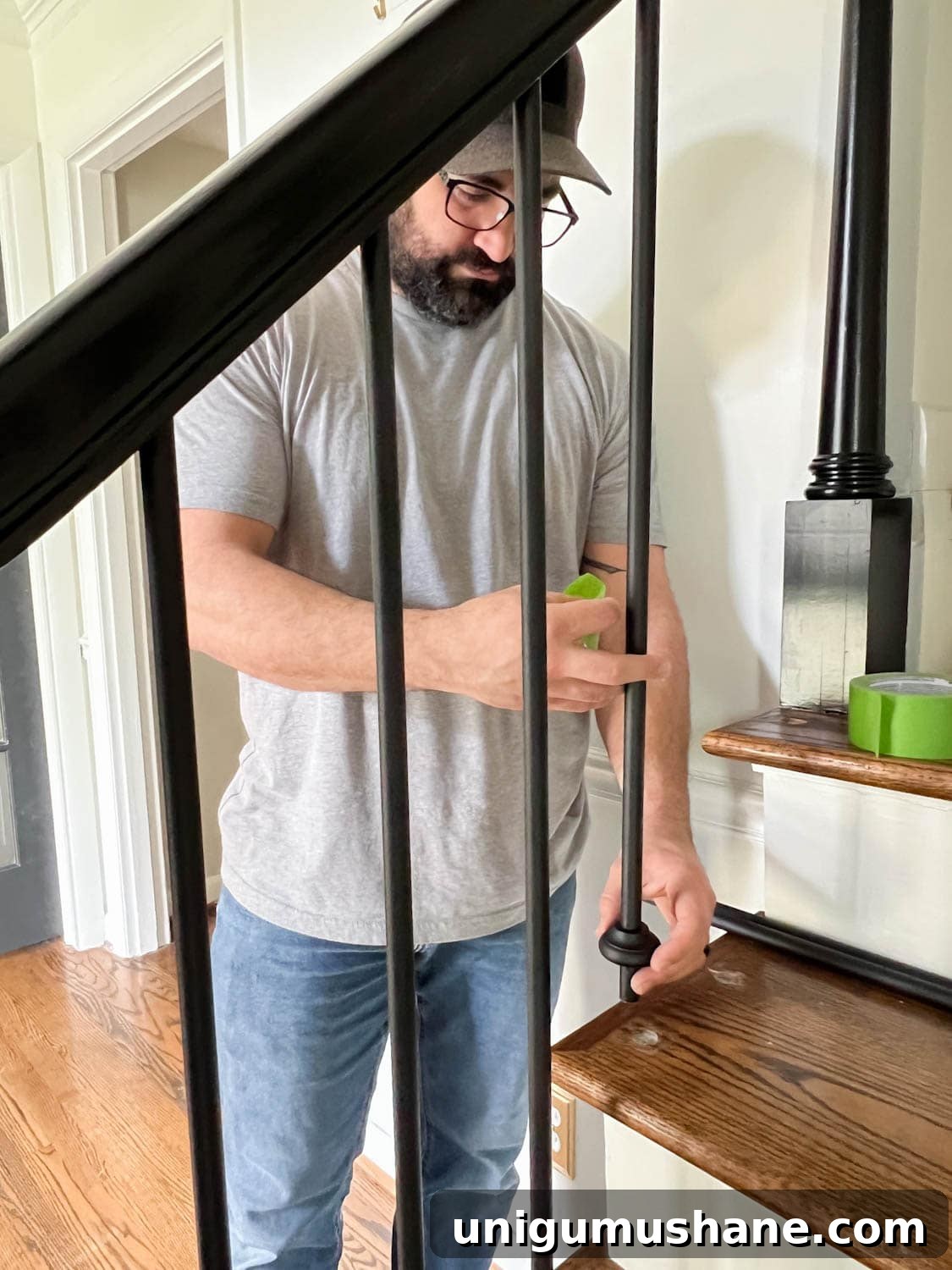
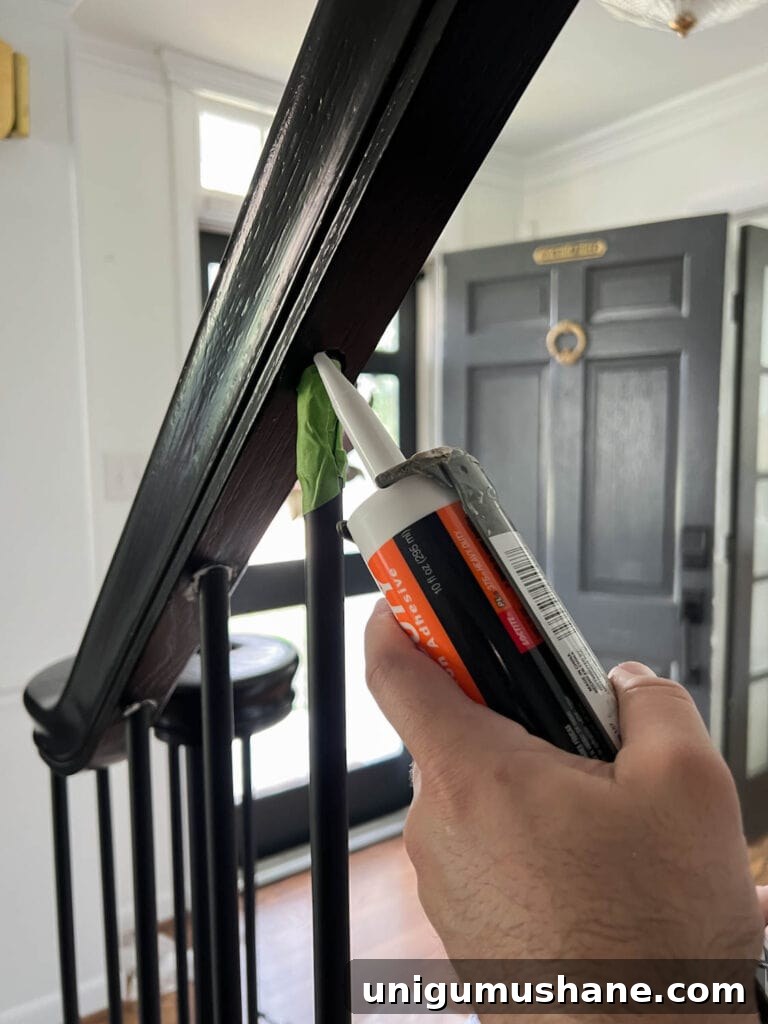
After the paint cures (overnight is ideal), install the new balusters. Slide a shoe onto each baluster, add construction adhesive to the handrail and tread holes, and insert the baluster. Push the top up slightly so the bottom seats into the tread. Add a bit more adhesive inside the handrail hole, protect finishes with painter’s tape while gluing, then secure the baluster at the tread with a short self-drilling screw placed beside the baluster for a snug fit. Slide the shoes down over the holes for a clean finished look and allow adhesive to cure for at least 24 hours before touch-up painting.
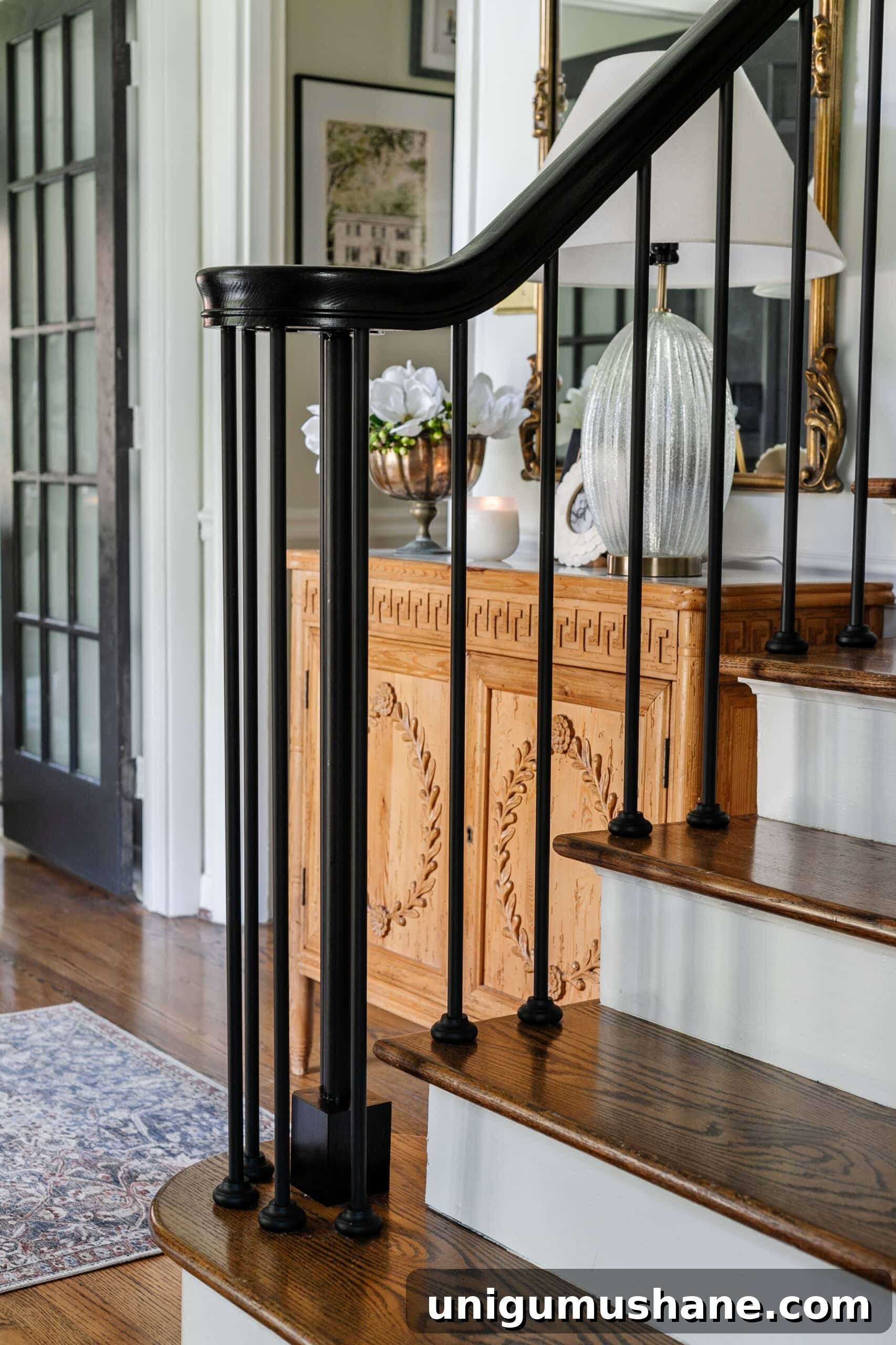
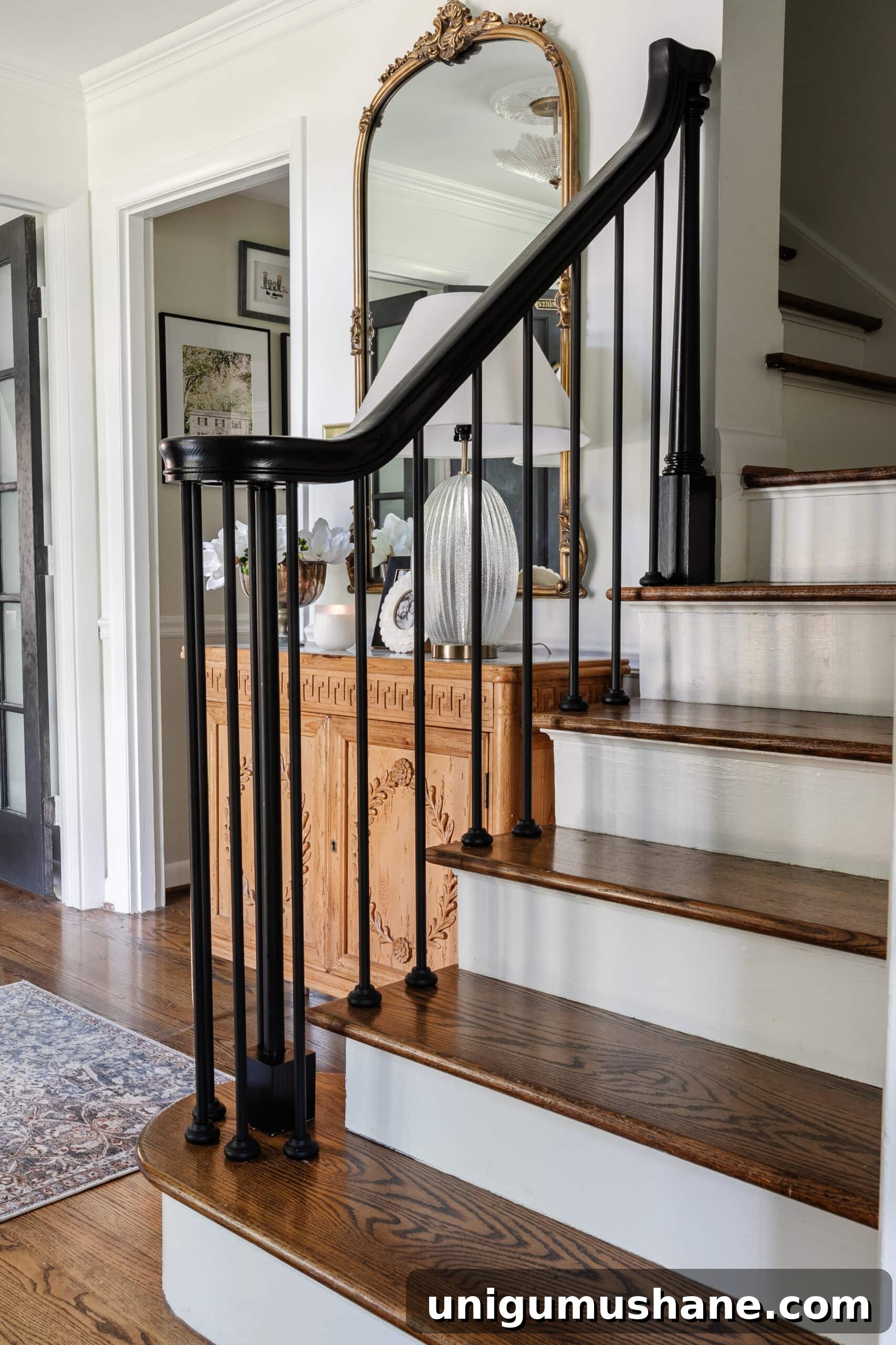
DIY stair makeover—after
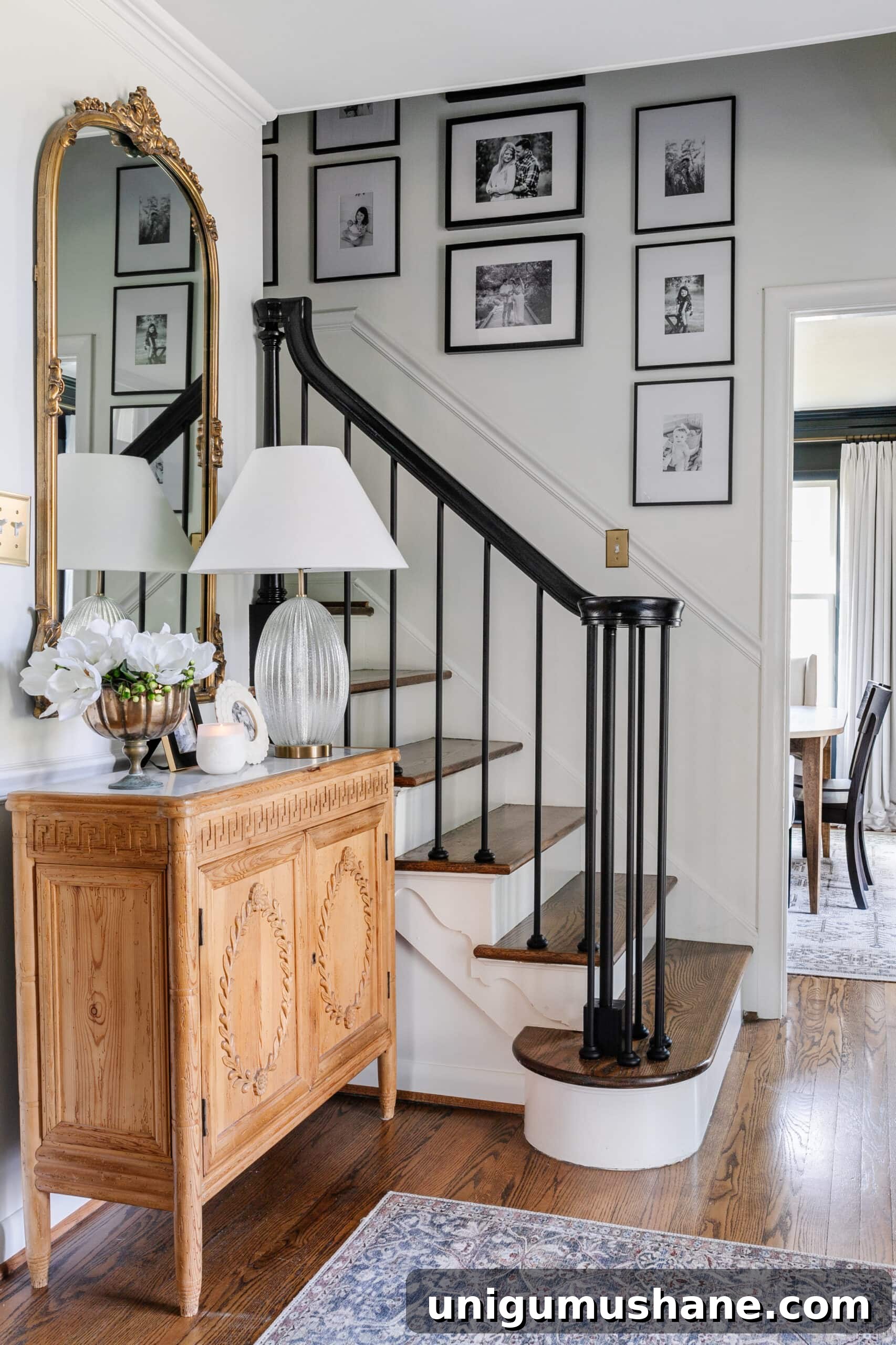
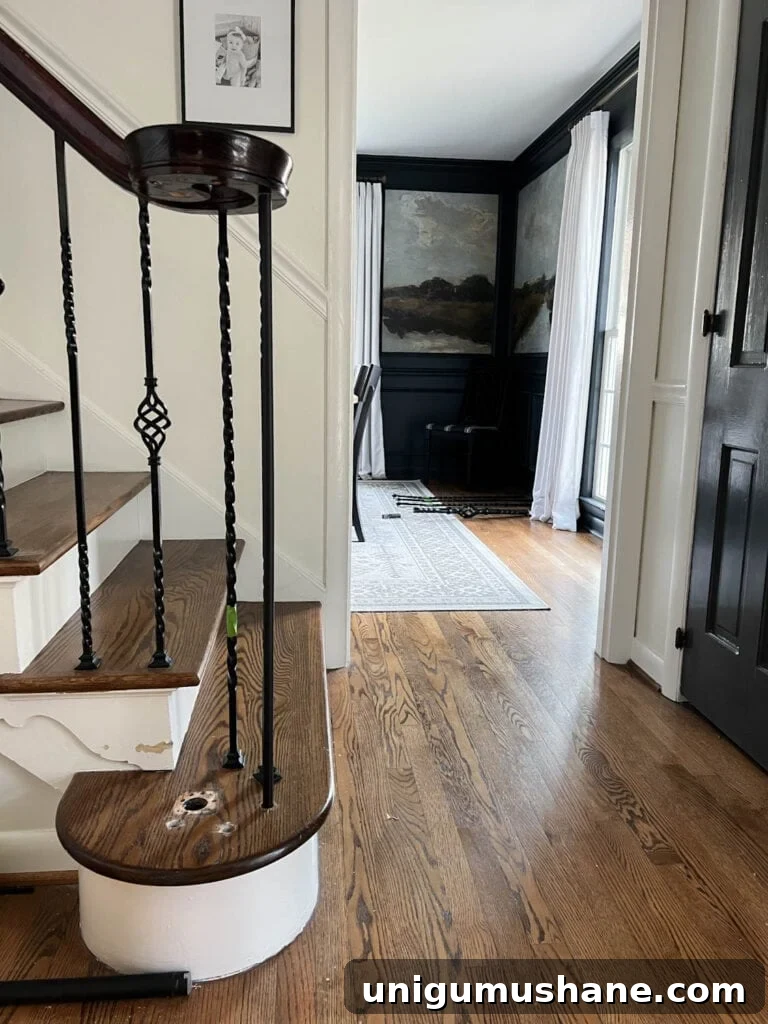
The new black balusters and freshly painted handrail created a sleeker, more modern-traditional look that suits our home better. We’re considering a runner to reduce slipperiness and noise, and possibly painting the risers later for more contrast, but the rail update already made a big visual impact.
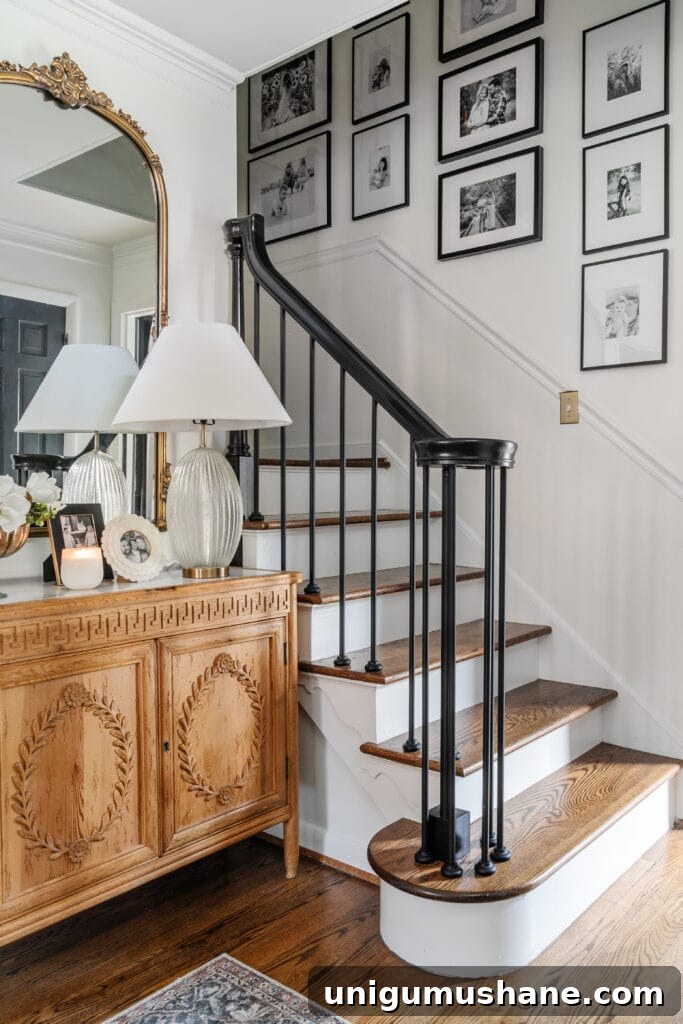
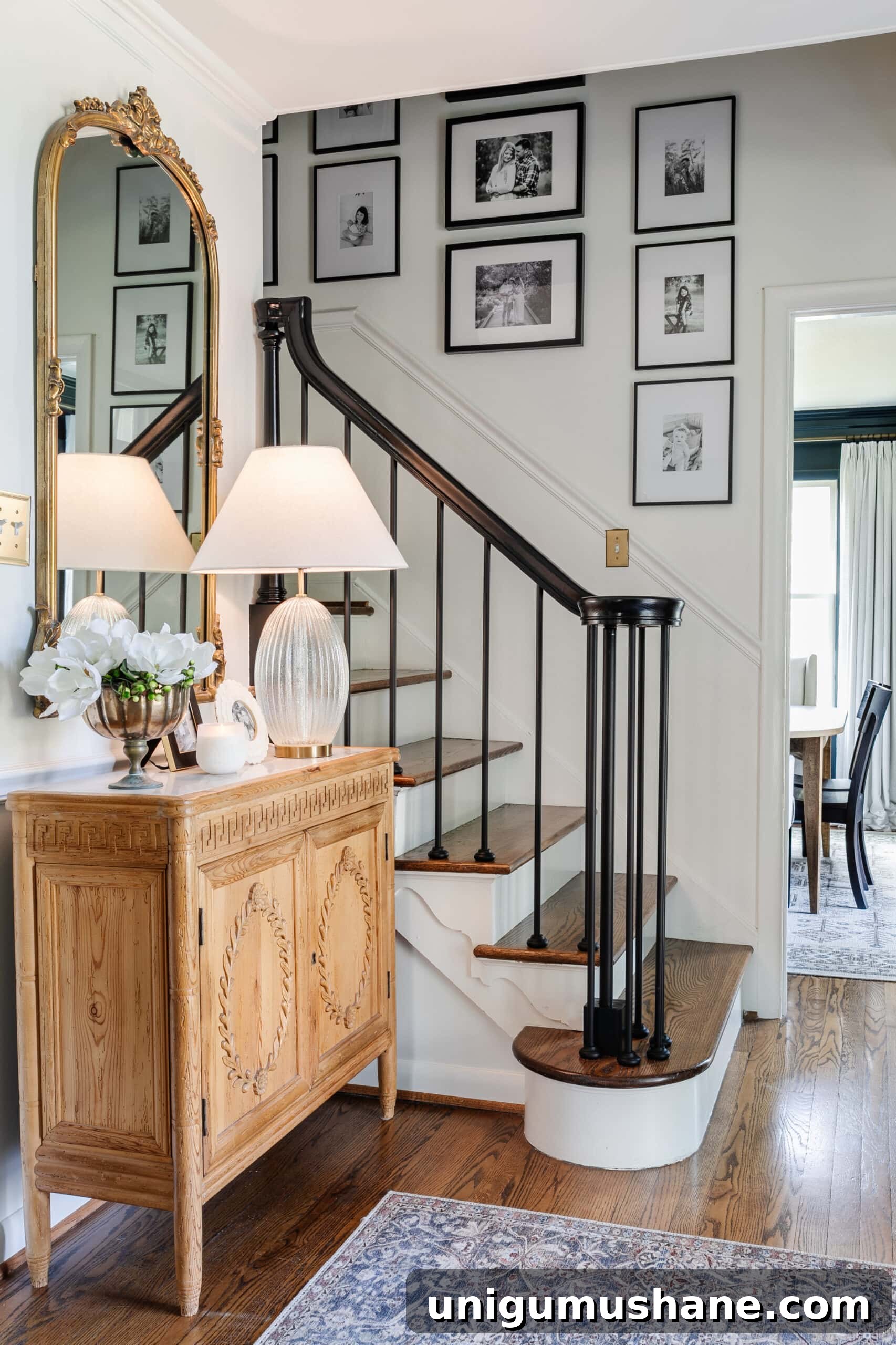
How much does it cost to replace stair spindles?
This was a budget-friendly project, far less expensive than hiring pros. Because we rented the powerful saw rather than buying one, our total cost for tool rental, blades, primer, paint, adhesives, new balusters, a newel post, and consumables was $383. Your cost will vary with stair length and whether you replace the handrail or other components, but renting specialty tools typically makes this type of one-time project much more affordable.
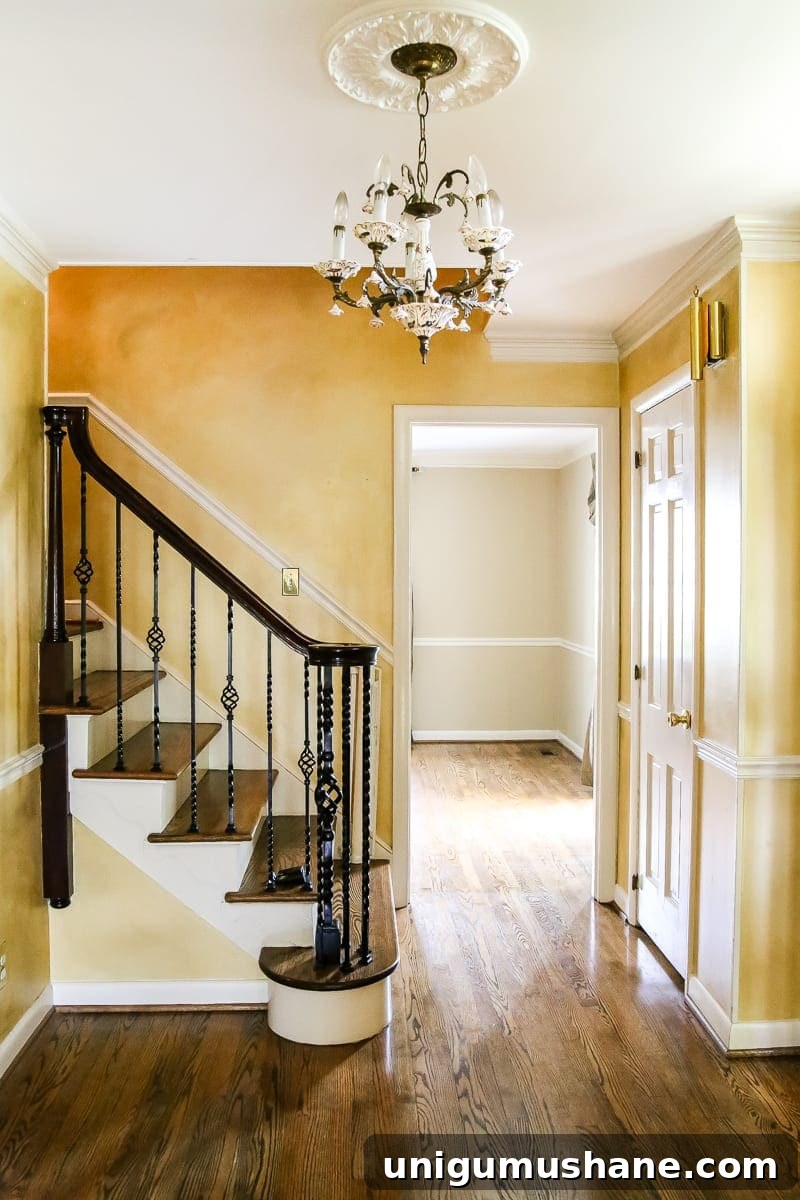
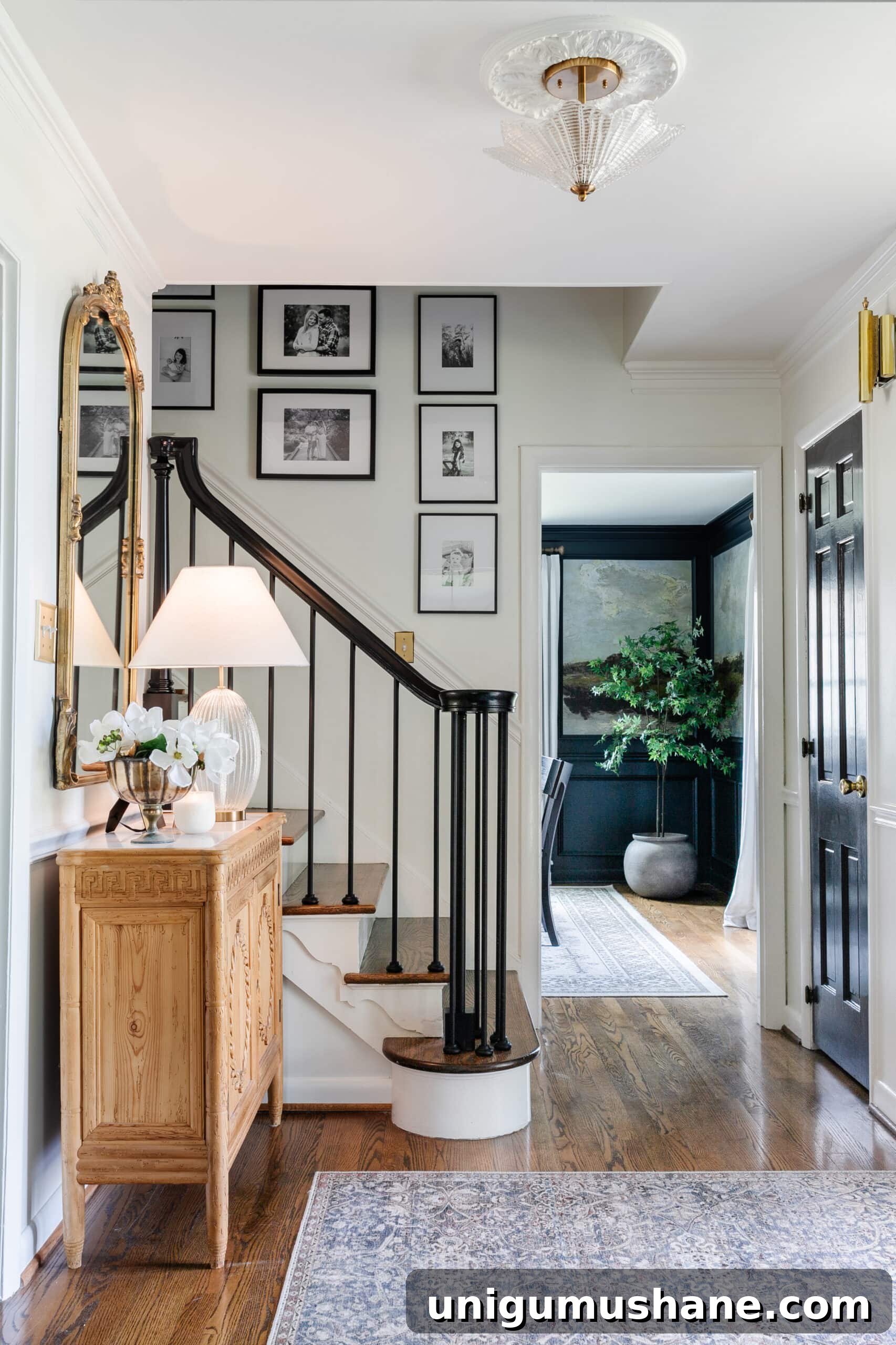
There’s no single “final” after—home projects evolve—but this rail transformation is the updated look I’ve wanted for years. Small changes like paint, a new railing style, and repurposed furniture can dramatically change a foyer’s feel.
More DIY home improvement ideas
- How to Install a Herringbone LVP Floating Floor
- DIY Limewashed Brick Fireplace
- DIY Built-Ins and Window Seat Using Stock Kitchen Cabinets
Frequently Asked Questions
Balusters and spindles are essentially the same. Often “baluster” refers to the vertical member that rests on a tread or footing, while “spindle” can imply a piece supported by a horizontal rail, but the terms are used interchangeably.
A common guideline is roughly three balusters per linear foot, which typically spaces them about every 4 inches, but check local codes for safety requirements.
Common square wood baluster sizes include 1 1/4″, 1 3/4″, and 1 5/8″, though metal balusters come in various diameters as well.