
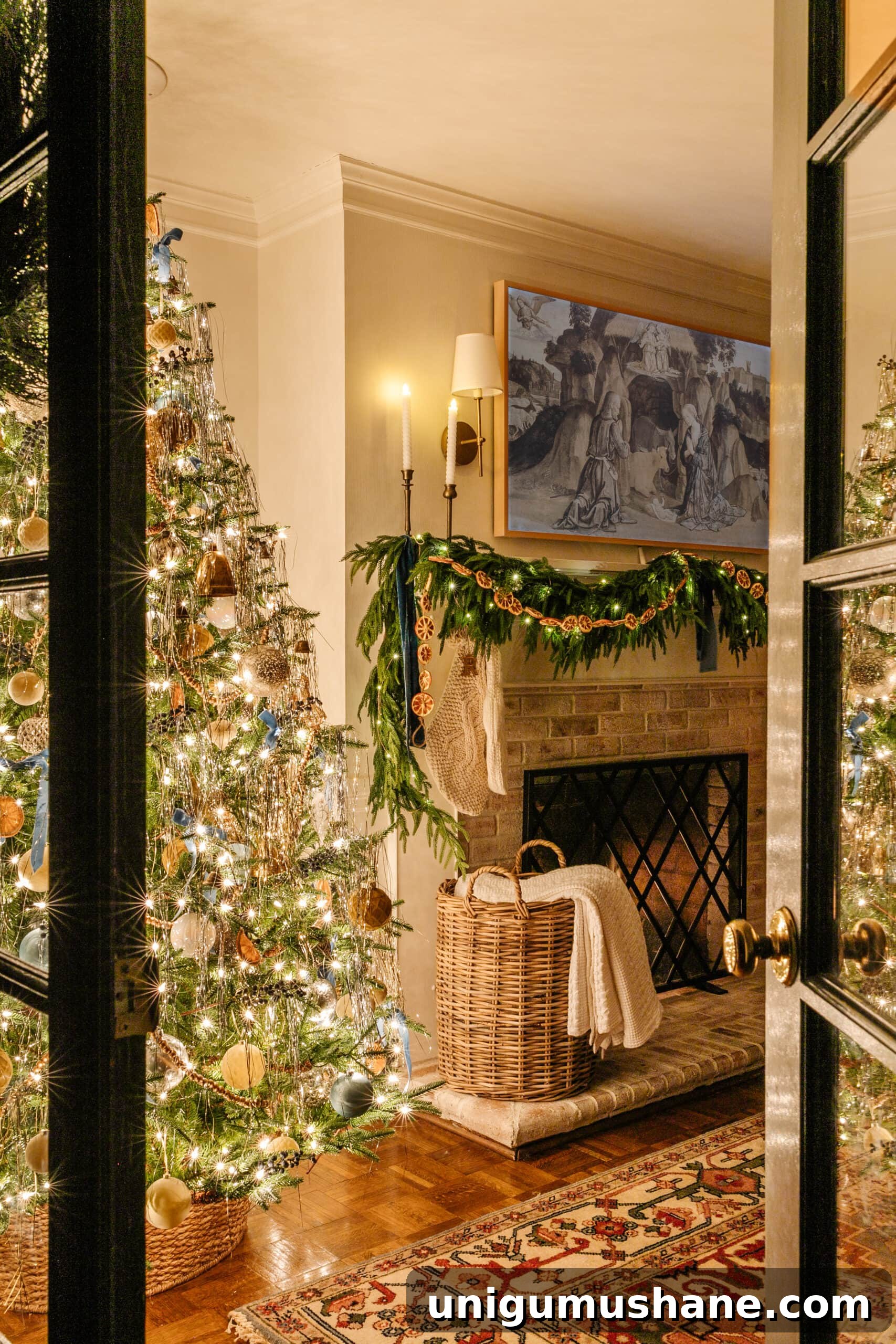
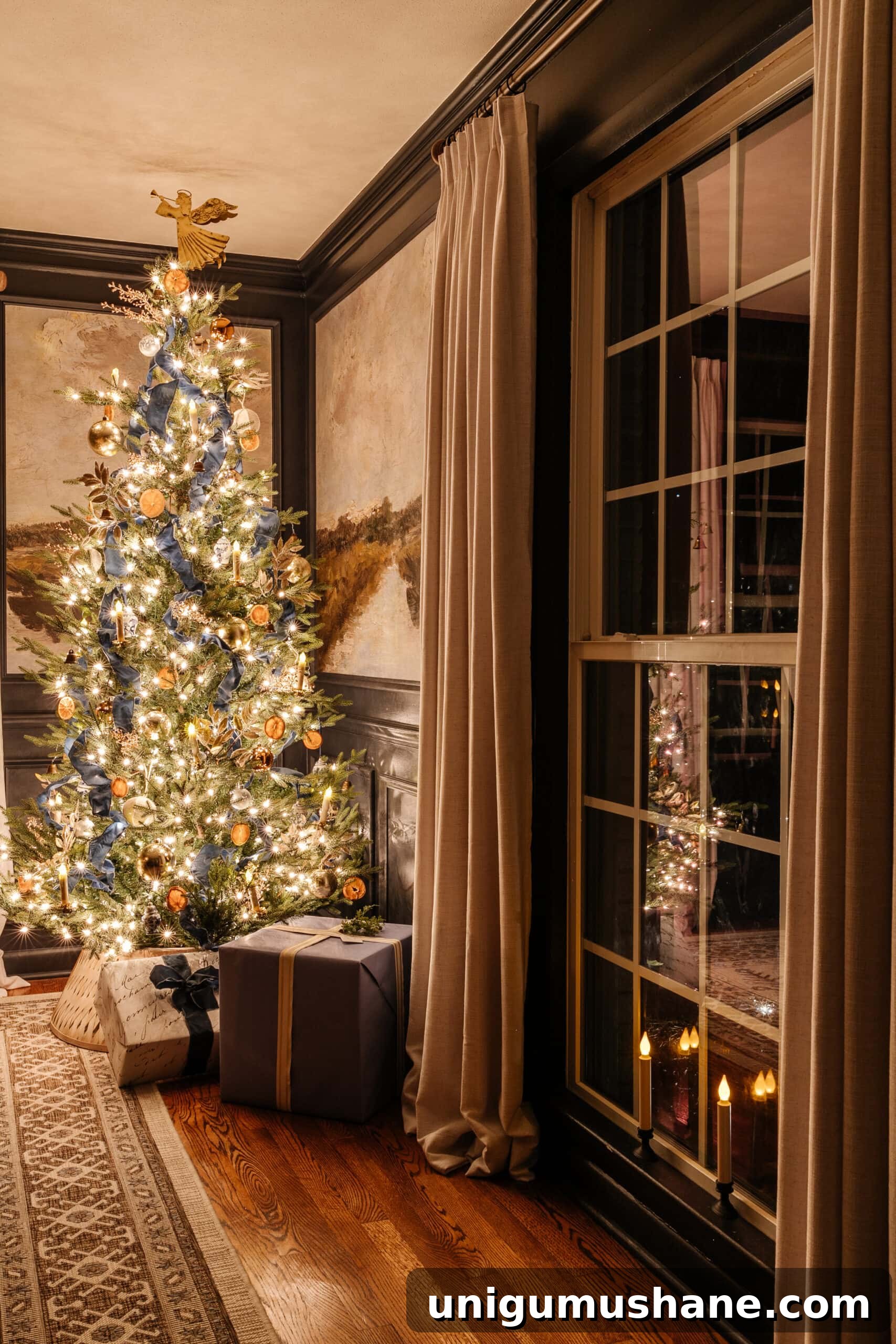
A step-by-step tutorial to photograph Christmas tree lights and candlelight at night, so you can beautifully capture your home and holiday decor.
Each year when I share our home’s candlelit Christmas tour, readers often ask how I photograph Christmas tree lights and candlelight at night. I’m not a professional photographer, but over the years I’ve learned practical techniques—many taught by my talented friend Rachel Pax from Maison de Pax—that make low-light interior photography achievable and enjoyable.
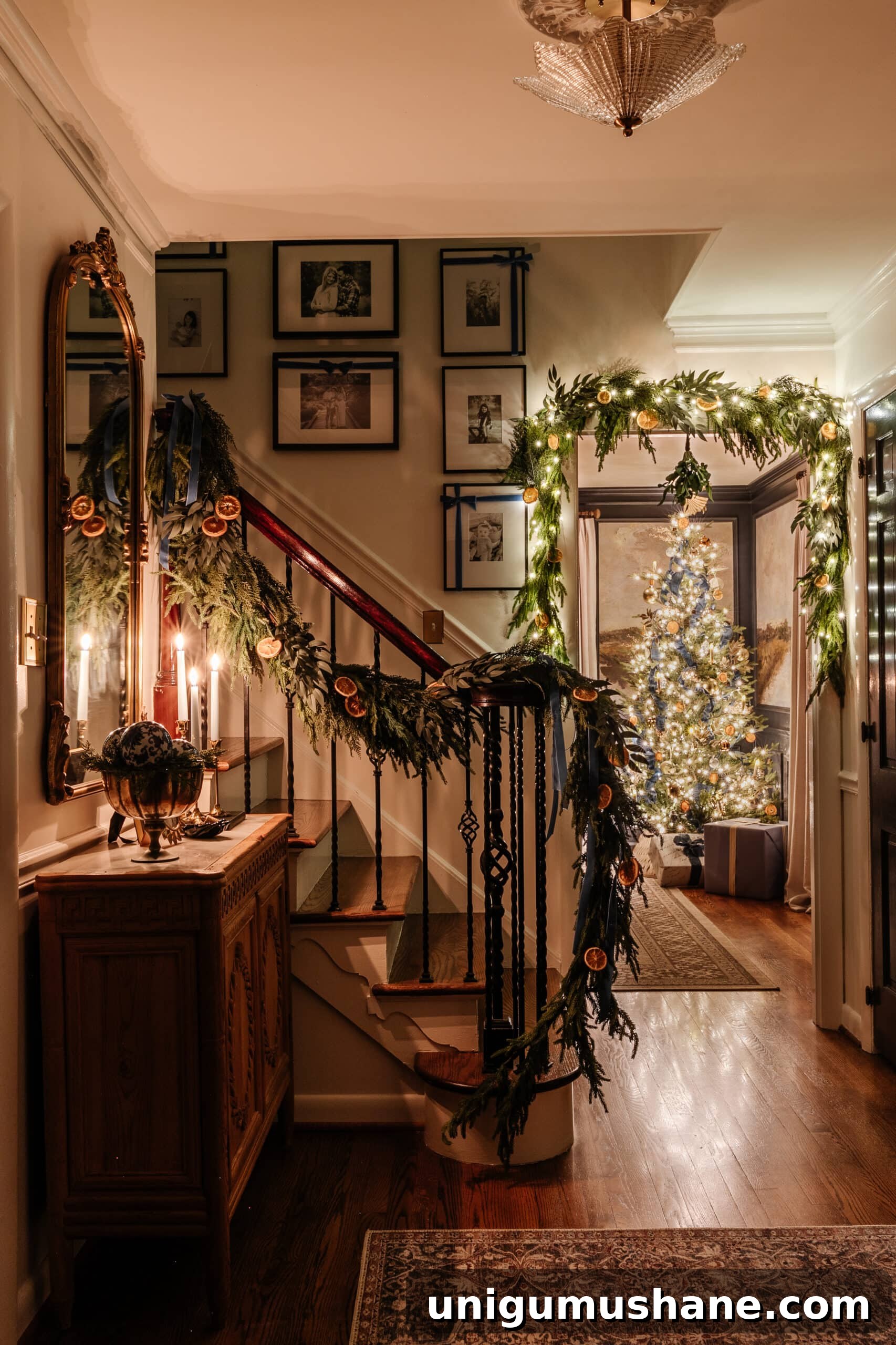
Photographing candlelight and tree lights used to feel overwhelming, but it’s become one of my favorite creative challenges. Below are clear, actionable tips for capturing cozy holiday scenes with either a DSLR/mirrorless camera or a mobile phone.
How to Photograph Christmas Lights at Night
I usually use a DSLR or mirrorless camera for night photography, but modern phones are increasingly capable. These core tips apply regardless of equipment: control light sources, stabilize the camera, and choose settings for the look you want—soft bokeh or sharp full-room detail.
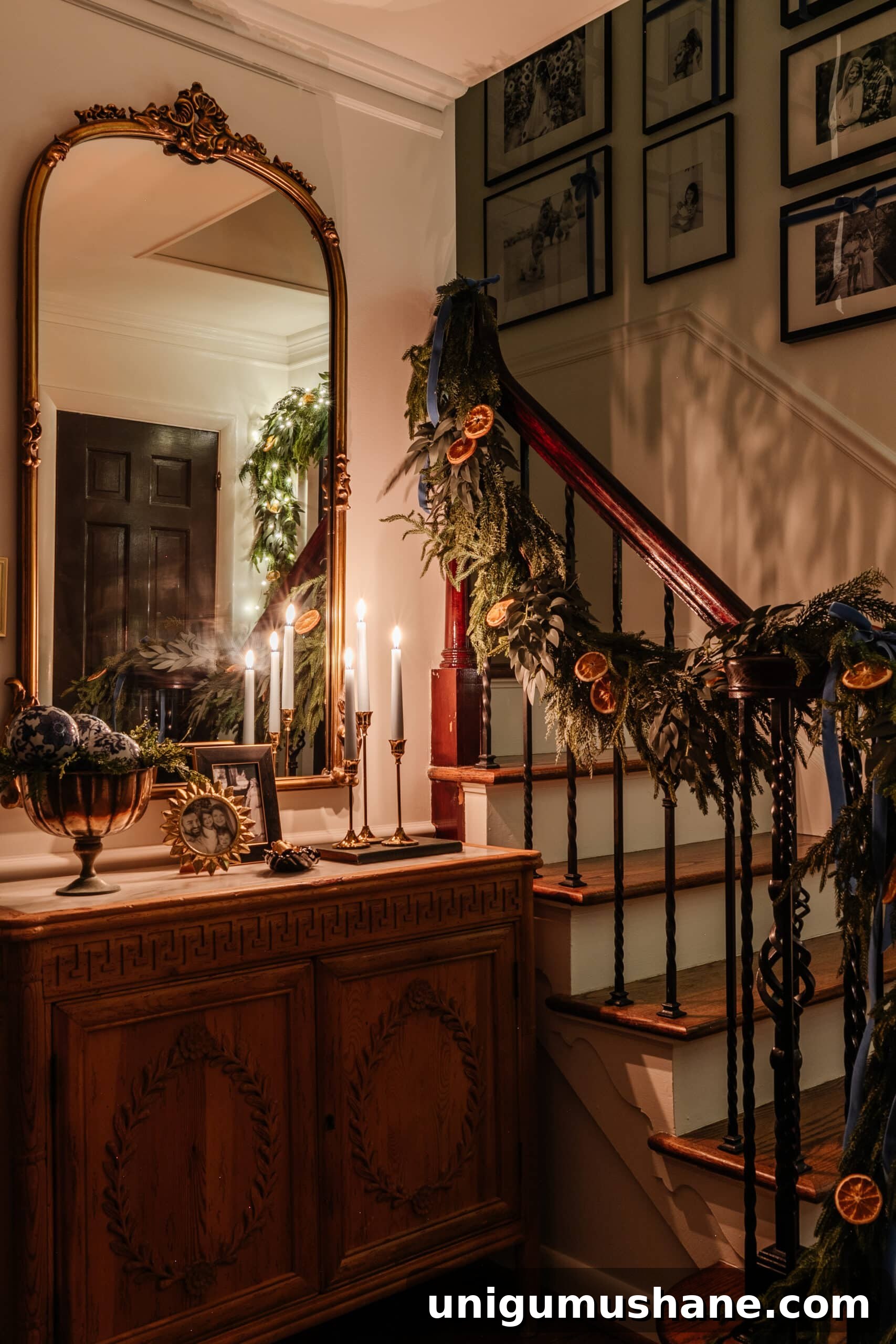
Mobile vs DSLR or Mirrorless Camera
A DSLR or mirrorless camera will generally produce sharper images with more depth and less noise in low light. For many of these photos I used a Canon 6D body with a Canon 35mm f/1.4L II USM lens. For mobile shots I use an iPhone 13 Pro Max. That said, you can get beautiful results with either approach by following the same principles below.
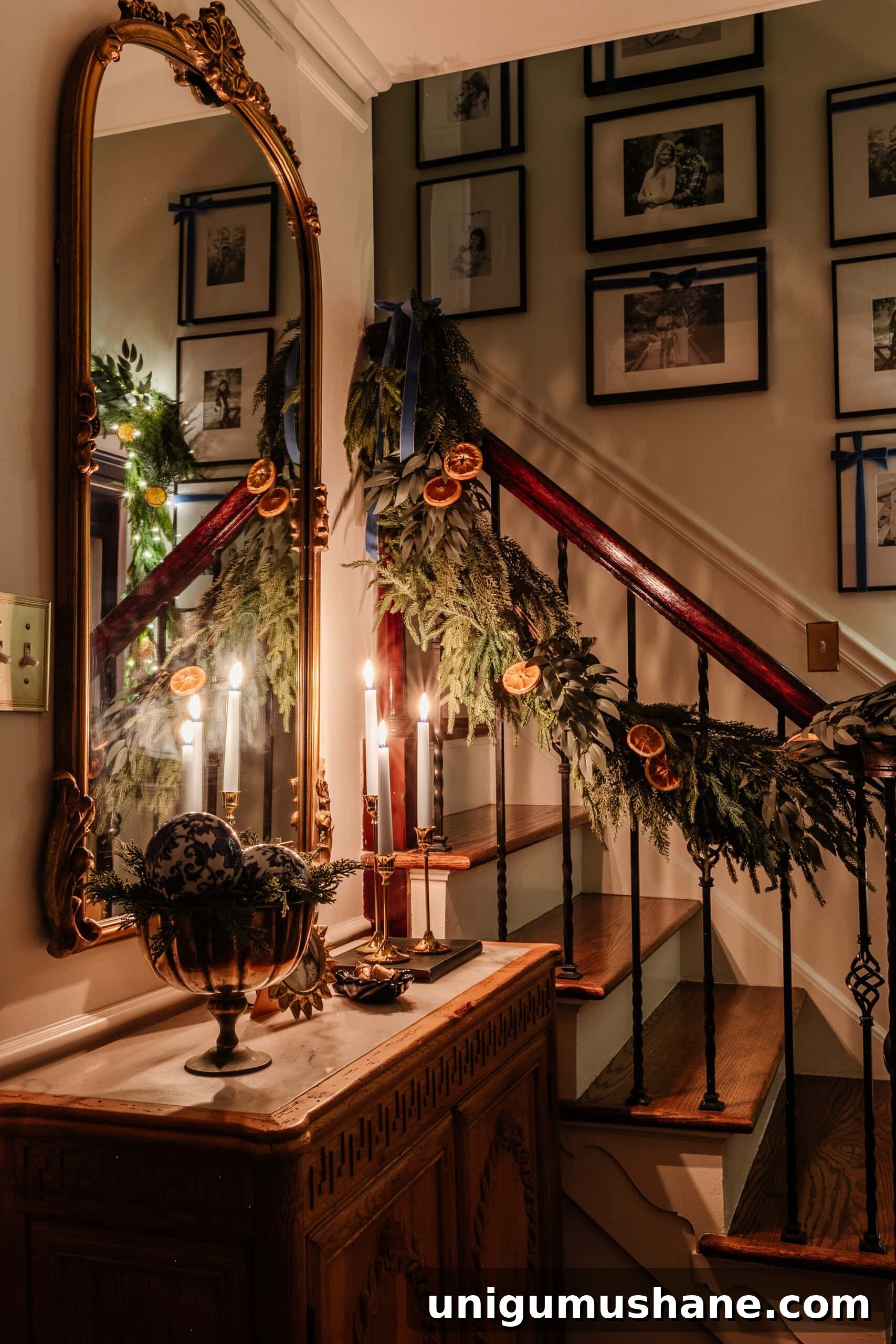
How to Set Up the Best Lighting
Turn Off All Overhead Lighting
Remove most room lights and rely mainly on string lights, candles, and a small lamp if needed. Overhead lights and bright lamps can overpower the delicate glow from candles and tree lights. If you use a lamp, prefer one on a dimmer or a low-wattage bulb to preserve the mood.
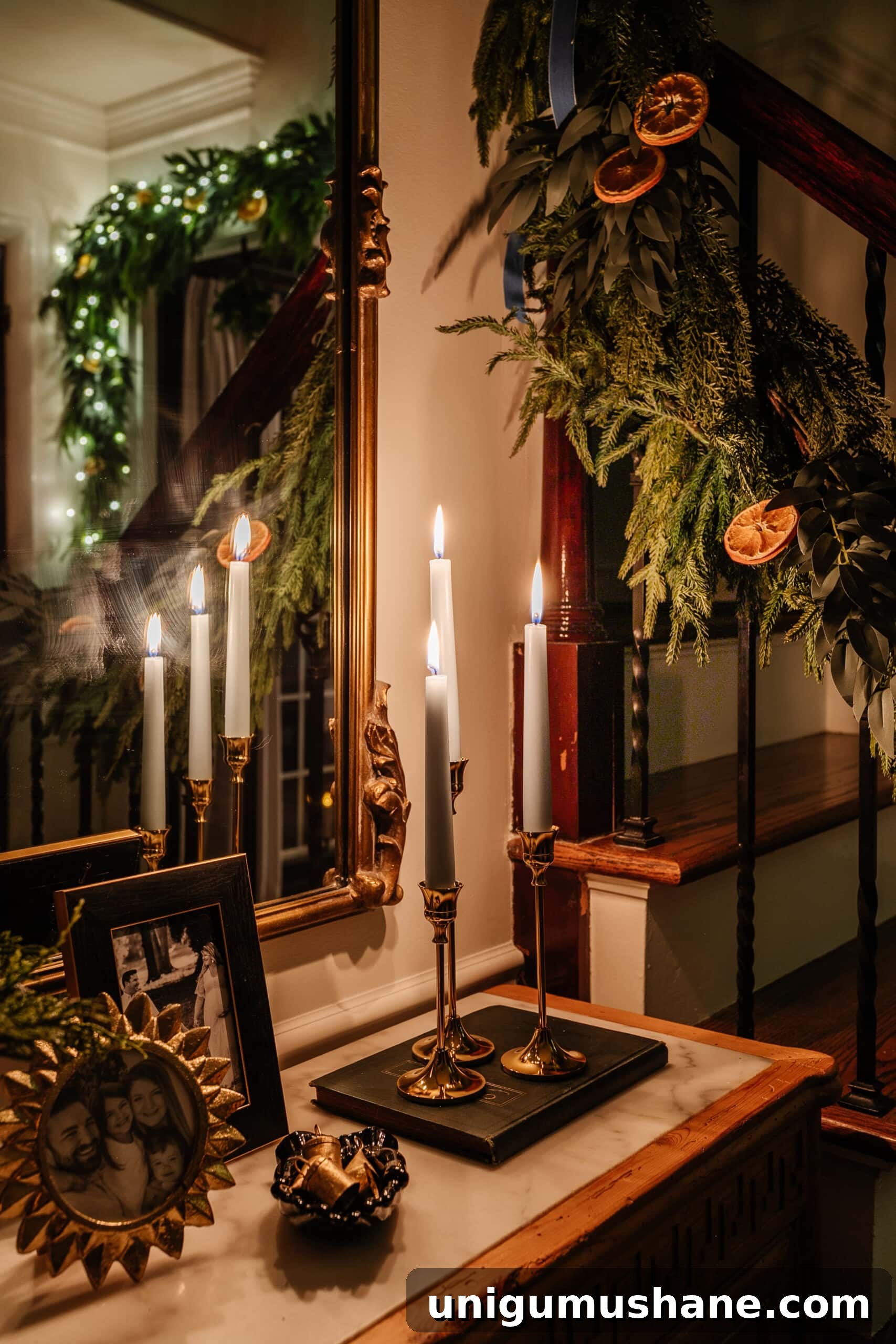
Have At Least Two Small Light Sources in a Room
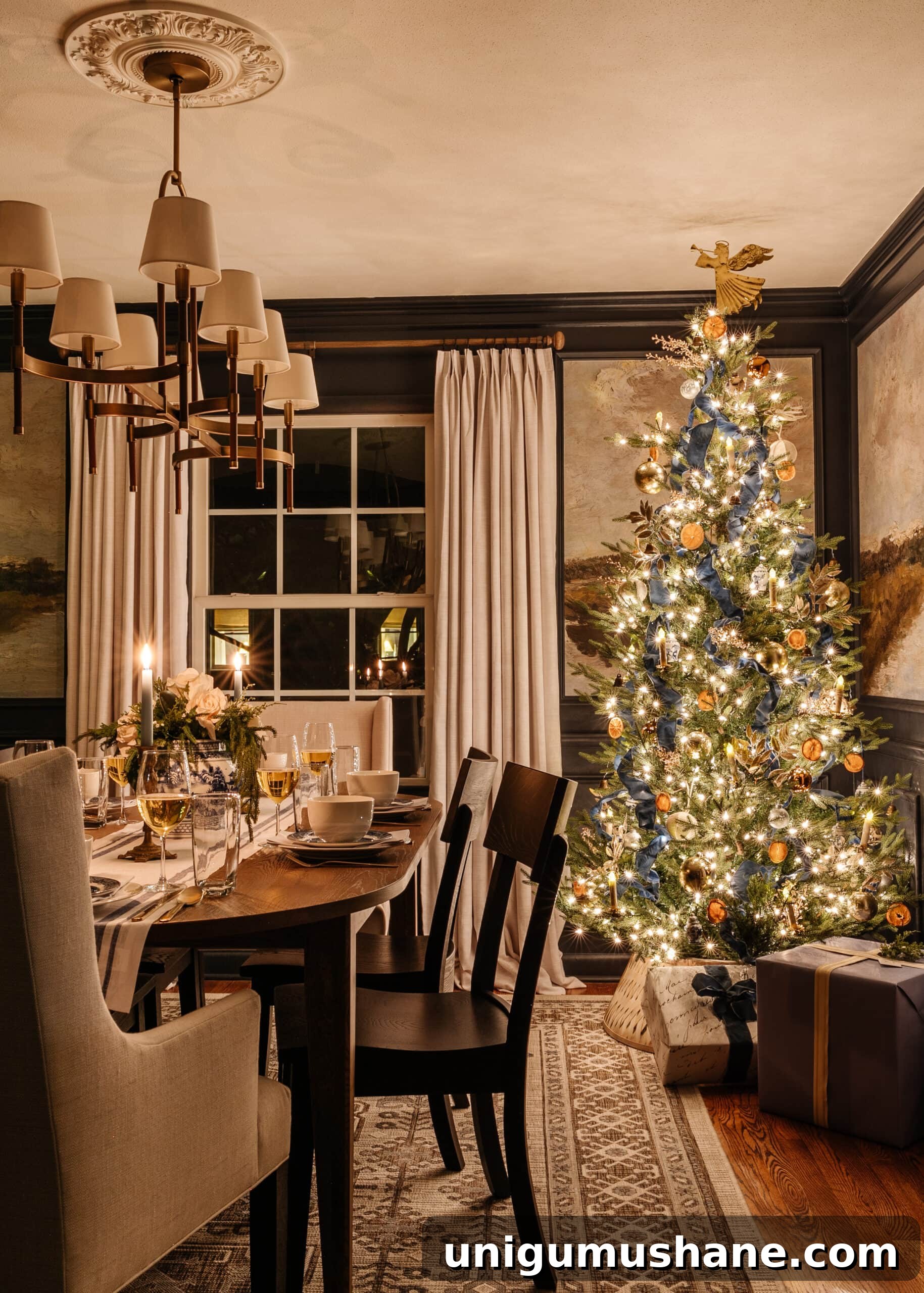
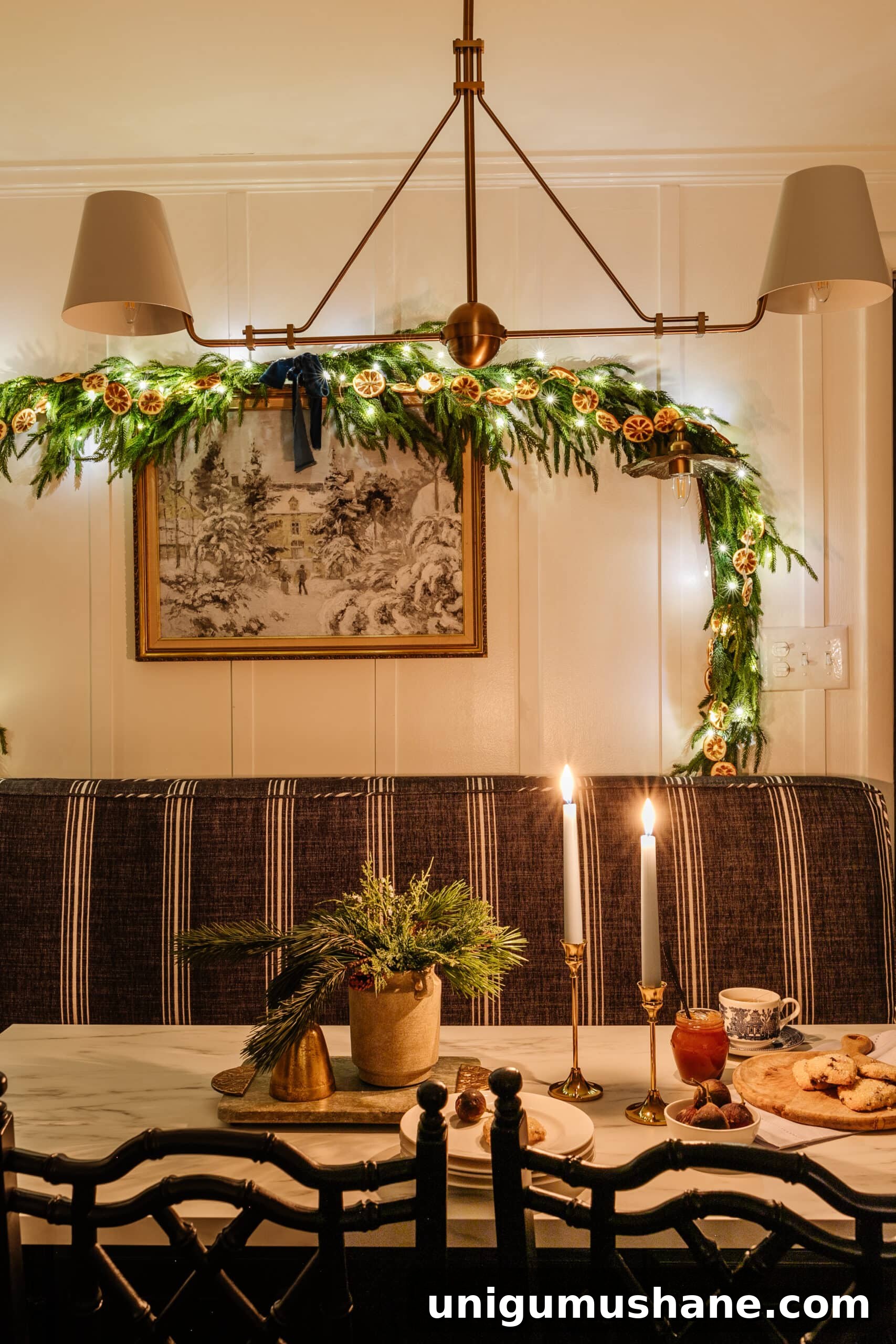
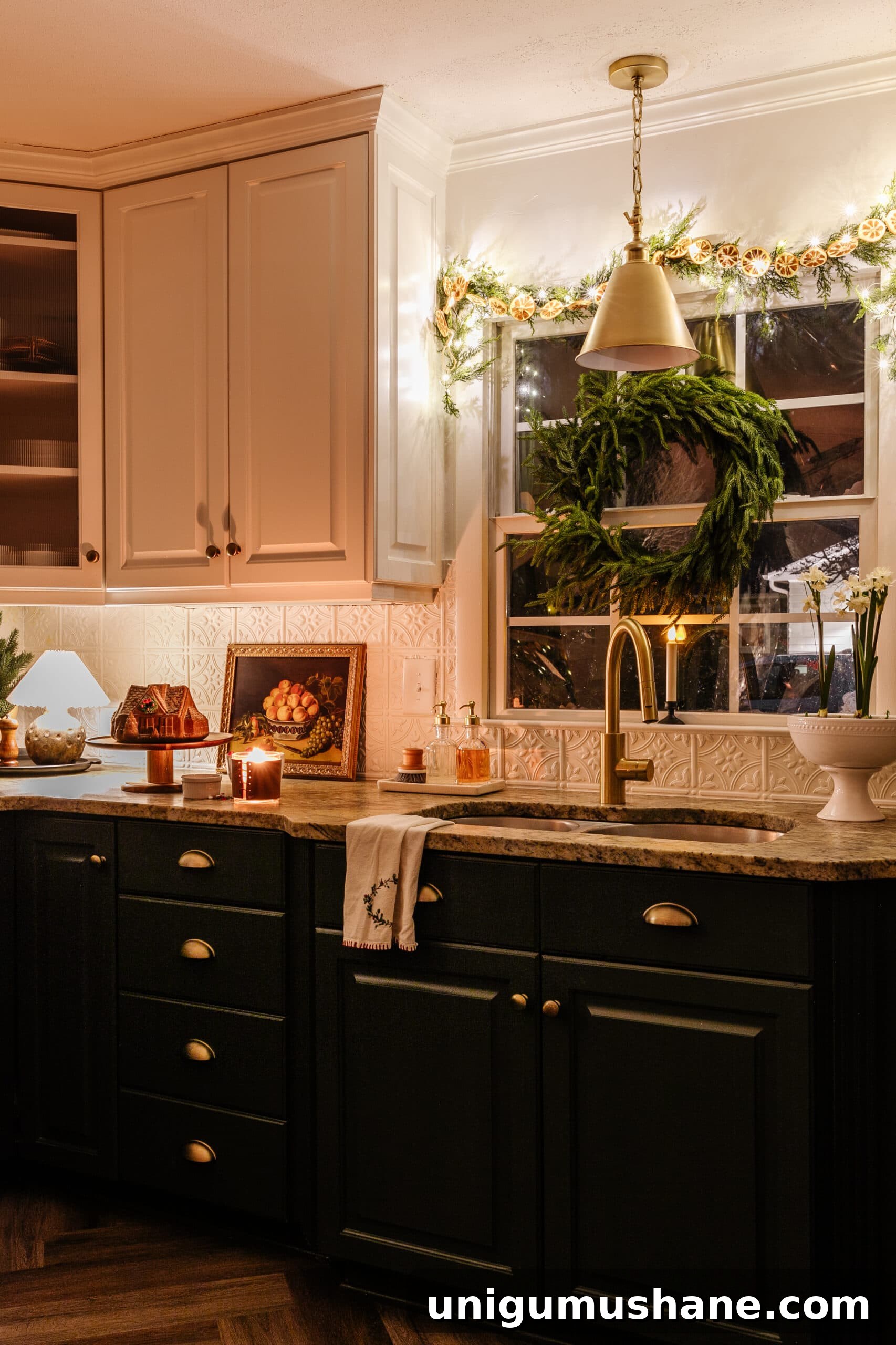
Aim for a minimum of two light sources spread through the space—typically the tree lights and a candle or candle group. When photographing a tree, lighting a candle on a nearby table adds depth and casts soft shadows that enhance atmosphere. Strategically placed candles create layers of light and richer composition.
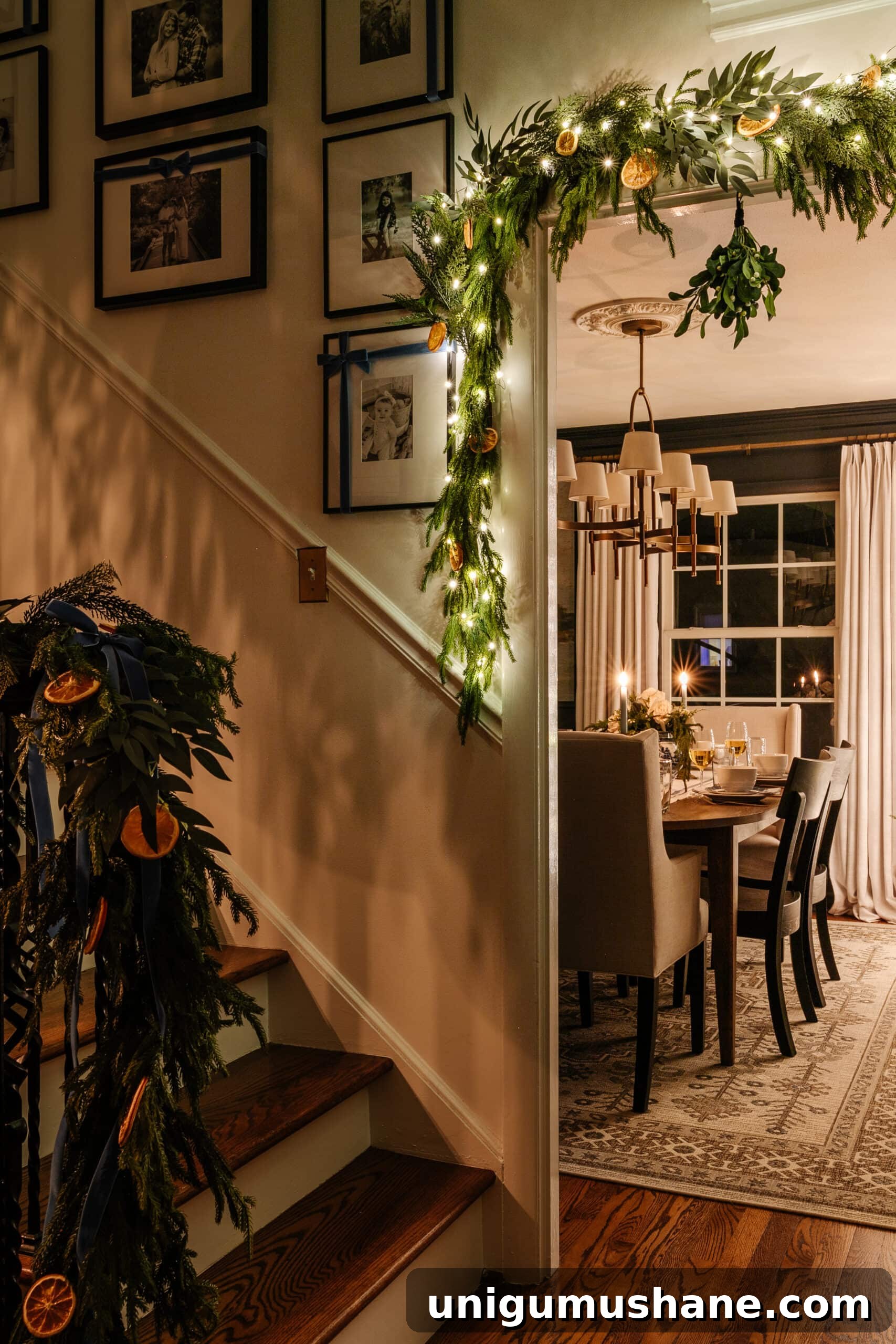
Tools to Help
Eliminate Flash
Turn off the flash on cameras and phones. Flash flattens the scene and removes the warm, intimate glow from candles and string lights.
Use a Tripod and/or Remote
In low light, a tripod (or steady surface) dramatically improves sharpness by eliminating camera shake. Use a self-timer or remote shutter to avoid movement when pressing the shutter. If you don’t have a tripod, brace your arms and tuck your elbows into your sides for more stability.
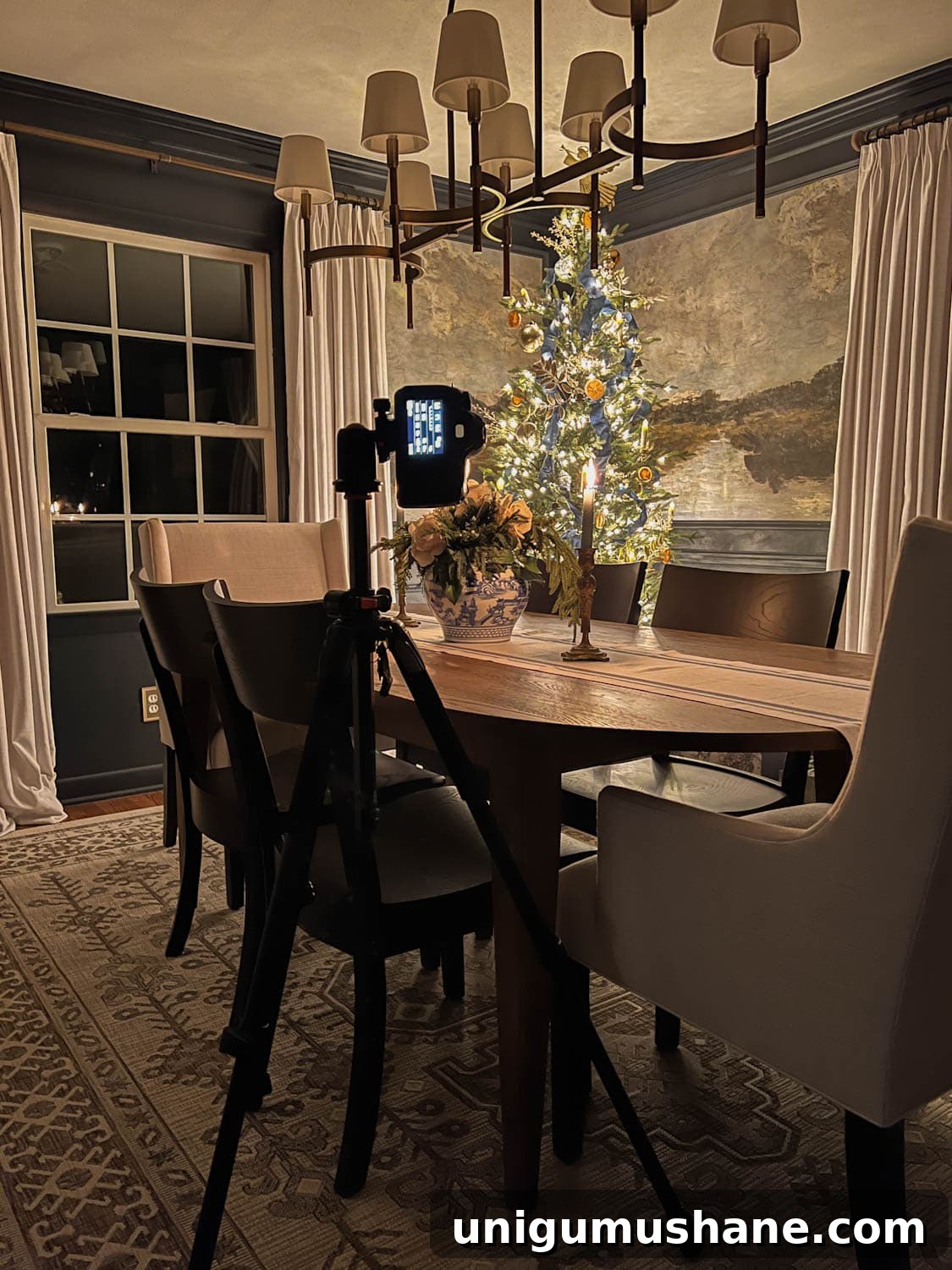
Keep a Spare Strand of String Lights Handy
If shadows are too deep, a hidden strand of lights placed just out of the frame can gently lift shadow areas without ruining the cozy mood.
Positioning
Try different angles: squat slightly to balance floor and ceiling in the frame, shoot level with tabletop objects, and photograph the tree from multiple perspectives. Small adjustments in position yield very different images, so experiment to find the most compelling compositions.
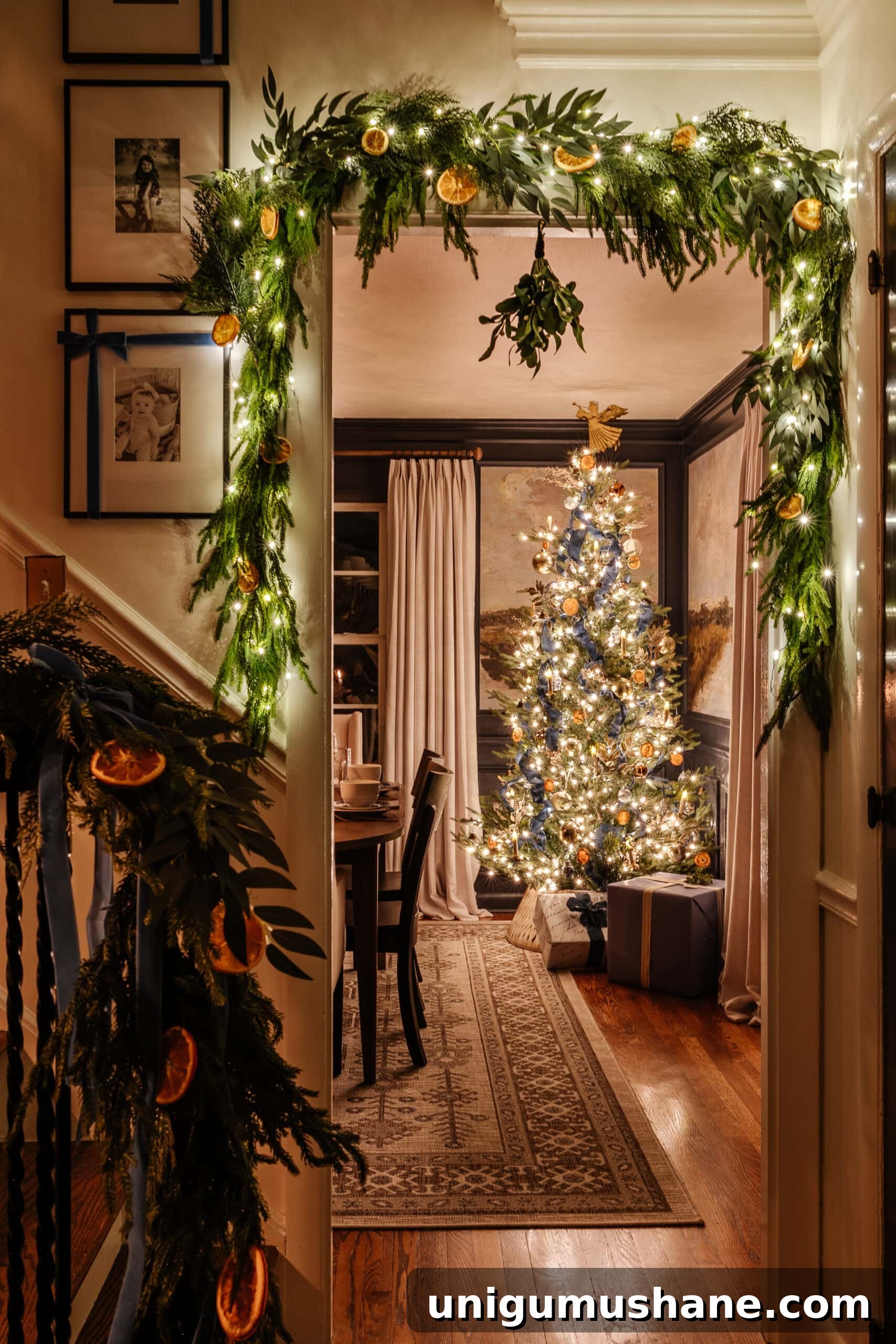
How to Photograph Christmas Tree Lights With an iPhone
Most modern iPhones handle low light very well. I use an iPhone 13 Pro Max and recommend shooting in the native Camera app rather than third-party apps for best quality. Key mobile techniques include Night mode, manual exposure adjustment, locking exposure/focus, and using Portrait mode for close-ups with a bokeh effect.
Mobile Photography Settings
Switch On Night Mode
Night mode is available on recent iPhone models. It lengthens exposure and reduces noise. Tap the moon icon to set exposure time and keep the phone steady for the duration of the capture. Night mode is especially helpful for full-room shots that include string lights and candles.
- Open the Camera app and look for the Night mode icon.
- Tap the icon to adjust exposure time if available.
- Hold the phone very still while the shot captures.
Manually Adjust Exposure
- Frame your shot and tap the screen where you want focus. A yellow box will appear.
- Use the exposure control to brighten or darken the image until it looks right—darker settings help preserve the glow of lights.
- Long press the focus box to lock AE/AF so exposure and focus don’t change during shooting.
Take Close-Ups in Portrait Mode for Bokeh Effect
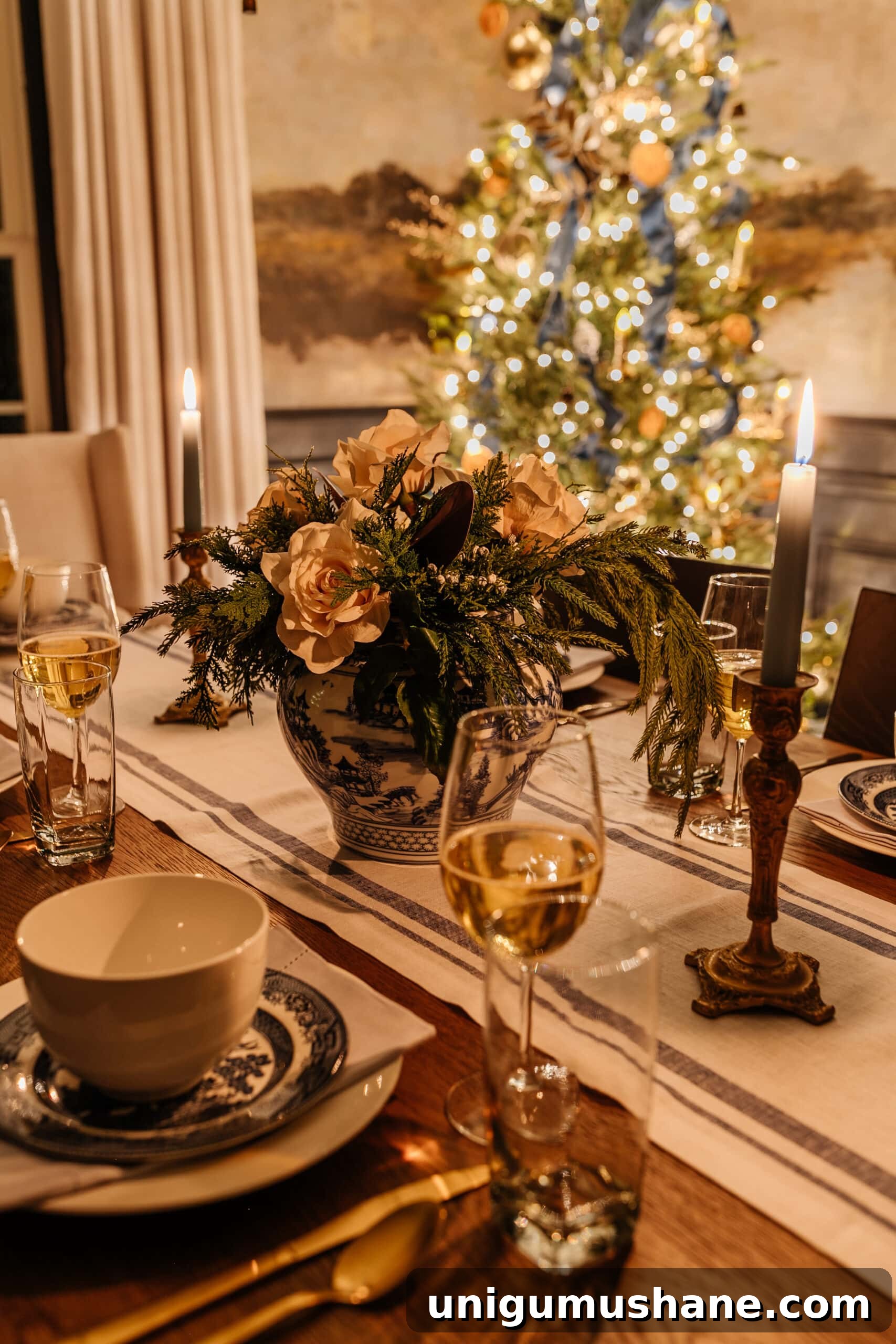
Portrait mode produces a pleasing background blur that turns distant tree lights into soft orbs, perfect for intimate detail shots of ornaments, candles, or tabletop vignettes.
How to Photograph Christmas Lights With a DSLR/Mirrorless
A DSLR or mirrorless camera gives more creative control for exposures, depth of field, and focus. Use manual mode if possible and remember the fundamentals: tripod, eliminated overhead light, and experimentation.
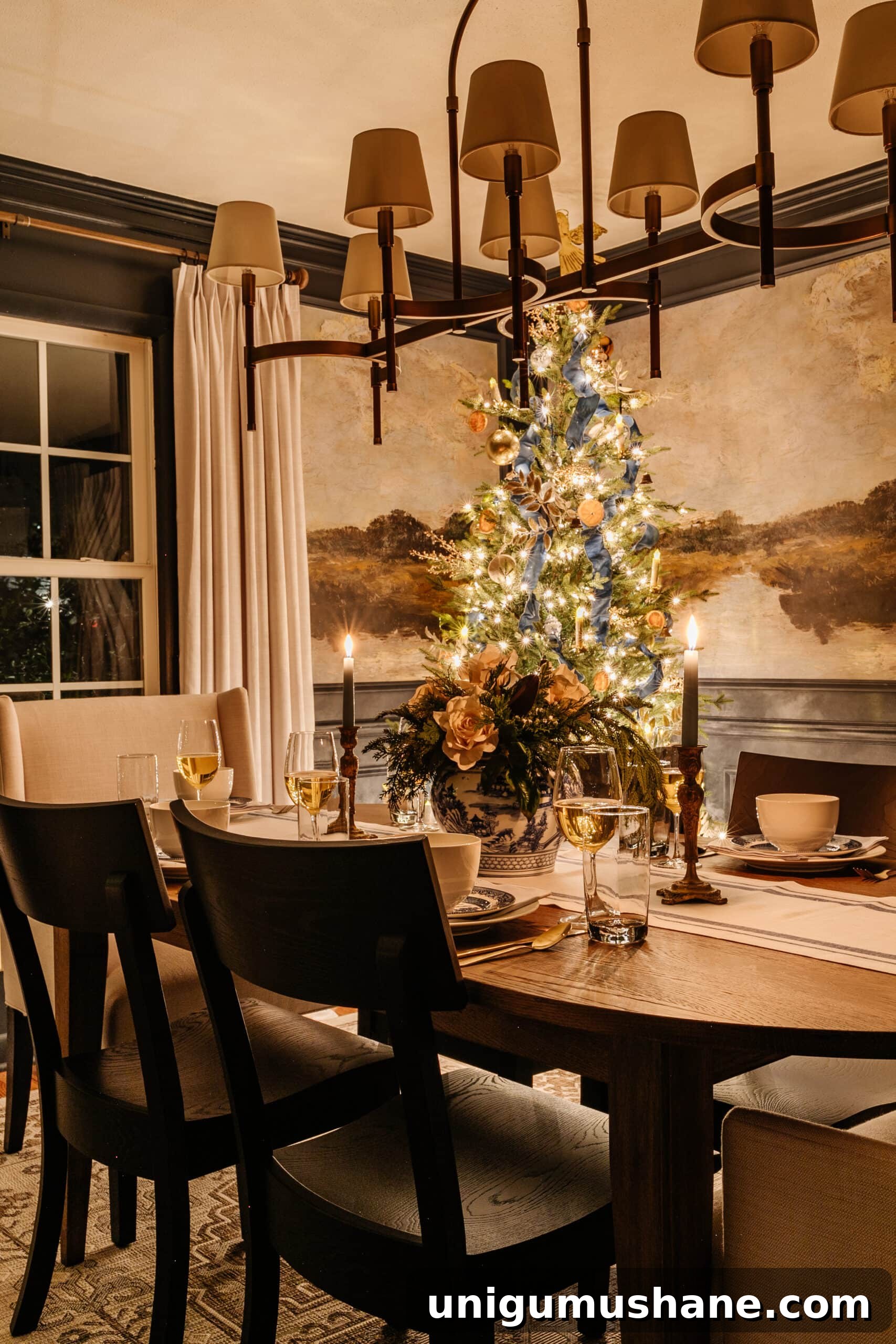
DSLR / Mirrorless Camera Settings
Shoot in manual mode for full control. Two useful approaches are wide full-room shots with everything sharp, or close-ups with a blurry background (bokeh). Always use a tripod and remote or timer to avoid shake.
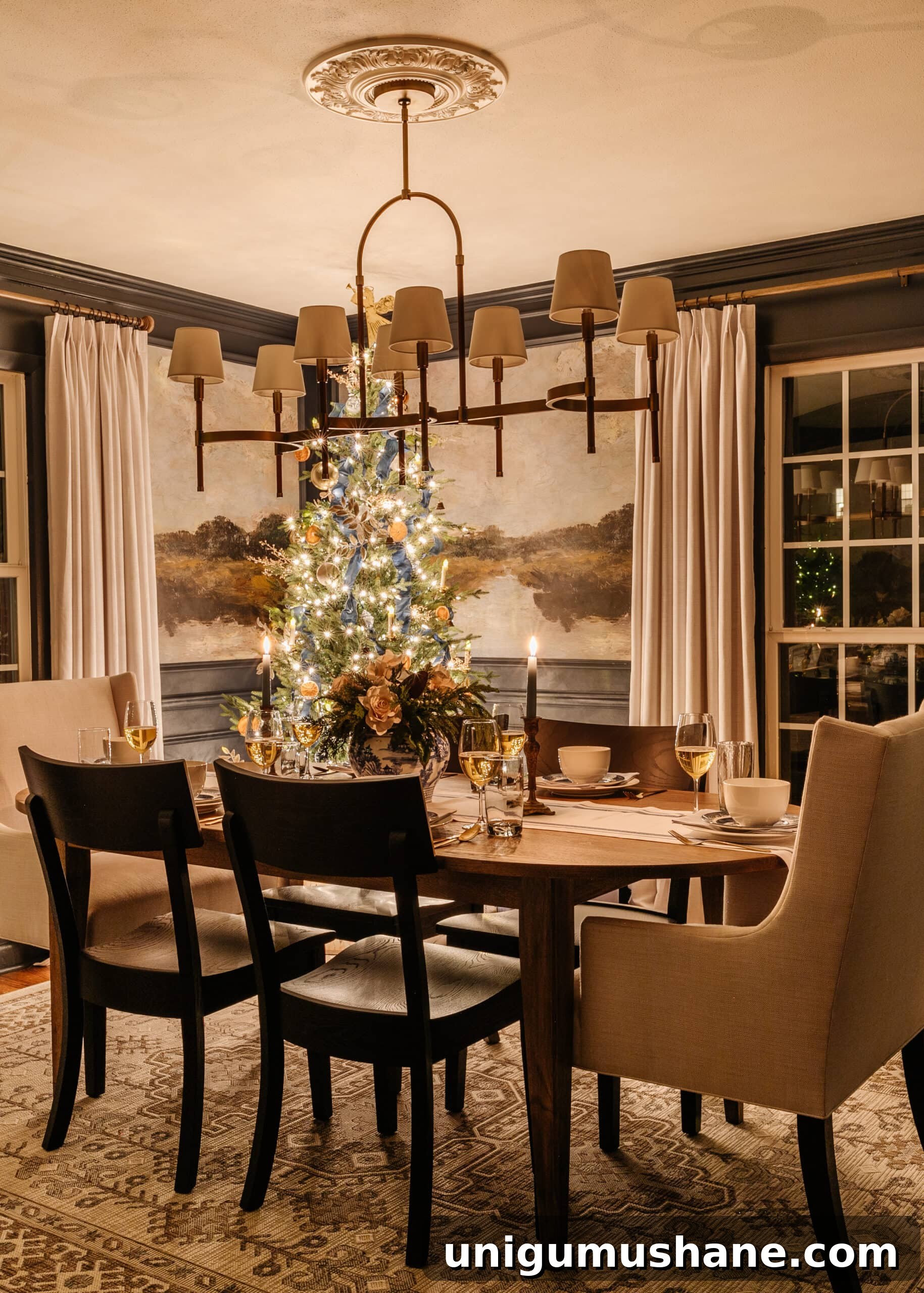
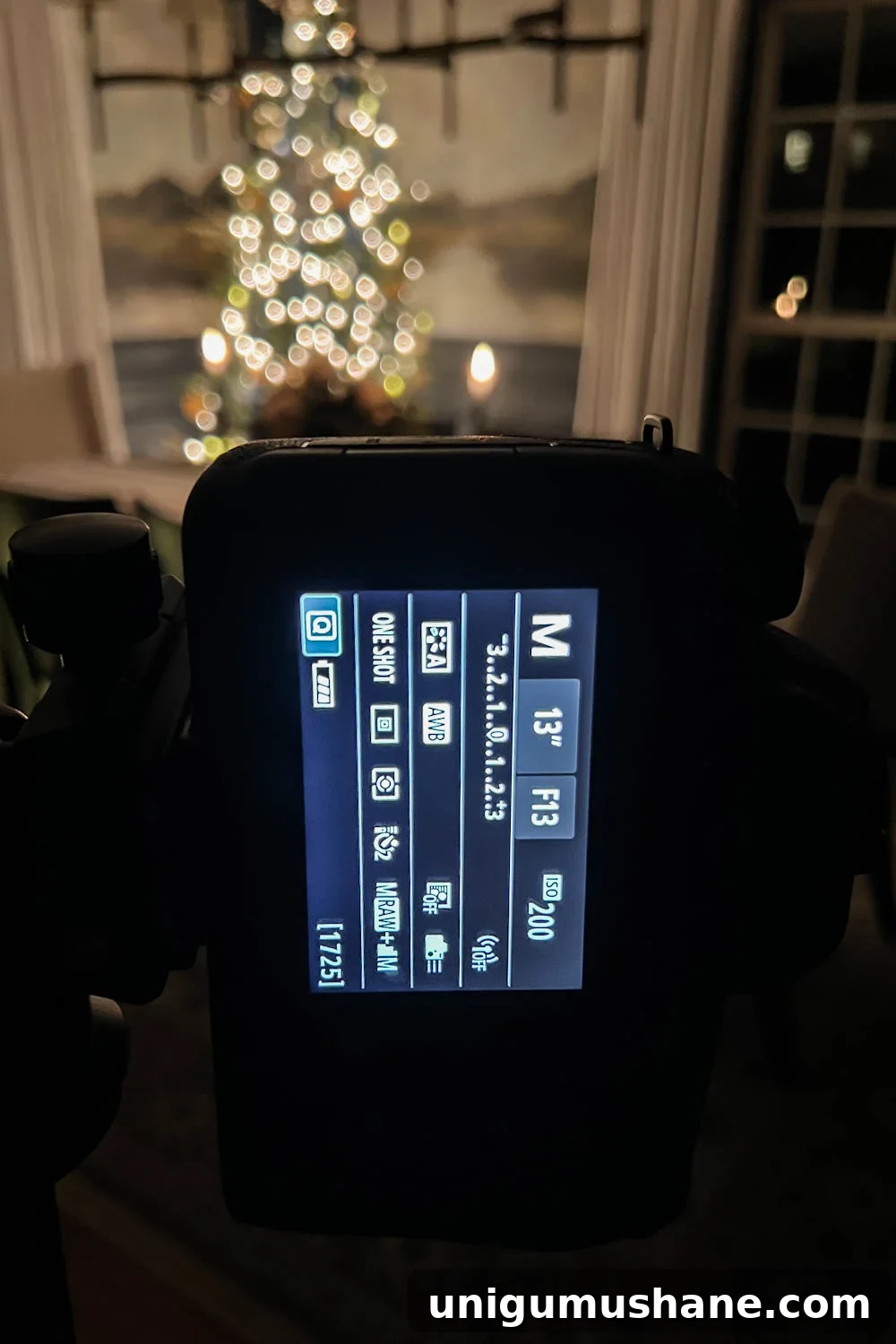
Camera Settings for Photographing a Wide Full Room at Night
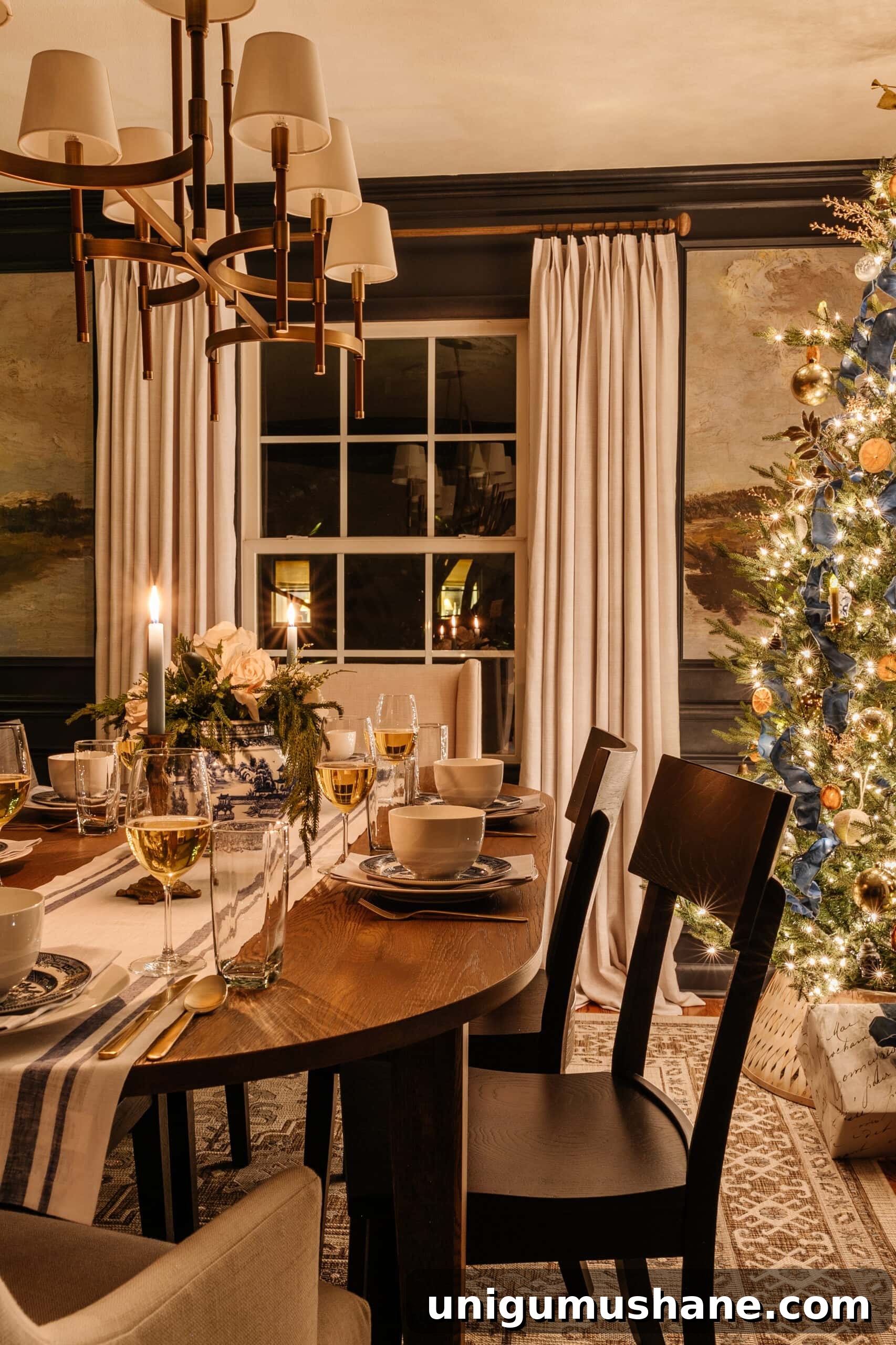
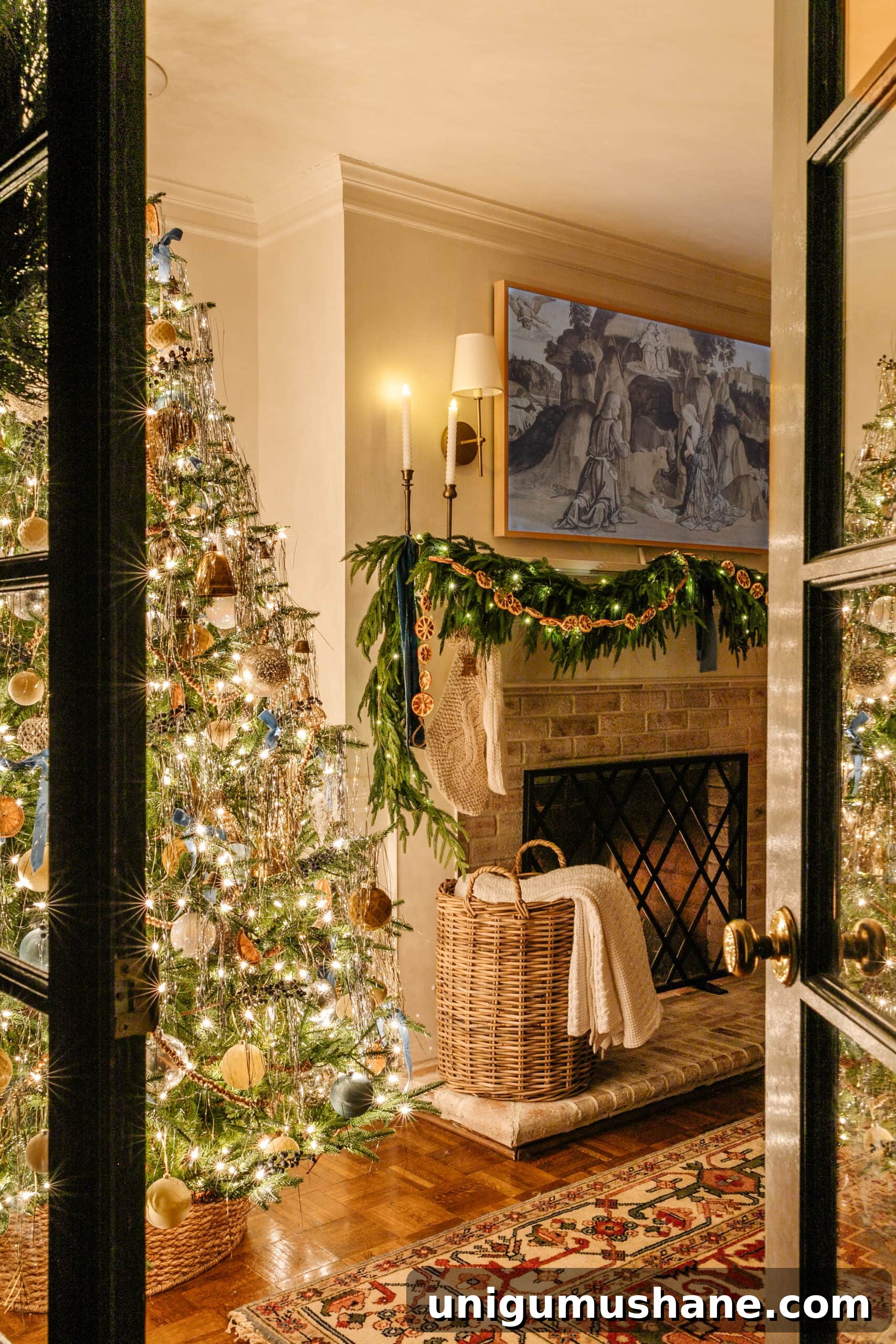
Aperture – f/10 or higher so the entire room is in focus and lights render as small star-like points.
ISO – 100–400 to minimize grain.
Shutter Speed – Meter for correct exposure; long exposures (several seconds to 30 seconds) are common and require a tripod. I often underexpose slightly so lights retain a soft glow rather than blowing out.
White Balance – Auto white balance often works well with mixed candle and lamp light, though you can fine-tune in post.
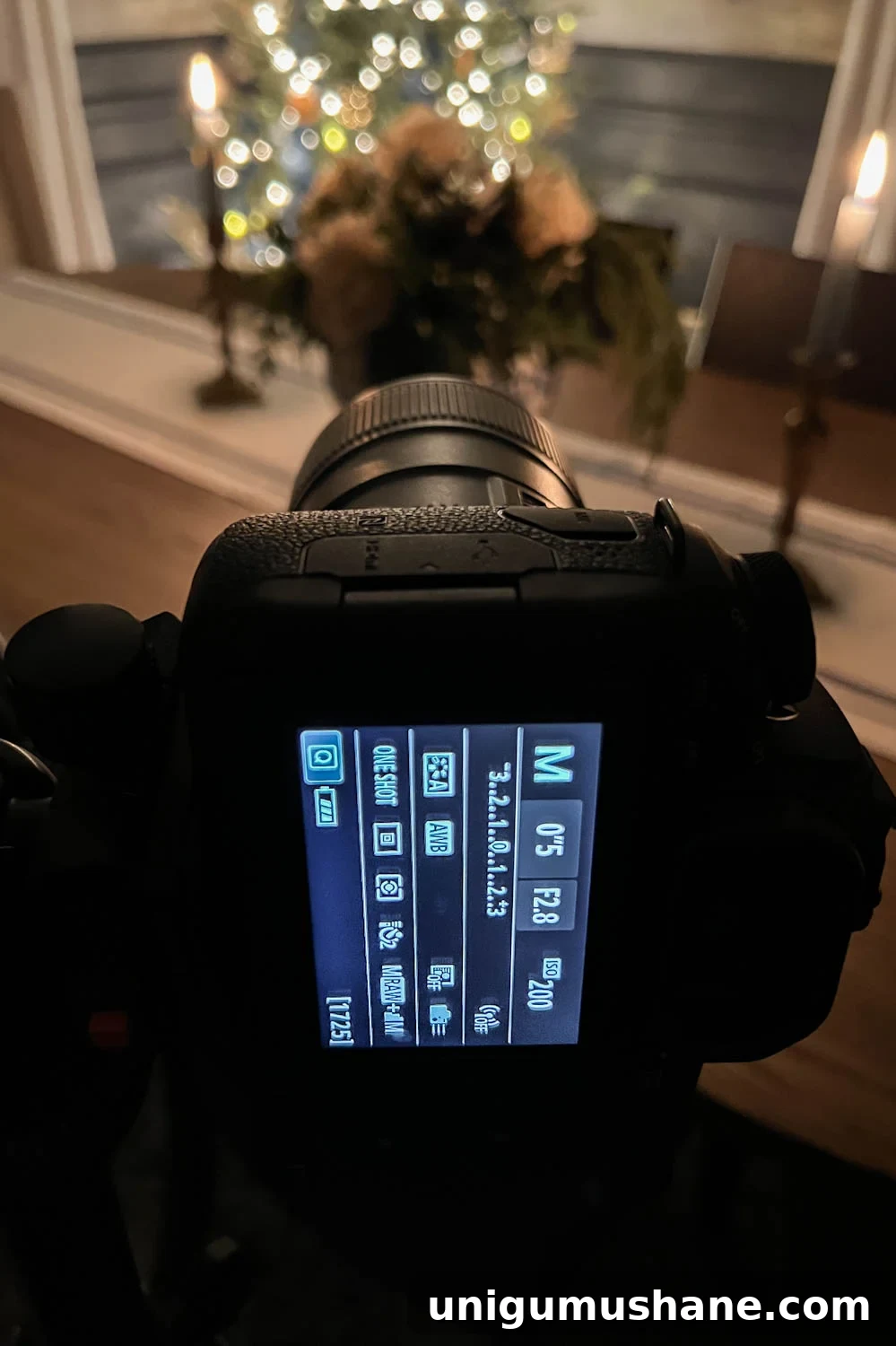
Camera Settings for Photographing Close-Ups with a Blurry Background at Night
Aperture – f/1.8 to f/4.0 to isolate foreground subjects and create pleasing bokeh from tree lights in the background.
ISO – 100–400 to keep noise low.
Shutter Speed – Adjust according to exposure; a wider aperture lets you use faster shutter speeds than full-room shots.
Editing Candlelight and Christmas Light Photos
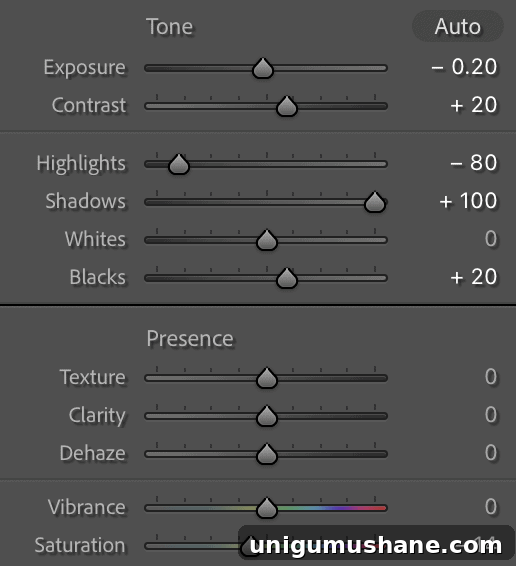
I edit primarily in Adobe Lightroom. On mobile, Lightroom’s app is a great free option. In editing, reduce highlights and lift shadows to balance the scene, and make subtle adjustments to exposure, contrast, and white balance. The goal is to preserve the warm glow and texture of the scene rather than over-process it.
That’s my process for photographing Christmas lights and candlelight. I’m still learning and experimenting, but working with low light has been a rewarding creative outlet over the last 15–20 years. It’s a skill that lets you capture atmosphere and memory—perfect for documenting the holidays.
Photography is a simple, portable way to express creativity—especially for busy parents who want a peaceful, wordless outlet at the end of the day. There’s always more to learn, and every season brings new opportunities to practice.
I’m grateful for your support and for the chance to share our home’s holiday moments. Wishing you a joyful Christmas and a restorative New Year.
“The light shines in the darkness, and the darkness can never extinguish it.” John 1:5