“Be kind. Everyone you meet is fighting a hard battle.”
I debated for months about sharing this. Even now, just writing these words makes it harder to hit “publish.” Still, I owe it to other women who have gone through or are going through the same thing to be honest about my experience.
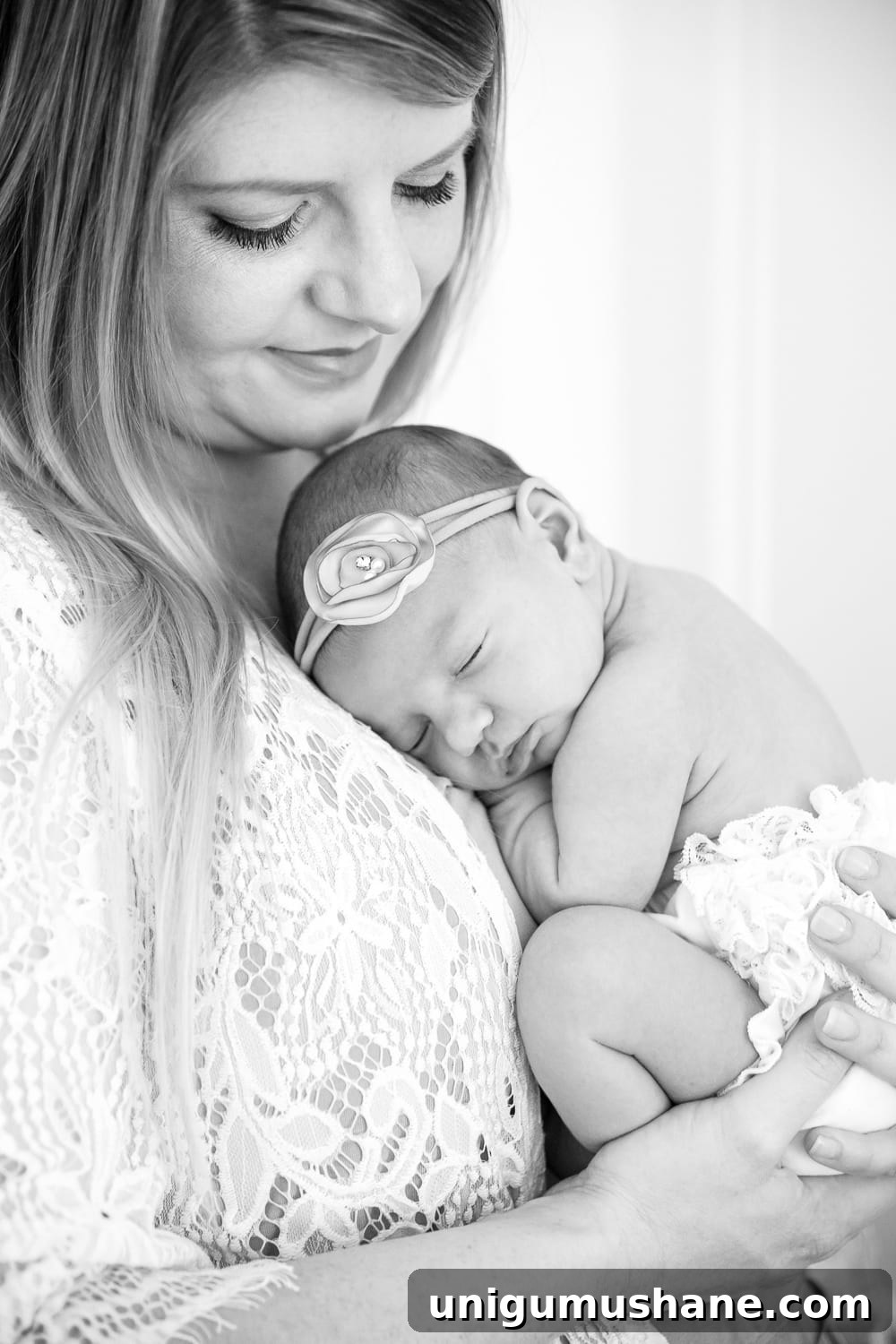
Photo credit: Alisha Rudd Photography
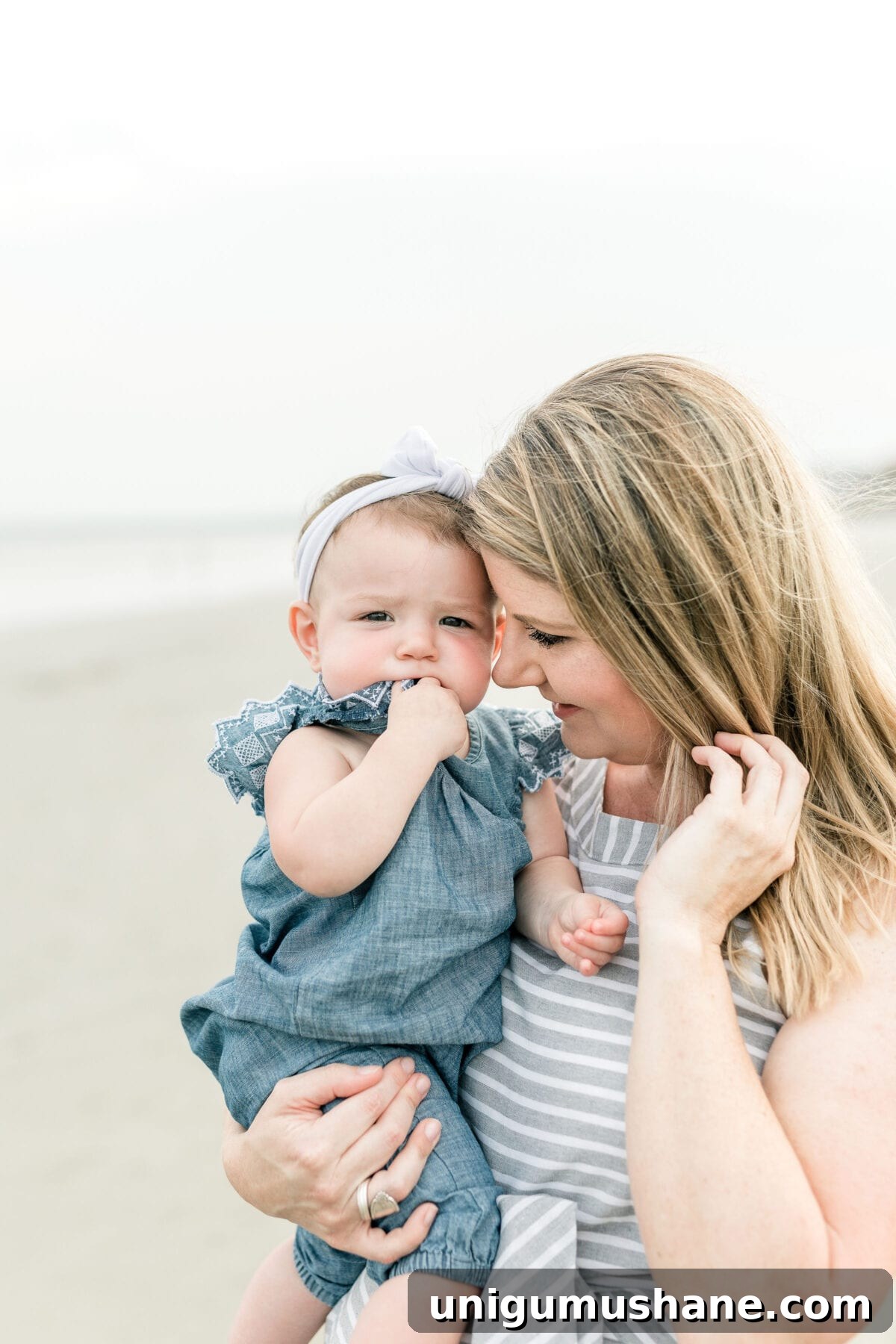
Exactly eleven months ago our precious little Regan arrived. I had prayed for her long before the faintest line showed up on a pregnancy test. My pregnancy felt easy, and because I’d had Olivia six years earlier, I convinced myself, “I’ve done this before — no problem.”
Then reality hit. Life after bringing Regan home wasn’t just the usual newborn exhaustion — it was something I couldn’t have anticipated.
My delivery was difficult and within minutes I almost needed further surgery. The doctors treated the immediate problem and sent me home about 24 hours later, but complications followed. Regan struggled with undiagnosed reflux and a dairy intolerance that made breastfeeding painful and stressful. She had chronic ear infections that required tubes, and there were nights when she cried in pain almost constantly.
I returned to the operating room eight weeks later for a postpartum surgery to correct complications, which further delayed my recovery. I also had to exclusively pump for eleven months, and during that time I developed five severe cases of mastitis triggered by stress. Every formula we tried caused sensitivity, so I kept trying to breastfeed or pump, telling myself I would endure the pain to give her what I believed was best.
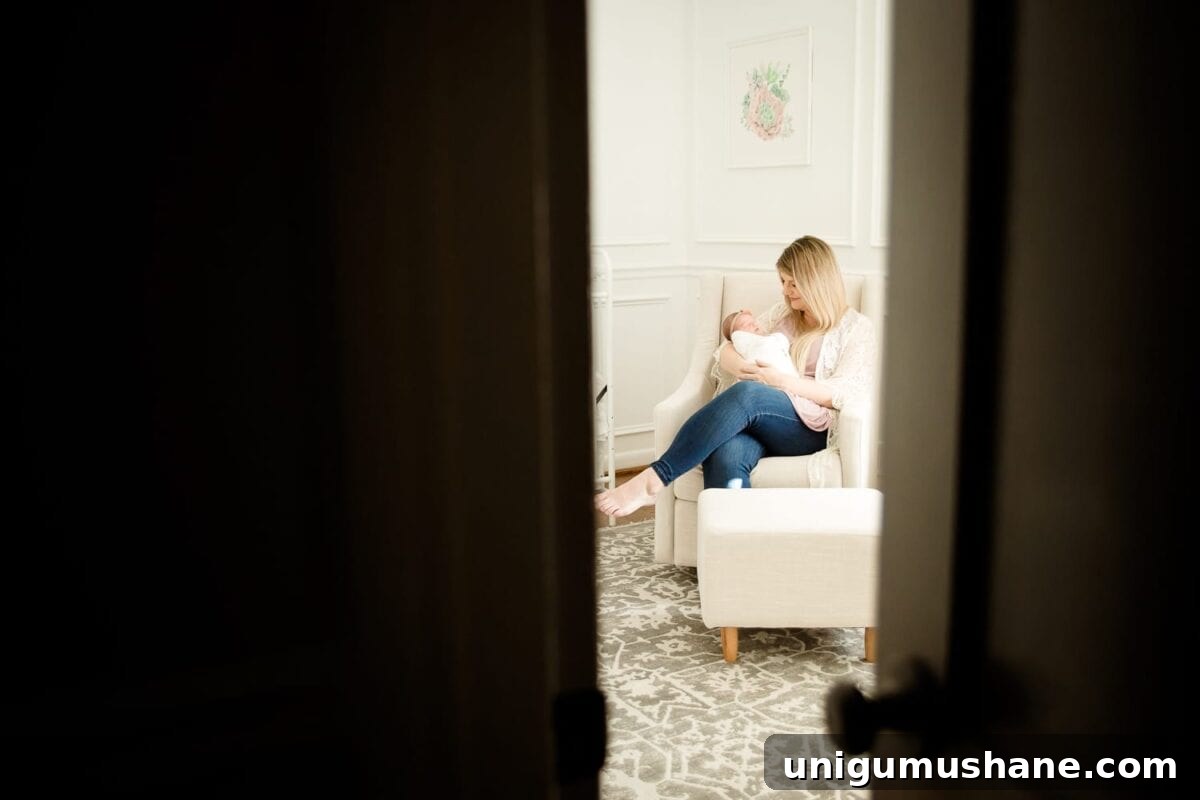
About eight months in I realized something else was happening: I was experiencing postpartum depression. I didn’t recognize it at first. Depression, I thought, meant sadness — but I wasn’t sad in a typical way. I was numb. I loved my girls and my husband, but I couldn’t feel joy, real sadness, or anything besides persistent anxiety.
It wasn’t that I wanted to hurt myself; I was just stuck in survival mode. I forgot to eat and would go hours without noticing until I felt shaky from hunger. I was exhausted yet unable to rest because my mind raced constantly. Social interactions, answering messages, and even small tasks felt overwhelming and draining.
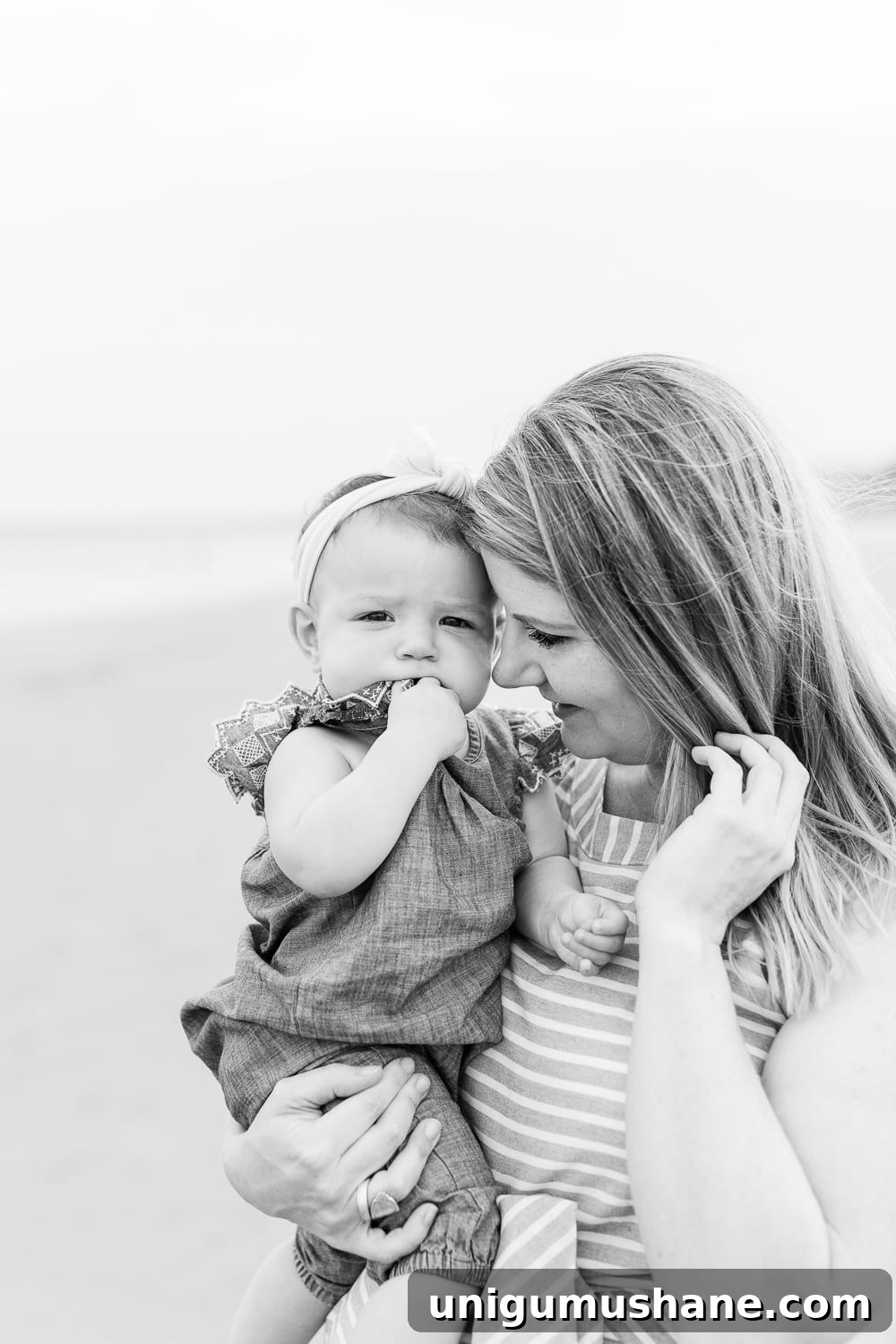
Photo credit: Lindsey Morgan Photography
I also experienced sudden, intense waves of anger over small things — like my six-year-old taking too long to get out of the car. I resented physical contact. I felt guilty about those feelings and buried them under a smile. I performed being “fine” so well that even my husband believed it.
I prayed privately that God would give me rest and strength, that I could be the mother and wife my family deserved. I told no one. I tried to manage on my own, and some days were better, but the numbness and anxiety always returned.
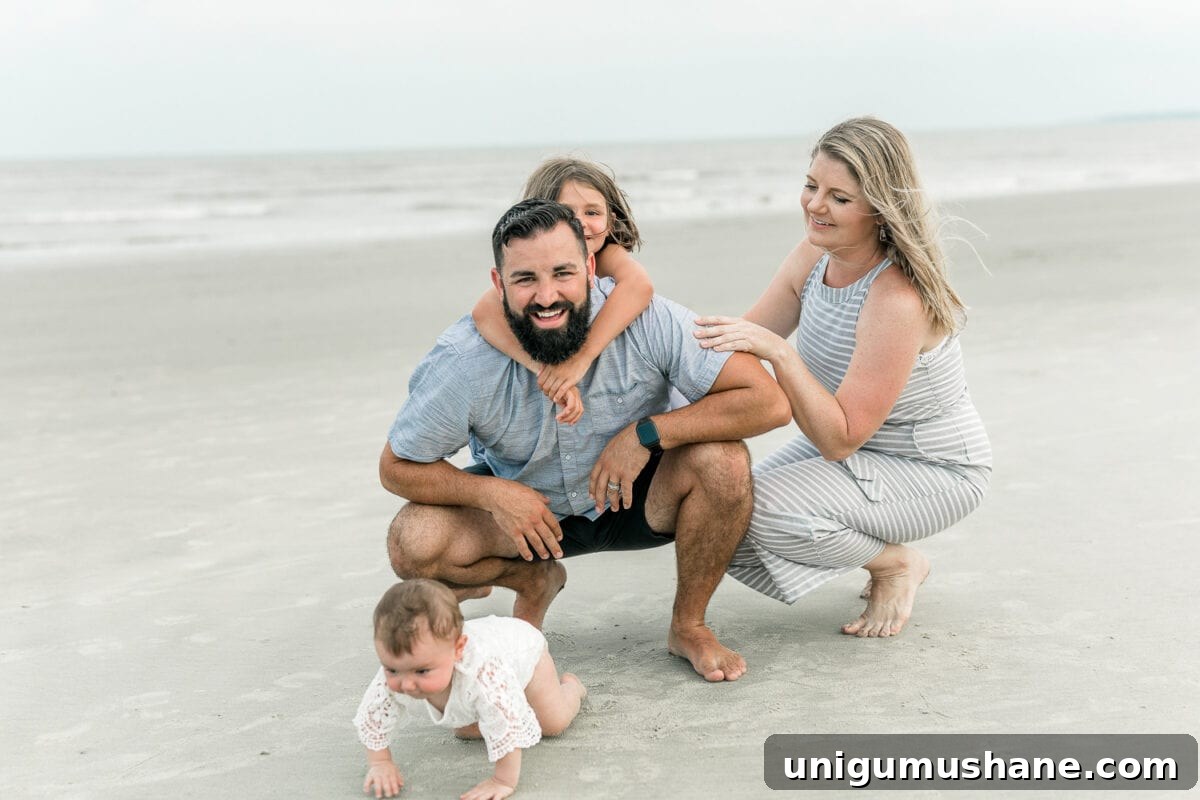
When a final bout of mastitis brought me back to my doctor — the seventh visit since delivery — she asked one simple question: “How are you doing?” A small voice inside told me to tell the truth. I admitted I needed help.
Speaking honestly to my doctor was a huge relief. Within a week of starting a low-dose antidepressant and adding a few minutes of prayer, meditation, and devotional reading to my day, I began to breathe more easily. It felt like surfacing after being underwater. My husband and my parents have been a strong support during this time.
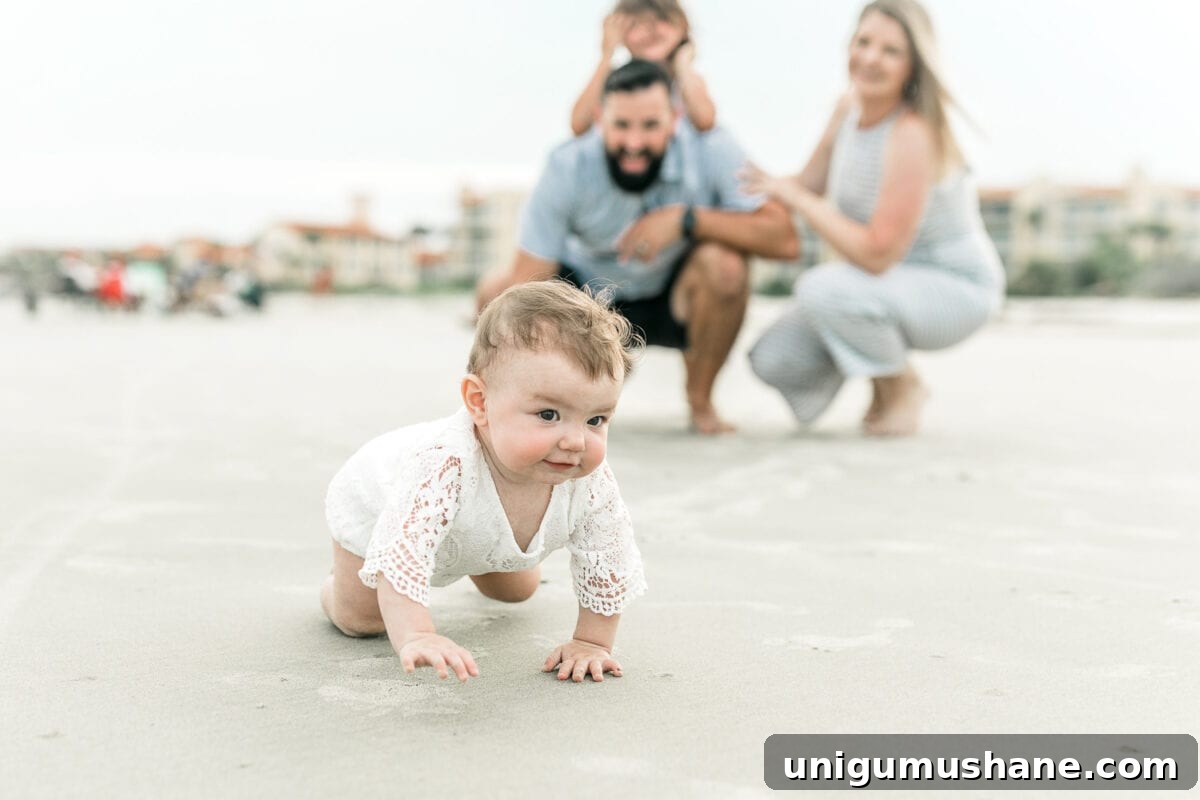
Three months after that diagnosis, life with a baby is still demanding, but it’s the normal kind of stress instead of the “I want to run away” kind. I’m beginning to feel excited about this season again. I want to scoop my girls from their beds and bury my face in those soft cheeks. Small moments of joy are coming back.
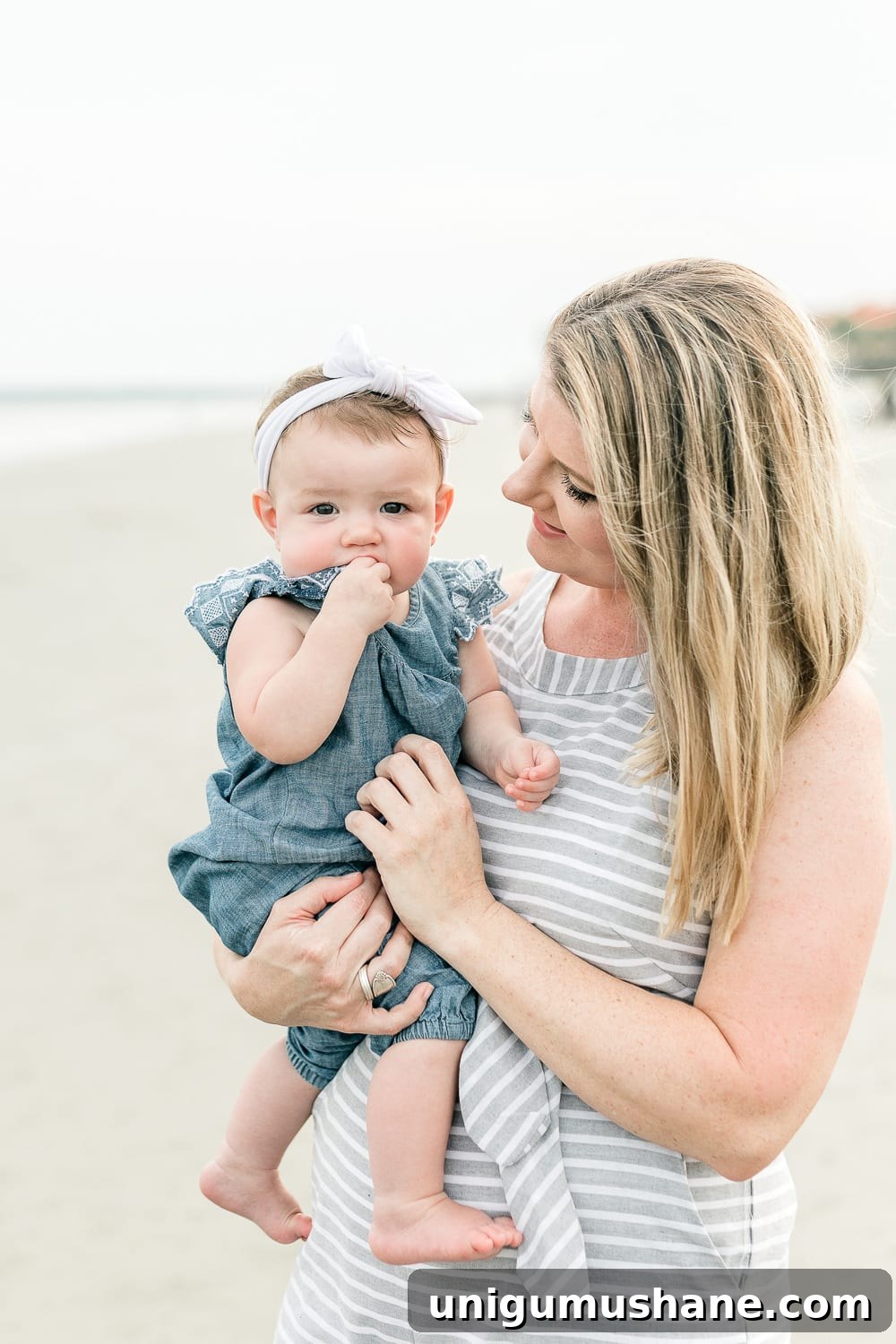
Sharing this wasn’t something I ever imagined I’d write. But if this helps even one person recognize that what they’re feeling isn’t “normal” and that help is available, it’s worth it. Hormones can distort our thoughts and change how we feel, and there’s no shame in that.
If you’re struggling, please reach out — to your partner, your doctor, your mom, or a close friend. Asking for help is not a failure. Our babies need us at our best, and you deserve to look back on these days remembering snuggles, laughter, and love instead of pain and isolation.
I’m grateful for the kind words and encouragement I received over the past eleven months. Whether you knew it or not, your messages helped me through hard days. Thank you for sticking around.
If you want to save this post for later, you can pin it here: