
For most of my adult life I believed weight loss and “healthy living” required a level of consistency my mind couldn’t sustain.
As a busy mom with diagnosed ADHD, my days were often reactive instead of intentional. I’d wake up already behind, forget to eat until I was ravenous, scroll until I felt anxious, and then wonder why I was exhausted, overwhelmed, and stuck.

The turning point wasn’t sheer willpower or a flawless schedule. It was creating ADHD-friendly daily habits at home—simple routines that support both physical and mental health without demanding perfection.
Over time, those small, repeatable changes helped me lose more than 50 pounds, maintain that loss for over a year, reverse several health risks, and stay consistent even after stopping GLP-1 medication. These are the habits I still use today, and they have improved my overall wellbeing far beyond just weight loss.
(If you’re curious about the specifics, see my weight loss journey mentioned in earlier posts.)
If you have ADHD and feel like typical “health advice” was never written for your brain, this post is written for you.
I’m not a clinician, just someone sharing routine changes that have made a big difference in my life.

1. I Make a Time-Blocked To-Do List Every Night (So My Brain Can Rest)
ADHD brains resist loose ends. If I don’t write things down, my mind tries to hold onto everything, leading to poor sleep and racing thoughts.
Every night I open the Notes app and create a time-blocked to-do list for the next day. Not a vague checklist—an actual schedule for when things will happen.
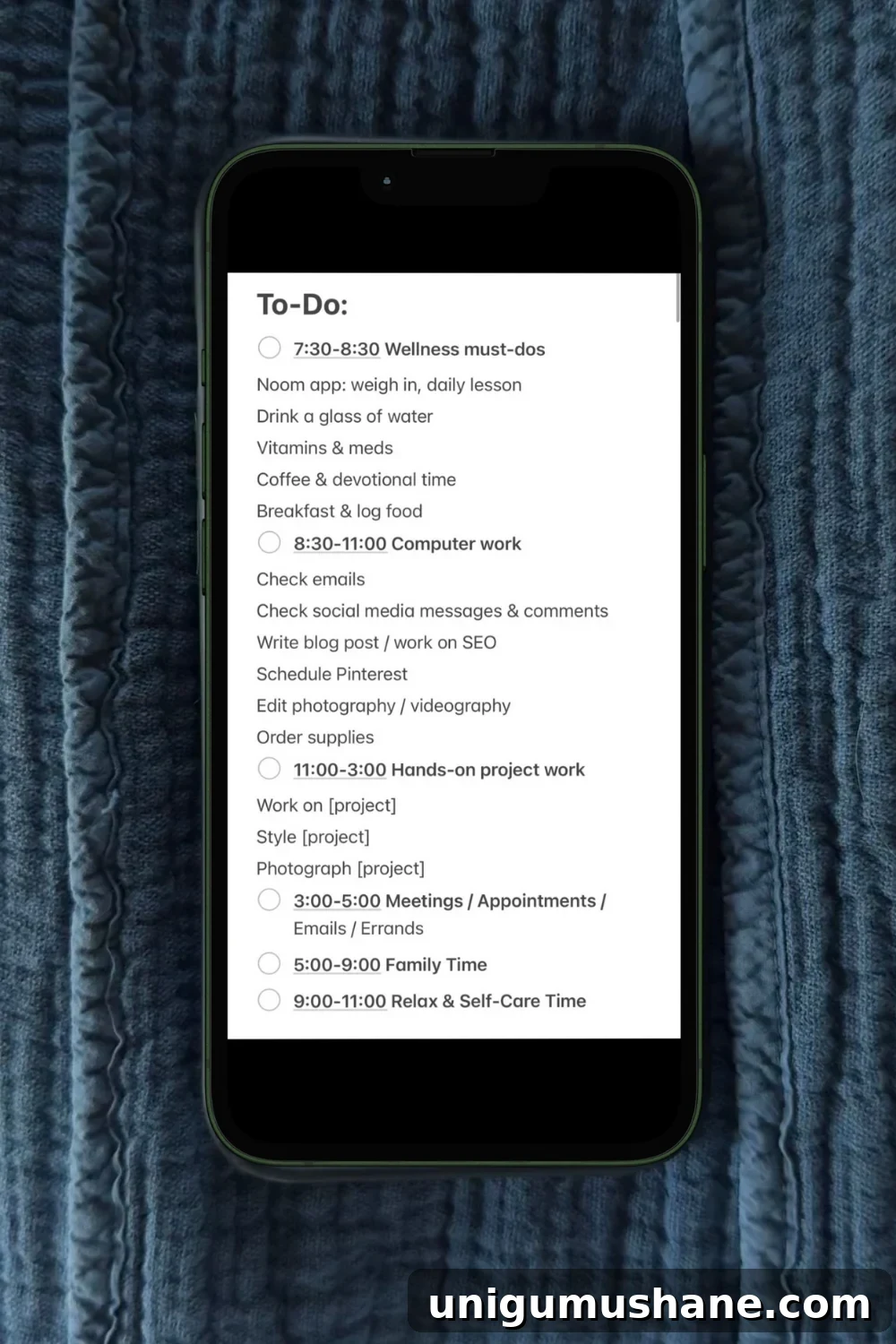
Why this helps with ADHD:
- It ends the “don’t forget this” loop at night
- I sleep better because my mind can let go
- I wake up with a clear plan, so I don’t waste energy deciding what to do first
- Priorities are pre-selected, reducing decision fatigue
If I remember something in the middle of the night, I add it to the list and go back to sleep. That simple habit reduced my stress and made healthy choices easier because my days felt less chaotic.

2. I Schedule Self-Care Like an Appointment (Morning and Evening)
When self-care is optional it rarely happens, especially with ADHD. So I block it into my day like any other appointment.
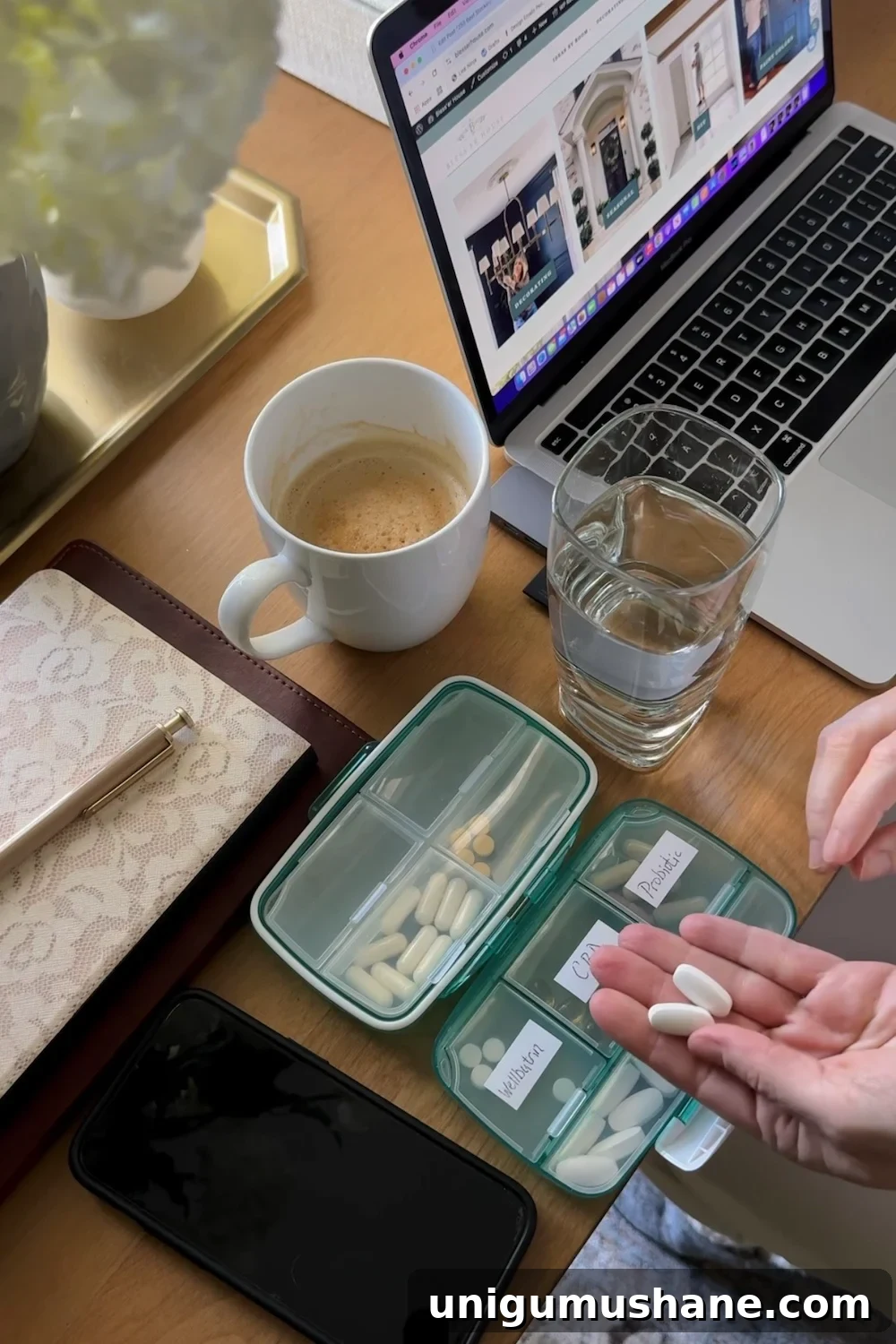
My Morning Self-Care (30 Minutes)
This routine sets the tone for my day:
- Weigh in
- Drink a large glass of water
- Eat something high in protein
- Take vitamins and medication
- Have one cup of coffee
- Spend a few minutes in devotion and prayer
Nothing elaborate—just consistent practices that ground me.
My Evening Self-Care (30 Minutes)
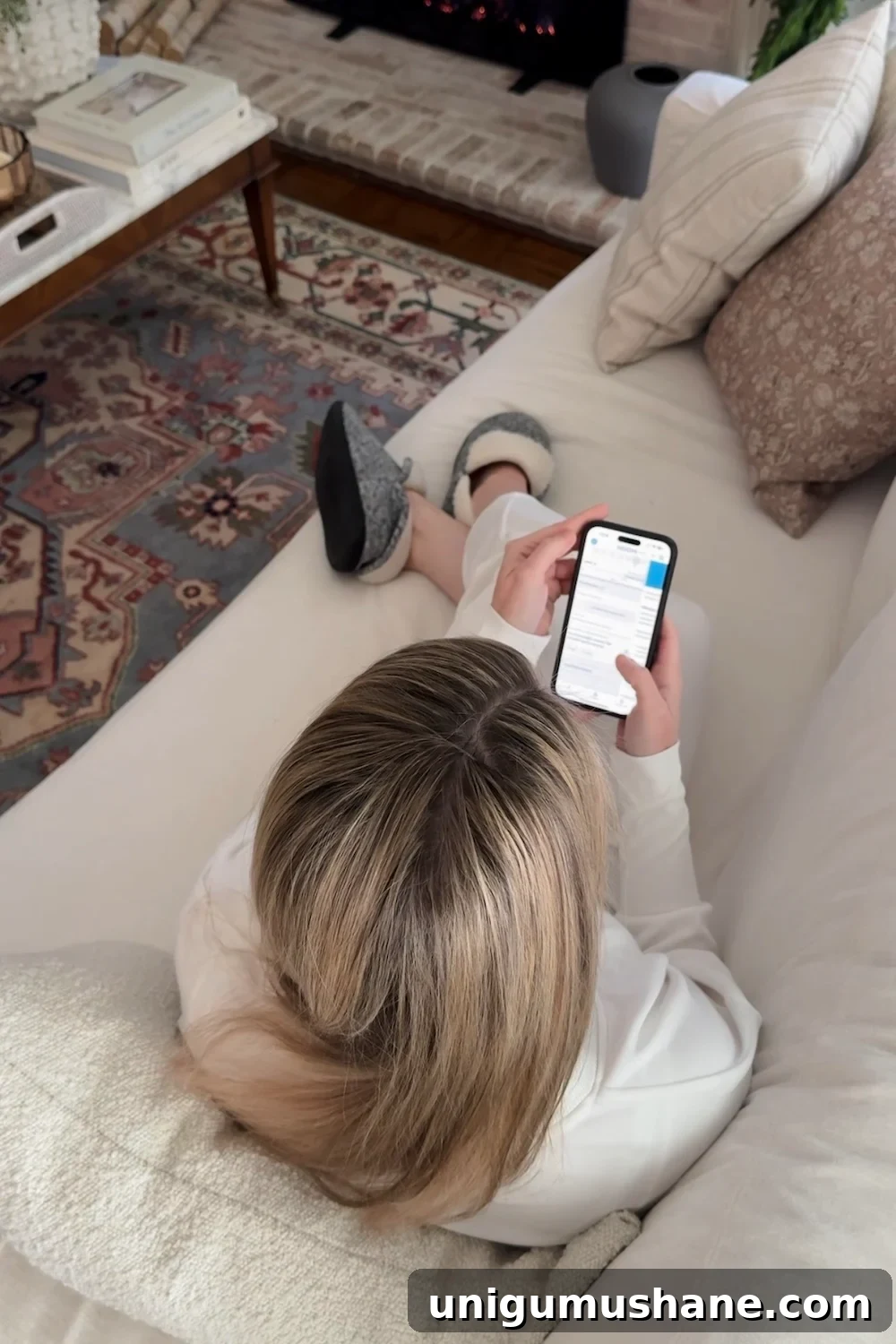
After the kids are in bed I choose one or two items from a pre-made self-care list. The options mix pampering and mental-reset activities—self-care doesn’t always mean getting fancy; sometimes it’s a small mental cleanse.
My evening self-care options include:
- Light therapy lamp sessions
- Journaling
- Stretching or yoga
- Listening to a favorite podcast or a calming playlist
- Box breathing exercises with a breathing app
- Quick manicure or cuticle oil ritual
- Reading a chapter of a novel
- An Epsom salt bath
- Cleaning out a drawer or cabinet for a quick win
- Lying on an acupressure mat
- Applying a hair mask
- Guided meditation with a meditation app
- An at-home facial with a basic coffee mask
- Sipping a cup of sleep tea on the back porch
Sometimes I combine two activities—like stretching while I listen to a podcast—to maximize the time. The important part is choice without decision fatigue: I don’t ask “What should I do to relax?” I pick from a limited, pre-approved list. This structure helped me stop using food or endless scrolling as my main ways to decompress.

3. I Don’t Check Social Media or Email for the First Hour of the Day
This boundary was uncomfortable at first but extremely effective.
For the first hour after waking I avoid:
- Social media
- News
ADHD brains are particularly susceptible to dopamine hijacking in the morning. If I start the day reacting to other people’s content or demands, my focus evaporates before breakfast.
This one-hour rule helped me:
- Reduce anxiety
- Improve focus
- Cut down on impulsive food choices later
- Make mornings calmer and more purposeful
I protect my attention before the world claims it.
4. I Use Food Tracking as a Reset, Not a Punishment
I don’t track food all the time anymore—these days I’m mostly in maintenance and allow myself any food, keeping portions and balance in mind. Nothing is off-limits.
But when my habits slide after holidays, vacations, or stressful seasons, I use food tracking temporarily to recalibrate.
I used a structured app during active weight loss to learn better habits around food. Now I prefer a simpler tracker to quickly reconnect with portions, protein, and patterns.
The ADHD-friendly mindset to adopt:
- Tracking isn’t “starting over”
- It’s simply information to guide choices
- It helps me reset portions, protein intake, and daily patterns
I track until the healthy habits feel automatic again, then I stop.

5. I Use Habit Stacking to Make New Habits Stick
If a habit doesn’t already have a “home” in my day, it usually won’t last. Habit stacking pairs a new behavior with something you already do automatically.
Example: I wanted to read the Bible daily, so I added one chapter to my existing morning coffee routine. Because I already drank coffee every morning, reading while I sipped felt effortless and became routine.
This strategy works well for ADHD because it reduces the need to remember—the existing habit triggers the new one automatically.

6. I Use Sensory Integration at Home (Especially in Winter)
ADHD involves more than attention; it’s closely tied to sensory regulation. In winter I’m intentional about the sensory environment to support mood and energy:
- Pleasant scents like simmer pots
- Warm, cozy lighting
- Comforting textures—soft throws and cushions
- Gentle background music or playlists that calm
- Visual calm through a soothing color palette—blues and greens are my go-to
These adjustments help counter seasonal lows and emotional dysregulation that once derailed my routines.
I’ve written more about practical ways I create sensory integration at home if you want specific ideas.

What I Want You to Take Away From This
I didn’t overhaul my health by being perfect. I built systems that work with my ADHD brain rather than fighting it.
I still have hard days, slip-ups, and occasional creative burnout, but I recover far faster now. If you’re a busy mom with ADHD: you don’t need more discipline—you need better scaffolding so you can work smarter, not harder.
Small, intentional changes done consistently at home can transform your life. And if today you only write tomorrow’s to-do list before bed—that still counts.
That small act of planning can be a powerful first step. 💙
Frequently Asked Questions
ADHD affects executive function: planning, prioritizing, time awareness, and follow-through are often more difficult. Traditional routines that rely on rigid schedules and willpower can backfire. ADHD-friendly routines work best when they are flexible, supportive, and built around habits you already perform. Time blocking and habit stacking are particularly effective strategies.
I’m not a medical professional, but from my experience an ADHD-specific routine can help—especially when weight challenges are tied to overwhelm, impulsivity, or inconsistent habits. A routine can support meal planning, reduce stress-related eating, prioritize self-care, and create consistency without relying solely on motivation.
Start small and build gradually. Pick one or two habits that support your health and attach them to things you already do (habit stacking). Write things down, remove unnecessary decisions, and allow adjustments. The goal is a sustainable routine that works with your unique brain—not perfection.
Everyone is different. I managed for years without medication and found routines that helped. Recently I started medication and therapy and have seen additional improvements, which suggests medication can make routines easier for some people. However, systems, structure, and environment are powerful tools whether or not you use medication.