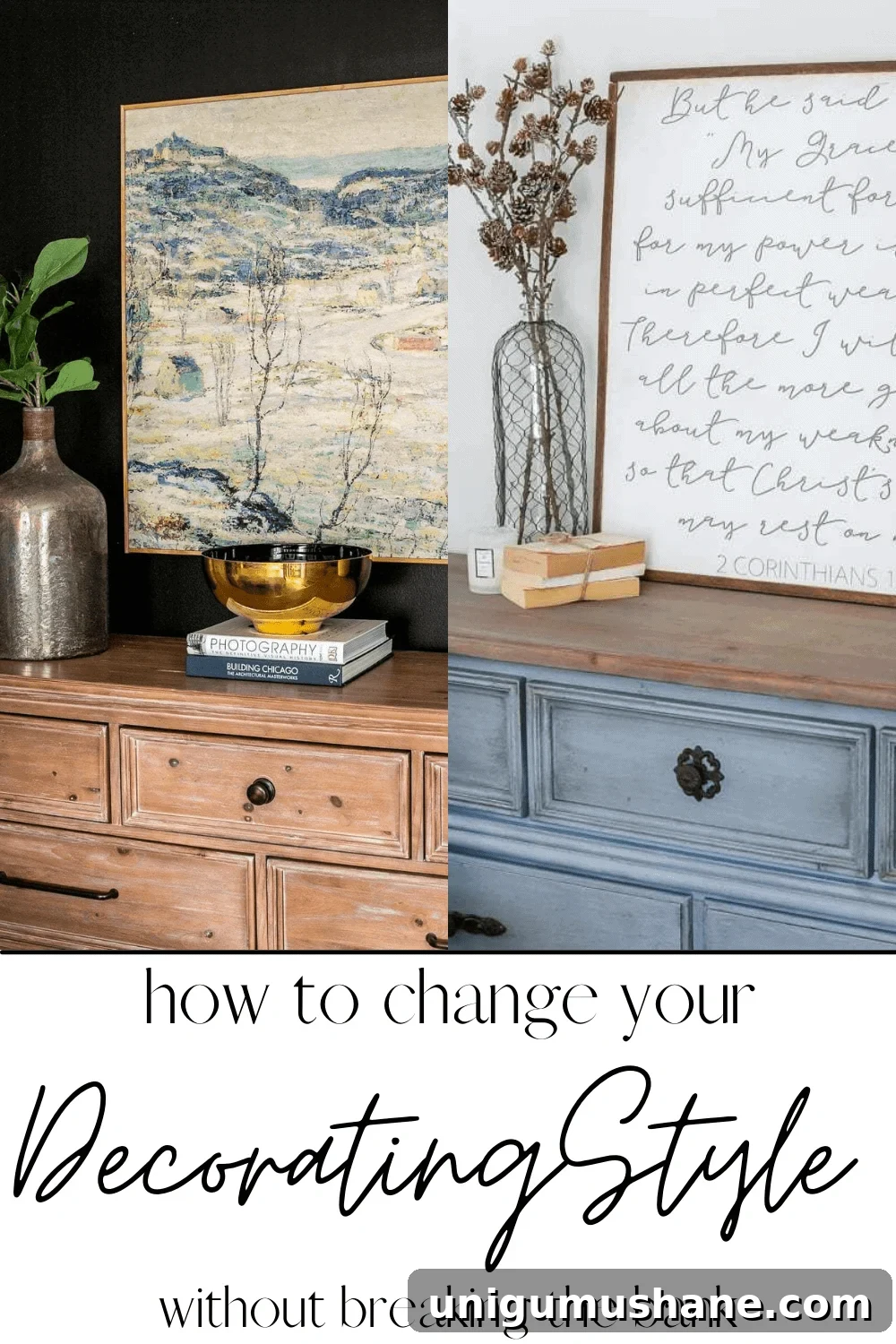
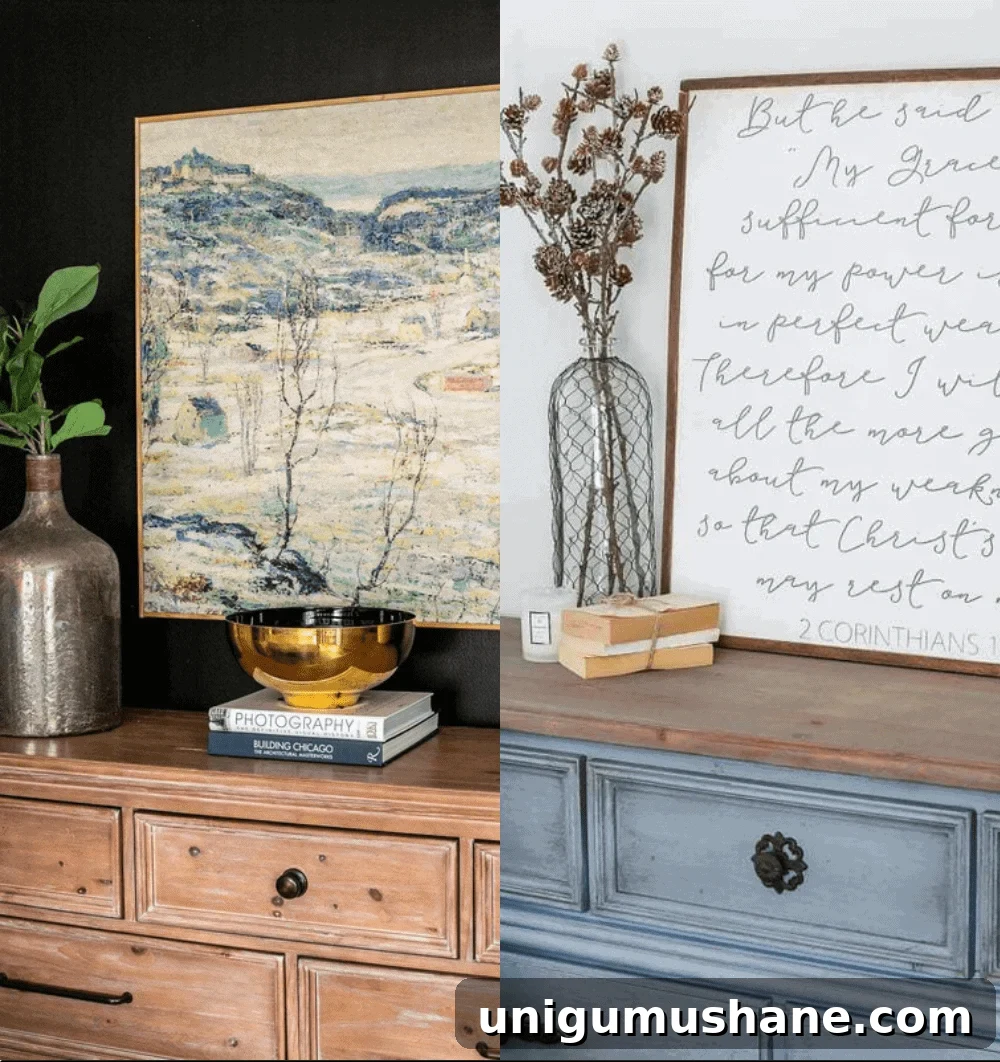
Eight practical steps to shift your decorating style—from farmhouse or any other trend—to a new, refreshed look without overspending.
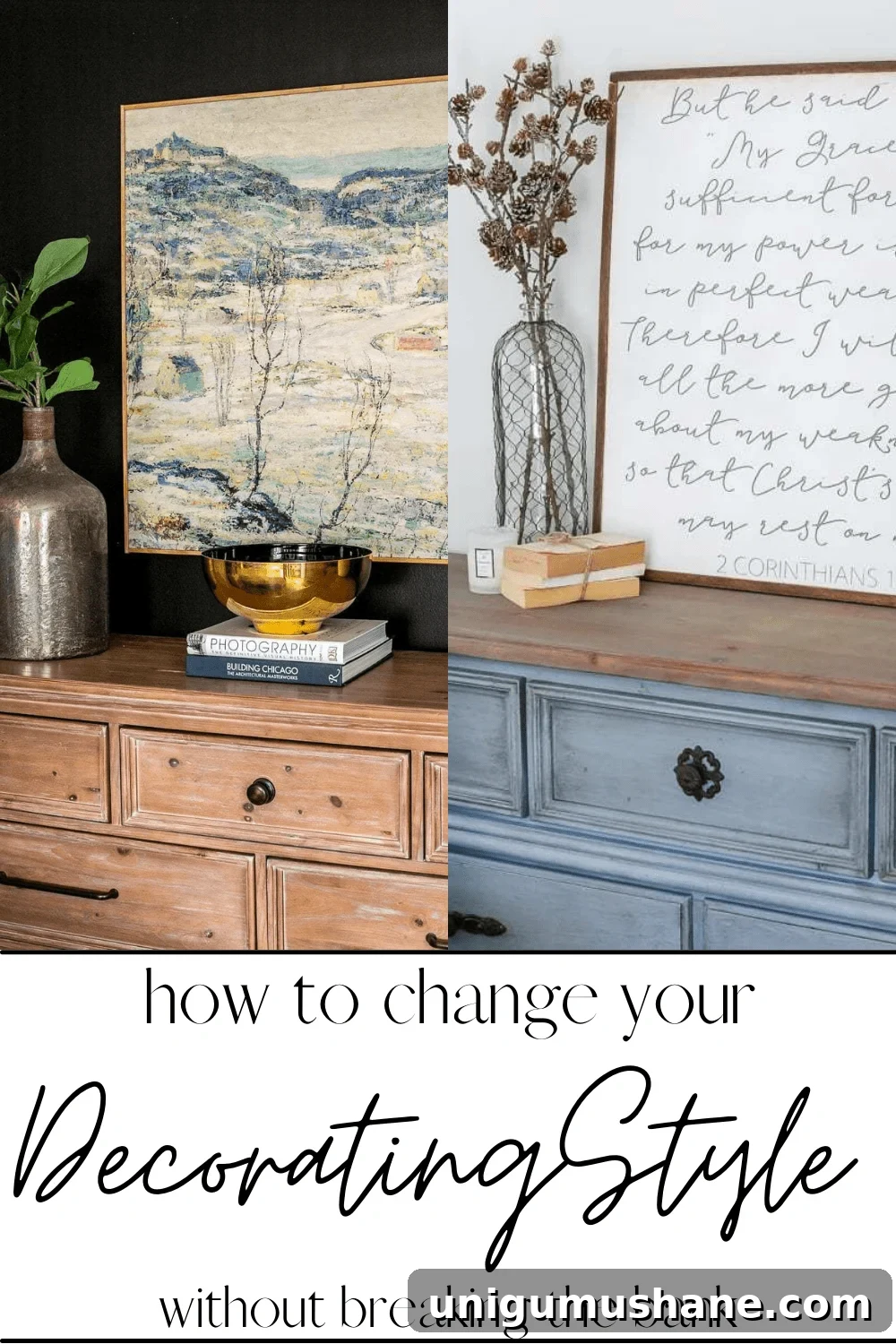
Before we begin, a quick but important reminder: you don’t need anyone’s permission to decorate your home the way you want. Don’t apologize for loving farmhouse, mid-century modern, boho, or any style that feels like you. Trends fade, but authenticity lasts.
That said, if you’re ready to refresh your home and move away from a style you no longer love, you can do it thoughtfully and affordably. Below are clear, actionable steps to help you make the transition.
How to Transition Away from Farmhouse Style (or any style)
1. Identify the style you want to move toward.
Pick a destination before you change anything. Without a clear vision you’ll likely drift into trial-and-error purchases that add up fast. Take time to study the styles you’re drawn to and narrow it down. If you need a method, follow a step-by-step process to find your decorating style—consider color palettes, preferred materials, and the overall mood you want each room to convey.
2. Take inventory of your current farmhouse pieces.
Walk through each room and list items that no longer resonate—distressed furniture, galvanized metal, wooden word signs, heavily chippy finishes, and graphic pillows are typical examples. Trust your instincts: if an item no longer speaks to you, put it on the “consider change” list.
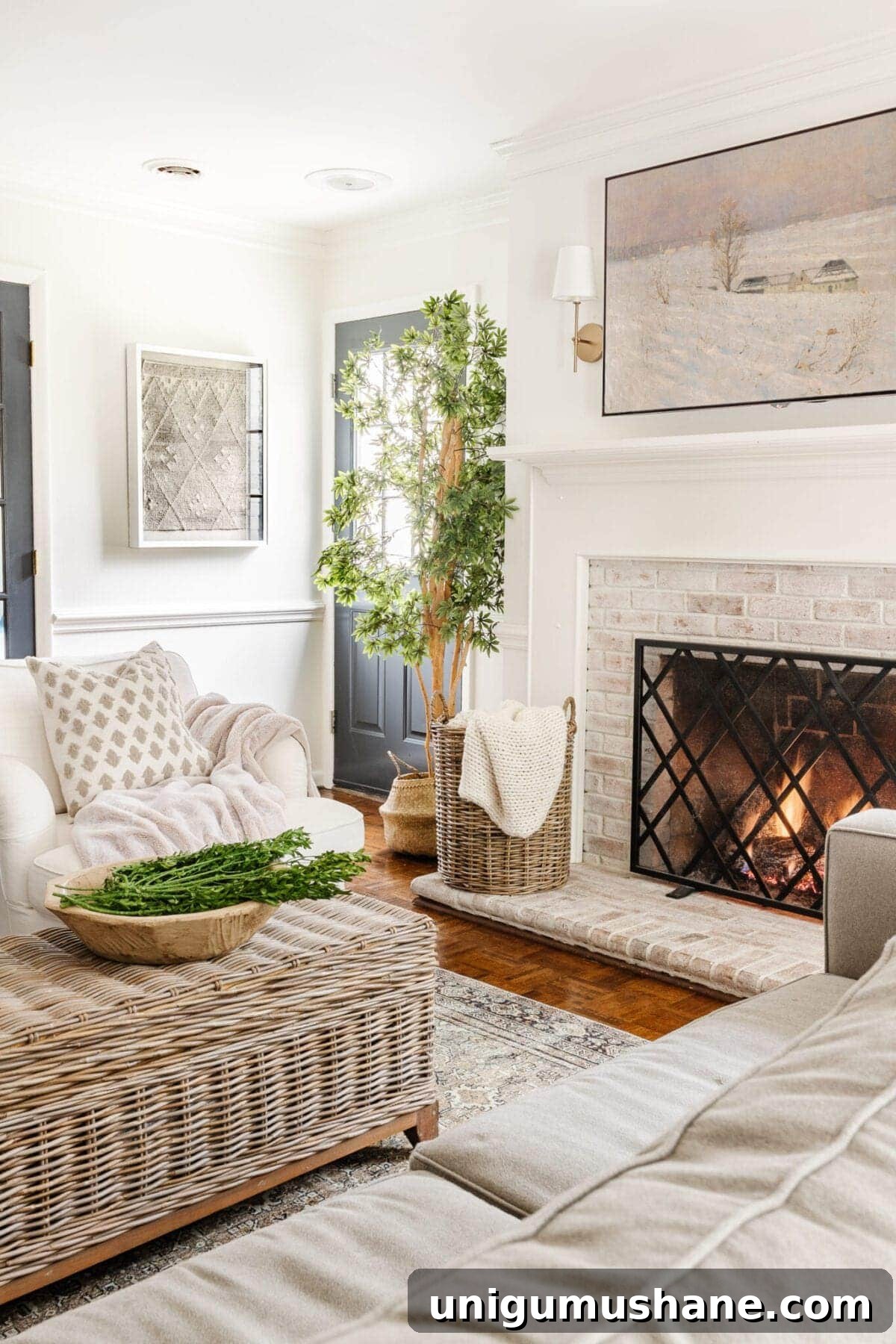
3. Decide what can be repurposed or updated.
Not everything has to go. Look at your reject list and ask practical questions:
- Can a distressed chest be refreshed with paint? A fresh finish can change the whole vibe.
- Could a wooden sign become updated wall art? Consider Mod Podge over a vintage print or replacing the graphic with an antique-style print.
- Can a light fixture be spray-painted or fitted with new shades? Small changes to finishes or shades can modernize a piece.
- Can pillow inserts be reused with new covers? Swapping covers refreshes seating without buying all-new pillows.
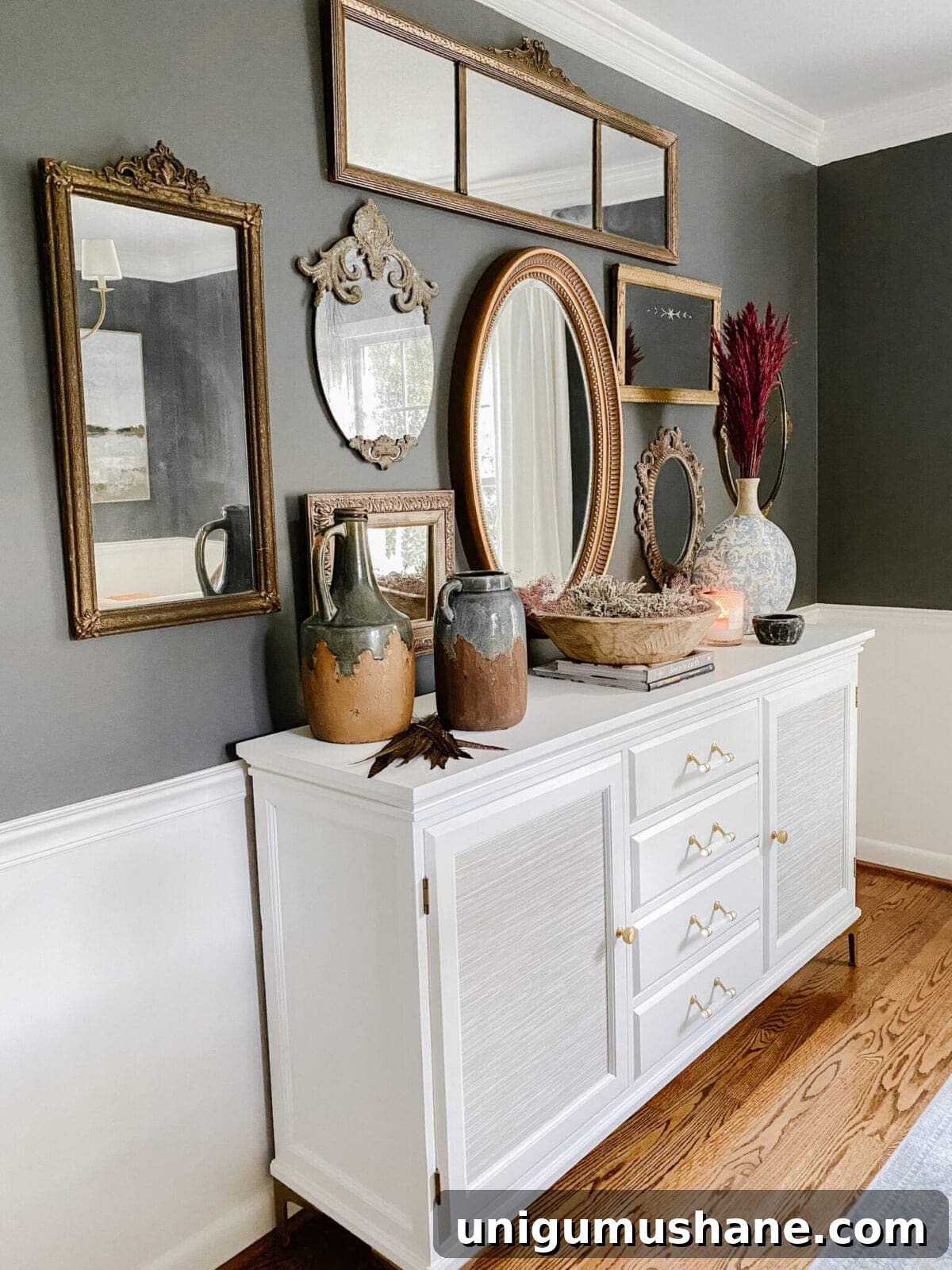
Reworking pieces you already own saves money and helps the new style feel authentic and layered.
4. Sell pieces you can’t repurpose.
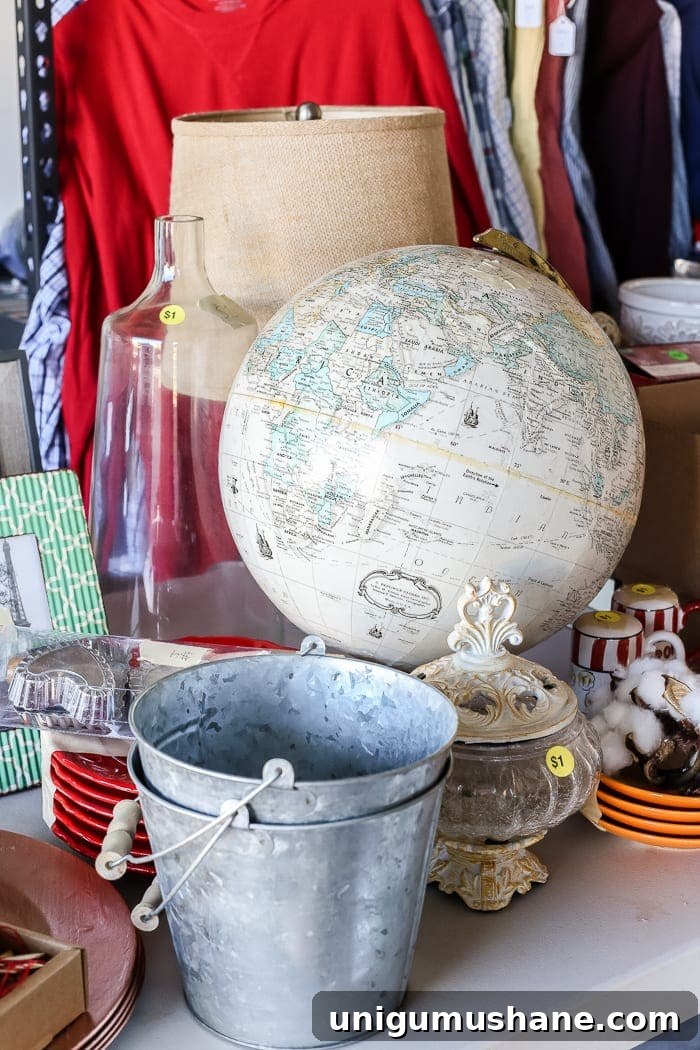
Hold a garage sale, post items on local marketplaces, or consign larger pieces. The funds you raise can go toward investment pieces in your new style. Selling also reduces clutter and gives you space to visualize the next steps.
5. Let your rooms breathe for a bit.
After removing pieces, resist the urge to fill every empty space immediately. Minimalism—at least temporarily—gives you clarity. A few pared-back walls and cleared shelves help you see what the room really needs rather than reflexively adding decor.
6. Collect inspiration, room by room.
Create a dedicated mood board for each room. Save images that reflect your new direction and note colors, textures, and furniture silhouettes you love. Visual boards make decisions easier and help you avoid drifting back into old trends.
7. Start with one or two larger anchor pieces.
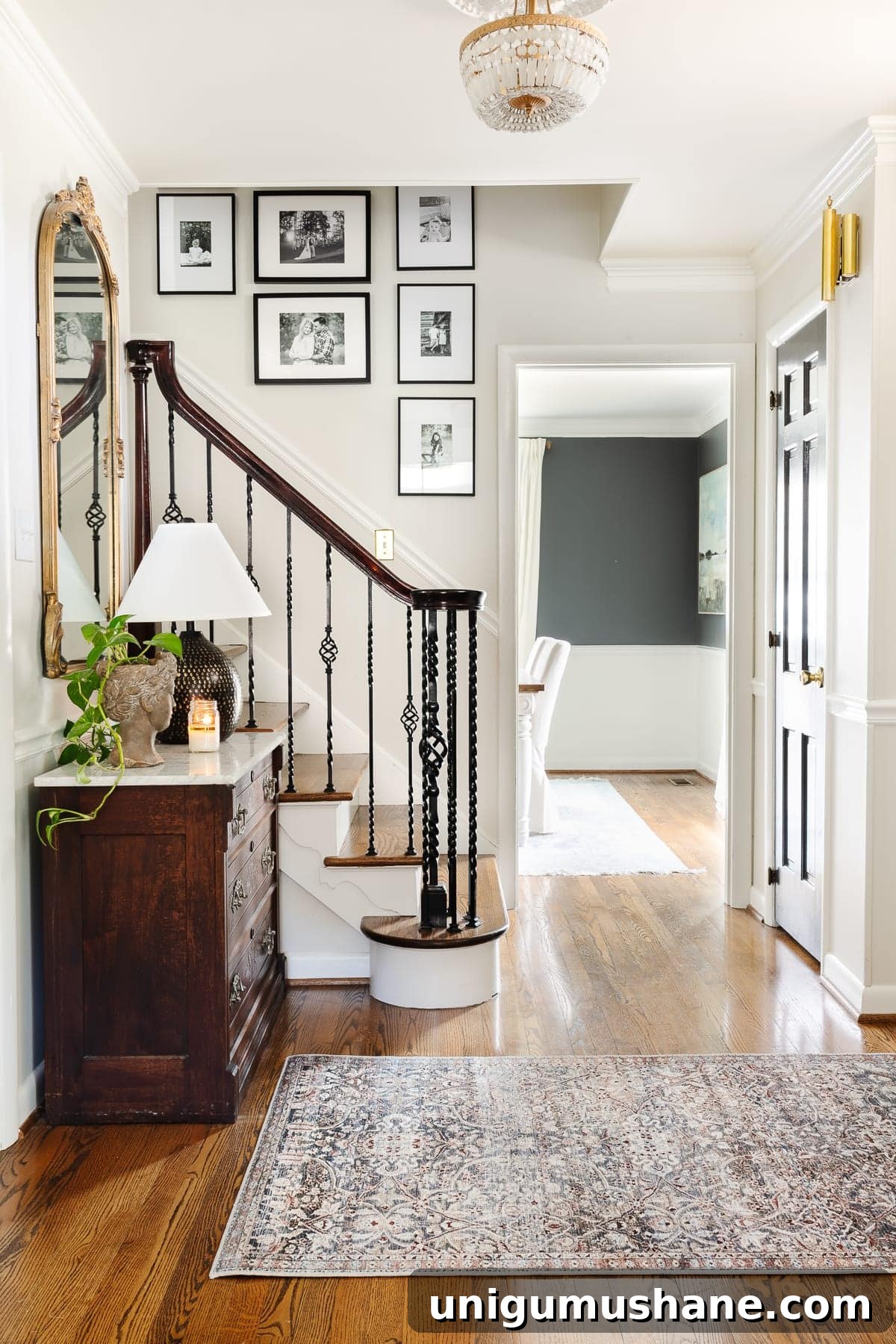
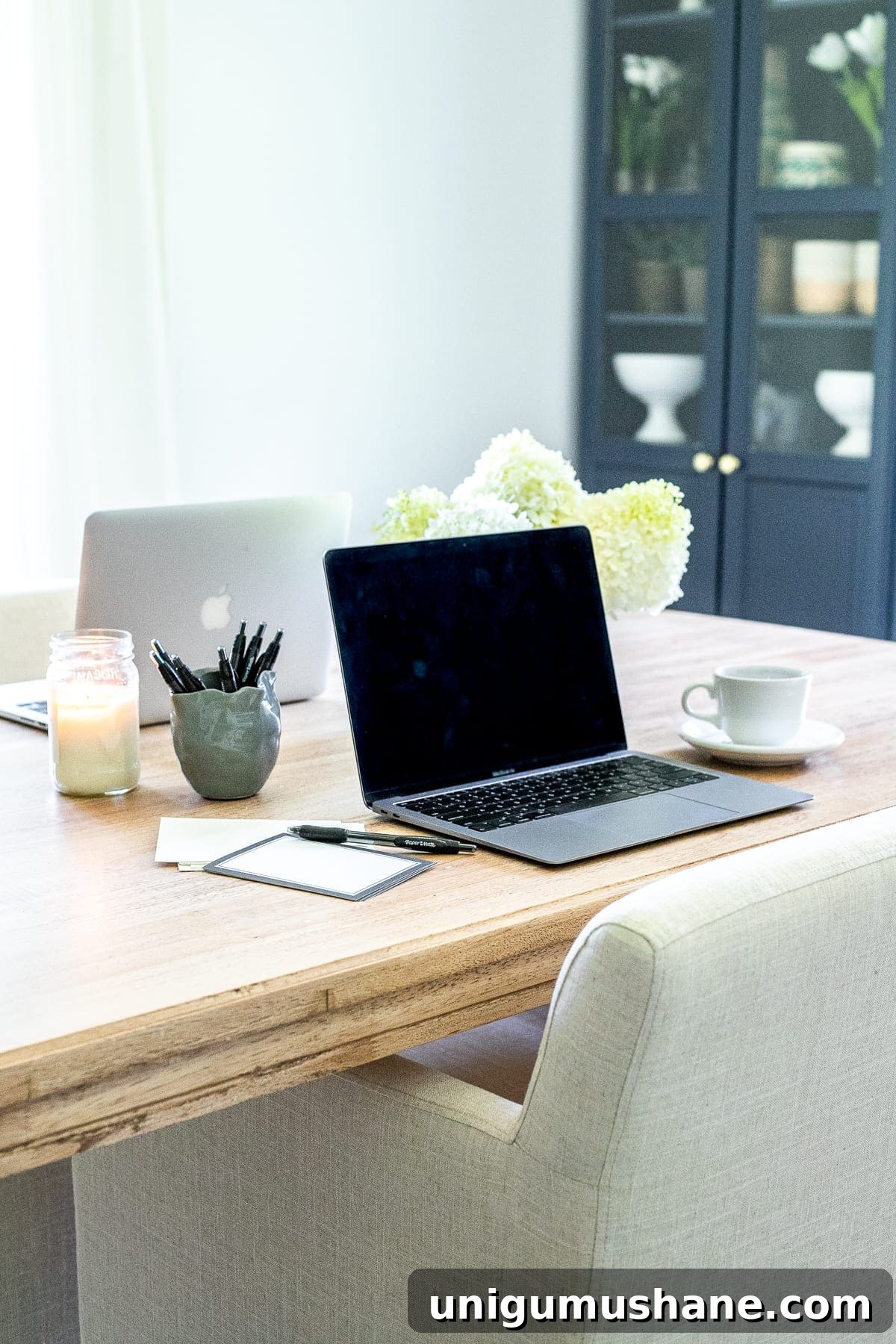
When you begin buying, prioritize big-impact items: an area rug, a substantial piece of artwork, or a new light fixture. These anchors define the direction of a room and make smaller purchases easier to coordinate. Designers often start with a rug or art piece for this reason—use the same approach.
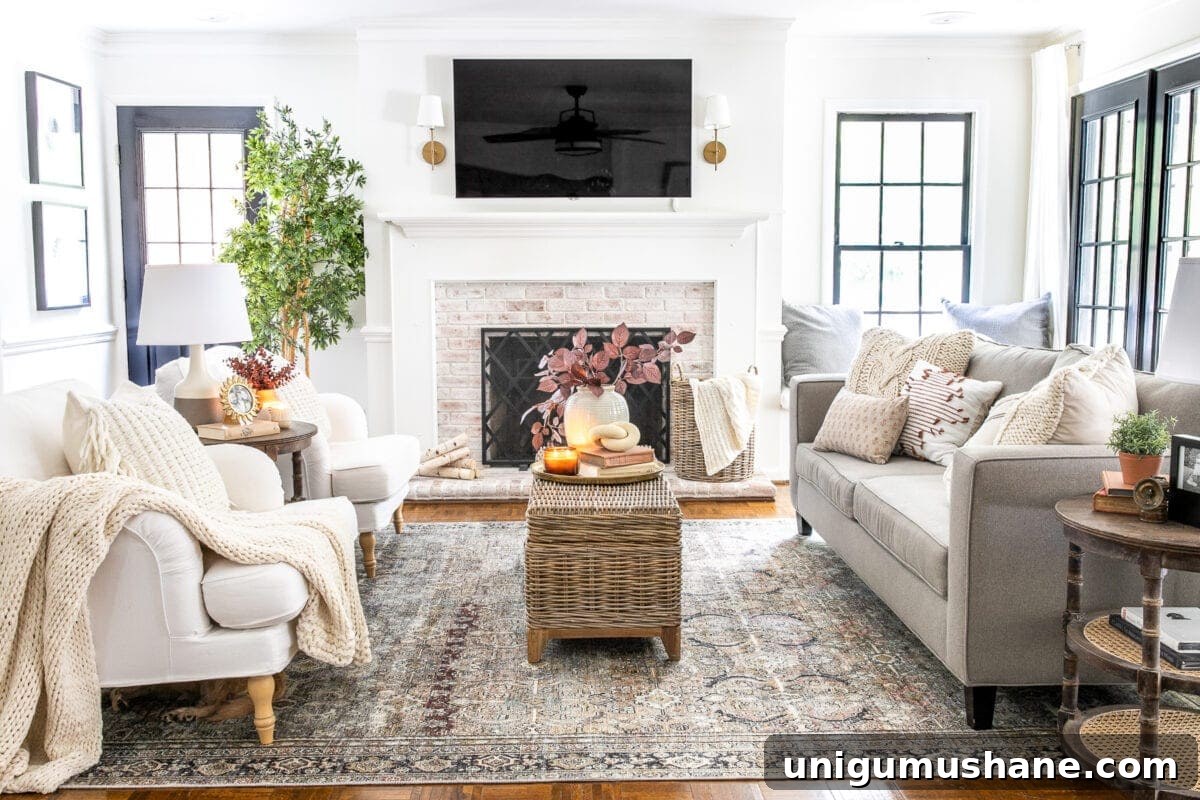
8. Commit to classic, versatile pieces that stand the test of time.
To build a home that feels timeless rather than trendy, focus on items that work across styles. Examples include:
- Solid curtain panels (they visually enlarge windows)
- Natural woven baskets
- Black-painted furniture for contrast
- Marble accents
- Stripe patterns
- Navy-blue elements (a reliable neutral)
- Oriental or Persian-style rugs—vintage works beautifully
- Venetian or brass mirrors
- Bentwood or Windsor chairs
- Clean white bedding for a calm, hotel-like feel
- Furniture with simple, clean lines
- Real houseplants for life and texture
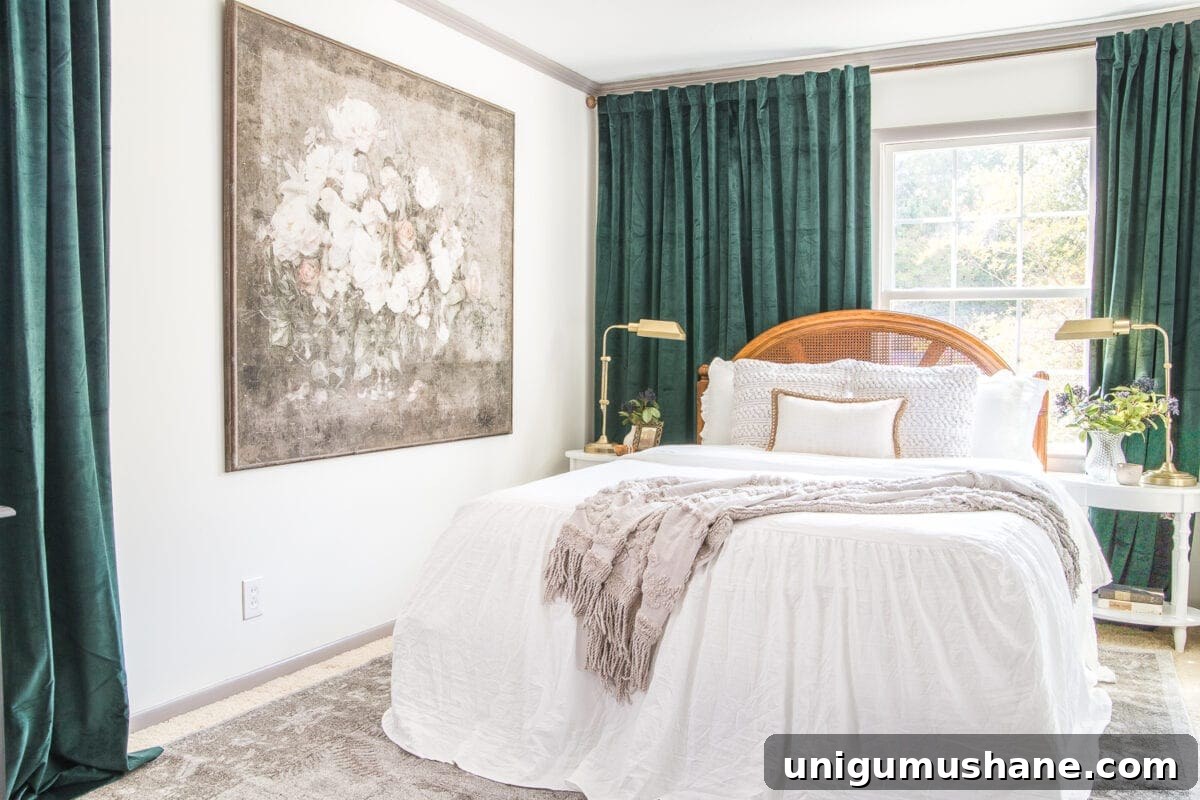
After several years of intentionally stepping away from farmhouse trends, I’ve learned the value of investing in pieces that will outlast any fad. The goal is to create rooms that reflect you and feel comfortable every single day.
If you want to save these ideas for later, pin images and notes to your inspiration boards so you can return to them when you’re ready to shop or tackle a room refresh.