
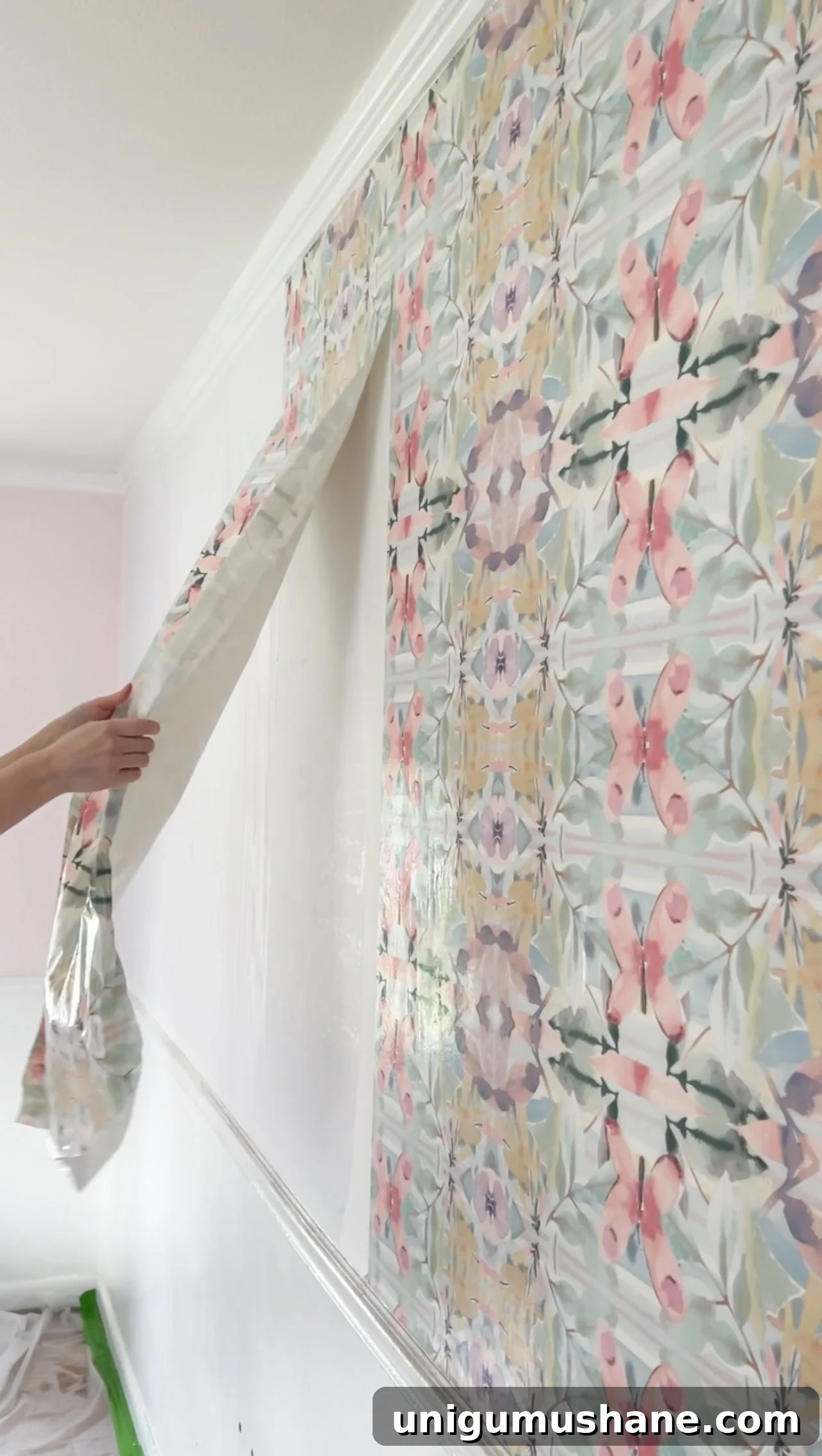
How to remove wallpaper: three tested methods to strip wallpaper quickly and with minimal fuss.
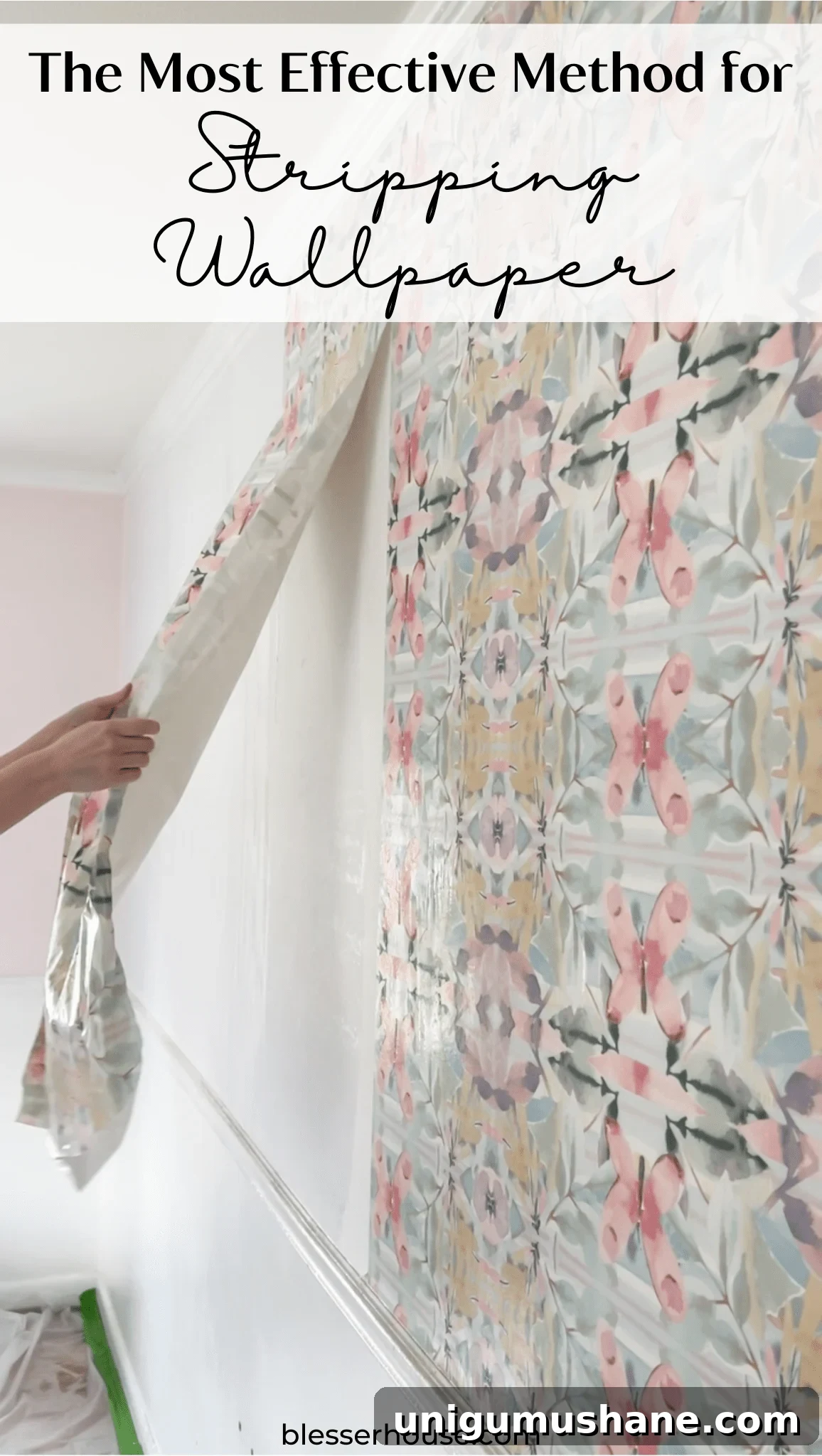
I spent a day running a wallpaper removal experiment to figure out which method makes stripping pasted wallpaper easiest and fastest. If you’re going to tackle this kind of job, it helps to know which supplies and solutions actually work so you’re not wasting time or making extra work for yourself.
This test was done on pasted wallpaper that was applied five years ago. I wanted practical results—no special tools or rental equipment—so I compared a store-bought remover and two simple DIY solutions to see which delivered the best balance of speed, ease, and cleanup.
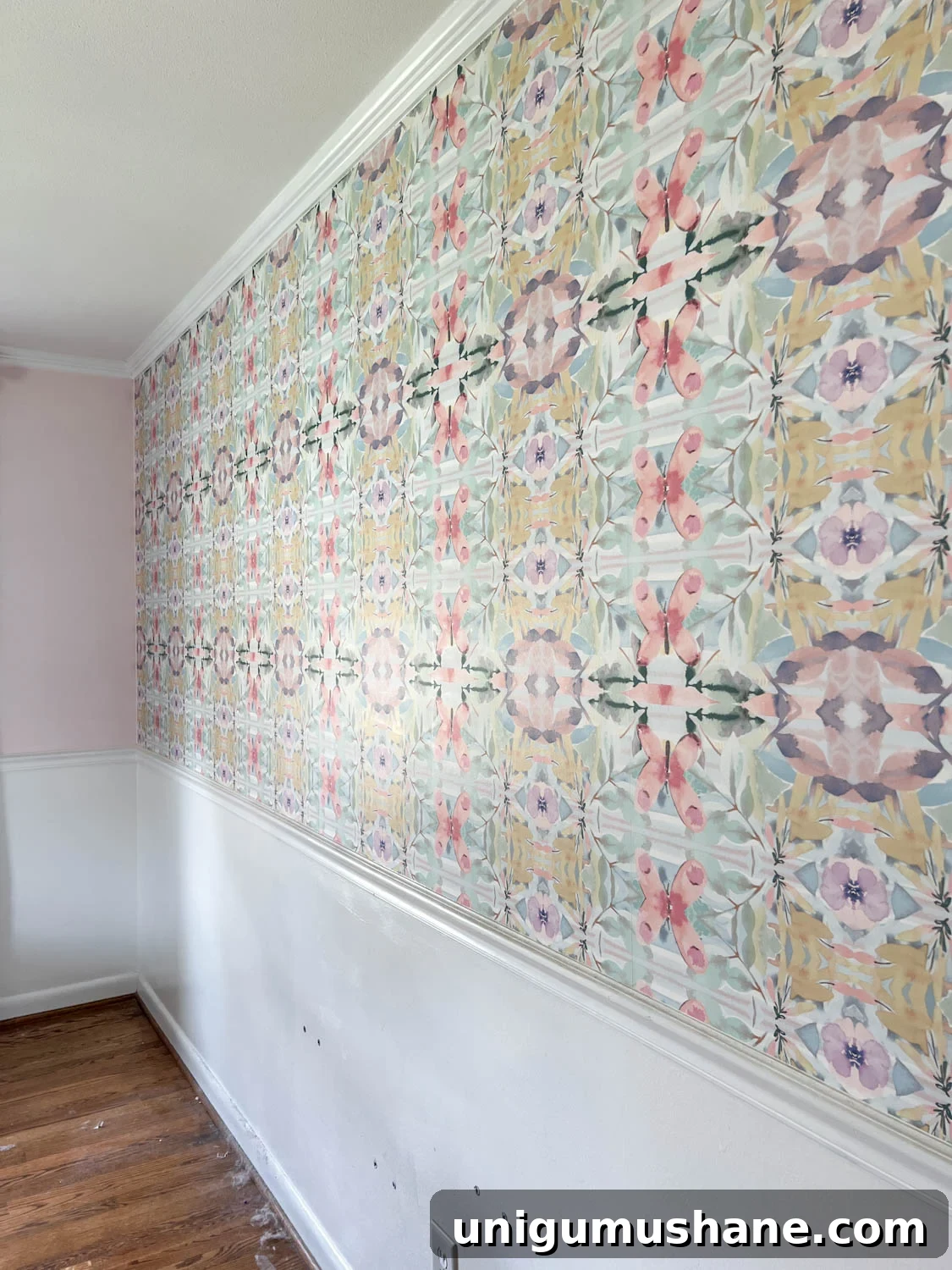
It’s surprising how quickly a child’s bedroom becomes ready for an update. After five years in Olivia’s room, it was time to prepare for a fresh “preteen” look—so testing wallpaper removal methods became step one of the makeover.
Finding the Best Way to Remove Wallpaper
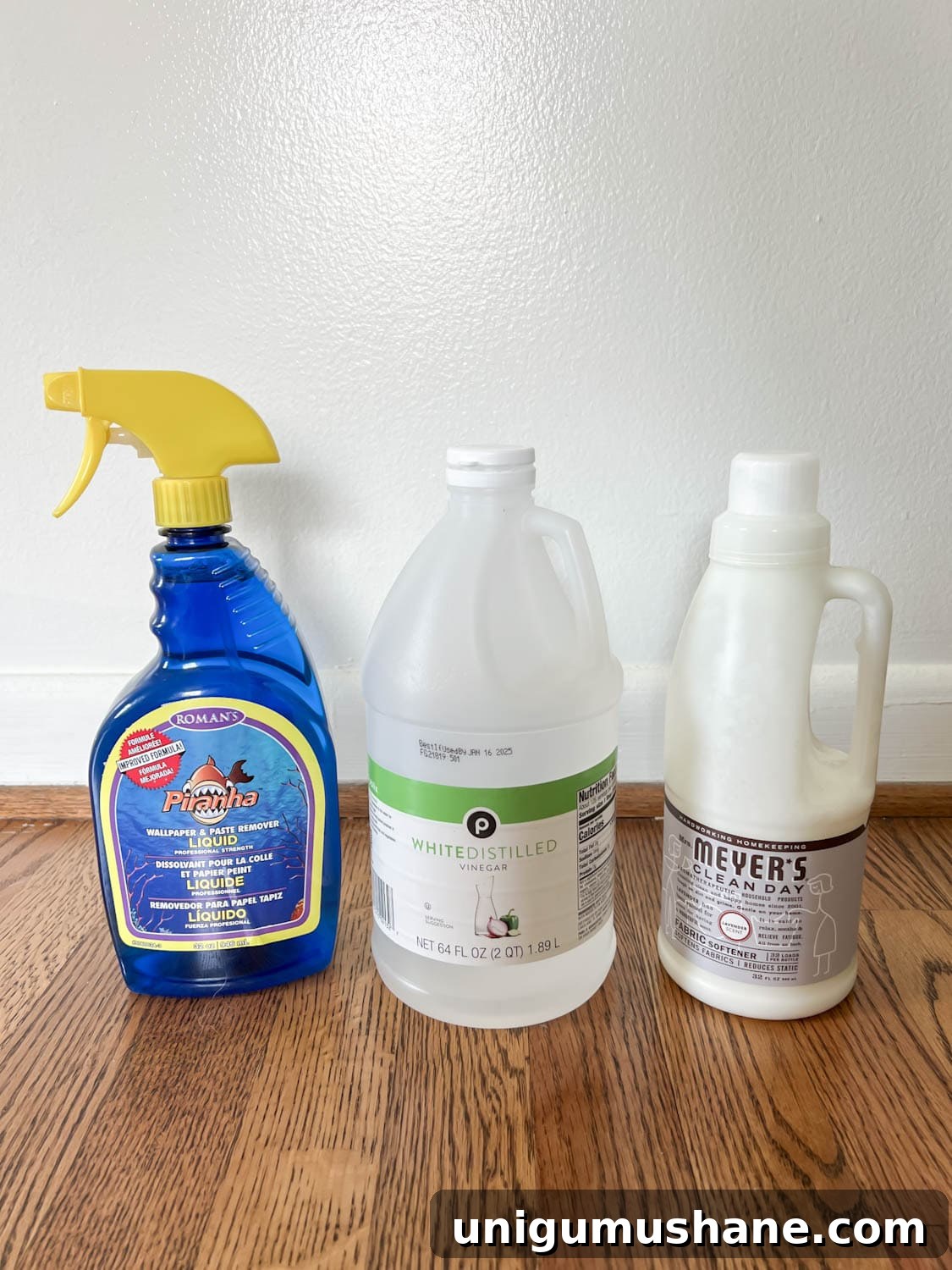
For this comparison I tested three wallpaper stripping approaches to determine which gives the best results for typical pasted wallpaper:
- Store-bought wallpaper remover (Piranha brand)
- DIY vinegar wallpaper stripping solution
- DIY fabric softener wallpaper stripping solution
I skipped a wallpaper steamer for this test because I wanted solutions that don’t require renting or buying specialty equipment. A steamer can be useful for very old or improperly installed wallpaper, but many jobs can be done with simple solutions and a few basic tools.
How to Remove Wallpaper
Supplies
- Wallpaper remover solution of your choice (store-bought or DIY)
- Putty knife
- Painters tape
- Waterproof drop cloth
- Wallpaper scoring tool
- Spray bottle (optional, for DIY solutions)
- Electric kettle or hot water (optional, but helpful)
- Rags or sponges
- Step stool
- Trash can
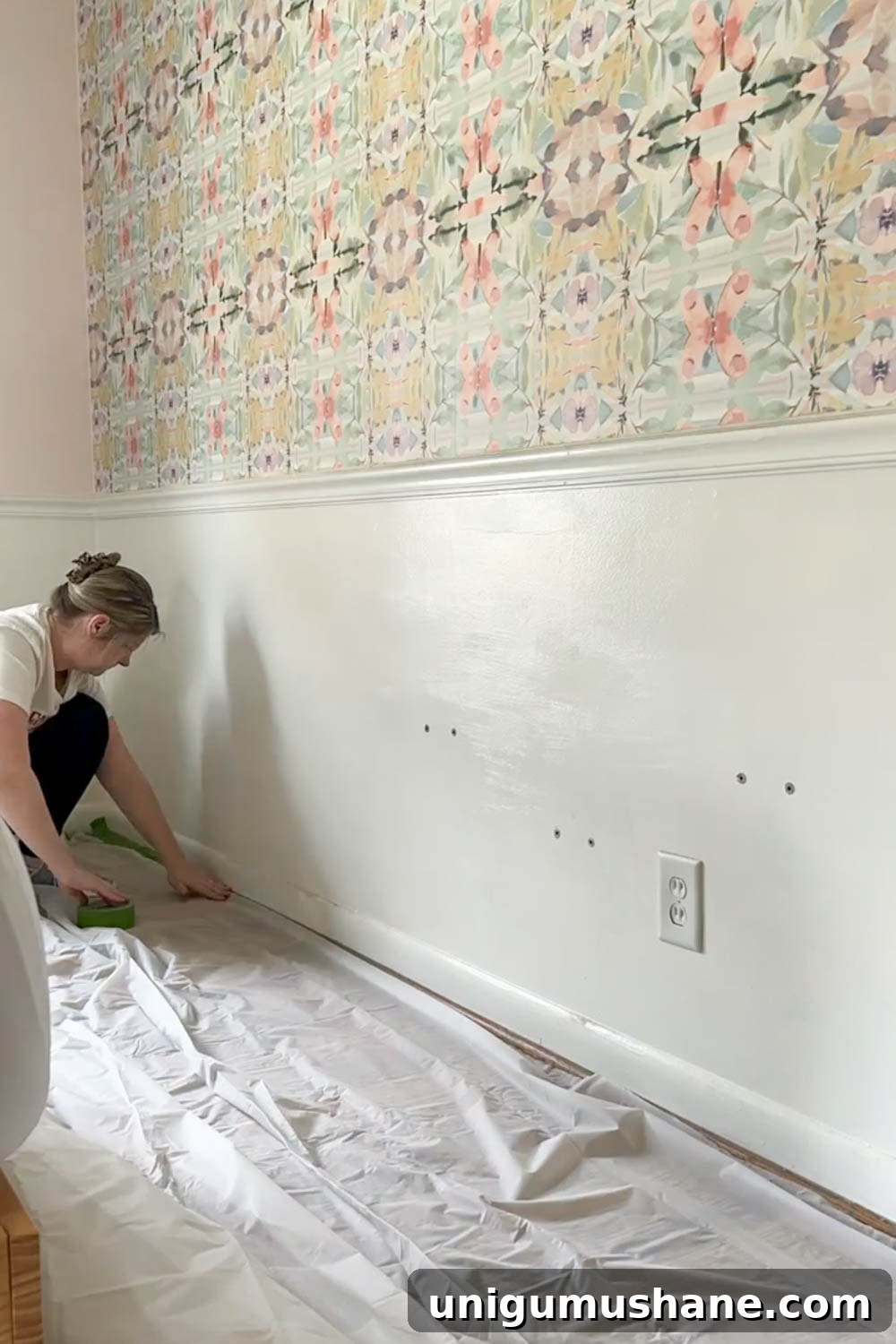
Step 1 – Protect Floors
Wallpaper removal can be messy. Lay down a waterproof drop cloth and secure it with painter’s tape to protect floors and baseboards from drips and paste residue.
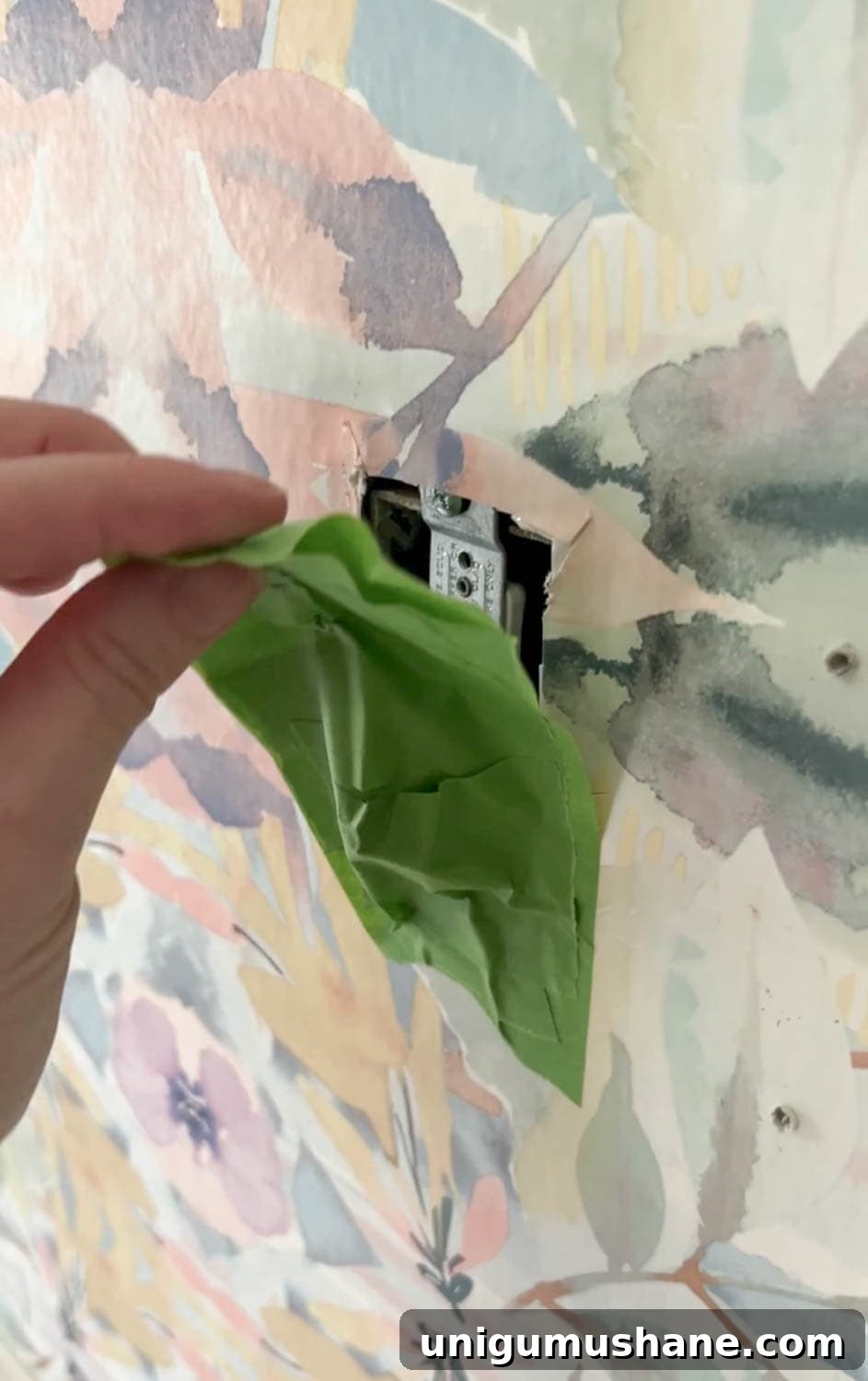
Step 2 – Remove Switch Plates & Cut Power
Remove switch plates and outlet covers so you can pull wallpaper away cleanly from behind them. Because you’ll be working with liquids, turn off the power at the breaker and cover exposed switches and outlets with painter’s tape until you’re ready to work around them.
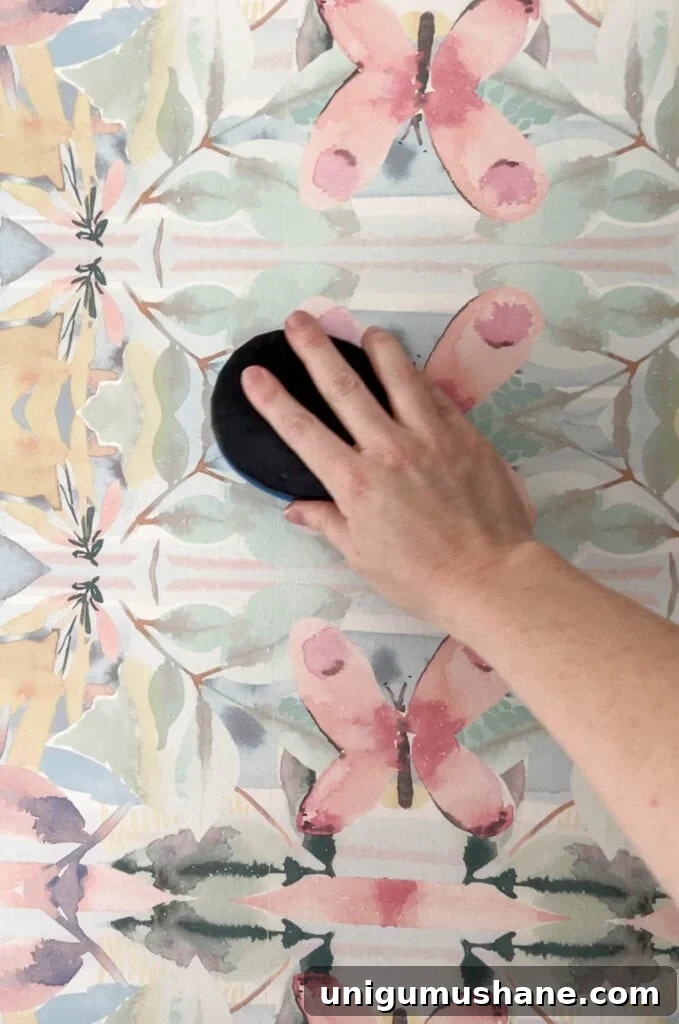
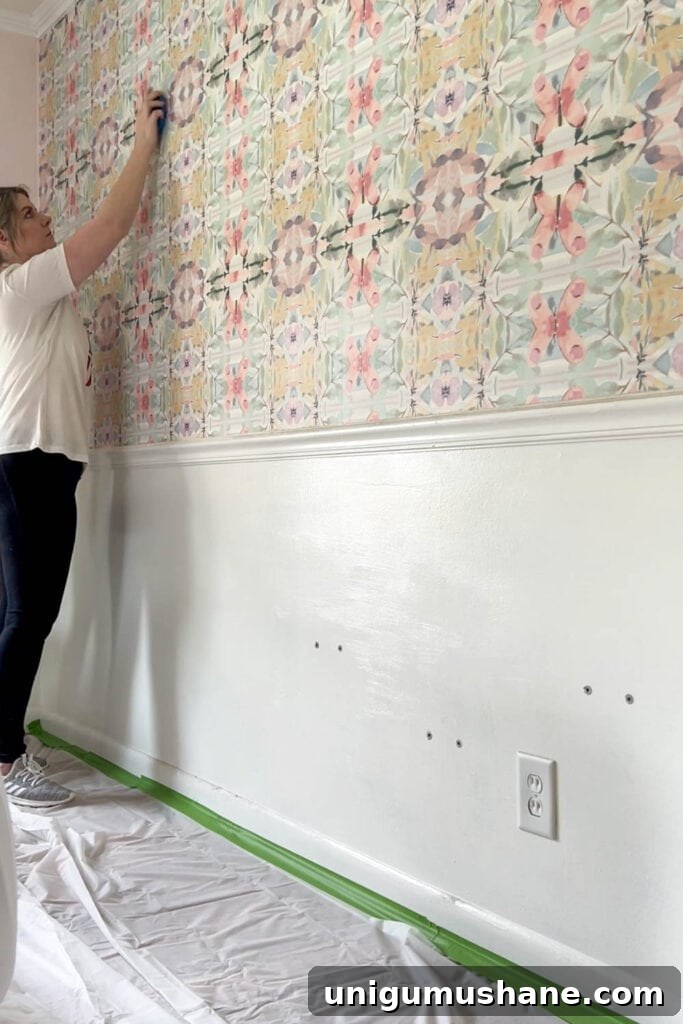
Step 3 – Score the Wallpaper
Use a wallpaper scoring tool to lightly perforate the wallpaper in a circular motion. Apply gentle pressure—too much can damage the drywall. Scoring lets your stripping solution penetrate the top layer and soften the adhesive.
Three Ways to Strip Wallpaper
After the prep work, I tested each stripping method on two adjacent panels to compare speed and ease of removal. Before applying any solution, always try lifting a corner or seam with a putty knife—sometimes the paper peels away without any chemicals or steam.
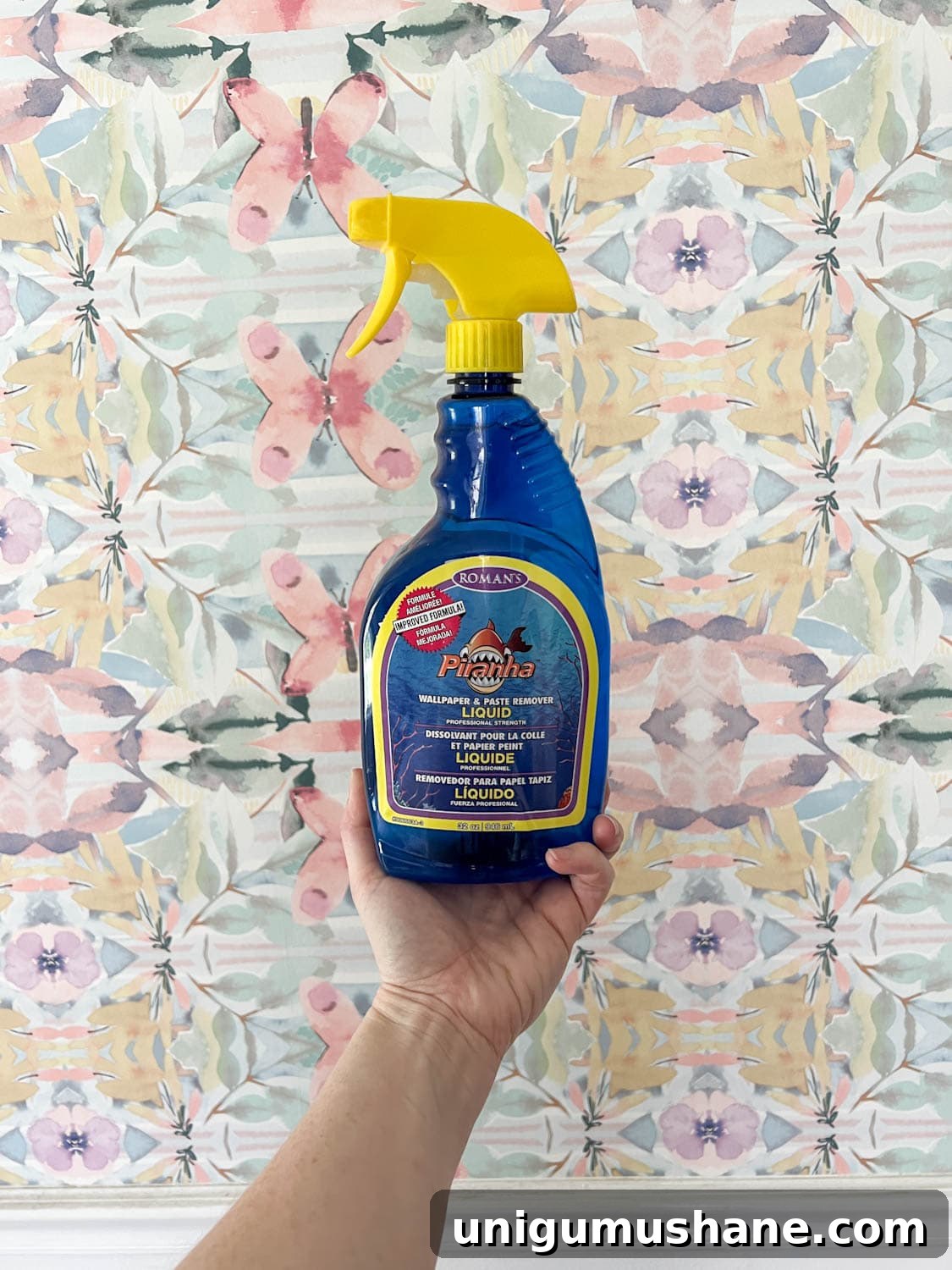
Store-Bought Wallpaper Stripper
Work in manageable sections—two panels at a time is a good approach. I saturated two panels with a commercial wallpaper remover (Piranha brand) following the manufacturer’s instructions and allowed the solution to sit for about 15 minutes to penetrate the adhesive.
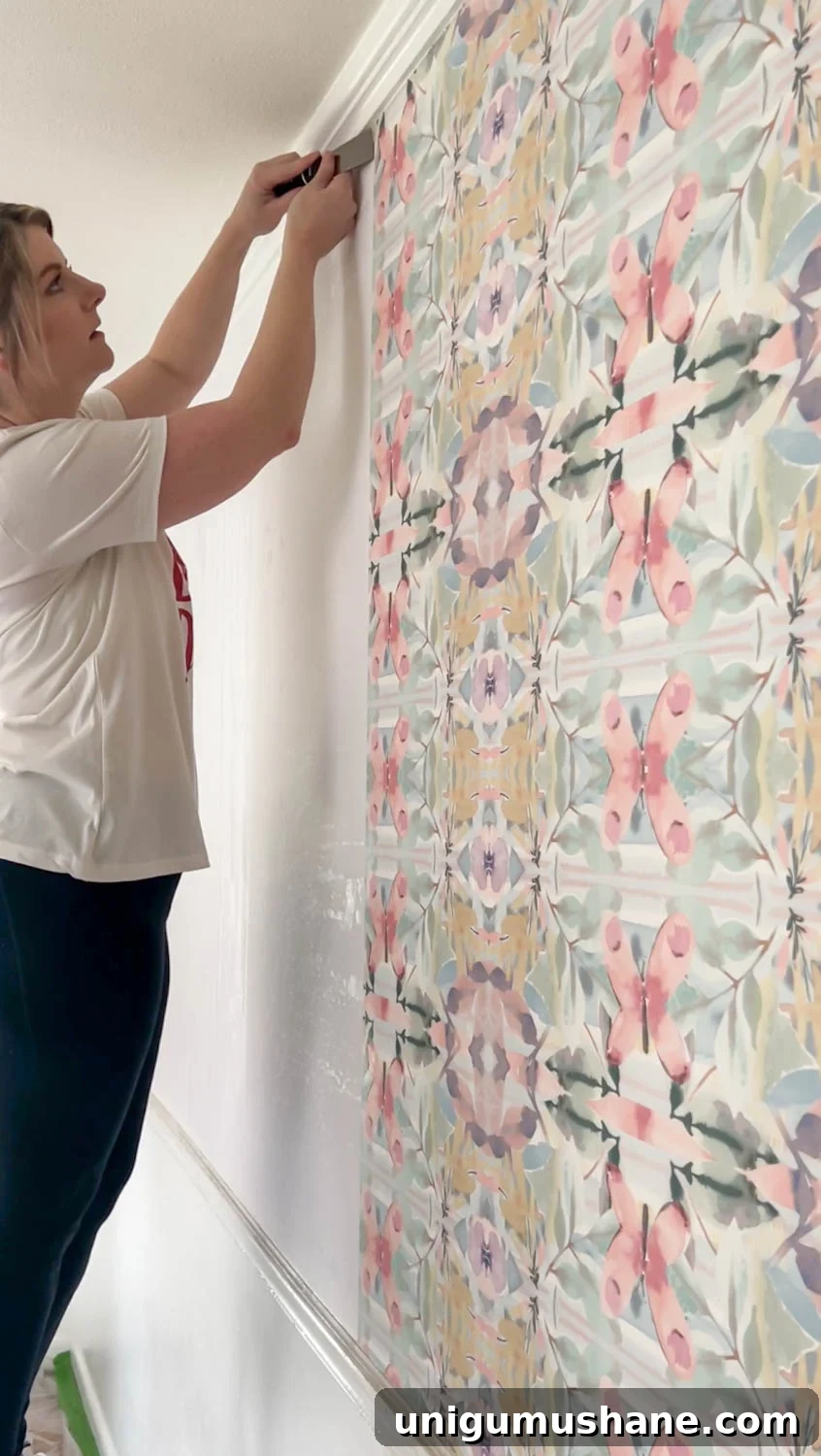
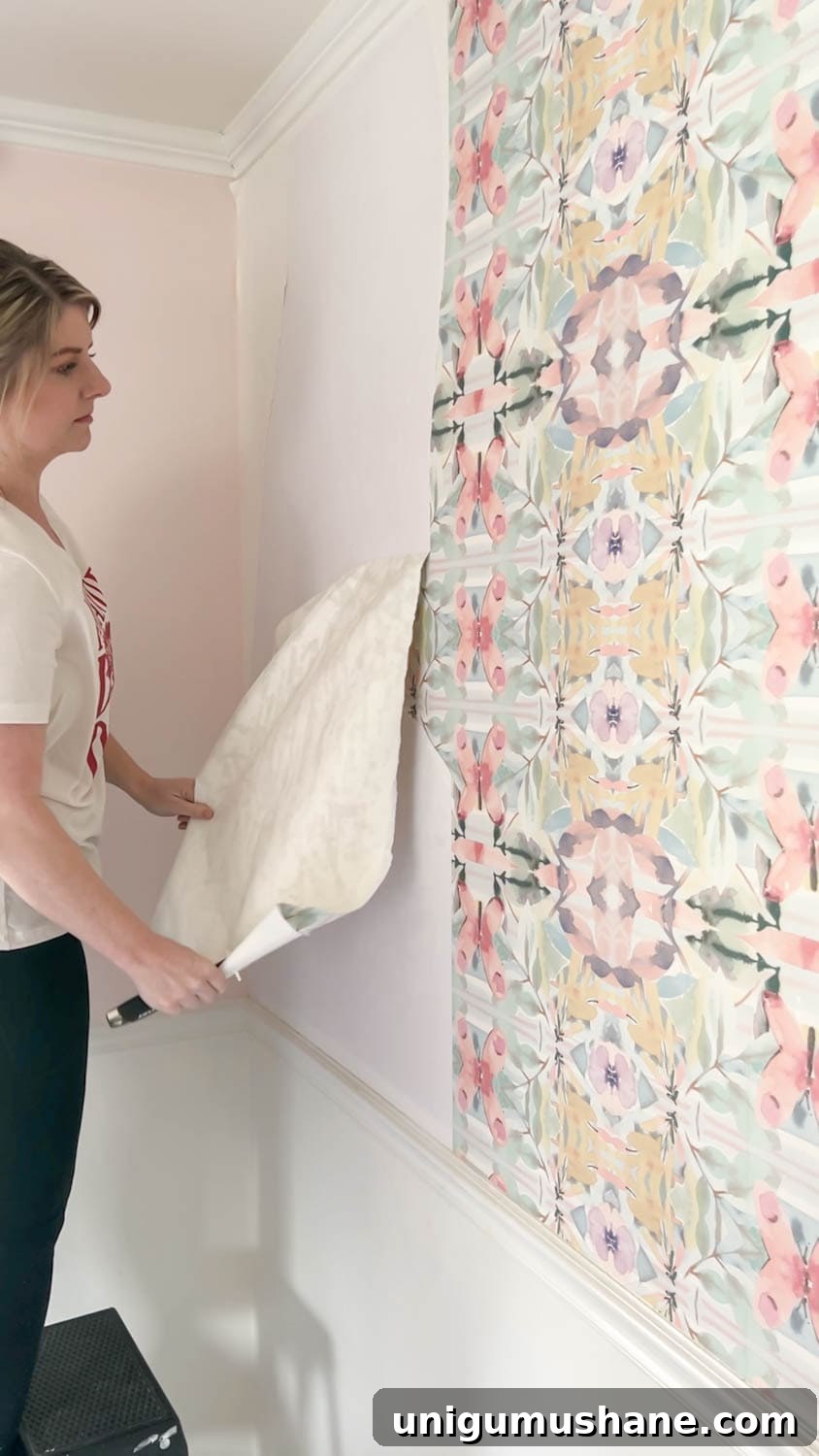
After the activation period I eased a putty knife under the edges and the paper came away very quickly. This method removed two panels in under five minutes with minimal effort, and I didn’t need to reapply product during that session.
Store-Bought Stripper — Summary
Pros:
- Fastest method tested
- Often does not require reapplication
- No mixing required
Cons:
- More costly than DIY solutions
- Chemical-based product
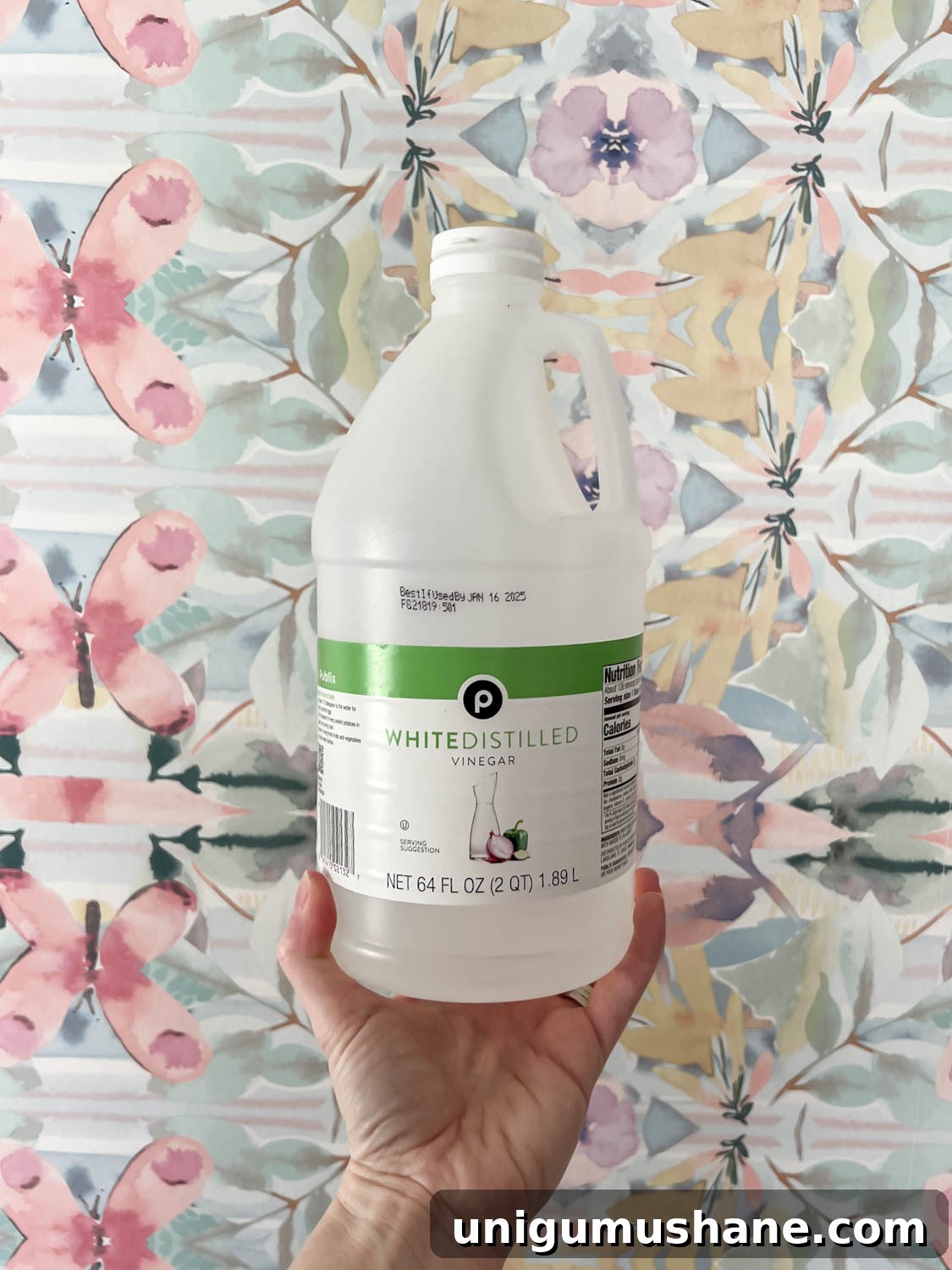
DIY Vinegar Wallpaper Stripper
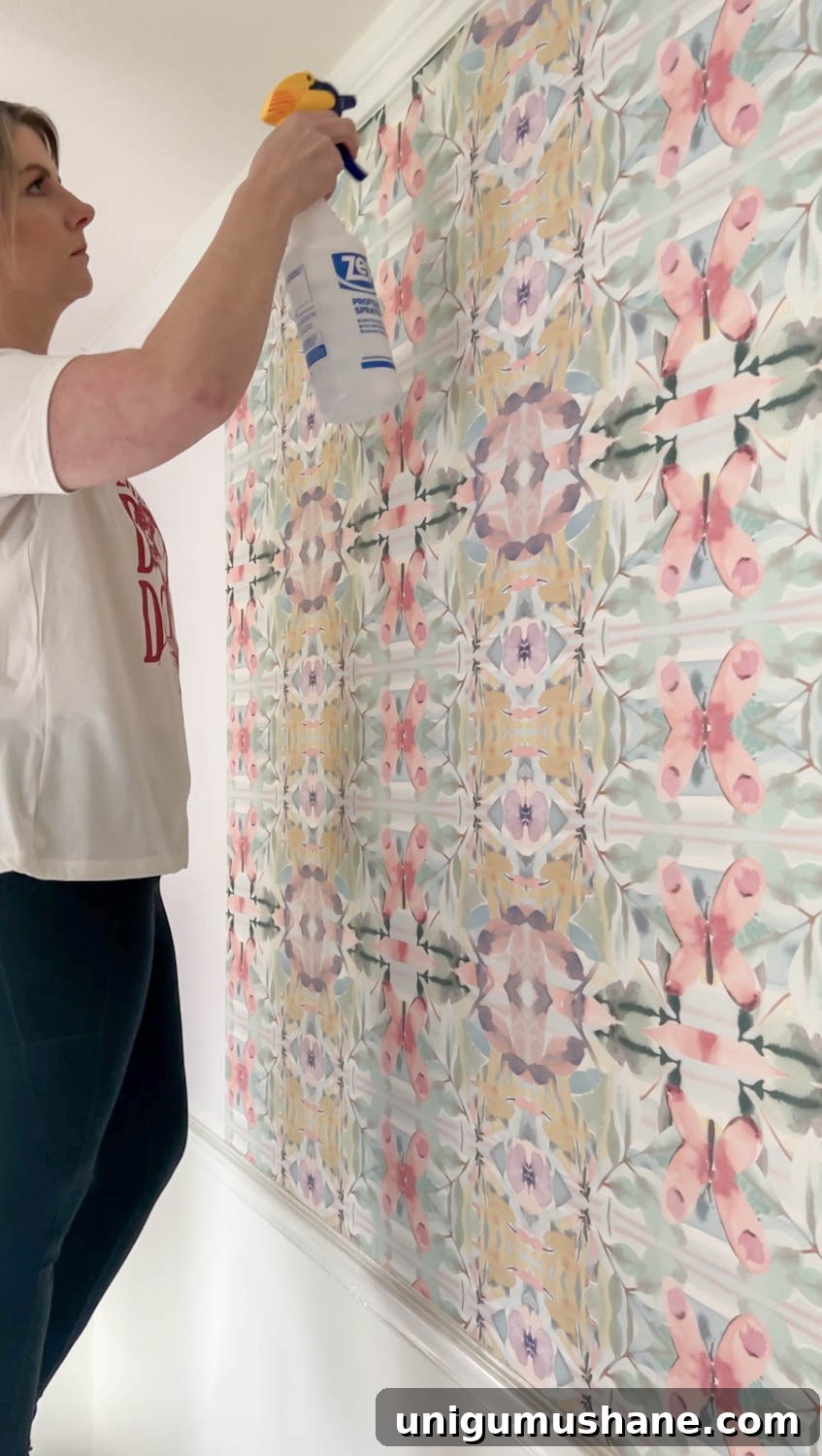
A simple, eco-friendly option is a vinegar and hot water solution. It’s inexpensive and non-toxic, but it does require frequent reheating or remaking to keep the solution hot and effective.
Recipe
- 1 part white vinegar
- 2 parts hot water
- Spray bottle
Fill a spray bottle with one part white vinegar and two parts very hot water. Using recently boiled water helps dissolve adhesive; keep a kettle nearby to refresh the solution as needed. Spray a small section, wait about two minutes, then test and peel.
Activation Time: ~2 minutes
In my test the vinegar method softened the adhesive but the paper tended to tear and come off in small pieces. It worked, but it required more time and elbow grease than the store-bought option.
DIY Vinegar Stripper — Summary
Pros:
- Very inexpensive
- Non-toxic
Cons:
- Needs premixing and reheating
- Often requires repeated application
- Least efficient of the three methods
DIY Fabric Softener Wallpaper Stripper
Another easy homemade solution mixes fabric softener with hot water. It’s affordable, pleasant smelling, and performed well in my test—falling between the store-bought product and the vinegar mix in ease and speed.
Recipe
- 1 part liquid fabric softener
- 3 parts hot water
- Spray bottle
Combine fabric softener and hot water in a spray bottle, keeping the mixture hot when possible. Spray the paper, let it sit about two minutes, then pull with a putty knife where needed.
Activation Time: ~2 minutes
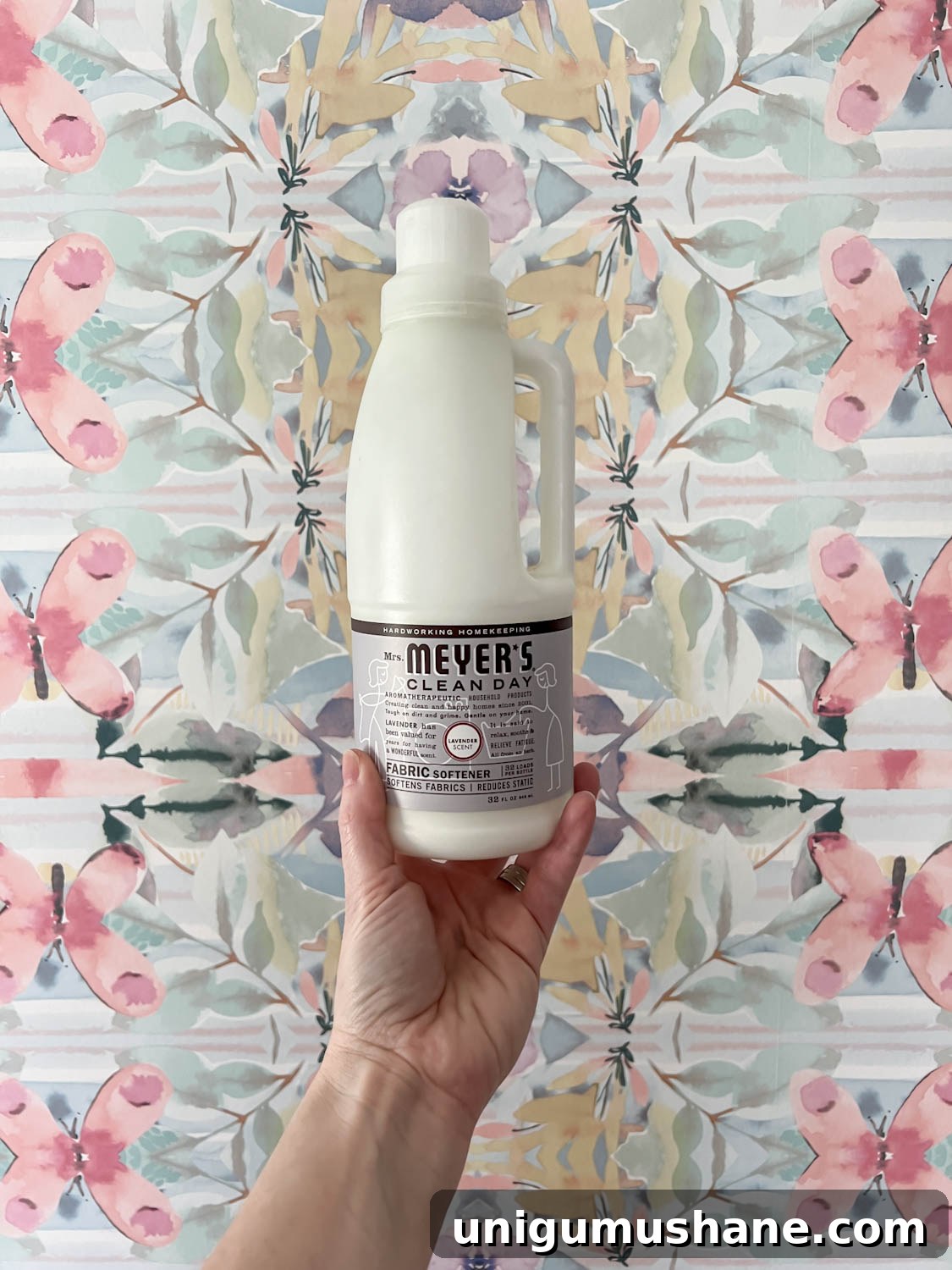
This method softened the adhesive reliably, though I did need to reapply the solution a few times as it cooled. Overall it’s a practical, low-cost alternative if you don’t want a commercial chemical remover.
DIY Fabric Softener Stripper — Summary
Pros:
- Works fairly quickly
- Affordable and easy to prepare
- Leaves a pleasant scent
Cons:
- Requires premixing and occasional reapplication
When the paper is removed, spray the wall one more time and wipe down with a damp rag or sponge to remove leftover adhesive.
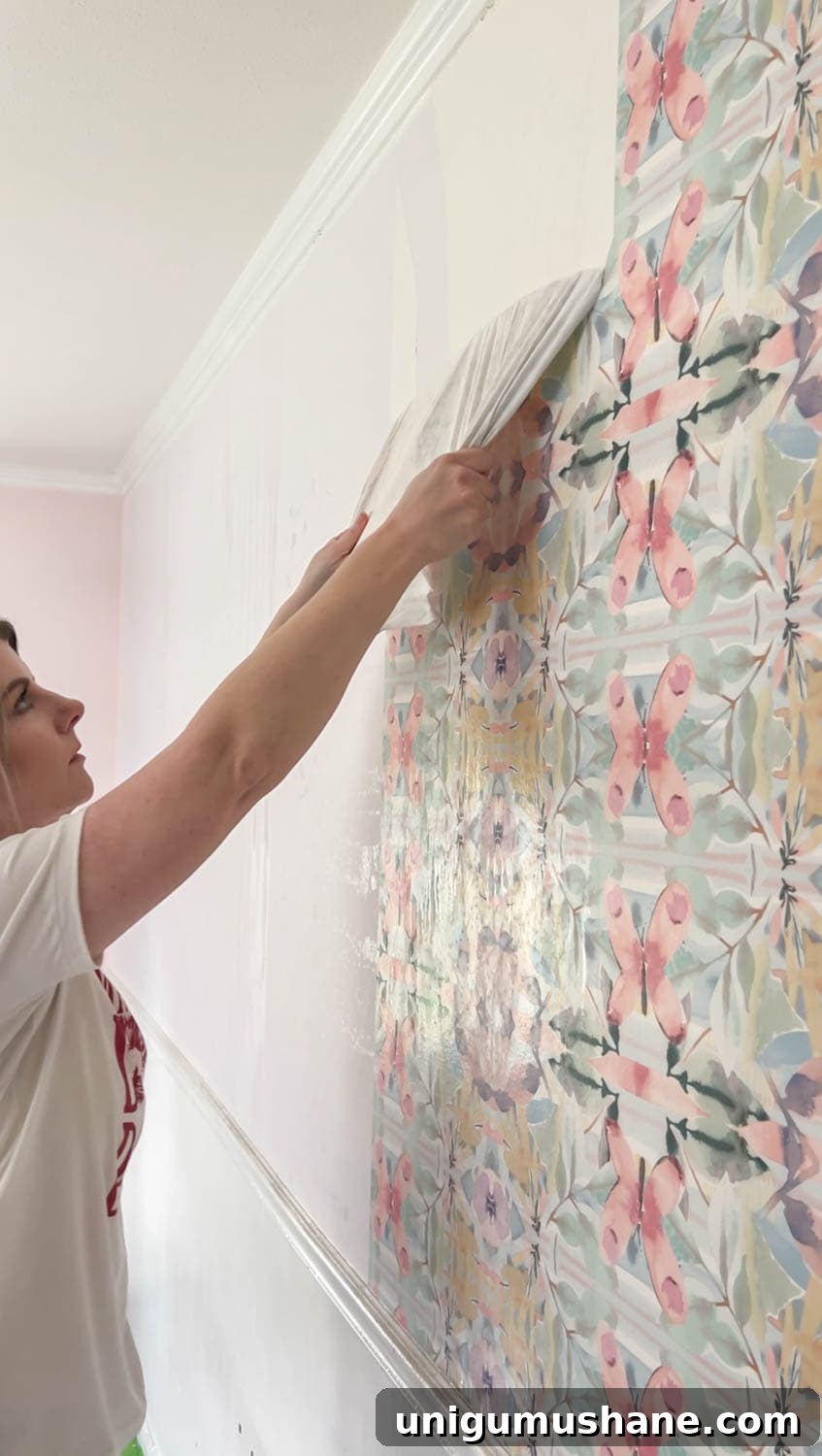
All three methods—store-bought stripper, vinegar, and fabric softener—work on plaster and drywall when applied correctly. For future installations, consider applying a sizing primer before putting up new wallpaper; that will make removal much easier later.
In short: the commercial wallpaper stripper is fastest and requires the least effort, fabric softener is the best DIY compromise, and vinegar is the cheapest non-toxic option but requires the most work.
Once the wallpaper was removed and the adhesive cleaned off, the room felt ready for painting and a fresh new wallpaper or finish. Wallpaper removal isn’t fun, but it’s satisfying to see a clean wall ready for a new look.
Frequently Asked Questions
No. Peel-and-stick wallpaper is designed to come off without solvents—simply peel it away. Stripper solutions are intended for pasted wallpaper types.
Keep your putty knife flat and work gently along seams and corners. Score lightly before applying solution and avoid digging into the drywall. For very stubborn paper, a steamer can help loosen adhesive without scraping.
Yes. Painting over wallpaper bonds the paint to the paper and adhesive, making future removal much more difficult. If you plan to remove it later, strip it now before painting.
Removing old wallpaper is recommended. It creates a smoother surface for new wallpaper or paint, and prevents future adhesion or finish problems.
Wallpaper Ideas
- Antique painting mural wallpaper
- How to wallpaper inside picture frame molding
- Vintage wallpaper favorites for teen bedrooms and playrooms
- Chinoiserie wallpaper: splurge vs. save options
- Modern farmhouse wallpaper designs on a budget