There’s nothing more frustrating when refinishing furniture than dealing with the sticky, gummy residue left after using a chemical stripper on wood. After my latest project, I finally found a reliable way to get past that mess and finish the job faster.
A while back Robert and I stripped paint from our fireplace mantle and I fell for Citristrip gel — the citrus scent made the process far more pleasant than other harsh-smelling strippers. But on this latest piece, that relationship didn’t hold up.
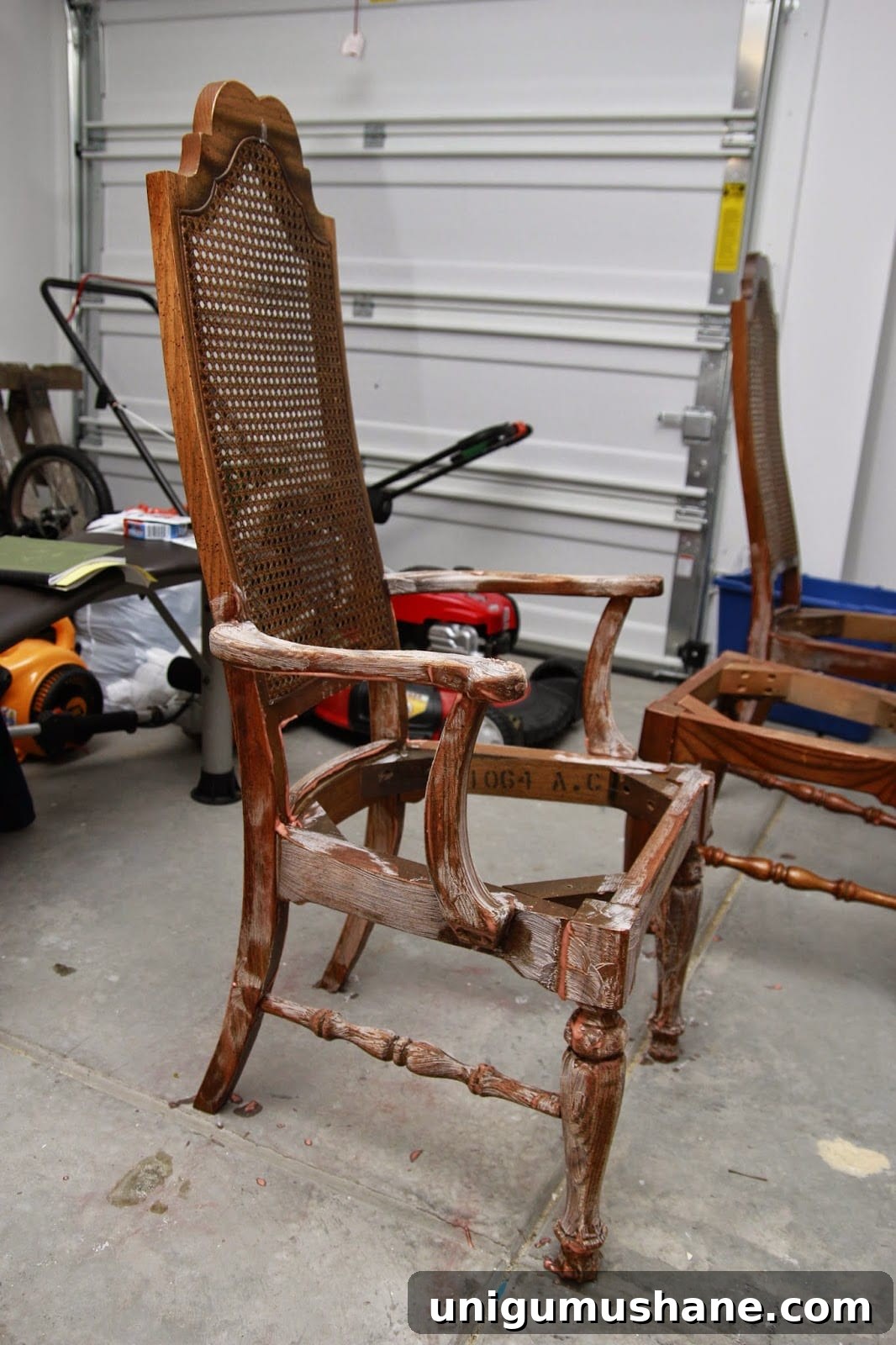
After this most recent stripping attempt I had to break things off with Citristrip. It worked well on some finishes but left an infuriating, sticky residue on older varnish. I eventually discovered a simple, effective fix: denatured alcohol. It removed the gummy remnants that other cleaners and solvents couldn’t touch.
When to Use Citristrip
Citristrip can be an excellent choice for removing oil-based paint or multiple layers of latex paint from furniture. Its gel formula clings to vertical surfaces and the citrus scent is easier on the nose than many alternatives. That said, Citristrip is not always the best option for every finish — especially older, thick varnishes that have cured for decades.
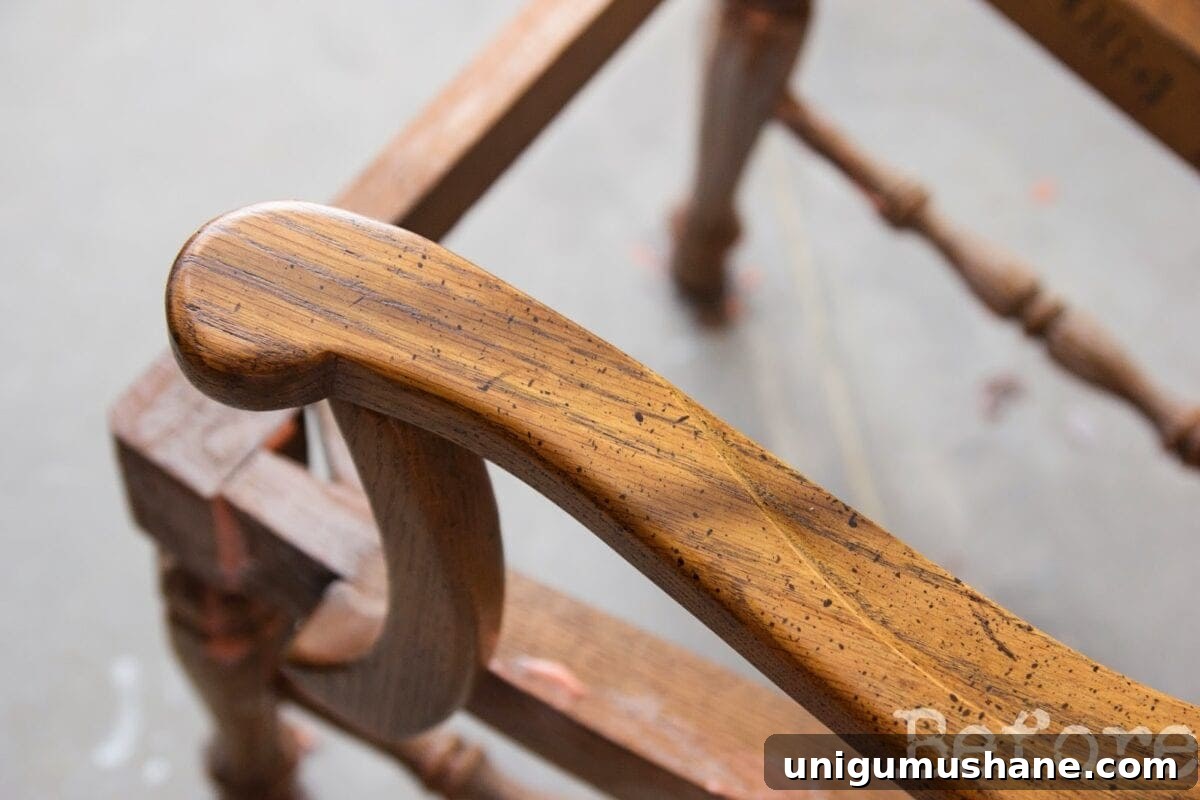
On my project, Citristrip did a fine job removing more recent latex paint, but it struggled with a 40-year-old varnish. The product label recommends cleaning the residue with mineral spirits, but in my case that step didn’t solve the problem despite repeated applications and a lot of elbow grease.
When a stripping product leaves behind stubborn gummy residue, it’s time to change tactics rather than keep piling on more stripper.
Most Effective Furniture Stripper
For thick oil-based paint and heavy varnish, stronger commercial gels like paint strippers specifically formulated for older finishes tend to work much better than citrus-based gels. In my experience, switching to a more powerful chemical stripper would likely have removed the varnish more completely, but my immediate need was to remove the sticky residue left by Citristrip.
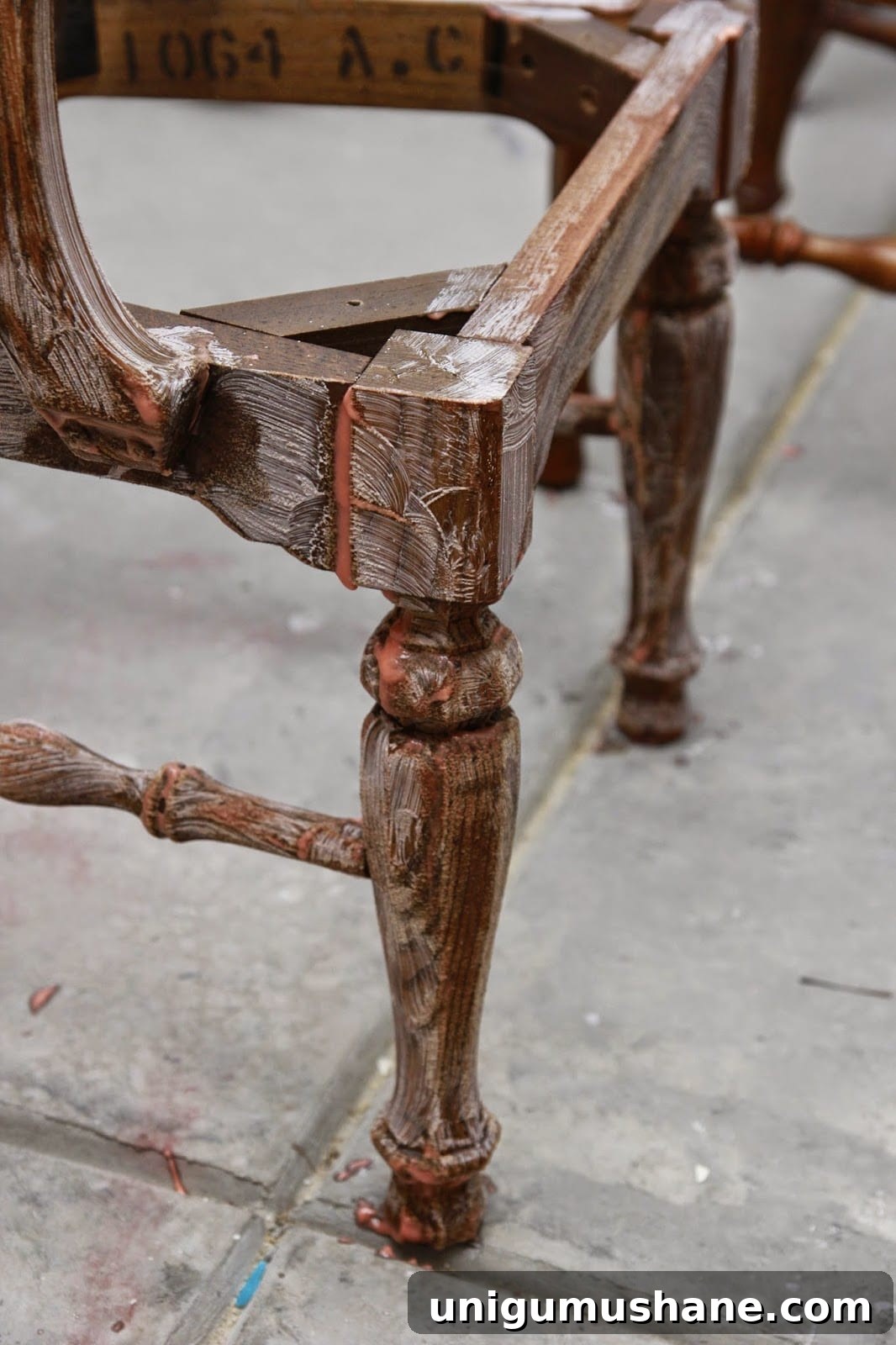
I was so frustrated by the gunk that I didn’t even document every messy step. Trust me — the gummy residue looked worse than you’d expect from the initial before photos.
How to Remove Citristrip Dried Residue
I researched many suggestions — more coats of stripper, different solvents, sanding — and tried several approaches that didn’t help. Reapplying stripper only compounded the mess, sanding often smeared the gummy material, and hot water actually made the residue tackier.
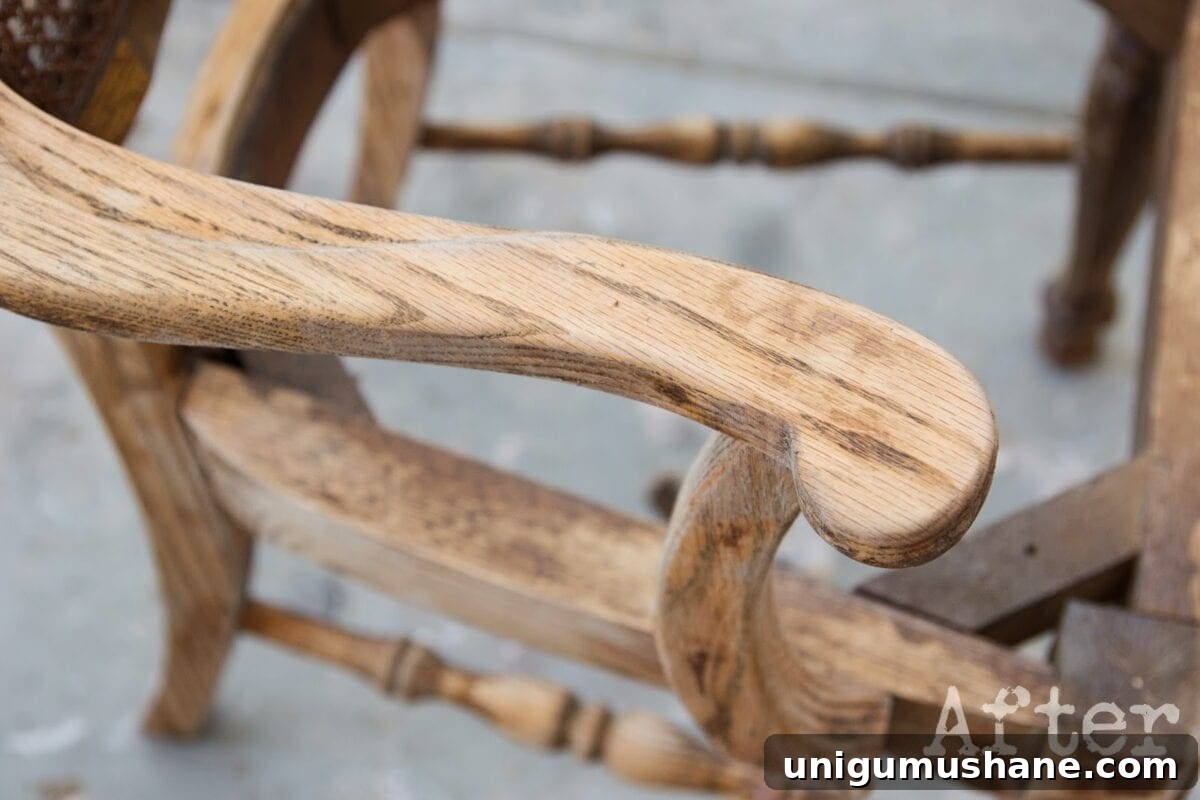
Finally, I tried denatured alcohol and the difference was dramatic. It dissolved the sticky film without excessive scrubbing and cleaned into crevices much better than mineral spirits, Goof Off, or general-purpose adhesive removers.
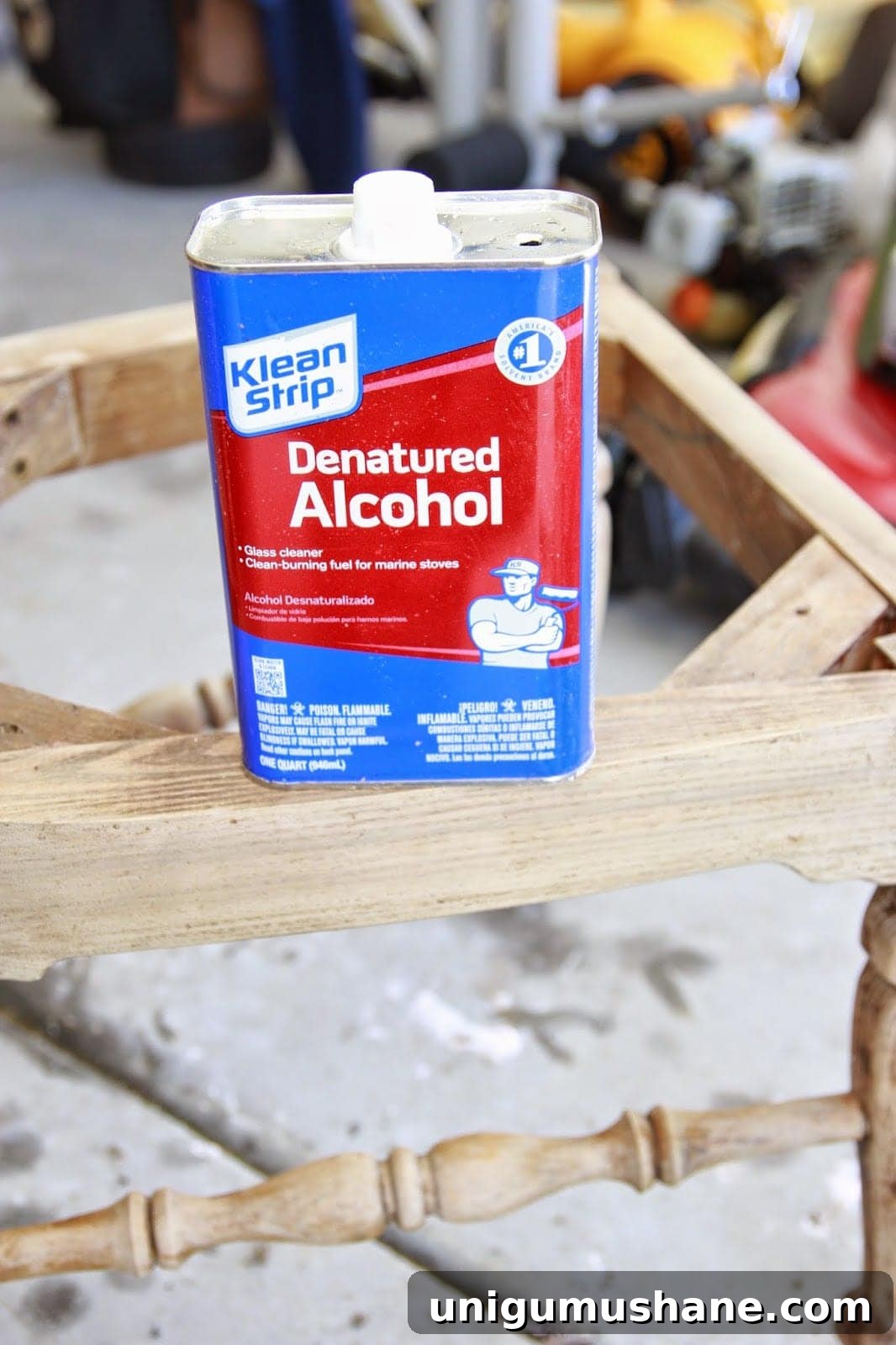
Here’s what worked for me:
- Work in a well-ventilated area and wear gloves and eye protection.
- Apply denatured alcohol to a clean cloth or use it straight from the bottle for small areas.
- Gently wipe the gummy residue, then use fine steel wool on flat surfaces to lift the remaining film.
- For detailed grooves and corners, a small brass wire brush helps work the alcohol into tight spots without damaging the wood.
- Wipe away dissolved residue with a clean cloth and repeat as needed until the surface feels clean.
After this treatment the wood was clean and free of gummy residue. Since a few stubborn varnish spots remained, I primed the piece with an oil-based primer to ensure even adhesion for paint. The cleanup left me relieved — and finally able to take a satisfying after photo.
How to Use Citristrip for Best Results
When Citristrip is the right choice, follow these tips to maximize its effectiveness and minimize residue:
- Protect your workspace with a large drop cloth and adequate ventilation.
- Wear safety glasses and chemical-resistant gloves.
- Apply a generous, even coat of Citristrip — it performs better when it can penetrate the finish.
- Cover the treated area with plastic wrap to reduce evaporation and let it sit for at least 30 minutes.
- Scrape gently with a plastic putty knife or plastic scraper to remove lifted paint or finish.
- Wipe away excess residue with paper towels or a clean cloth.
- If multiple layers of paint or finish are present, a second coat may be necessary.
- Finish by cleaning remaining residue with odorless mineral spirits or a purpose-made paint stripper after-wash; if residue persists, denatured alcohol can be an effective follow-up for gummy films.
Every project teaches something new. In this case I learned that denatured alcohol is a trustworthy tool for removing stubborn gummy residue after using Citristrip, and that pairing products appropriately can save hours of frustration.
More Wood Furniture Makeover Resources
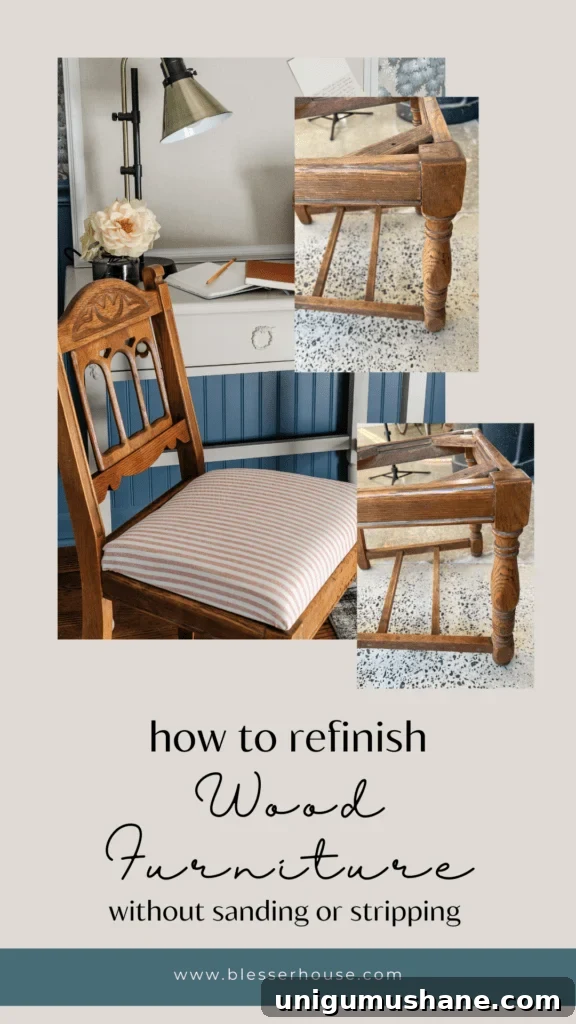
How to Refinish Wood Furniture Without Stripping
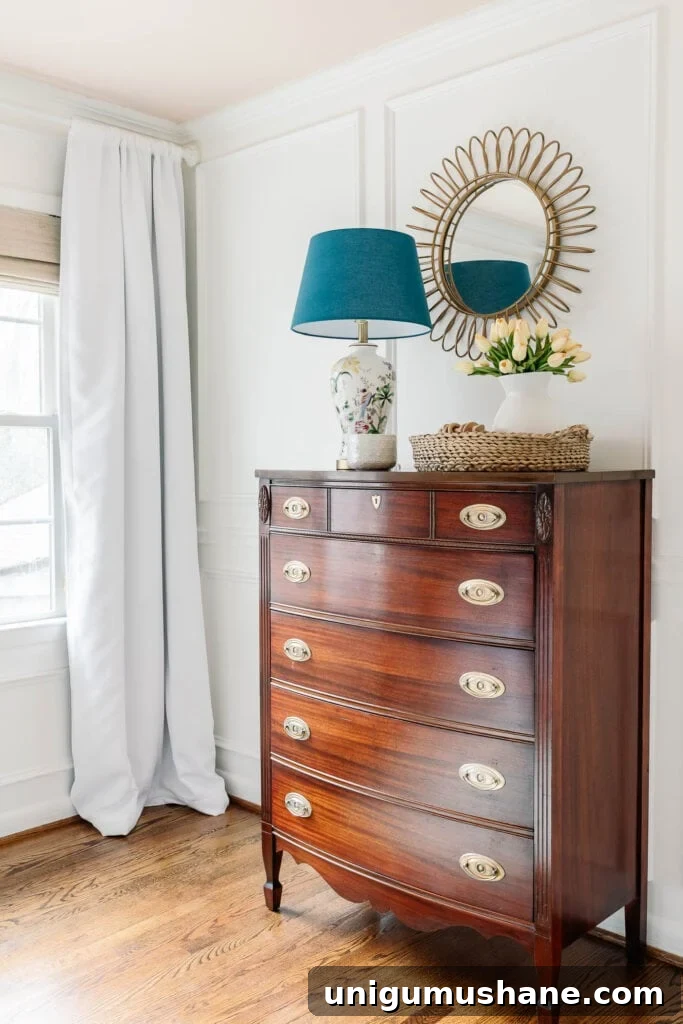
How to Clean Wood Furniture to Make It Look New
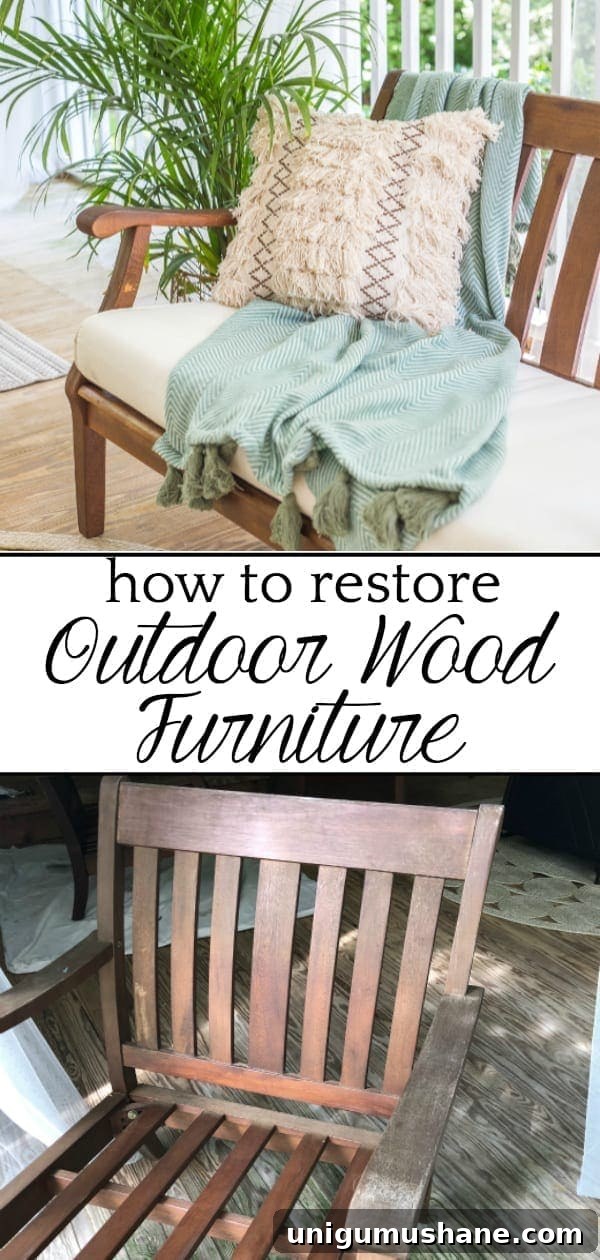
How to Restore Wood Outdoor Furniture
If you enjoy furniture makeovers, try these other guides and keep denatured alcohol in mind as a practical solution for removing gummy stripper residue and stubborn finishes.