
A full step-by-step tutorial to paint a concrete pool deck and patio so it lasts for years — save thousands by doing it yourself.
Painting our concrete pool deck and patio was the best money-saving backyard project we completed. After a contractor quoted several thousand dollars—well over our budget—we decided to handle it ourselves. The results have held up beautifully for years, and this guide lays out everything you need to know to do the same.
We researched many pool-deck coating options and settled on a reliable method that stands up to pool use and sun exposure. Below I’ll walk through the process from start to finish so you can refresh your concrete surfaces without breaking the bank.
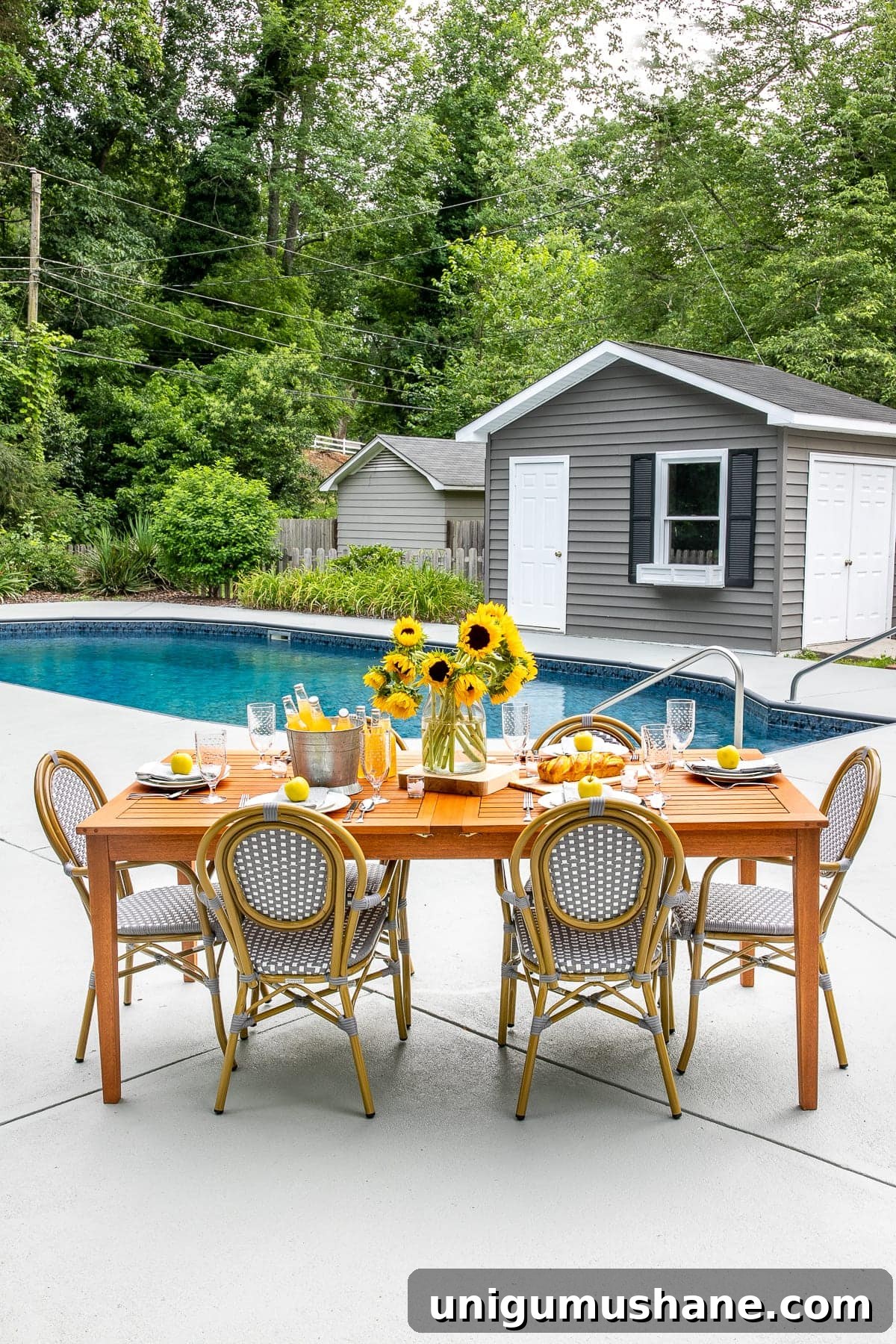
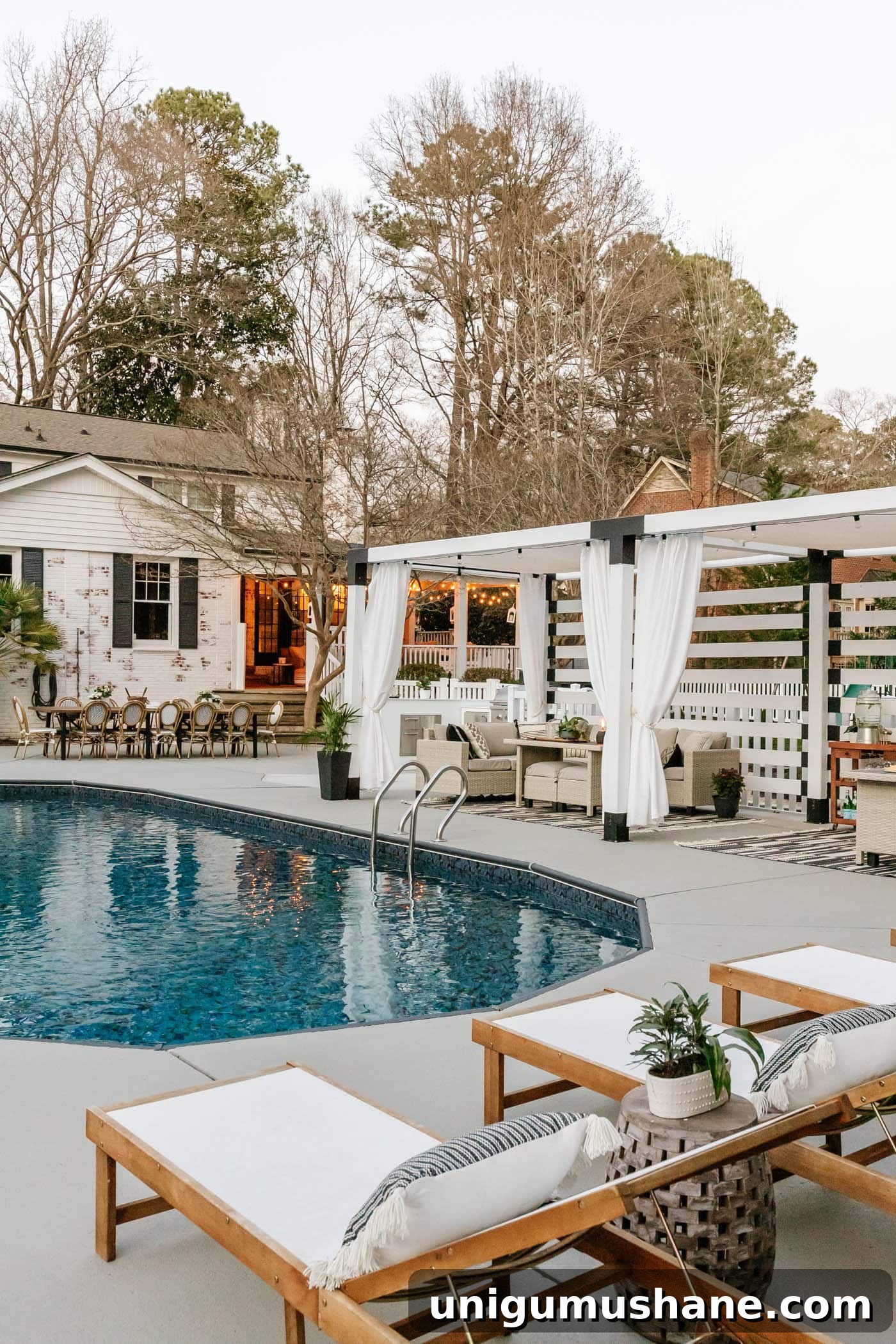
Painted Pool Deck Before and After
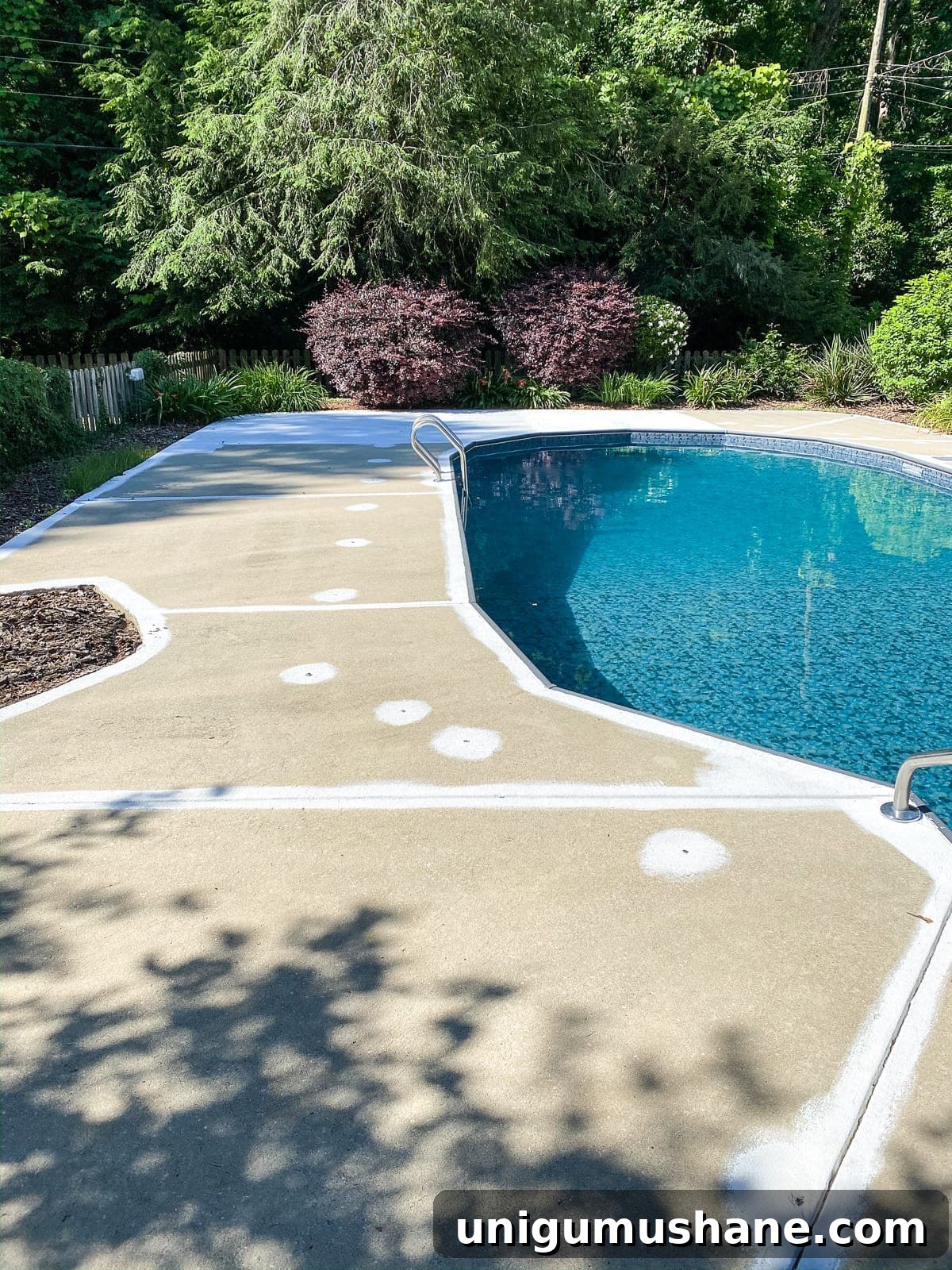
Our first attempt at painting the deck was a big mistake. We learned the hard way that not all concrete paints behave the same and that thorough surface preparation is essential for a lasting finish. That first effort looked terrible and taught us to slow down and do the prep correctly.
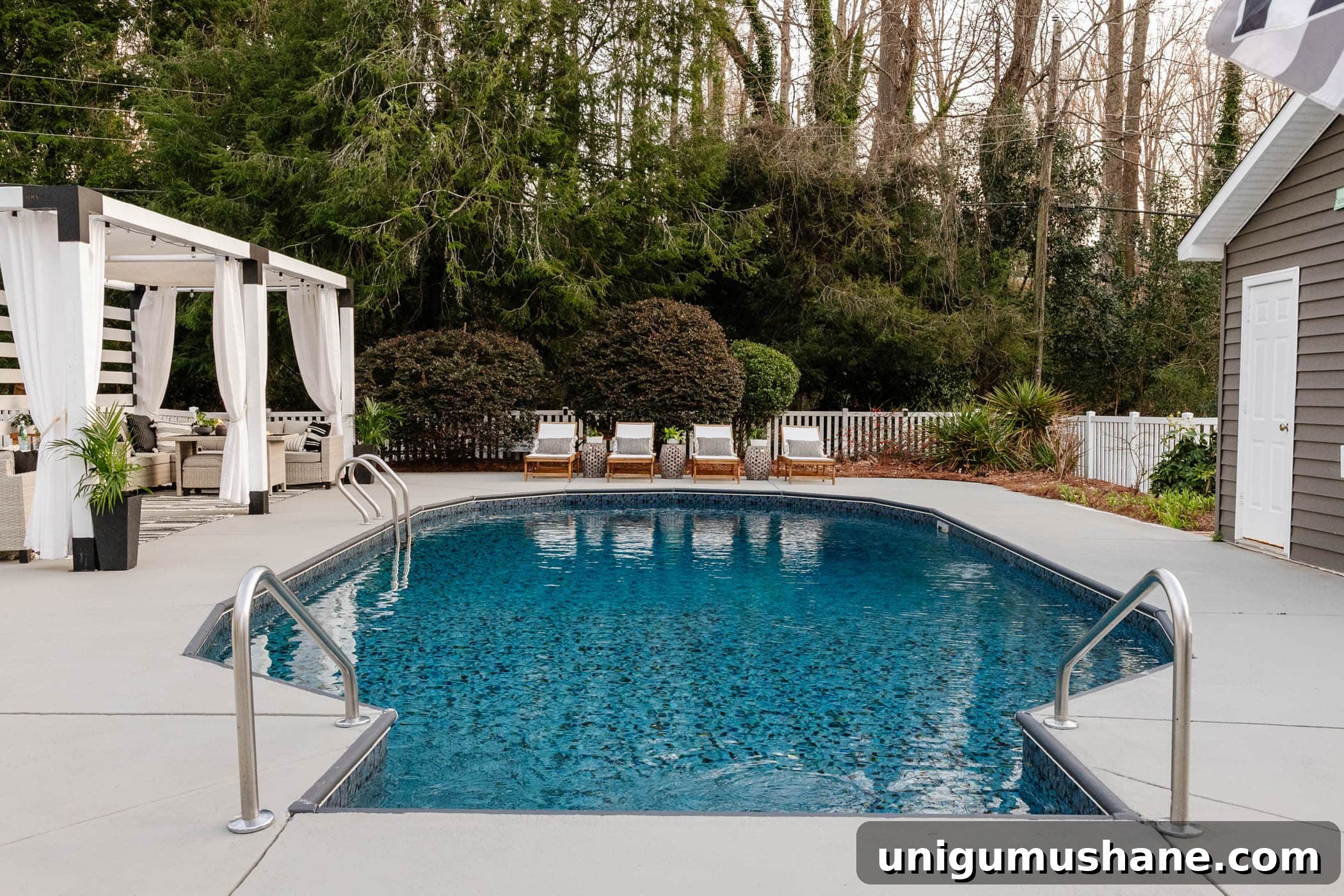
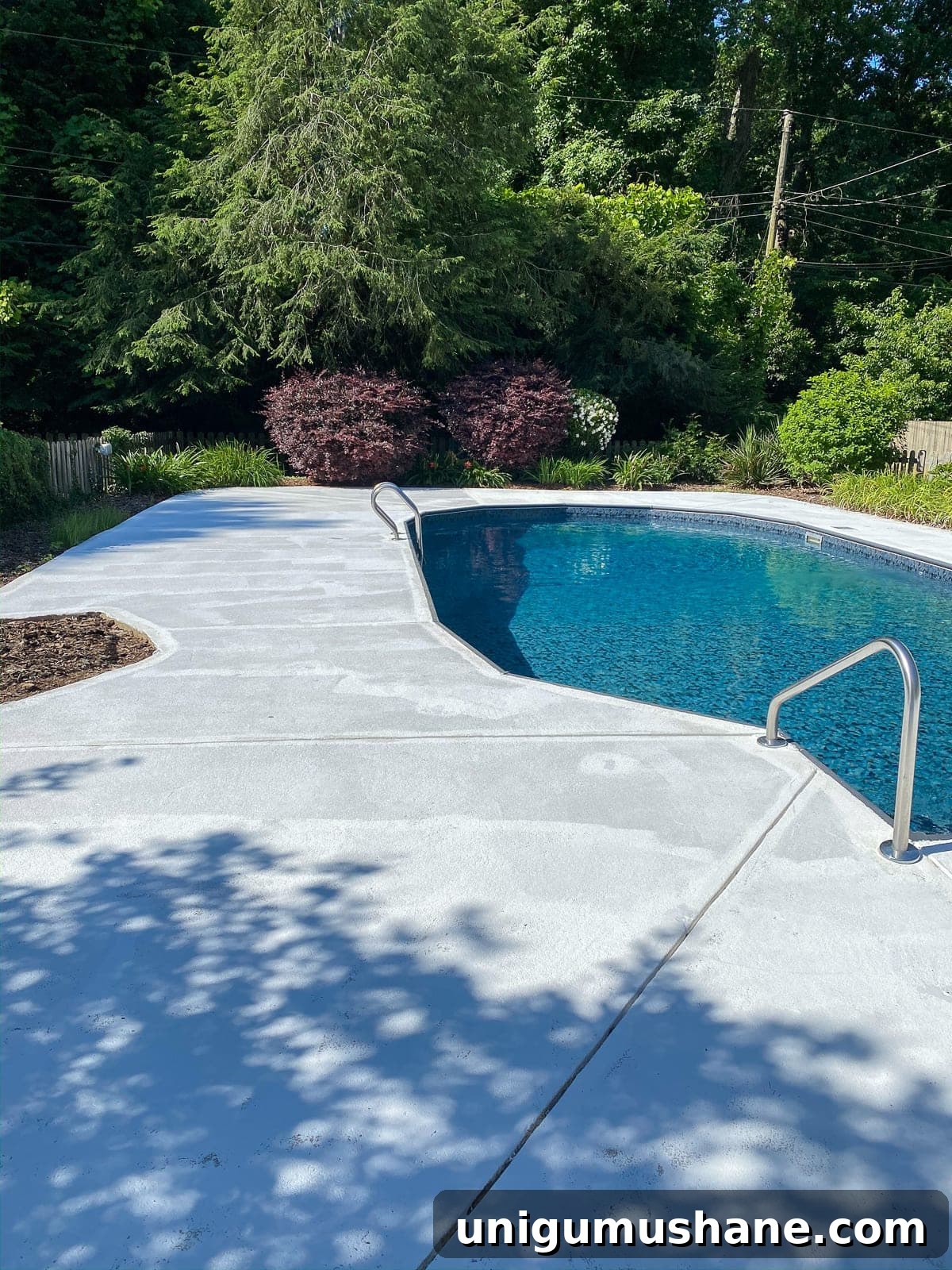
After redoing the surface using proper cleaning, priming, and the right epoxy paint with anti-skid additive, the finished result looks like freshly poured concrete. The transformation is dramatic and has endured well.

Update: Years later the paint is still holding up with minimal wear, even though pool water regularly splashes the surface. No peeling or major scuffs — a testament to good prep and quality materials.
Costly Outdoor Concrete Painting Mistakes to Avoid
- Do not use bright white concrete paint around a pool. It reflects harsh glare in direct sun and can be uncomfortable to look at.
- Never skip surface preparation and priming. Porous concrete will suck up paint and lead to an uneven, short-lived finish if not properly prepared.
- Always mix a non-slip or anti-skid additive into the paint. Wet pool decks can be slippery and dangerous without grip added to the finish.
- Avoid starting this project when you don’t have the time or focus to complete it; interruptions can cause rushed, improper steps that reduce longevity.
How Much Professional Painting Costs vs. DIY
We received a professional quote for roughly $3,000 to paint our pool deck. We decided to DIY and completed the job for under $1,000 in materials. The work is more time-consuming than technically difficult. Plan to tackle this in mild weather — spring or fall is ideal — though we did ours in hot summer months.
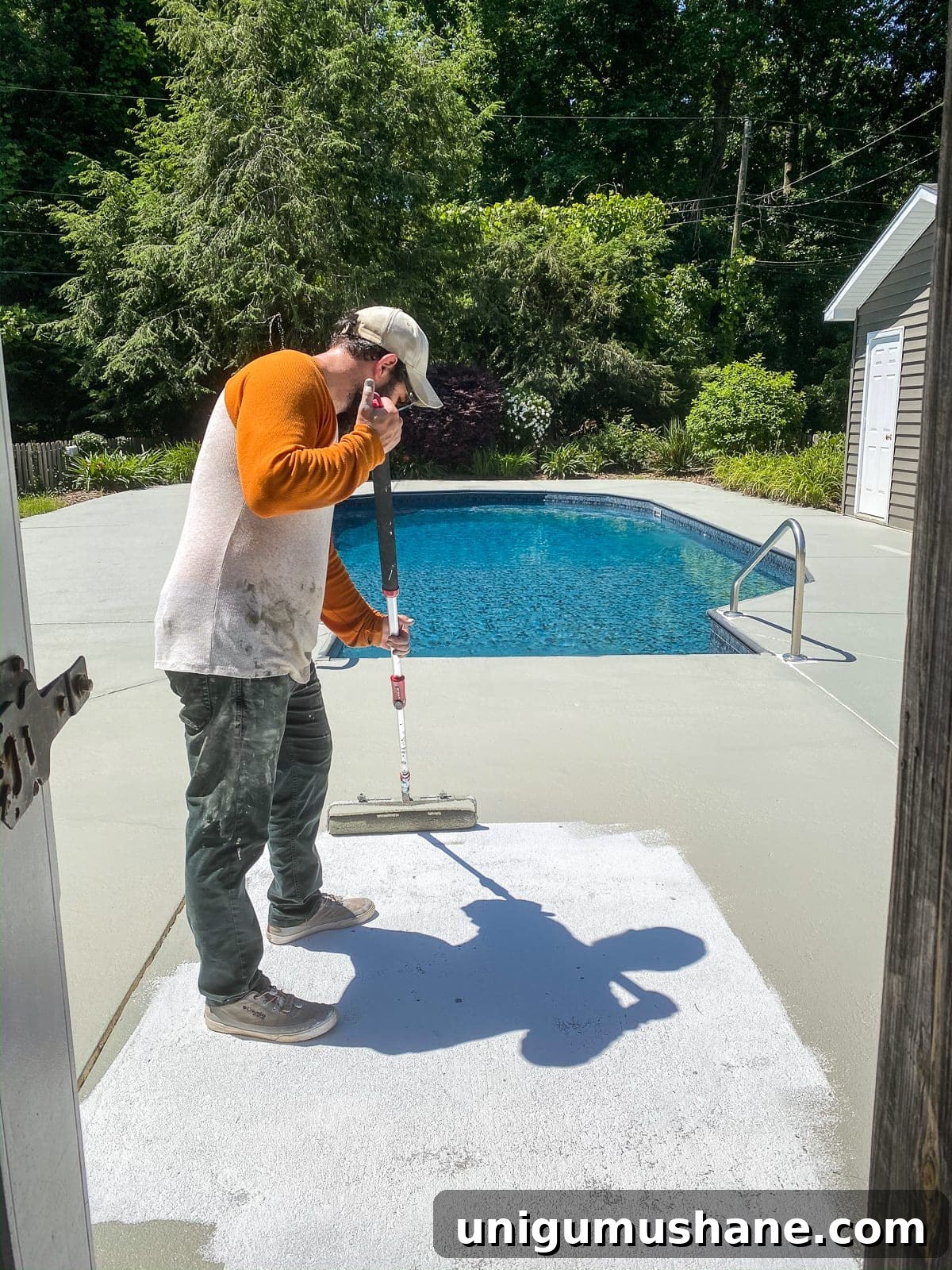
DIY Instructions: Paint a Concrete Pool Deck and Patio
This method works on sound concrete and many natural stone surfaces. Follow each step carefully for the best durability and a professional-looking result.
Tools
- Leaf blower
- Pressure washer
- Push broom
- Plastic watering can
- Putty knife
- Extra large paint roller frame and tray
- Power drill with mixing paddle attachment
Supplies
- Concrete cleaner and etcher (we used approximately 4 gallons)
- Liquid cement crack filler
- Exterior primer suitable for concrete (we used about 13 gallons)
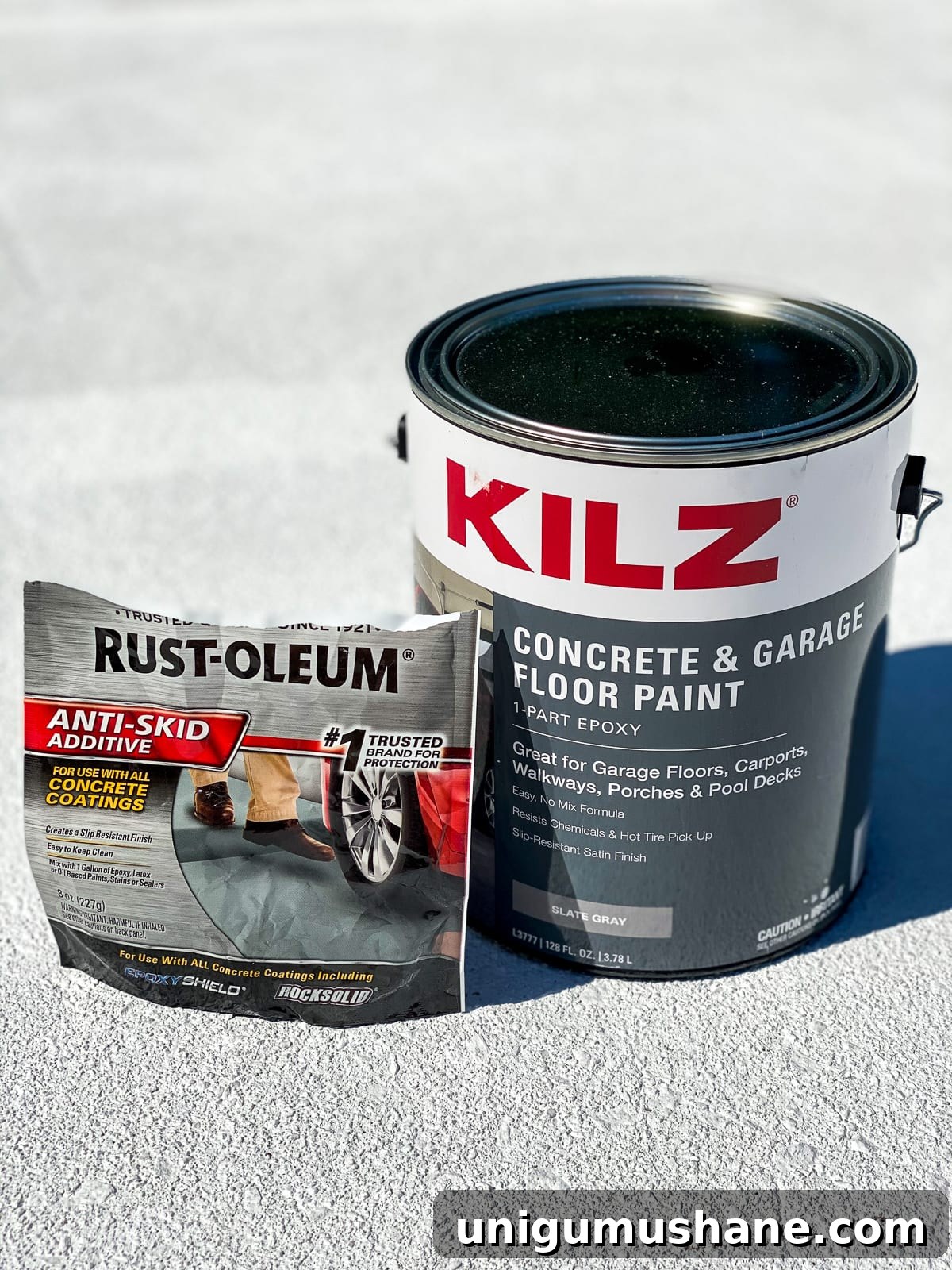
- Anti-skid additive (we used multiple packs)
- 1-part epoxy concrete and garage floor paint — Slate Gray (we used about 10 gallons)
- Extra large rough roller covers
- 3″ angled paint brush
Our total material cost: $904.22 (tools not included).
Ideal Weather for Painting Outdoor Concrete
Pick four consecutive warm, dry days. The project requires about three work days plus a final 24-hour curing period. High humidity lengthens drying time. Do not paint damp surfaces — target surface temperatures between 50°F and 70°F if possible. Our deck required roughly 12 hours of active labor spread across those days.
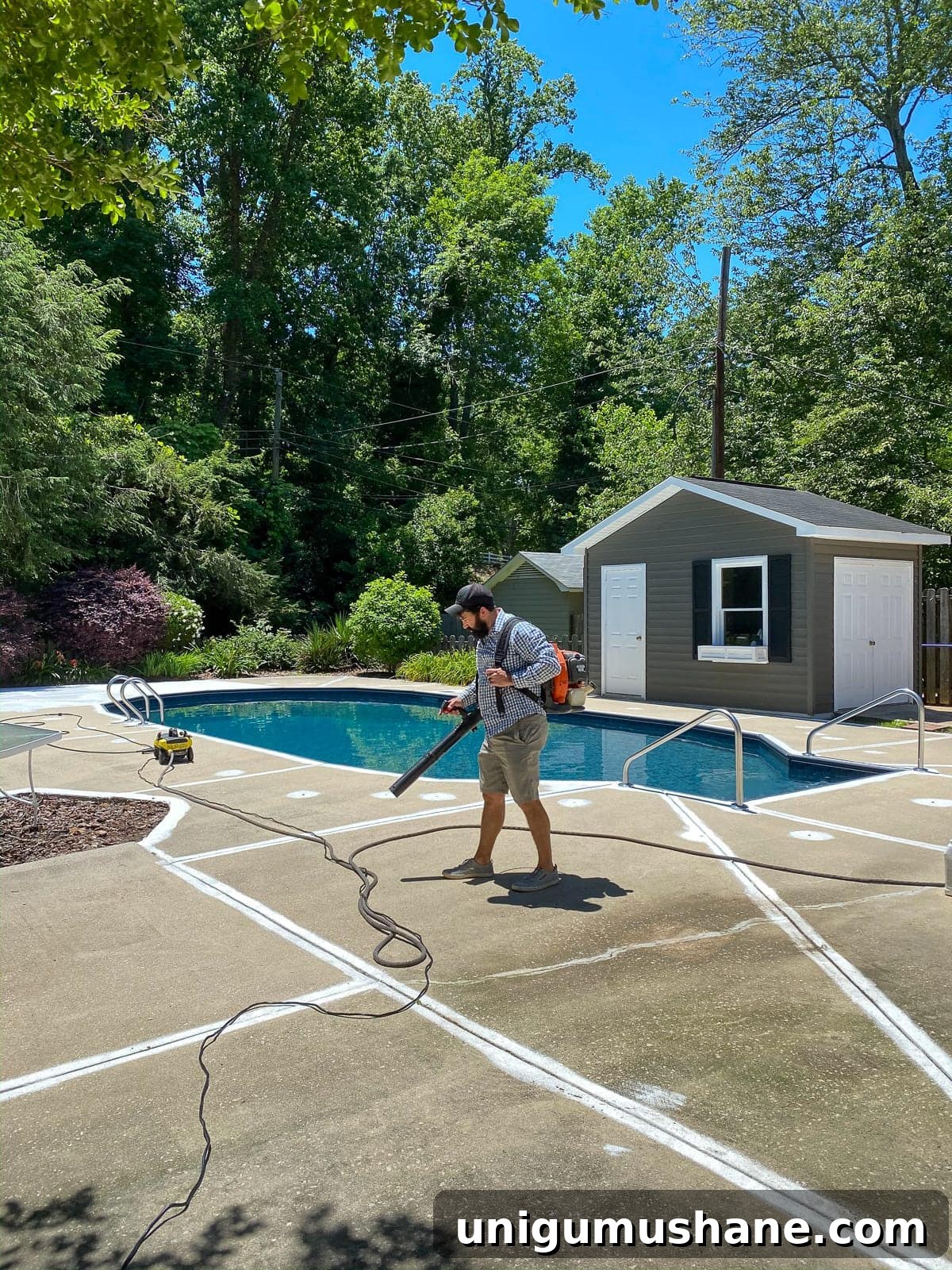
Step 1 – Blow Off Debris
Start by removing leaves, dirt, and loose debris from the deck using a leaf blower. Clearing the surface first makes the cleaning and etching process far more effective.
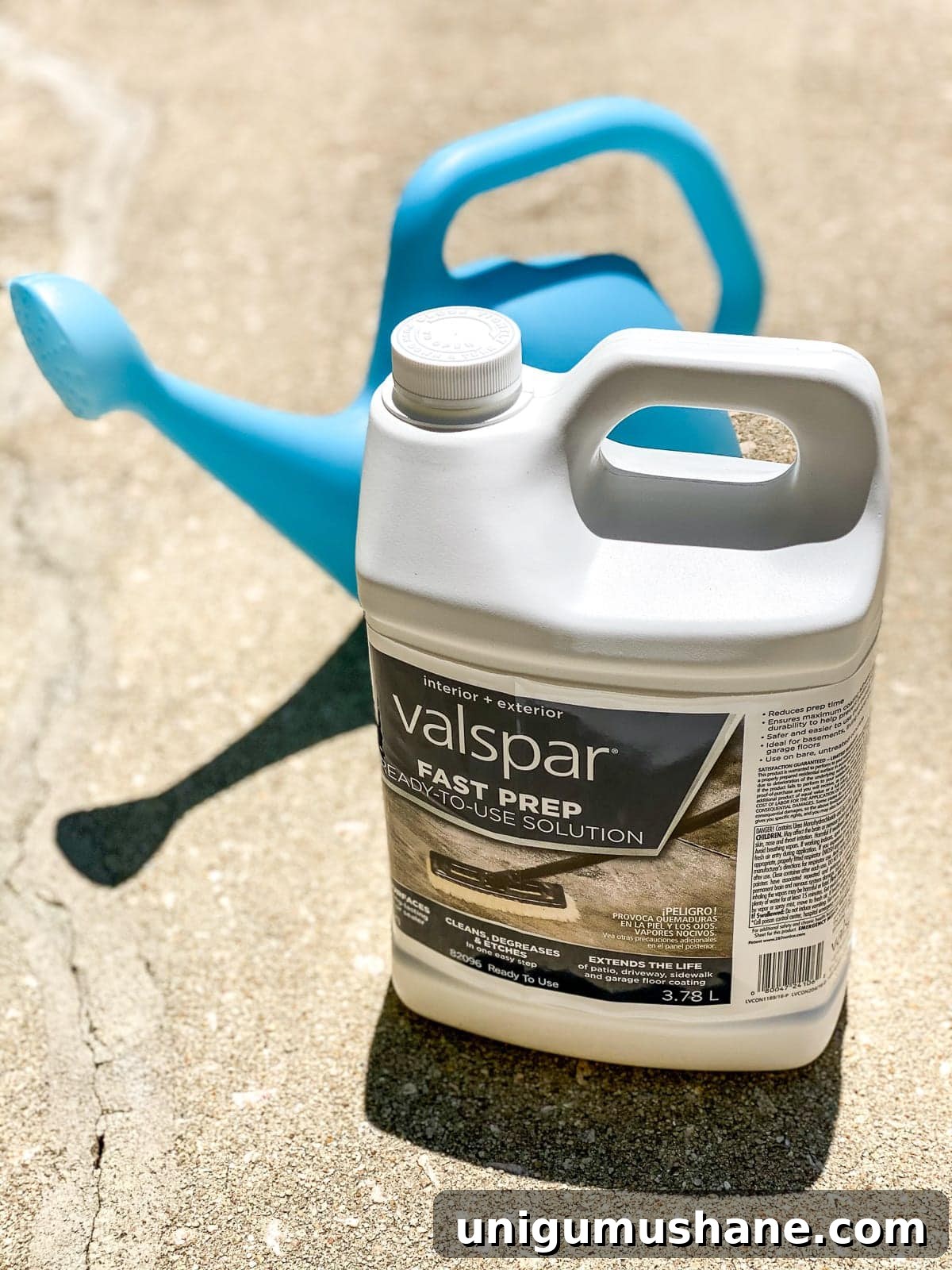
Step 2 – Clean and Etch the Surface
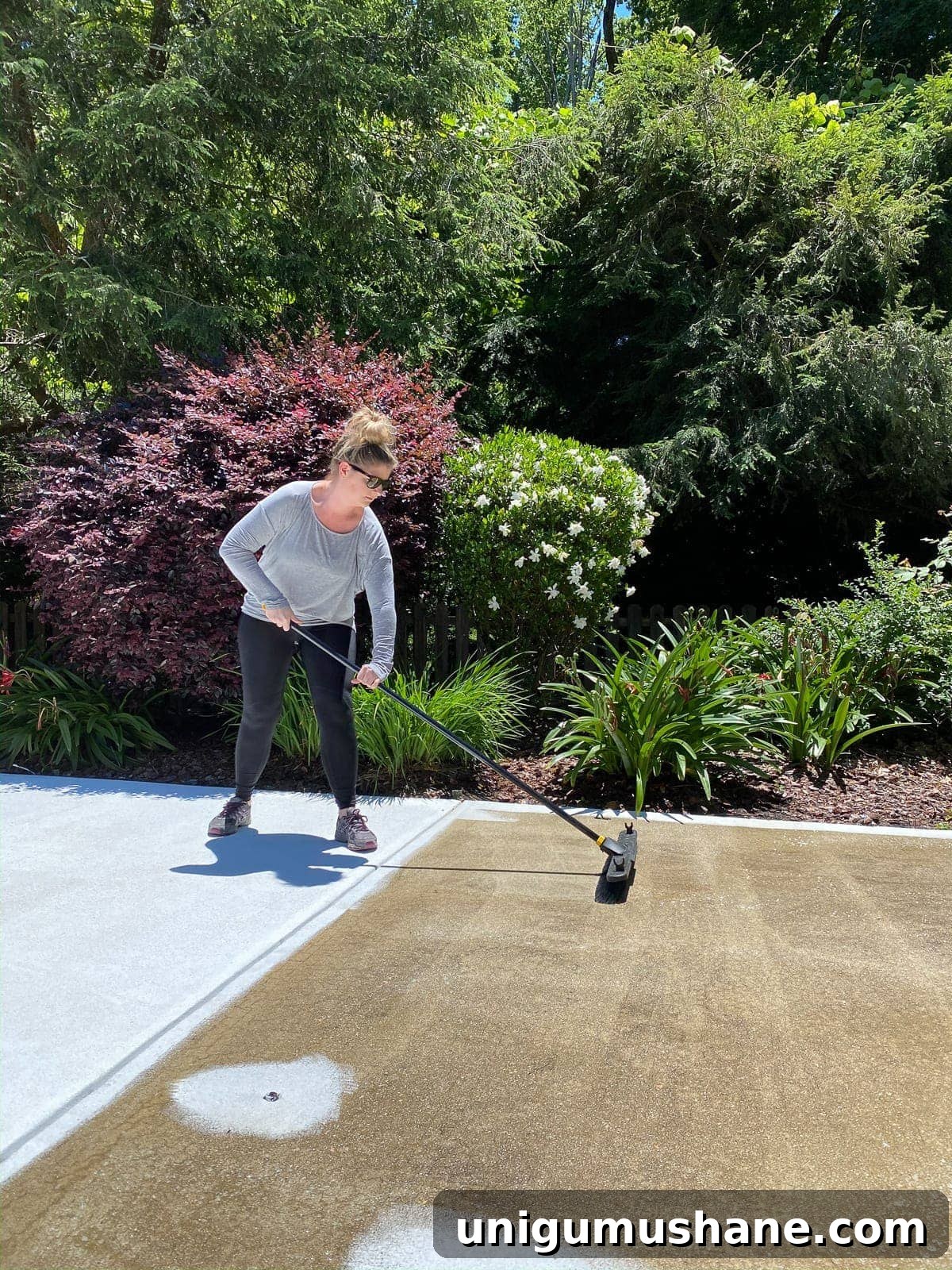
Work in small sections (about 10 sq ft). Dampen the concrete, then pour a concrete cleaner and etcher over the area from a plastic watering can. The cleaner will react with the surface to open pores and remove contaminants.
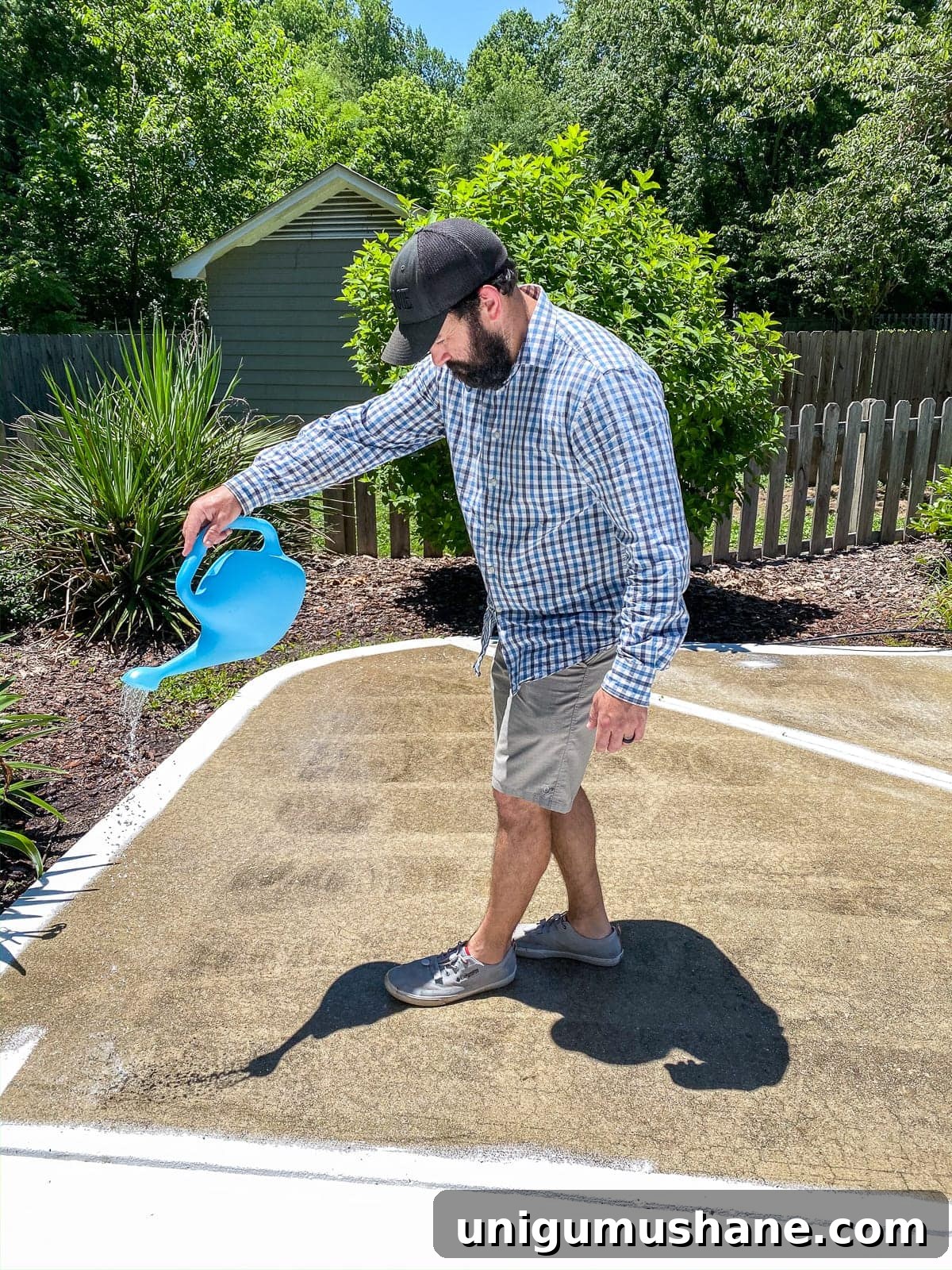
Step 3 – Scrub Away
Allow the cleaner to sit 2–3 minutes until it fizzes. Scrub thoroughly with a push broom, moving in perpendicular directions to remove dirt and open the surface for better paint adhesion.
Step 4 – Rinse With a Pressure Washer
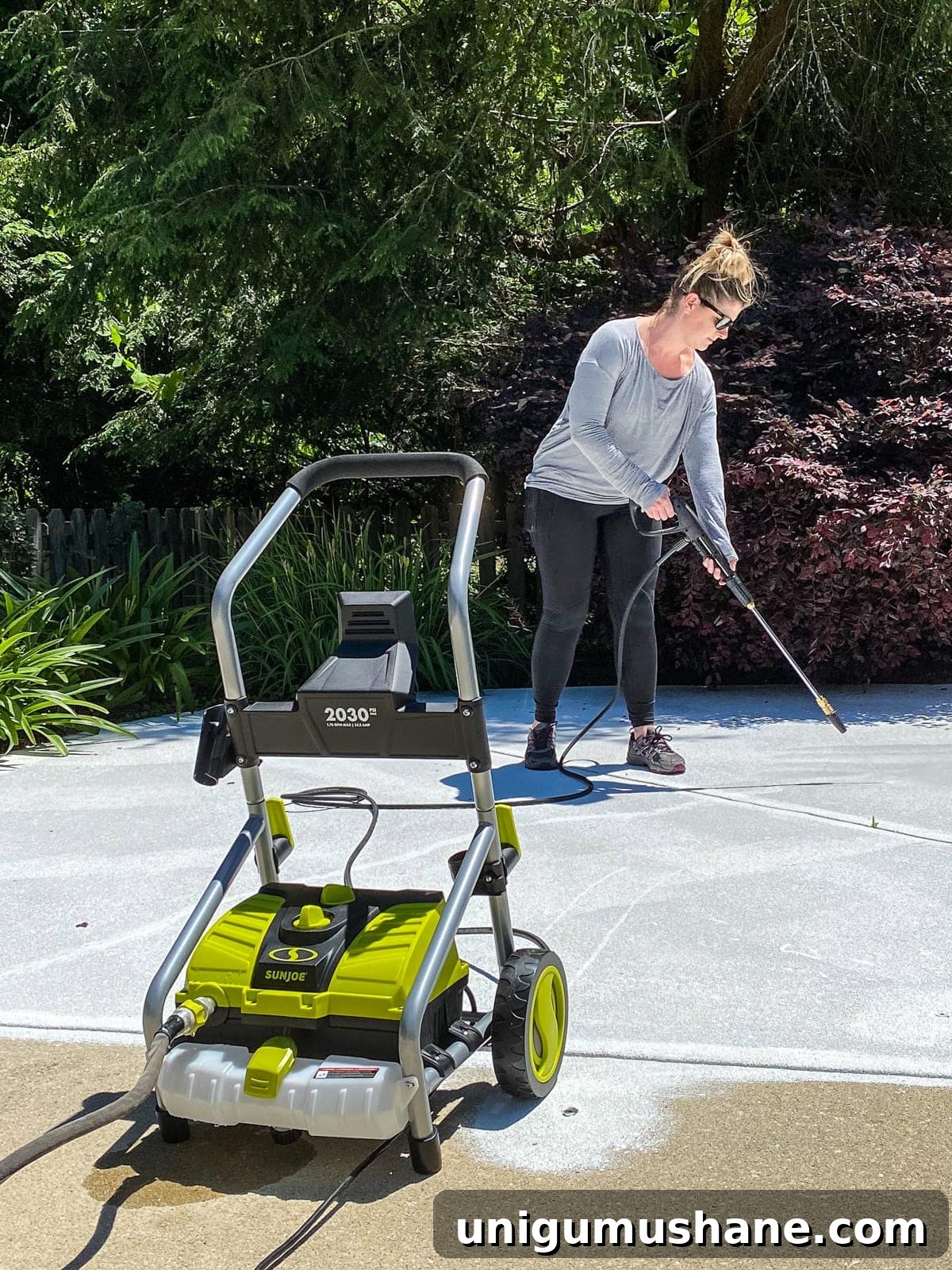
Rinse the cleaner and loosened grime with a pressure washer and allow the concrete to dry fully before proceeding. This step removes residues that can interfere with primer and paint adhesion.
Step 5 – Fill Cracks and Holes
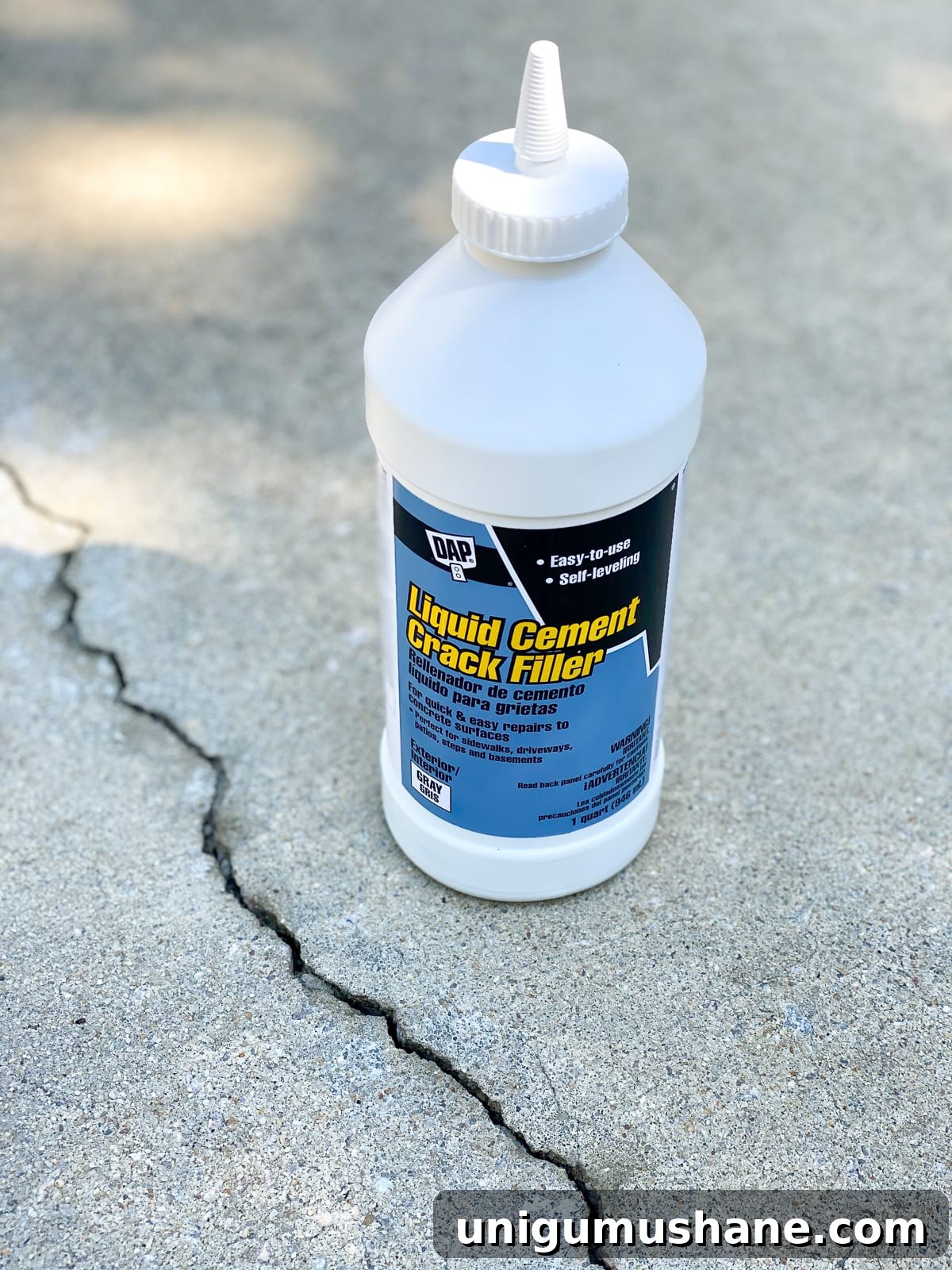
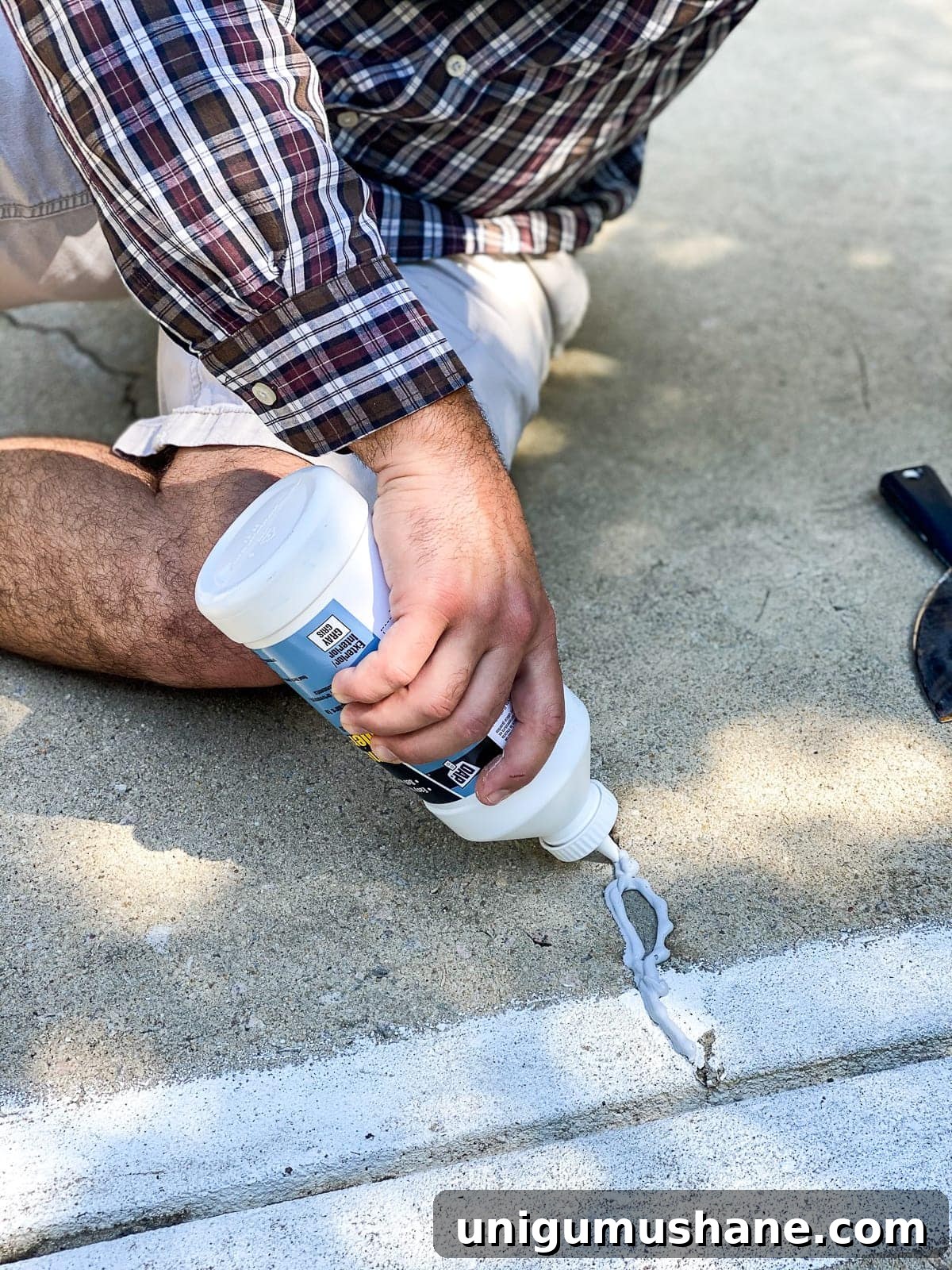
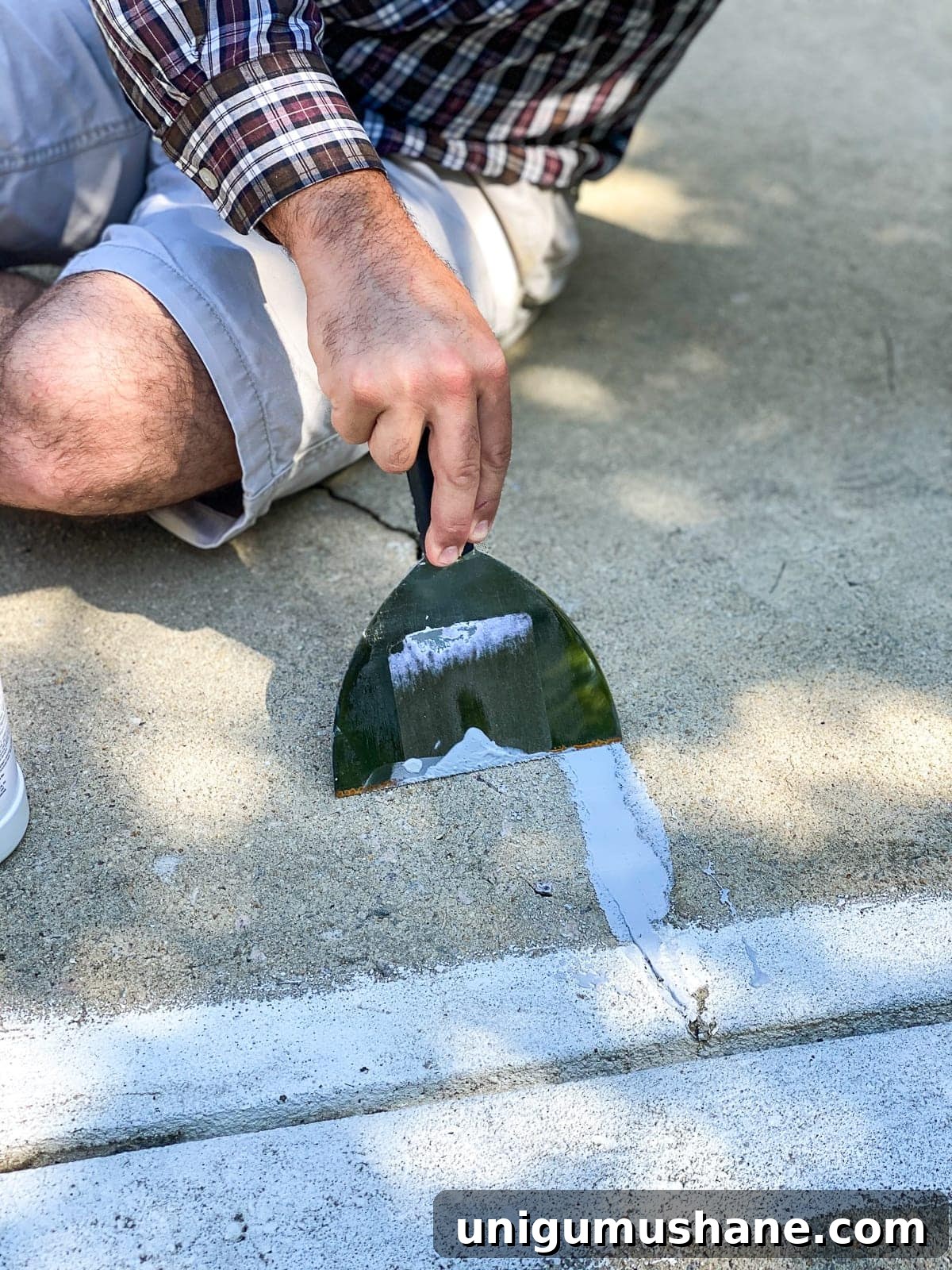
After the surface is clean and dry, remove any loose paint and fill cracks and holes with a liquid cement crack filler. Smooth with a putty knife and let the filler cure completely before priming.
Step 6 – Apply Exterior Primer
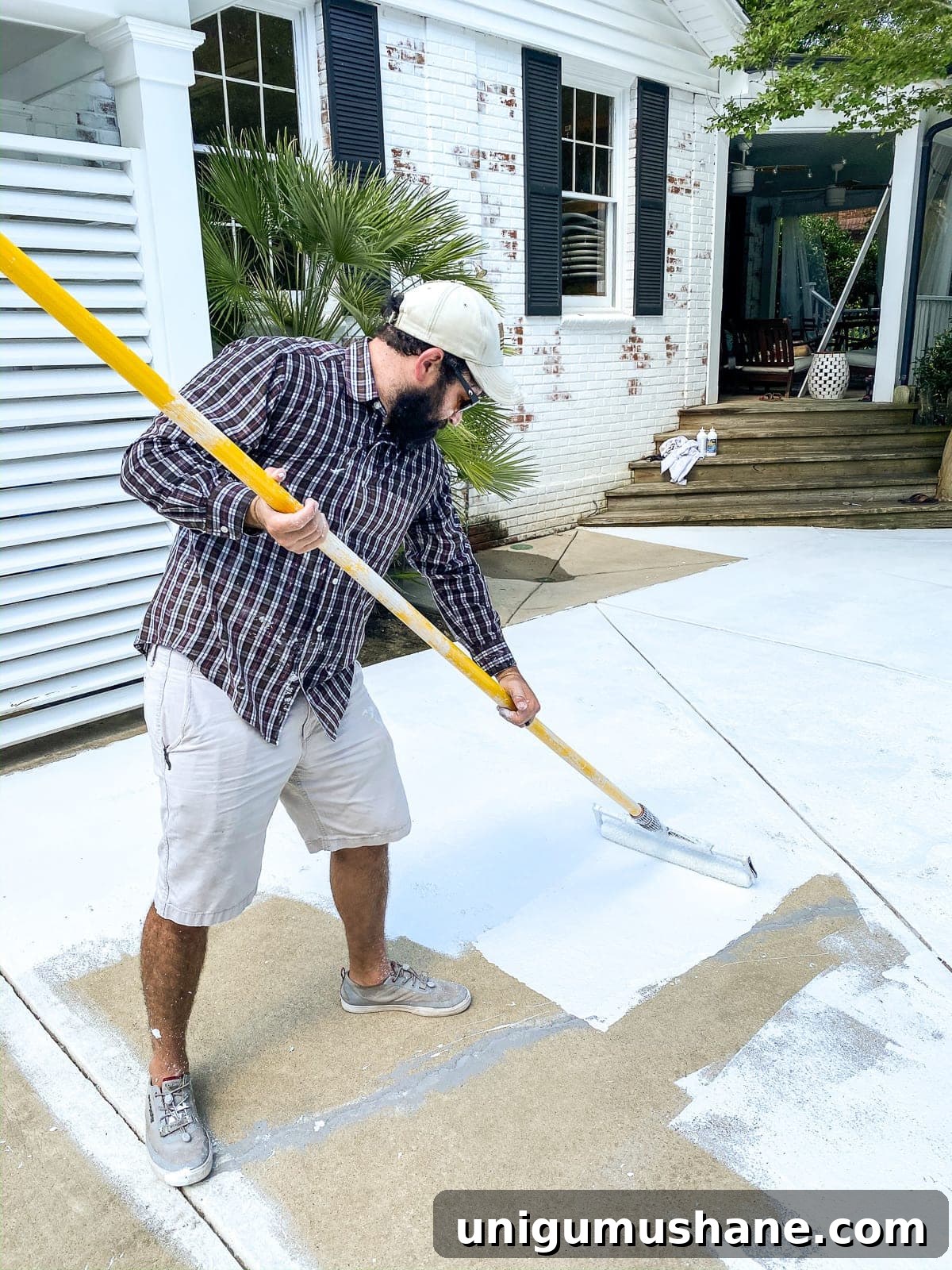
Roll one coat of exterior primer over the clean, patched surface using a large medium-nap roller for broad areas and an angled brush for edges and tight spots. Primer promotes adhesion and evens out the porous concrete.
Step 7 – Let Primer Dry
Allow the primer to dry fully (up to 24 hours depending on weather and humidity) before applying paint.
Step 8 – Mix Paint and Anti-Skid Additive
In a large bucket, mix epoxy concrete paint with the anti-skid additive. Use a power drill with a paddle attachment to blend thoroughly so the grit disperses evenly. This creates a slip-resistant finish — essential for pool areas.
Step 9 – Roll On Paint
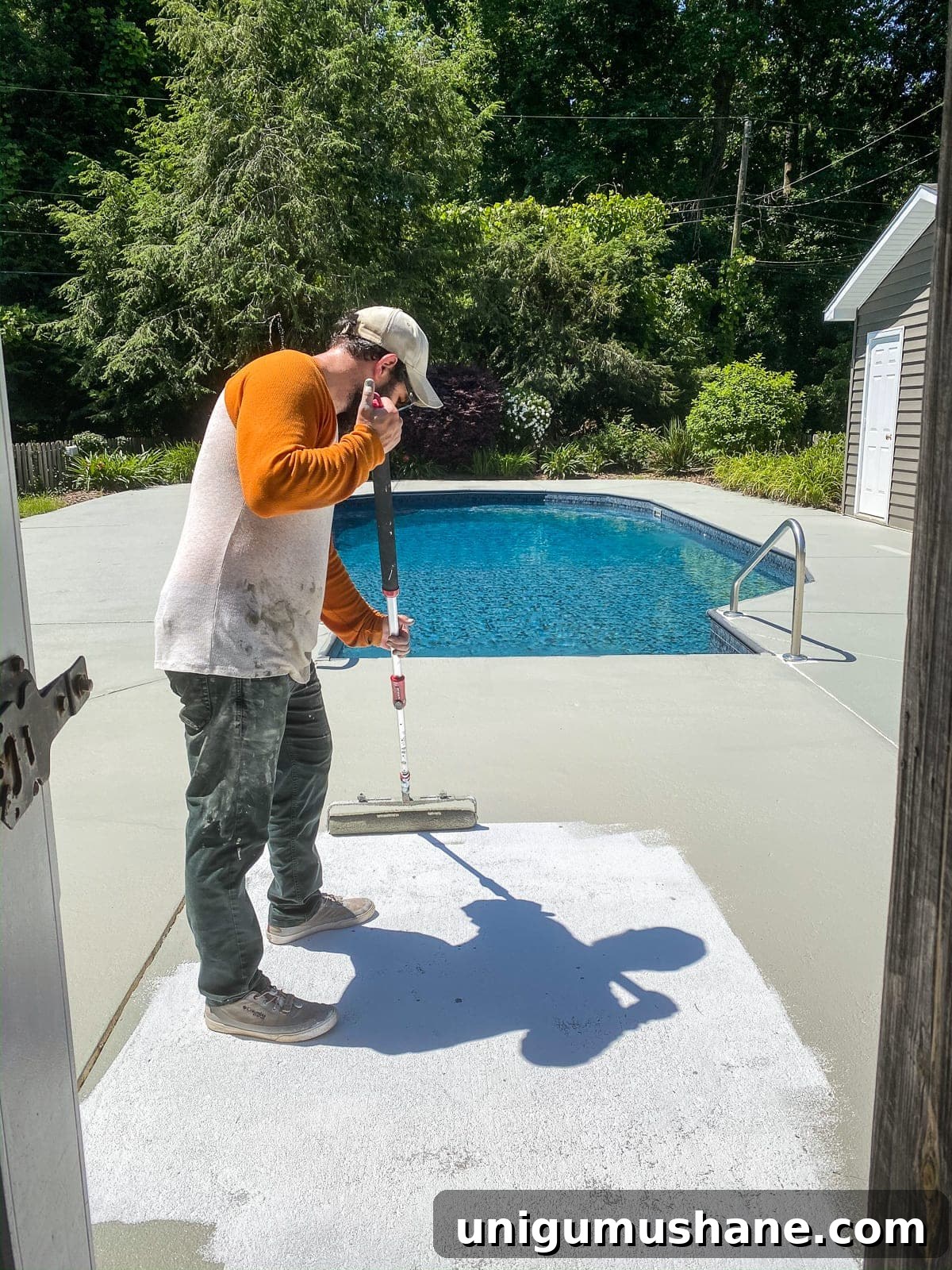
Apply the mixed epoxy paint with the large roller. We achieved excellent coverage with a single coat, but your surface may require two depending on porosity and color choice. Rolling makes the job efficient and produces a uniform finish.
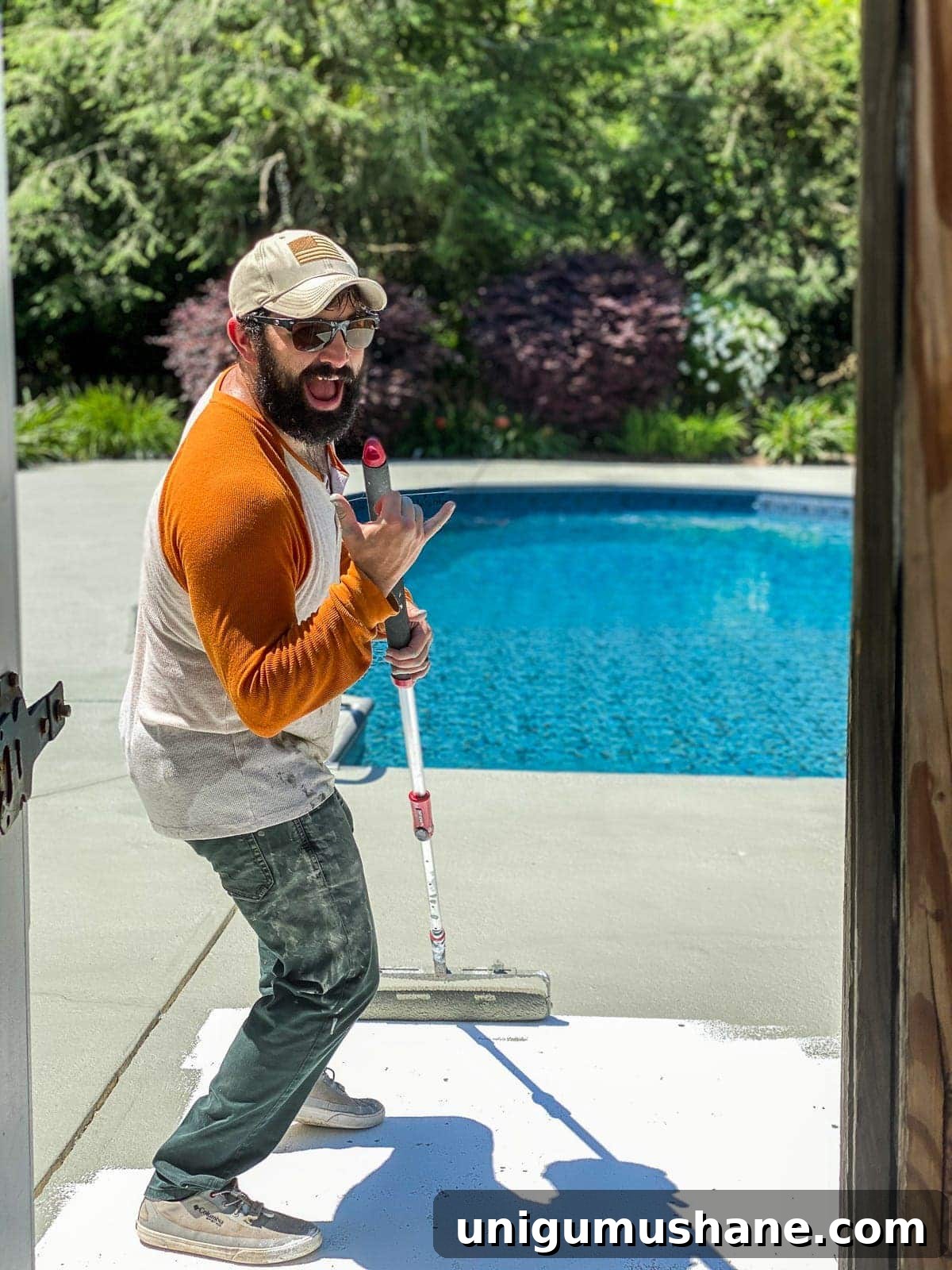
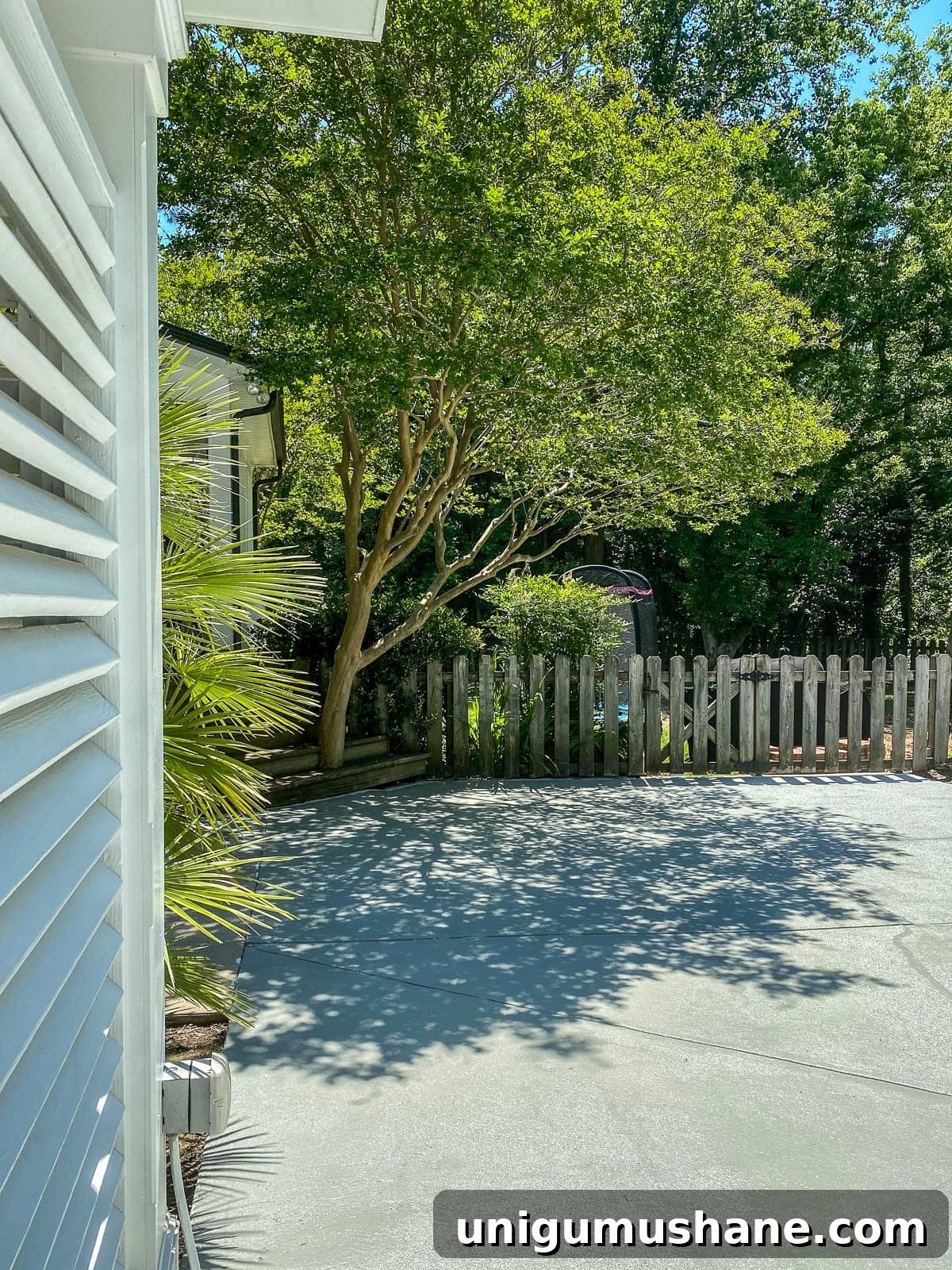
Step 10 – Paint Cracks, Edges, and Details
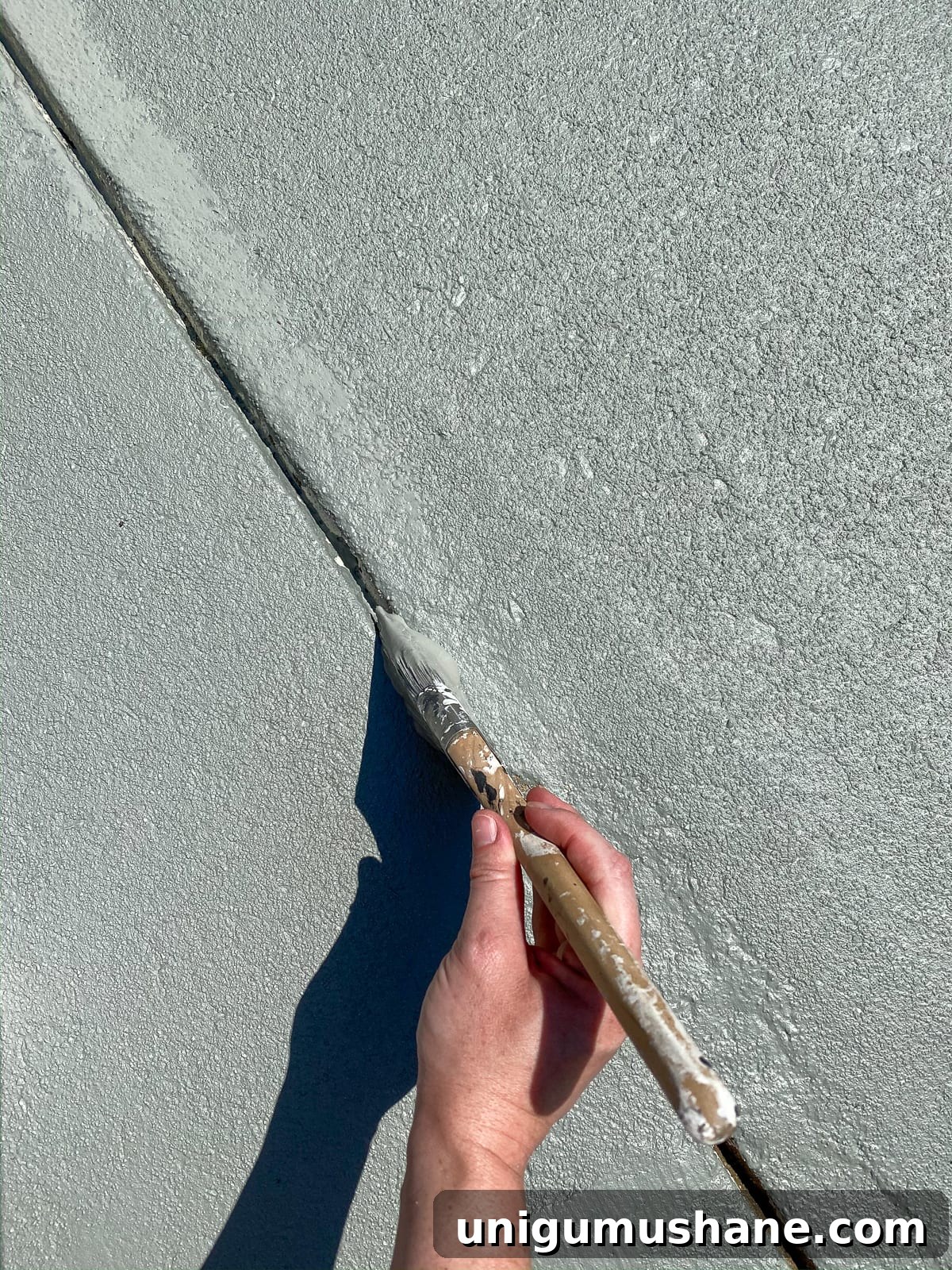
After 24 hours of drying, finish details with an angled brush along cracks and edges to ensure full coverage and a neat edge. This step can also be done before rolling if it’s more comfortable for you.
We were thrilled with the result — the deck looks like new concrete. The surface may feel slightly slick the first few times it gets wet; grip improves as the paint cures fully. Always remind pool users not to run on wet surfaces to prevent falls.
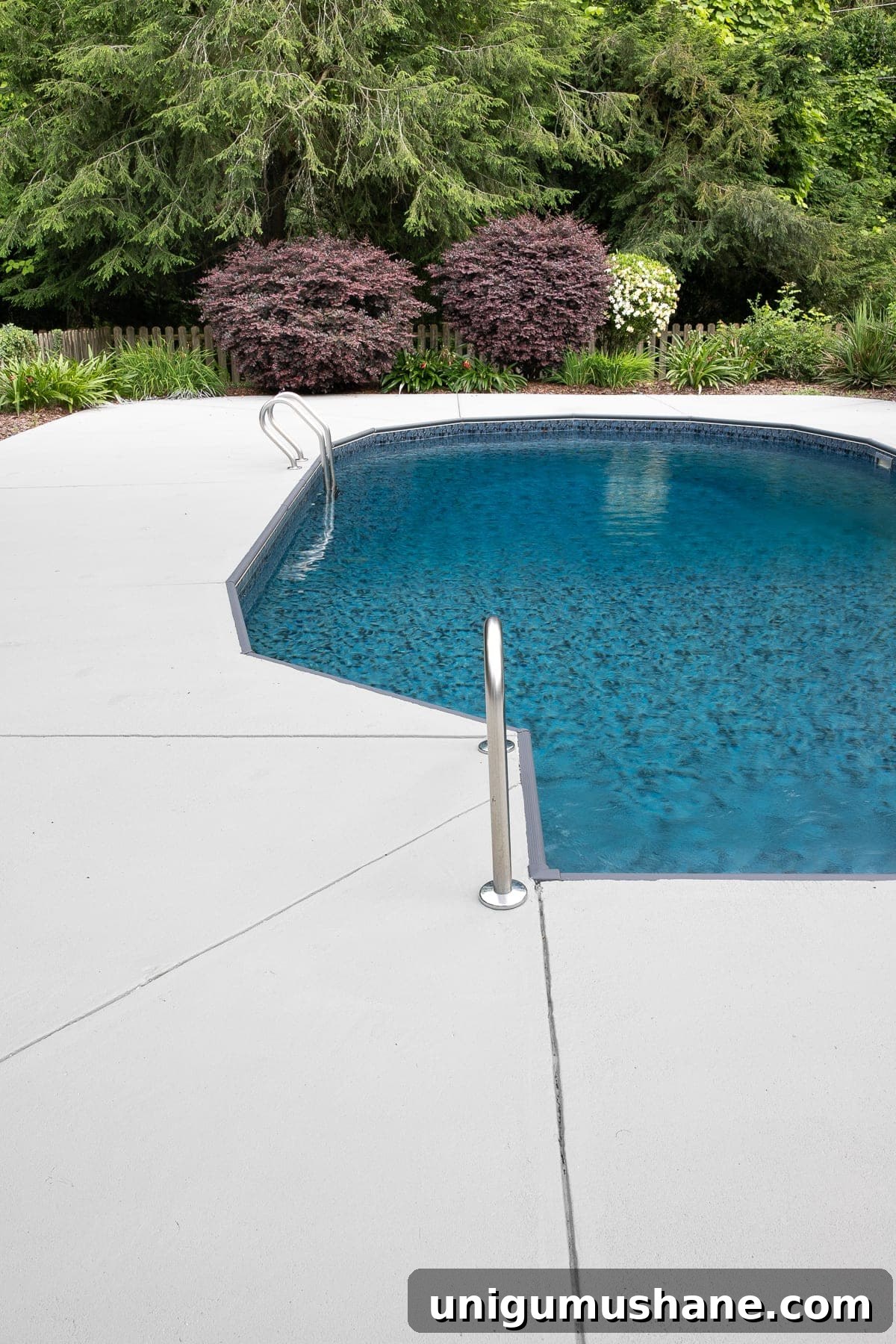
How the Painted Pool Deck Held Up After 4 Years
Four years later the deck still looks great. The epoxy paint and careful prep resisted UV fading and chemical exposure from our saltwater pool. We haven’t needed touch-ups or additional protective coats, which speaks to the durability of the right materials and method.
Frequently Asked Questions
Epoxy-based concrete paints perform best for pool decks and patios because of their durability and resistance to wear. Be sure to add an anti-skid additive to create a non-slip surface.
Yes. A primer helps paint adhere and prevents excessive absorption into porous concrete, improving coverage and longevity.
More Backyard Pool Ideas
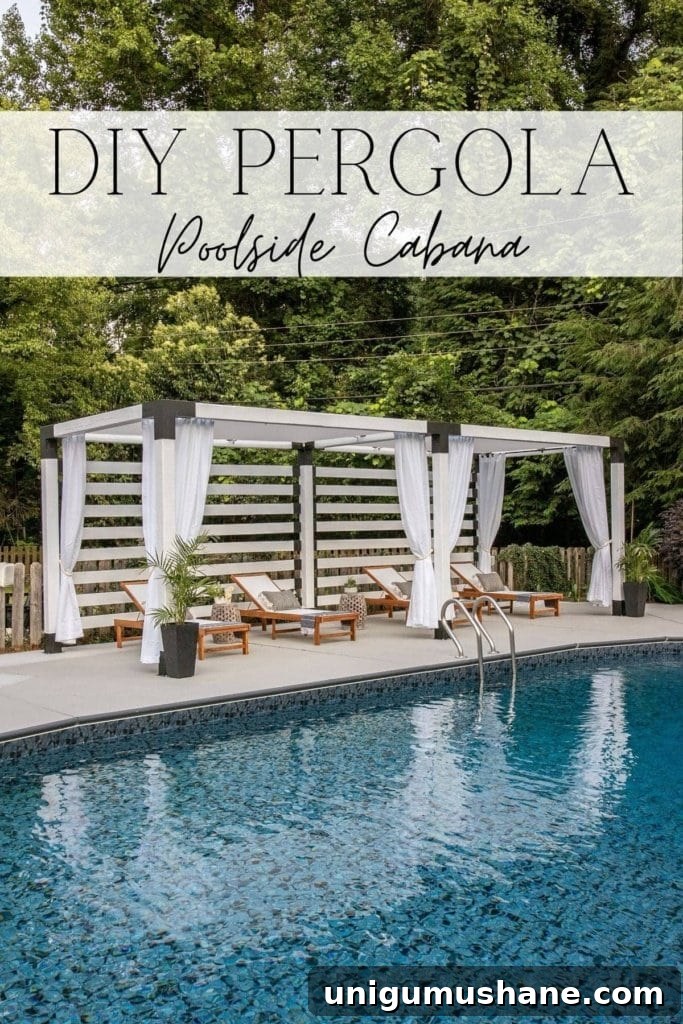
How to Build a Luxurious DIY Backyard Pool Cabana Pergola
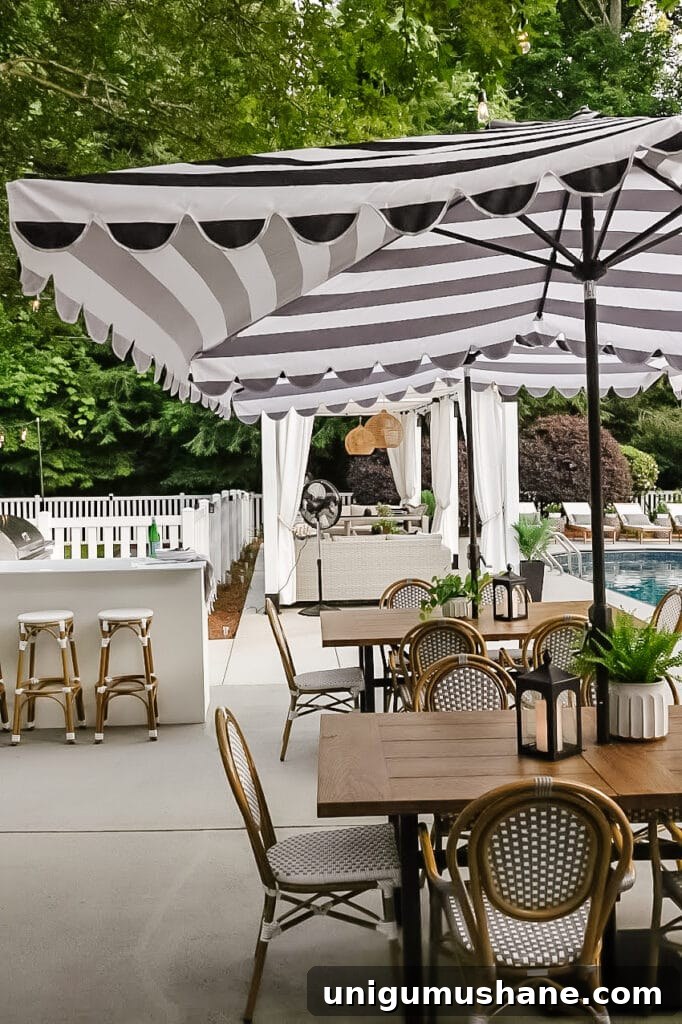
Patio Furniture Review: What We Still Love After Two Years
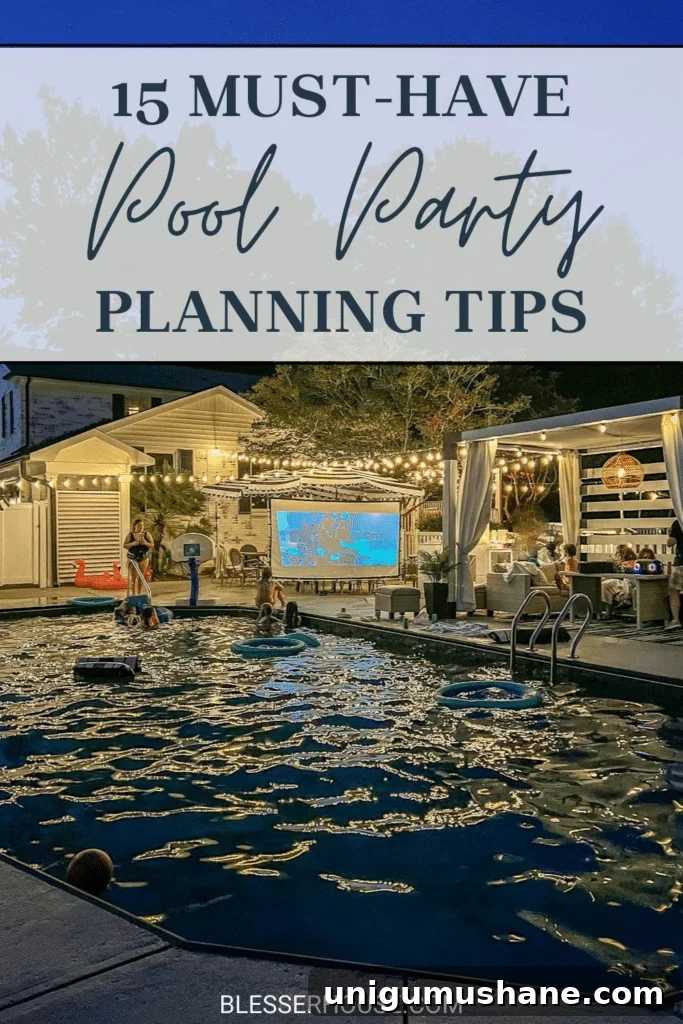
Swim Party Checklist and Backyard Party Planning Tips
The Best Pool Toys for Kids and Adults This Summer

Easy DIY Outdoor Kitchen Kit Build — What You Should Know

See more DIY backyard and home improvement ideas.