
A quick and simple way to refresh a dated kitchen: create a whitewashed faux brick backsplash over existing tile for under $75.
Finding a beautiful backsplash solution that hides old tile without demolition isn’t easy, but this method delivers great results with minimal mess and cost.
I’ve always loved the charm of a whitewashed brick backsplash, but installing real brick was too expensive and messy for our kitchen. Instead, we installed faux brick paneling directly over the existing tile and achieved an authentic look for a fraction of the price.
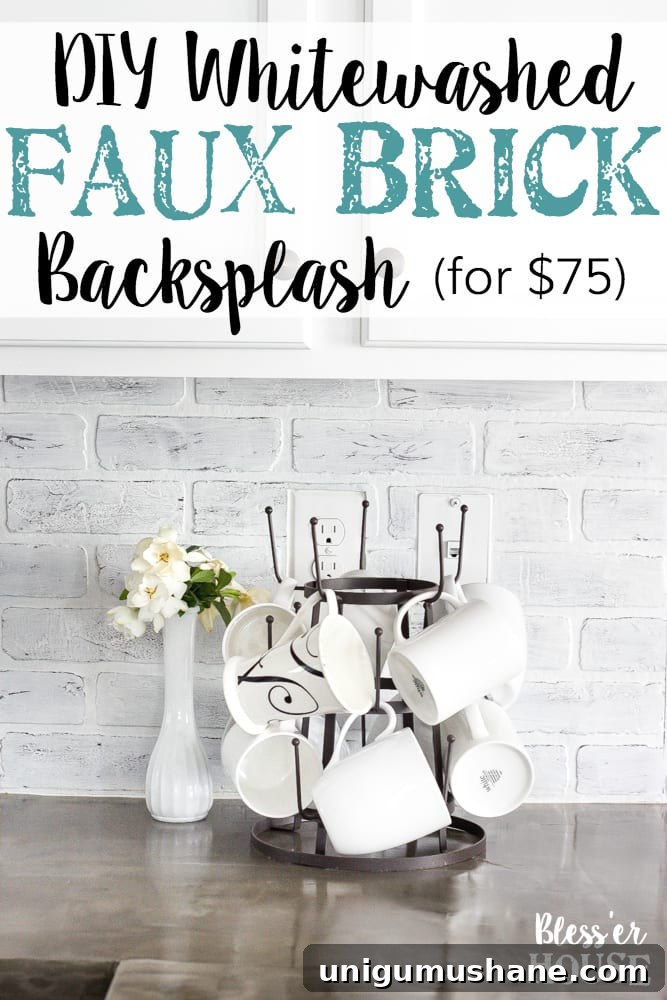
UPDATE: See our full kitchen makeover reveal here!
Where to Use a Faux Brick Backsplash
This faux brick paneling works well in kitchens, basement bars, coffee bars, or any space where you want the texture and warmth of brick without the cost. It’s also an affordable way to create a full brick-wall look on a budget, covering plain drywall or old tile quickly and cleanly.
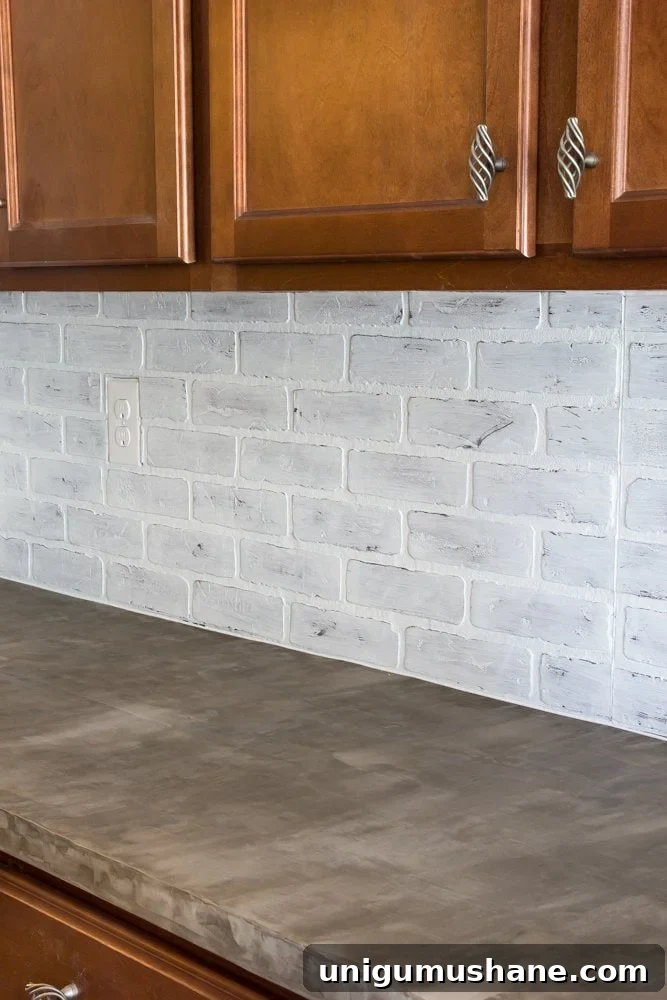
Honestly, I was skeptical at first, but the finished result felt like a real upgrade. It transformed our backsplash from dated beige tile into a focal point that suits a modern farmhouse aesthetic.
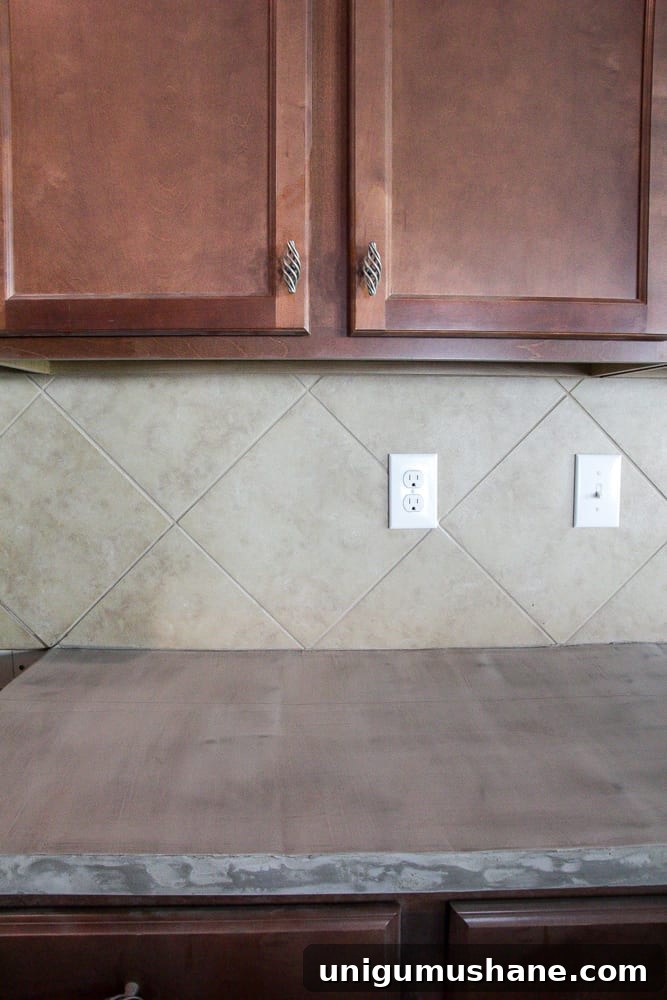
Why a Faux Brick Backsplash Is Great for Beginner DIYers
The biggest advantage is that this project requires no heavy demolition or complex construction. If you can cut straight lines with a jigsaw and follow simple measuring steps, you can complete the job. We finished the entire backsplash in a single afternoon.
How to Install a Whitewashed Faux Brick Backsplash
Supplies
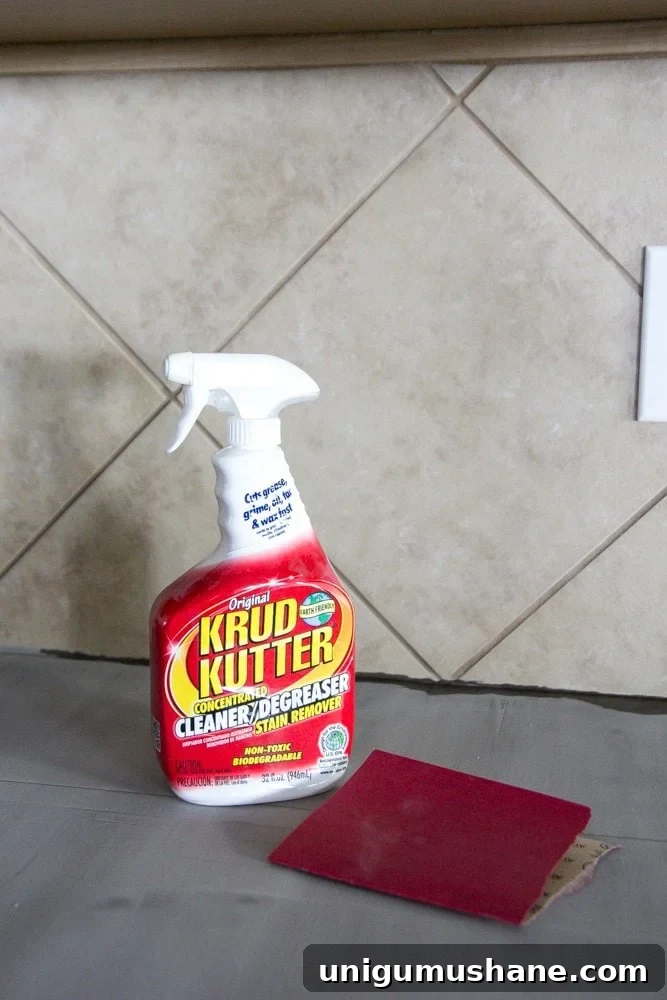
- Degreaser and clean, dry rags (we used Krud Kutter)
- 120-grit sandpaper
- Tack cloth for dust removal
- Construction adhesive (Liquid Nails, about six tubes)
- 2 sheets of faux brick paneling
- Circular saw or table saw
- Jigsaw for outlet cutouts
- Chalk line
- Measuring tape and pencil
- 1 pint white semigloss paint
- Small bucket and paint brush
- Clean damp cotton rag (for distressing)
- Plastic drop cloth and painter’s tape
- Latex caulk
- Clear sealer (we used Fusion Mineral Paint Tough Coat)
Steps
Estimated time: about 4 hours
-
Degrease the existing backsplash.
Wipe the old tile thoroughly with degreaser to remove cooking residue and grease, then let it dry completely. We installed the panels directly over tile because the thickness created the desired depth, but you can remove tile and adhere panels to drywall if you prefer.

-
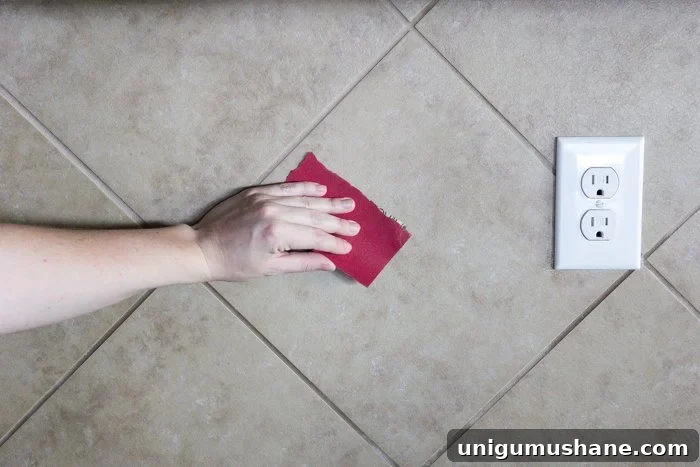
Roughen the surface.
Lightly sand the tile with 120-grit sandpaper to give the surface some tooth for the adhesive. Wipe away dust with a tack cloth before proceeding.
-
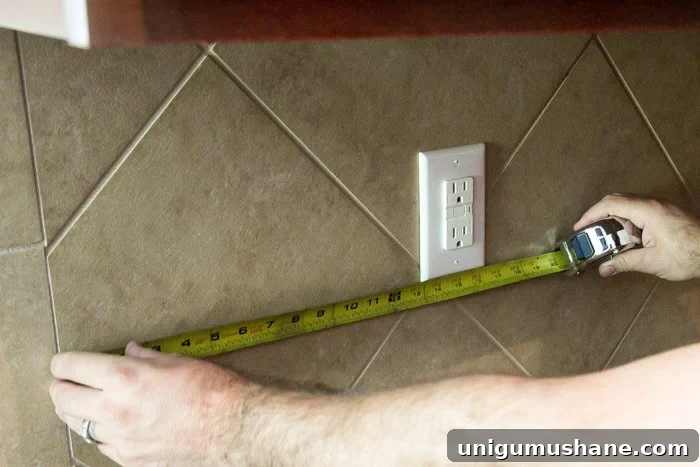
Measure each section.
Work one section at a time. Measure the area, mark the paneling, and plan cuts so seams fall in logical places.
-
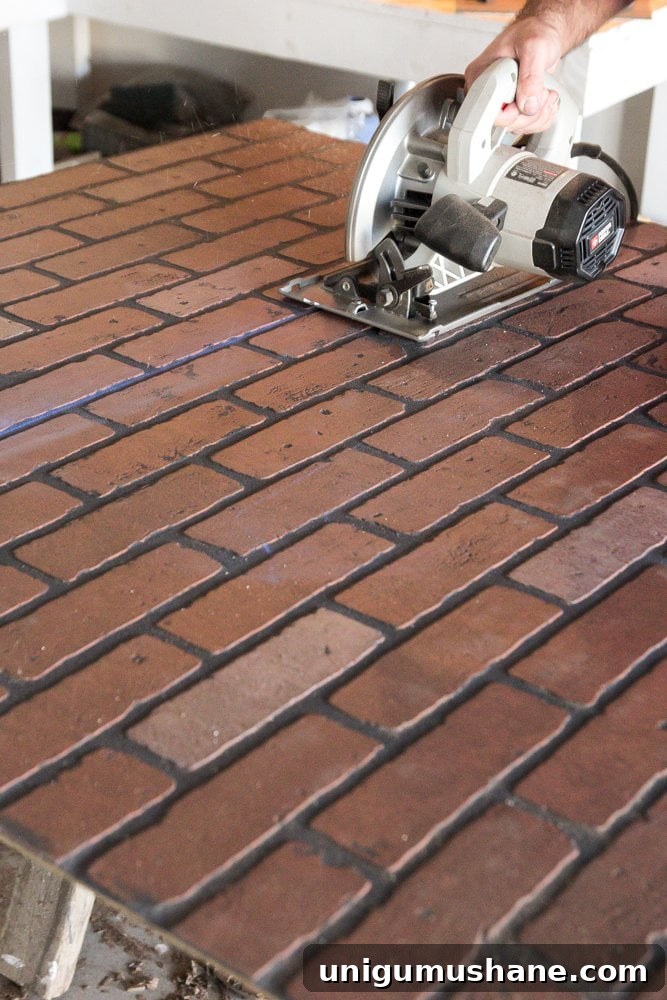
Cut the panels to size.
Use a chalk line and a circular saw (or table saw) to cut straight edges. A table saw is ideal, but a circular saw works well with a straightedge guide.
-
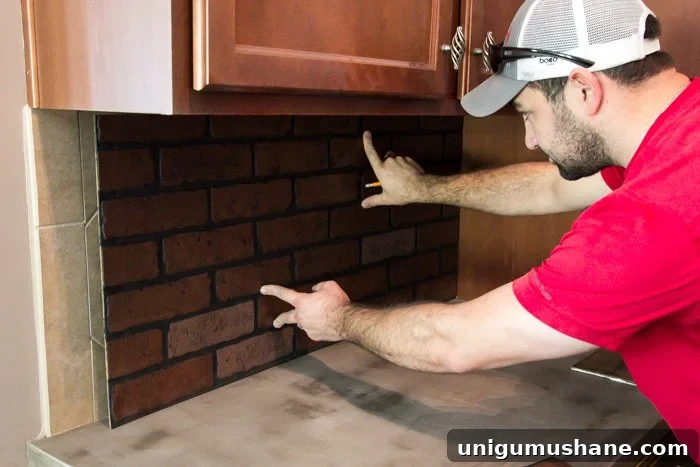
Dry fit panels.
Place each cut panel against the wall to ensure a proper fit before fastening. Make adjustments as needed.
-
Mark and cut openings for outlets.
Measure and mark outlet locations on the panels, then cut openings with a jigsaw. Dry fit again to confirm alignment.
-
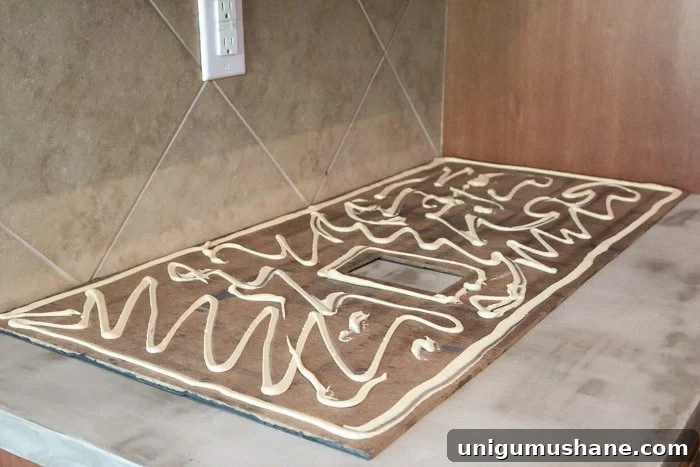
Attach the panels.
Apply construction adhesive evenly to the back of each panel and press it into place for a minute or two while the adhesive grabs. The panels bond quickly and securely.
-
Repeat until complete and caulk seams.
Continue measuring, cutting, and adhering panels until the backsplash is fully covered. Run a bead of latex caulk along seams and edges to finish the look.
-
Protect countertops and prepare to whitewash.
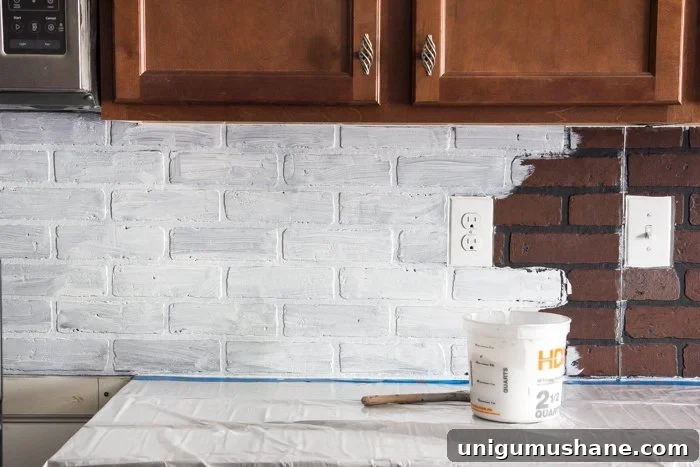
Cover counters with plastic drop cloths and secure with painter’s tape to prevent drips while painting.
-
Whitewash the bricks.
Mix equal parts white semigloss paint and water in a bucket and brush two thin coats over the brick surface. Allow the first coat to dry before applying the second.
-
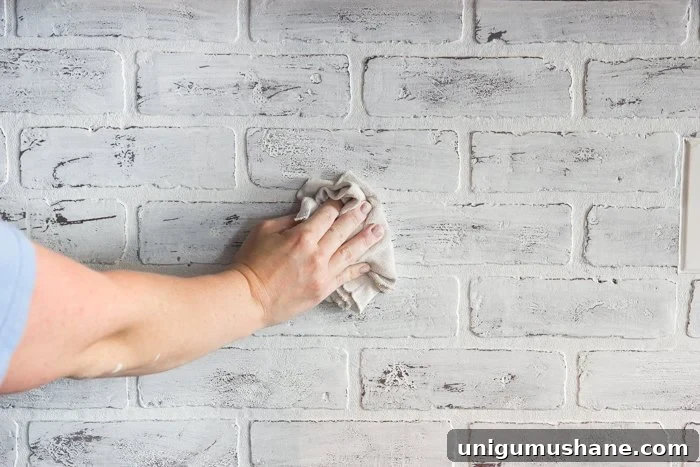
Distress for a weathered look.
After the paint dries, use a clean, damp rag to gently remove some paint from the bricks to create depth and a slightly worn, authentic appearance.
-
Seal the backsplash.
Finish with two thin coats of a clear, non-yellowing sealer—Fusion Mineral Paint Tough Coat worked well for us—to protect the surface from cooking splatter and cleaning wear.
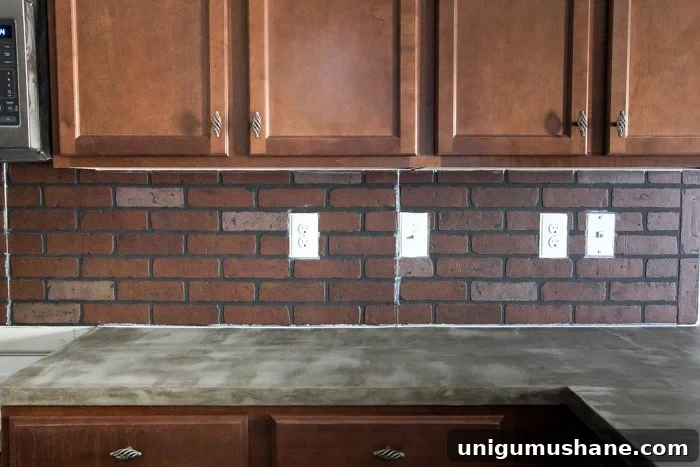
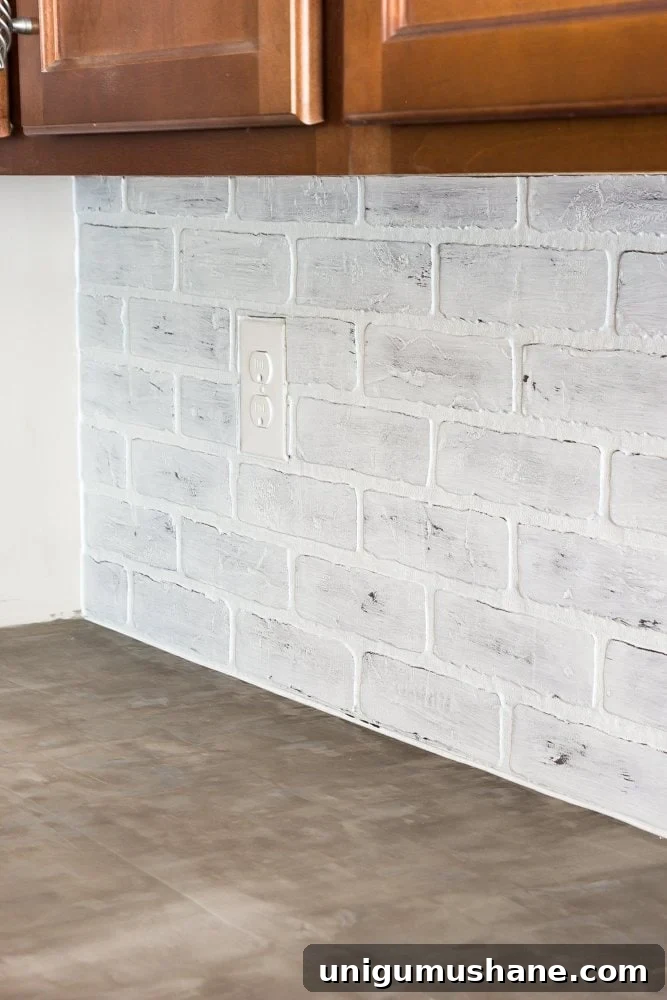
With the project complete, our backsplash was transformed into a bright, textured focal point. We still planned a few final paint touch-ups after installing the countertops, but the overall transformation was dramatic for very little expense.
The Finished Kitchen
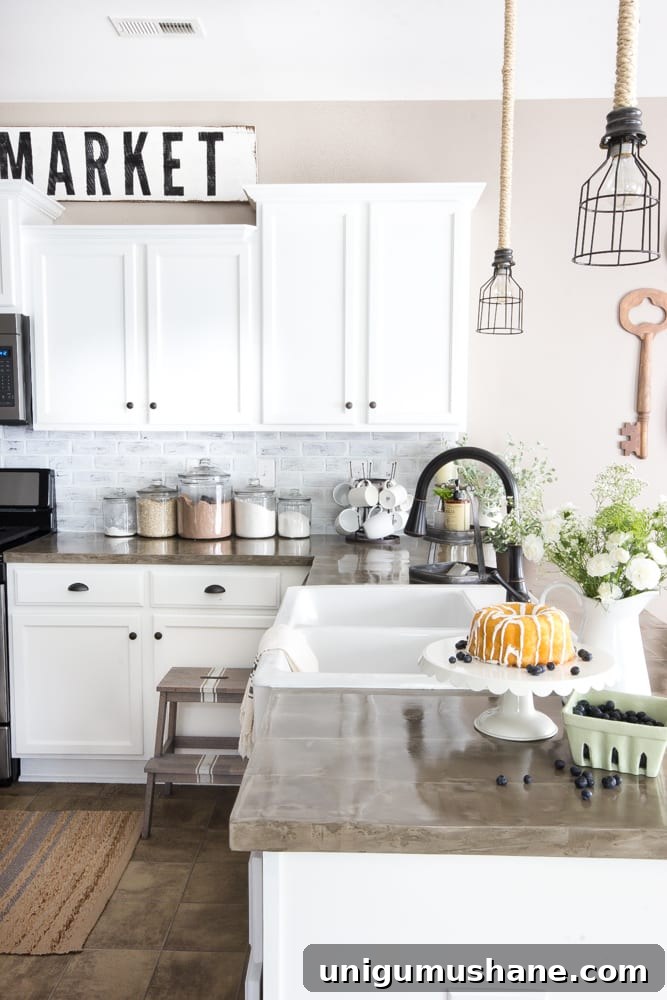
Once the cabinets were painted and the concrete countertop installed, the kitchen took on a modern farmhouse look that felt much more expensive than the cost to renovate. This simple faux brick installation helped tie the whole room together.
Update: We completed this project five years ago. Even after moving, we stayed in touch with the new homeowners and learned the backsplash has held up very well.
Frequently Asked Questions
Because these are faux panels, cleaning is simple. Wipe down with a damp cloth and a mild all-purpose cleaner—avoid aggressive scrubbing to protect the finish.
Yes. Installing panels over drywall with finishing nails will minimize damage. When removed, you can patch small nail holes with spackle.
The high-density fiberboard (HDF) panels are fire resistant but not completely fireproof. They won’t ignite easily but are not rated as non-combustible.
No. These panels are not rated for outdoor exposure and should be used only inside.
Related Posts
- Our Scalloped Marble Backsplash in the Bathroom Reno
- DIY Pressed Tin Kitchen Backsplash
- Simplified Decorating: How to Decorate Kitchen Countertops