
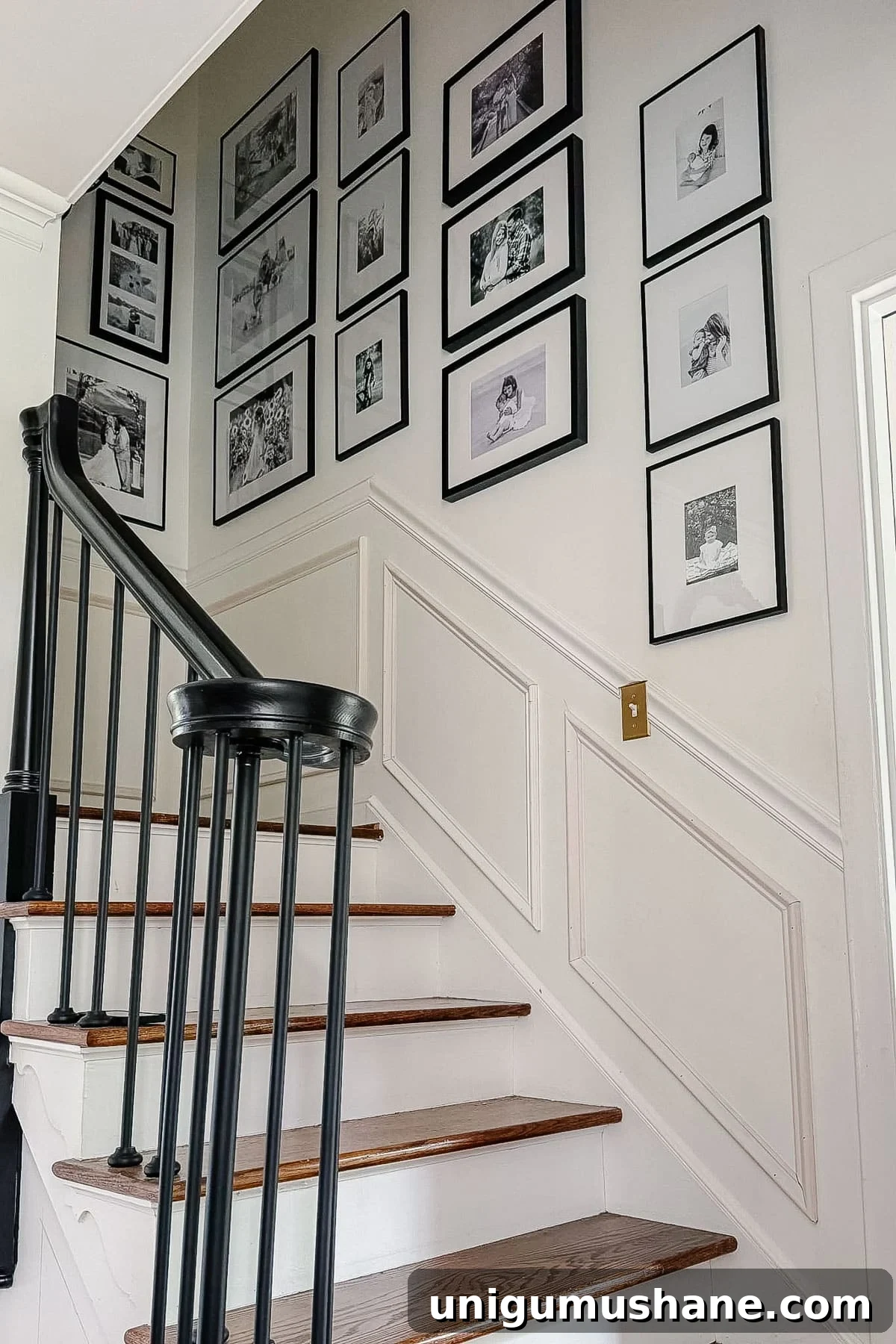
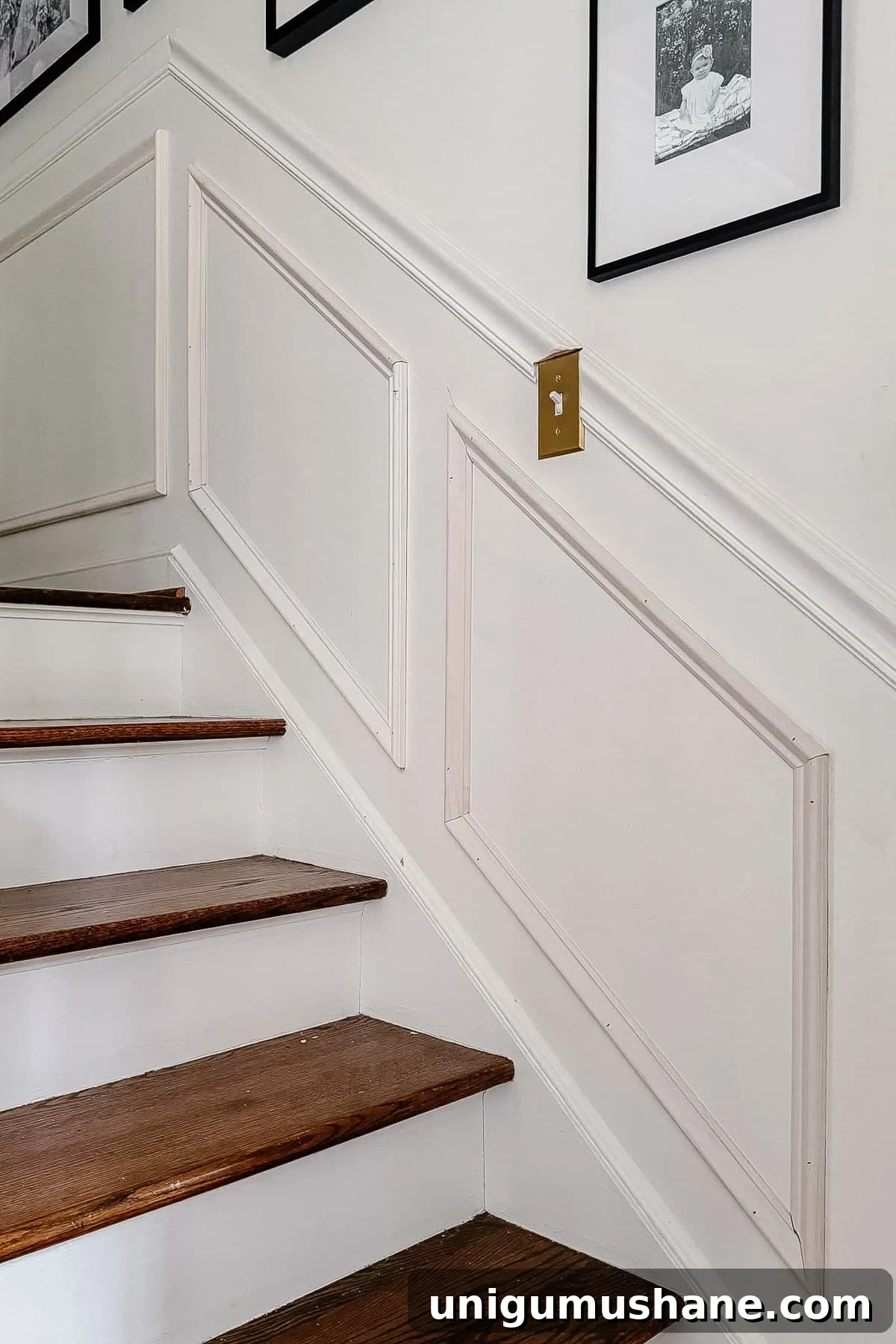
We’ve officially started our foyer, stairway, and hallway makeover — and I’m excited to share how we added classic wainscoting up the stairs. For years I wanted molding beneath the chair rail on our staircase but put it off because measuring angles seemed intimidating. Once we got started, it was easier than expected.
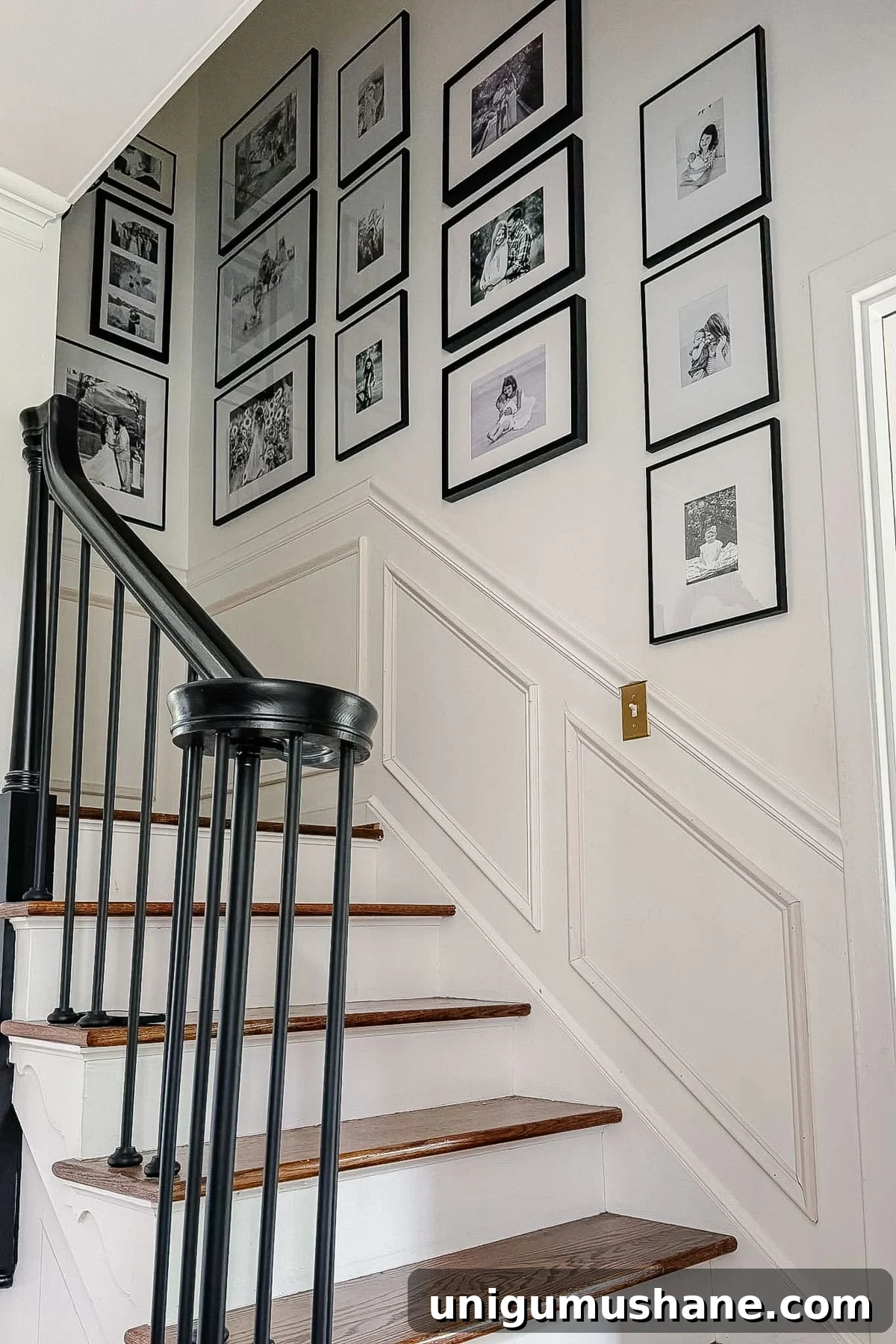
Why We Chose Picture Frame Molding for Stair Wainscoting
We picked picture frame molding for this stair wainscoting because it creates clean, classic detail without complicated carpentry. It suits our traditional colonial style and adds depth to the wall without bulky trim. Picture frame molding is also versatile — you can adapt the size and spacing to suit modern or classic interiors.
If you prefer a different look, board and batten or traditional panel molding both work well on stairs too. The techniques are similar and can be adjusted to follow the stair angle.
Types of Molding for Wainscoting
Consider these common options depending on the style you want:
- DIY Board and Batten — simple vertical boards with battens for a farmhouse or modern look
- DIY Traditional Grid Molding — a more formal, paneled appearance with square or rectangular frames
- DIY Picture Frame Molding — subtle, elegant frames that work well on stairs and hallways
We plan to paint the trim a contrasting color from the walls after a few more carpentry projects, which will make the molding really pop.
Supplies Needed
Note: Tools and materials listed below are what we used; you can substitute similar items based on availability.
- 5/16 in. x 11/16 in. panel colonial molding
- Finger-joined chair rail molding
- Miter saw (or miter box and handsaw)
- Cordless brad nailer (or finish nails and hammer)
- Carpentry pencil
- 2×4 board cut to 24″ for spacing
- Wood filler
- Paintable caulk
- Fine-grit sandpaper
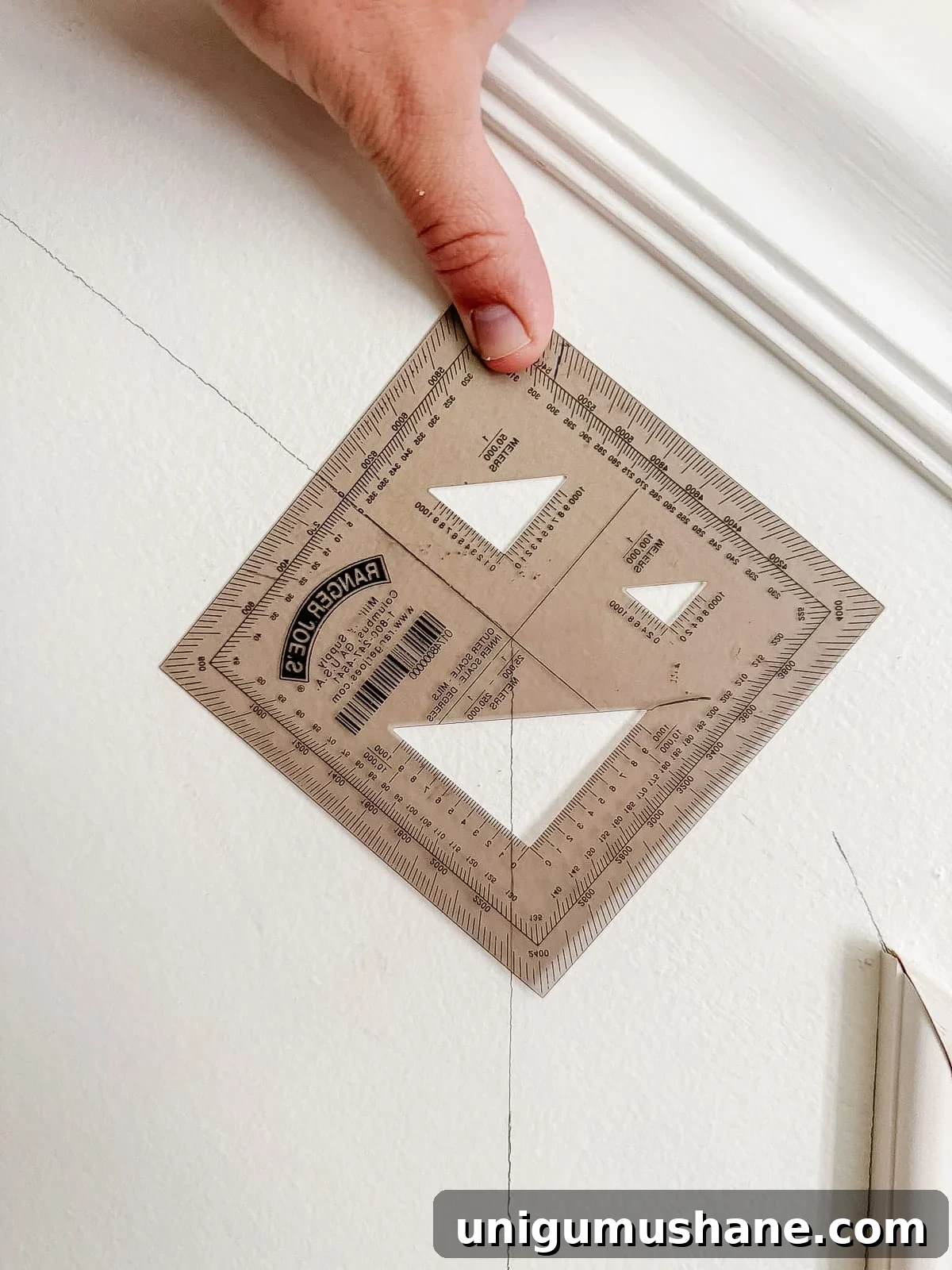
- Military protractor or angle finder — a simple tool that makes these angled cuts straightforward
Tool Alternatives
If you don’t own a miter saw or brad nailer you can rent them from major home improvement stores. A miter box and hand saw will work, but expect more trial and error when cutting complex angles.
How to Install Picture Frame Wainscoting on Stairs
Step 1 – Install the Chair Rail
If your chair rail is not already installed, mark 36″ up from the tread to set its height. Follow the angle of the baseboard and draw a continuous pencil line up the stairs at that height. Cut the first chair rail piece to wall width with a straight cut, align it to the angled pencil line, and attach it with the brad nailer.
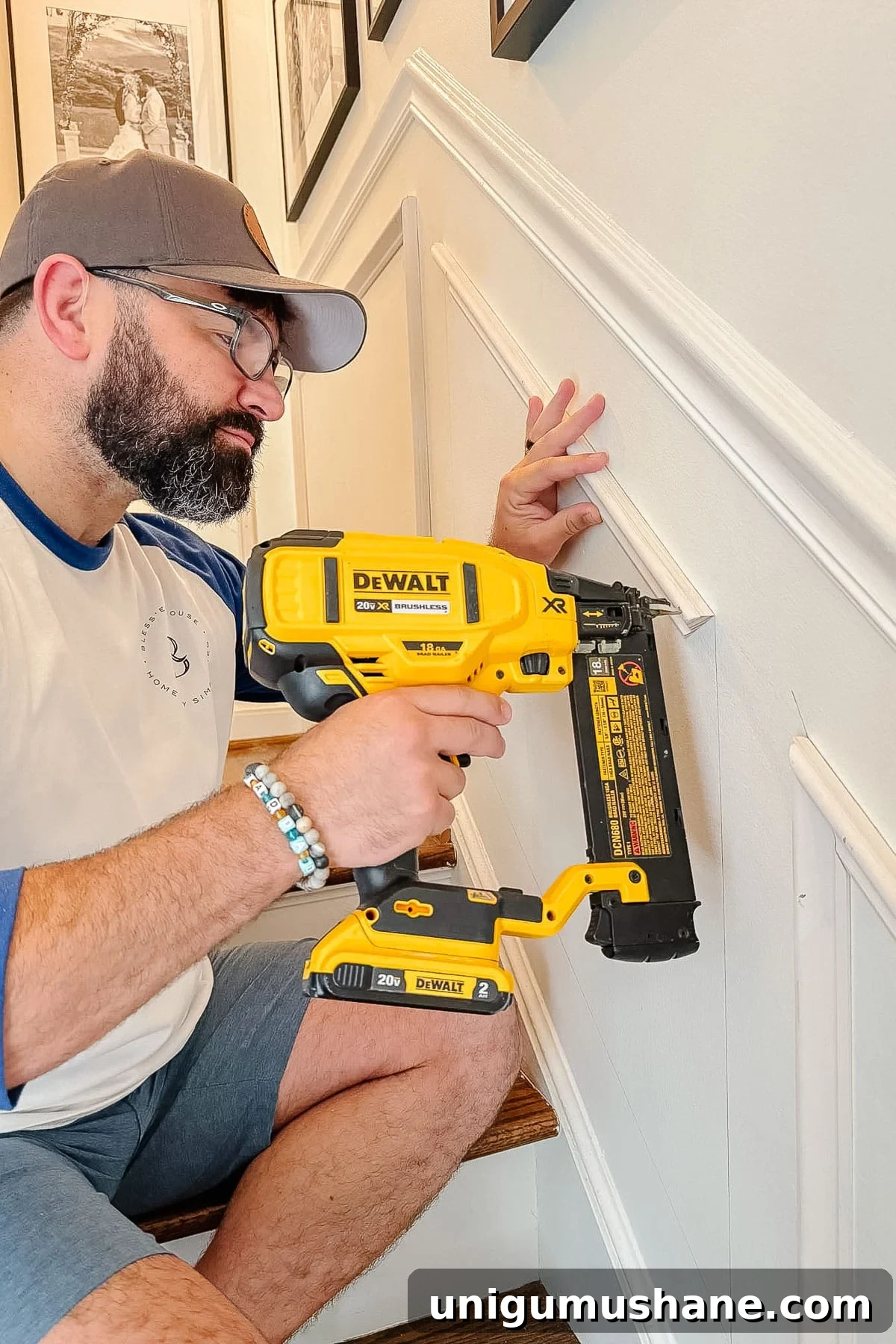
When nailing, insert brads at opposing angles so the molding stays flush but can be removed later with minimal drywall damage. For joins, cut adjoining chair rail pieces at 45 degrees and cope the profile with a coping saw for a tight seam.
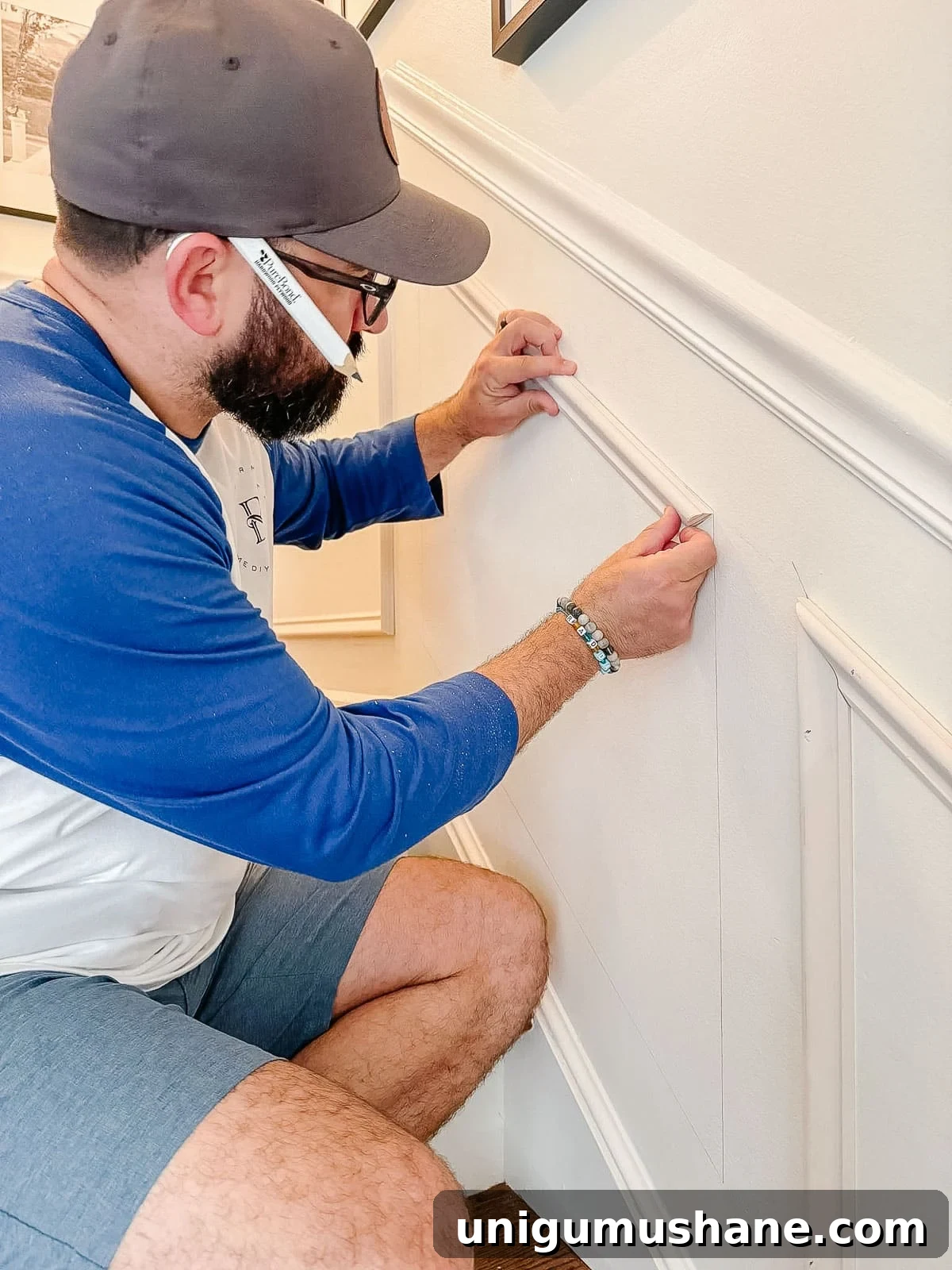
Step 2 – Mark the Box Molding
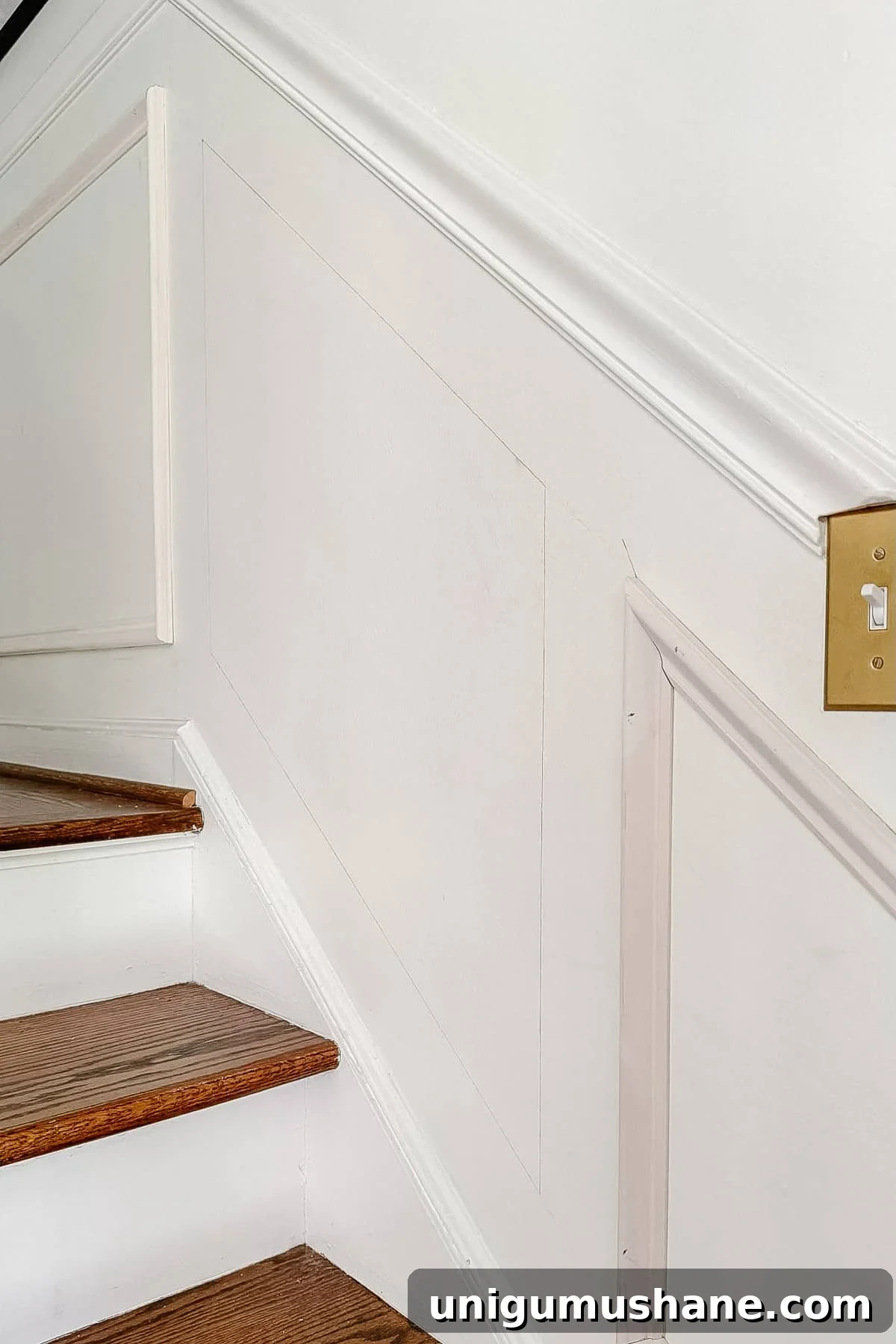
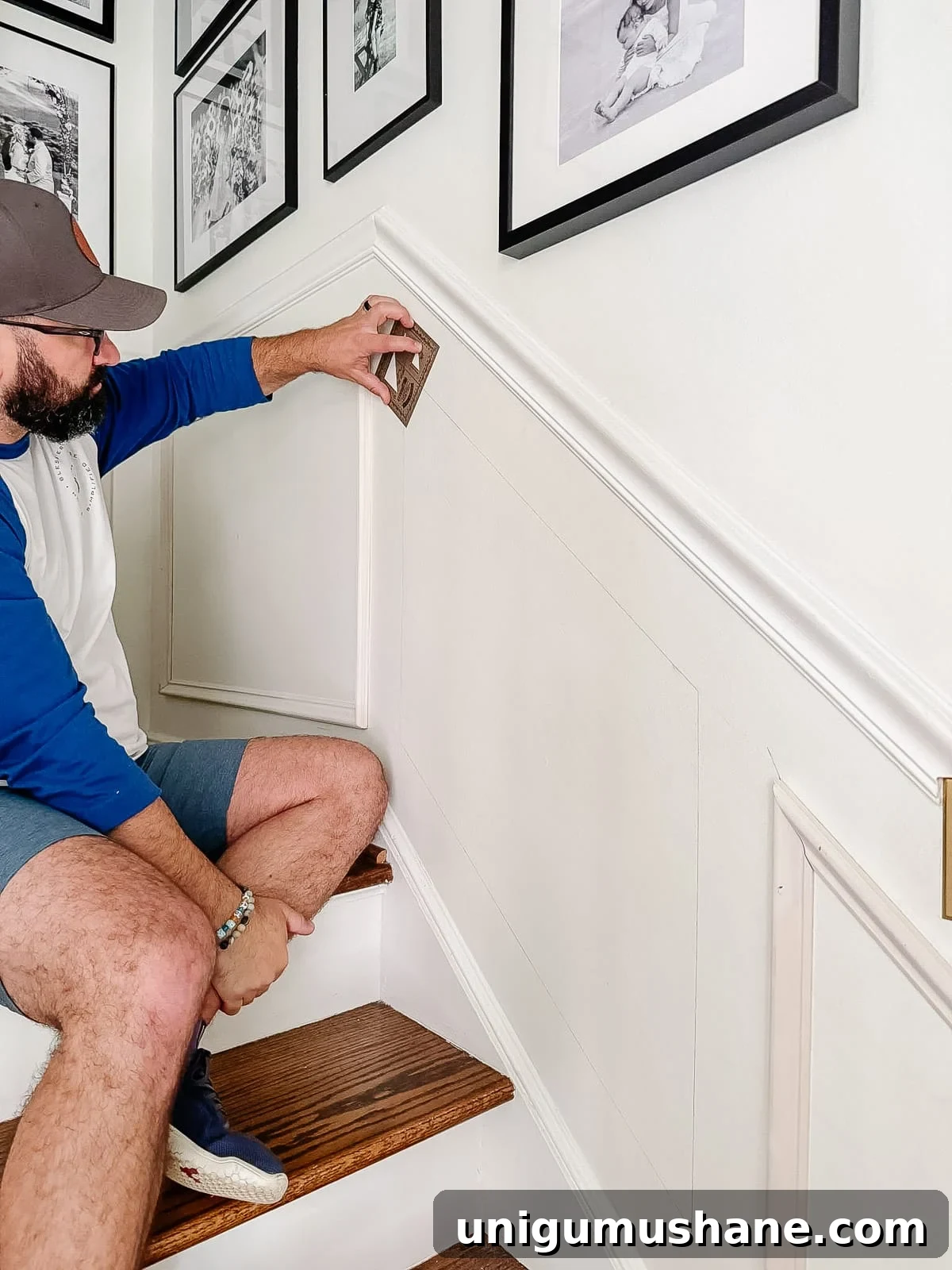
Decide how wide you want each picture-frame box beneath the chair rail. Use a level to mark one vertical (plumb) line, then mark the other side at your chosen width. Use a 2×4 spacer to transfer those marks down to the baseboard and across from the chair rail so every box is consistent in size.
Repeat these markings along the stair wall where you plan to add molding.
Step 3 – Calculate Molding Cuts for Angles
Use your protractor or angle finder to measure the corner angles of each box where molding meets. Calculating the correct miter settings is simple once you know the obtuse and acute angles.
Obtuse Angles
Measure the obtuse angle (the larger angle). Divide it by 2, then subtract that result from 90°. The result is the obtuse miter cut setting. Example: 130° ÷ 2 = 65; 90° − 65 = 25°, so set the saw to 25° for the obtuse cuts.
Acute Angles
Measure the acute angle (the smaller angle). Subtract that from 180°, then divide by 2 to get the cutting angle. Example: 180° − 50° = 130°; 130° ÷ 2 = 65°, so set the saw to 65° for those cuts.
Step 4 – Make a Saw Guide
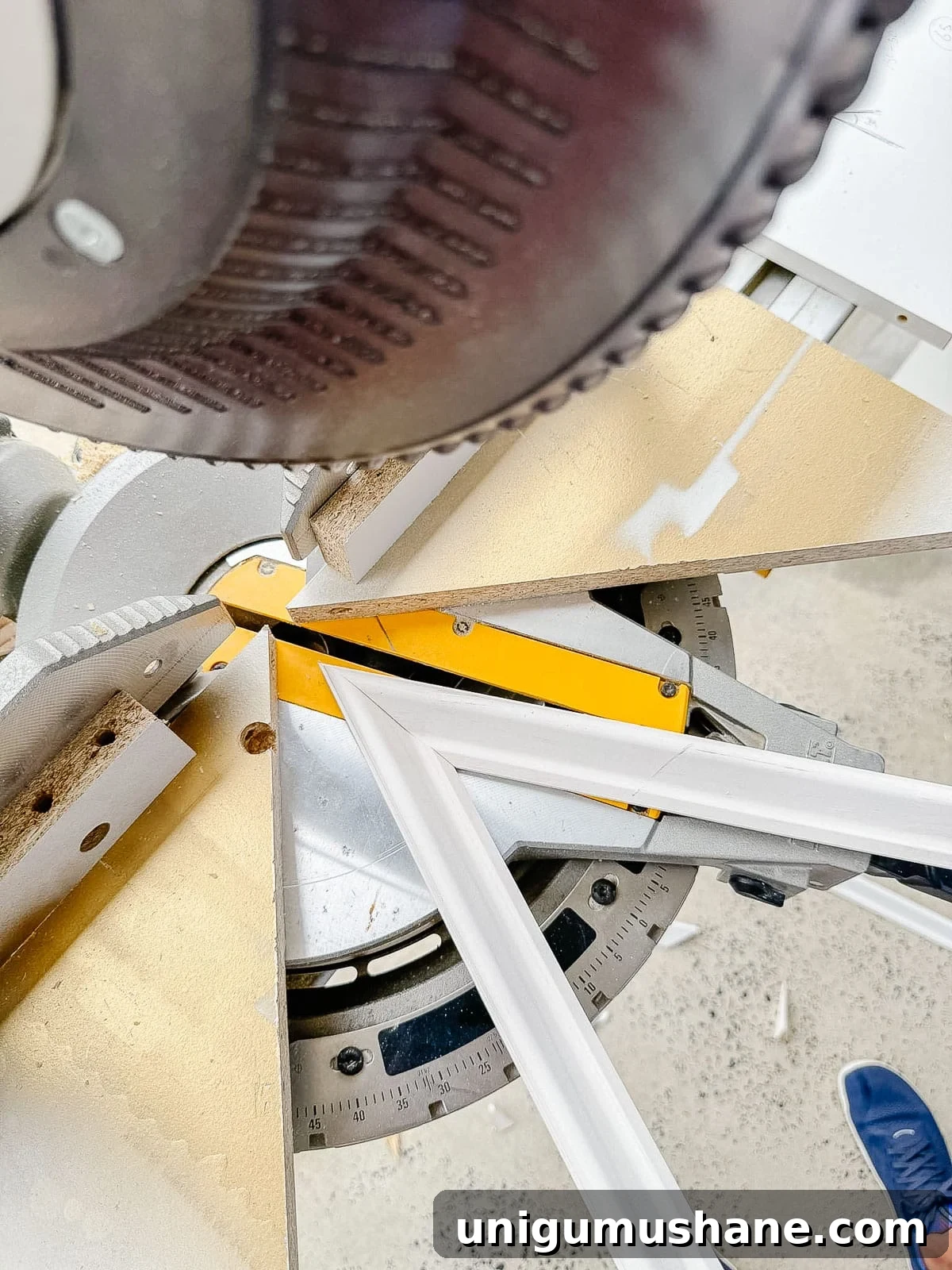
Some miter saws can’t cut every angle directly from the factory 0° position, so we built a simple guide to change the starting reference. A triangular guide lets the saw’s 0 setting function like 45°, making it easier to set uncommon angles precisely.
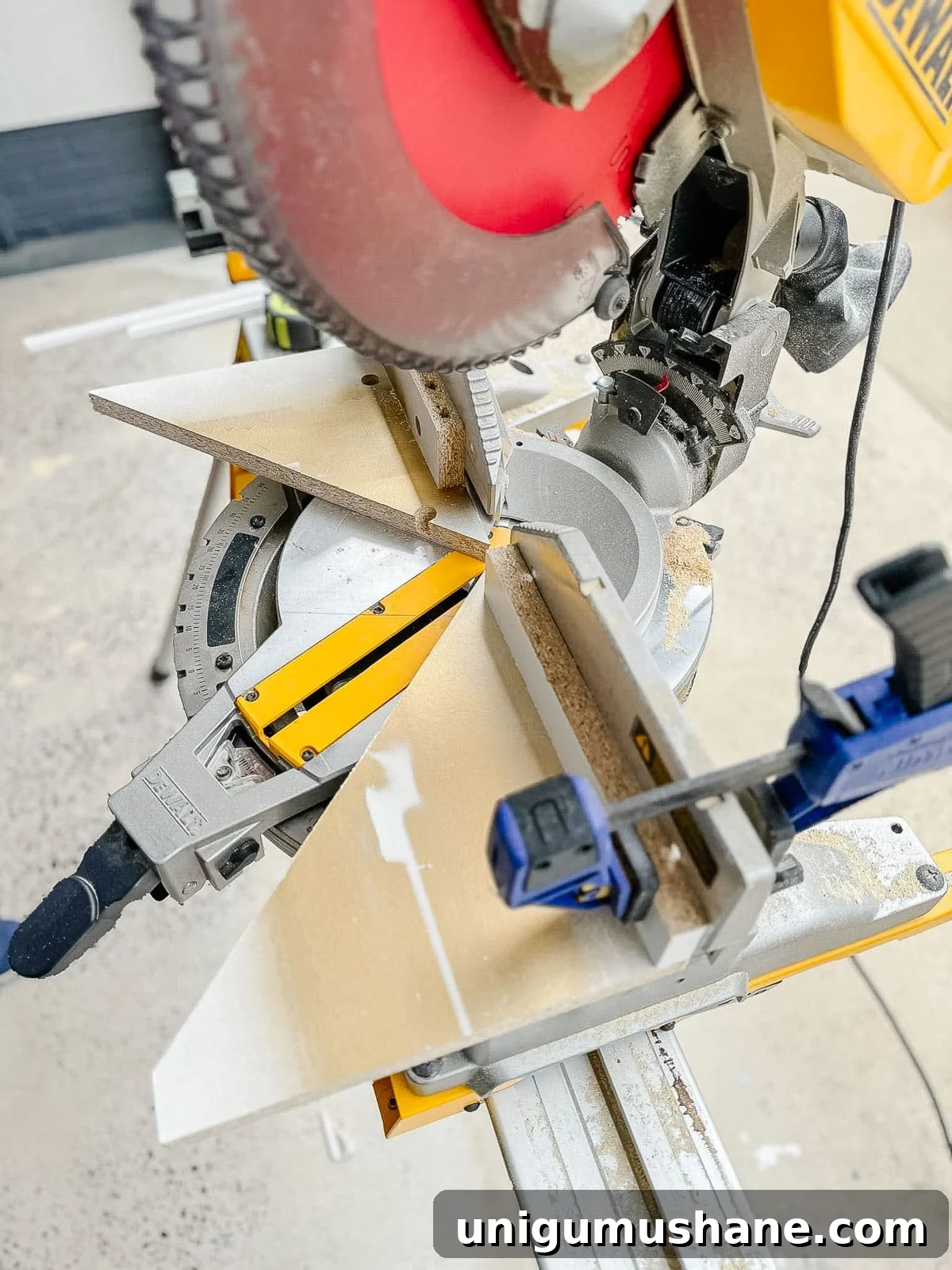
To build the guide, cut two 10″ pieces from a 1×6 at a 45° angle to form right triangles, attach a 10″ 1×2 to the long edge, and clamp these guides to your saw platform with the 2″ portion rising up to support the molding during cuts. Leave a gap so the blade clears the guide tips.
Step 5 – Cut Molding Pieces
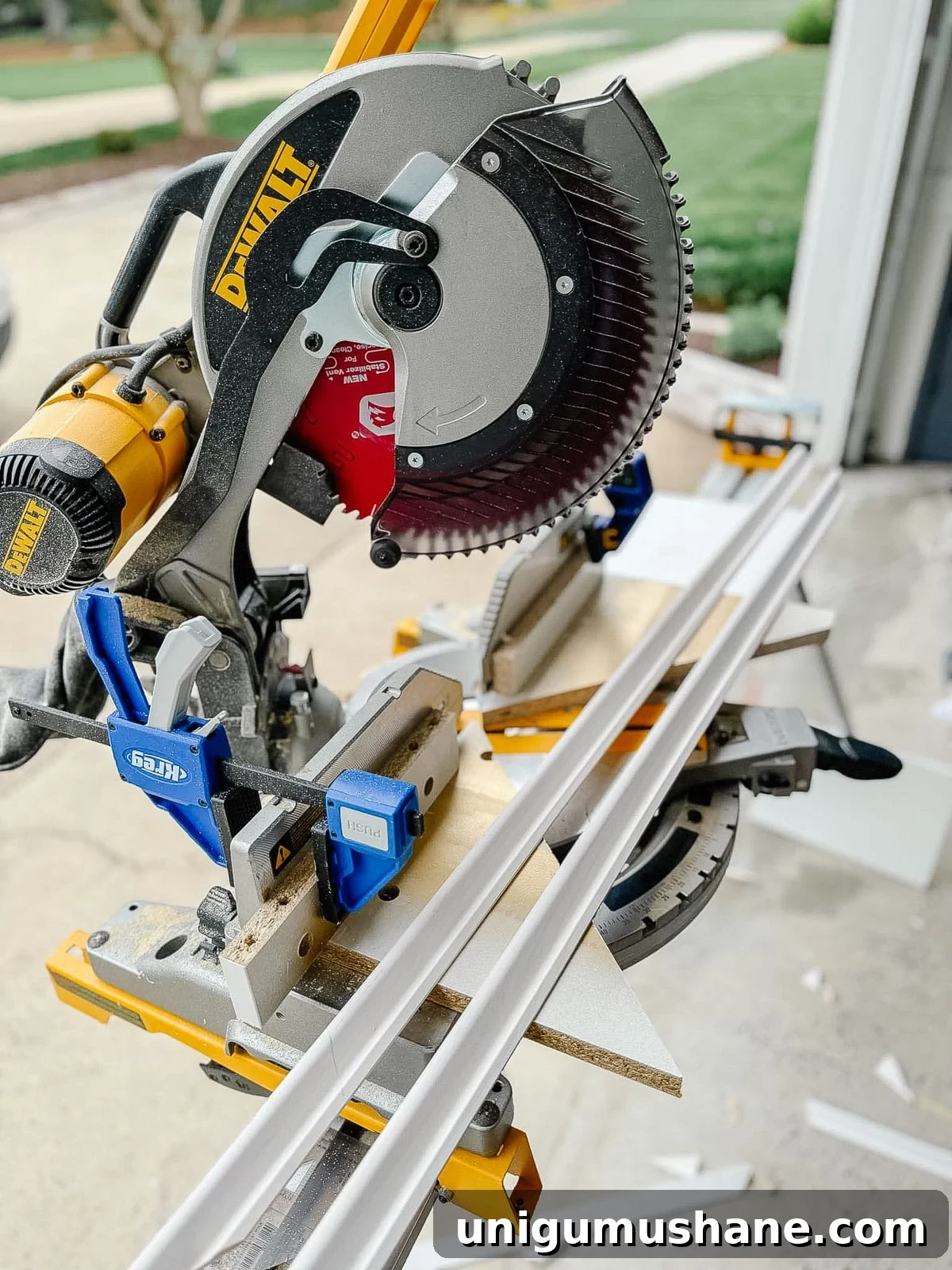
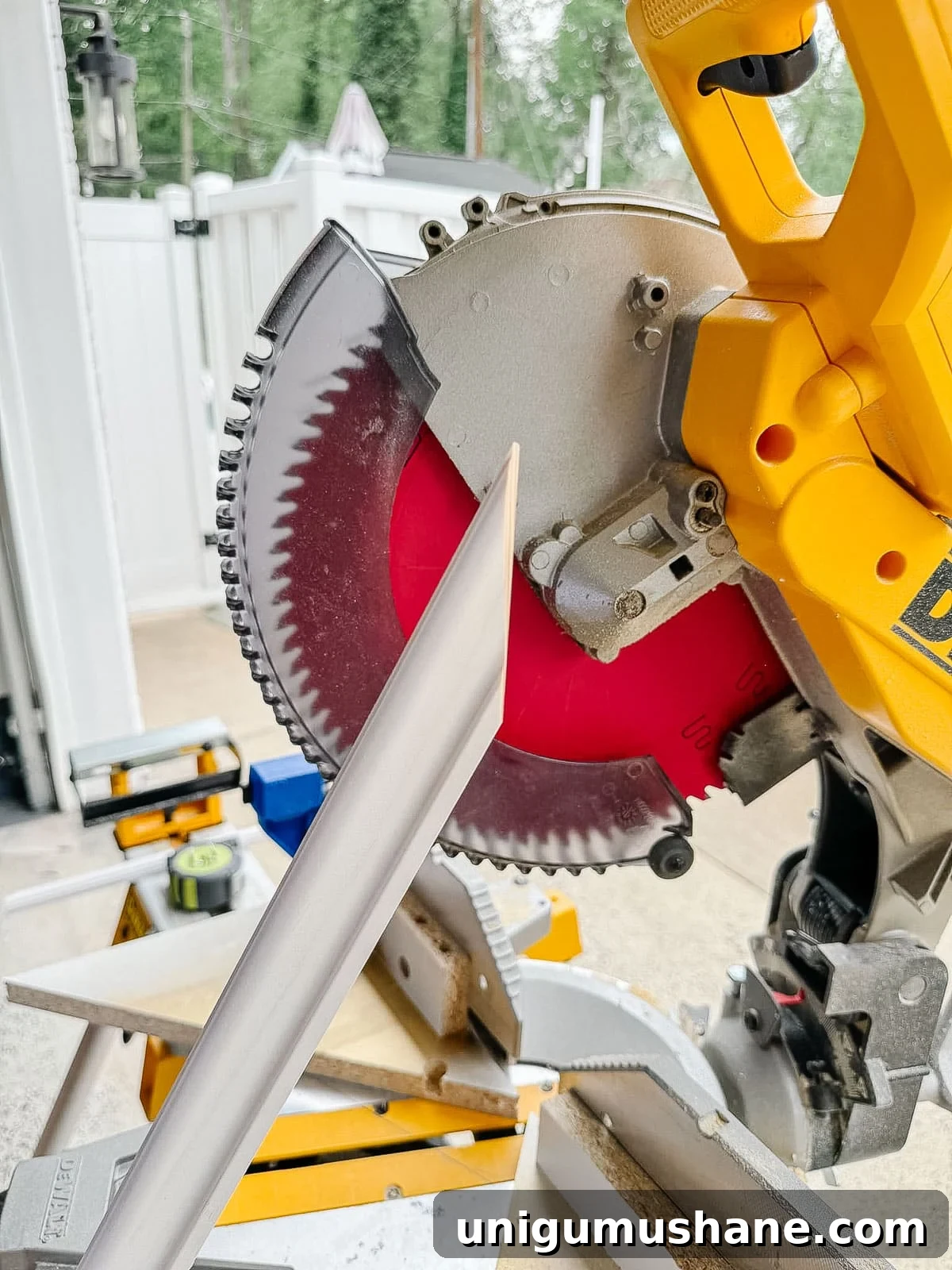
With the triangular guides in place, your saw’s reference changes so you subtract 45° from your desired cutting angle to get the saw setting. For example, if your calculated cut angle is 65°, set the saw to 20° (65° − 45° = 20°).
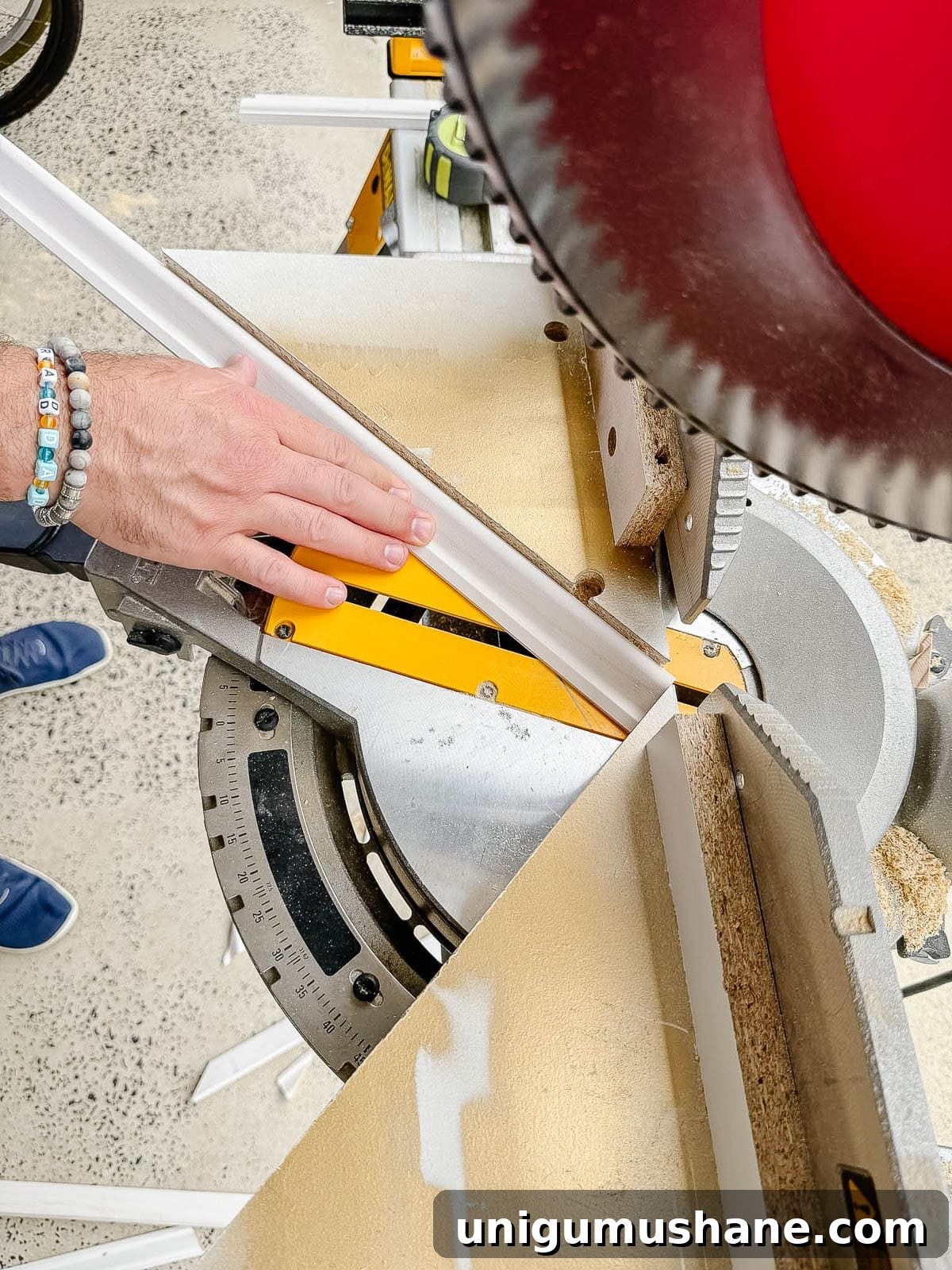
Cut each molding piece in pairs so the miters meet snugly. First cut the acute joins, then adjust for the obtuse cuts as calculated earlier. Test-fit pieces as you go to ensure tight seams.
Step 6 – Nail Up Molding
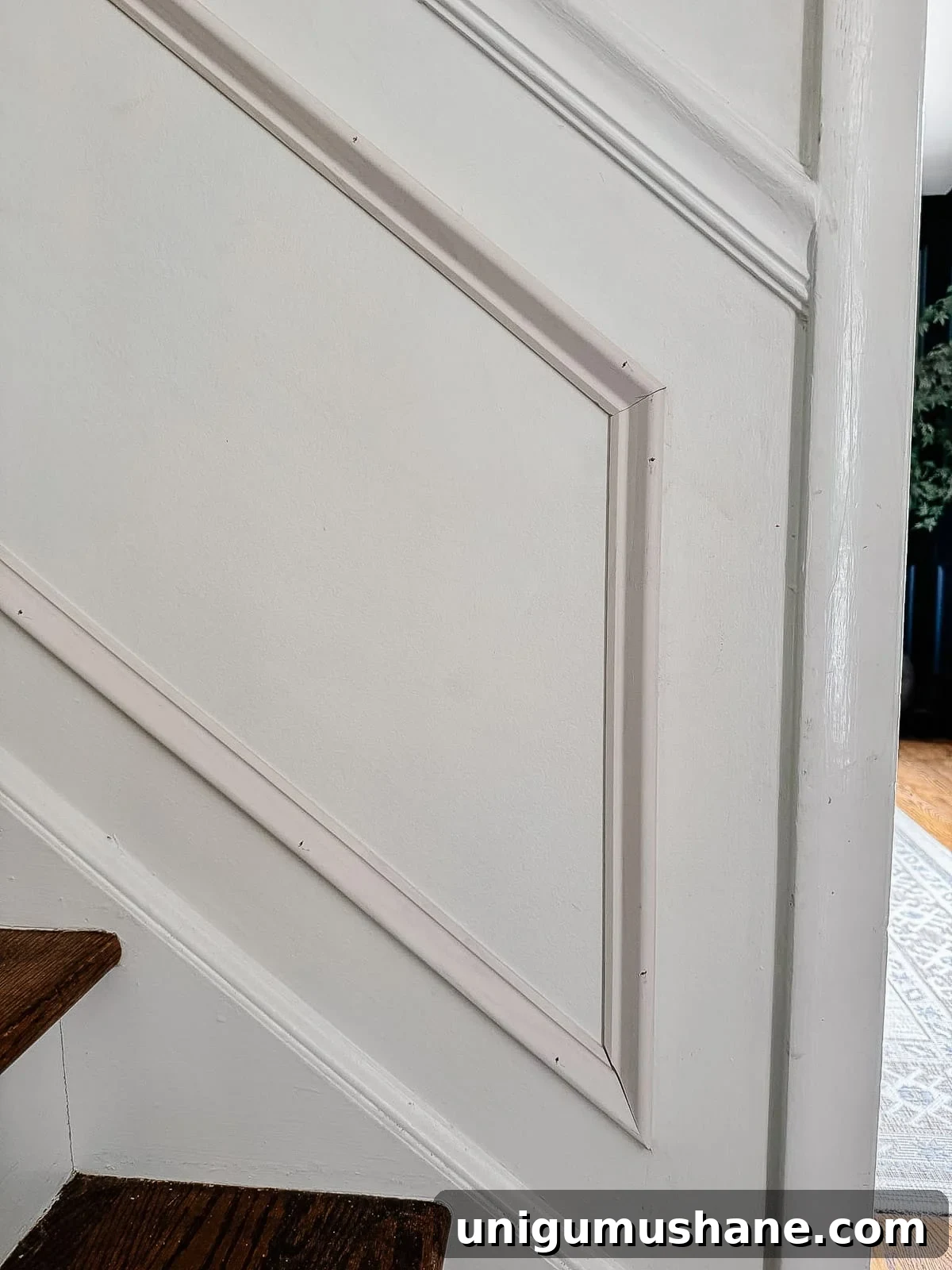
Attach the finished molding to the wall with a brad nailer. Again, drive nails at alternating angles so the molding stays tight to the wall but can be removed later with minimal damage if you ever change your design.
Step 7 – Caulk and Wood Fill
Fill nail holes with wood filler and allow it to dry completely. Use paintable caulk to seal seams and any small gaps between molding and wall. Avoid using caulk in nail holes since it can crack over time; wood filler gives a more durable repair. Once the filler is dry, sand smooth for a seamless finish.
Step 8 – Paint
Choose your paint — we’ll likely go with a bold contrasting trim color to make the molding stand out. Apply primer if needed, then finish with a high-quality trim paint. After painting, the wainscoting will give the stairway a refined, completed look.
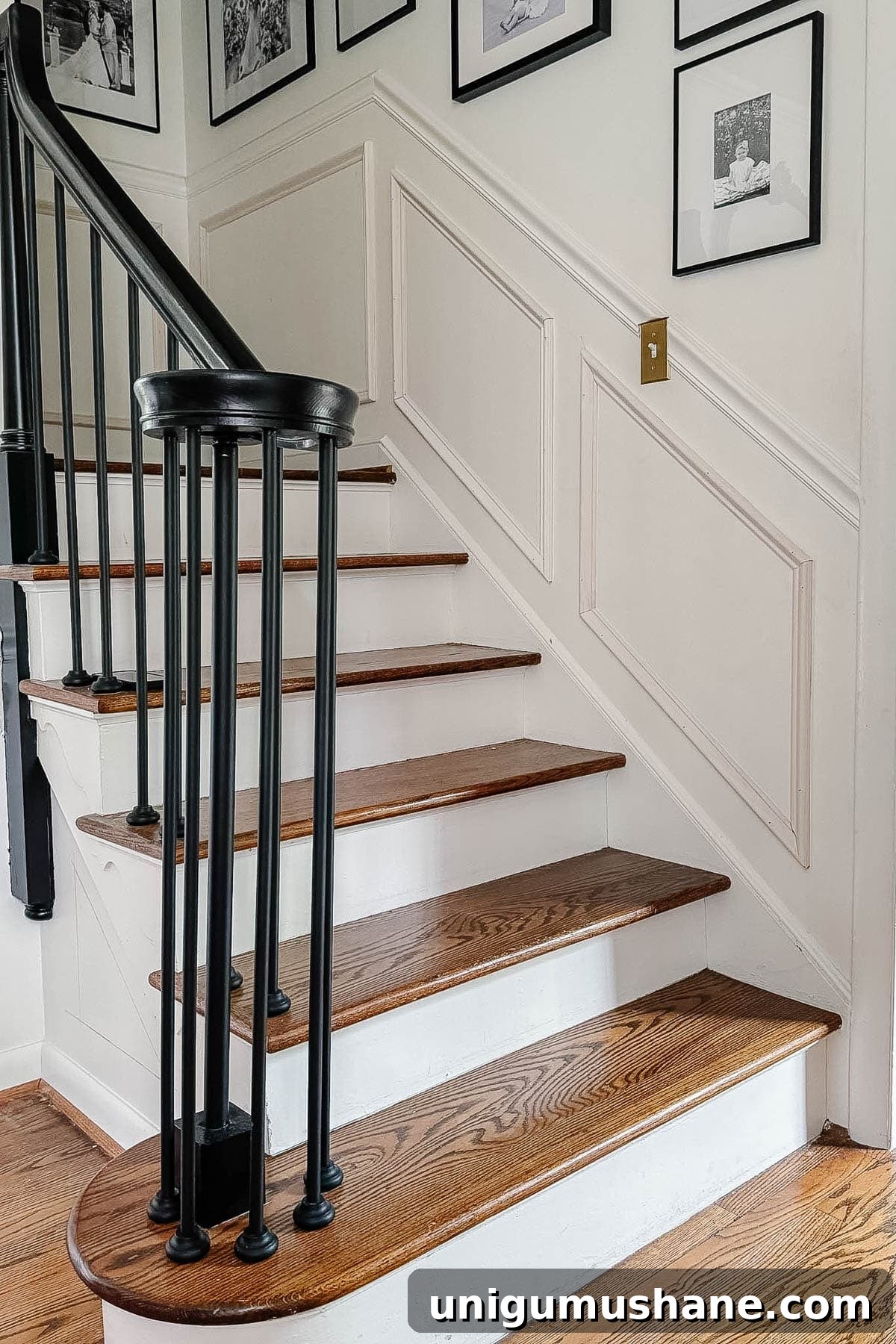
Adding picture frame molding makes a subtle but effective upgrade — the stairs feel more polished and the space reads as higher-end without expensive renovations. A traditional runner would complement this look beautifully, but for now the molding itself adds a lot of character.
Frequently Asked Questions
For trim, use a durable trim paint such as a urethane alkyd enamel (for example, Benjamin Moore Advance) or a high-quality latex enamel. These options cure to a harder finish that resists wear and scuffs better than standard wall paint.
Traditionally, wainscoting covers roughly one-third of a wall’s height. On stairs, a common approach is to set the top of the wainscoting about 2½″ lower than the first-floor wainscoting height so it transitions smoothly between levels.
Wainscoting won’t necessarily raise appraisal value, but it does boost curb appeal and buyer interest by making interiors look more finished and custom — which can help when selling.
More DIY Molding Ideas
Here are a few other projects and techniques you can try for wall molding around your home:
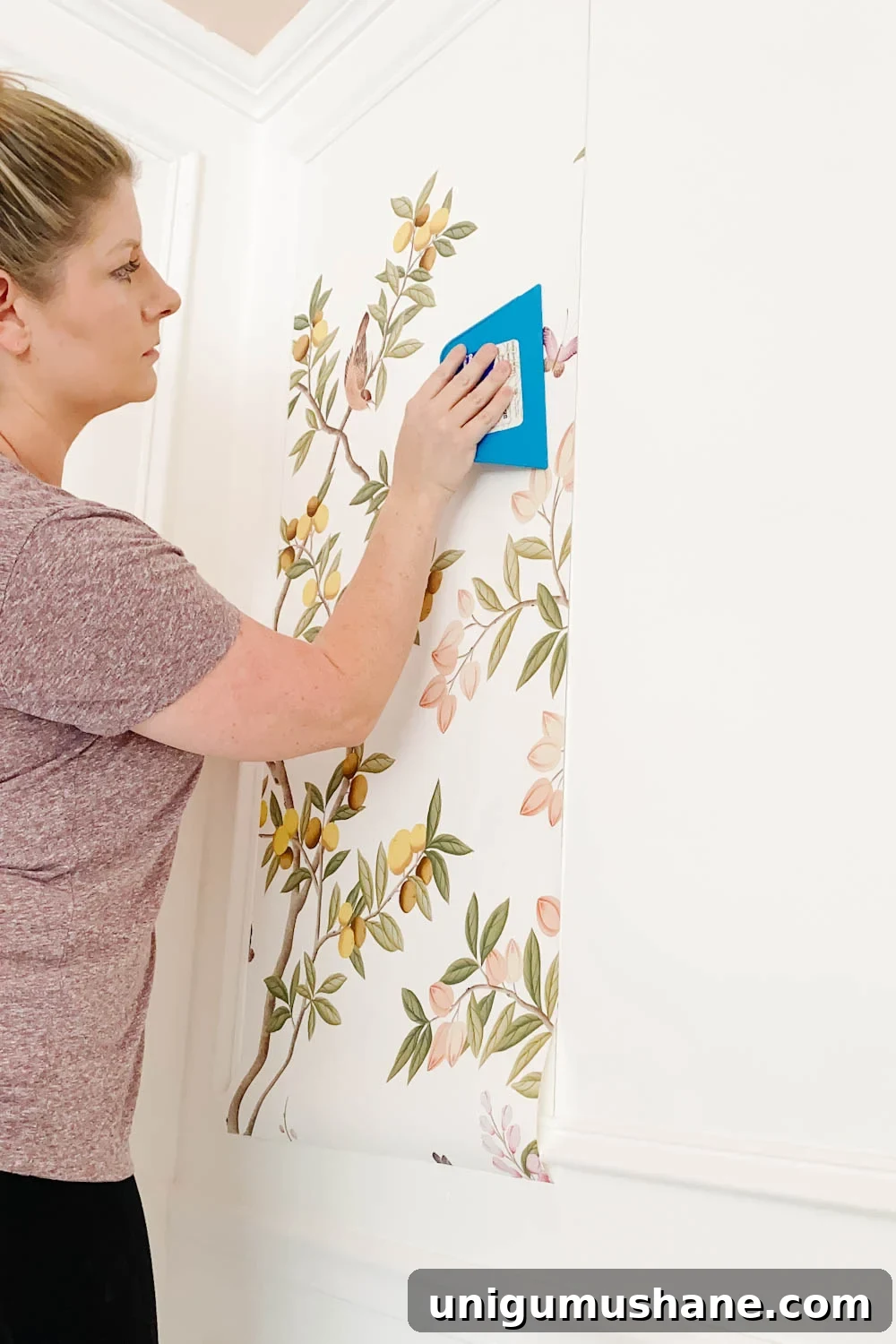
How to Wallpaper Inside Picture Frame Molding
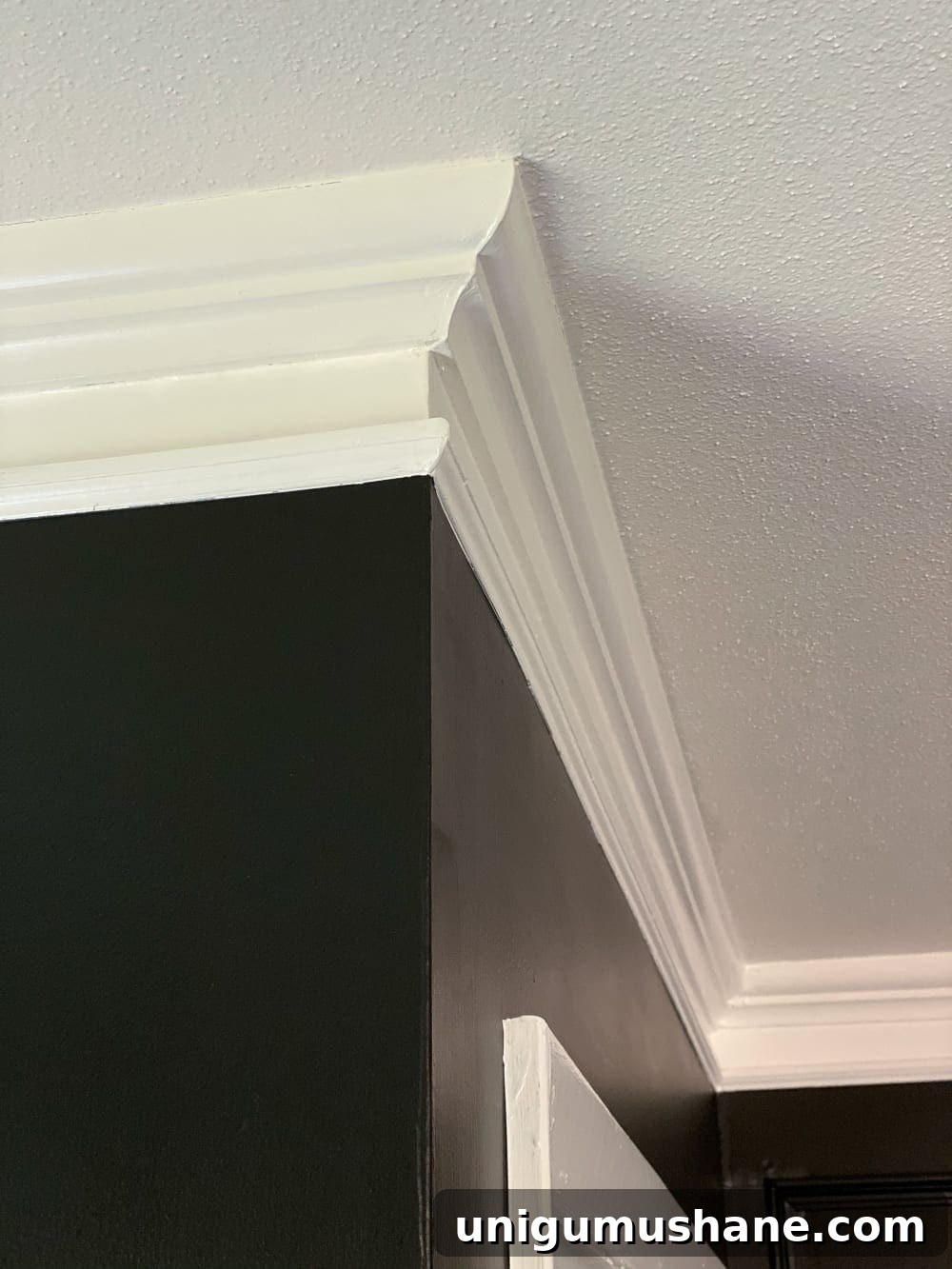
How to Quickly Beef Up Crown Molding and Baseboards
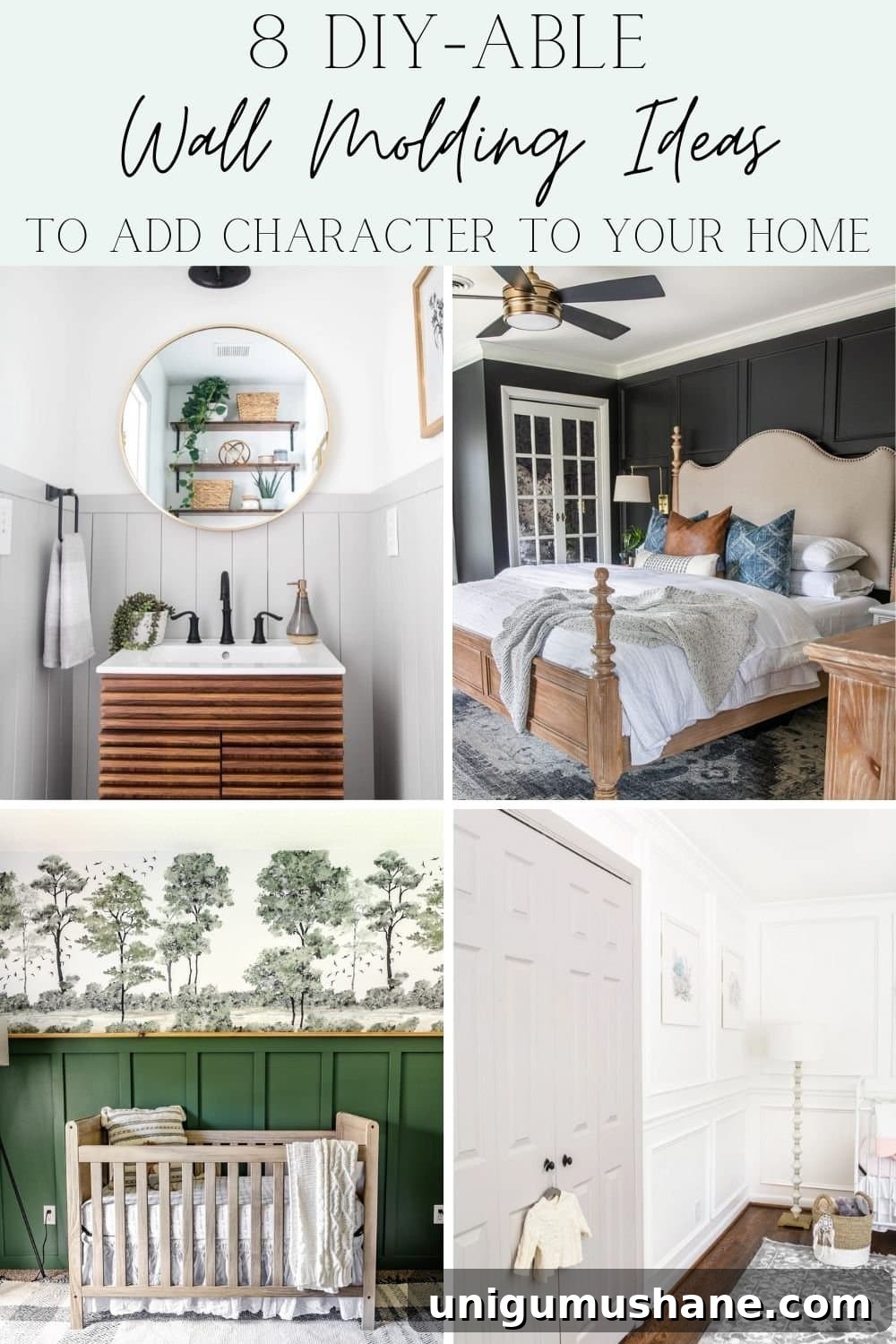
DIY Wall Molding Ideas to Add Character to Your Home
We’ll be sharing progress on this staircase, foyer, and hallway over the next few weeks. If you try this project, ask questions or share photos — I’d love to help troubleshoot any geometry hang-ups or cutting challenges.