
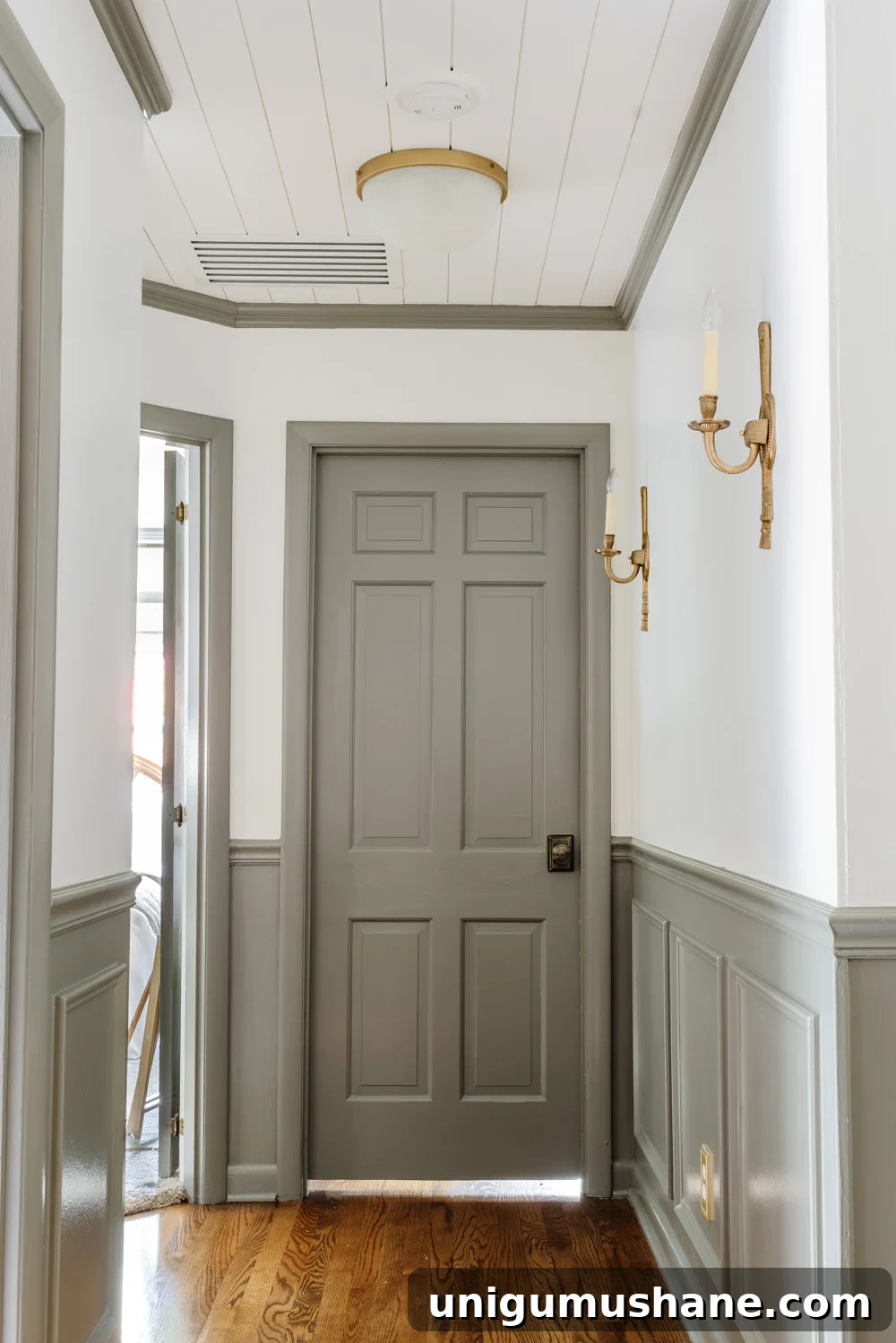
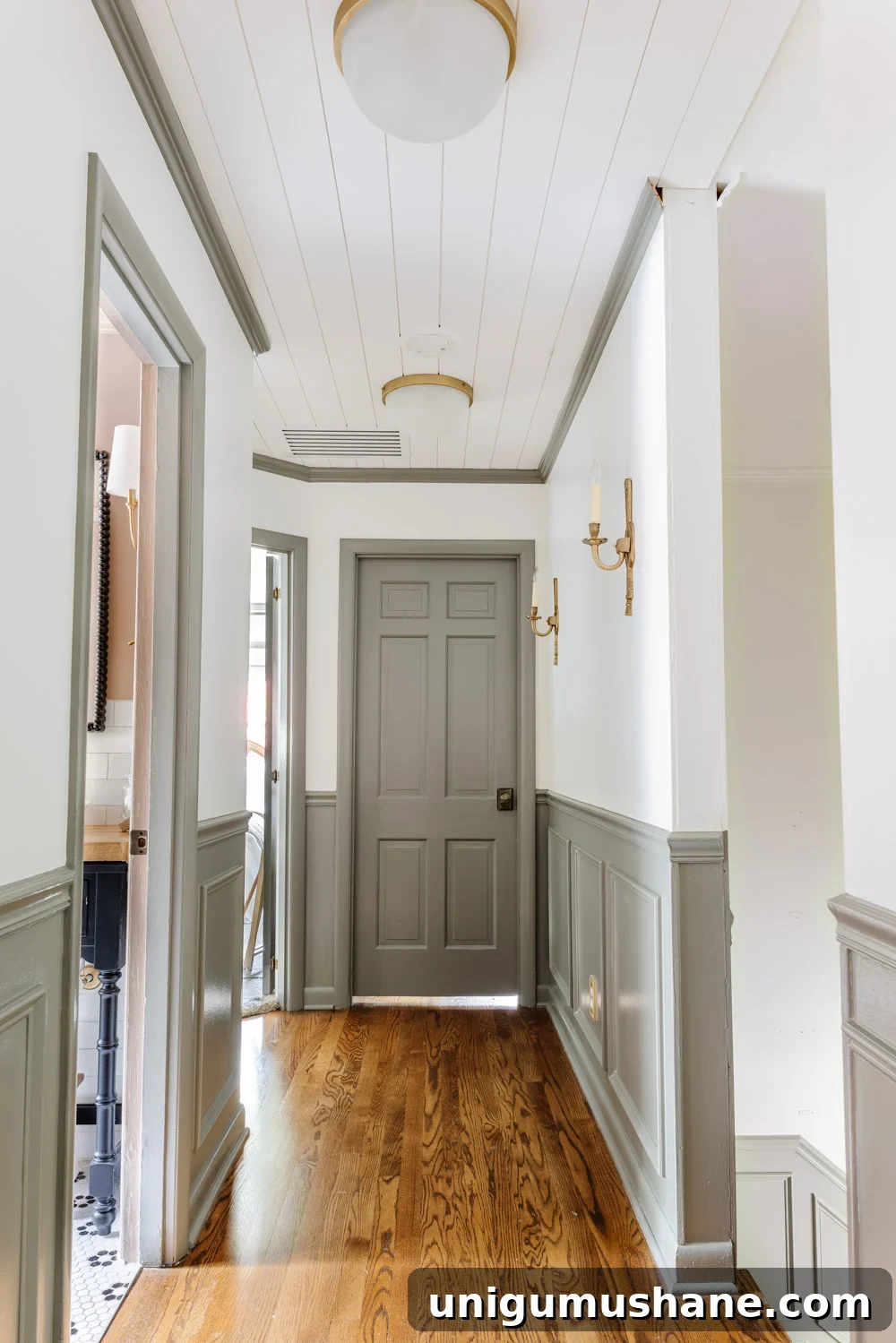
Consider this the post nobody thought they needed — but here we are. A few years back we painted all the upstairs doors and loved the transformation. Fresh paint can make doors feel brand new, but there’s a frustrating downside: painted doors that stick to the jamb, pop loud as a firecracker, or even peel paint off the frame when you force them open.
No matter how carefully we prepped — deglossing, sanding, priming, and using a durable enamel — the doors still stuck. They stuck quietly when you wanted silence, and loudly when someone was trying to slip out of a room. It became one of those small but constant annoyances I was determined to fix.
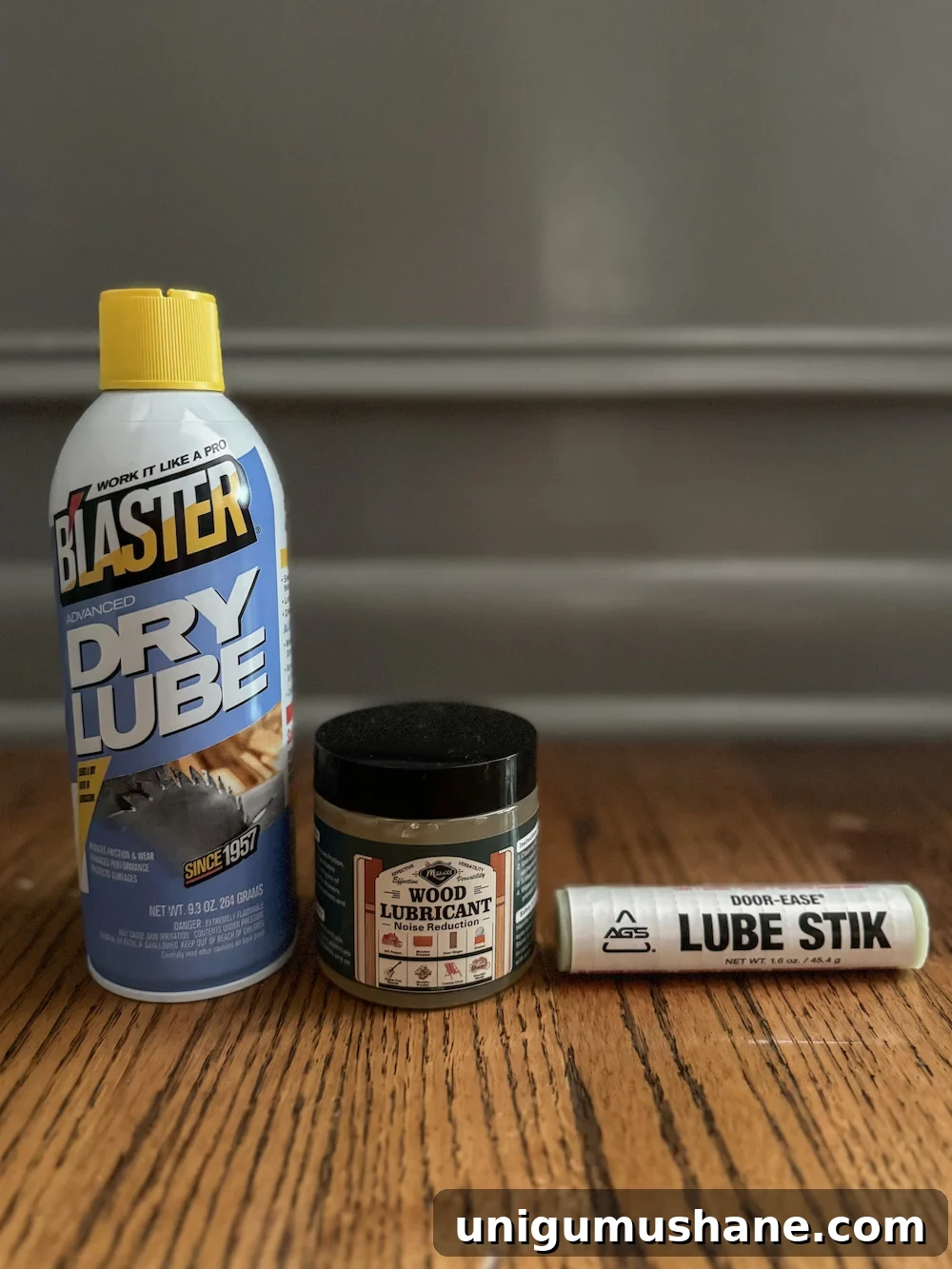
Recently we repainted the hallway doors in Sherwin Williams Willowleaf (the same soft green-gray we used in our foyer and stairway) and decided it was time to solve the sticky door problem for good. I scoured contractor forums, picked three widely recommended products, and tested each on a separate door to see which one really works to fix a sticking door.
How to Fix a Sticking Door (We Tried 3 Products So You Don’t Have To)
As an Amazon Associate, I earn from qualifying purchases. full disclosure
If your painted doors bind against the jamb after a fresh coat, a lubricant specifically formulated for doors and wood can be the simplest, least invasive solution. I tested three products: a brush-on wood lubricant, a wax-style lube stick, and a spray dry lube. Each was applied along the edge where paint contacts the jamb to address the friction that causes sticking and paint peeling.
Below are the results and practical notes so you can pick the right product for your situation.
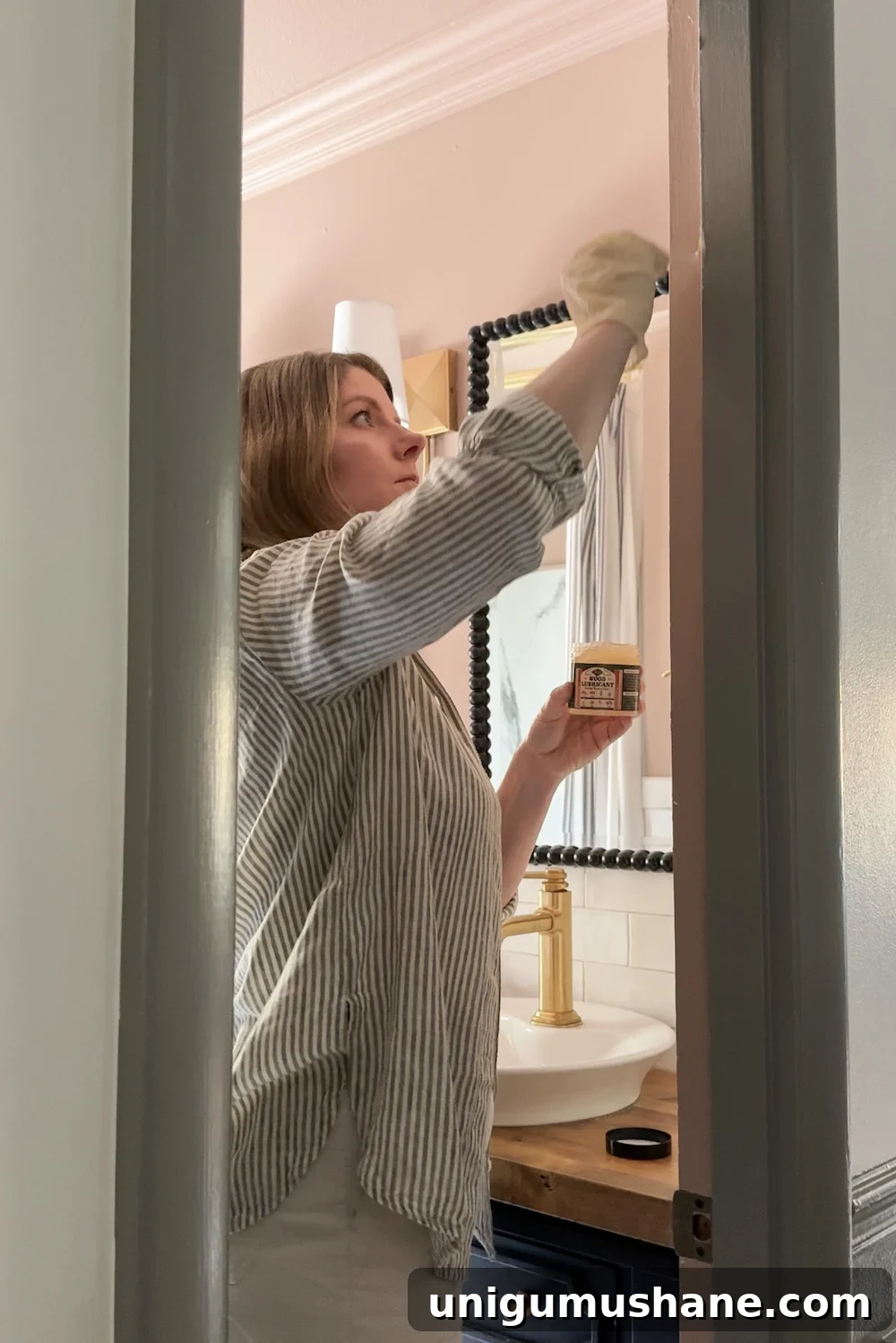
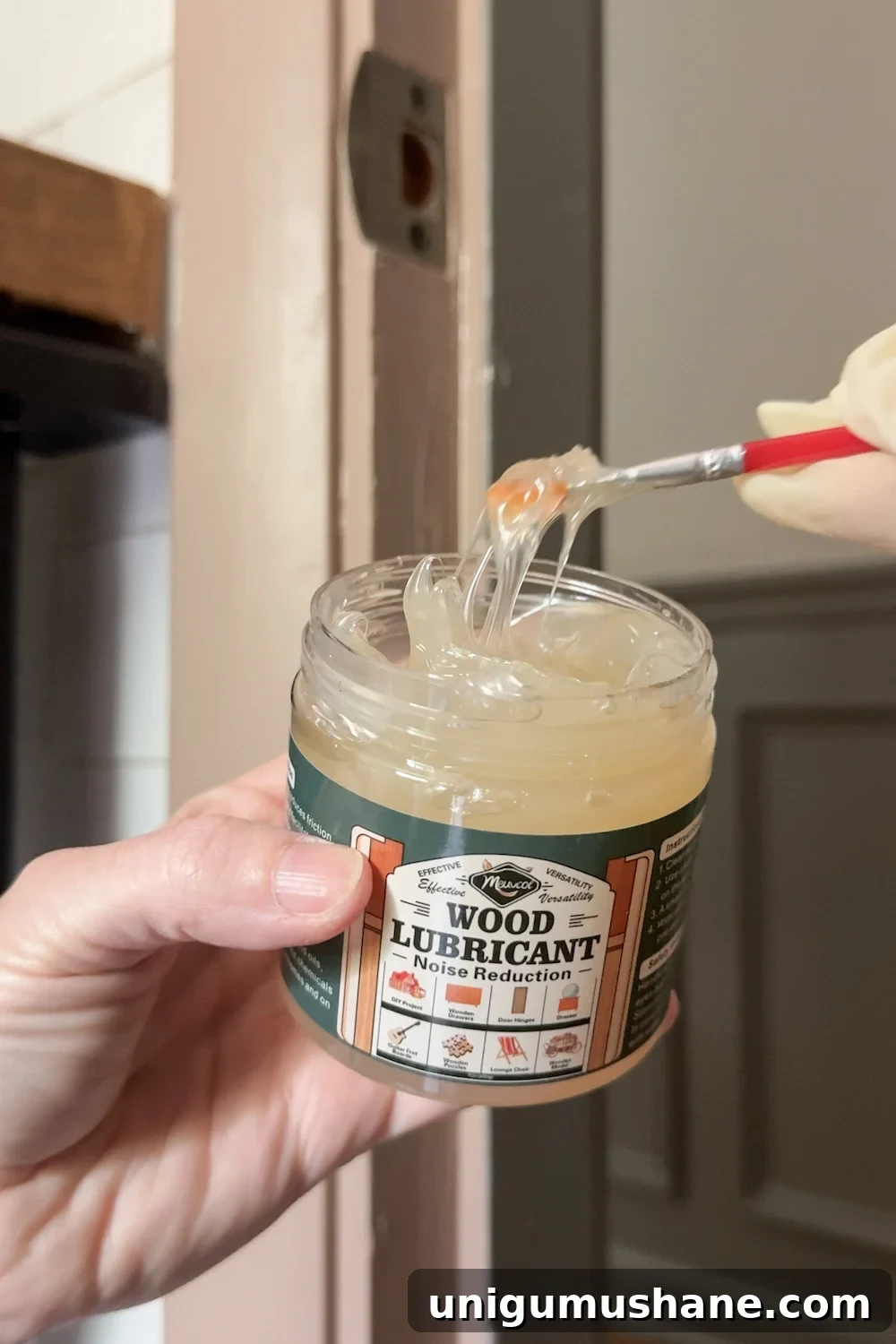
3rd Place: Wood Lubricant
Application method: Brush-on
Pros: Effective over time, good for heavy rubbing areas
Cons: Messy, thick consistency, slow to dry
The brush-on wood lubricant can solve the problem, but it felt more like repainting the jamb than a quick fix. It applies thick and tacky and takes time to soak in and settle. It did reduce sticking after some time, but the application was messy and not ideal for a fast, clean solution.
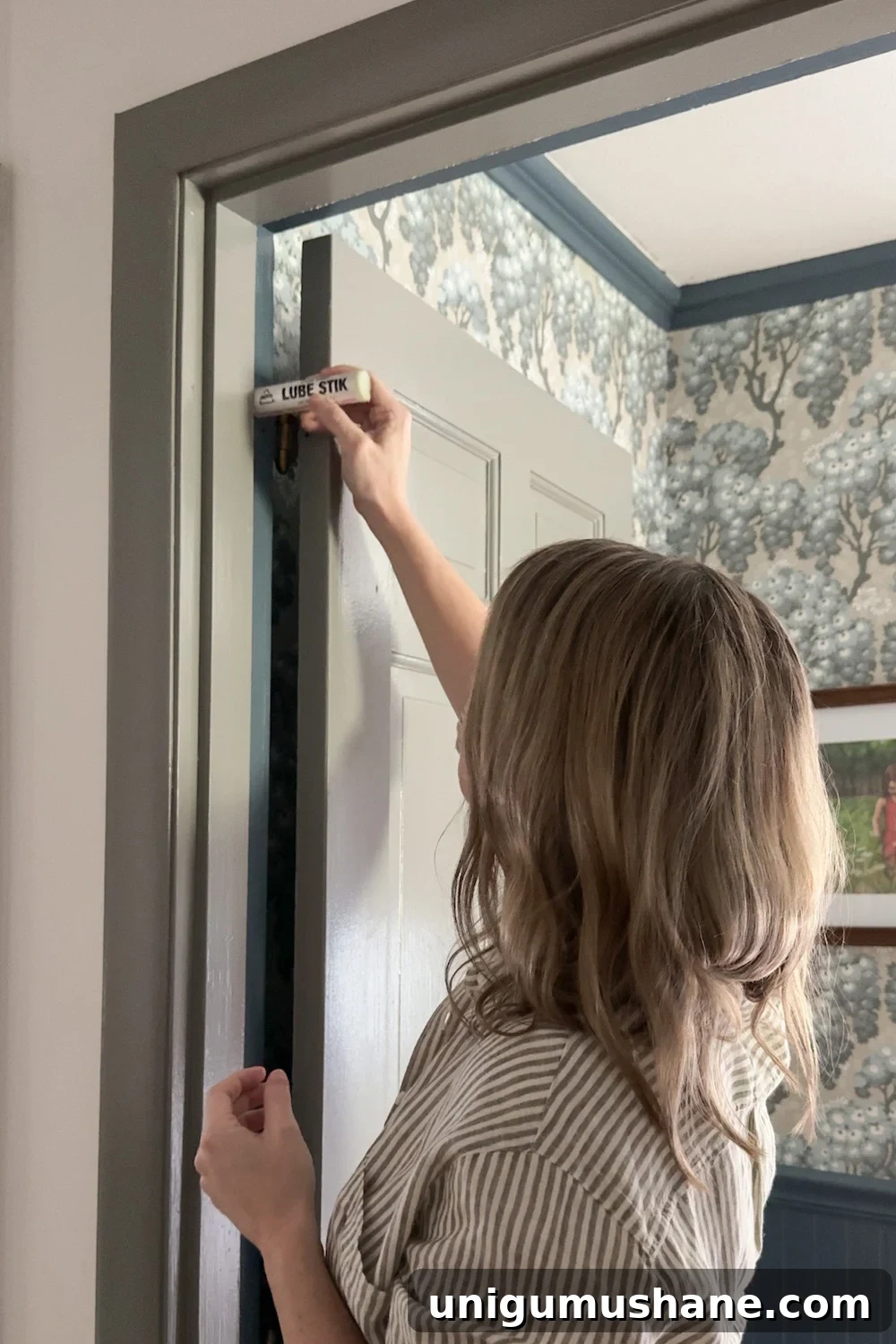
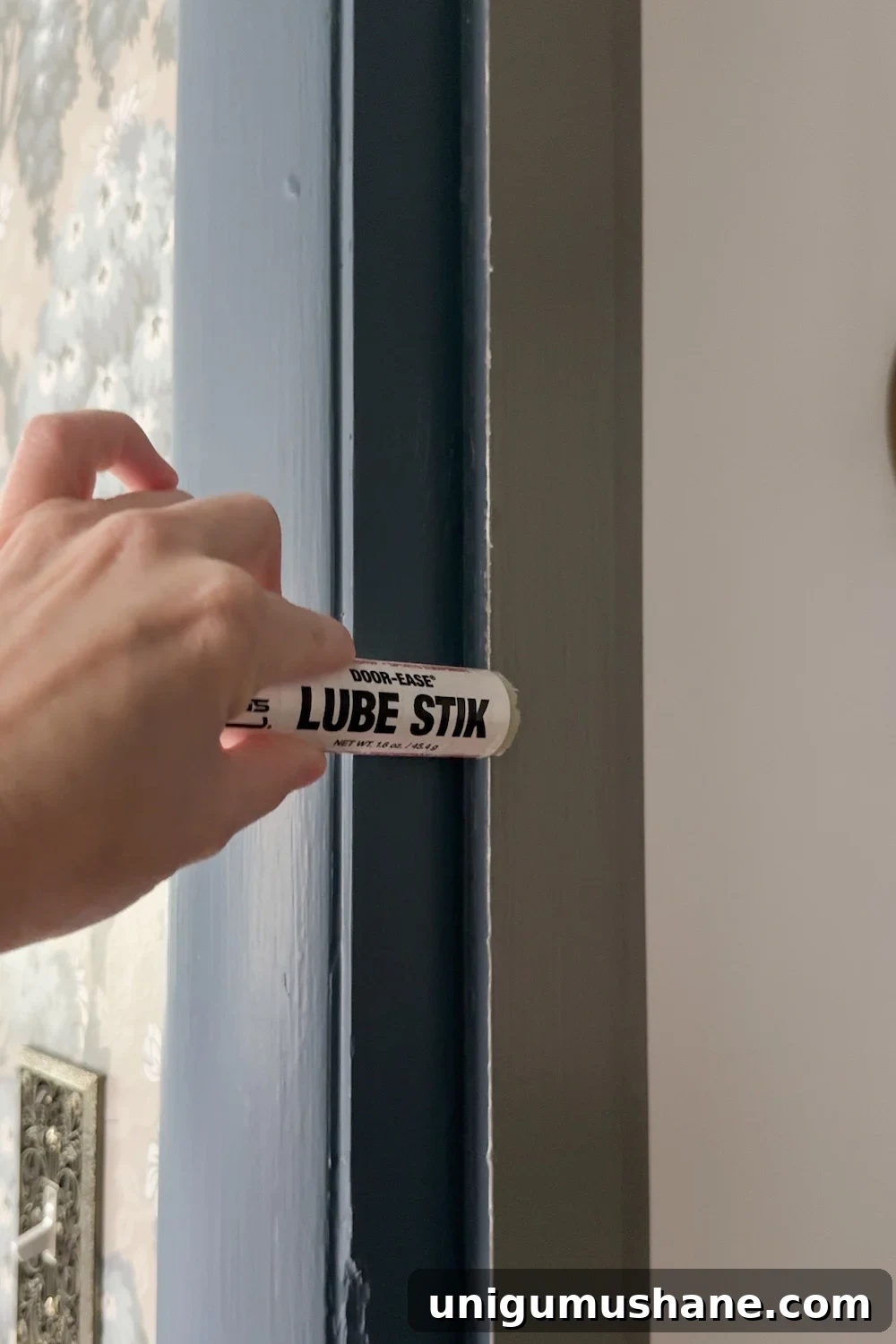
2nd Place: Door Ease Lube Stick
Application method: Rub-on wax stick
Pros: Cleaner than liquid lubricants, portable
Cons: Can apply unevenly, requires elbow grease
The wax-style lube stick is like rubbing a large crayon along the jamb. It’s less messy than a liquid product and easier to control, but coverage can be uneven and it can take a bit of effort to work the wax into the contact area. It’s a decent middle-ground if you want something clean without dealing with spray fumes or wet residue.
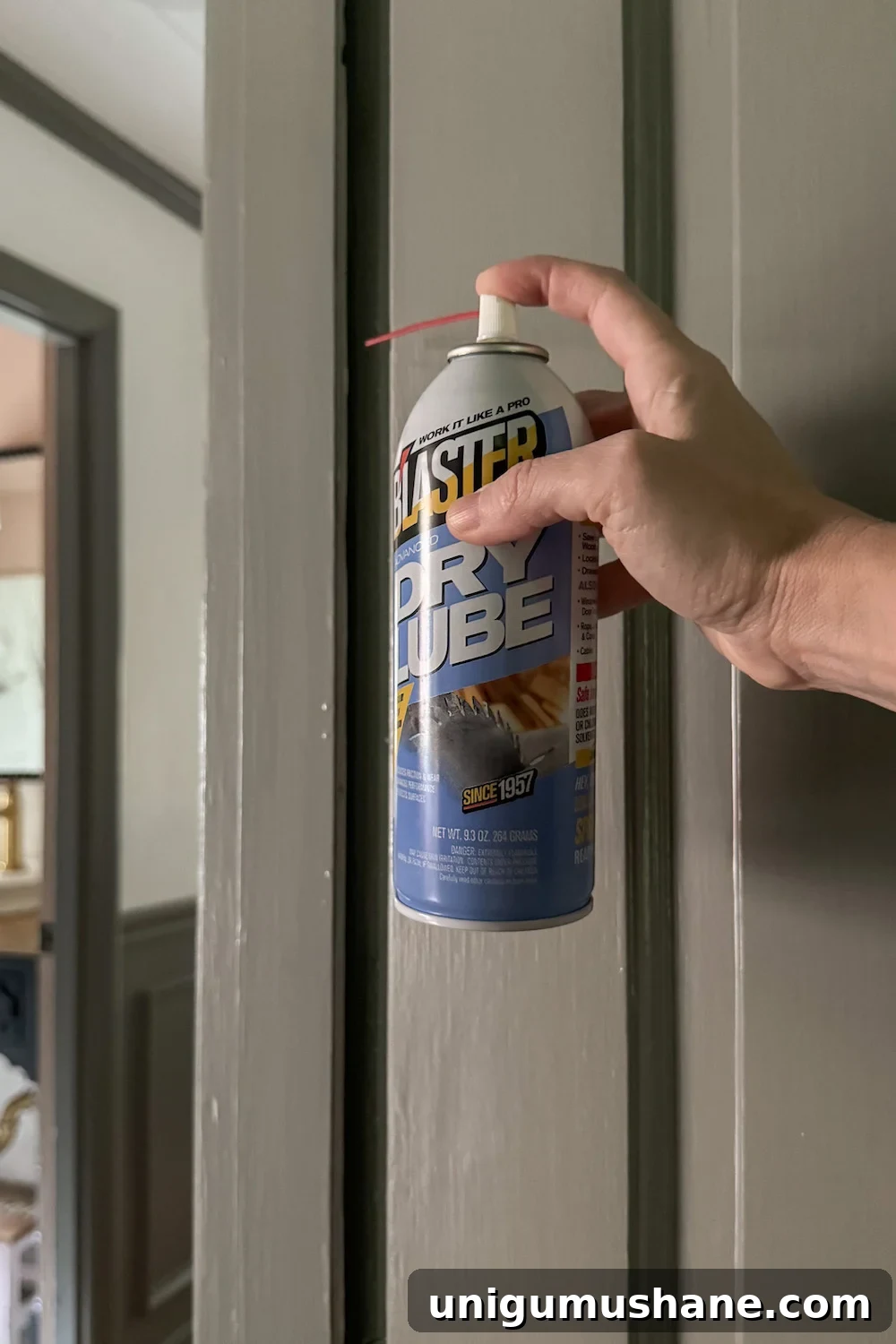
1st Place: Blaster Dry Lube Spray
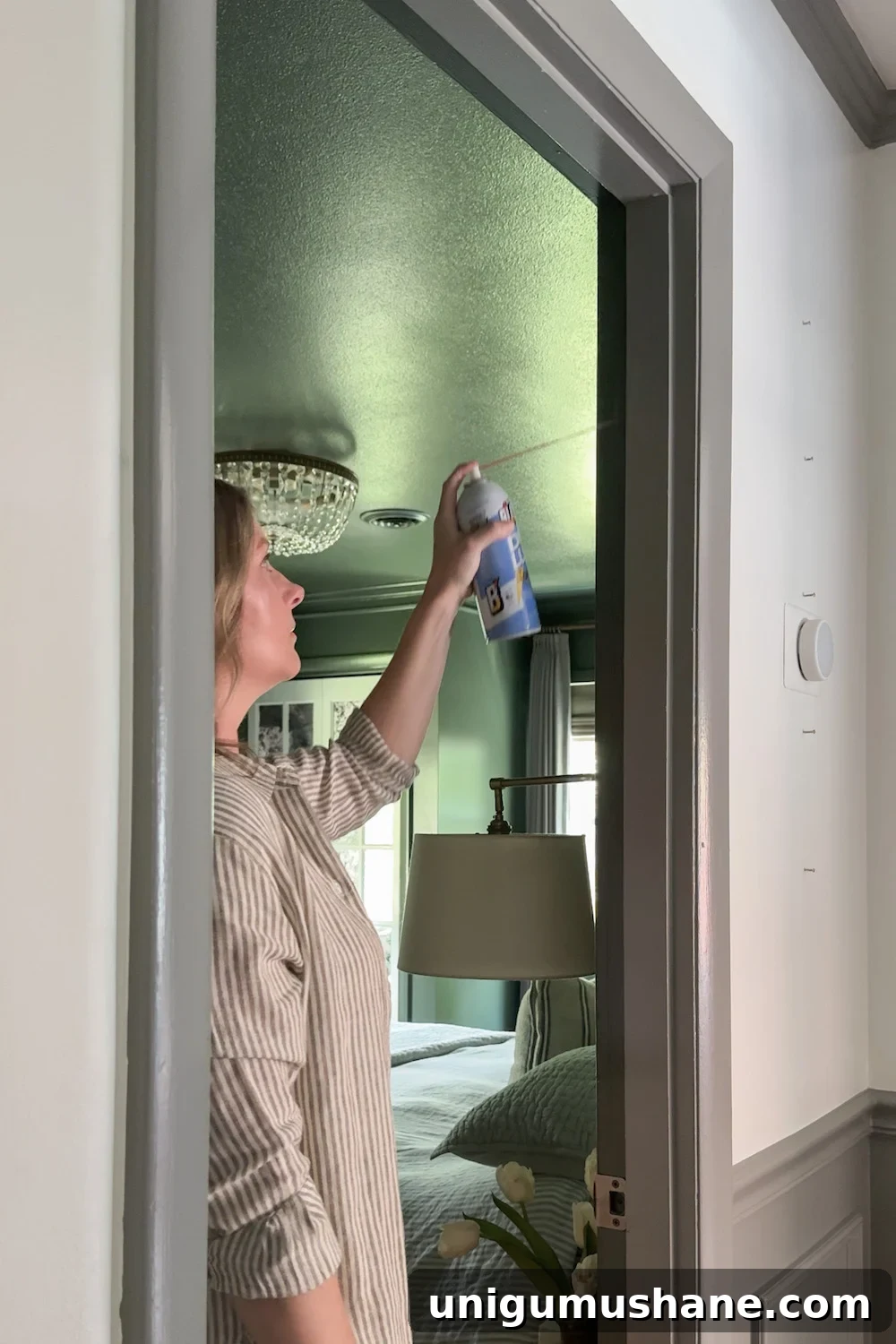
Application method: Spray-on
Pros: Fast, effective, dries clean with minimal residue
Cons: Temporary odor during application
The dry-lube spray was the clear winner. A quick spray along the door edge where it contacts the jamb stopped the sticking immediately. It goes on wet but dries quickly to a near-invisible, non-greasy film that reduces friction. There’s a short-lived smell during application, so ventilating the area is helpful, but once dry it’s clean and quiet. In short: fast, effective, and low-fuss.
One amusing side effect is that doors stop announcing every bedroom exit—our kids now slip around like little ninjas. But for a quiet hallway and doors that don’t tear paint off the jamb, I’ll take that trade-off.
Final Verdict
If you’ve been searching “how to fix a door that sticks,” the simplest and most reliable fix I found was a spray dry lube applied along the door edge and jamb. It’s fast, clean, and solves the problem without sanding away fresh paint or doing extensive refinishing. Wax sticks are a tidy alternative if you prefer no-spray options, and brush-on lubricants work but are messier and slower to settle.
After addressing the sticking doors, our hallway feels calmer and more finished. With the attic door hidden in the ceiling and the doors no longer fighting the jamb, we’re ready to add art, a mirror, and a runner rug to bring the space to life.
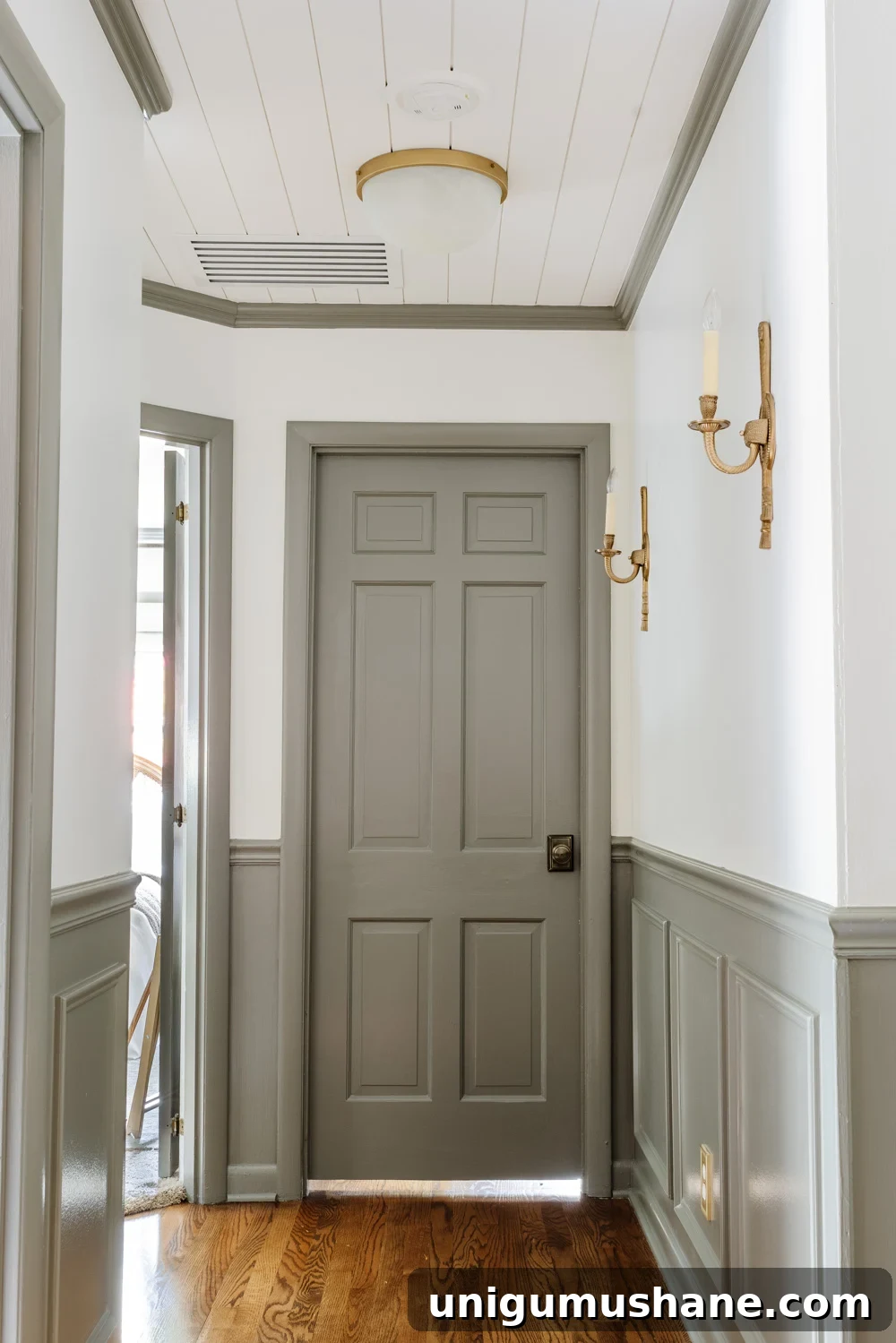
Small DIY wins like this aren’t flashy, but they make daily life better. A quiet hallway and doors that open smoothly are well worth a few minutes and a can of the right lubricant.
More DIY Door Upgrade Ideas
- How to Paint Interior Doors
- The Trick for Painting French Doors and Windows Like a Pro
- How to Change Door Hinge Colors in Seconds
- Easy DIY Mirrored French Bi-Fold Door Makeover