
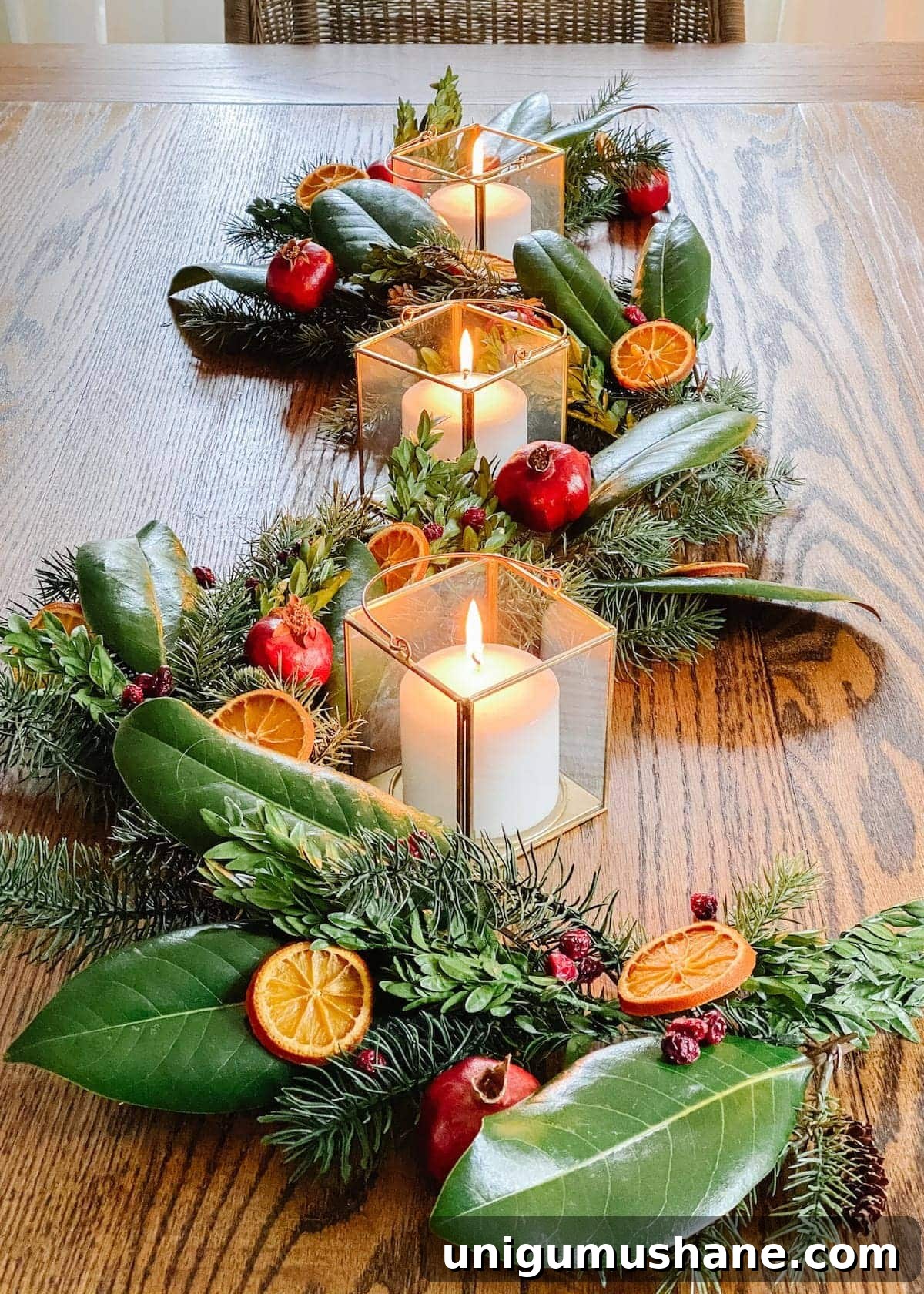
A step-by-step guide for drying oranges, cranberries, and pomegranates and for preserving magnolia leaves and boxwood stems to create natural, classic Christmas decor.
This season my main goal was simple: make our home feel cozy and classic by using natural elements gathered from the yard and the grocery store. Over the past few weeks I collected magnolia leaves and boxwood stems and dried fruits to create garlands, wreaths, and table centerpieces that elevate inexpensive artificial greenery.
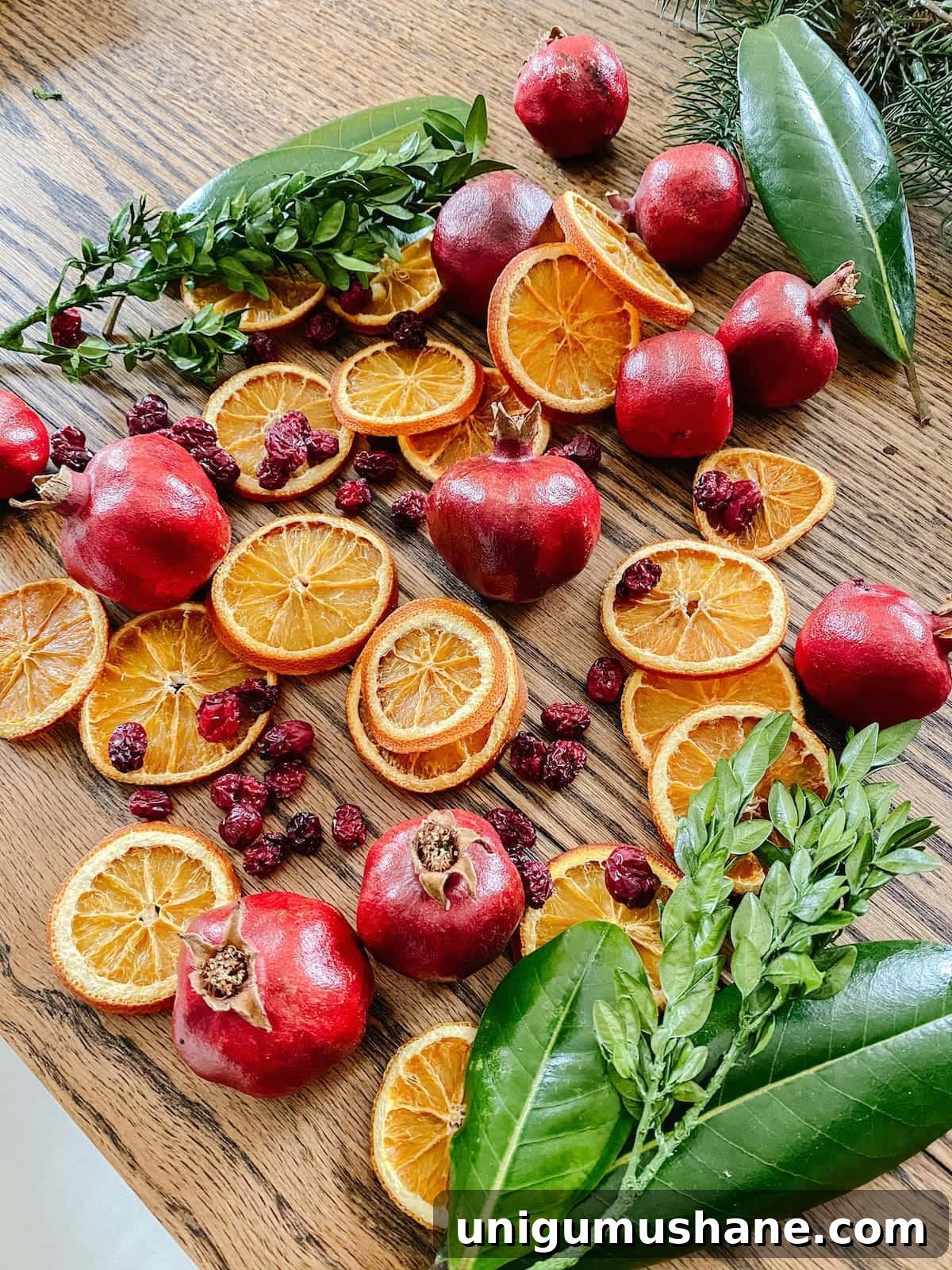
If you want a natural look that reads high-end, here are reliable ways to preserve magnolia and boxwood leaves and to dry oranges, cranberries, and pomegranates for holiday decorating.
How to Preserve Magnolia Leaves and Boxwoods
I tested two methods: a quick spray treatment that extends freshness for a few weeks, and a glycerin soak that produces long-lasting, flexible leaves.
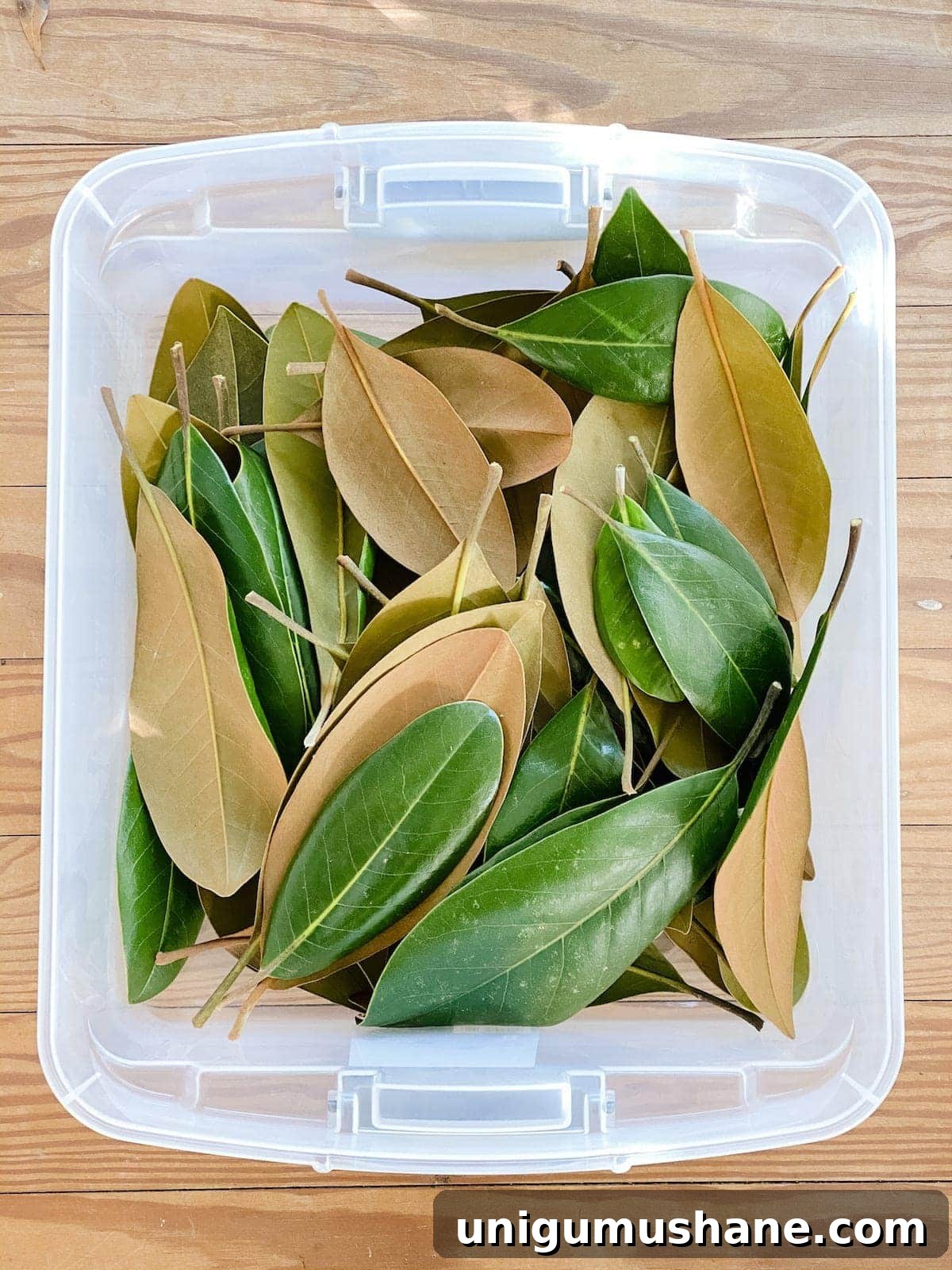
Leaf Preserving Method 1 (Quick Spray)
This faster approach uses a leaf sealant to slow drying and keep leaves looking fresh for several weeks. It’s ideal when you need preserved greenery on short notice.
Leaf Preserving Supplies
- Magnolia leaves or boxwood stems
- Leaf-protecting spray (WiltPruf or a similar product)
- Spray bottle (if needed)
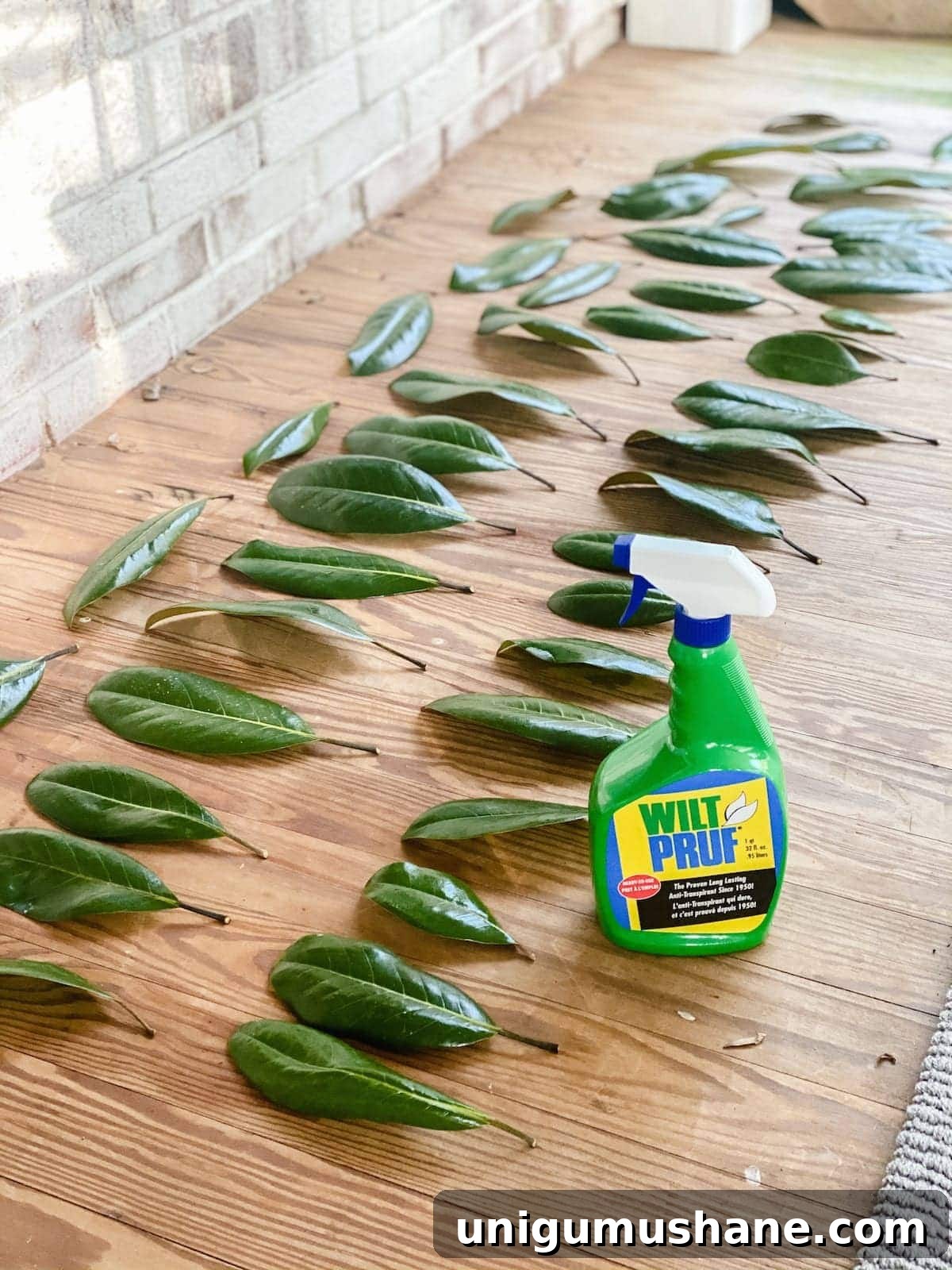
Work outdoors: lightly spray the top and bottom of each magnolia leaf and allow them to air dry. Once dry, arrange the leaves in garlands, wreaths, or floral arrangements. This method reduces flaking and preserves color for the season.
Leaf Preserving Method 2 (Glycerin Soak)
For leaves that remain soft and evergreen for months or years, use a glycerin soak. This takes a few days but gives excellent, long-term results.
Leaf Preserving Supplies
- Glycerin
- Room-temperature water
- Hammer (to slightly crush stems)
- Large shallow dish or bin
- Plate or weight to keep leaves submerged
Mix one part glycerin with one part room-temperature water in a container large enough for your leaves. Gently crush the ends of stems with a hammer to open the vascular tissue, then lay leaves flat in the solution without overlapping. Use a plate or weight to keep them submerged. Leave for 3–4 days, then remove and air-dry. Preserved leaves will remain flexible and keep their color for a long time. The same two methods work well for boxwood stems.
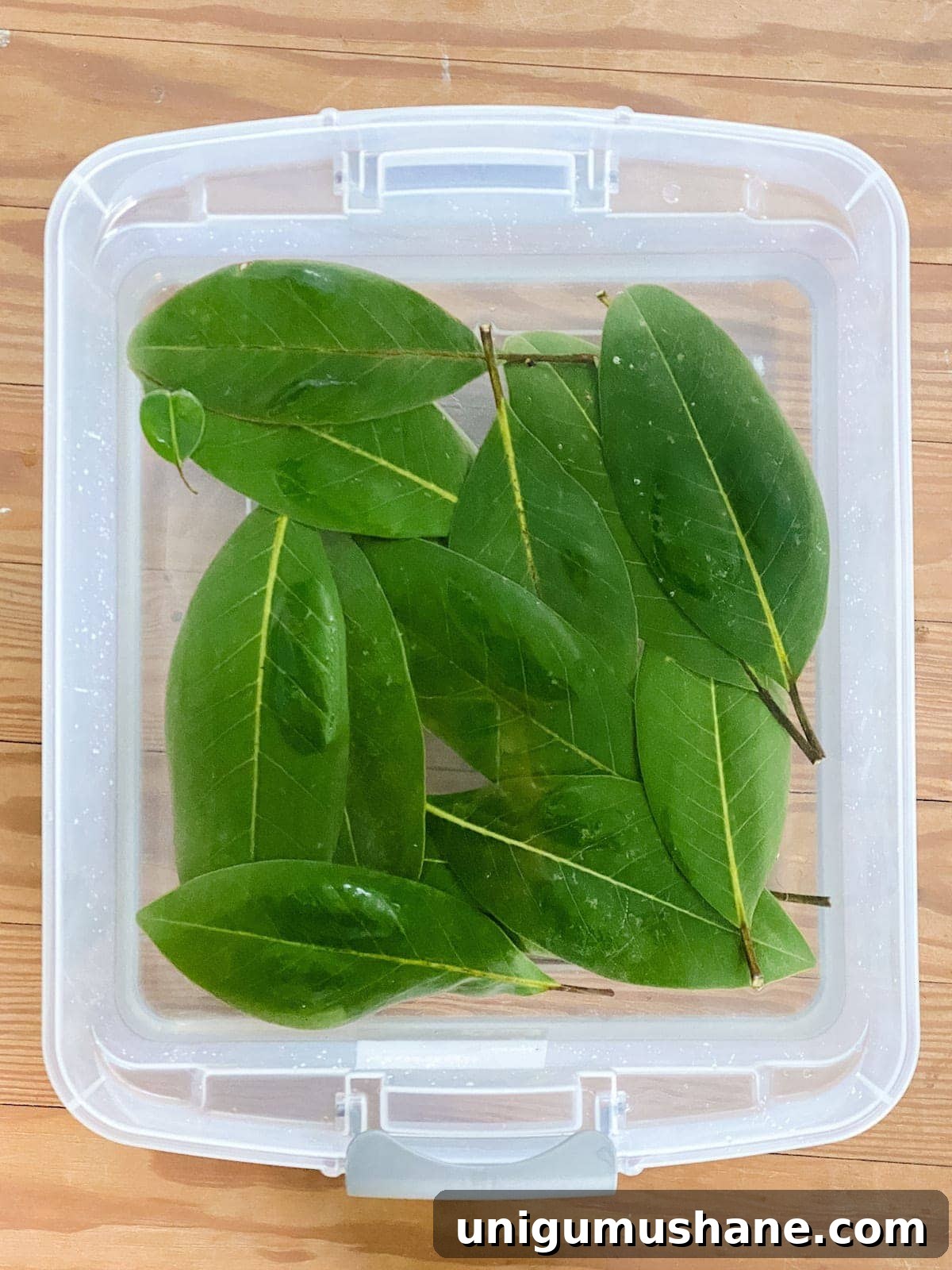
For the dried fruit, I focused on oranges, cranberries, and pomegranates; the same drying approaches can be used for apples, pears, and figs with minor timing adjustments.
How to Dry Orange Slices
Orange Drying Supplies
- Knife and cutting board
- Baking sheet
- Parchment paper
- Oven
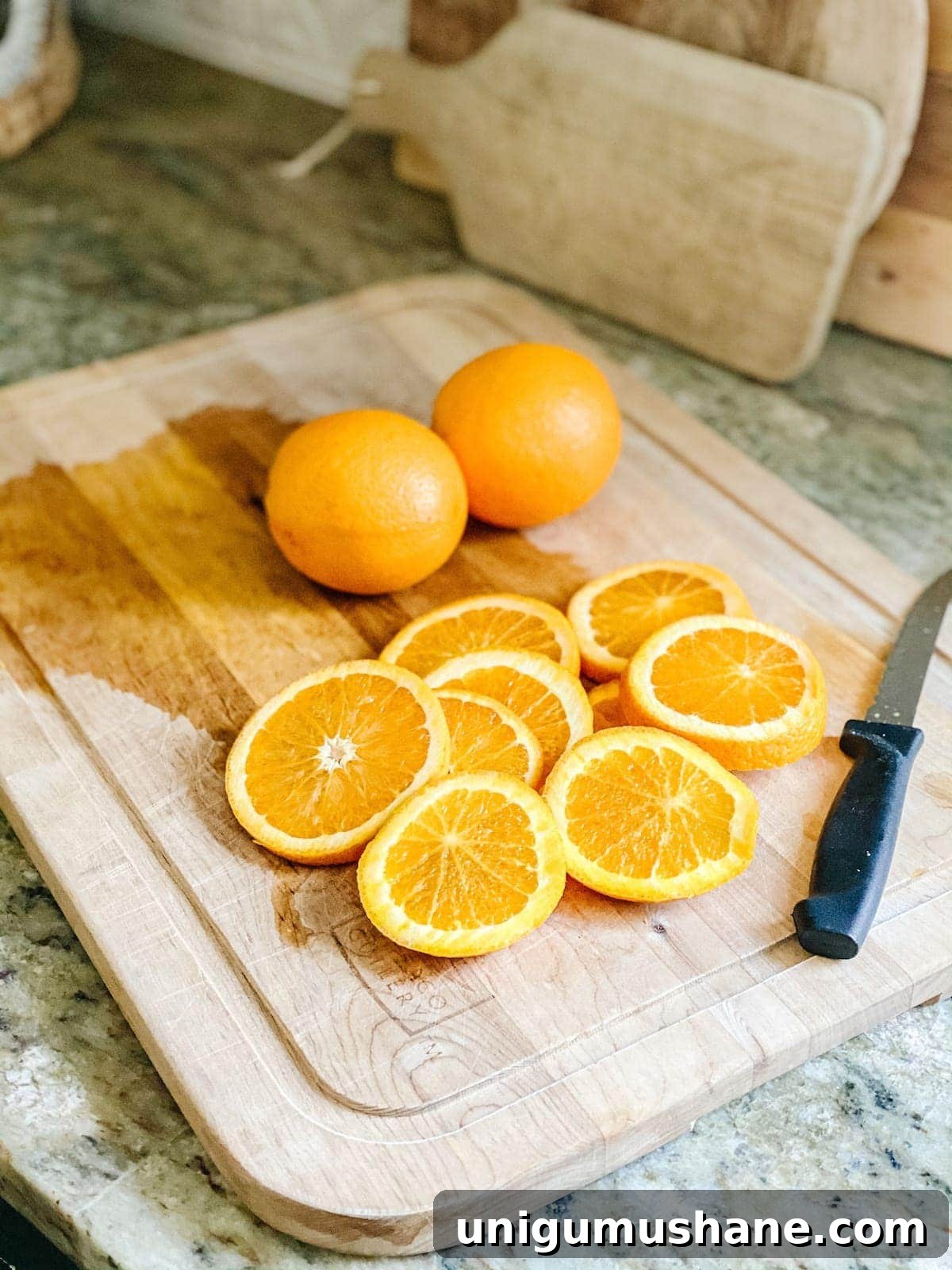
Orange Drying Steps
Slice oranges about 1/4 inch thick. Arrange slices on parchment paper on a baking sheet in a single layer. Bake at 200°F for 45 minutes, flip slices, and continue baking, flipping every 45 minutes until they feel dry to the touch—usually around three hours total, depending on thickness. Thinner slices dry faster. Once cooled, use the slices to embellish garlands, wreaths, or table arrangements.
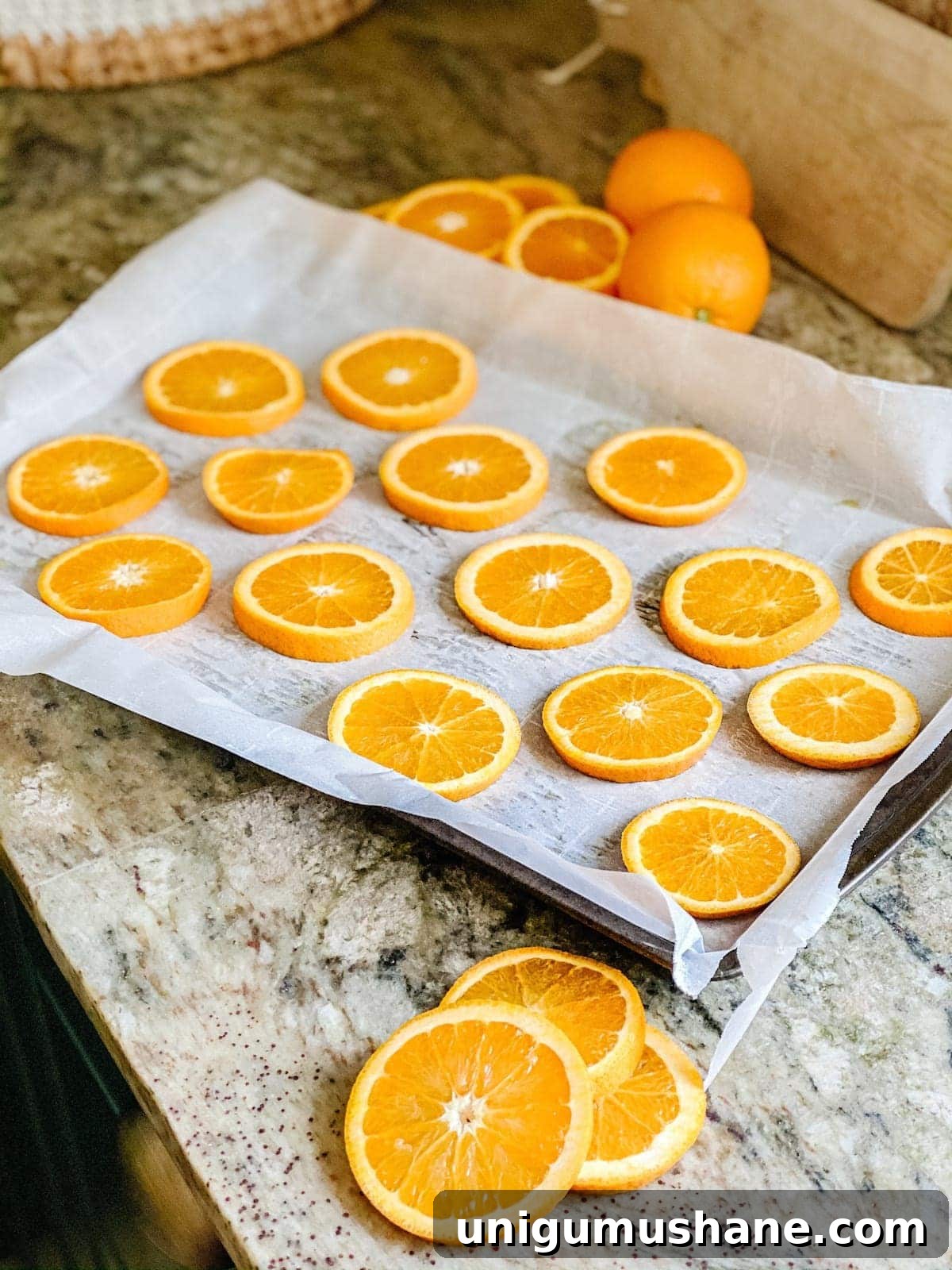
How to Dry Cranberries for Christmas Decor
Fresh cranberries can be dried to create a charming, natural garland or scattered accents. Avoid store-bought sweetened cranberries when you want a traditional look.
Cranberry Drying Supplies
- Fresh cranberries
- Large bowl
- Pot of boiling water
- Baking sheet with parchment
- Oven and freezer
- String and needle for garlands (optional)
Cranberry Drying Steps
Place cranberries in a bowl. Pour boiling water over them and let sit 8–10 minutes to swell the skins. Drain and arrange on a parchment-lined baking sheet. Freeze the cranberries solid for a few hours. Transfer the sheet to an oven set to 180°F and dry for 5–6 hours, shaking the pan every 45 minutes to turn the berries. Once cool and leathery, they’re ready to string or scatter as decoration.
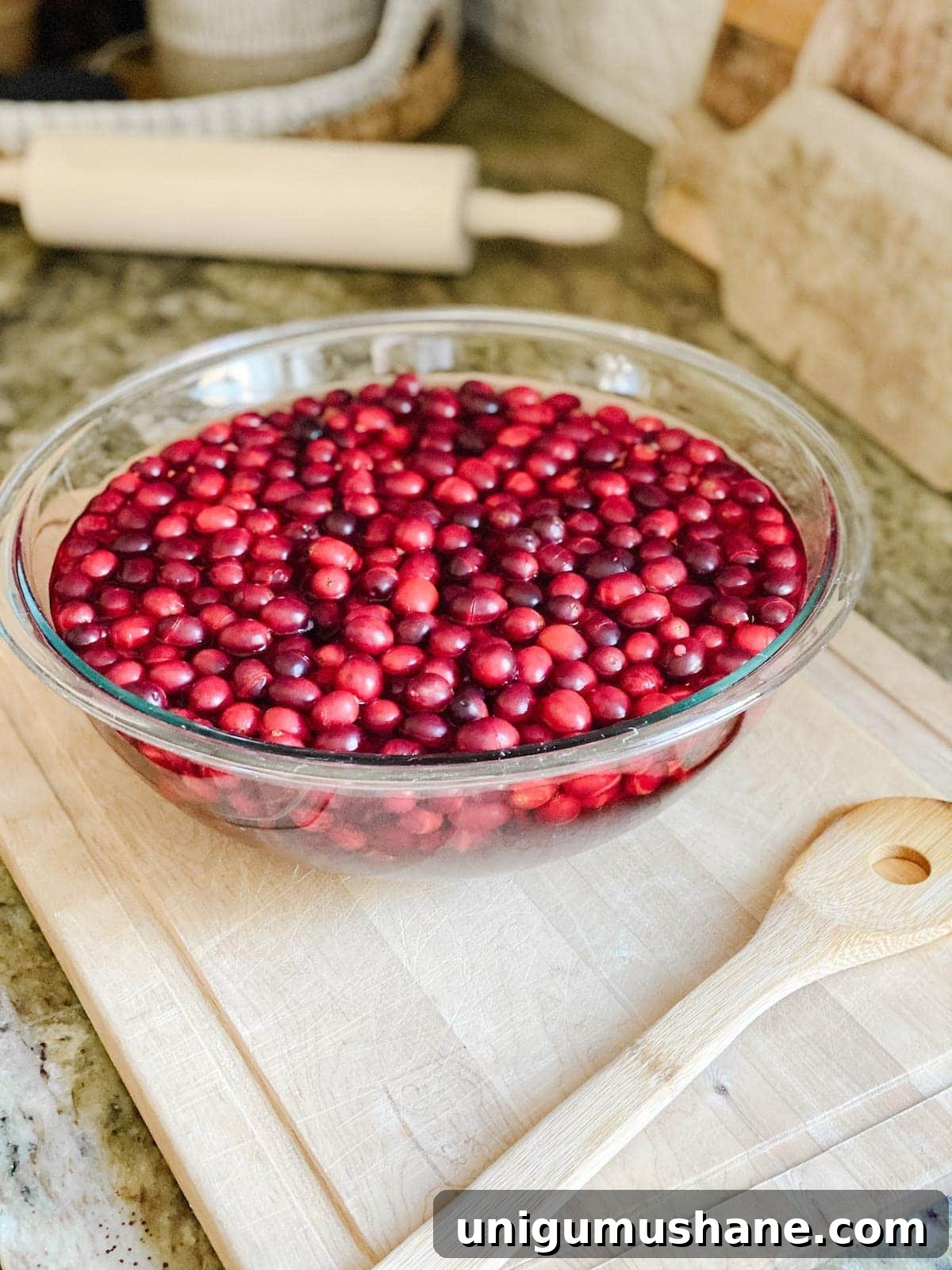
How to Dry Pomegranates
Pomegranates require patience but make striking, rustic accents once dried.
Pomegranate Drying Supplies
- Fresh pomegranates
- Toothpicks
- Wire rack
Pomegranate Drying Steps
Choose firm, unblemished fruit. Pierce the skin evenly in several places with a toothpick to allow airflow and slow spoilage. Place the pomegranates on a wire rack in a cool, dry, dark spot such as a cabinet or closet shelf. Allow them to dry slowly for 3–4 weeks; they will shrink and darken slightly but remain attractive as bowl filler or nestled among greenery.
DIY Dried Fruit and Preserved Leaf Christmas Garland Centerpiece
After preserving leaves and drying fruit, you’ll have plenty of natural accents to upgrade artificial garlands and wreaths. Use floral wire to secure items when attaching them to faux greenery.
1. Lay an artificial garland on your table and curve it to leave room for candles or a centerpiece. 2. Tuck preserved magnolia leaves into the garland stems; secure hanging pieces with wire. 3. Add boxwood stems, spacing them between magnolia leaves for texture. 4. Evenly space dried orange slices for color and contrast. 5. Nestle dried pomegranates for weight and visual interest. 6. Scatter or string dried cranberries throughout for a final, festive touch. Consider adding cinnamon sticks or whole, unshelled nuts for warmth and scent.
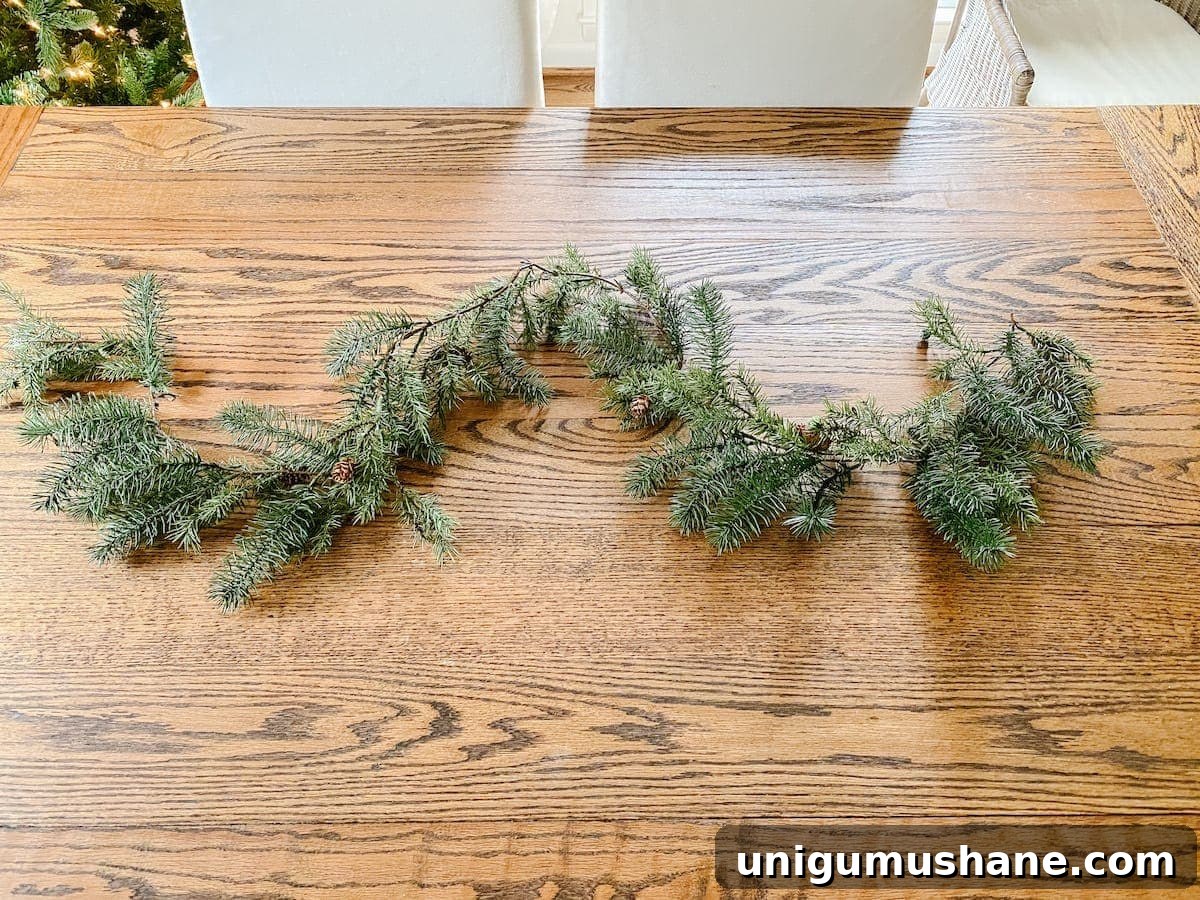
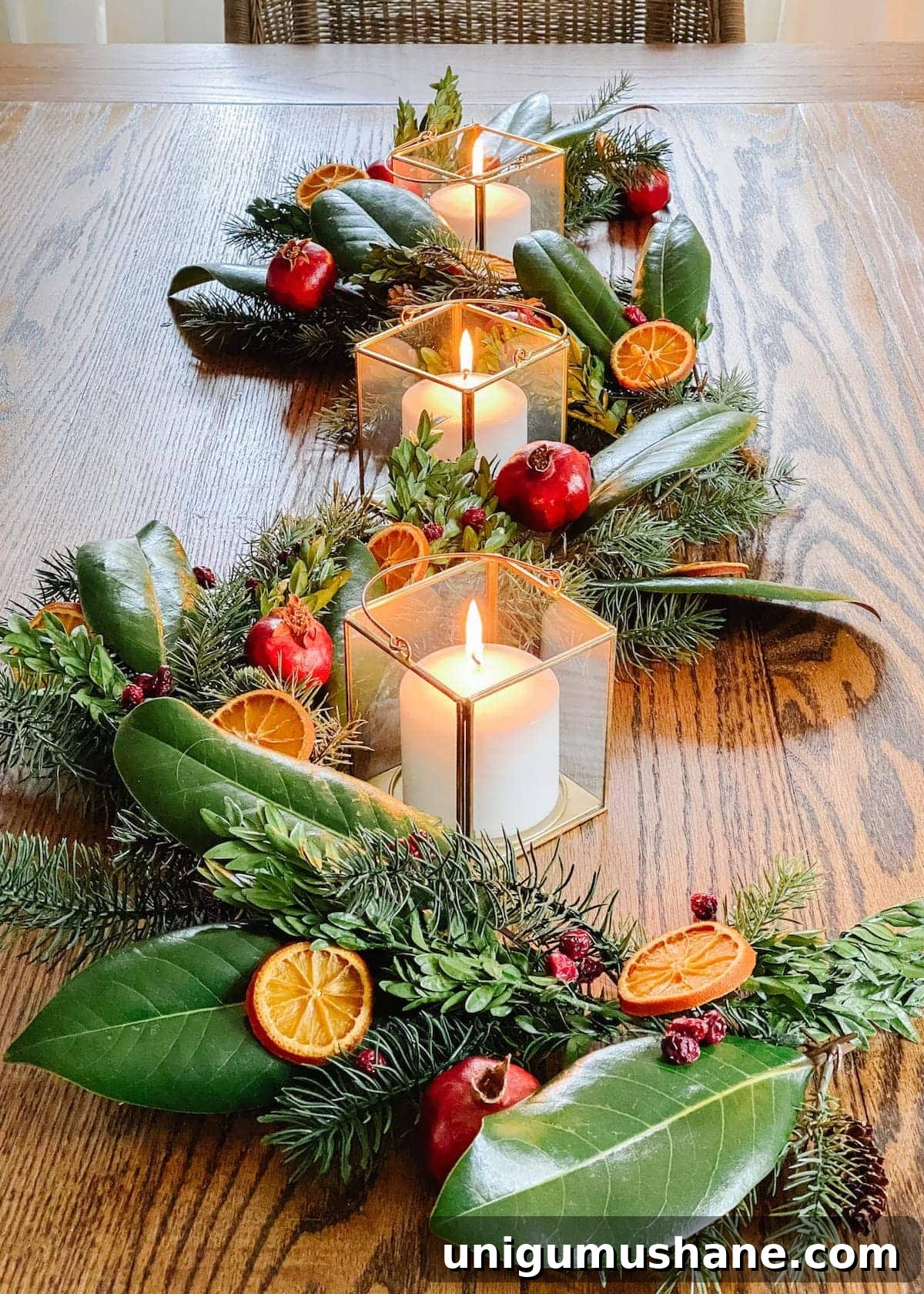
The finished garland brings a warm, historic charm to the room—think Colonial-era simplicity with modern convenience.

Natural Christmas Decor Ideas
Here are additional simple ways to use your preserved leaves and dried fruit across the home for a cohesive, seasonal look.
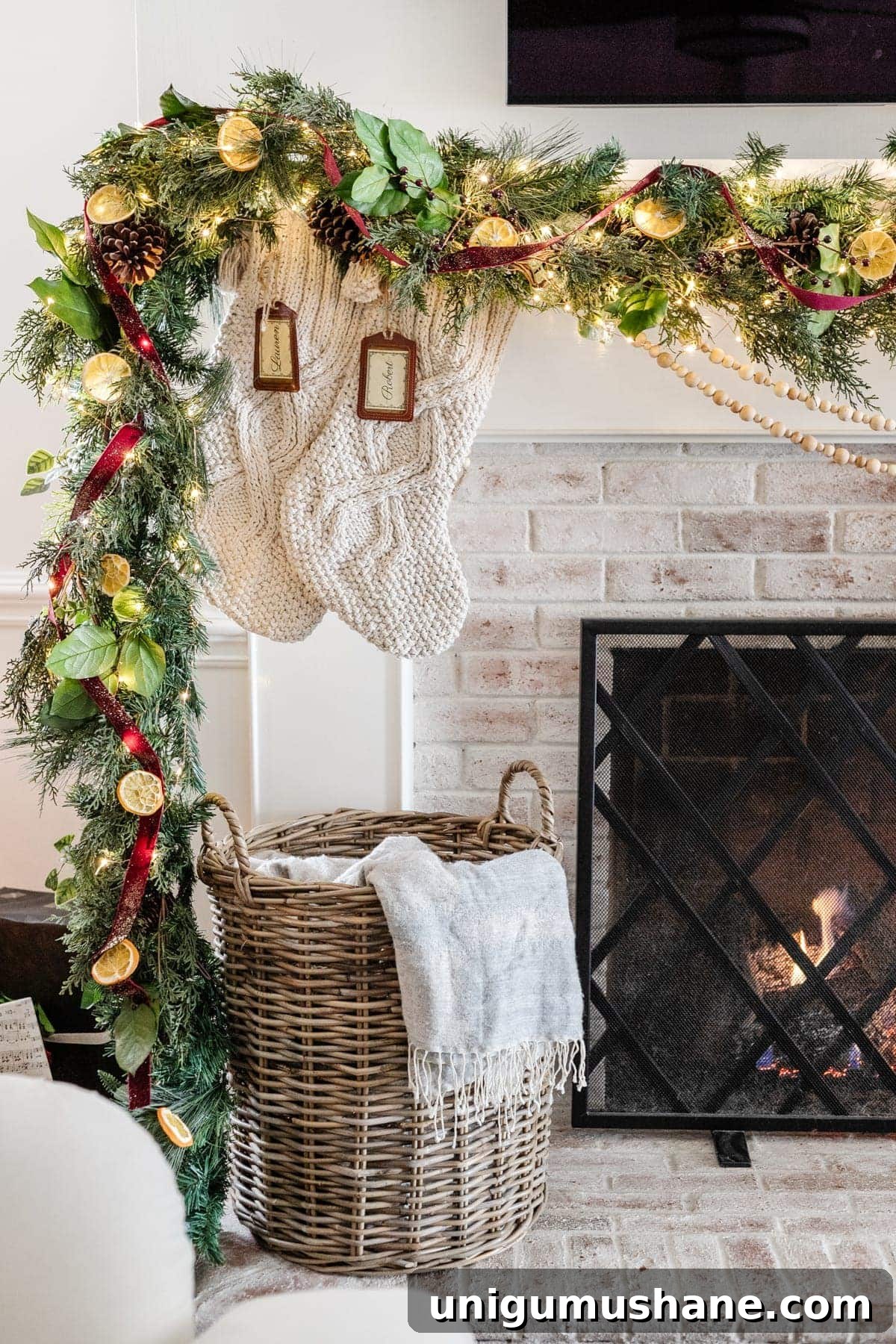
Mix Dried Orange Slices Into Staircase Garland
Attach dried orange slices to faux garland with florist wire to create a warm, classic display along banisters and staircases.
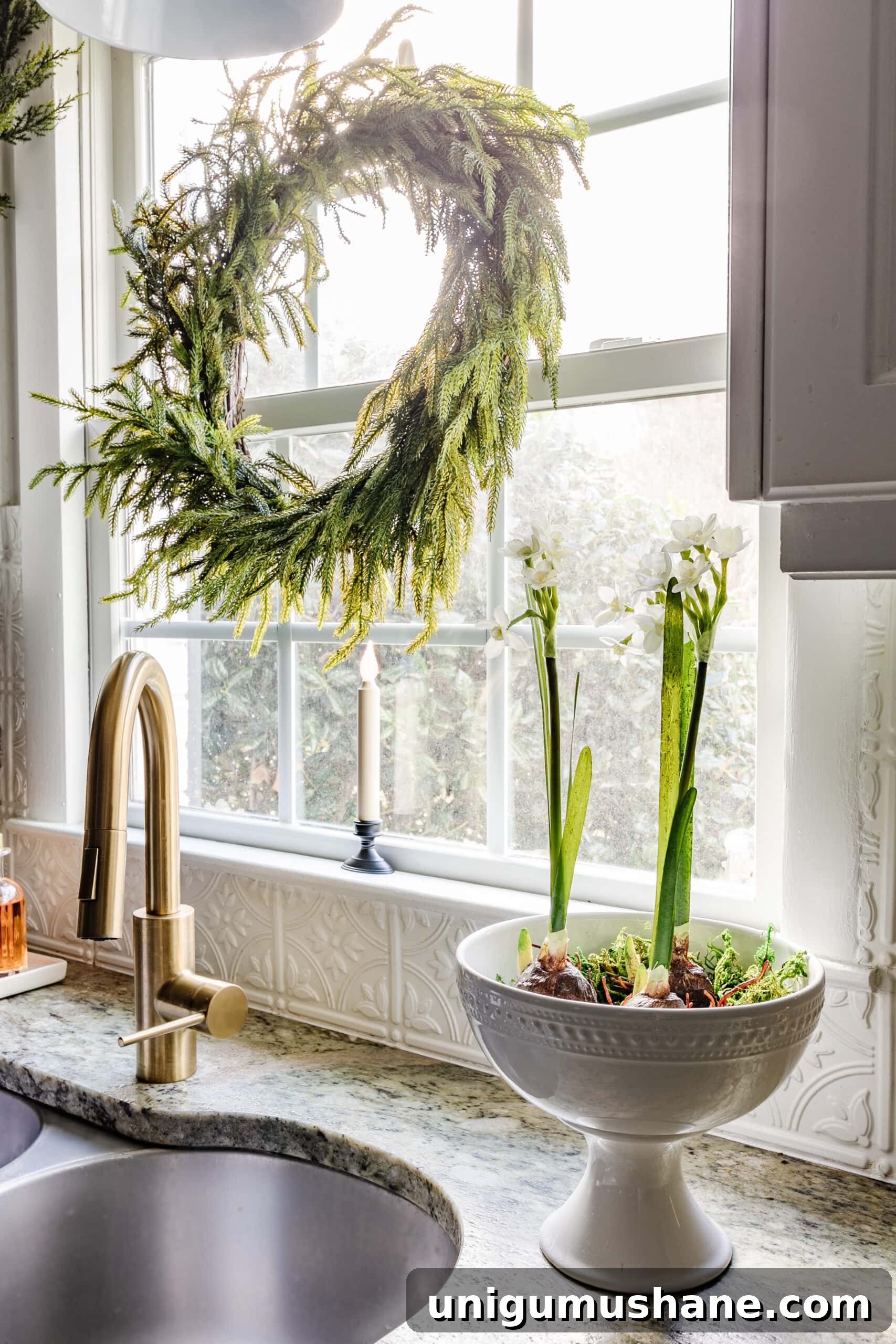
Plant Paperwhites
Force paperwhite bulbs in a simple bowl by the sink or on a windowsill for seasonal blooms that last into January.
Use Orange Pomanders in Table Centerpieces
Create pomanders by poking small holes in an orange with a toothpick and pressing whole cloves into the skin. They look beautiful and add a subtle, spicy aroma to a centerpiece.

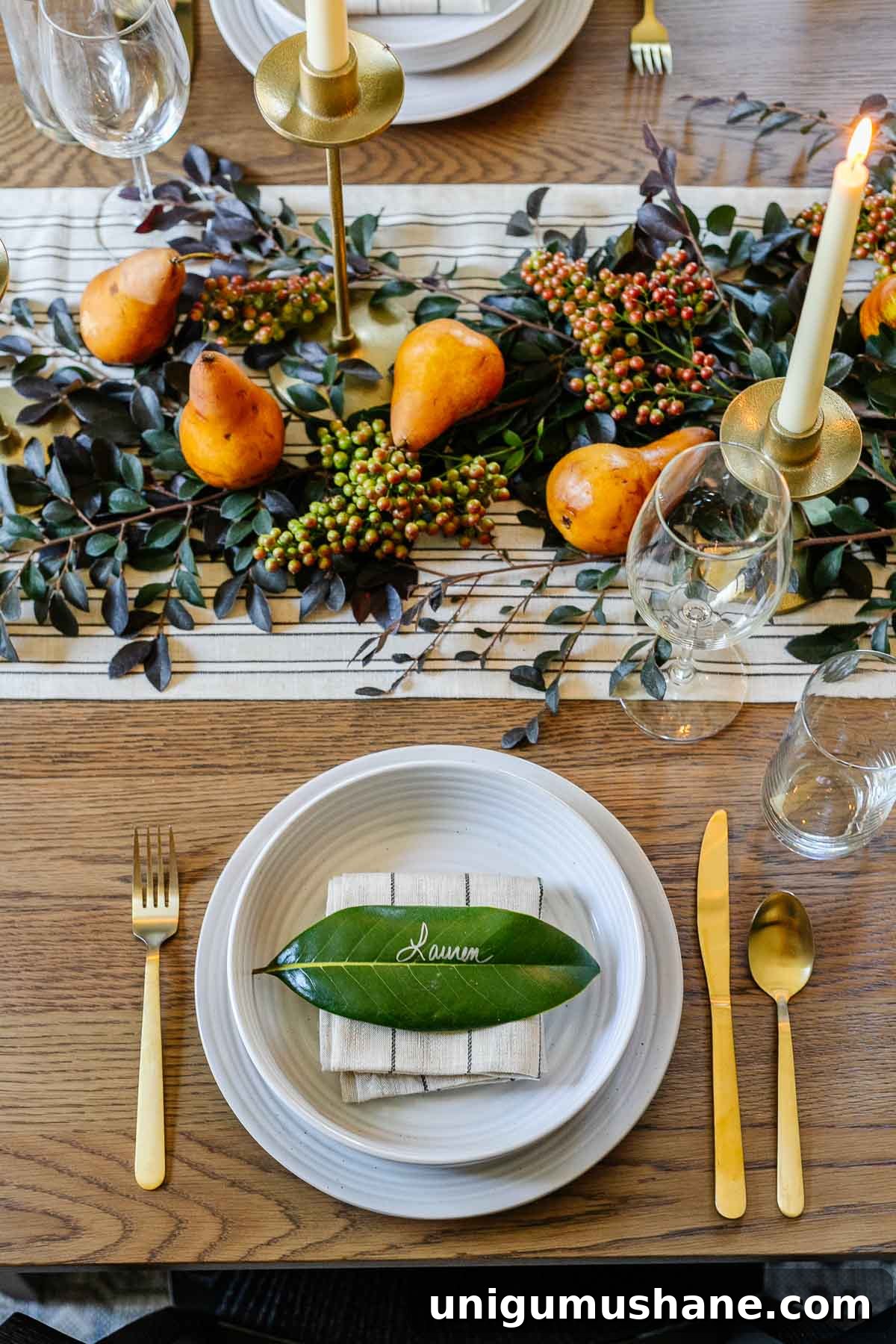
Use Leaves as Place Card Holders
Trim snips of pine, juniper, or cedar, rinse them briefly to remove any insects, let dry, and tuck them under place cards. Magnolia leaves also make elegant place card holders—write names on the leaf with a metallic marker.
Mix Pine Cones Into Greenery
Gather pine cones to add texture to faux garlands. Bake them at 200°F for about 30 minutes to remove insects, then attach with florist wire for a rustic finish.
Make a DIY Orange Slice Garland
String dried orange slices on twine or thin wire for a fragrant, festive garland. Small bells, ribbon, or wooden beads add charm.

Have you ever dried or preserved anything from your yard or used produce from the store to decorate? It’s a lovely tradition that brings natural, historical charm to store-bought decorations and makes the holiday feel more personal.