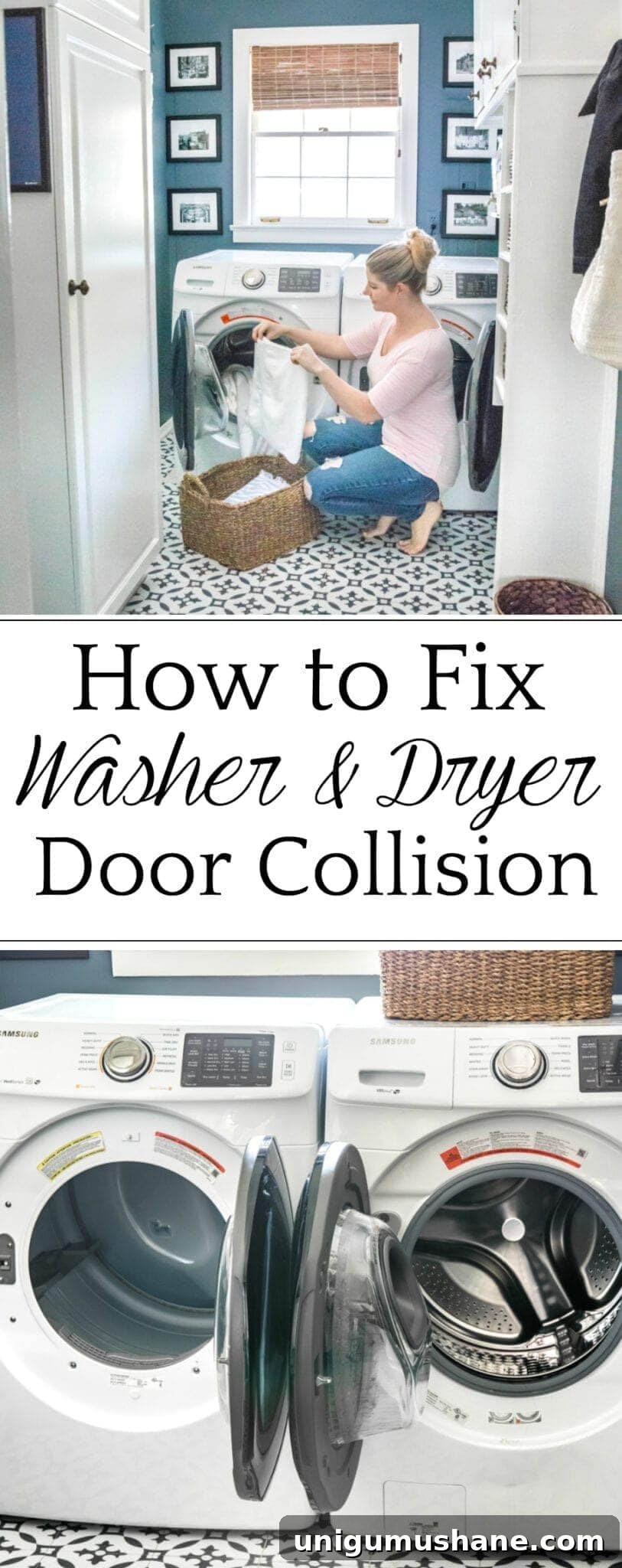
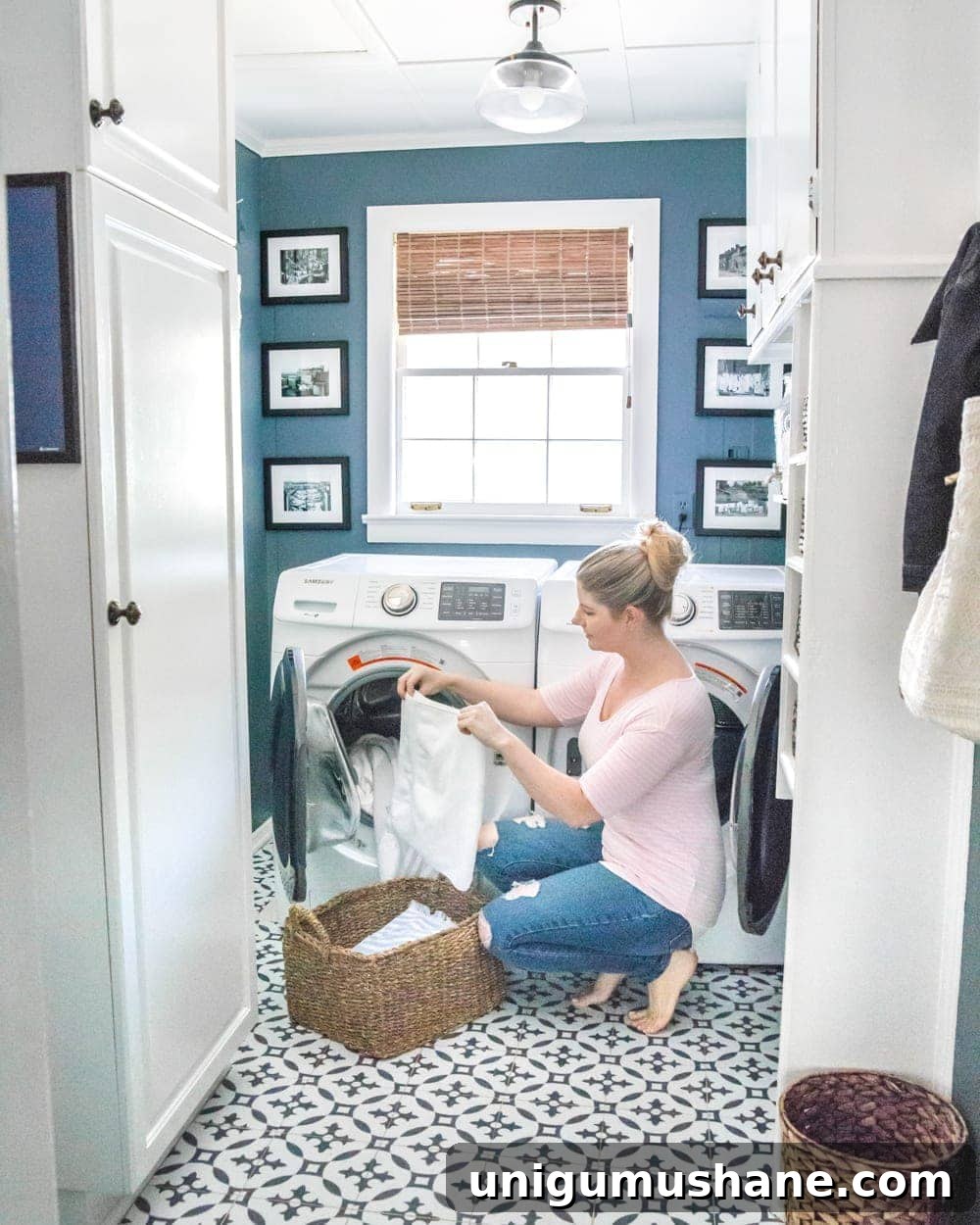
How to cross washer and dryer connections to prevent door collisions — and why we love our Samsung washer and dryer for making laundry faster and easier.
We finally tackled a small but persistent laundry-room annoyance that we’d meant to fix for months. Once we did it, we kept asking ourselves why we waited so long.
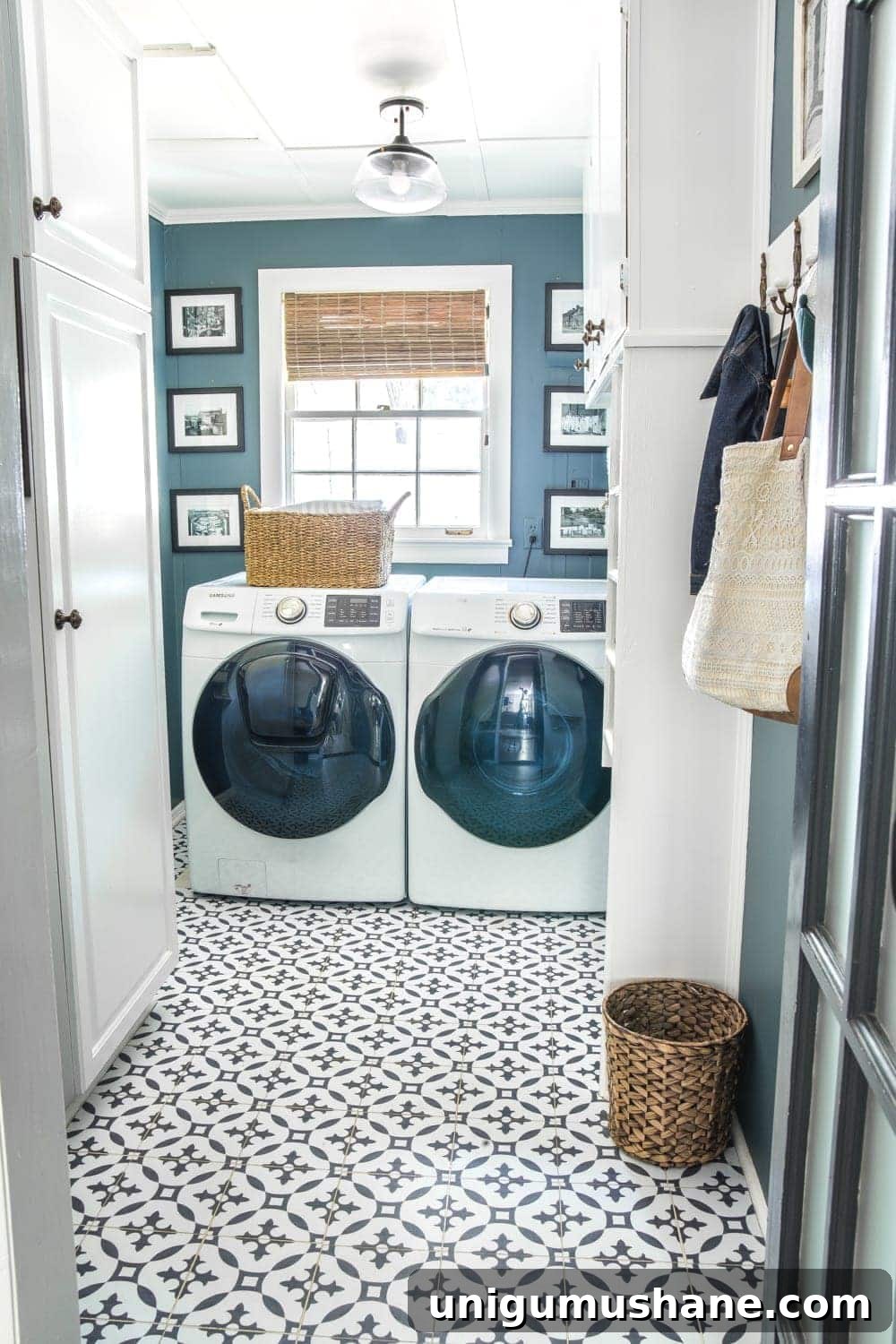
For the past two years I found myself dodging washer and dryer doors every time I moved a load because the machines were positioned so their doors swung into each other. I assumed it was just the way plumbing and venting were set in this older house, until my partner and I realized we could simply swap the appliances and cross the connections.
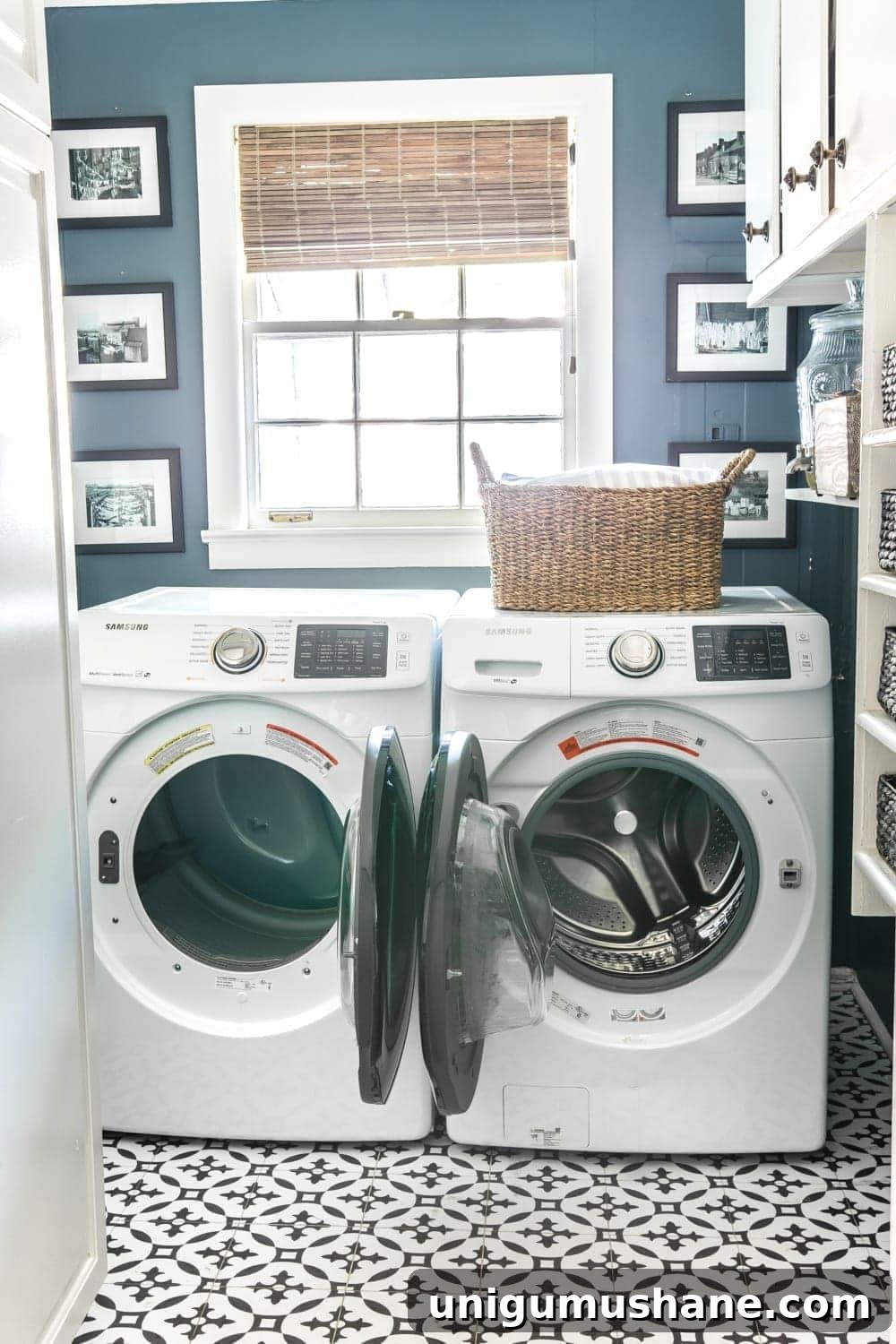
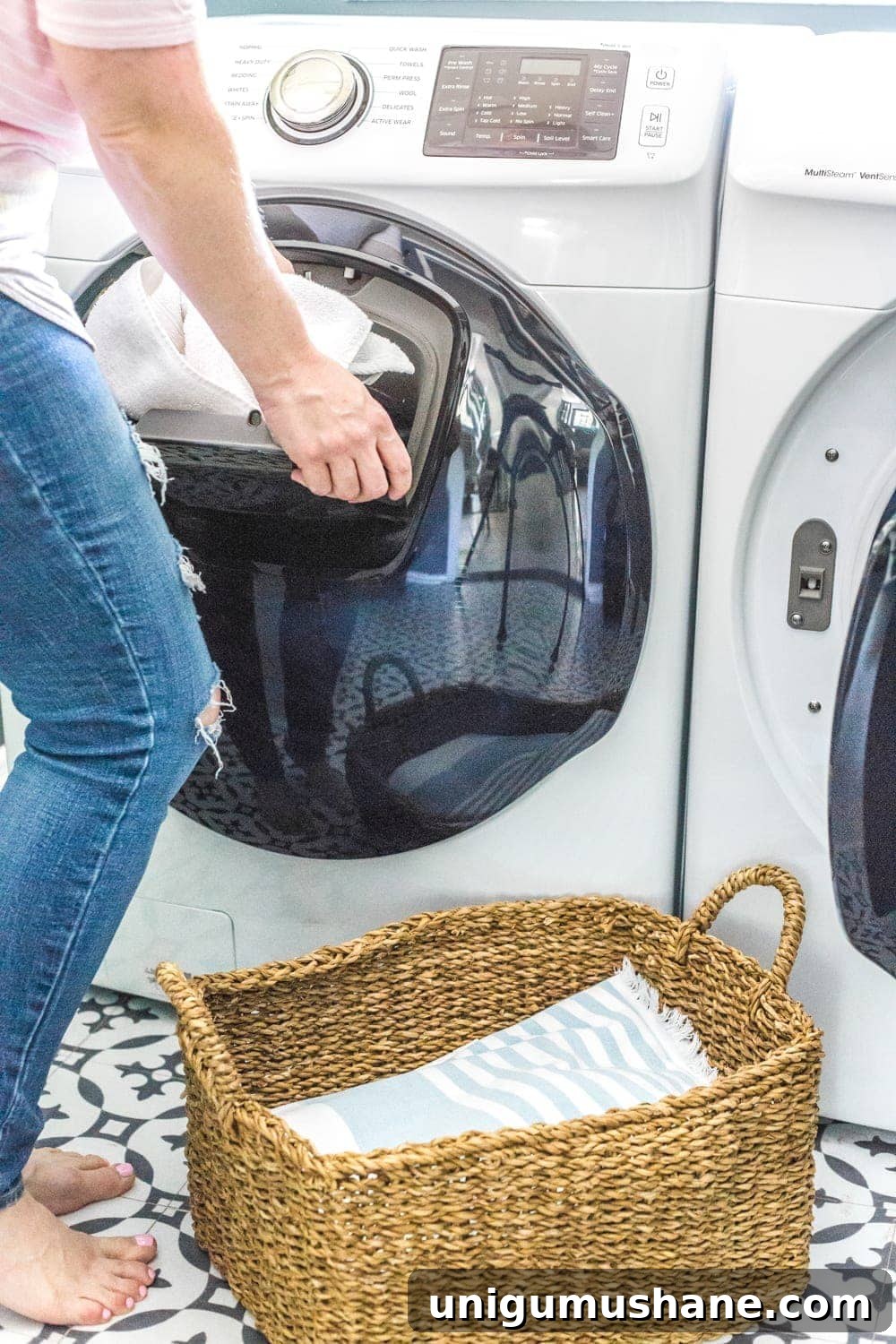
We bought a front-load Samsung dryer and a Samsung AddWash washer when we moved in because we liked the idea of using the top of the machines as a folding surface and because the AddWash hatch lets me toss in a missed sock or towel after the cycle starts. That little hatch is a lifesaver for someone with a busy mind, and we didn’t want to sacrifice it — which meant switching door hinges wasn’t an option.
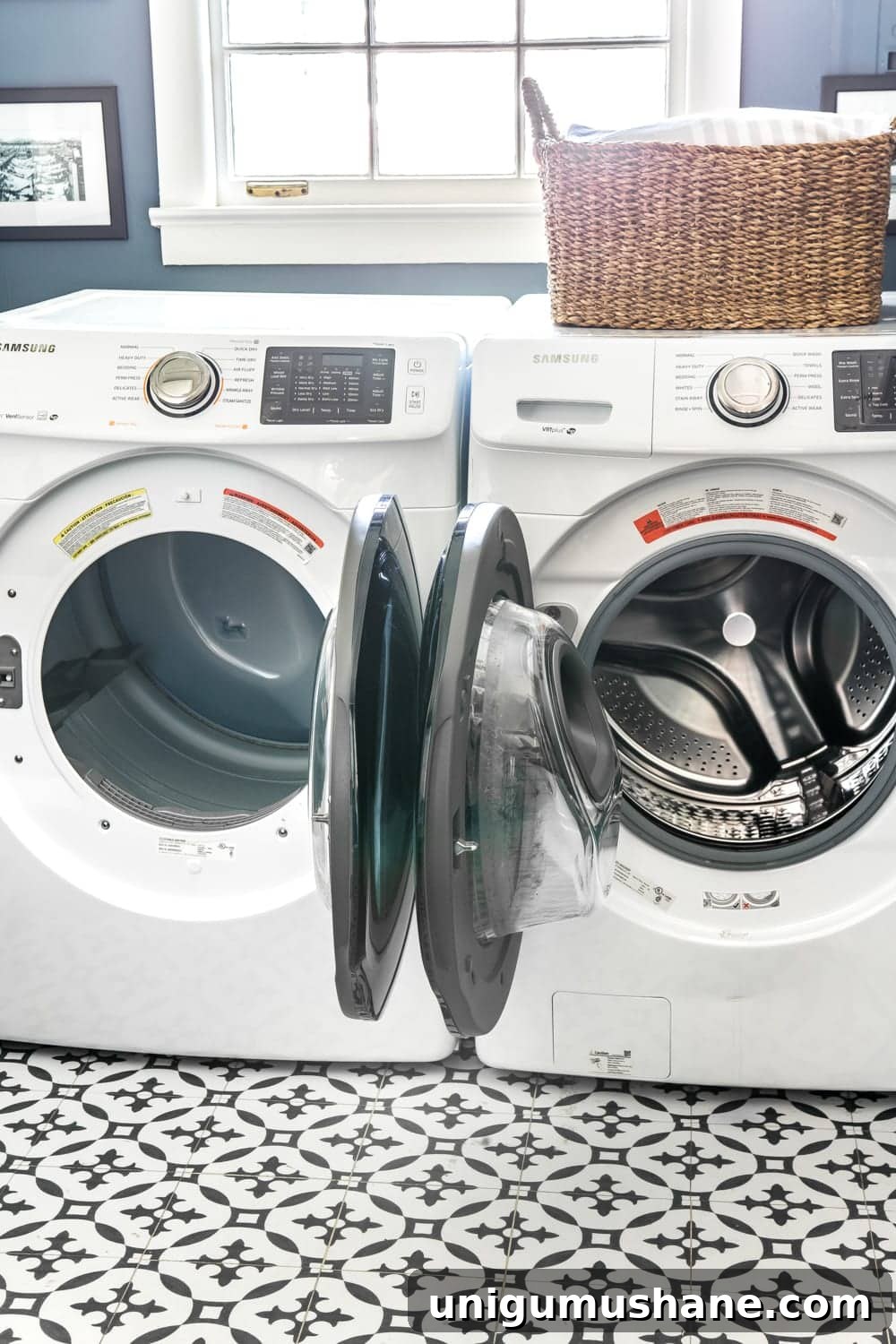
After a bit of trial and error, we discovered that swapping the washer and dryer positions and crossing the connections (water hoses and dryer vent) solved the door collision without altering the machines. Below I outline how we did it and what to watch for so you can decide if this is a good solution for your laundry room.
How to Cross Washer and Dryer Connectors:
The Steps:
1. Make sure both appliances are turned off and not running. If your washer is plugged in or your dryer is on gas, take appropriate safety steps: unplug the washer and turn off the dryer power, and if you have a gas dryer, shut off the gas supply and consult a professional if you are unsure.
2. Pull the dryer away from the wall. Dryers tend to be lighter and easier to move than washers, so start with the dryer.
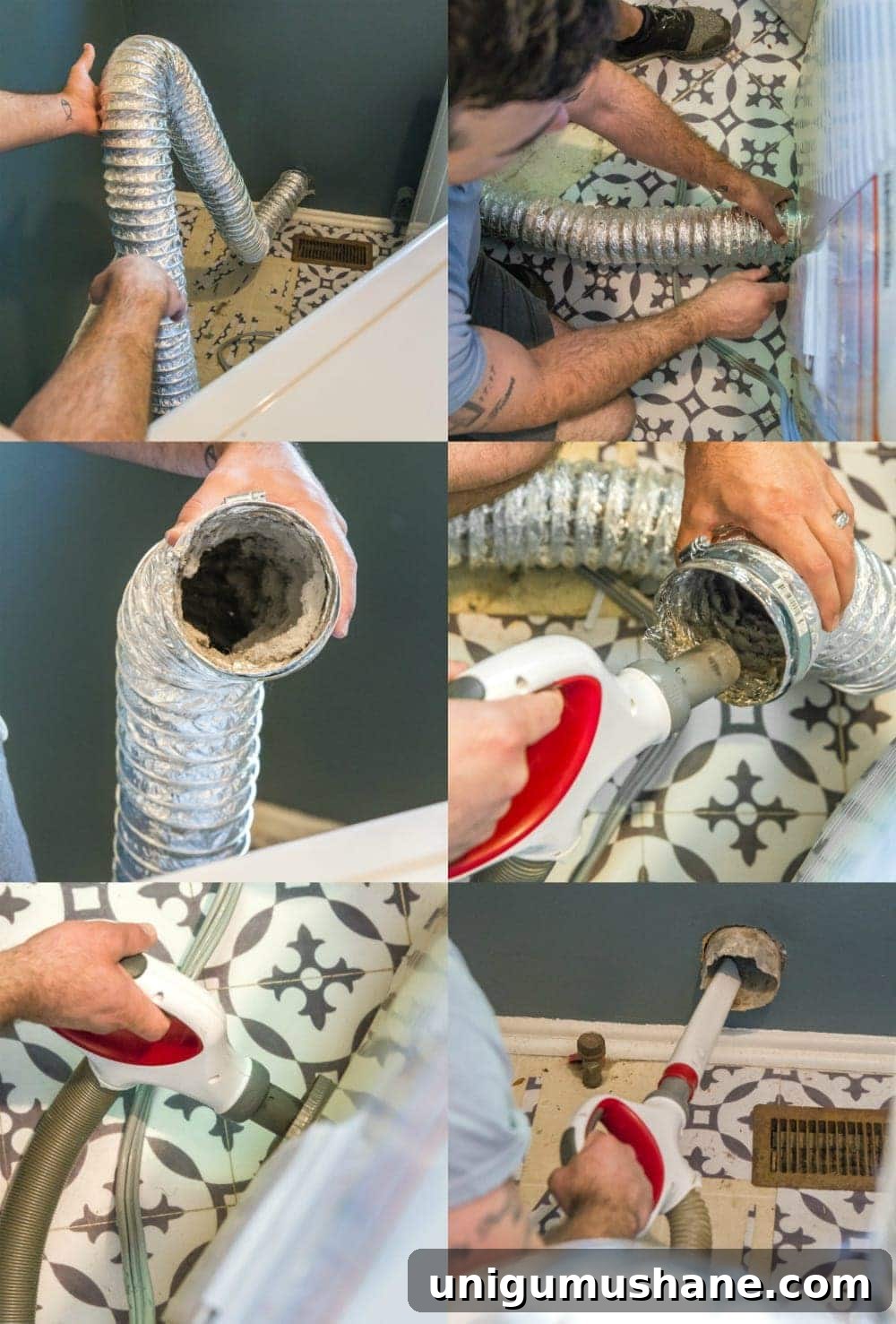
3. Disconnect the dryer vent duct from both the wall and the dryer. If your vent duct is short, you may need a longer, properly rated duct to reach across when you swap positions. While you have it disconnected, vacuum lint and dust from the duct, the back of the dryer, and the wall vent for safety and improved performance.
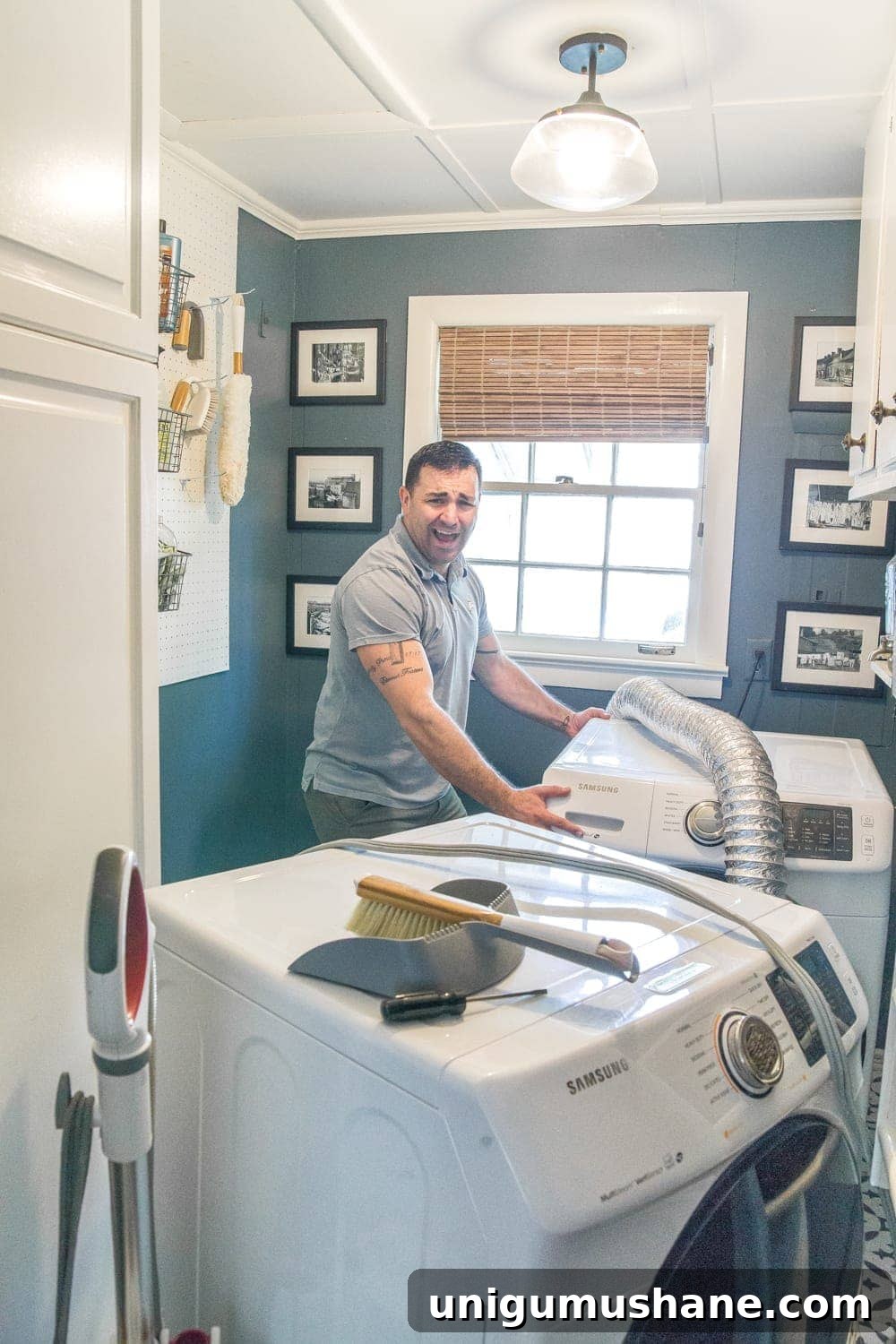
4. Slide the washer into the dryer’s old spot. In our setup we didn’t need to disconnect the washer hoses from the water supply; we simply repositioned the machine so the hoses reached without kinks. If your hoses are too short or strained, replace them with longer, high-quality hoses to prevent leaks.
5. Reposition and check the washer hoses so there are no kinks and the water can flow freely. Tighten the fittings and verify there are no drips after you run a short cycle.
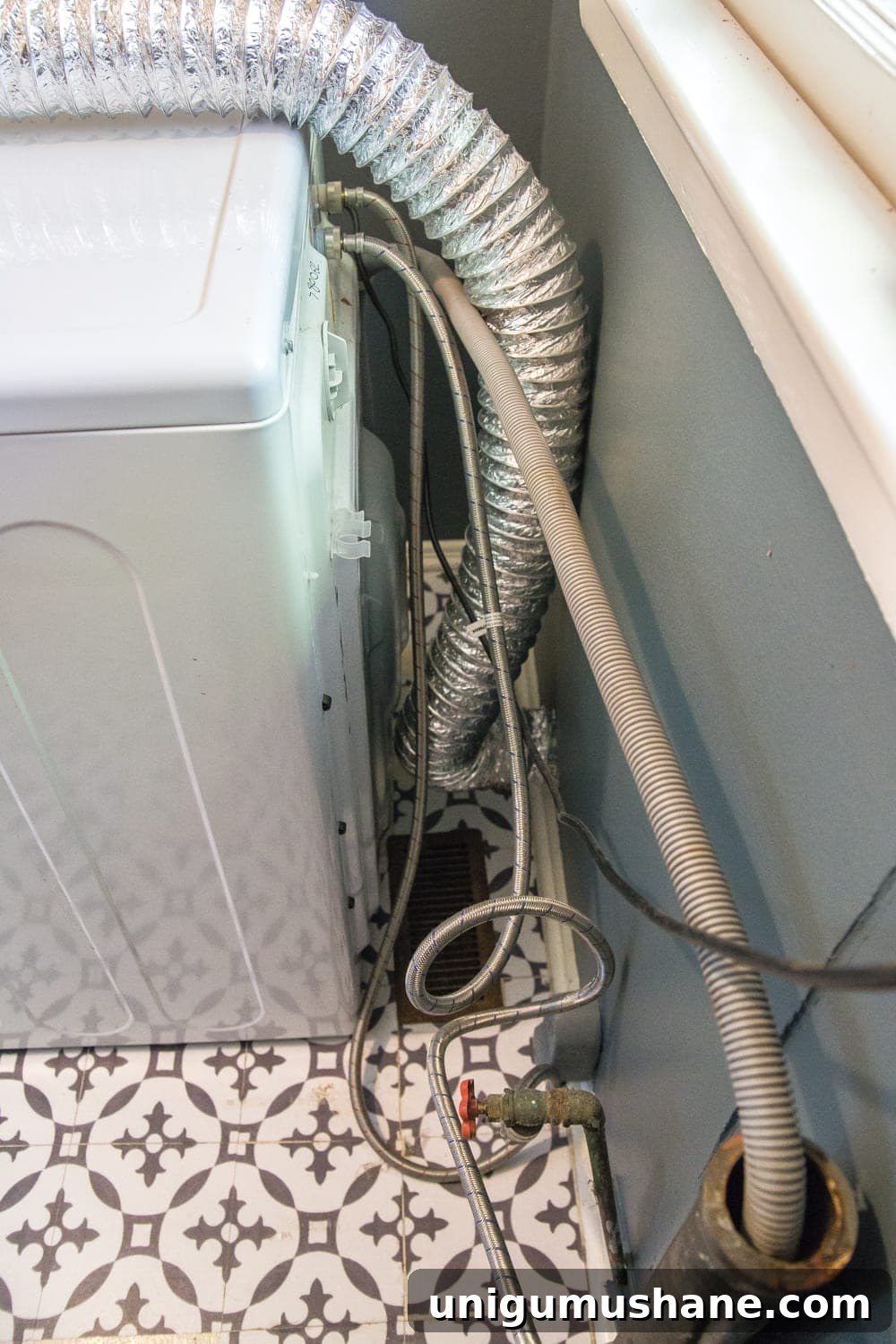
6. Move the dryer into the washer’s former location and reattach and route the dryer vent so it’s smooth and free of sharp bends. Avoid crimping or excessive curves that can trap lint and reduce airflow.
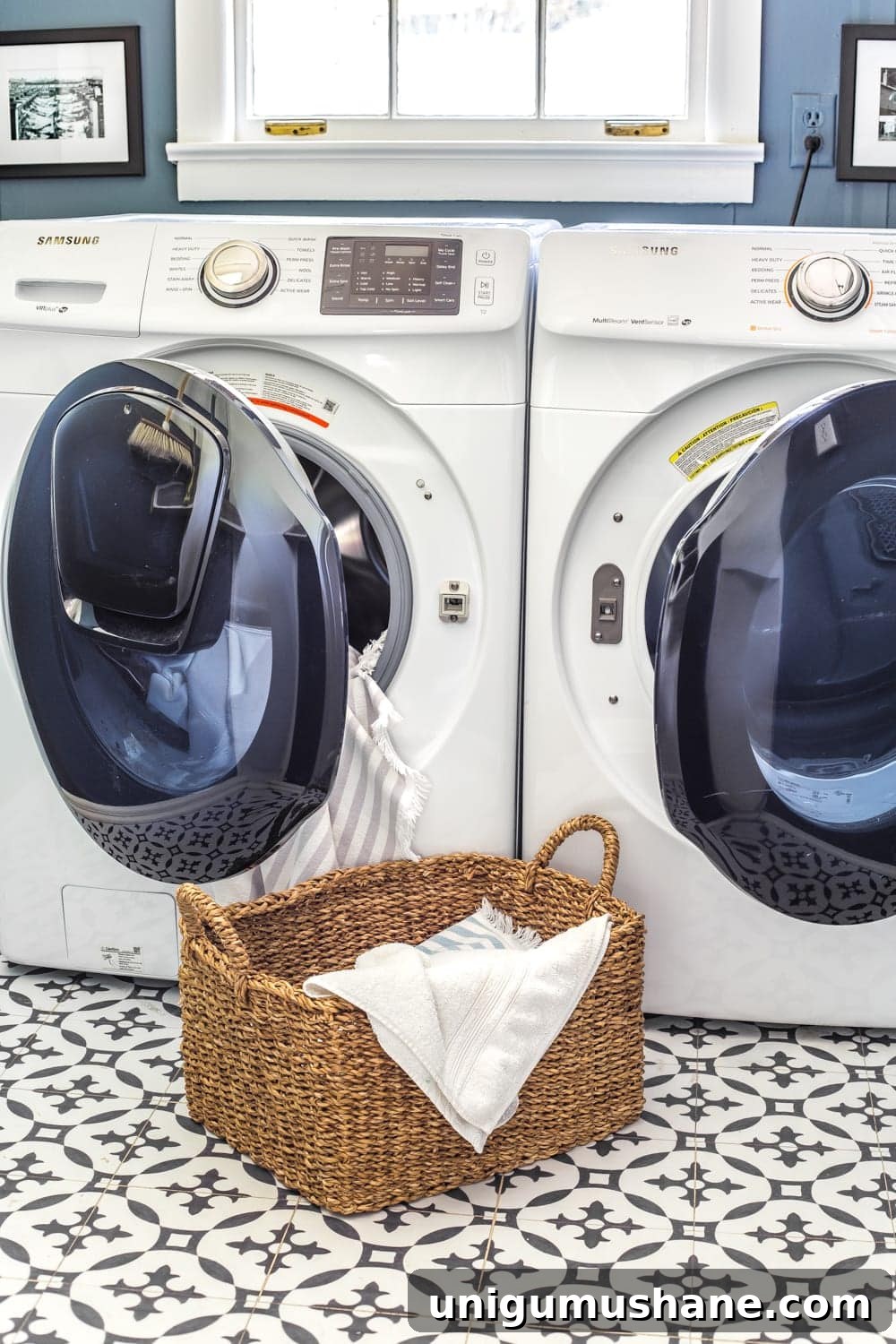
7. Level the machines if necessary, plug the washer back in, restore power or gas to the dryer following manufacturer guidance, and run a short test wash and dry cycle to make sure everything operates normally and there are no leaks or vent issues.
In our case the whole process took about 30 minutes. The difference is immediate: no more doors banging into each other, no awkward maneuvering, and I still have my handy AddWash hatch.
One extra tip: while you have the dryer pulled out, take the time to clean the lint trap thoroughly and inspect the entire vent path. Regular vent cleaning improves dryer efficiency and reduces fire risk.
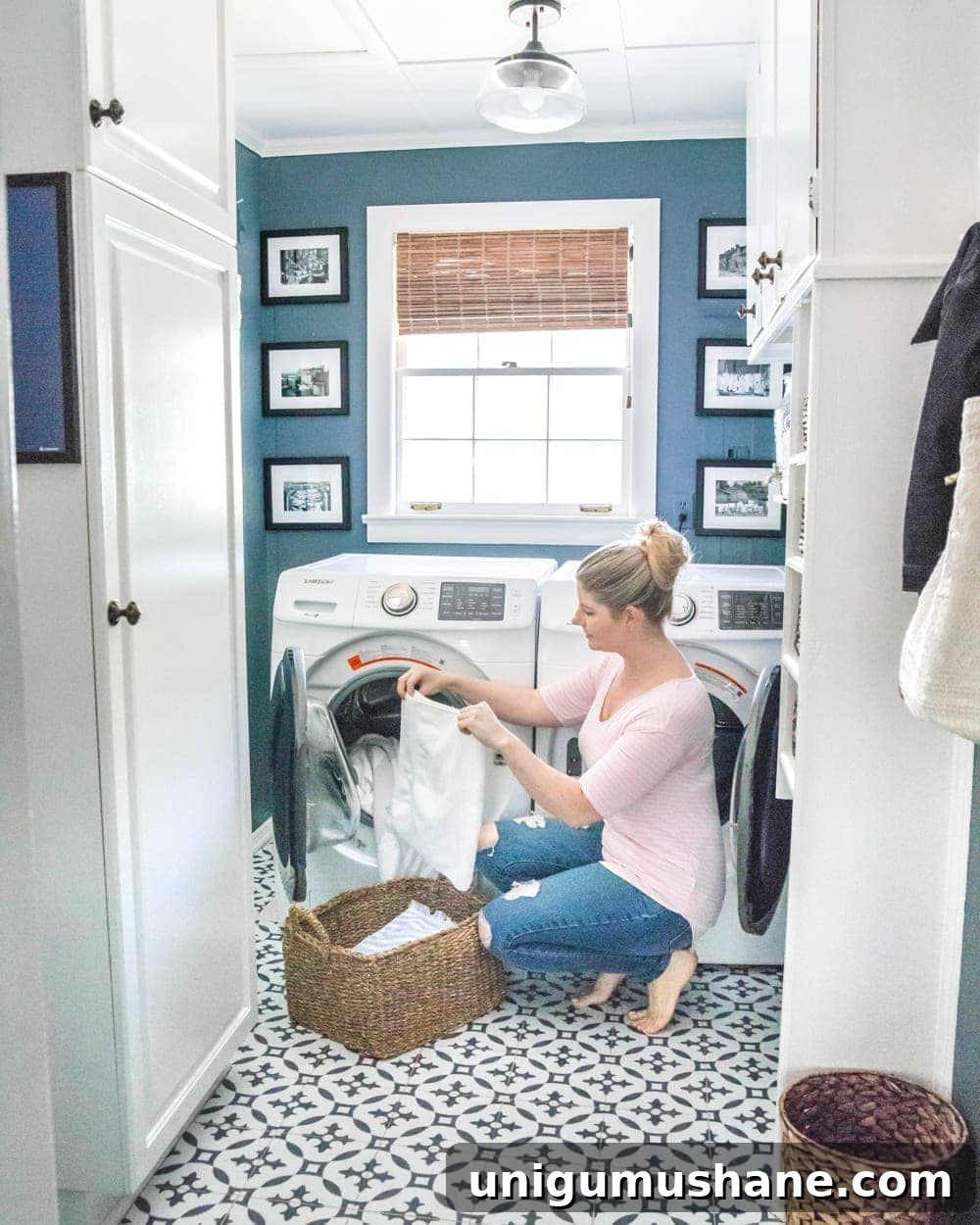
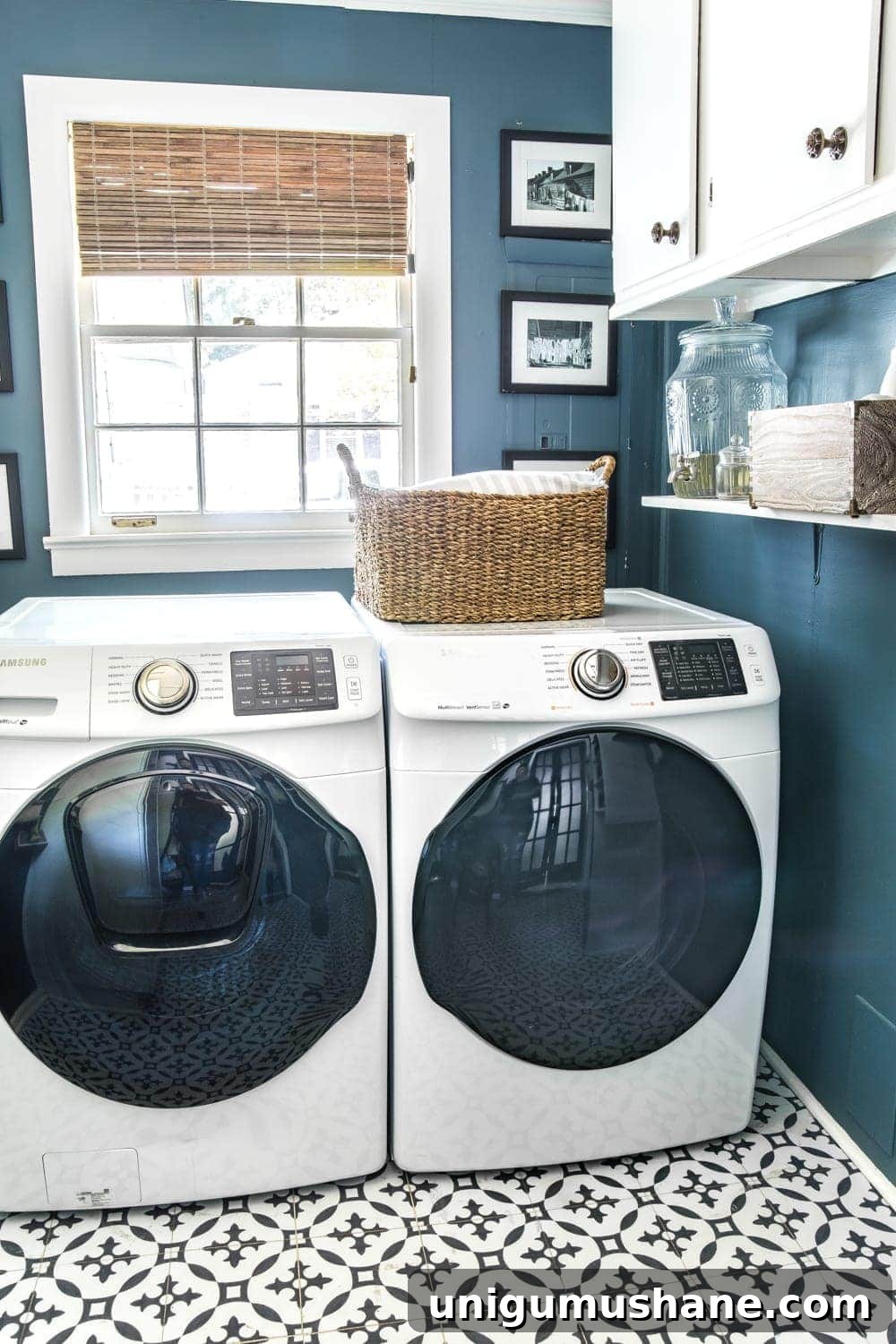
We also refreshed the laundry room on a budget a couple of years ago and love how the space looks and functions now. A bright, efficient laundry area makes the chore feel less like one.
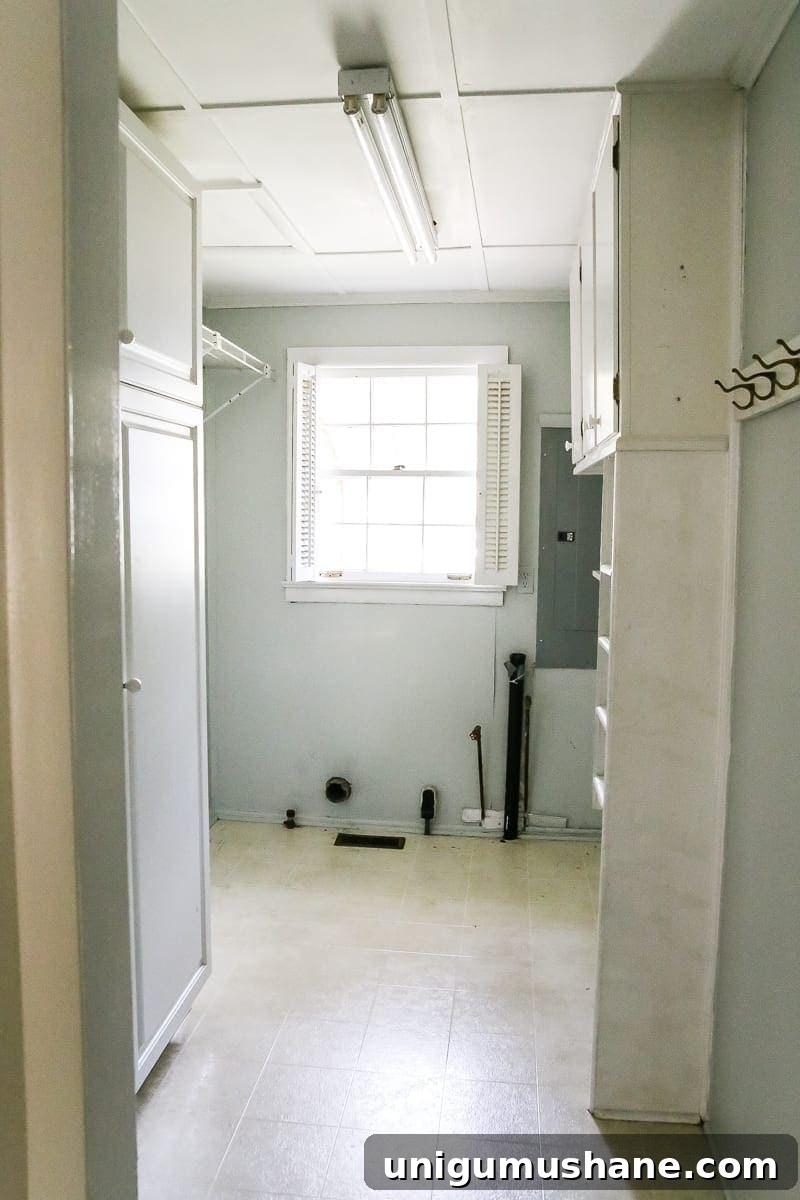
I still can’t get over how much simpler it is to do laundry in this layout. If you’re dealing with doors that clash or a cramped laundry setup, swapping positions and crossing the connections is a simple, low-cost solution that can make your routine smoother.
If you want to save this post for later, feel free to keep the images above as a reference for how we crossed the washer and dryer connectors and tidied up the venting.