
The three biggest paint color mistakes people make, plus the best designer-approved tips for choosing interior paint colors for every room in your home.
Few decorating projects are more frustrating than spending hours painting an entire room, stepping back, and realizing the color is completely wrong.
Choosing paint colors for your home should never be rushed. Taking a day or two to test colors properly can save money, time, and a lot of hard work. It can also prevent you from living with a wall color, cabinet color, or trim color that never feels quite right.
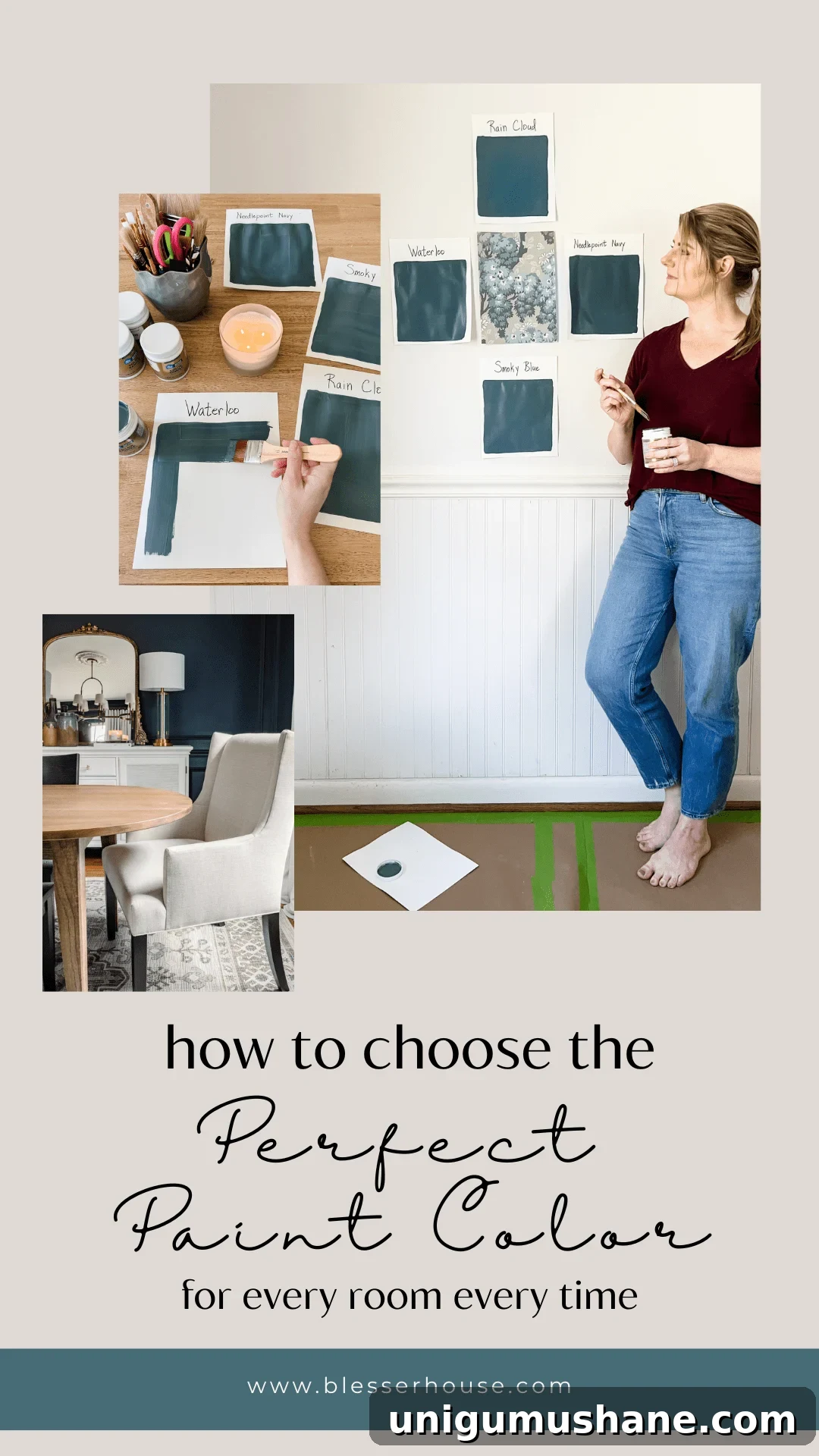
After years of trial, error, and plenty of repainting, we developed a reliable method for choosing paint colors. It works for kitchen cabinets, bedrooms, bathrooms, living rooms, dining rooms, home offices, and almost any interior space.
The truth is that no one can choose the perfect paint color for your home through a screen. Photos, phone displays, and computer monitors can make paint colors look completely different from how they appear in real life.
Instead of guessing, the best approach is to learn how to test and evaluate paint colors like an interior designer. Once you understand inspiration pieces, undertones, lighting, and sampling, it becomes much easier to select colors you will love for years.
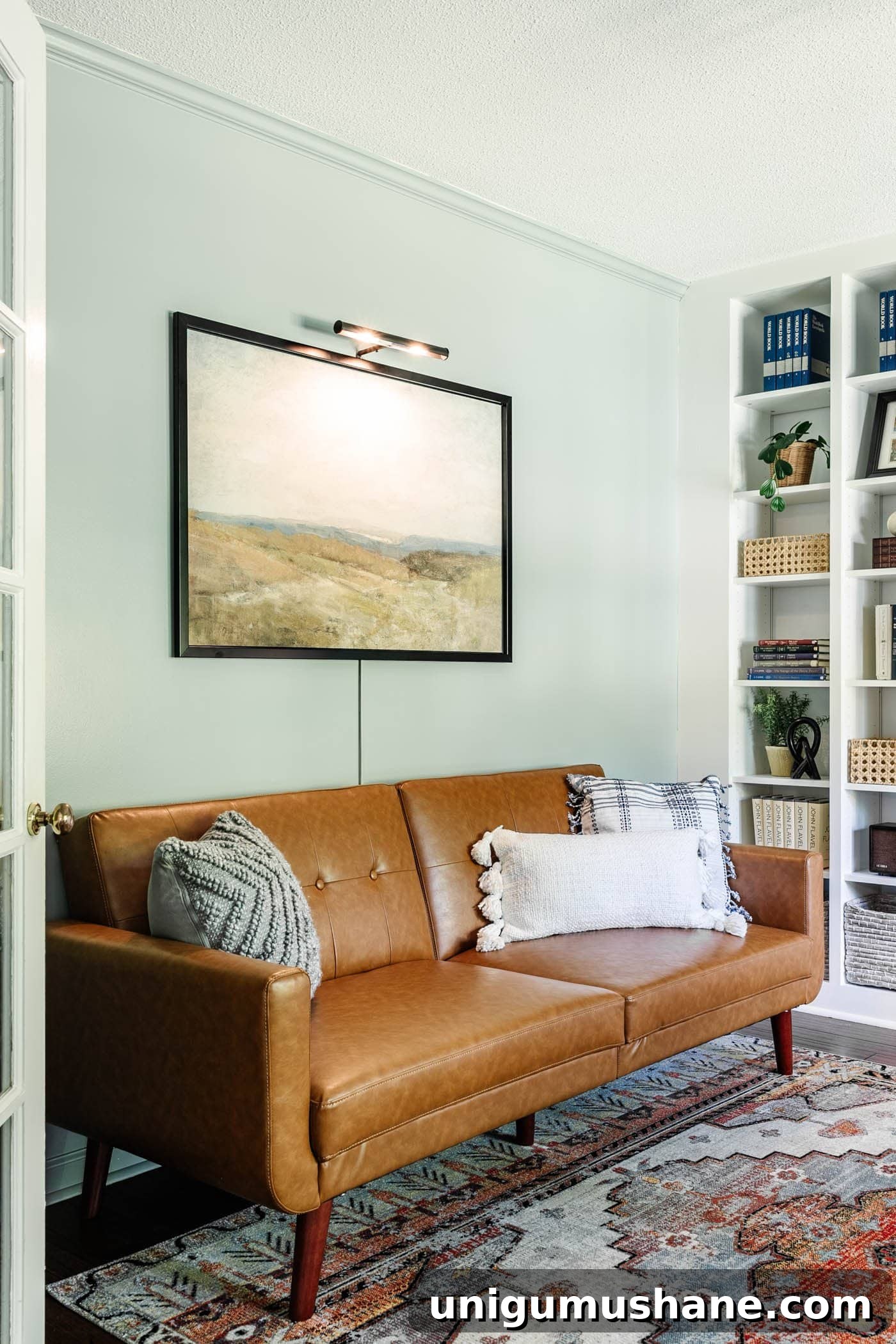
The 3 Biggest Paint Color Mistakes Most People Make
Mistake 1. Choosing Your Paint Color First
Many people begin a room makeover by picking the wall color before choosing anything else. While it may seem logical, it often makes the design process harder.
It is much easier to match paint colors to a rug, fabric, wallpaper, artwork, countertop, tile, or furniture than it is to find decor that works with a random paint color.
If you already have a major design element in the room, use it as your starting point. A patterned rug, a favorite piece of art, or even an existing countertop can guide the entire color palette and help the room feel cohesive.
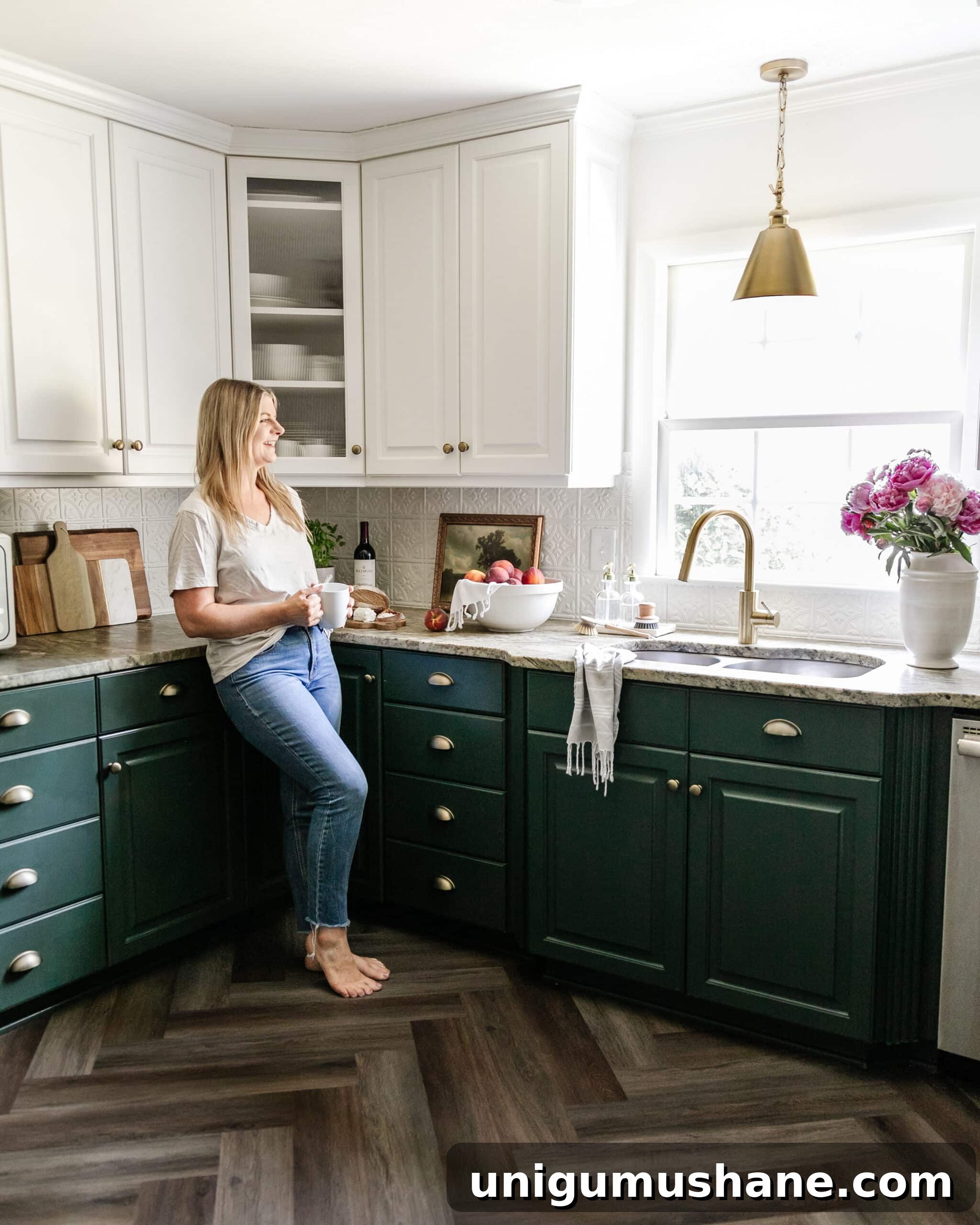
Mistake 2. Choosing a Paint Color from a Store Swatch
It is tempting to visit the paint aisle, look through the wall of color strips, pick one that looks beautiful under store lighting, and buy a full gallon immediately.
Unfortunately, that same color can look completely different once it is on your walls at home.
Paint colors change depending on natural light, artificial light, surrounding colors, flooring, furniture, and undertones. A color that looks soft and neutral in the store may look too yellow, too blue, too dark, or too bright in your room.
Never make your final decision from a small paint chip in a store. Use swatches only as a starting point, not as the final answer.

Mistake 3. Painting Samples Directly Over an Old Wall Color
Painting a sample directly on an existing wall can distort the way you see the new color. For example, a dark green sample painted on a lavender wall will be affected by the surrounding purple tone. Your eyes will compare the colors and may not perceive the sample accurately.
Color cast and lighting can change how paint appears, so it is important to test samples in a way that gives each color a fair chance.
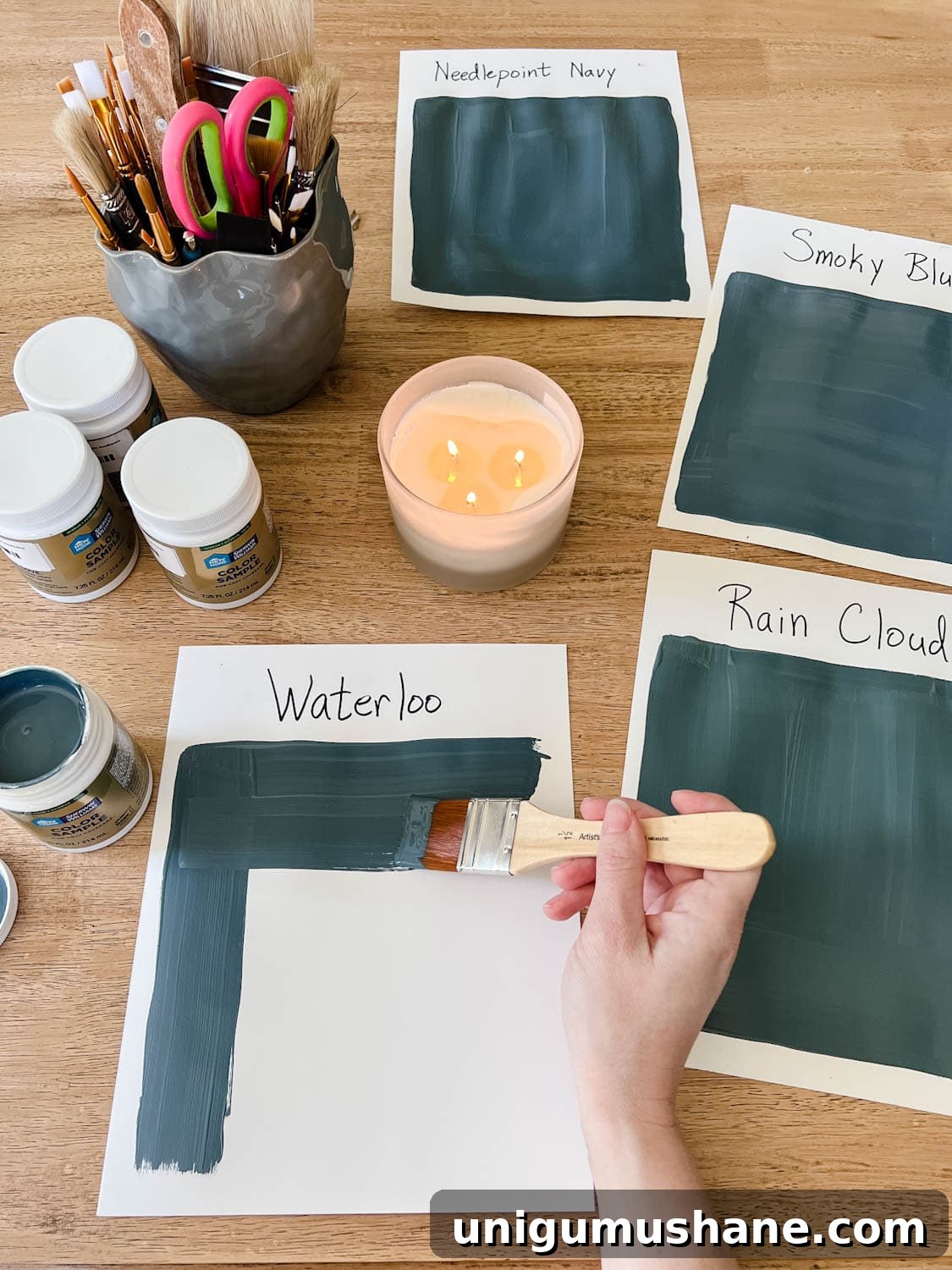
The best method is to paint large samples on white card stock or poster board, then move those samples around the room. This allows you to see the paint color without interference from the old wall color.
5 Steps for How to Choose Paint Colors for Your Home
Step 1. Start with an Inspiration Piece
Whether you are decorating a room from scratch or refreshing a space with furniture and decor you already own, begin with one inspiration piece.
Your inspiration piece should contain colors you already love and want to repeat in the room. It can help you create a balanced interior paint color palette and make the finished space feel intentional.
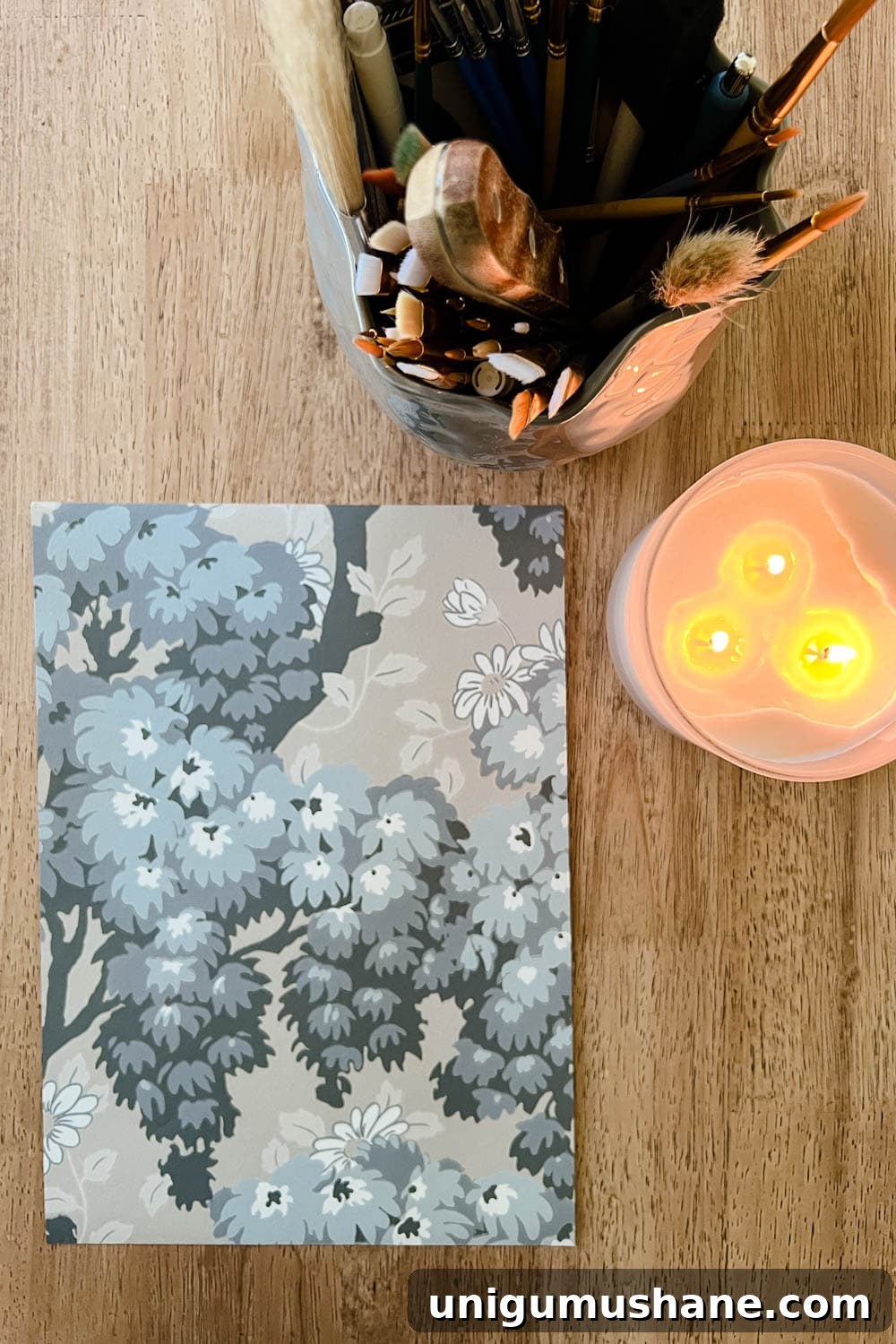
Inspiration Pieces to Color Match for Paint
- Wallpaper
- A piece of art
- A tapestry
- A rug
- A quilt
- Curtains
- Pillow fabric
- Tile or countertops
A large piece of beach-themed art, for example, can inspire a soft blue wall color. A rug with muted green tones can help you choose a calm green paint color for a bedroom. The goal is to pull colors from something already connected to the room.
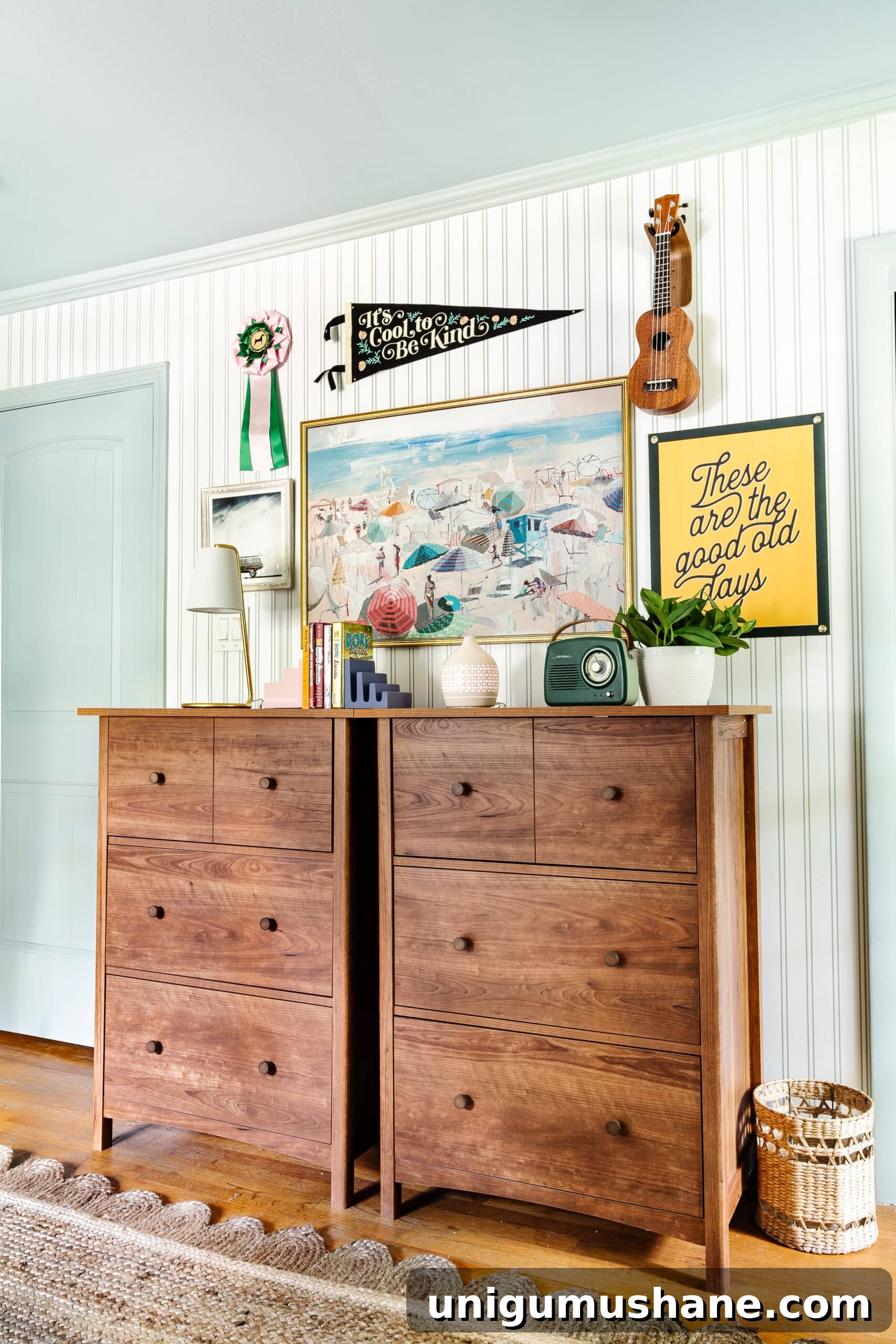
If you have a piece of artwork, wallpaper sample, or fabric swatch, take it to the paint store. Many paint departments can help create close color matches or suggest several shades that coordinate with it.
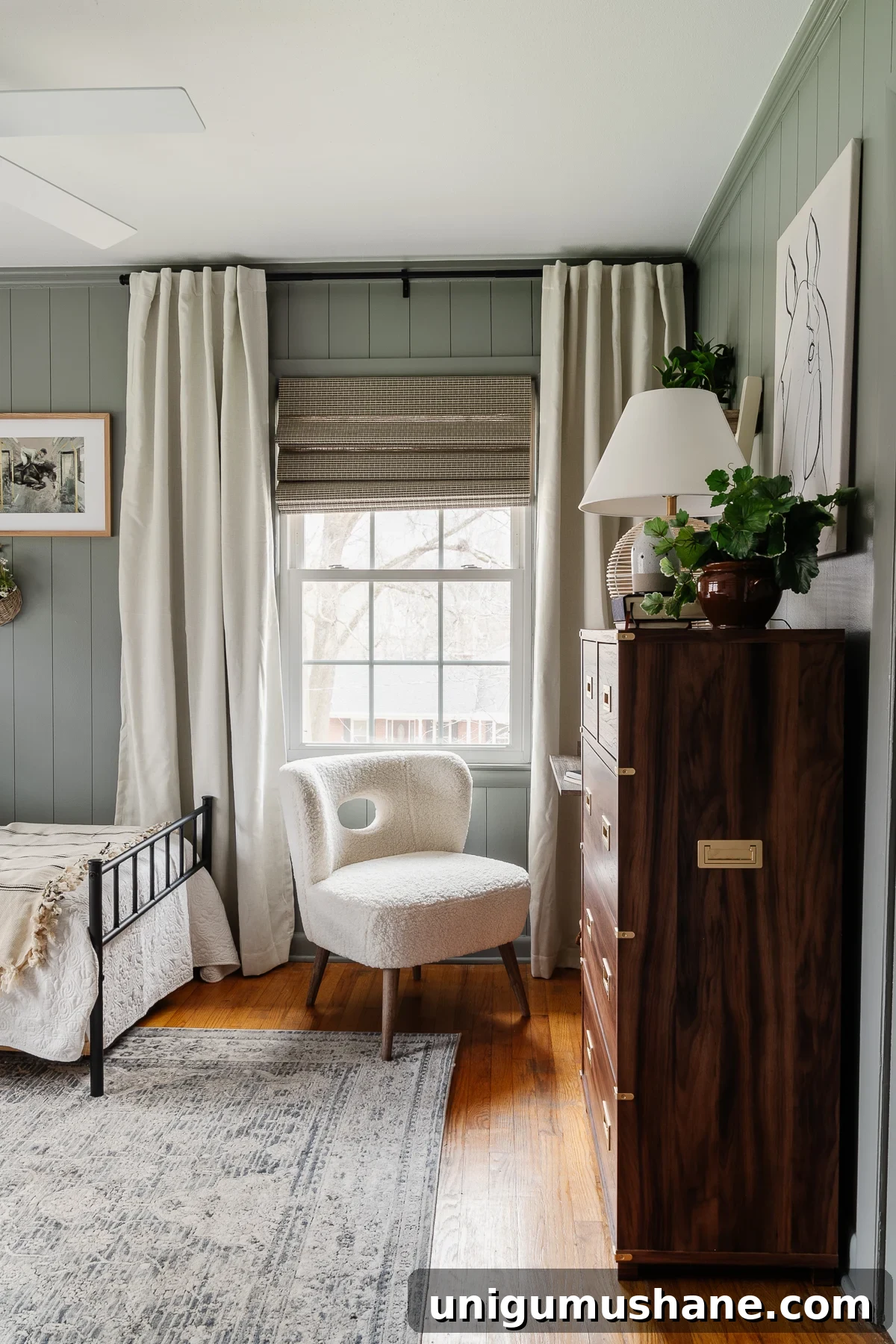
Step 2. Consider the Psychology of Color
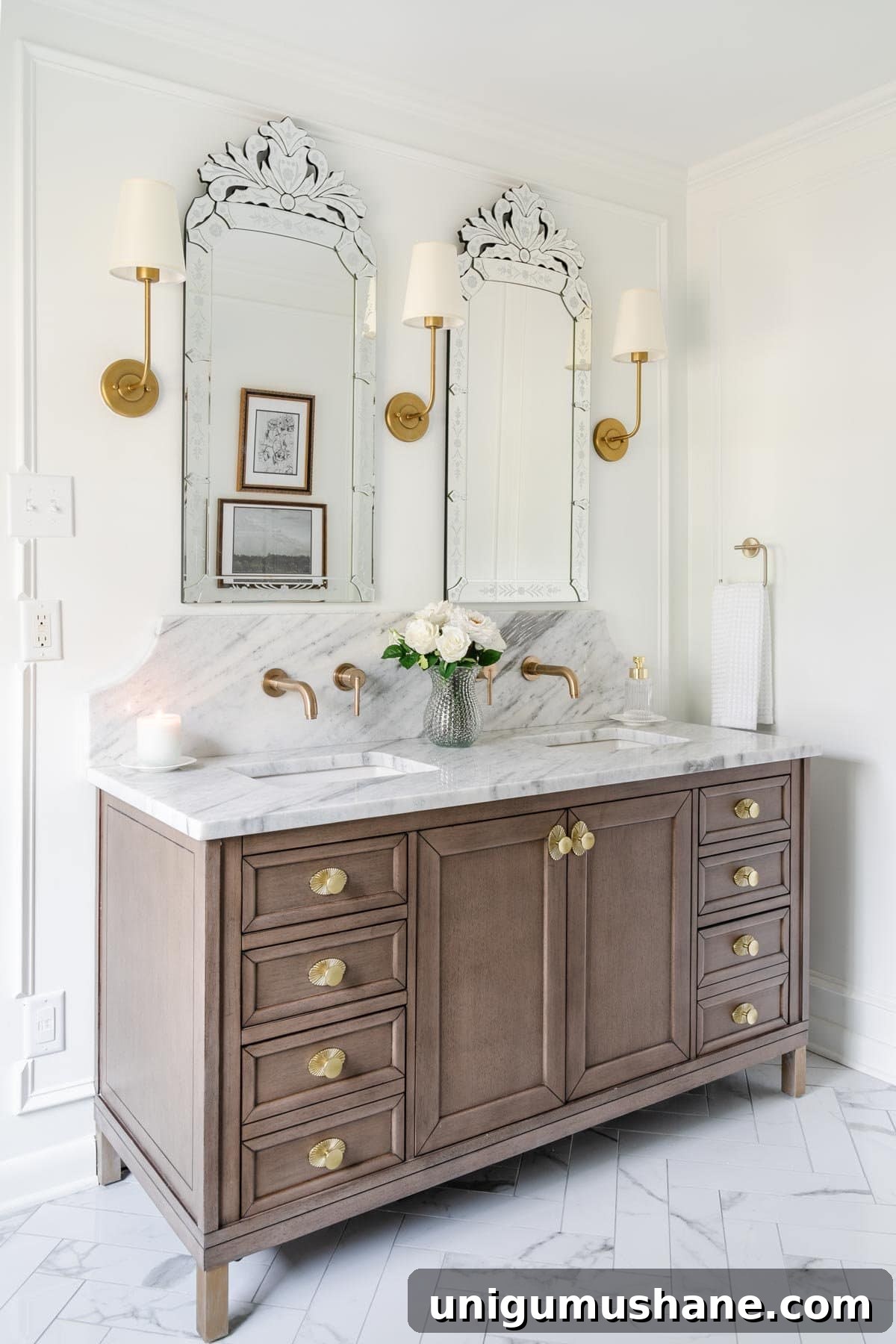
Color can influence the way a room feels. Before choosing specific paint names, decide what mood you want to create.
Ask yourself how you want to feel when you walk into the room. Peaceful? Energized? Cozy? Sophisticated? Clean and minimal? The answer will help guide your paint color choices.
Blue often feels calm and peaceful. Green can feel fresh, natural, and restful. White can feel clean and simple. Black can feel dramatic and sophisticated. Warm neutrals can create comfort, while deeper colors can make a space feel intimate.
If you want a bedroom to feel moody and elegant, a dark color may be the right choice. If you want a bathroom to feel fresh and simple, a crisp white may work better.
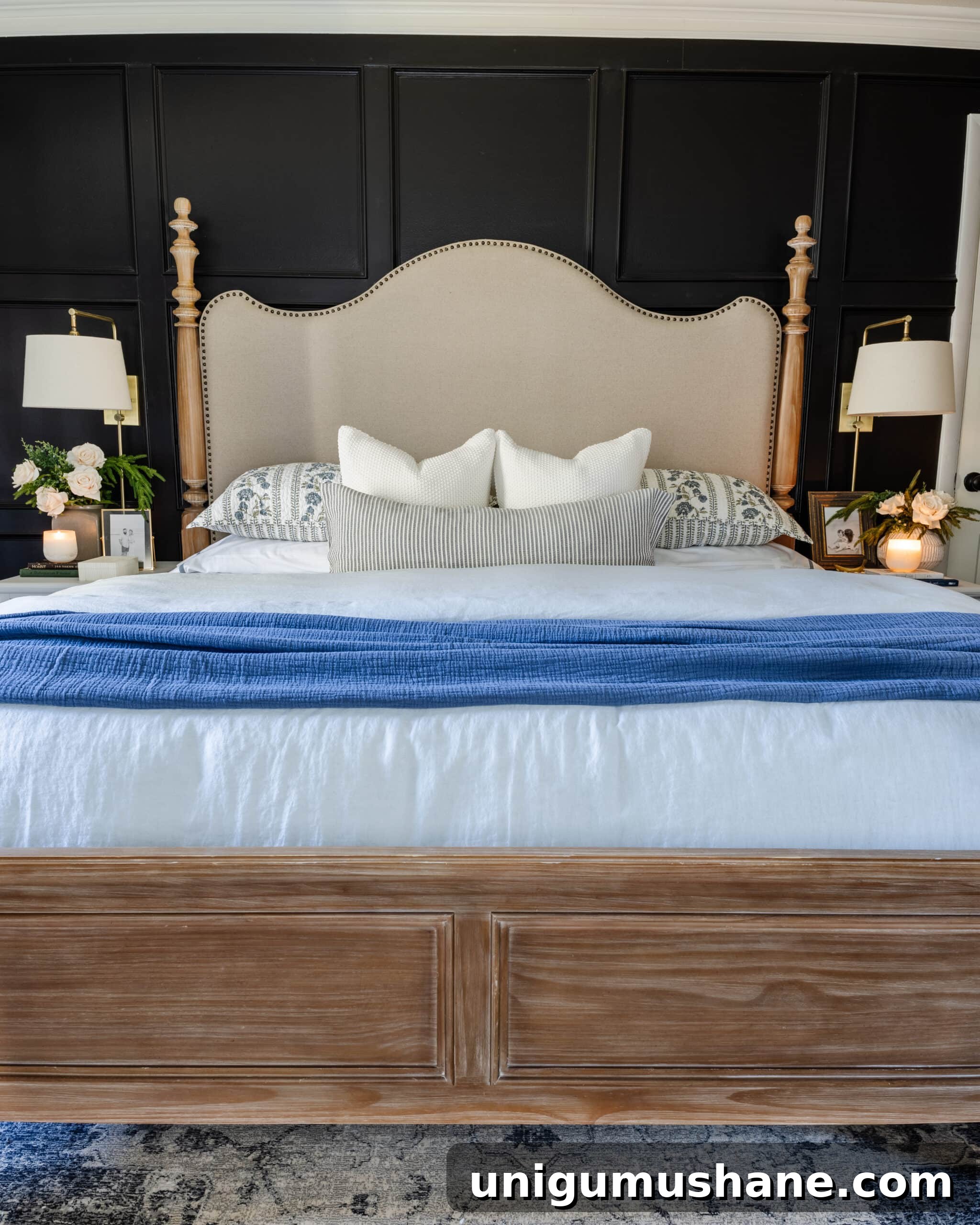
Once you understand the feeling you want, narrow your options to a paint color family. This makes the selection process much easier and prevents you from feeling overwhelmed by hundreds of swatches.
Step 3. Use Online Inspiration and Paint Apps Carefully
Online searches, social media, and paint color apps can be helpful when you want to see paint colors used in real rooms. They can give you ideas for wall colors, cabinet colors, trim colors, and whole-house paint schemes.
However, never rely entirely on photos from the internet or magazines when making your final paint decision.
Phone screens, laptop monitors, editing filters, camera settings, and lighting can all change how a paint color appears. A color that looks perfect in someone else’s room may look very different in your home.

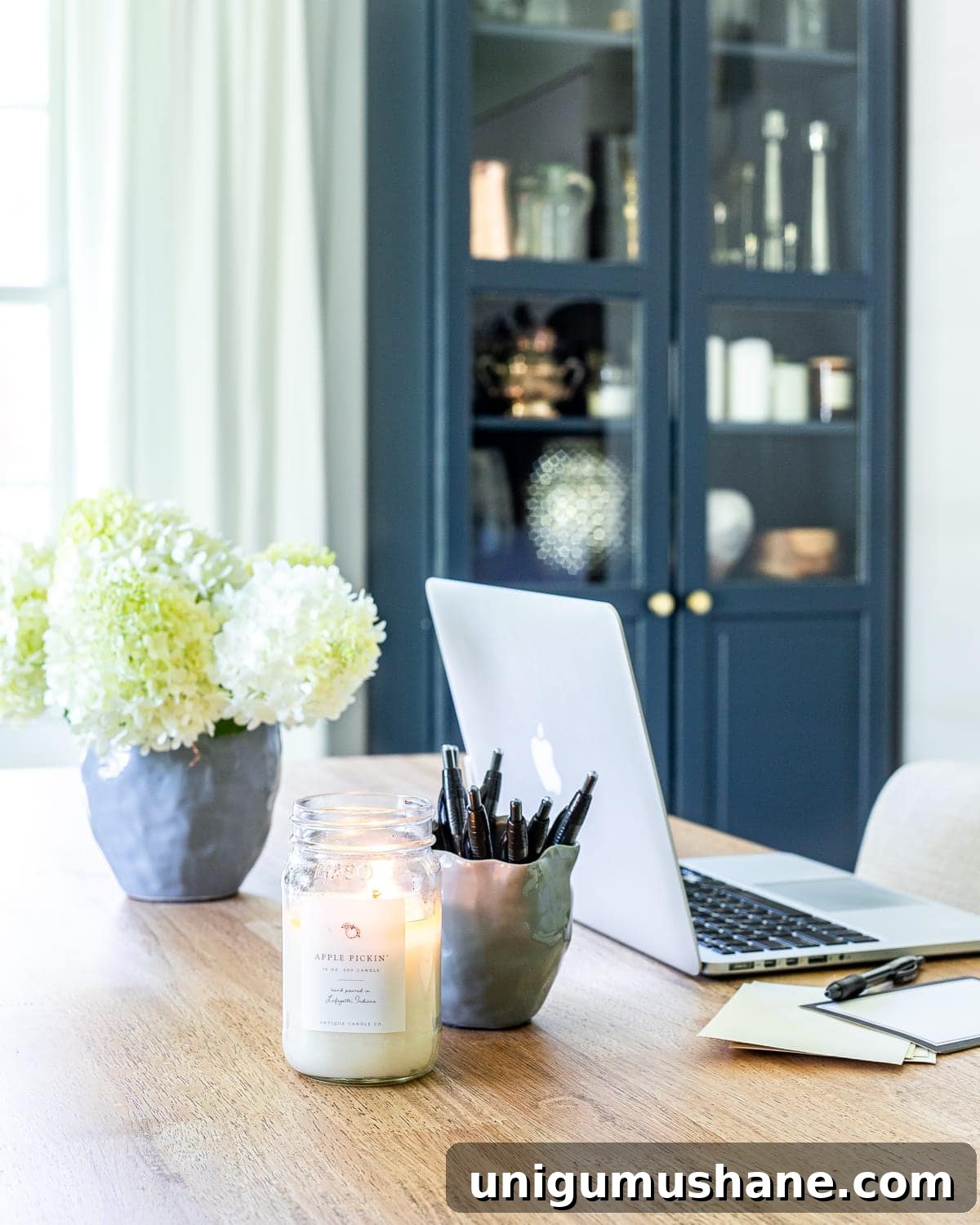
Use online inspiration to make a short list of colors or color families you want to test. Paint color apps can also help you visualize a room or match colors from an inspiration piece, but they are not always fully accurate.
The final decision should always be based on real paint samples tested in your actual room.
Paint Color Apps to Try
- Project Color by The Home Depot
- ColorSnap Match by Sherwin Williams
- Color Portfolio by Benjamin Moore
- ColorSnap Visualizer by Sherwin Williams
- Glidden ColorApp
- ColorSmart by BEHR
Step 4. Identify Paint Color Undertones from Swatches
The main color you see first is called the mass tone. For example, a color may look gray, white, beige, blue, or green at first glance.
The undertone is the subtle color hidden beneath the main color. Undertones are the reason one gray can look blue, another gray can look green, and another gray can look warm and beige.
Understanding undertones is one of the most important parts of choosing interior paint colors. If you ignore undertones, a neutral color can look unexpectedly pink, yellow, blue, purple, or green once it is on the wall.
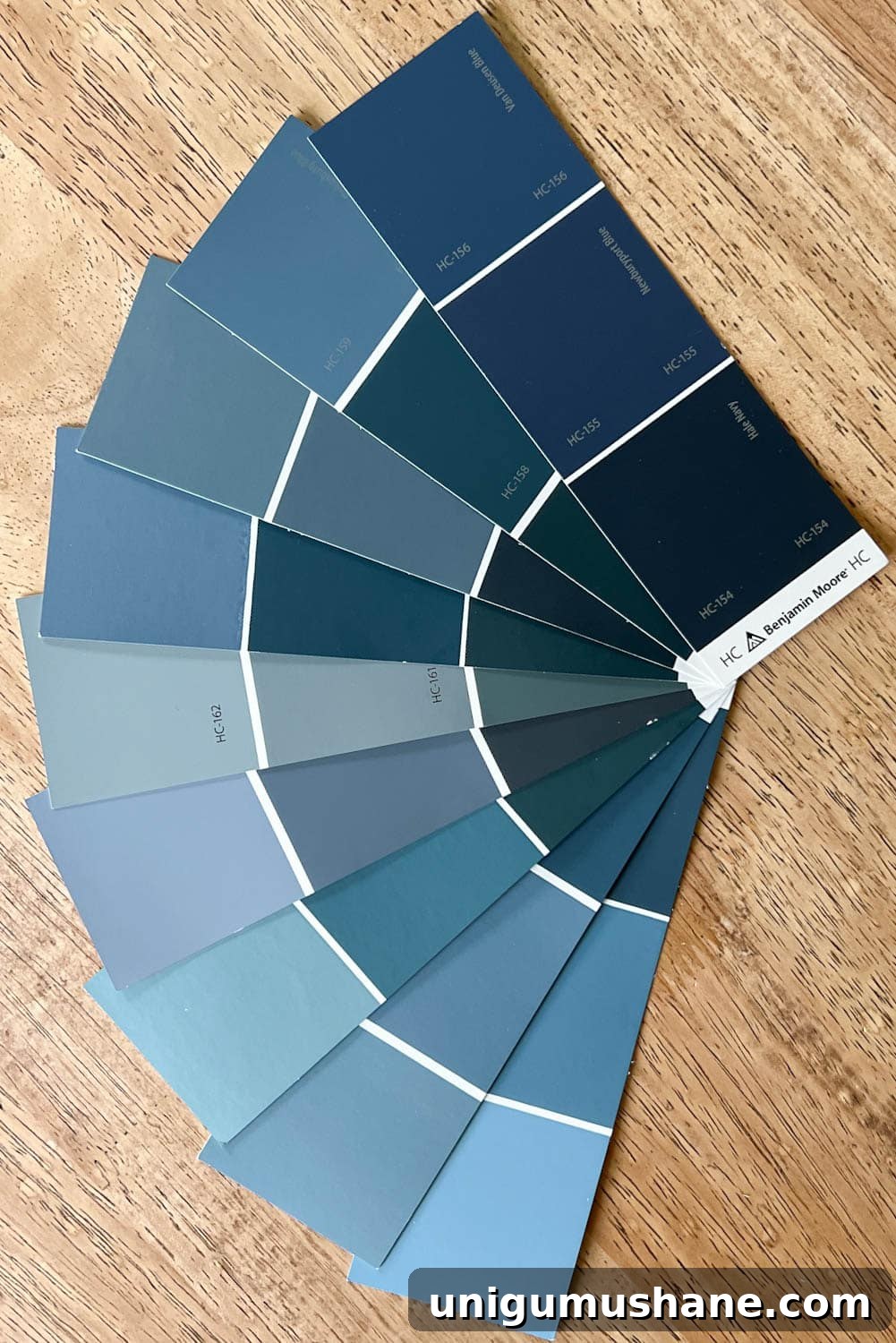
Warm paint colors have undertones that are orange, yellow, or red.

Cool paint colors have undertones that are green, blue, or purple.
How to Train Your Eyes to See Paint Color Undertones
1. Place the paint strip on white printer paper and look at it in natural light. Avoid lamps during this step. Soft daylight from a window will help you see the undertone more clearly against true white paper.
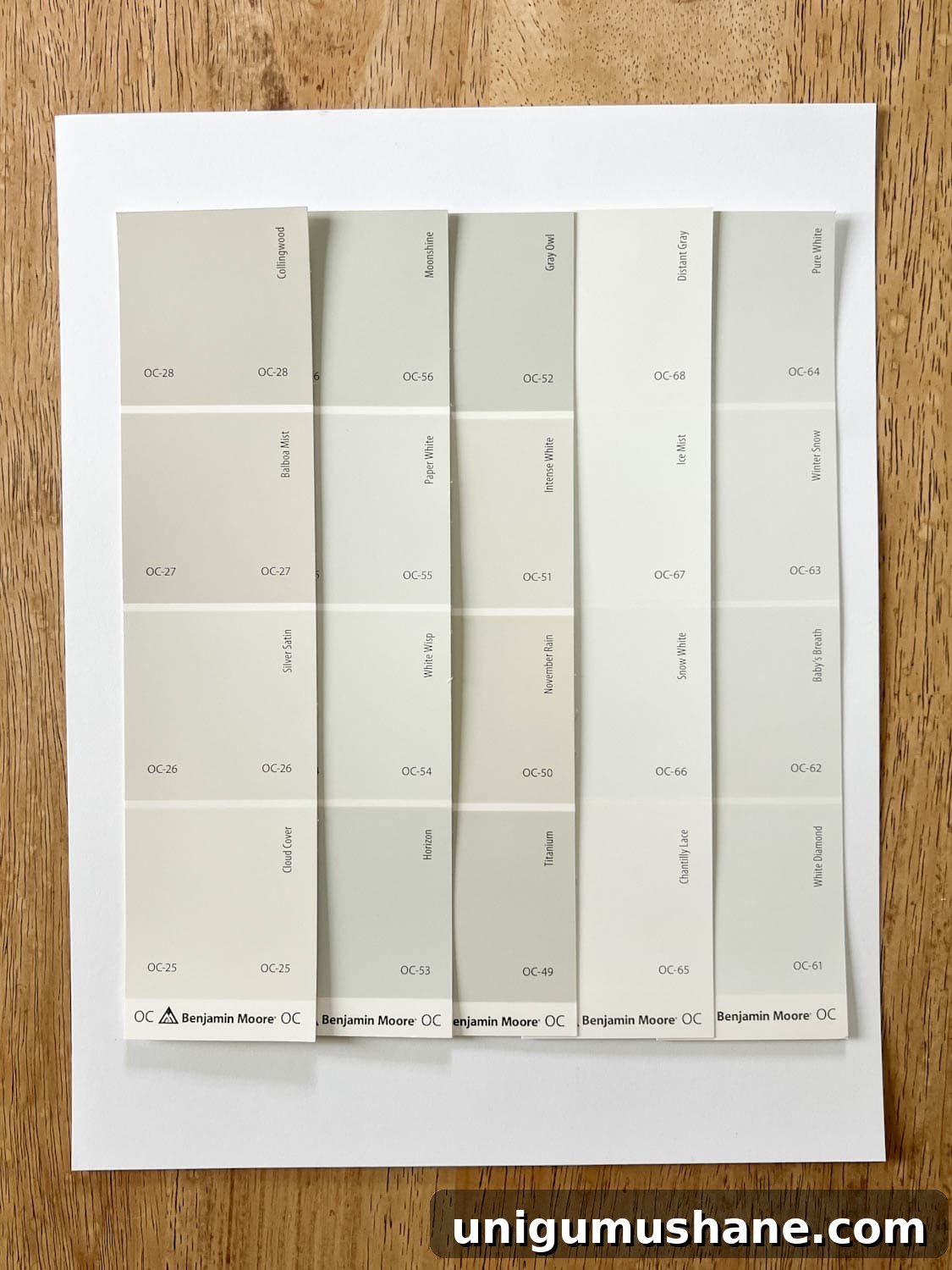
2. Look at the darkest shade on the paint strip. The undertone is often easiest to identify in the deepest color on a gradient strip.
3. Decide whether the color is warm or cool. If you see yellow, orange, or red, the paint color is warm. If you see green, blue, or purple, the paint color is cool.
Even white paint colors have undertones. Some whites look creamy and warm because they have yellow undertones. Others look cooler because they contain green, blue, or gray undertones. Comparing paint strips against white paper can make these differences easier to see.
Step 5. Brush Large Paint Samples on White Card Stock and Test Them in Your Room
This is the step you should never skip. Once you narrow your options, buy sample pots of your favorite colors.
Testing real paint samples in your room is worth the extra time and small cost because it can prevent expensive repainting later.
Instead of painting samples directly on the wall, use clean brushes to paint each color on white poster board or card stock. Make the samples large enough to see clearly from across the room.
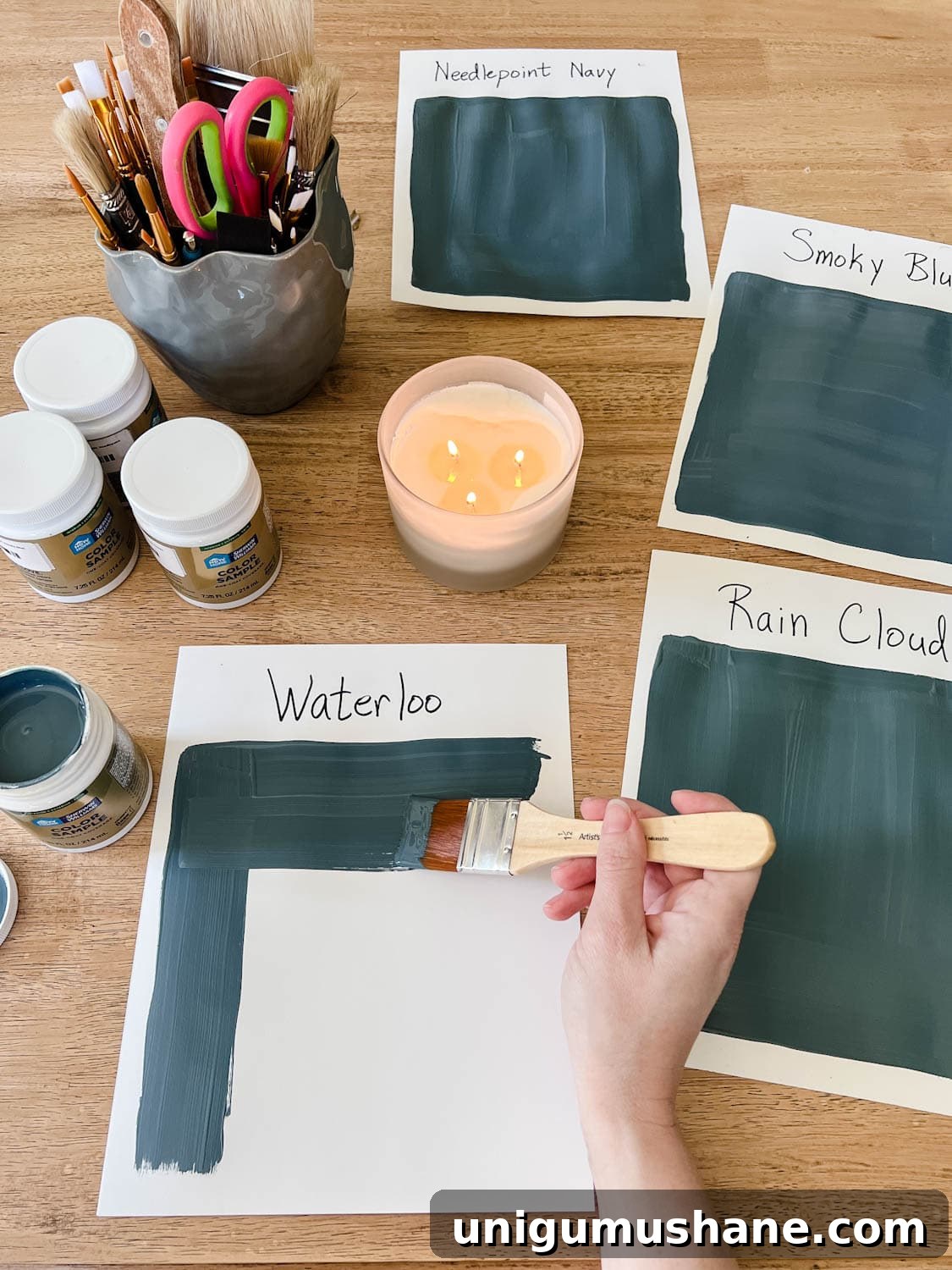
Tape the sample boards to different walls in the room. Move them around so you can see how each color looks in bright areas, shadowed corners, near windows, and beside trim, flooring, furniture, and fabrics.
Leave the samples up for at least 24 hours. If possible, observe them for a full day or two.
Paint colors can change from morning to afternoon to evening, and they can look different on sunny days than they do on cloudy days.
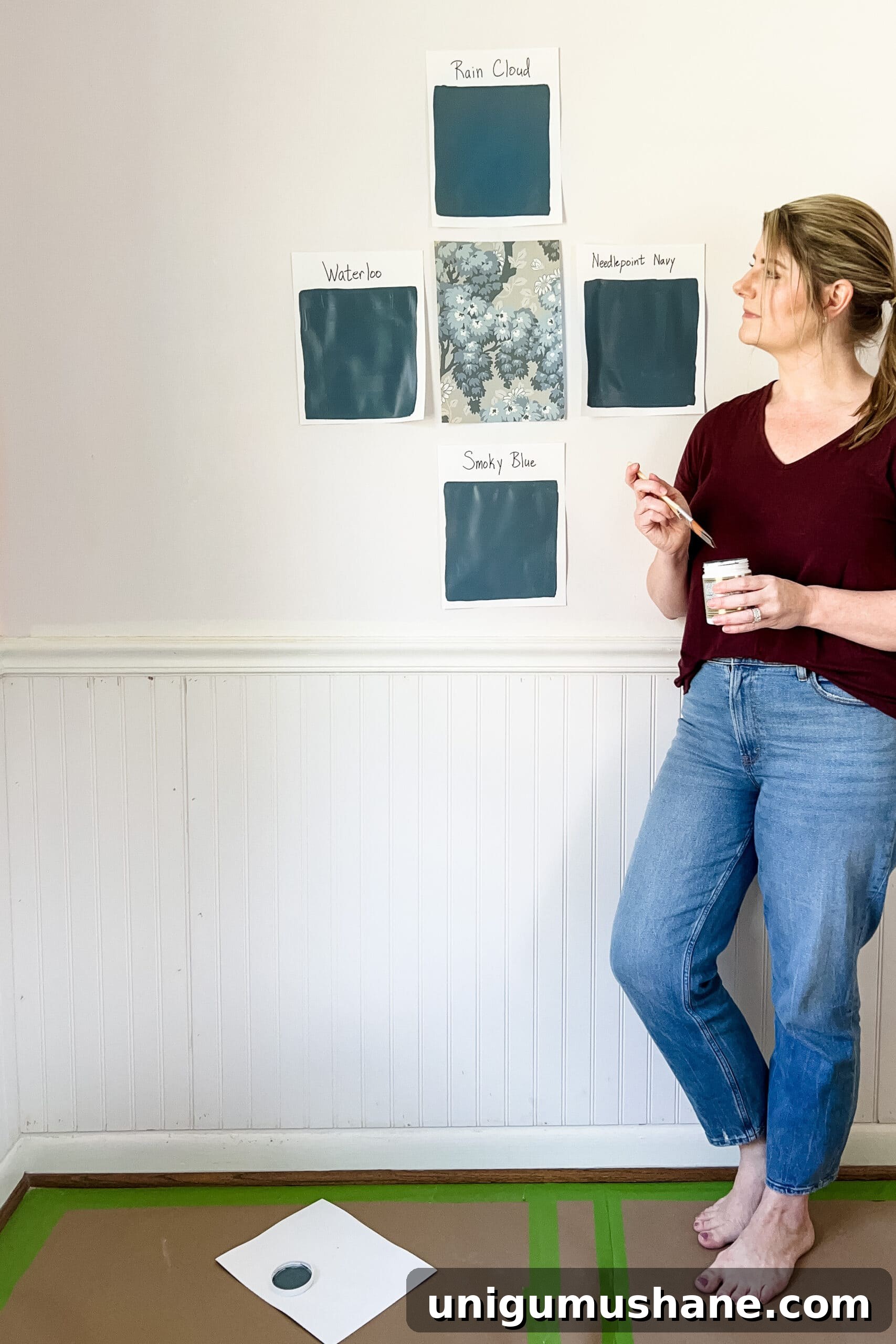
How Lighting Affects Paint Colors
Lighting is one of the biggest reasons paint colors look different from room to room. When testing paint, use the same bulbs and fixtures you plan to use in the finished space.
How Light Bulb Temperatures Affect Paint Colors
- Daylight bulbs above 4500 Kelvin can make colors look bluer.
- Warm white bulbs between 2700 and 3000 Kelvin can make colors look more yellow.
- Bright white bulbs between 3000 and 4500 Kelvin are the most neutral and often show colors more accurately.
Testing your samples in the room’s real lighting helps you eliminate colors that are too warm, too cool, too dark, or too bright.
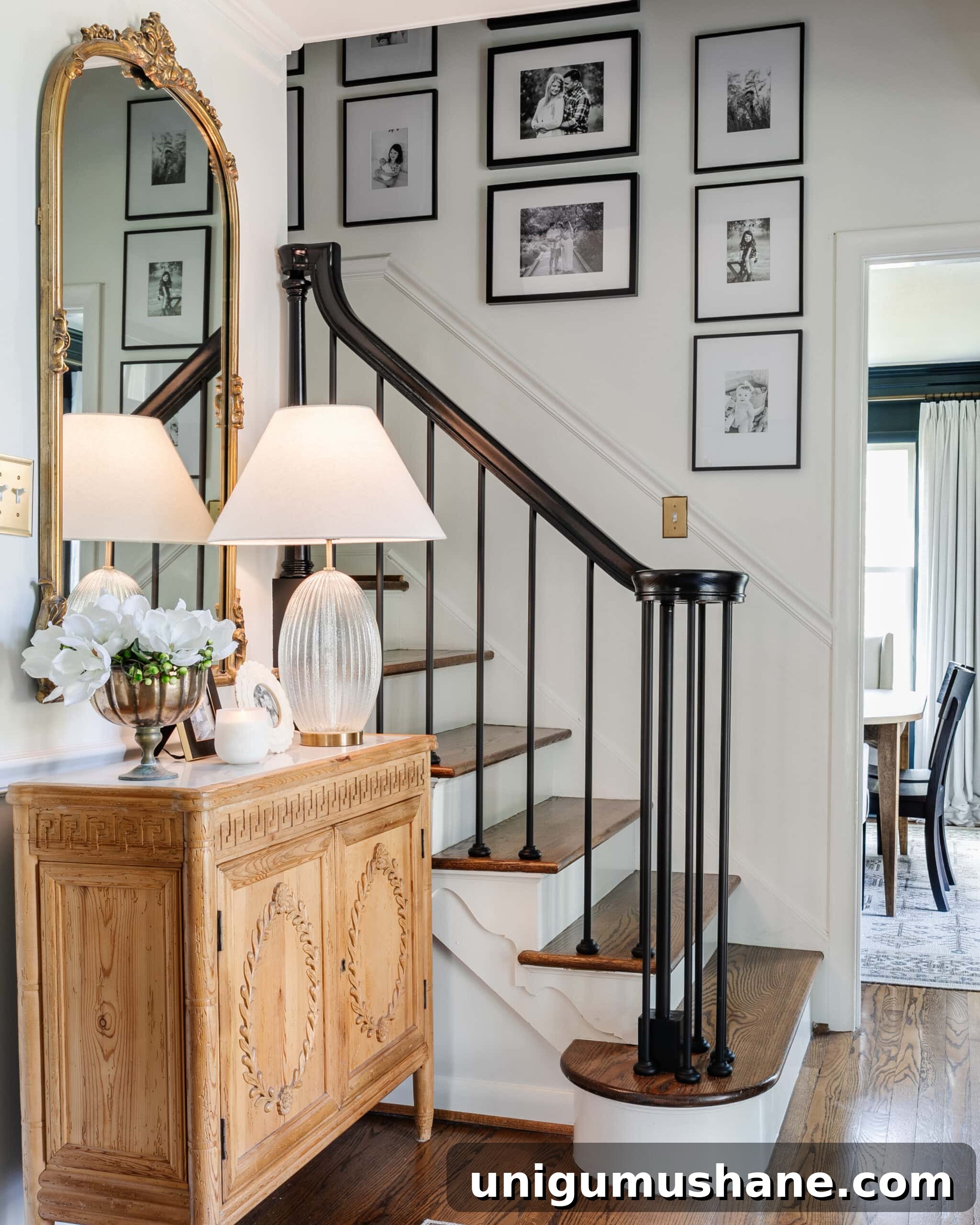
How Sunlight Direction Affects Paint Colors
The direction your windows face can dramatically affect how paint colors appear throughout the day.
- North-facing rooms usually receive cooler, softer light with a slightly blue or gray cast. Blue, green, and purple paint colors may appear even cooler. Warm undertones can help balance a north-facing room.
- South-facing rooms are usually brighter and warmer with more consistent sunlight. Many paint colors work well in south-facing rooms, and cooler colors can help balance the warmth.
- East- and west-facing rooms change the most during the day because of sunrise and sunset. A color may look soft in the morning and much warmer or darker later, so testing at different times is especially important.
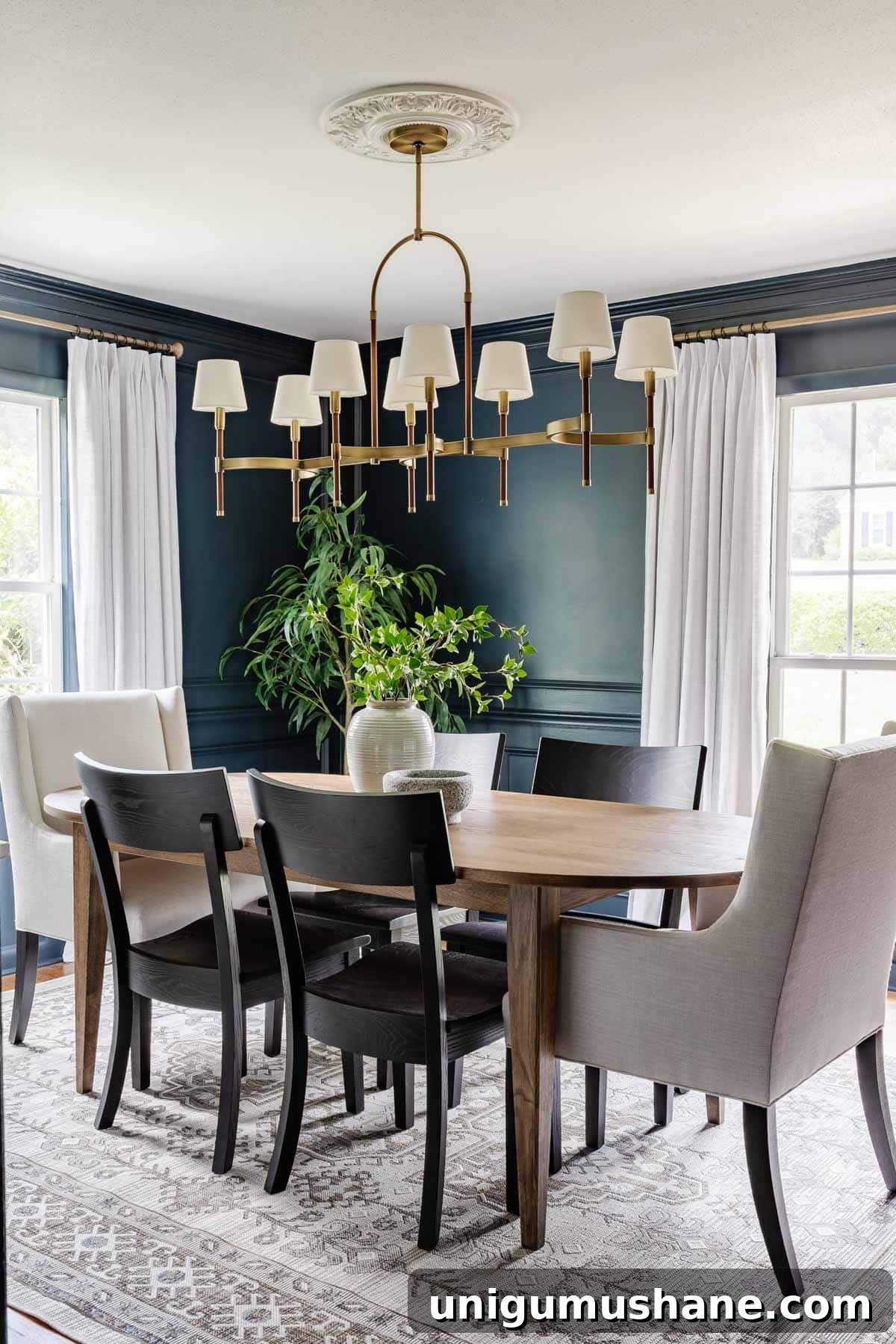
How to Create a Whole-House Paint Color Scheme
1. Keep the palette simple. You can use more than one color in a room, but try to limit the palette to three main colors. If you want bold colors, use one or two and balance them with a neutral.
2. Choose the boldest color first. Strong colors are harder to match, while neutrals are usually more flexible. If you want a dramatic accent wall, cabinet color, or trim color, choose that color first and build around it.
3. Try greens and blues if you are new to color. Green and blue are common in nature, so many people find them easier to live with than other bold colors. Navy blue, soft blue-gray, sage green, and muted green can add color while still feeling timeless and calm.
4. Use paint strips and curated color collections. If you are unsure which colors work together, choose two or three shades from the same paint strip or color collection. These colors often share similar undertones and are designed to coordinate.
A thoughtful house color scheme can make rooms flow naturally from one space to the next without every room looking exactly the same.
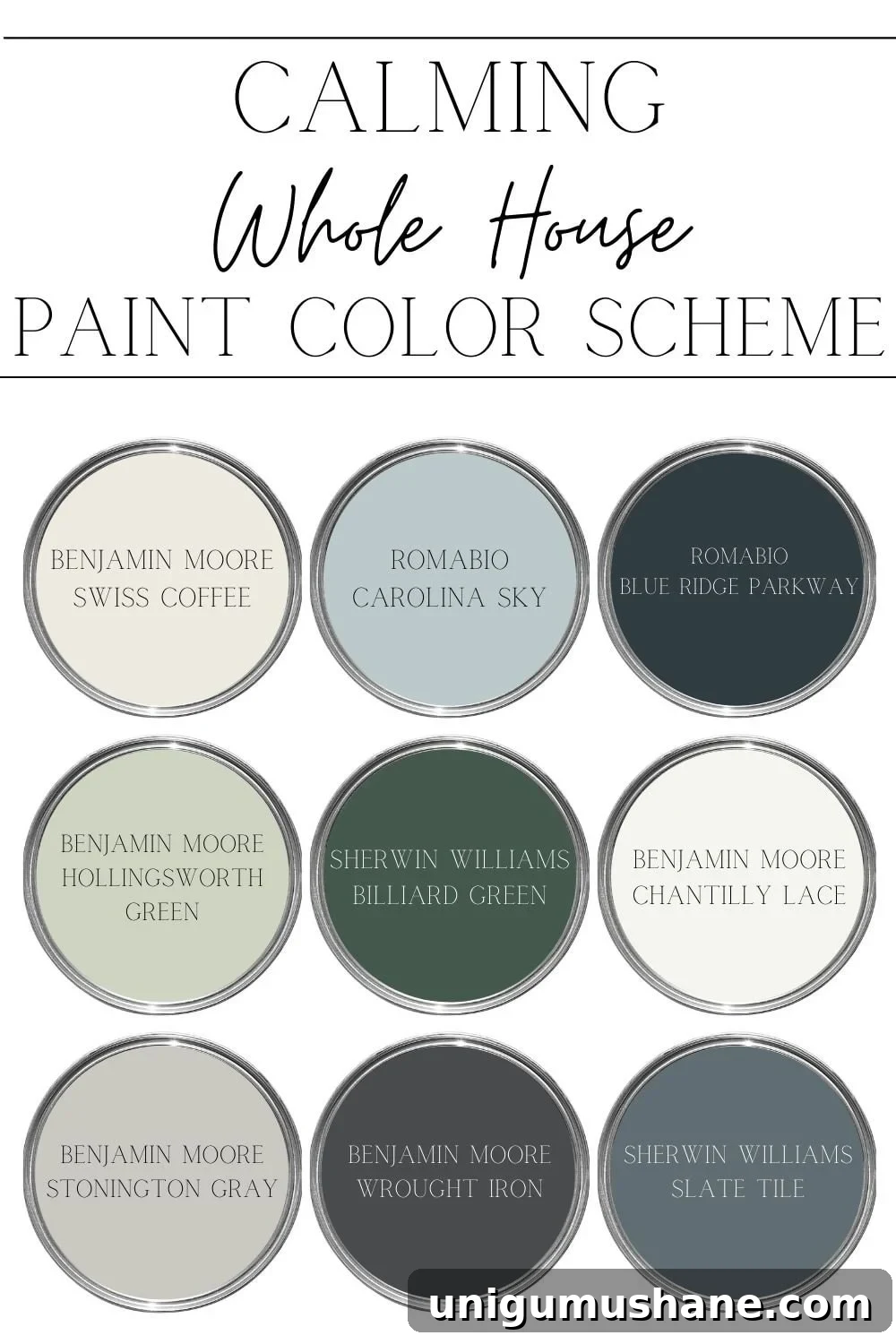
Most importantly, do not be afraid of paint. Paint is one of the easiest design elements to change. Even if a color does not turn out exactly as you hoped, it can always be repainted.
How to Choose Paint Colors for Your Home Recap
- Start with an inspiration piece.
- Consider the psychology of color and the mood you want to create.
- Use online inspiration and paint apps only as a guide.
- Identify warm and cool undertones from paint swatches.
- Paint large samples on white card stock and test them in your room’s lighting.
The process may take a little extra time, but it is much better to spend a day or two choosing the right paint color than to regret the wrong one for years. Careful sampling, lighting checks, and undertone comparisons will help you choose interior paint colors with confidence.
More Paint Color Inspiration
- Designer-approved off-white paint colors
- Green kitchen cabinet inspiration
- Sage green paint colors for relaxing rooms
- Recommended blue-gray paint colors
- Popular navy blue paint colors
- Blush pink paint color ideas
- Paint colors for gray trim
- Gold spray paint options
Frequently Asked Questions
Light wall colors such as soft neutrals, off-whites, and pale pastels can make a room feel larger and brighter. Semi-gloss or high-gloss finishes can also reflect more light, although they may highlight wall imperfections.
High-contrast paint palettes can create a polished, expensive look. Examples include bright white walls with dark charcoal doors or deep navy walls with crisp white trim.
Blue is often considered a restful bedroom color because it creates a feeling of calm and peace. Soft blues, blue-grays, and muted navy tones can all work well in a relaxing bedroom.