
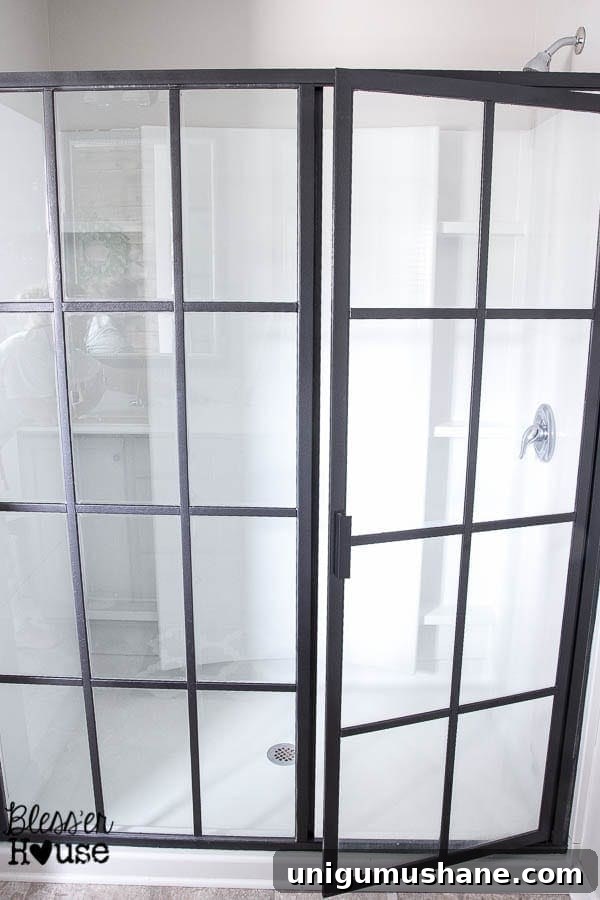
How to turn a builder basic glass shower door into an industrial style factory window shower door under $60.
I’m thrilled to share my step-by-step tutorial for creating a DIY industrial factory-window shower door, adapted from our master bathroom makeover. This project transforms a plain framed shower door into a stunning factory-style window look for under $60, with no demo or professional installation required. Below I walk through the supplies, preparation, and each step so you can replicate the look at home.
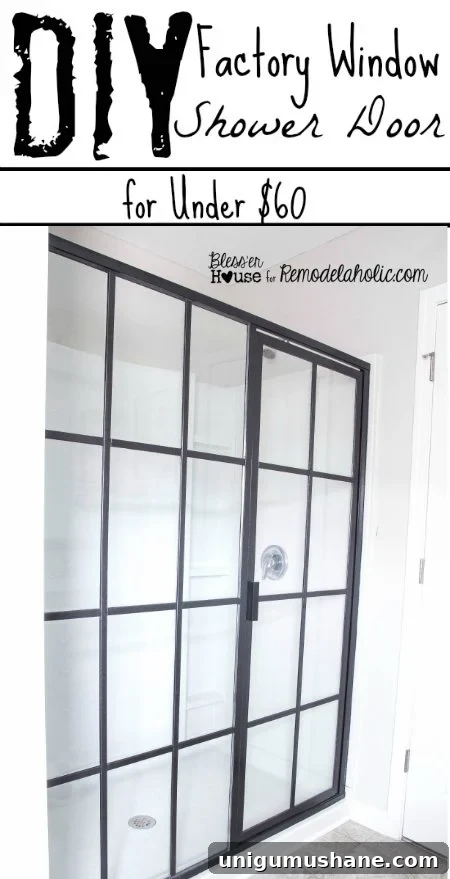
Are you ready for one final reveal from our bathroom makeover? This is the last piece, and it really completes the industrial look we were after.
I had fallen in love with the industrial factory-window shower doors I’d seen online, but the real pieces were expensive and required professional installation. I developed a cost-effective method to create the same aesthetic by painting the existing metal frame and adding lightweight polystyrene moulding to form the grid. The result is dramatic and durable when properly sealed.
Supplies:
- About three cans of Rust-Oleum Universal Hammered Black spray paint (hammered finish for texture)
- Painter’s tape
- Plastic drop cloth
- Respirator mask for painting safety
- Putty knife
- Five lengths of 1/4″ x 3/4″ x 96″ polystyrene lattice moulding
- Tape measure
- Level
- Black permanent marker
- Clear adhesive suitable for polystyrene and glass (for example, a clear, waterproof construction adhesive)
- Clear latex window and door caulk
- Caulk gun and caulk finishing tool
*I already had many of the basic tools on hand; if you don’t, they’re typical workshop staples.
Update (12/2016): We still love this shower door. If I were doing it again I would first spray the metal with an automotive primer, then the hammered black, and finish with a clear spray lacquer to give extra durability where the paint sees the most wear. Overall it has held up very well.
Time: About three days including drying time. This isn’t physically strenuous but does require patience while paint and adhesive cure.
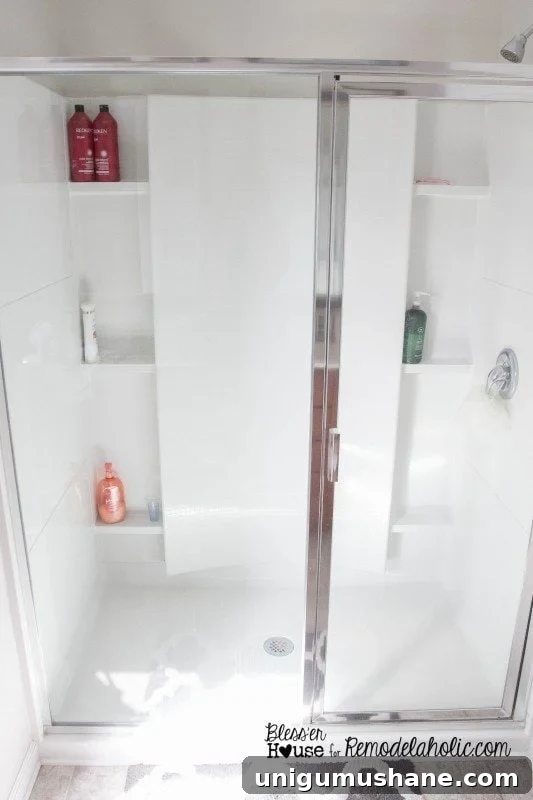
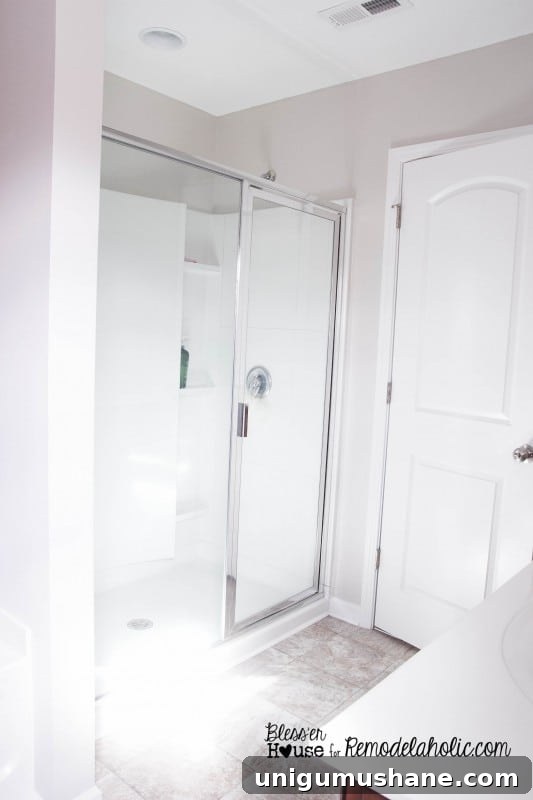
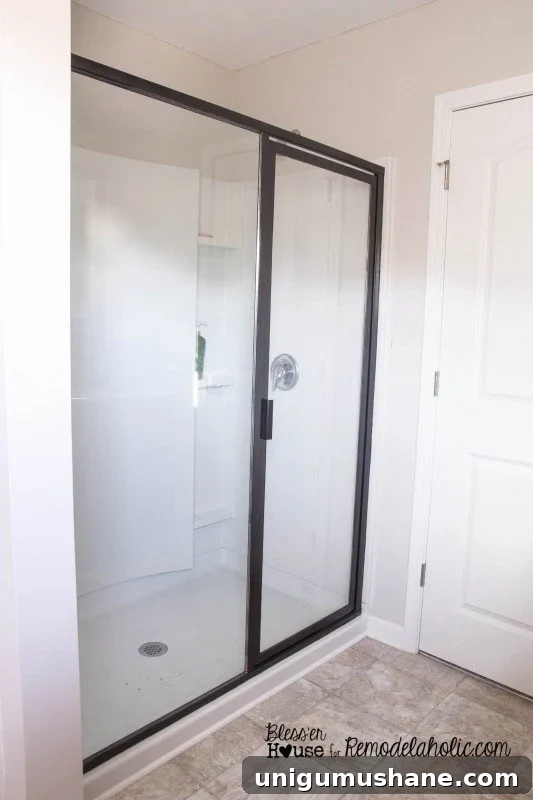
Start with a framed hinged shower door—you need the metal frame to get this look.
Here’s what my shower door looked like before I began:
Step 1. Clean and dry the shower thoroughly. Remove soap scum and mineral deposits with a vinegar and dish soap mixture or an appropriate cleaner, then rinse and allow at least 48 hours of dry time if possible so the surface is moisture-free.
Step 2. Protect adjacent surfaces. Use plastic drop cloths and painter’s tape to cover the glass, shower interior, surrounding walls, and floor—only expose the metal frame where you will paint.
Step 3. Ventilate the room and wear a respirator mask. Spray three thin, even coats of the hammered black paint on both the inside and outside of the metal frame. Keep the can moving in a sweeping motion to avoid drips and achieve a consistent texture. The spray paint contains primer, but using an automotive primer first is an optional extra step for long-term durability.
Note: Some cans may clog if the paint is thick—if that happens, exchange them where purchased or shake thoroughly and follow manufacturer instructions.
Step 4. After the final coat, wait 24 hours for the paint to cure. When removing painter’s tape, score along the edge of the tape with a putty knife before peeling to avoid lifting paint. If paint does pull up, small touch-ups can fix it.
Step 5. While the frame is drying, measure the glass panels to plan the grid layout. I chose a five-across by four-down grid, which determined the number and length of vertical moulding pieces to cut from the polystyrene.
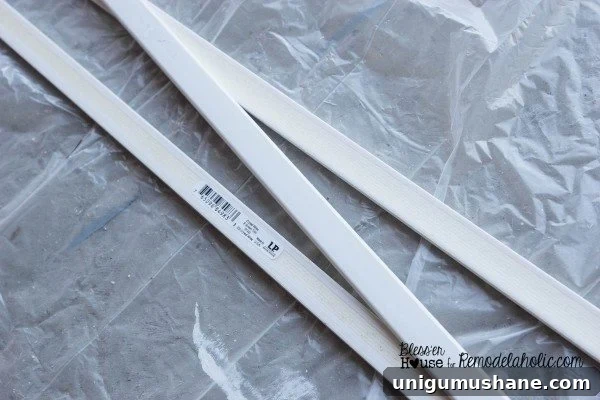
Step 6. Cut the polystyrene moulding to size and spray paint the pieces with the same hammered black paint. Paint the back side first, then the front, and allow full drying between coats. I used three thin coats on both sides for even coverage.
Step 7. Mark placement on the glass with a black permanent marker (on the inside surface so marks are hidden by the moulding). Divide the glass width and height according to your grid plan—this helps position vertical and horizontal pieces evenly. If you make a mark you want removed, nail polish remover will usually lift the ink.
Step 8. Apply a thin line of clear adhesive to the back of one moulding piece at a time and press it into position on the glass. Use a level to ensure straight placement. The adhesive I used sets clear, is waterproof, and resists humidity.
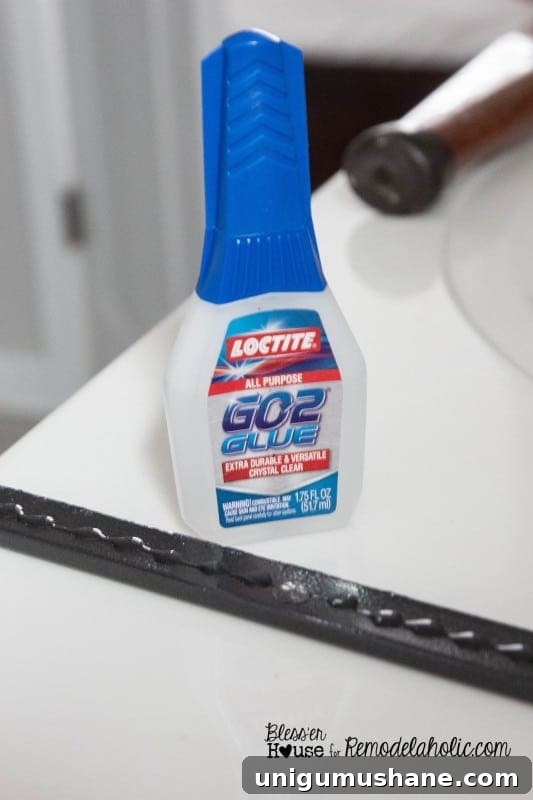
Step 9. Continue adding vertical moulding pieces, checking alignment and leveling as you go. You’ll have a short window of time to reposition each strip before the adhesive grabs.
Step 10. Measure the spaces between vertical strips and cut the horizontal moulding pieces to fit. Paint them the same way as the vertical pieces and allow them to dry thoroughly.
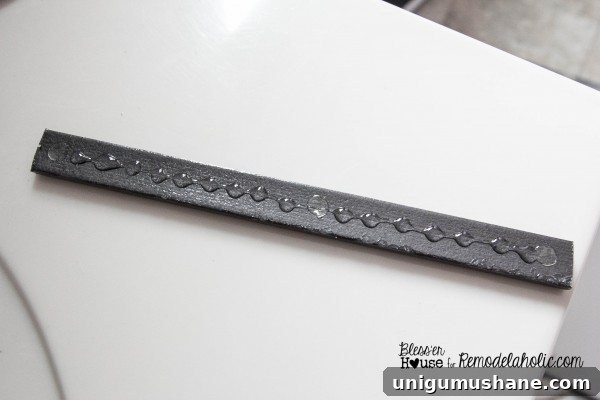
Step 11. Glue the horizontal pieces in place, again using a level to ensure consistent lines. Work patiently and in sections so each piece stays aligned while the adhesive sets.
Step 12. Seal all seams where the polystyrene meets the glass with clear latex caulk to prevent moisture from getting behind the strips and to deter mold. Apply a bead along both sides of each moulding strip, then smooth it with a caulk finishing tool for a clean finish. Allow the caulk to dry completely before using the shower.
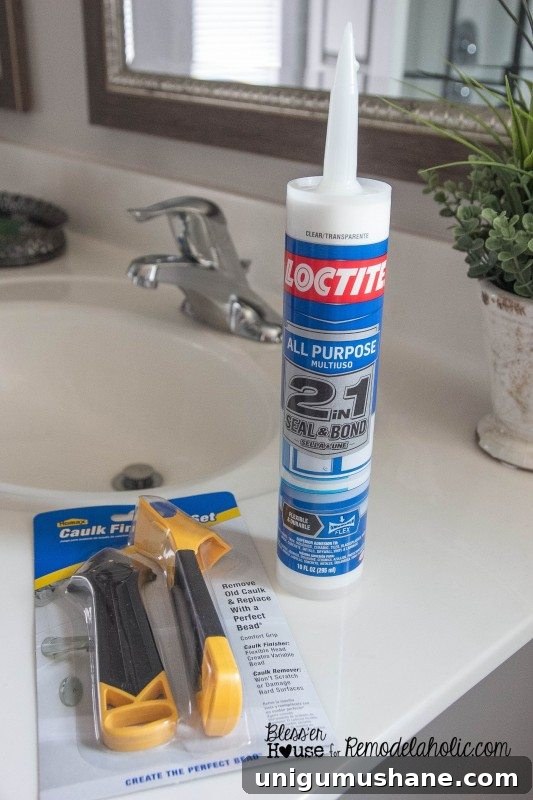
After everything cured, we waited a full 24 hours before showering to ensure the paint, adhesive, and caulk had set. The finished door created the exact industrial factory-window effect I wanted and has held up well with normal use. To maintain the finish, avoid abrasive scrubbing directly on the painted frame and moulding strips.
If you try this project, I’d love to hear about it and see your photos. It’s an affordable, high-impact update that gives a builder-grade bathroom an instantly custom, industrial look.
Will you try this on your shower door? If so, please share your results—I enjoy seeing how others personalize the process.

Follow: Facebook | Pinterest | Instagram | Twitter