
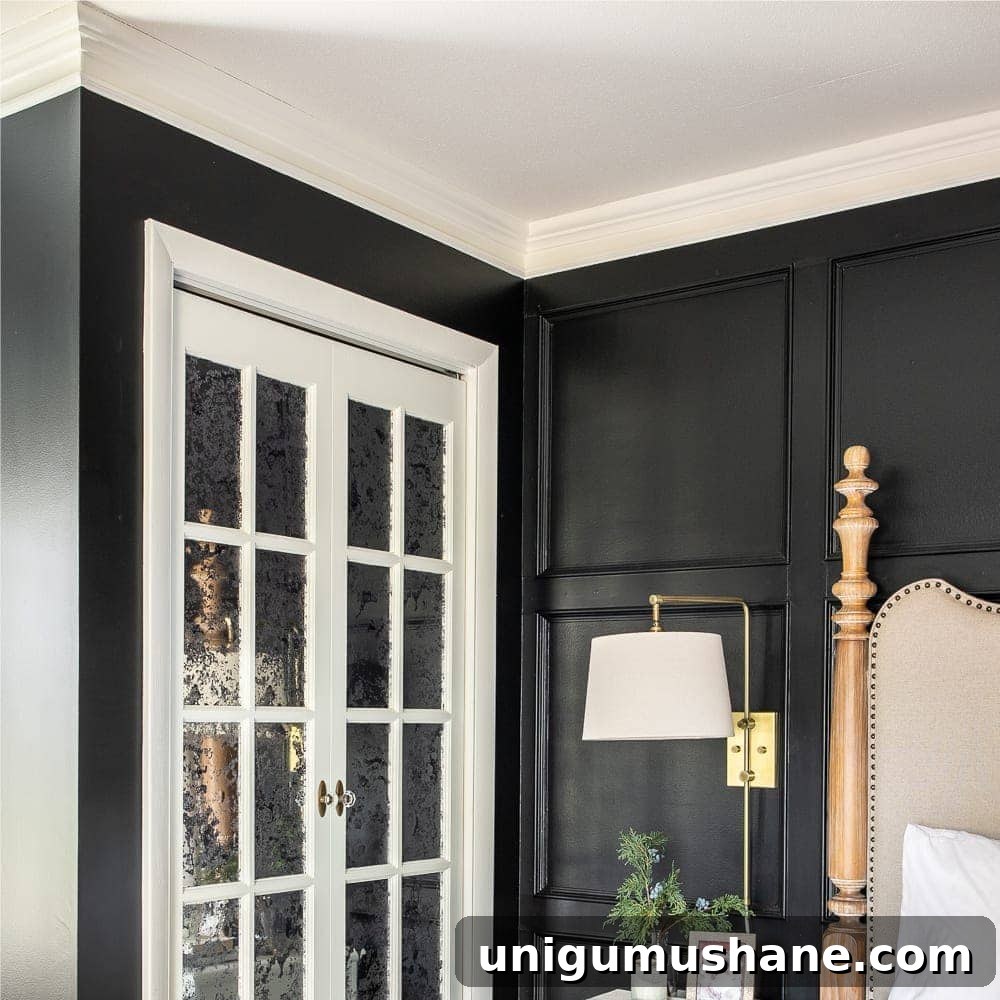
One simple trick to make skinny crown molding and baseboards look thicker and more elegant for under $1 per foot
This small, inexpensive trim upgrade completely transformed the feel of our master bedroom. While we were busy installing a dramatic grid molding wall, a few readers asked if we’d upgraded the crown molding. The answer is no — we used a quick, affordable technique that gives narrow crown and baseboards a custom, substantial appearance without demolition or expensive new profiles.
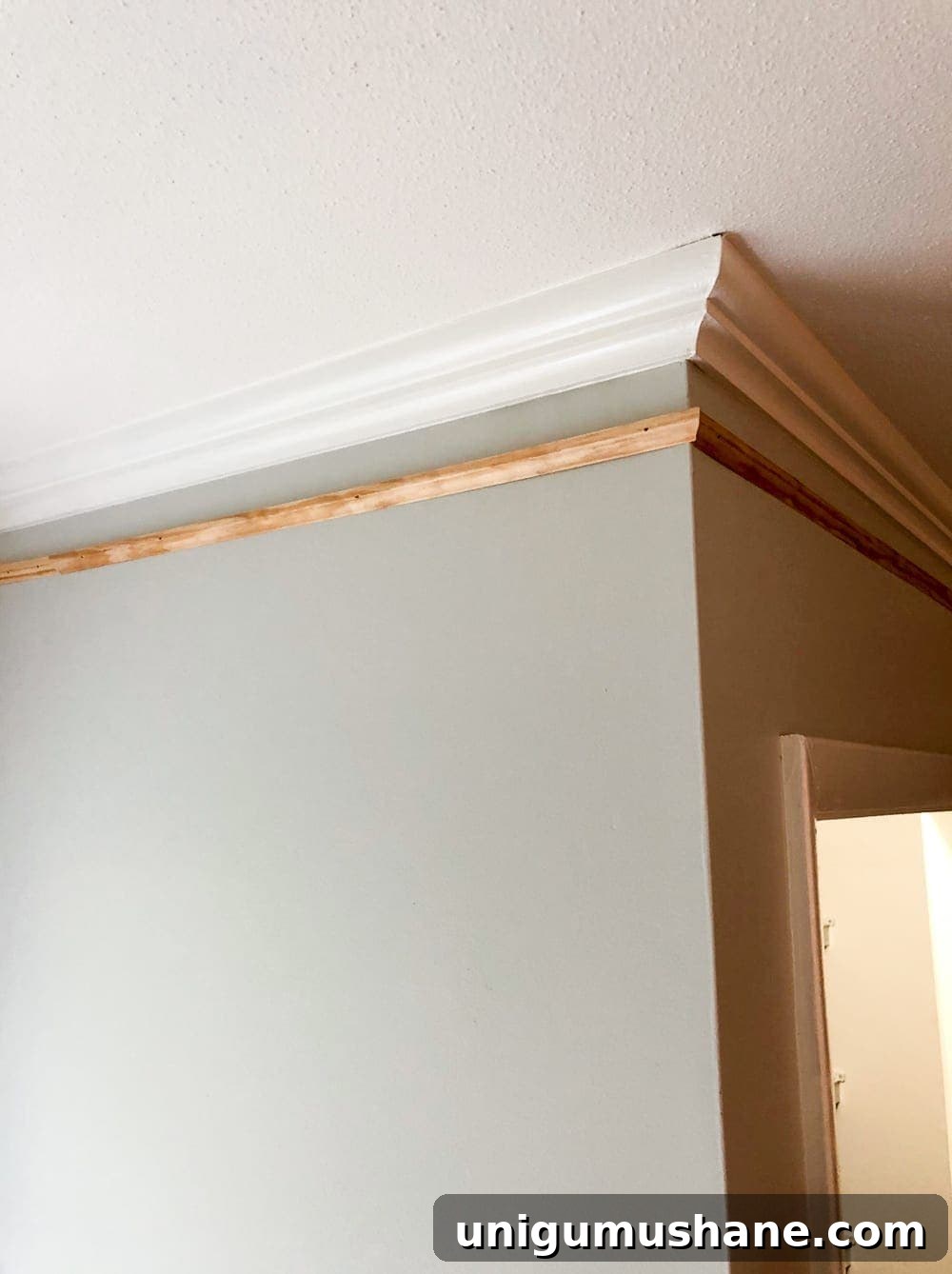
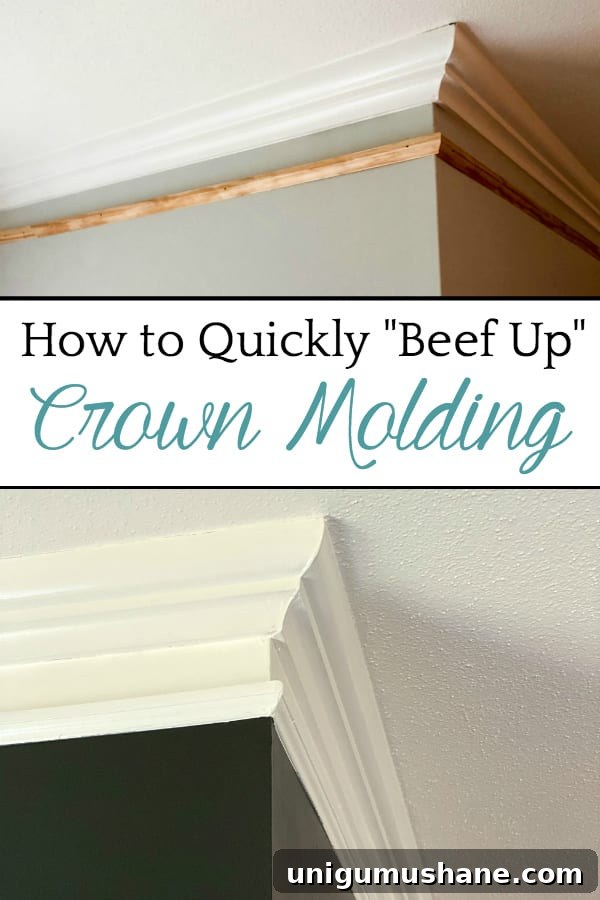
In short: nail a thin strip of base cap molding a few inches below your crown or a few inches above your baseboard and paint the drywall between in the same trim color. It’s simple, fast, and extremely budget-friendly — most projects cost well under $1 per linear foot in materials.
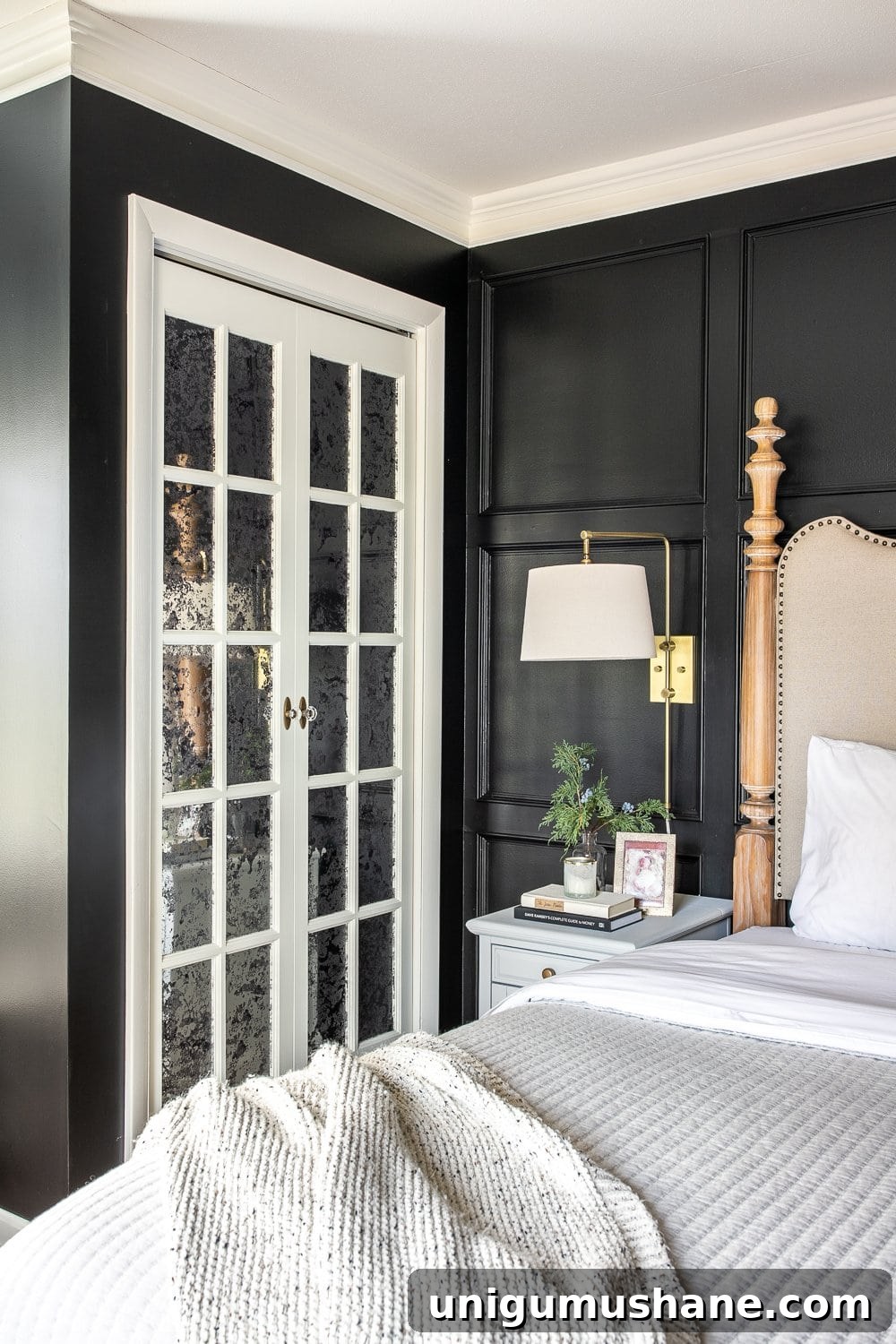
This approach works especially well when you want a more finished, architectural look without the time and cost of replacing all your trim. It creates the illusion of a wider, layered molding by adding a crisp shadow line and an extra profile piece that reads as a thicker trim element from across the room.
Materials and tools
- Base cap molding (or a small decorative trim) in primed MDF or wood
- Finish nails (18 or 16 gauge) and a nail gun or hammer and brads
- Painter’s caulk and wood filler
- Sandpaper (120–220 grit)
- Primer/trim paint in your chosen finish
- Measuring tape, pencil, miter saw or coping saw
Basic installation steps
- Measure the length of each wall and cut the base cap molding to fit, mitering corners as needed.
- Decide the placement: typically 2–3 inches below the crown molding or 2–3 inches above the baseboard, depending on how much visual “beef” you want.
- Pre-paint or paint in place: you can prime and paint the new molding before installation for a quicker finish, or install first and then paint the trim and the drywall reveal together for a seamless look.
- Nail the trim to the wall studs or top plate with finish nails, keeping the molding tight to the wall. Use adhesive for additional hold on uneven surfaces.
- Fill nail holes and any gaps with wood filler or caulk, sand smooth, and touch up paint.
This method avoids removing existing trim, keeps construction dust to a minimum, and is easy enough for most DIYers with basic carpentry tools. By painting the drywall between the original molding and the new strip in the same trim color you create a solid-looking band that reads as one thicker piece from a distance.
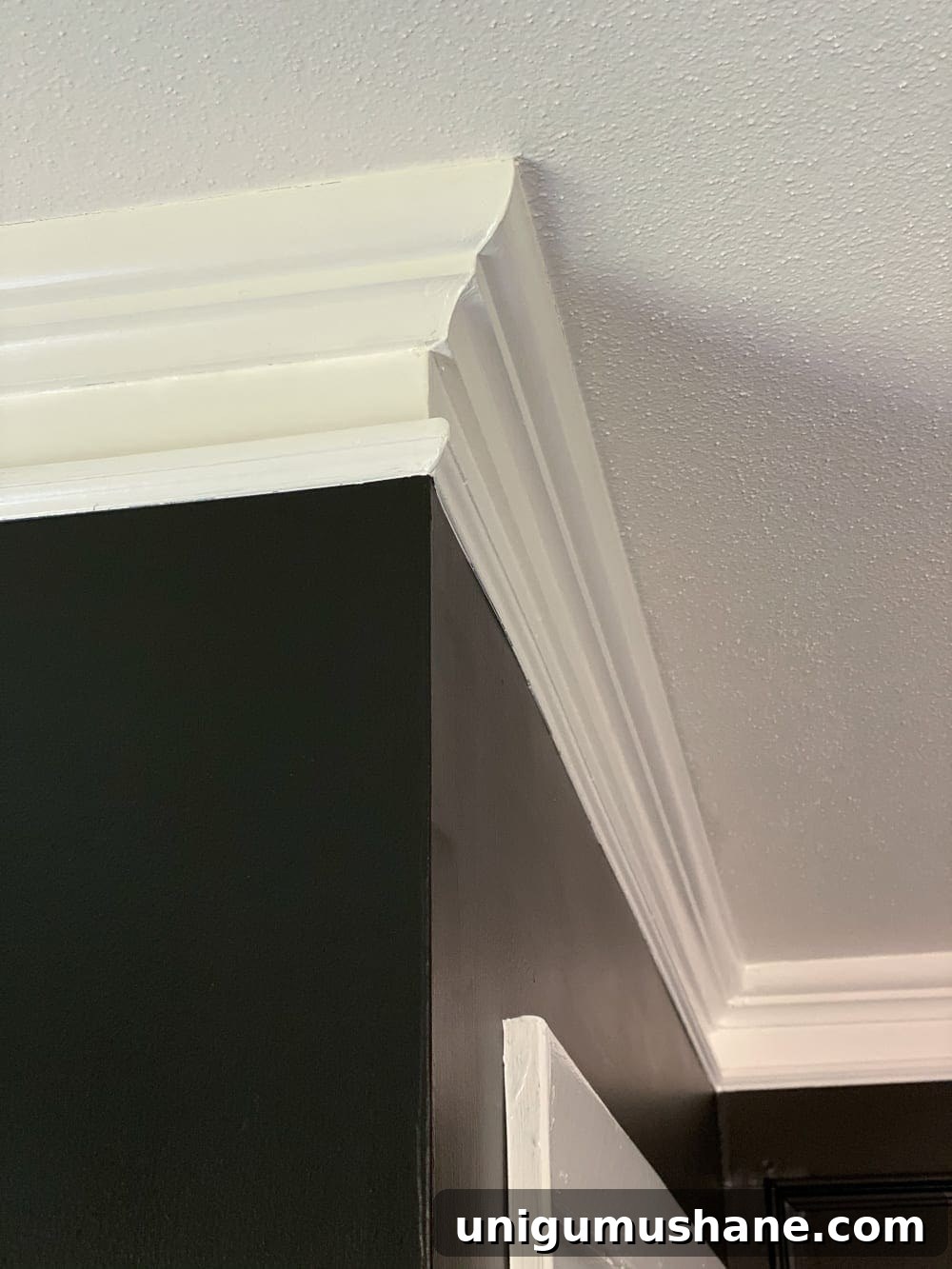
Tips for a professional finish
- Keep your paint finish consistent across all trim pieces — semi-gloss or satin are common choices for durability and easy cleaning.
- Use painter’s tape to protect walls and ceilings while painting the new band.
- If your walls are not perfectly plumb, use caulk to fill any minor gaps between the molding and the wall for a seamless look.
- For corners, take your time on miter cuts or consider coping inside corners for a tighter joint.
After installing the extra strip and painting, the room immediately felt more finished and architectural. It’s one of those small details that makes a big difference in how a space reads and adds perceived value without a major investment.
If you enjoy woodworking and trim projects, this trick pairs nicely with other DIY character additions like picture frame molding, built-ins, and board-and-batten walls. It’s an easy upgrade to add to any room when you want more visual weight from your trim.

P.S. We’re still waiting on some new throw pillows to finish the bedroom reveal — fingers crossed they live up to the hype. In the meantime, this trim trick has made the room feel complete and much more polished.