
DIY Faux Fireplace: How We Built a Custom Hearth on a Budget
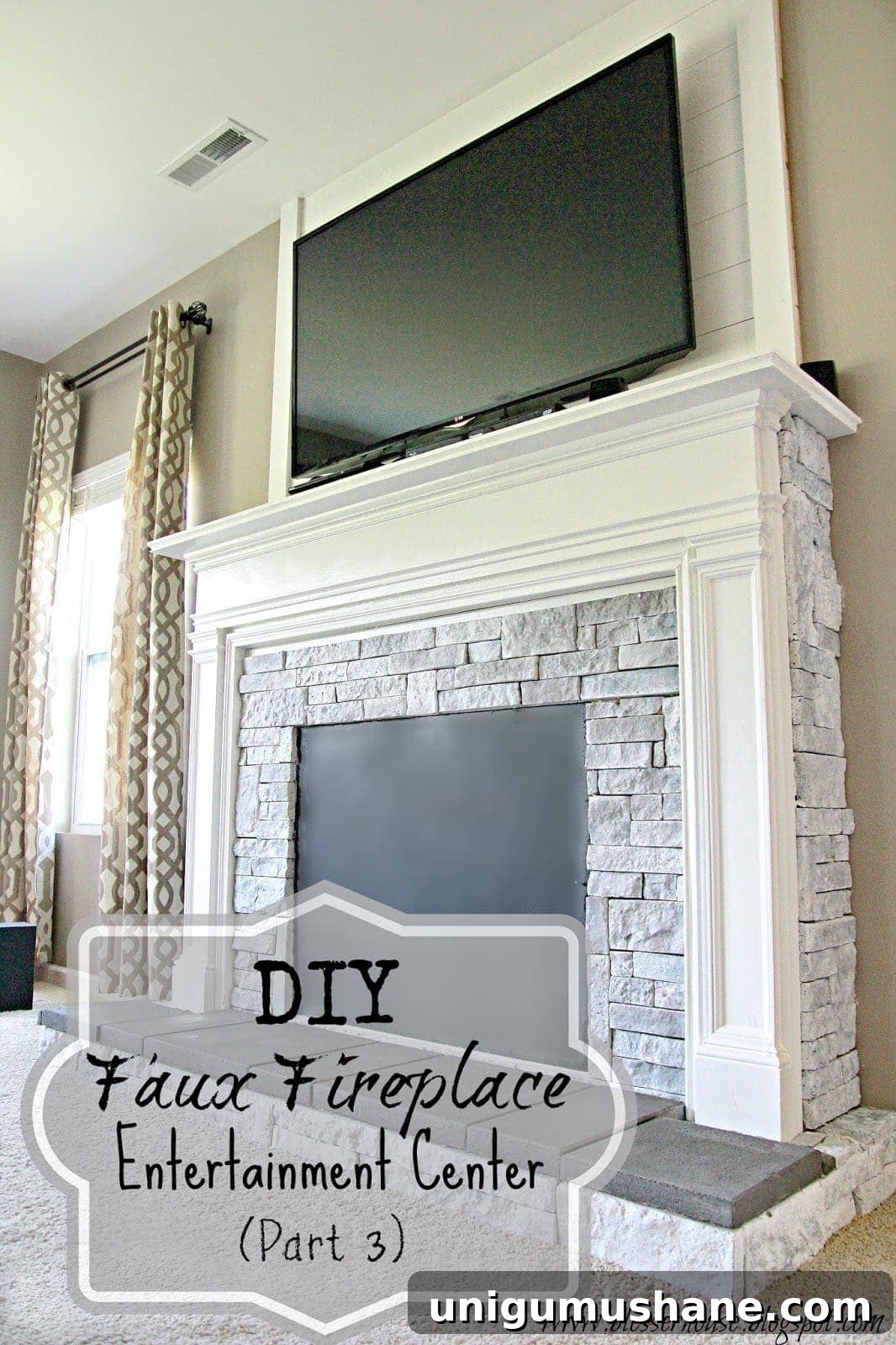
When we began choosing upgrades for our new suburban home, a fireplace was at the very top of my wish list. I didn’t even care if it was functional — I just wanted the look and the feeling of a mantel to hang stockings from at Christmas. The builder’s upgrade price was prohibitive, so we decided to build a faux fireplace ourselves. With guidance from Robert’s dad and a weekend of hard work, we created a large, custom mantel and surround for a fraction of the builder’s price.
Why a Faux Fireplace?
We live in the Carolinas where the weather rarely requires a working fireplace, but a hearth brings warmth and personality to a room. Instead of paying several thousand dollars for an upgrade we didn’t need to heat the house, we planned a decorative fireplace that would look authentic and give us the mantel we wanted.
What We Used
Below is a consolidated list of materials and tools we used while building the faux fireplace and hearth. These are common items for a DIY stone veneer and mantel project:
- Interior primer (we used a heavy-duty primer for older wood)
- White semi-gloss paint (mantel and trim)
- 1½-inch angled paintbrush
- Paint bucket
- Water for diluting paint for whitewashing the stone
- Clean, lint-free rags
- AirStone veneer boxes and AirStone adhesive
- Hacksaw for cutting veneer pieces
- Putty knife for smoothing adhesive
- Matte black paint for the faux firebox door
- Concrete stepping stones for the hearth base
Overview of the Process
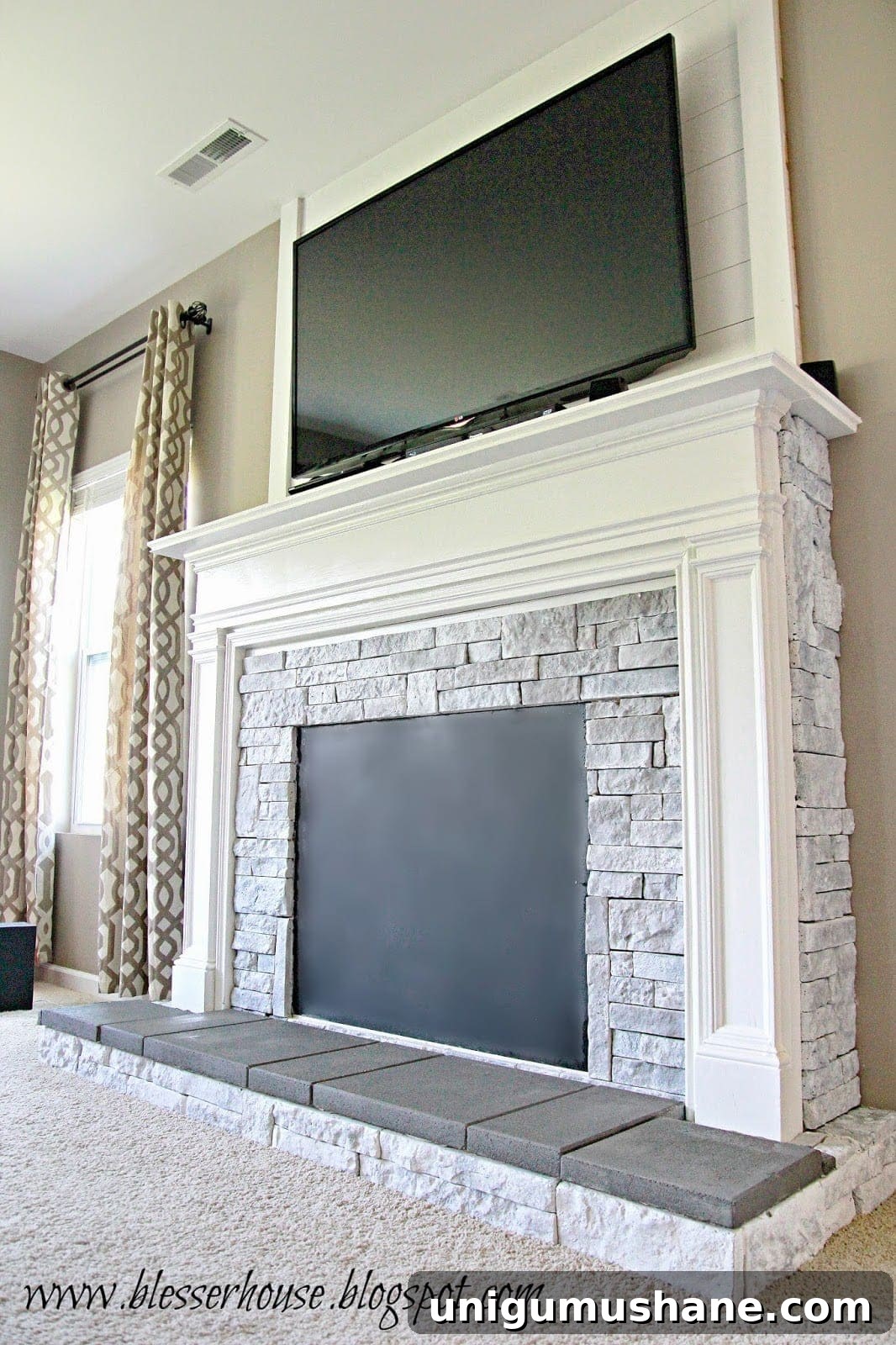
We started by building a plank wall to simulate a chimney and then primed and painted all the wood in a semi-gloss white. The paint helped create a clean backdrop for the mantel and made the surround feel polished. For the faux firebox door, we painted a simple panel with matte paint to hide the media wiring and the outlet behind it. This door acts as a discreet access panel and keeps the finished look tidy.
Whitewashing Veneer Stone (Airstone)
We chose Airstone for the hearth and surround because it offered a good balance of cost, durability, and relative ease of installation. I wanted a warm gray ledgestone look but decided to whitewash the Airstone to soften the color and better match our room. Since there aren’t many tutorials specifically for whitewashing Airstone, we experimented with a simple method: mix one part paint with one part water for the first pass.
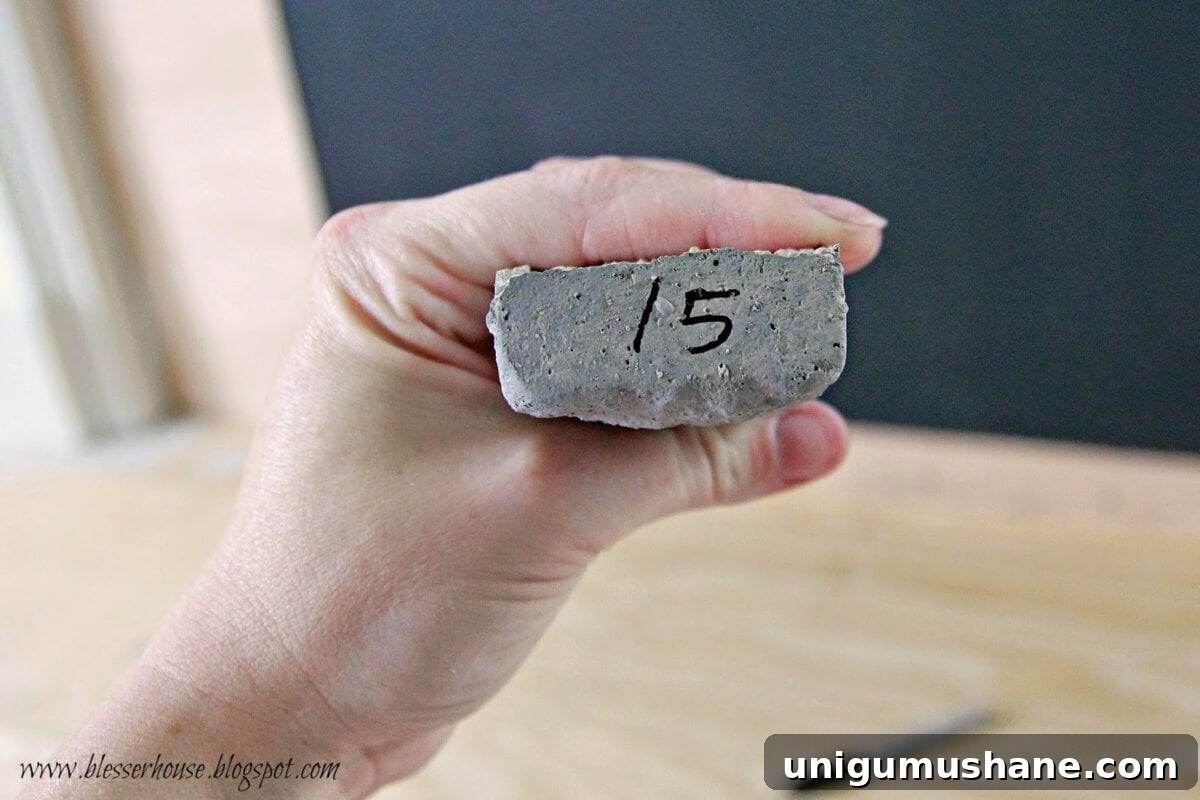
To avoid staining the carpet, we dry-fitted the stone pieces on the hearth and numbered each piece so they could be returned to the exact place after whitewashing. The numbers remained faintly visible after the wash, which made installation much easier.
I applied the diluted paint with a brush, let it soak in for a minute or two, and dabbed off any excess with a rag. The stone absorbs paint quickly, so working in small batches helped control the final look. After the first coat I could still see gray tones underlying the white, which created the natural, weathered appearance I wanted.
Installing the Veneer
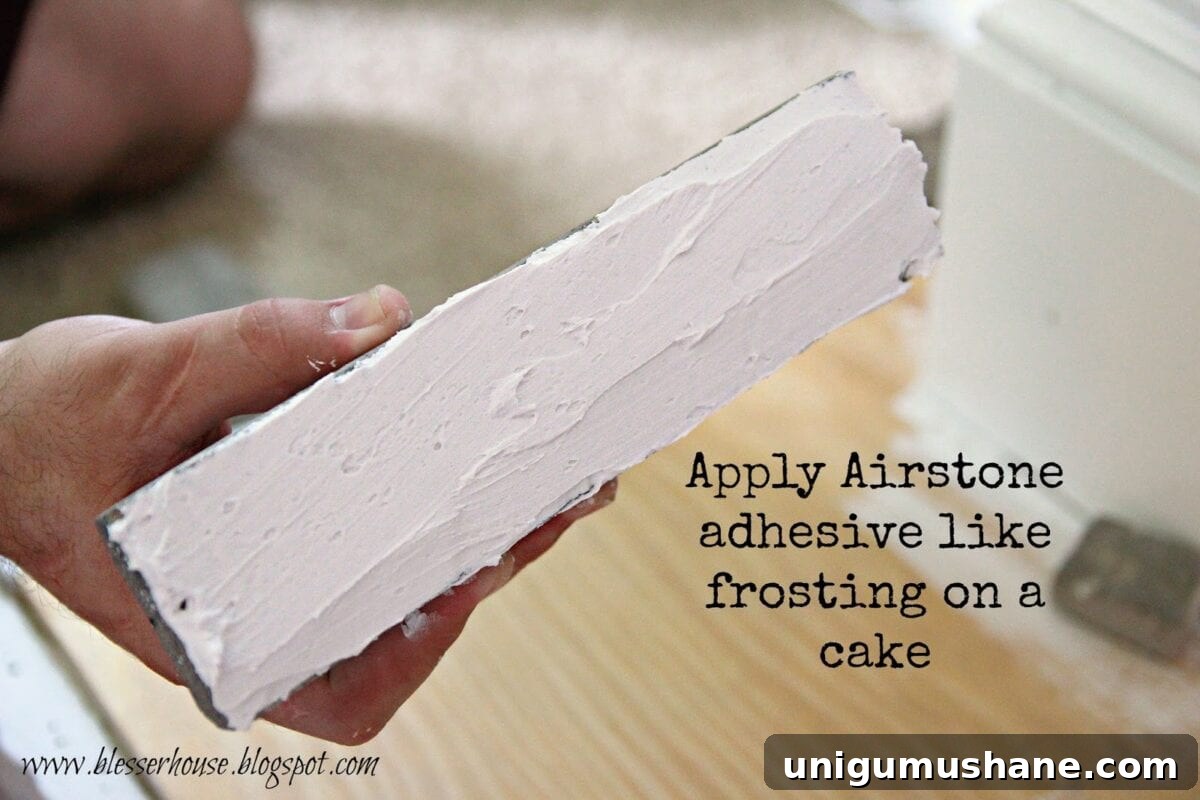
Adhering the stone was similar to frosting a cake: we applied a generous layer of adhesive to the back of each piece, pressed it into place, and scraped off any excess with a putty knife. The adhesive needed to be thick enough to create a secure bond, especially for the heavier pieces near the hearth. We completed about 30 pieces fairly quickly, but the full surround and details took the entire weekend — roughly 15 hours of work combined.
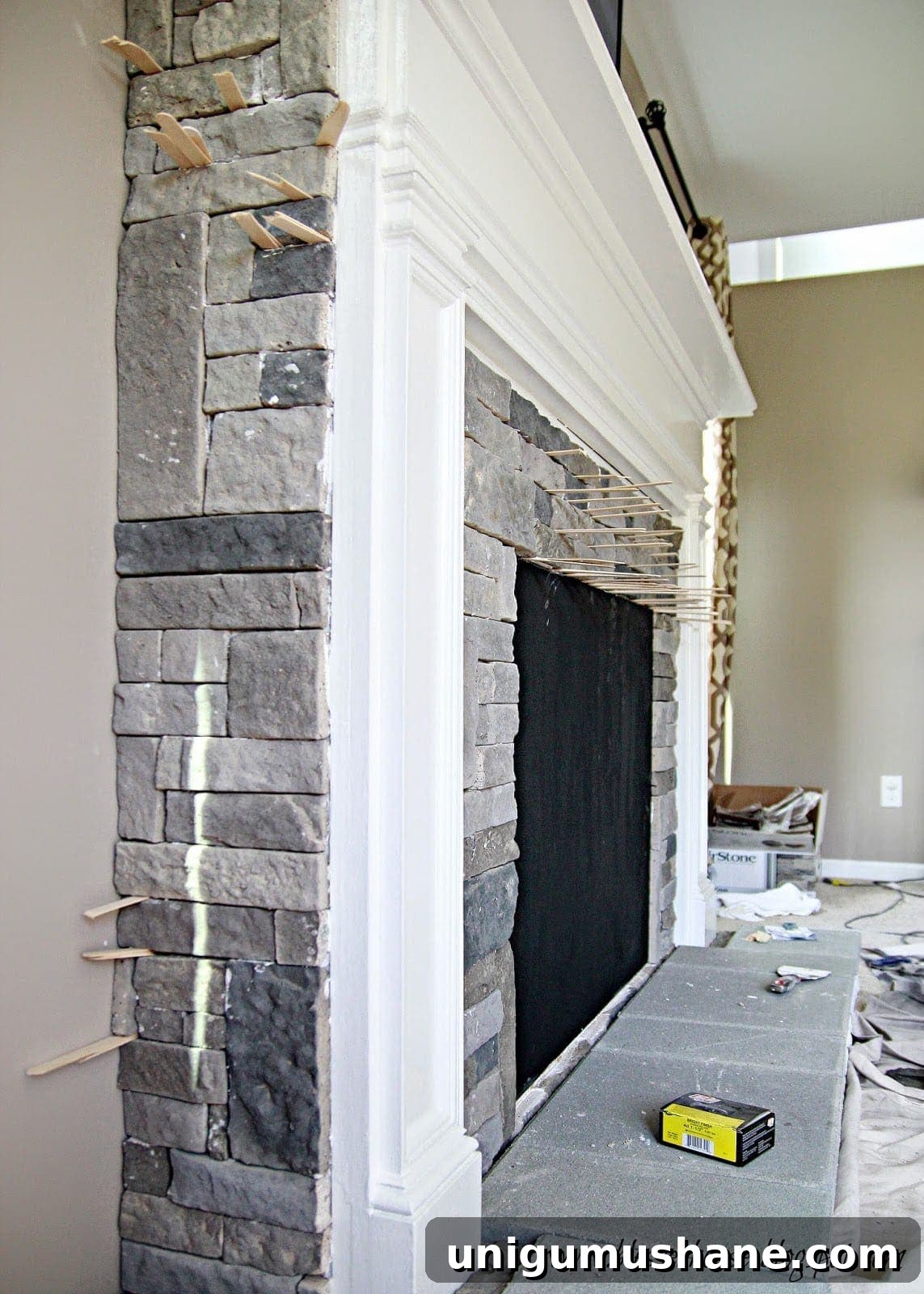
For the flat, durable hearth surface we repurposed heavy concrete stepping stones purchased at a garden center. At about $2 each, the stepping stones were an economical option and very solid once glued down. Because we were slightly short of stone height at the top of the surround, we added a strip of trim and used small wooden spacers to maintain consistent gaps and avoid exposing bare wood.
Where the firebox opening had no support above, we wedged temporary spacers to hold the top stones until the adhesive set. After removing the temporary supports, the veneer stayed firmly in place.
Finishing Touches
After placing the stones, I followed up with a lighter whitewash (one part paint to two parts water) across the entire surround so the hearth and the surround would match. I may add another coat to adjust the warmth of the finish, possibly mixing a touch of our wall color to achieve the exact tone I want.
We also painted the stepping-stone hearth with a sample pot of paint for a finished look. The faux firebox door hides wiring and electronics; it’s painted a deep matte black to create depth and disguise cables. My remaining tasks are to tidy up visible cords and hide media components such as speakers and a DVD player. I have a cord-management plan, but concealing the electronics will require some creative storage solutions so they’re accessible but out of sight.
Decorating the Mantel
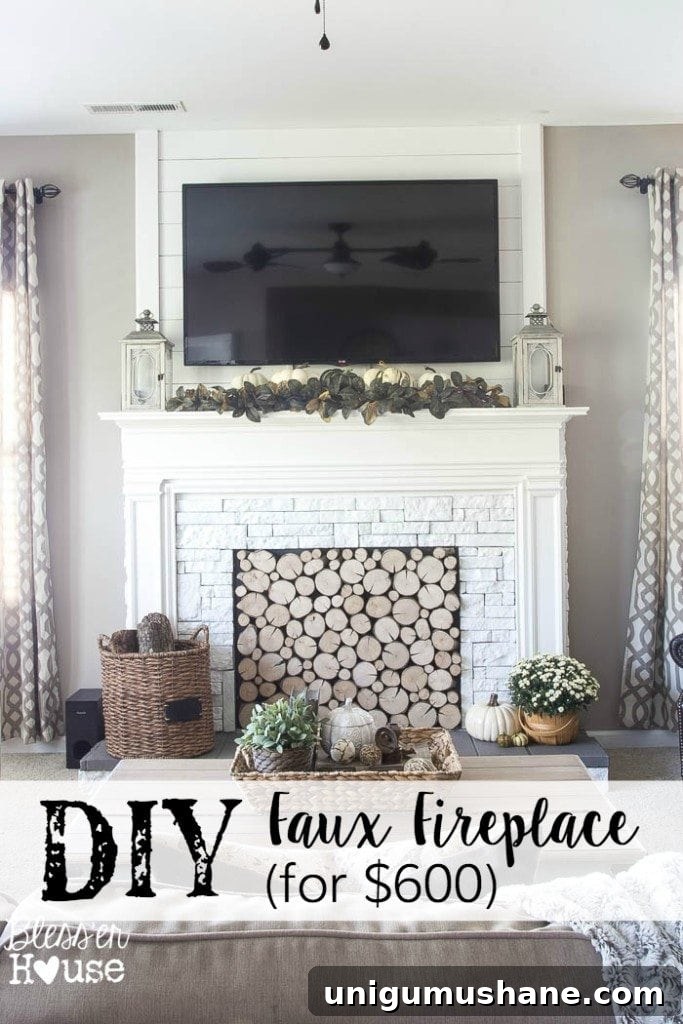
I’m planning mantel decor that won’t block the television. The goal is to balance styling with function so the mantel complements the room without interfering with screen visibility. For the faux firebox interior, I was inspired by simple log-front inserts that create a cozy, realistic look without a real flame.
Overall, building this faux fireplace gave us the mantel and architectural focal point we wanted at a much lower cost than the builder upgrade. The project required planning, teamwork, and some problem solving, but the result is a custom, high-impact feature that makes our living room feel like home.
Follow: Facebook | Pinterest | Instagram | Twitter | Bloglovin | Hometalk