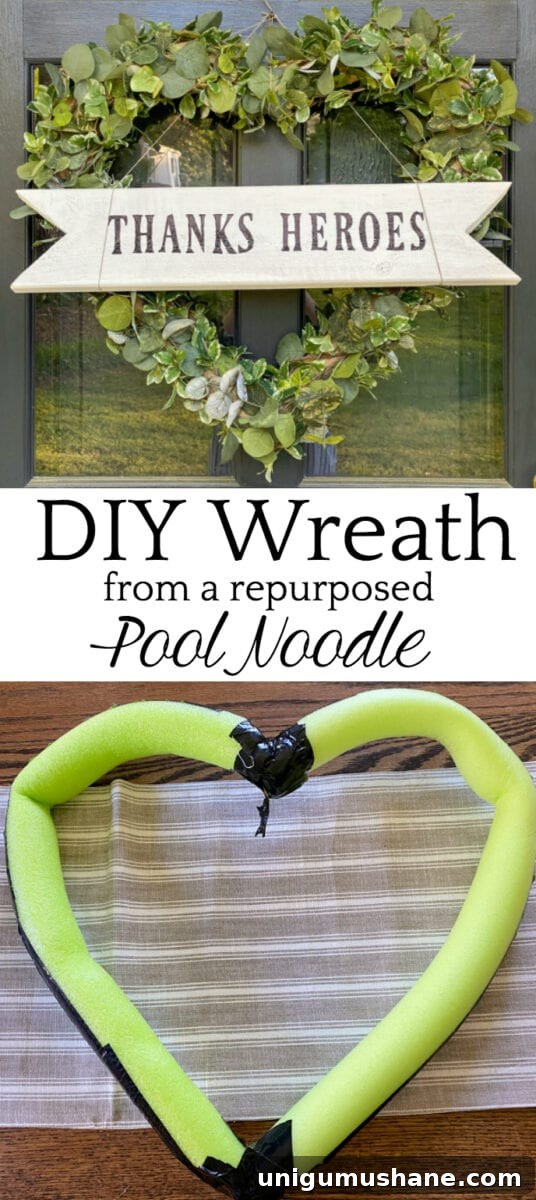

How to make a DIY wreath using a repurposed coat hanger, pool noodle, and greenery clippings from around your house for free door decor
When budgets are tight or you simply want a quick, creative project, repurposing household items into seasonal decor is a satisfying solution. This easy DIY wreath uses an old wire coat hanger, a pool noodle, fabric scraps, and faux greenery to create a lightweight, weather-resistant wreath for your door—without spending extra money.
Beyond being thrifty, this project is an opportunity to use what you already have at home. The steps are simple, adaptable to different shapes (circle, heart, oval), and perfect for newcomers to crafting or busy households looking for fast curb appeal.

DIY Wreath from a Repurposed Pool Noodle
Supplies
- 1–2 wire coat hangers (use two for larger wreaths)
- 1–2 pool noodles (cut to length as needed)
- Scissors or a utility knife
- Duct tape
- Scrap burlap, canvas, linen, or any neutral, natural-looking fabric
- Hot glue gun and glue sticks
- Artificial greenery, flower stems, or clipped faux branches
- Wire snips or strong scissors for trimming stems
Step-by-step Instructions
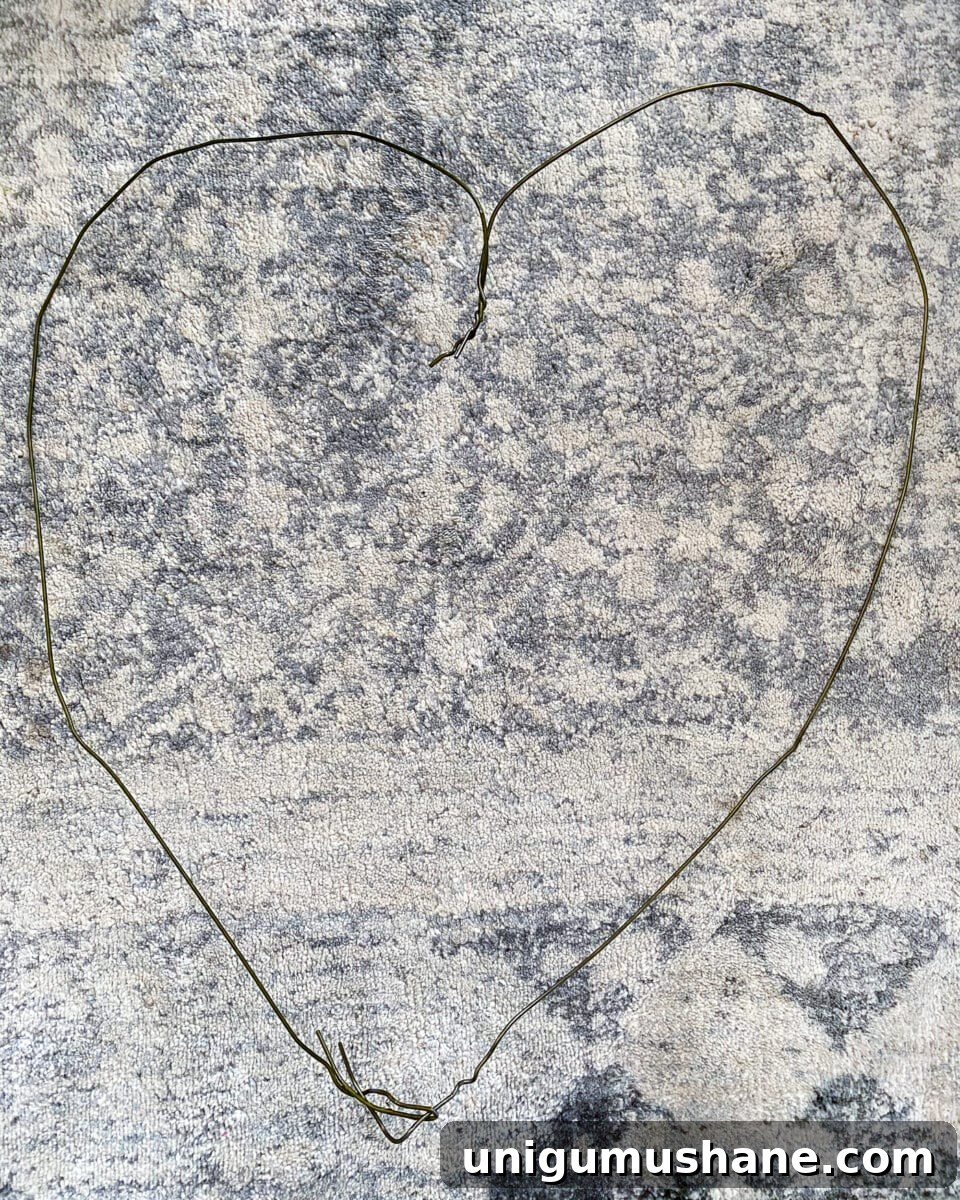
- Create the wreath frame: Straighten the wire coat hanger(s) then bend the wire into your desired shape. A circle is classic and versatile, while a heart or oval makes a personalized statement. If you want a larger, sturdier form, join two hangers together by twisting the ends.
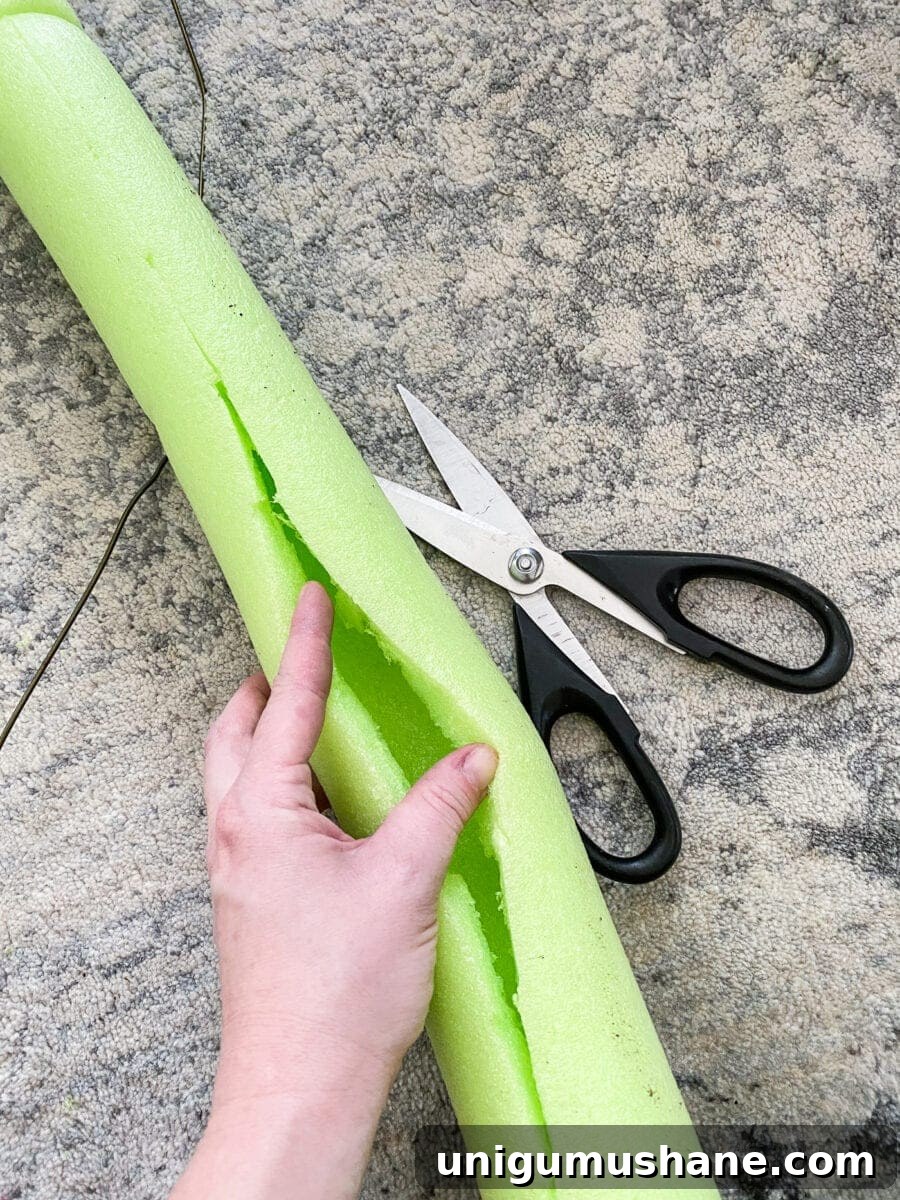
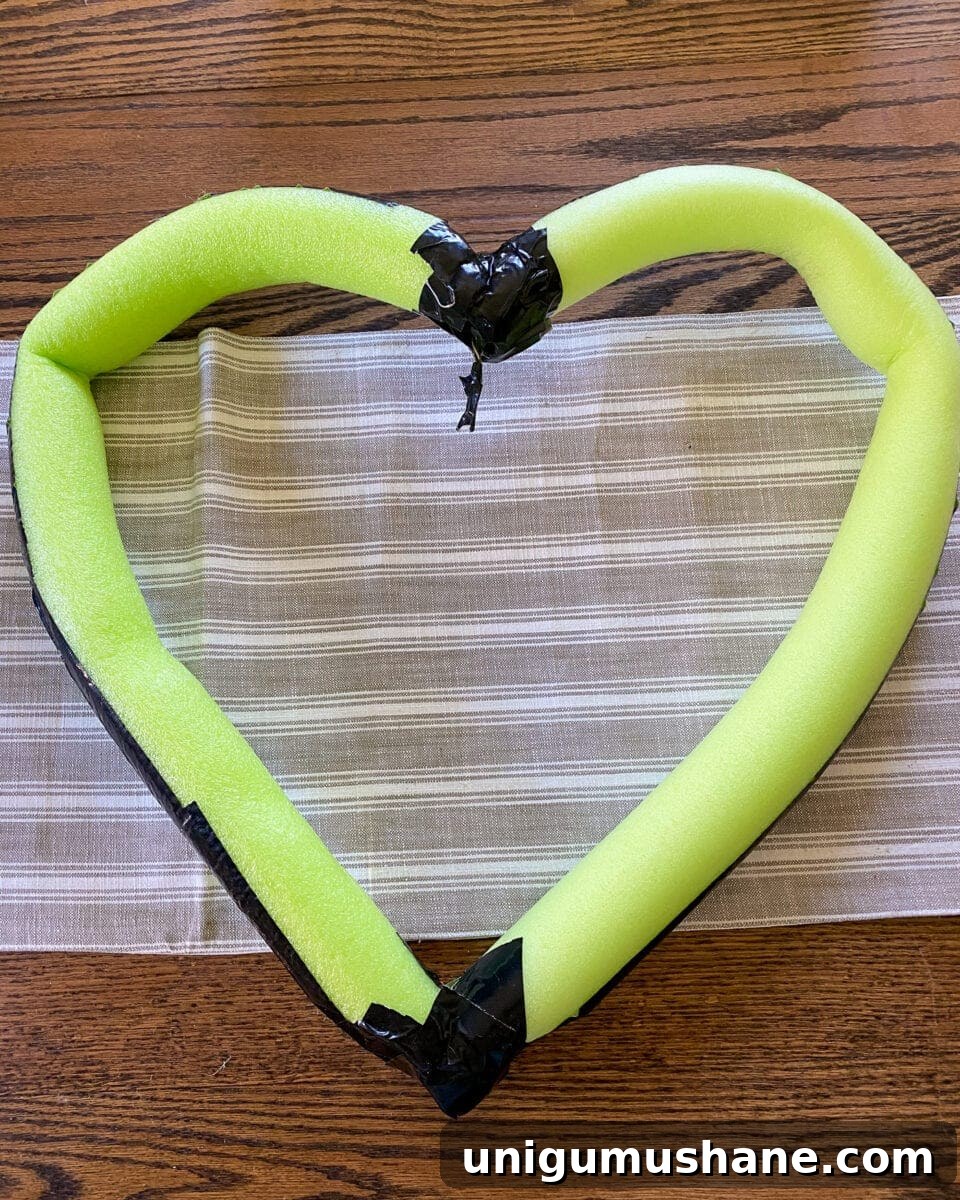
- Prepare the pool noodle: Cut the pool noodle lengthwise with a utility knife or scissors, opening it on one side so it can wrap around the wire frame. If your pool noodle is short, splice two pieces together and tape the connection securely.
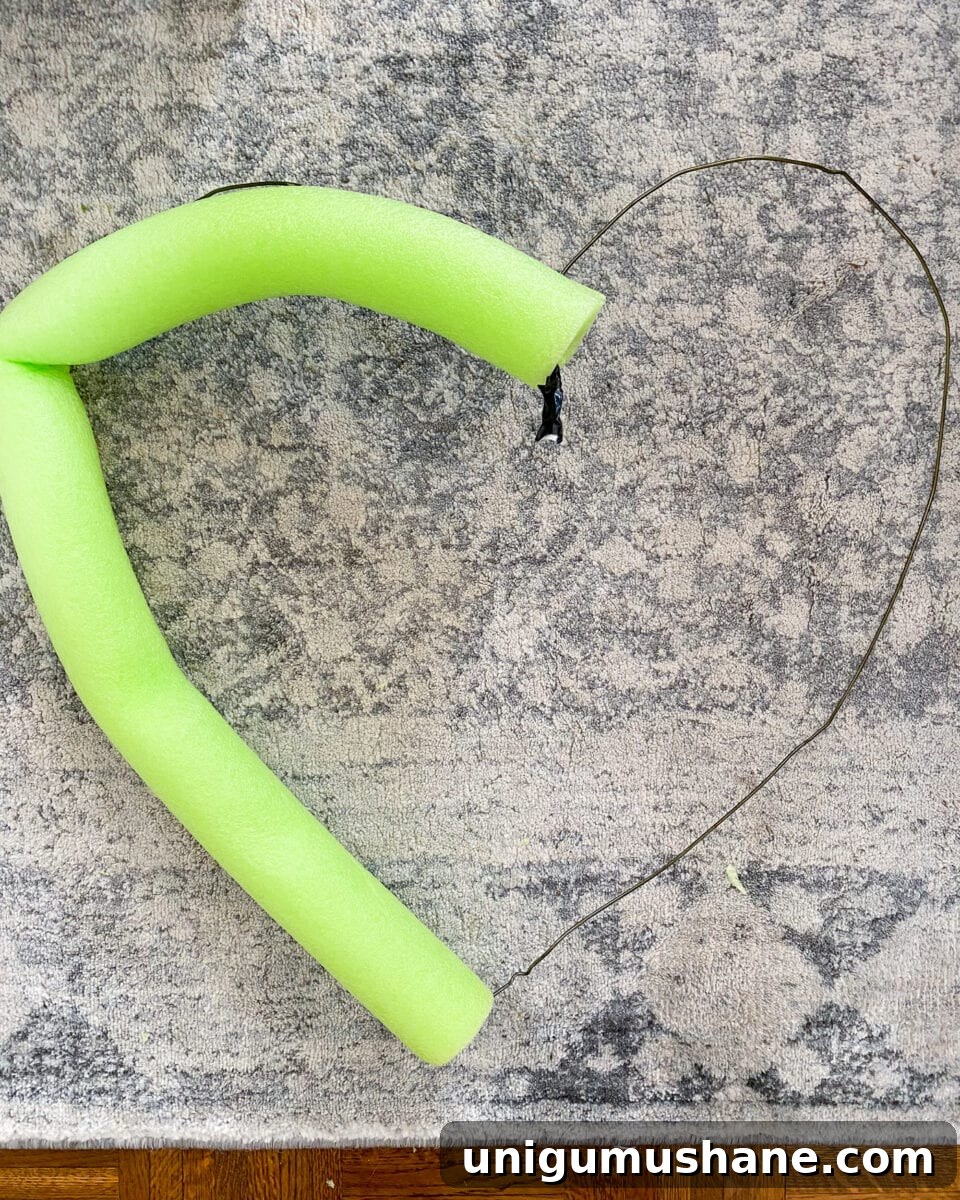
- Assemble the base: Wrap the foam noodle around the wire frame, aligning the cut side so the wire sits inside the noodle channel. This creates a soft, full base that hides the metal and gives volume to the wreath.
- Secure with tape: Use duct tape along the cut seam and at the ends of the noodle to hold the foam firmly in place around the wire. Make sure the tape is tight so the foam won’t slip when the wreath hangs.
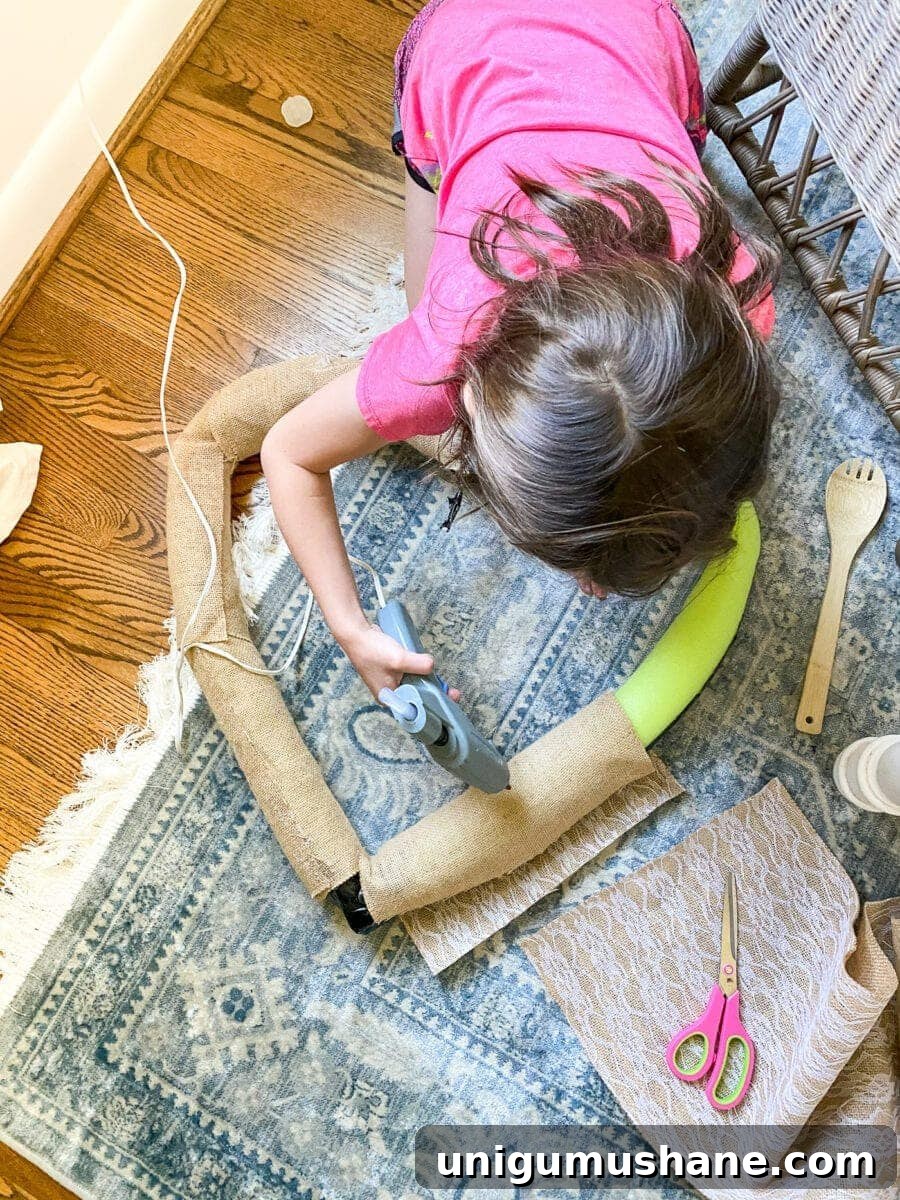
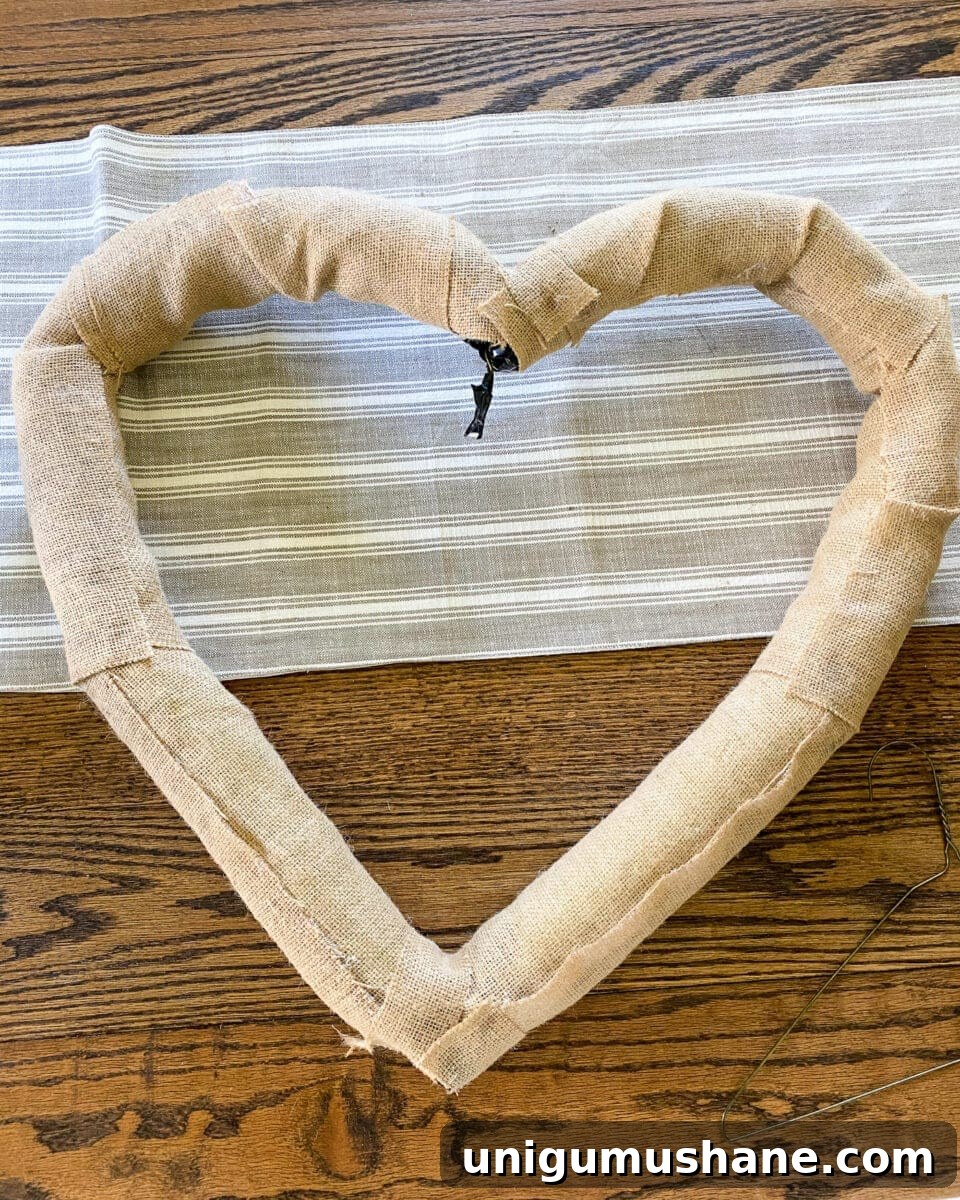
- Cover with fabric: Wrap your fabric scraps around the foam base for a clean, natural look. Tuck and overlap the fabric as needed, and secure the edges with hot glue. Burlap, linen, or canvas works well for an earthy aesthetic.
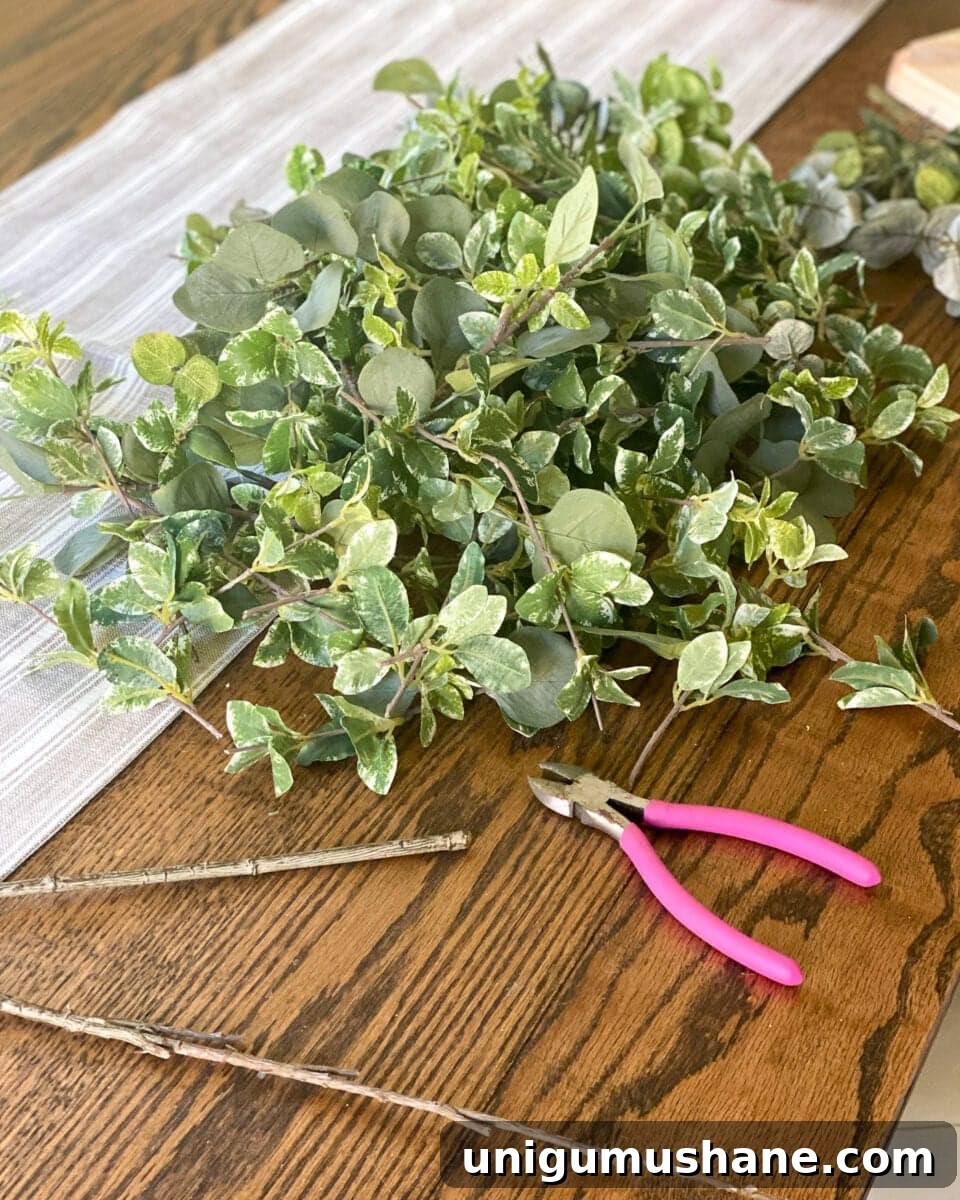
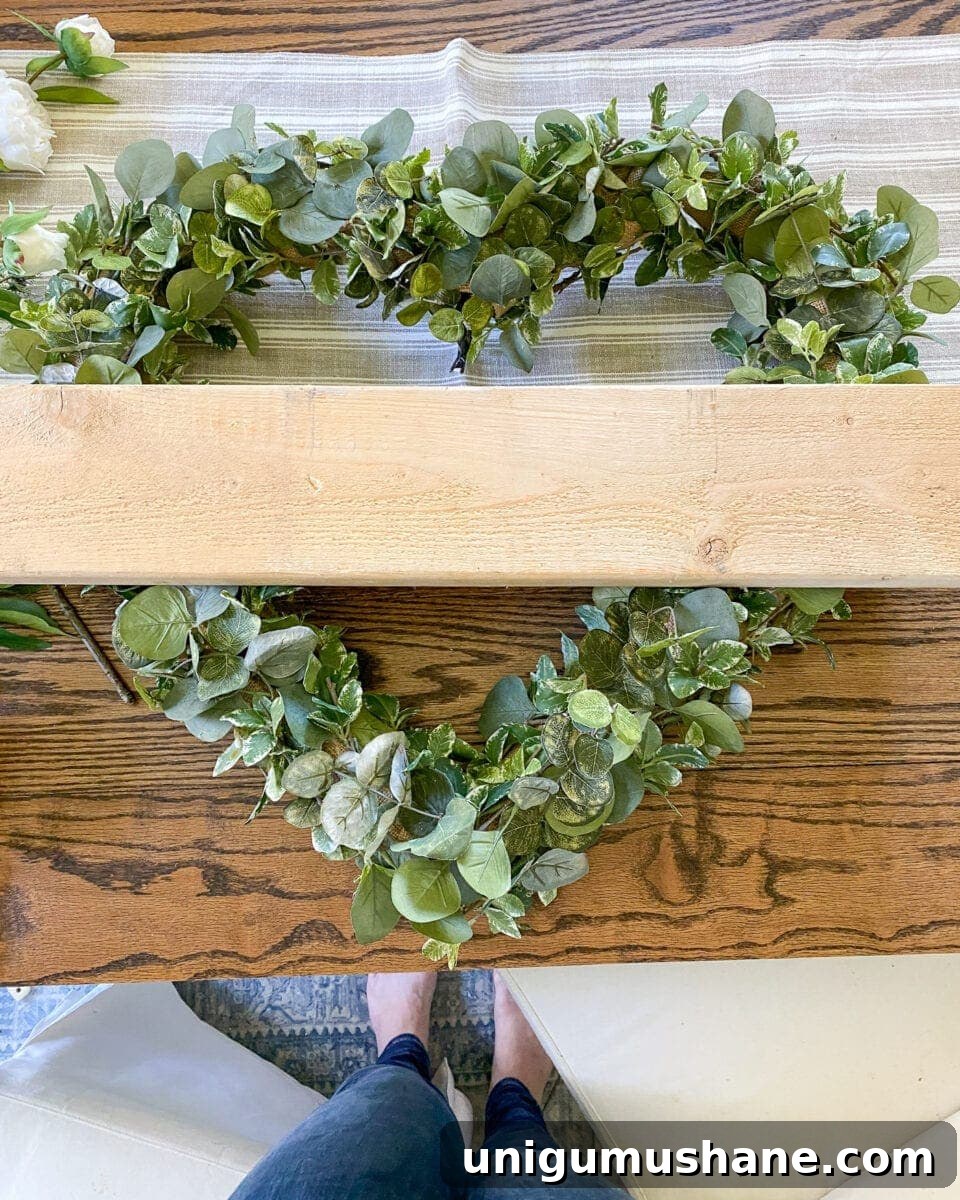
- Prepare greenery and floral elements: Trim individual stems, leaves, and flowers from your artificial branches using wire snips. Vary lengths and textures to create depth—mix small leaves, larger branches, and a few accent flowers if you have them.
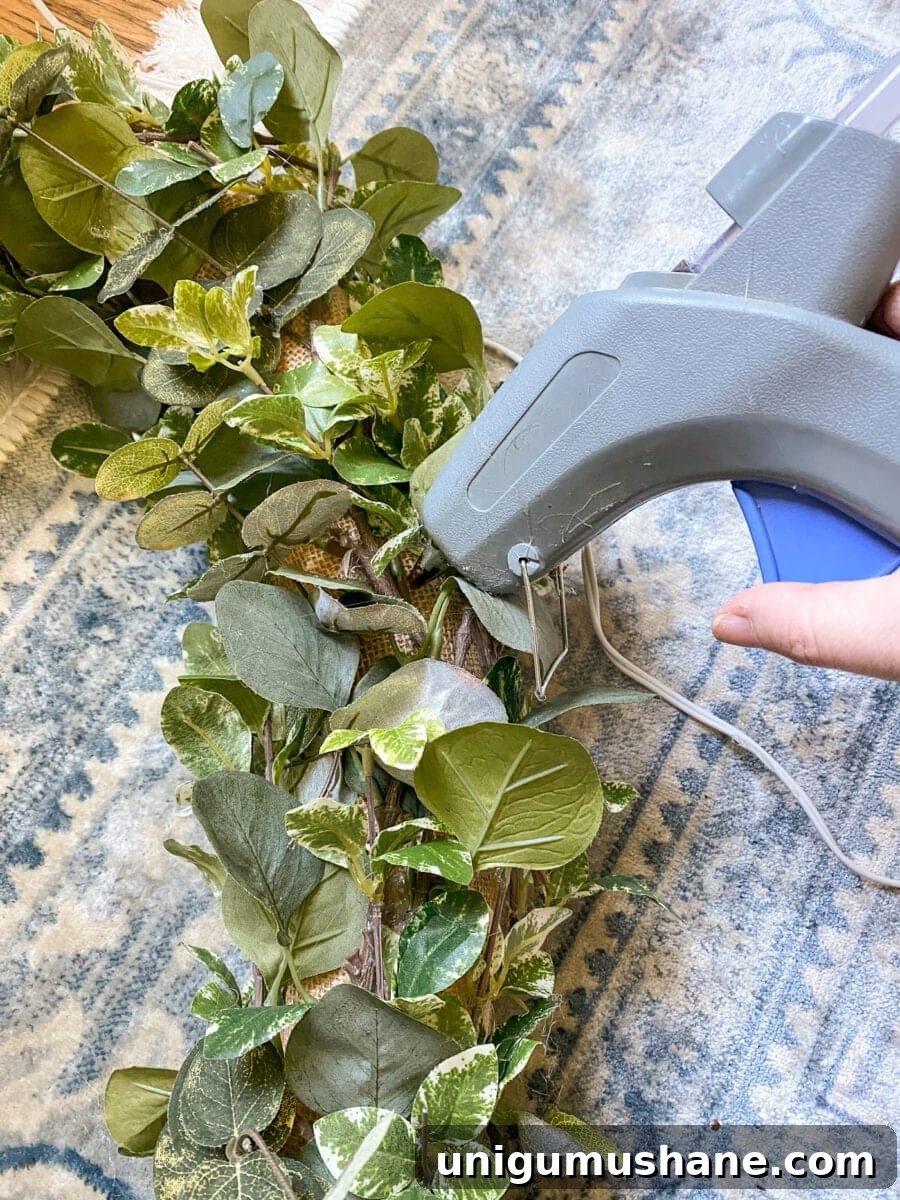
- Attach the foliage: Hot glue the trimmed stems onto the fabric-covered base, starting with a repeating greenery pattern and adding floral accents where desired. Work in small sections, layering pieces for a natural look. To avoid burning your fingers, use a wooden paint stirrer or spoon to press stems into place while the glue cools.
- Finish and hang: Tuck any remaining fabric edges or exposed foam under your foliage and secure with glue. Hang the wreath on a Command hook, a nail, or a loop of twine. Because the base is lightweight, it hangs easily on most doors without heavy hardware.
This wreath makes a great quick gift or neighborhood pick-me-up. We also made a small “Thanks, heroes” sign from scrap wood to honor frontline and essential workers—a simple, heartfelt touch to accompany your wreath.


If you’re a frontline worker, thank you for all you do. If you’d like to share your project or find more ideas, try searching the hashtag #BuildThanks to see other creative ways people are showing appreciation in their communities.
To save this post for later, you can pin it here: