
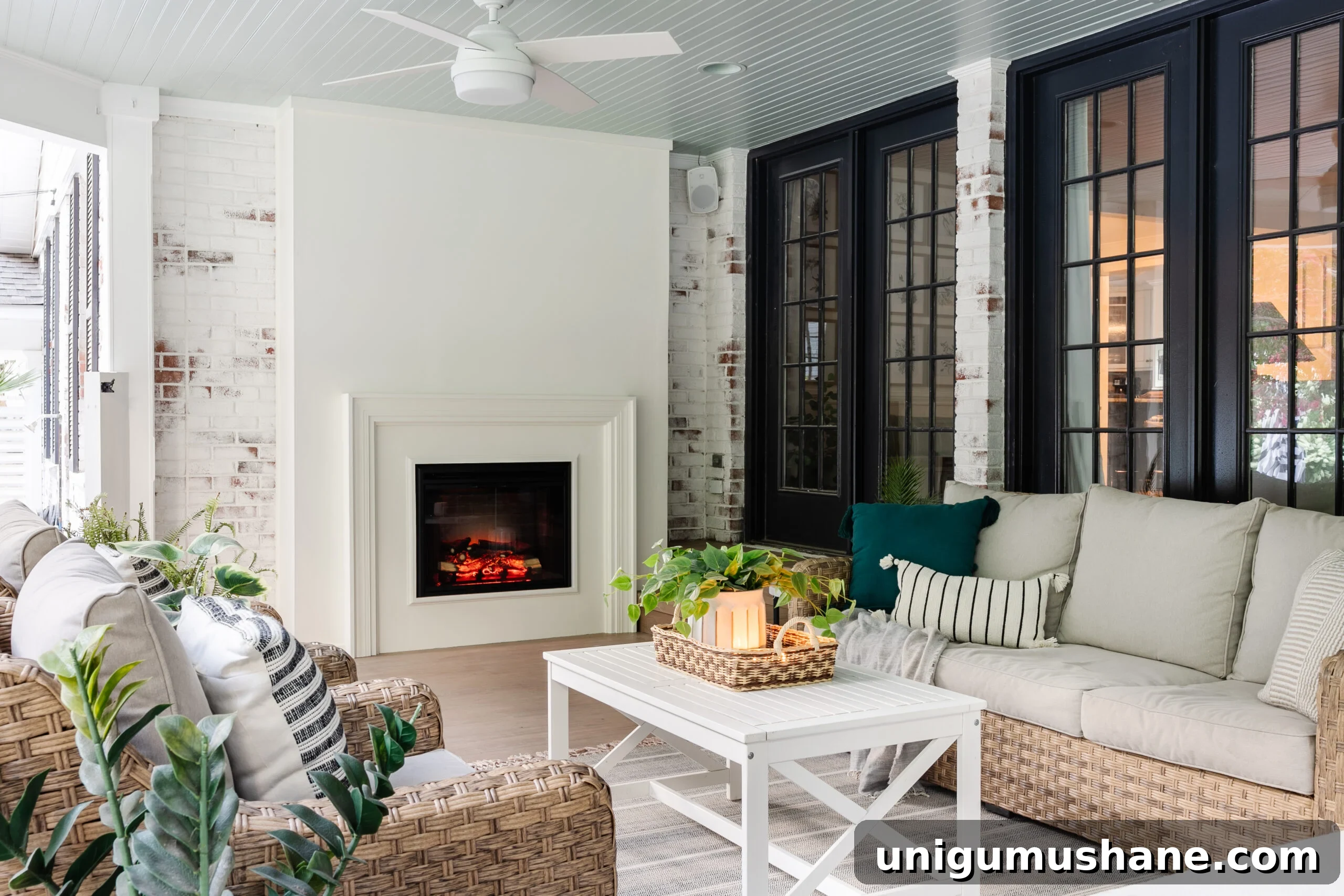
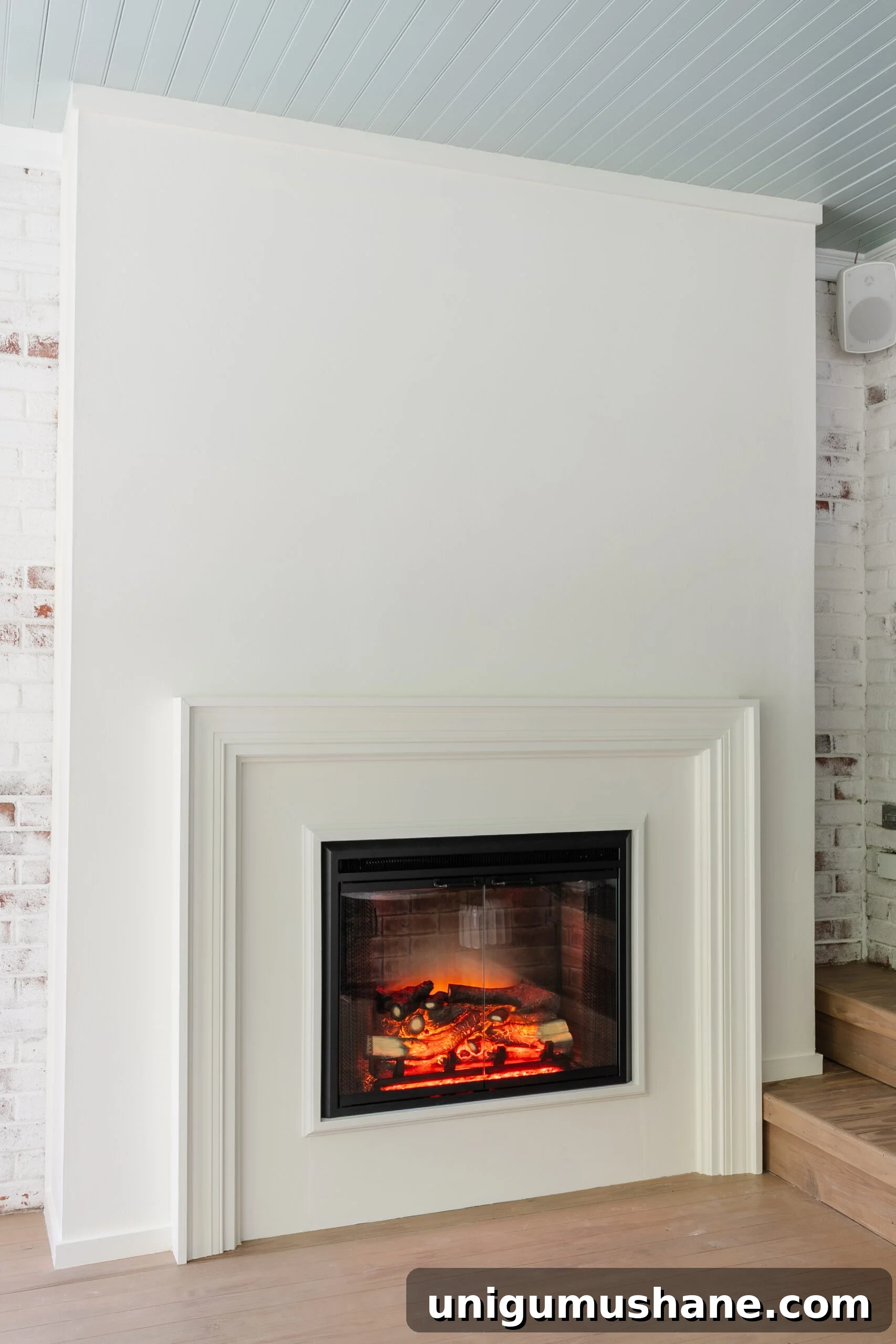
An easy way to build a DIY plaster fireplace on a small budget using an electric fireplace insert and Venetian Glaze plaster paint.
Have you ever dreamed for years about a home improvement project for a particular spot in your house? One of those long-held ideas for us was a porch fireplace.
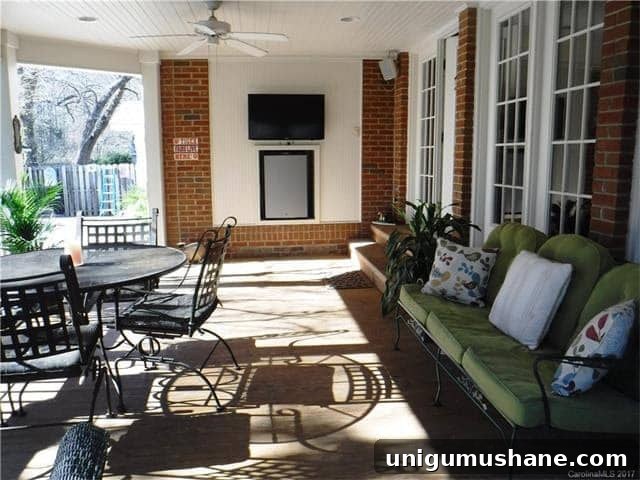
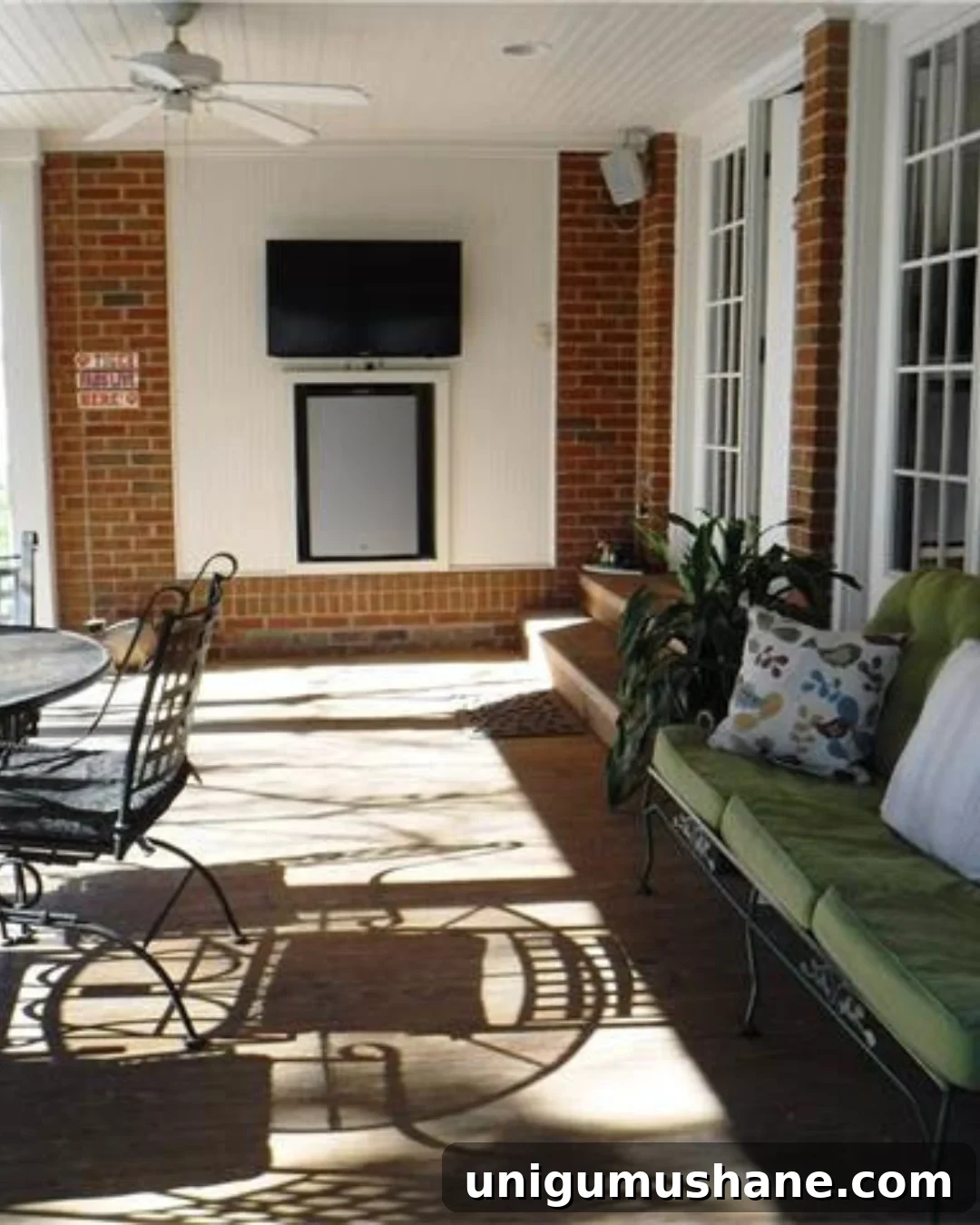
Our back porch had a single beadboard wall section tucked between brick where a mini fridge and TV once lived. It felt like the perfect place for a fireplace.
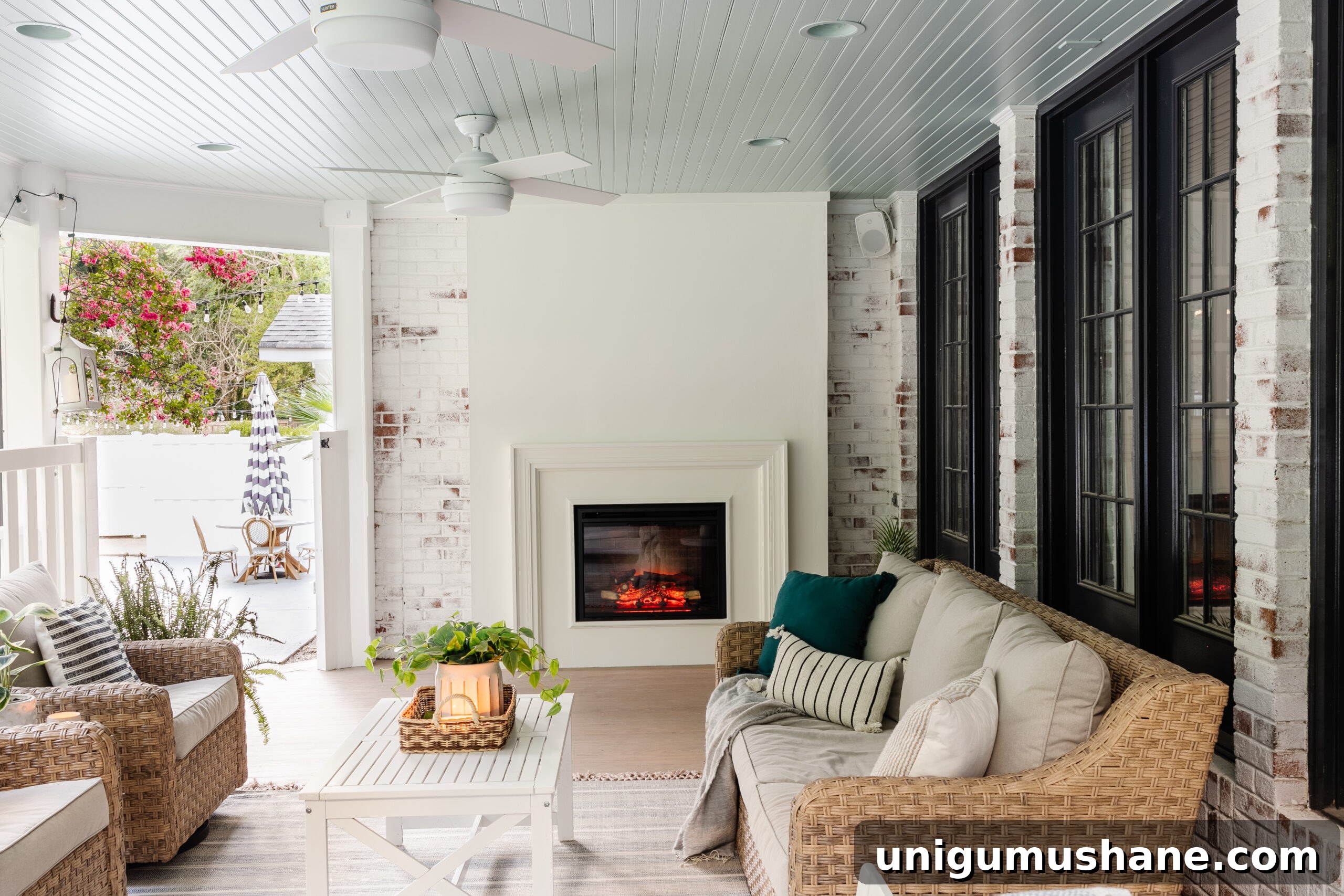
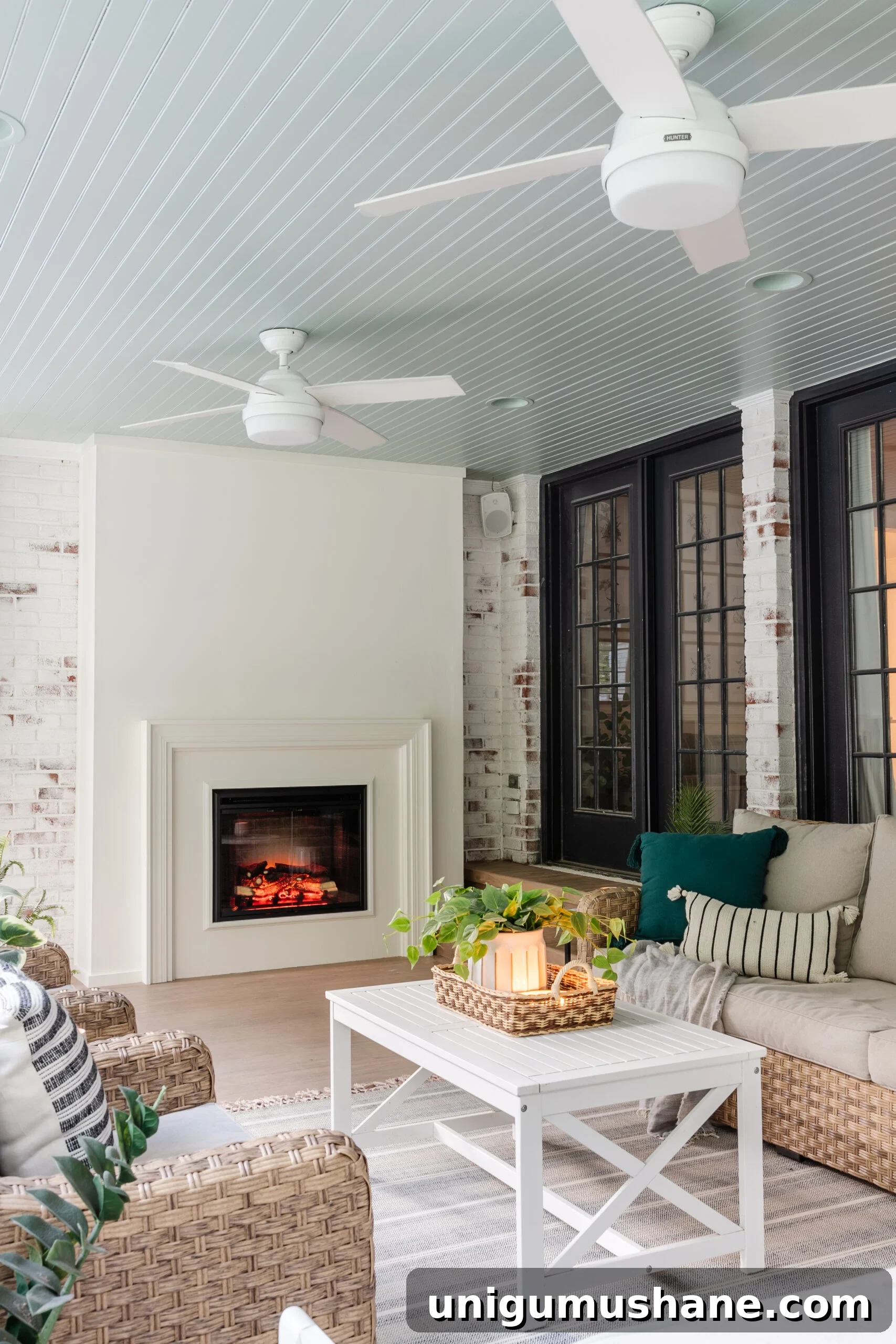
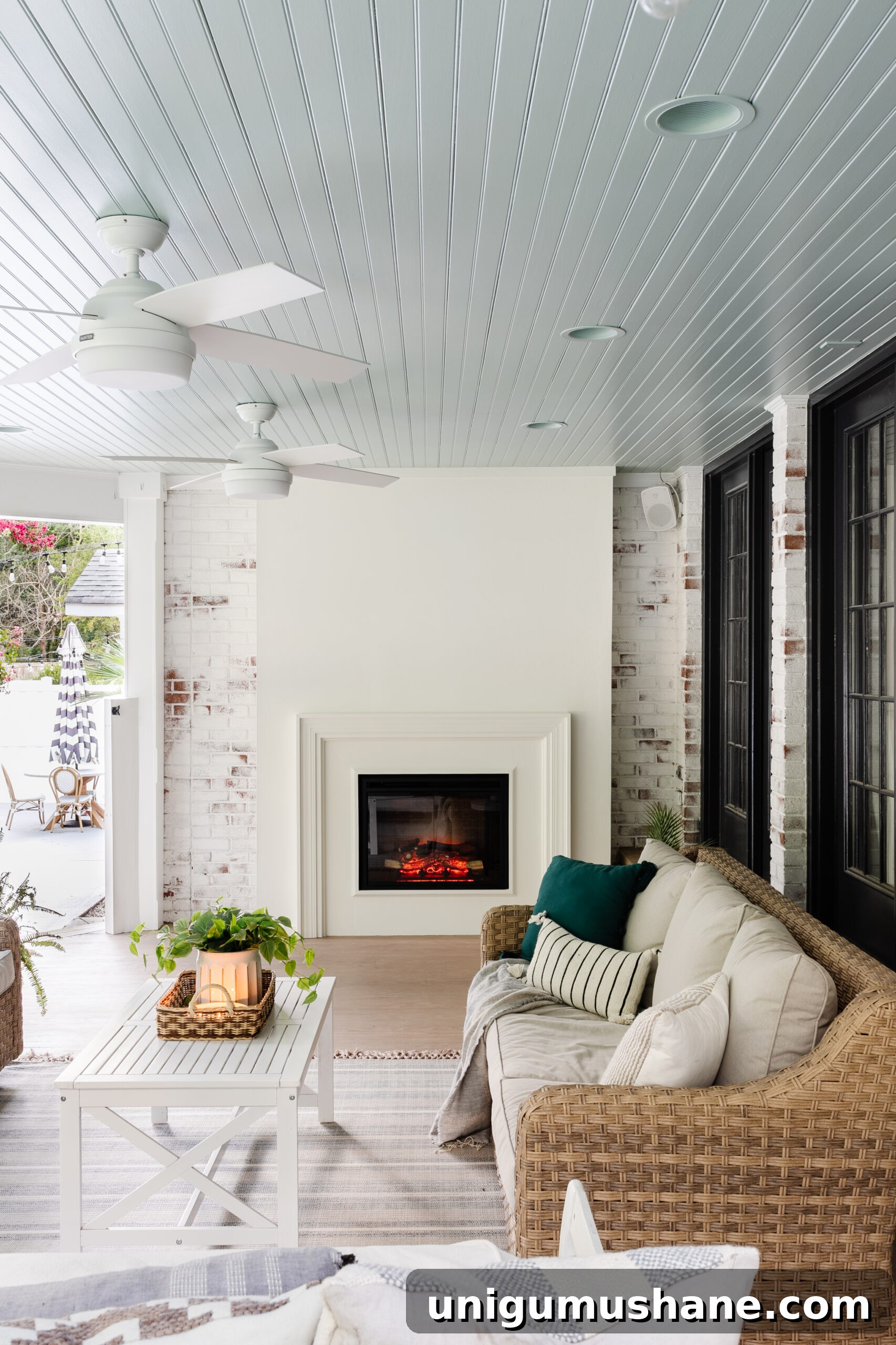
We finally made that dream real with a DIY plaster fireplace using an electric insert and a Venetian Glaze plaster paint—an approach that keeps the process simple and affordable.
This is a great beginner-friendly carpentry project. Overall it took about a week and cost roughly $1,300 for a fully functional fireplace.
What is Venetian Plaster?
Traditional Venetian plaster is made from lime and marble dust, producing a subtle three-dimensional look with natural luster. It takes practice to apply well.
To simplify the process, we used Romabio’s Venetian Glaze, a plaster-like paint made with Italian slaked lime. It behaves like plaster when worked with a trowel but with less of the learning curve. Practicing on scrap drywall first is still a good idea, but this product is much more forgiving than traditional plaster.
DIY Electric Fireplace with Plaster Paint
We pulled inspiration from many DIY fireplace ideas but settled on a clean, simple surround influenced by a few favorite projects. The build is straightforward: a basic framed box that lets you customize the finish to suit many styles.
Supplies
- Electric fireplace insert (budget-friendly models can look very realistic)
- 16 2x4s
- 3 inch deck screws
- 4 sheets moisture-resistant purple drywall (recommended for damp porches; standard drywall works indoors)
- Utility knife
- Drywall screws
- Drywall mesh tape
- Corner bead
- Joint compound
- Trowel
- 100 grit sanding pads
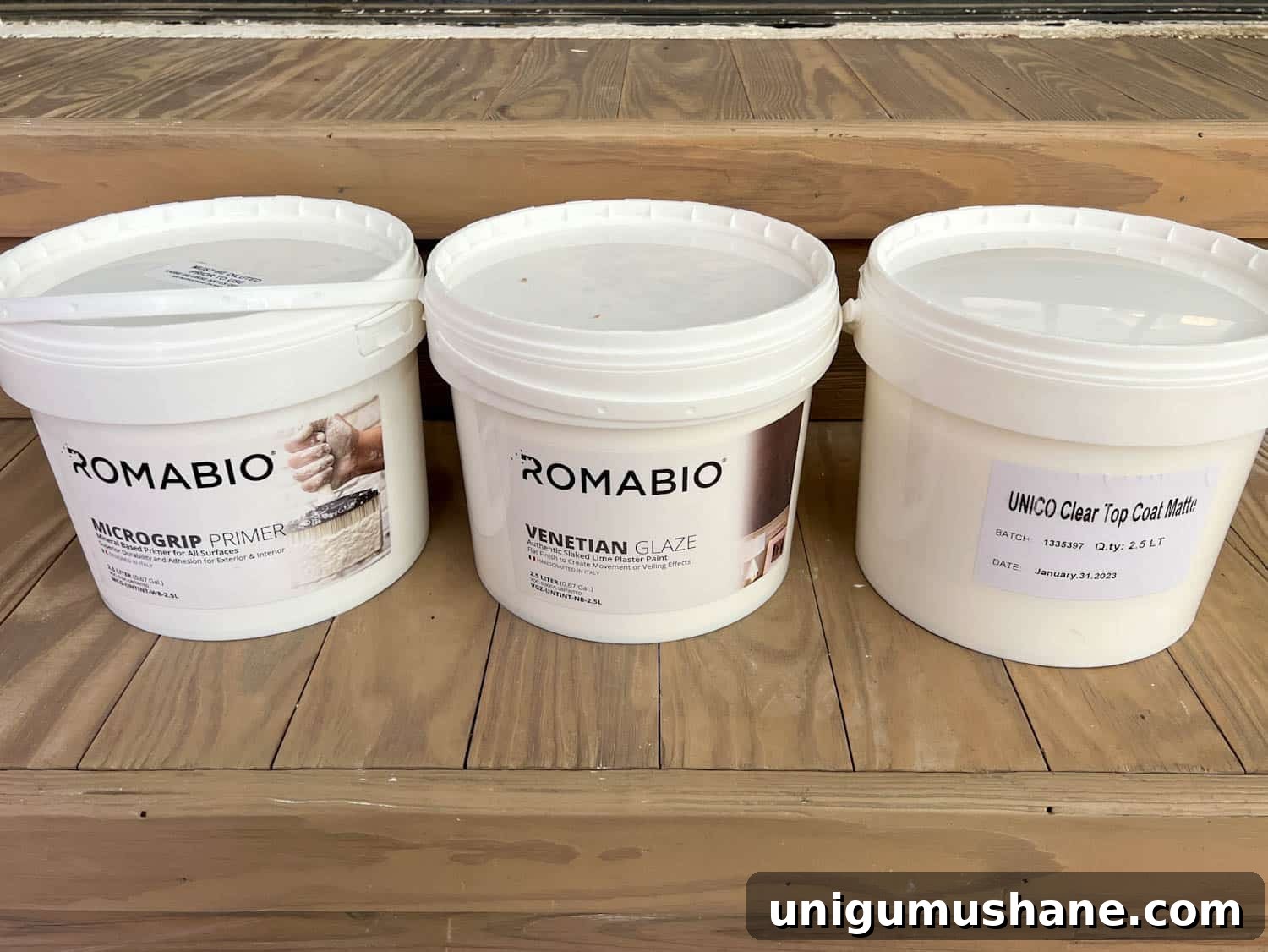
- Romabio Microgrip Primer
- Drop cloth
- Painters tape
- Paint tray
- Paint roller with covers
- Mixer drill bit
- Rags
- Romabio Venetian Glaze
- Large paint brush
- Romabio Clear Matte Top Coat
- Brad nails
Tools
- Drill
- Miter saw
- Rotary saw (optional but useful)
- Orbital sander
- Brad nailer
Steps
Step 1 – Build the Sides of the Fireplace Frame
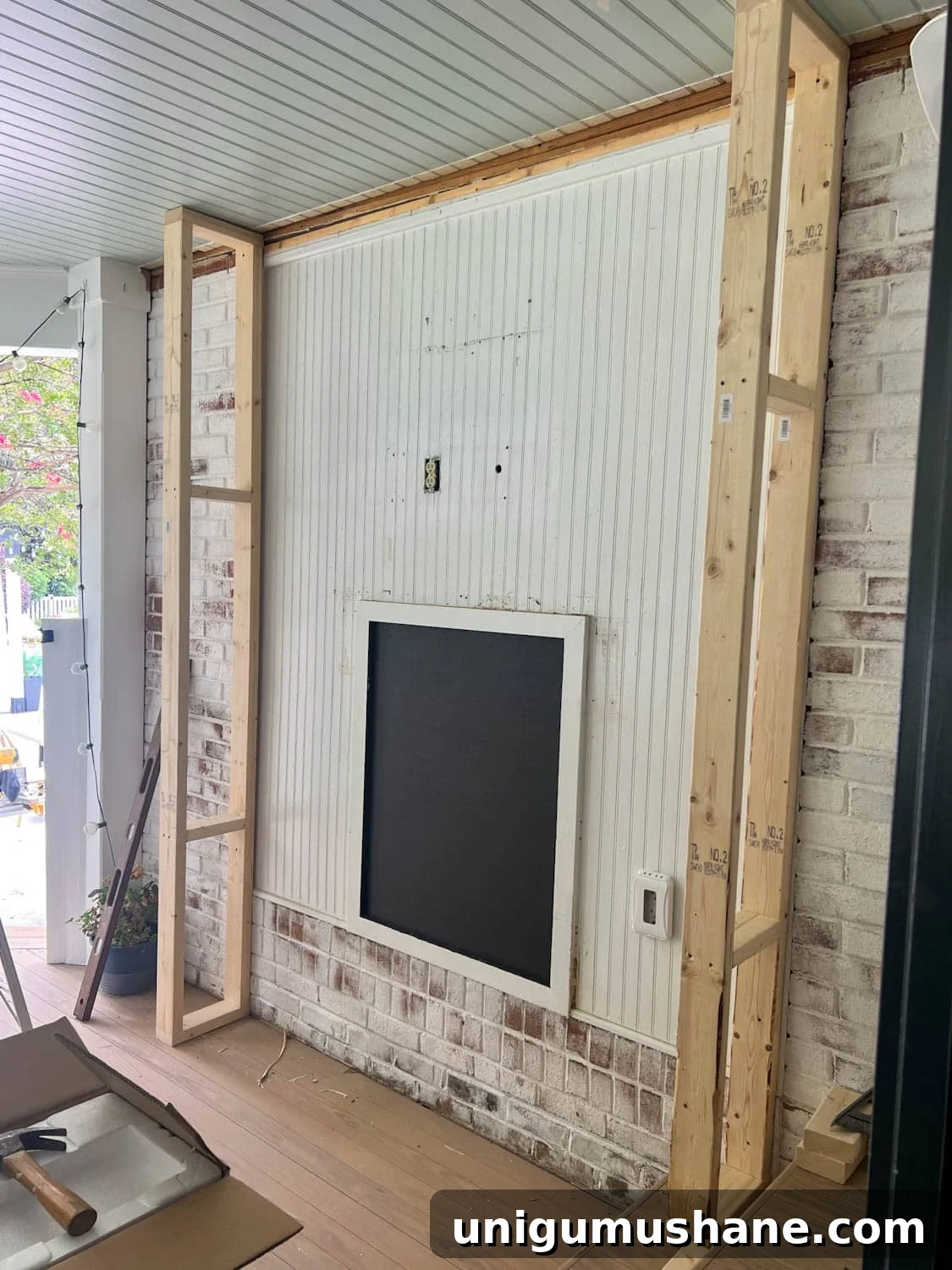
Measure the area where the fireplace will sit and use your electric insert to determine required depth and width. Build a side frame from 2x4s and secure with 3-inch deck screws.
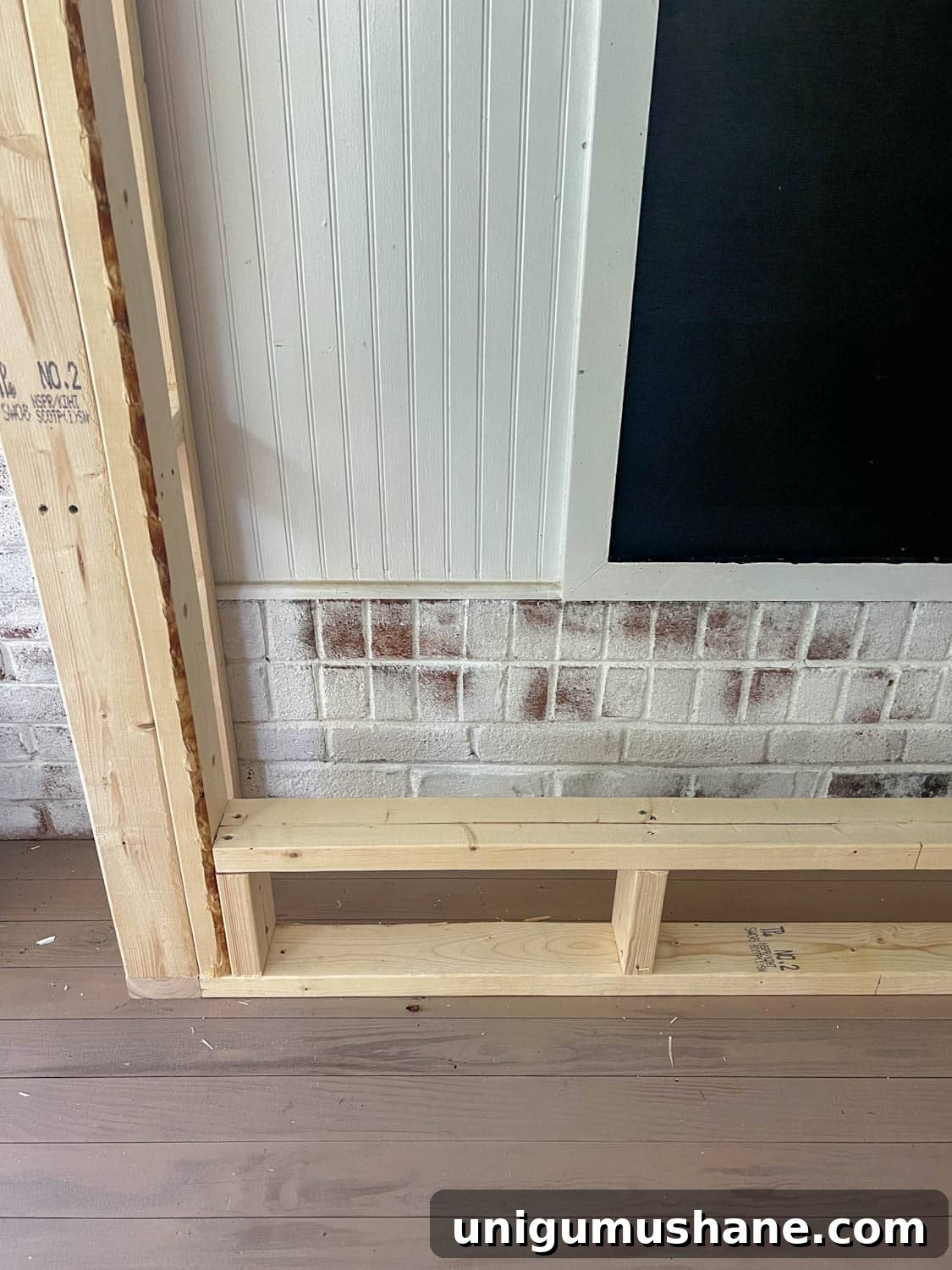
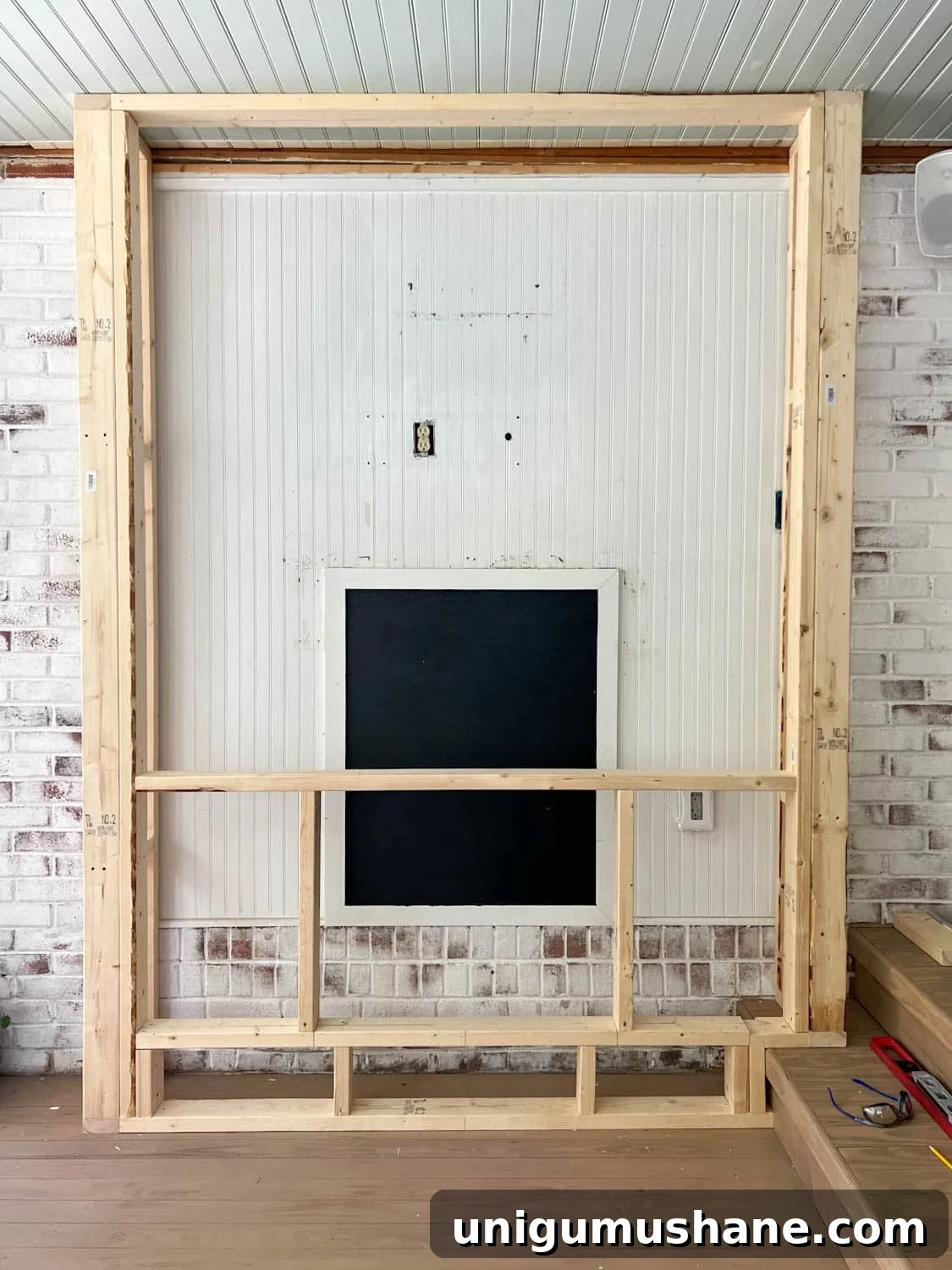
Step 2 – Frame the Header and Footer
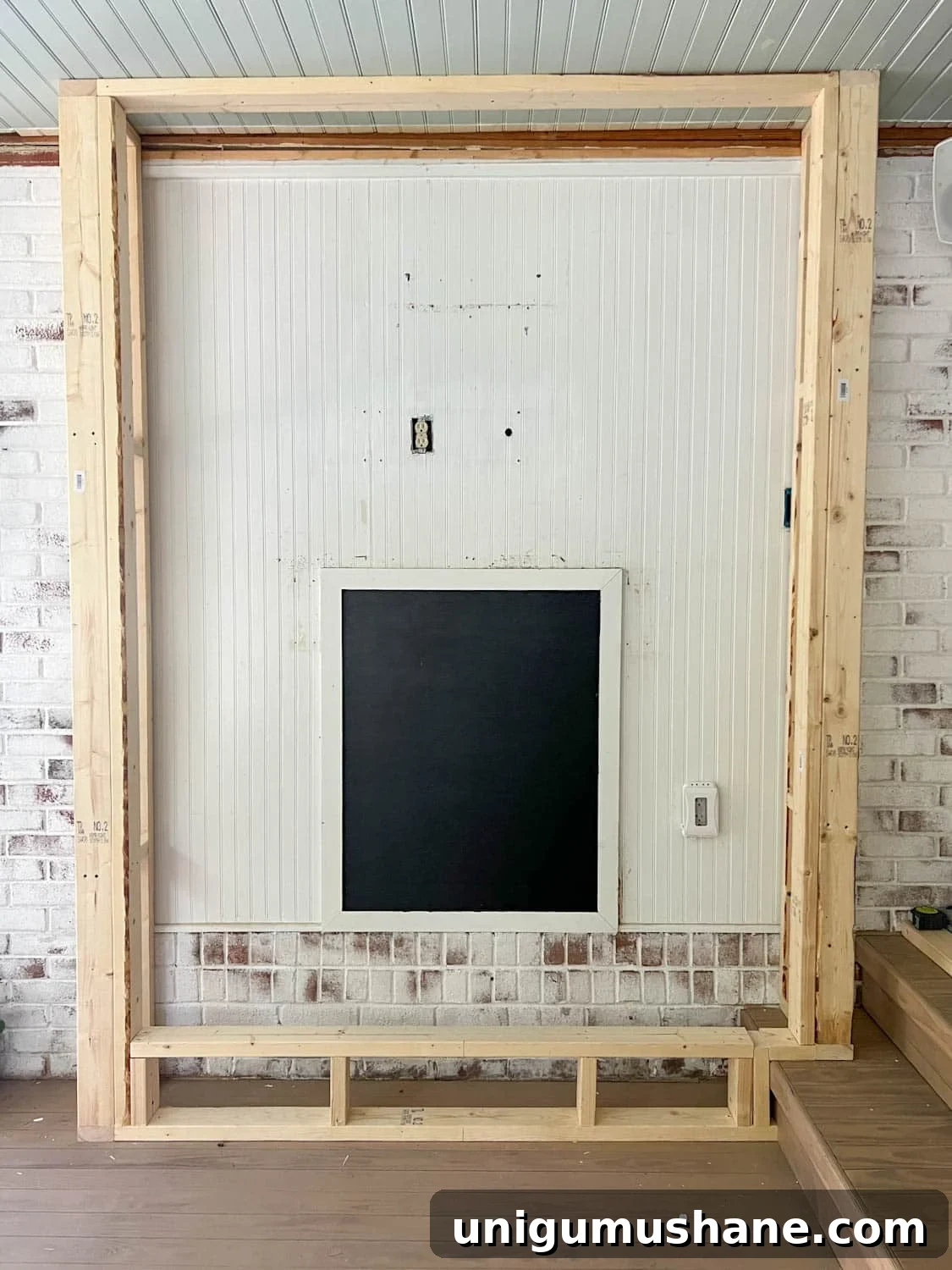
Decide the insert height to establish the footer height. Build a sturdy footer platform from 2x4s and duplicate it as needed to support the firebox. Attach two parallel 2x4s across the top as a header.
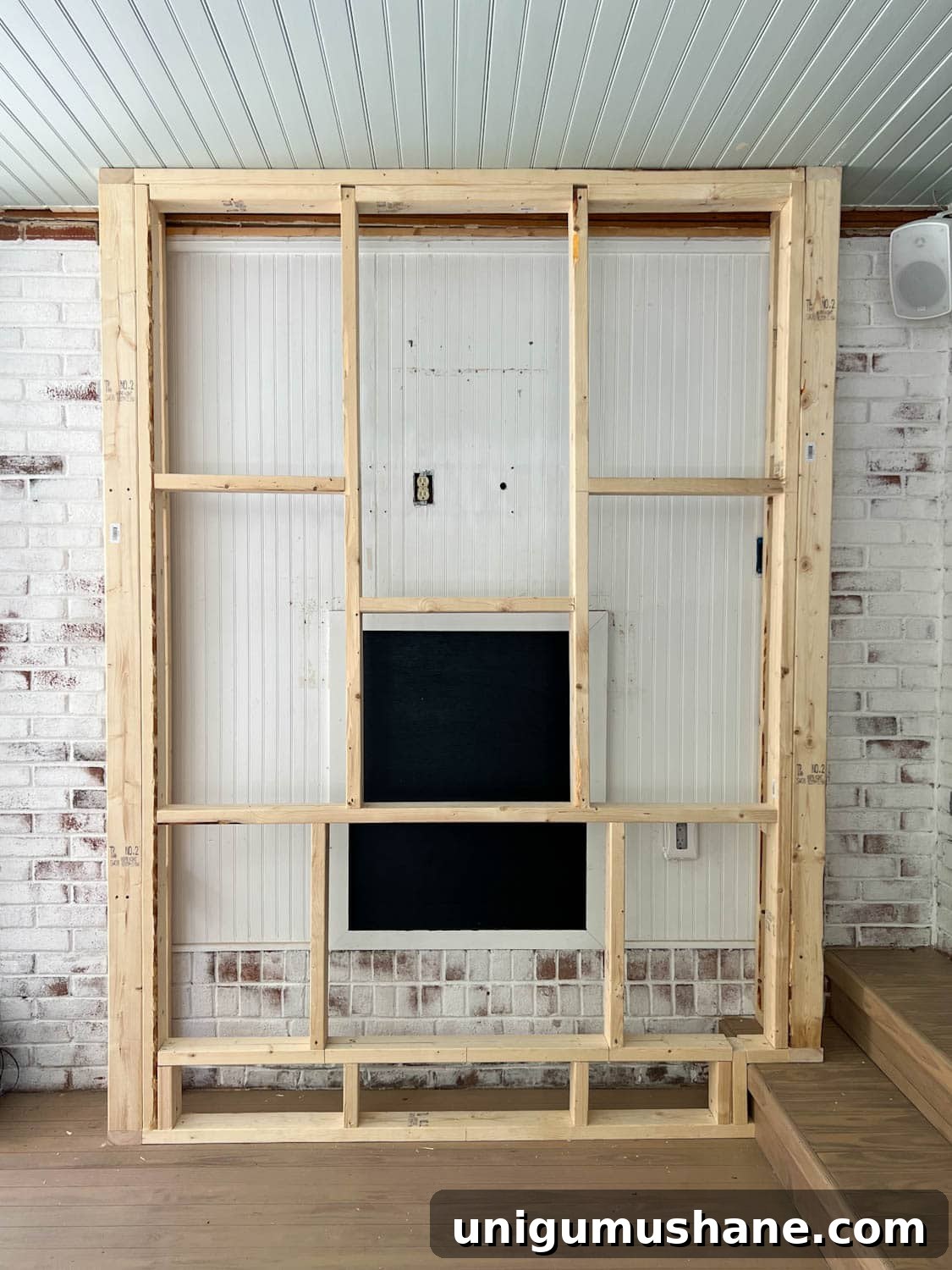
Step 3 – Frame the Electric Insert
Use the insert to size the opening and build a framed opening to match, fastening additional 2x4s into the existing frame.
Step 4 – Finish the Fireplace Frame
Complete the framing up to the ceiling, adding vertical supports above the insert opening to brace the drywall.
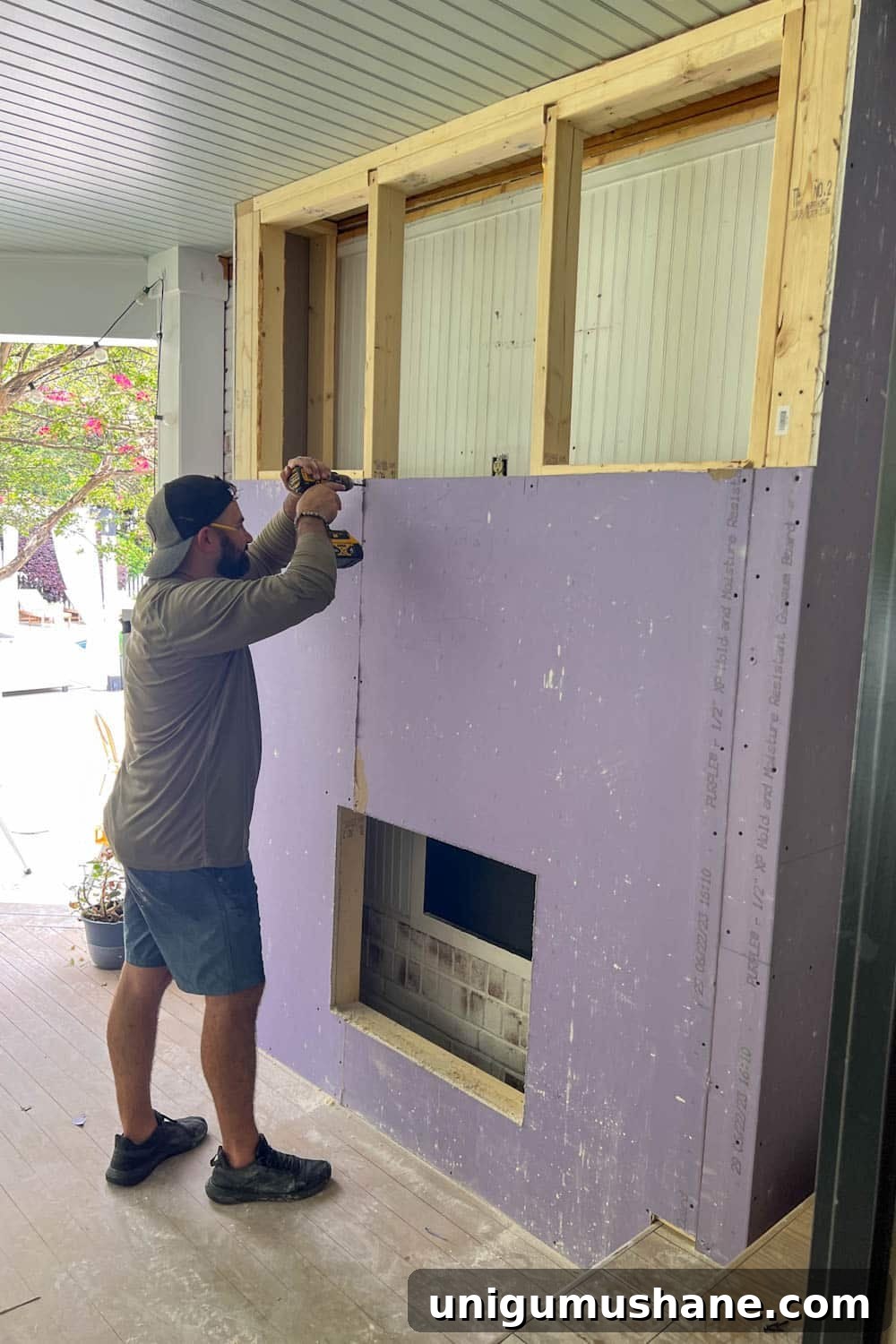
Step 5 – Hang Drywall
Cut drywall with a utility knife and fasten sheets to the frame with drywall screws. Use moisture-resistant drywall in damp areas.
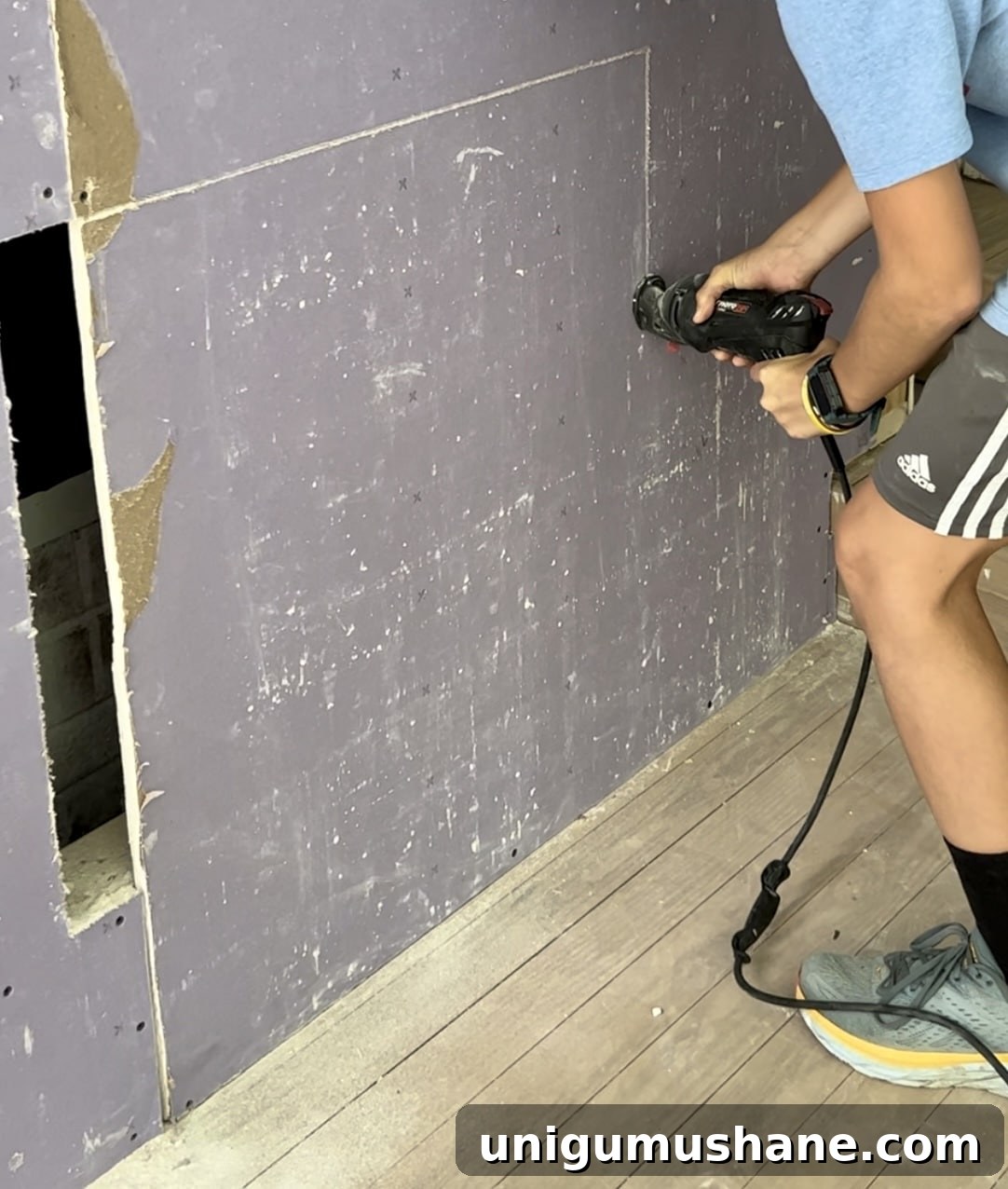
Step 6 – Cut Out the Insert Section
Cut the drywall opening for the insert with a utility knife or a rotary saw. The rotary saw speeds the job if you have one; a utility knife works fine too.
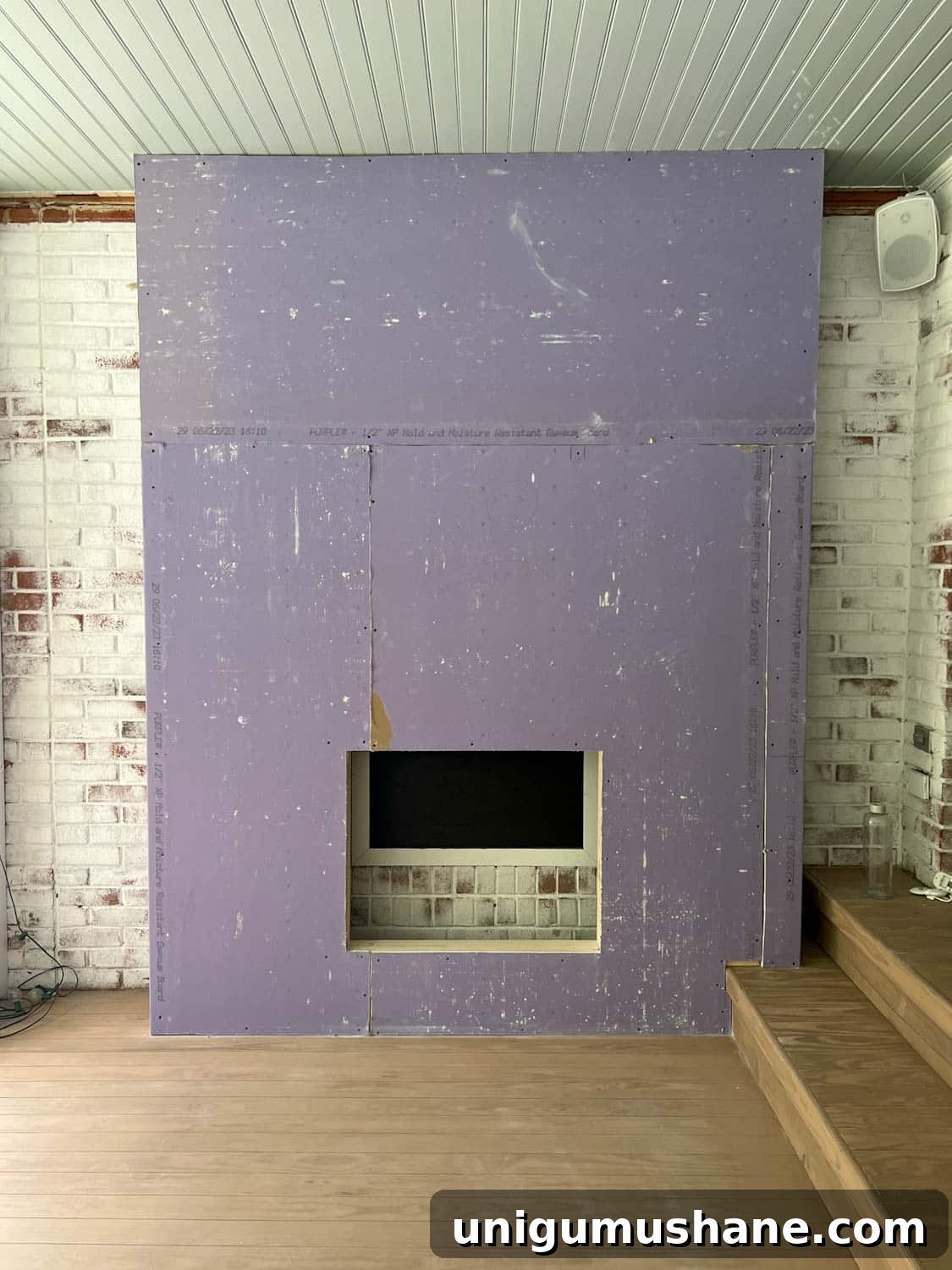
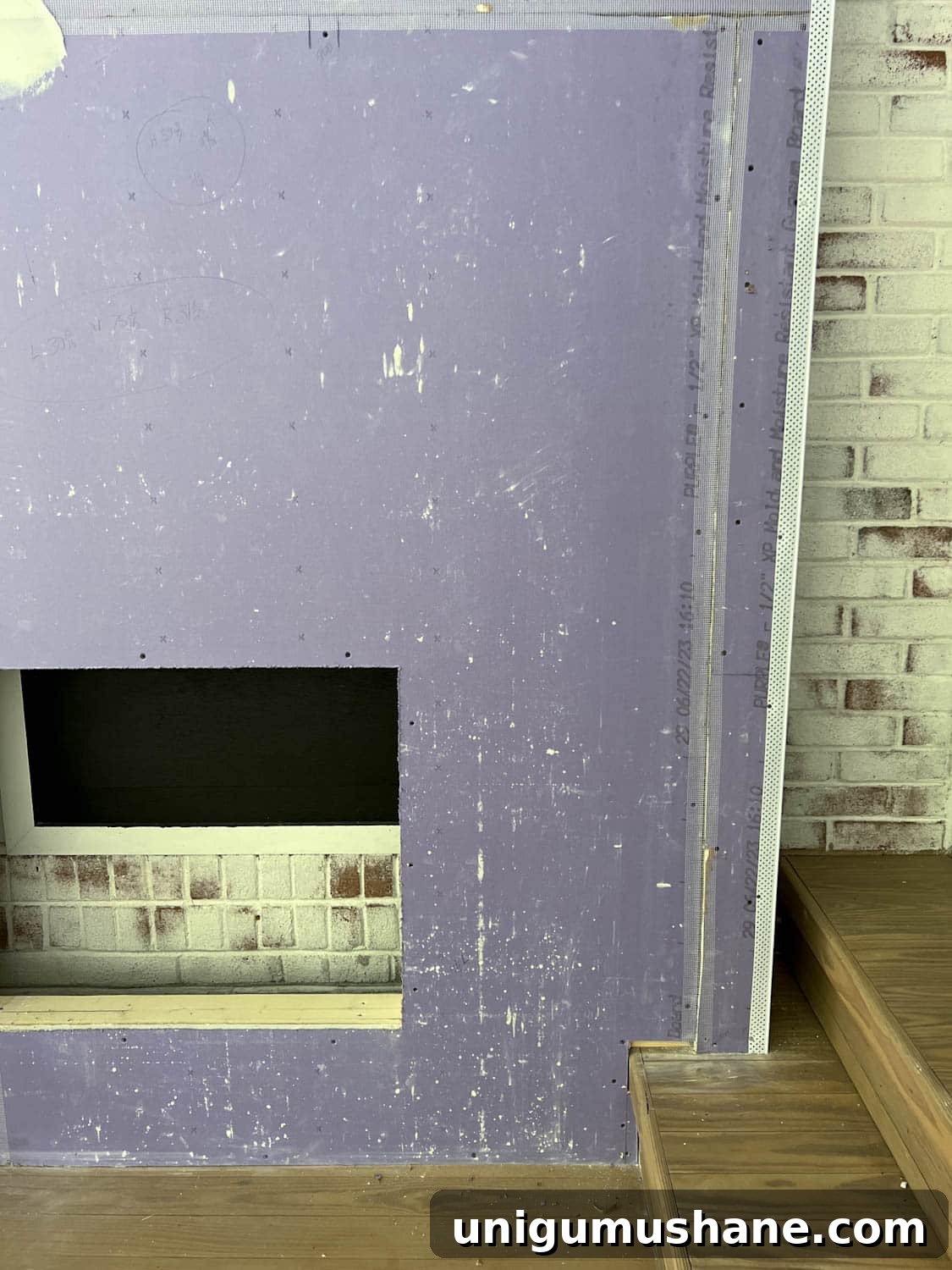
Step 7 – Tape the Drywall
Apply mesh tape over seams and attach corner bead to all external corners, securing it with drywall screws.
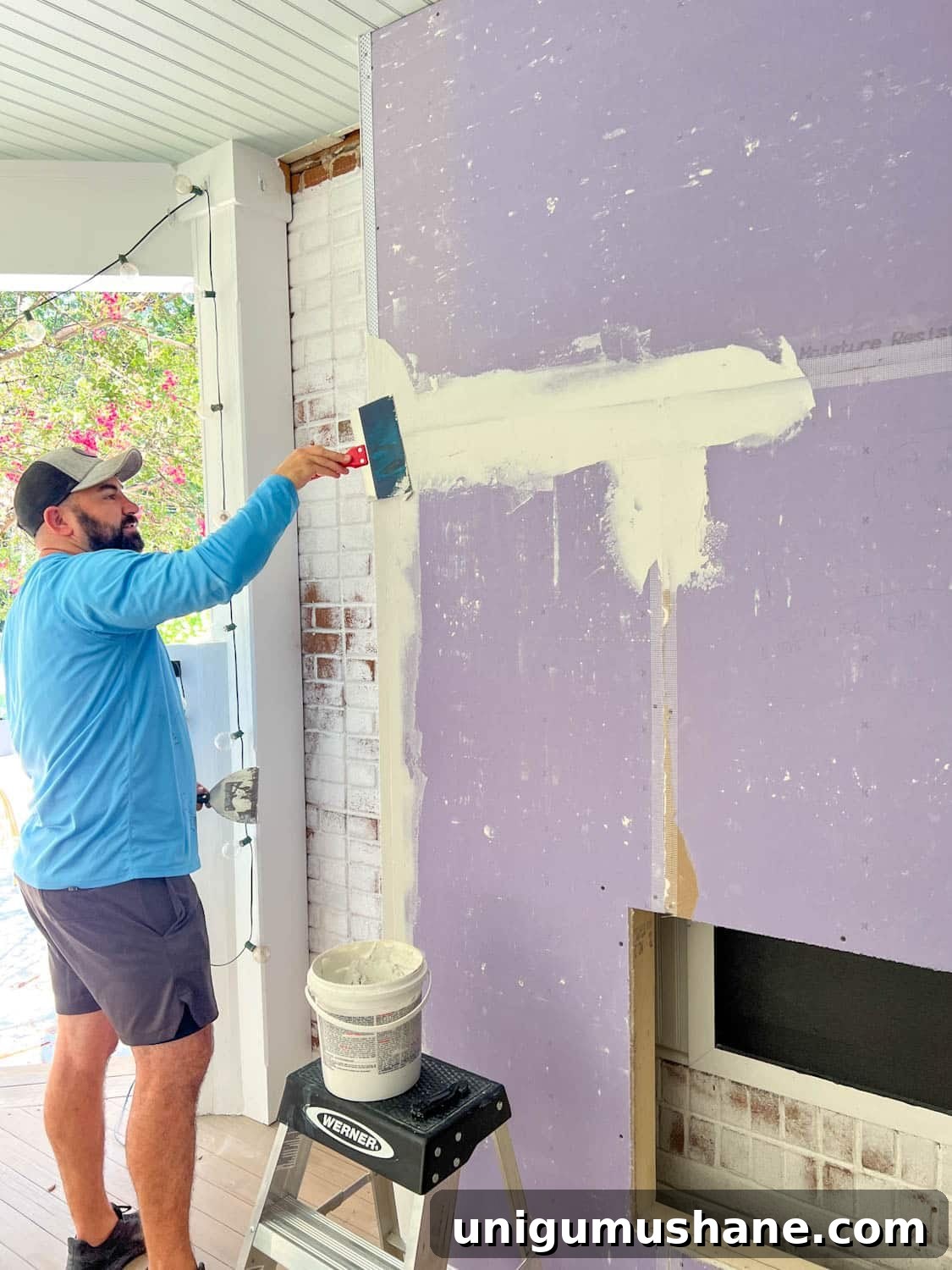
Step 8 – Mud and Sand the Drywall
Apply a generous, smooth coat of joint compound to seams and corners. Let it dry 24 hours, then sand smooth with an orbital sander and 100 grit pad. Repeat with a second coat, allow to dry, and sand again until smooth.
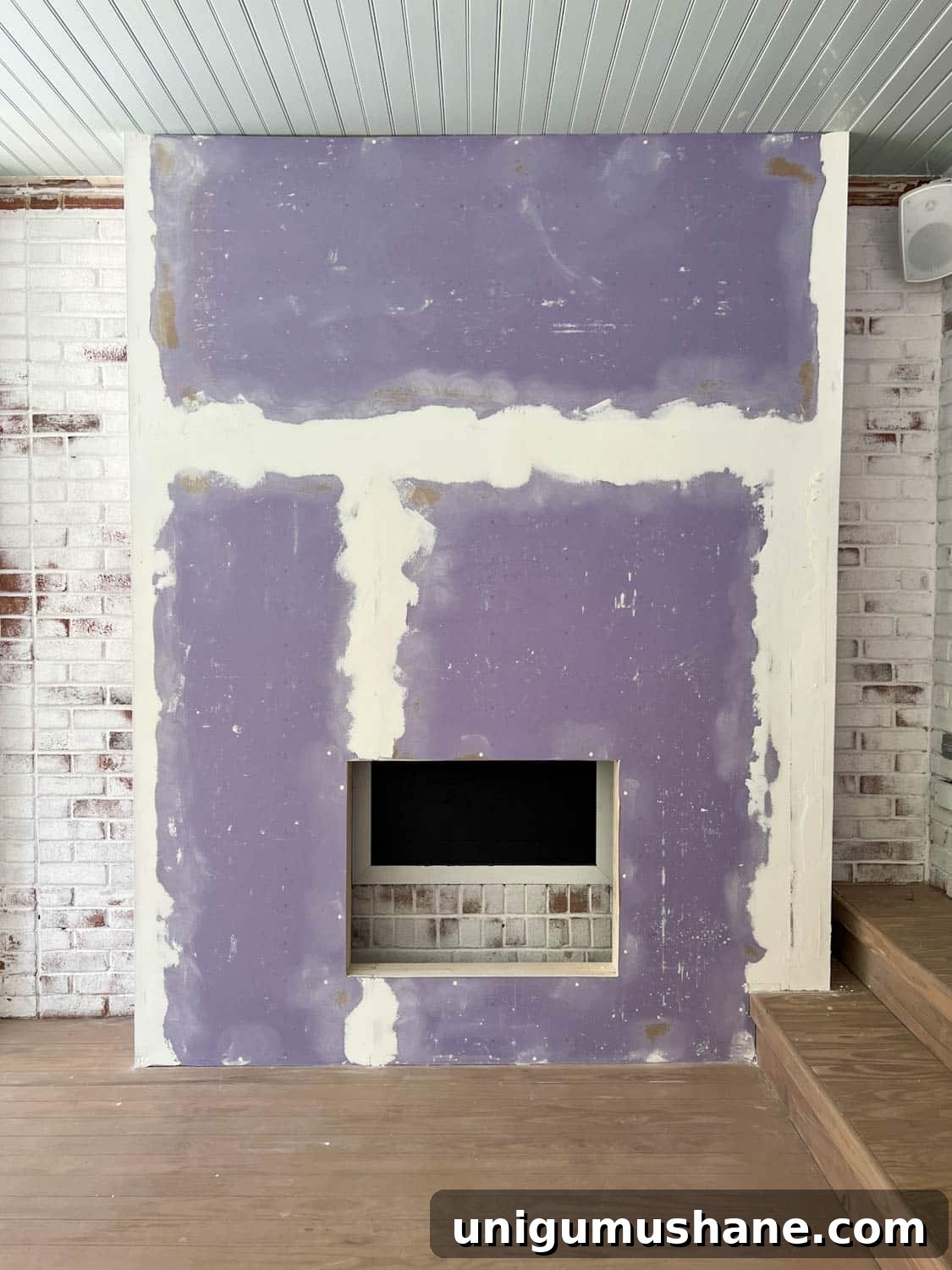
Step 9 – Prime
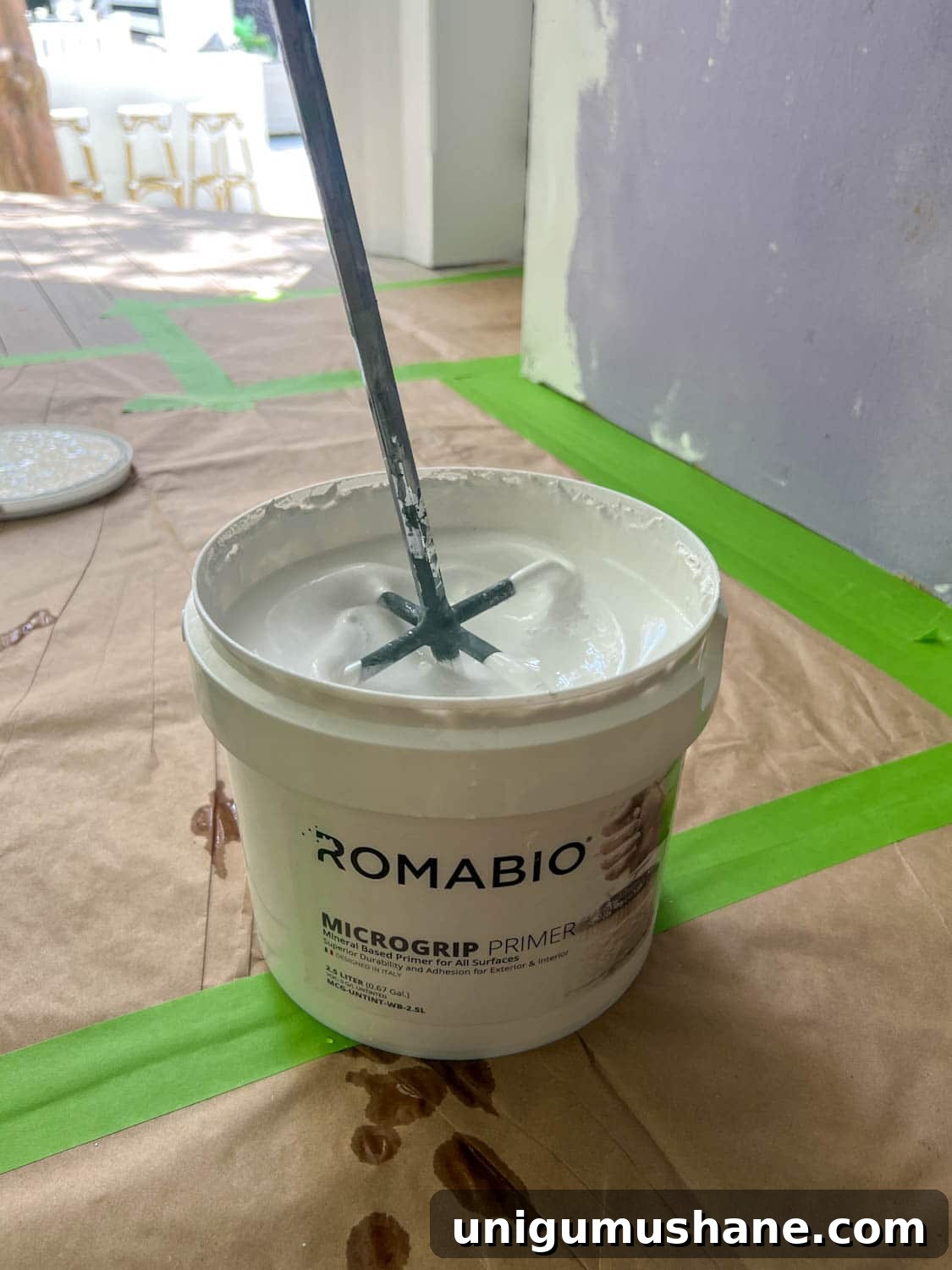
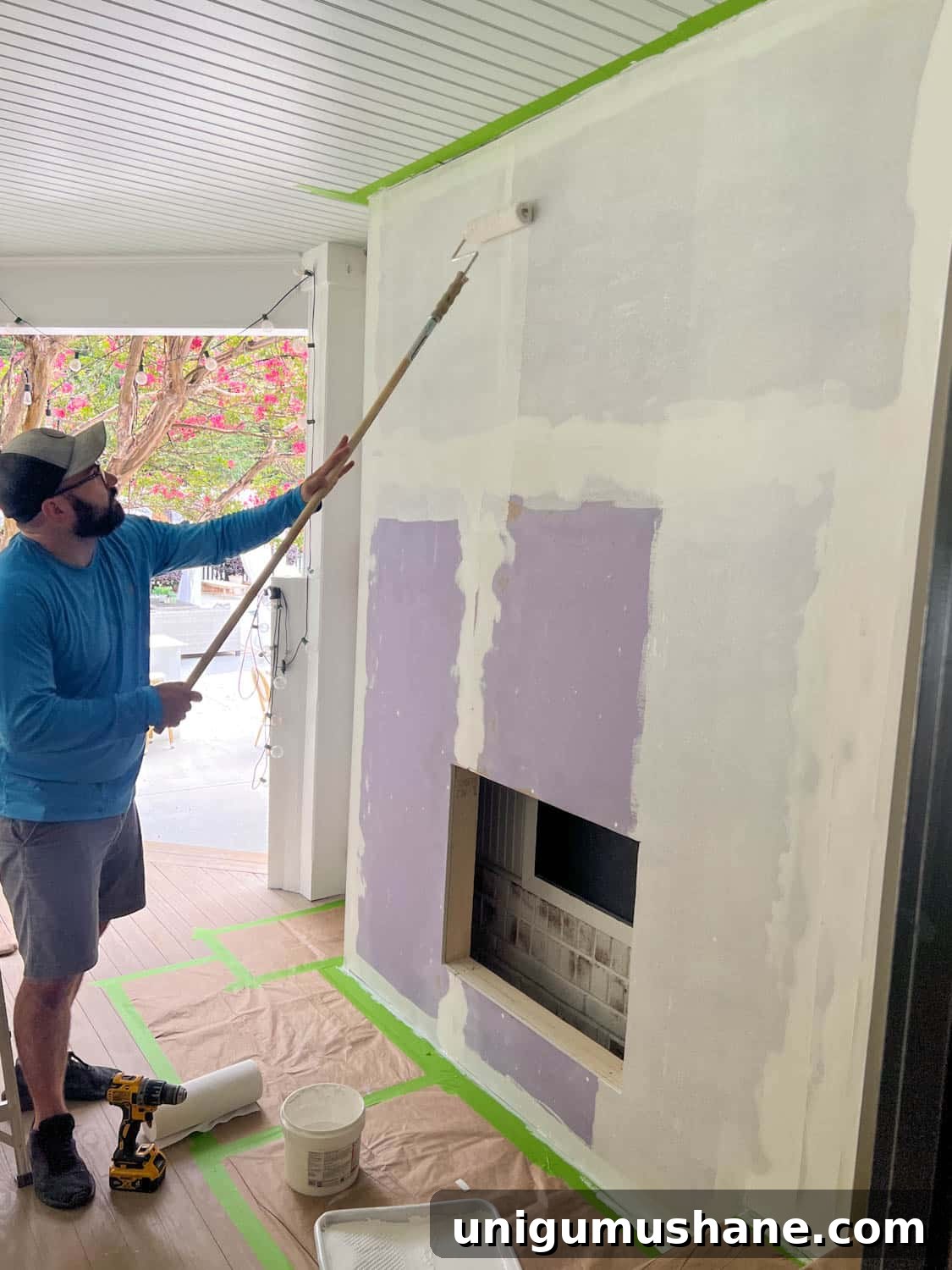
After sanding, apply 1–2 coats of Romabio Microgrip Primer. Mix the primer with water using a mixer drill bit per the can’s directions. We applied two thin coats to better cover the purple drywall. Allow the primer to cure about a day before glazing.
Step 10 – Apply Venetian Glaze
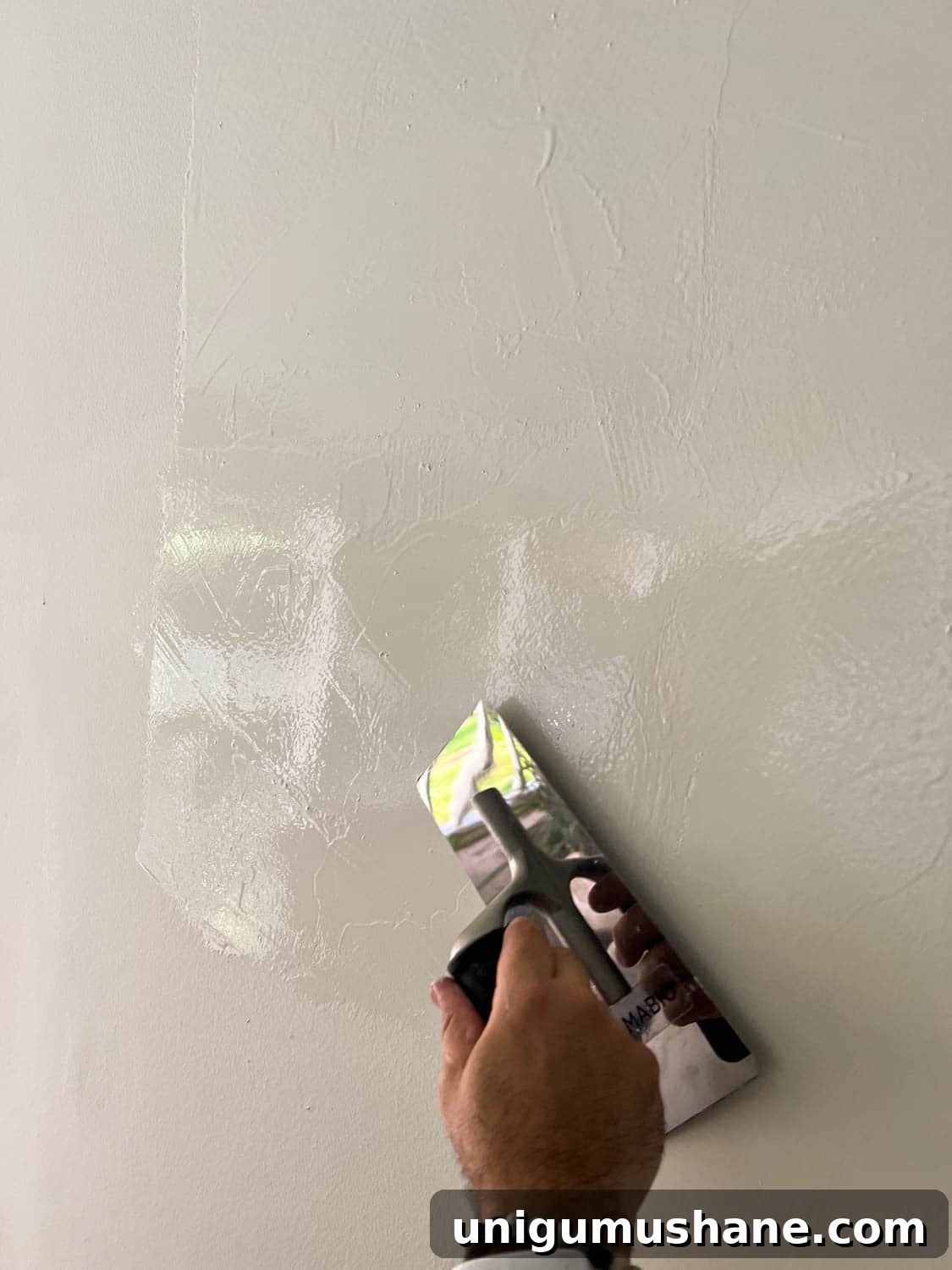
Practice on scrap drywall first to learn the feel of the glaze and trowel. We found it easiest to work in 1–2 square foot sections: brush on the glaze, then immediately soften and shape it with a clean trowel in half-moon motions. Hold the trowel at a slight angle to control pressure and create texture.
Perfection isn’t the goal—the charm of Venetian Glaze comes from subtle irregularities. Treat it like an artistic process and enjoy the texture you create.
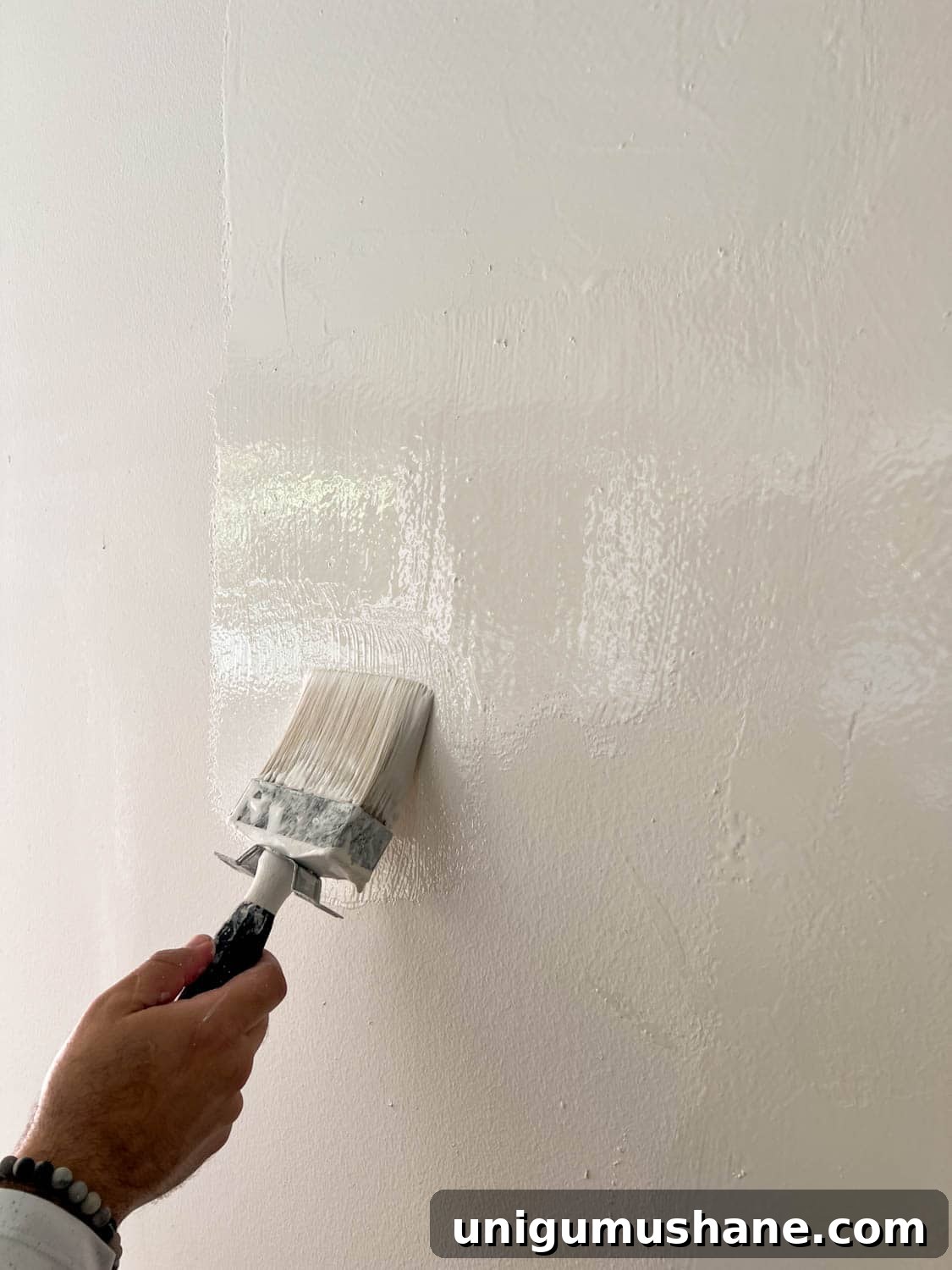
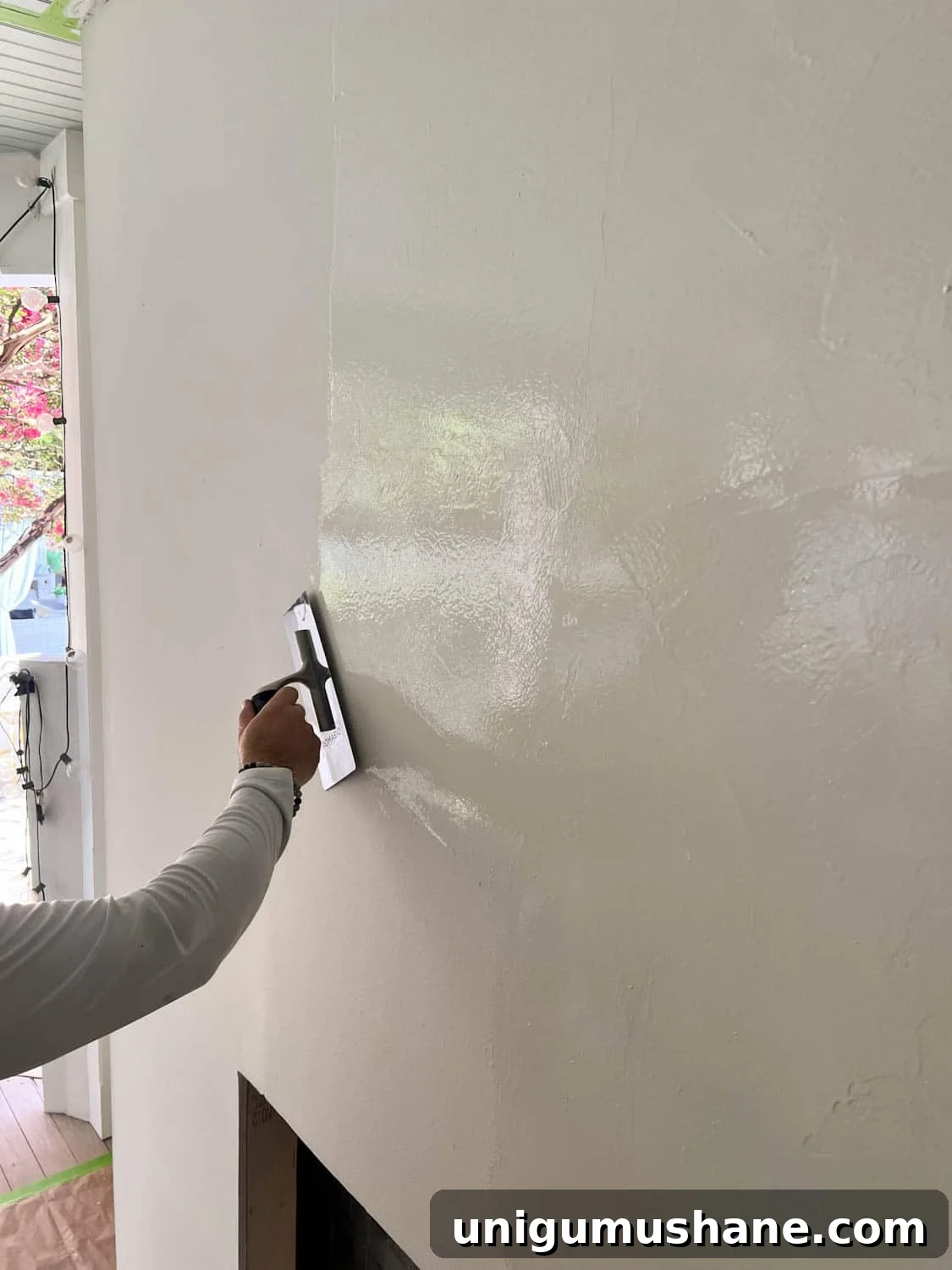
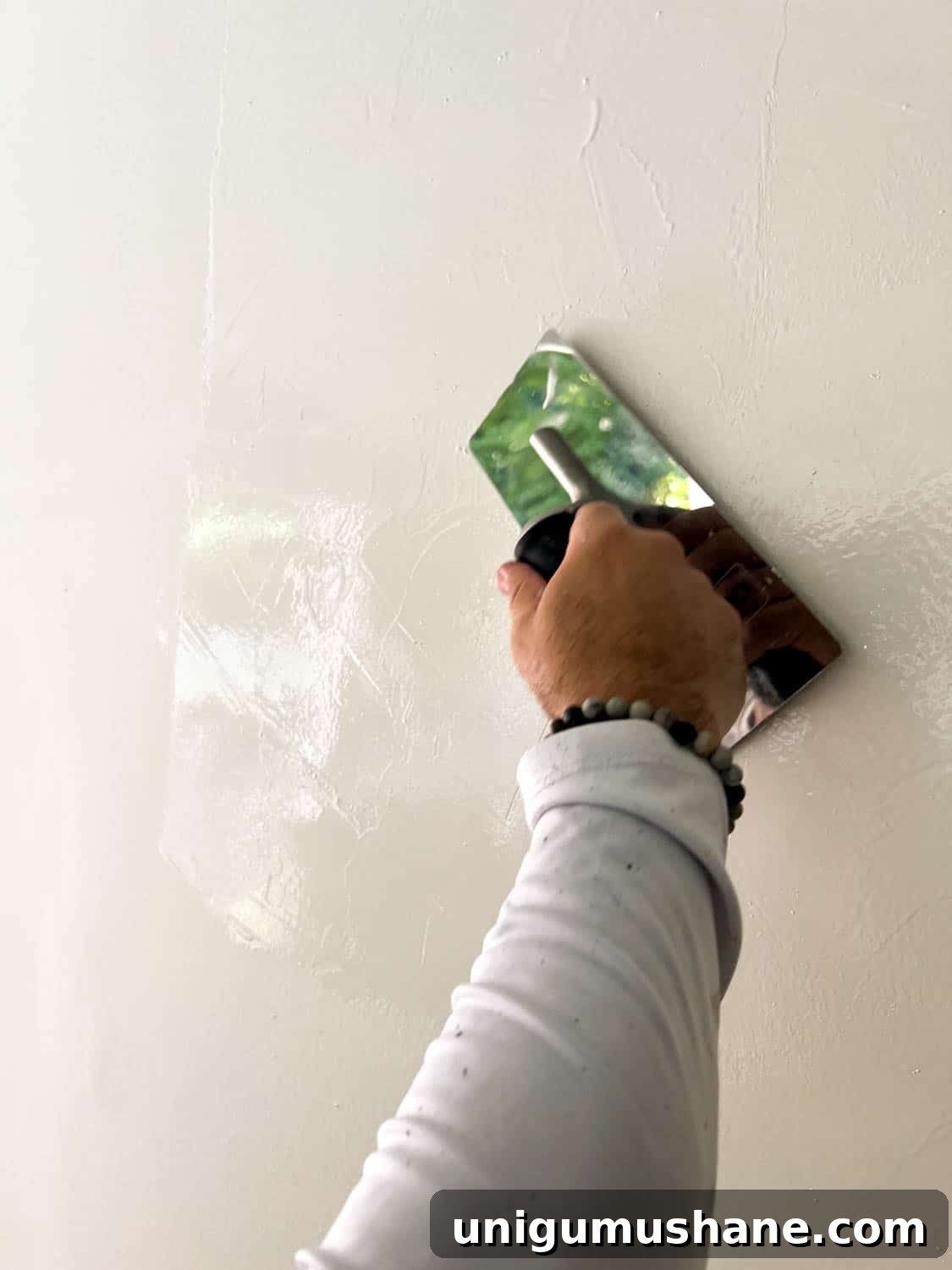
Apply 2–3 coats of Venetian Glaze for best depth. You can thin one coat slightly (up to about 5% water) to introduce subtle contrast. We used Bianco White, which produces a delicate, refined finish; darker colors show more obvious variation between layers.
Step 11 – Finish With a Top Coat
When the glaze is fully dry, seal the surface with Romabio Clear Matte Top Coat to protect the finish.
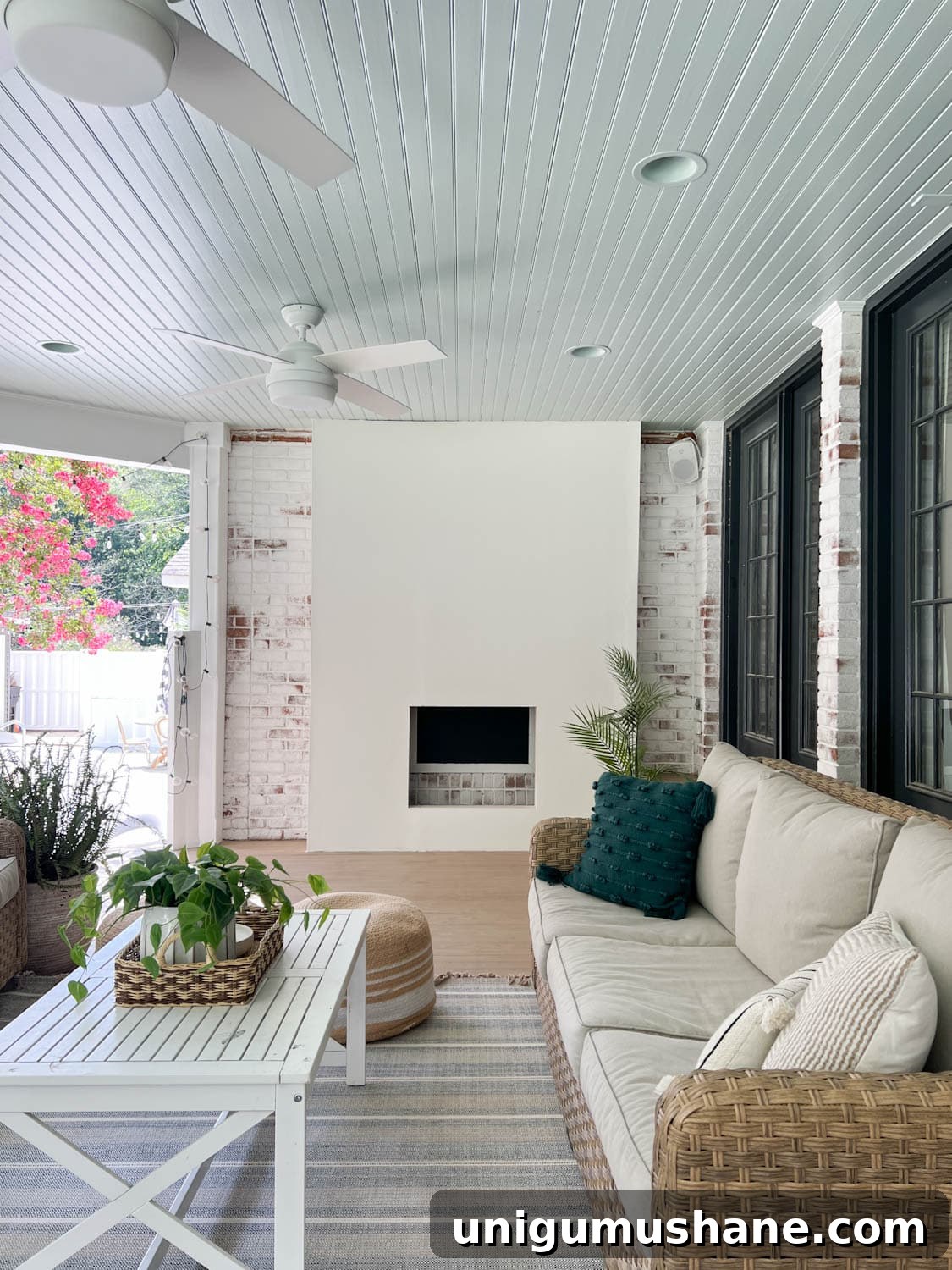
At this point you could keep a minimalist look: add simple trim at the top and bottom, set the insert, and call it done. Alternatively, paint the interior black to create a faux fireplace if you prefer not to use an insert.
We chose to soften the minimalist look with a more detailed surround for extra warmth and character.
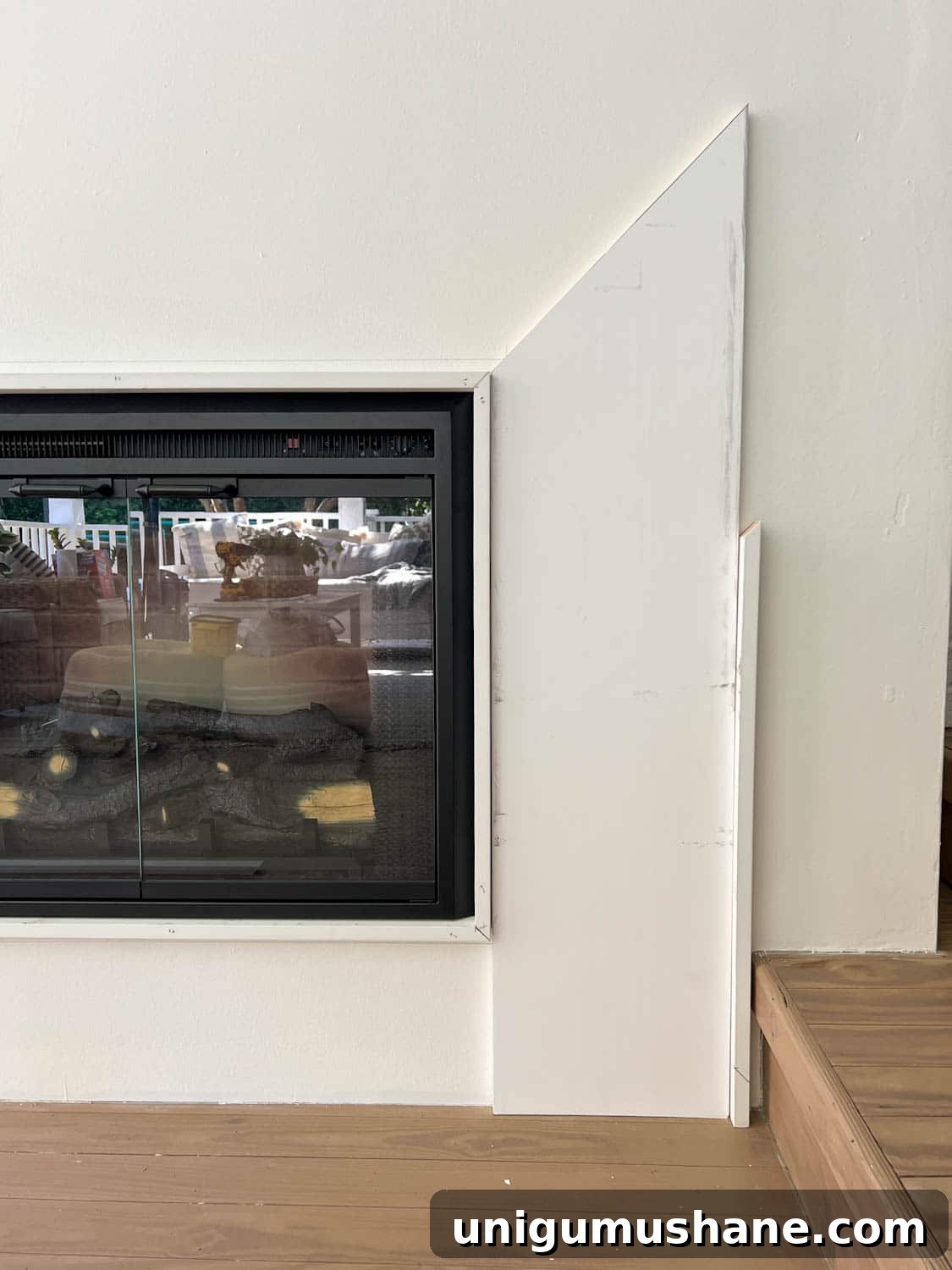
Step 12 – Build a DIY Fireplace Surround
To create the surround, we used simple trim and molding details. After cutting, caulking, filling, and sanding the wood, we attached 1/2″ x 2″ trim to the crown and base with a brad nailer to complete the look.
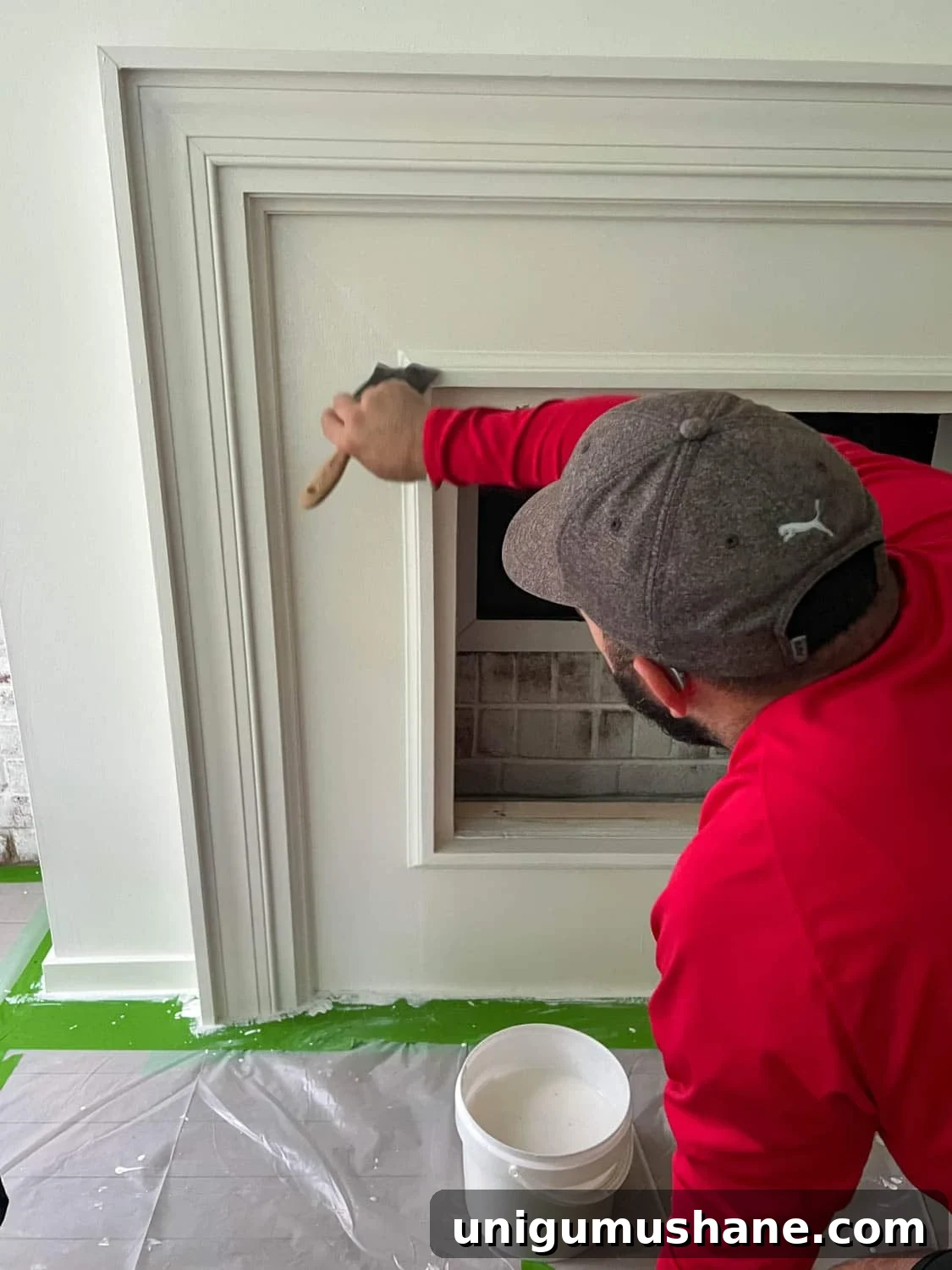
Step 13 – Apply Plaster Paint Method to the Surround
After finishing the surround, repeat the Venetian Glaze process on the trim pieces. We applied the glaze to the plain fireplace first, then glazed the surround to avoid working around obstacles. Either order works depending on what’s easiest for you.
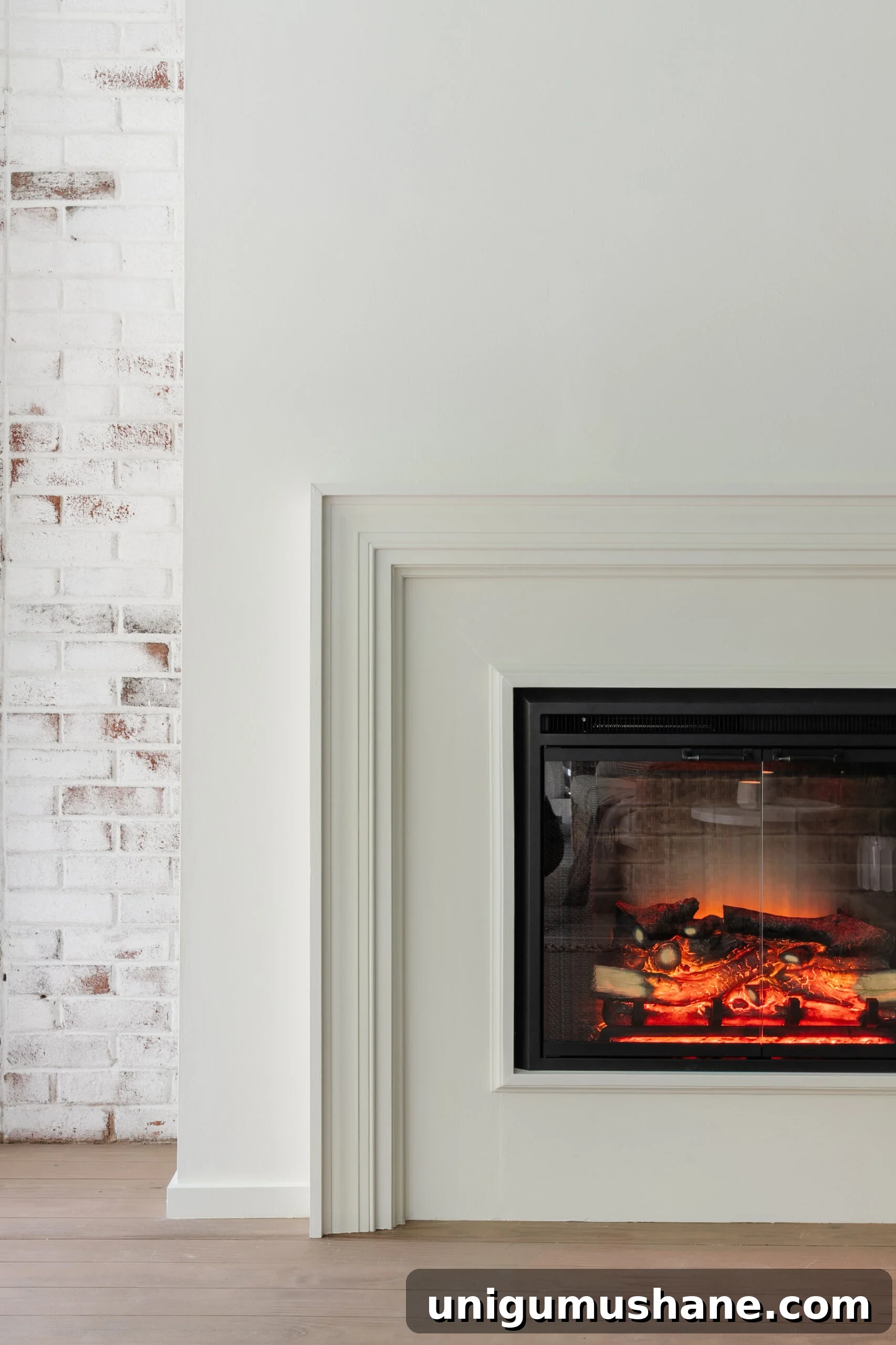
Step 14 – Place the Insert
Once everything was dry, we plugged in the electric insert and slipped it into the niche. It looks remarkably realistic—glass doors, air curtains, and even crackle sounds add to the convincing effect.
We can run the unit without heat just to enjoy the flame visuals during warm months, and use the low and high heat settings during cooler weather. The heater pushes warm air out and adds cozy warmth when needed.
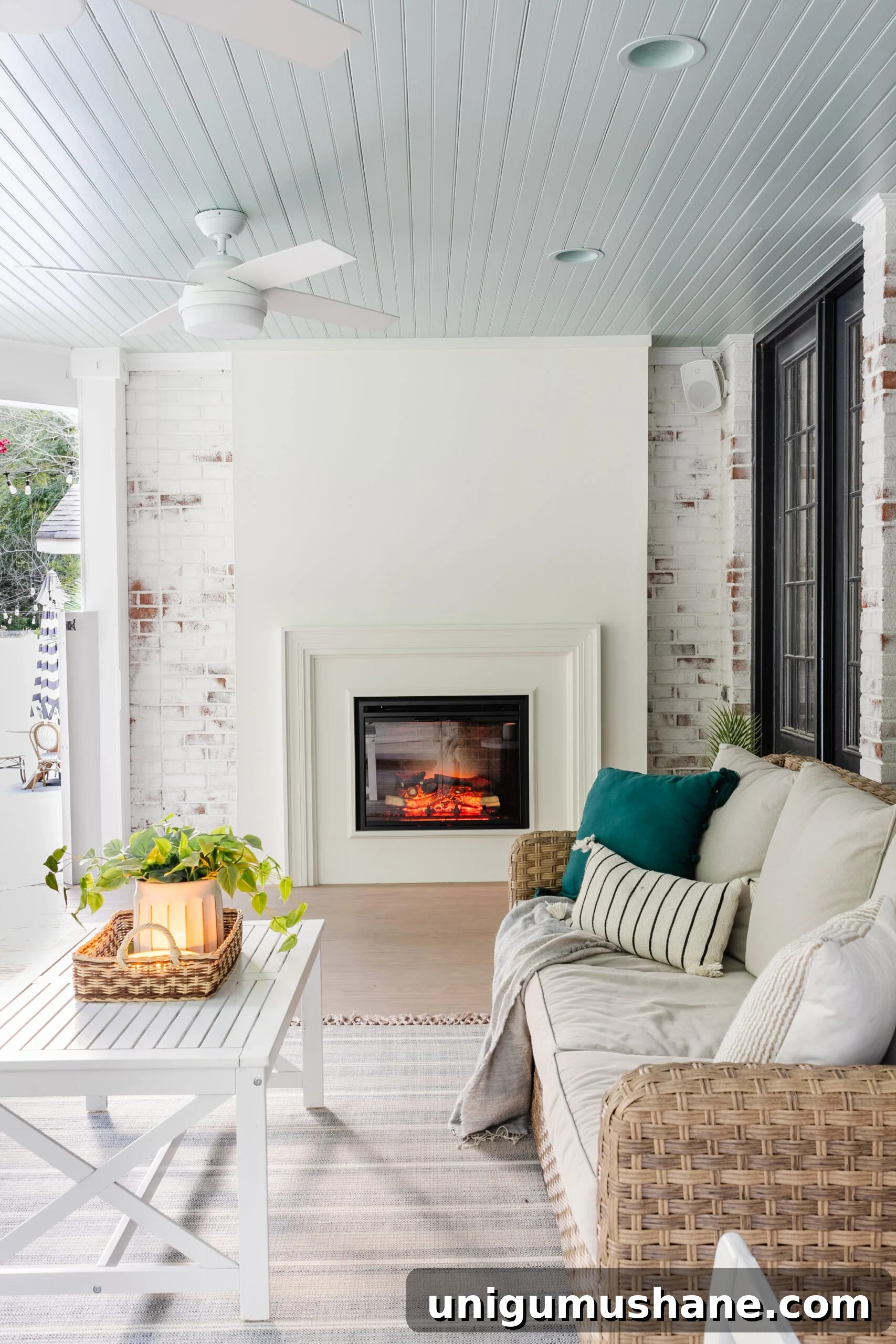
This same approach works well in living rooms, dining rooms, or bedrooms. The combination of a simple frame, plaster-like glaze, and an electric insert delivers a high-end look without the high-end cost.
Can you believe the before and after? I’d wanted a plaster fireplace here for so long—now I’m almost excited for fall and winter. Almost. I’m still a summer person at heart.
Have you ever built a DIY fireplace with an electric insert? If you’re a DIY novice, this project is absolutely achievable with patience and basic tools.
More Home Improvement DIY Project Ideas
- How to Replace Stair Spindles – DIY Stair Makeover
- Inexpensive DIY Batten Wall Using Lattice Strips
- DIY Built-In Bookshelves Using an IKEA Billy Bookcase Hack
- How to Convert Closets to Built-In Shelves
- How to Build a DIY Closet