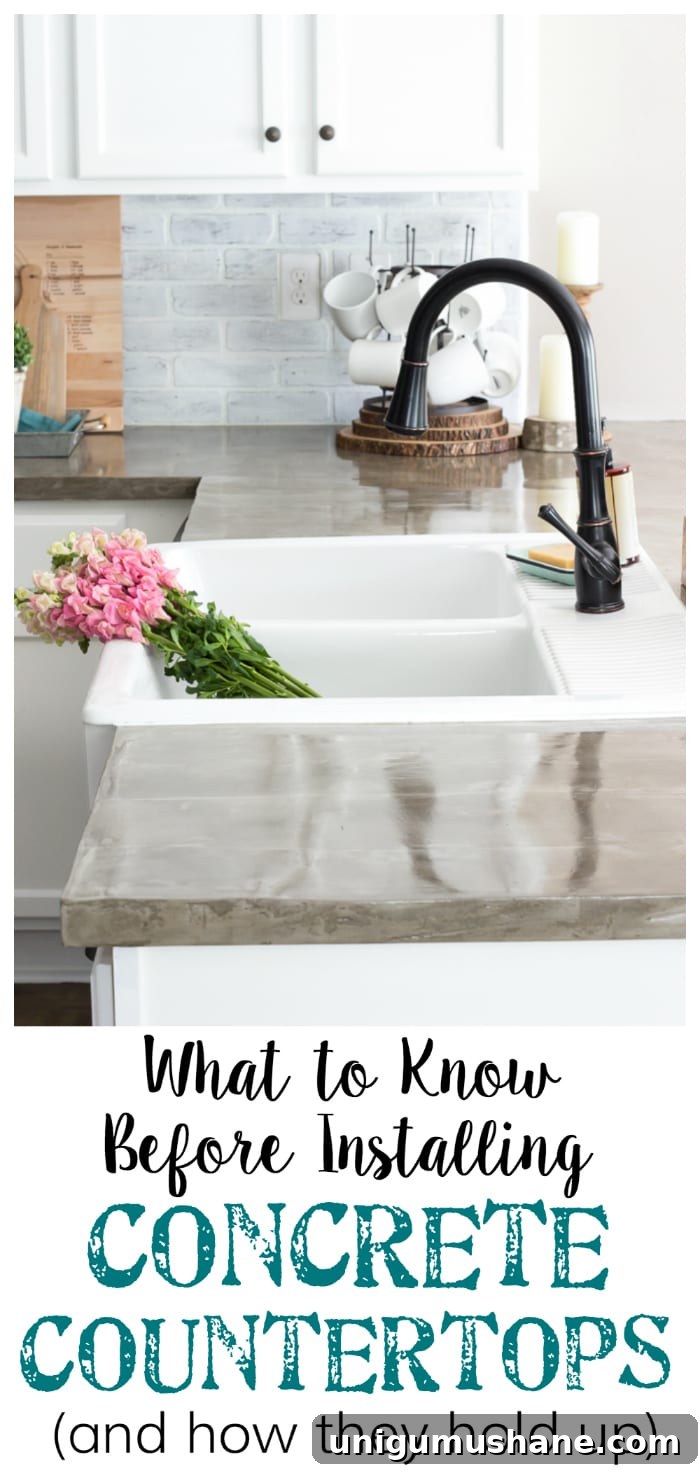
What to Know Before Installing Concrete Countertops: Pros and Cons, Longevity, and DIY Tips for an Affordable Update
Over the past few weeks I’ve been deep into fall decorating and preparing for a major room redo, so it felt like the right time to share an update many of you have asked about: our concrete countertops. After living with them for five months, here’s an honest look at what’s great, what’s not, and practical advice if you’re considering concrete counters as an inexpensive alternative.
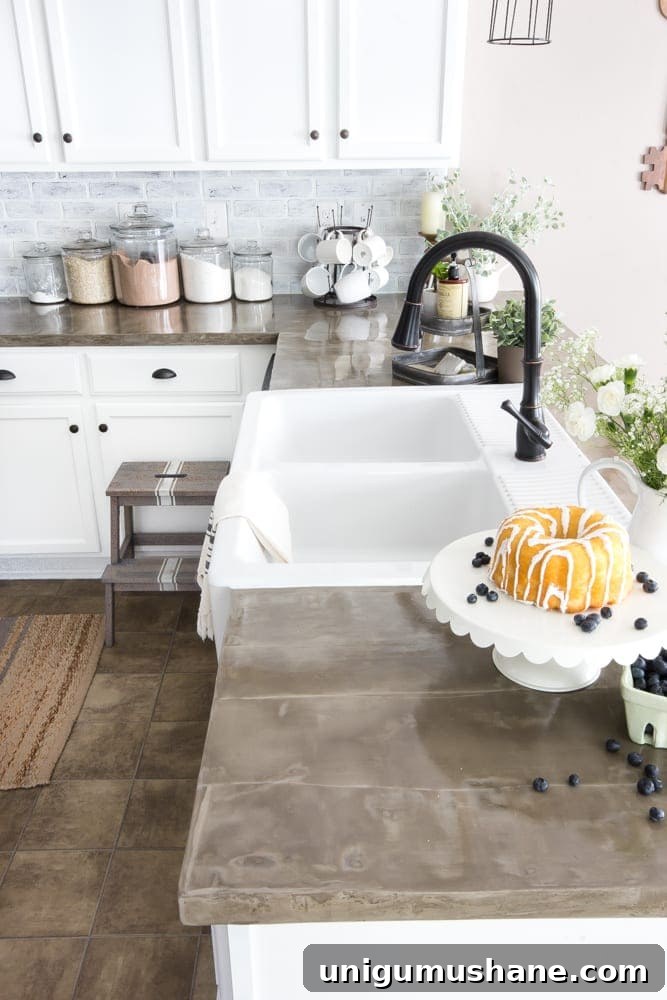
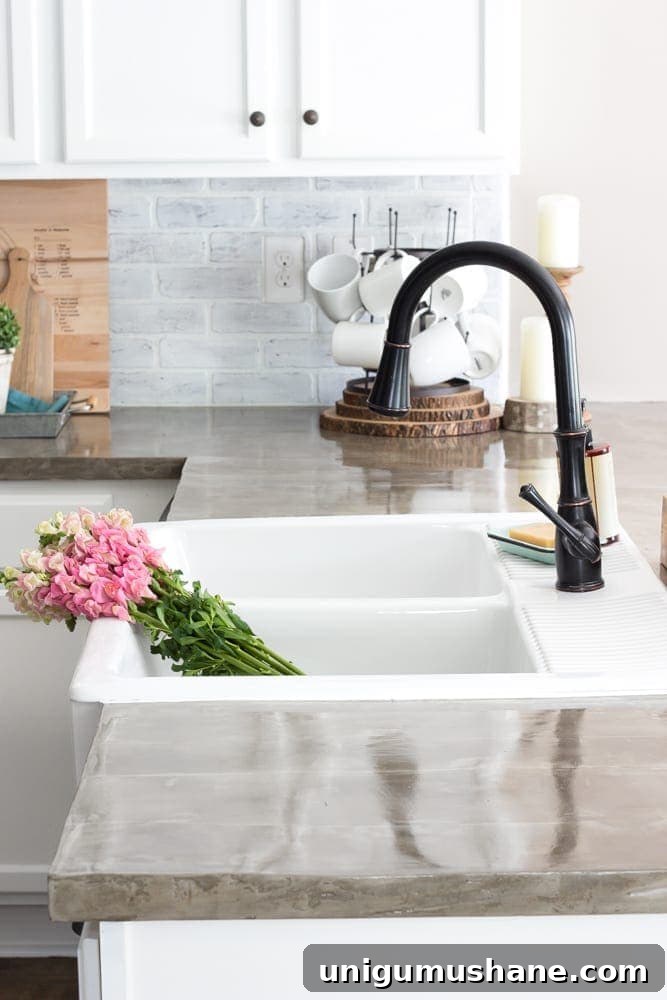
The initial reveal showed smooth, shiny, flawless surfaces — exactly the look we wanted for our modern farmhouse kitchen. But our counters get real use. We cook a lot, and between everyday meal prep and a recent Whole30, the surfaces have taken some wear. Here’s the breakdown after several months of regular use.
- The Good
Pro: Cost-effectiveness. One of the biggest advantages of concrete countertops is the price. We replaced all of our countertops for under $300, which is a huge saving compared to stone options — especially in a fairly large kitchen.
Pro: DIY-friendly. While the project is messy and time-consuming, it’s very doable as a DIY job. You don’t need specialized power tools to form and cast most concrete countertops — basic tools and patience will get you through. A sander helps for finishing, but it’s not mandatory if you don’t mind extra elbow grease.
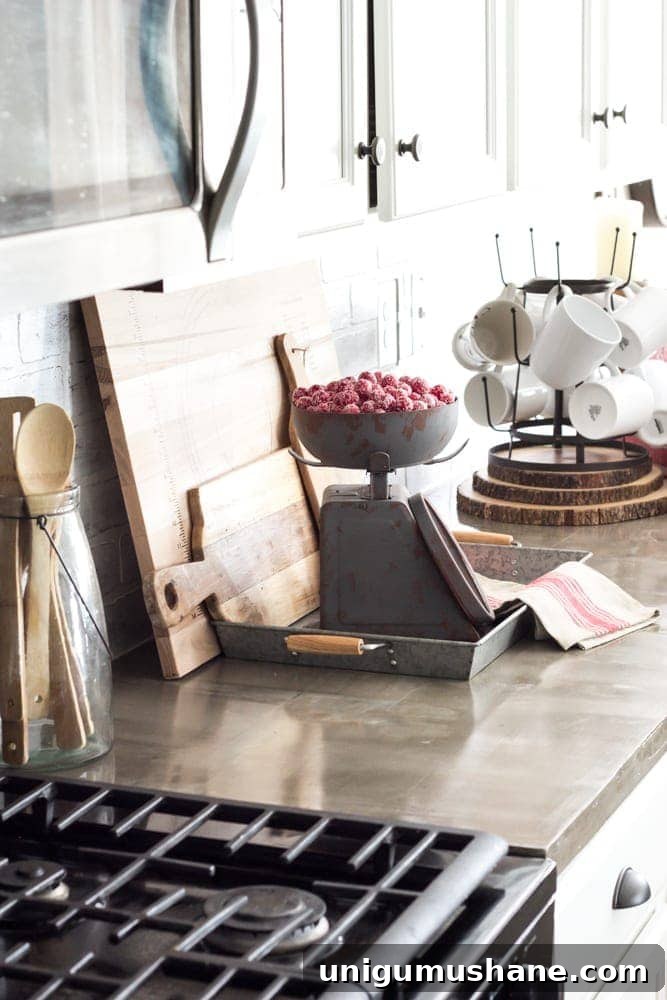
Pro: Visual character. Concrete brings a distinct, tactile look that works well with farmhouse, industrial, and modern styles. Its natural variations and slight imperfections are part of the appeal — though if you prefer absolute perfection, those characteristics might read as flaws.
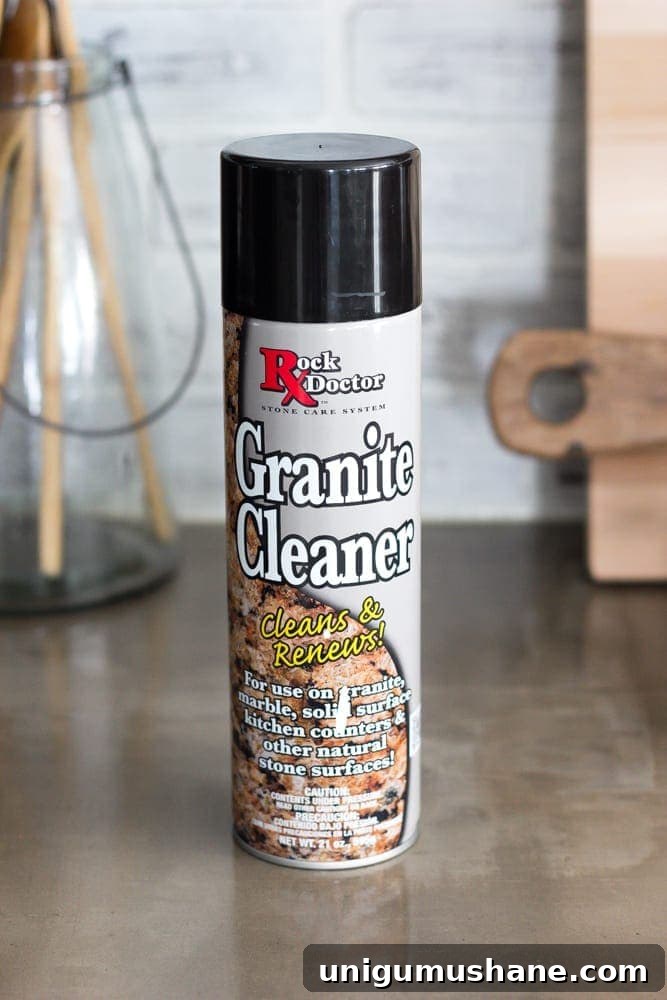
For daily cleaning we’ve used a granite cleaner with good results: it lifts fingerprints and light food residue without harming the sealer.
2. The Bad
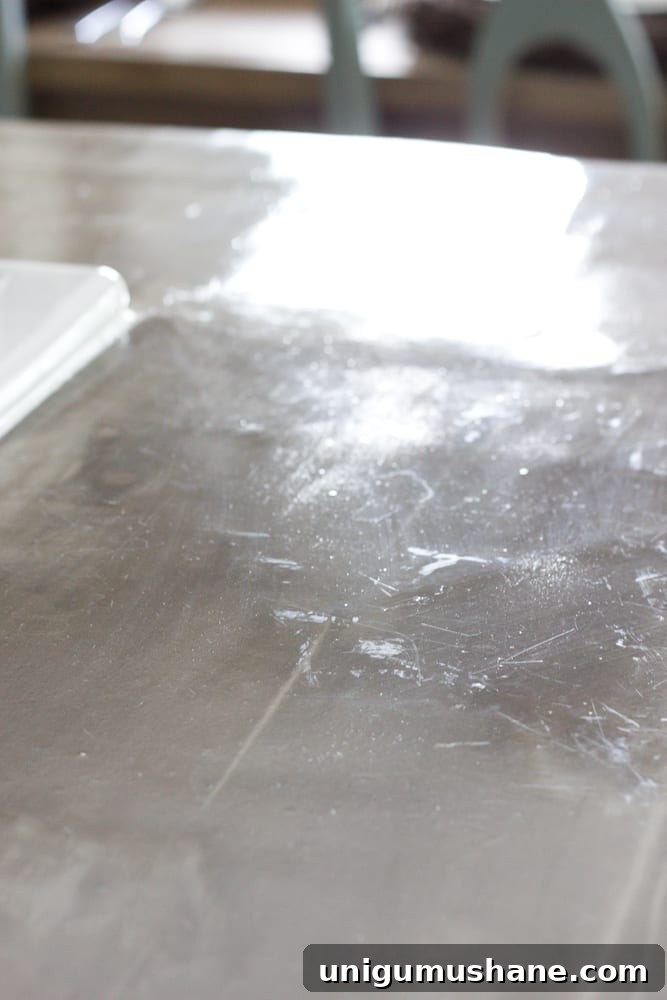
Con: Scratching. Even with careful research into sealing options, our finished surface developed noticeable scratches. We chose a popular sealer with high reviews, but the counters still scratch more easily than stone. The upside is scratches can often be remedied by reapplying sealer or doing a light buffing and touch-up coat.
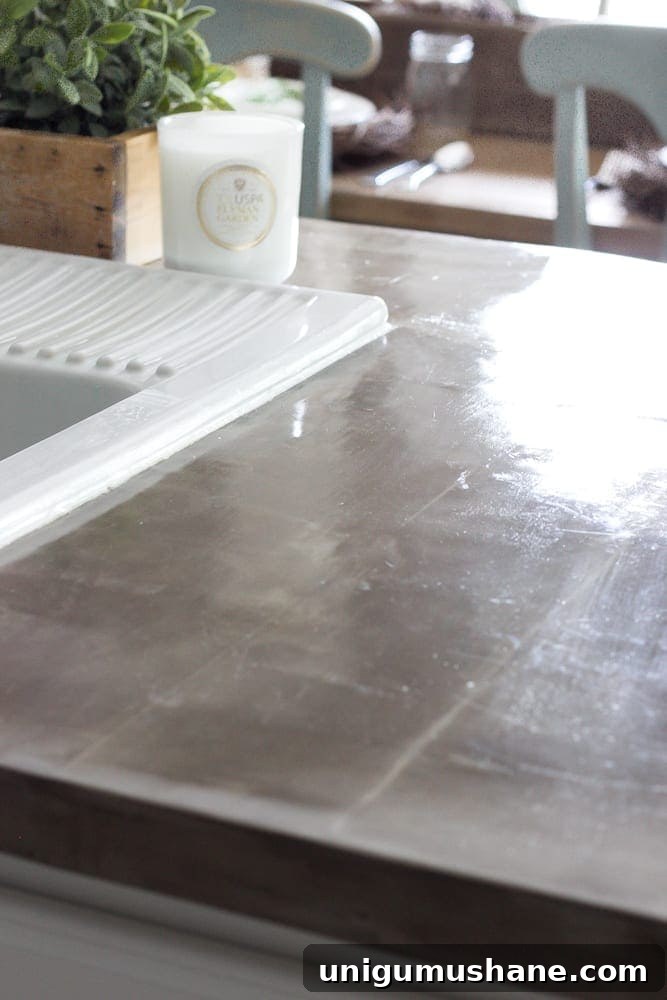
We try to be mindful when moving dishes and cookware, but busy kitchens see inevitable wear. Reapplying sealer periodically is a simple maintenance step that keeps the surface looking fresh.
3. The Ugly
Con: Grease staining. This has been our biggest challenge. Areas near the stove developed darker grease splotches from frequent cooking with oil, bacon, and pan splatter. The stains aren’t everywhere, but the sections on either side of the range show noticeable discoloration.
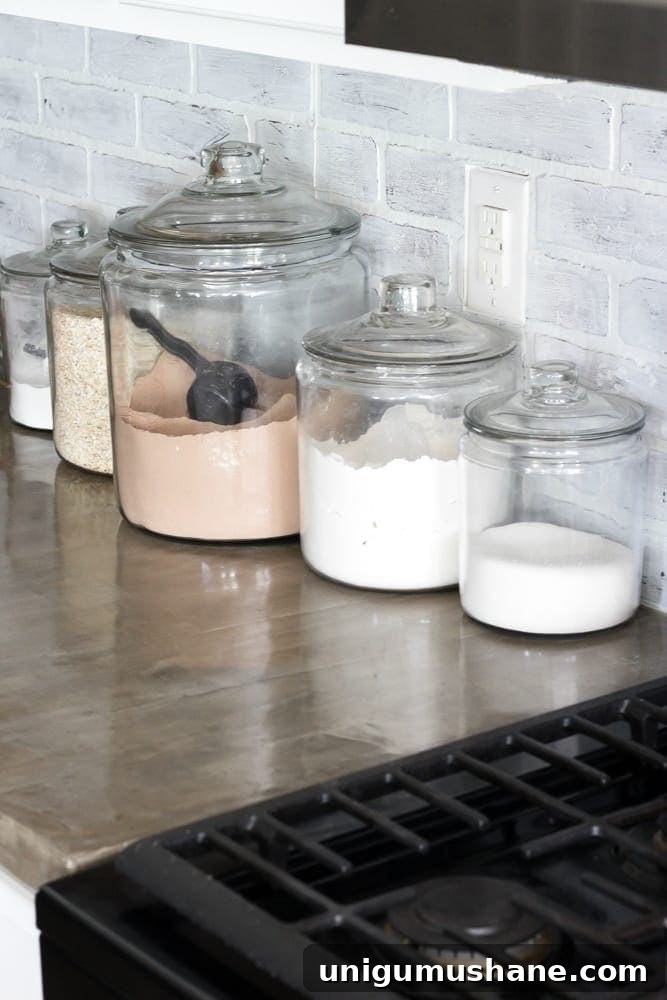
We now protect the counters with dish towels or silicone mats when cooking greasy meals to prevent further staining. The worst-affected area will likely need a skim coat of concrete and resealing to restore uniform appearance.
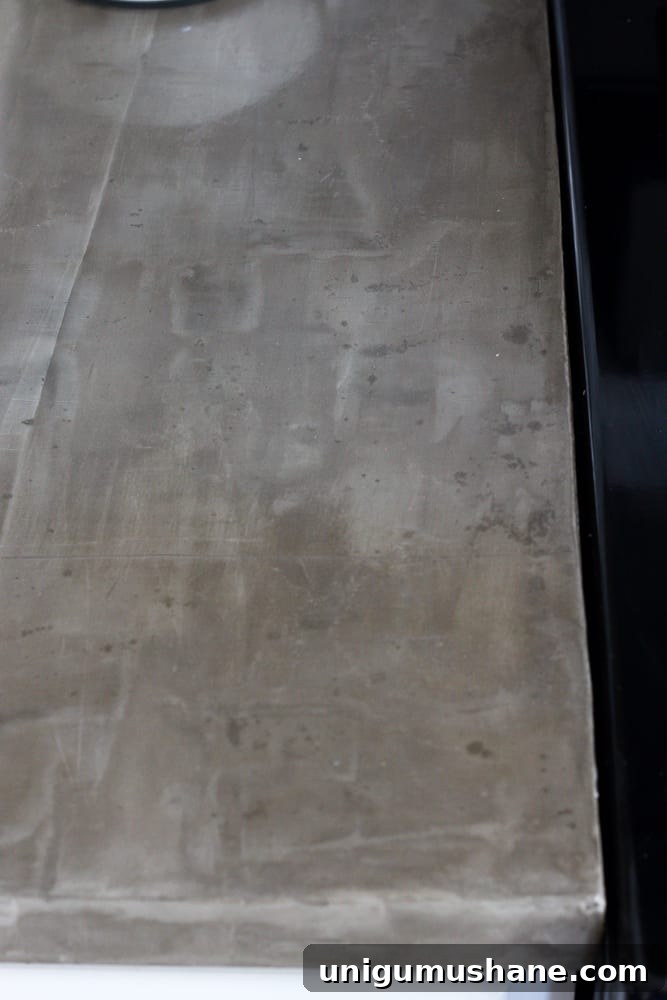
Despite the grease concern, other liquid spills have been easy to clean: water beads up on the sealed surface and routine spills wipe away without permanent damage. The key is prompt cleaning and periodic resealing.
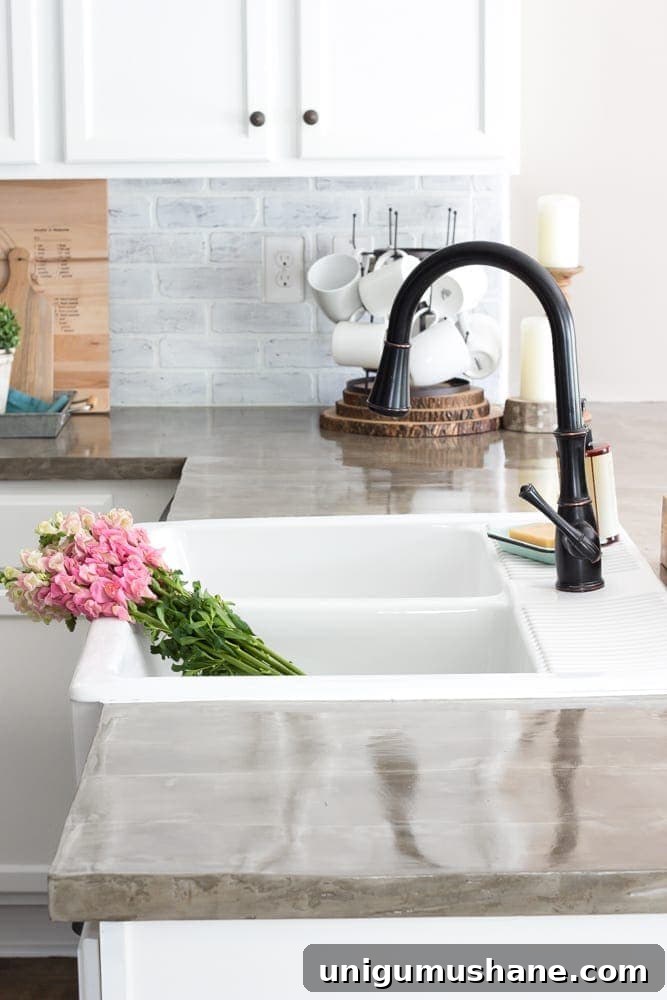
Final thoughts: Given the low cost, the strong visual impact, and the manageable maintenance needs, I would choose concrete countertops again. They’re not a guaranteed 20+ year solution like some natural stones, but for a budget-friendly, stylish update that you can do yourself, they’re a great option.
If you’re thinking of installing concrete counters in a kitchen or bathroom, consider these practical tips: plan for regular resealing, protect surfaces during heavy cooking, and be prepared to do occasional touch-ups or skim coats in high-wear areas. Have you tried concrete countertops or completed a DIY countertop project? Share your experience—lessons learned can help others decide if this material is right for their home.