
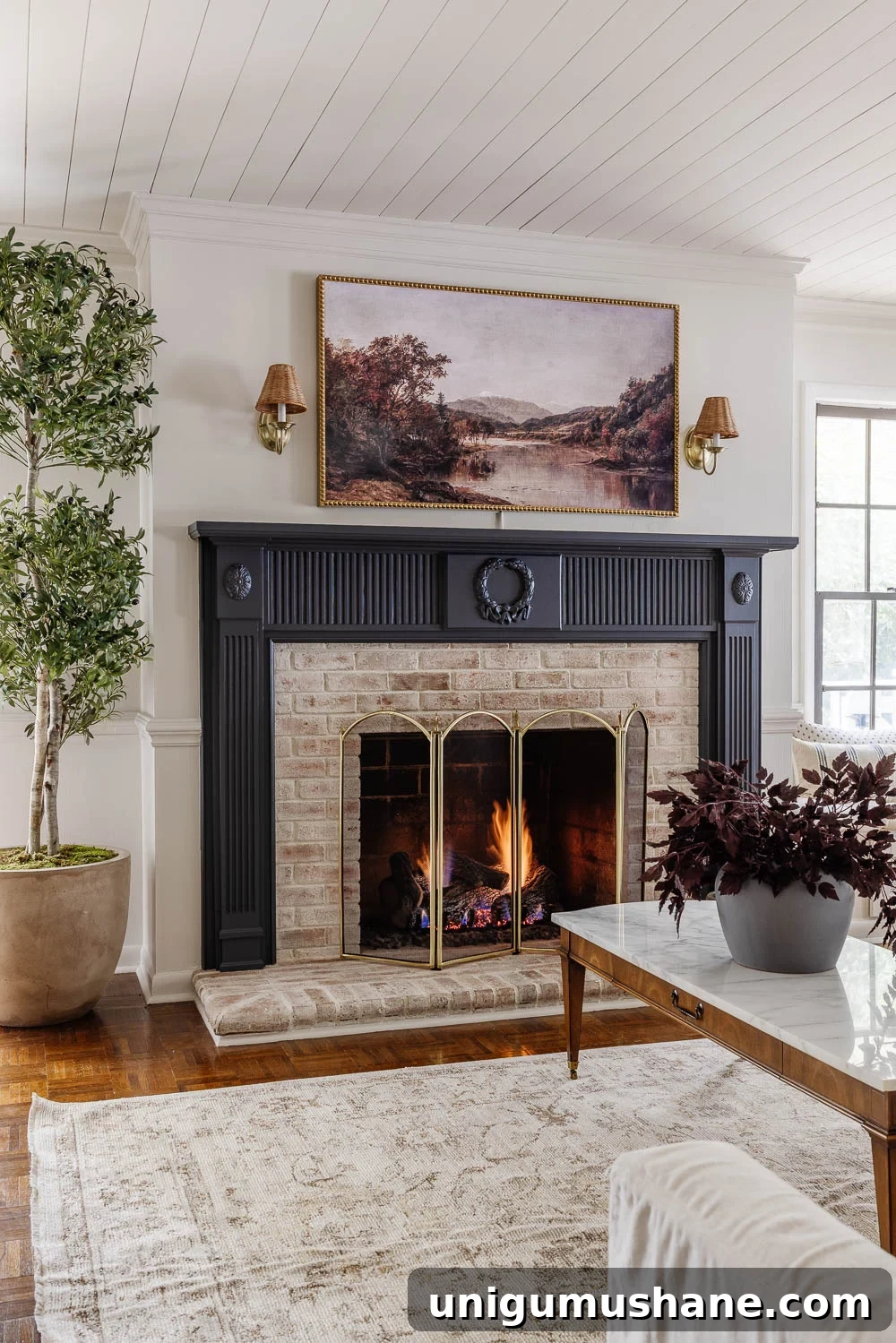
Do you ever walk from your living room into the kitchen and feel like you’ve stepped into a different house—different color, texture, and style—so the rooms don’t seem to speak to one another? That’s a common question I get in messages and in DIY Decorator School. A truly cohesive home lets each room feel distinct while still unmistakably part of the same story.
Decorating should be enjoyable, not overwhelming. Below are practical steps to help your whole home flow from room to room with purpose and personality.
1. Start with a Big-Picture Vision
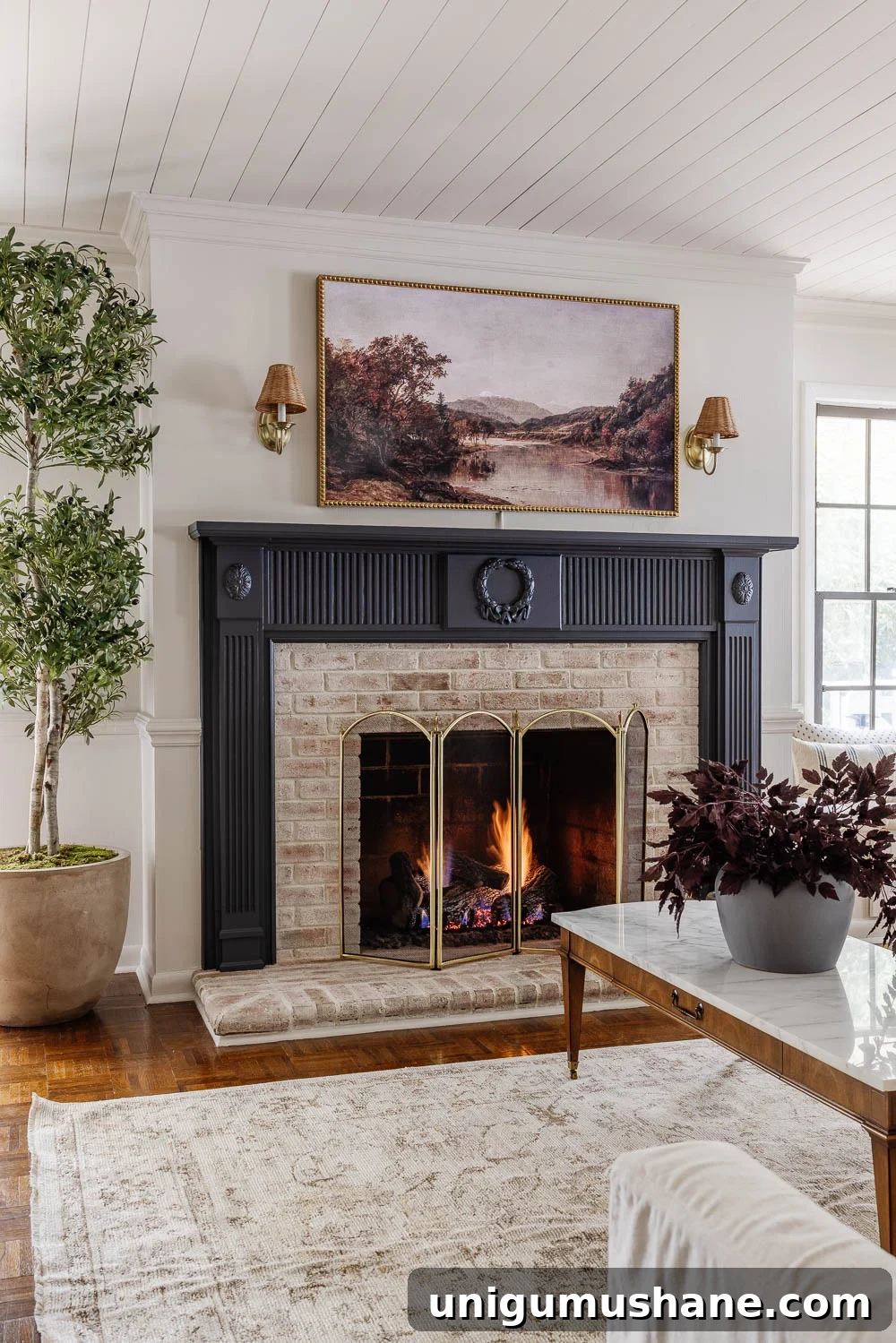
Before you buy a sofa or hang art, pause and zoom out. What overall feeling do you want your home to give—warm and cozy, calm and minimal, textured and collected? Choose two to four descriptive words that will act as your design north star. If you need help narrowing things down, a short workshop like Style Identity 101 can be useful.
Create a loose mood board—digital or physical—with colors, fabrics, finishes, textures, and inspirational rooms. This isn’t about a rigid plan, but about keeping your choices aligned. When you find something you like, ask: “Does it fit the mood?” If yes, it’s a fit; if not, pass.
2. Choose a Core Palette and Stick to It
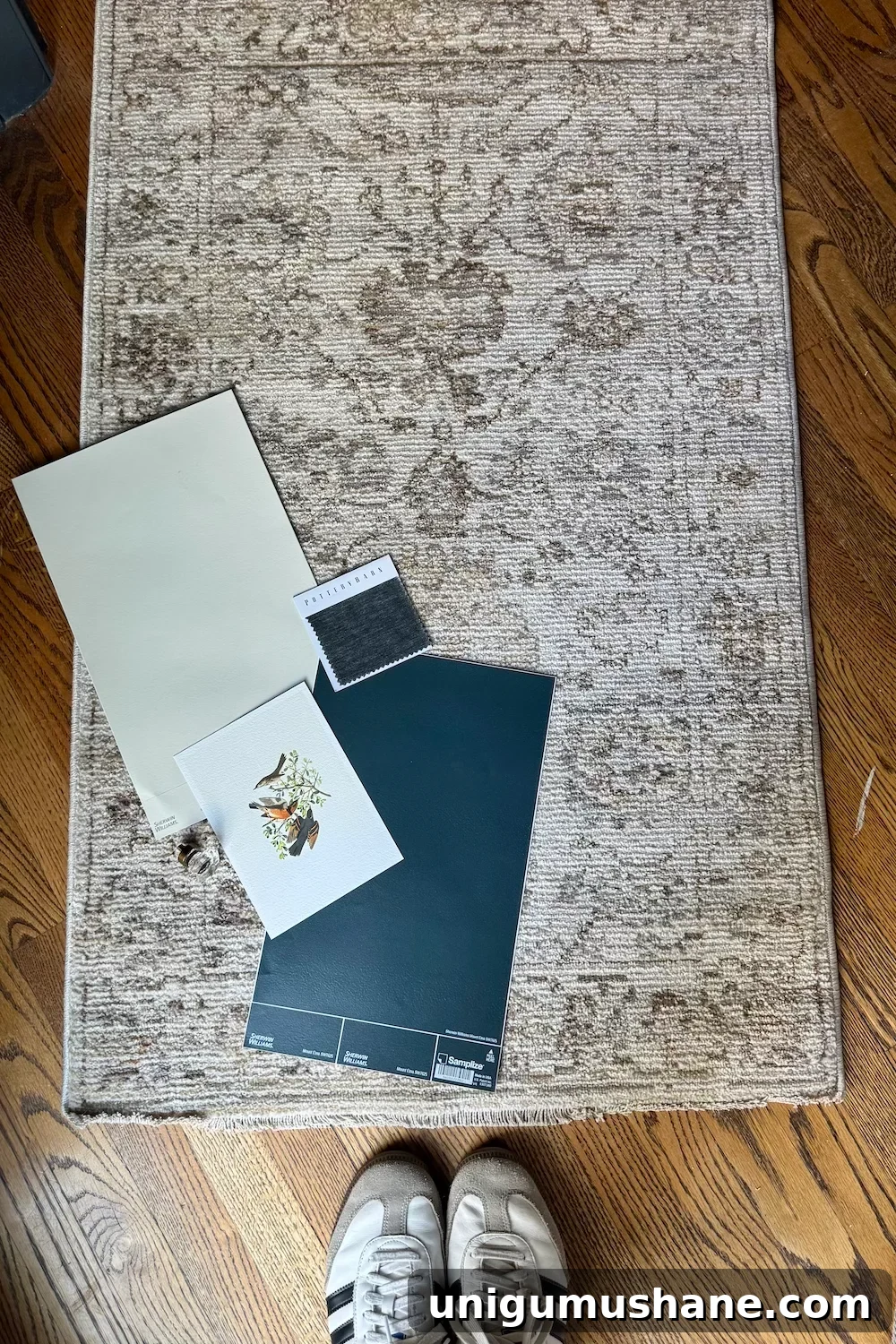
Color is one of the simplest ways to create continuity. You don’t need to paint every room the same color, but you do need consistency in undertones and recurring accent colors.
- Pick a neutral base for walls, trim, and ceilings—soft grays, warm beiges, or off-whites that work throughout the home.
- Select two to three accent hues and weave them into each space—on pillows, a piece of furniture, art, or small accessories.
- Choose a limited set of metals and finishes for hardware, lighting, and fixtures. Using one or two metal families ties spaces together visually.
- Vary depth, not undertone. Use lighter or darker shades from the same color family across rooms so everything reads as related.
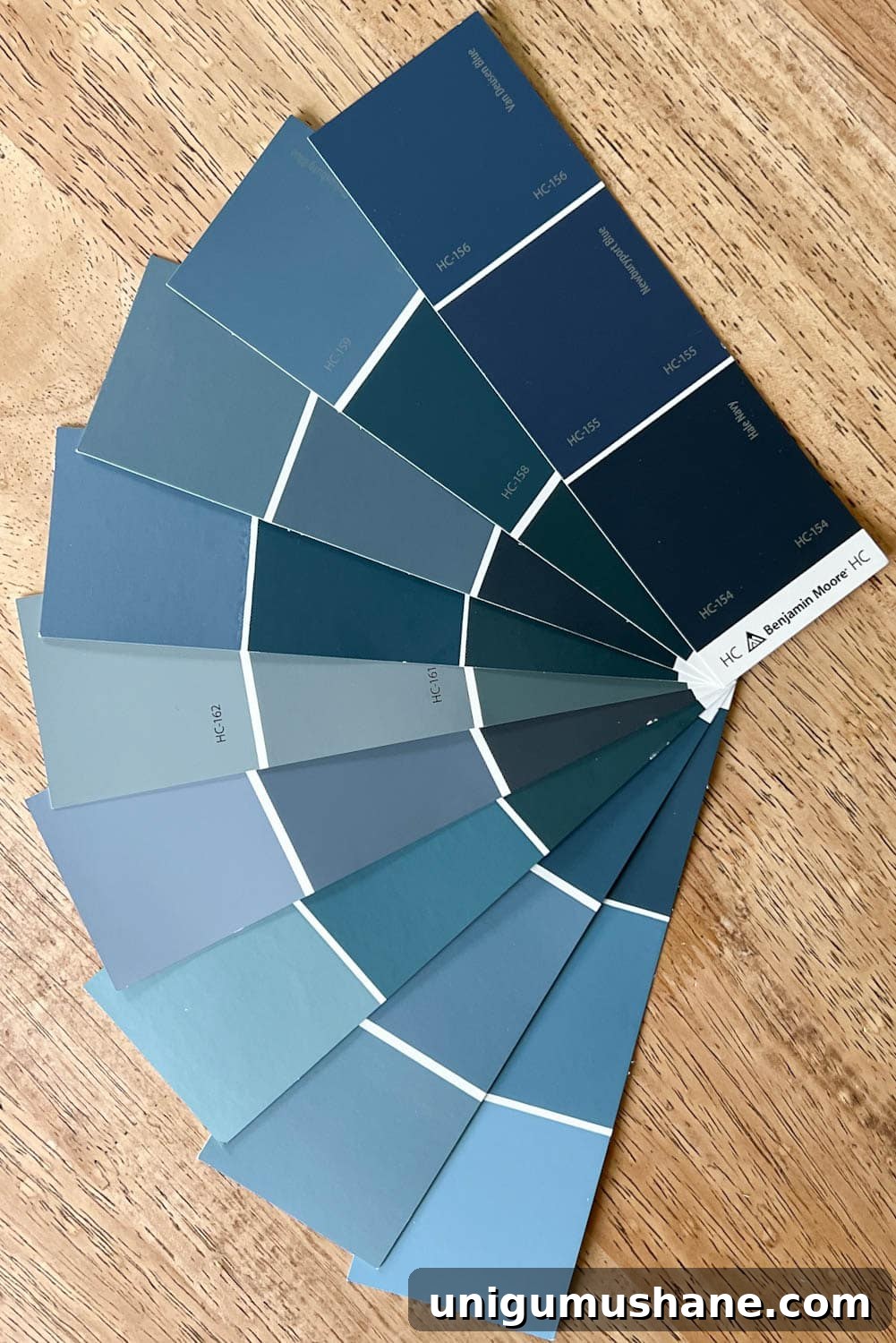
Think of your palette as the home’s color DNA—present in each room but expressed in different ways.
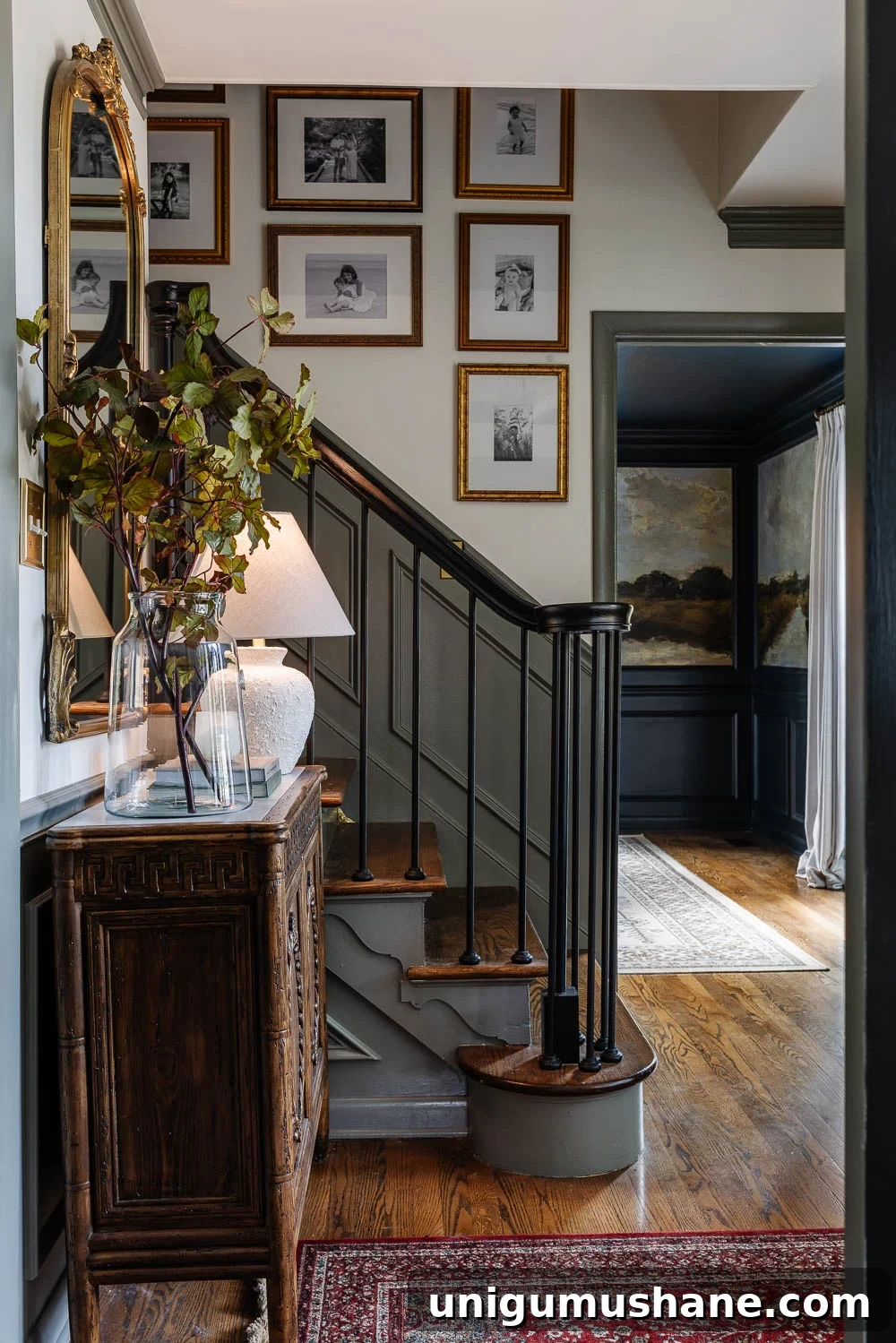
3. Repeat and Echo Key Elements
Make rooms feel like relatives rather than strangers by repeating select elements throughout the home:
- Architectural details—consistent door styles, baseboards, and trim profiles help rooms feel connected.
- Materials and surfaces—keep wood tones, stone, or woven textures in a related family of color and grain.
- Textiles and patterns—use signature textures like linen drapes or jute rugs, and introduce a repeating pattern in different scales or colors.
- Hardware and lighting—shared finishes or similar fixture styles across rooms create visual continuity.
- Decor accents—recuring shapes or materials in vases, baskets, and frames make the styling intentional.
The aim is harmony, not monotony: each room retains its own voice while sharing a common design language.
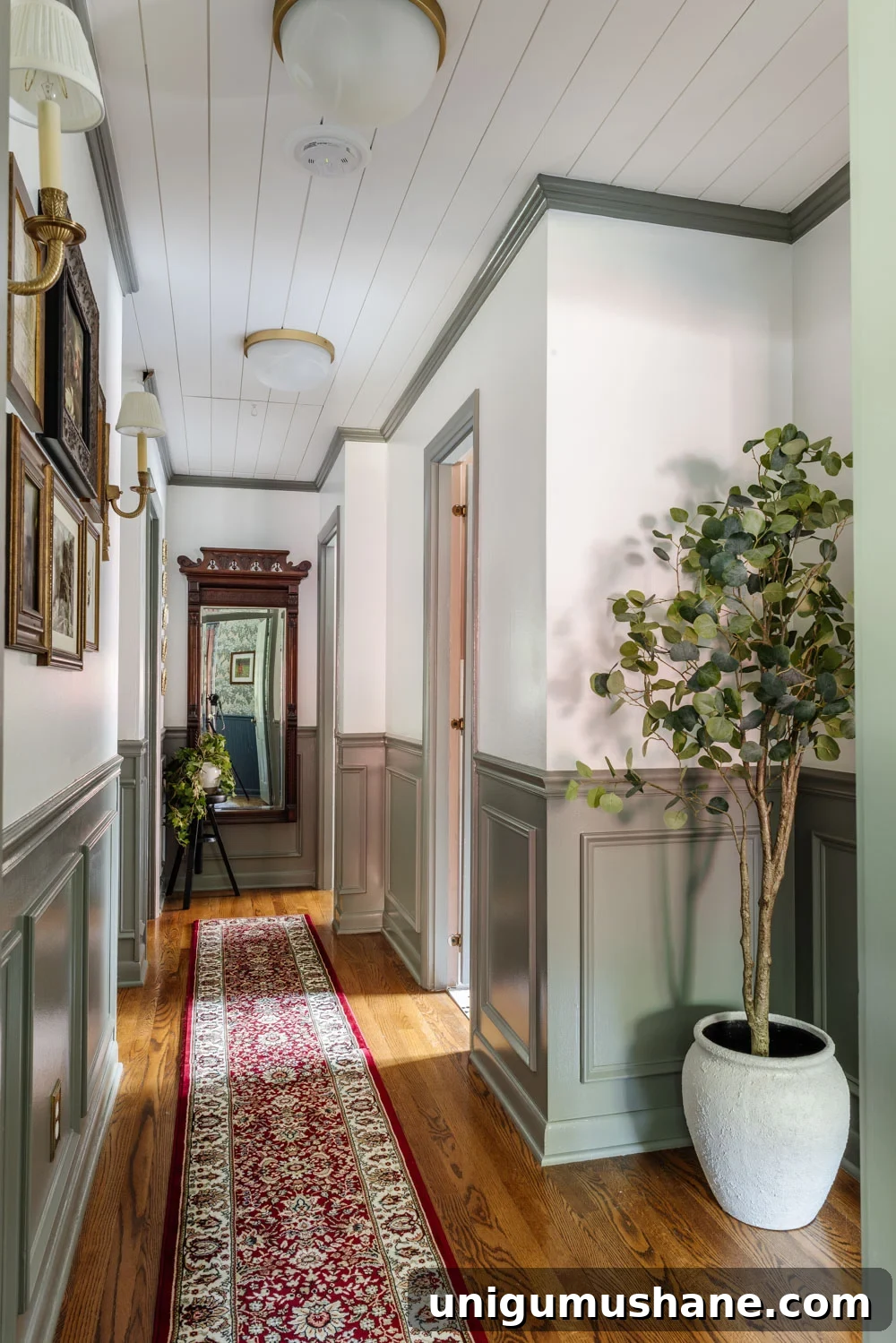
4. Use Transition Zones Strategically
Hallways, landings, foyers, and doorways are more than pass-throughs—they’re design opportunities. Use them to bridge adjacent rooms:
- Paint walls or trim in hues that act as bridges between neighboring rooms.
- Carry your palette with runners or rugs that flow from space to space.
- Choose transition art that picks up tones or themes from nearby rooms.
- Keep flooring consistent or at least complementary for an uninterrupted visual path.
- Create small vignettes, like a console with accessories that hint at the next room’s style.
Transition zones can gently reinforce that all rooms belong to the same home.
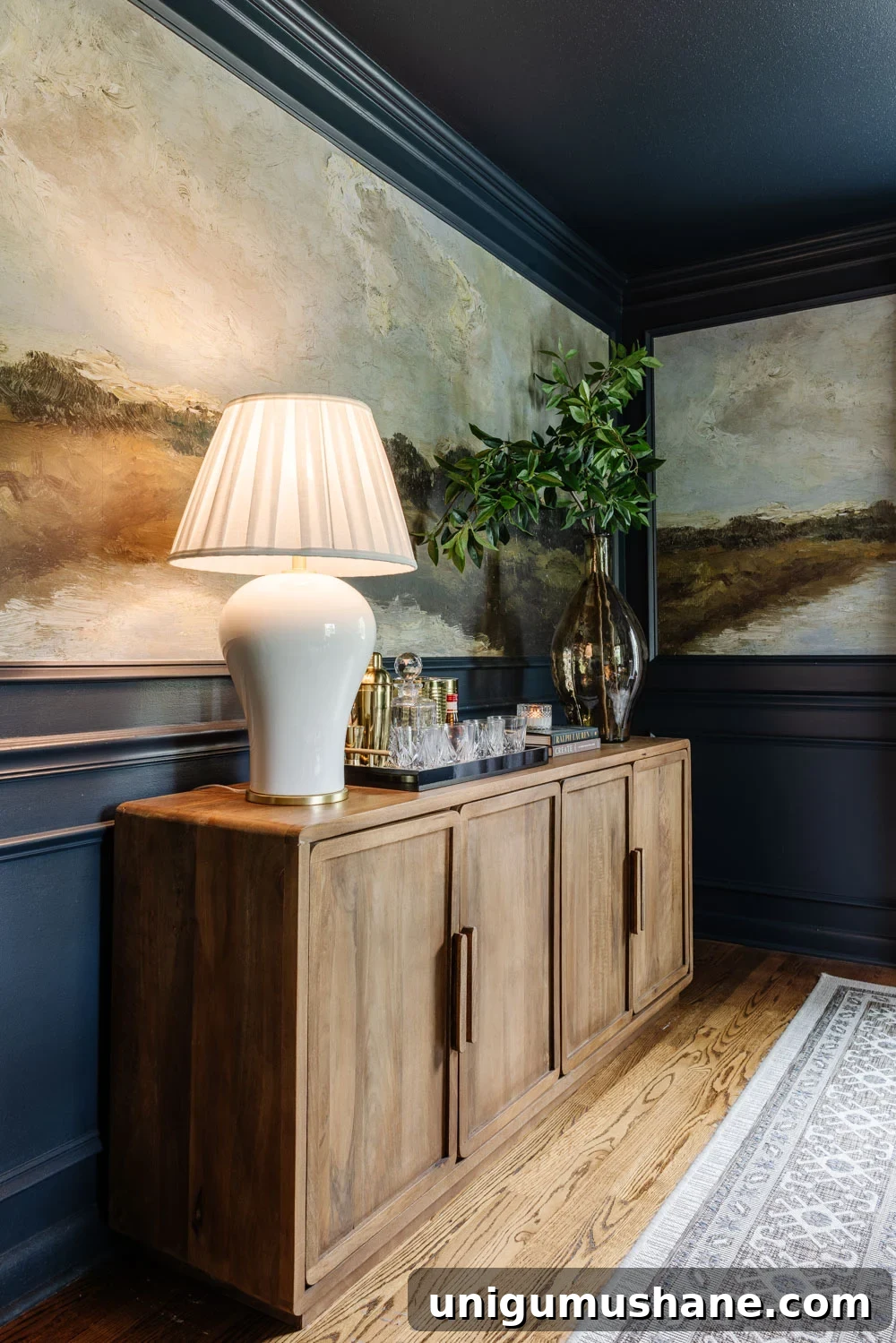
5. Mind the Flow and Layout
Your house is essentially a walking tour; how you arrange furniture and define pathways affects whether rooms feel cohesive.
- Do a walk-through: move from room to room and notice any jarring visual interruptions.
- Let rugs define areas without competing—avoid awkward overlaps or abrupt edges that disrupt flow.
- Resist letting a single bold piece dominate unless you want it to be a deliberate focal point.
- In open plans, use furniture groupings, rugs, or subtle color shifts to delineate zones while preserving sightlines.
Often editing or rearranging brings back harmony far more effectively than buying new items.
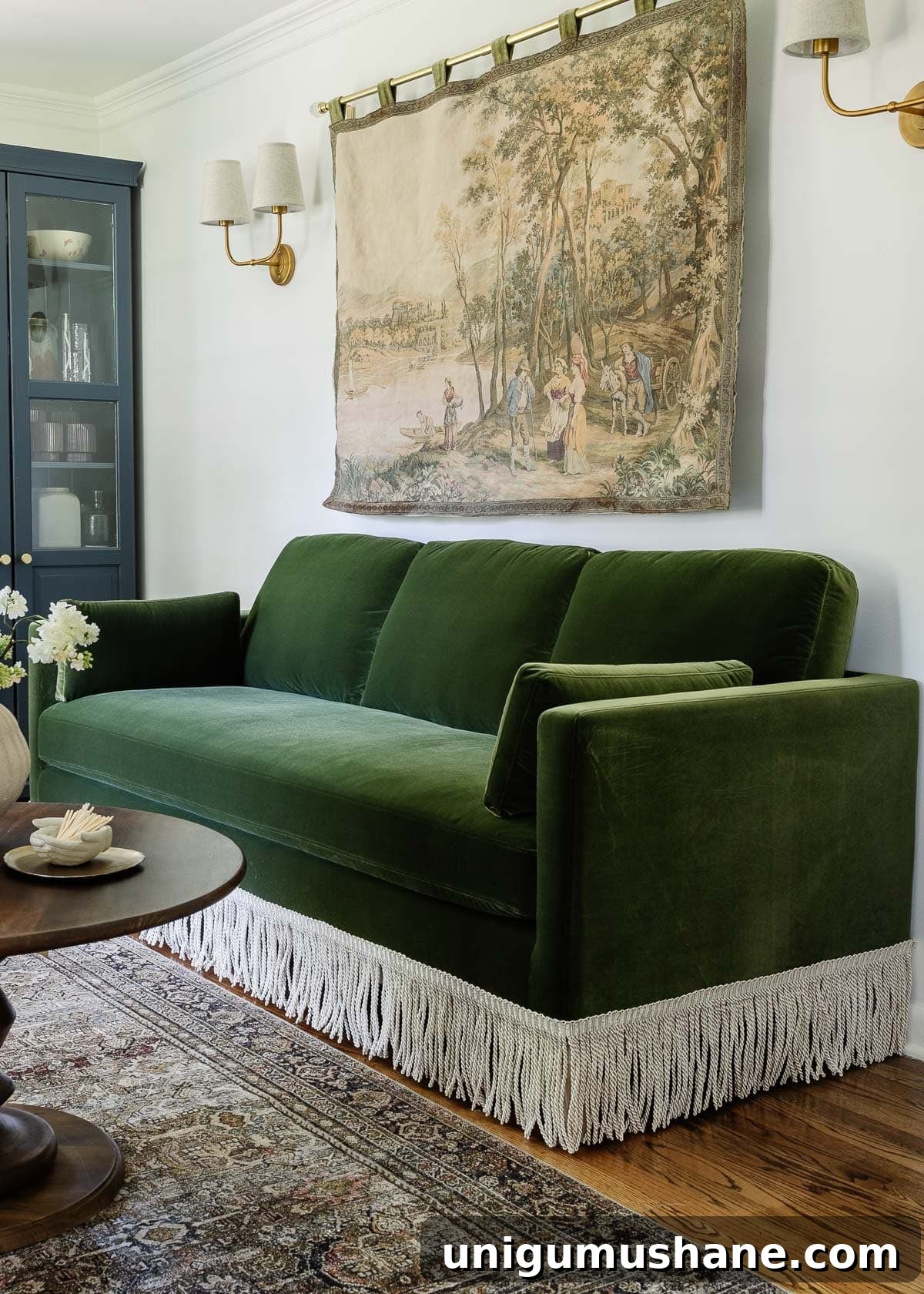
6. Let Your Personality Be the Tie That Binds
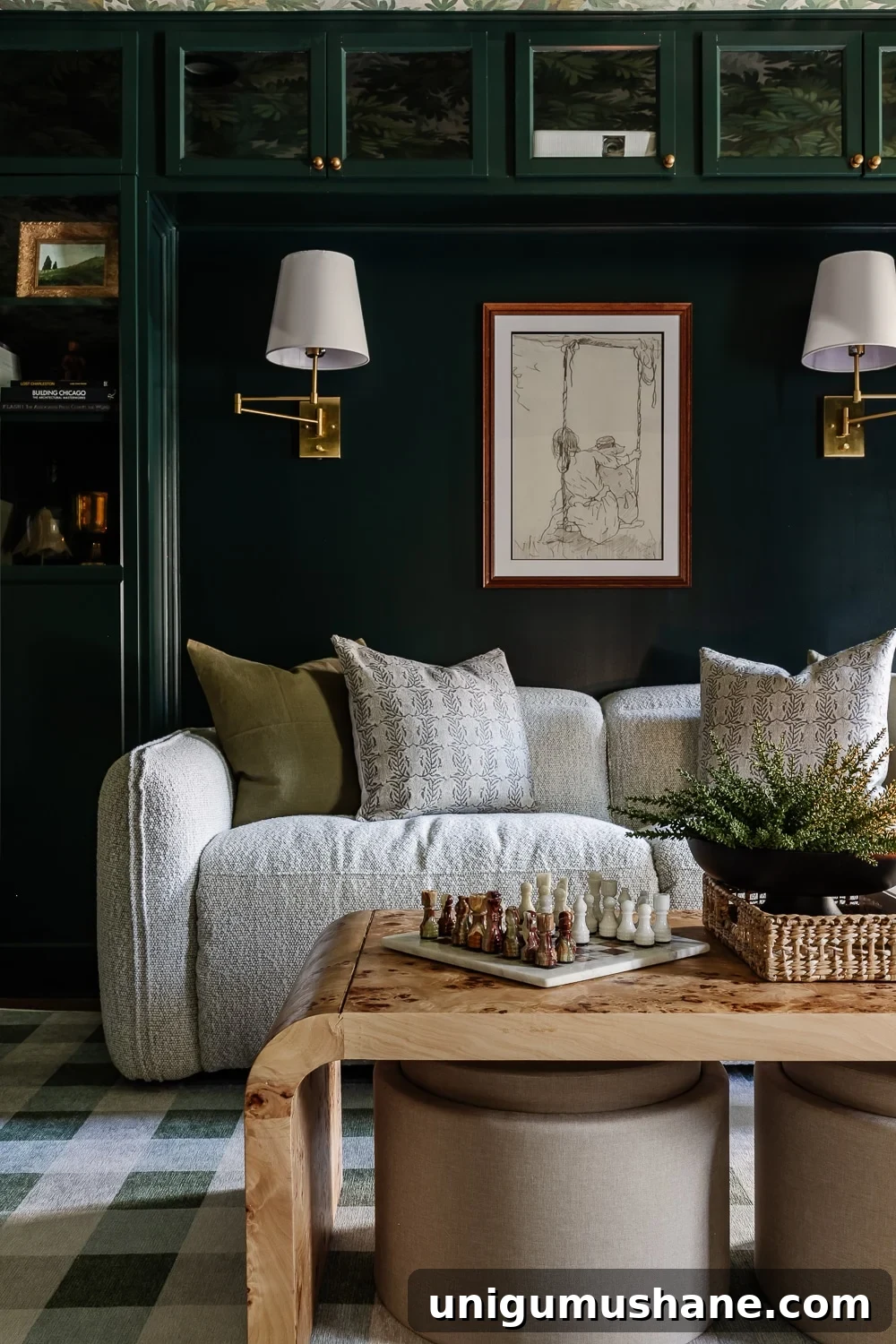
Cohesion isn’t about uniformity. The most compelling homes show personality while staying visually unified. Ways to do that:
- Choose a dominant style with supporting accents. For example, a transitional foundation can welcome vintage or eclectic pieces when balanced by scale and finishes.
- Consider scale. If you favor large statement pieces, echo that scale in more than one space so they feel intentional.
- Curate intentionally. Each item should have a visual or functional purpose; if something feels off, try moving it rather than forcing it.
- Edit ruthlessly. Removing a cluttered item often highlights what you want to keep.
- Layer thoughtfully. Start with essentials—furniture, rugs, lighting—then add texture and small objects to create depth without chaos.
7. Be Patient—Cohesion Takes Time
Creating a cohesive home is rarely immediate. It’s an ongoing process—often years—where rooms evolve gradually. Bring your big-picture vision back to mind whenever you add pieces: does this fit the family of items you already own? If yes, it belongs; if not, store it, tweak it, or let it go.
Homes change. You’ll discover new loves, swap items, and refine your aesthetic. Cohesion doesn’t demand everything match—it asks that everything feels like it belongs.
Follow these principles—start with a clear vision, choose a consistent palette, repeat key materials, use transition zones, mind layout and flow, and weave in your personality—and your home will gradually become a cohesive, flowing space. One day you’ll walk from your front door to your bedroom and feel like you’ve passed through a single, connected story rather than a series of unrelated rooms. That’s the payoff of thoughtful, patient design.
Want more decorating help?
- Join DIY Decorator School™
- Steal My Room Visualizer Prompt
- Avoid Common Decorating Mistakes