
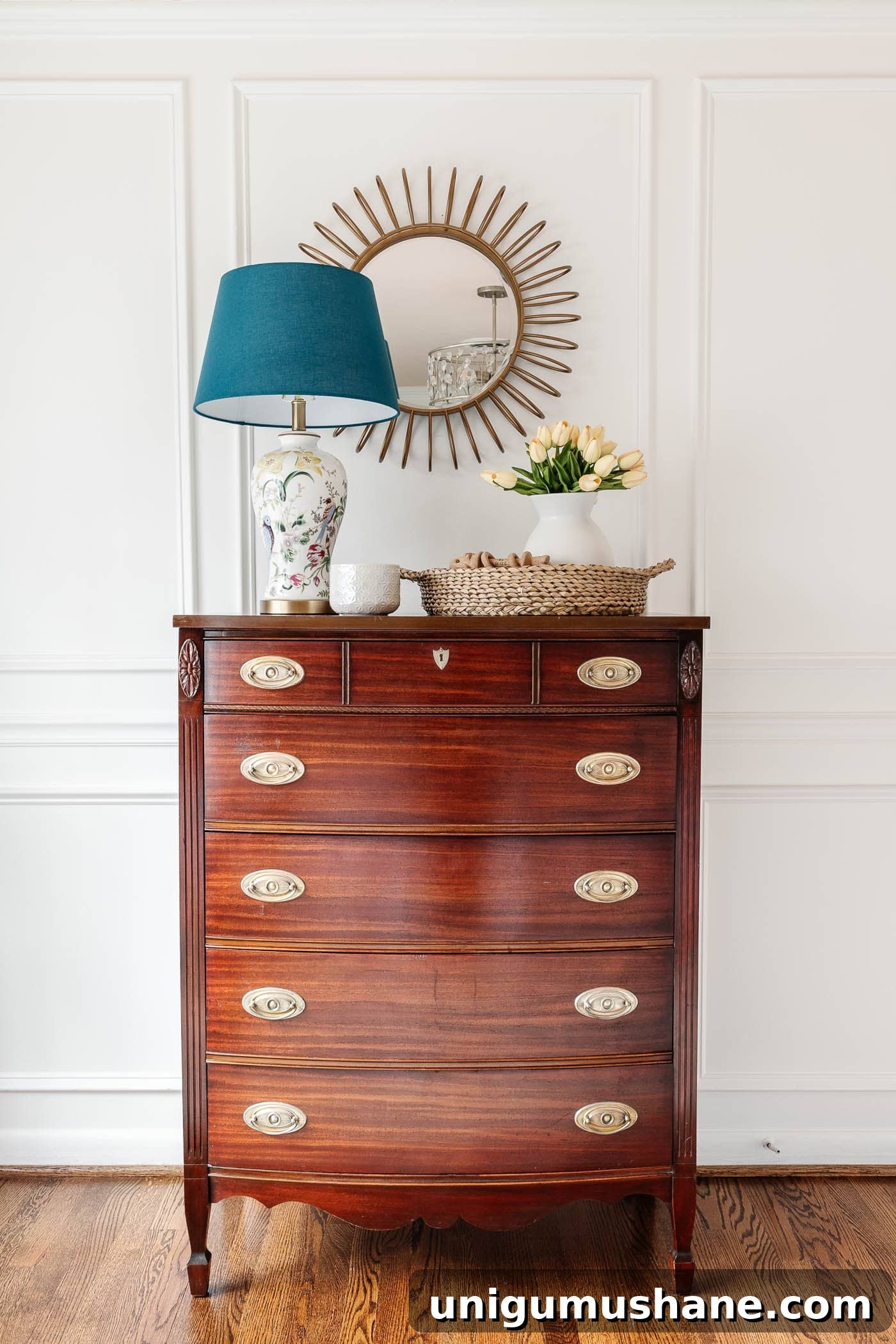
All the steps and supplies you need to clean wooden furniture and remove musty smells from old pieces.
Finding a diamond-in-the-rough vintage piece is one of the best feelings. With a little elbow grease, many secondhand or well-loved solid wood items can be refreshed and restored to bring out their natural warmth and character. Whether you found a dresser at a thrift sale or want to revive a family heirloom, this guide will walk you through a safe, effective method to deep-clean wood furniture, banish musty odors, and restore a beautiful finish without stripping or refinishing.
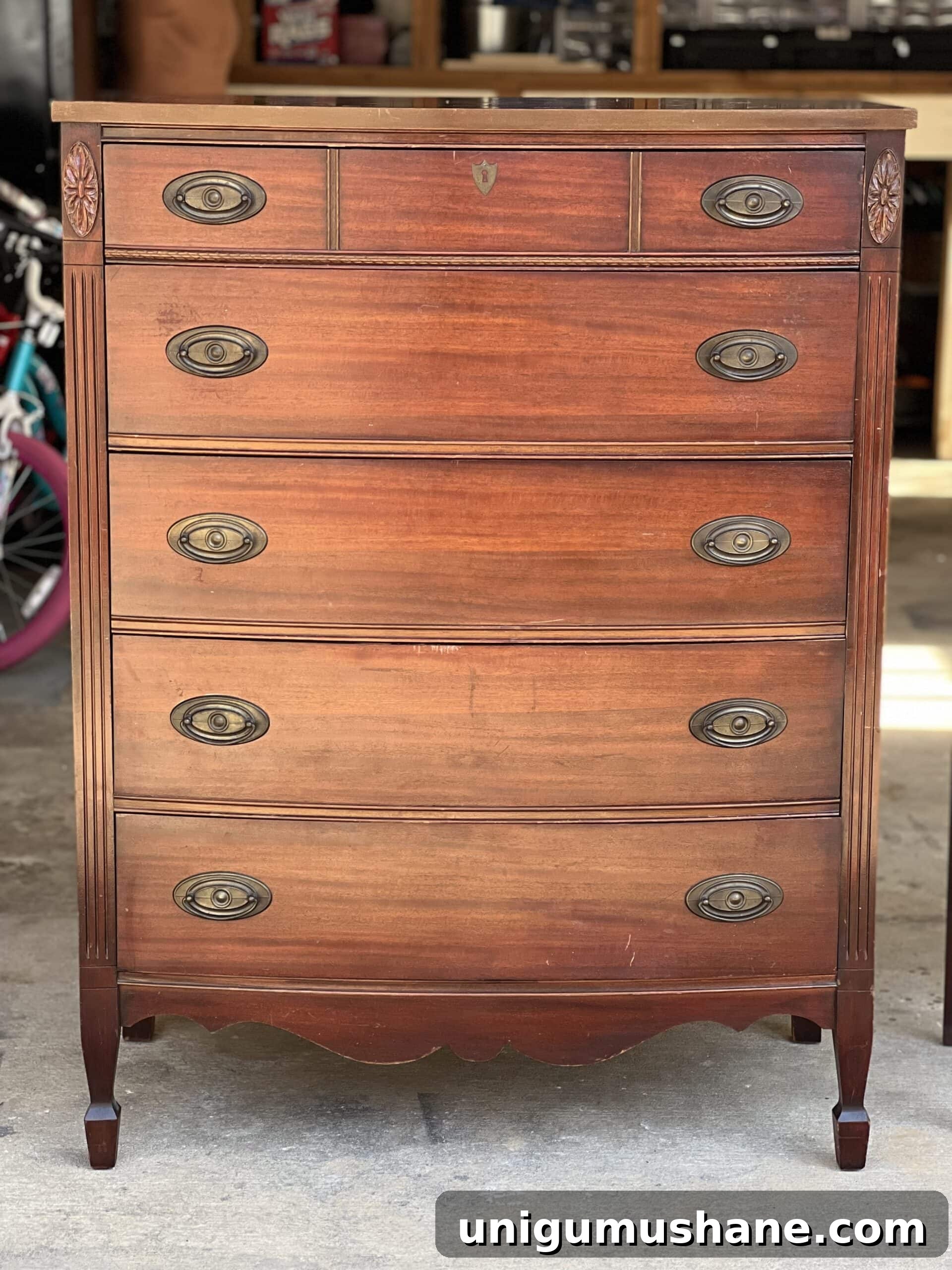
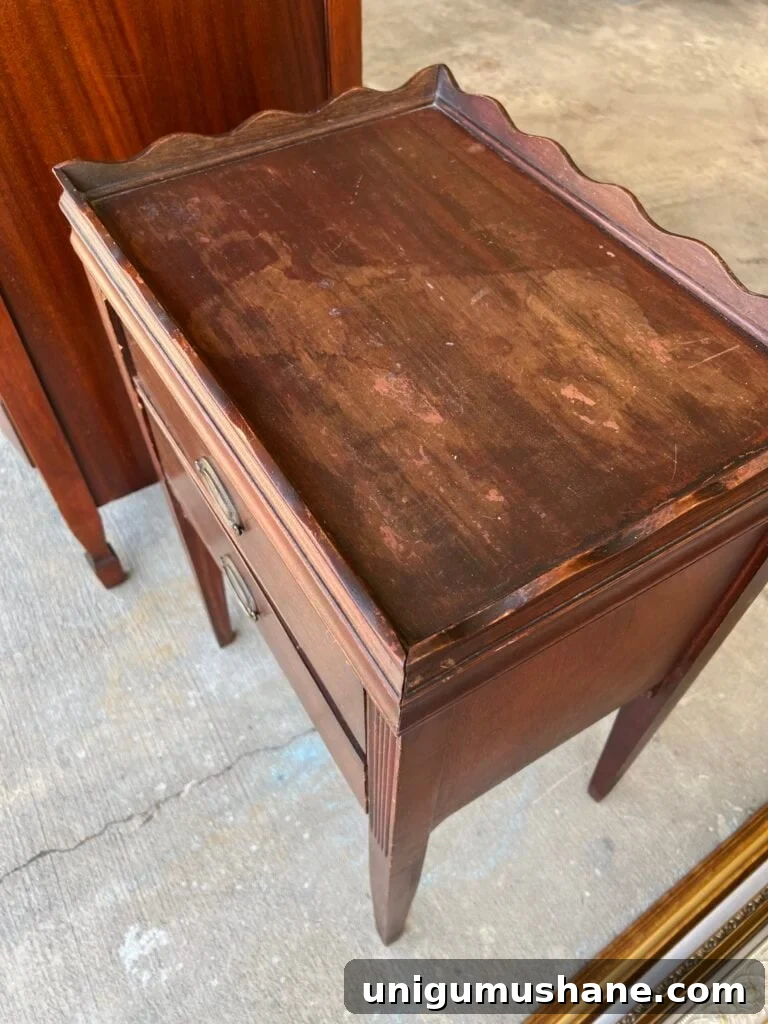
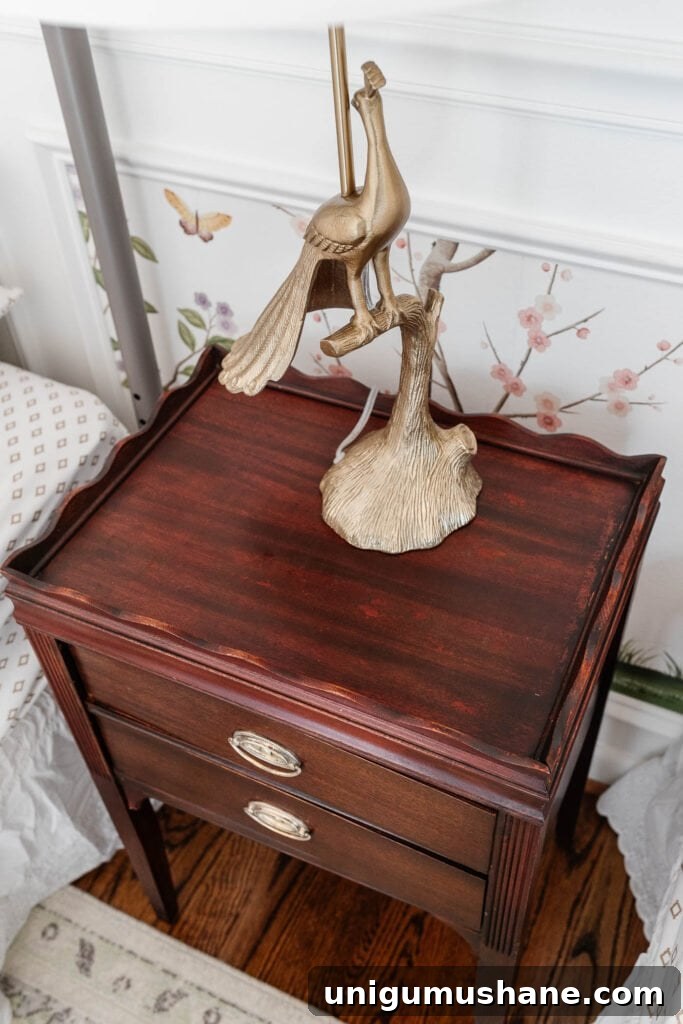
Recently I picked up a dark walnut dresser and a matching nightstand and—surprise—I didn’t paint them. Cleaning away decades of grime revealed the richness of the wood and made them a perfect fit for my daughter’s vintage-inspired bedroom. This approach preserves the wood’s character while ensuring the finish is safe for a home with children.
Why wood furniture is making a trend comeback
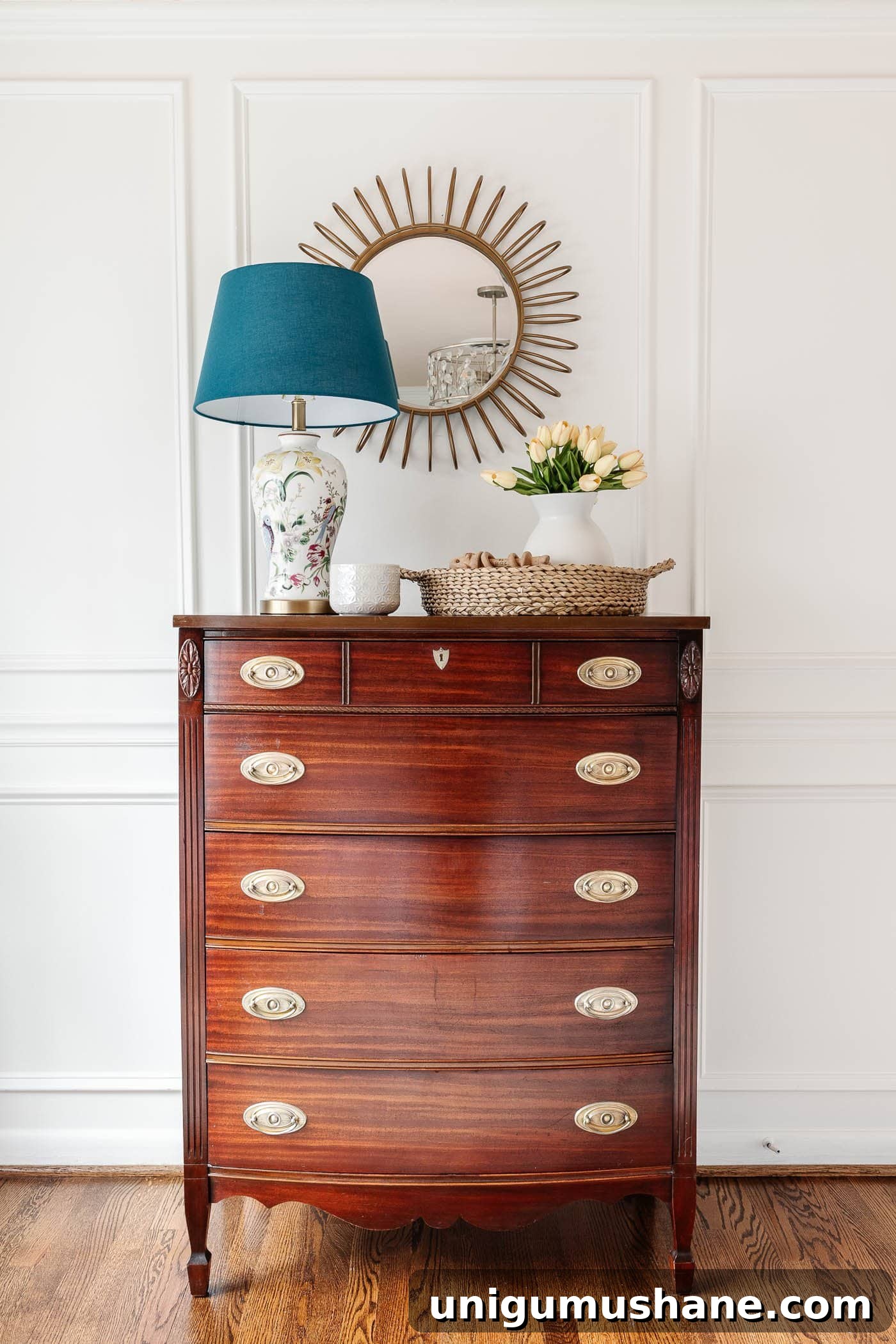
Classic, traditional furniture styles are resurfacing in interior design, moving away from the heavily distressed, painted farmhouse looks that dominated the last decade. Warm, natural wood tones and rich finishes are being embraced again for the depth and timeless appeal they bring to a room. Restoring original wood rather than painting it can add authenticity and longevity to your décor, especially in styles that favor nostalgic, cottagecore, or traditional aesthetics.
How to clean wood furniture
Secondhand furniture often carries layers of polish, grime, sticky residues, and musty odors. A step-by-step clean can remove buildup, lift stains, and rehydrate the wood without sanding or stripping. Below is a reliable, household-friendly method that yields great results.
Wood furniture cleaner supplies
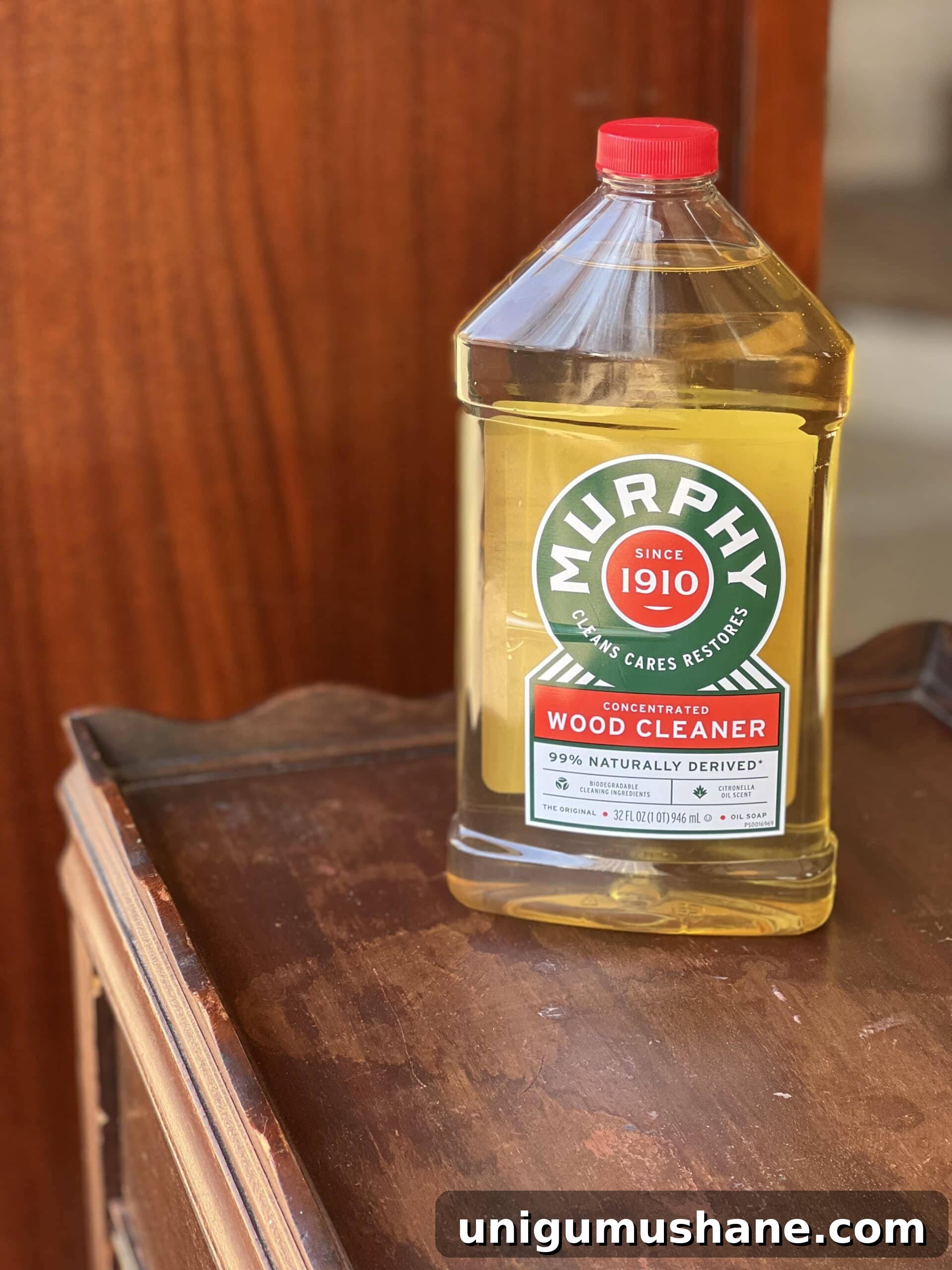
- Murphy’s Oil Soap (or a gentle oil-based wood cleaner)
- 1.5 gallon bucket
- 2 clean, soft rags
- Mineral spirits (for stubborn sticky spots)
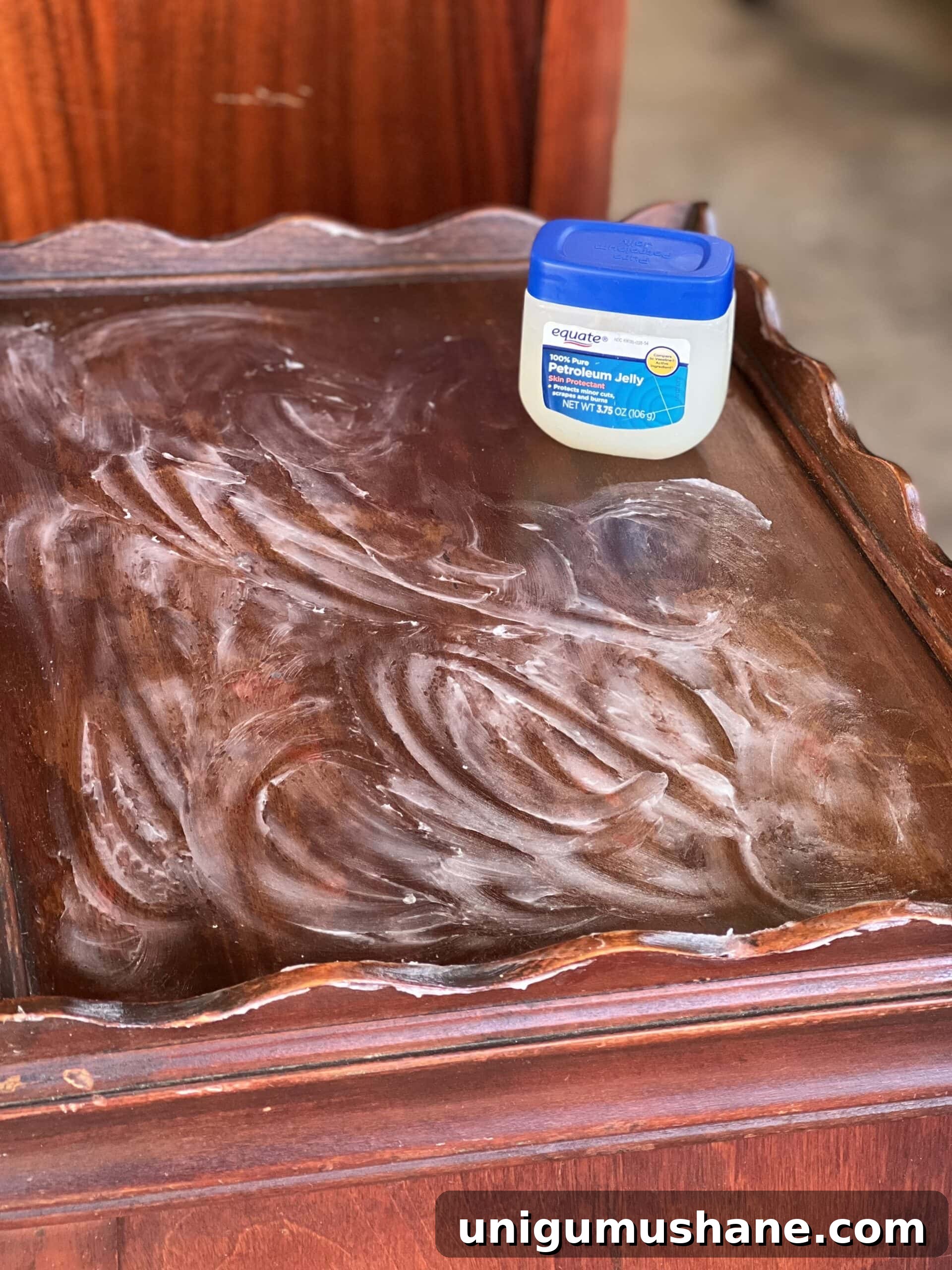
- Vaseline or mayonnaise (for water rings)
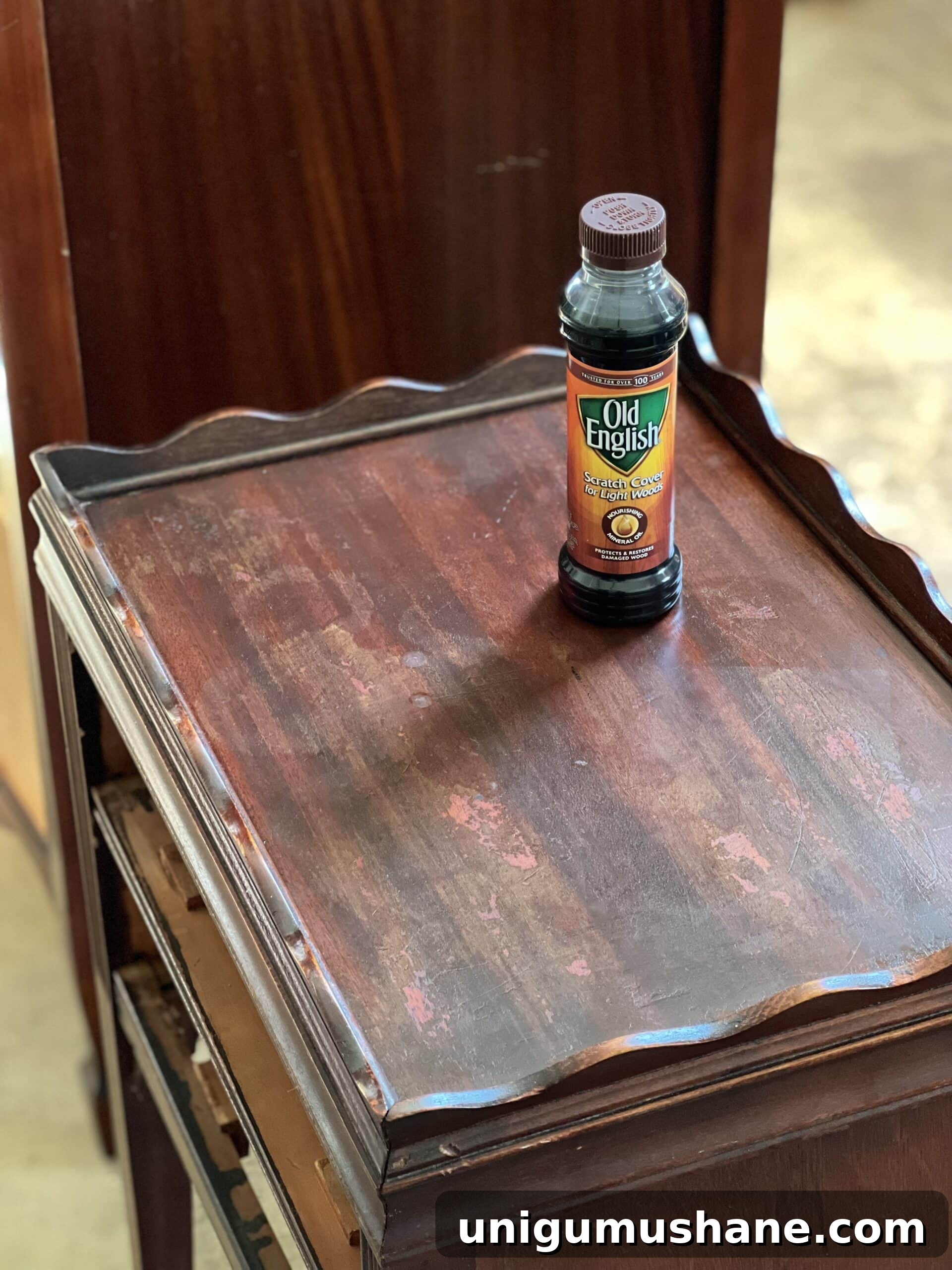
- Old English Wood Furniture Polish or Howard Restore-A-Finish (Howard preferred)
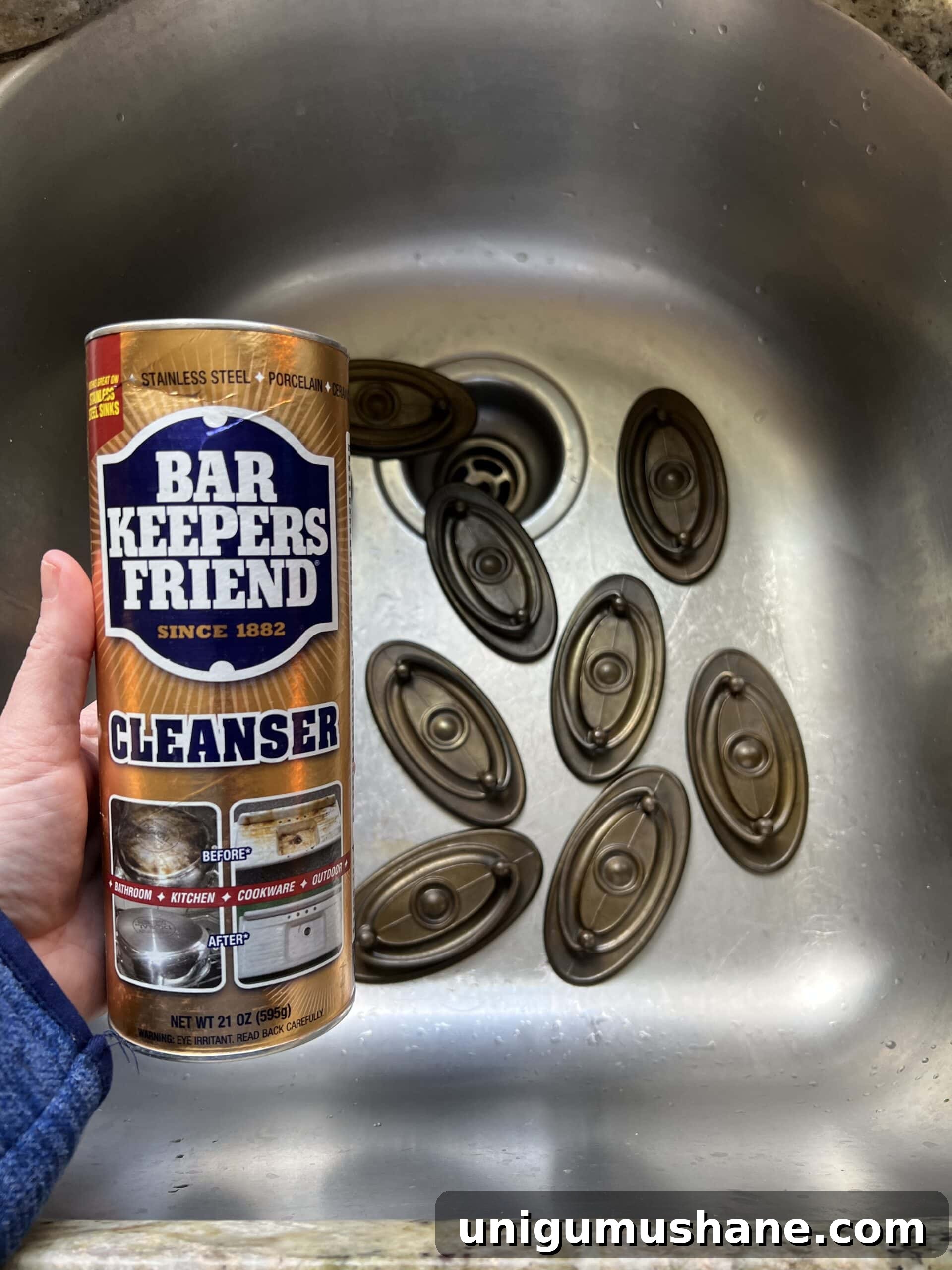
- Bar Keepers Friend (for hardware)
- Old toothbrush
Before using any product, test a small, hidden area with a cotton ball to ensure it won’t damage the finish. Different woods and finishes react differently to cleaners and polishes.
Steps
- Clean with oil soap
Work in a well-ventilated area. Mix 1/2 cup Murphy’s Oil Soap into a gallon of warm water. Wearing gloves, use a soft cloth dampened (not dripping) with the solution to wipe down the entire piece, paying attention to crevices and carved details. Rinse the cloth in clean water frequently and immediately dry the surface with a fresh cloth. Murphy’s is effective at reducing musty odors because of its natural oils, but dish soap or an all-purpose cleaner can work in a pinch.
For persistent odors, brief direct sunlight (about an hour) can help—but avoid prolonged sun exposure, which risks fading the finish. If sticky residue or stains remain, lightly rub the area with a damp microfiber cloth moistened with mineral spirits. The wood may appear dull after mineral spirits; this is temporary and will improve with the oiling/polishing steps.

- Remove water spots
To address water rings or dry-out marks, apply a moderate layer of Vaseline or mayonnaise to the affected area with a lint-free cloth. Let it sit overnight or up to 24 hours to rehydrate the wood fibers. Wipe off the residue and evaluate; repeat if needed. This simple trick often evens the tone and reduces the visibility of ring marks.
- Remove residue
Use the Murphy’s Oil Soap solution again to remove any remaining Vaseline or mayonnaise so polish can penetrate evenly in the next step.
- Polish and recondition
Apply a small amount of Old English or Howard Restore-A-Finish to a soft cotton cloth. Work in circular motions across the wood, concentrating on scratches and worn spots. These products use mineral oils and restorers to recondition the finish and bring out a natural shine. Let the oil sit for a few minutes, then buff away excess with a clean cloth.
- Clean hardware
Remove knobs and pulls if possible and scrub them with Bar Keepers Friend and an old toothbrush to remove grime. Non-gel toothpaste or white vinegar can work on some metals as well. Rinse and dry hardware thoroughly before reattaching.
Regular maintenance—dusting every week and a deeper cleaning every couple of years—keeps wood furniture looking its best and extends its life.
The finished wood furniture
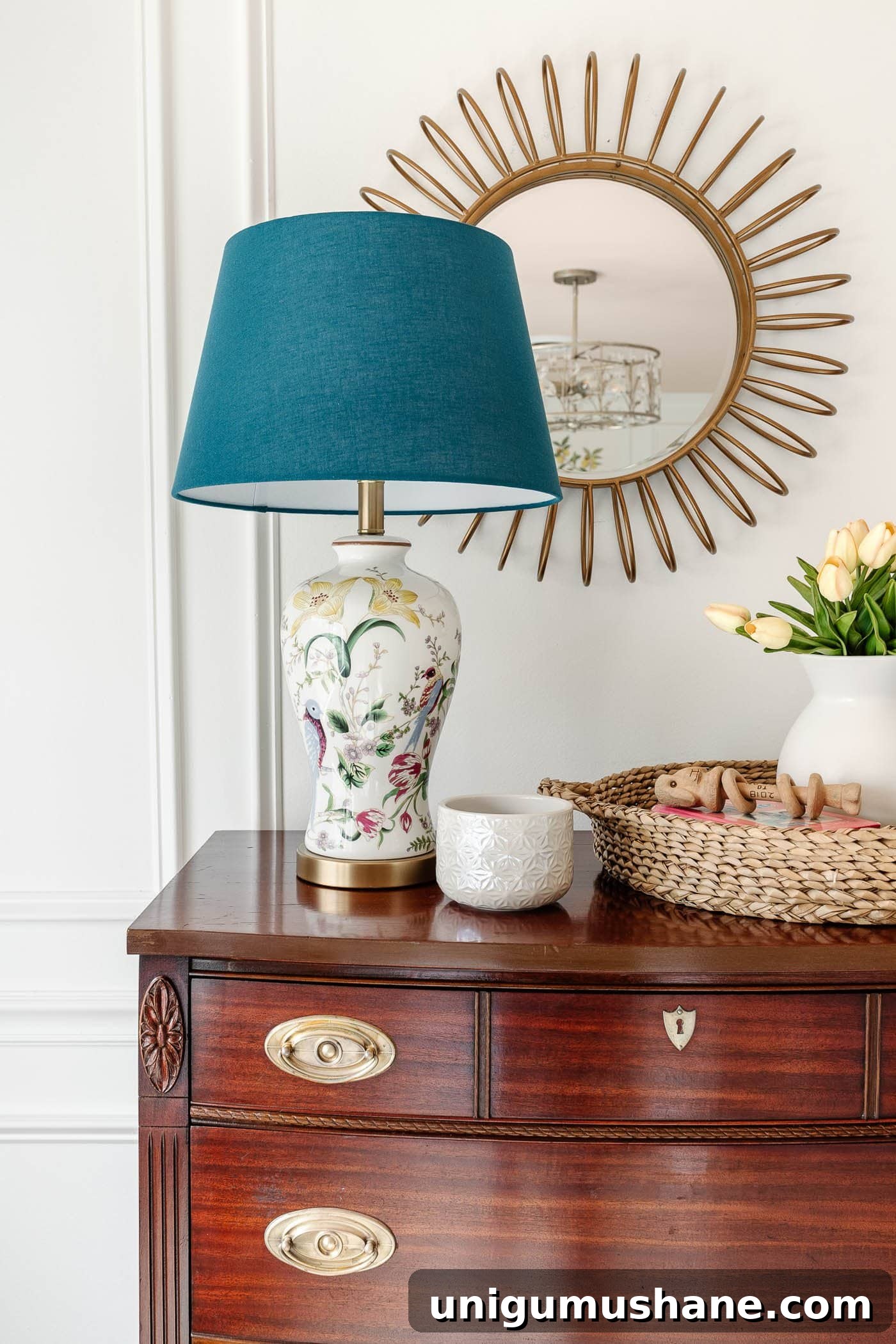
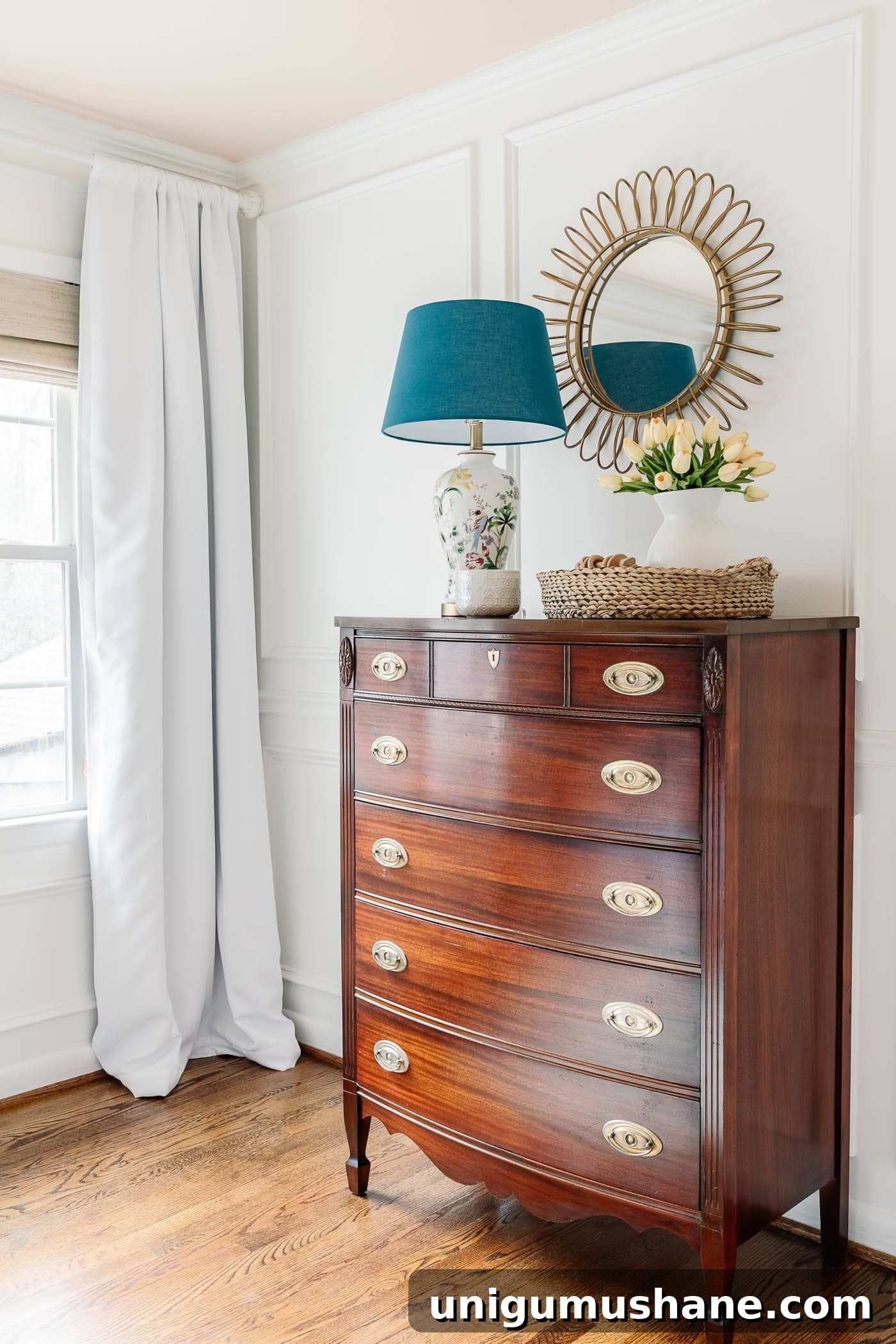
After following these steps, the dresser looked refreshed and almost like new. The deep cleaning and reconditioning brought out the grain and warmth that had been hidden under buildup. It’s a relatively simple process that yields a big visual payoff—especially when a piece better suits the style of the room once its natural beauty is revealed.
Frequently asked questions
Activated charcoal bags are excellent at absorbing odors—place one in a drawer for a few days. You can also sprinkle baking soda in the drawer, let it sit, then vacuum it out. Dryer sheets can help mask mild odors but don’t remove deep-set mustiness.
Combine 4 parts water with 1 part white vinegar and 1 part olive oil in a spray bottle. Lightly mist the surface and buff with a clean cloth. This homemade blend can clean and add shine, but always test a hidden area first.
More furniture makeover tips
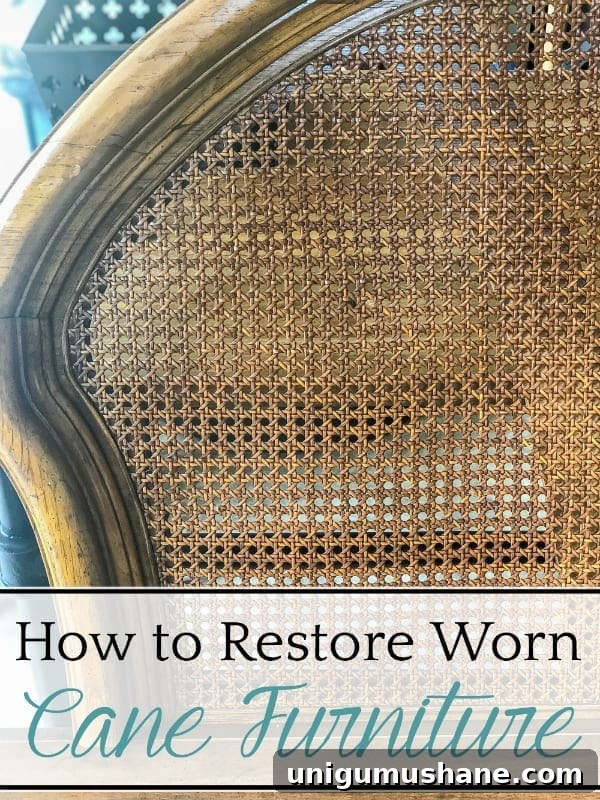
How to Restore Worn Cane Furniture
The Trick to Paint Laminate IKEA Furniture
Best Places to Buy Furniture Hardware