The best tools, resources, and tips from a full-time blogger to help you start a blog and build a sustainable blogging career.
Last week I invited readers to ask their blogging questions, and the most common one was: “How do I start a blog?” That’s a big topic, so here’s a clear, practical guide with the essential tools and advice I wish I’d had when I began.
I can hardly believe it’s almost eight years since I launched Bless’er House, originally as a creative outlet painting thrifted furniture while my baby napped. It wasn’t planned as a career — it grew into one.
Since December 2013, this blog has allowed our family to pursue what we love: DIY home improvement and decorating, with family life woven in. My husband left his financial-industry job and now helps run the site. It’s taken long hours and hard work, but it’s also been deeply rewarding and flexible.
If you want a creative outlet, a place to share your ideas, or a way to connect with people who share your interests, blogging is an excellent option. Whether your focus is cooking, faith, literature, fitness, home décor, gardening, parenting, or fashion — blogging lets you document and grow with your passions.
I started by documenting projects in our first home, and gradually strangers began reading. It floored me that people beyond family were following our progress. If you’re passionate and consistent, the effort will eventually reward you — and when you write about what you love, it rarely feels like work. But to turn blogging into a real career, treat it like a job.

Blogging has changed a lot in eight years. I’ve made mistakes, learned by trial and error, and gathered helpful resources. Below is a condensed, practical roadmap to help you start and grow a blog the right way.
How to Become a Blogger
1. Choose Your Blogging Platform: Free vs. Self-Hosted
Blogger — Free Hosting (Best for a Hobby Blog)
Blogger.com and similar free platforms let you launch quickly with no hosting cost. I started there with a Google-hosted address and learned site basics by doing. But free platforms come with trade-offs: the provider technically controls your content and could suspend your site, and customization and monetization options are limited.
WordPress.com — Free Hosting (Best for a Hobby Blog)
WordPress.com is another free option. It offers more structure than Blogger, but it still restricts advertising, sponsorships, and some monetization methods. Free hosting is fine for a personal hobby blog, but companies prefer to partner with self-hosted, professional sites.
WordPress.org — Self-Hosted (Recommended for a Monetized Blog)
If you want to build a sustainable, income-generating blog, self-hosted WordPress (WordPress.org) is the industry standard. It provides far more flexibility, plugins, SEO tools, and monetization options than free platforms. Most professional bloggers use WordPress.org, and I recommend it as well.
2. Name Your Blog (and Buy the Domain)
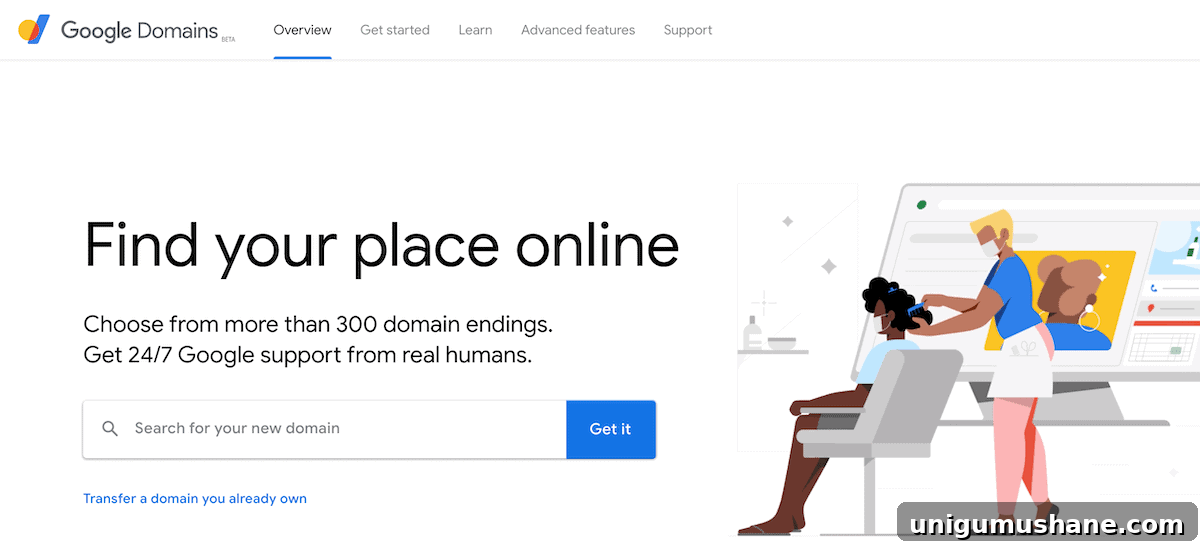
Buy your domain name early, especially if you plan to monetize. Choose a name that reflects your personality and niche, isn’t too long, and isn’t already trademarked. Using your own name is a fine option, too.
Check potential names across search engines and social platforms to make sure nothing else uses it. Once you pick a name, register it through a domain registrar to make it yours.
3. Set Up Hosting
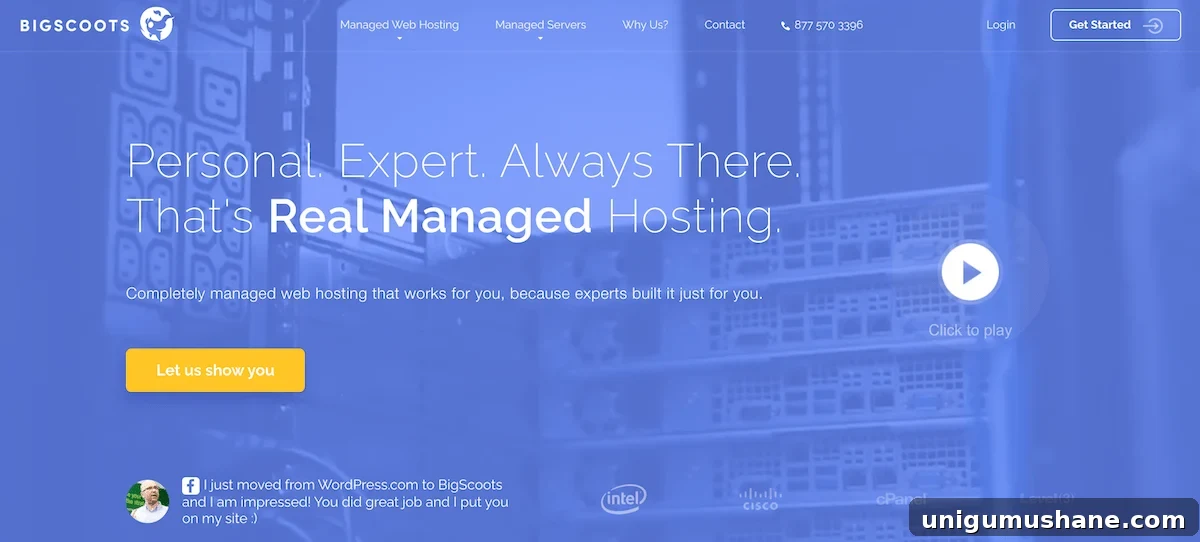
Select reliable hosting from a reputable company. Good hosting gives you speed, uptime, helpful support, and a secure foundation for growth. Choose a plan that fits your budget and growth expectations, and follow the host’s setup instructions. Responsive customer service is invaluable when you’re getting started.
- Create an account with your chosen host.
- Follow their guided steps to link your domain and set up your hosting environment.
Good hosts often offer migration assistance if you’re moving from a free platform.
4. Install WordPress
After purchasing hosting and a domain, install WordPress to begin building your site. Most hosts have one-click installers or step-by-step guides. Once WordPress is installed, you’ll be ready to pick a theme and customize your site.
5. Implement a Thoughtful Blog Design
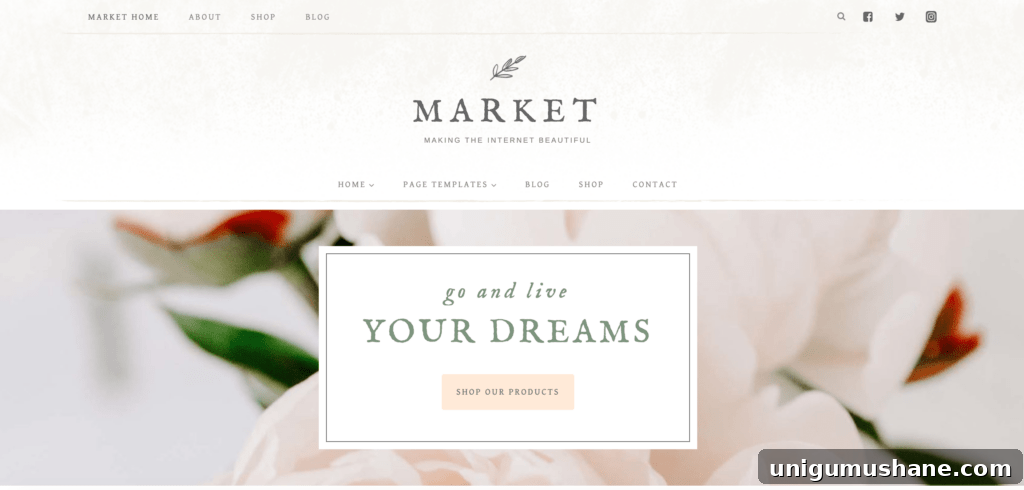
Your design communicates your brand immediately. Choose a clean, user-friendly theme that supports SEO best practices and displays well on mobile. Investing in a professional theme or having your theme installed can save hours and let you focus on content.
Themes
Use well-coded themes that prioritize speed and search-engine optimization. Premium themes often include better support, built-in SEO options, and professional layouts that make your content more appealing.
Installation
Follow theme installation instructions or hire a professional setup service if you want the fastest path to launch. A proper setup ensures your site looks polished and performs well from day one.
Logo Creation
Create a simple, consistent logo to use in your header and social profiles. Free tools like Canva can produce a professional-looking logo, or you can commission an inexpensive designer if you want something custom.

6. Start Your Blog with Purpose and Patience
Begin because you’re passionate. Let that enthusiasm drive consistent content creation. In the early months it may feel like no one is reading — that’s normal. Use this phase to experiment, hone your voice, and develop systems for creating great posts.
Just Write
Publish regularly. Don’t wait for perfection. Treat your early months as laboratory time to learn your style, test headlines, and refine your process. Write as if you’re talking to a friend: be authentic and approachable.
Practice Photography
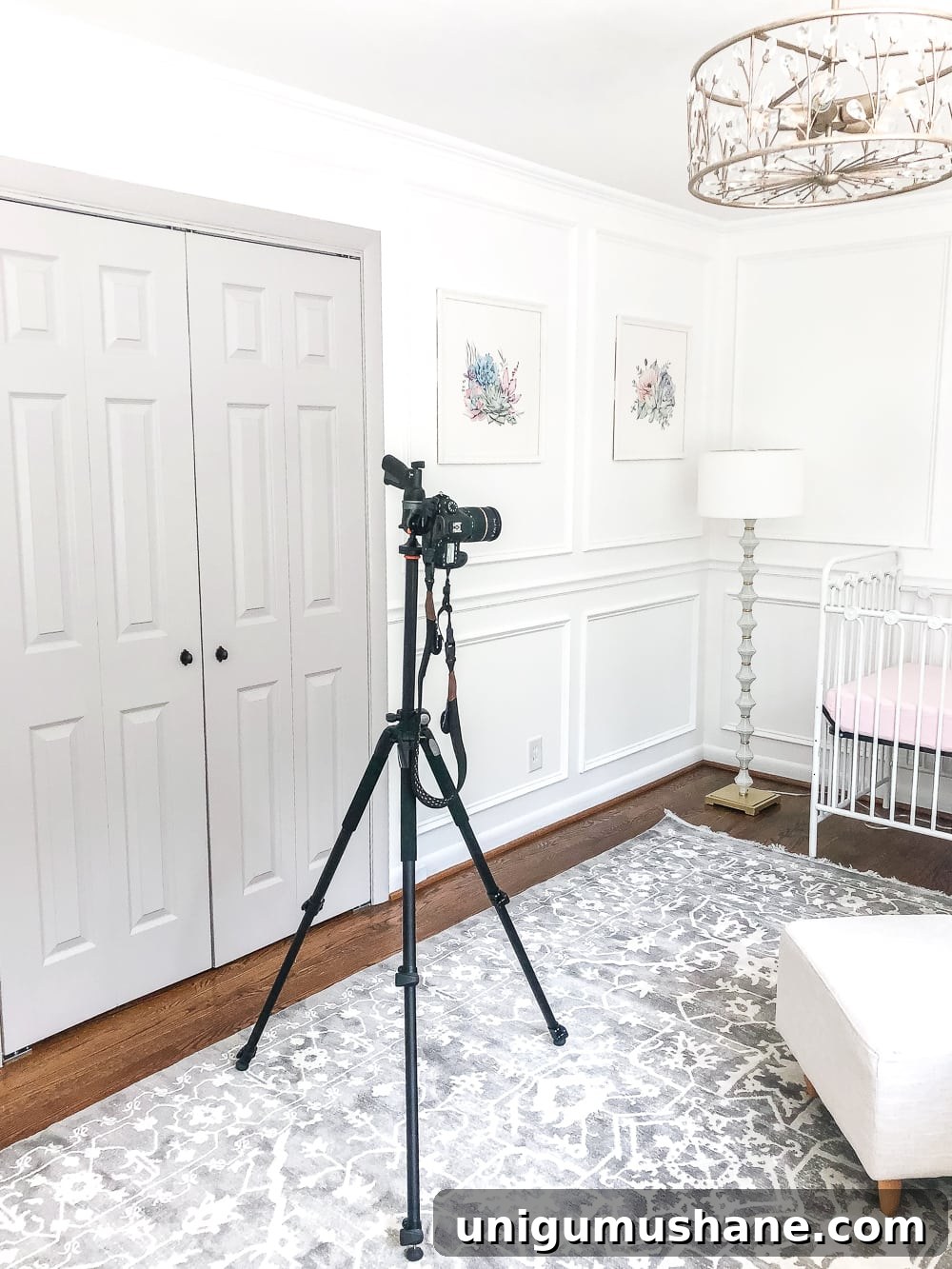
Quality photos significantly increase blog engagement. Invest time learning composition, lighting, and basic editing. Strong visuals help posts perform better in search results and on social platforms.
Frequently Asked Questions
How much does it cost to start a blog?
Using the essentials — domain, hosting, a professional theme, and optional theme installation — initial setup costs roughly a few hundred dollars. It’s an investment that can pay off as your blog grows.
How do bloggers make money?
Common income streams include:
- Display advertising on the site.
- Affiliate commissions when readers buy products through tracked links.
- Brand sponsorships and partnerships.
- Direct product sales such as printables, e-books, online courses, or physical goods.
Is blogging still relevant compared to social platforms?
Social platforms are valuable for promotion, but they’re not a secure base: accounts can be hacked, demonetized, or affected by algorithm shifts. A blog gives you a searchable, evergreen asset that can earn passive income and doesn’t depend on a third-party platform’s rules.

Recommended Courses and Conferences
How to Start a Blog and Make Money
When you’re ready to grow, consider a structured course that covers creating content, building traffic, and monetization strategies. A good course can accelerate your learning curve and keep you focused on the right priorities.
Interior Photography Course
If your niche involves home, design, or DIY, a course on photographing interiors can transform your images and boost audience growth.
Advanced Blogging Course
Once established, look for advanced programs that teach how to scale your blog into a full-time business through smart systems and revenue diversification.
Attend a Blogging Conference
Conferences are a powerful way to meet peers, learn current strategies, and form lasting collaborations. Networking with other bloggers fuels growth and keeps you motivated.

You have a unique story worth sharing. Start with a clear plan, consistent action, and the patience to grow. Your blog can become a meaningful creative outlet and a sustainable business.