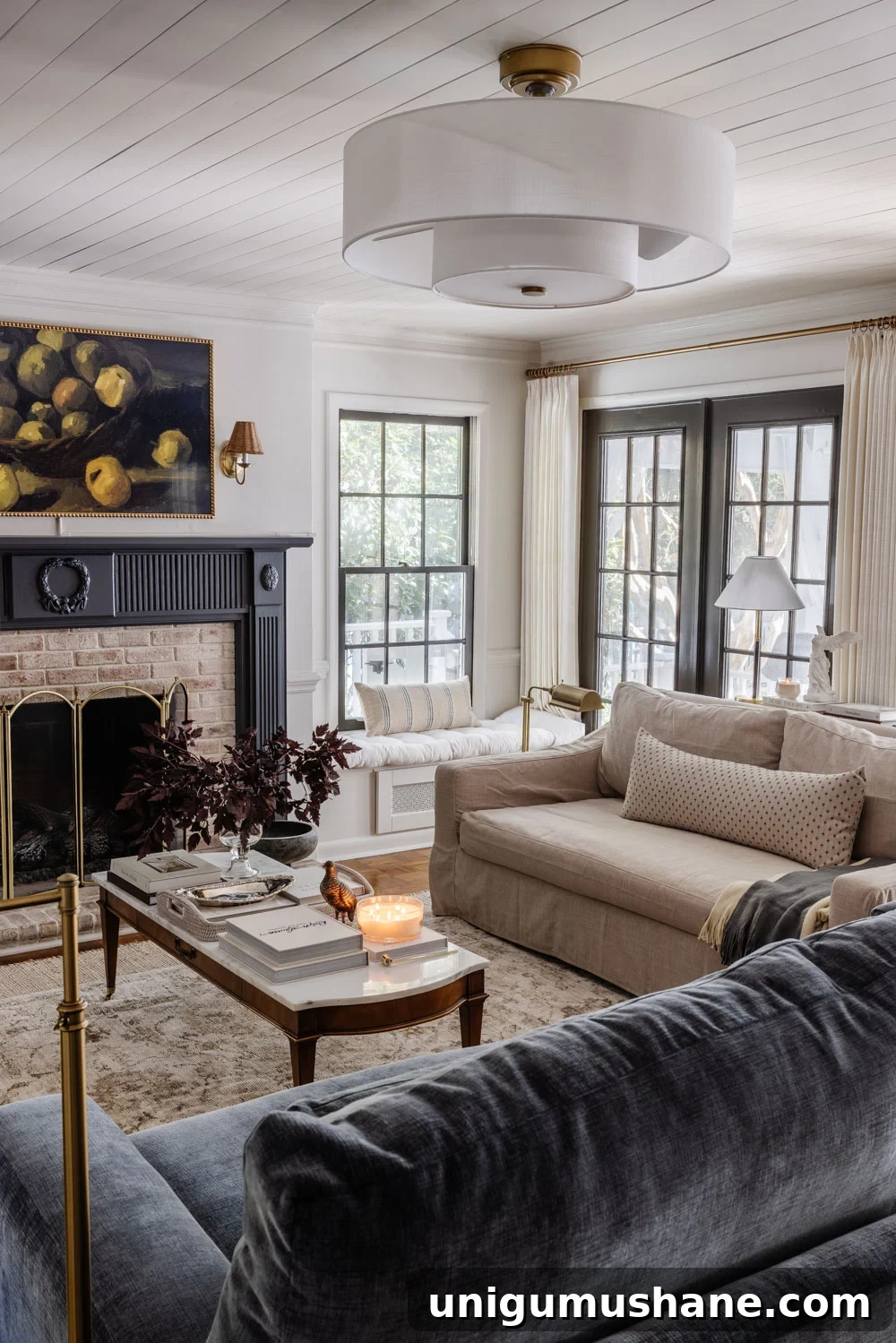
One of the questions I get asked more than almost any other is: “Wait… your ceilings are only 8 feet?”
Especially lately after our living room fandelier went viral.
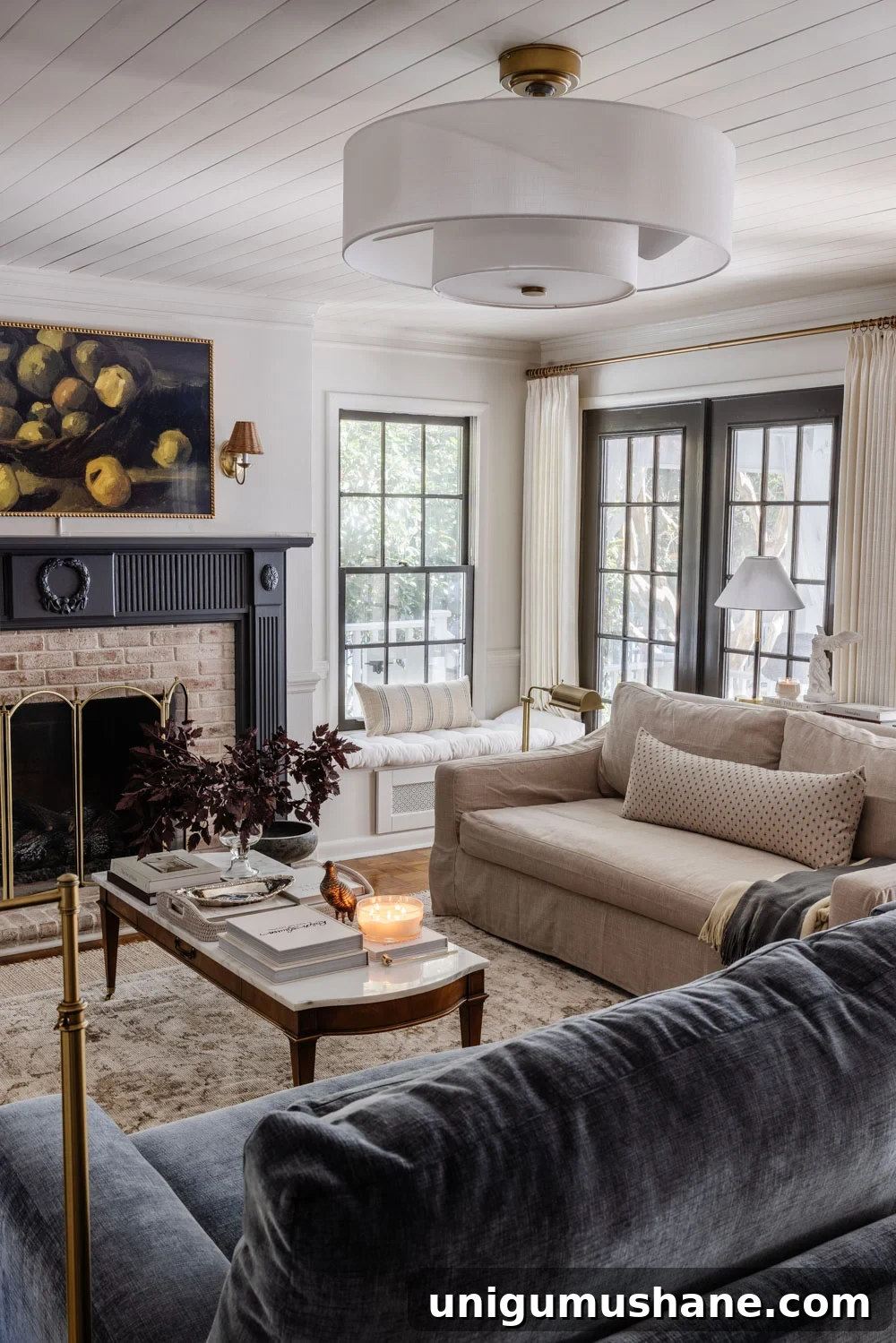
The number one comment I keep seeing is, “Would that work with my 8-foot ceilings?”
The funny thing is… it already does.
Our house was built in the 1960s, and every ceiling in our home is the standard 8 feet tall. Yet many people assume they’re 9 or even 10 feet because of a handful of decorating techniques we’ve used across several renovations.
Good news: you don’t have to raise the roofline or knock down walls to make a room feel taller. With a few intentional design choices you can dramatically change how the eye experiences a space.
Below are the exact strategies we’ve used around our home to make 8-foot ceilings feel much taller than they actually are.
1. Color Drench the Entire Room
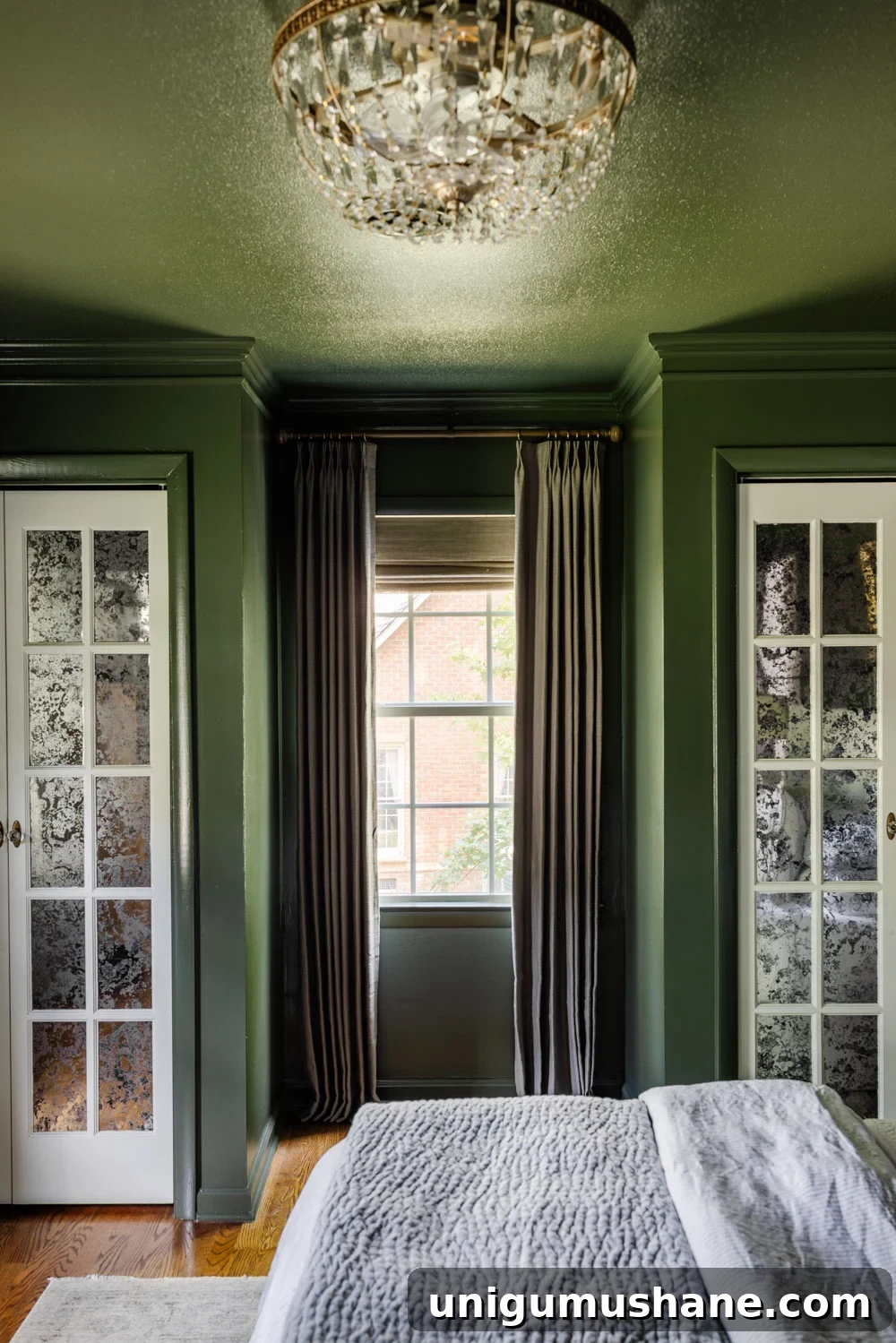
One of my favorite trends is color drenching—painting the walls, trim, doors, and ceiling the same color. When the wall and ceiling are continuous, your eye doesn’t stop at the line where they meet, and the space reads as taller.
We’ve used this approach in the primary bedroom, dining room, and the girls’ bathroom. Each room instantly felt more expansive and elevated. The effect is cozy and dramatic, making spaces feel both intimate and larger at once.
2. Wallpaper the Ceiling
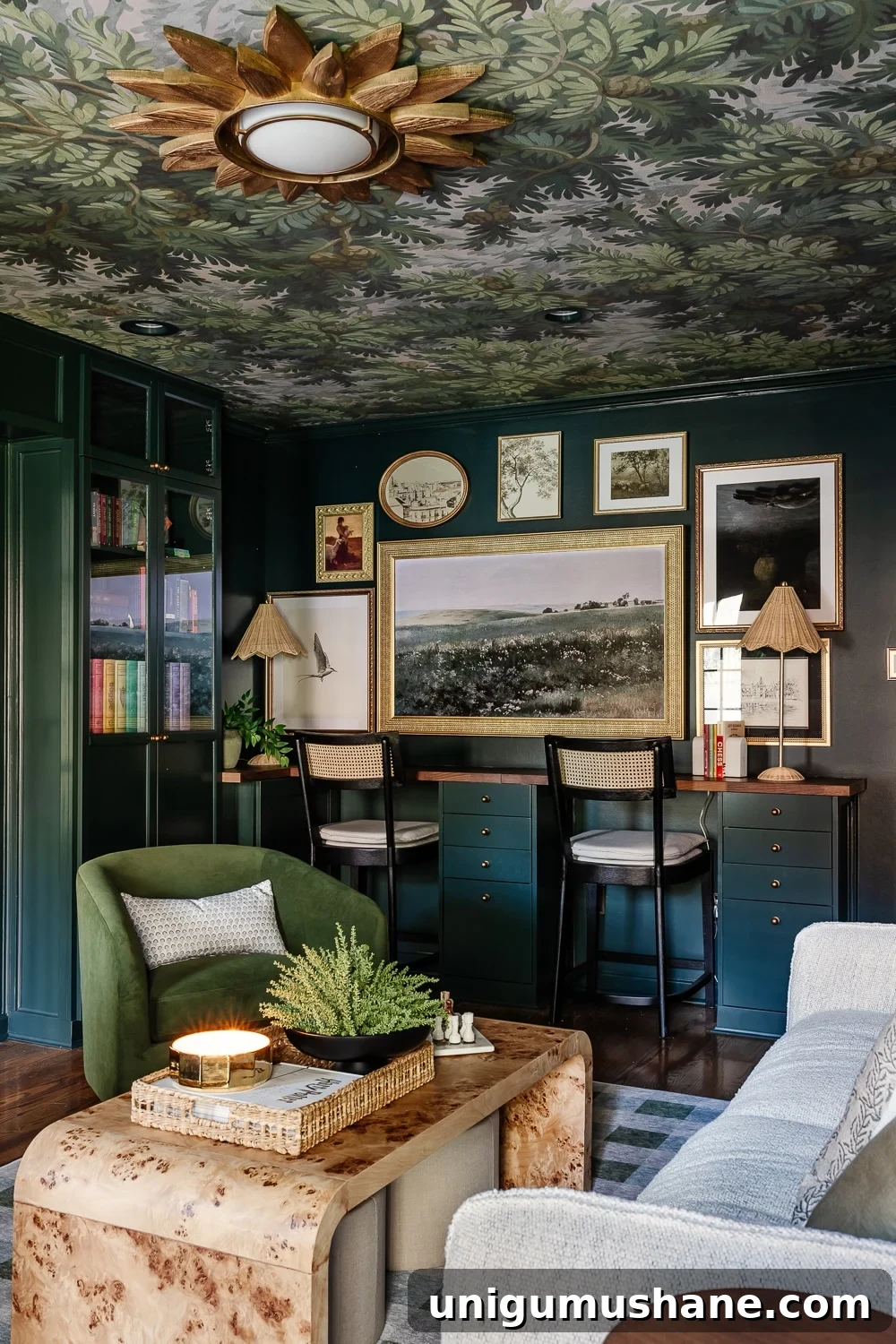
Wallpapering the ceiling surprised me: instead of making a room feel cozier, it often makes it feel taller. Treating the ceiling as an intentional design element draws the eye upward, turning what was once ignored into a focal point. Think of the ceiling as a fifth wall—sometimes it’s the best place to add personality.
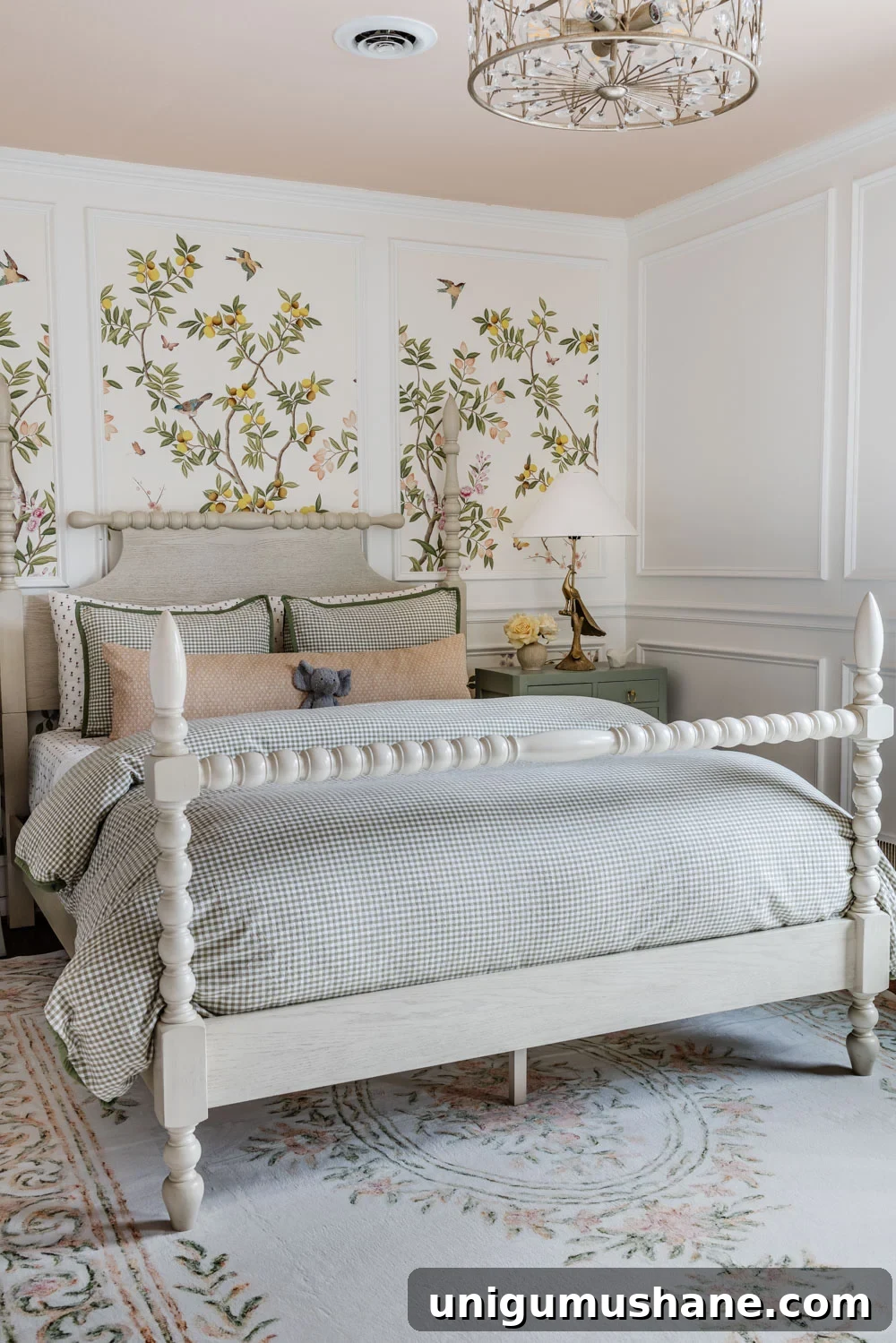
3. Paint the Ceiling a Soft Accent Color
White ceilings aren’t your only option. In a younger child’s bedroom we painted the ceiling a soft dusty pink; instead of closing in the space it drew the eye up and became a beautiful focal point. A subtle ceiling color can feel whimsical and custom without making a room seem shorter.
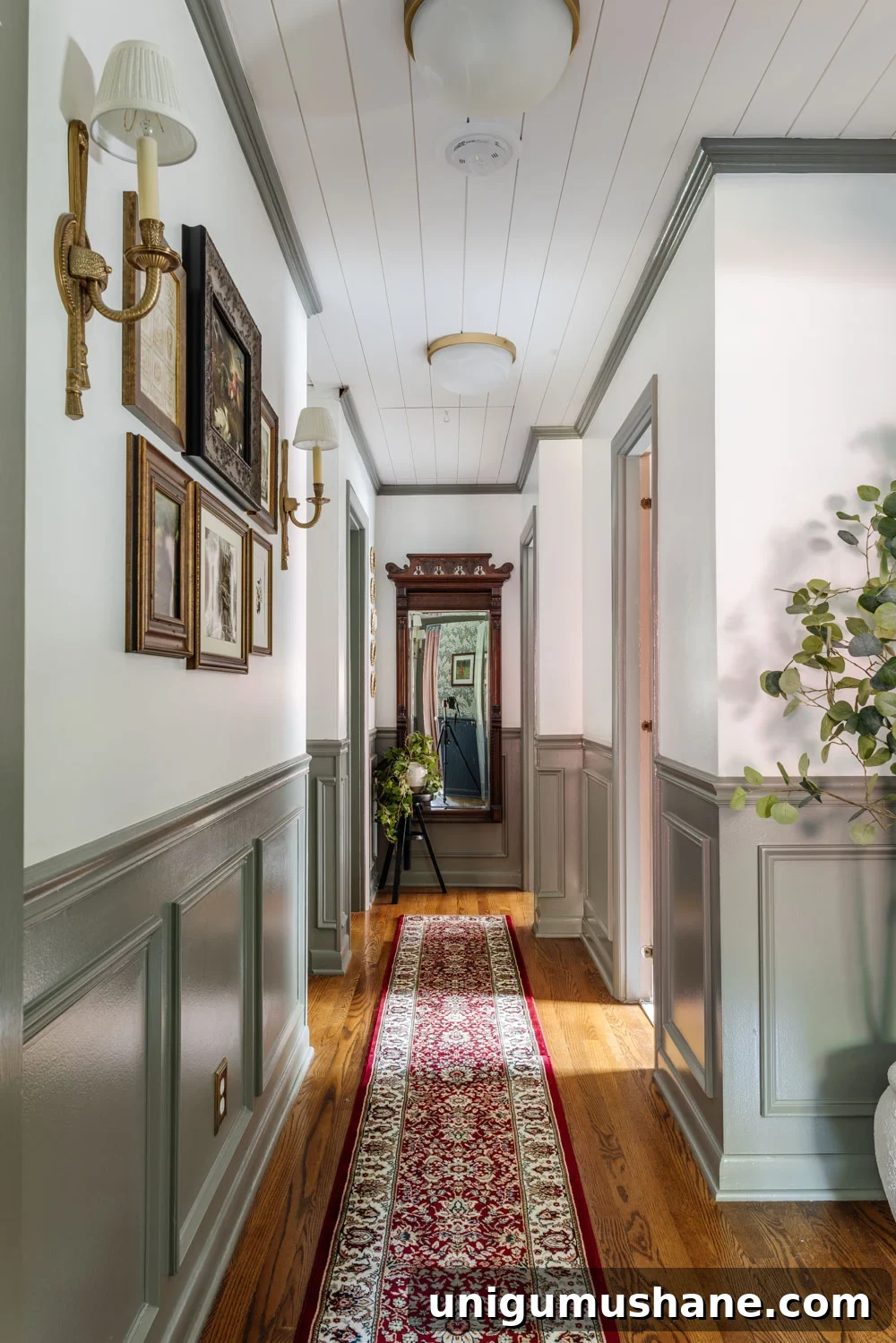
4. Add Tongue & Groove to the Ceiling
One of the biggest transformations in our home was adding tongue and groove planks to an upstairs hallway ceiling. The long boards add architectural interest and guide the eye across the ceiling, creating a sense of movement that makes the room feel larger. We later installed the same treatment in the living room, and it immediately elevated the space—plus it hid our attic door.
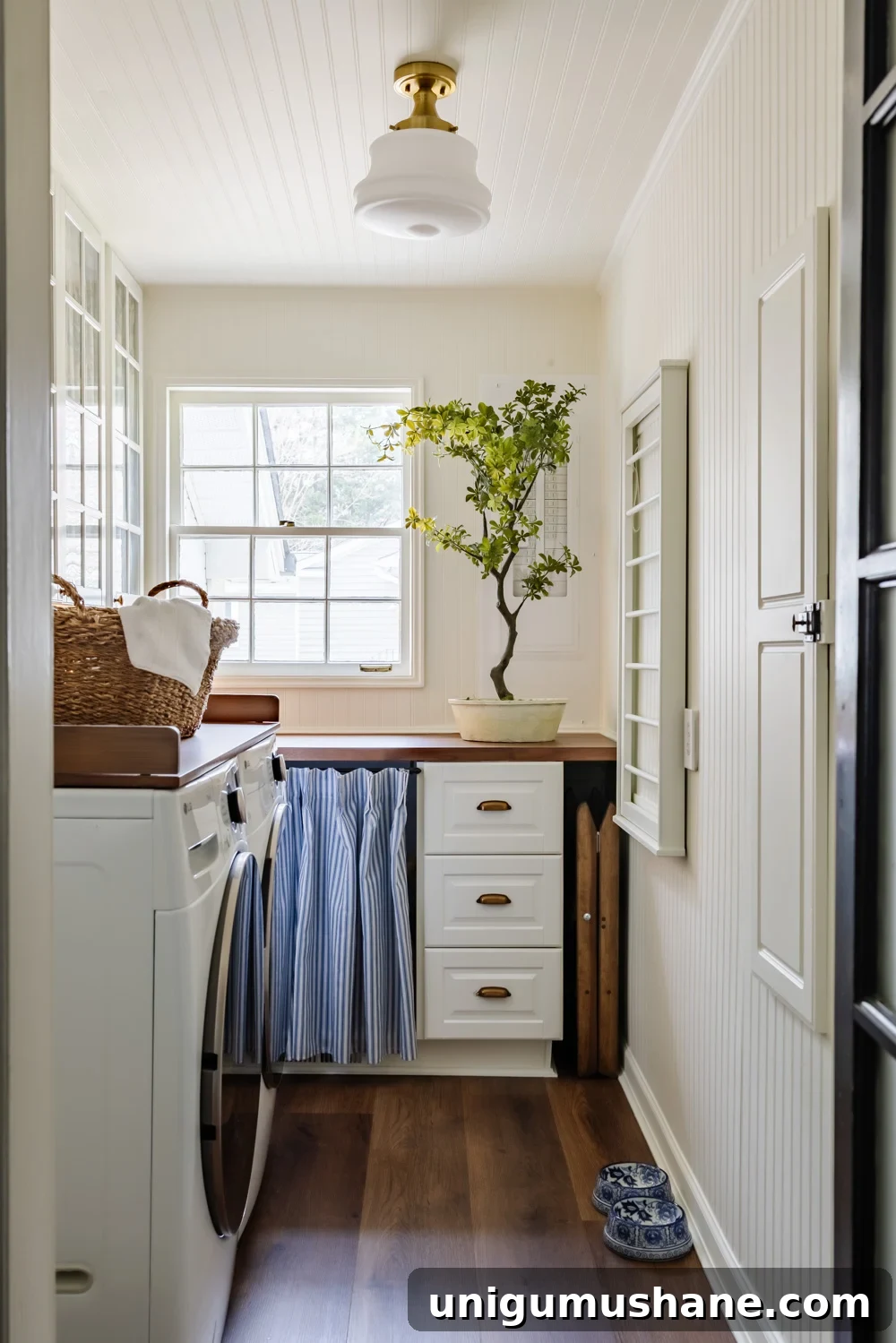
5. Cover an Ugly Ceiling with Beadboard
Our laundry room ceiling looked rough, so instead of endless patching we covered it with beadboard. It was faster, added charming linear texture, and helped create the illusion of extra height. Solving an eyesore can become one of your favorite features—and it’s often less work than repairing drywall.
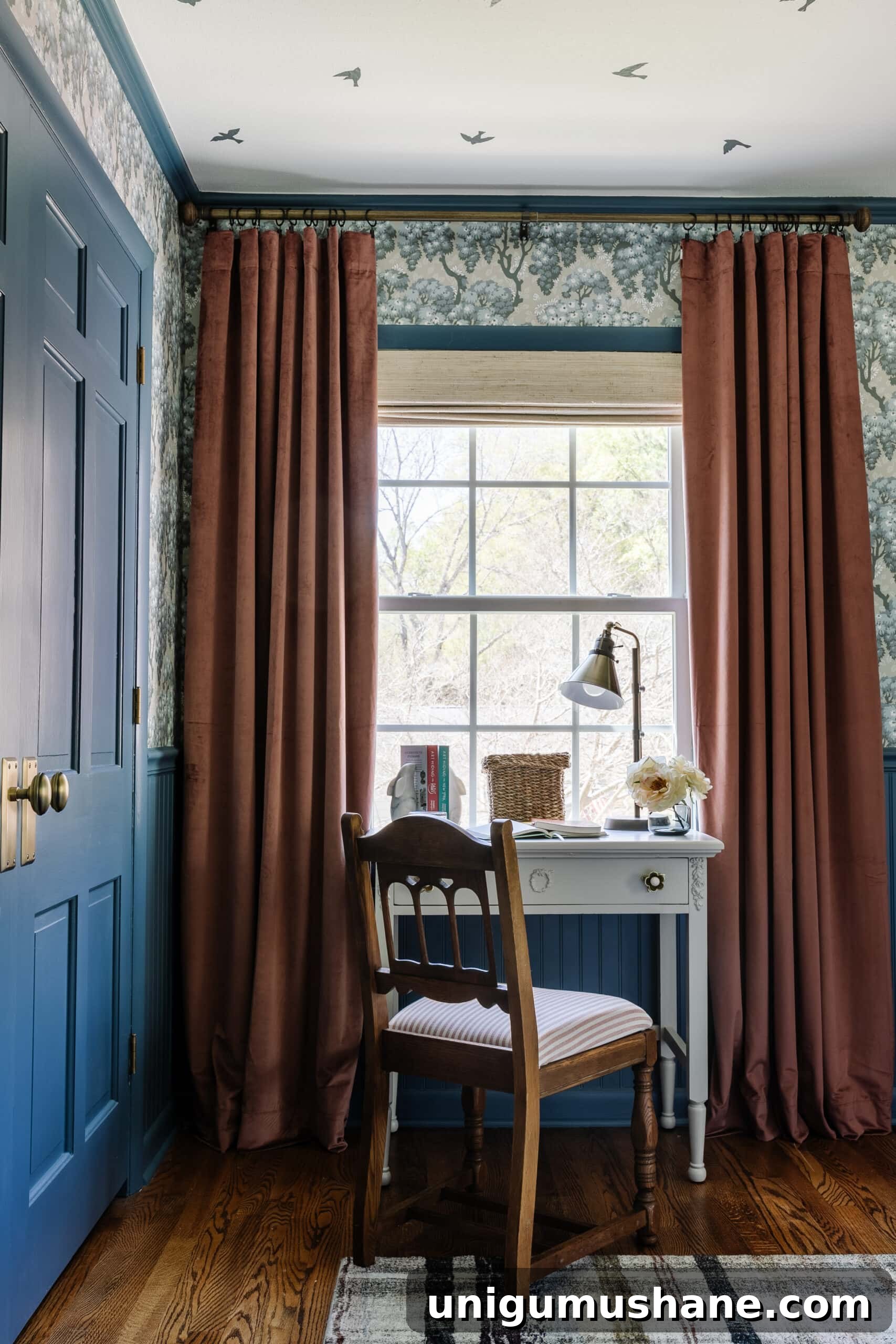
6. Hang Curtains High and Wide
This is one of the easiest and most effective tricks. Install curtain rods close to the ceiling and extend the rod several inches beyond each side of the window. Doing so makes both windows and ceilings appear much larger. It’s a simple change that immediately impacts perception and we do it in nearly every room.
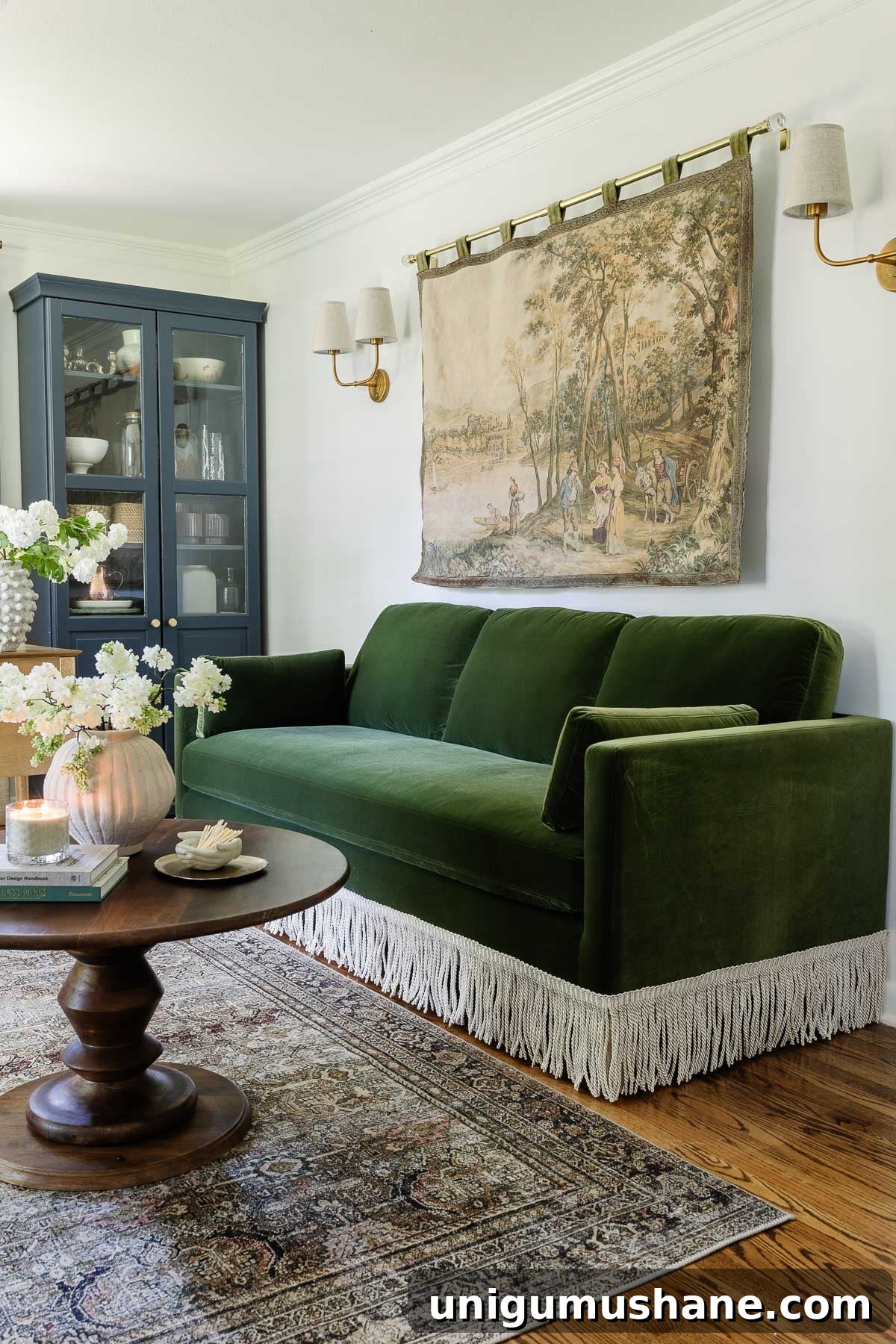
7. Choose Larger Wall Art
Small art pieces emphasize empty wall space. Larger-scale artwork anchors the room and strengthens vertical presence. Instead of many small frames, opt for one or two oversized pieces to make wall proportions feel grander and draw attention upward.
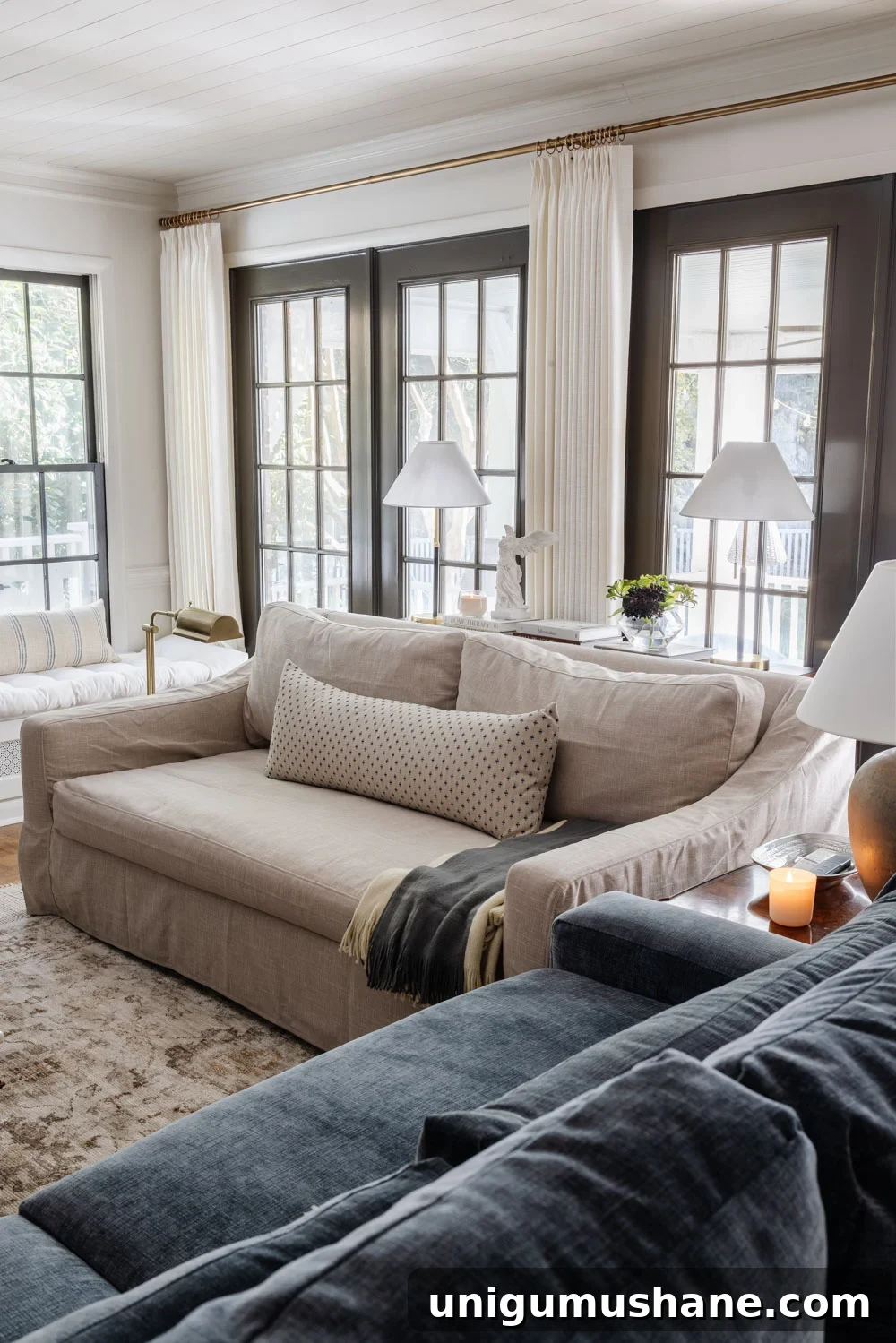
8. Choose Lower-Profile Furniture
Lower sofas, beds, and chairs leave more visible wall above them, which makes ceilings appear taller by comparison. This is a perspective trick rather than a ceiling change. It works best if household members are comfortable with lower seating—Robert and I gravitated to lower-profile furniture and it affects how our rooms feel.
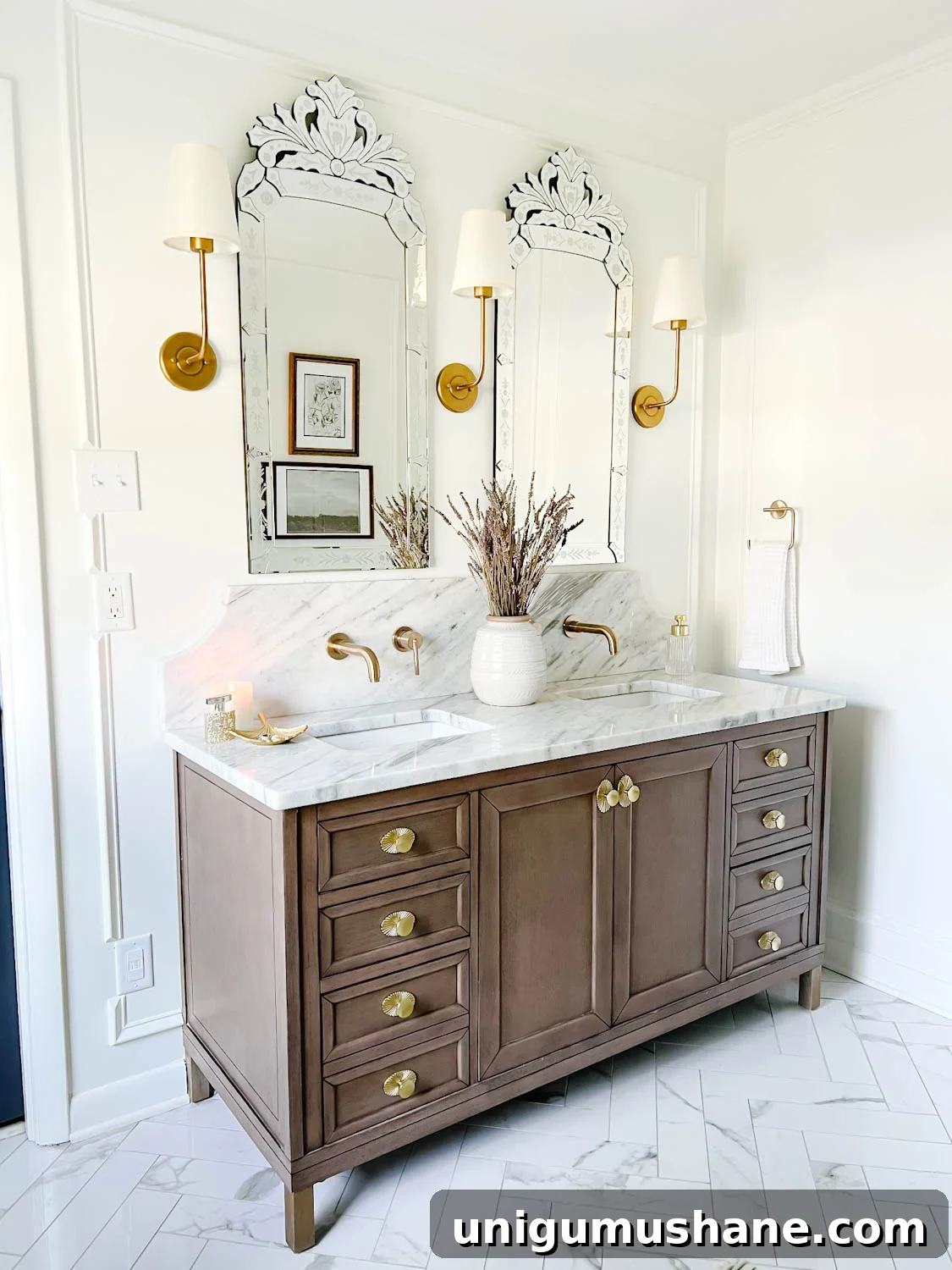
9. Hang Tall Mirrors
Tall mirrors emphasize the full height of a room instead of breaking up the wall. Mirrors reflect light and make spaces feel larger; choosing taller mirrors amplifies that effect and reinforces vertical lines, especially effective in bathrooms and entryways.
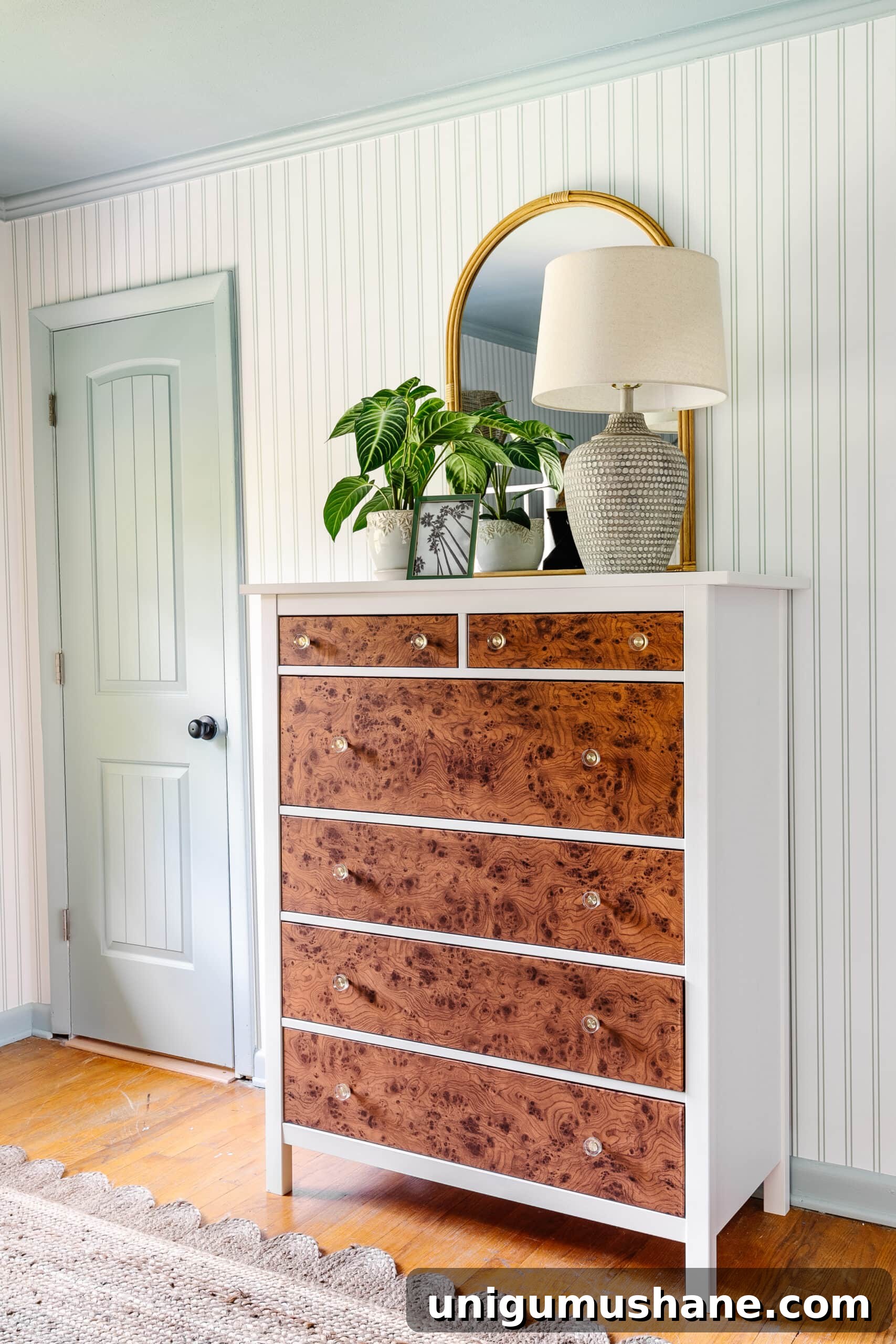
10. Add Vertical Lines
Vertical stripes and vertical shiplap work the same way on rooms as they do on people: they draw the eye upward. In kids’ bedrooms we used vertical striped wallpaper and faux vertical shiplap and both spaces immediately felt taller. Any element that encourages vertical movement helps create the illusion of height.
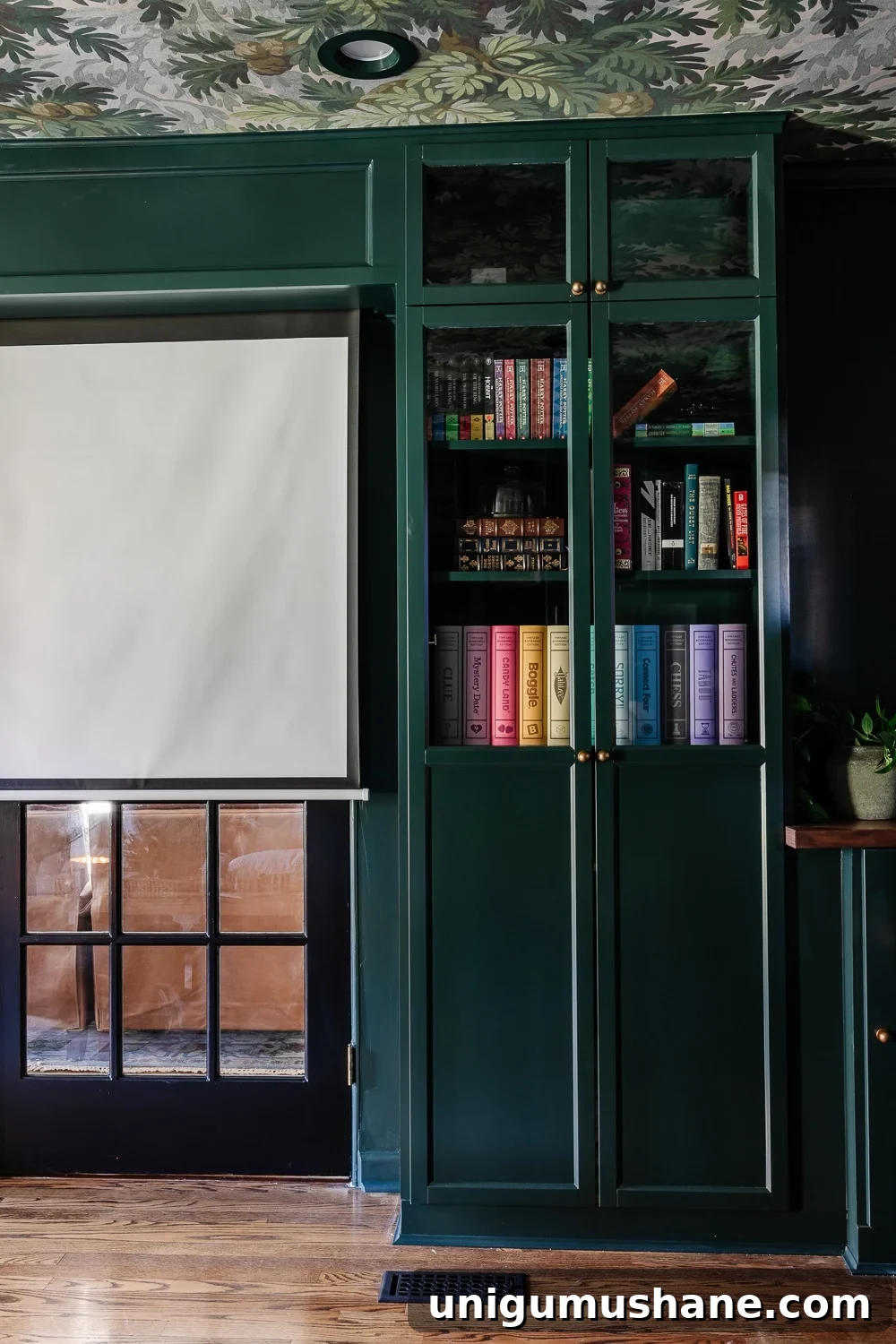
11. Take Cabinets and Bookcases All the Way to the Ceiling
Cabinets or bookcases that stop a foot below the ceiling create awkward negative space and can make a room feel shorter. Extending built-ins flush to the ceiling makes the room read taller and adds valuable storage—an easy win that improves both form and function.
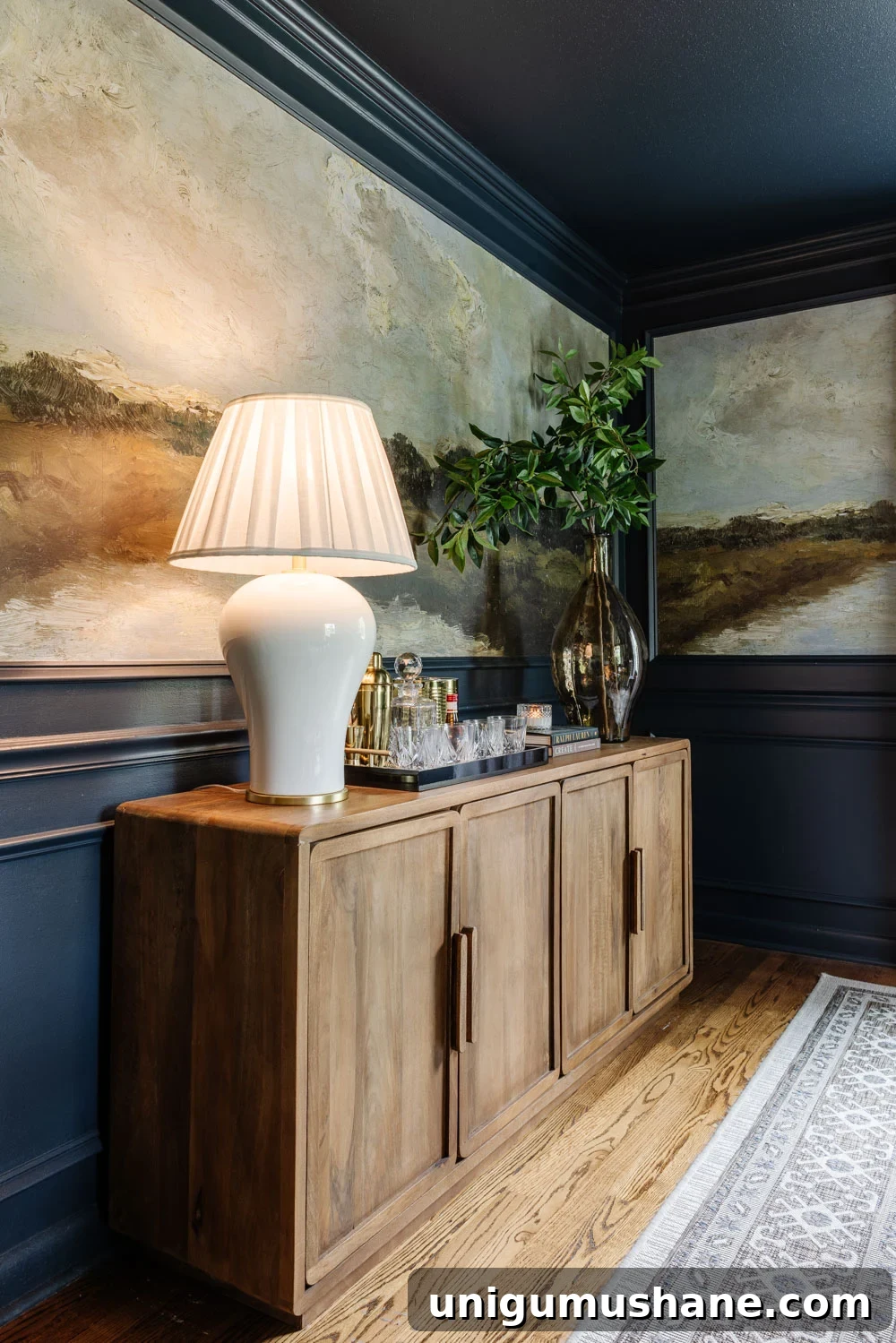
12. Add Crown Molding
Contrary to popular belief, crown molding doesn’t always make ceilings feel lower. Properly chosen and proportioned molding adds a finished look and draws attention to the transition between wall and ceiling, contributing to a perception of height and architectural richness.
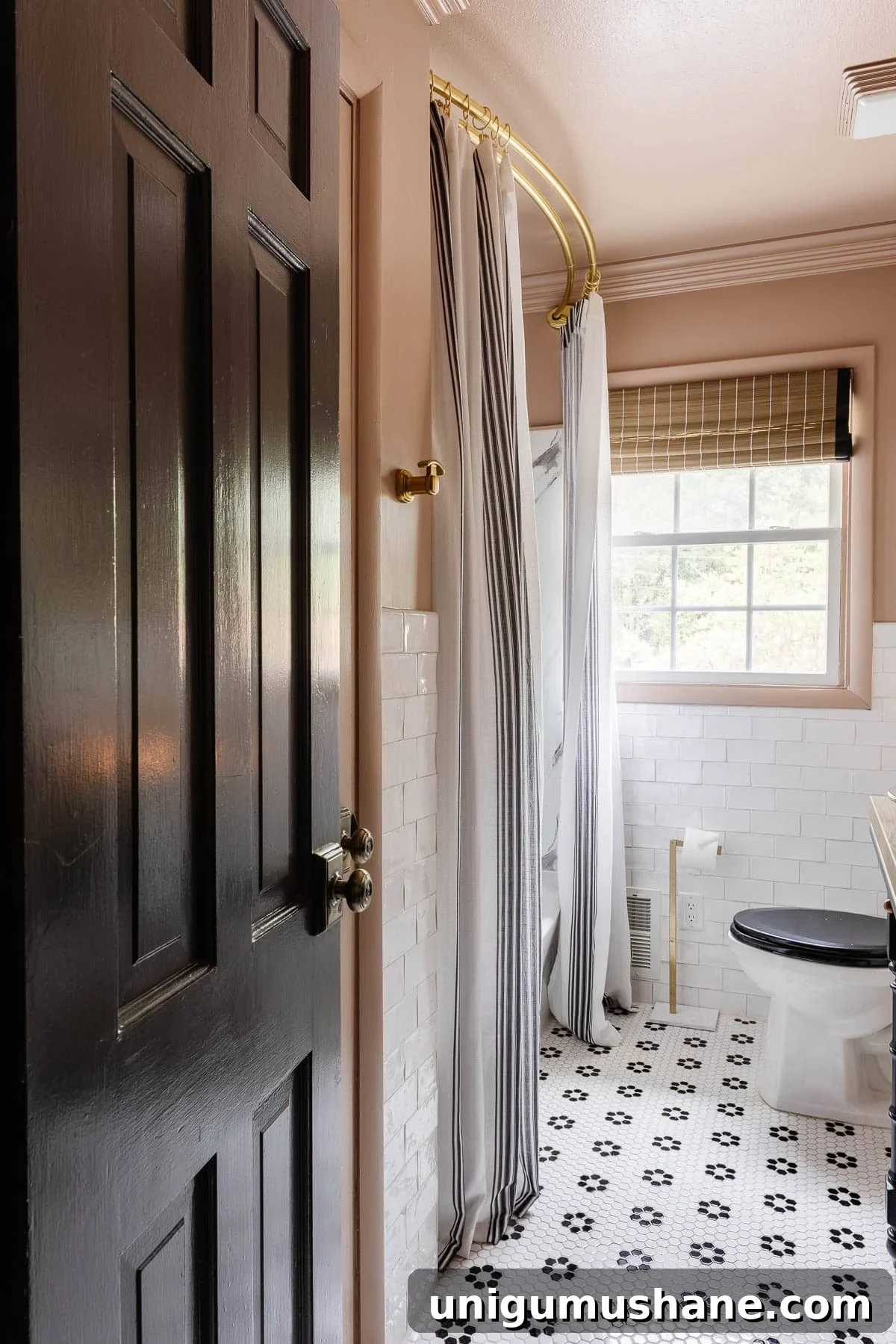
13. Hang Your Shower Curtain All the Way to the Ceiling
In small bathrooms, mounting an extra-long shower curtain high—just below crown molding—makes the room feel taller. This mirrors the curtain trick used on windows: it draws the eye upward, gives inexpensive curtains a custom look, and has a surprisingly big impact in spaces with standard 8-foot ceilings.
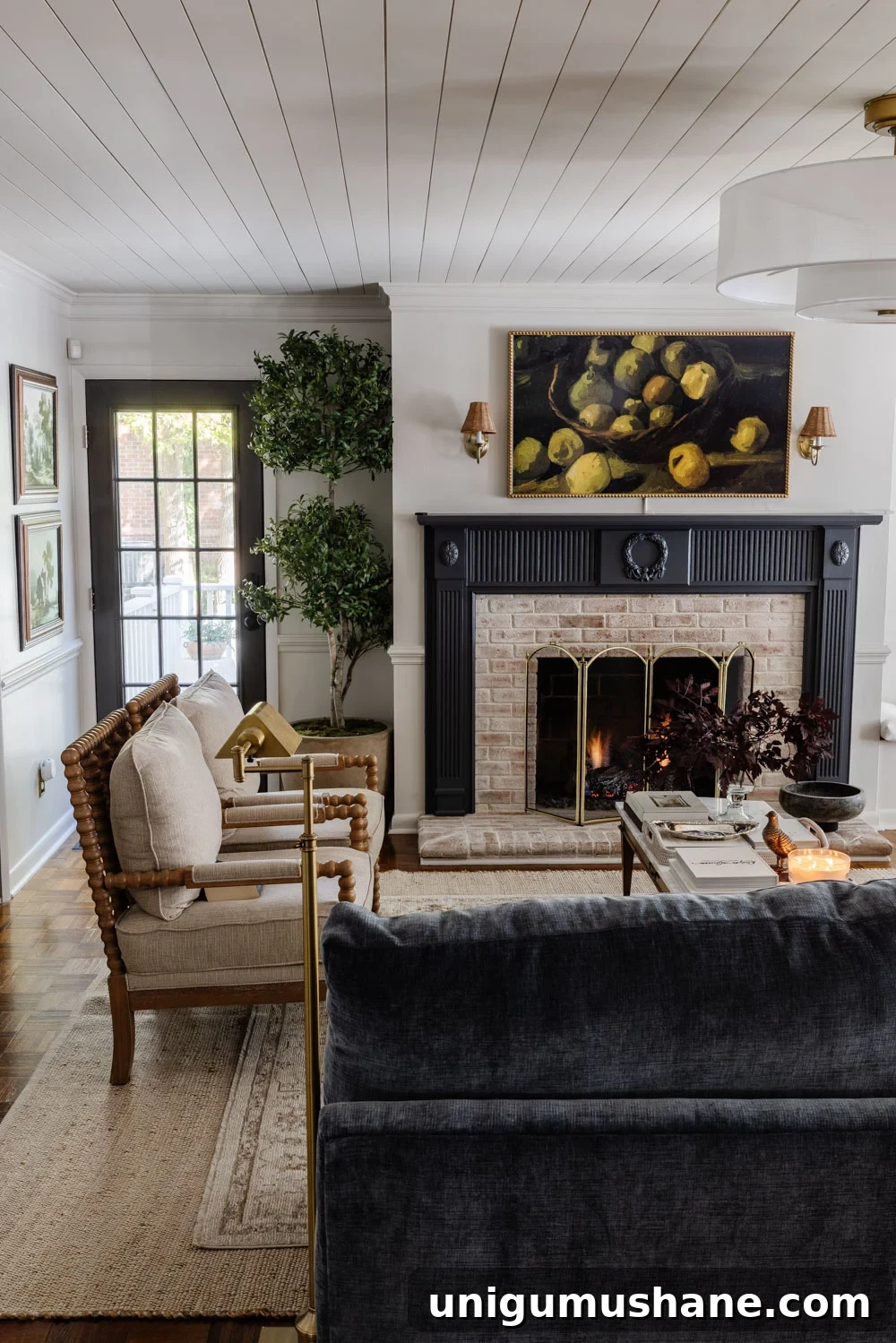
So Can You Use a Fandelier with an 8-Foot Ceiling?
Absolutely. Our living room proves it. The key isn’t a taller ceiling; it’s how you compose everything around the light fixture. Combine several of these techniques—high curtain rods, oversized artwork, tongue and groove ceiling treatment, crown molding, and lower-profile furniture—and the room reads as much taller than its actual height. That’s why many visitors are surprised our ceilings are only 8 feet.
Final Thoughts
If your home has standard 8-foot ceilings, don’t let the height limit your design ambitions. After more than a decade of renovating one room at a time, I’ve learned how easily the eye can be guided. You don’t need to apply every trick here—using two or three of these strategies will often produce a noticeable difference.
Great design isn’t always about changing architecture; it’s about changing how people experience a space. Thoughtful details and purposeful composition can make even modest ceilings feel spacious, elegant, and intentional.
More Ways to Trick The Eye in Decorating
- 23 Clever Small Room Ideas to Make a Space Look Bigger
- 30 Ways to Make Your House Look Expensive on a Budget
- 14 Tricks to Make a Small Bathroom Look Bigger