
A step-by-step tutorial: How to hang an unpasted mural inside picture frame molding for a whimsical, classic look
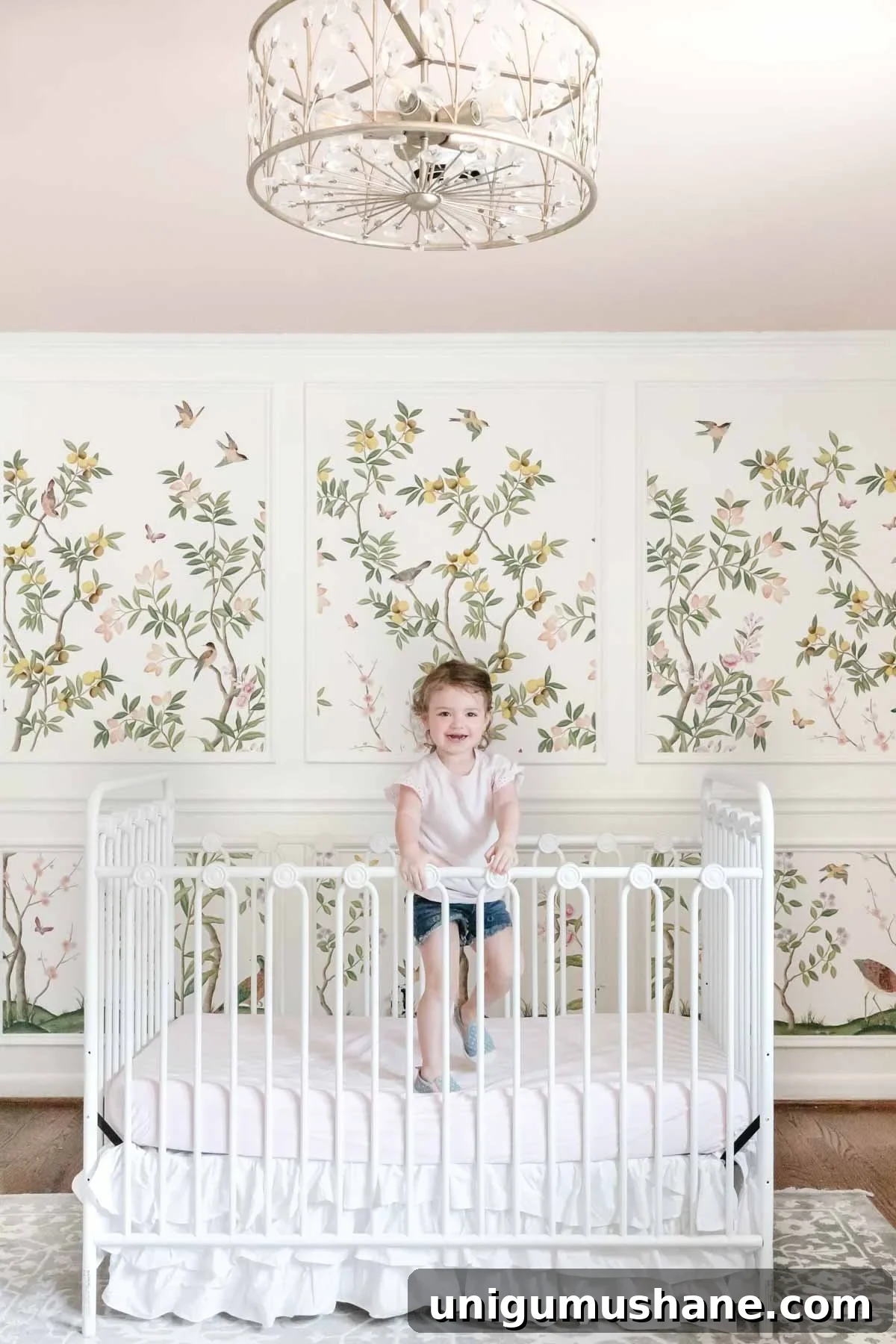
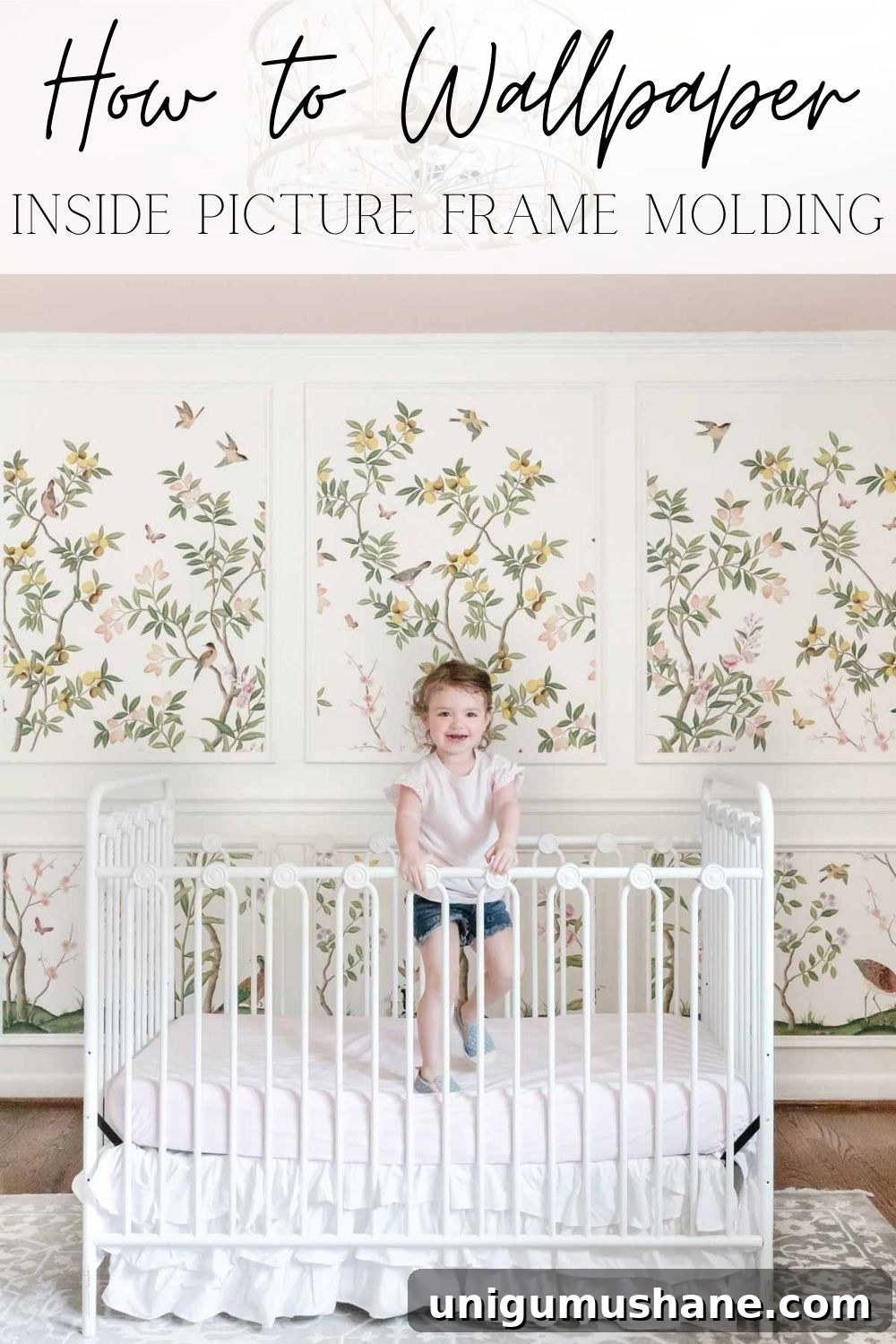
As part of our “Mission: Big Girl Room,” we added a delicate chinoiserie wallpaper mural that instantly brightened the space. The result exceeded my expectations — and so far, Regan loves her new bedroom.
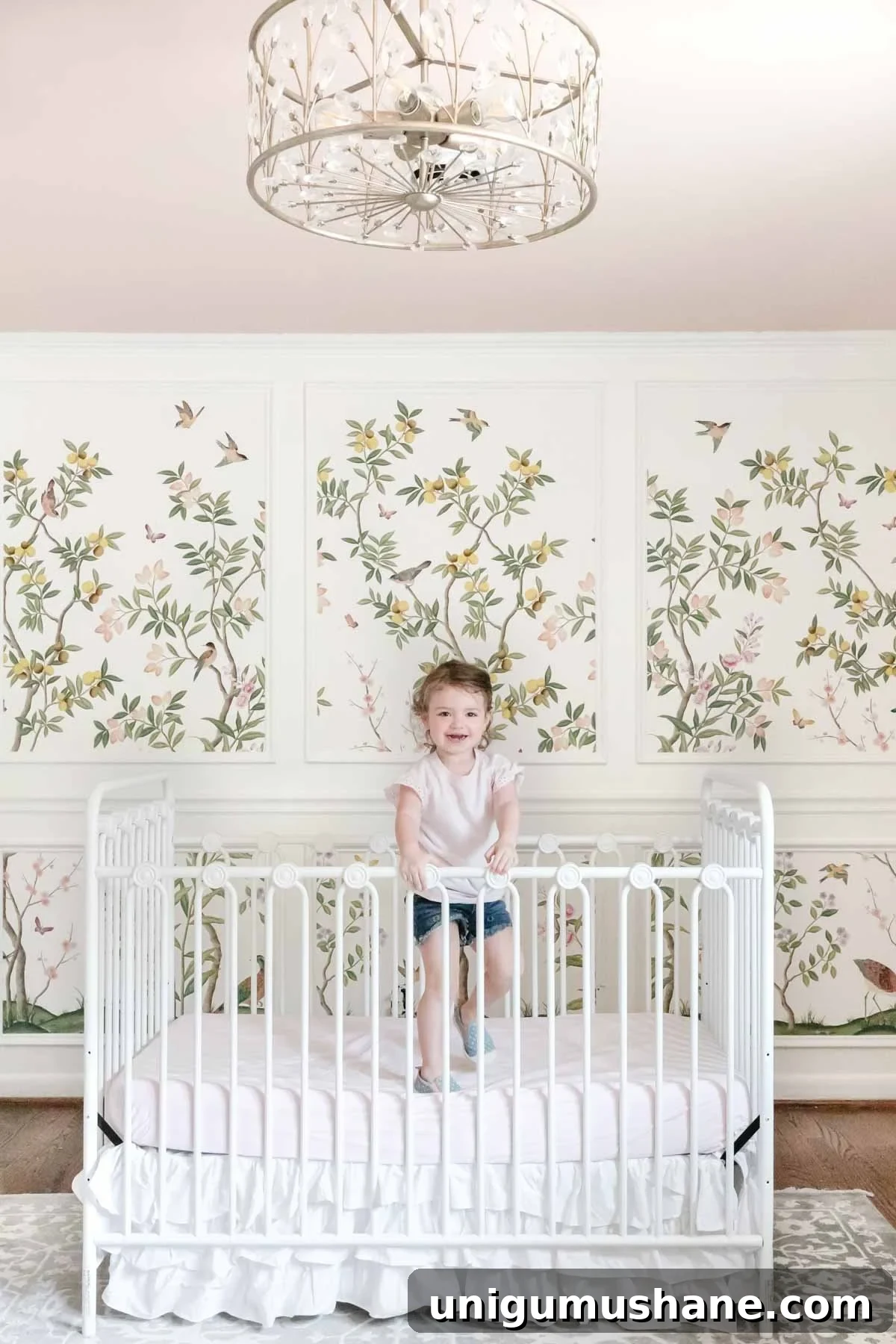
Before Regan was born, we installed picture frame molding and painted the room Magnolia Home True White, planning to add color and pattern later when she was ready for a more personalized look. To introduce a soft pop of color, we recently painted the ceiling Romabio Barefoot Dance from our palette, then chose a floral, bird-and-butterfly chinoiserie mural to bring a whimsical, elegant touch to the room.
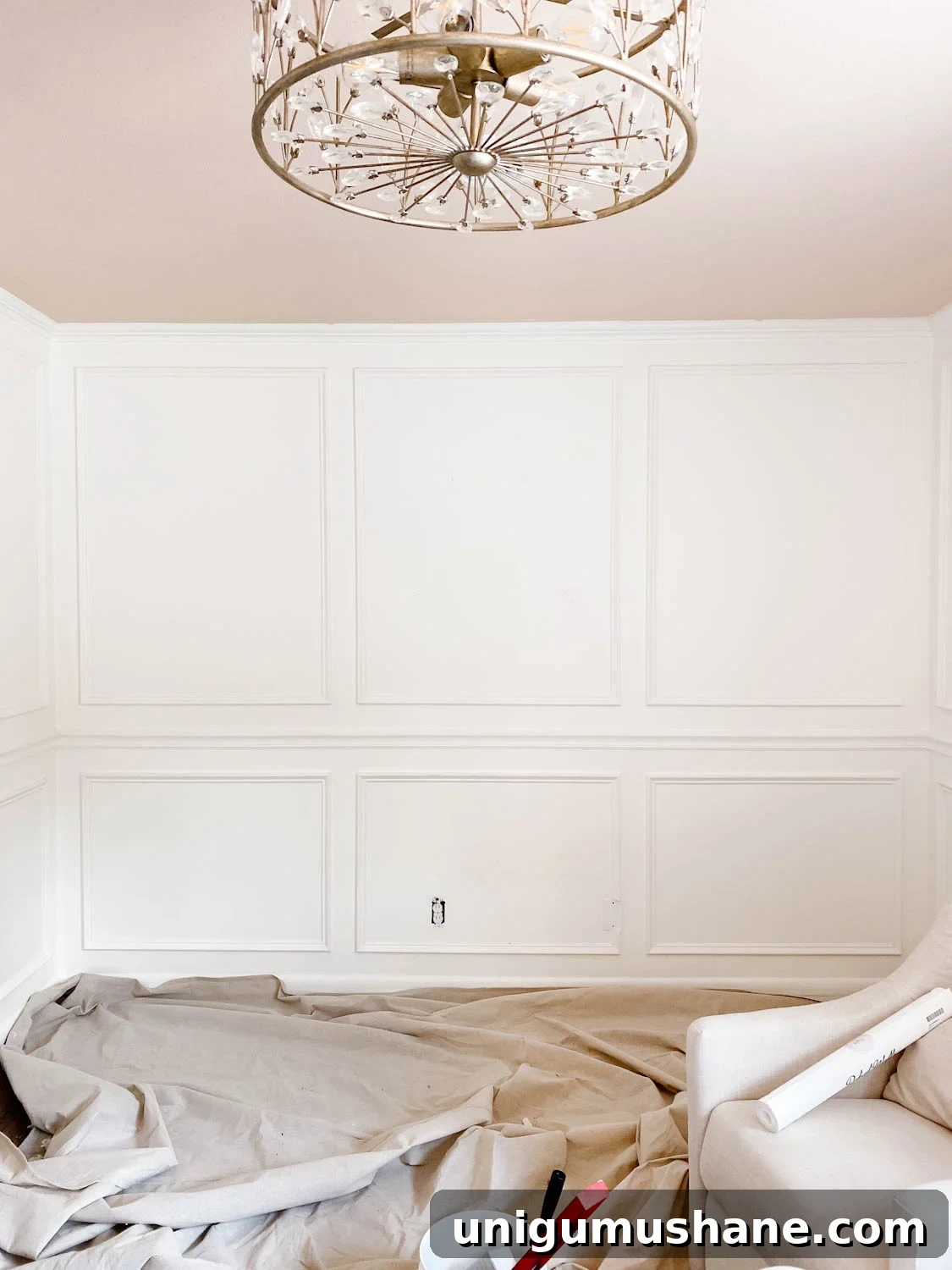
Wallpaper or murals installed inside picture frame molding are a growing trend because they combine modern pattern play with a timeless, architectural detail. I was able to finish this focal wall in about two hours; based on this wall’s measurements, our mural cost $385.
How to wallpaper inside picture frame molding
Supplies
Note: I used an unpasted mural for this project. Unpasted wallpaper is easy to adjust on the wall but requires paste and can be messier than peel-and-stick or pre-pasted options.
- Wallpaper or mural of your choice (I used a chinoiserie mural)
- Cellulose sponge
- Scissors and pencil
- Level and plumb line (string works)
- Utility knife with extra sharp blades
- Measuring tape
- Wallpaper smoother
- Bucket for mixing paste
- Wallpaper paste (check whether your mural includes paste)
- Whisk for mixing
- Large bowl of cold water for cleaning
- Step stool
- Metal straight edge (trowel, metal ruler, or yardstick)
- 1–2″ angled paint brush and a mini paint roller
The steps
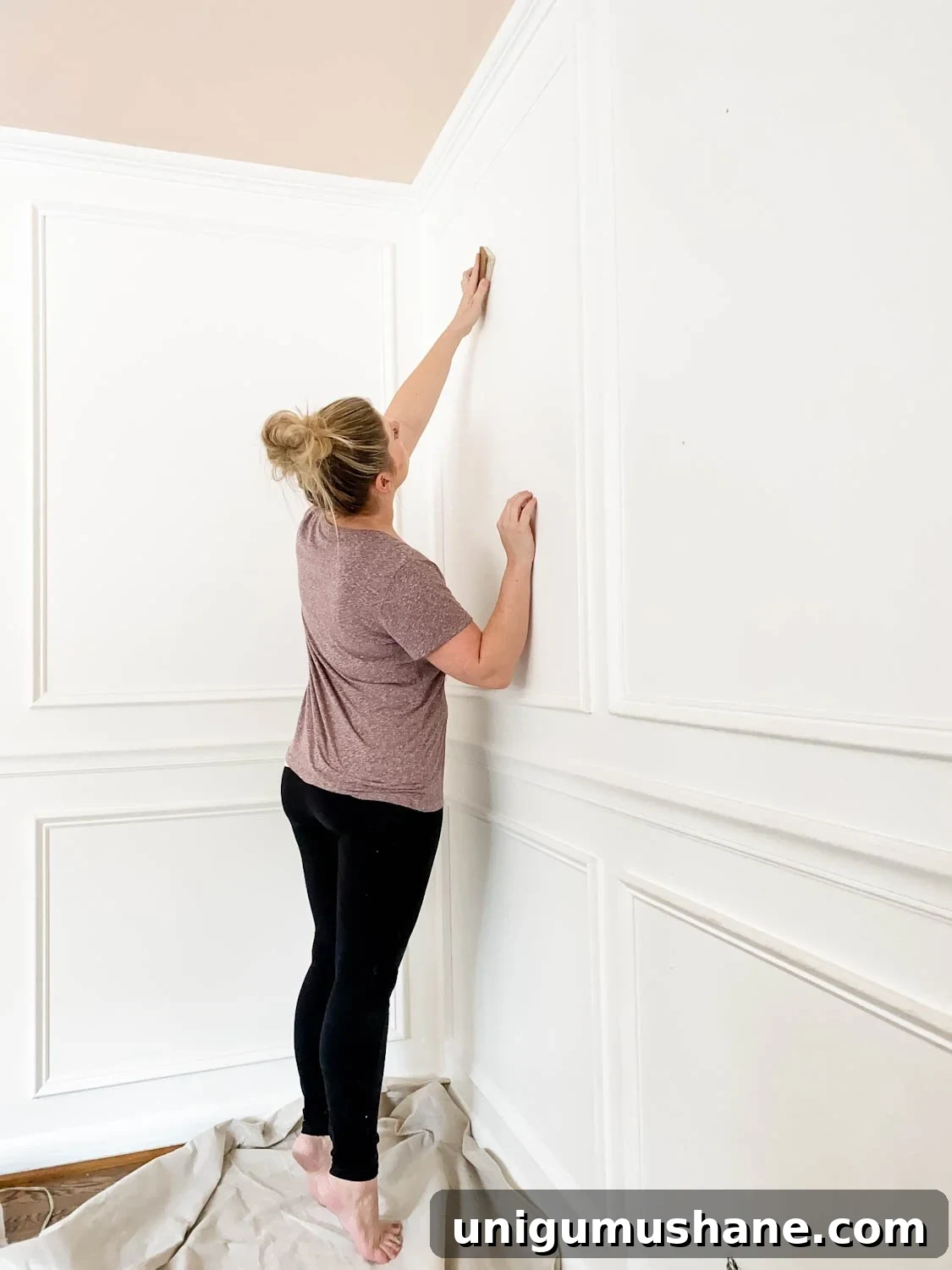
1. Wipe the wall inside the molding with a damp sponge to remove dust and residues.
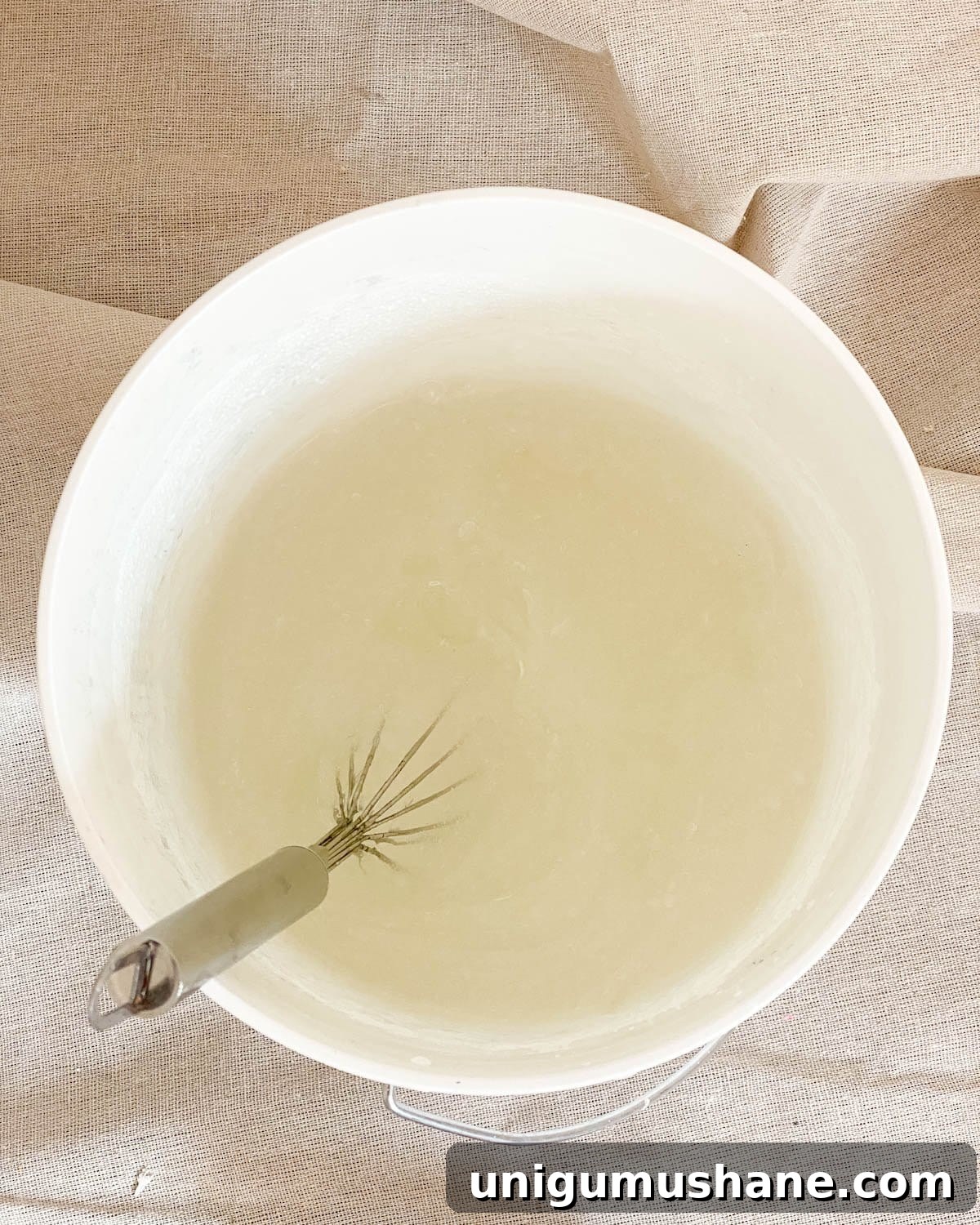
2. Mix the wallpaper paste in a bucket according to the manufacturer’s instructions. My mix called for 4 liters of cold water, stirred briskly and left to sit.
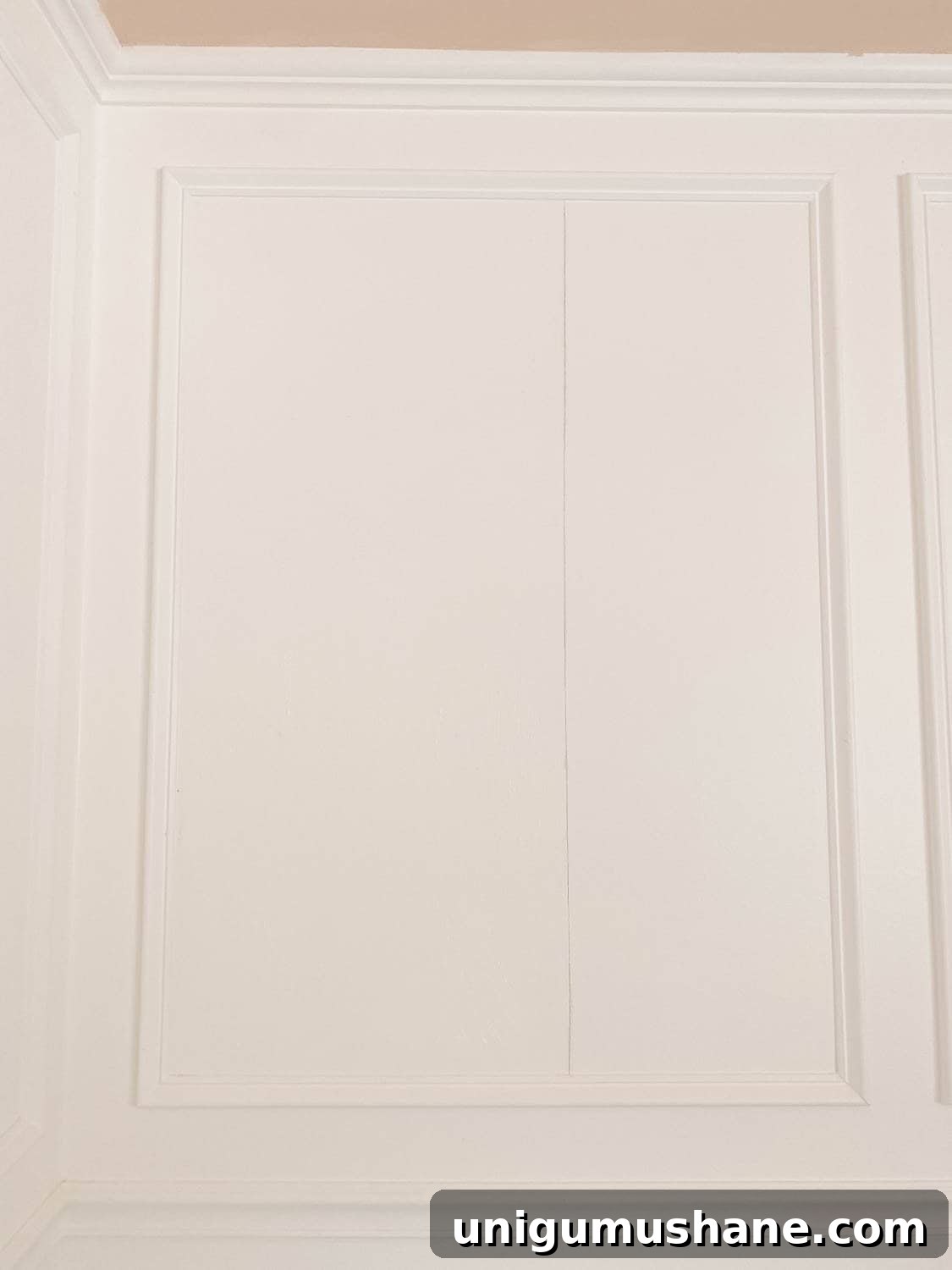
3. While the paste rests, mark the wall for your first strip. Measure the wallpaper width and mark that distance from your chosen starting point at the top of the picture frame molding.
4. Use a plumb line from the top mark to the bottom molding and mark where the line meets the lower molding.
5. Connect the two points with a level to create a straight starting line for your first strip. Accurate alignment is crucial so your mural lines up correctly.
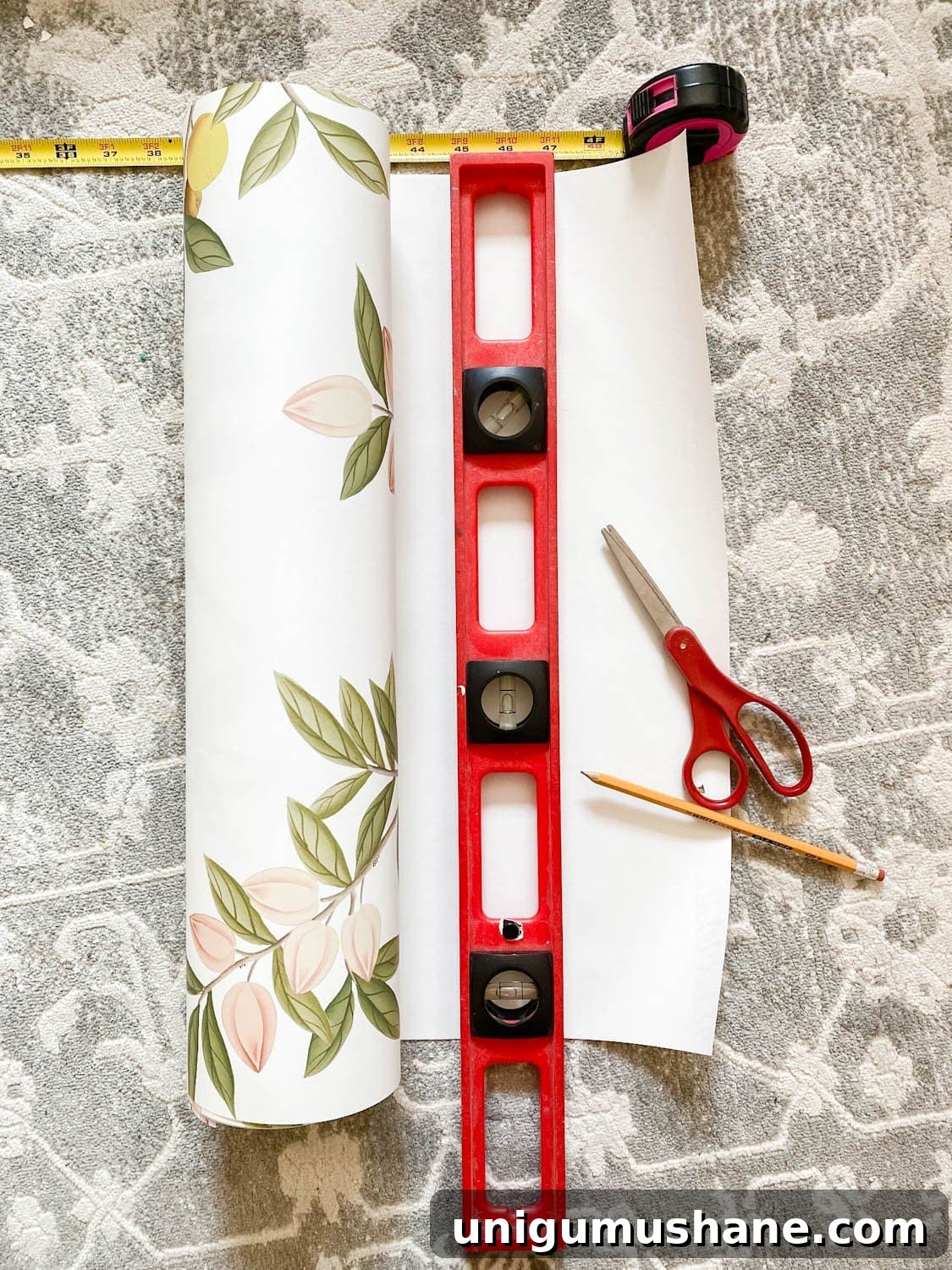
6. Measure the height of the framed area and add about 3 inches to allow for trimming.
7. Measure, mark, and cut your first length of wallpaper using the measurement from step 6.
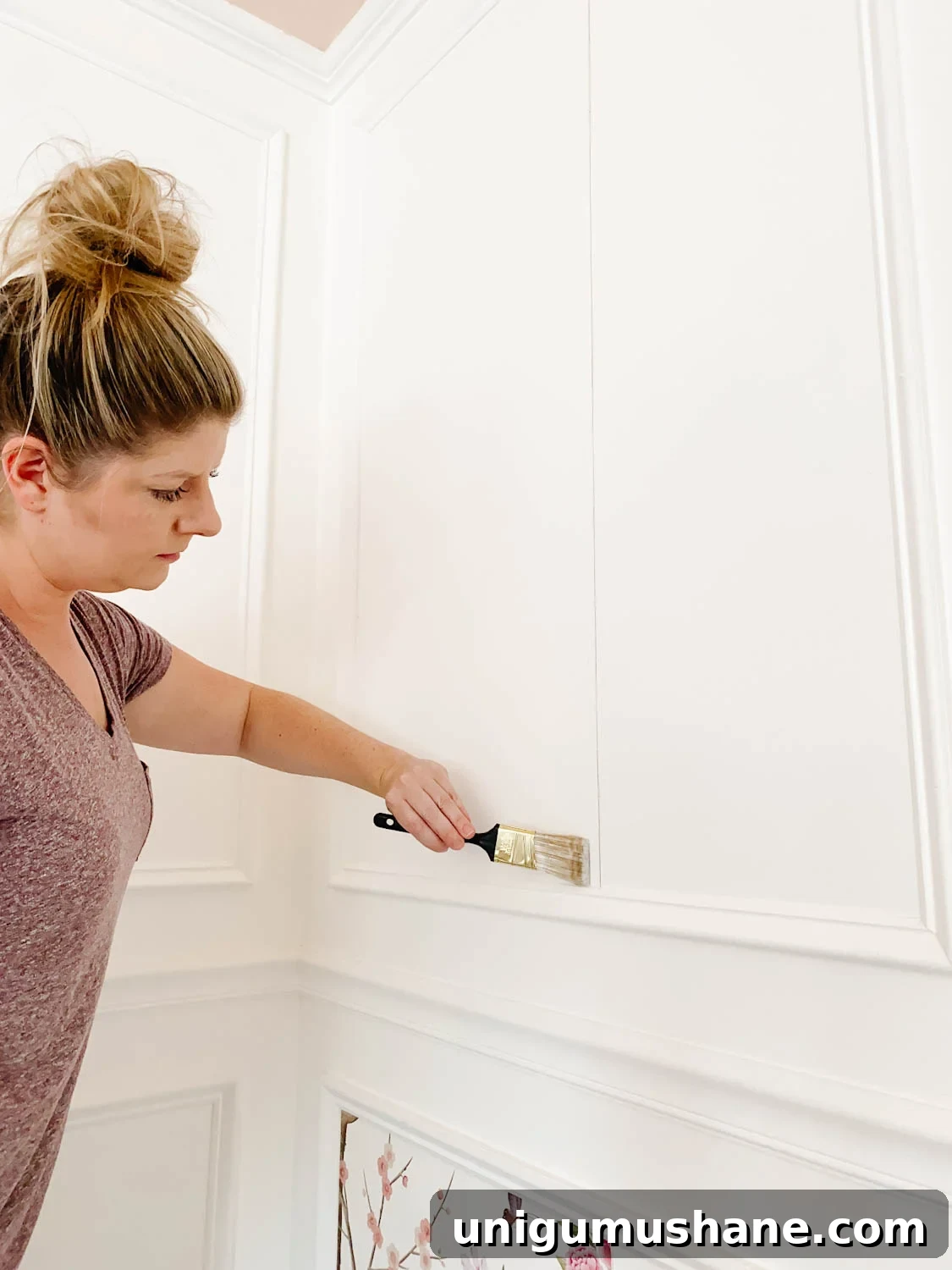
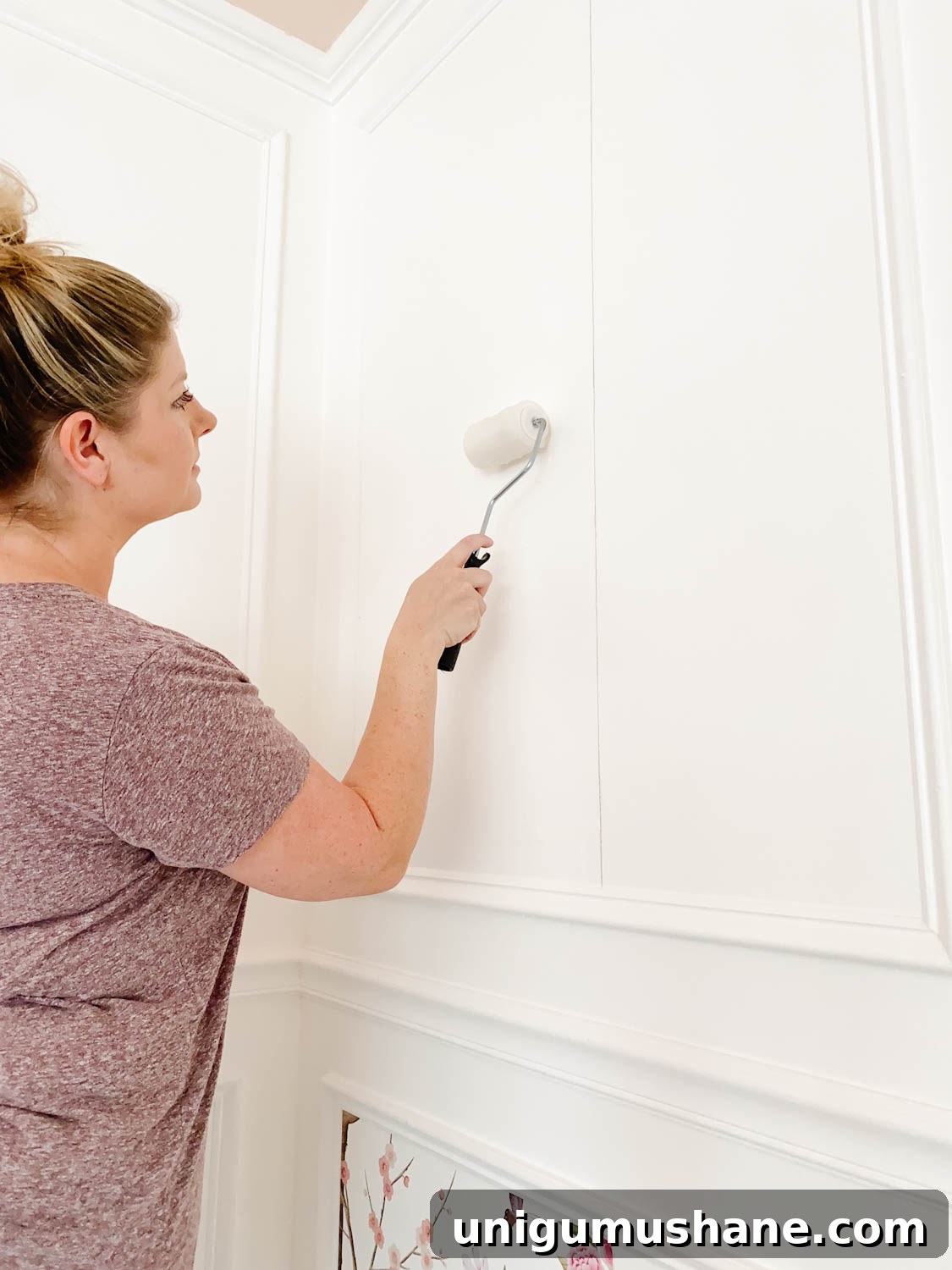
8. Apply paste directly to the wall in the corners and along the edges with an angled brush, then use a mini roller to cover the remaining area where the strip will go.
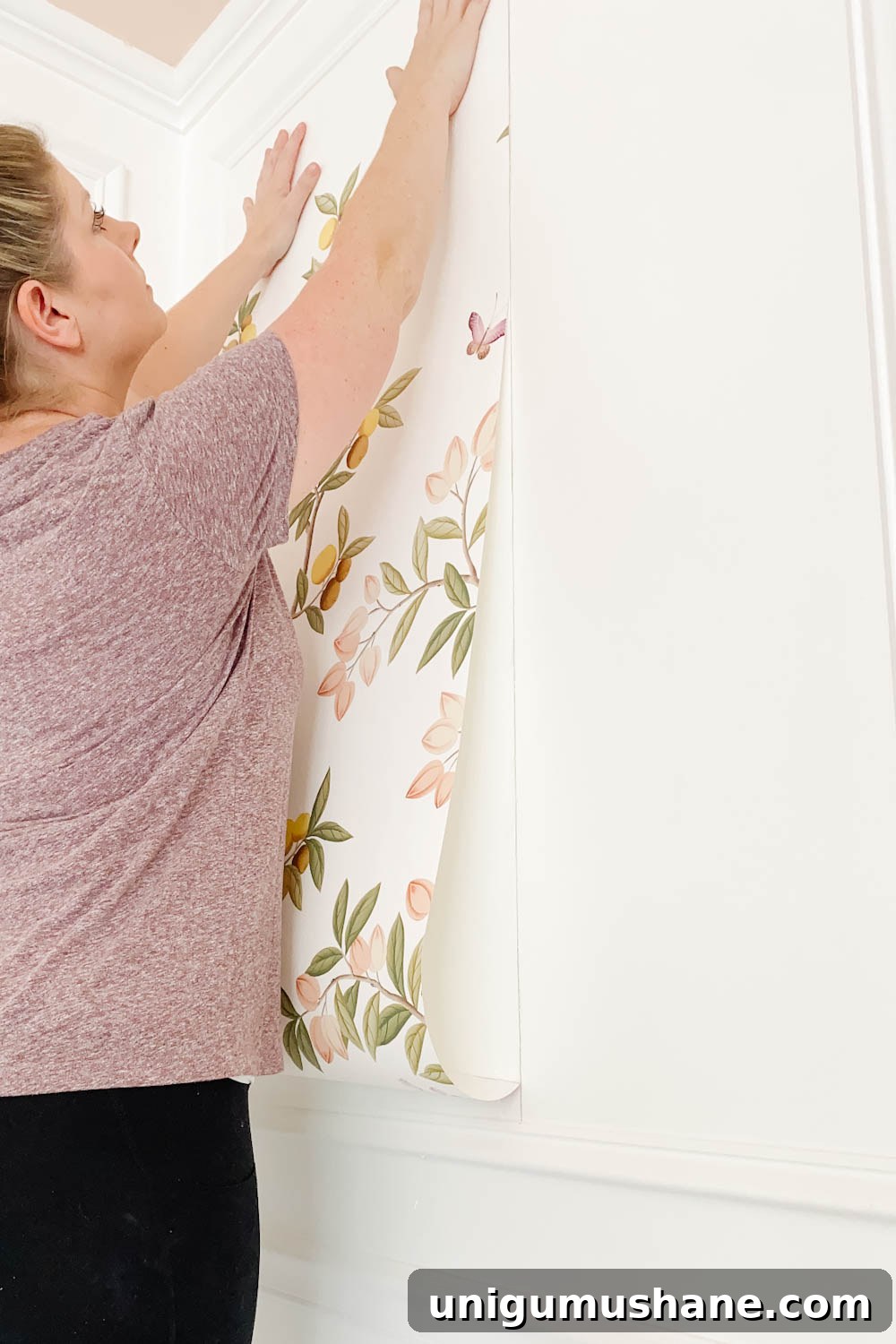
9. Position the wallpaper strip against the pasted surface. One advantage of unpasted wallpaper is that you can slide and adjust it on the wet paste until the pattern and placement are right.
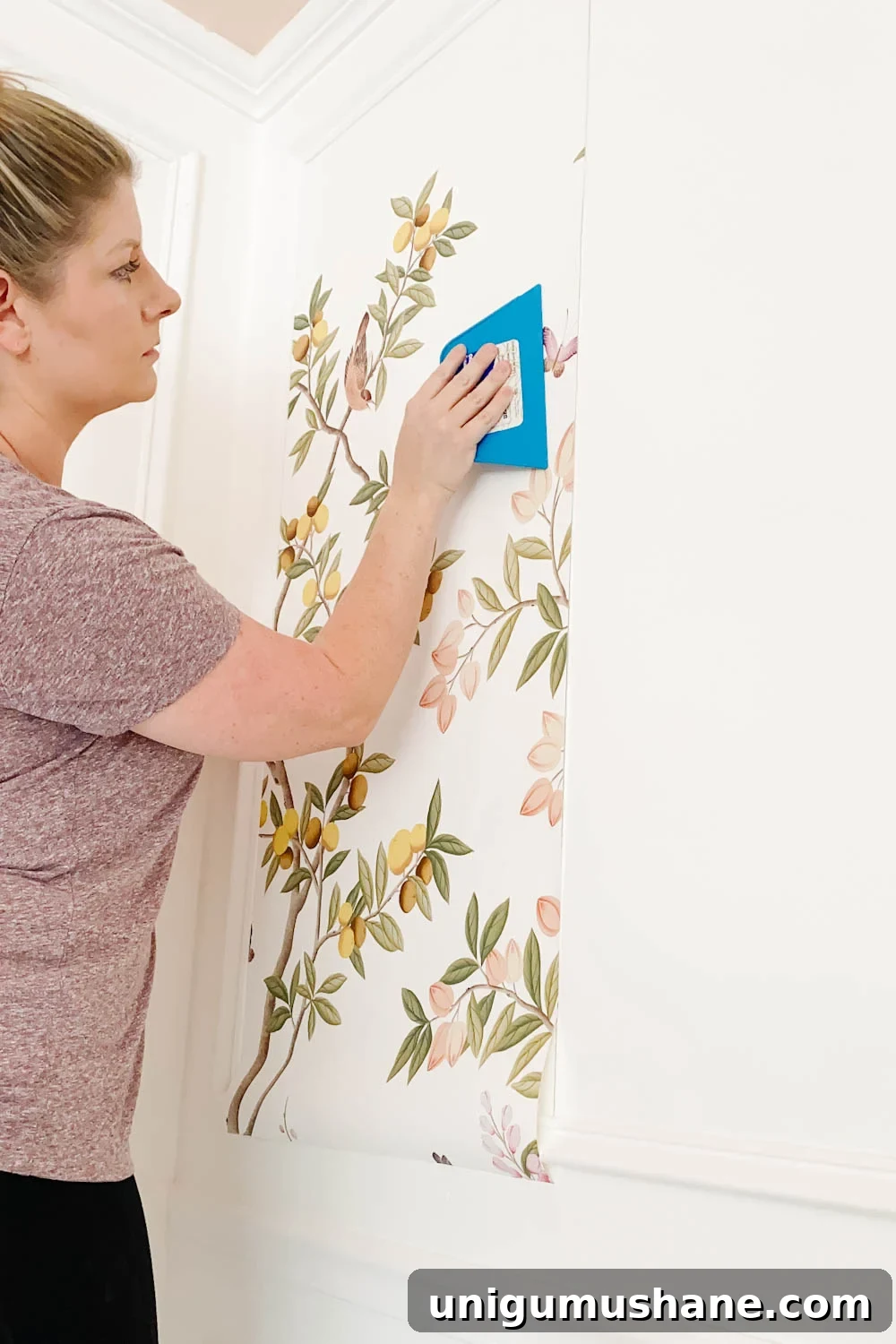
10. Smooth any air bubbles outward toward the edges using a wallpaper smoother or a soft brush to ensure even adhesion.
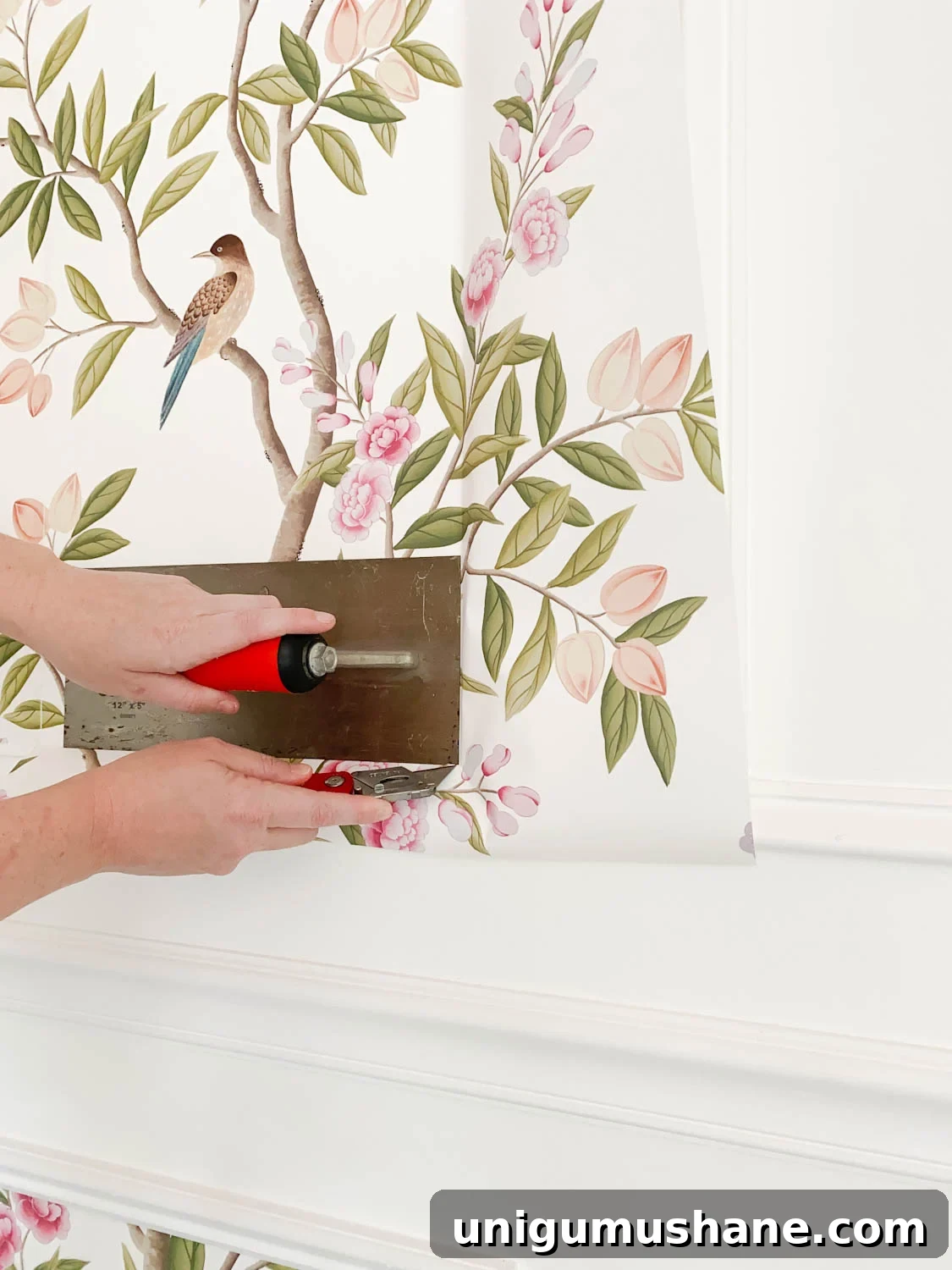
11. You’ll have about a 1–2 inch overhang at the top and bottom. Press the paper firmly against the molding edge using a metal straight edge, then trim the excess carefully with a sharp utility knife. Replace blades frequently for clean cuts.
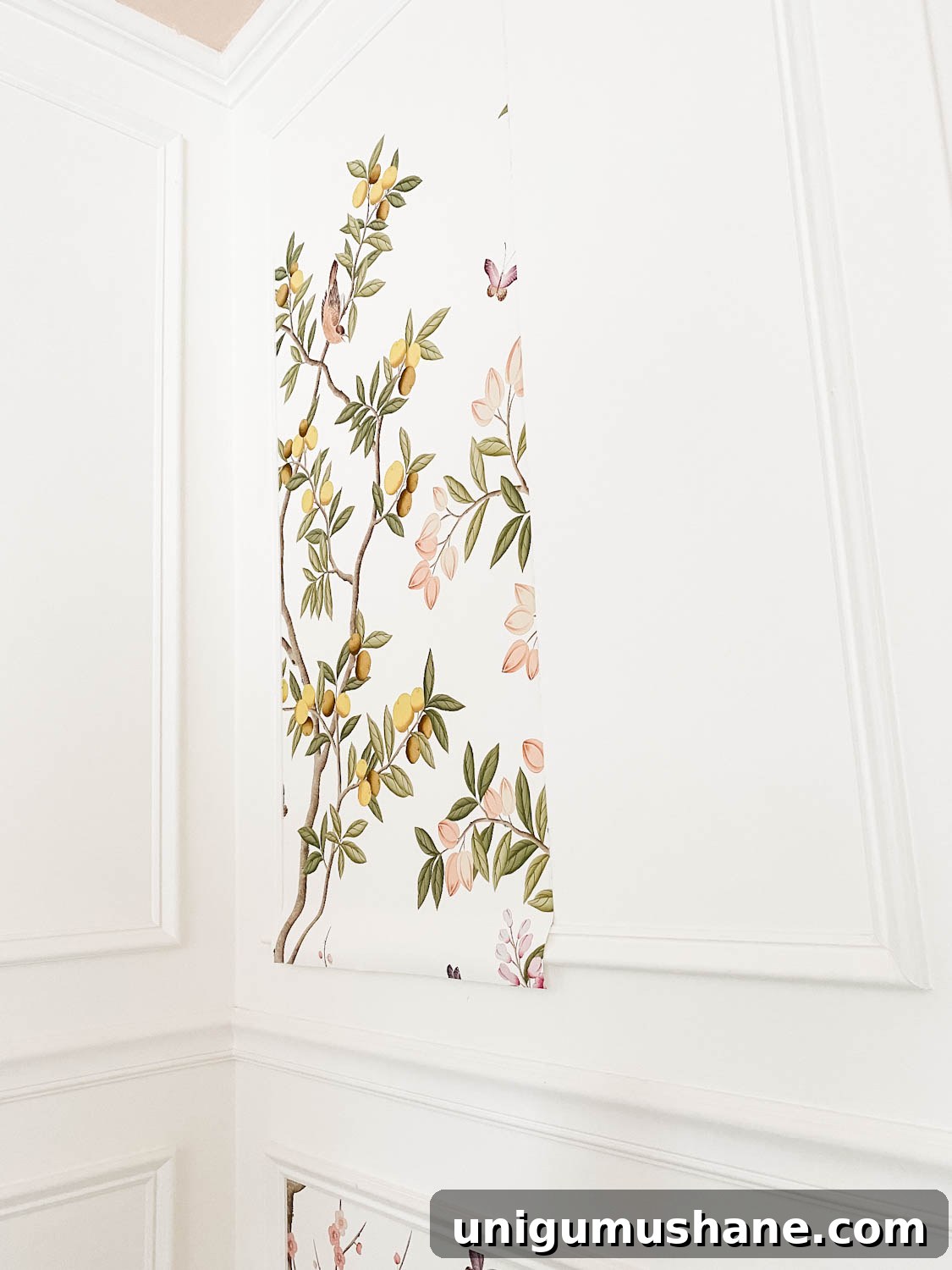
12. Wipe away excess paste with a damp sponge, rinsing and wringing it frequently so you don’t smear paste back onto the paper.
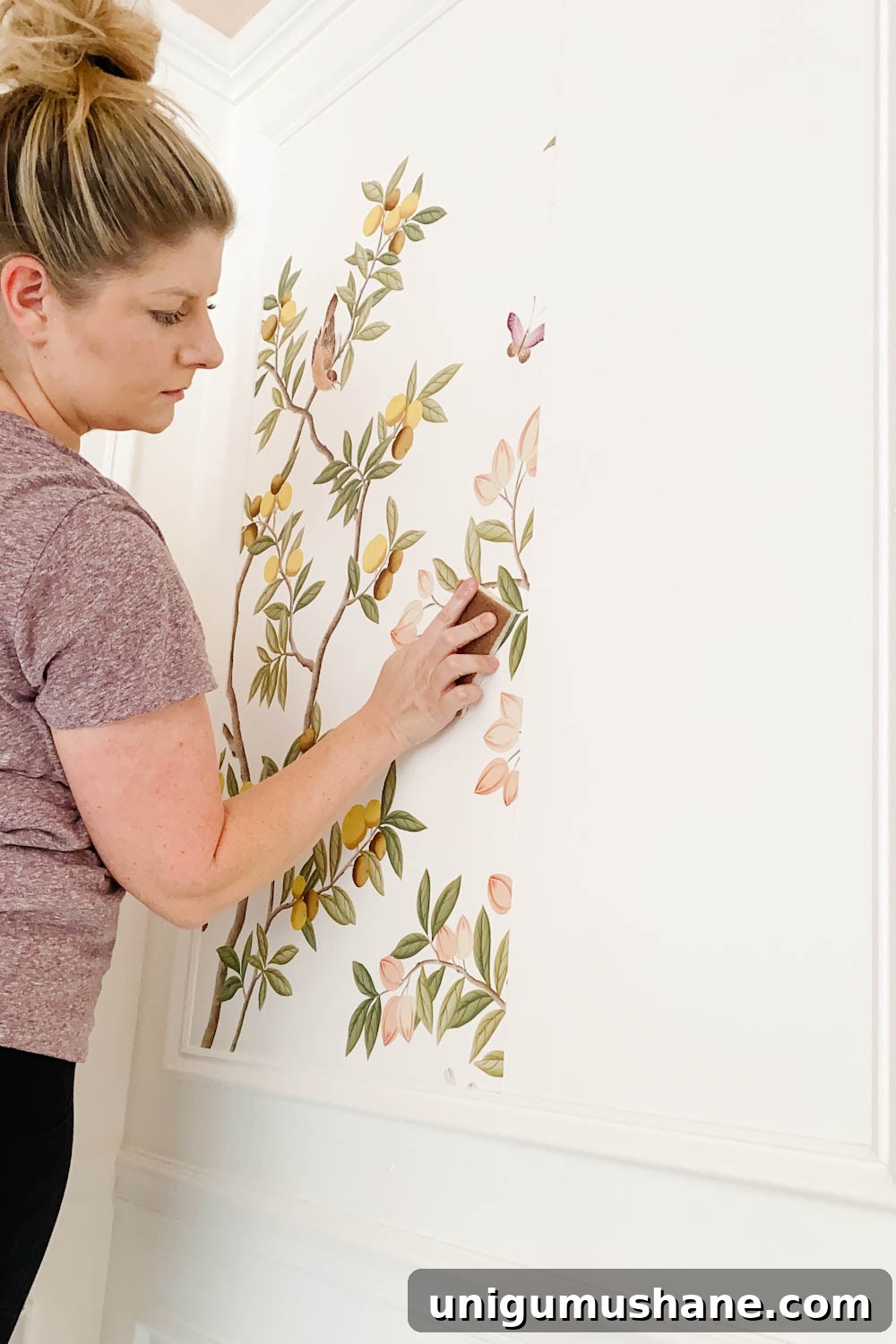
13. Repeat the cutting, pasting, positioning, smoothing, trimming, and cleanup steps for each subsequent strip. Whenever you start a new framed section, use the tape measure, plumb line, and level to mark a straight starting line.
The finished mural fits the room perfectly — Regan’s reaction when she saw it was priceless.
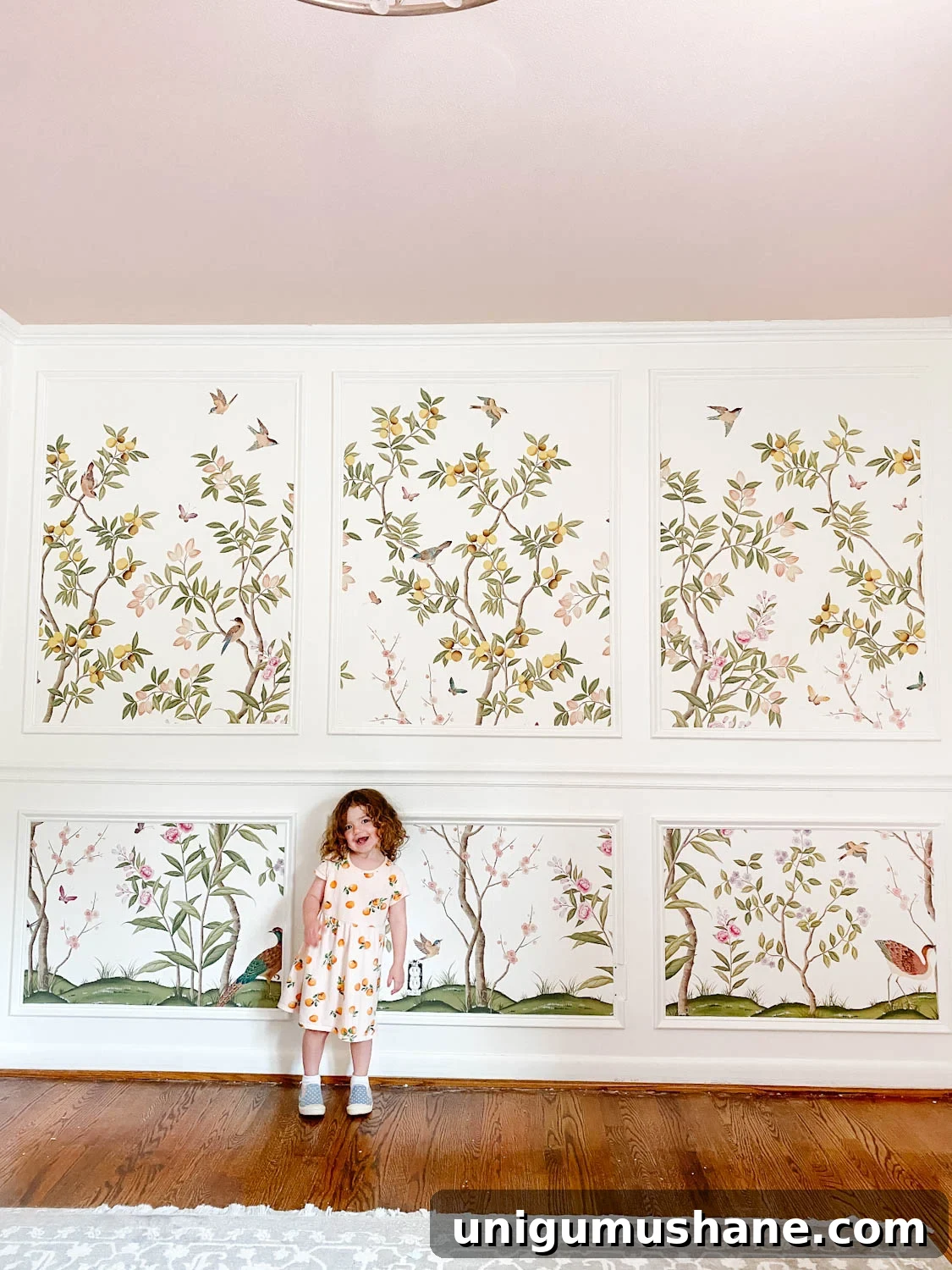
We’ll be swapping the crib for a big-girl bed soon, and this mural feels like it was made for the space. It adds instant character and warmth.
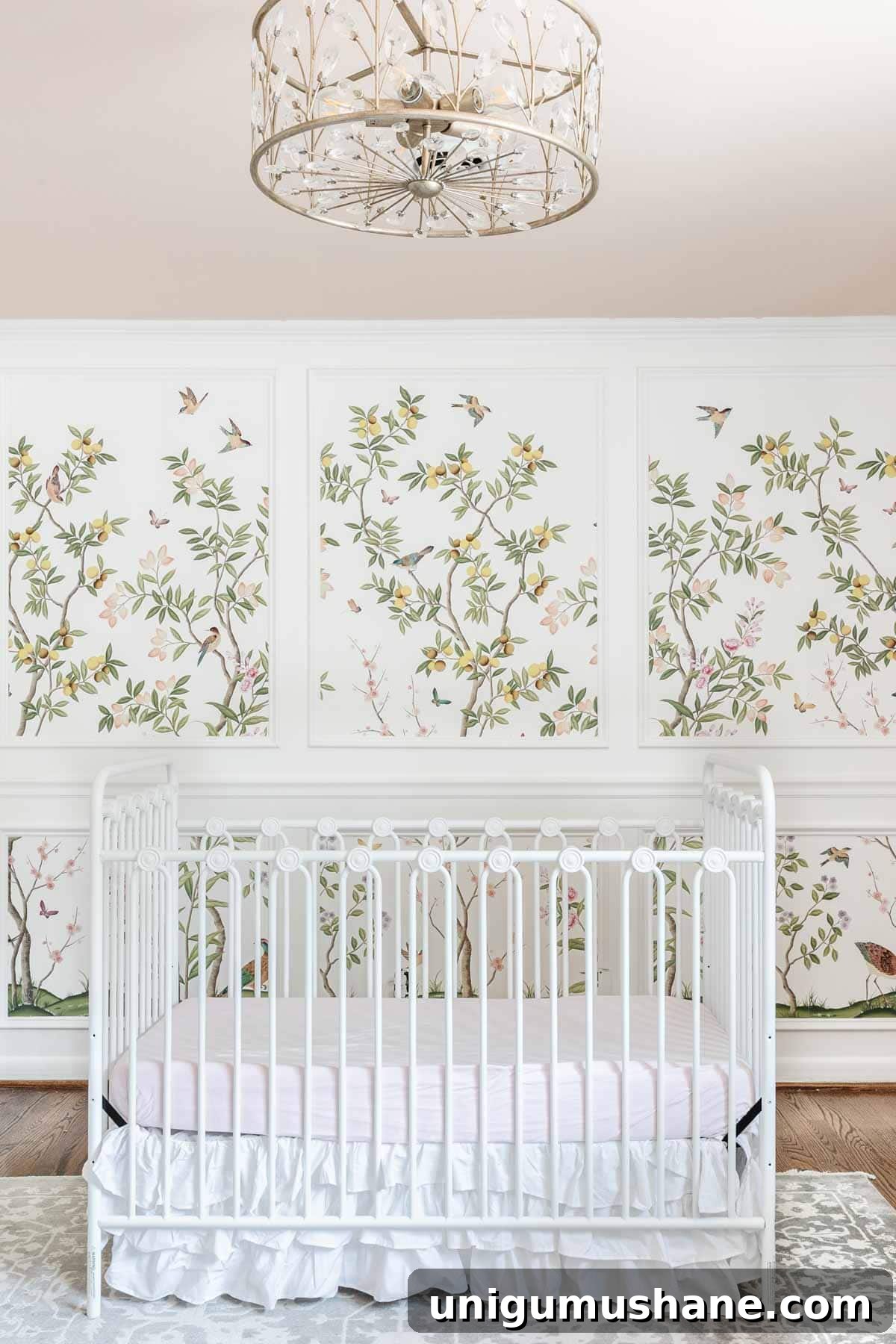
Chinoiserie Wallpaper | Light Fixture | Crib | Crib Skirt | Rug
We’re planning another mural for the dining room, so stay tuned for that project. Hanging wallpaper is manageable — it may feel daunting at first, but once you understand the steps, it becomes straightforward and rewarding.

Related Posts
- Classic Decor Spotlight: Scenic Wall Mural Wallpaper
- Beginner’s Guide to Hanging Wallpaper
- The Best Modern Farmhouse Wallpaper Designs on a Budget
- Splurge vs Save: Wallpaper Dupes
- 8 DIY Wall Molding Ideas to Add Character to Your Home