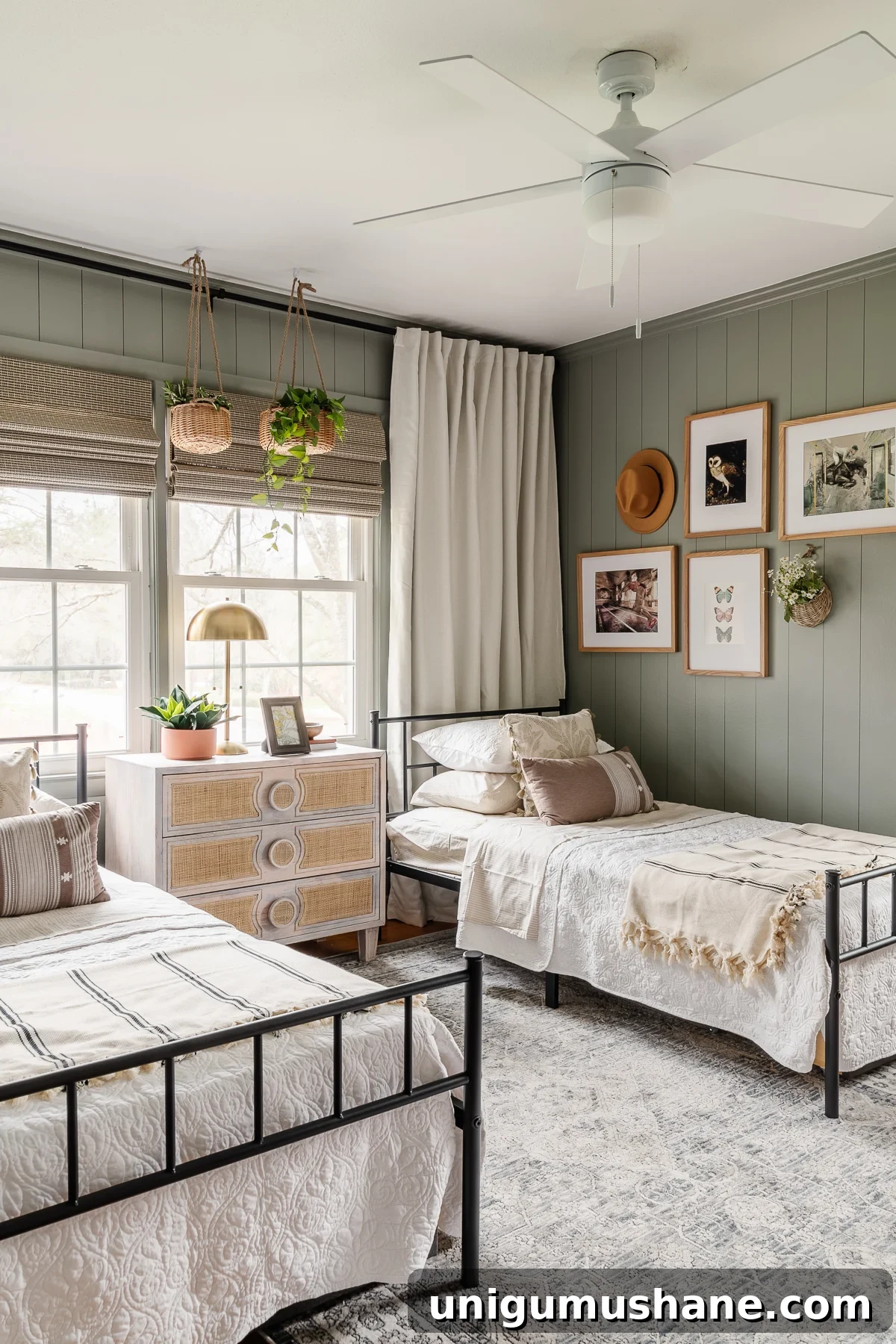
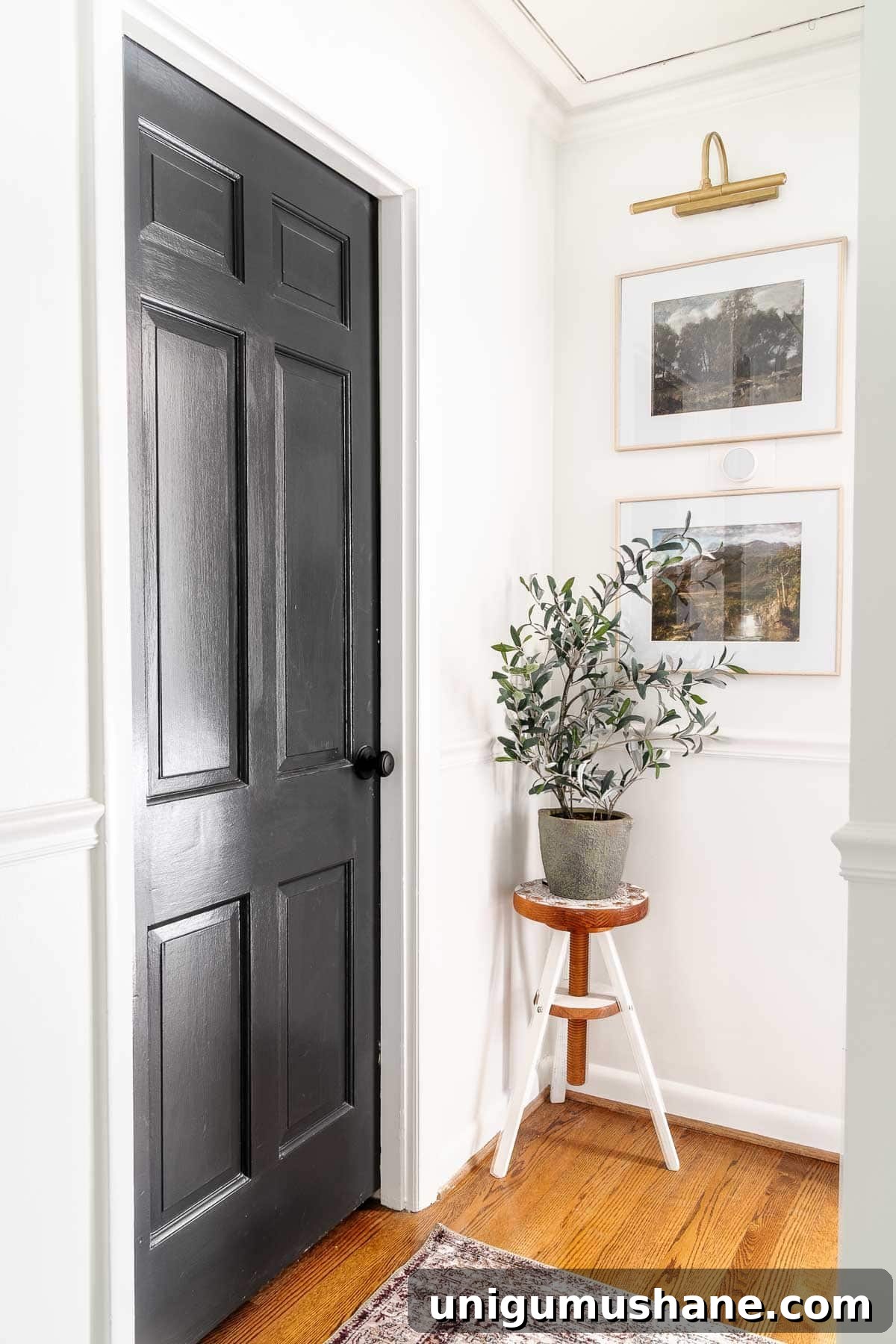
Small room design tips for decorating, choosing furniture and paint colors, and using function to make spaces feel larger.
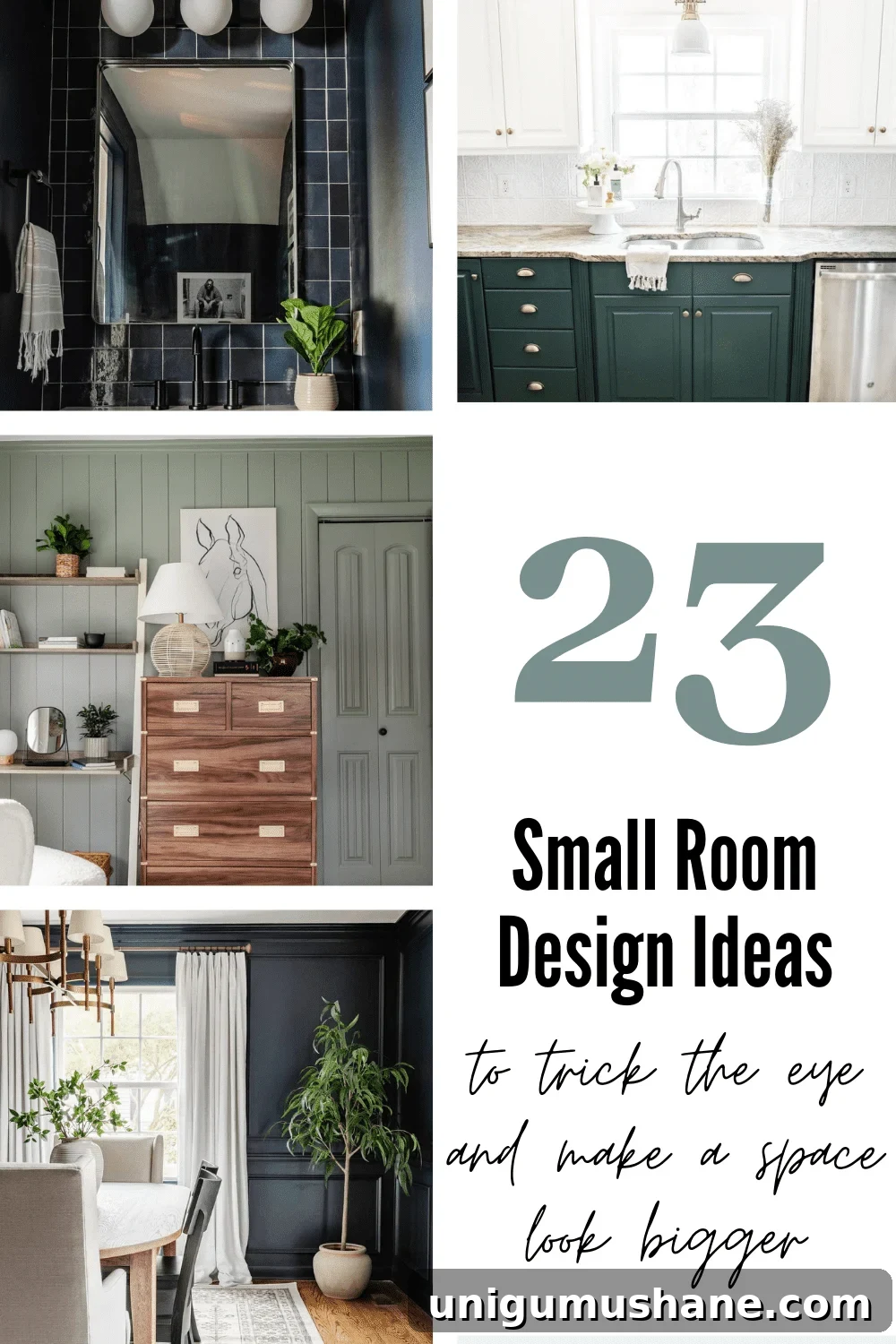
We live in a 1960s colonial with rooms that are smaller than those in our newer house, and I wouldn’t trade it. Even with eight-foot ceilings, fewer built-ins, and a layout that isn’t open concept, we’ve learned to use design tricks that make each room feel bigger than it actually is.
If your home has compact rooms, these interior-design strategies can help you create the perception of more space without remodeling. The photos in this post show how visual tricks can transform a small room into something that feels open and intentional.
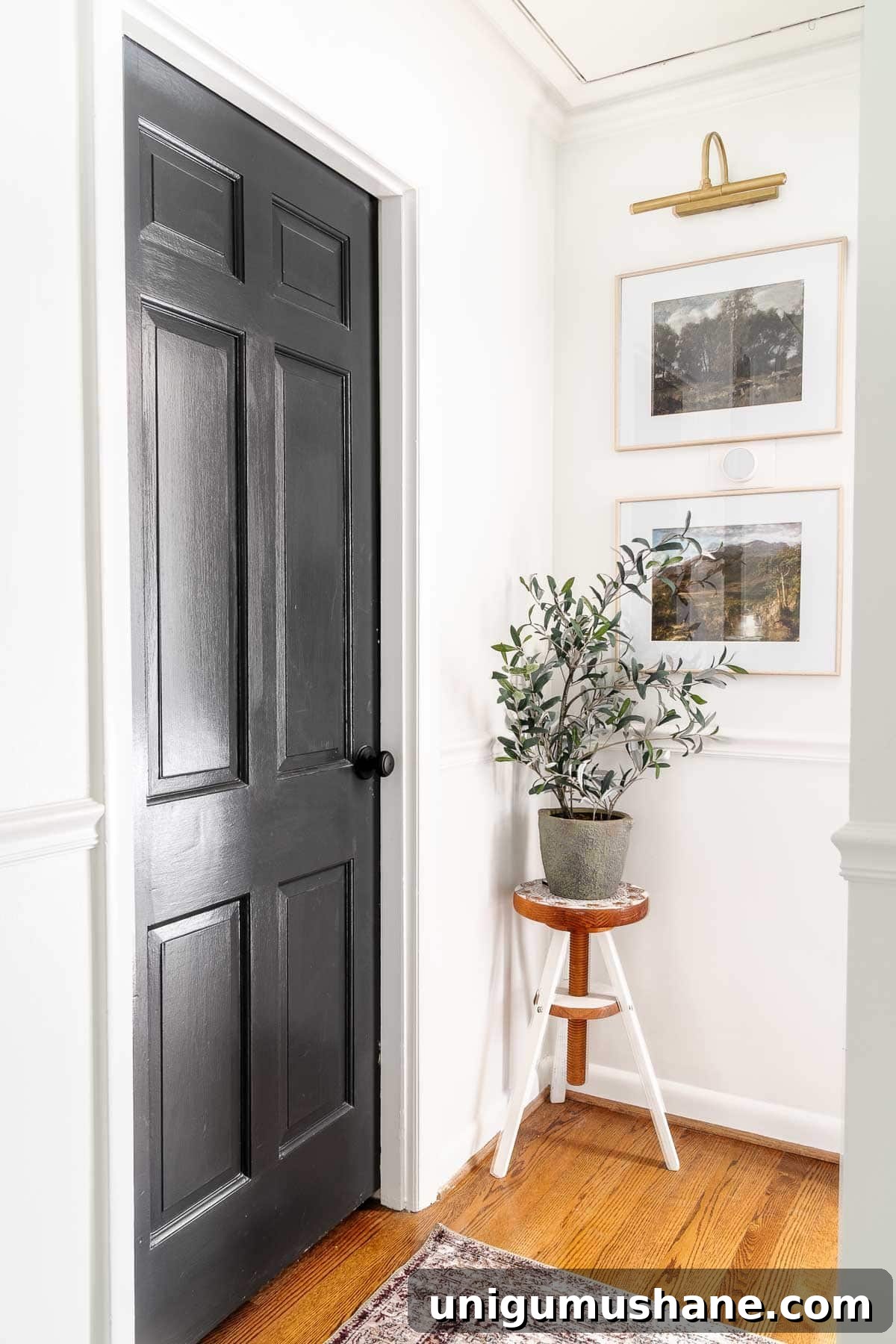
Small Room Ideas to Make a Space Look Bigger
If a particular corner of your home feels cramped, try these practical small-room ideas that focus on paint, furniture, storage, and lighting. Many of the spaces shown here are intentionally styled so they read as larger than their actual square footage.
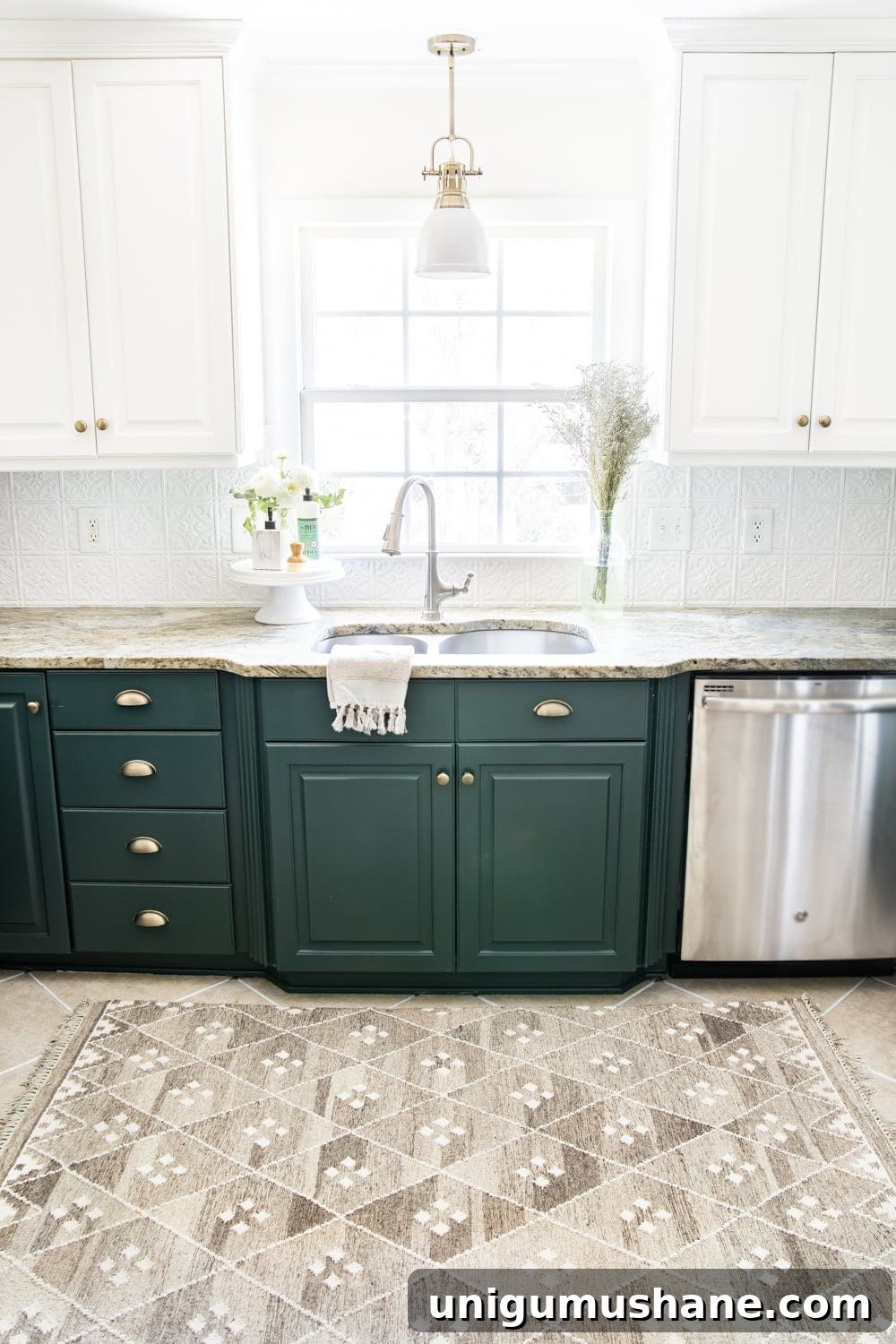
1 Choose a High-Contrast Color Scheme
Contrast adds depth. Very light paint alongside deep, rich tones gives a room visual layers that make it feel more open. Avoid too many mid-tones, which can compress a space visually. Using bright whites and deep accent colors creates the perception of distance between planes and increases the sense of volume in a room.
2 Dark Colors in Small, Windowless Rooms Can Create the Illusion of Space
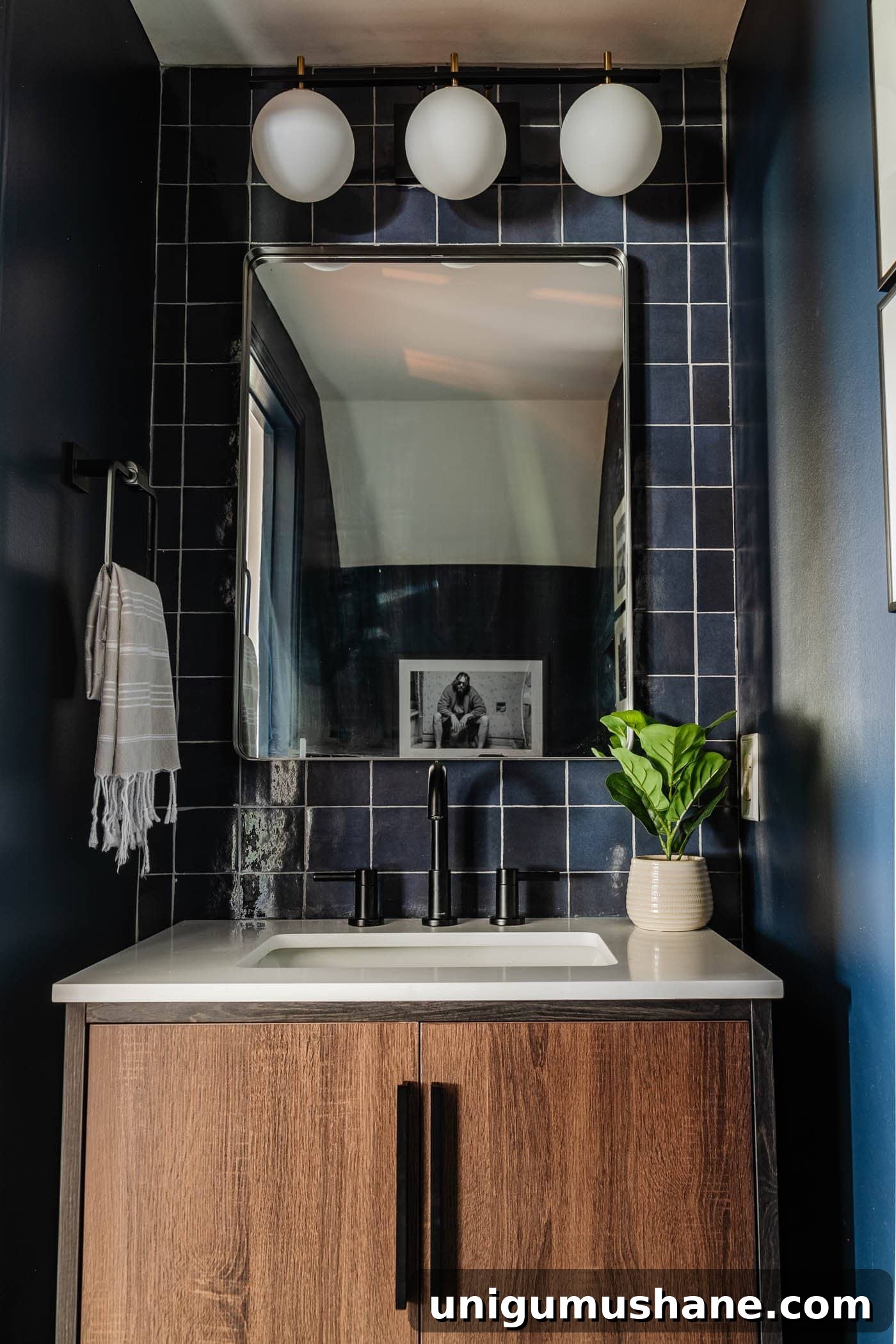
Contrary to common advice, white isn’t always required to enlarge a room. In windowless or low-light spaces, dark paint tones—like deep navy or charcoal—tend to recede, making the walls feel farther away. This creates a surprising sense of depth and can reduce the contrast of shadows.
For example, a tiny bathroom can read wider when the walls and tile share a deep blue tone that unifies the space and hides shadow lines.
3 Paint Trim the Same Color as the Walls
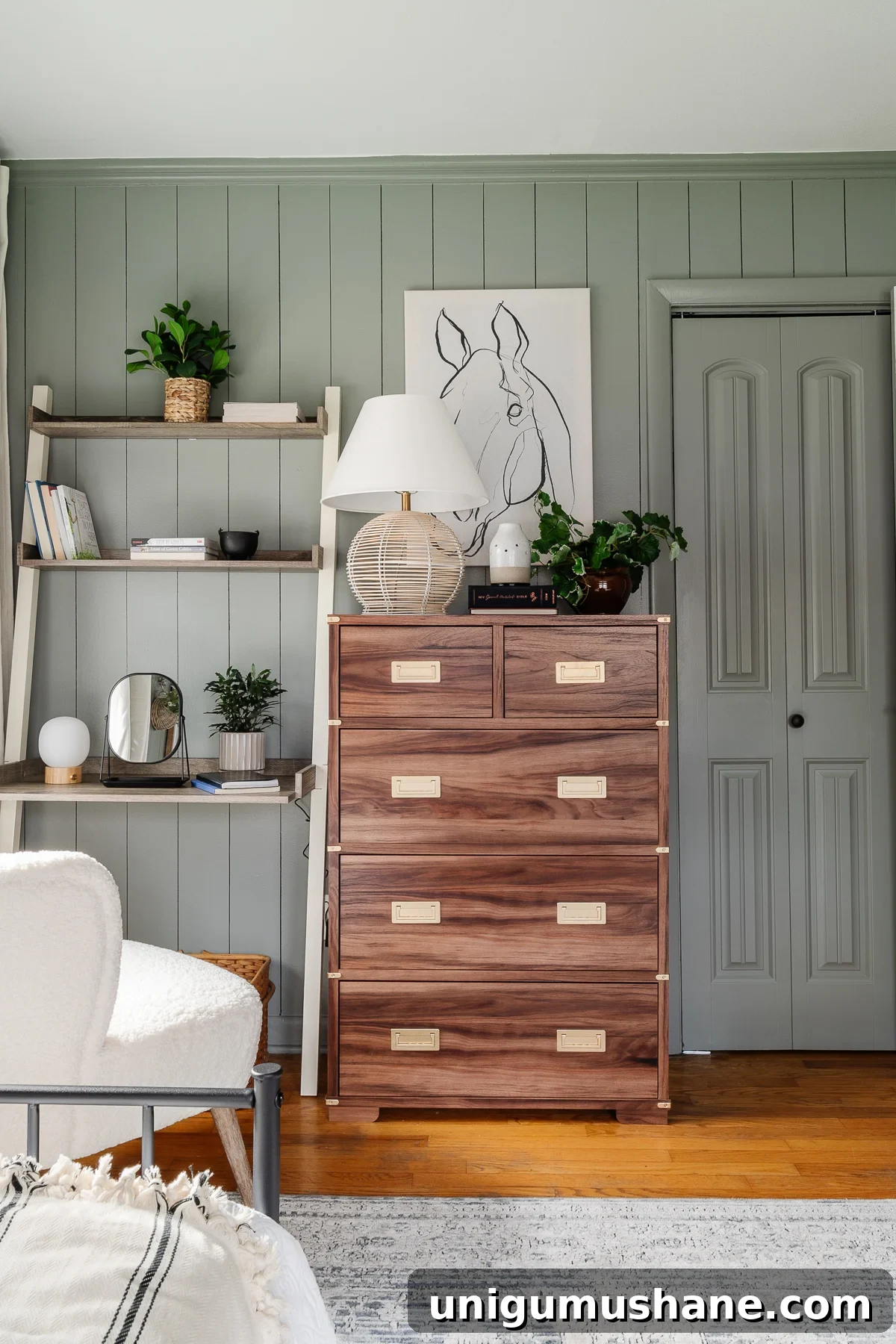
Painting trim, doors, and even the ceiling the same color as the walls helps erase hard edges, which visually raises ceilings and expands wall planes. A satin sheen reflects light in a flattering way and can intensify this effect.
4 Utilize Hidden Storage
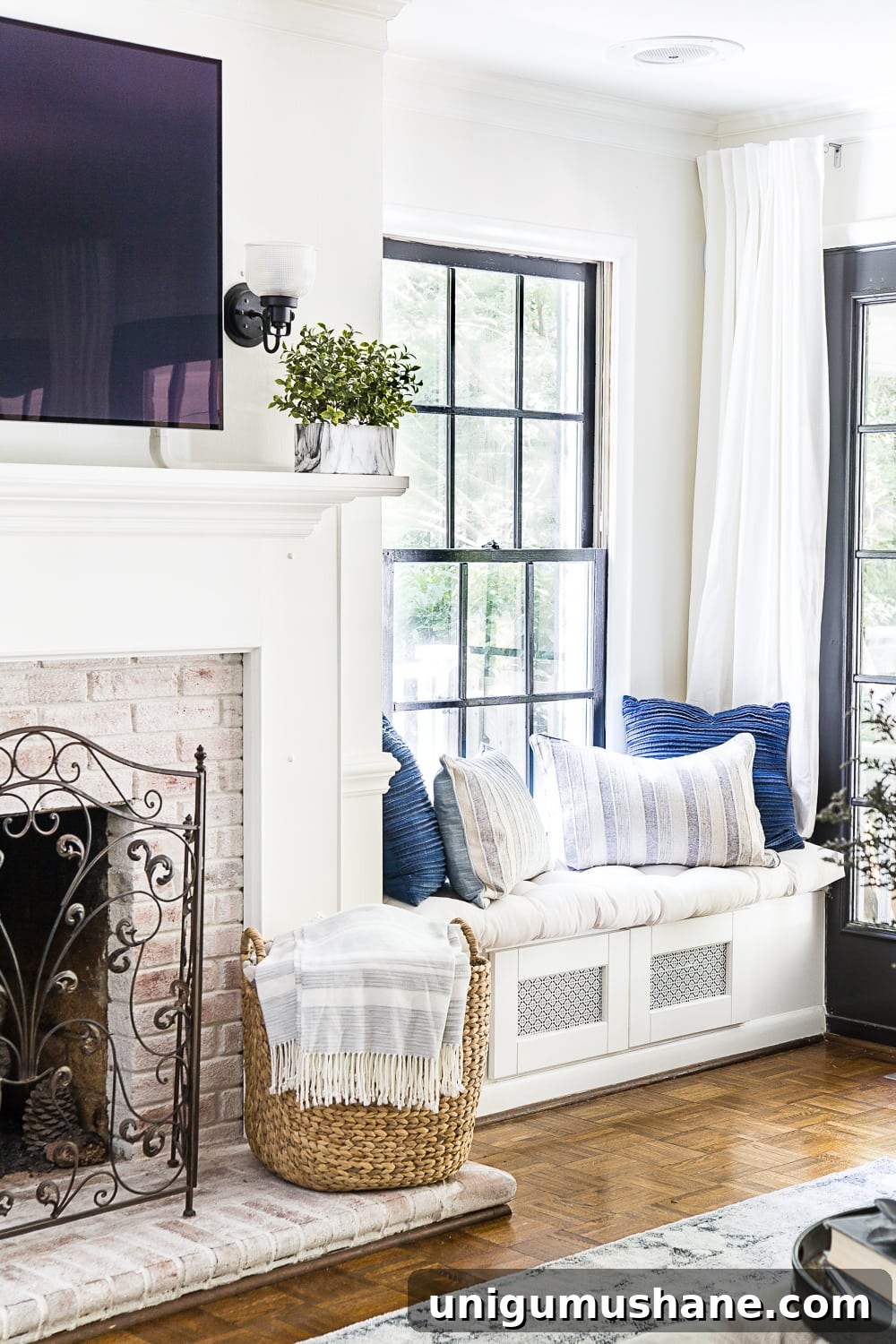
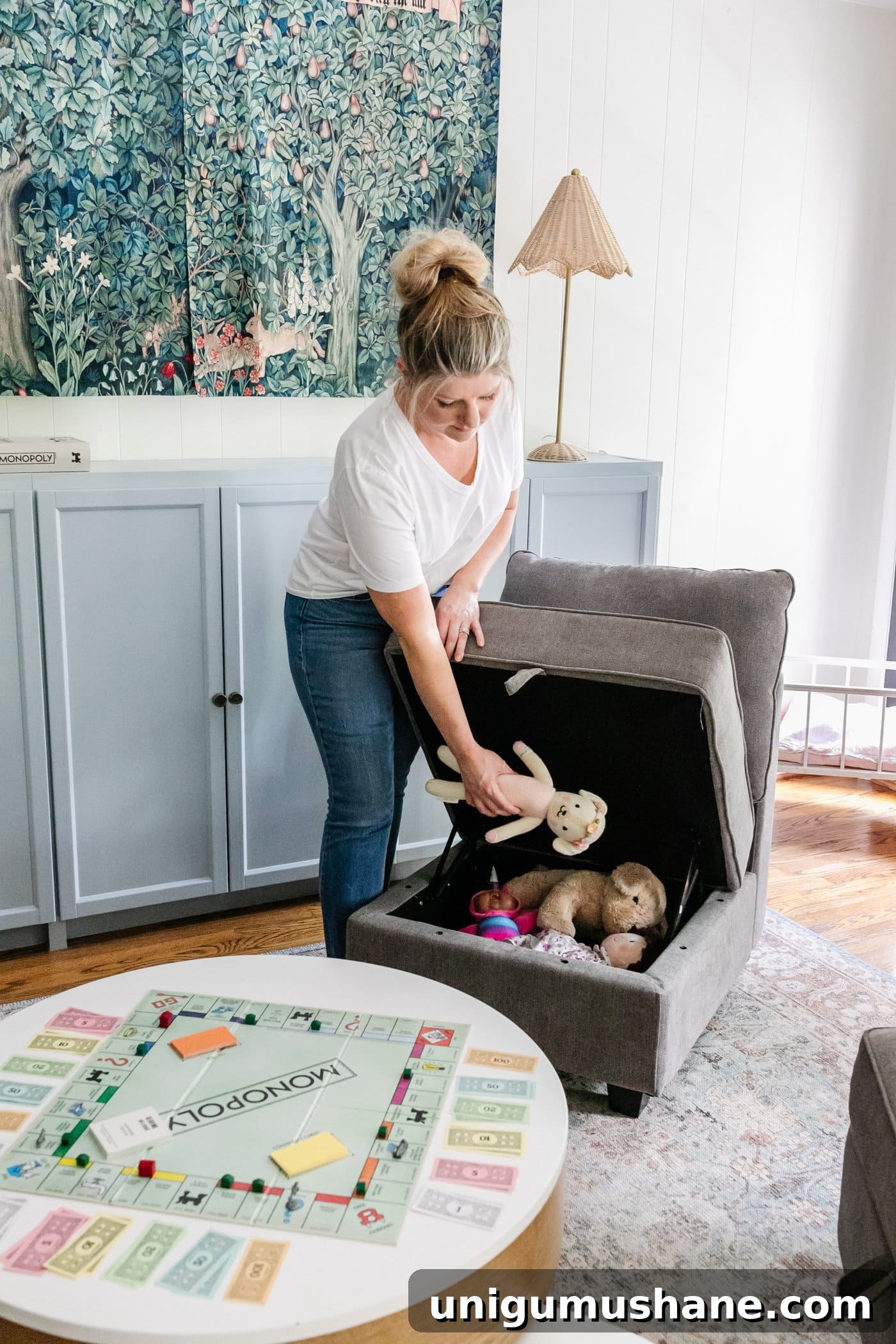
Hidden storage keeps surfaces clear and preserves a streamlined look. Built-in window seats, benches with internal storage, and baskets for blankets or pet toys all help reduce visual clutter. When everything has a dedicated place, rooms immediately feel larger and more organized.
Make use of vertical storage—tall cabinets, high shelving, or storage that takes advantage of the walls—to maximize usable square footage without crowding floor space.
5 Choose Multi-Functional Furniture
Furniture that serves more than one purpose is essential in small homes. Consider a Murphy bed for a combined office/guest room, storage benches in entryways, or coffee tables with hidden compartments. Nightstands with built-in charging ports or wall-mounted desks that double as vanities save space while increasing function.
6 Hang Floor-to-Ceiling Window Treatments
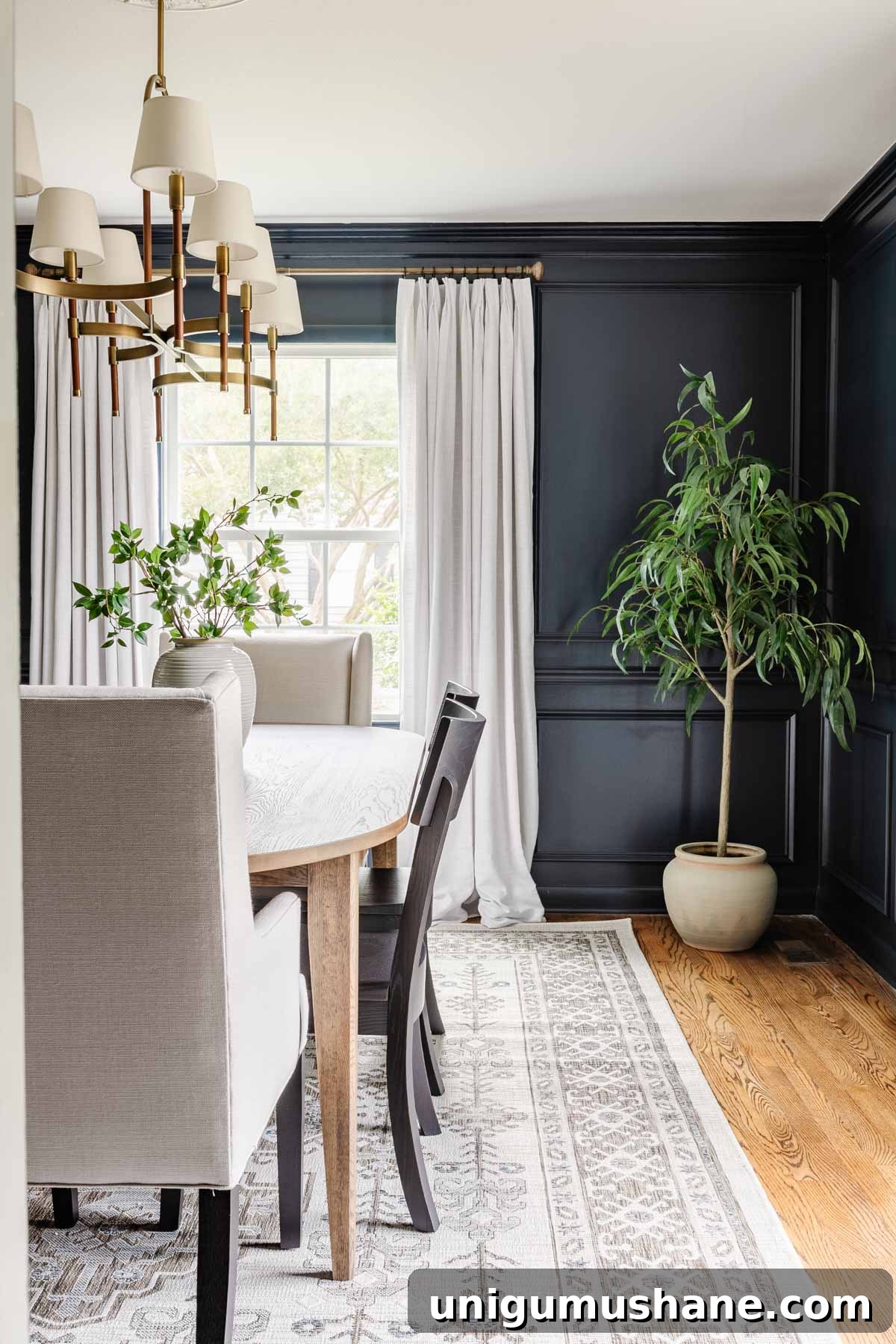
Mount curtains close to the ceiling and hang them all the way to the floor. This simple move visually lengthens walls and makes ceilings read taller. For rooms with eight-foot ceilings, 96″ panels that just touch or slightly puddle on the floor create a polished, elevated appearance.
7 Use Fewer, Larger Decor Accents
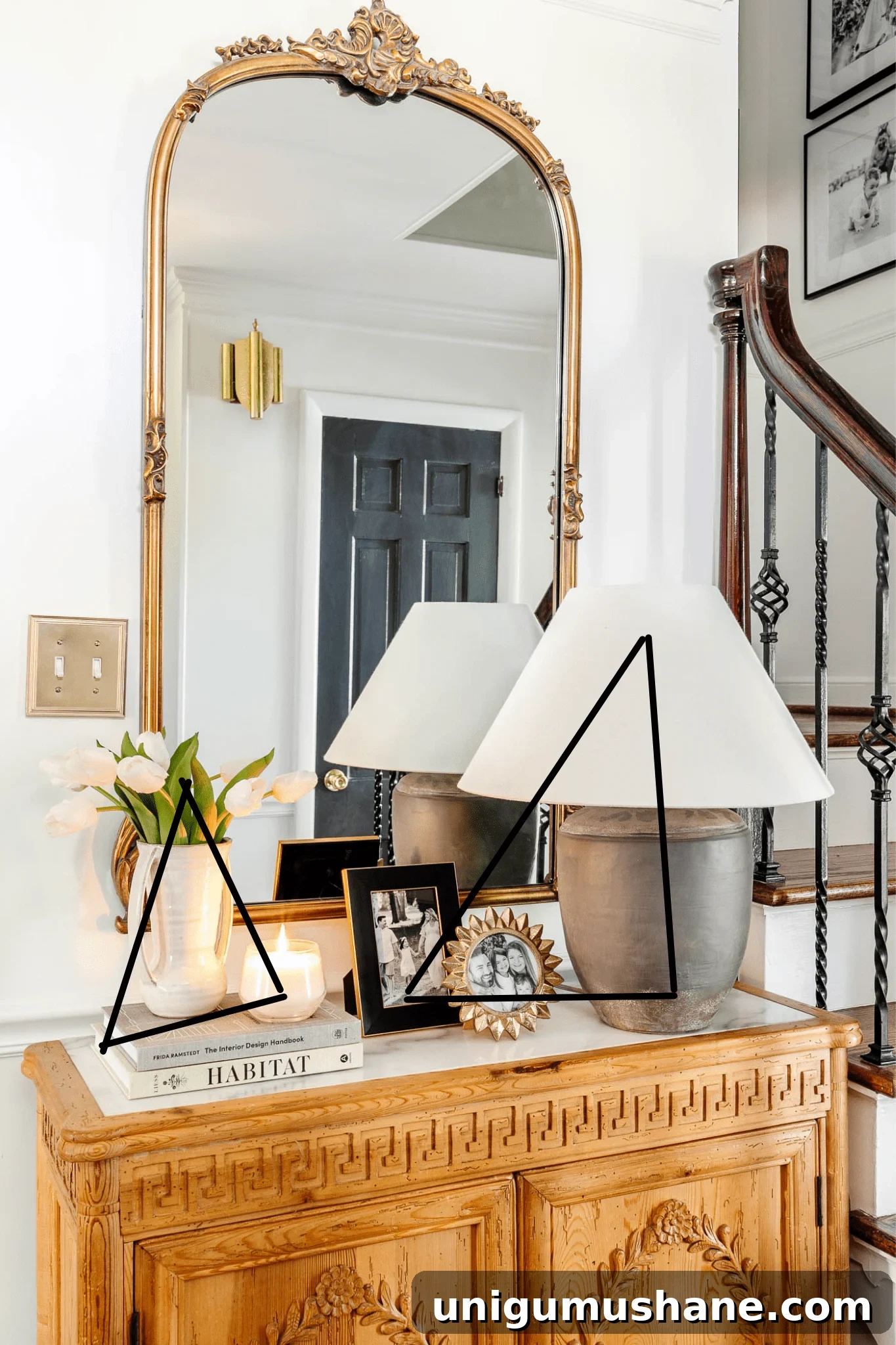
Many small knick-knacks can make a room feel cluttered. Instead, choose a few larger decor pieces and arrange them in balanced groupings—three or five items often work well. Give surfaces some breathing room so the overall look stays calm and purposeful.
Apply symmetry and the triangle rule when styling tabletops, and avoid covering every surface with objects.
8 Display Large-Scale Art
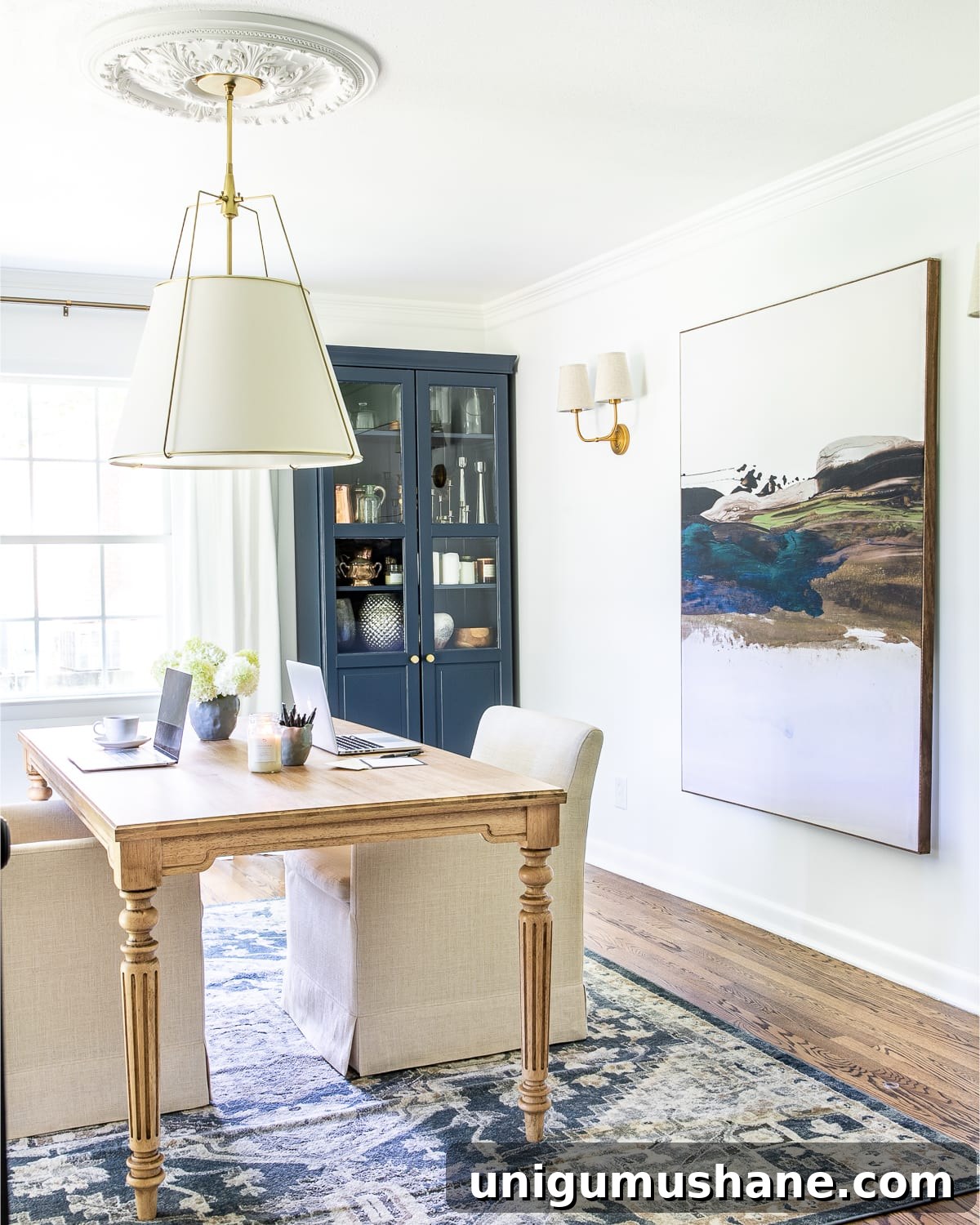
One large piece of art reads less busy than a collection of many small pieces and helps a wall read as a single plane, which makes the room feel bigger. If you want a gallery wall, limit it to a single wall and keep the other walls simple to avoid overwhelming the space. Leaving some walls bare adds visual breathing room.
Look for oversized canvases or DIY large pieces to create impact without clutter.
9 Balance Your Lighting
Rely on multiple light sources—table lamps, floor lamps, sconces, and accent lighting—rather than a single overhead fixture. Layered lighting illuminates the space evenly and reduces harsh shadows, which helps small rooms feel larger and cozier, especially where natural light is limited.
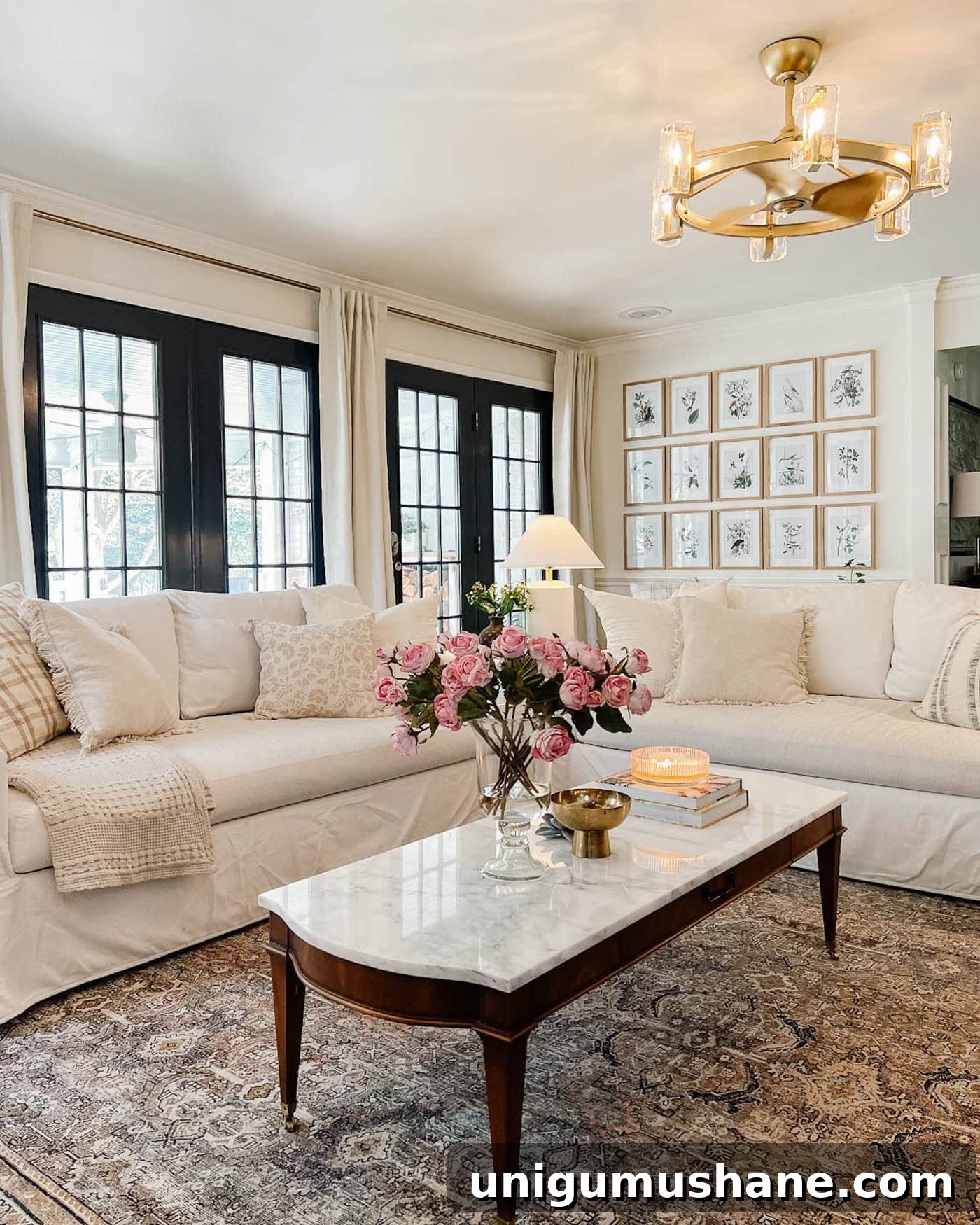
10 Define Spaces with Rugs
Area rugs anchor furniture groupings, define zones in open areas, and visually expand spaces when sized correctly. A well-chosen rug can make a seating area or home office feel intentional and larger by establishing clear boundaries and a sense of order.
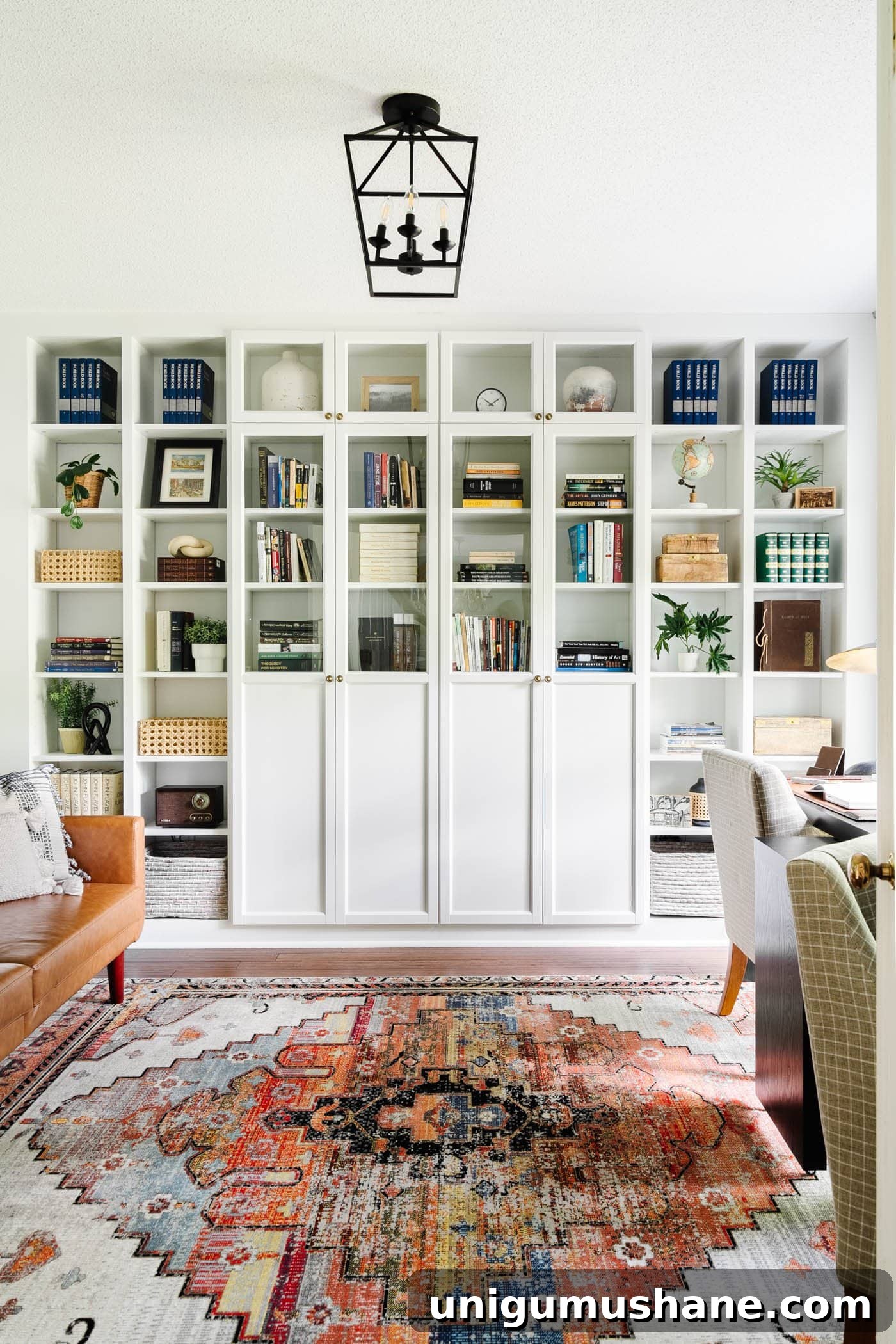
11 Opt for One Large Statement Piece
In many small rooms it reads better to have one substantial piece of furniture—a large sofa or a king bed with low profile—rather than several small items that break up the visual flow. A single larger piece can make the space feel more expansive when circulation still works comfortably.
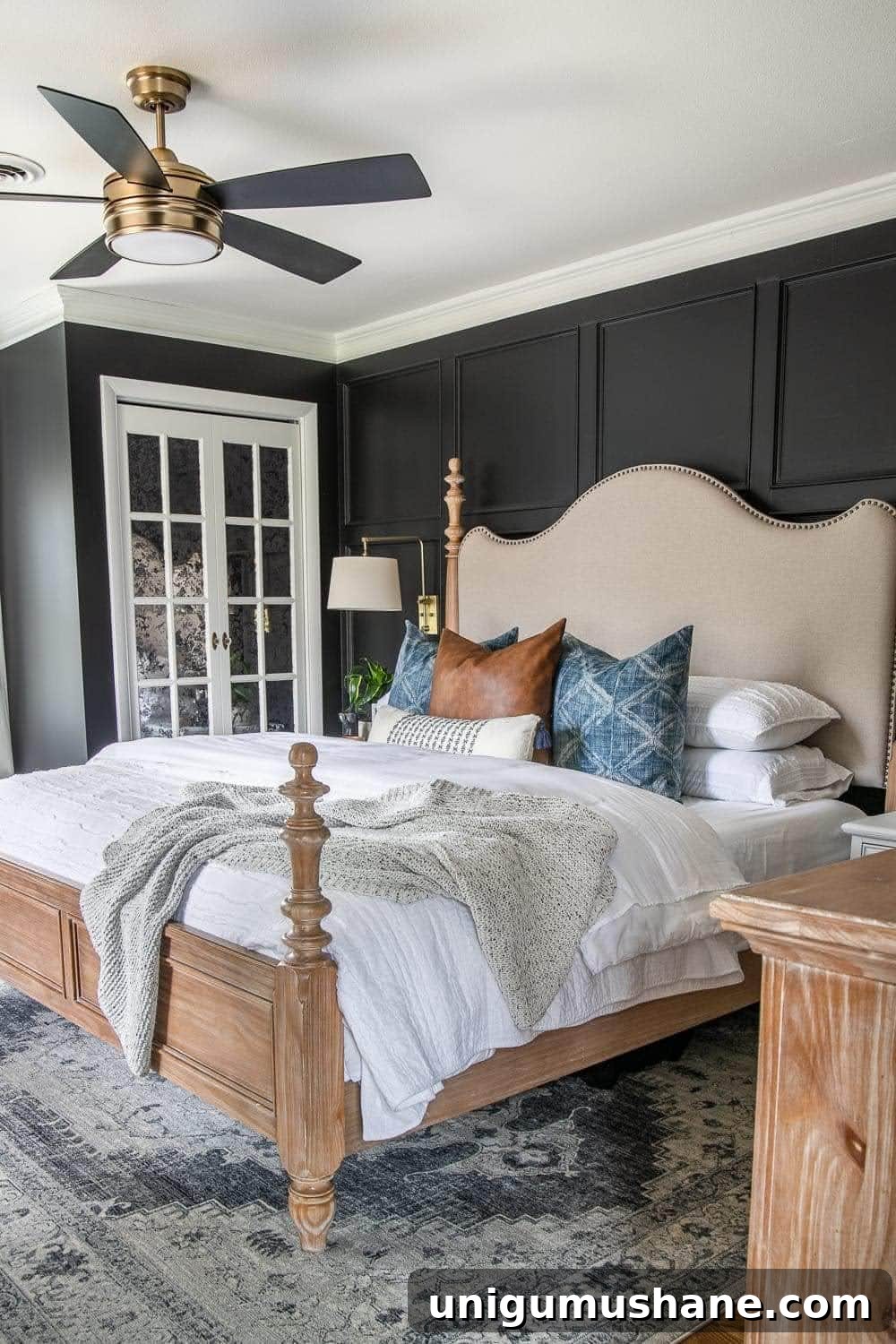
12 Choose Furniture with Exposed Legs
Furniture on exposed legs keeps sightlines open underneath each piece so the floor continues visually through the room. Skirted or floor-length pieces can feel heavy and boxy; raised furniture creates a lighter, airier impression.
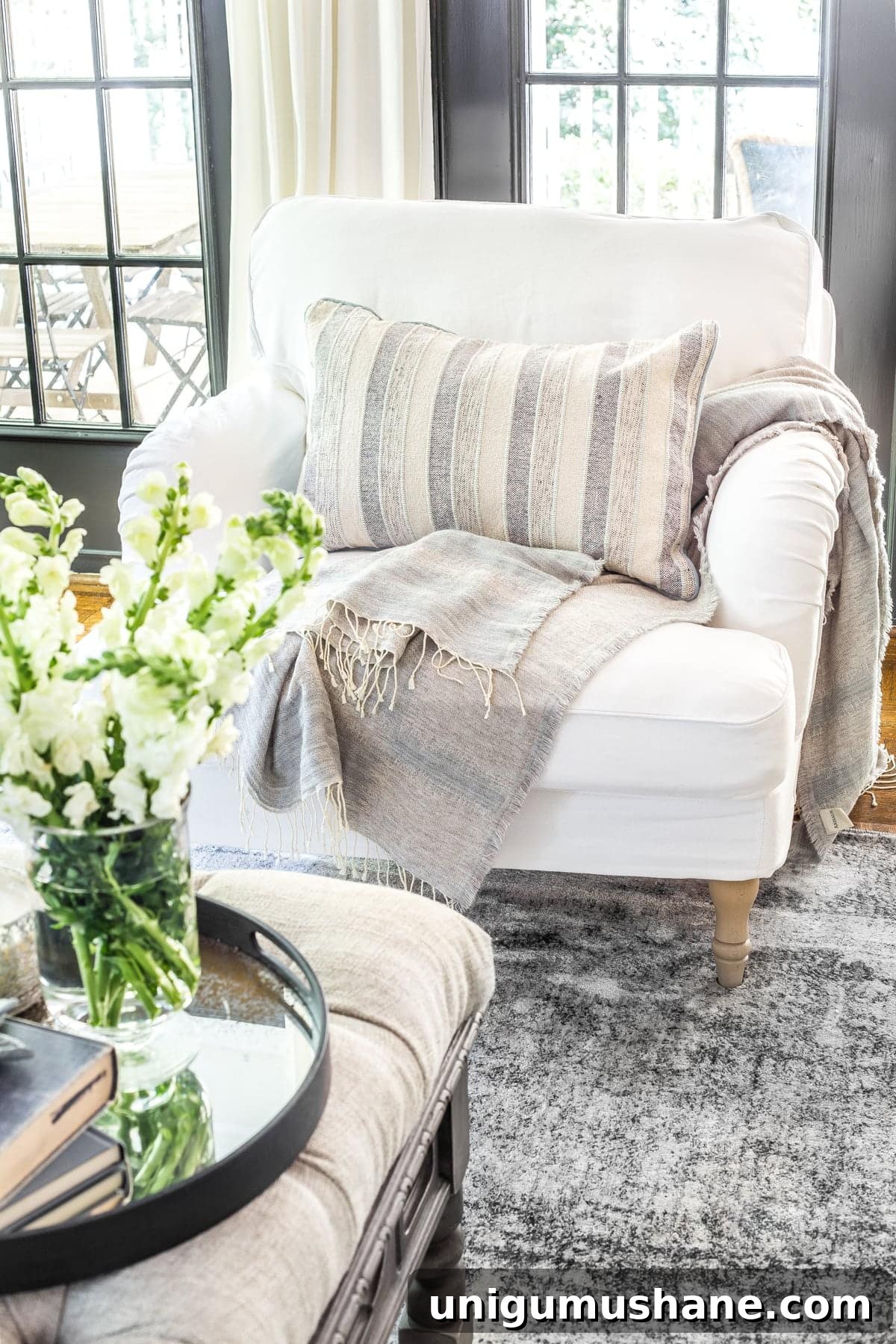
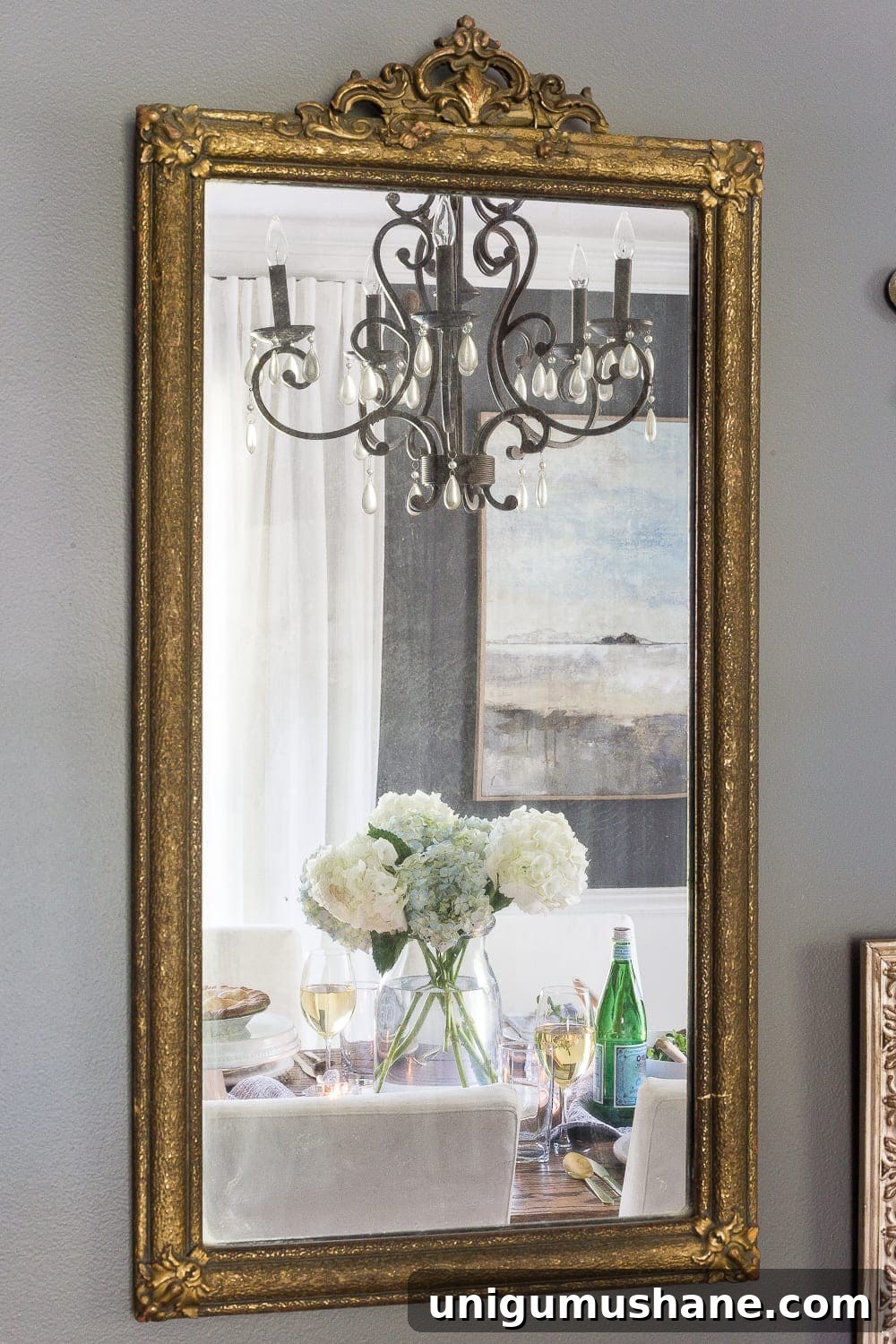
13 Use Mirrors to Boost Light and Depth
Strategically placed mirrors reflect natural and artificial light, visually doubling a room when placed opposite windows or light sources. On darker walls, a mirror can break up density and give the sense of additional square footage.
14 Declutter Regularly
Clutter makes any room feel smaller. Implement a simple routine—review cabinets, closets, and surfaces seasonally—and donate or store items you no longer use. Even a large space will feel cramped if it’s overcrowded; regular editing keeps rooms feeling open and calm.
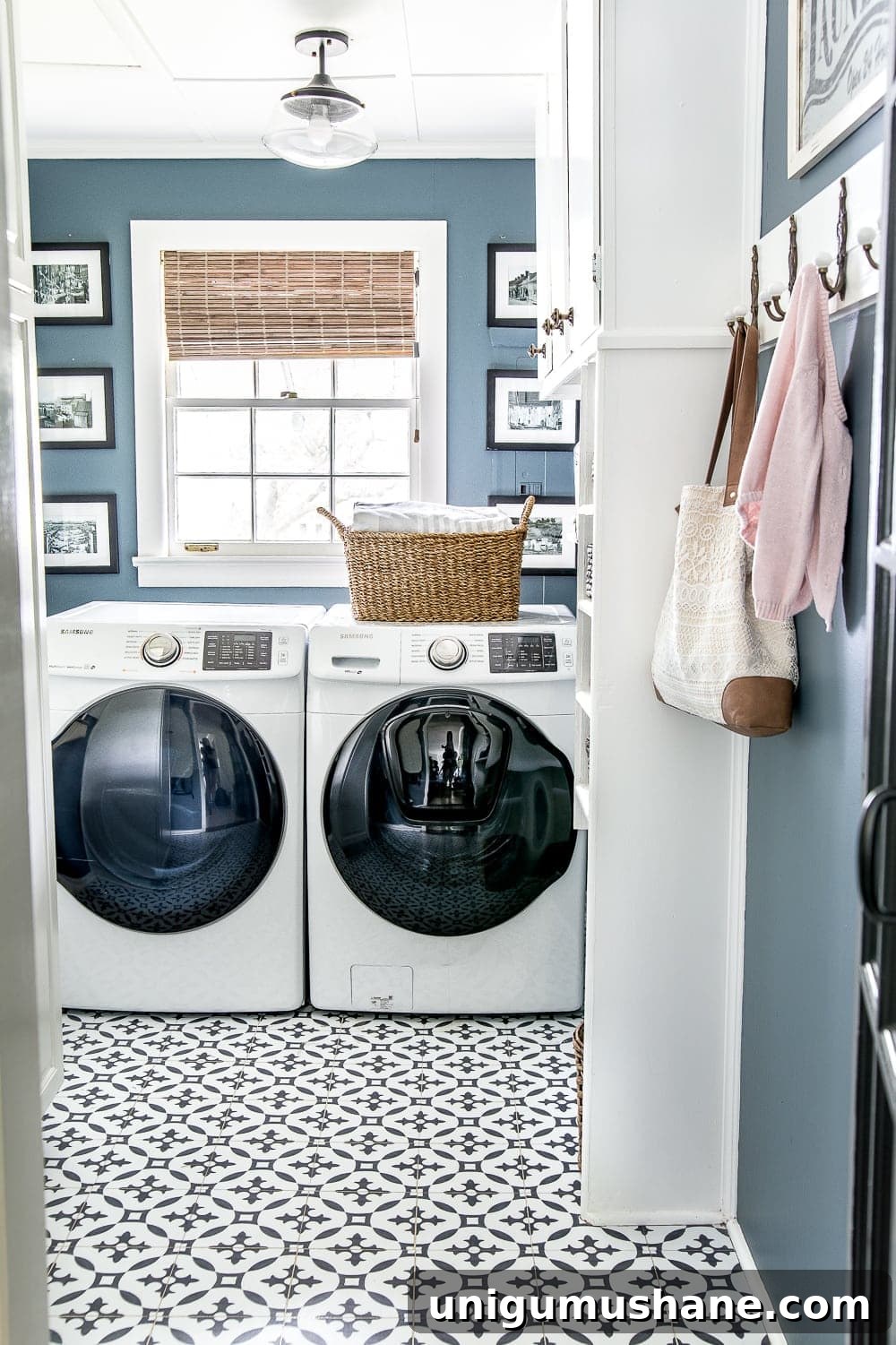
15 Use Visually Interesting Light Fixtures
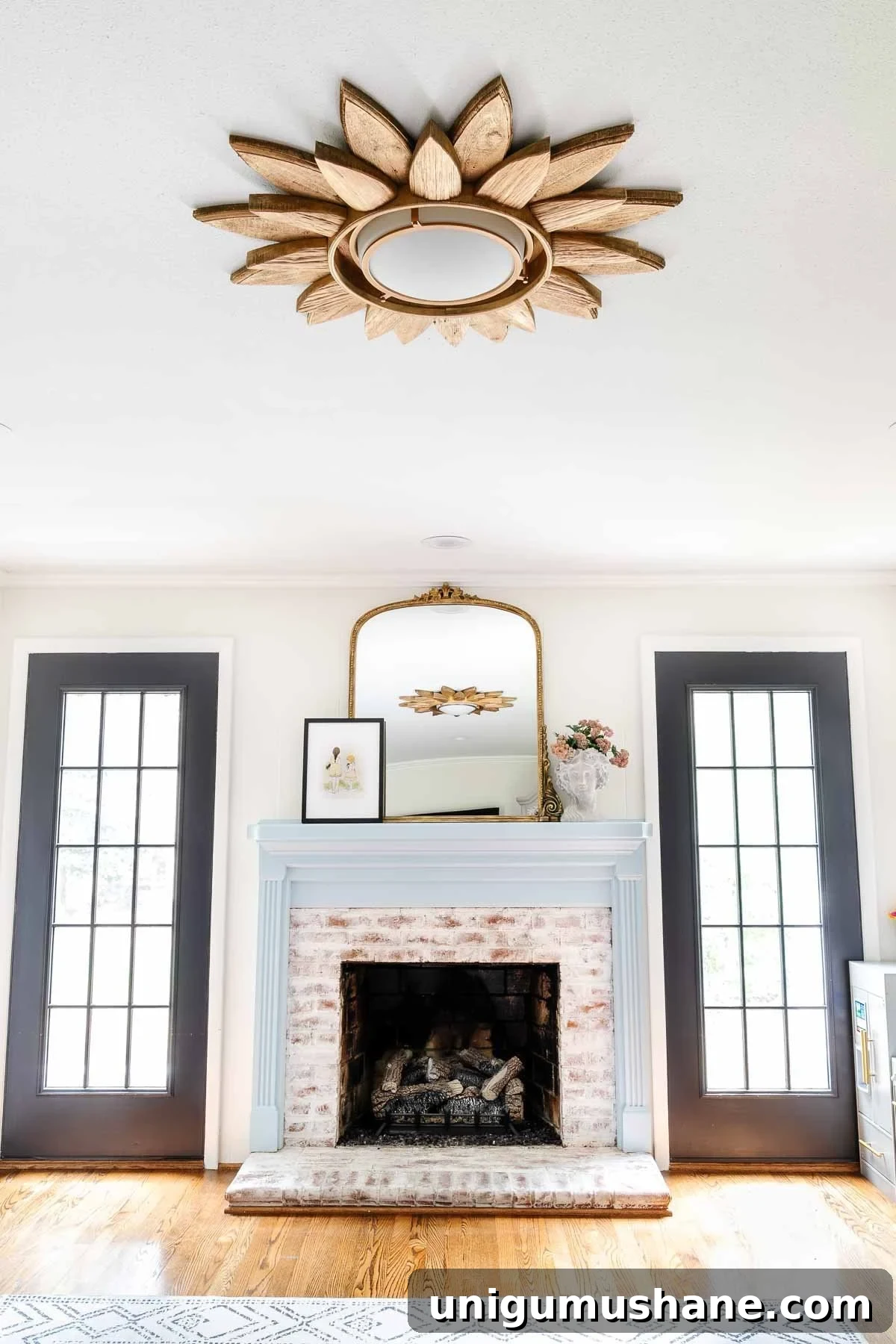
A ceiling fixture with interesting scale or detail draws the eye upward and contributes to height. A thoughtfully chosen chandelier or modern flush-mount becomes a focal point that elevates the room’s proportions.
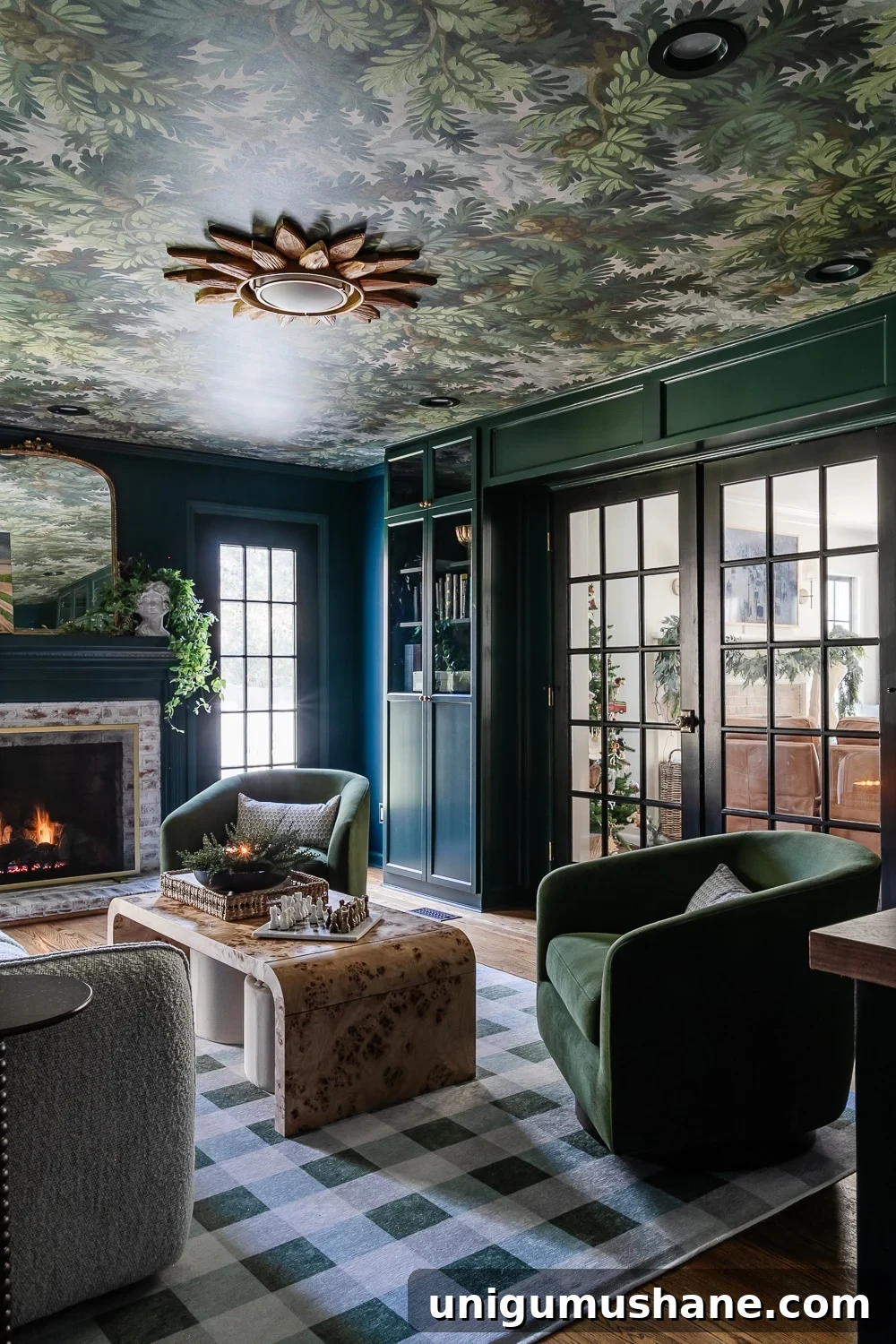
16 Ditch White Ceilings for Wallpaper or Paint
Think of the ceiling as the “fifth wall.” Wallpaper or a painted pattern on the ceiling adds dimension and can make a compact room feel more layered and intentional, especially when coordinated with wall colors.
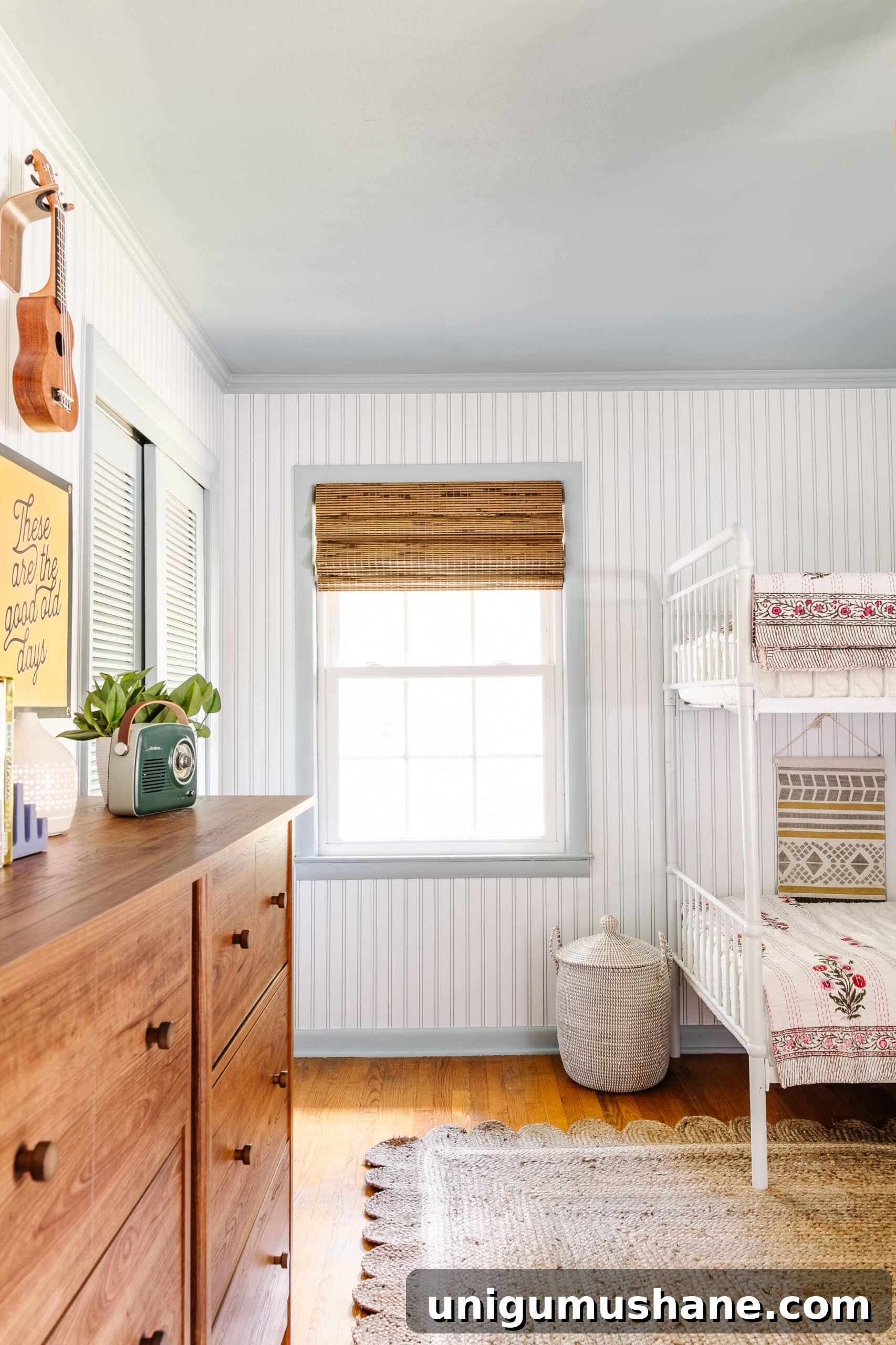
17 Embrace Vertical Stripes
Vertical stripes—painted or wallpapered—draw the eye up and make ceilings appear taller. This simple optical trick works much like clothing stripes: it elongates the space visually and enhances verticality.
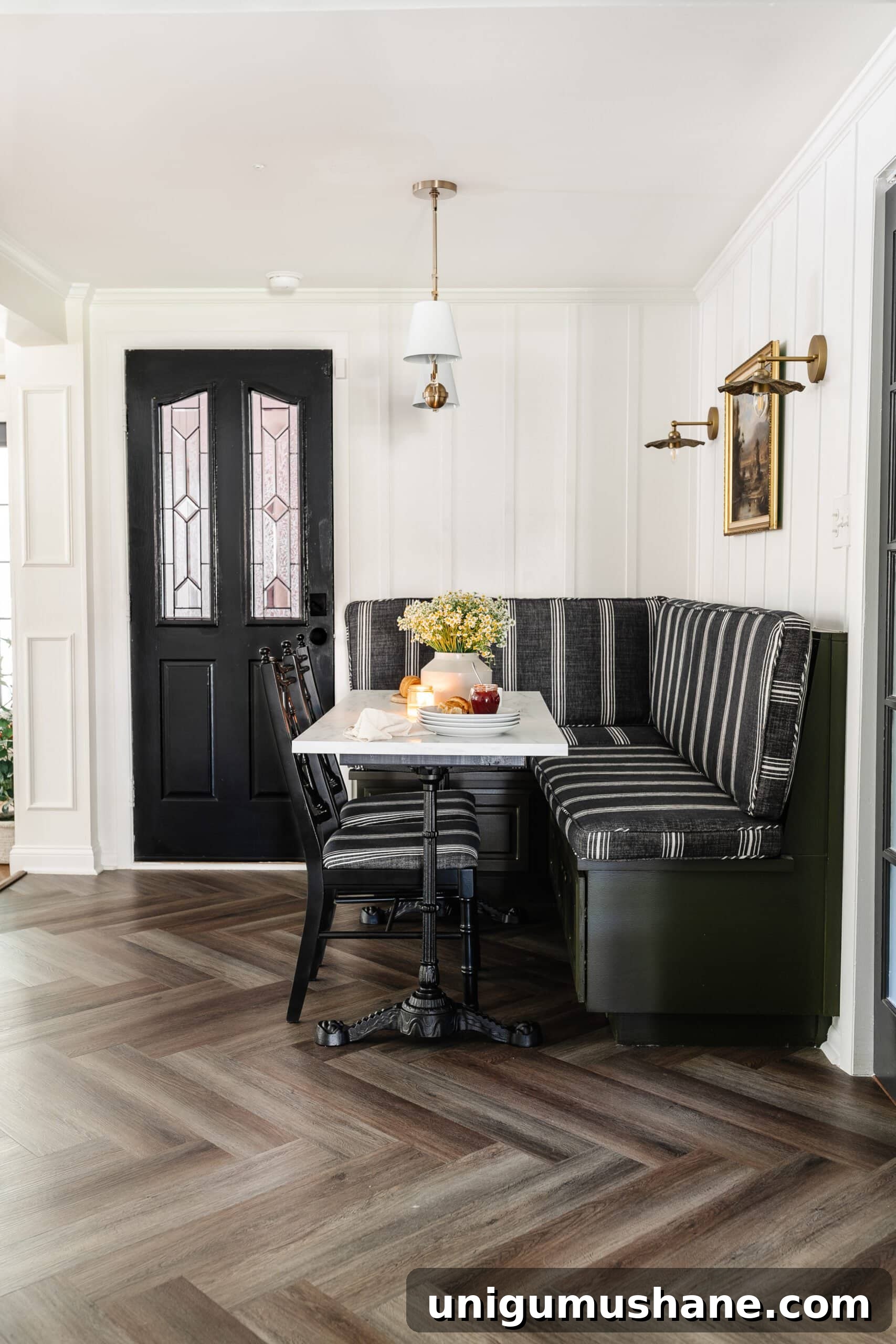
18 Create a Cozy Nook
When space is tight in dining areas, banquettes and built-in seating maximize circulation while adding seating. A dedicated nook can make a dining space feel more efficient and less crowded than freestanding chairs that require more clearance.
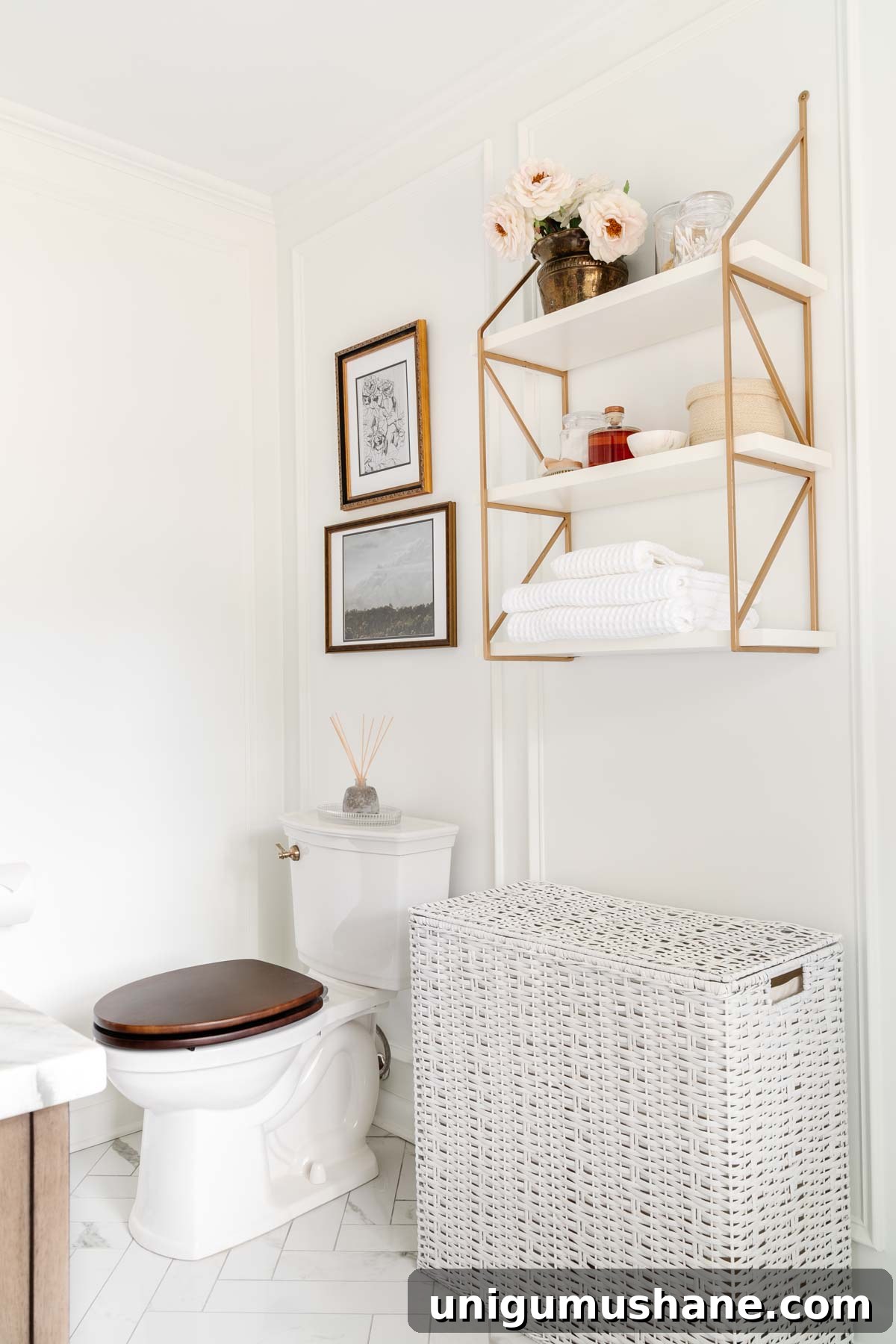
19 Hang Wall-Mounted Shelves
In small bathrooms or compact rooms, wall-mounted shelves free up floor space and keep essentials organized. Painting the shelves the same color as the wall helps them blend in, preserving a seamless, spacious feeling.
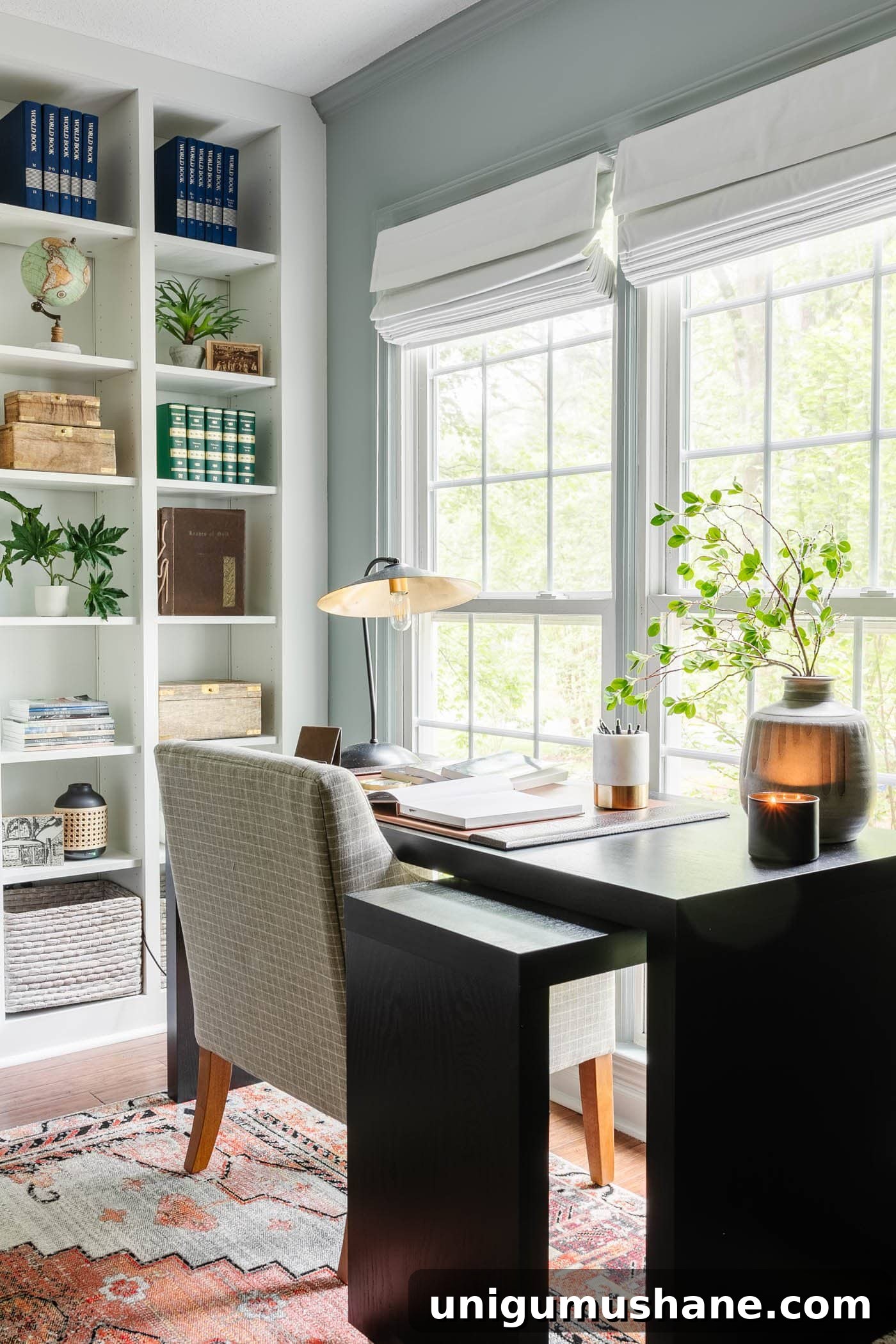
20 Install Built-Ins
Built-in shelving and cabinetry are highly effective in small homes because they provide storage without interrupting sightlines. Custom built-ins draw the eye upward and make a wall read as one continuous unit, which enhances the perception of space.
21 Match Furniture to Walls for a Monochromatic Look
A monochromatic palette where furniture tones align with wall colors allows edges to blend and creates a cohesive, airy look. This technique reduces visual breaks and helps a room feel more expansive.
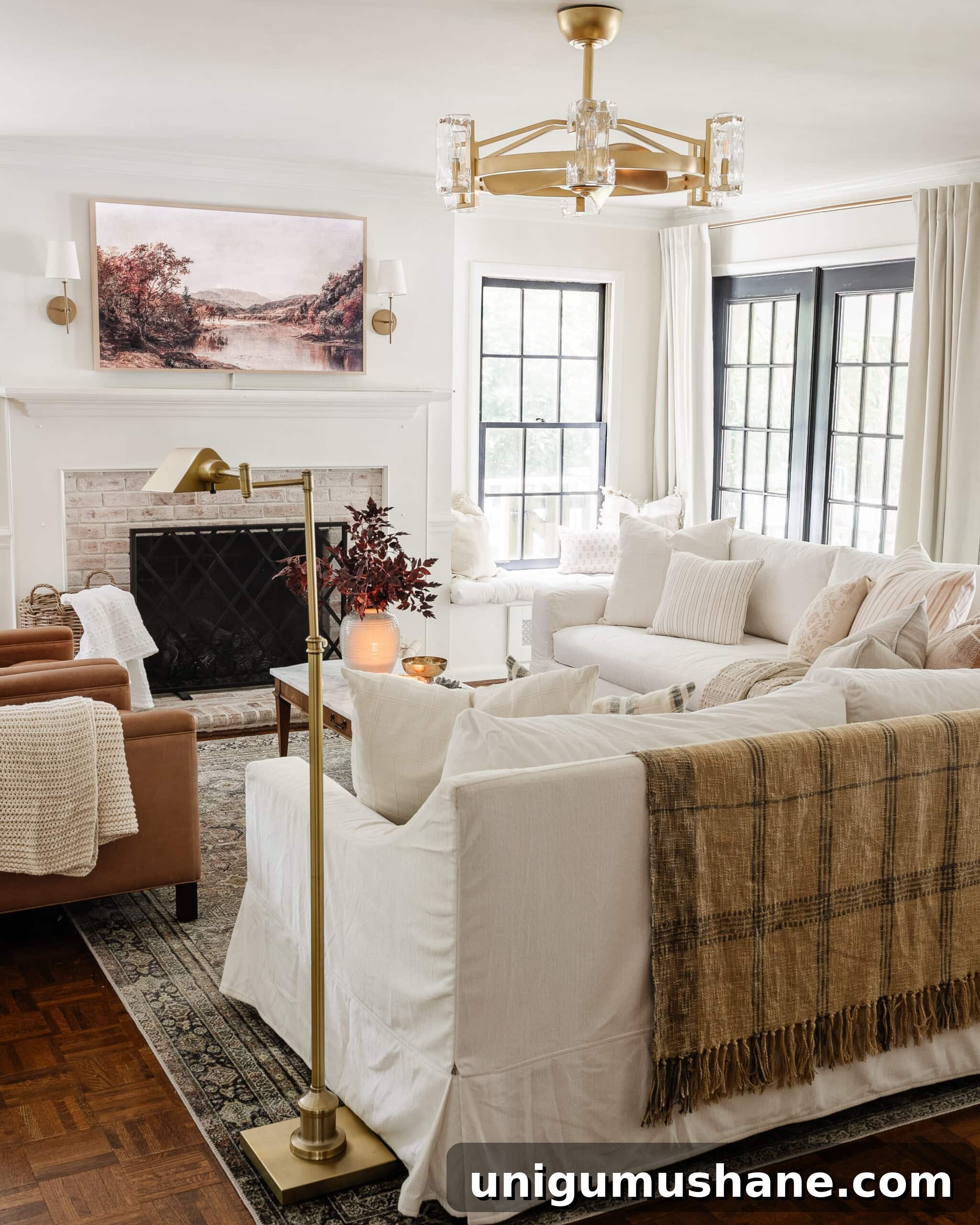
22 Use Frameless Clear Shower Doors in Small Bathrooms
Framed or frosted shower enclosures create a visual barrier. Frameless clear glass lets the eye travel through the shower area, making the bathroom feel larger and more continuous.
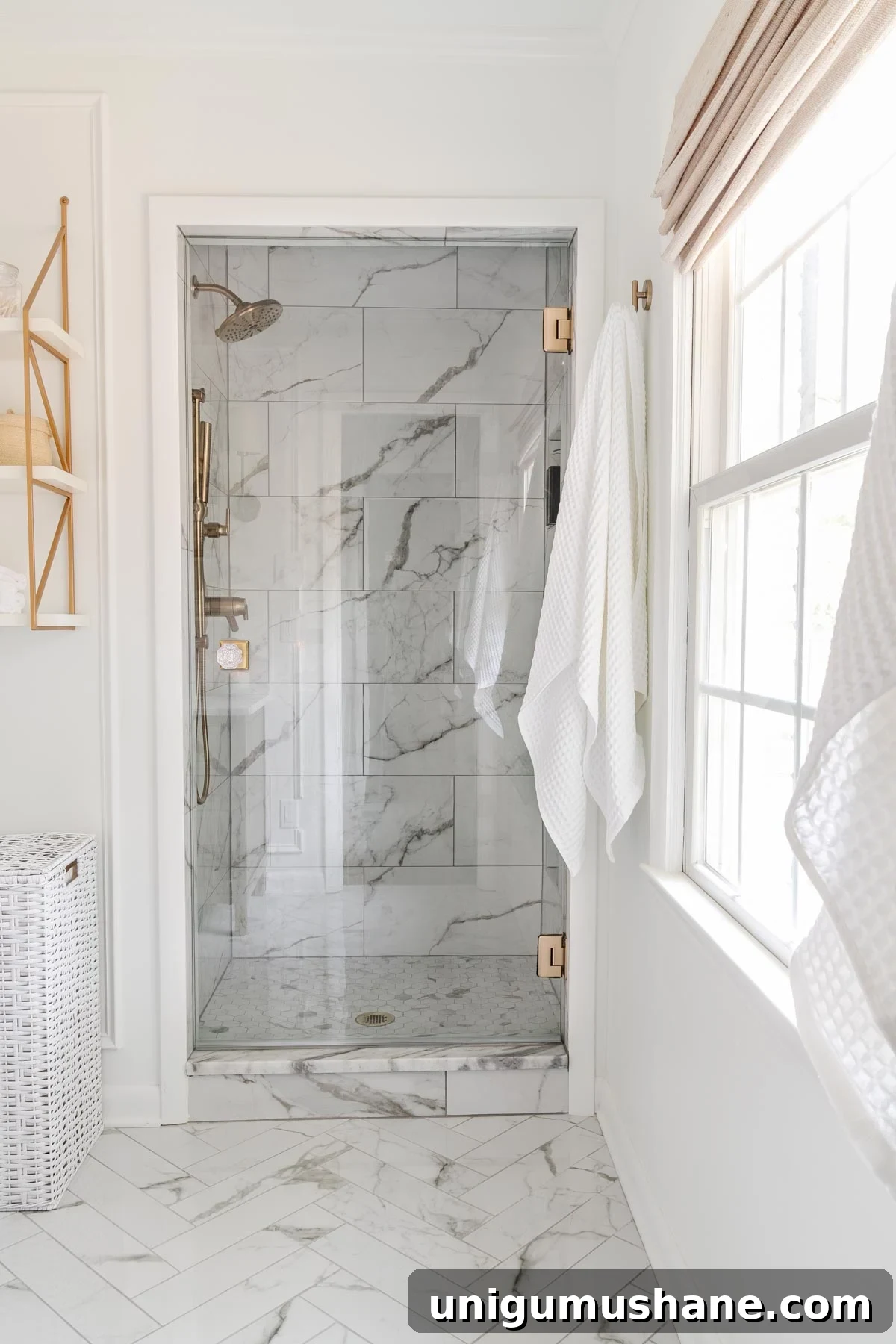
23 Use Glossy Tile to Reflect Light
Glossy tile and reflective finishes bounce light around a room, brightening surfaces and creating the illusion of more space. Like a glossy paint sheen, glossy tiles help a bathroom or kitchen feel lighter and more open.
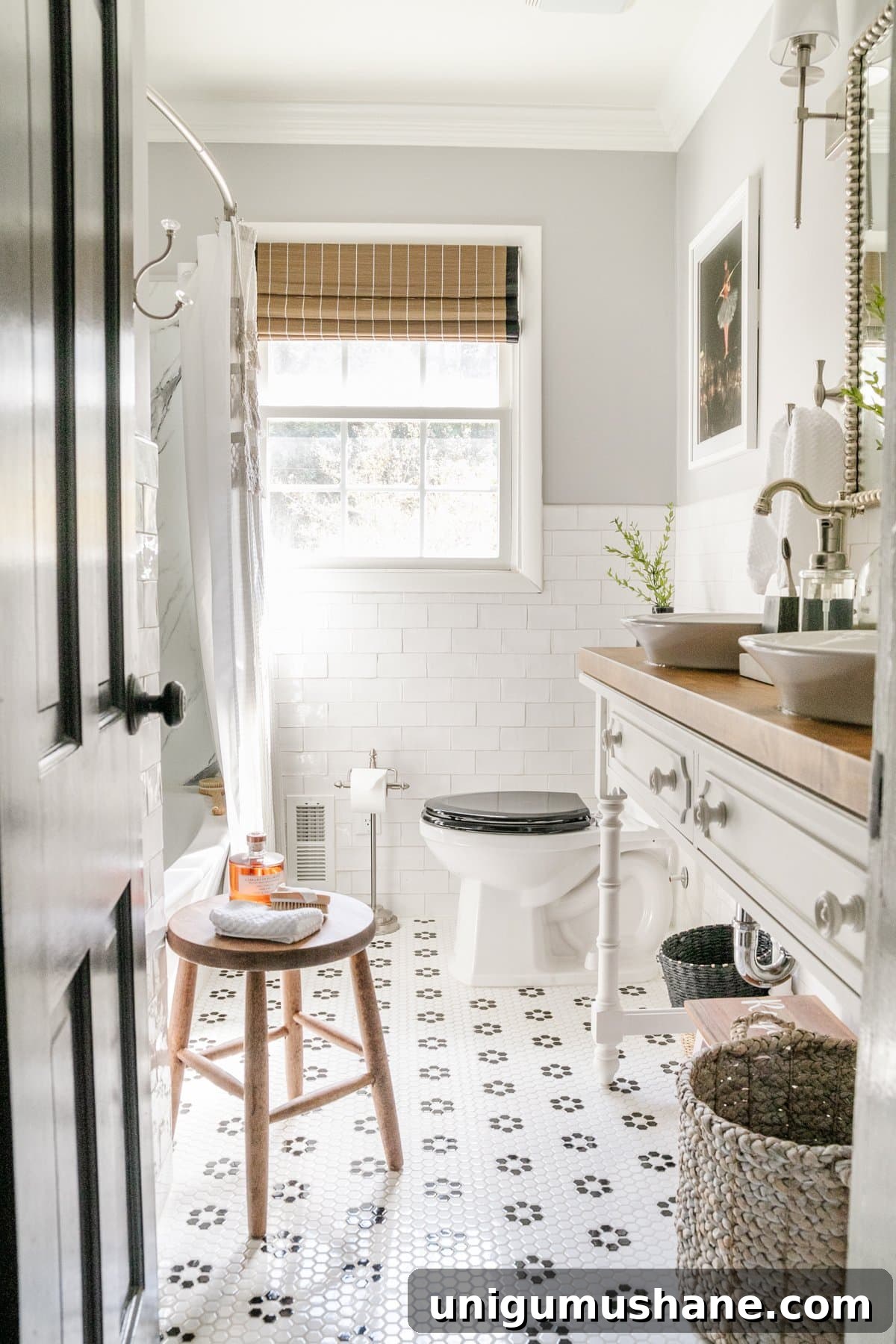
These are the strategies we rely on most when designing smaller rooms: contrast, decluttering, smart storage, layered lighting, and pieces that visually open circulation. They’re practical, budget-friendly, and effective at making compact spaces feel intentional and roomy.
If you have other small-room tips or tricks, share them in the comments—there are always more clever solutions worth trying.
Frequently Asked Questions
Vertical stripes, large-scale repeating patterns, and bold plaids that emphasize height create the illusion of a taller, more expansive room.
Large mirrors, ceiling-height curtains, tall shelving, oversize area rugs, and one large piece of wall art are all effective at making a room appear larger.
More Small Room Decor Ideas
8 Small Hallway Ideas to Make Your Space Look Bigger
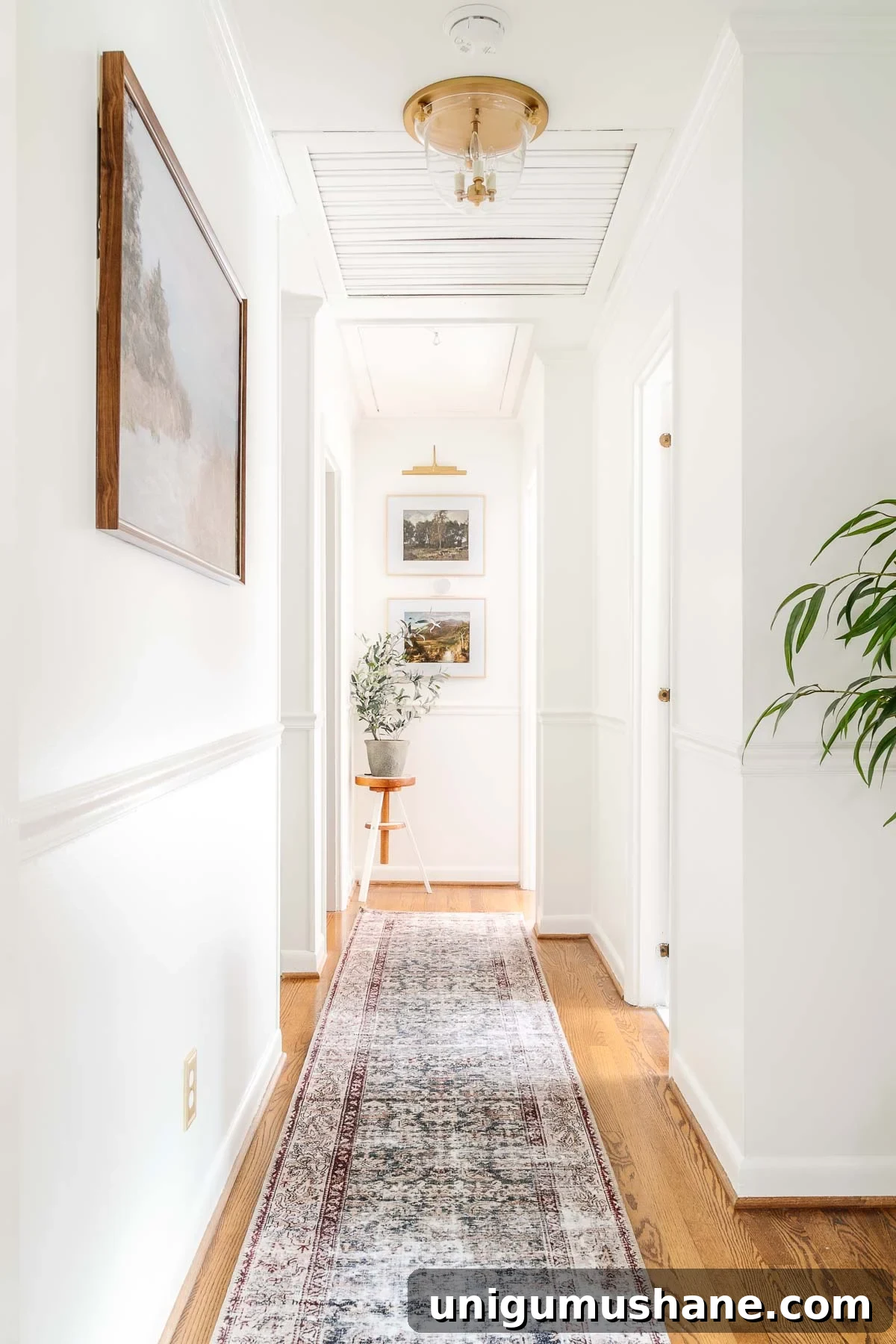
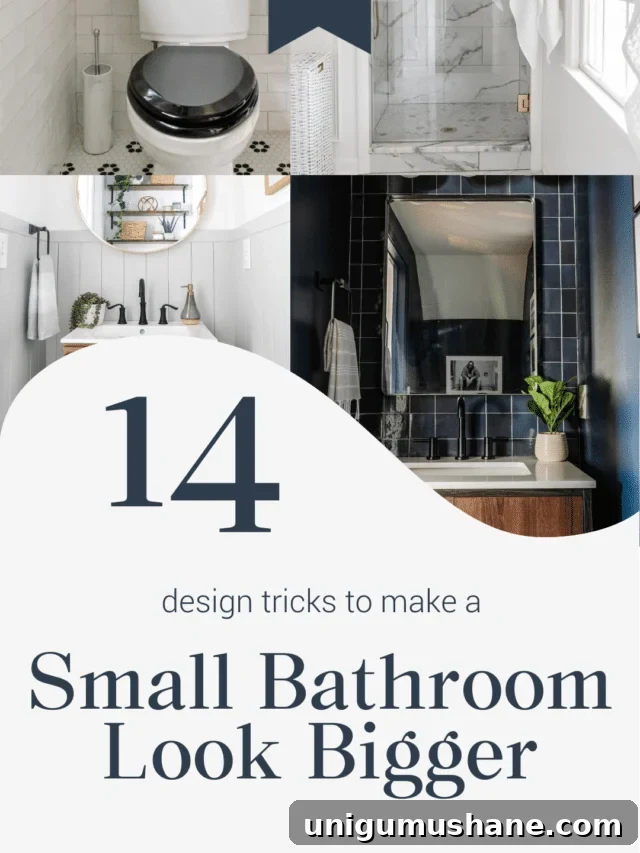
14 Tricks to Make a Small Bathroom Look Bigger
10 Small Bedroom Ideas to Make Your Space Feel Bigger