
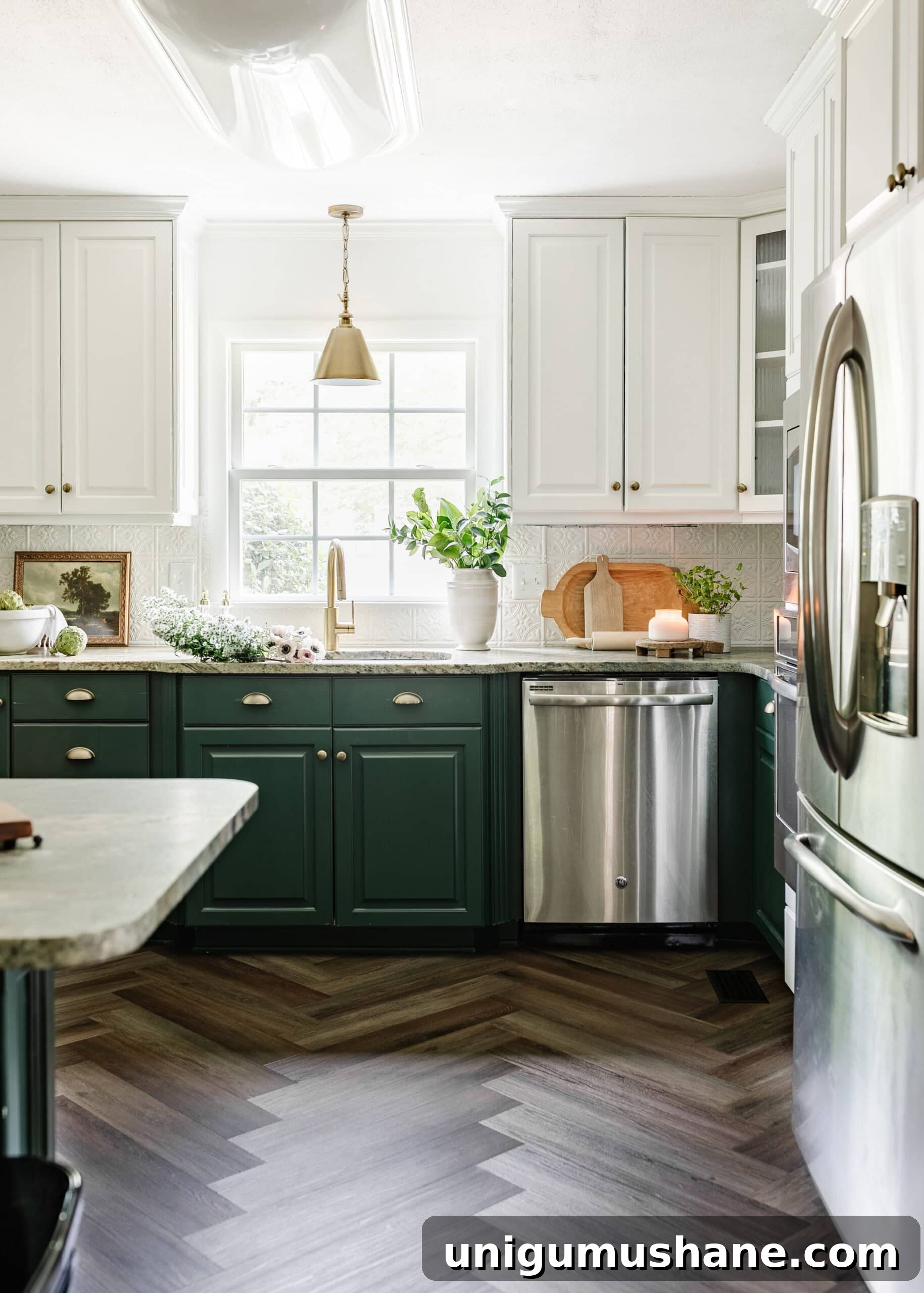
Quick things to clear out in a day this New Year to free up the most-used spaces in your home and create a calmer, more peaceful life.
This month I dove into a whole-house declutter and, after sorting through closets, cabinets, and drawers, I’m down to the final closet. What started as a small project turned into a huge mental reset — I didn’t realize how much lighter I’d feel once the excess was gone.
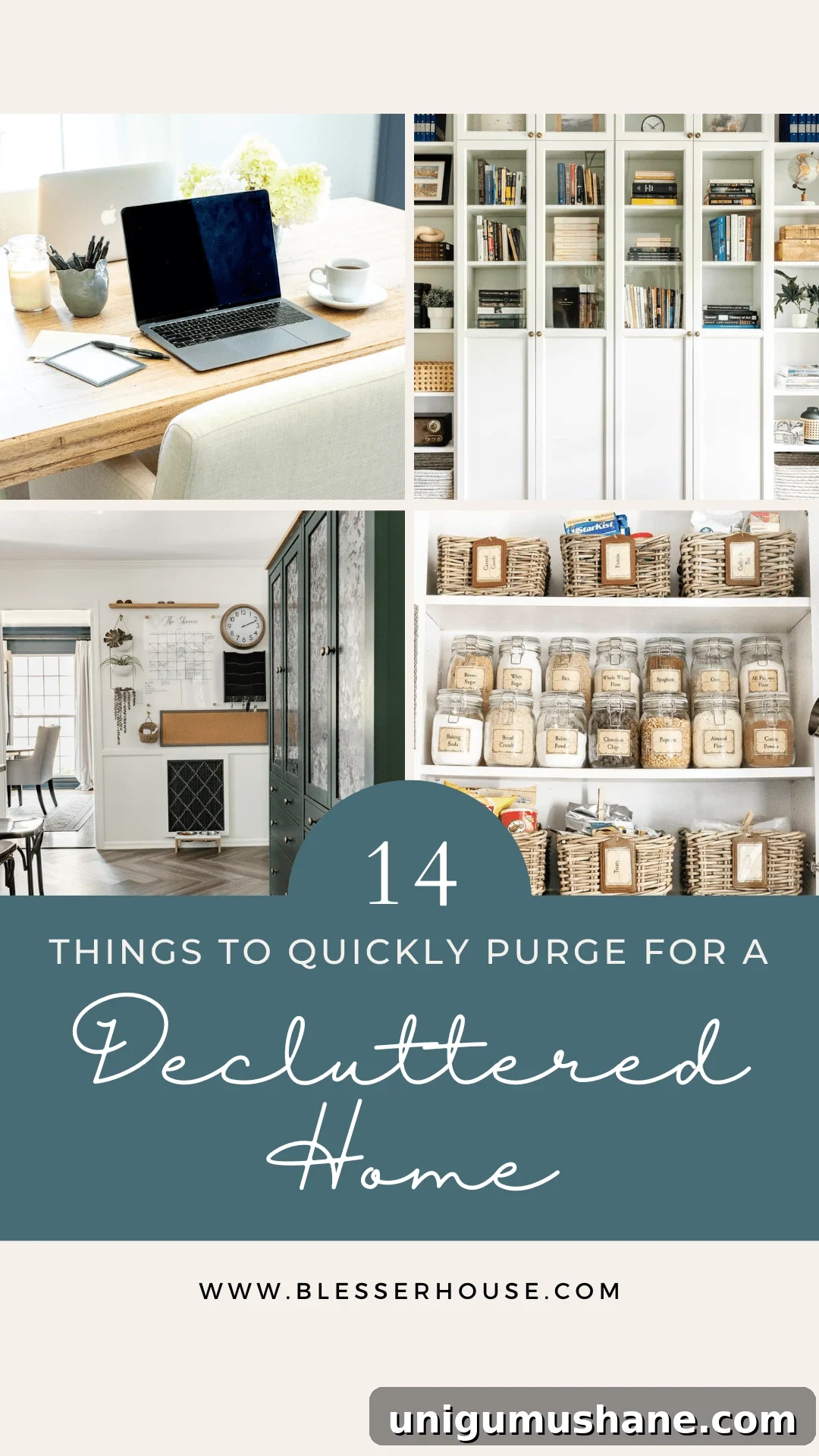
If you want a fresh start this New Year, here are 12 practical places to declutter quickly. Each area is common in most homes and can be improved with a focused 30–60 minute clear-out. Follow simple steps, work steadily, and enjoy the renewed space.
Psst… Get my printable decluttering checklist to stay on track!
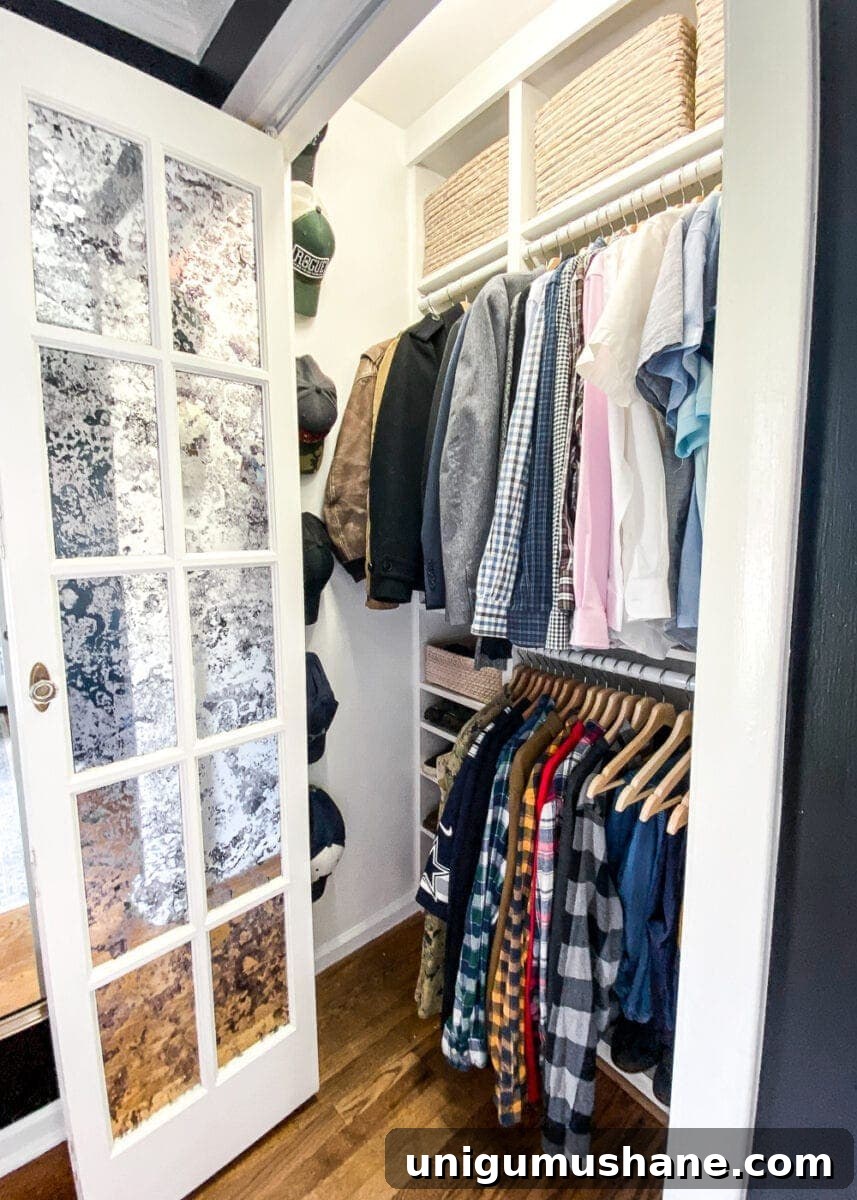
Clothing in Closets
Closets tend to collect items we never wear. Pull everything out and evaluate each piece: if you haven’t worn it in two years, consider donating or selling it. Keep staples that fit and make you feel confident; let go of outdated or ill-fitting garments. An organized closet saves time in your morning routine and reduces decision fatigue.
Tip: Build a simple system—keep, donate, repair—and stick to it as you work through each shelf and hanger.
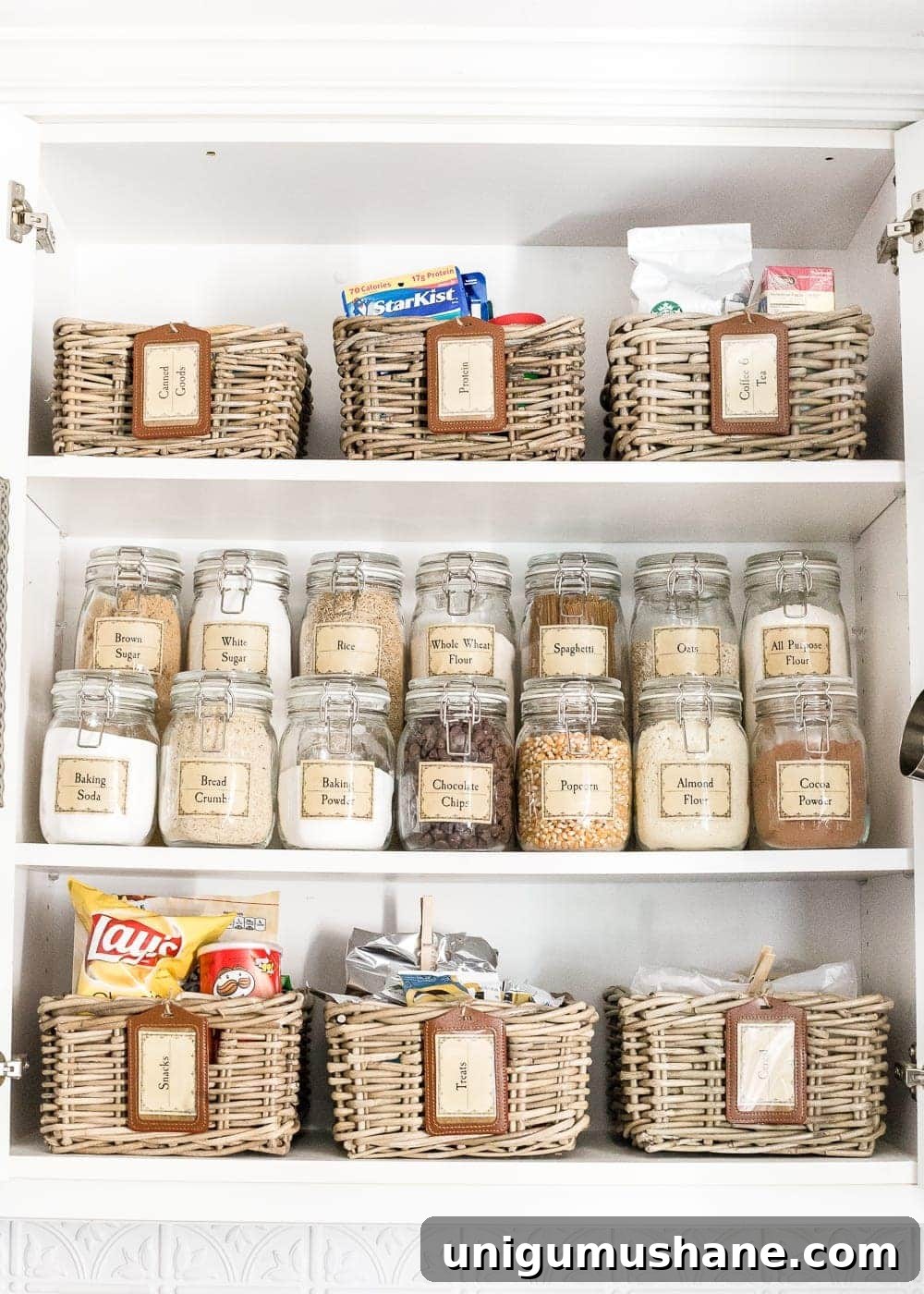
The Kitchen Pantry
Pantries often hide expired items at the back. Empty shelves, check dates, and toss anything spoiled or stale. Wipe down shelves and reorganize by category—canned goods, baking, snacks—so you can see what you have and avoid duplicate purchases. You’ll likely find plenty of extra space once expired items are removed.
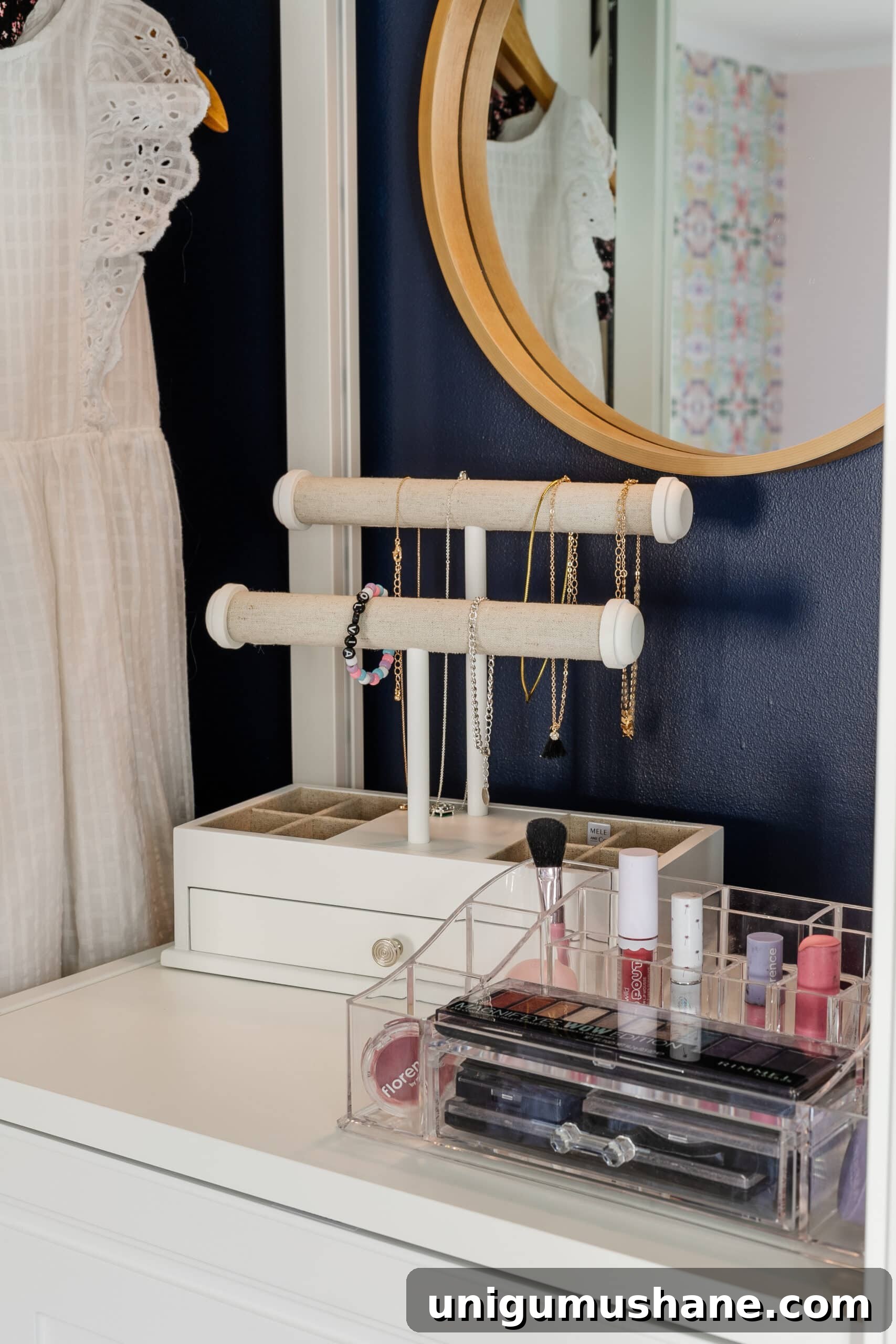
Makeup and Toiletries
Sort cosmetics and beauty products by expiration date. Toss old foundations, mascaras, and skincare items that have changed color or smell. Clear out sample packets you’ll never use and consider replacing worn cosmetic bags. Keeping only current, safe products makes your routine cleaner and healthier.
Medicine Cabinet
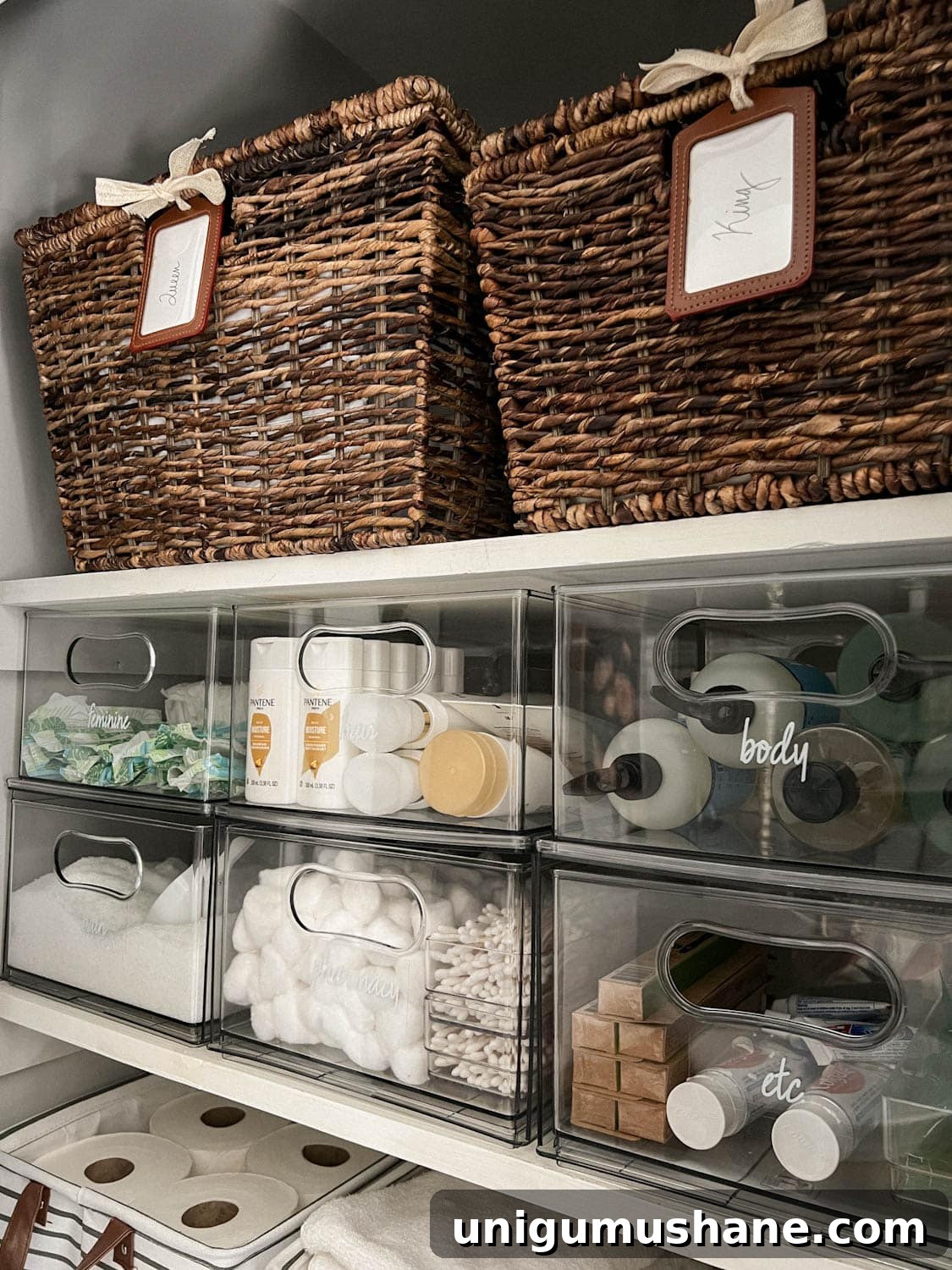
Medicine cabinets should be checked frequently. Dispose of expired prescriptions and over-the-counter medicines safely. Keep essential cold and pain-relief items easy to find, and store seasonal or rarely used medications separately. A tidy medicine cabinet reduces risk and prevents confusion during an emergency.
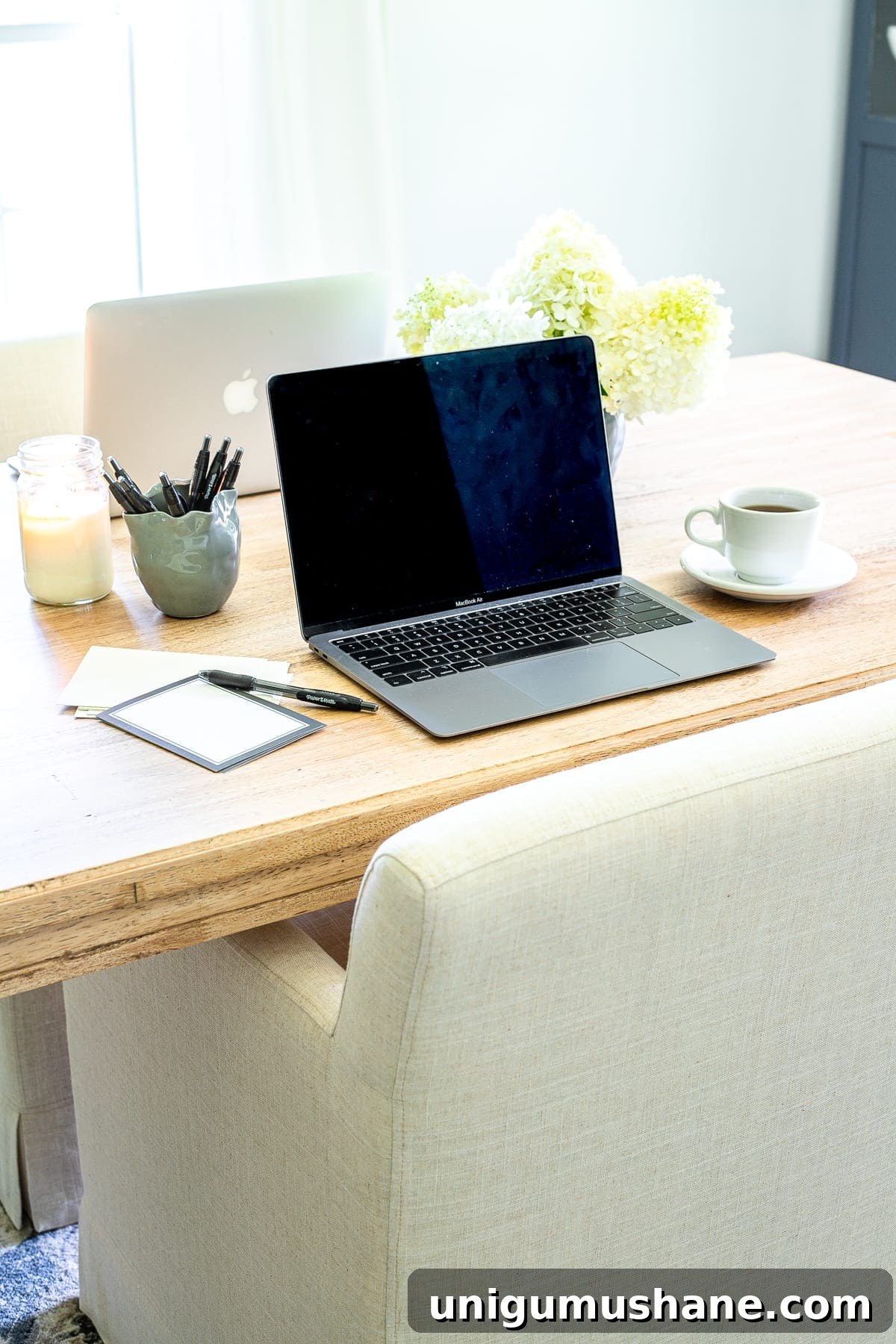
Subscriptions and Email
Digital clutter adds stress too. Review recurring subscriptions and cancel services you don’t use. Unsubscribe from promotional emails and organize your inbox into folders or labels. Reducing digital noise improves focus and lowers monthly expenses.
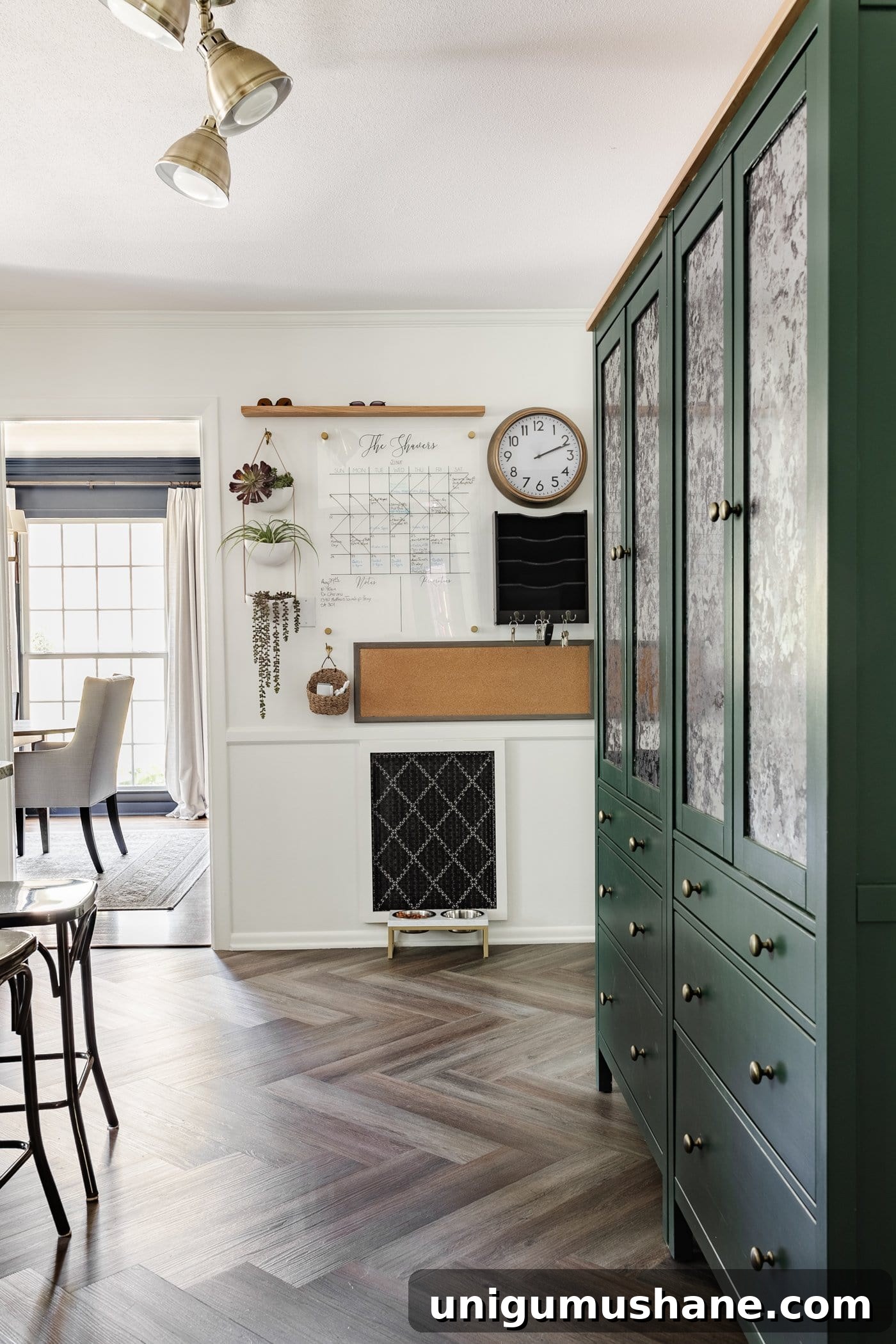
The Mail Drop Zone
Clear out the pile of incoming mail and paper clutter. Recycle old flyers and file important documents immediately. A designated command center or mail tray helps keep mail sorted so bills, invitations, and school notices don’t overwhelm your counters.
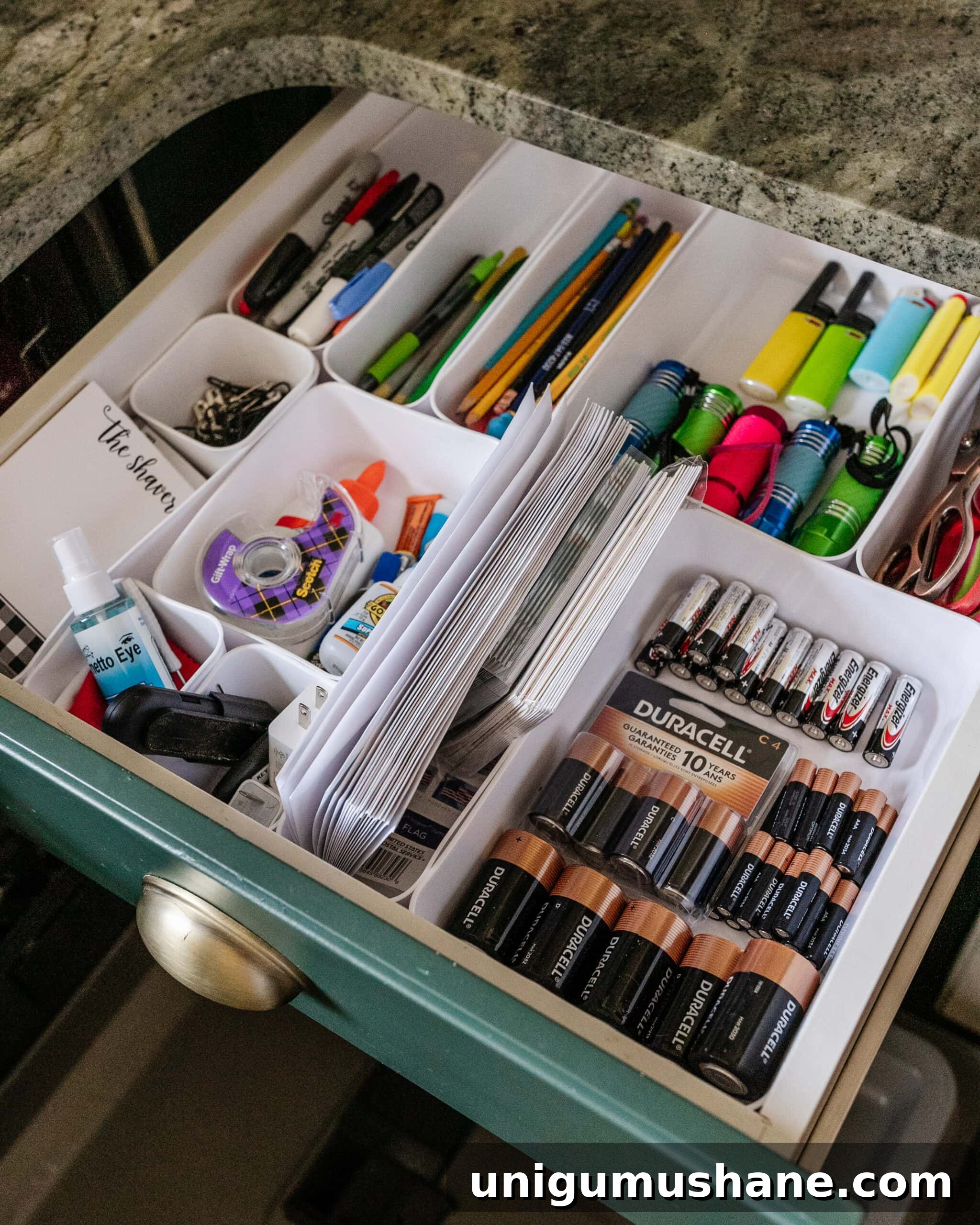
The Junk Drawer
Junk drawers accumulate everything from single batteries to broken pens. Empty the drawer, sort items into keep, toss, and relocate piles, and give each item a proper home. Use small containers or dividers to keep the drawer functional and prevent it from becoming a catch-all again.
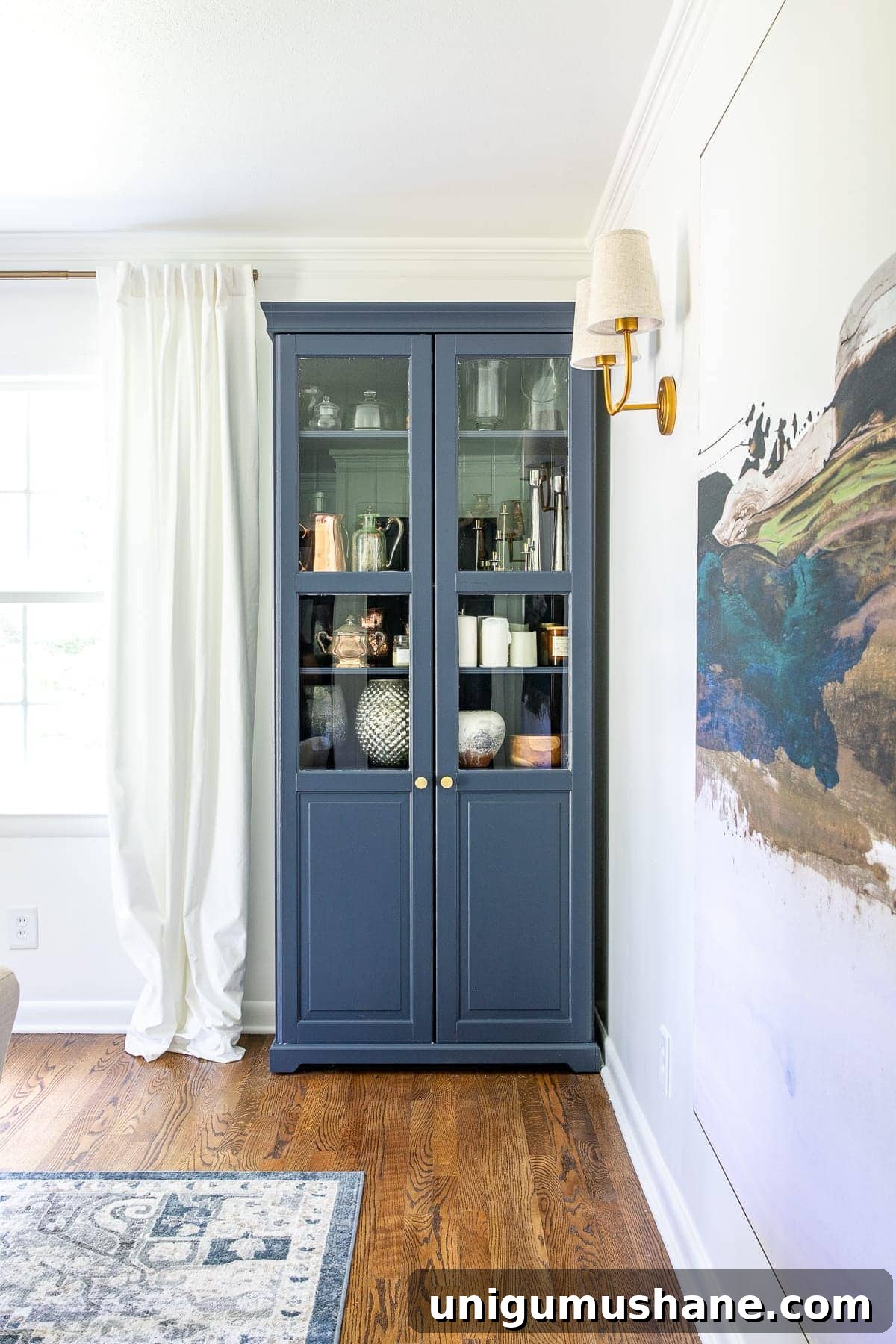
Craft Supplies
Hobby areas can hoard unused materials. Group supplies, toss dried-out glue or markers, and donate excess usable items to schools or community centers. Keep only the materials you truly use and store them in labeled containers for easy access.
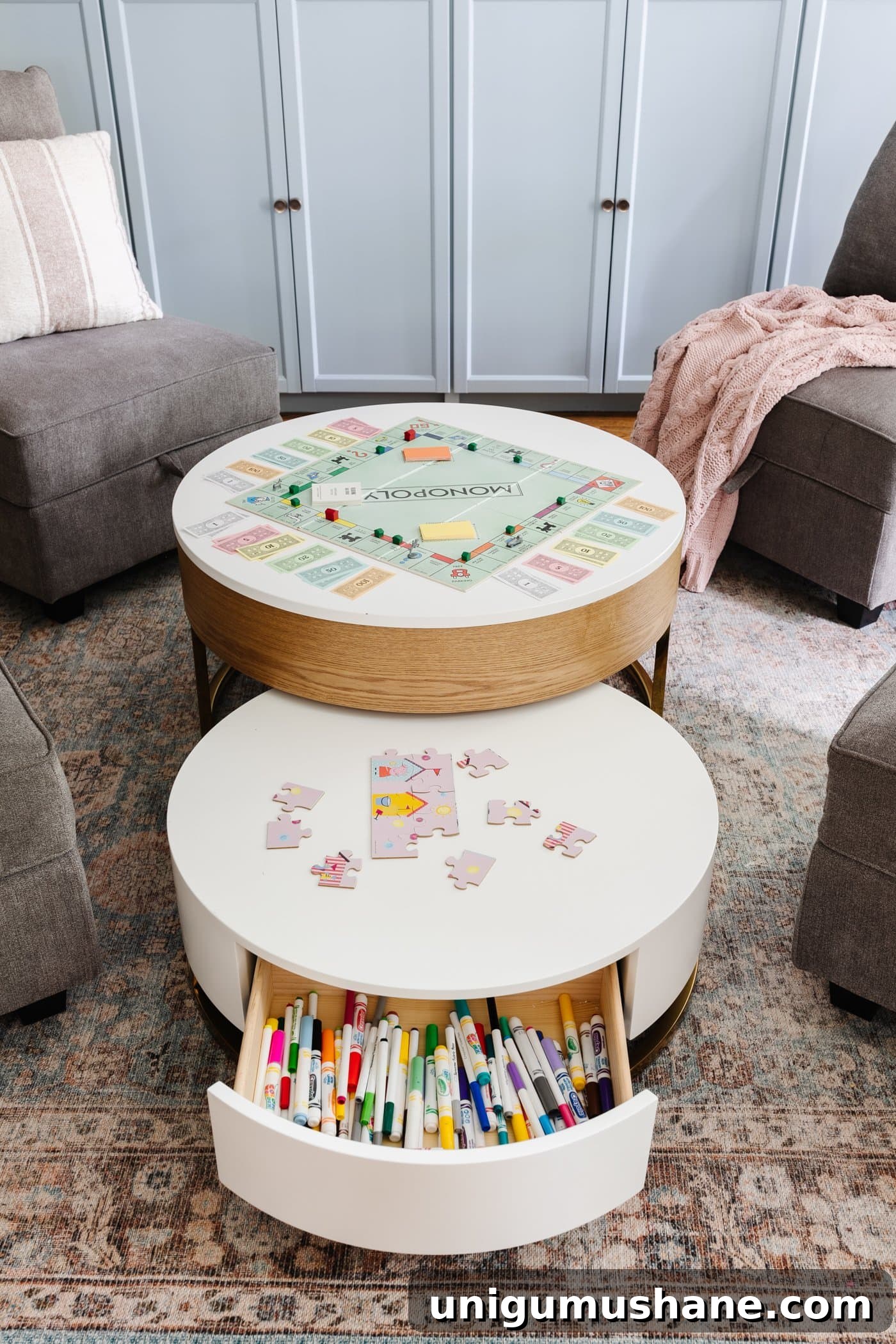
Board Games and Puzzles
Sort through your game collection and donate titles you never play. Discard or repair puzzles with missing pieces. Keeping a curated, playable collection makes family game nights easier and clears shelf space for meaningful items.
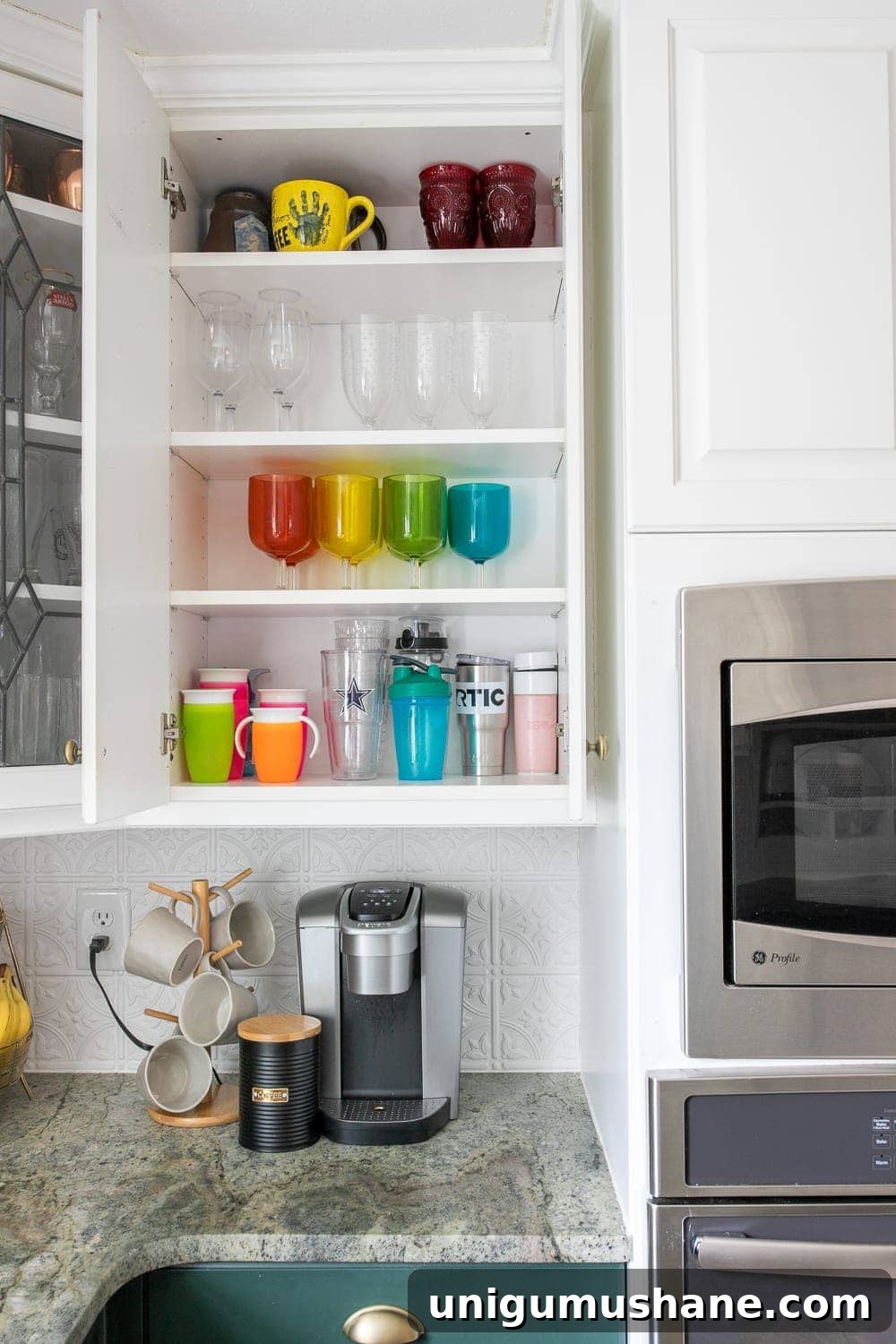
Cups and Glasses
Many of us collect specialty cups and water bottles. Keep a realistic number that fits your household’s needs and donate or recycle extras. Limiting how many you own prevents overcrowded cabinets and reduces the time spent washing rarely used items.
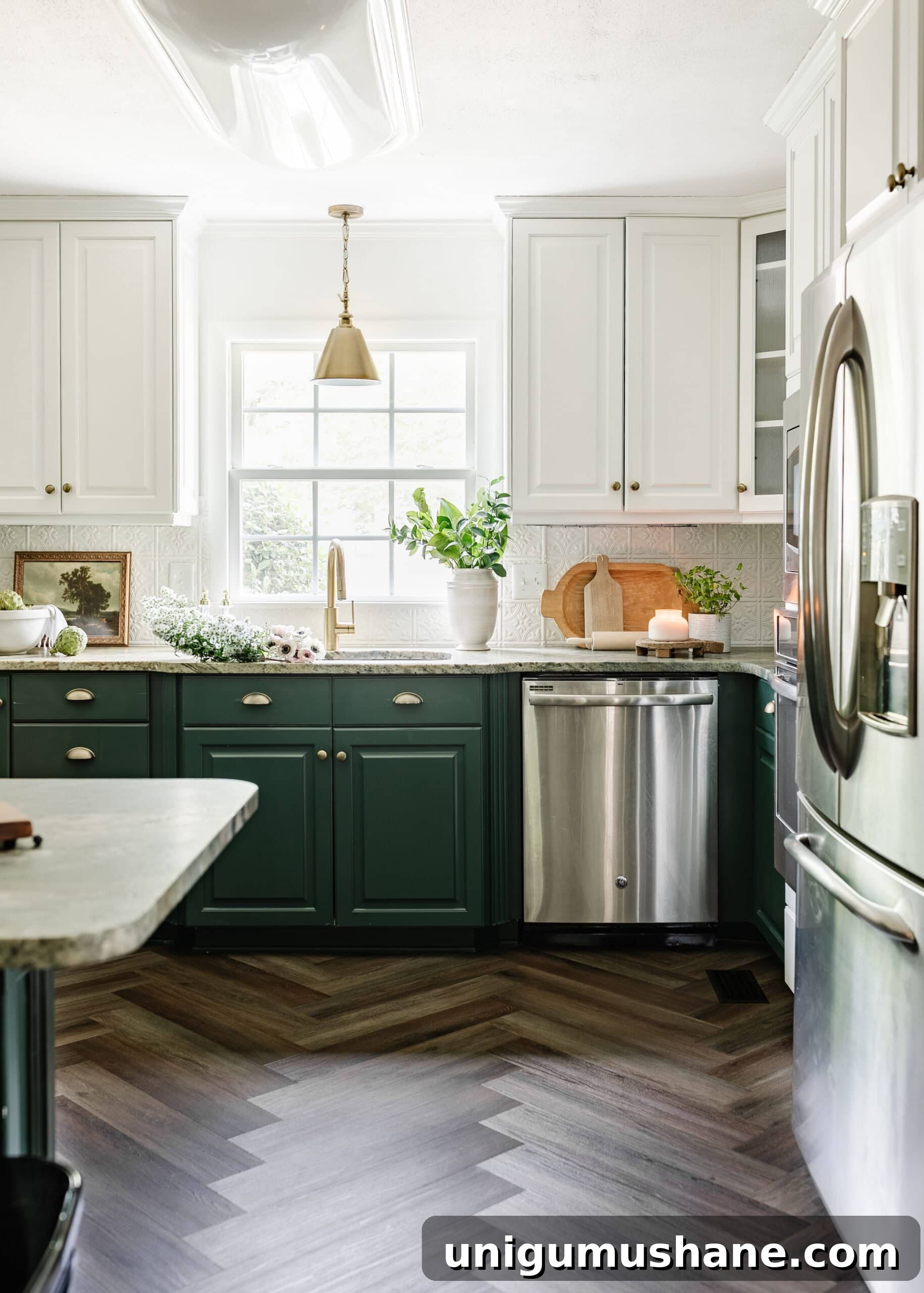
The Fridge
Clean out the refrigerator by checking condiments, sauces, and leftovers. Toss anything expired or moldy, wipe shelves, and reorganize so fresh ingredients are visible and easy to reach. Clearing the fridge reduces food waste and helps you plan meals more efficiently.
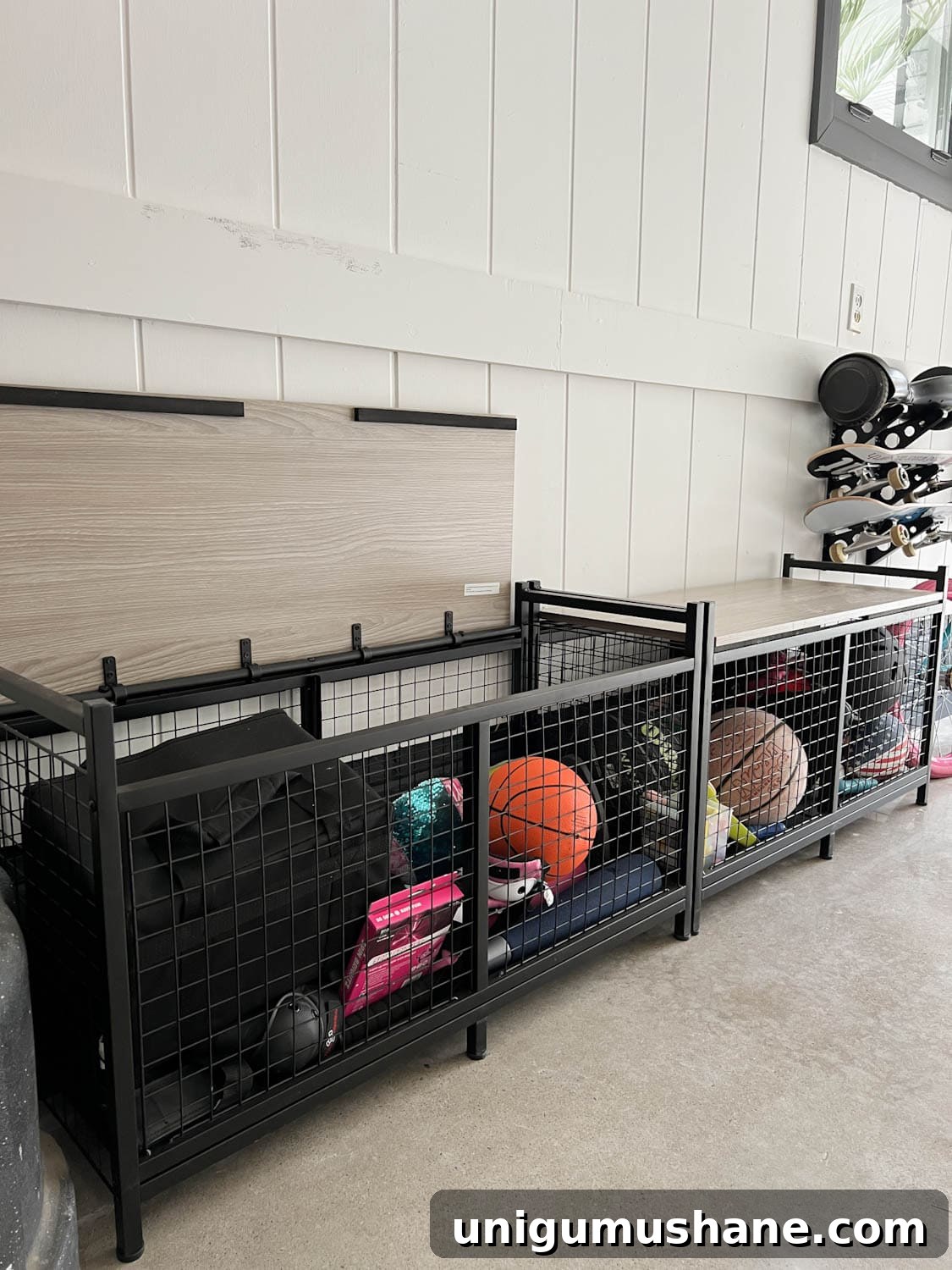
Sports Equipment
Evaluate outdoor gear and sports equipment for safety and use. Repair what’s worth keeping, inflate balls, and donate or recycle broken or unused items. Clearing excess gear frees garage and basement space for better organization.
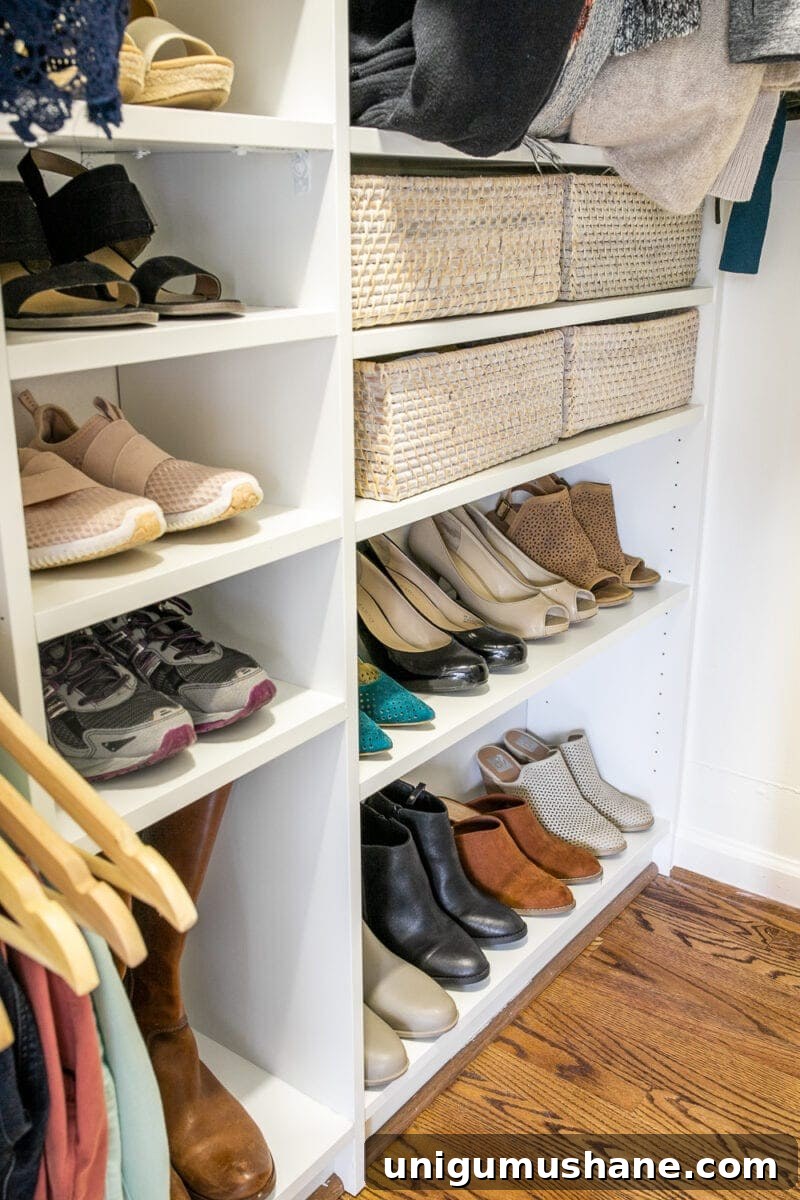
Your Shoes
Get rid of shoes that are falling apart or cause discomfort. Donate gently used pairs to local charities. Use shoe organizers or shelves to keep the bottom of your closet clear and make it easier to find the pair you actually wear.
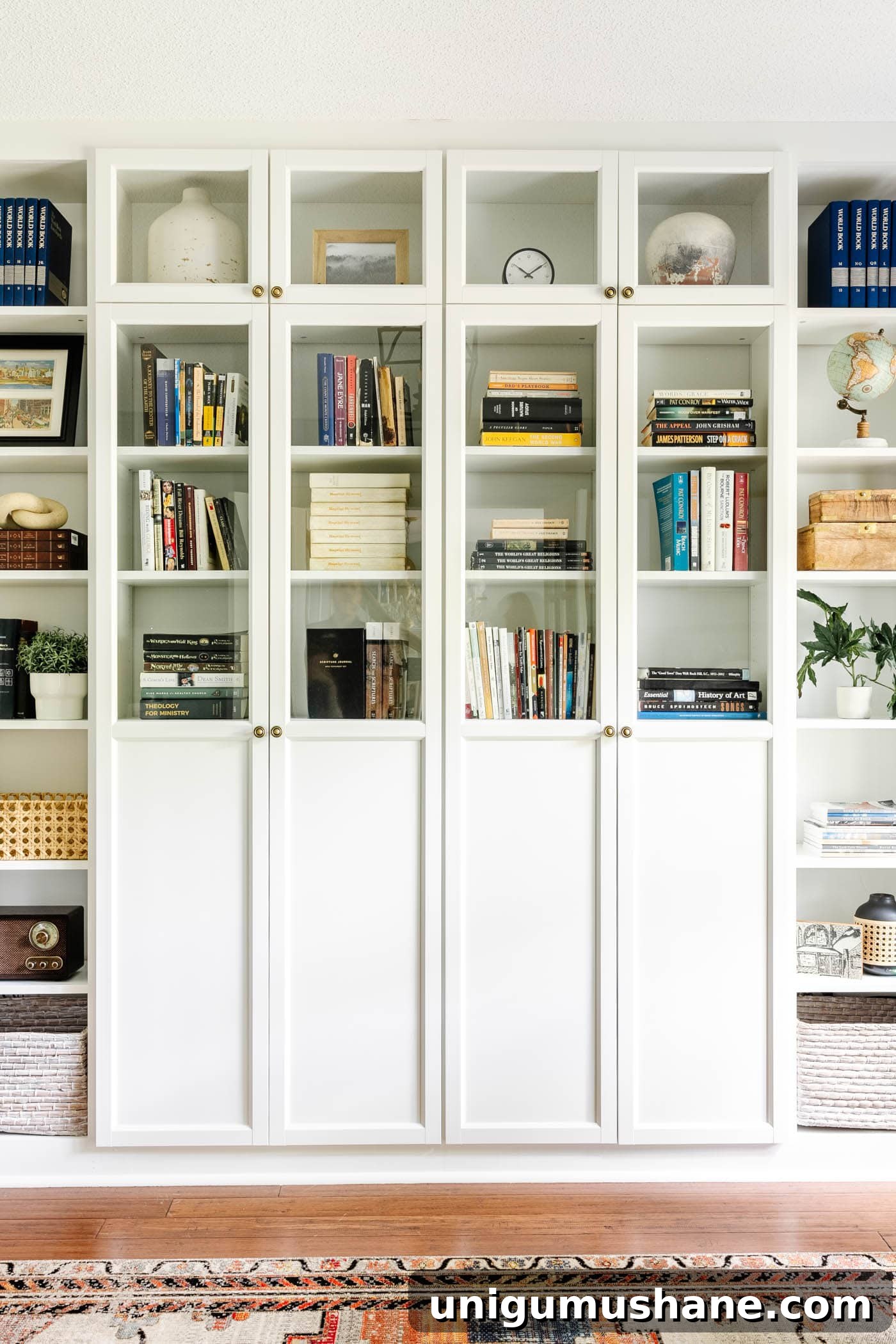
Bookshelves
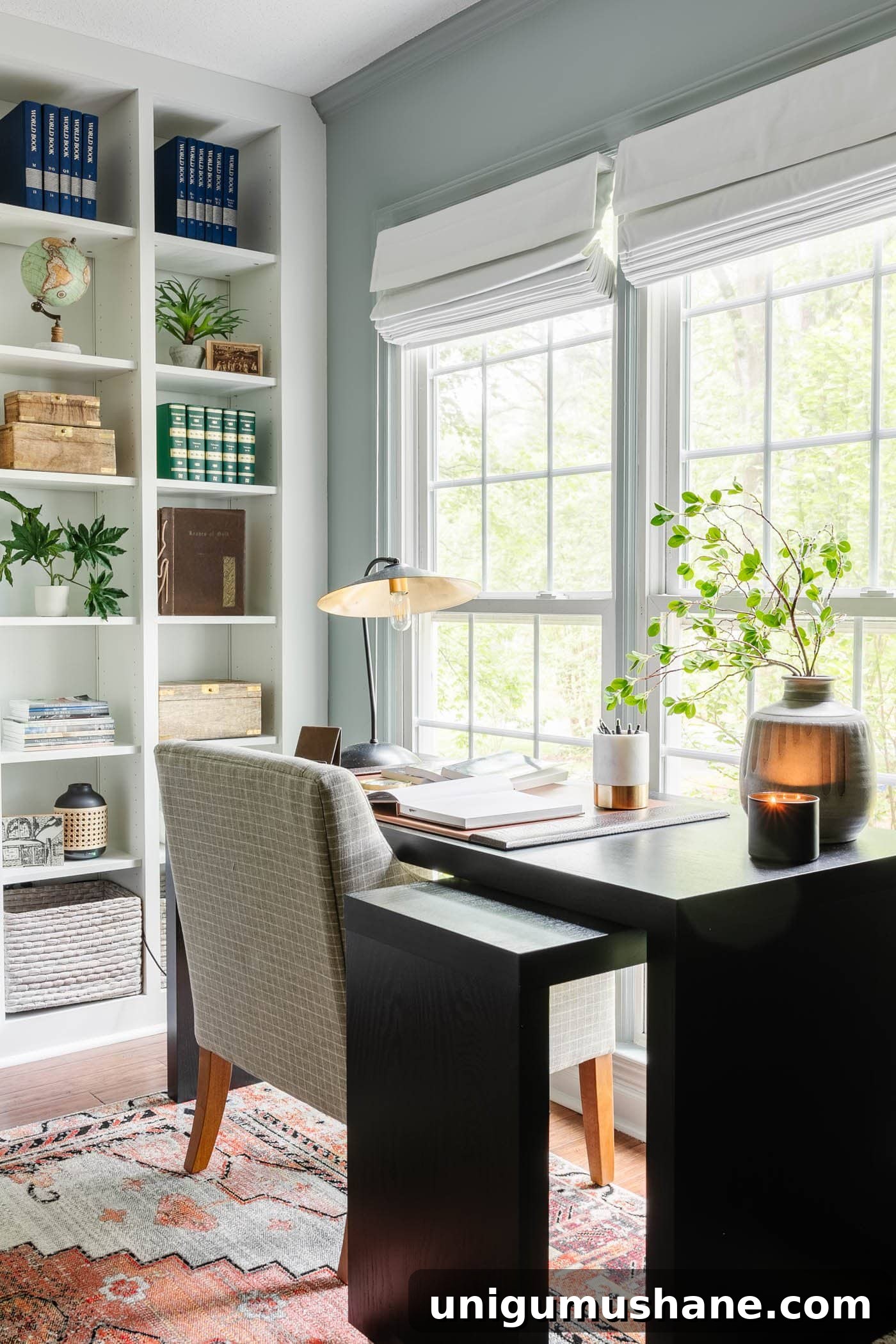
Books are precious, but shelves can get crowded. Remove duplicates, books you won’t reread, and old magazines. Donate titles that no longer serve you to make room for new favorites and display the books you truly love.
Make decluttering a family activity: play music, set a timer, and turn it into a game. Tackle one zone each week and follow simple keep/donate/recycle rules. Small, consistent efforts will transform your home and your mindset, giving you more control and a calmer space to live in.