
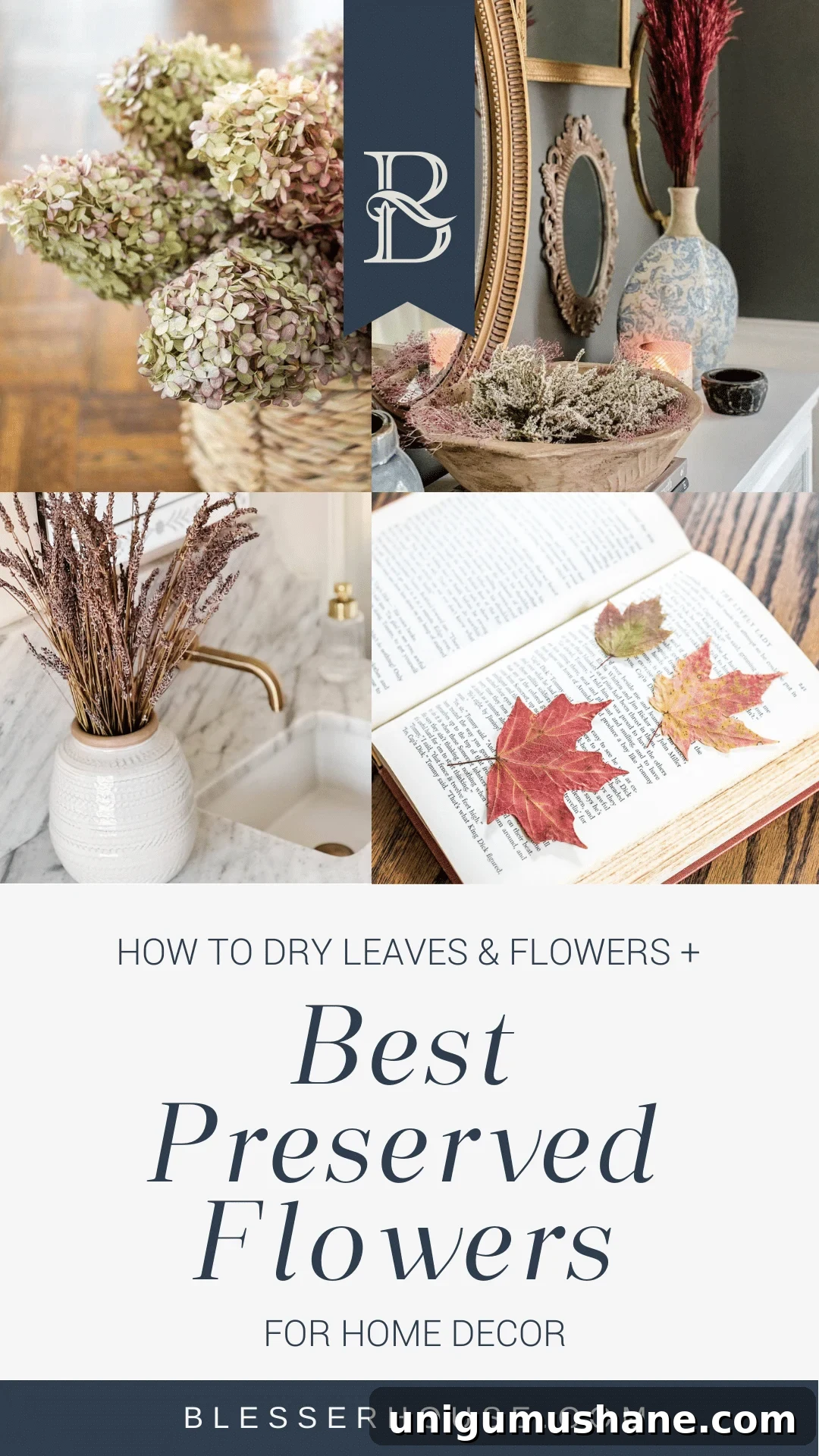
A roundup of the best preserved flowers and dried stems for autumn or any season, plus simple, reliable methods for drying flowers and leaves yourself.
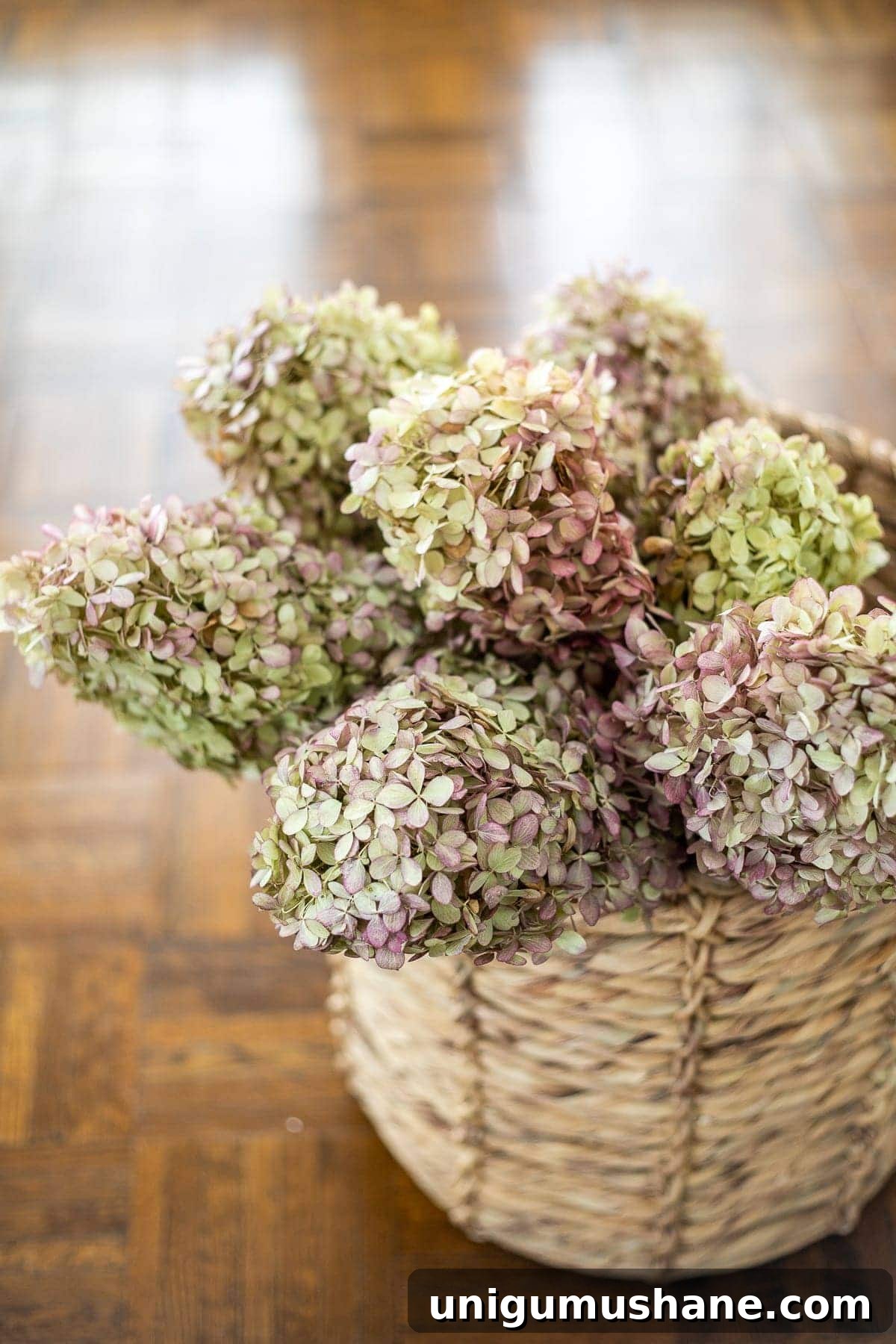
Every autumn I hang bunches of hydrangeas to dry, and that little ritual always nudges me into admiring the wide variety of dried flowers and preserved stems available. They add lasting texture and color to a home without the upkeep fresh blooms demand.
I’m not calling this a fleeting trend — preserved botanicals feel timeless to me. They offer the organic look of real foliage with a much longer lifespan than fresh flowers, and they’re often a more sustainable and economical choice than faux options.
Why Preserved Flowers Are “In”
Preserved flowers and dried foliage don’t fade in and out of style the way some trends do; they’re a practical, beautiful choice that works year-round. Right now they’re especially popular because they bring natural texture into interiors while lasting much longer than fresh arrangements.
Compared with artificial blooms, preserved materials are more eco-friendly and often less expensive than repeatedly buying fresh bouquets. And the best part: you can preserve many varieties yourself at home if you have a garden or access to fresh cuttings.
Where to Find the Best Preserved Flowers and Dried Stems
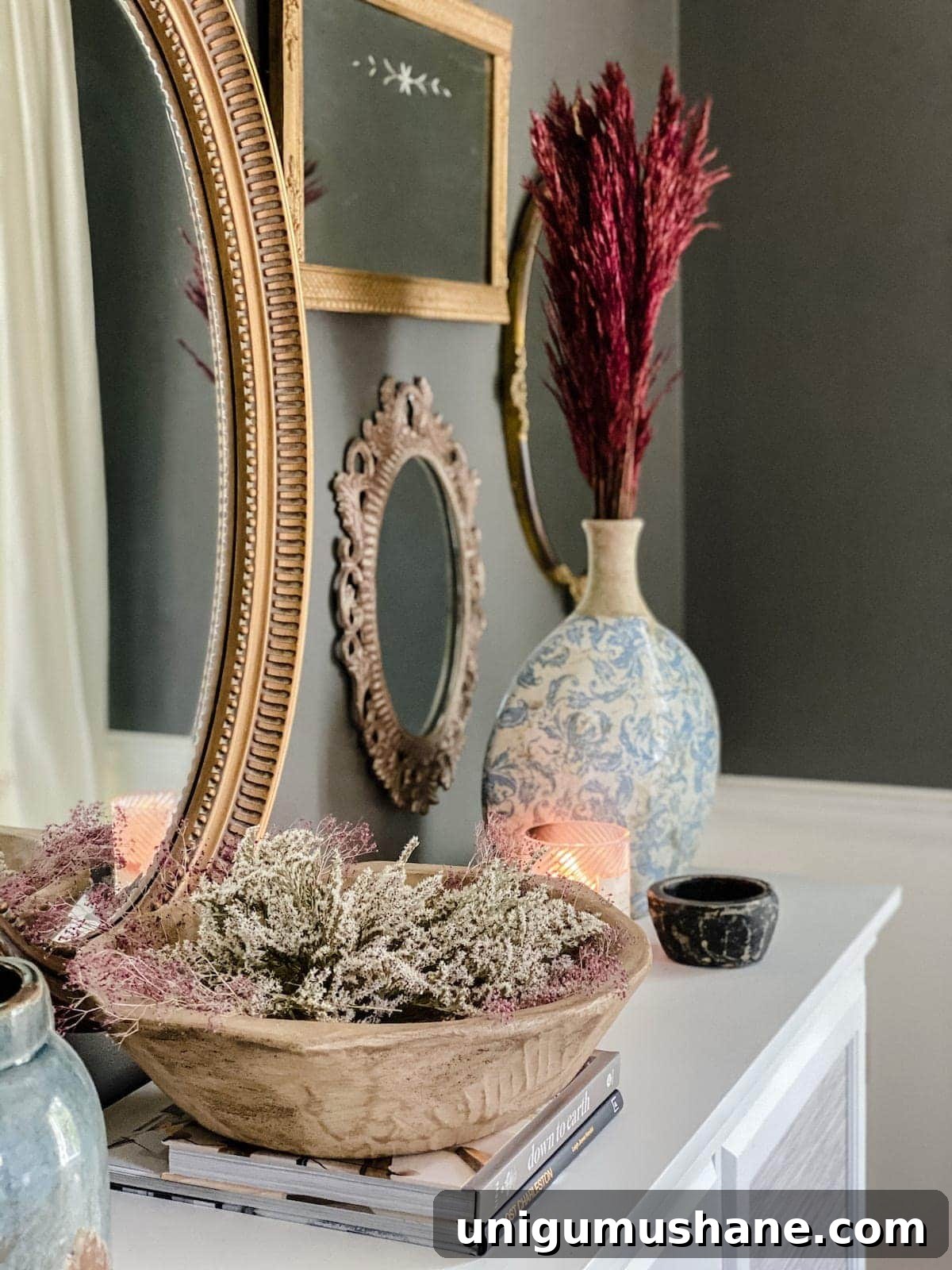
If you don’t have abundant greenery at home, many retailers and florists sell high-quality preserved flowers and dried stems in a range of styles and prices. From delicate pressed blooms to full-bodied preserved hydrangeas and pampas grass, there’s something to suit every decor scheme and budget.
If you prefer sourcing from your own yard, skip to the section below for practical tips on drying and preserving cuttings yourself.

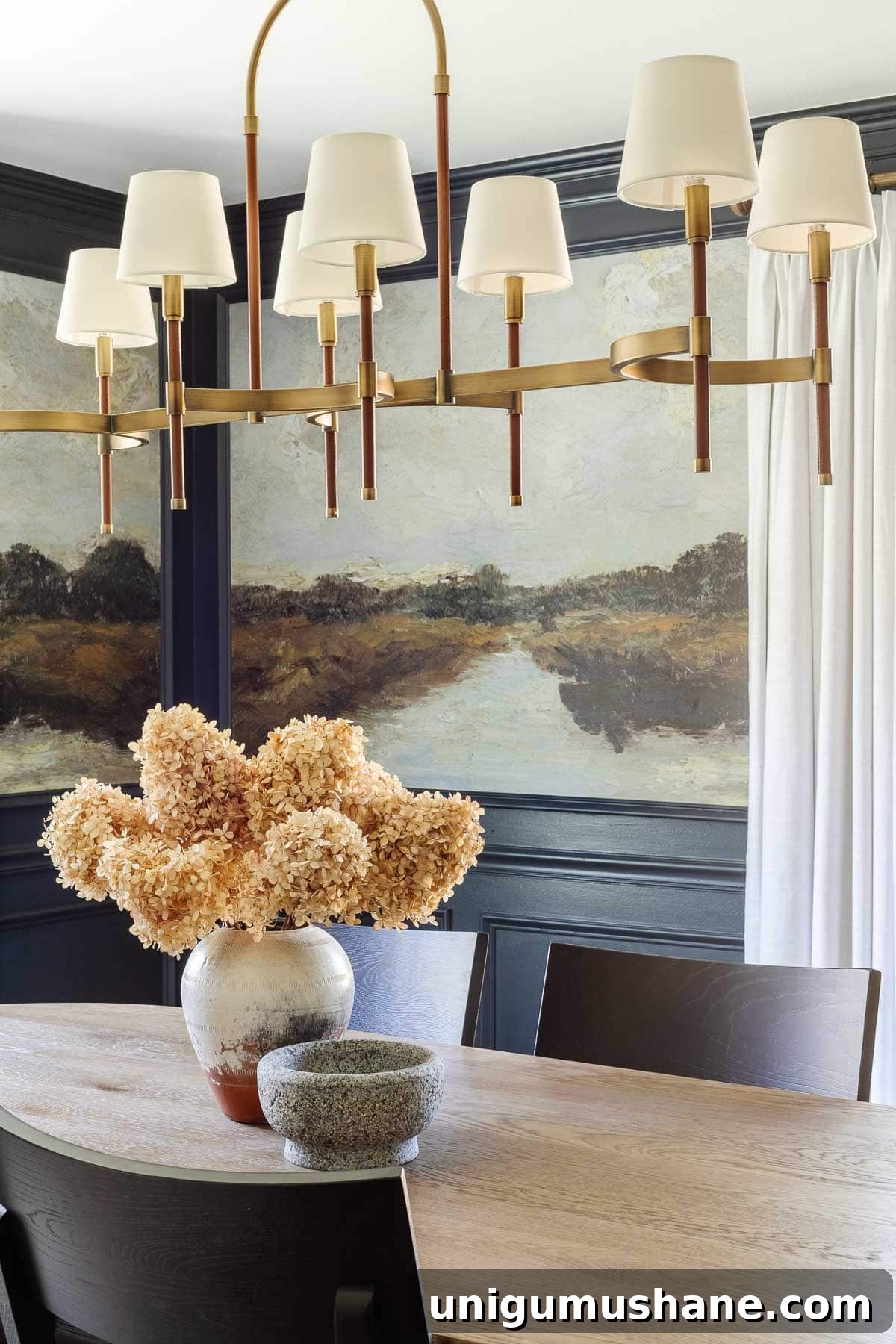
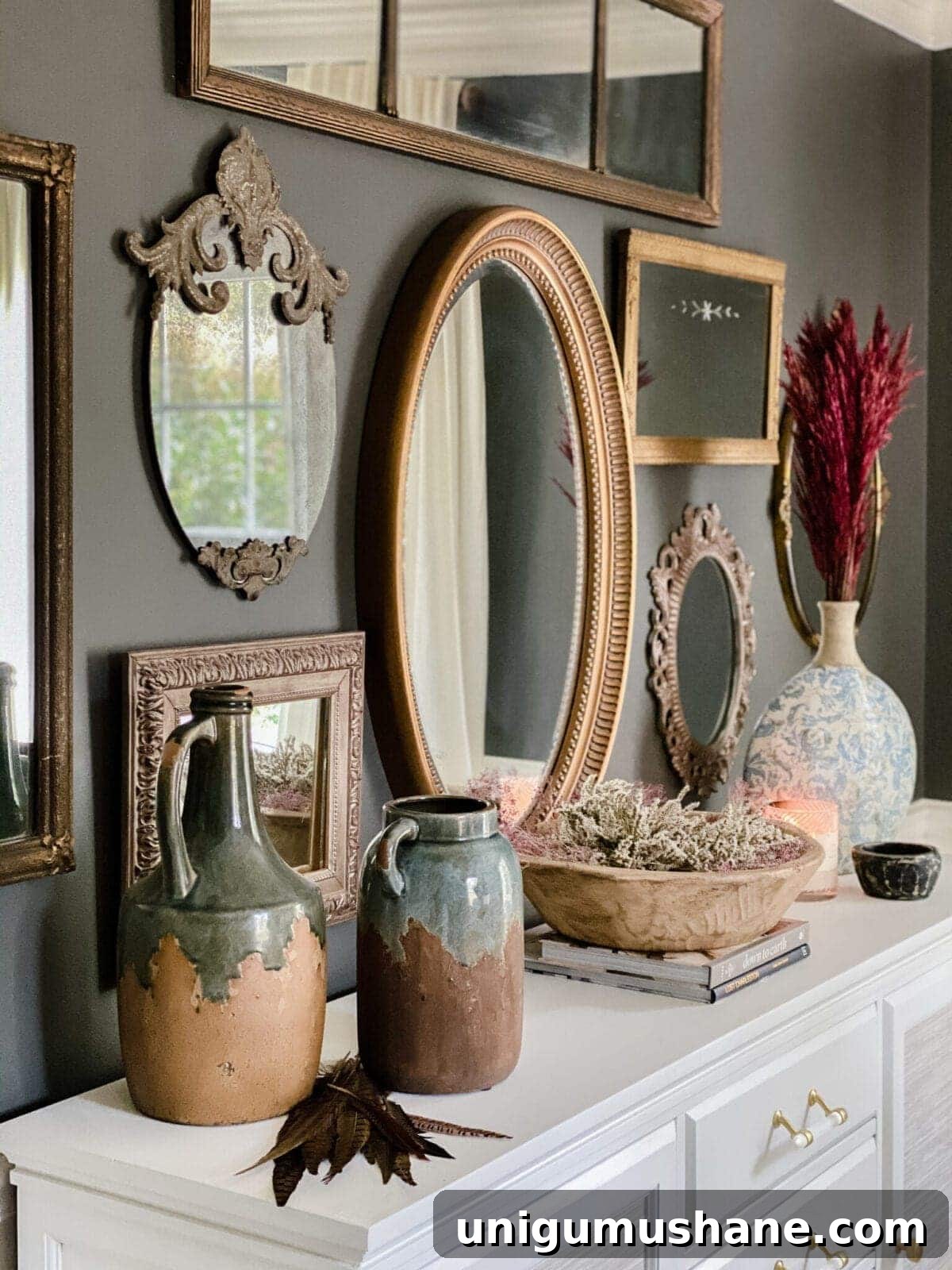
I’ve placed a few dried stems in our dining room to shift the mood away from high summer. While they read as fall-friendly, many dried arrangements feel perfectly at home year-round and add much-needed warmth during cold months.
How to Dry Flowers and Leaves From Your Yard
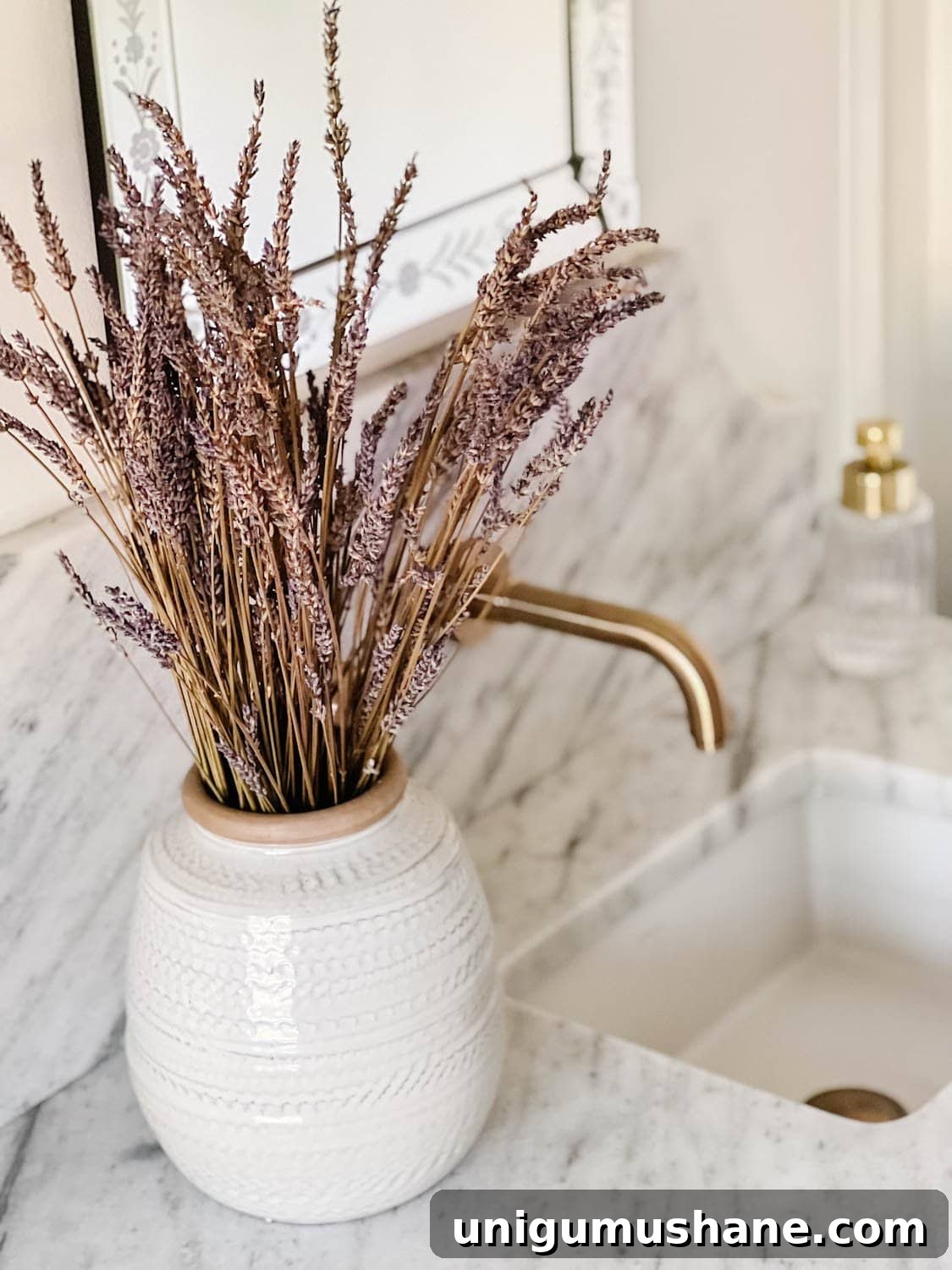
I forage the yard a few times a year to collect branches, blossoms, and leaves to dry for arrangements, wreaths, and small displays. A magnolia tree, for example, yields beautiful glossy leaves that hold up well in wreaths, while lavender from planters dries easily and adds a lovely scent to the house.
Finding the Right Flowers and Leaves to Dry
- Choose specimens without bruises or brown spots; healthy material dries best.
- Pick blooms with thin, papery petals—succulent or fleshy flowers can be difficult to dry.
- Collect flowers just before they reach full bloom for the best shape and color retention.
- Harvest later in the day after morning dew has dried to reduce moisture content.
The Easiest Way to Dry Flowers
Air drying is the simplest, least hands-on method. It takes time, but it requires virtually no special supplies.
- Gather small bundles of stems (about 5–8) and secure them with a rubber band. Tie a string around the bundle, leaving 6–12 inches of string for hanging.
- Hang the bundles upside down in a dark, dry, well-ventilated space—closets work well. Darkness helps preserve color.
- Leave them for about 2–3 weeks, or until petals and leaves feel dry and papery.
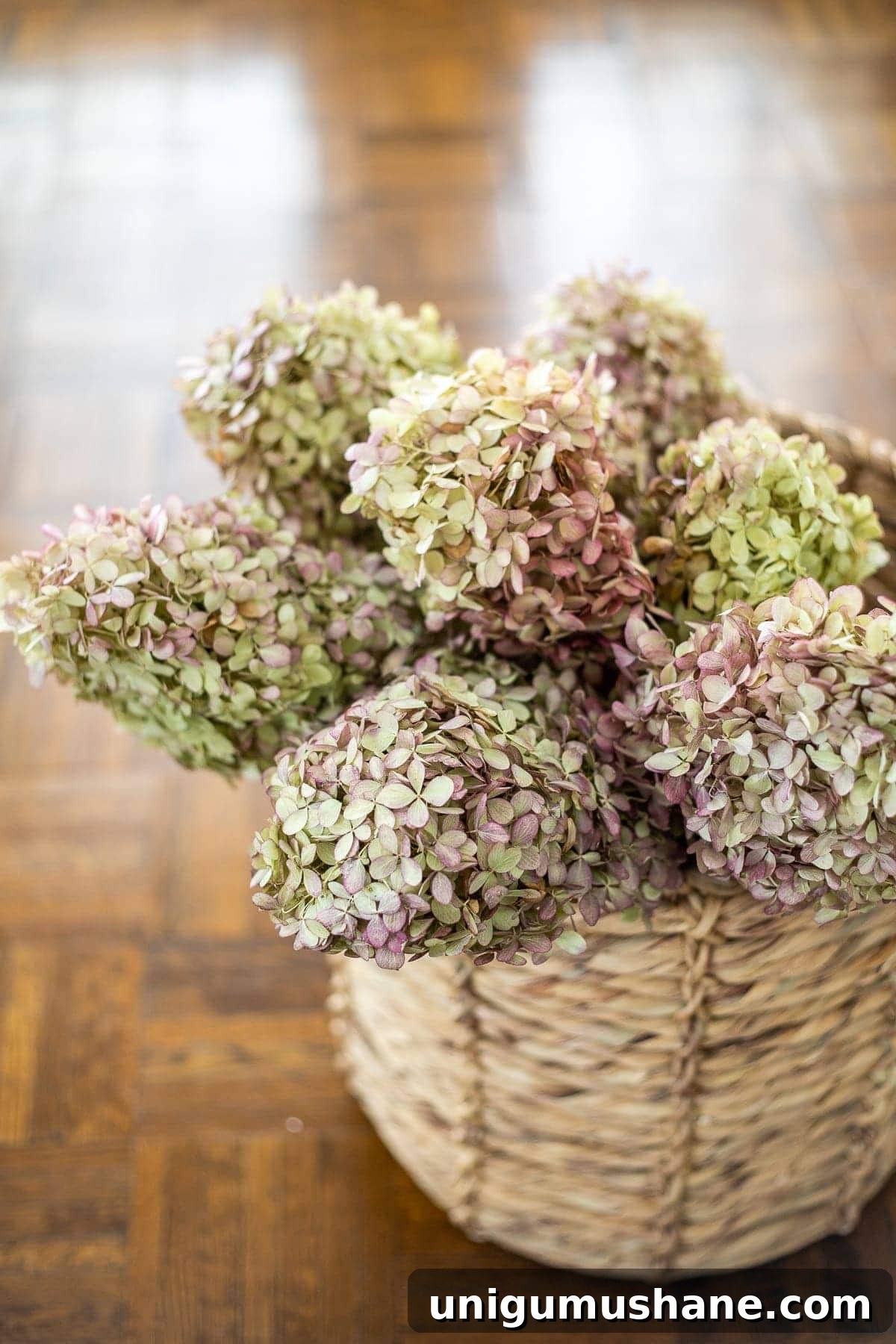
Some stems, like hydrangeas, dry well standing upright in a vase without water thanks to their sturdy stalks.
Best Flowers and Leaves for Air Drying
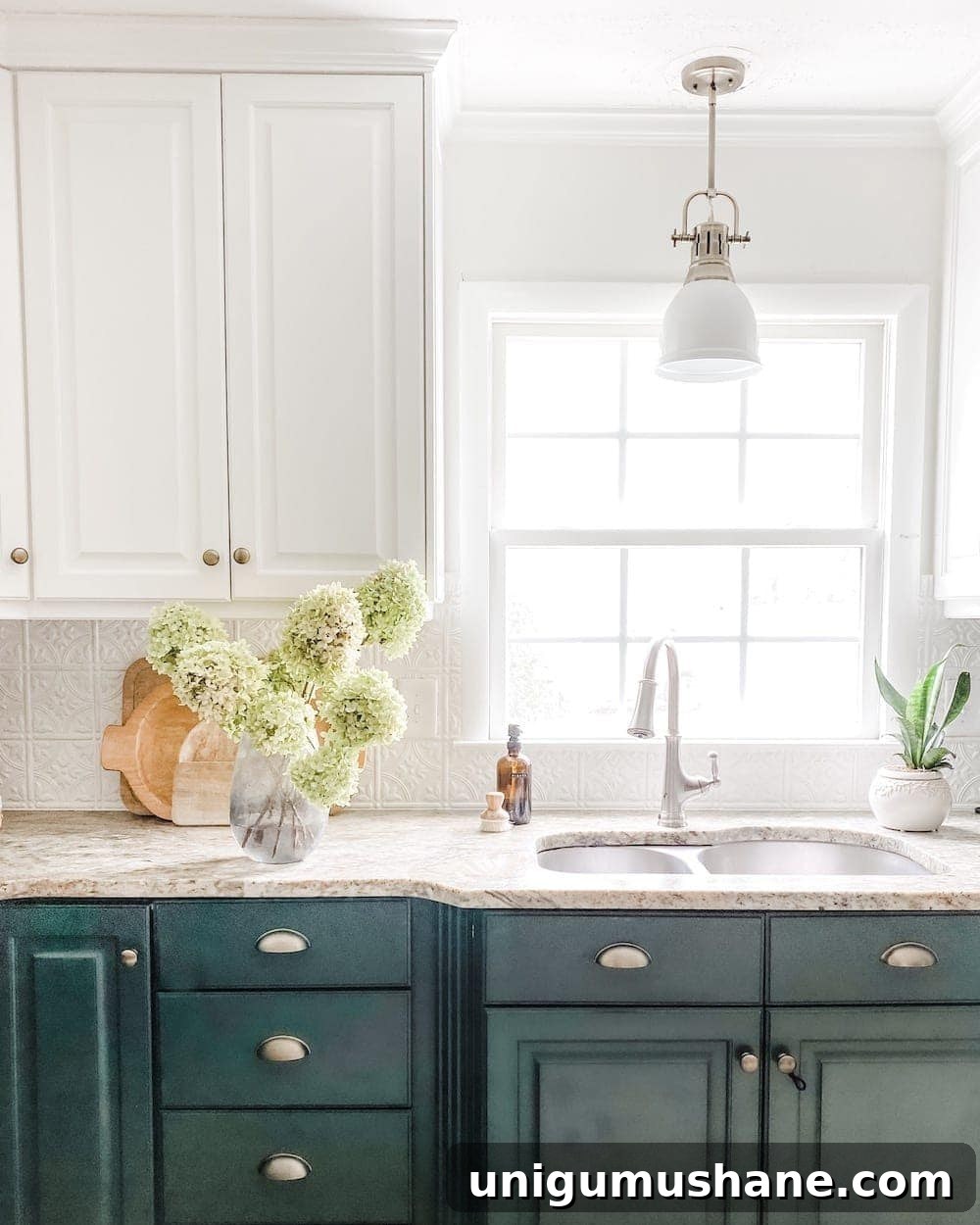
- Hydrangea
- Roses
- Baby’s breath (Gypsophila)
- Yarrow
- Thistle
- Daisies
- Strawflower
- Coneflower (Echinacea)
- Lavender
- Marigolds
- Eucalyptus
- Magnolia leaves
- Sage
- Mint
- Bay leaves
Pressing Leaves and Flowers to Dry
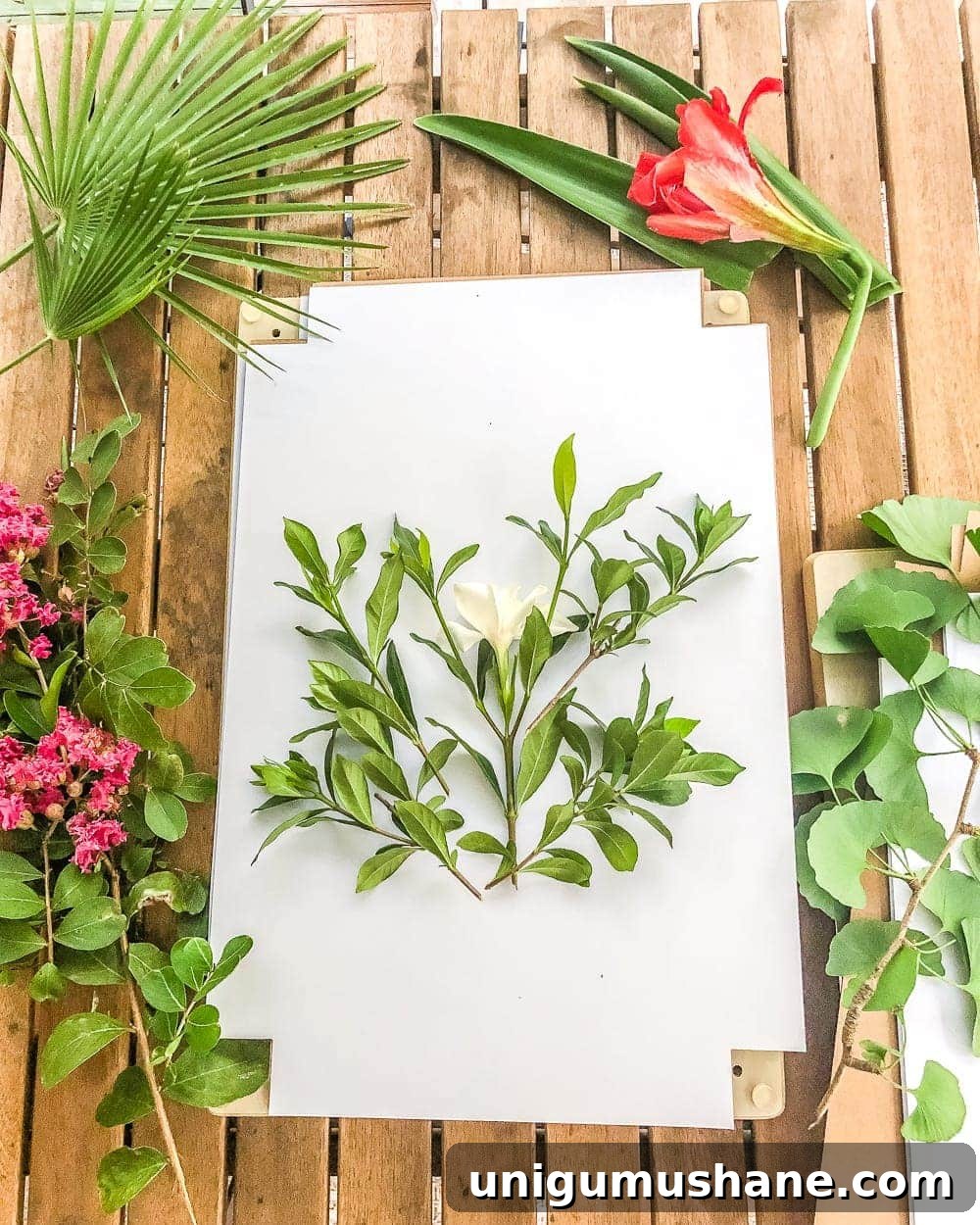
Pressing is ideal for framed displays, greeting cards, and shadow boxes. It preserves flat shapes and delicate detail.
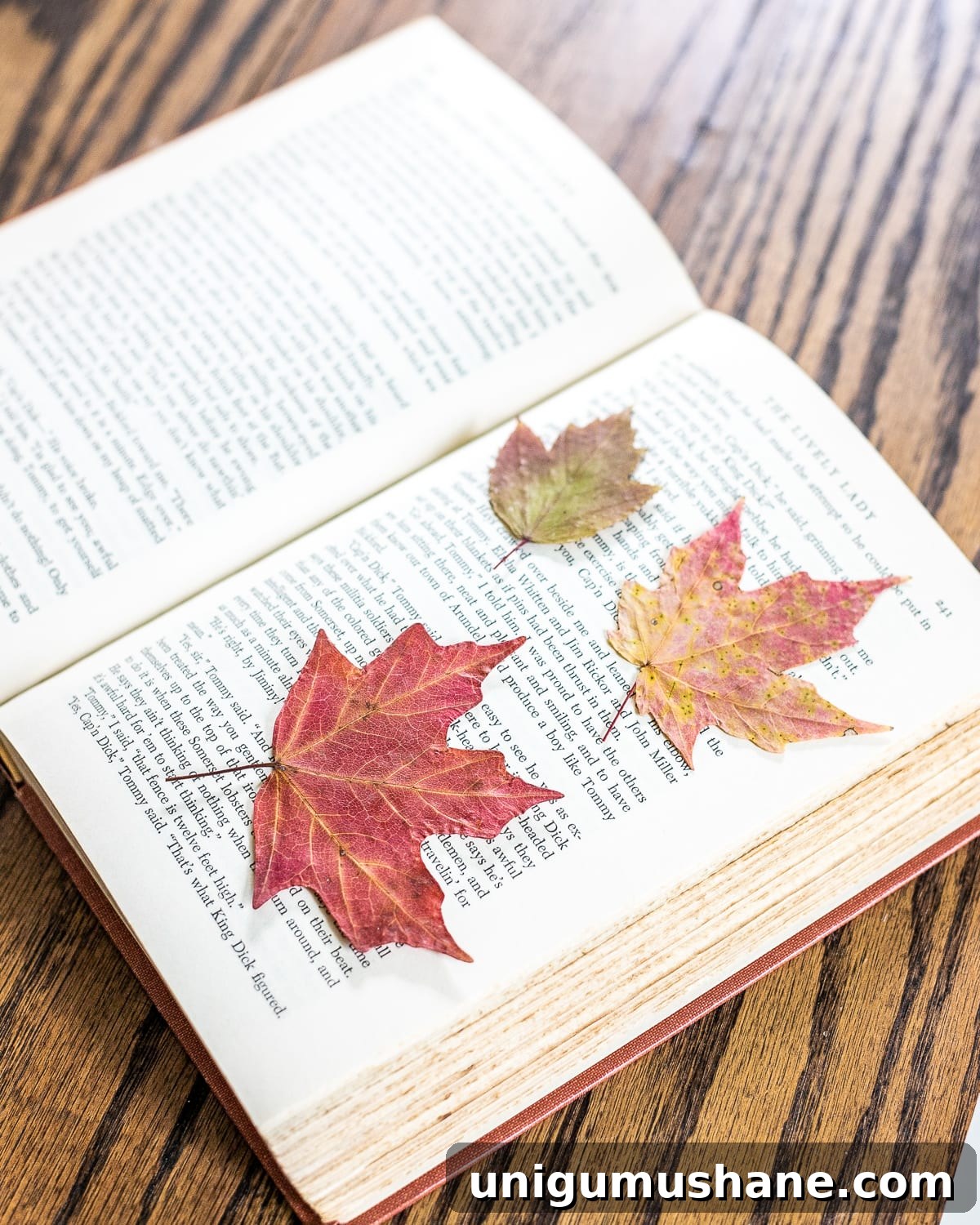
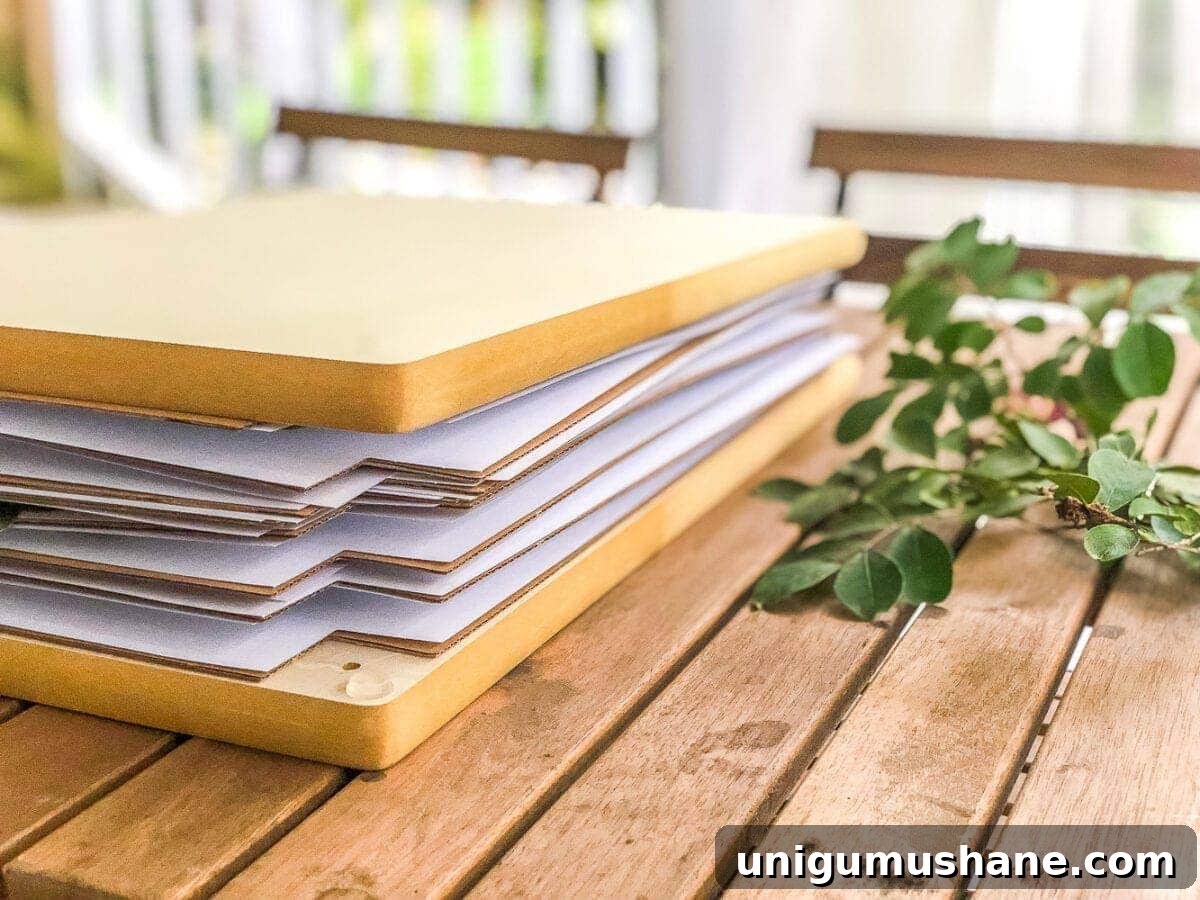
- Place individual petals or leaves between sheets of parchment or wax paper (coffee filters also work) and insert them inside a heavy book or a flower press.
- Store the book or press in a cool, dry place and add weight on top. Drying time ranges from a few days to a few weeks depending on moisture content—check periodically without disturbing the material too much.
How to Preserve Flowers and Leaves
After your flowers and leaves are fully dry or pressed, protect them to extend their life. A light mist of strong aerosol hairspray seals petals and helps reduce shedding—this is a quick, accessible option for most dried arrangements.
- Lay newspaper or cardboard under your work area to catch overspray.
- Hold the can about 6–8 inches from the blooms and spray lightly, aiming to cover petals and leaves without saturating them.
- Allow to dry for about 10 minutes, then repeat once or twice for added protection.
If you prefer not to use hairspray, drying with silica gel can preserve shape and color especially well for very delicate flowers.
Once treated, dried botanicals are ready to use season after season without significant further maintenance.
Ideas to Decorate With Dried Leaves and Flowers
- Build a pressed leaf gallery wall or a seasonal entryway display using mounted leaves and frames.
- Create DIY pressed flower art for framed accents, cards, or gifts.
- Incorporate dried fruit slices and preserved leaves into holiday decor for natural texture.
- Make simple fall centerpieces with air-dried hydrangeas, pampas grass, or eucalyptus sprigs.
Frequently Asked Questions
Stored away from direct sunlight and humidity, dried flowers typically last for two to three years or longer. Proper storage and gentle handling help preserve color and shape.
Mold can develop if flowers aren’t fully dry before display. Fleshy blooms like lilies and tulips retain moisture and are more prone to molding, so choose varieties that dry easily or use a drying medium like silica gel for moisture-prone flowers.
Drying and preserving flowers is a time-consuming process that requires skill and care, which can increase the cost. Making your own dried arrangements at home is an affordable alternative and a satisfying craft.
Dust lightly using canned air for delicate blooms or a feather duster for sturdier leaves like magnolia or palm. Handle dried pieces gently to avoid crumbling or shedding.
Have you tried drying flowers yourself? Or maybe you’ve stopped on the side of the road to admire pampas grass or a roadside bouquet—guilty pleasures are welcome here.