
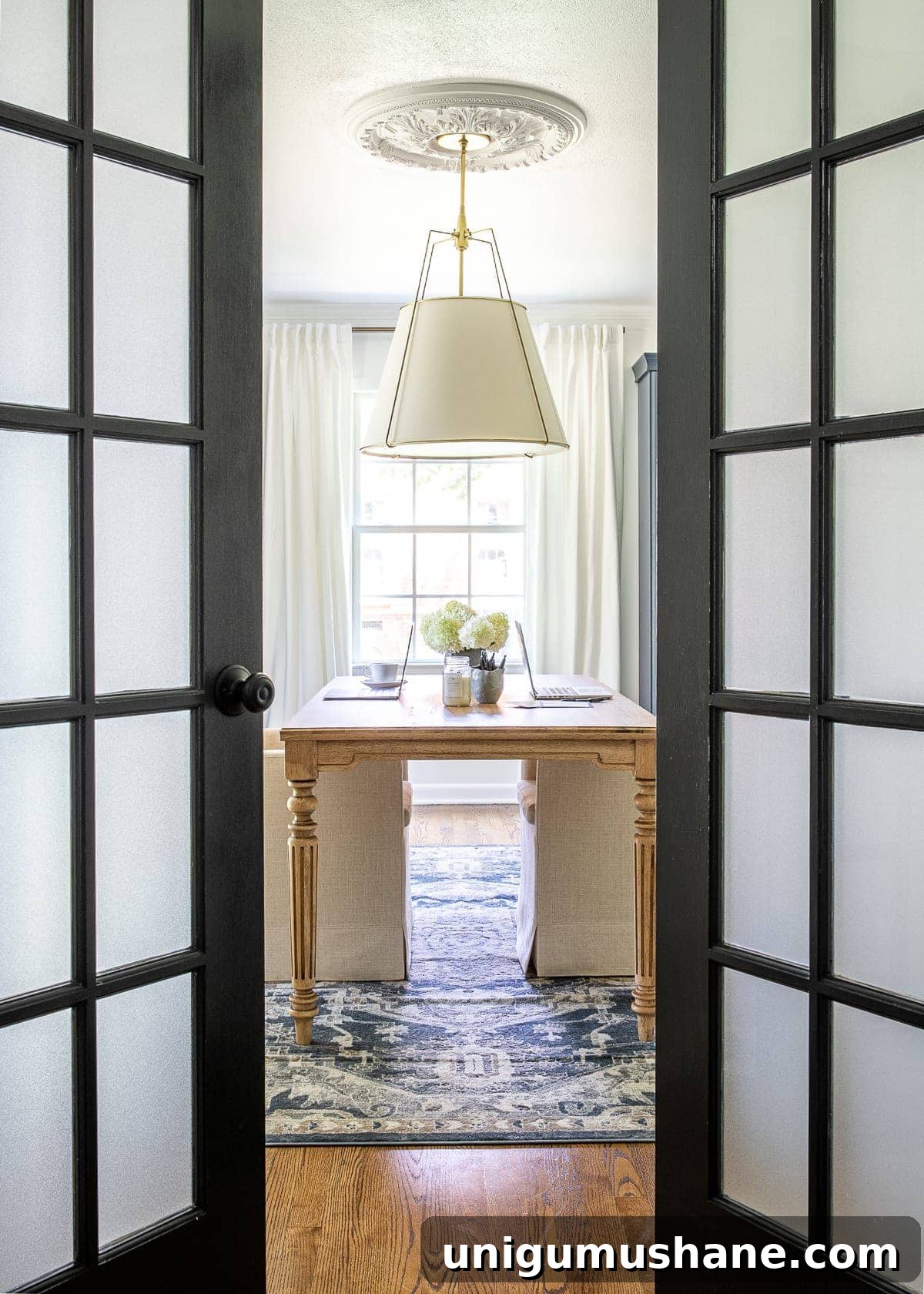
How to transform glass cabinet fronts, furniture, shower doors, windows, and interior glass doors with decorative window film
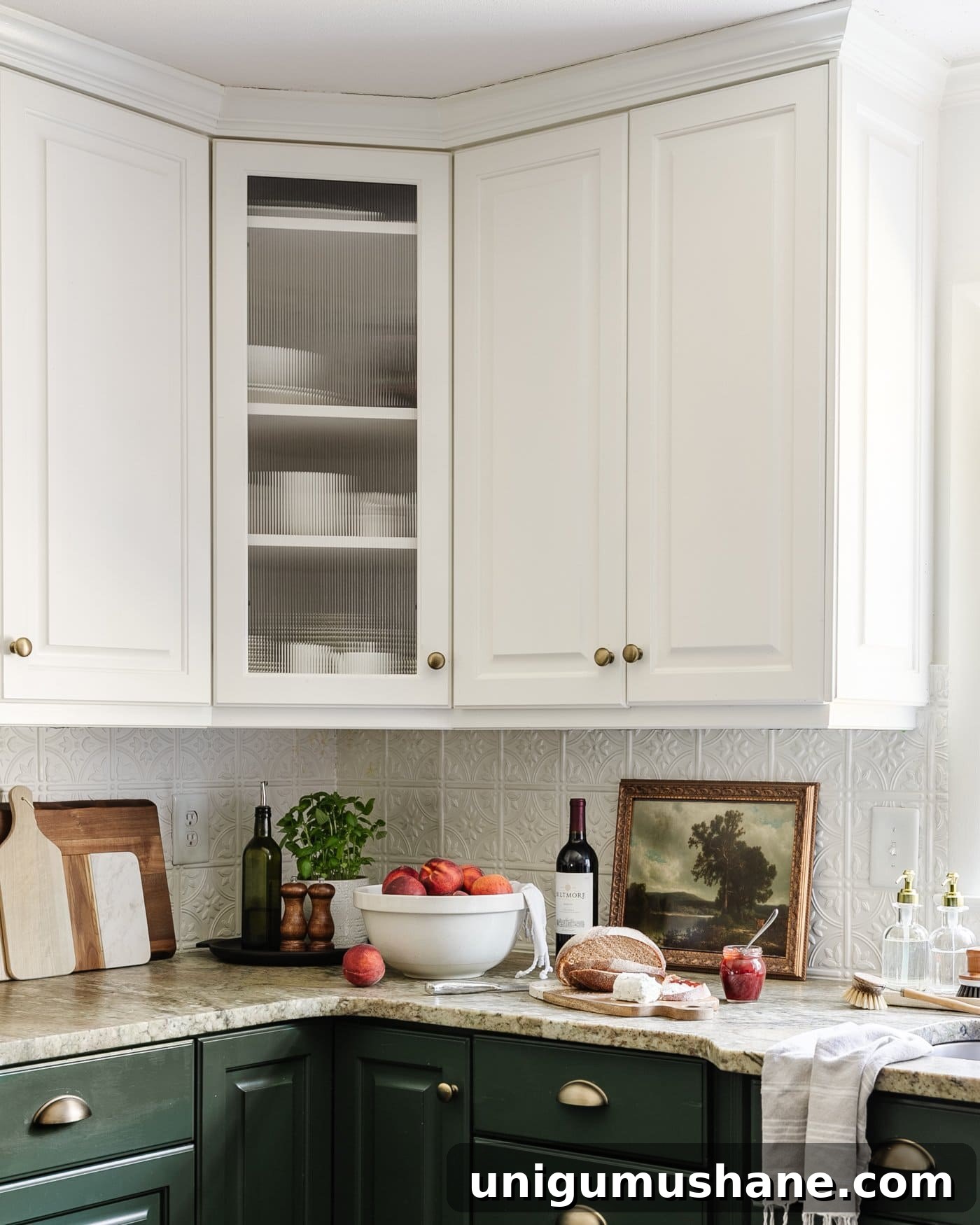
Decorative window film is an affordable, flexible way to upgrade any plain glass surface in your home. Whether you want to hide clutter behind cabinet doors, add privacy to a shower or front door sidelight, or introduce vintage character to a room, self-adhesive film comes in many patterns and textures to suit practically any style.
What is Decorative Window Film?
Decorative window film is a thin, self-adhesive material designed to apply directly to glass. It mimics finishes like frosted glass, reeded glass, leaded glass, etched patterns, stained glass, and antiqued mirror surfaces—at a fraction of the cost of custom specialty glass. Most films are removable, making them ideal for renters or anyone who likes to change their look without a permanent renovation.
Beyond aesthetics, film adds function: it increases privacy, obscures unsightly storage, softens incoming light, and can even reflect heat or reduce glare, depending on the product.
In our home we use window film to hide the inevitable chaos behind French doors and cabinet fronts. It’s a simple, fast solution when you want to conceal a “Monica closet” moment without replacing cabinetry or installing costly glass panes.
Where to Use Decorative Window Film Around the House
One of the best reasons to use decorative film is its versatility. It can conceal clutter and create privacy on nearly any clear-glass surface while adding a thoughtful design detail. Common applications include kitchen cabinet fronts, French doors, closet doors, bathroom shower doors, transom windows, and glass-front furniture like buffets or TV consoles.
Because films come in a wide range of patterns and finishes, they’re an easy way to introduce texture and vintage character—think Art Deco reeded glass or antique mirror reflections—without a major remodel.
Typical uses include:
- French doors between rooms—frosted or patterned film for privacy
- Closet and wardrobe glass—antique mirror or textured film to disguise contents
- Front door sidelights—one-way or reflective films to screen views from the street
- Glass-front furniture—lattice or leaded-glass styles to hide electronics and clutter
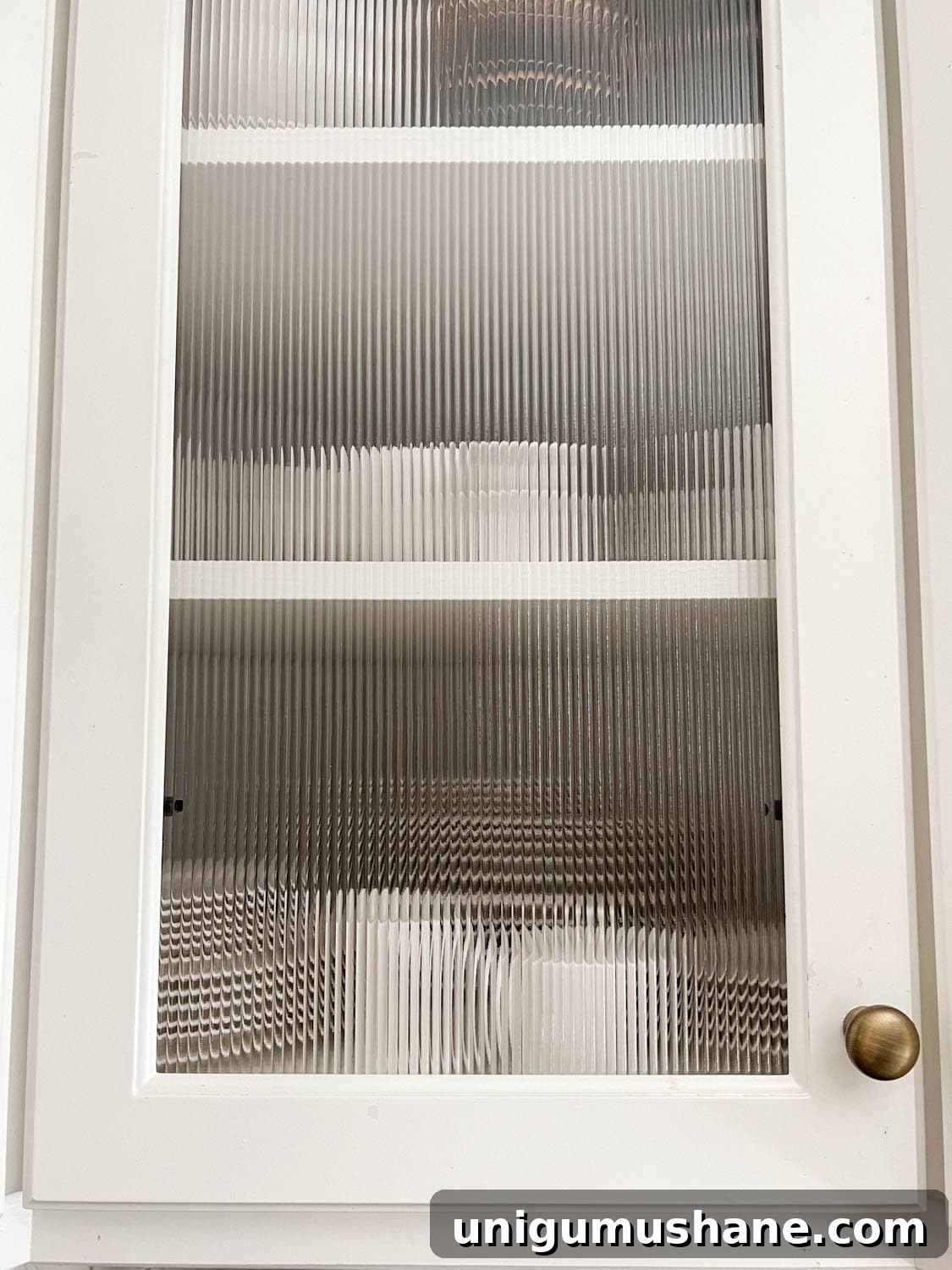
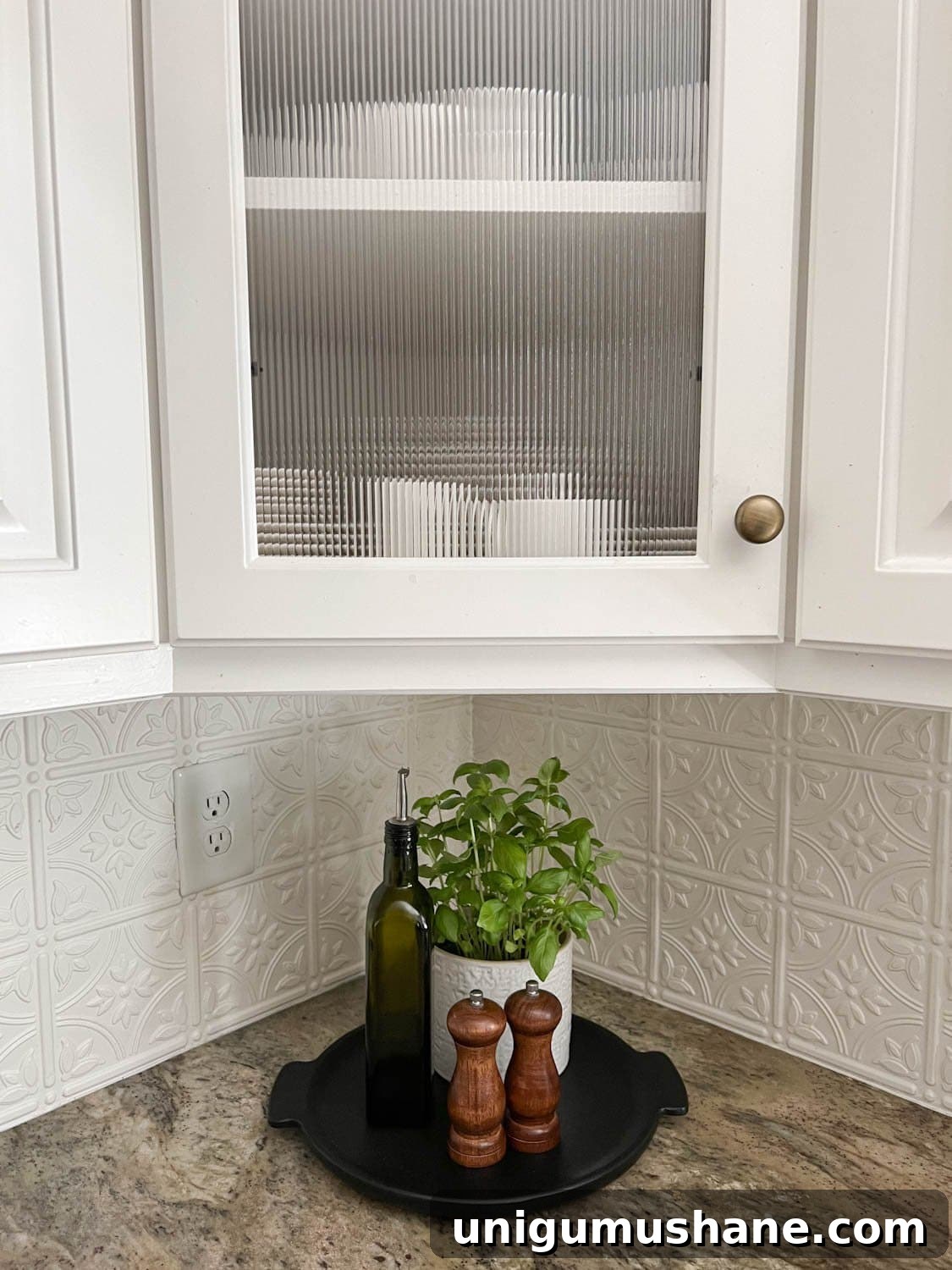
- Kitchen cabinet glass—reeded or leaded looks to obscure food storage while adding style
- Bathroom and shower doors—frosted or reeded film for privacy
- Transoms and accent windows—stained-glass or decorative patterns for a vintage touch
How to Apply Decorative Window Film to Glass
Supplies
- Decorative window film of your choice
- Clean, plain glass surface
- Glass cleaner and lint-free cloth
- Spray bottle filled with water (plain water or water with a drop of dish soap)
- Tape measure and scissors
- Utility knife with new razor blades
- Old credit card or plastic squeegee
- Safety pin for stubborn bubbles
Steps to Apply Window Film
Step 1 – Measure and Cut
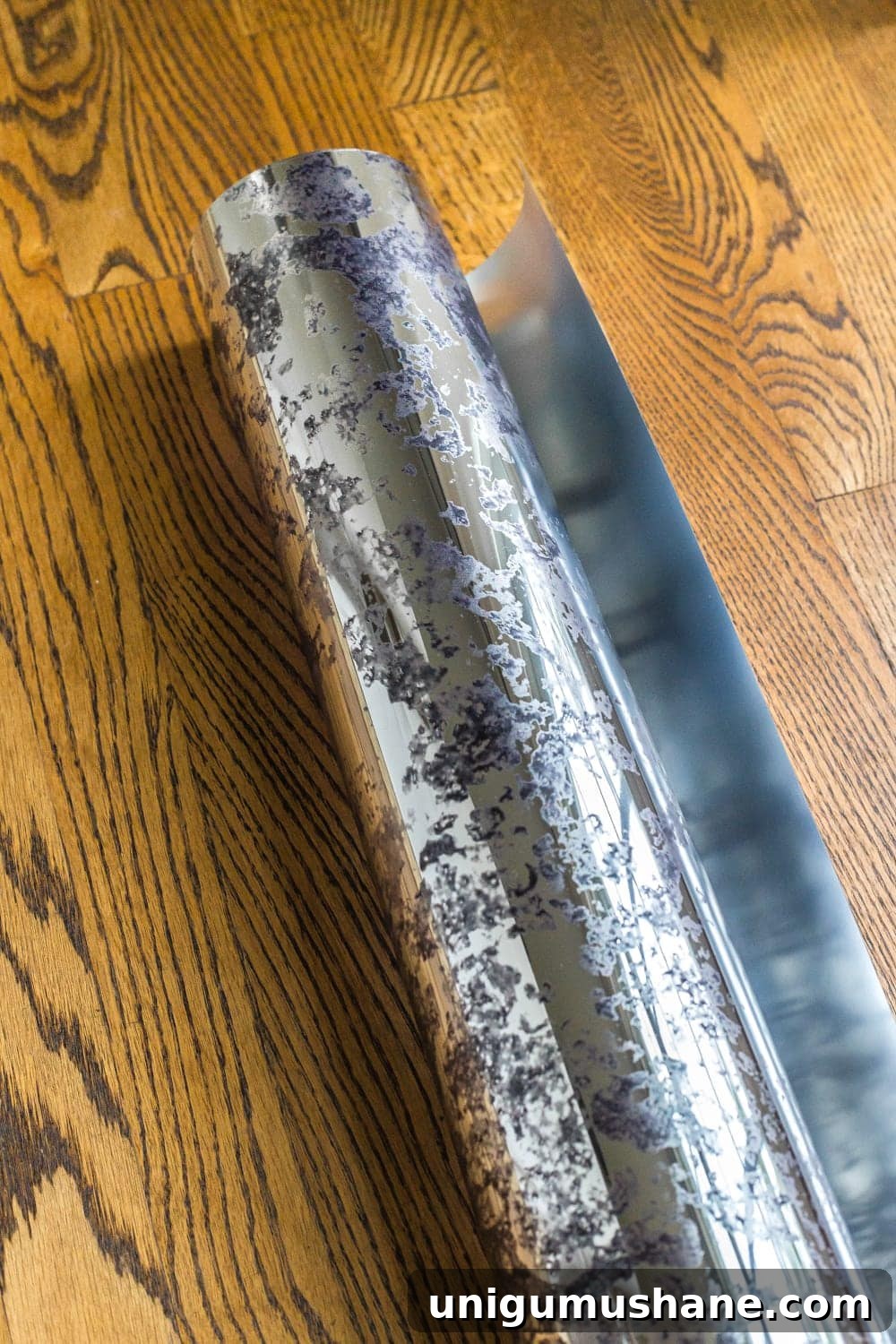
Measure the glass area and cut the film roughly to size, adding about 4 inches of overlap. Extra film makes alignment and trimming easier during installation.
Step 2 – Clean the Glass
Clean the glass thoroughly with glass cleaner and a lint-free cloth. Any dust or residue will show under the film and create bubbles or imperfections.
Step 3 – Wet the Film
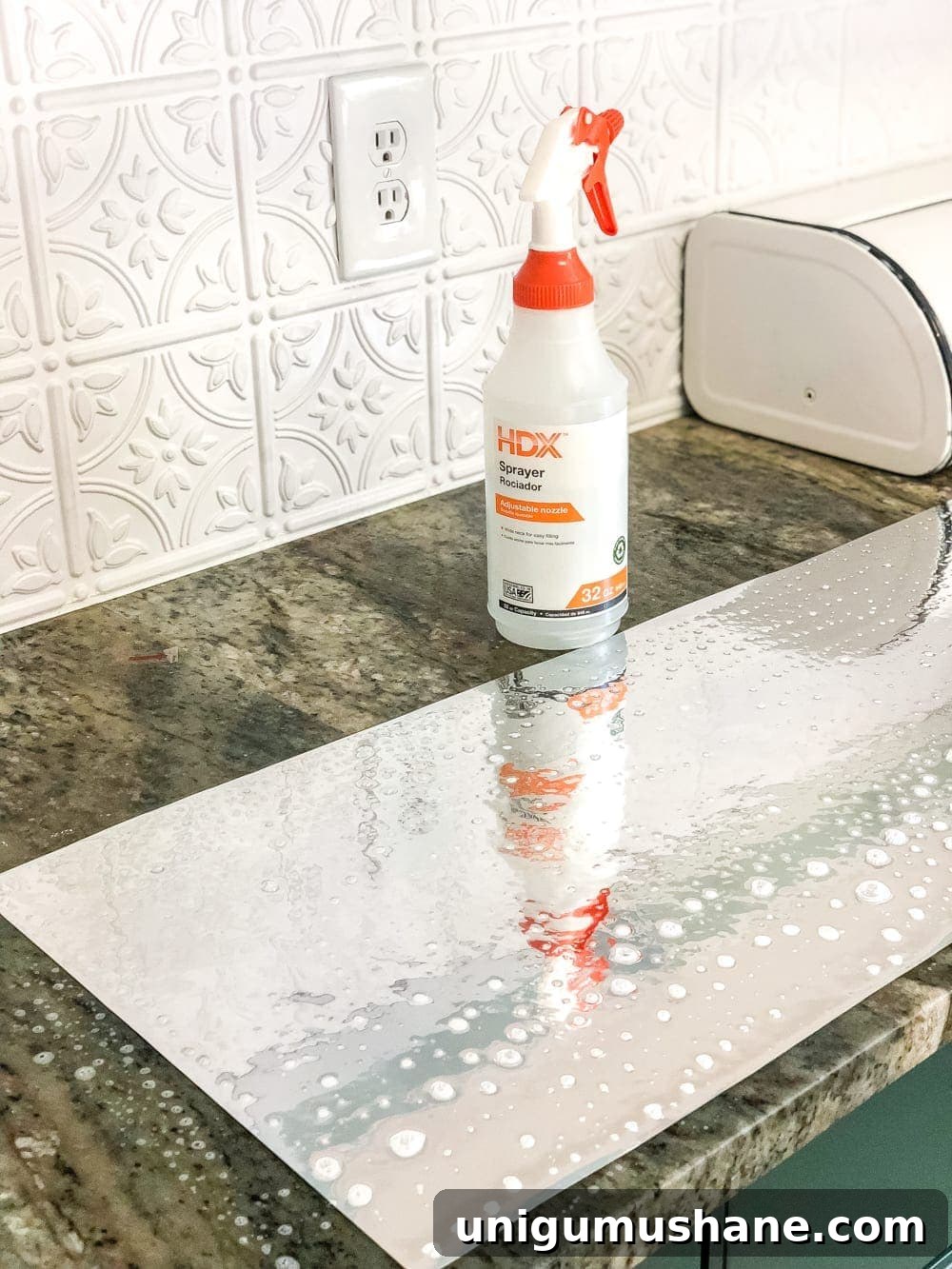
Lay the film face down on a clean flat surface and spray the adhesive side with water so it’s fully damp. Wetting the film makes it much easier to reposition and reduces trapped air.
Step 4 – Wet the Glass Surface
Lightly spray the glass itself as well. A wet surface helps the film slide into place and reduces instant adhesion so you can align it carefully.
Step 5 – Apply the Film
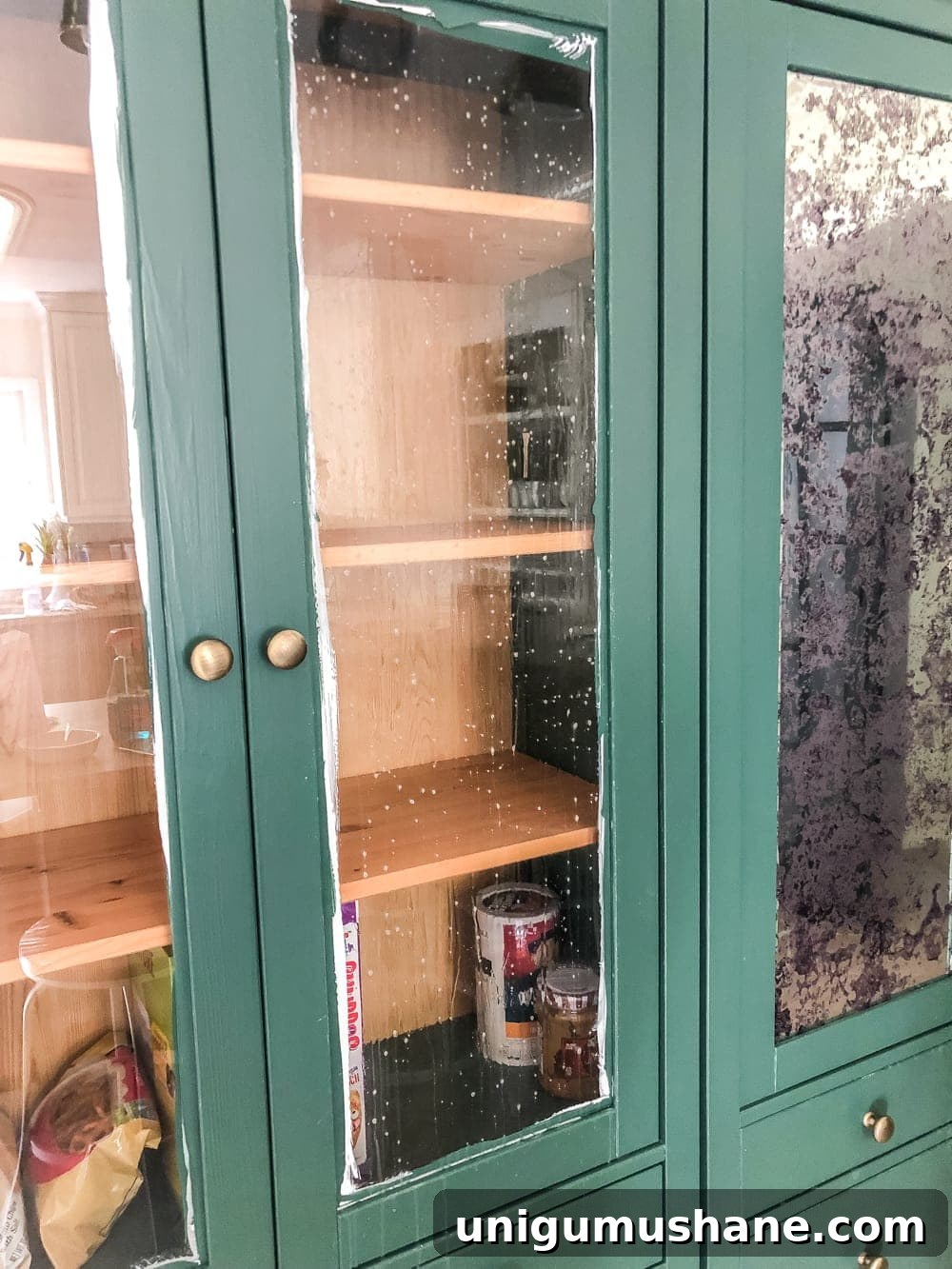
Place the wet film onto the wet glass, aligning it so that 1–2 inches of excess hang over all edges. The water layer gives you time to move the film into the correct position.
Step 6 – Smooth Out Bubbles
Use a squeegee or old credit card to smooth from the center outward, pushing water and air toward the edges. Work carefully around corners and frame edges so the film seats evenly.
Step 7 – Trim Excess
Press the film edge firmly with a squeegee and run a sharp utility knife along the glass edge to trim away the overlap. Replace blades as needed for a clean cut.
Step 8 – Finish and Dry
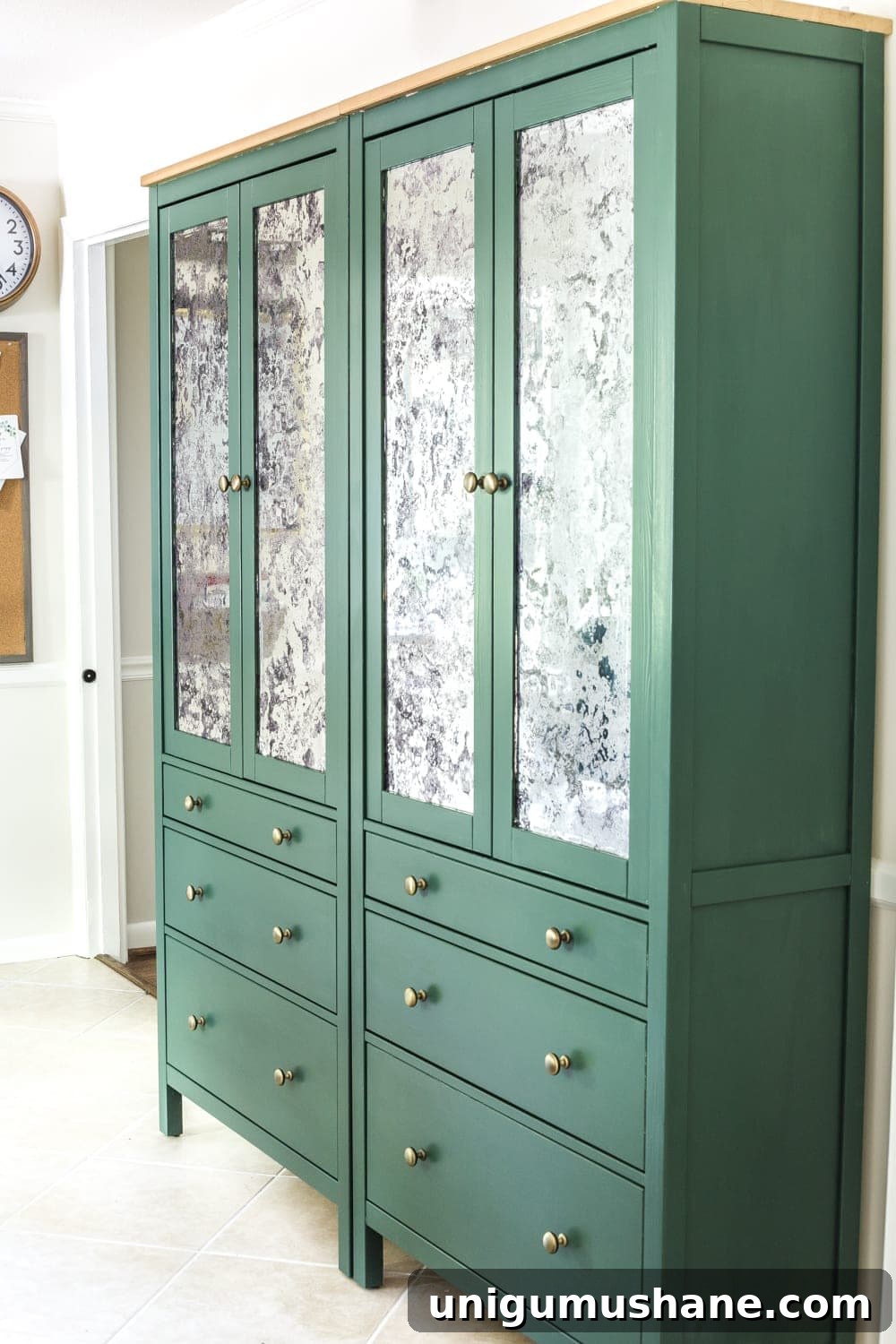
If small bubbles remain, prick them carefully with a safety pin and smooth the area. Allow the film to dry completely before handling—drying times vary by film and humidity but expect at least 24–48 hours for full adhesion.
This method works reliably and can be repeated on multiple surfaces around the house. I’ve applied window film to cabinets, French doors, bifold closet doors, and shower glass with consistently great results.
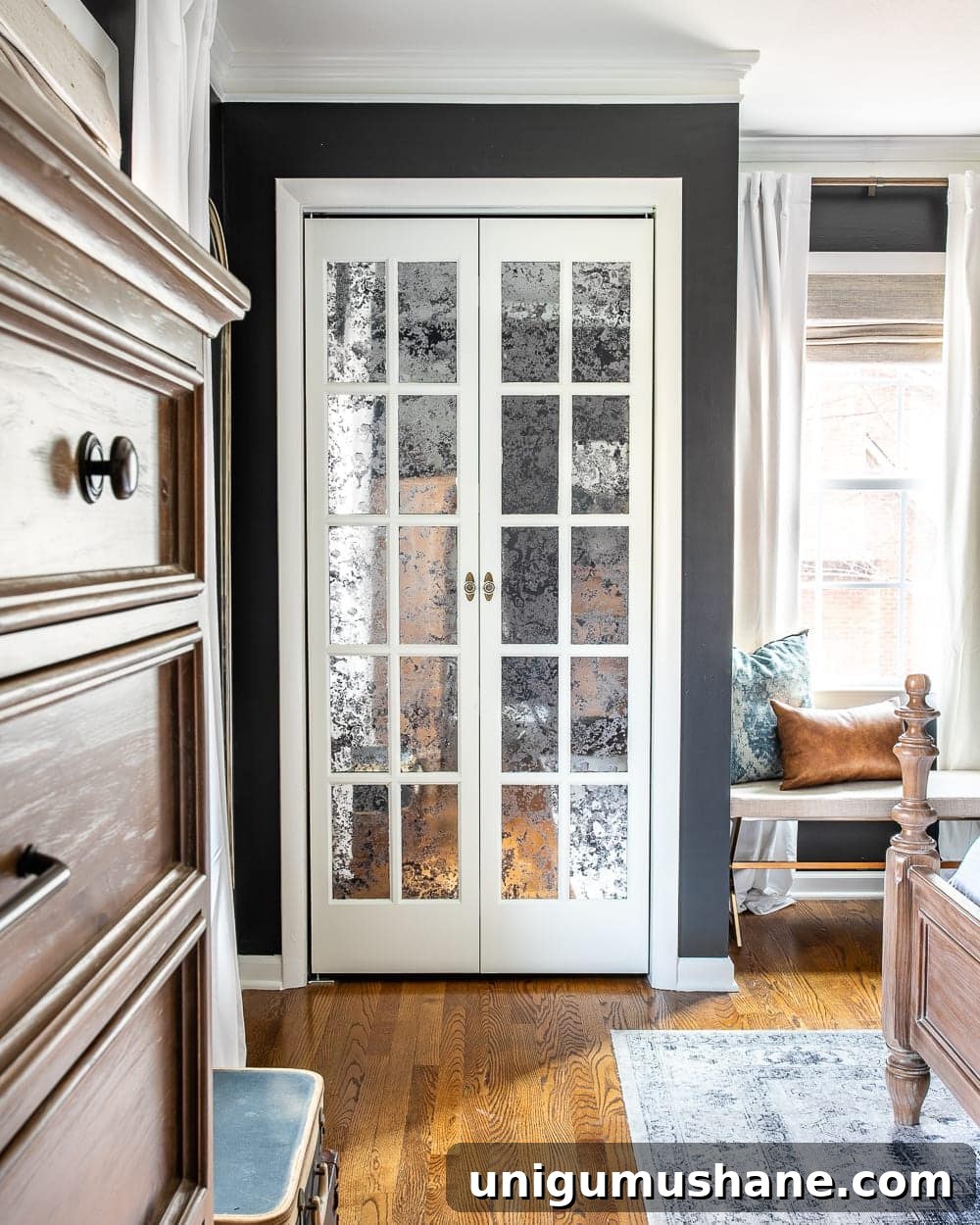
Antique Mirror Glass Window Film
Antique mirror-style films are excellent for wardrobe and pantry doors where you want to obscure contents while reflecting light. They give ordinary glass a soft, aged look and help brighten small rooms by bouncing light around.
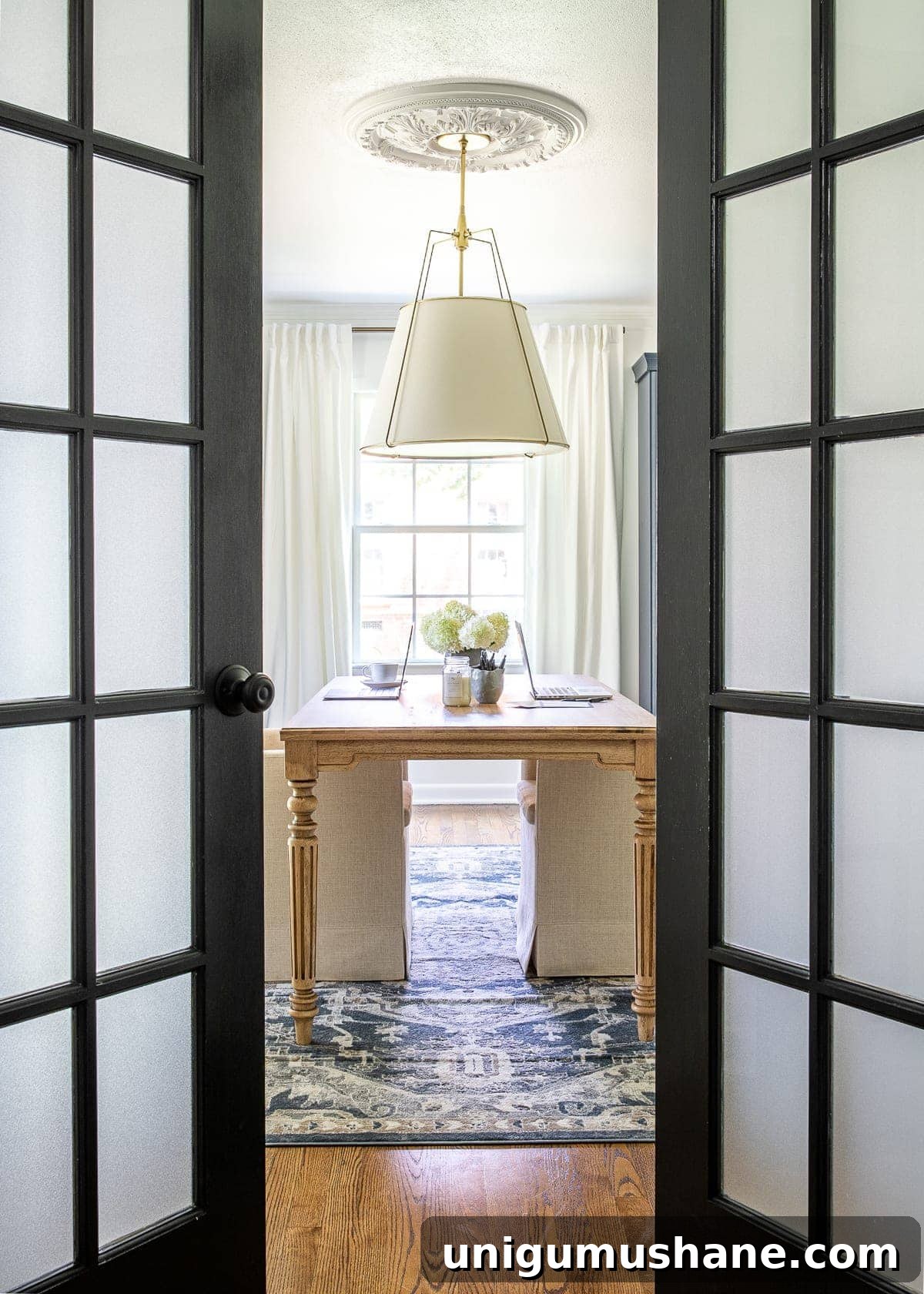
Frosted Window Film
Frosted film is a go-to for home offices, laundry rooms, and entryway doors where you want natural light but little visual access. It keeps a space feeling open while concealing messy shelves, hampers, or work areas from guests.
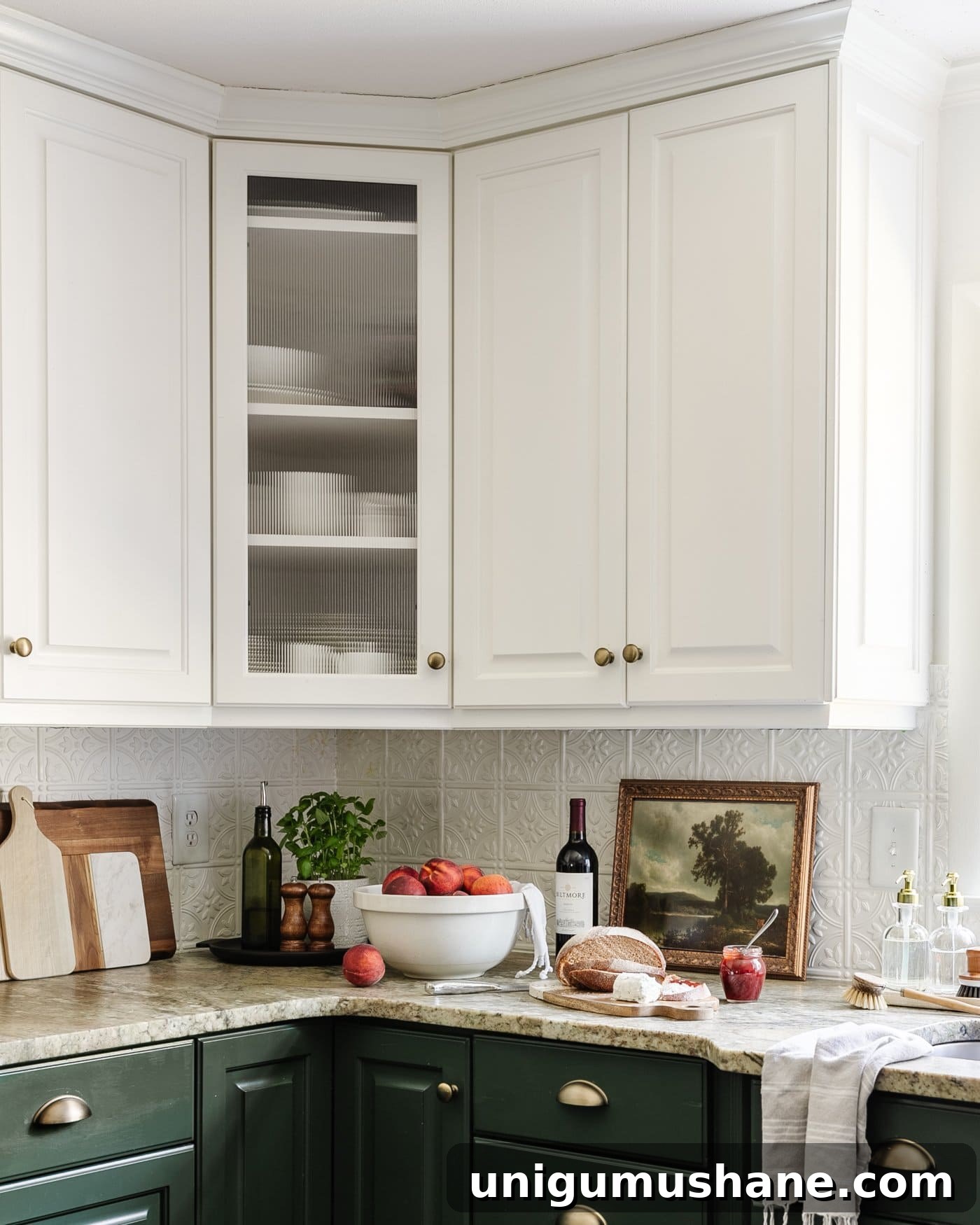
Reeded Glass Film
Reeded glass film creates vertical texture that suits mid-century and Art Deco interiors. It obscures contents while producing an elegant, dimensional look—perfect for kitchen cabinets, bathroom doors, or accent panels.
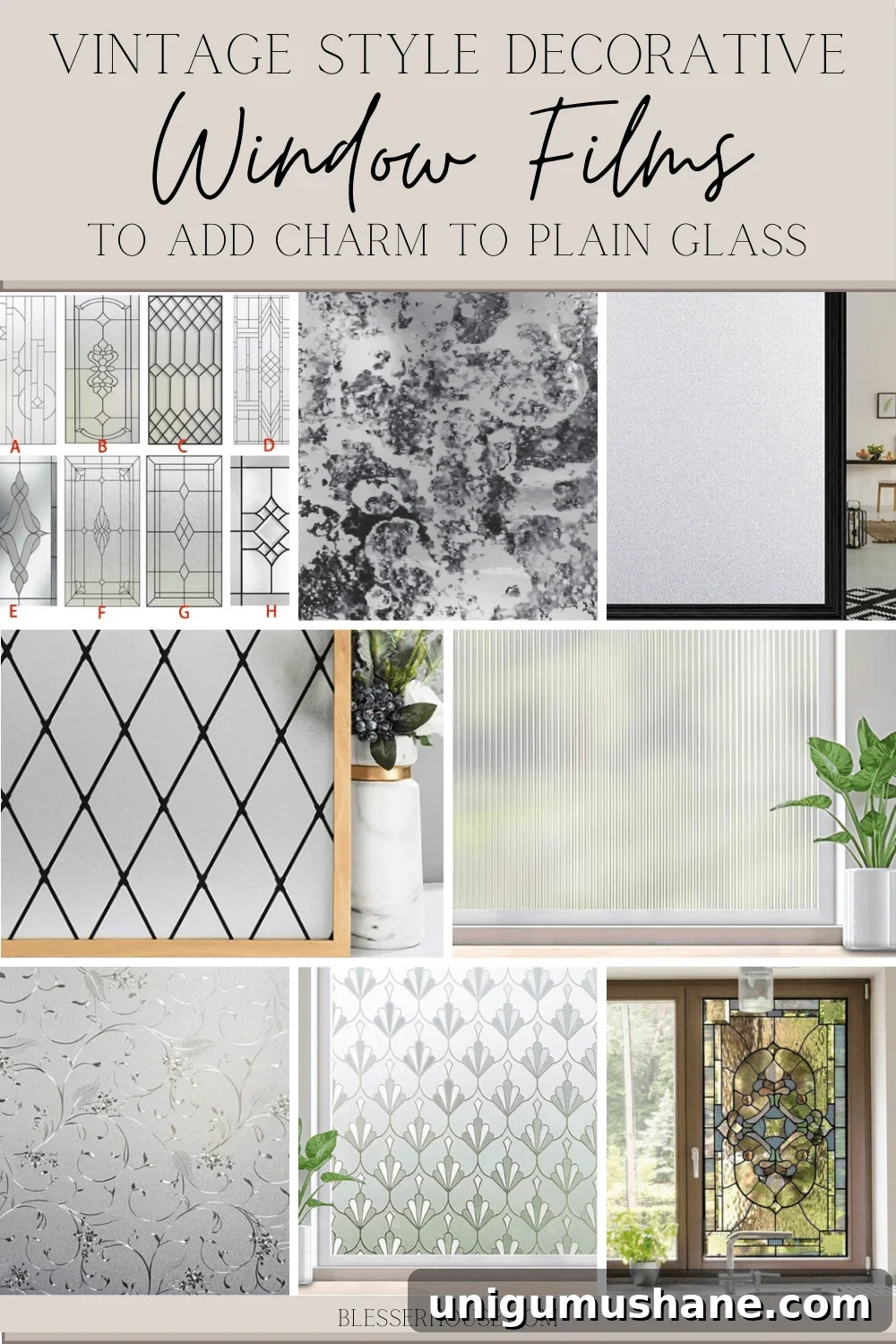
Vintage-Style Decorative Window Film Ideas
If you want a vintage or classic look, consider leaded-glass patterns, antique mirror finishes, etched floral designs, deco etched motifs, black lattice patterns, or stained-glass reproductions. These styles add personality and charm to otherwise ordinary windows and doors without replacing the glass.
More Decorative Glass Ideas
- Classic decor highlights using antique gold mirrors for layered character
- How to convert old picture frames into antique-style mirrors
- DIY mirrored French closet doors for brightening a bedroom
- Techniques for creating an aged gold antique mirror finish at home