
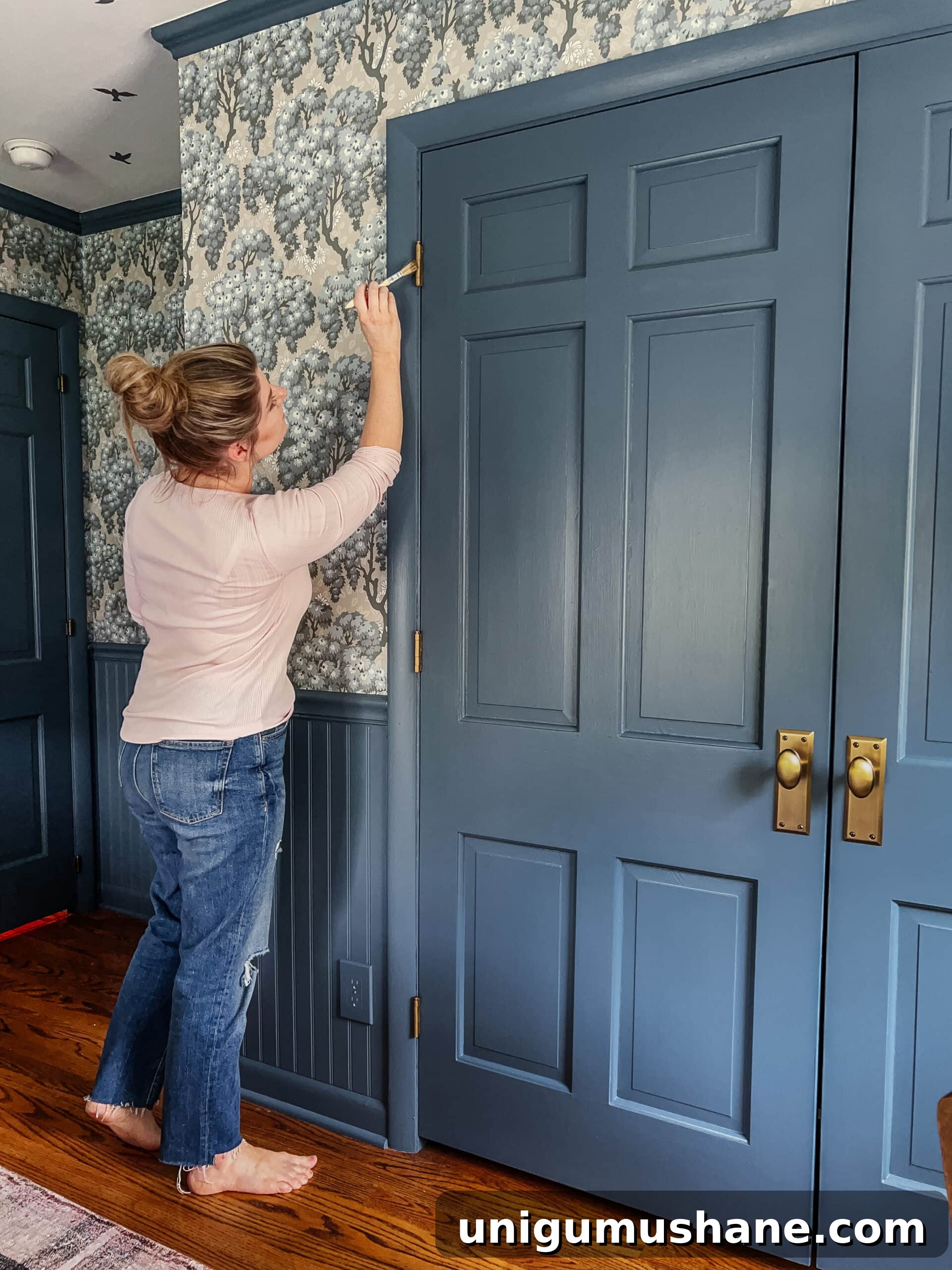
How to use Rub n Buff to change hinge colors for a quick, easy door update without removing them from the frame.
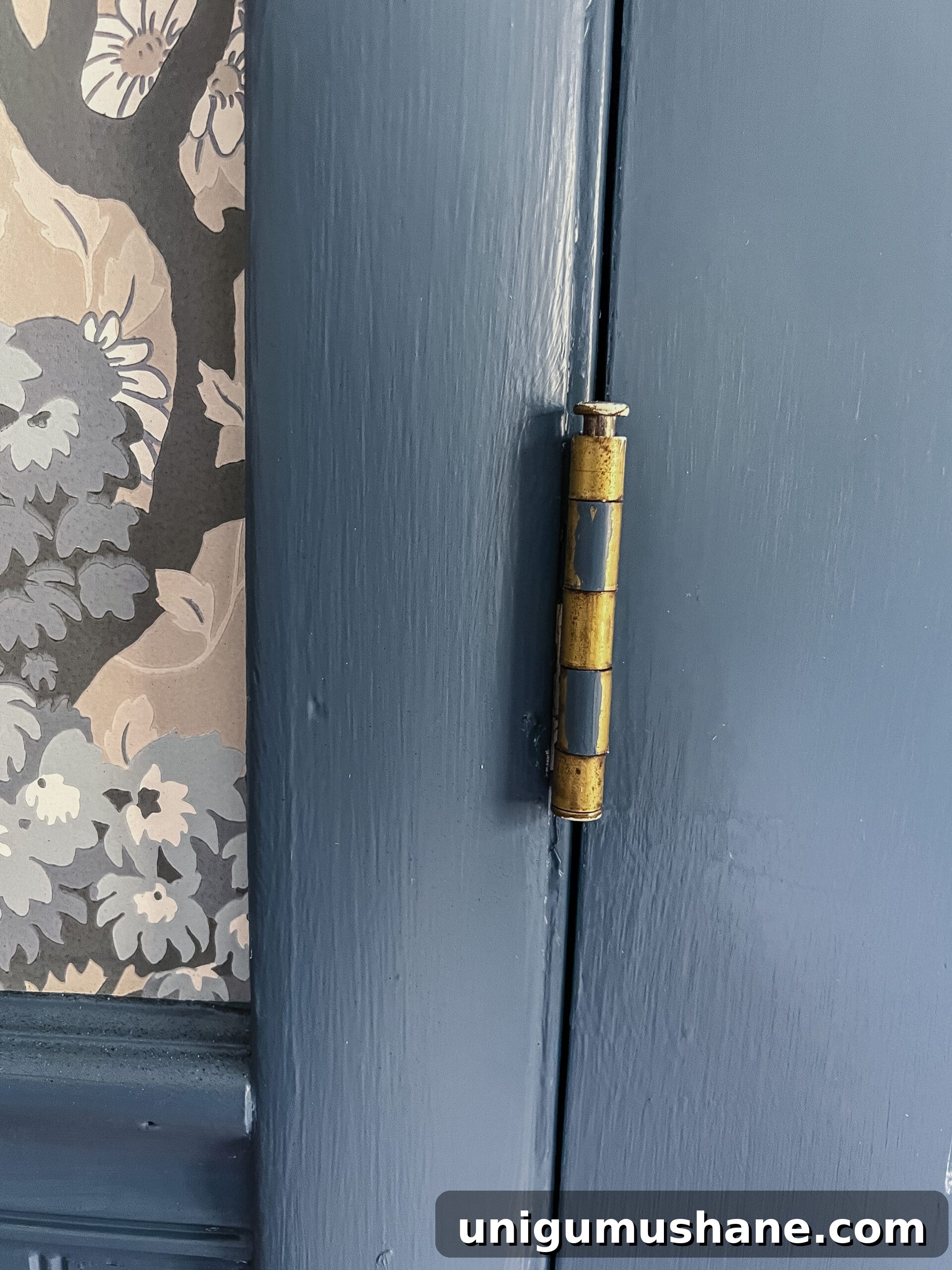
One quirk of older homes is inheriting door hinges that wear layers of paint from previous owners. I got tired of staring at the paint-splattered hinges in our 60+-year-old house and wanted to refresh them without the hassle of removing every hinge from the door.
After a little experimentation, I found a fast solution that takes about five minutes per hinge and gives a surprisingly professional-looking result.
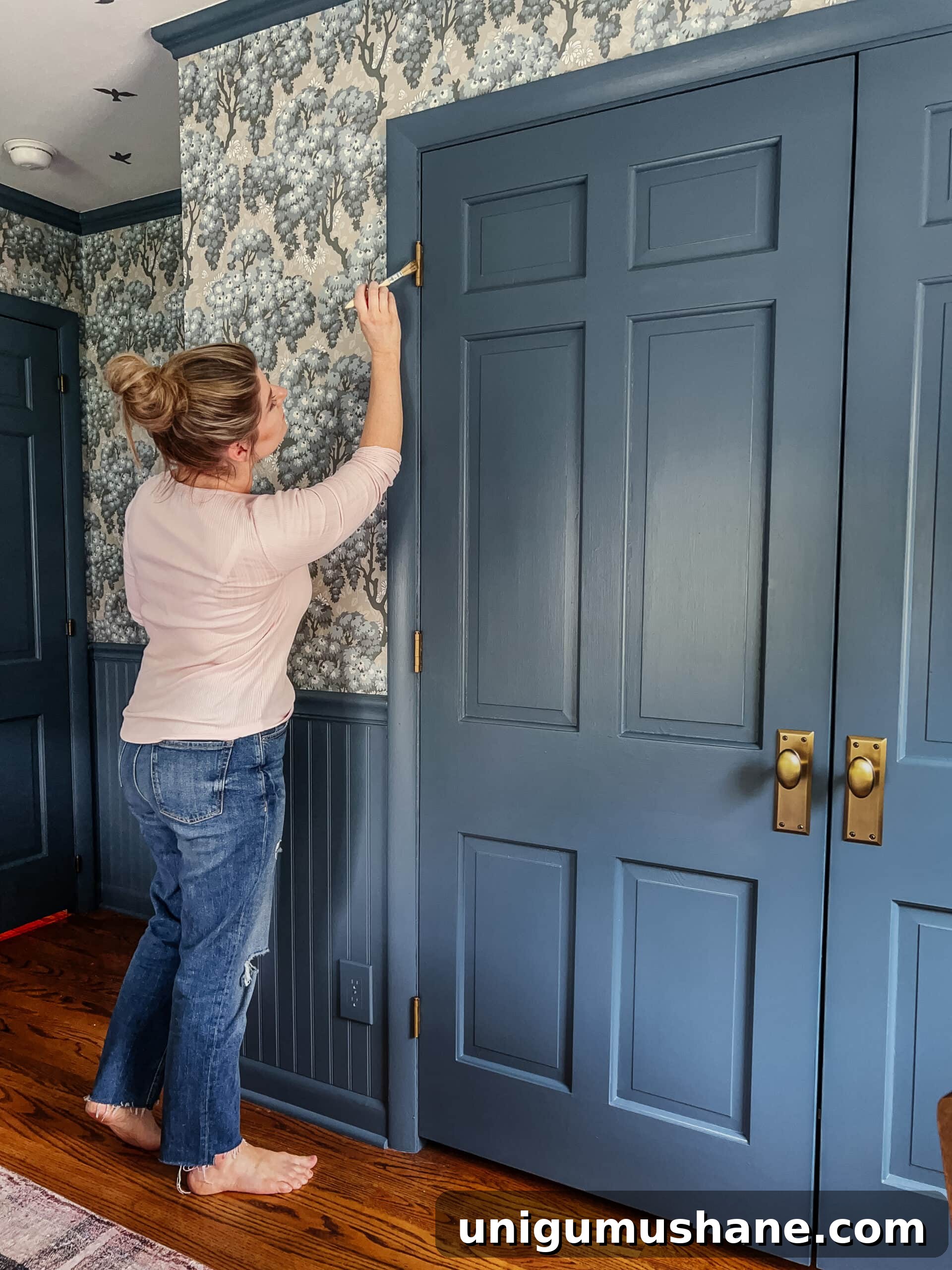
It’s not the textbook way of doing hardware refinishing, but for a quick DIY door makeover it works beautifully and saves a lot of time.
(A note: Robert is currently recovering from knee surgery, so I took this small project on myself—and it was easy enough to tackle on my own.)
Tip: If you want to remove old paint from hinges entirely, you can soak them in an old slow cooker filled with water and a few tablespoons of liquid laundry detergent for several hours. The paint often softens and peels away from the metal.
That little blue paint spot in the photos? Our painters’ tape didn’t hold at one point—lesson learned.
What I really wanted, though, was to change the hinge color without replacing the hardware.
How to Change Door Hinge Colors with Rub n Buff in Minutes
Enter: Rub n Buff. I reach for this product for small hardware touch-ups again and again.
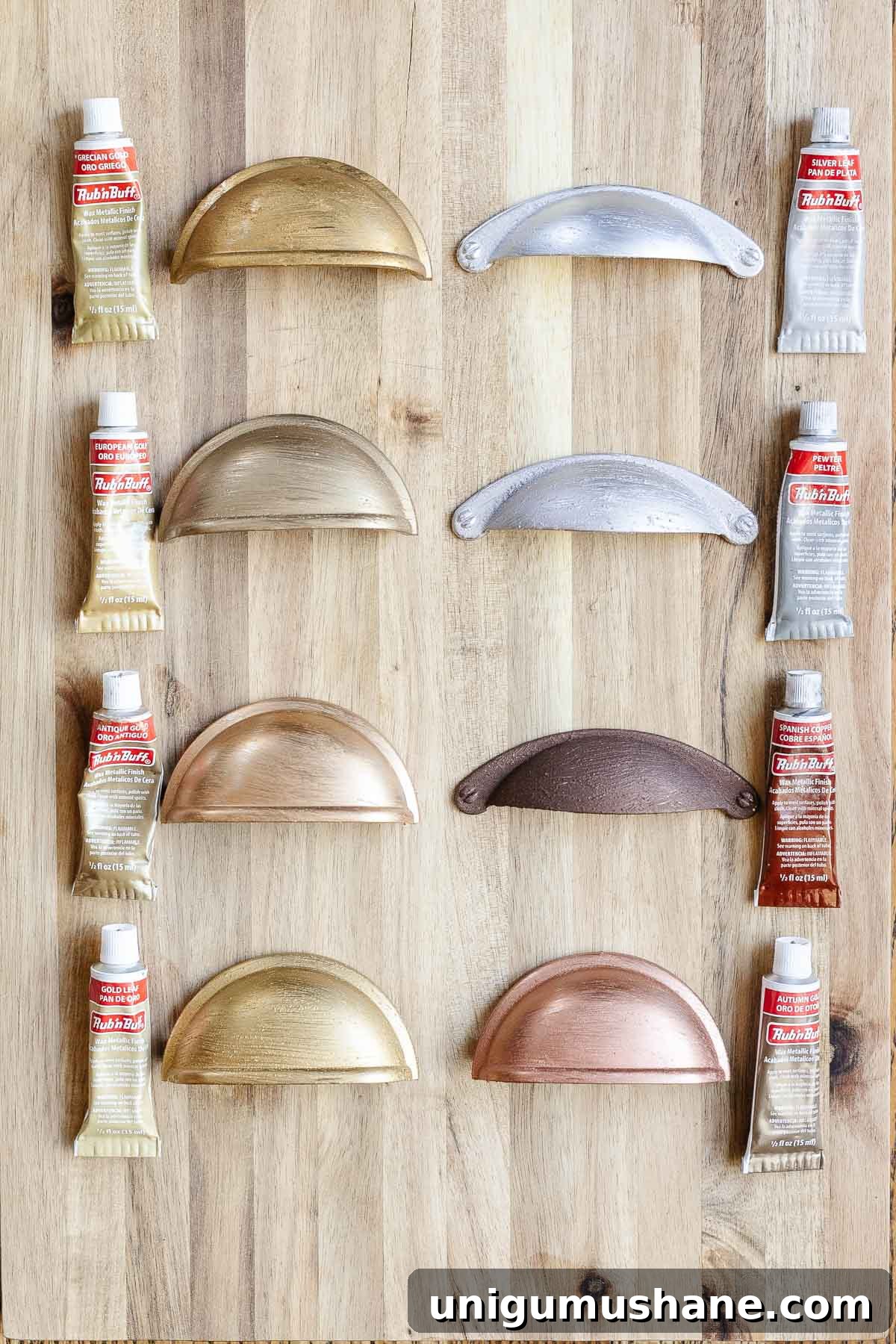
Below are the colors I tested before buffing them out.
This technique is straightforward if you’ve used Rub n Buff before, but I’ll outline the process for anyone new to it.
Supplies
- Rub n Buff in the color you prefer
- Small paintbrush or disposable vinyl/latex gloves
- Disposable plate
- Dry, lint-free rag
- Painter’s tape (optional)
Step 1
Protect the door surface by applying painter’s tape around the hinge while it remains attached. This keeps Rub n Buff off the door face and edges.
Step 2
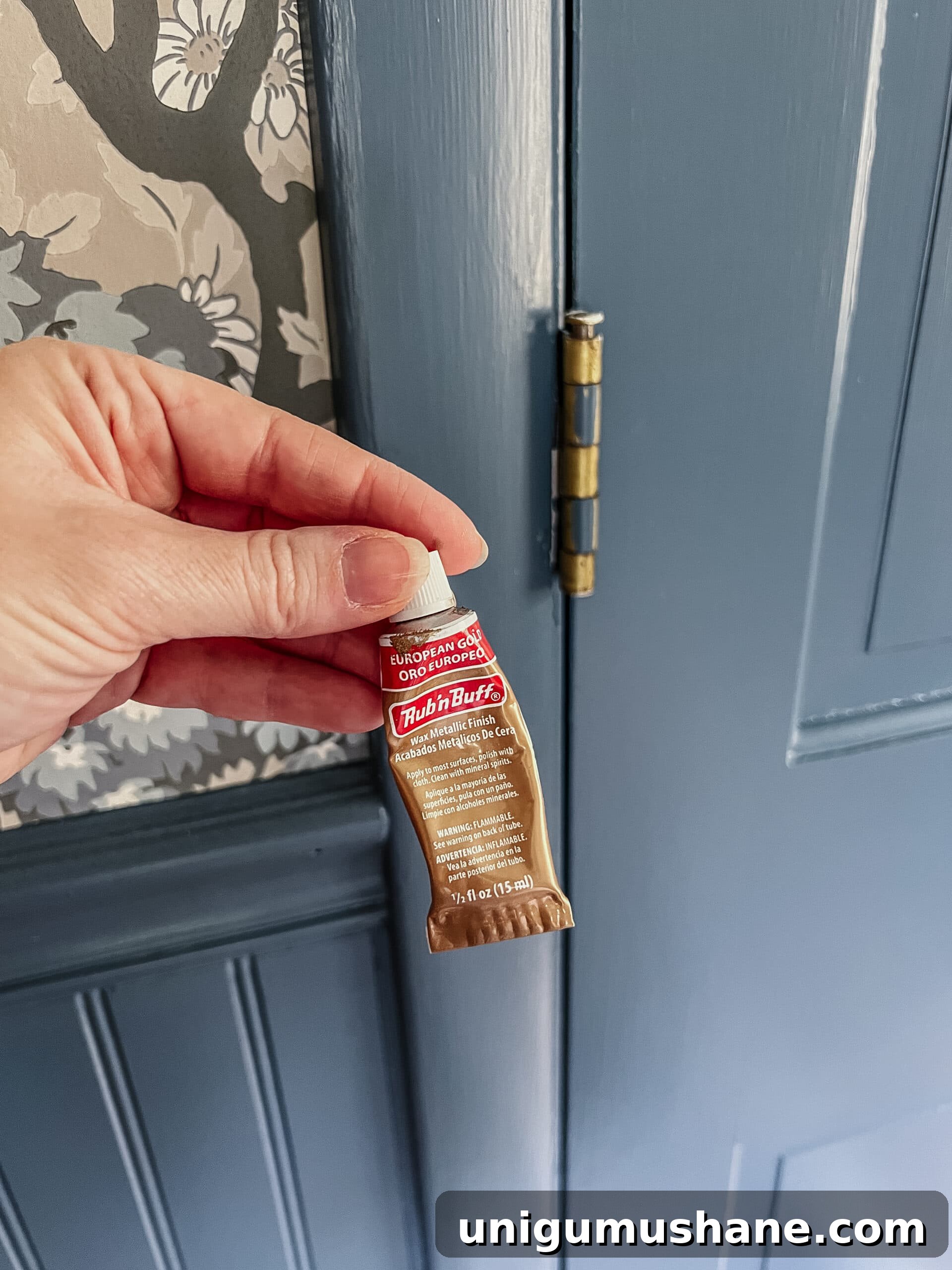
Squeeze a dime-sized amount of Rub n Buff onto a disposable plate—a little goes a long way. My favorite shade for a subtle brass look is European Gold; it’s slightly more muted than other golds. For silver tones, Pewter or Silver Leaf are good choices.
I love how the muted gold contrasts with the Sherwin Williams Smoky Blue we used on the doors.
Step 3
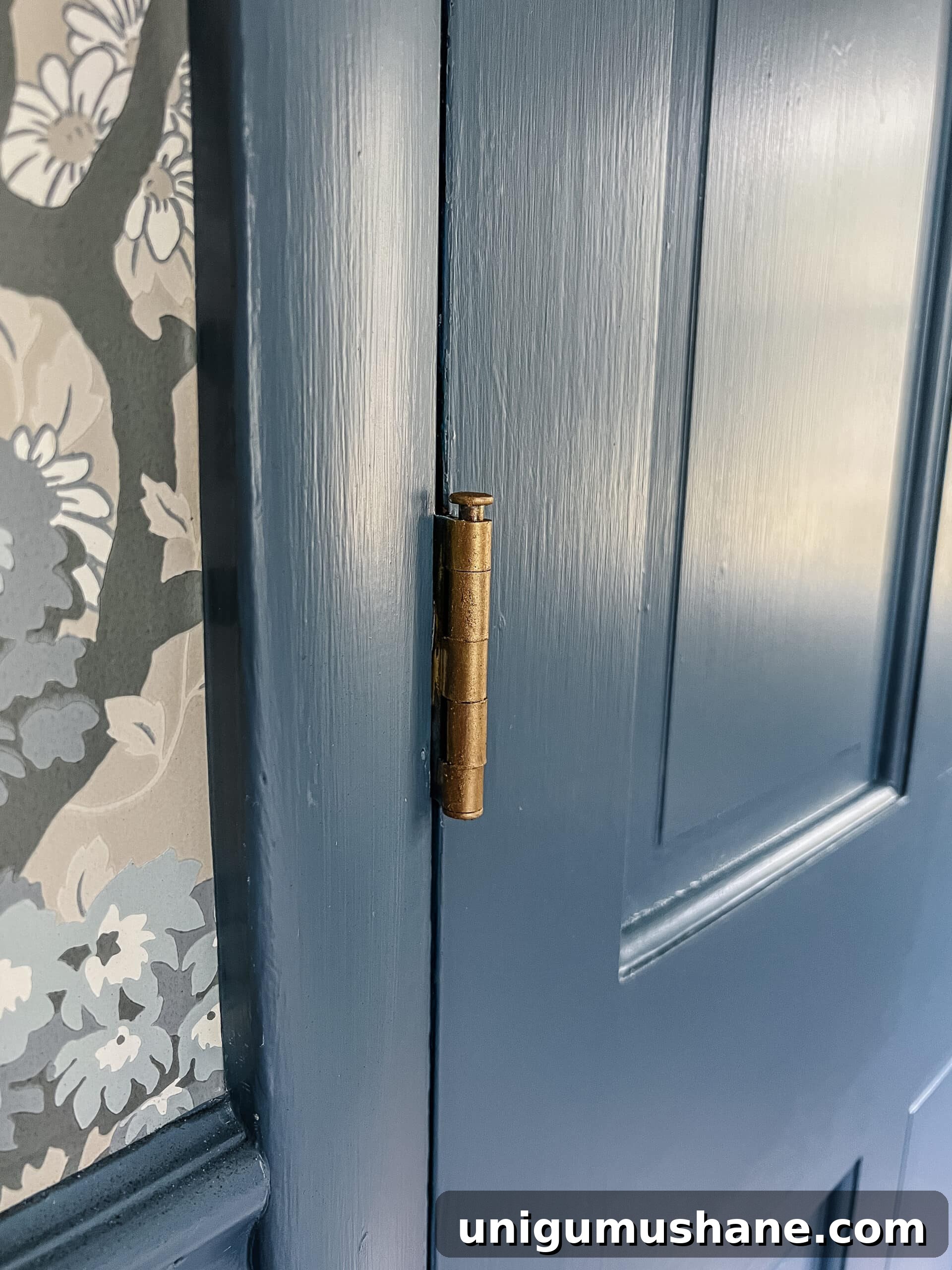
Apply a thin layer of Rub n Buff to the metal hinge using a small brush or a gloved finger. Work carefully around the hinge pin and edges so the coverage is even.
Step 4
After about a minute, when the product is tacky but not wet, buff away any excess with a dry, lint-free rag or a clean gloved finger until the hinge shines. The finish develops quickly and looks like metal, not painted plastic.
Easy DIY Brass Hinges
That’s it—fast and effective. While we eventually plan to replace all the original hardware, this quick refresh made a huge visual difference and bought us time.
For example, I switched out dated 1980s knobs on a closet door for an antique brass double knob set that complements the toned-down gold finish of the hinges.
Tip: Rub n Buff is best for decorative hardware that doesn’t get frequent contact. It’s not ideal for exterior doors or frequently touched knobs. For high-touch pieces, consider a durable spray-paint method with proper sanding, priming, and a protective clear coat for longer-lasting results.
I’ve used spray paint with primer and lacquer on faucets and door knobs before; when you follow the full prep and sealing process the results hold up well over time.
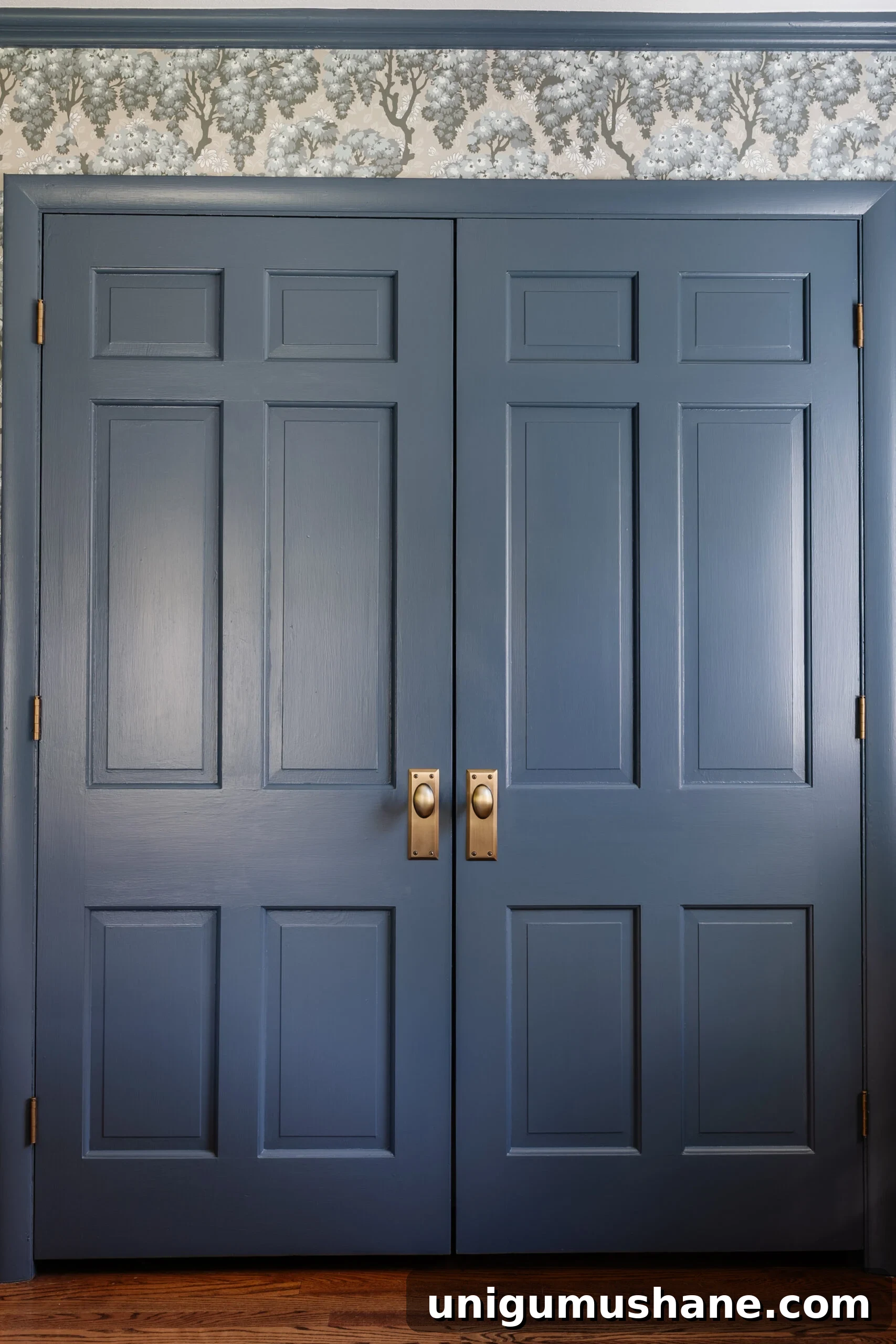
We’re slowly correcting decades of sloppy paint jobs and mismatched hardware upstairs. I’m not enthusiastic about full paint stripping, but touching up peeling layers, swapping out mismatched knobs, and refinishing hinges has already made a noticeable improvement in our home’s look.
Would you use Rub n Buff on your hinges? I’m surprised I didn’t try this sooner—it’s an easy update with a big payoff.
DIY Door Update Ideas
- The best trick for painting French doors
- DIY mirrored French closet doors
- How to paint interior doors for a durable finish
- Window film ideas to create decorative glass for less