
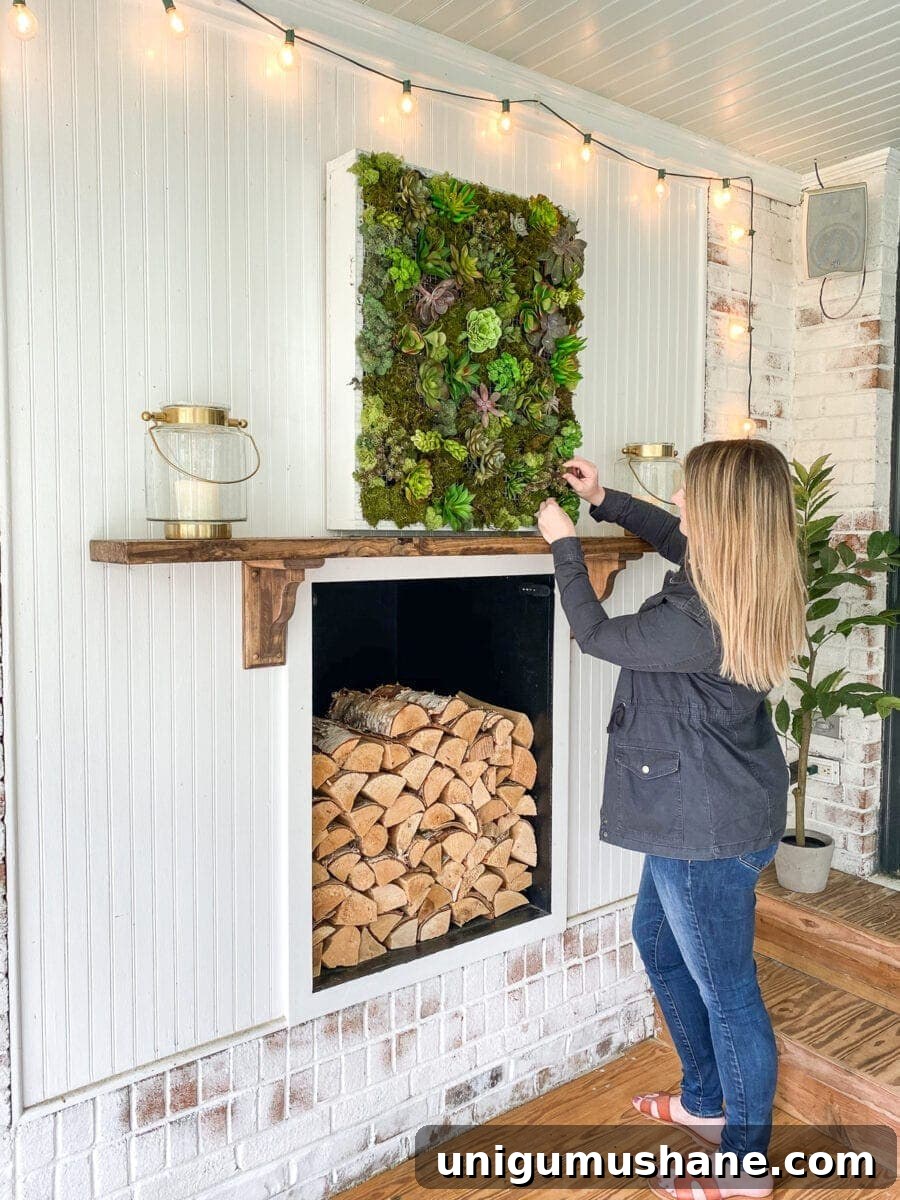
How to make a wall planter for either indoors or outdoors using scrap wood, moss, and succulents for the perfect spring or summer gardening project.
Turning leftover materials into stylish home accents is one of the most satisfying DIYs. With a few scrap boards from the garage, some moss and succulents, and basic tools, you can build a vertical wall planter that works indoors or outdoors — a compact, eye-catching way to bring greenery to a porch, balcony, or entryway.
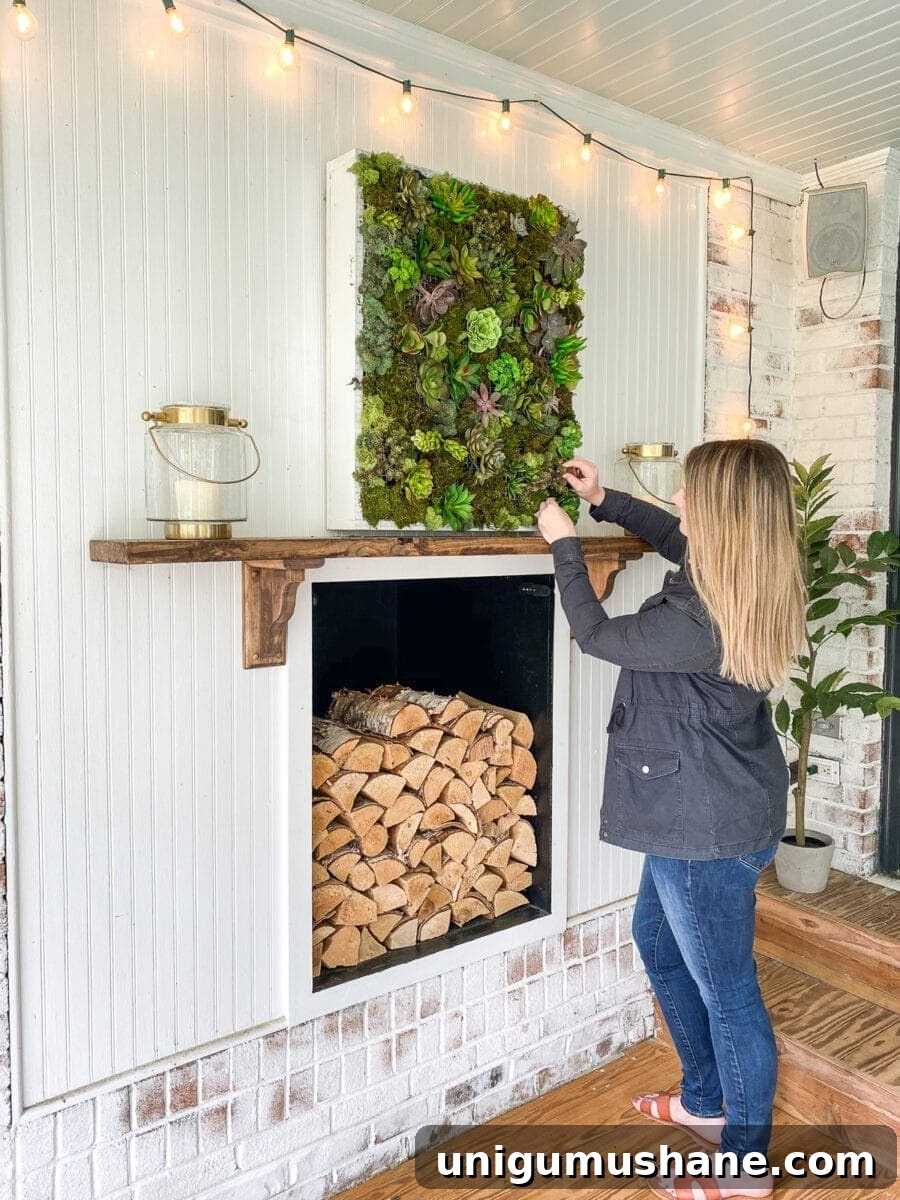
After cutting down a buffet for a recent makeover, we realized the offcuts would make the perfect shallow planter for our back porch. We pieced everything together using common supplies and finished with moss to cover the soil and secure the plants. The finished planter is lightweight, easy to hang, and a great weekend project.
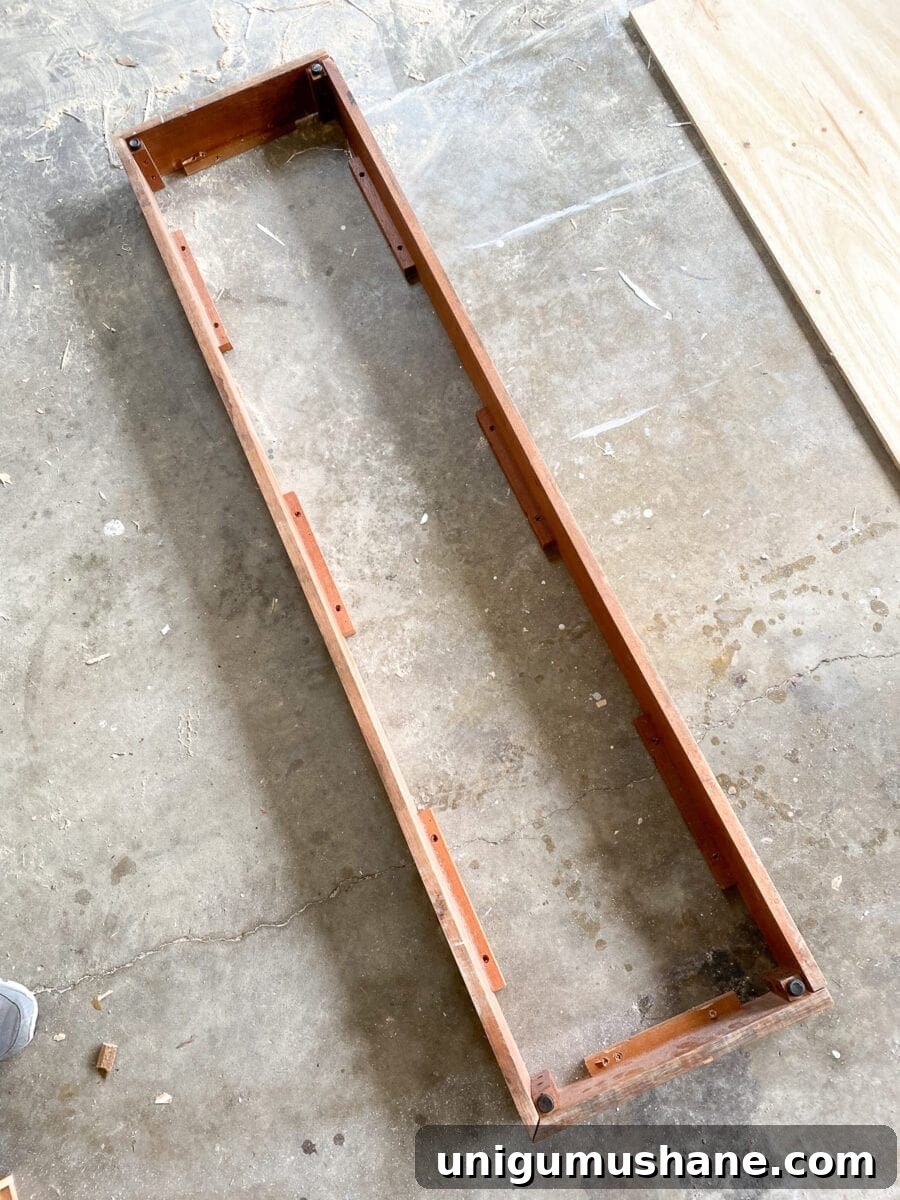
Below is a clear, step-by-step guide to build your own vertical wall planter using scrap wood, hardware cloth, and succulents. This design is adaptable to almost any size and can be finished to match your decor.
DIY Vertical Wall Planter
(Some affiliate links are included in the original supply list.)
Supplies Used:
- Scrap wood boards (any width — ours were about the size of a 1×4)
- 1/2″ thick plywood scrap
- #8 1/2″ wood screws
- Roll of 1/2″ steel hardware cloth
- Small plastic drop cloth
- Hanging hardware (Hangman hanger or other hanging kit)
- Circular saw
- Power drill
- Heavy-duty stapler
- Hammer
- Wire snips
- Scissors
- Measuring tape
- Carpenter square
- Pencil
- Spray paint or wood stain and brush
- Potting soil
- Succulents or small plants (artificial plants work if you prefer no soil)
- 1–2 packs of moss
- Hot glue gun
The Steps:
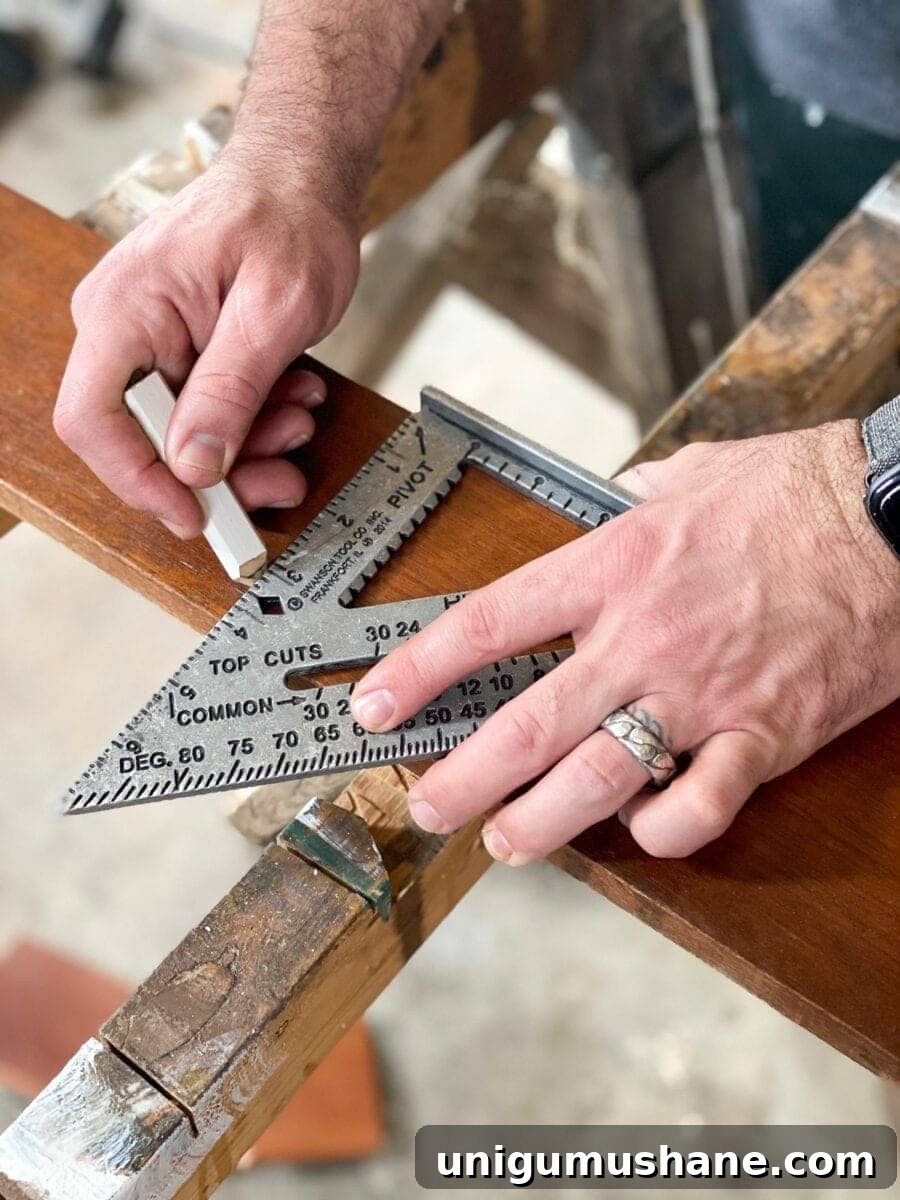
1. Plan the size of your planter and measure your 1×4 boards and the plywood back. Mark cut lines with a carpenter square and pencil.
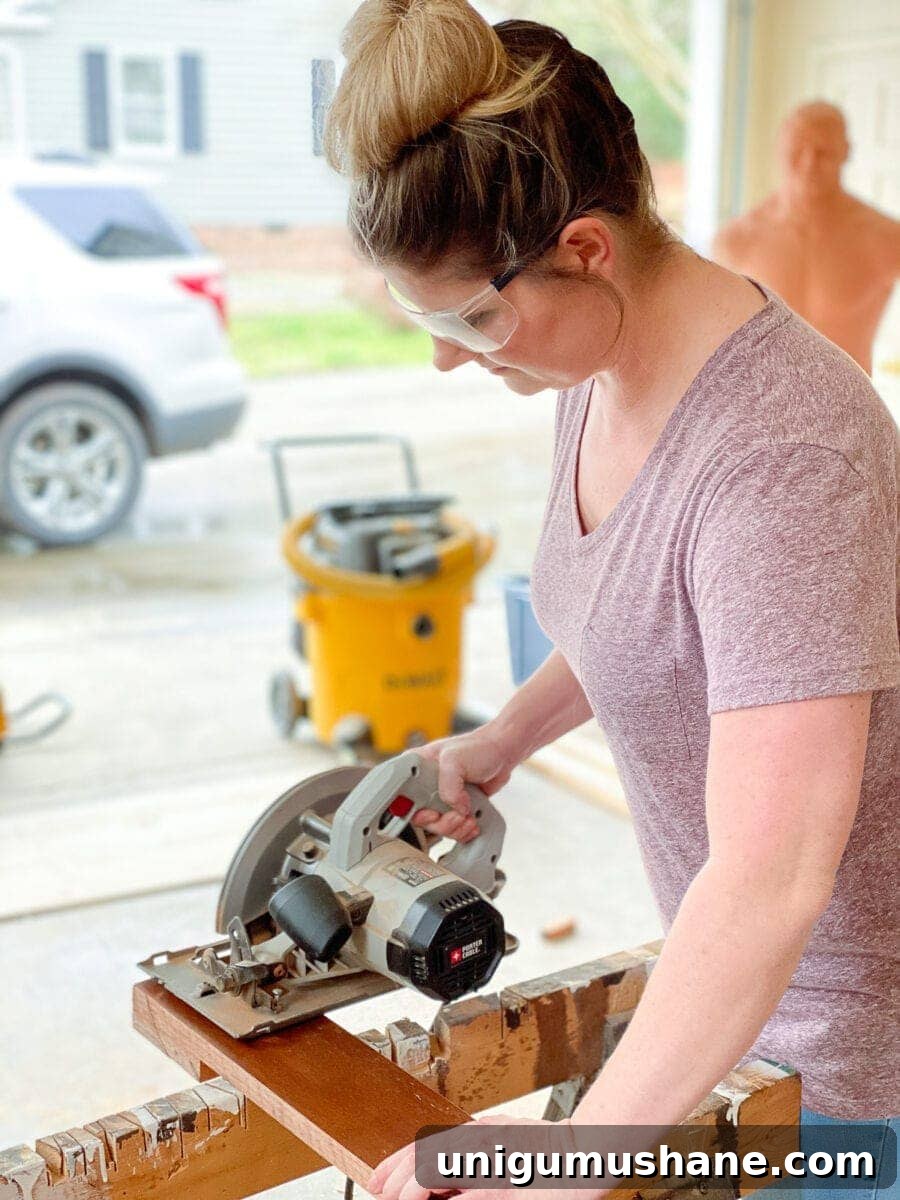
2. Cut the boards and plywood to size with a circular saw. Wear eye and ear protection and clamp pieces securely.
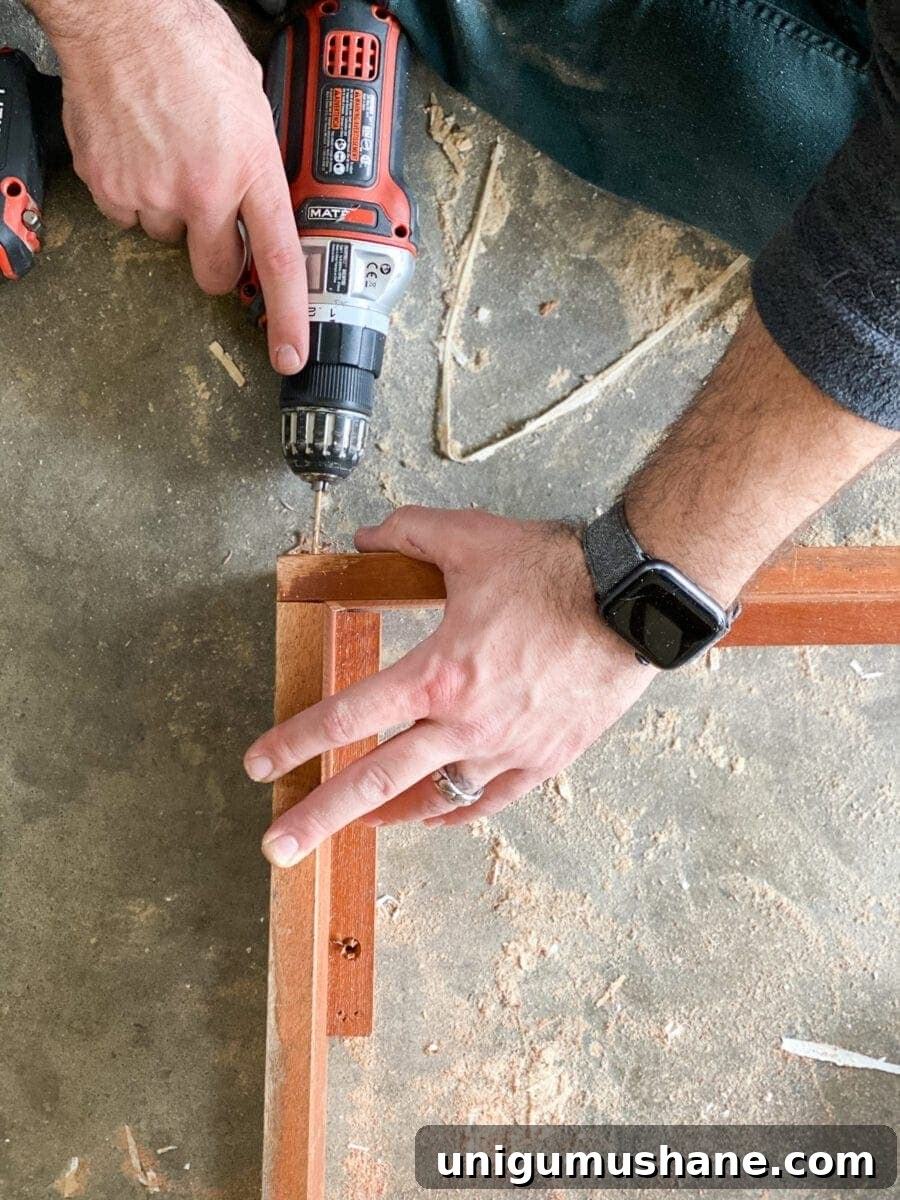
3. Assemble the frame by forming a shallow box with the 1×4 pieces. Pre-drill pilot holes and secure the corners with wood screws so the wood doesn’t split.
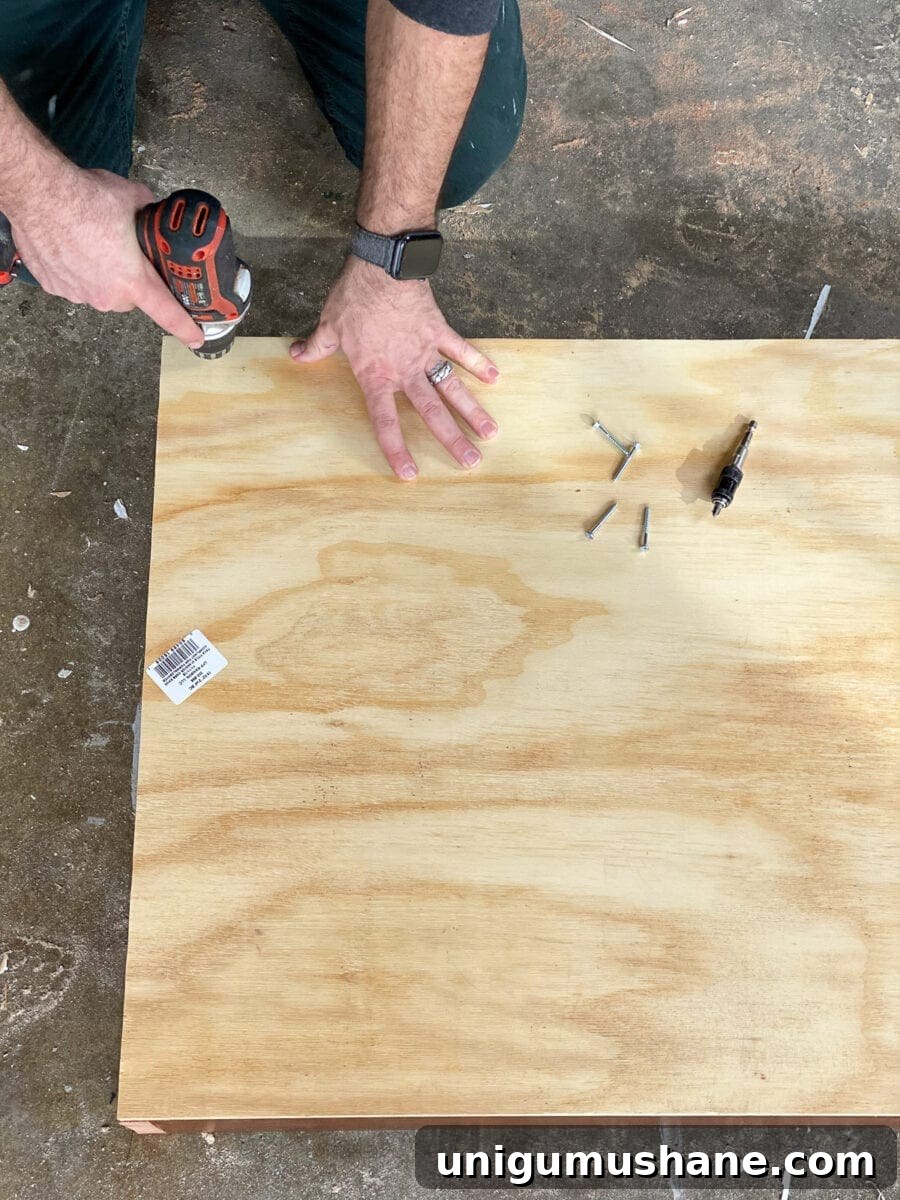
4. Attach the plywood base to the back of the box with screws, aligning edges so the box is square and sturdy.
5. Finish the wood with stain or paint. If you prefer spray paint, you can apply it after adding the hardware cloth to save masking steps.
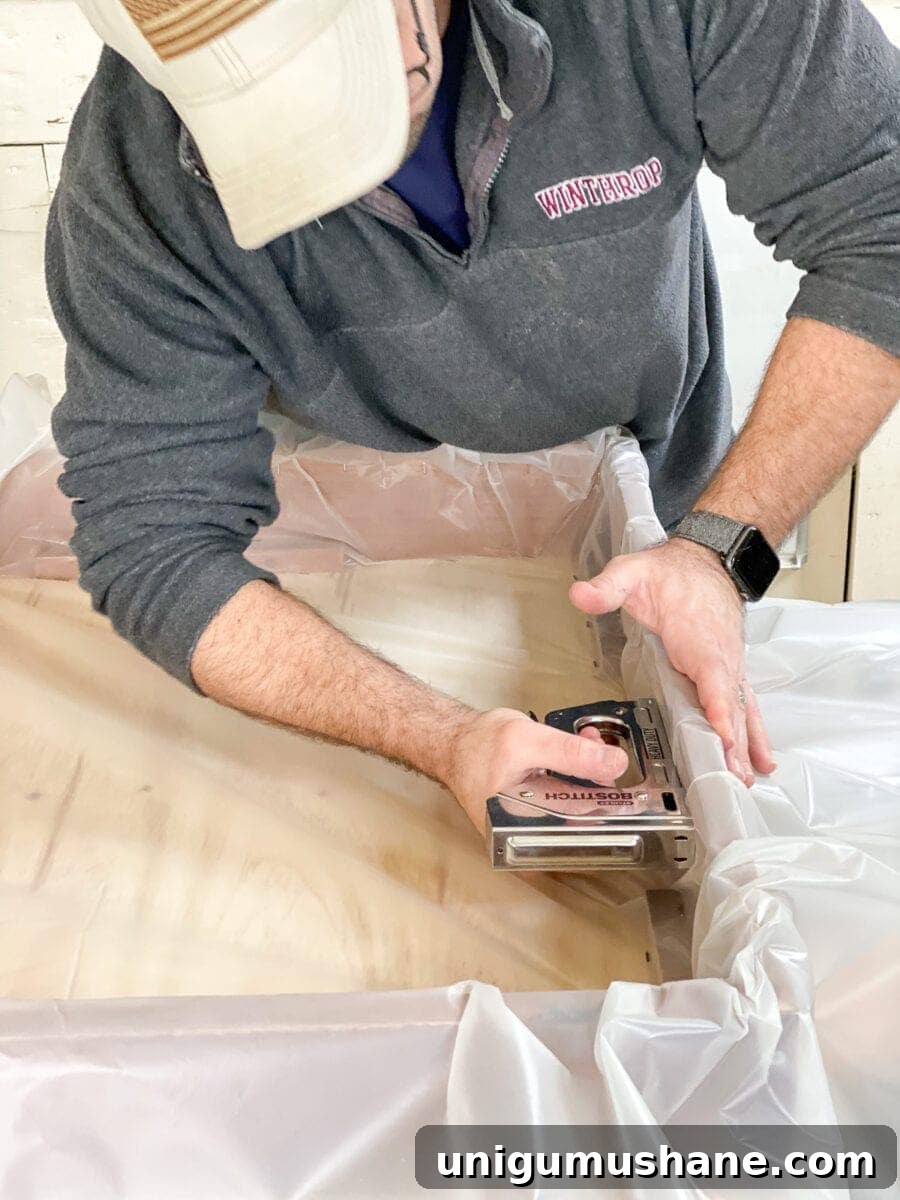
6. Flip the box with the plywood facing down and line the inside with the plastic drop cloth to protect the wood from moisture and soil. Staple the drop cloth securely in place and trim the excess.
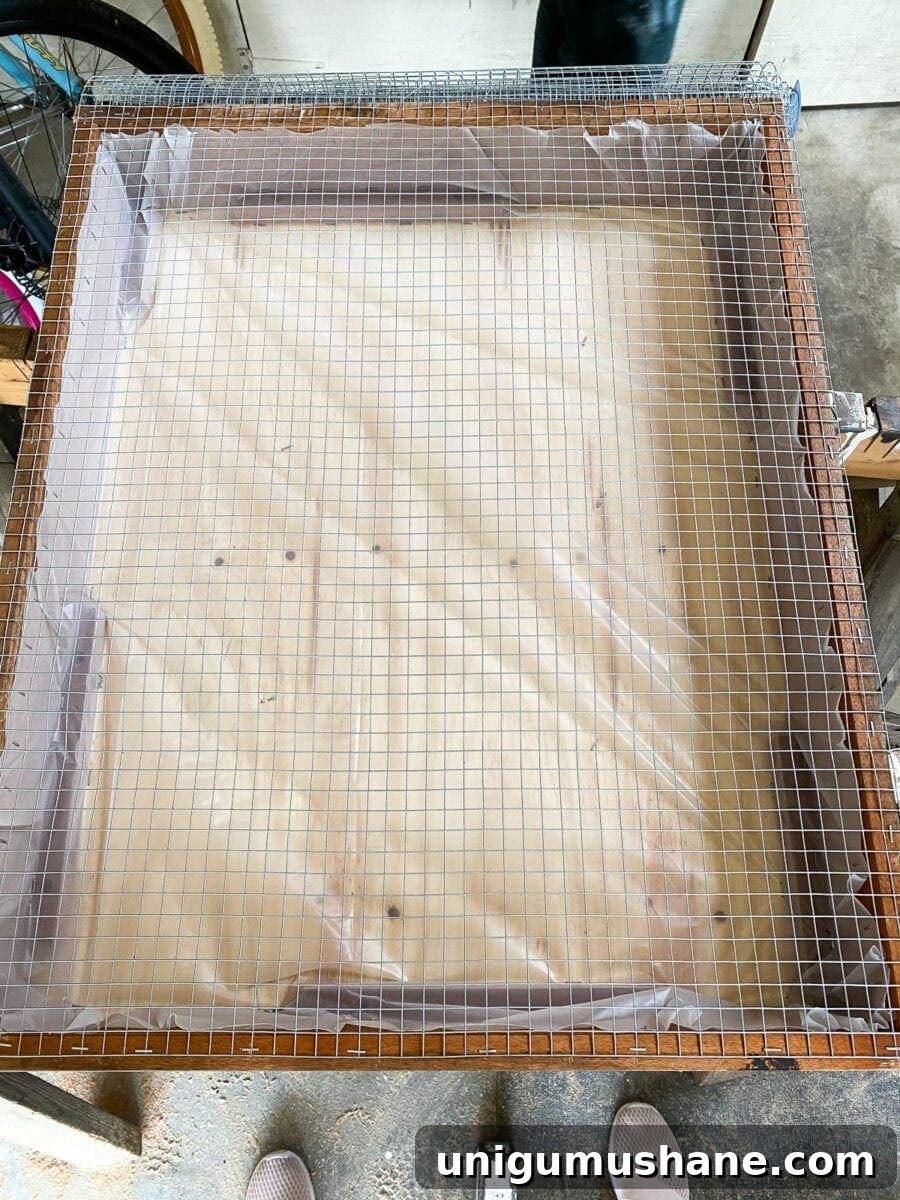
7. Roll out the hardware cloth and attach it over the opening where plants will be inserted. Staple around the edges to hold it tightly against the frame.
8. Trim any excess wire with wire snips and use a hammer to flatten any sharp edges so the planter is safe to handle.
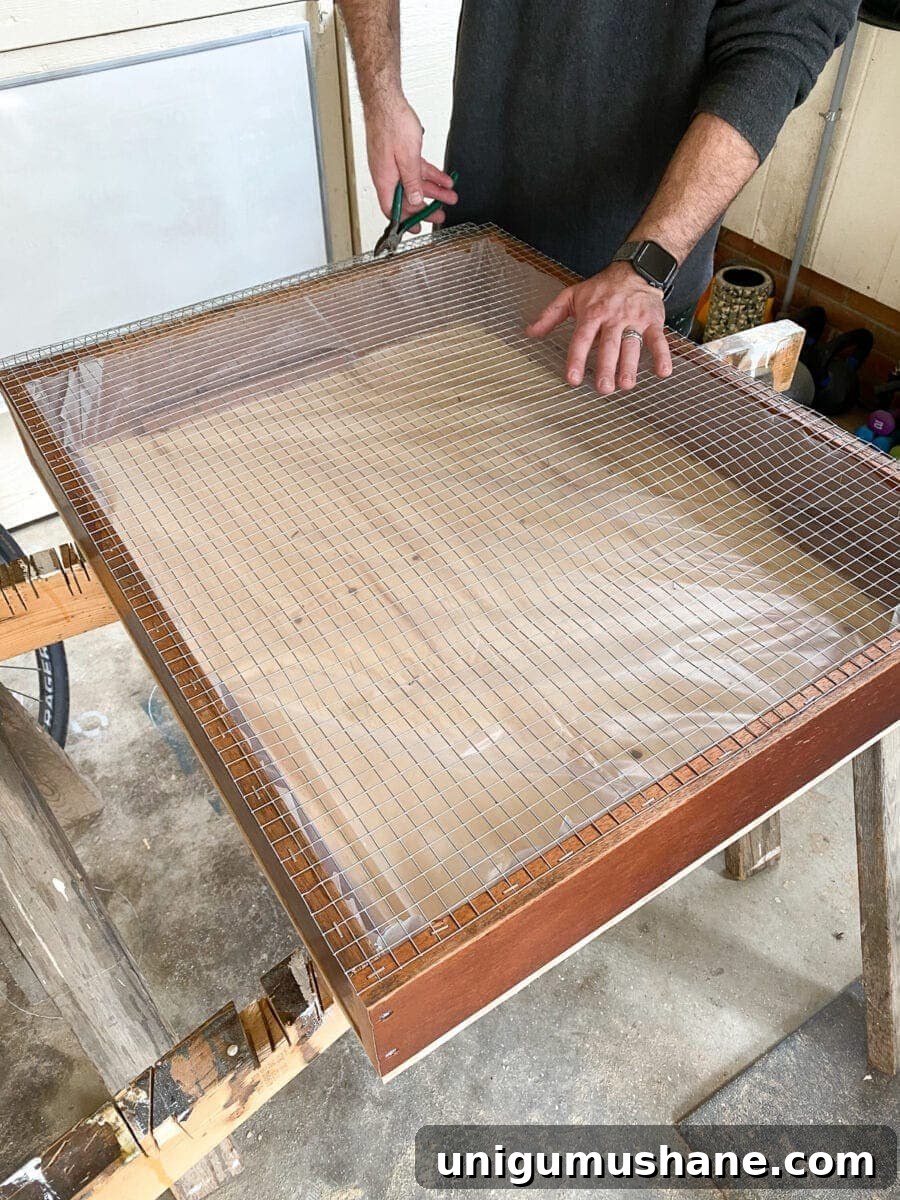
9. Flip the box so the plywood is at the back again and install your hanging hardware. Use appropriate anchors for the wall material you plan to use (drywall, brick, siding, etc.).
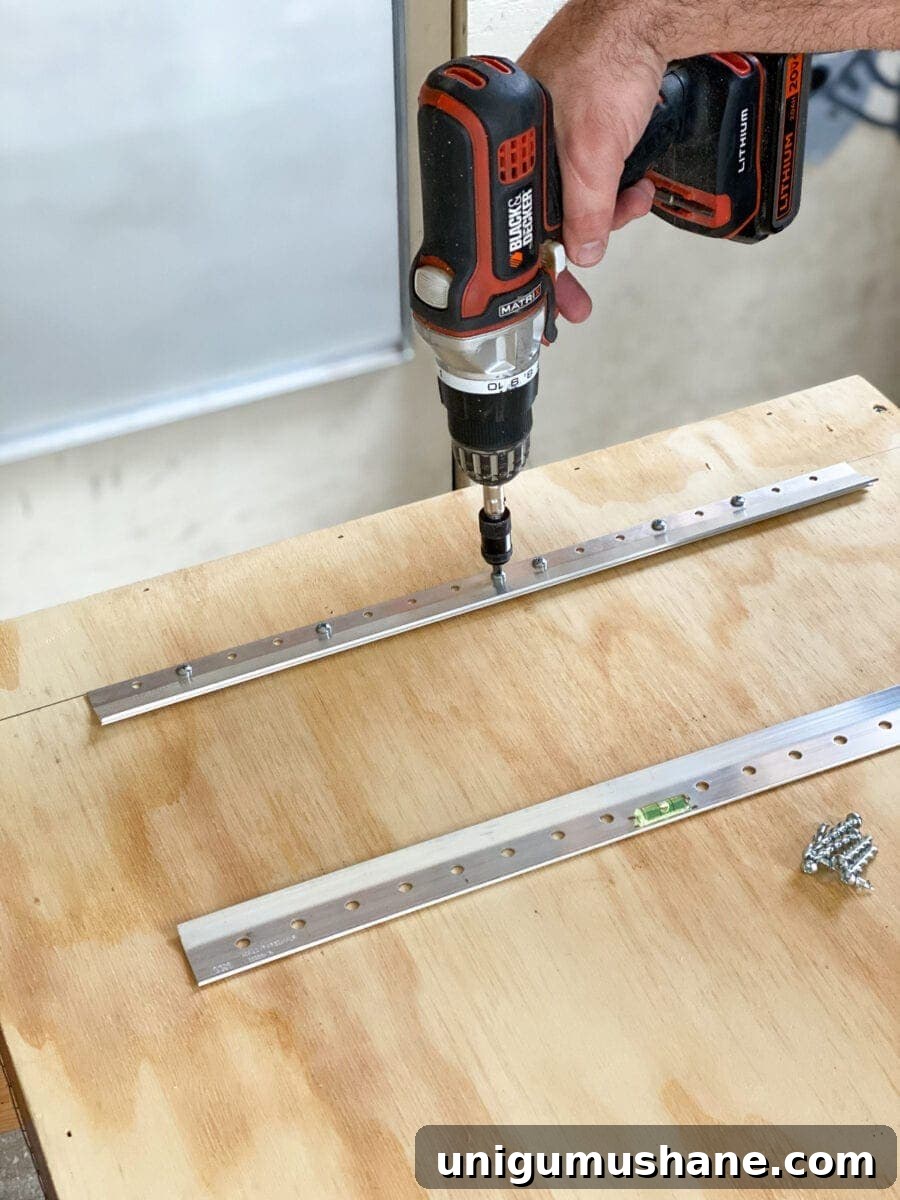
10. If you haven’t painted earlier, spray or touch up the paint now. Once dry, fill the planter with potting soil and gently shake or tap the box to settle the soil so it fills to the hardware cloth.
11. Prepare succulents by trimming excess soil from the roots and pushing the plants through the hardware cloth into the soil. Space them as desired — clustering small varieties makes a full look quickly.
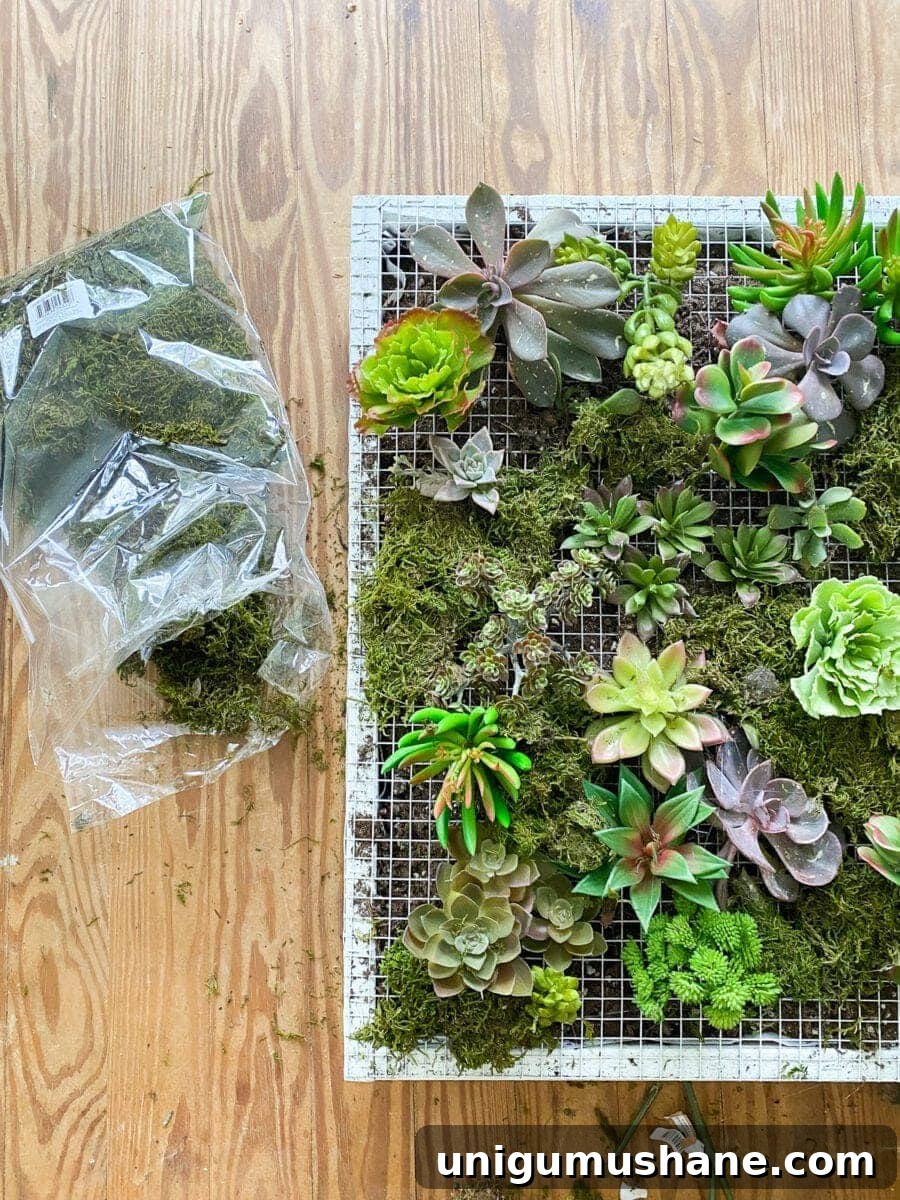
12. Tuck moss around the plants and secure it with a few small dabs of hot glue to the hardware cloth. The moss hides the soil and holds everything in place while the plants establish roots. As succulents grow, the moss can be removed or replaced.
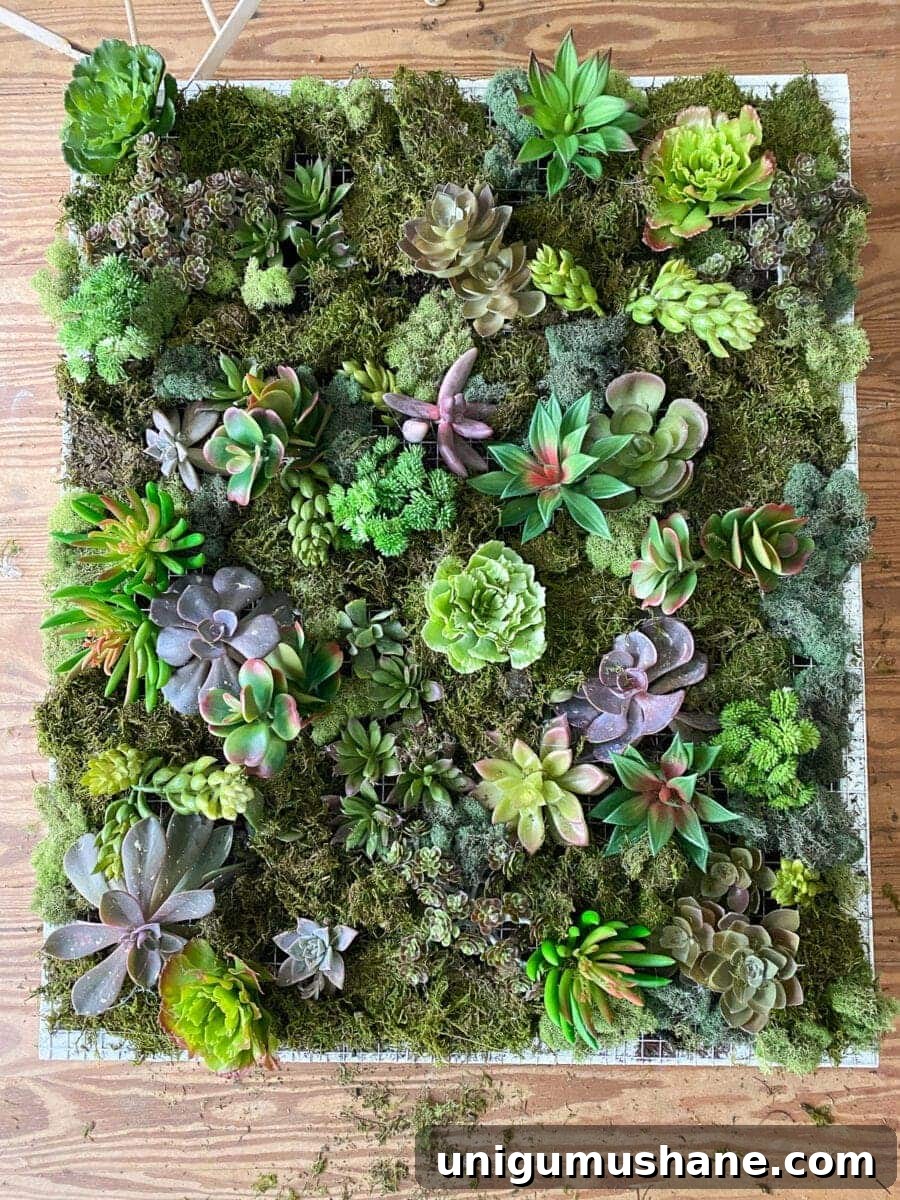
The result is a compact, attractive vertical planter that adds texture and greenery without taking up floor space. It’s ideal for a covered porch or bright indoor wall — just avoid constant direct rain if your planter isn’t fully sealed.
Quick tips: choose drought-tolerant succulents for low-maintenance care, water sparingly from the top or with a spray bottle, and position the planter where it gets bright, indirect light. With a few simple materials and an afternoon of work, you can turn scraps into a beautiful living accent for spring and summer.