
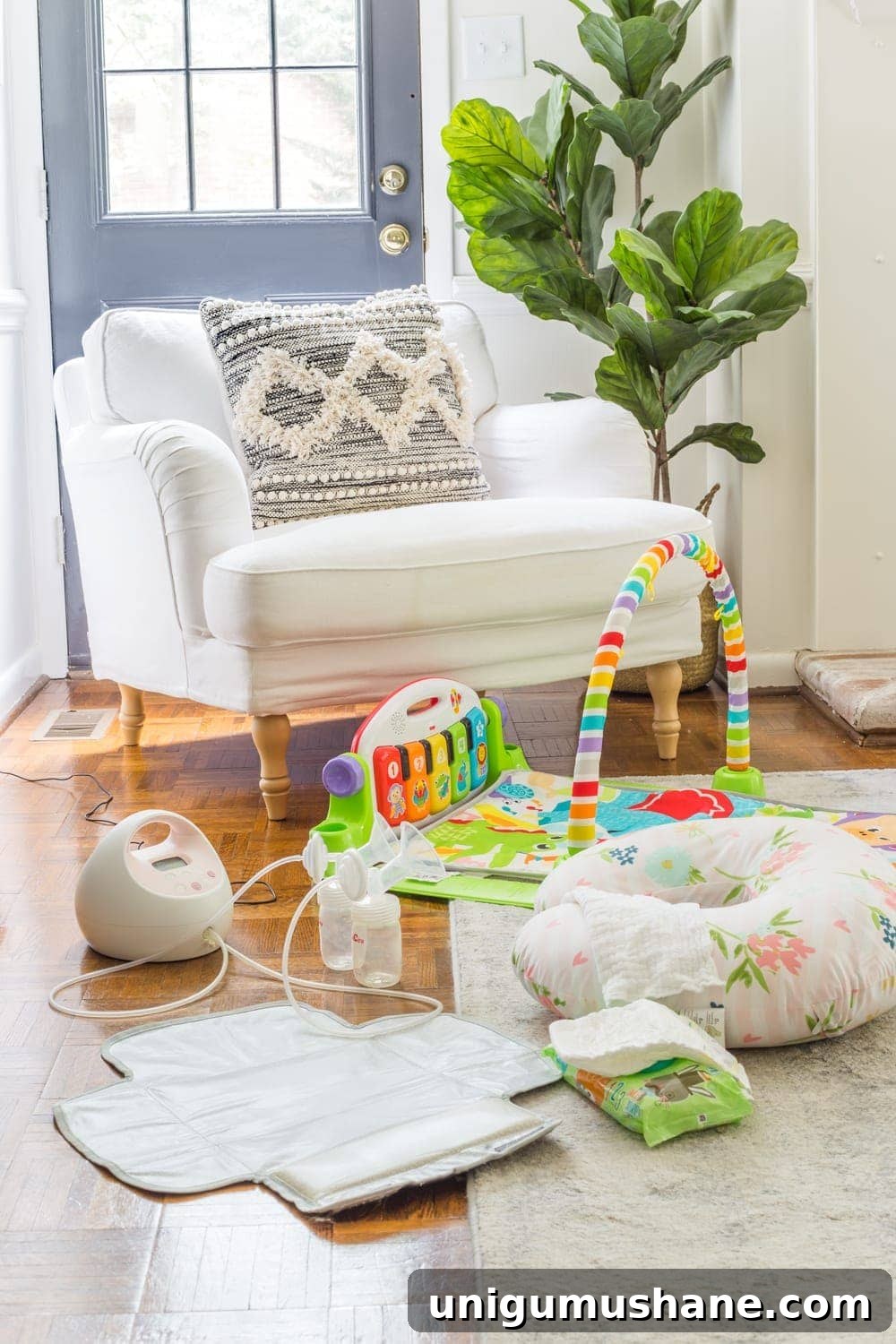
A curated collection of the best exclusive pumping tricks, tools, and resources to reduce stress, save time, and support a successful breastfeeding journey.
Quick disclaimer: this post is a departure from my usual DIY and home decor topics. If you came here for paint colors or room makeovers, feel free to skip this one. But when I discover something that makes postpartum life easier—whether it’s weight loss, dressing after baby, or managing finances—I share it. This post shares what worked for me while exclusively pumping, with practical tips for reducing stress and making pumping more manageable.
My aim is always to help other moms. After navigating a difficult breastfeeding experience with colic, reflux, and an undiagnosed dairy intolerance in my baby, I switched to exclusive pumping. I felt guilty at first, despite knowing “fed is best,” but I learned so much that I want to pass along to other EP (exclusive pumping) parents.

Photo credit: Alisha Rudd Photography
A few months into this journey I realized I preferred exclusive pumping in several situations. I could hand a bottle to my husband, a grandparent, or older sibling and rest while they fed the baby. I could measure exactly how much my baby drank. Travel and outings often became simpler. And I even donated several hundred ounces to a baby in need, which felt incredibly rewarding.
With this second child, I committed to sharing the techniques that made exclusive pumping sustainable for me. Now that I’m approaching a full year of providing breast milk, here are the practical, tested exclusive pumping hacks, schedules, and tools that helped me maintain supply, save time, and preserve my sanity while caring for an active baby.
Note: I am not a medical professional or lactation consultant. Most of the guidance below comes from personal experience, research, and advice from lactation consultants I consulted during this process.
Exclusive Pumping Hacks that Work
*My favorite tools and resources are listed at the end of this post.
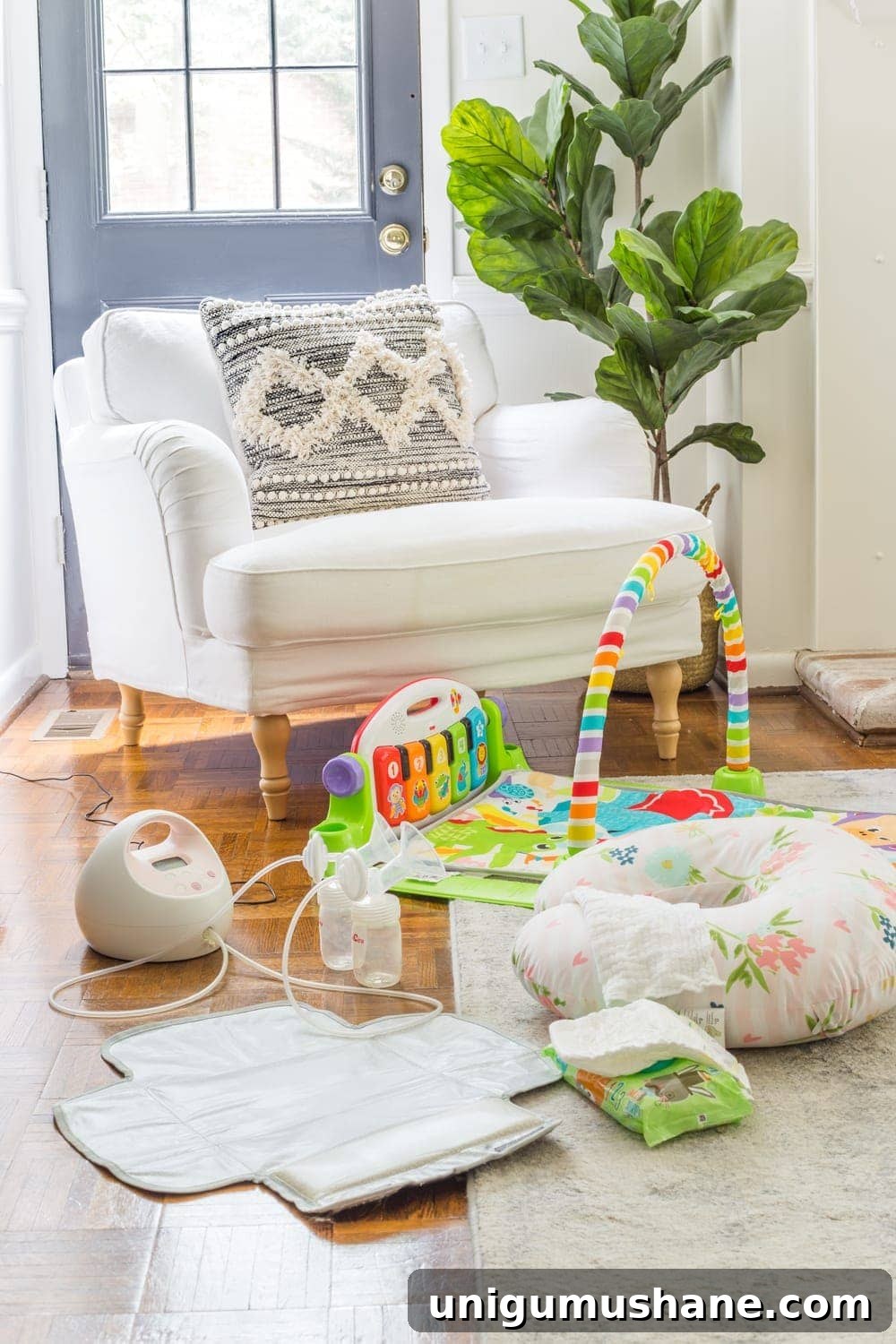
1. Create a “cockpit” on the floor
This was my go-to setup for the first six months before my baby became mobile. It allowed me to pump hands-free while tending to feeding and diapering needs.
- Sit on the floor with your plug-in pump nearby (I preferred the Spectra).
- Wear a hands-free pumping bra so you can hold, prop, or soothe baby while pumping.
- Arrange a play mat, a Boppy pillow for propped bottle feeds, and a portable changing pad with diaper supplies in a row. That way you can feed, change, or entertain baby without disconnecting from the pump.
2. Time your pump sessions consistently
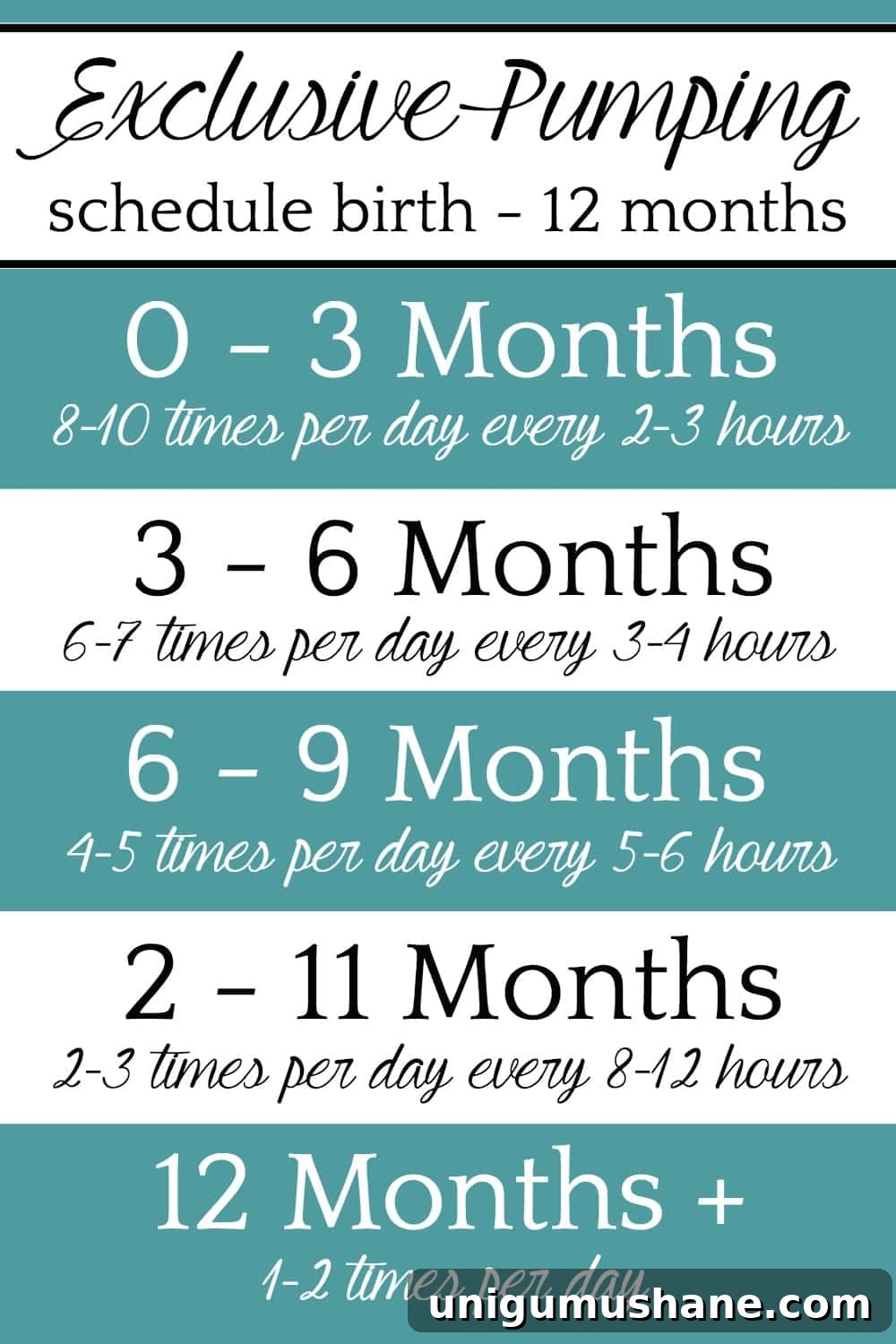
To maintain supply and mimic a breastfeeding rhythm, I pumped every 2–3 hours when my baby was feeding. After about three months, once my supply stabilized, I started dropping sessions. Around six months, when my baby began sleeping through much of the night, I eliminated nighttime pumps.
Typical session length: about 20 minutes. Use a consistent schedule tied to your baby’s feeds to help maintain production.
3. Store pump parts in the fridge between uses
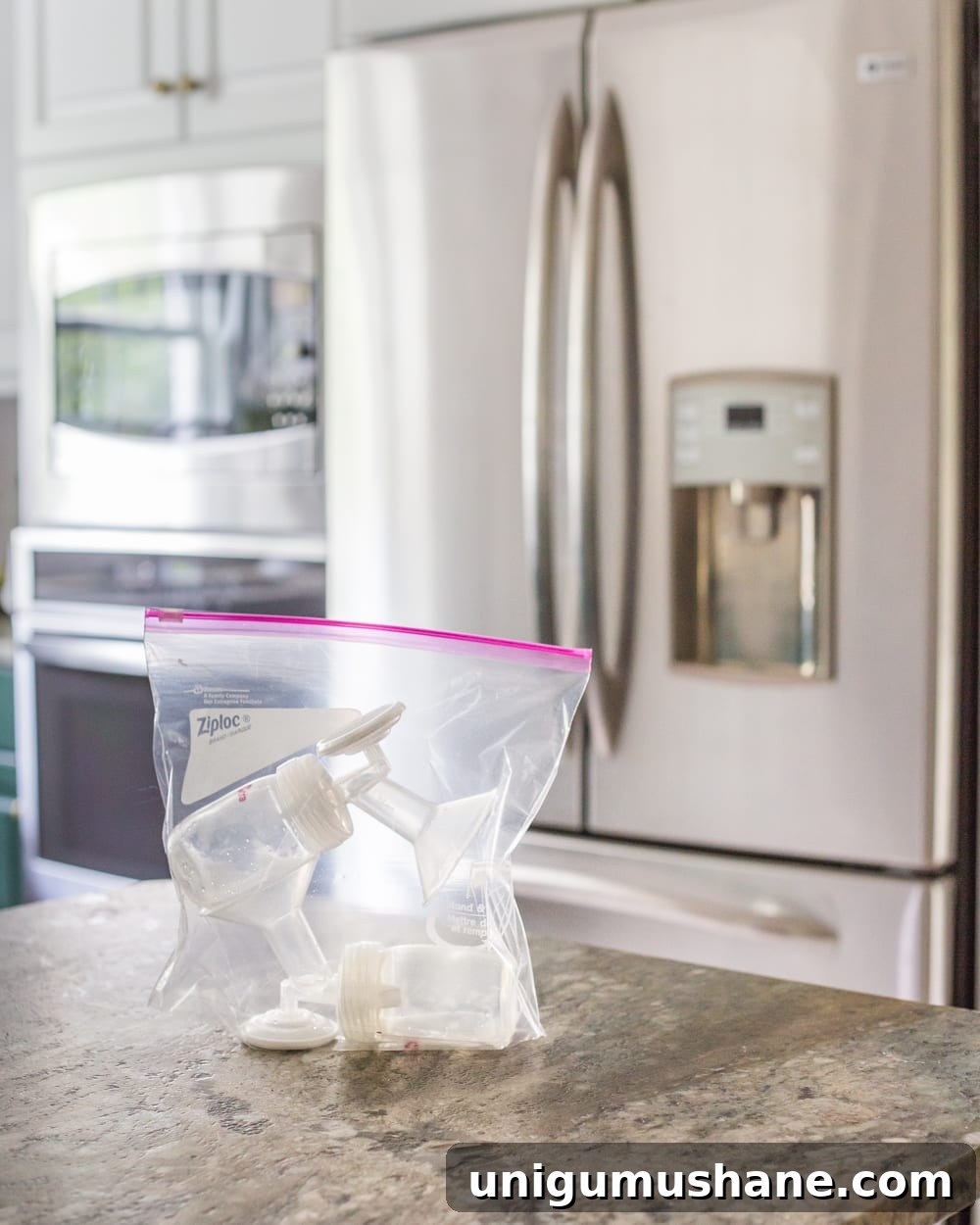
Washing pump parts between every session can be time-consuming. I washed parts twice a day—morning and night—and stored the clean parts in a sealed gallon Ziploc bag in the refrigerator between pump sessions. If your baby is a newborn or immunocompromised, follow your pediatrician’s guidance and sanitize parts more frequently.
Tip: buy an extra set of pump parts to keep at work and one at home to reduce daily cleanup stress.
4. Use a car adapter or choose portable options for travel
Long commutes and road trips are easier when you can pump in the car. A car adapter for your pump plus a hands-free pumping bra makes commuting or travel far less stressful. For frequent travel, consider investing in a cordless pump for more flexibility.
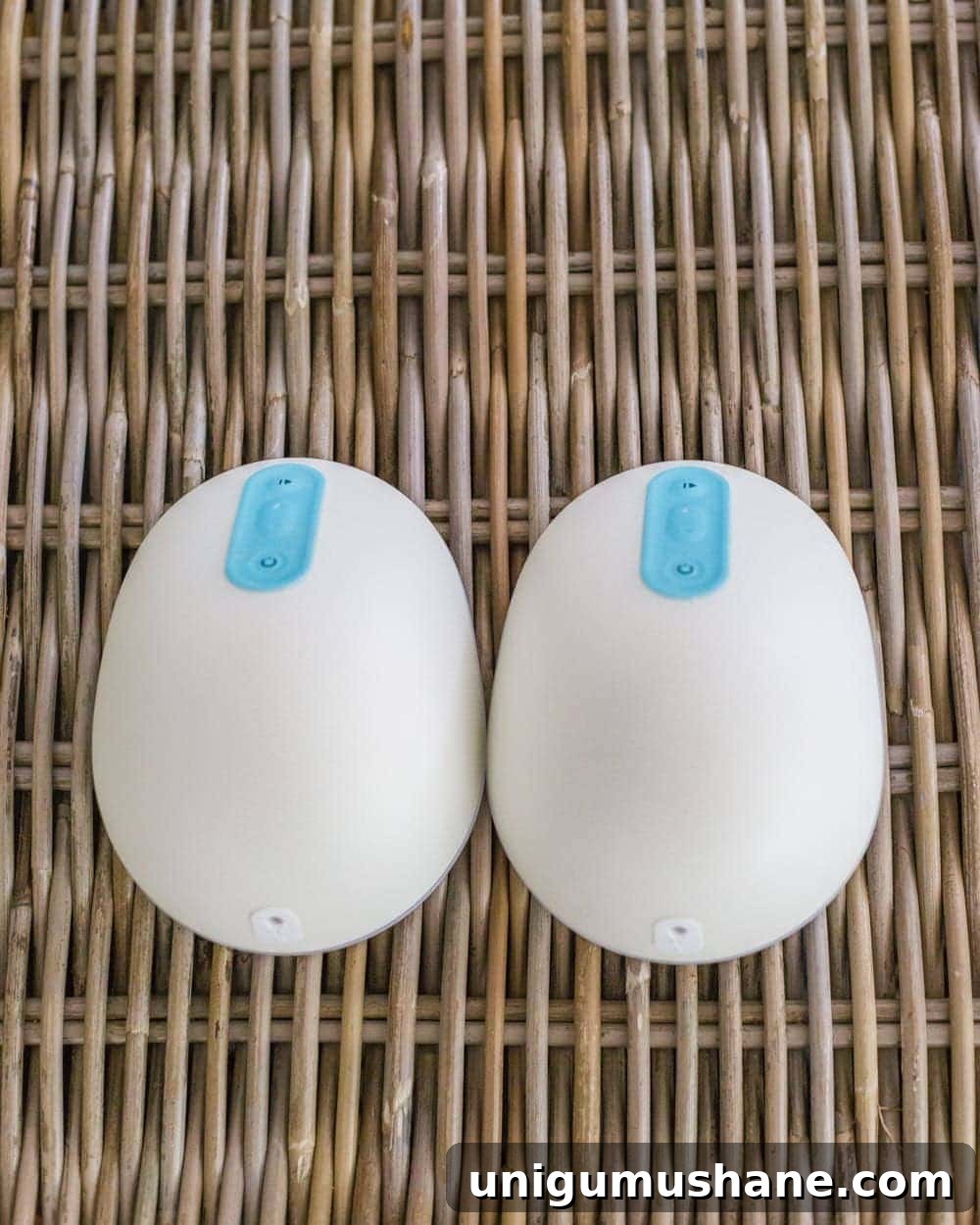
5. Consider a cordless pump once baby is mobile
A wearable cordless pump (such as the Willow) changed the game for me once my baby started crawling. Pros include portability, the ability to pump while doing chores or traveling, and increased independence from wall outlets. Cons include comfort differences compared with some plug-in pumps, occasional product glitches, small milk loss during transfer, and ongoing cost of storage bags. I used my cordless pump for travel and mobile situations and relied on my plug-in pump at home.

6. Make nighttime feedings easier
Nighttime logistics can be exhausting. One simple trick: keep a freshly pumped bottle on your nightstand. Freshly expressed breast milk can stay at room temperature for up to six hours, so having a bottle ready prevents multiple trips to the kitchen at night. If you’re still pumping overnight, keep a clean empty bottle nearby to use immediately after a night pump, then go back to bed.
7. Ways to boost and protect supply
Consistent pumping schedules are the best foundation for supply. When my supply dipped because of illness or dehydration, I used a few strategies:
- Power pumping: 20 minutes pump, 10 minutes rest, 10 minutes pump, 10 minutes rest, 10 minutes pump.
- Use of galactagogues when appropriate—fenugreek or lactation tea—after consulting with your provider if you have medical concerns.
- To prevent plugged ducts, I used sunflower lecithin at the first sign of trouble and kept lactation-supporting hydration and rest top of mind.
Favorite exclusive pumping tools to simplify the process
- Spectra plug-in pump — reliable and high output for regular at-home pumping.
- Wearable cordless pump — ideal for mobility and travel, used selectively to avoid ongoing bag costs.
- Lanolin — essential for sore nipples.
- Lansinoh storage bags — reliable, flat-freezer storage that helps maximize space.
- Hands-free pumping bra — truly indispensable for multitasking while pumping.
- Car adapter — a must if you plan to commute or road trip while pumping.
- Medela sterilizer bags — useful for quick sanitizing when you only have a microwave available.
- Manual pump — helpful backup for emergencies or power outages.
- Silverette cups — helpful for healing blisters and a lovely keepsake option after nursing.
- Fenugreek and lactation tea — options to support supply if appropriate for you.
- A large water bottle — hydration supports supply and overall health.
- Reusable nursing pads — softer and more comfortable for daily wear.
- Comfortable sleeping bras — avoid tight underwire bras that can contribute to blocked ducts.
- Bottle cooler bag — handy for storing pumped milk on the go.
- A good tote bag — practical and more pleasant to carry than a generic pump bag.
That wraps up the tips I didn’t expect to write about, but I hope they help anyone navigating exclusive pumping. I know how isolating and tiring this phase can be. You will get through it, and whether you continue with breast milk, formula, or a combination, there’s zero shame in choices that protect your physical and mental health.
If you want to read more from my baby and postpartum archives, I’ve shared birth stories, newborn essentials, postpartum recovery lists, and nursery organization posts in the past. Big hugs—mamas, you’ve got this. I’ll be back to sharing decorating projects soon; I need my creative outlet!