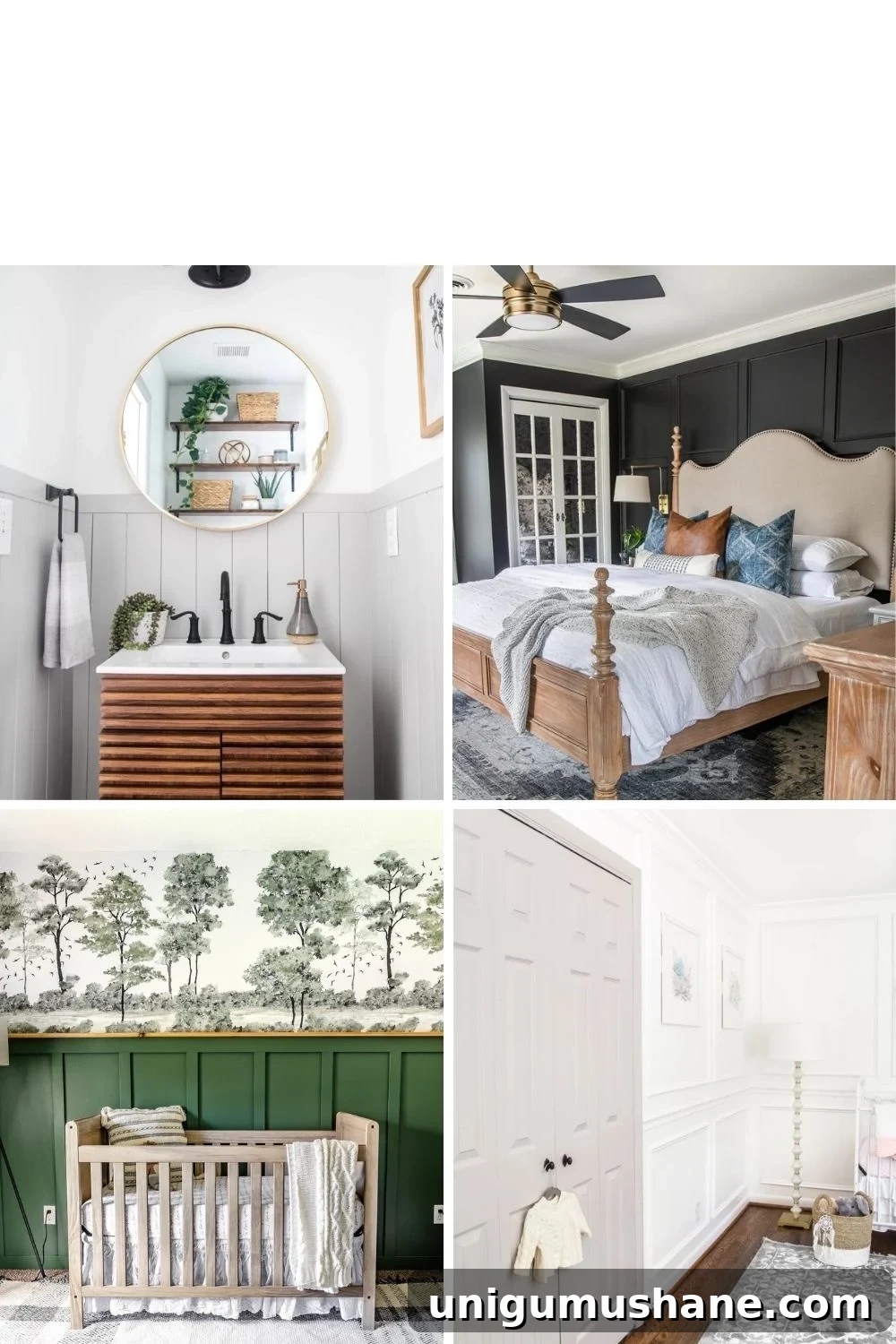
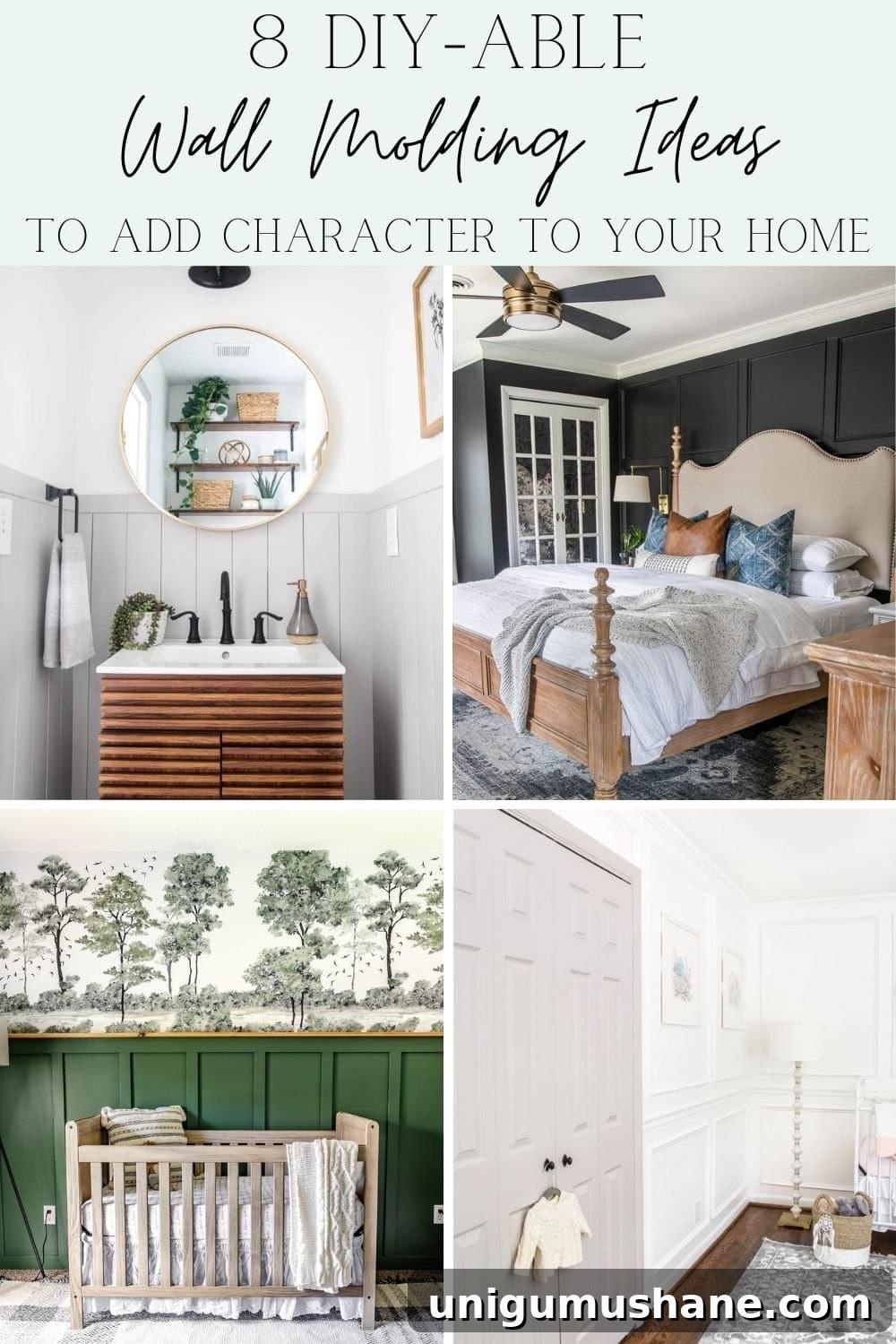
Use these straightforward tutorials to add wall molding and trim that give your home a custom, upscale look for a fraction of professional costs.
If you live in a builder-grade house, adding architectural trim is one of the quickest ways to create the charm and visual interest of an older, more detailed home. For DIY beginners, installing trim is often much easier than it looks and can dramatically change the feel of a room.
Over the years we’ve used trim and molding to add classic design elements throughout our home. This approach is relatively inexpensive and instantly gives rooms a more custom, traditional look.
That’s the power of trim: a flat, lifeless room can feel upscale the moment you add molding. Below you’ll find practical tips for choosing paint and tools that help you get the best result when installing interior trim and decorative wall molding.
8 Wall Molding Tutorials to Elevate Your Home
If you want to add decorative trim but aren’t sure which style suits your space, these eight approachable projects will help you decide and show how different moldings change a room’s character.
When we moved into our home in 2017, we hadn’t installed decorative molding before — the most involved project we’d done was nailing shiplap to a wall. Since then, adding trim in thoughtful places has given each room a lot more personality without breaking the budget.
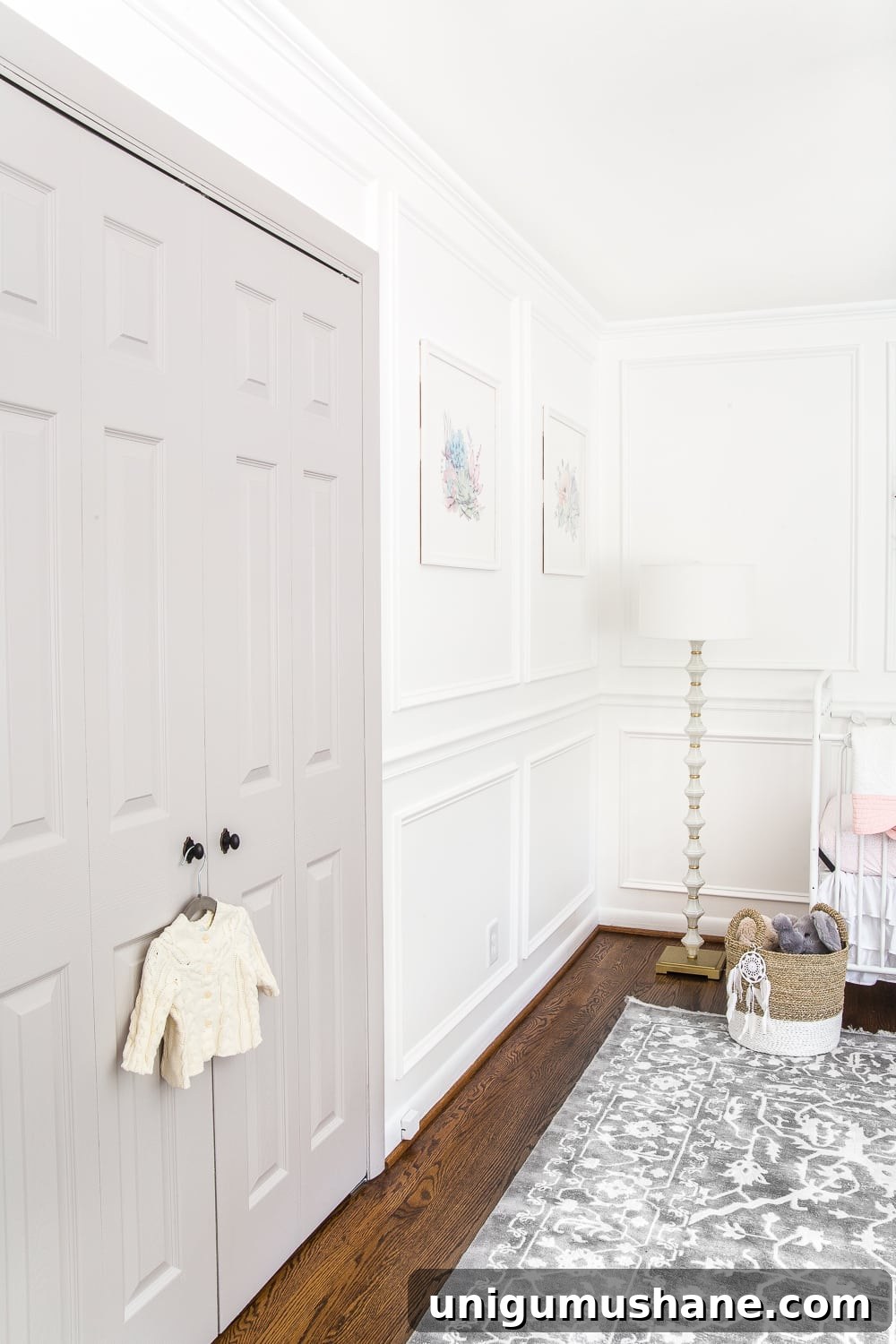
1. DIY Picture Frame Molding
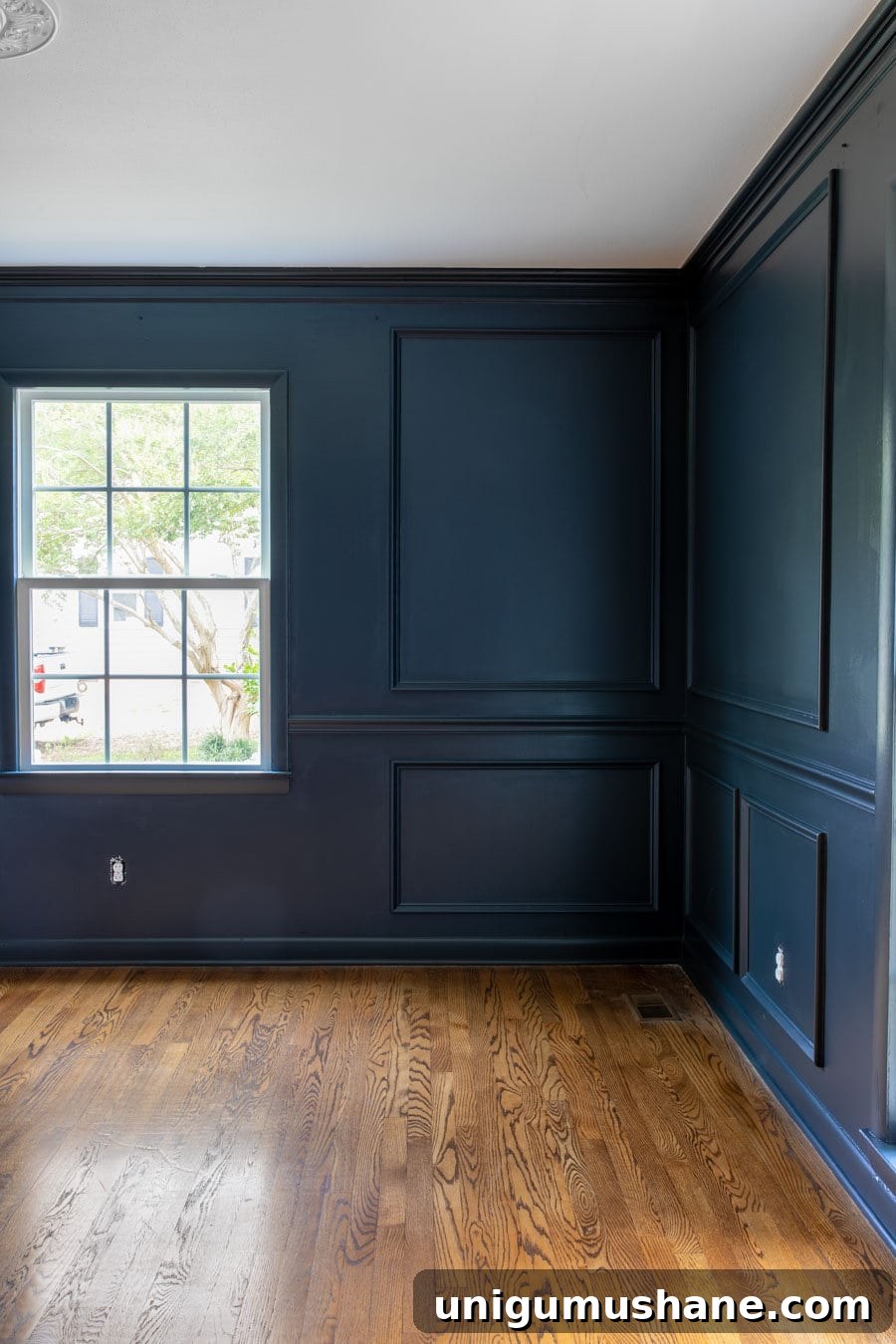
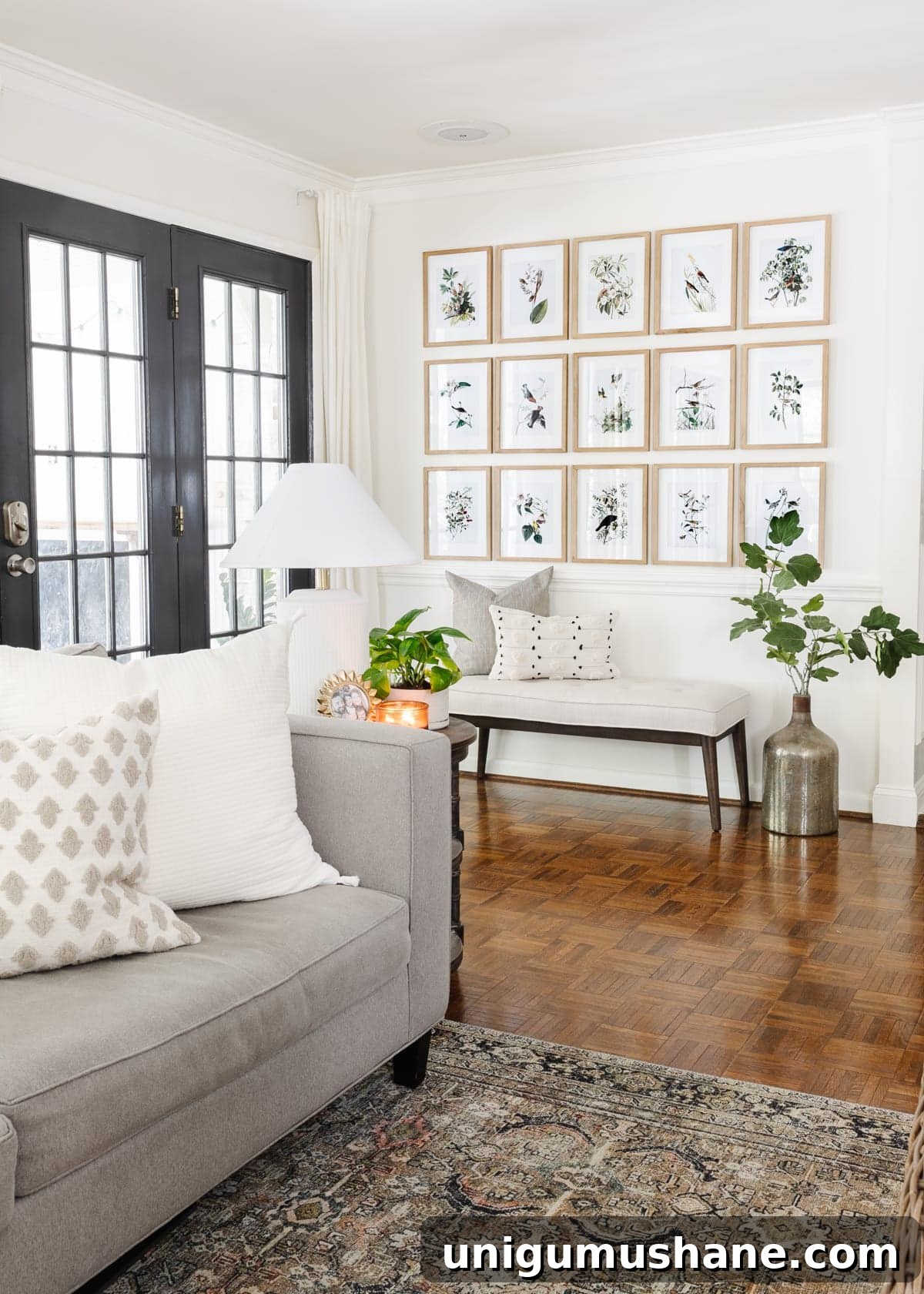
Picture frame molding is a traditional, elegant choice that makes rooms feel more refined. Painting the trim and the adjacent wall the same color, using a satin sheen, can help a small room look larger and more cohesive.
This style works beautifully in long hallways to add visual interest, and you can also use frame molding to highlight sections of wallpaper or create an accent wall around a mural for a striking focal point.
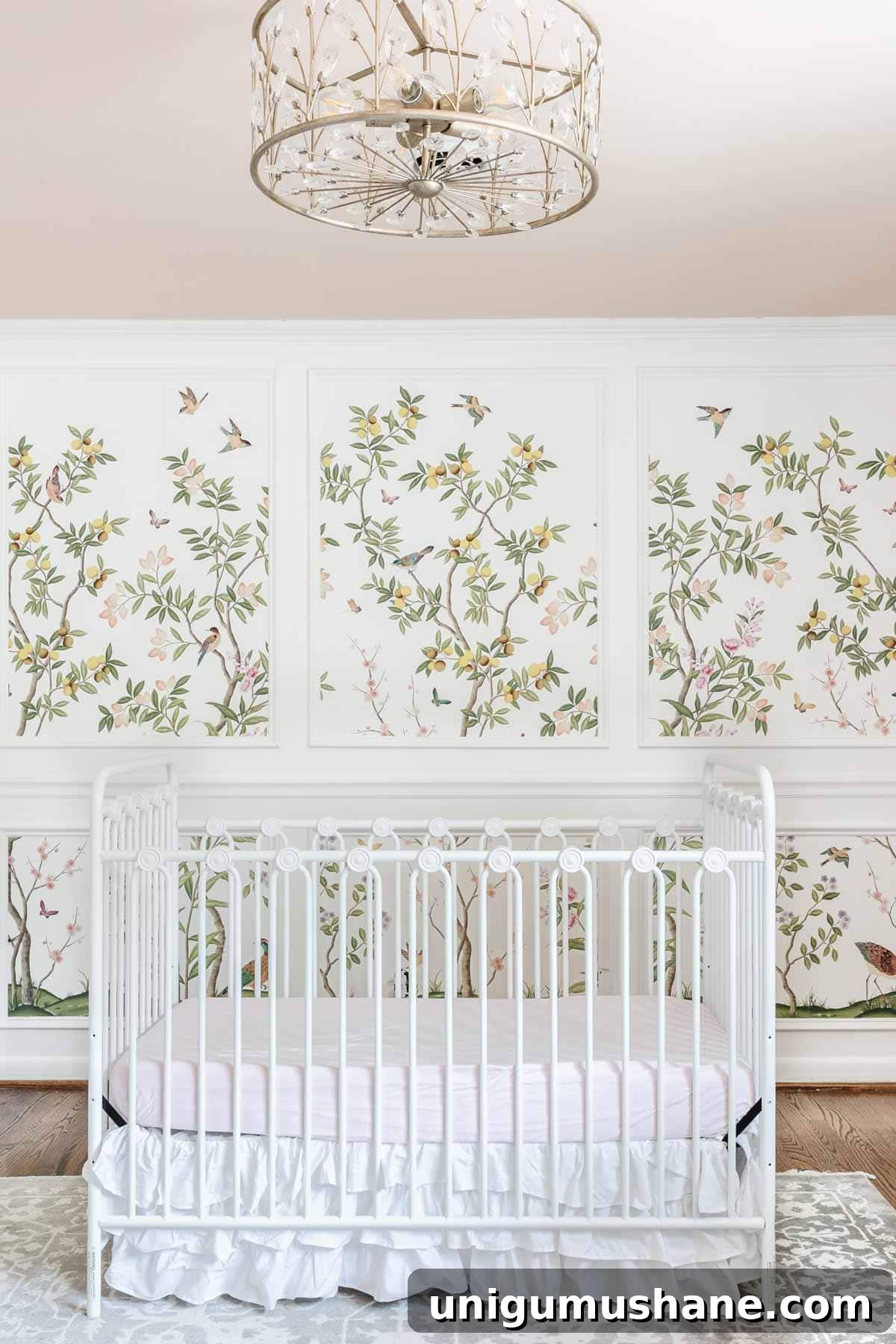
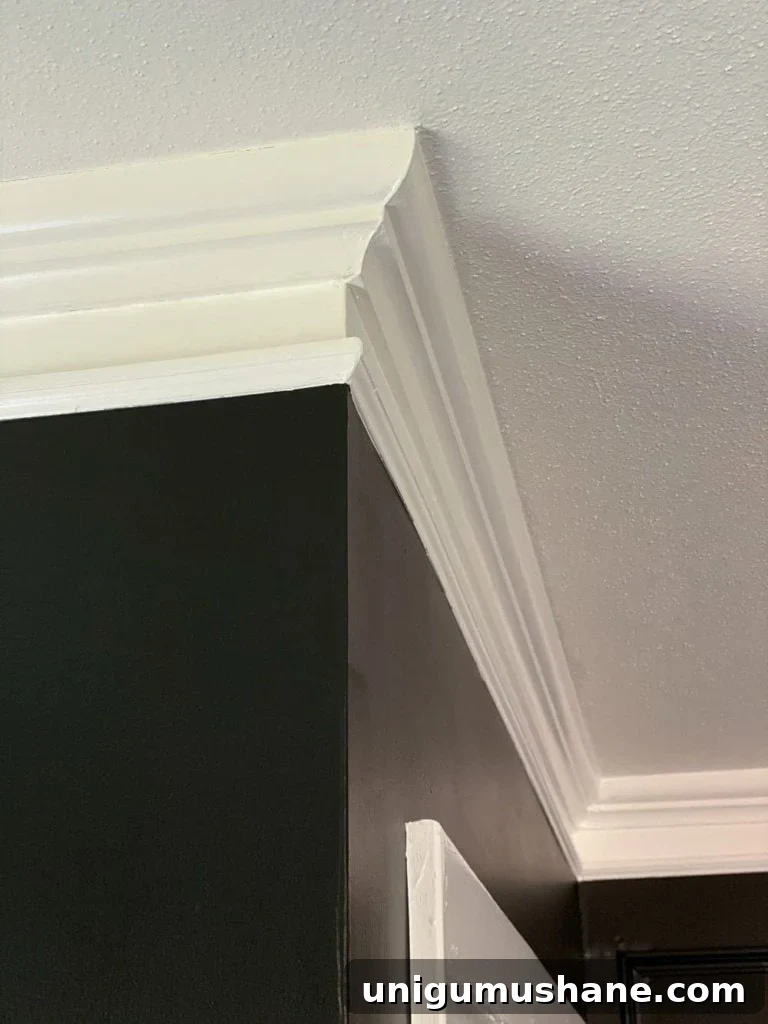
2. Beefed Up Crown Molding and Baseboards
If your existing crown molding or baseboards are thin, you can easily enhance their presence by adding one or two thin trim boards above or below the existing profiles. Painting the new trim and a narrow strip of wall between it and the original molding the same color creates the illusion of a deeper, more substantial crown.
This same technique works well with Craftsman-style trim and is an economical way to upgrade a room’s architectural presence without replacing all the molding.
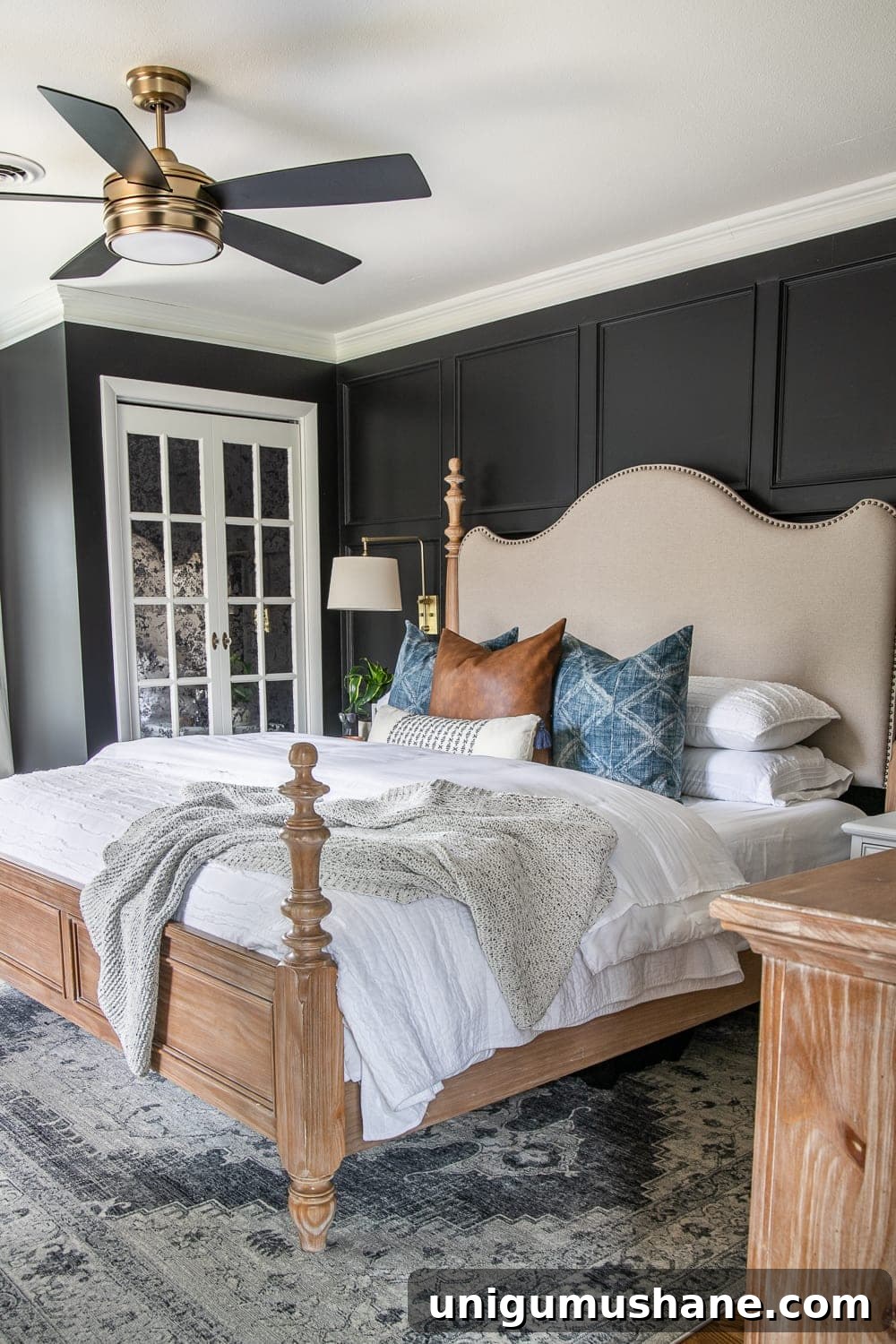
3. Grid Molding
Grid molding is perfect for creating a focal wall on a large blank surface, such as a stair wall, behind a bed, or behind a sofa. The clean, repetitive pattern adds depth and interest without requiring artwork.
It’s an ideal beginner project because the simple grid design often avoids complicated mitered cuts, so you can get a dramatic result with straightforward straight cuts and careful measurement.
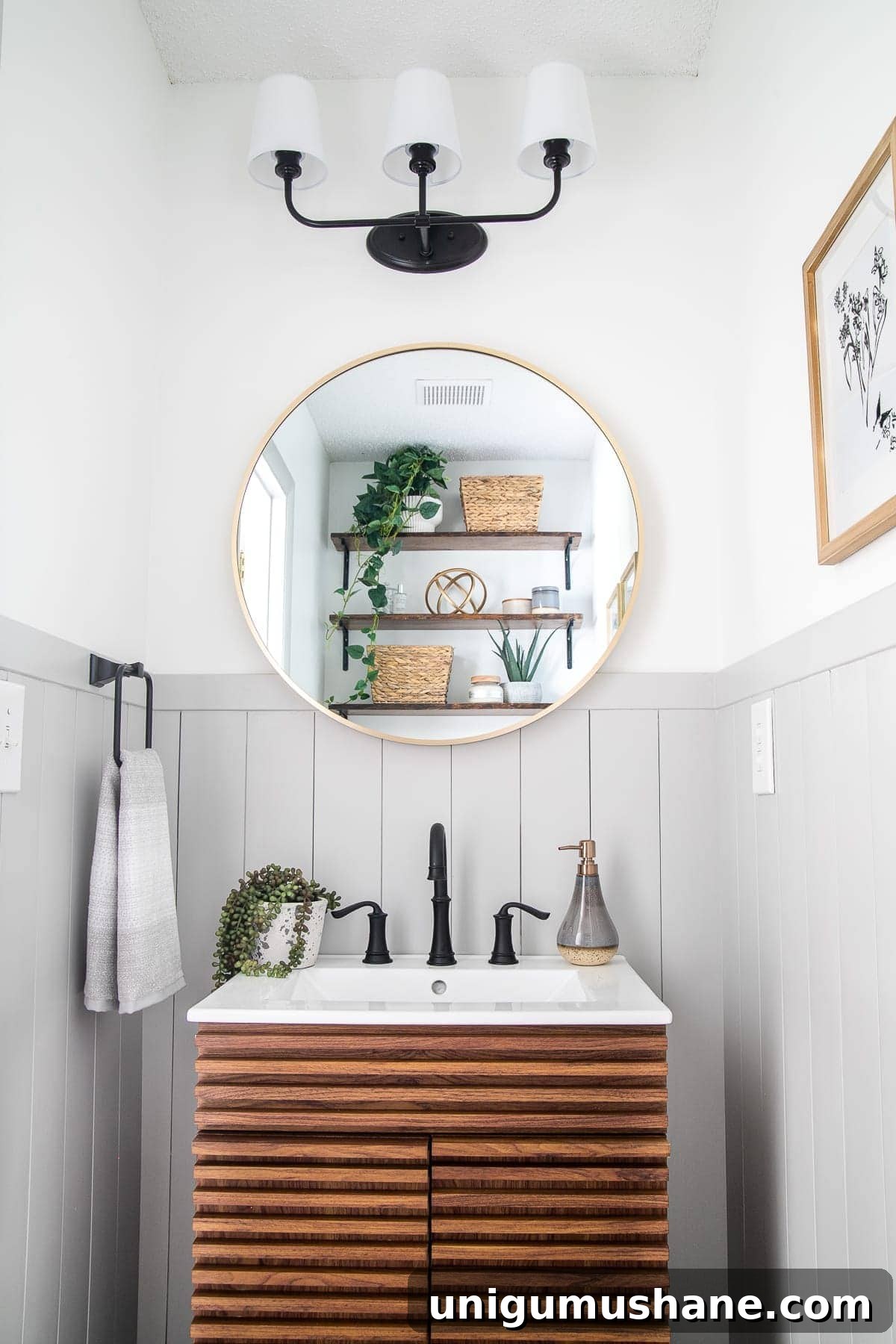
4. Vertical Shiplap
Vertical shiplap is a modern twist on farmhouse shiplap and works especially well as wainscoting in bathrooms and hallways. It brightens small spaces and adds subtle texture while remaining clean and contemporary.
Vertical boards can also be integrated into ceilings or coffered details for a cohesive, custom look.
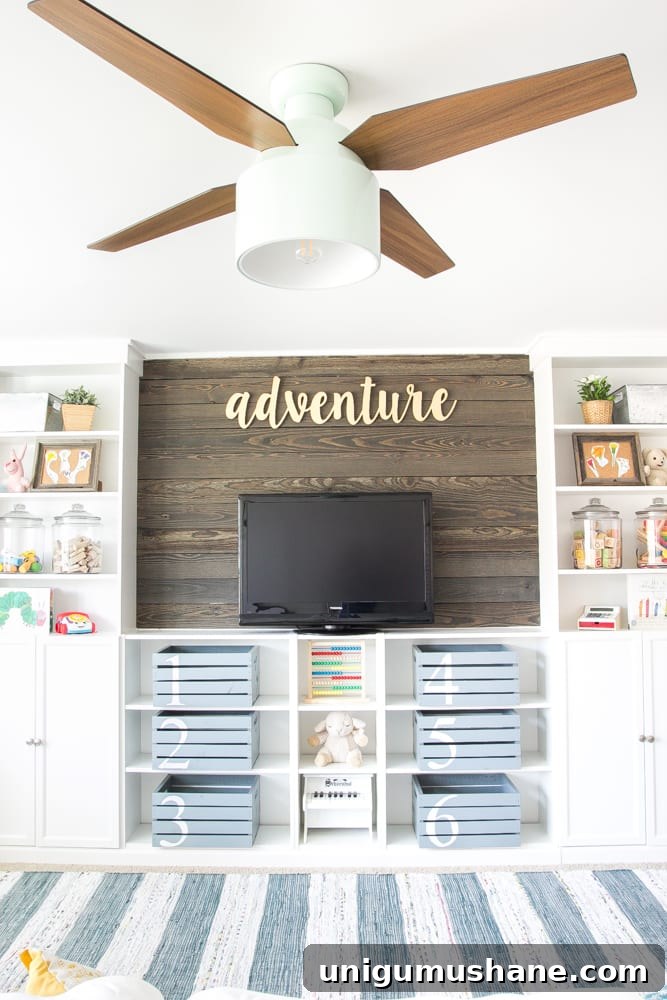
5. Wood Planking
Stained wood plank walls bring warmth and rustic character for relatively low cost. They can be nailed directly to the wall or installed as plank panels, and staining before installation generally gives the cleanest finish.
If you prefer a natural look, simple DIY stain techniques using pantry items or commercial stains let you customize color and highlight the grain of different wood species.
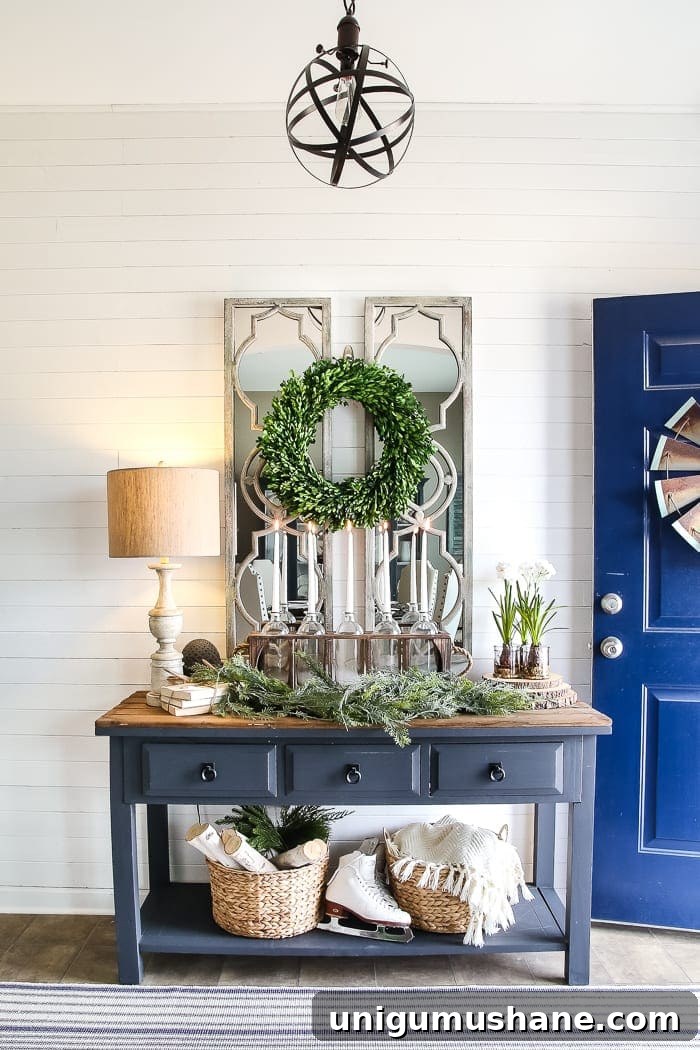
6. Traditional Shiplap
Classic horizontal shiplap remains a favorite for farmhouse and coastal styles. Pre-cut tongue-and-groove planks make installation faster and cleaner. Paint choices shift the style: bright white for traditional farmhouse looks or a darker color for a moody, modern effect.
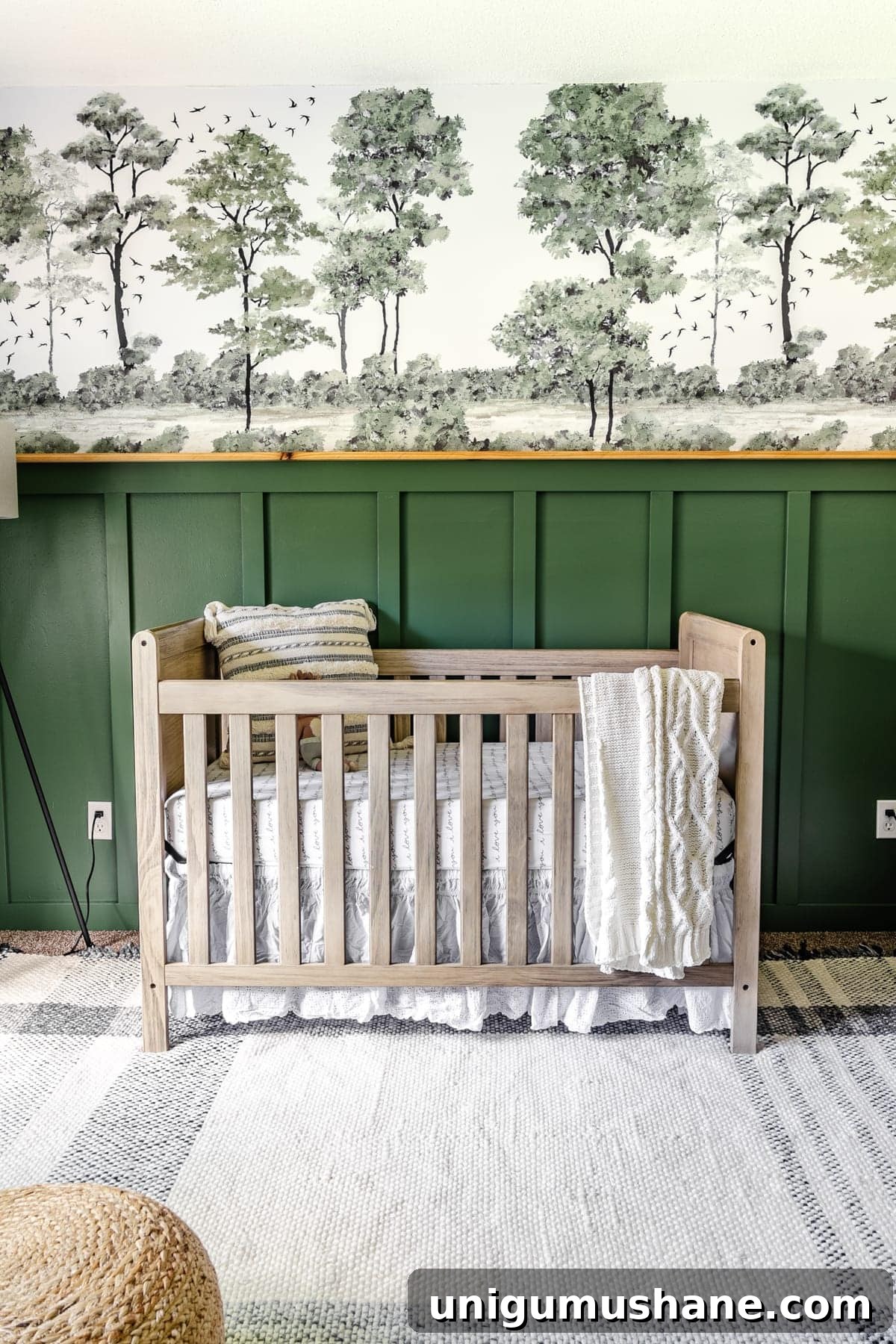
7. Traditional Board & Batten
Board and batten is versatile and looks great in entryways, mudrooms, and bedrooms. You can run the boards all the way to the ceiling for dramatic vertical lines or keep them at wainscot height for a more subtle effect. It’s a highly adaptable style that adds instant character.
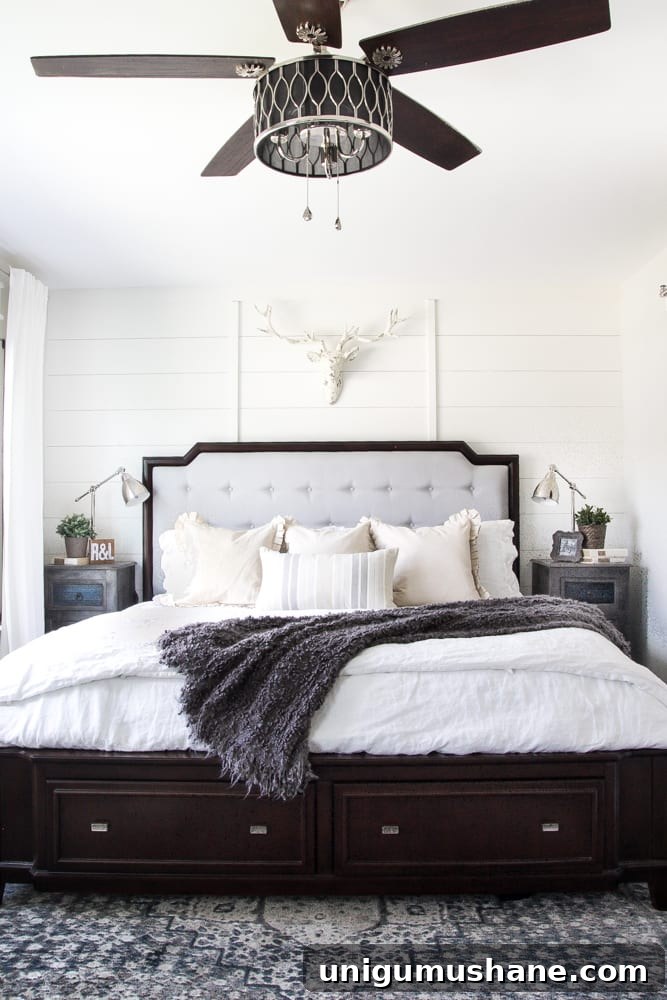
8. Planked Board & Batten
Planked board and batten blends the warmth of shiplap with the vertical structure of board and batten. It’s an excellent choice for a focal wall or a ceiling treatment when you want texture and layered detail.
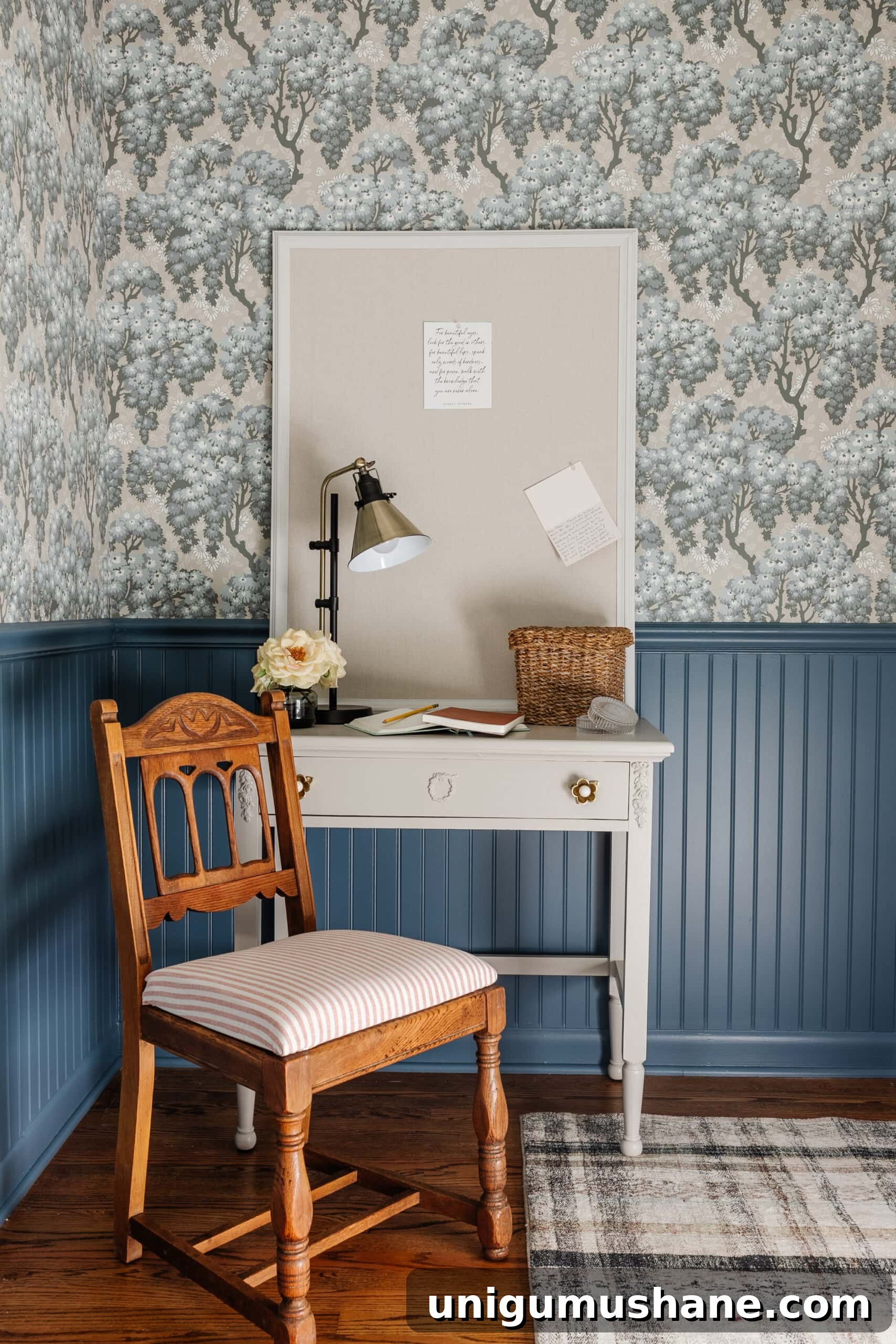
9. Beadboard
Beadboard is a timeless, straightforward option that can be installed as wall panels or tongue-and-groove boards. It works especially well as wainscoting and can also help disguise textured or popcorn ceilings when used strategically.
We added beadboard panels over existing chair rail molding in one bedroom to create a charming, classic feel that’s low-maintenance and durable.
Frequently Asked Questions
What type of paint finish do you use on molding and trim?
What tools should you use for installing molding?
What are the best paint colors for trim and molding?
Is it spelled molding or moulding?
There are many more molding styles worth exploring—reeded walls, ornate picture rails, and custom millwork can all elevate a space—but these nine projects cover the fundamentals and are excellent starting points for most homes.
Have you tried installing molding yet? Even if your first attempt wasn’t perfect, a bit of practice and the right tools will get you to those beautifully detailed walls. The transformation is well worth the effort.
More DIY Ideas That Add Architectural Interest
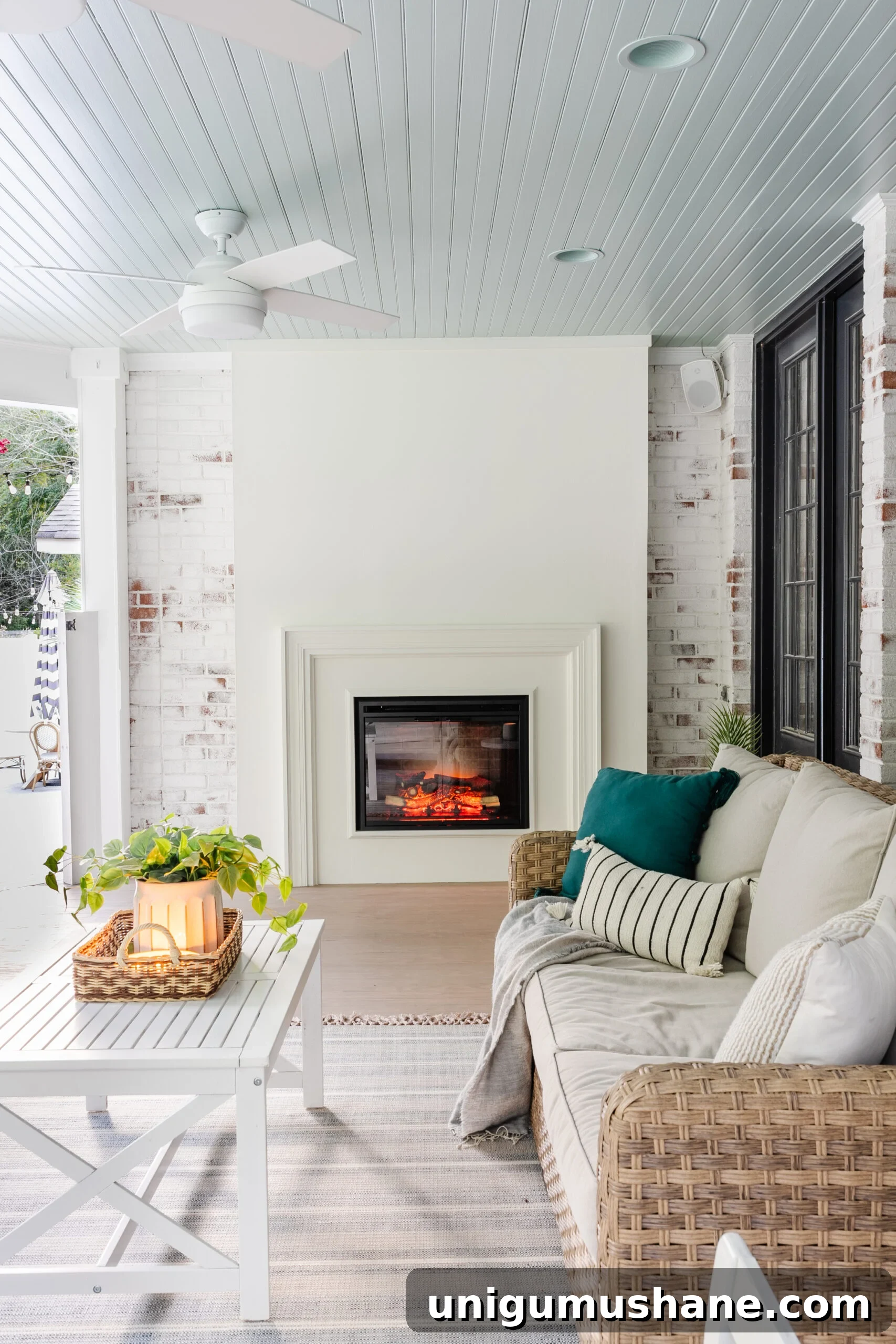
Easy DIY Faux Plaster Fireplace With Electric Insert
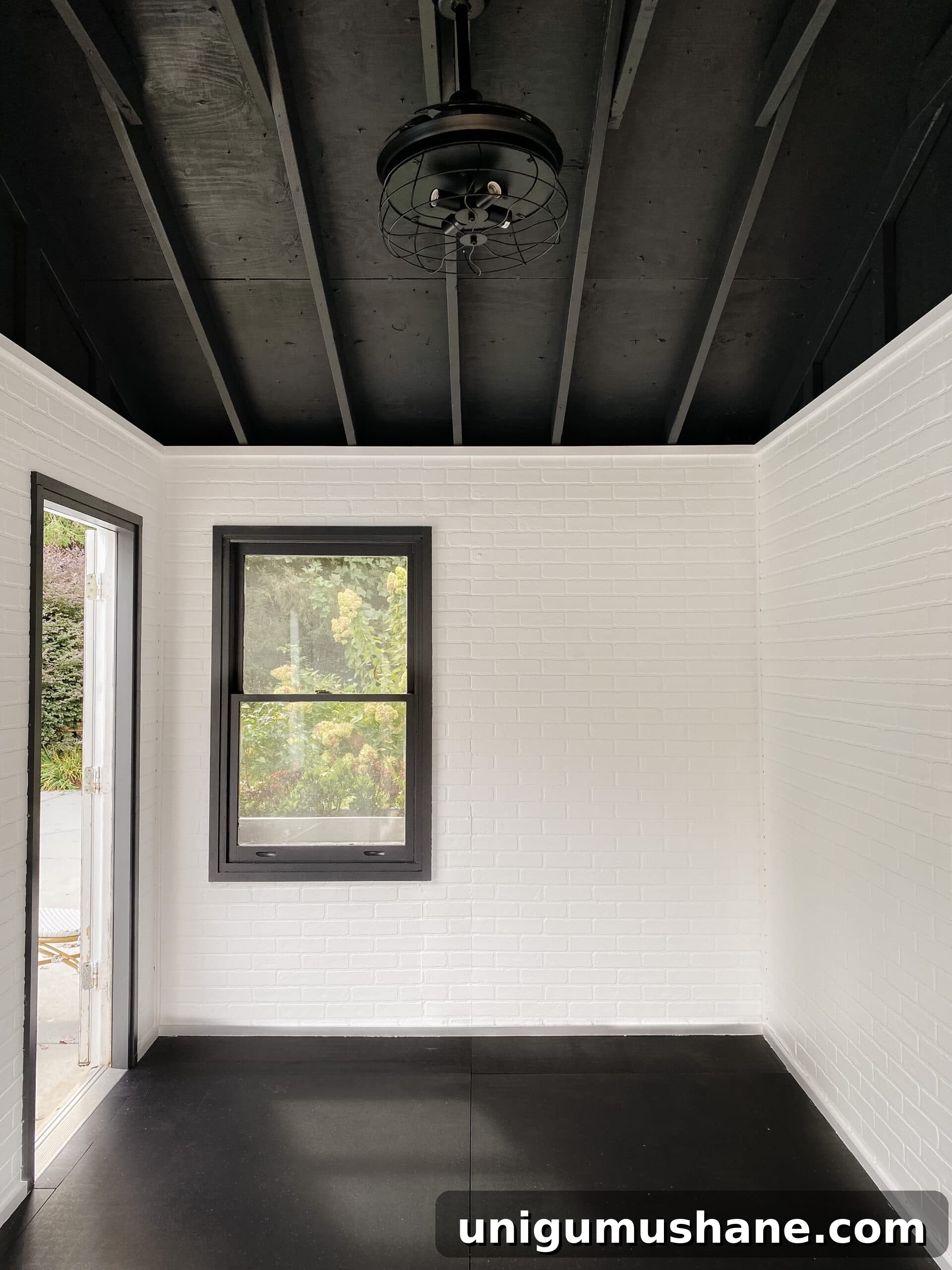
DIY Faux Brick Walls Using Paneling
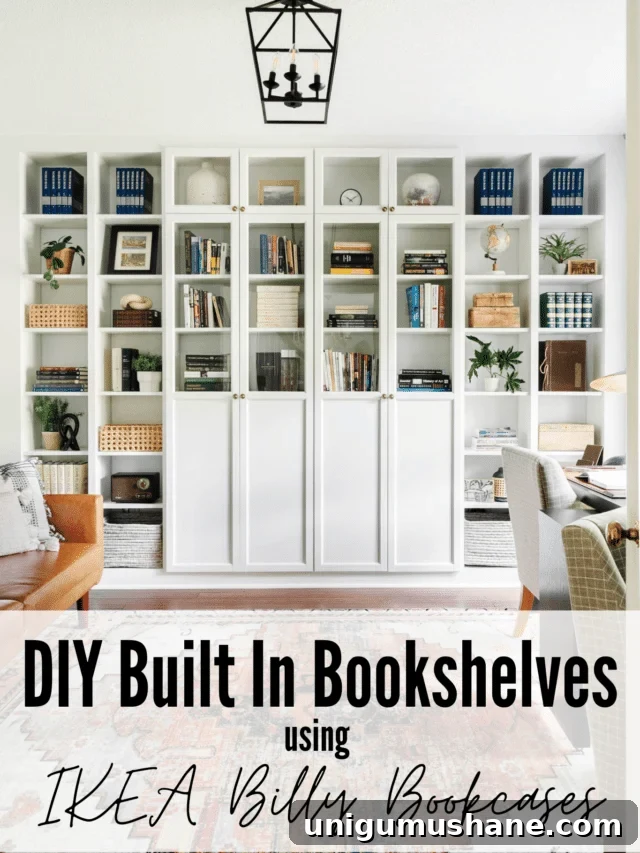
DIY Built-In Bookshelves Using the IKEA Billy Bookcase Hack