
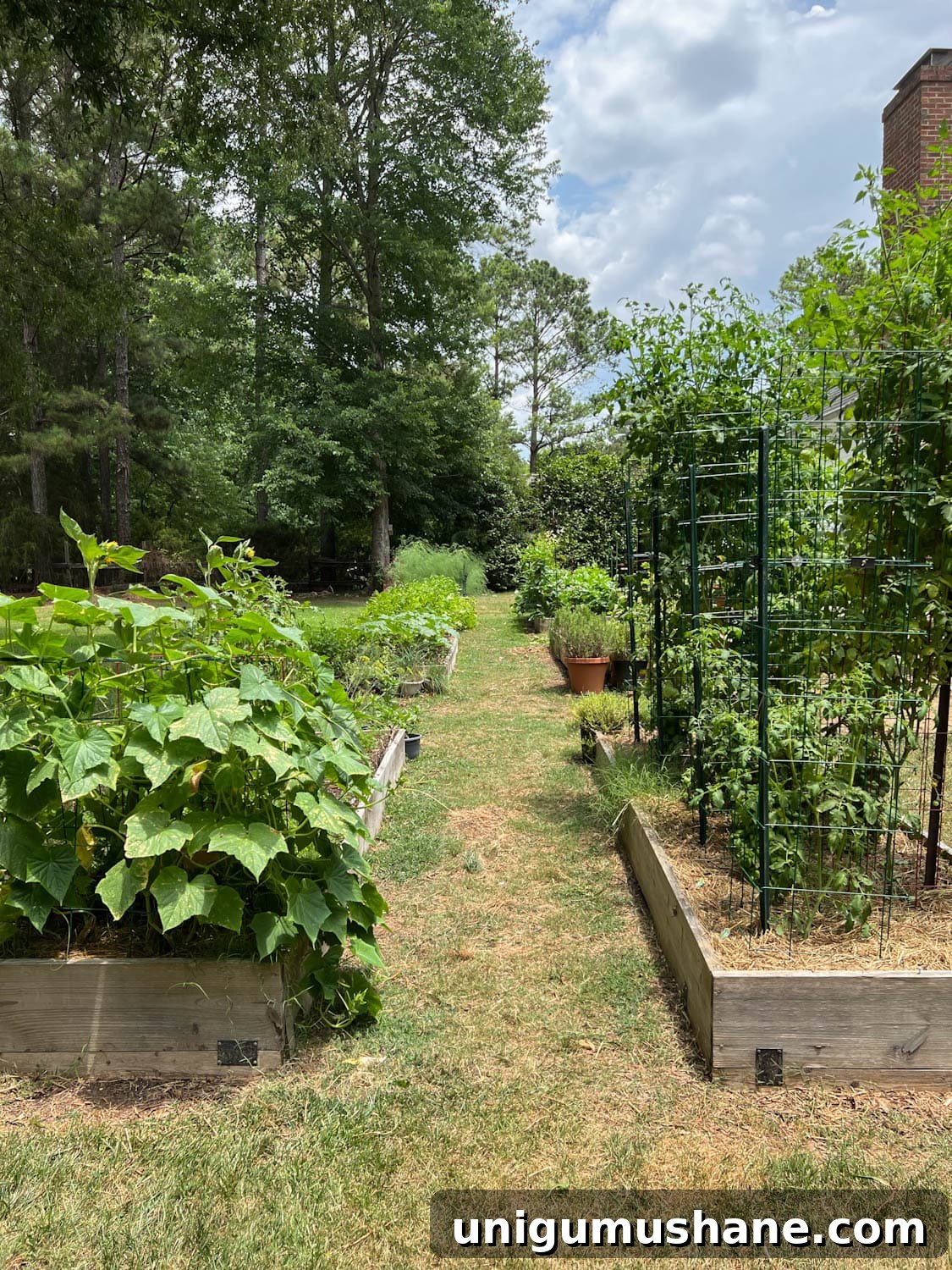
Tips and techniques for building, planting, and maintaining a high-yield raised bed vegetable garden. A master gardener shares his best advice.
No, you didn’t get the wrong page — this is a gardening post. I’ve written about my family’s raised bed garden before because my dad, Hank, is a master at getting high yields from raised beds.
Gardening talent skipped a generation with me, but after spending many summers at my parents’ house I realized his step-by-step tutorial and practical secrets deserve another spotlight. If you’ve ever wanted to grow a productive vegetable garden—even if you think you have a “black thumb”—this guide will help.
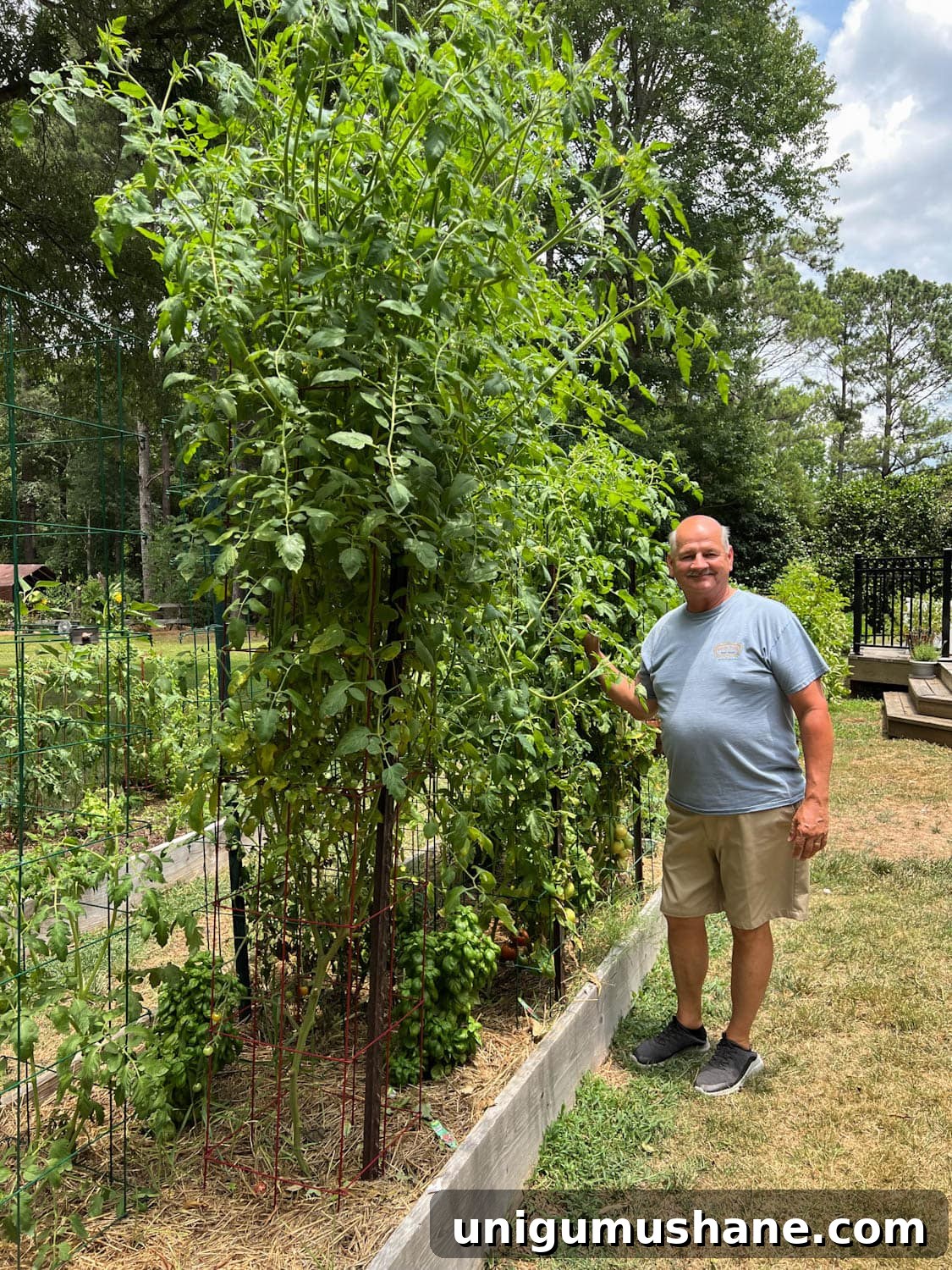
My dad helped write this tutorial years ago, and his methods are still producing great results. Kids still love harvesting at “Grandmama and Grandaddy’s” house—those memories are worth the effort alone.
Below is a clear, organic approach to building and planting raised beds that yields healthy vegetables from spring through fall.
Why Raised Bed Vegetable Gardening?
Raised beds give you control over soil quality, drainage, and spacing—key factors for growing productive vegetables. They allow roots to spread freely, make it easier to enrich soil with compost and amendments, and simplify tasks like watering and weeding. Raised beds can be built in many sizes and materials, including wood, stone, or concrete, to suit your yard.
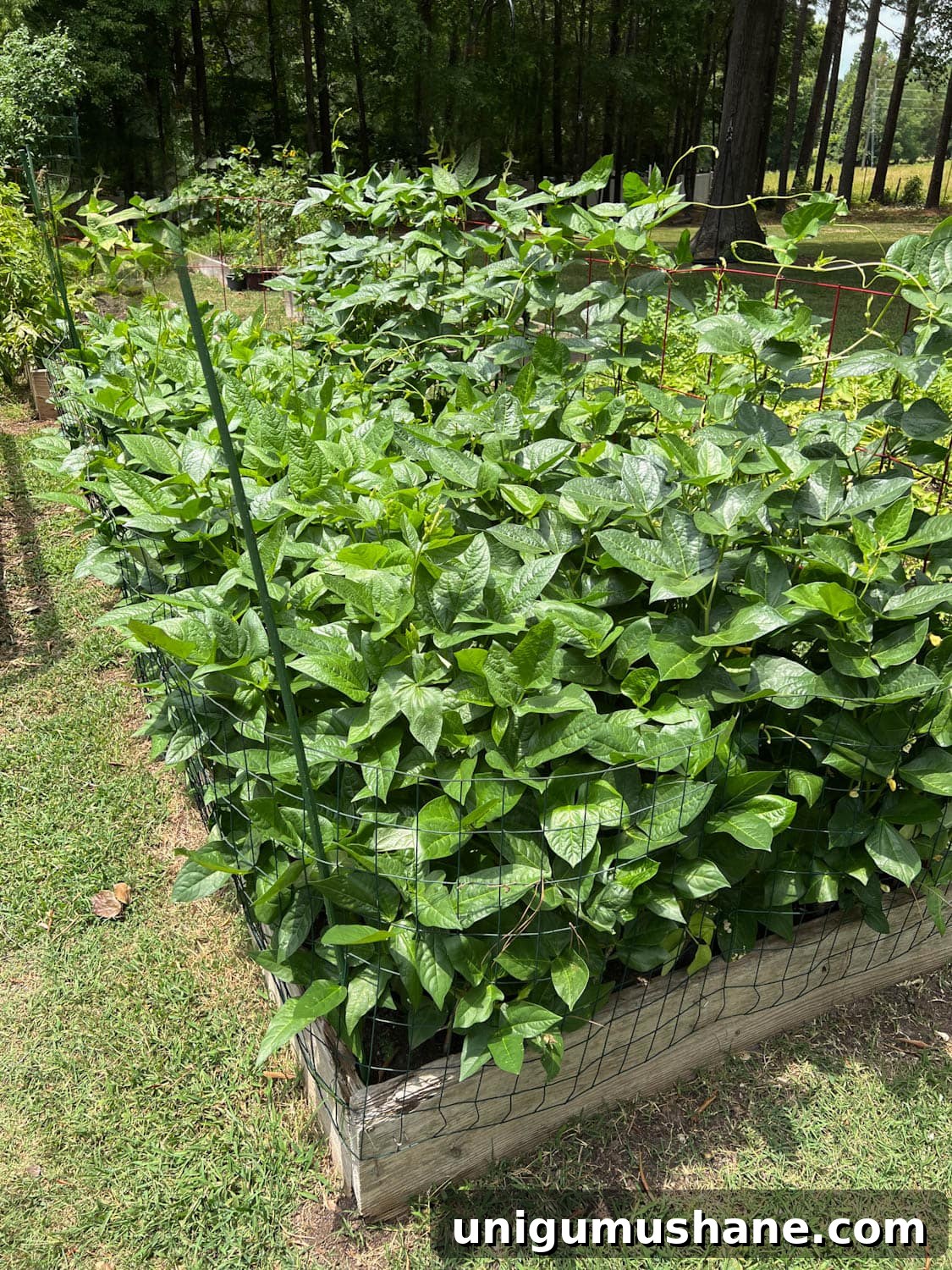
How to Plant a Raised Bed Organic Vegetable Garden
This organic method is what we use at home and has proven reliable: build the bed in early spring and grow through summer into fall. The steps below cover site selection, construction, soil mix, planting, and maintenance.
Choosing the Right Garden Space, Location, and Size
Observe sun exposure in the yard during different times of day and locate your bed where it gets at least six hours of direct sunlight. Pick a level spot or level it before building. Avoid placing beds near large trees where roots will compete with vegetables for water and nutrients. A bed width of 3–4 feet keeps plants within easy reach from the sides.
Vegetable Garden Supplies Needed
- 2x12x12 pine boards (for frame)
- Circular saw or have the boards pre-cut
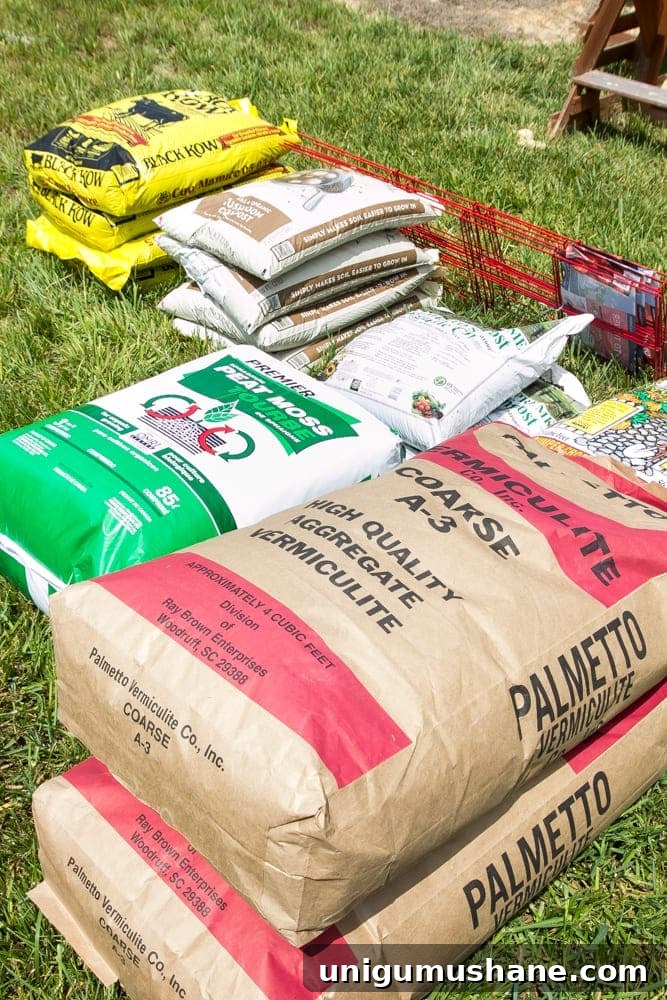
- Peat moss (1 bag)
- Vermiculite (2 bags)
- Compost (several bags of quality compost)
- Mushroom compost (several bags)
- Lime powder (for plant holes)
- Tomato cages or stakes
- Cardboard for the base
- Tiller (optional)
- Power drill and decking screws
- Spade and trowel
- Plastic tarp (for mixing soil)
- Vegetable seedlings or seeds of your choice
Best Vegetable Plants for Beginners
- Lettuce
- Kale
- Swiss chard
- Cucumbers
- Radishes
- Green beans
- Pumpkins
- Broccoli
- Green onion
- Herbs: basil, mint, oregano, thyme, rosemary, chives, cilantro
Best Vegetable Plants for Intermediate Gardeners
- Tomatoes
- Carrots
- Squash
- Zucchini
- Brussels sprouts
- Asparagus
Tip: Planting marigolds around your beds can help deter deer, rabbits, and many plant-damaging insects. Companion plants like basil can also help repel pests and boost tomato health.
Step 1 – Plan Bed Size and Cut Boards
Decide on the bed dimensions first. A common and convenient size is 4′ x 8′ with a 3–4′ width. Have the lumber cut to length if you prefer not to use power tools. Lay out two short boards and two long boards where the bed will sit.
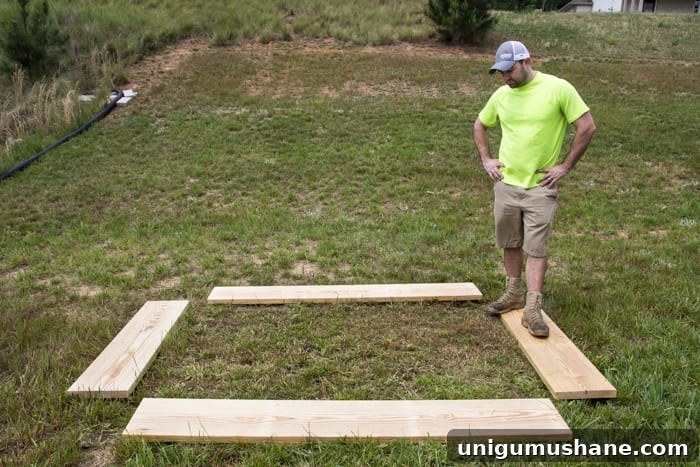
Step 2 – Place Cardboard Base and Attach Boards
Lay sheets of cardboard under the frame to suppress weeds and grass—this is an inexpensive and effective alternative to landscape fabric. Assemble the frame by screwing the corners together with decking screws. Cardboard will break down over time but gives a good barrier while your new garden establishes.
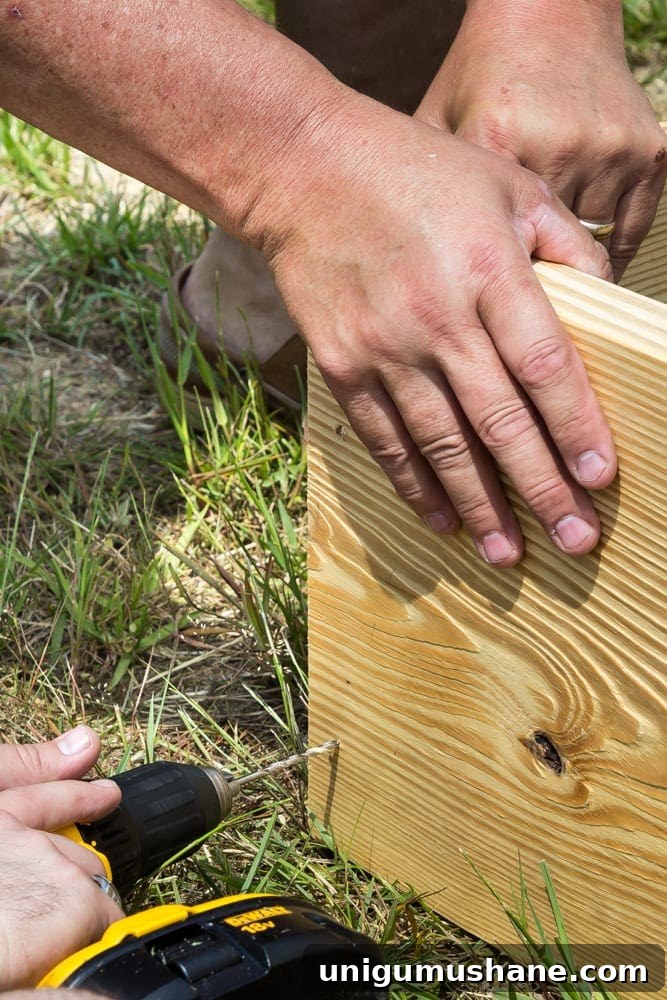
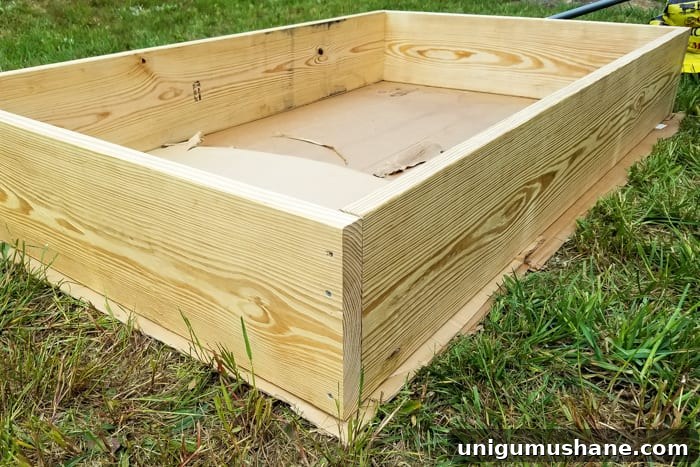
Step 3 – Mix Soil, Compost, Vermiculite, and Peat Moss
Mix your soil components on a tarp: peat moss, vermiculite, compost, and mushroom compost. Use the tarp to fold and mix batches—this is quicker and cleaner than using a shovel alone. Aim for a light, well-draining but moisture-retentive mix that supports healthy root growth.
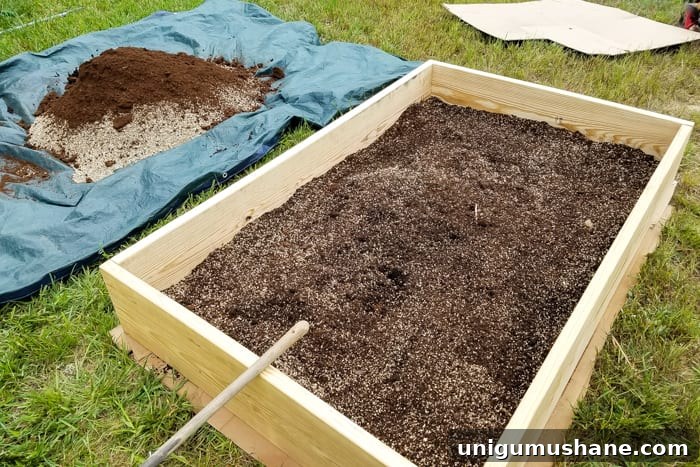
Step 4 – Till Soil Mixture
Fill the bed and till or thoroughly mix the soil in place to ensure even distribution of nutrients and texture. A well-mixed bed establishes quickly and supports uniform growth.
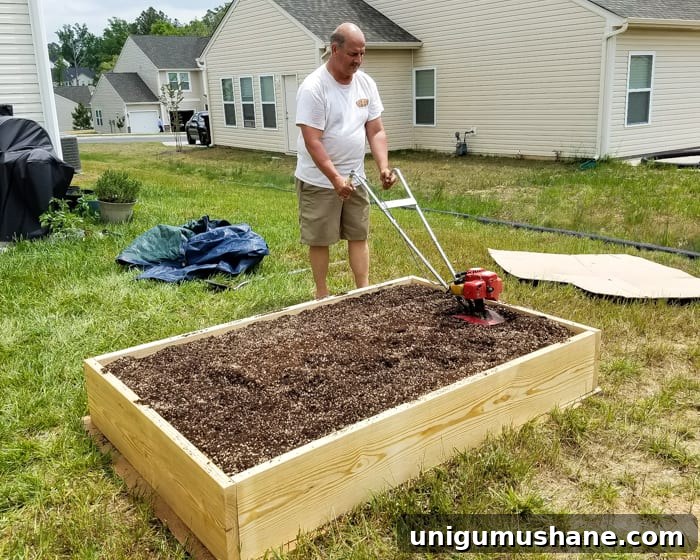
Step 5 – Plan Your Plant Placement
Arrange plants by height and spacing so taller crops (tomatoes, trellised beans) don’t shade shorter ones. Consider companion planting—basil near tomatoes, marigolds to help deter pests. Sketch a plan or lay out your plants on the soil before digging.
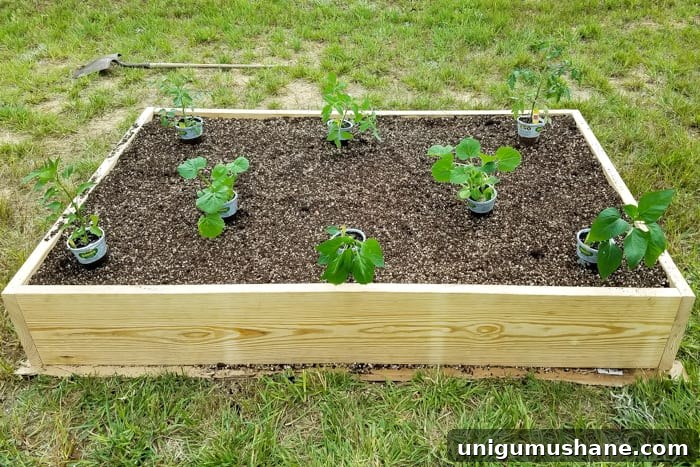
Step 6 – Dig Holes and Add Lime
Dig planting holes and sprinkle a small amount of lime or other recommended amendment into each hole if your soil test indicates acidity or a need for calcium. Follow directions for the product you use to avoid over-application.
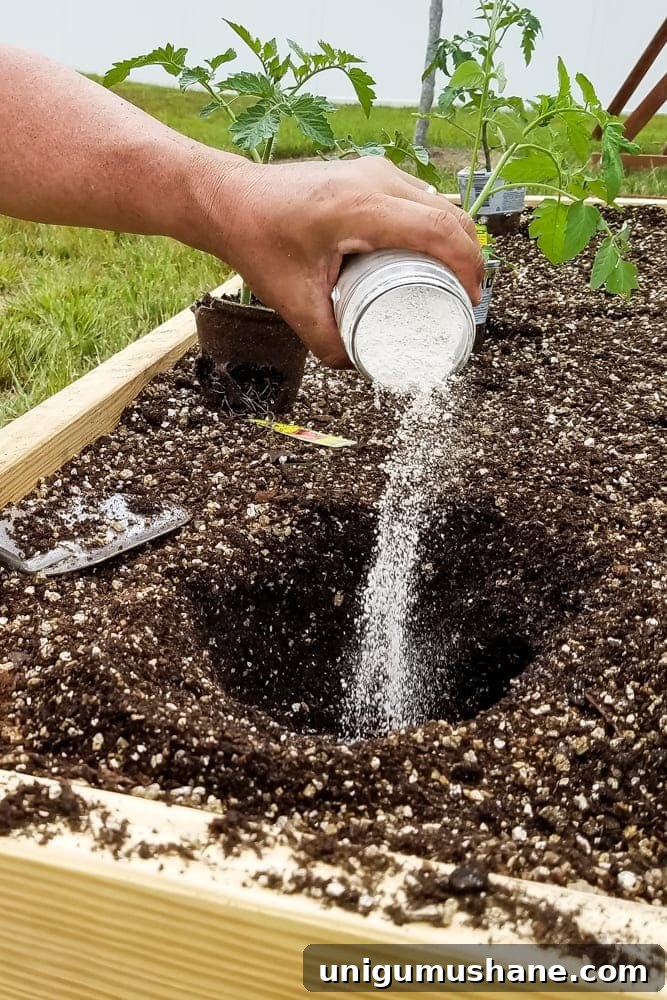
Step 7 – Plant Your Plants
Place the plant’s root ball into the hole and backfill gently. Press the soil firmly around the base to eliminate air pockets. Young hands can help with planting—gardening is a great hands-on lesson for kids.
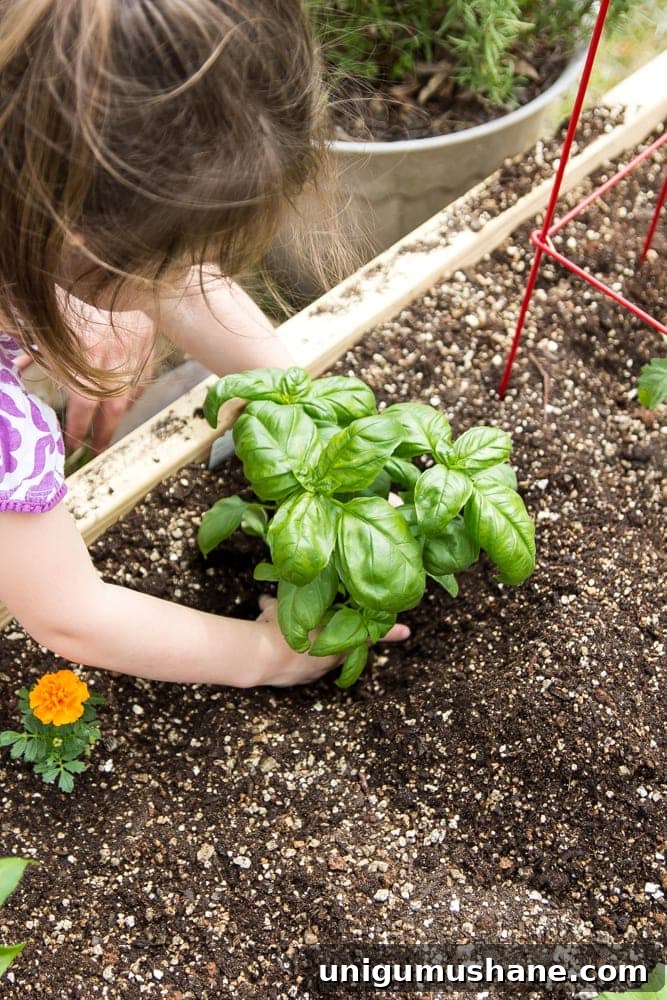
Step 8 – Plant Marigolds for Pest Prevention
Interplant marigolds and other insect-repellent herbs to reduce pest pressure naturally. Use tomato cages or stakes for support where needed.
Step 9 – Water Thoroughly and Regularly
Water well after planting. Aim for deep, infrequent watering to encourage strong root systems. In most climates, morning watering 3–4 times per week works well—about an inch of water per week total from irrigation and rainfall. Adjust frequency for weather and soil moisture.
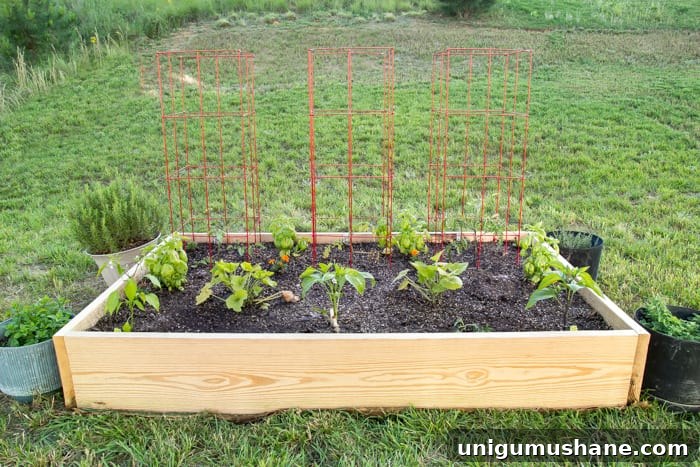
My dad’s beds consistently produce an abundance of vegetables, and our family reaps the benefits—fresh tomatoes, herbs, peppers, and more. Whether you’re building your first raised bed or improving an existing garden, these organic, practical steps will help you grow a healthy, high-yield vegetable garden.
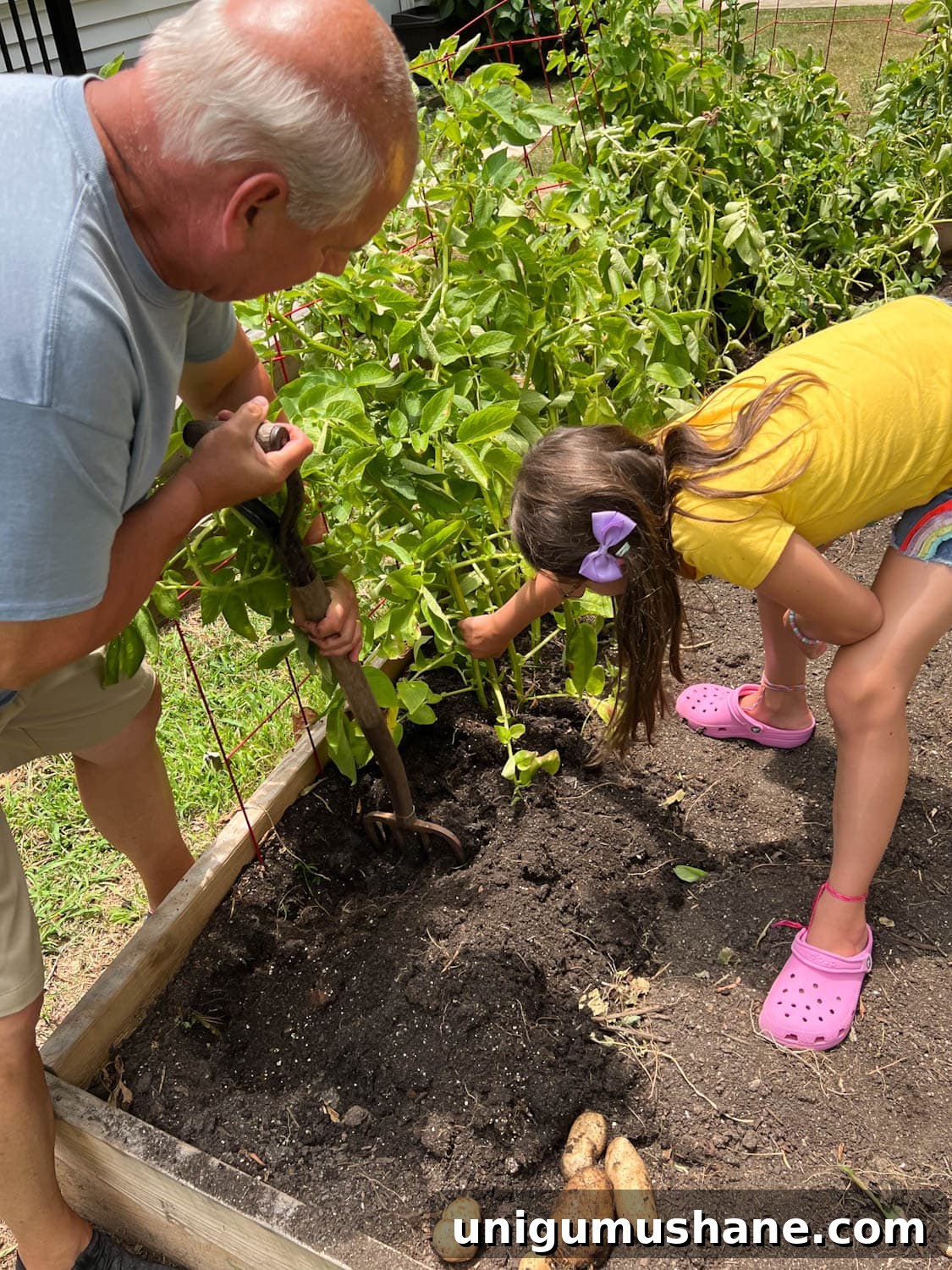
Have you tried a raised bed garden? If you’re starting one now, focus on sunlight, soil quality, and smart plant placement. Small investments in good compost and proper planning pay big dividends in harvests.
More Backyard Ideas
- DIY wooden garden markers
- Build a vertical planter from wood scraps
- Affordable backyard lighting you can install yourself
- Favorite yard games for backyard gatherings
- Transform a small area into a backyard beer garden