
Practical tips for scoring the best deals at Goodwill: ideal restock times, how to spot valuable pieces, and smart ideas for thrifty home decorating.
This guide has been a very long time coming. I’ve collected the best strategies I use when I thrift so you can find great treasures too.
When I walk through the sliding doors at my local Goodwill, I feel empowered—Macklemore-style. (Yes, the song reference was inevitable.)

How to Find the Best Deals at Goodwill
I admit I have a serious love for Goodwill stores—responsible, intentional thrifting, not hoarding. Over the course of a year we furnished most of our home using finds from Goodwill and Craigslist, so I’ve learned what works. Goodwill can be incredibly rewarding if you know how to shop it.
Below are the practical tips I rely on—restock timing, what to look for, and how to turn bargains into beautiful home decor.
1. Visit regularly
Consistency matters. I typically stop by my local Goodwill once a week, sometimes twice. Some days I find incredible pieces; other days nothing catches my eye. The only way to spot the best finds is to check frequently.
After multiple visits you’ll start to notice restocking patterns and the best days for fresh inventory. Each Goodwill location is different, so discover the schedule of the stores near you.

2. Time your visits for the best restocks
When local yard sale season peaks, Goodwill locations often receive more donations. Plan trips around these times for better selection—winter tends to be slower. You’ll find more fresh inventory after busy donation periods.
During spring cleaning season
Garage sales usually happen on weekends, so check Goodwill on Sunday evenings or Monday mornings when new donations often arrive. Many people clear out closets and storage over the weekend, so Monday can be a good restock day.
After holiday weekends
Holiday weekends are another prime time. People have extra time to sort and donate, so expect a larger, more varied selection the day after a holiday. If a holiday falls on a Monday, Tuesday mornings can be particularly full of fresh items.
At store opening hours
Arriving when the store opens can pay off. Some days there’s already a line of regular shoppers waiting for new inventory. If you get there early on a Monday or Tuesday, you often find a strong selection. Expect competition from resellers and antique shop buyers, so be prepared to decide quickly on great pieces.
3. Have a clear shopping list
Use a simple “Thrift Shopping Wish List” on your phone to track items you need. Patience helps: you’re more likely to find what you want if you focus your searches.
Prioritize departments
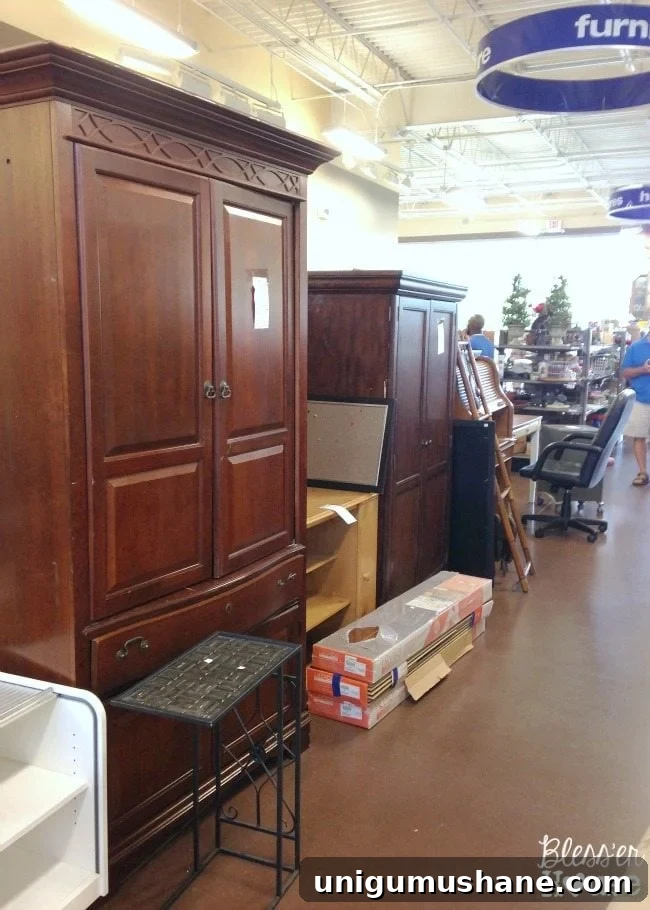
Map your route through the store. I usually check furniture first, then frames and mirrors, home decor, lighting, household goods, and seasonal sections. Holiday items often appear year-round—Christmas decor shows up in summer more than you’d expect.

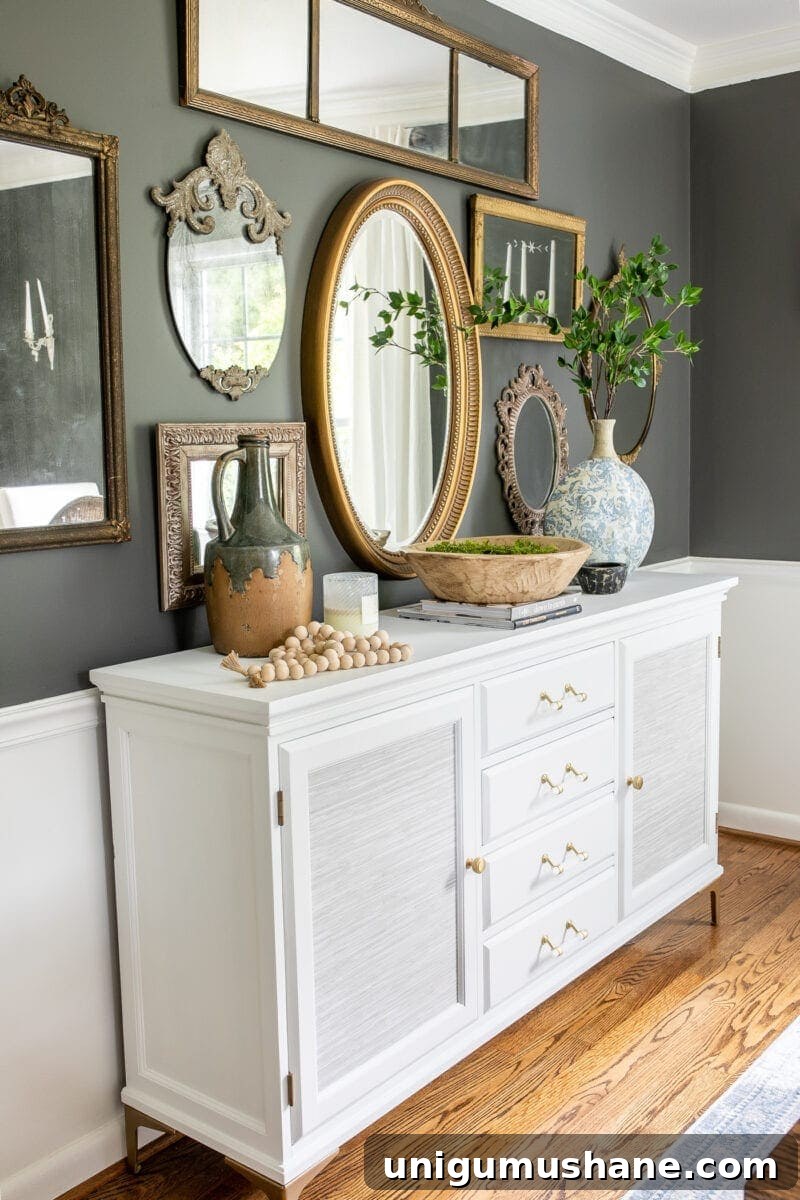
Over time I’ve found a vintage typewriter, a desk lamp, a globe, a lamp for my daughter’s room, a dome clock turned into a cloche, plenty of books, sheet music, and prints—small items in good condition that add character to our home.
4. Think creatively — many finds are DIY-ready
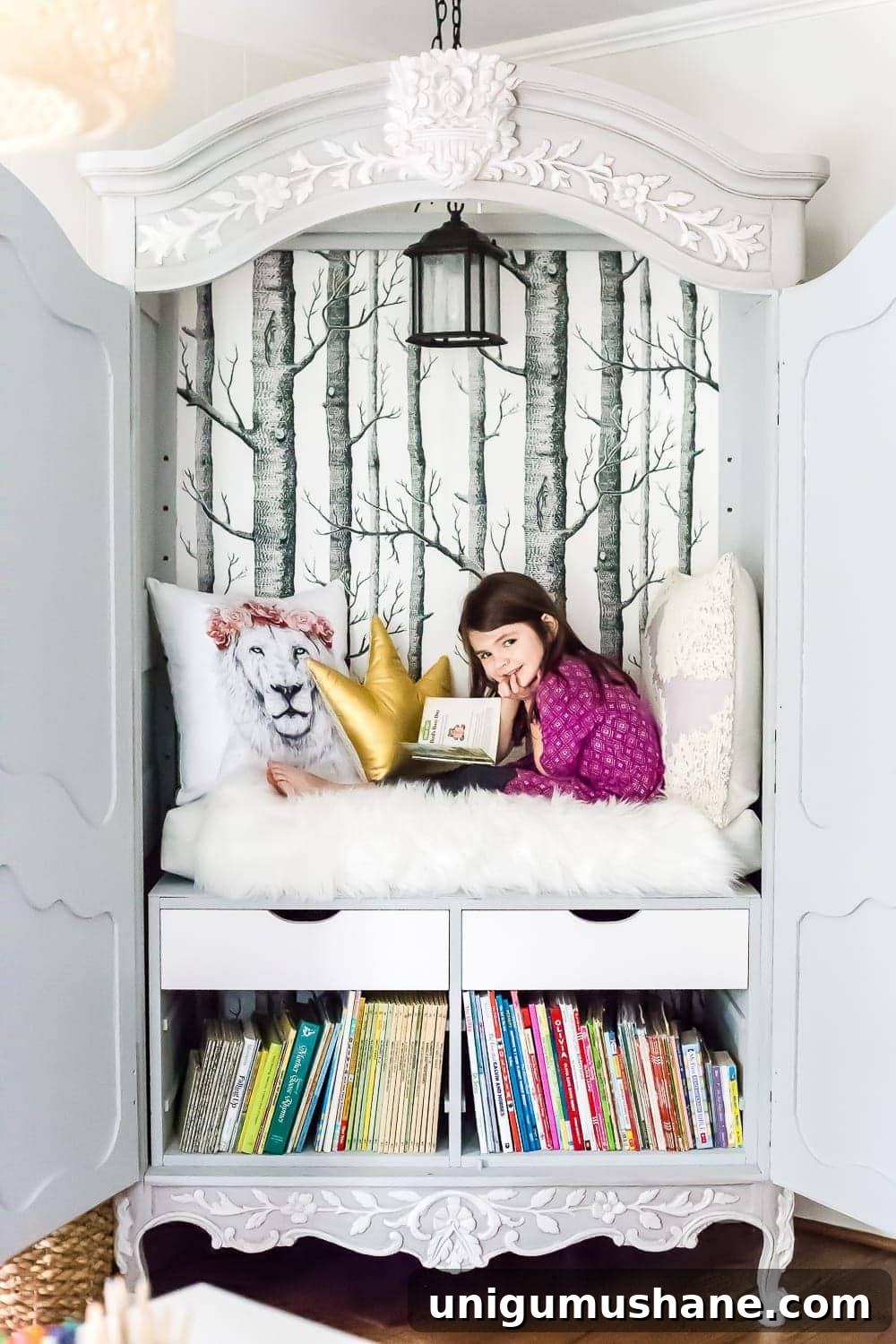
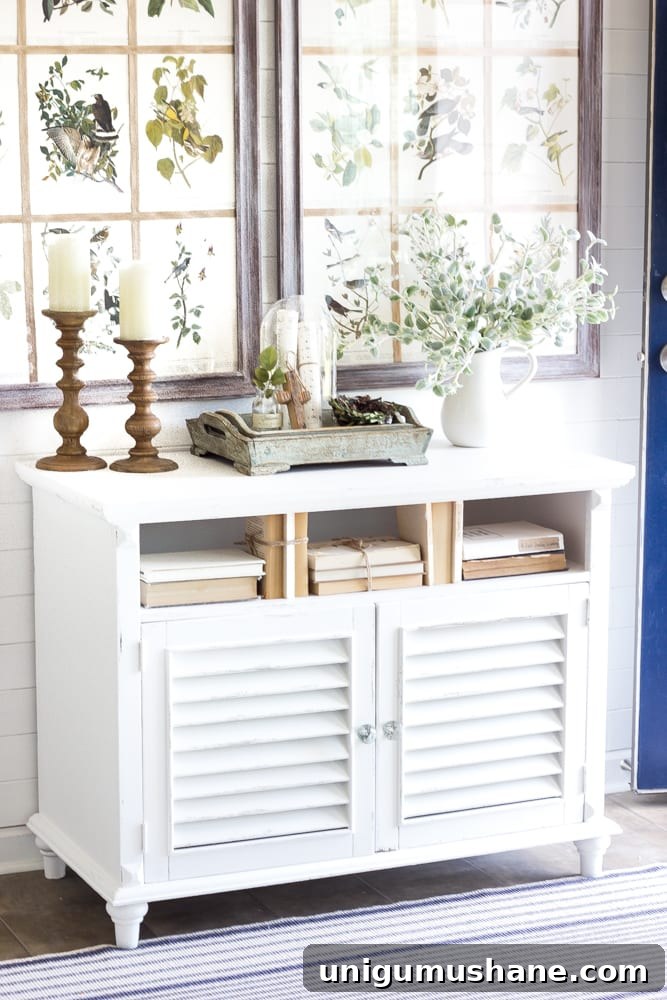
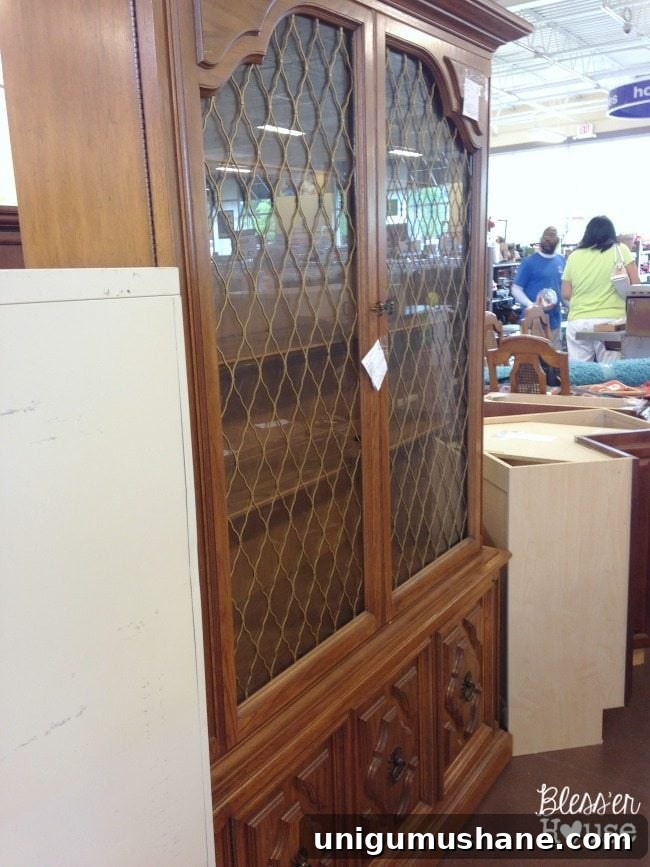
Some of the best bargains need imagination. A piece with stickers or dated hardware might have great shape and proportions beneath—sand, paint, and new hardware can turn it into something fresh.
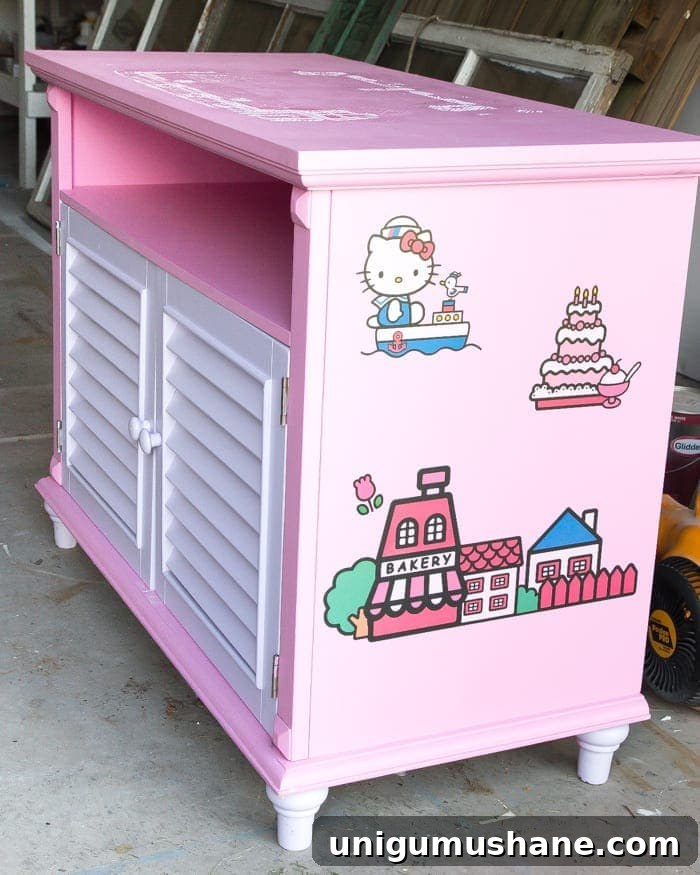
With a little sanding, paint, and new knobs, an unimpressive cabinet can become a standout piece.
5. Don’t hesitate
If you find a piece you love, grab it. Take the tag, put it in your cart, and decide while you shop the rest of the store. The best items move quickly, and indecision can mean losing a great find to another shopper.
I once watched someone take a vintage birdcage I’d been considering—the store can feel competitive, so act when you’ve found something you want.
6. Make sure the price is right
Thrifting has become more popular, and some prices have risen. Don’t buy something just because it’s available—wait for a markdown or pass if it’s overpriced. Staff sometimes mis-price items, so patience can pay off.
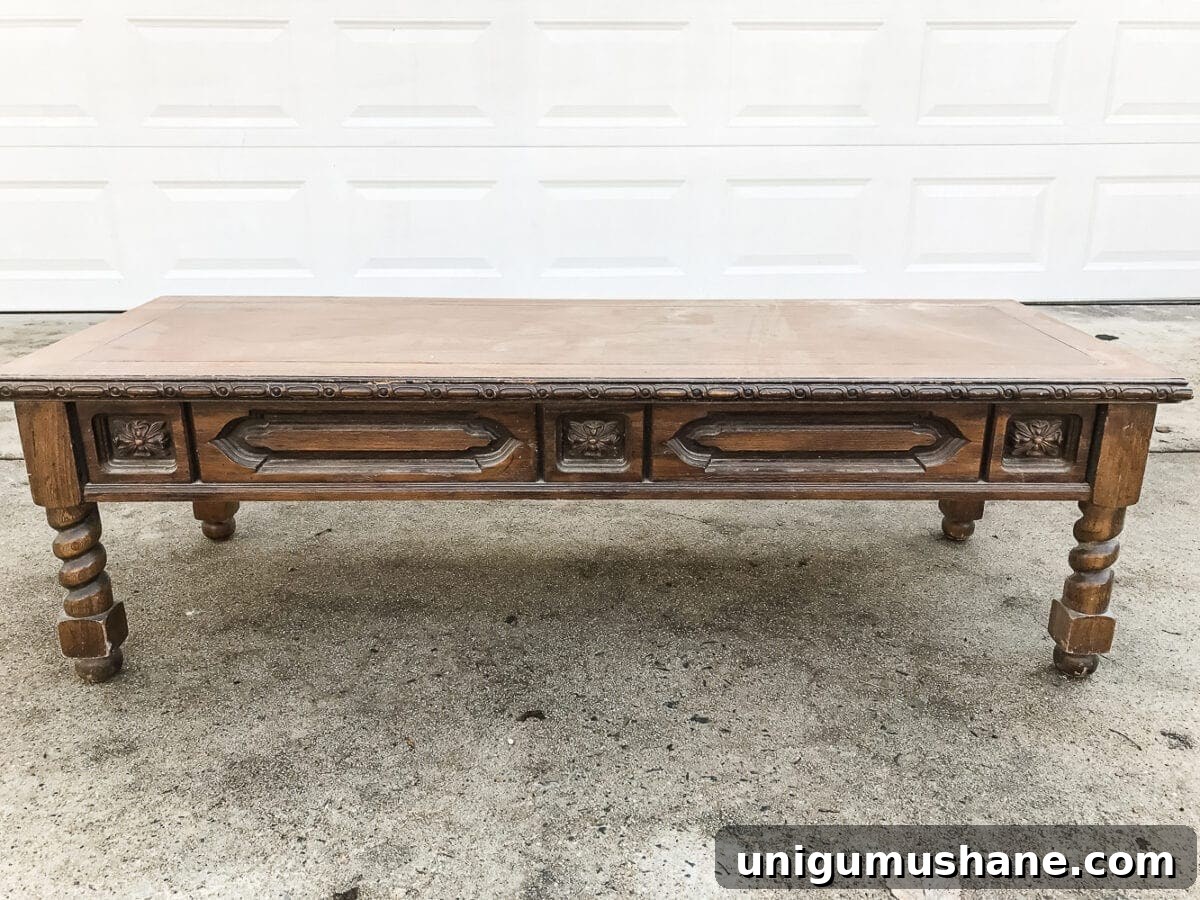
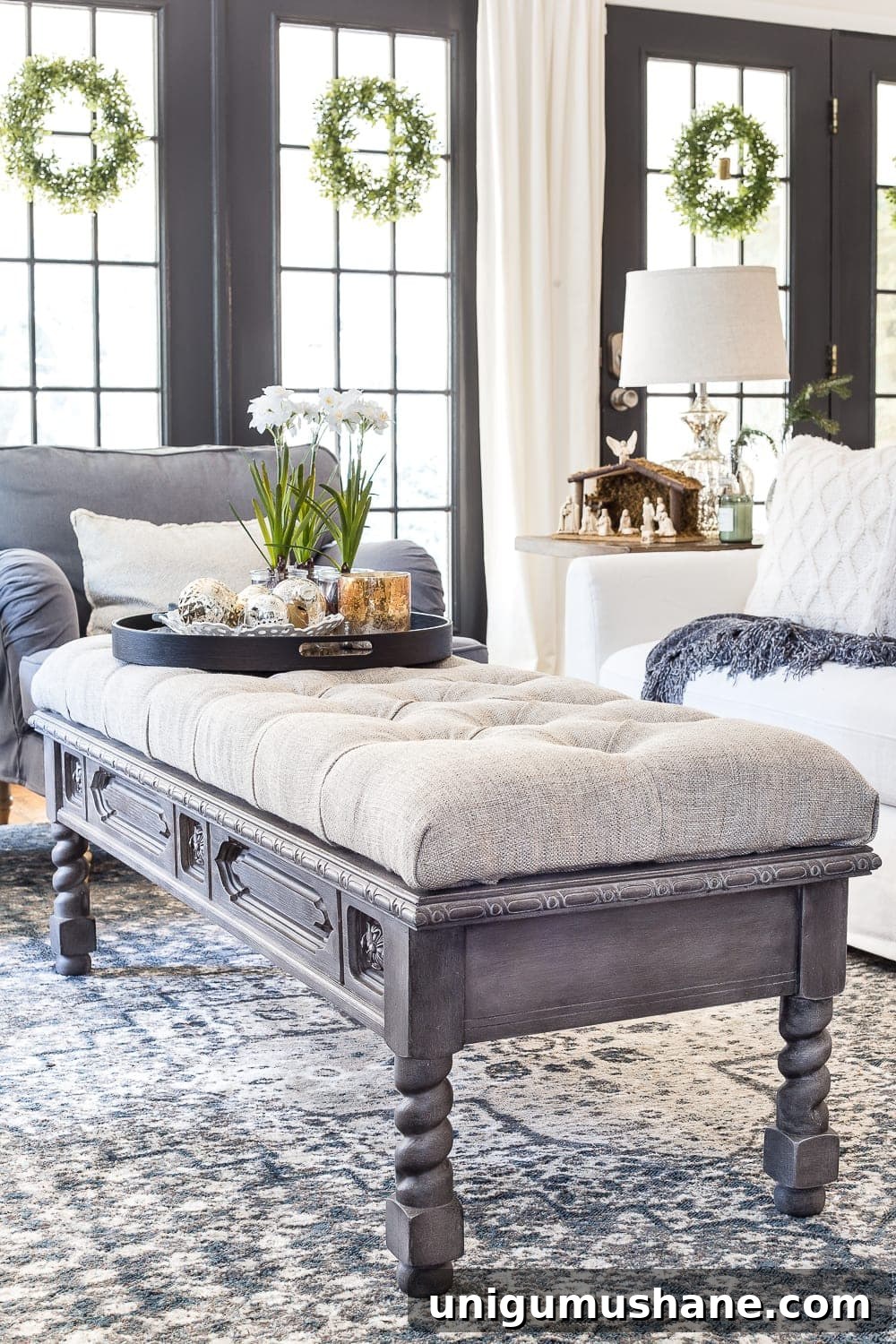
I once bought a coffee table that was marked $50 after a makeover—on a later visit it had been reduced to $20, and I snagged it. If a price feels high, check back later.
7. Donate something when you thrift
To keep my purchases under control, I bring at least one item to donate on each visit. It helps balance new finds at home and keeps clutter down—plus it’s a good habit to replace with something you truly love.

8. Visit stores in higher-end neighborhoods and more locations
Stores serving affluent neighborhoods often receive higher-quality donations. I live near an upscale area and regularly find great furniture and designer pieces for a fraction of their original cost.
Check multiple Goodwill locations when you can. Rural stores may offer more primitive or rustic items, while suburban and urban stores can vary in style and quality.

9. Only buy items you truly love
If you’re not genuinely excited about an item’s potential, leave it. Buying for the sake of buying leads to clutter. Walking out empty-handed is fine—your perfect find will turn up another day.
10. Remember paint can fix (almost) anything
Scratches, dated finishes, and color choices are often easily remedied with paint. Chalk paint or spray paint can revive a scratched dresser or update frames and fixtures. Keep an open mind for pieces that have great form but need a cosmetic refresh.
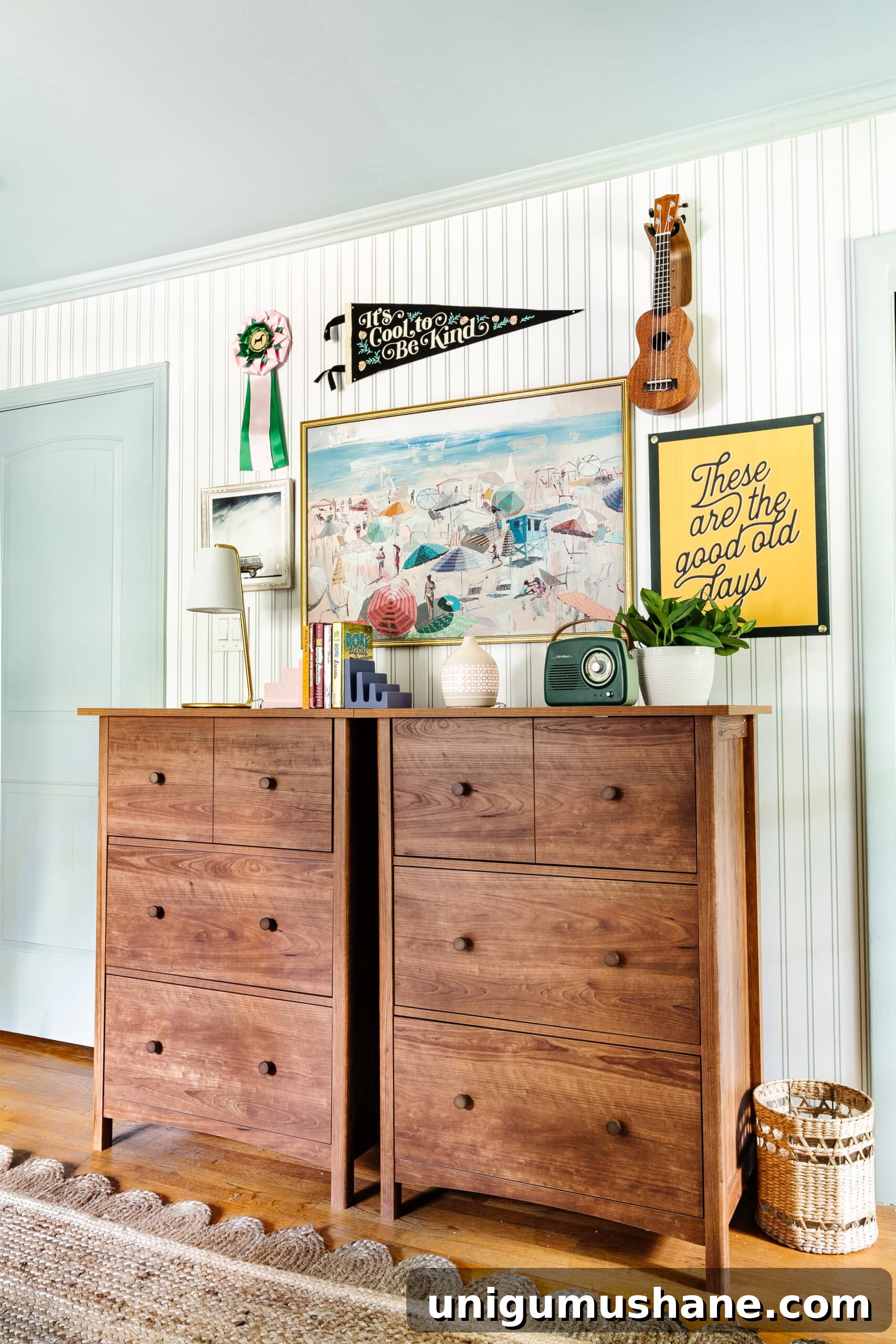
Even light fixtures and some upholstery can be updated—just make sure upholstery is in good condition and free of odors before buying.

11. Look for quality construction
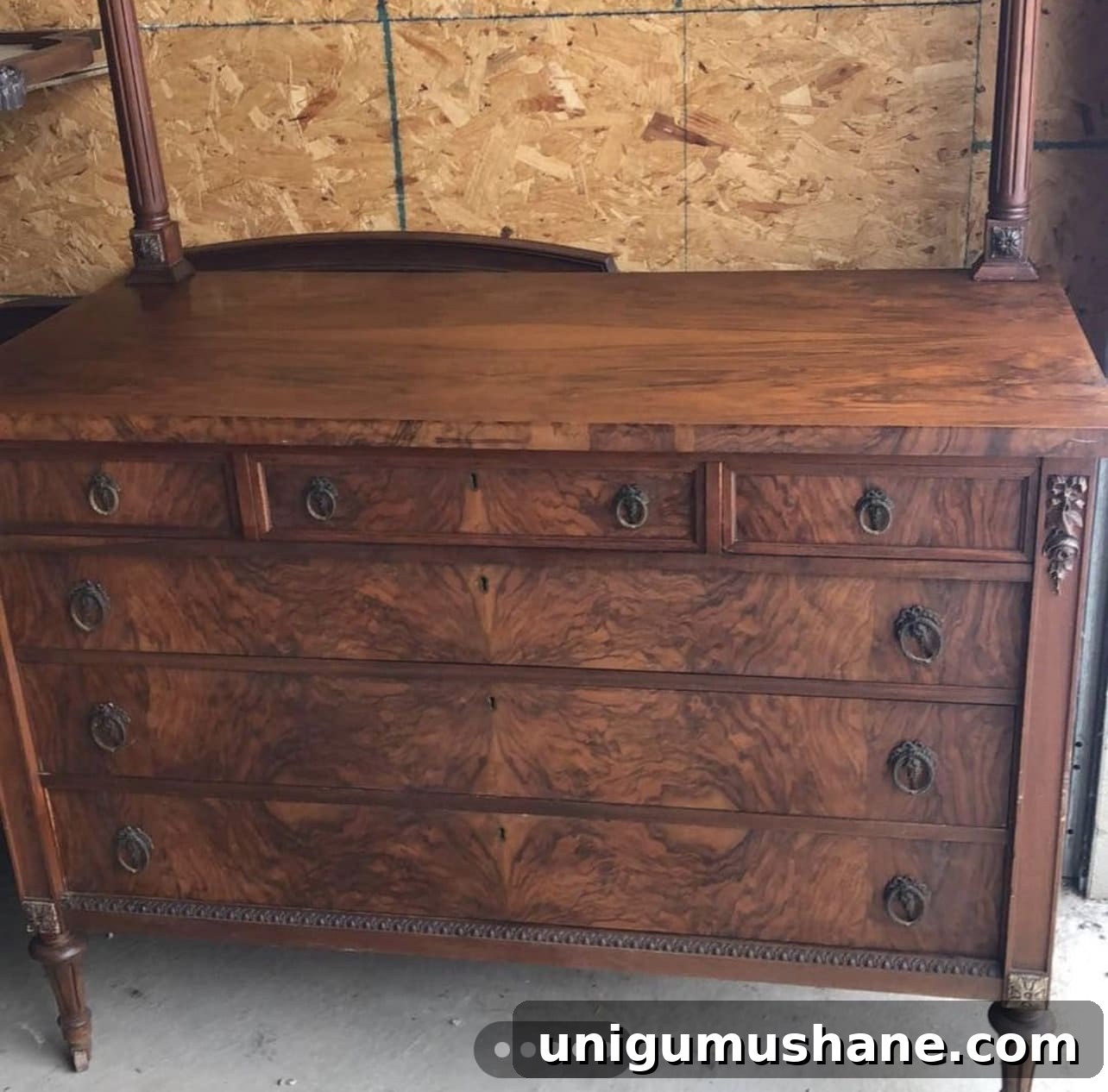
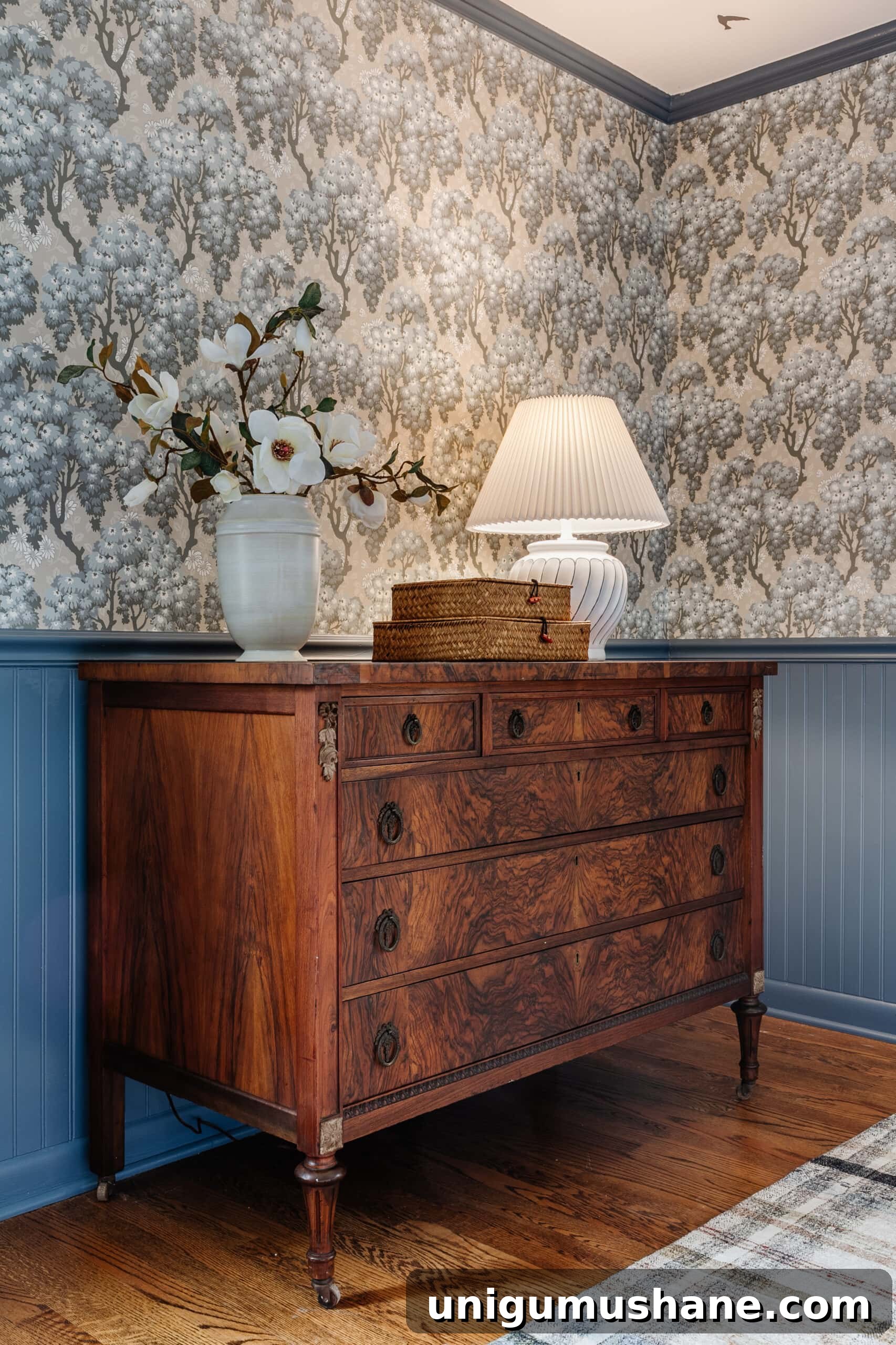
Good construction matters. Dovetail drawers, solid joinery, and sturdy frames indicate a piece that will last. Brand names can also be a clue to durability. These signs often mean you’re getting a better value, even with a little cosmetic work.
I once found a set of Crate & Barrel mugs for 50 cents each—small, well-made items like that can be a real win.
12. Know the sale days
Discounts and sale days vary by region, so check with your local store. Common programs include student and military discount days and senior discounts. These predictable sales can help you save more on already-low thrift prices.
Student / Military Discount Day
Some stores offer a student or military discount day where you can get a percentage off with valid ID.
Senior Citizens Day
Many locations set aside a day for senior discounts, often offering a similar percentage off purchases. Local customer value programs or email clubs can also include special offers and coupons—ask your store for details.
13. Check Goodwill online
If you can’t visit in person, Goodwill’s online listings are another option. Online prices can be higher, but browsing from home helps you monitor new inventory and spot potential finds to pursue in-store.
More thrifting and home decorating ideas
- 30 Home Decor Items to Watch for While Thrift Shopping
- How to Find the Best Deals on Online Marketplaces
- Best Fall Decor Items to Buy in Thrift Stores
For more ideas and inspiration, keep exploring thrifted home decor options and DIY makeovers.

There you have it—my best thrift shopping strategies. Now you can shop smarter, find better deals, and turn thrifty finds into stylish home decor. Happy thrift hunting!