
There are times I look back on all the decorating mistakes I made when I first started trying to make our house look nice a decade ago, and I wish someone had warned me!
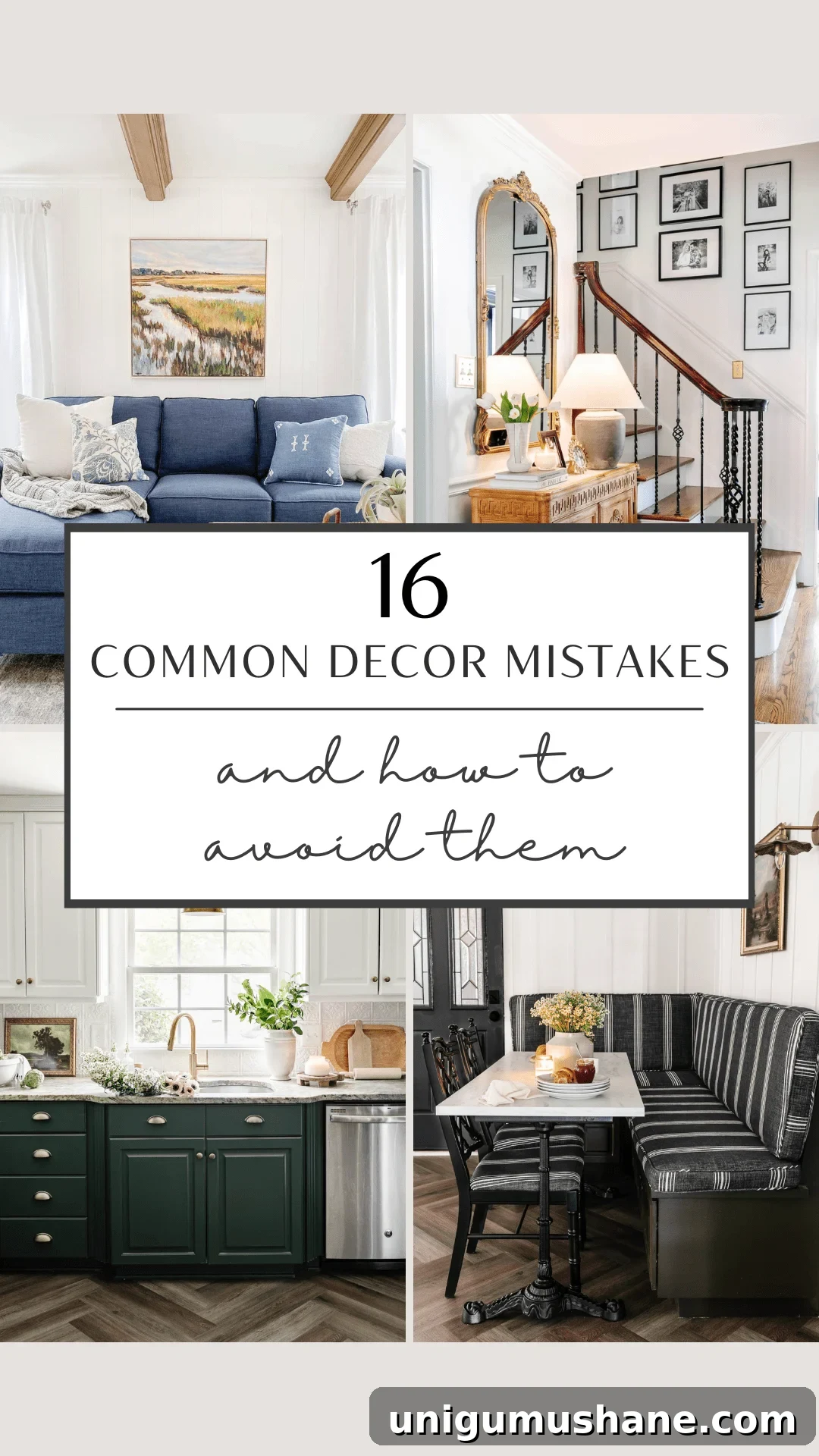
Paint chips in the store often look completely different on your wall—especially in a dark bedroom. Don’t arrange a room around furniture you secretly dislike. And stop trying to make a tiny rug work in a large living room; it just won’t. I learned many of these lessons the hard way, and I’m sharing them here so you can avoid the same missteps.
This is a post I’ve been meaning to share for a long time. Some of these topics came up recently in the Bless’er House Budget Decorating Community, so I figured it was the perfect moment to share them all—friend-to-friend.
1. Not Testing Paint Colors Before Buying
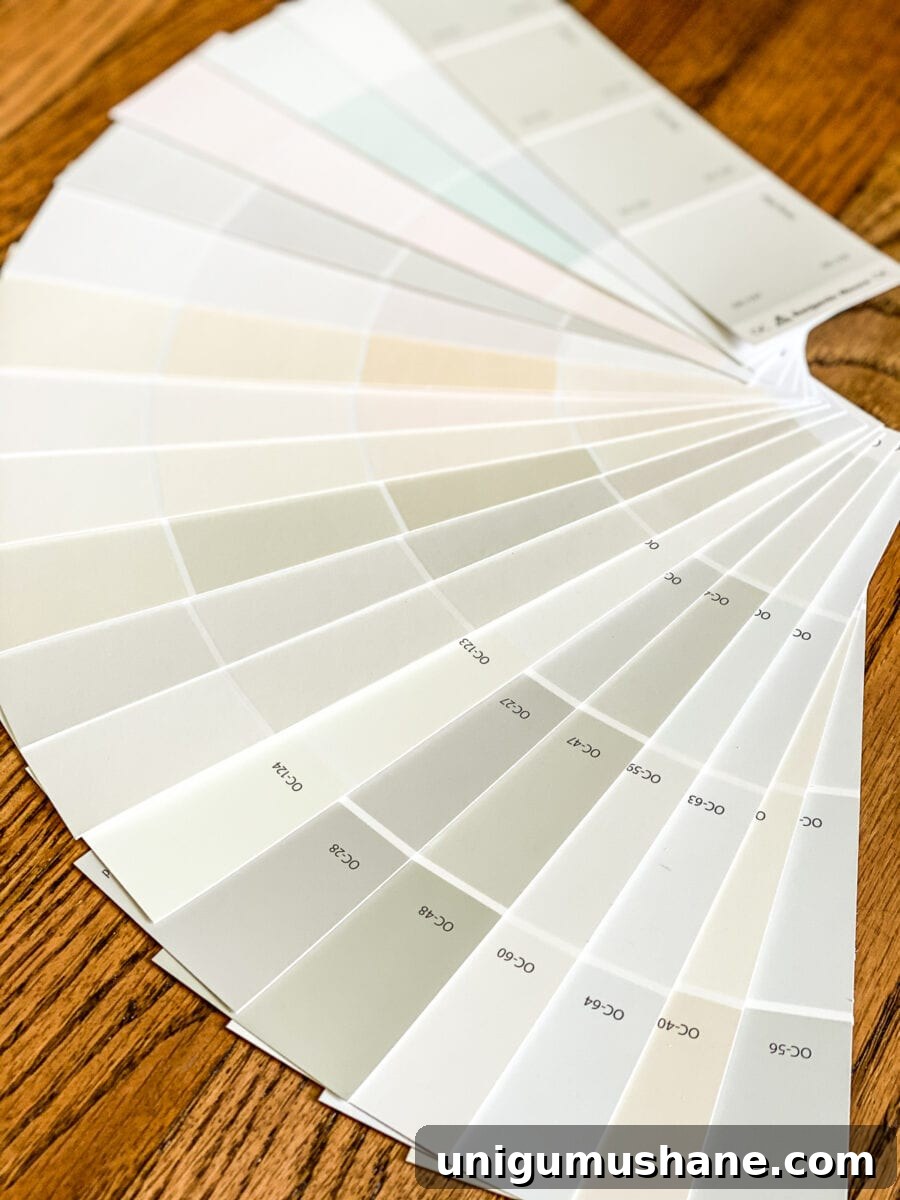
One of our biggest mistakes was choosing a color from a fan deck while sitting on my parents’ sofa by lamp light. The shade looked completely different on our walls. After painting the downstairs a yellowish beige, I realized the importance of sampling first.
- Choose a few favorite hues from swatches or online inspiration.
- Buy small sample pots and paint large patches on white foam boards. Tape them to the wall and observe the color throughout the day and at night under lamps before making a final choice.
Related: How to Choose Paint Colors for Your Home Interior Like a Pro
Sampling first will save time and regret. If you want a starting point, check out some of my go-to paint colors shared on the blog.
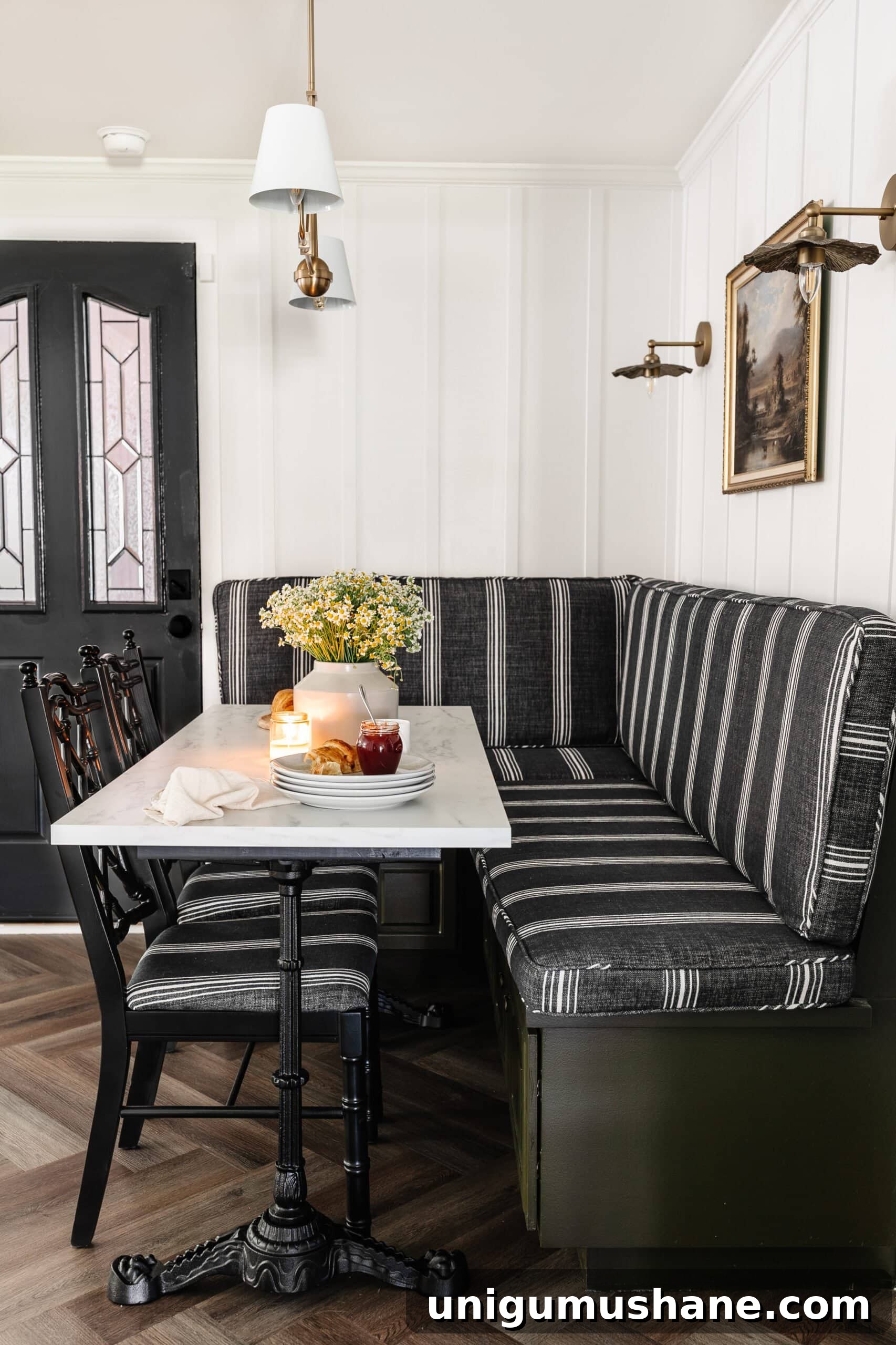
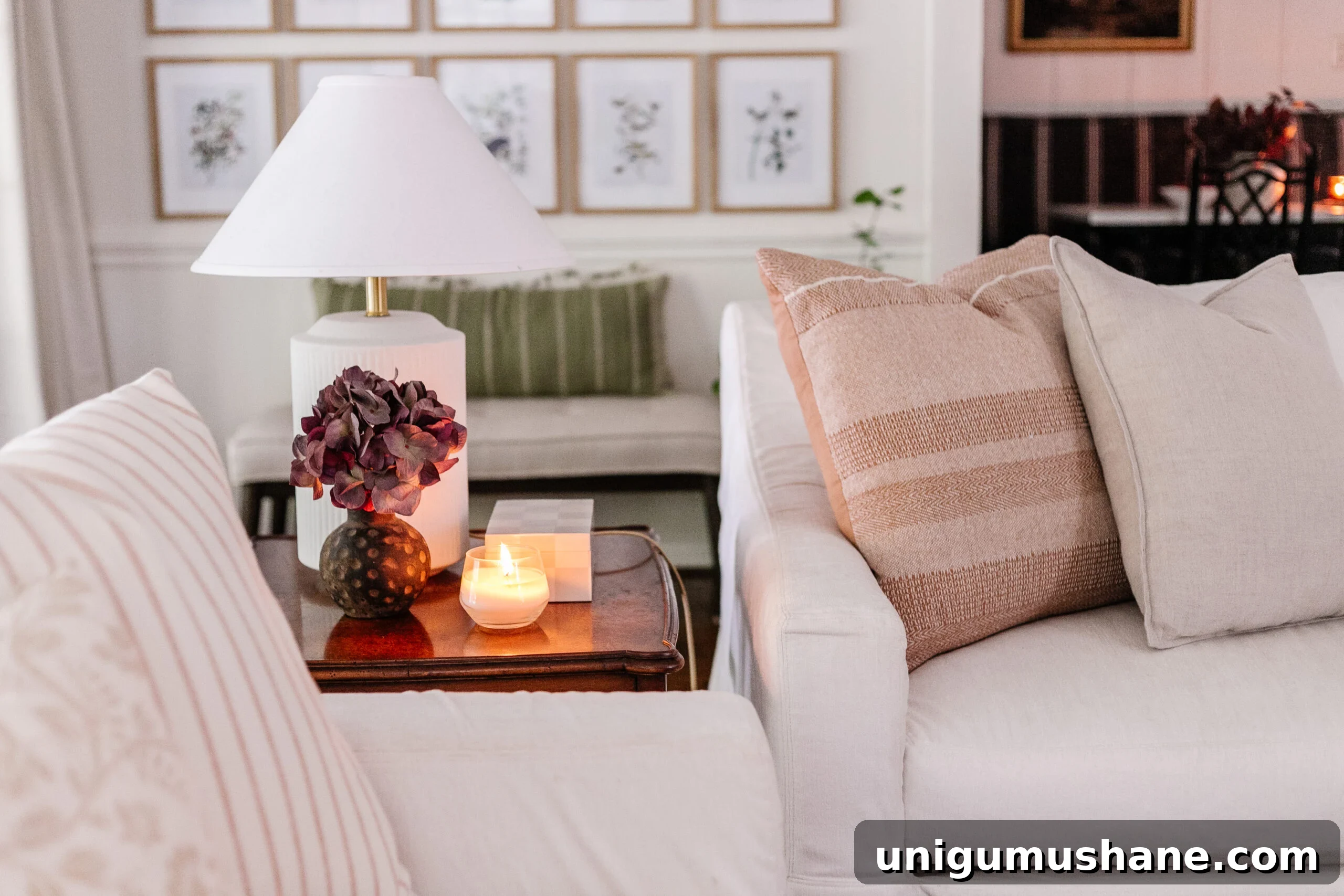
2. Decorating With Too Many Small Accessories
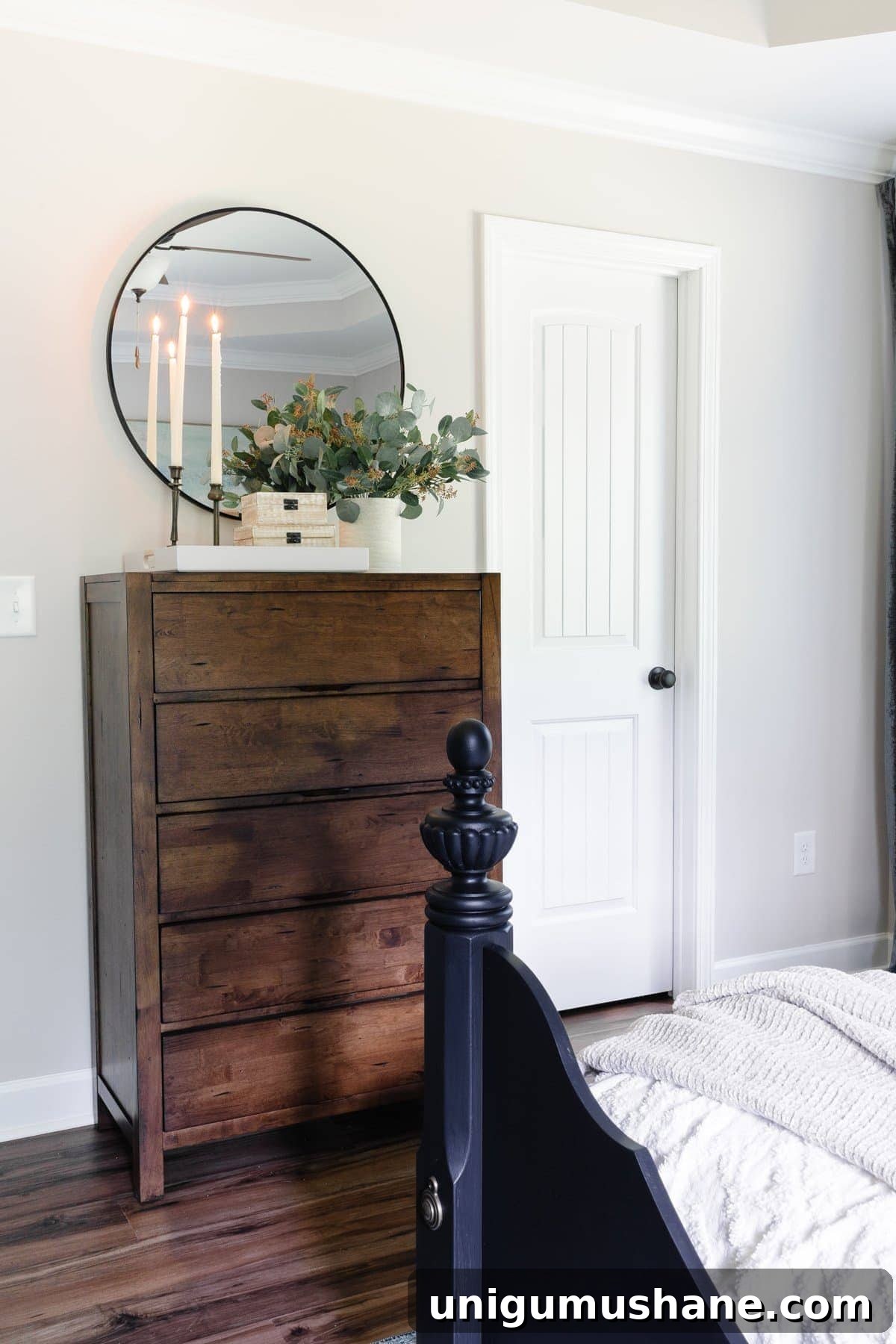
I used to pile 20 little accents onto a dresser or side table because I liked each piece. Instead of looking curated, it looked cluttered. When styling flat surfaces, less is more: choose a few items with varied heights and textures to create a balanced vignette.
Check my styling guides for coffee tables, entry tables, nightstands, buffets, and end tables for step-by-step ideas.
Related: How to Style Tabletops Step by Step Like a Pro
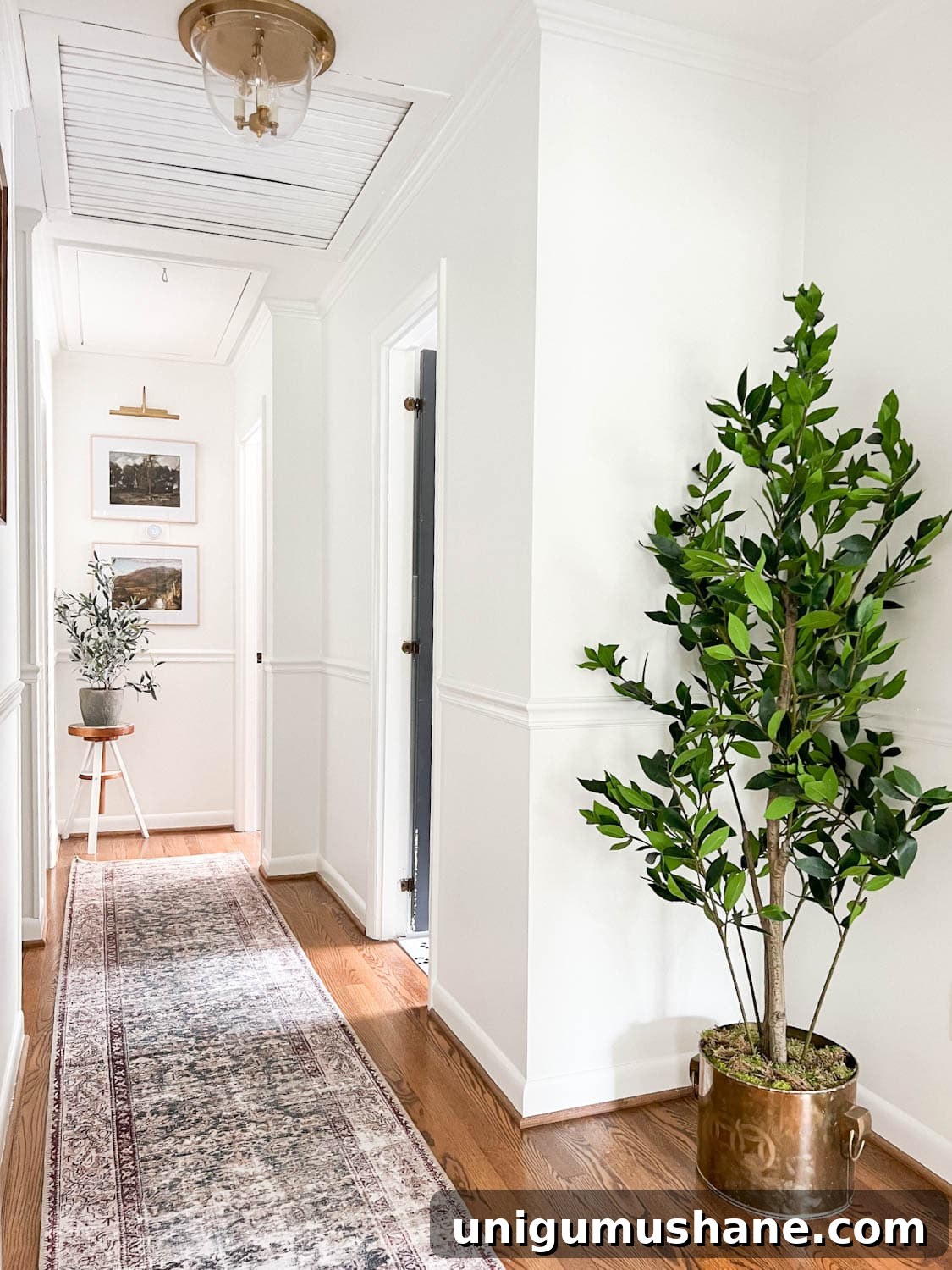
3. Not Having Plants (Whether Real or Fake)
There were many rooms where something always felt missing. The missing piece was life—plants. Even artificial greenery brings warmth and scales a room. If you don’t have a green thumb, realistic faux plants are a great alternative.
Related: Best Artificial Indoor Trees and Tips to Make Them Look Real | Where to Find the Best Fake Flowers That Look Real
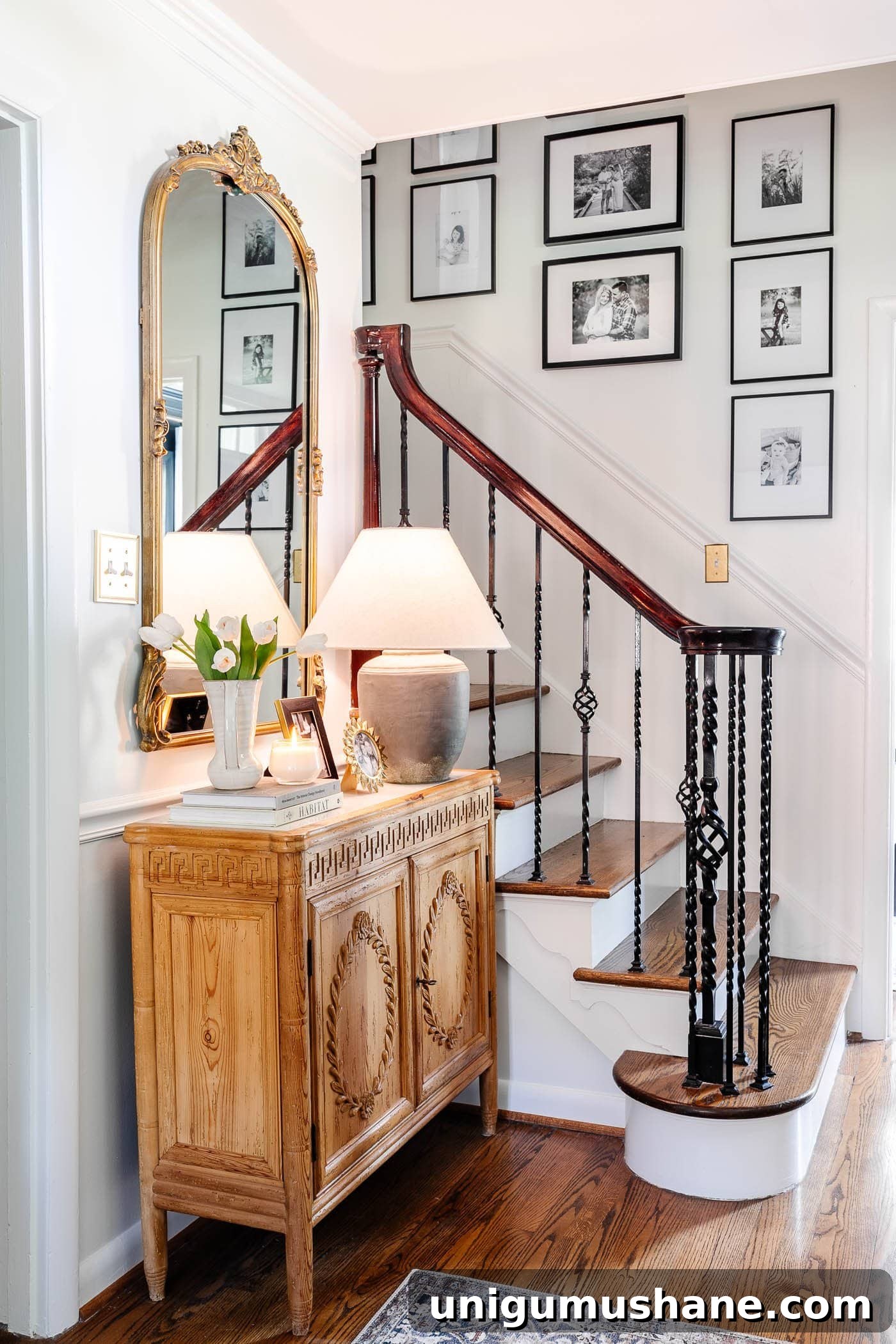
4. Having Too Many Picture Frames on Tabletops
Family photos are important, but covering every surface with frames feels overwhelming. Instead, create a gallery wall or choose one or two frames for a tabletop. Black-and-white prints in simple frames give a clean, timeless look while keeping sentiment.
5. Having Exposed Cables and Cords
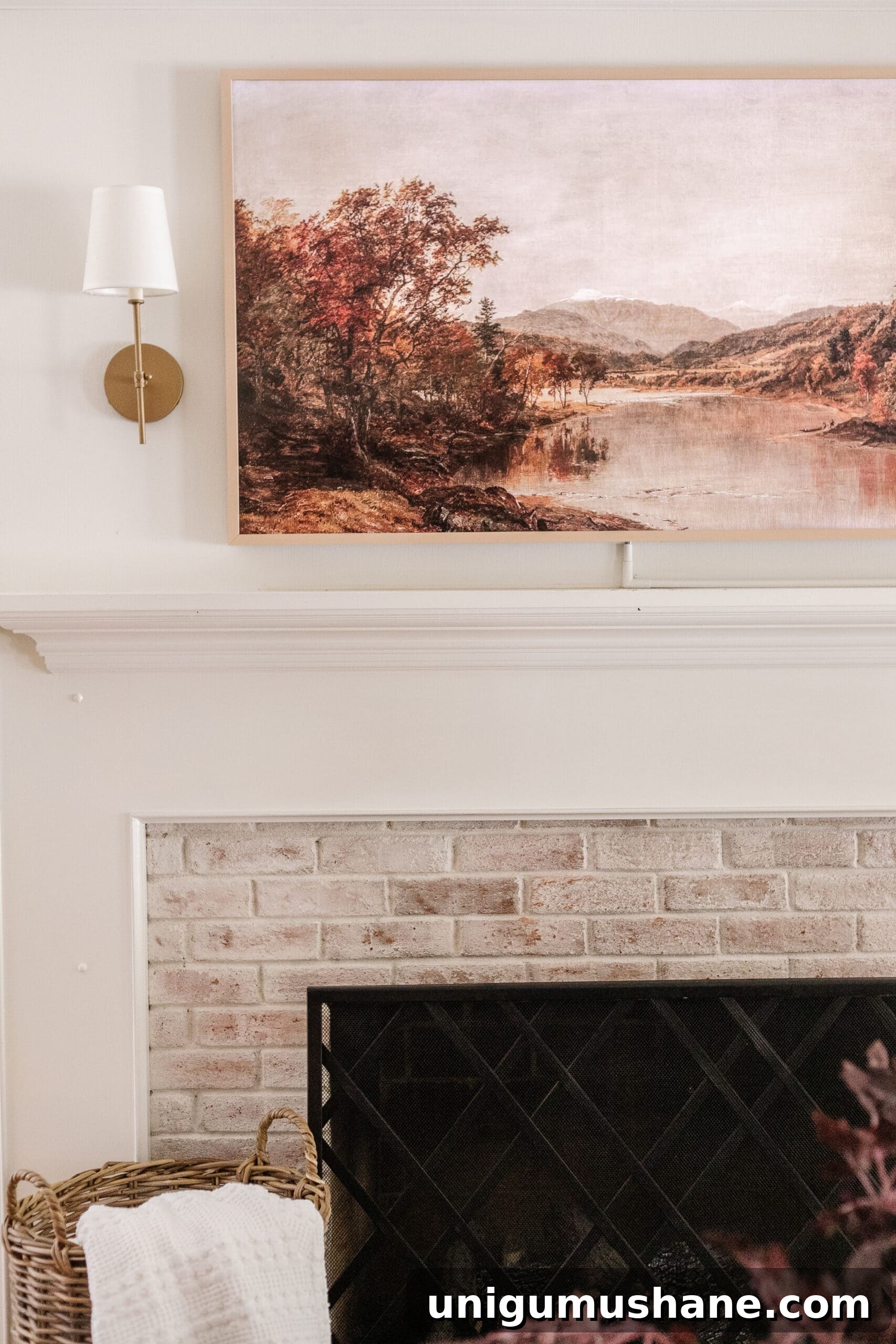
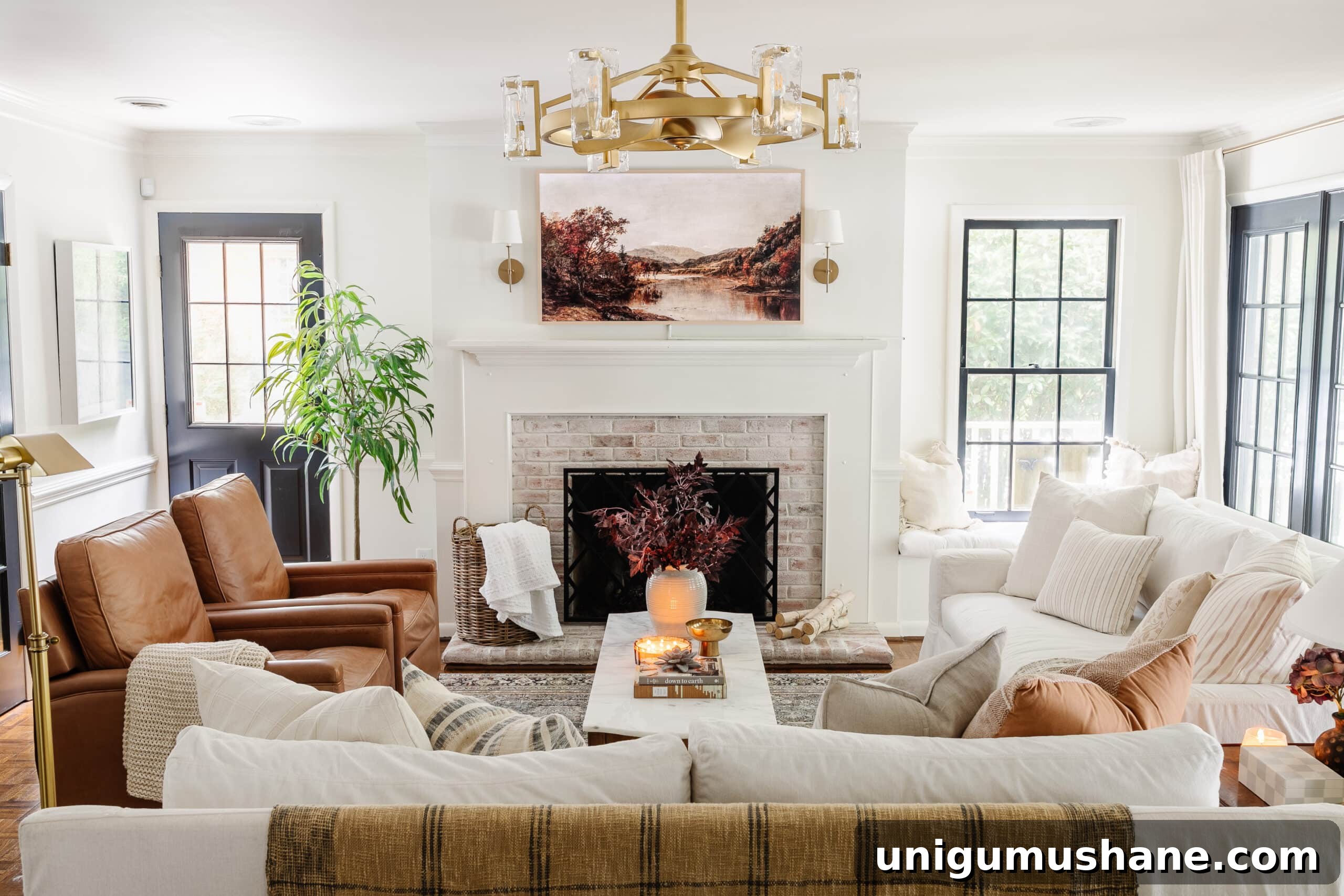
When our TV first went up, the cords were a mess. A simple fix is cord covers—attach them to the wall and paint them to match so they nearly disappear. For electronic boxes, build storage or tuck them into a bench or cabinet to keep the area tidy.
Related: 15 Aesthetically Pleasing Ideas to Hide Ugly Household Items
6. Decorating Around Something You Hate
Trying to make a room work around a piece of furniture you dislike almost guarantees you’ll end up unhappy with the space. You don’t have to buy new; look for thrifted, consignment, or secondhand options to replace items you don’t love.
Related: How to Find the Best Deals on Facebook Marketplace
7. Not Decluttering Before Redecorating
Often the “dysfunction” in a room comes down to clutter. Before decorating, clear everything out. Sort, donate, and organize what you plan to keep. Once you have a clean slate, decorating becomes far easier and more intentional.
Related: How to Declutter Your Home Quickly with These Organizer Secrets
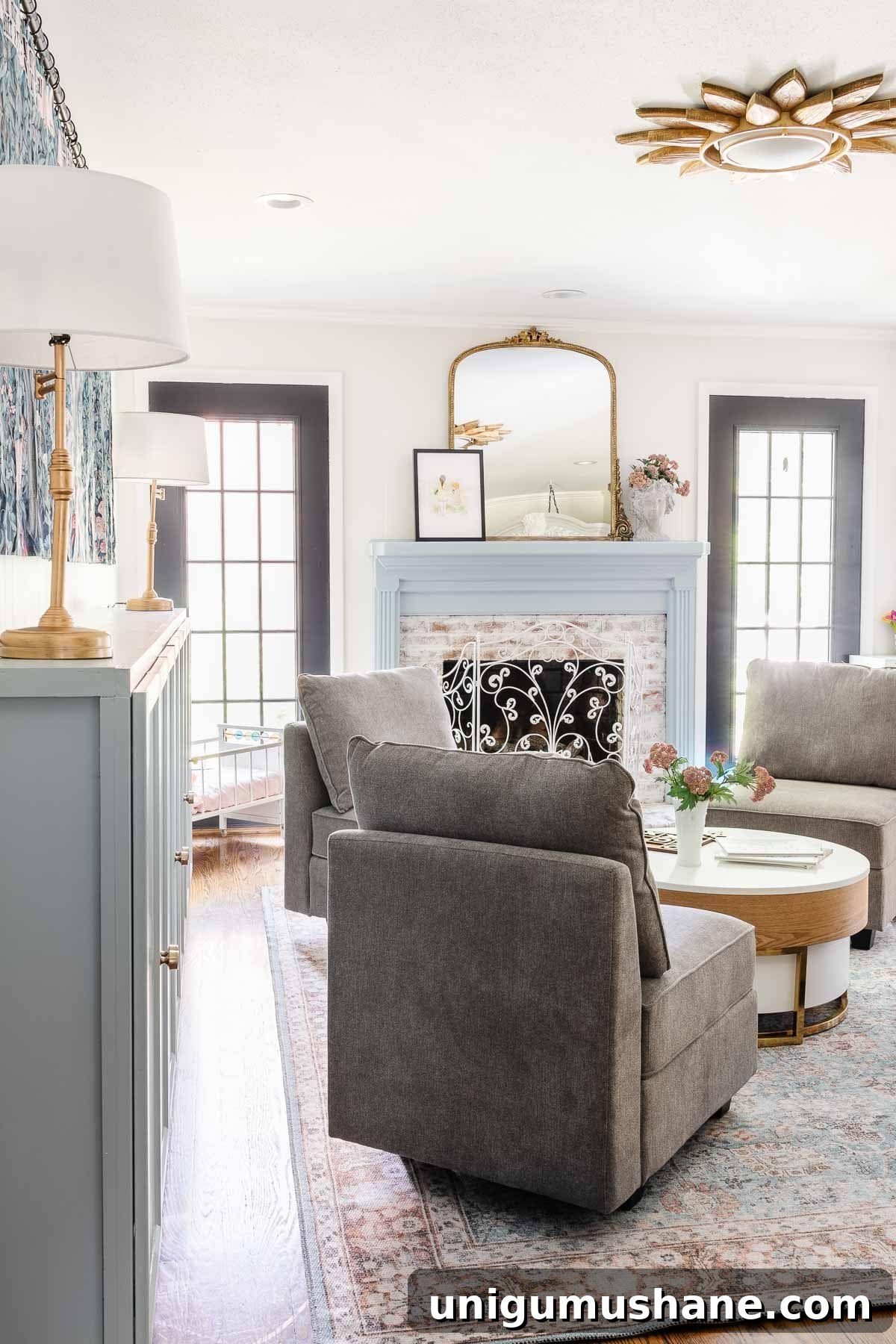
8. Having Too Much Furniture
If a room blocks natural traffic flow, edit the furniture. Keep only what’s functional and appropriately scaled. Overfurnishing makes spaces feel smaller and less useful.
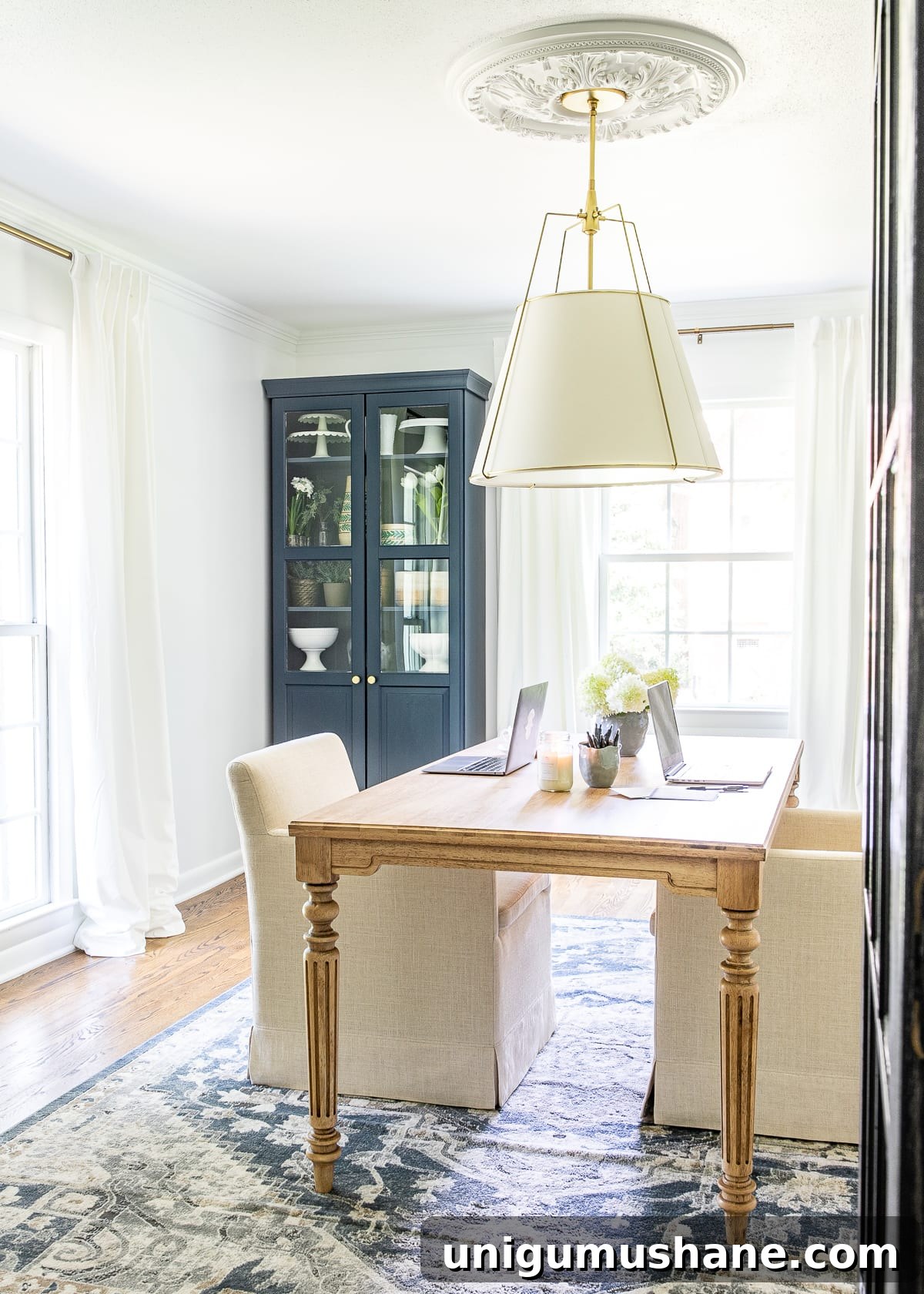
9. Using Rugs That Are Too Small
A rug that’s too small looks awkward and creates obstacles. Under beds and in living rooms I generally use a minimum of 8×10 (9×12 for larger rooms). For dining tables, choose a rug size that keeps all chair legs on the rug and allows about a foot behind chairs for pulling out.
Use a rug guide to pick the right size for your room.
Related: 25 Best Places to Buy Rugs Affordably Online
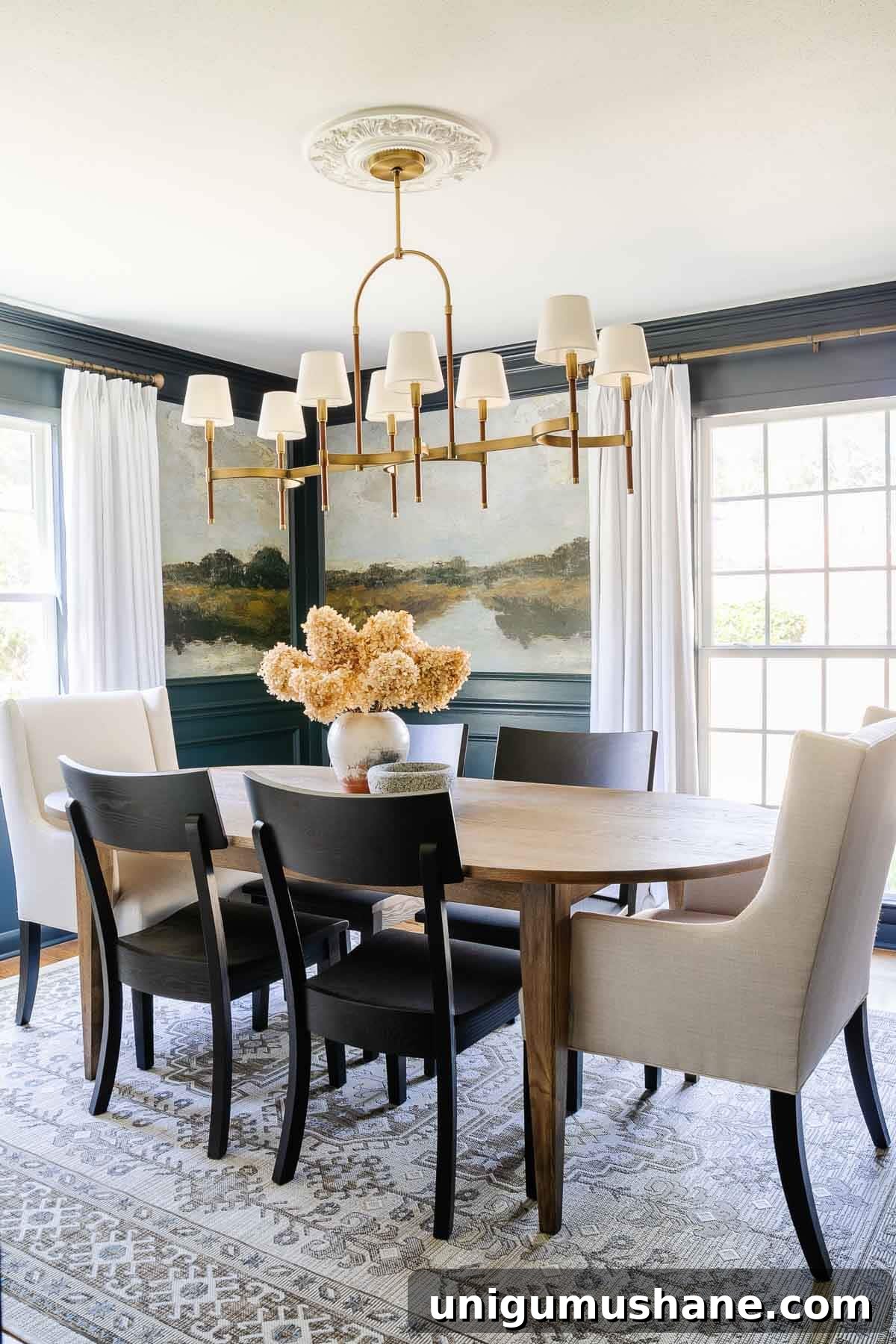
10. Mixing Too Many Disjointed Patterns
Using every patterned fabric in the house creates a chaotic look. Limit patterns to about three types—choose a large-scale pattern, a medium pattern, and a small-scale print—balanced by solids with interesting textures. A vintage rug can act as a cohesive foundation.
Related: How to Mix and Match Throw Pillows
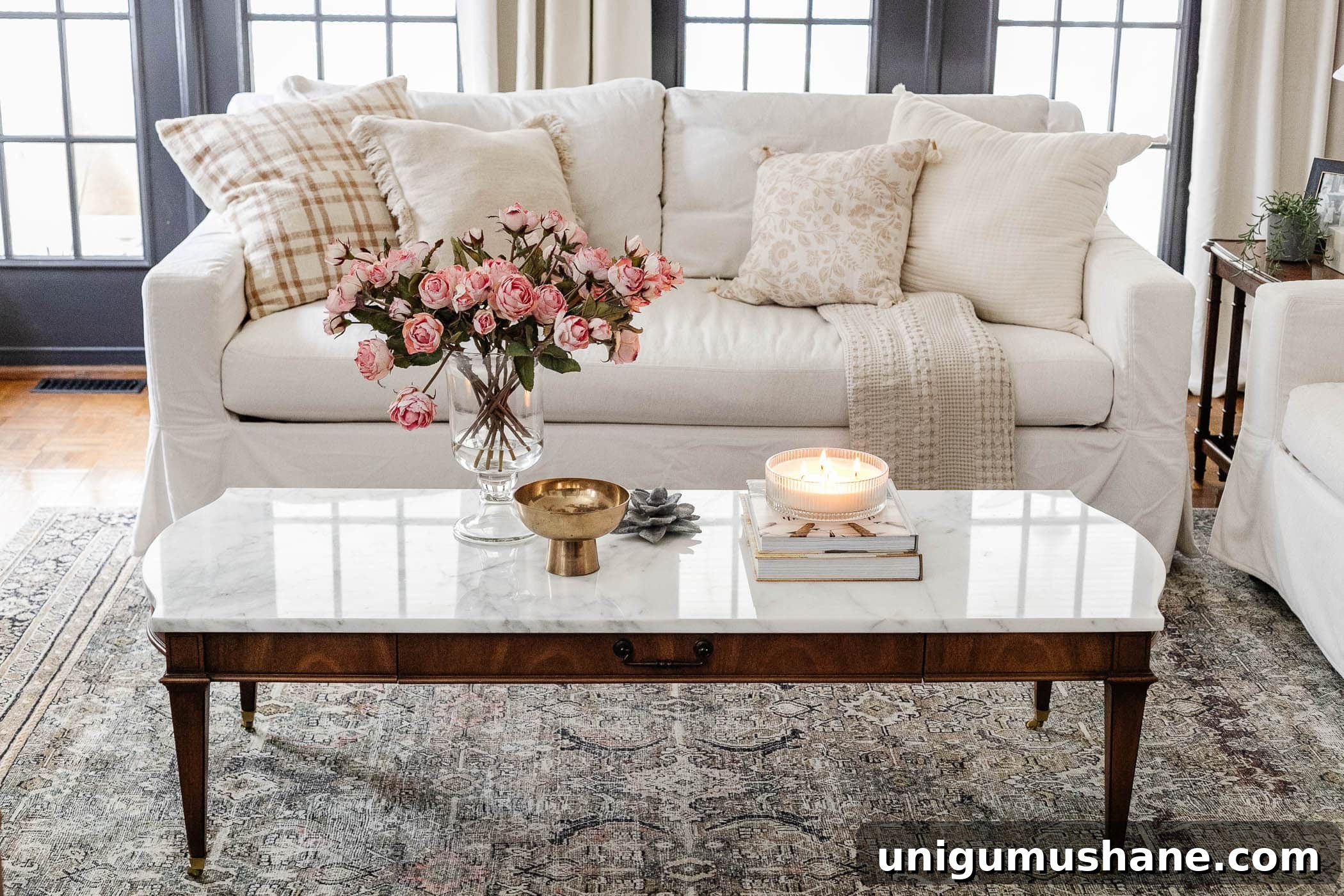
11. Hanging Picture Frames Too High
I used to hang art too high. Aim to hang artwork so the center is roughly 57″–60″ from the floor—this keeps pieces at a comfortable eye level and makes the room feel cohesive.
Related: Mistakes Most People Make When Hanging Picture Frames
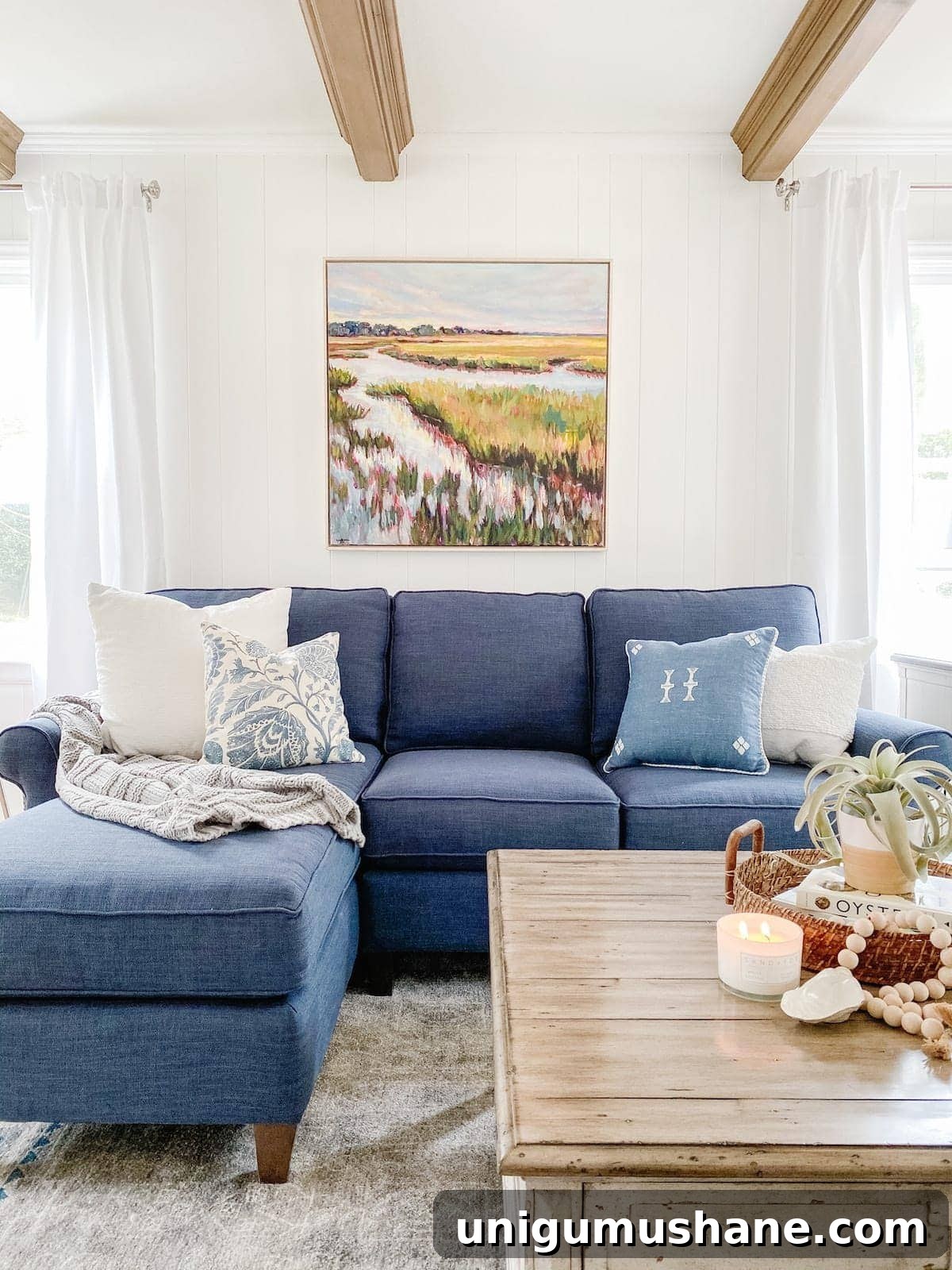
12. Not Using Any Color or Contrast
A palette of beige and greige can feel bland. I love neutrals, but they’re a great backdrop for color in accents. If you’re cautious, introduce blues or greens through pillows, art, or small furniture pieces—colors inspired by nature are easy to live with.
Related: Top Recommended Contrast Trim Paint Color Ideas
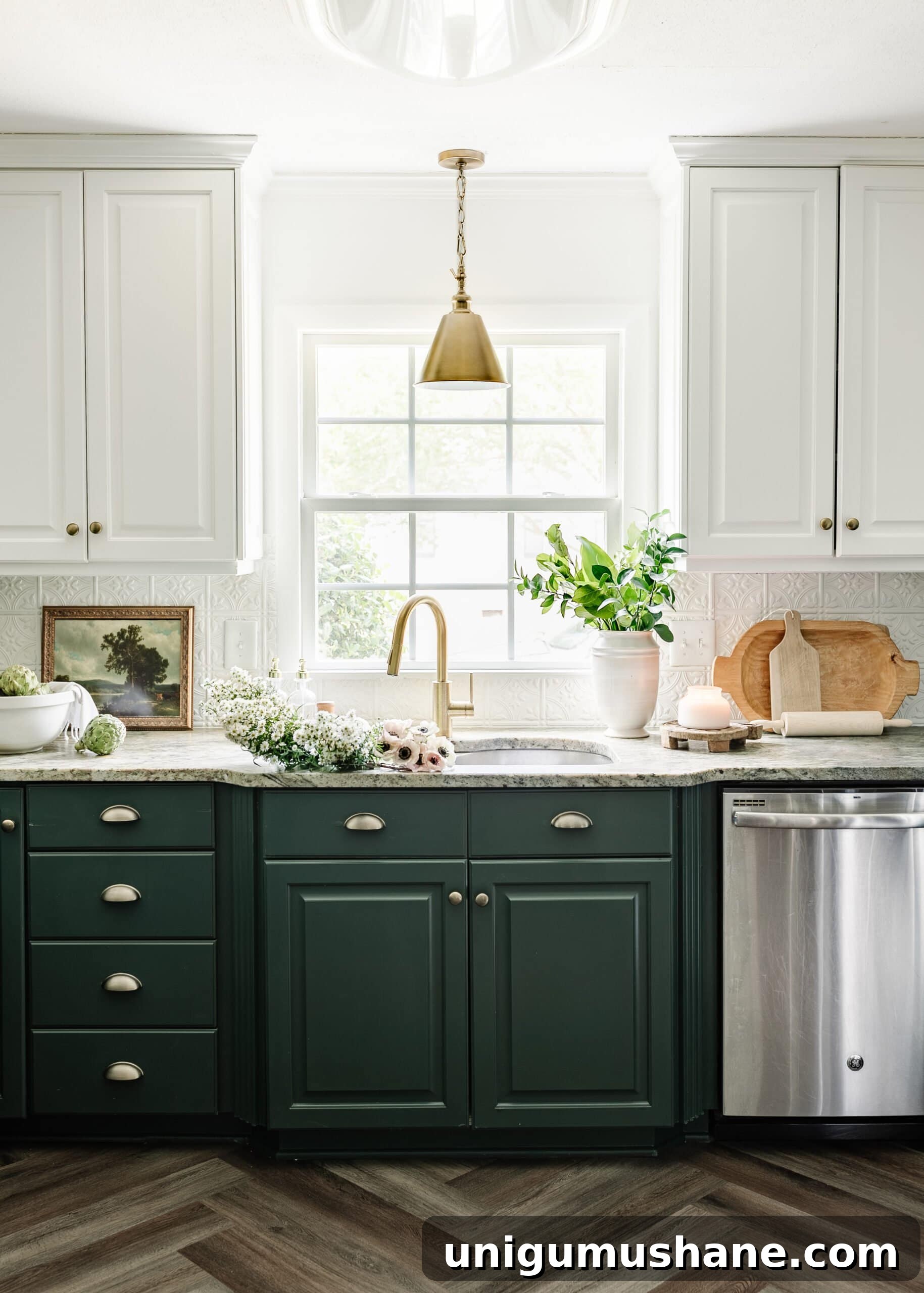
13. Hanging a Chandelier Too High
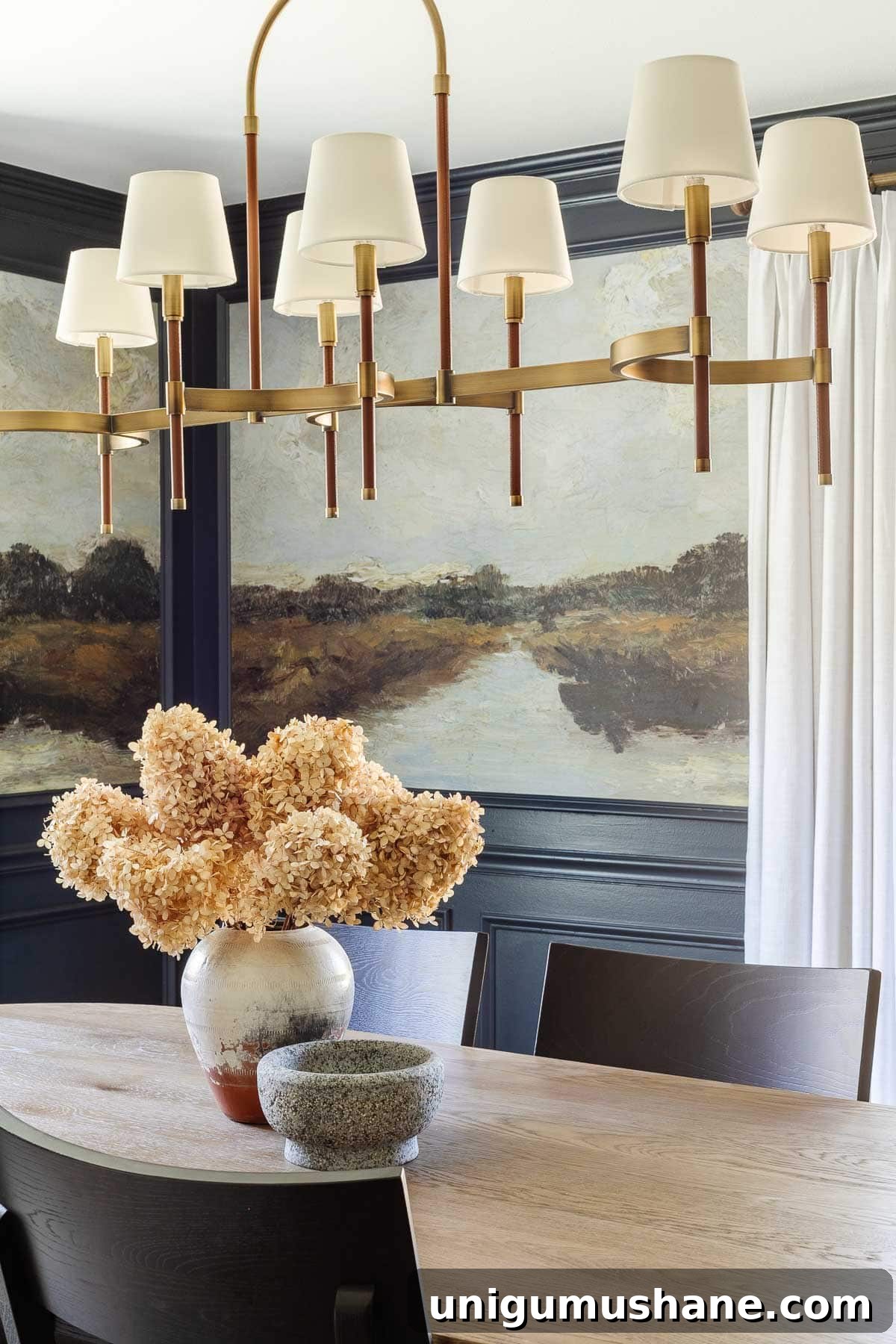
For an 8′ ceiling, hang a chandelier about 30″–34″ above the dining table. For taller ceilings, raise the fixture roughly 3″ for each additional foot of ceiling height so the scale feels right.
Related: Shaded Chandeliers for All Budgets: Splurge vs Save
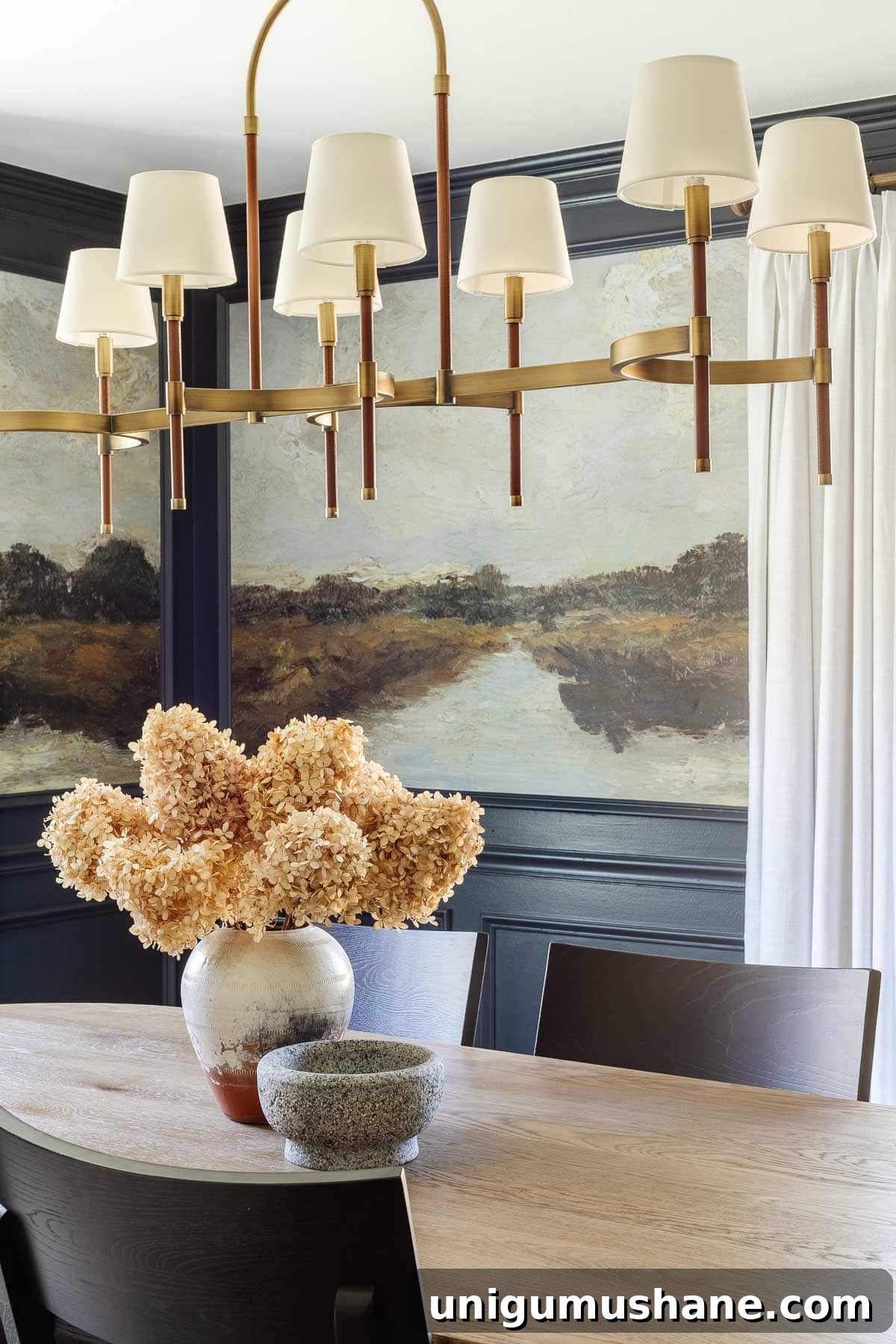
14. Hanging Curtains Too Low or Too Short
Hang curtains high and wide to make windows and rooms look larger. Mount the rod close to the ceiling—about 3″–4″ below crown molding—and extend the rod roughly 10″ beyond the window frame so panels stack off the glass. Curtains should lightly touch the floor or have a subtle puddle for an elegant finish.
Related: Best Luxury for Less Amazon Curtains & Window Shades
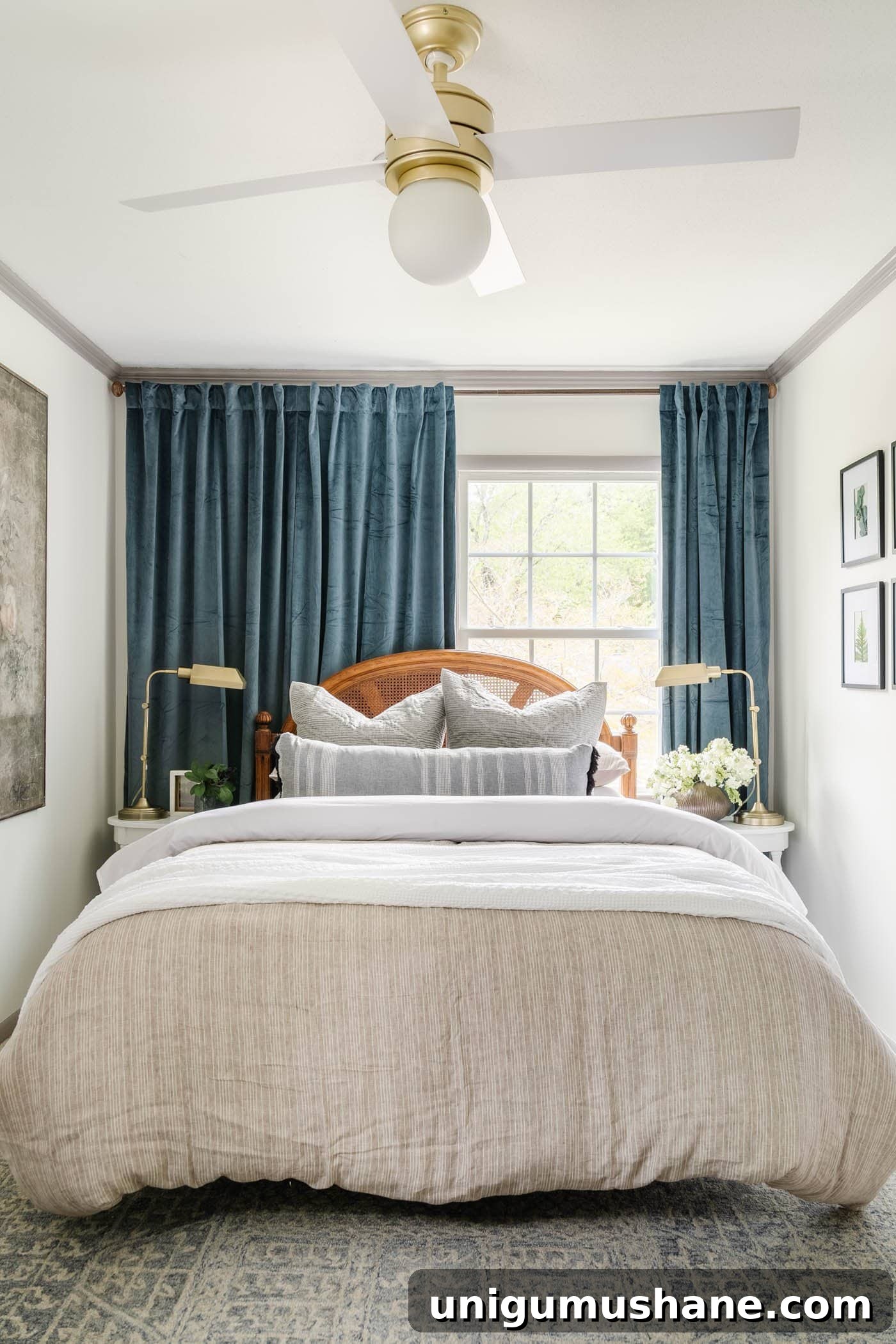
15. Relying Completely on Overhead Lighting
Layer light sources for warmth and function: combine overhead fixtures with table lamps, floor lamps, and task lighting. This creates a balanced, inviting atmosphere. I prefer bulbs around 3000K for a neutral, comfortable tone.
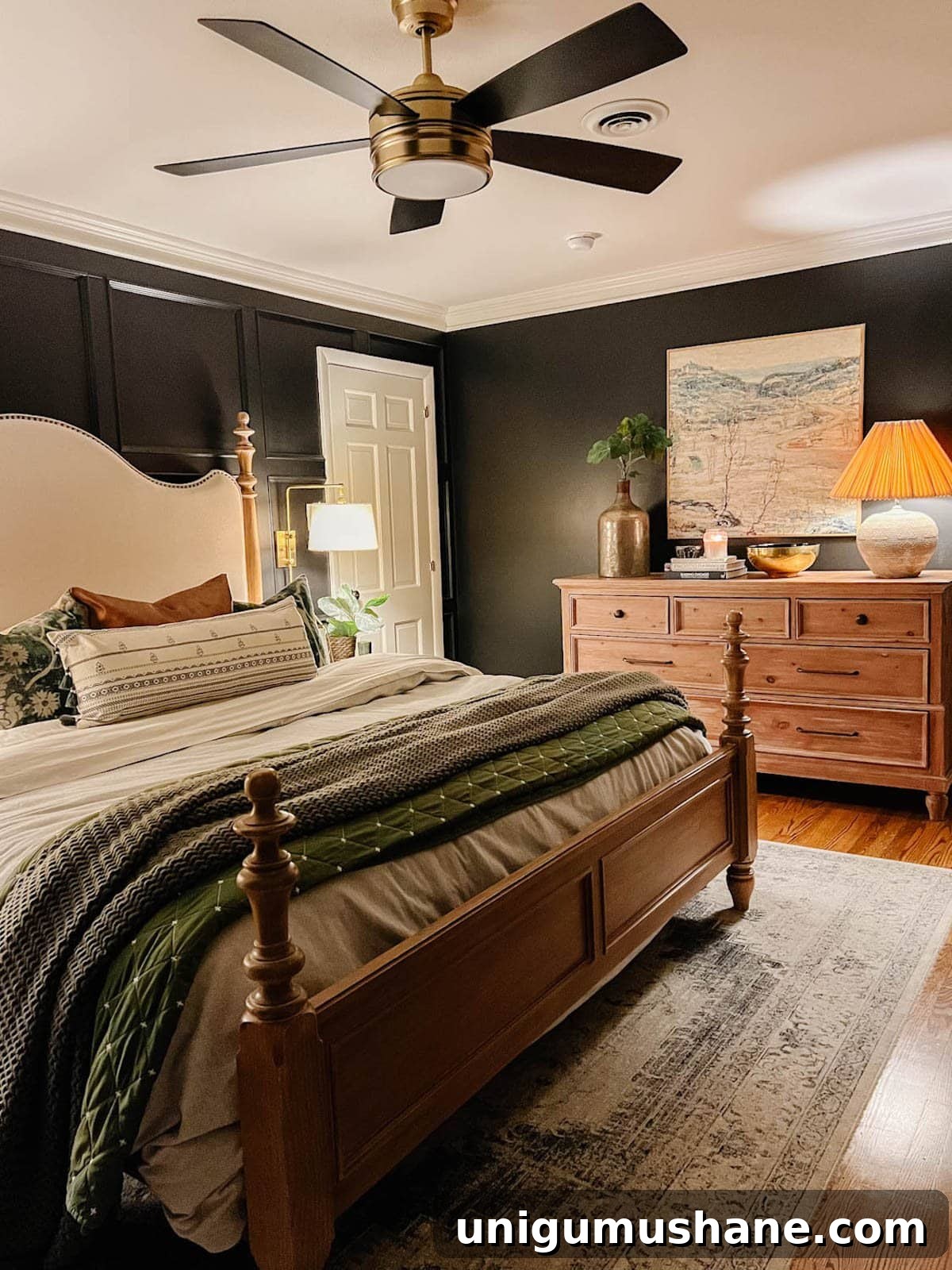
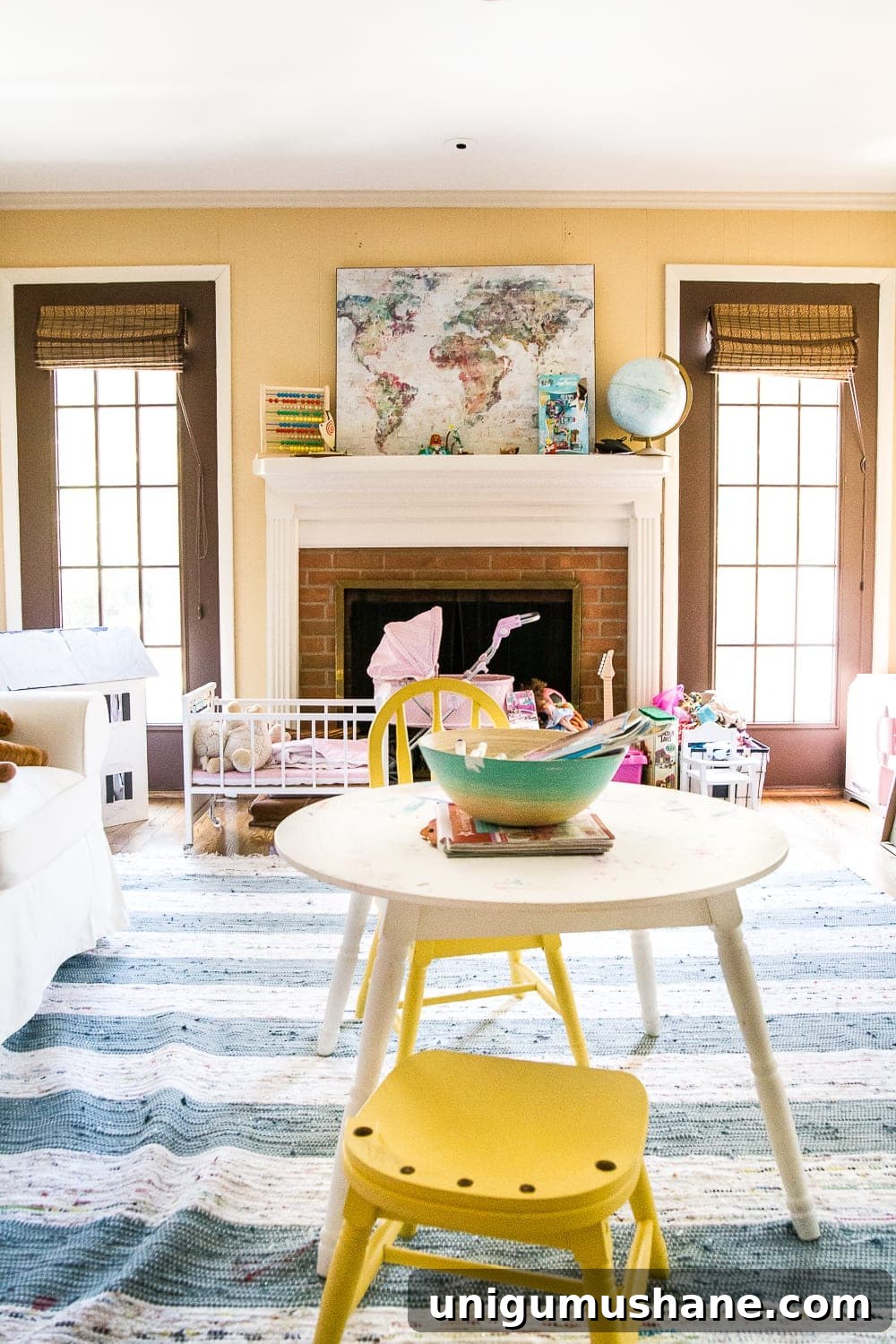
16. Not Decluttering Toys or Having a Toy Storage Solution
If toys take over your home, rotate them: store a portion and swap them out every few months to reduce clutter and renew interest. Donate excess toys before major holidays, and use storage furniture with bins and labels to keep play areas tidy.
Related: Secret Toy Storage in the Playroom + the Chicest Amazon Storage Furniture
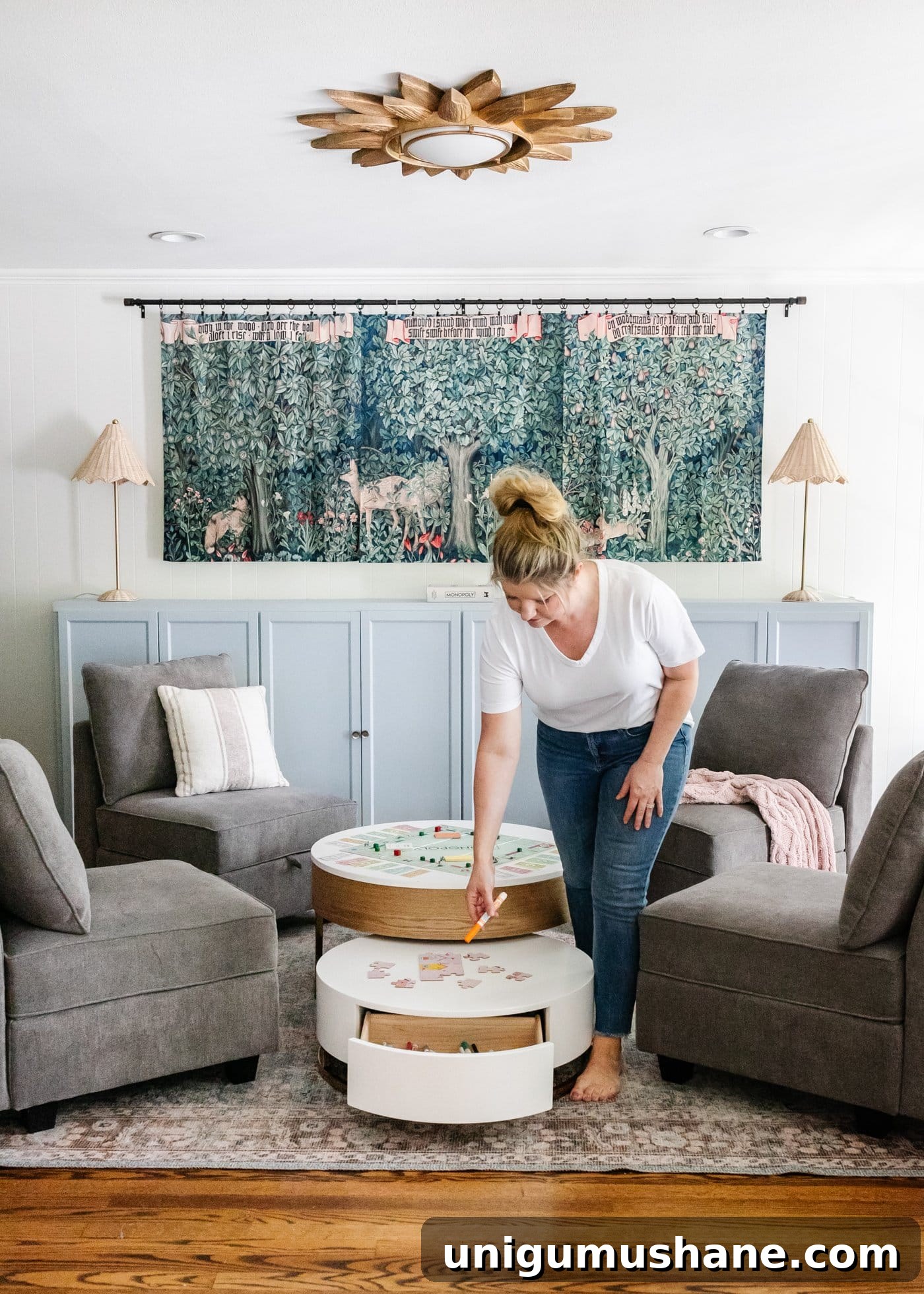
If I had known all of these tips when I started, I would have saved time and frustration. But making mistakes is part of the journey—try things, learn what you love, and keep improving your home.
If you have other decorating mistakes you’d add to this list, share them in the comments—your tip might help someone avoid a future cringe moment.
More Home Decorating Tips
How to Decorate a Room from Start to Finish in 13 Steps
Mistakes Most People Make When Hanging Picture Frames
40 Ways to Improve Your Home for Under $100