
I don’t usually play favorites, but if there’s one design decision I would happily make again and again, it’s choosing provincial-stained hardwood floors.
They feel classic, warm, and timeless—qualities that often get underrated in favor of flashier trends.
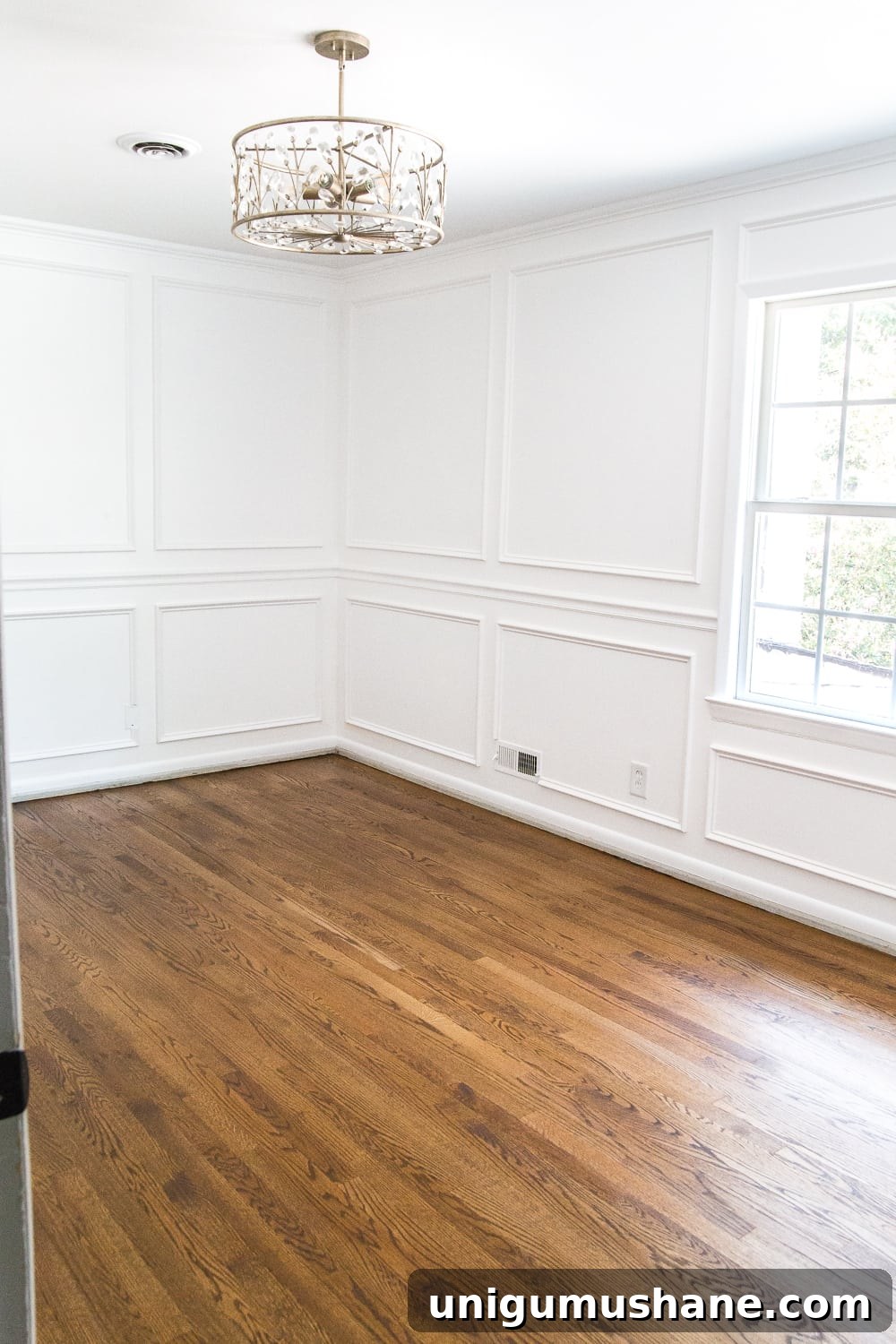
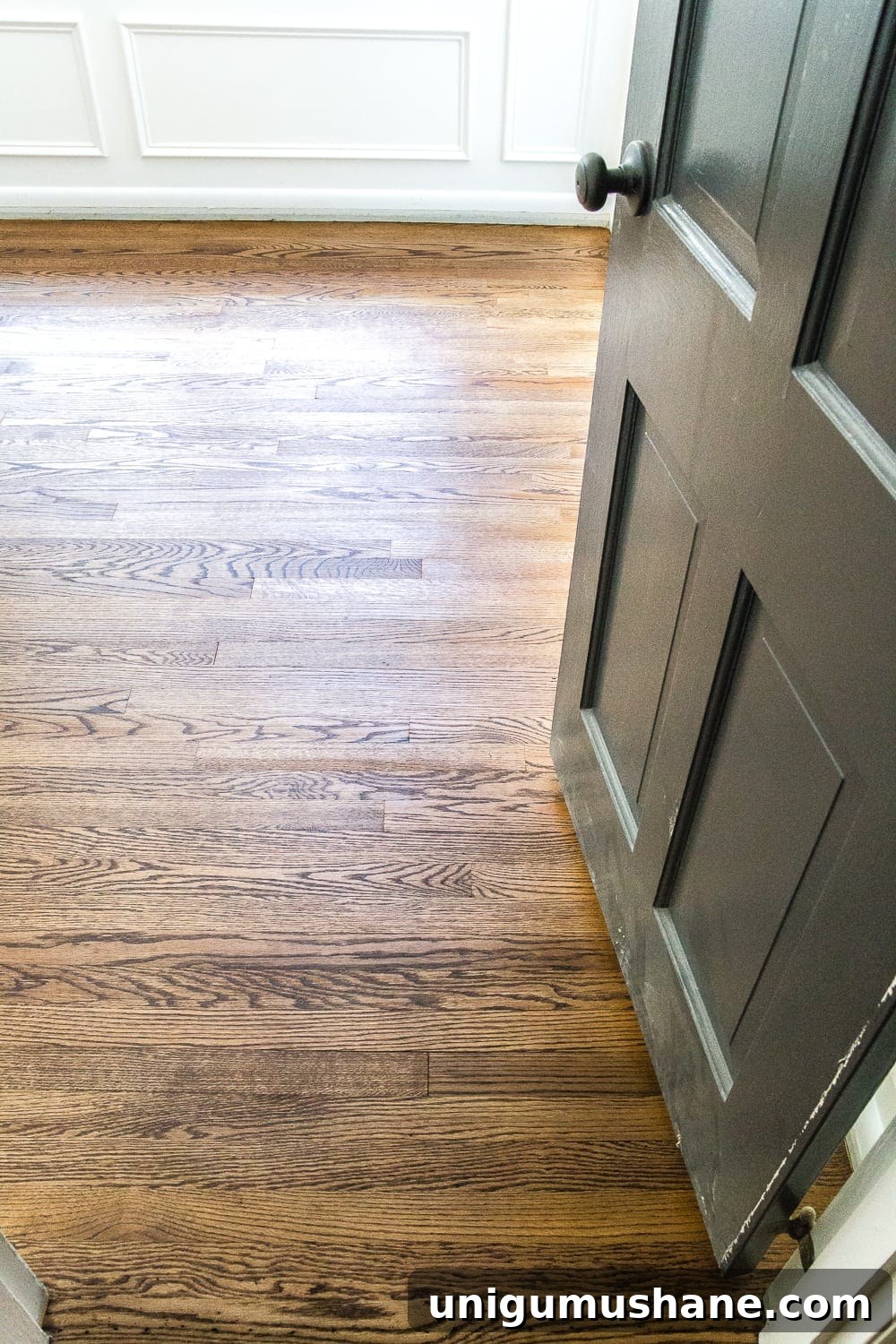
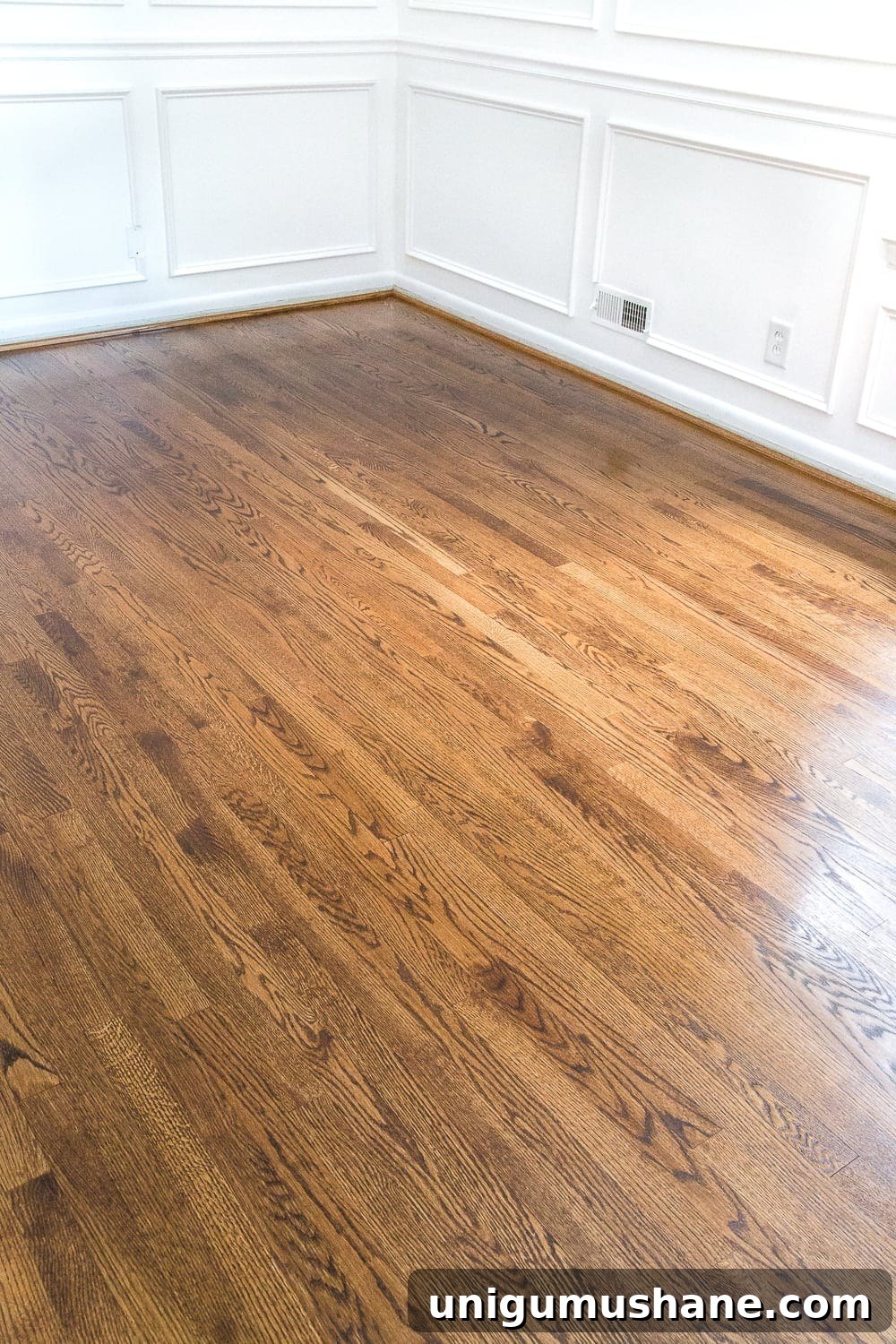
When we moved into our 1960 colonial, the original hardwood floors were one of the features that immediately felt like home. The tone was a medium brown that struck the perfect balance—not too dark, not too light, not orange or gray—just right. Choosing a wood stain is a decision that affects your home for years, so I always recommend leaning toward options that are timeless rather than trendy. Provincial stain is precisely that kind of choice.
A Color That Transcends Trends
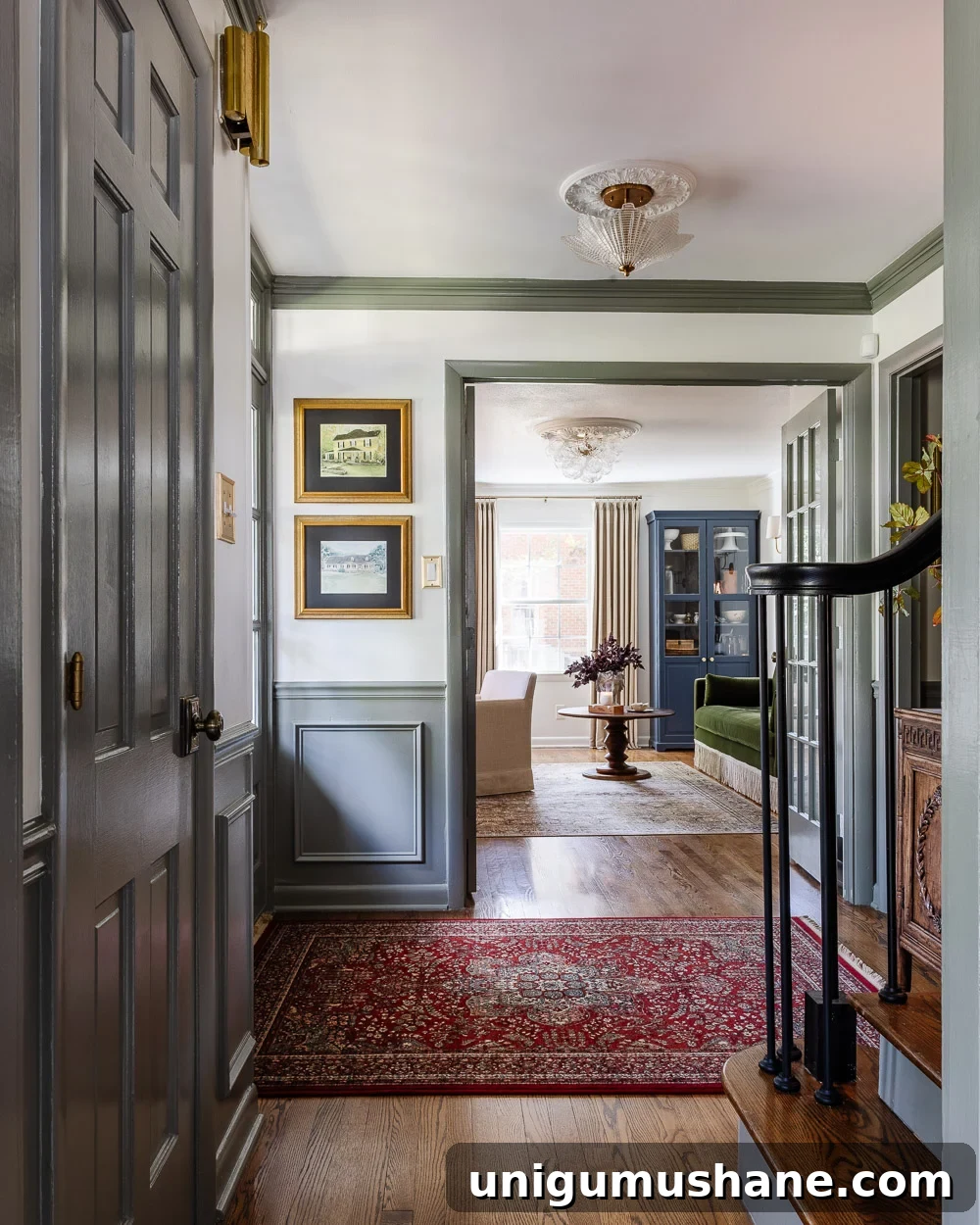
Over the last two decades I’ve seen a parade of popular finishes—pickled and bleached wood in the early 2000s, cool gray in the 2010s, and stark whitewashed planks more recently. Trends come and go, but our provincial-stained floors never looked dated. The color has a versatility that allows it to adapt as your style does.
Provincial is rich enough to give depth and bring out the wood’s natural character, yet soft enough to let the grain and texture remain visible. That balance means it complements many design aesthetics—from modern farmhouse and coastal to traditional colonial and transitional interiors. Because it plays nicely with whites, blacks, grays, natural tones, and occasional pops of color, you’re less likely to grow tired of it as your decor evolves.
A Perfect Match—Even After All These Years
When we refinished the hardwood in our daughter Regan’s bedroom seven years ago, I worried about matching the older planks. Matching different batches of wood can be complicated—different species, wear patterns, sun exposure, and aging all affect the final result. We had our contractor sand and restain the floor using Minwax Provincial, and the new boards blended seamlessly with the original flooring. Even today you wouldn’t know that room was ever separate from the rest of the house.
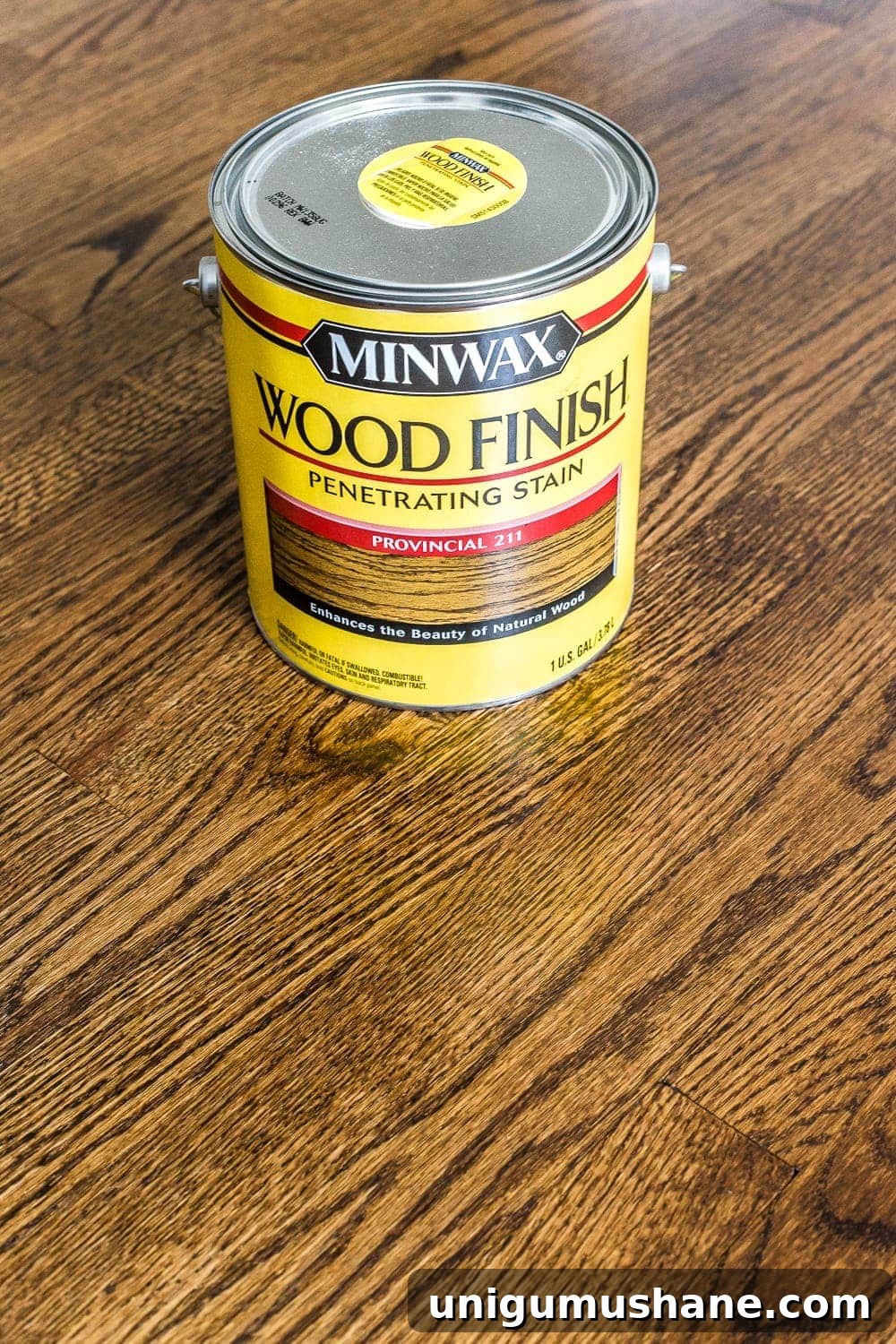
That experience proved how forgiving and reliable this stain color can be when you need continuity across old and new wood. Provincial tends to harmonize differences rather than highlight them, making it a practical choice if you plan piecemeal updates or have remaining original boards to tie into.
What We Still Haven’t Done (Yet!)
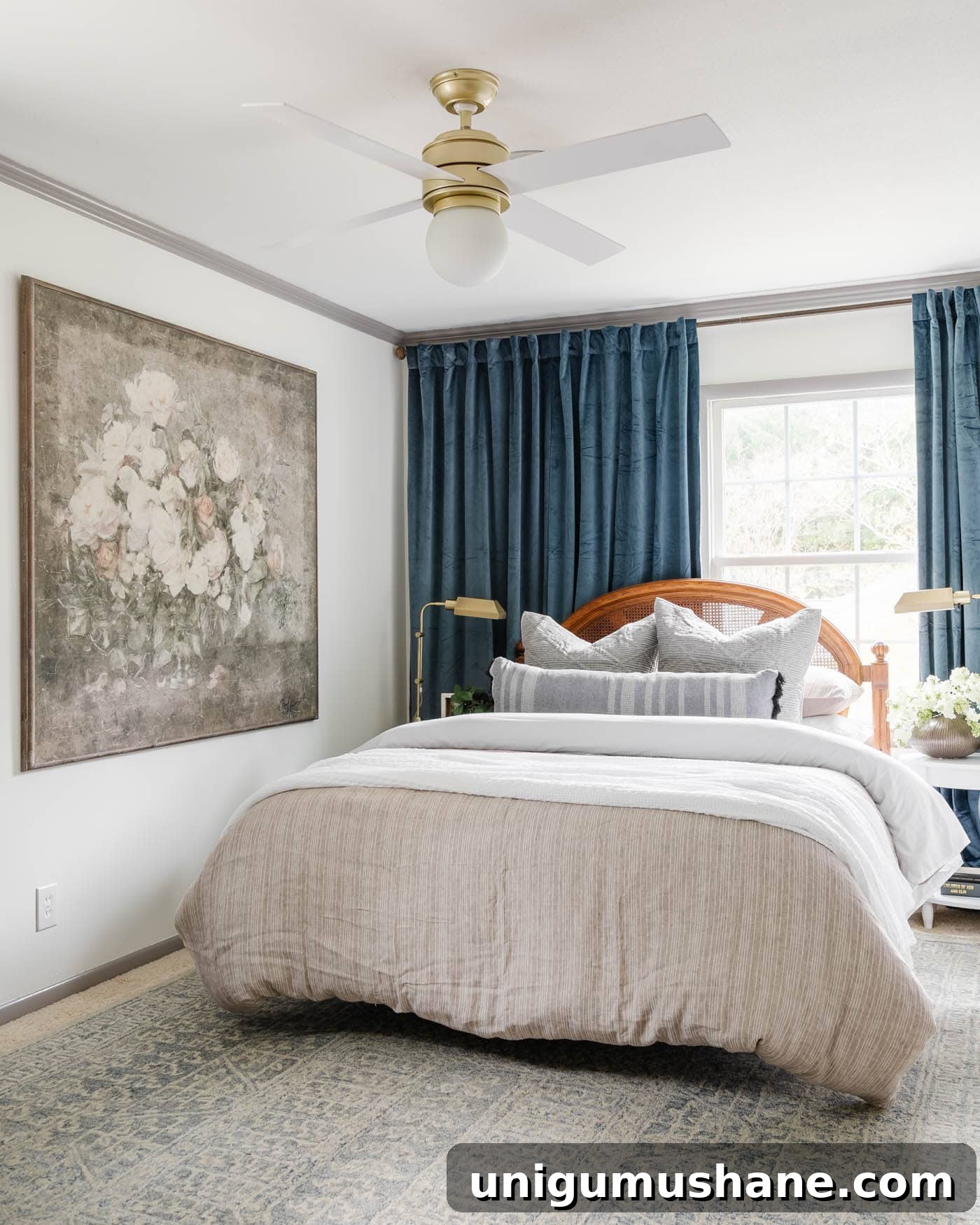
Under the carpet in our guest bedroom, there are original hardwood planks waiting to be revealed. It’s on our to-do list for later this year. When we pull up the carpet, we’ll sand and restain those boards to match the rest of the house—provincial, of course. I’m excited because once that room is finished, the floors will feel cohesive and complete, like the last puzzle piece snapping into place.
Why Provincial Stain Just Works
If you’re standing amid a mess of stain samples, here are the main reasons provincial is worth strong consideration:
- Timeless appeal – It’s not a fad; provincial remains elegant and classic as styles shift.
- Versatile warmth – The tone pairs with a broad palette and a variety of materials, from painted millwork to woven textiles.
- Practical look – It hides normal household dust and light wear better than very dark or extremely pale stains.
- Easier to match – When blending new and old boards, provincial typically creates a cohesive look without extensive trial-and-error.
- Enhances the grain – It highlights the wood’s natural character instead of covering it up, especially attractive on oak and similar species.
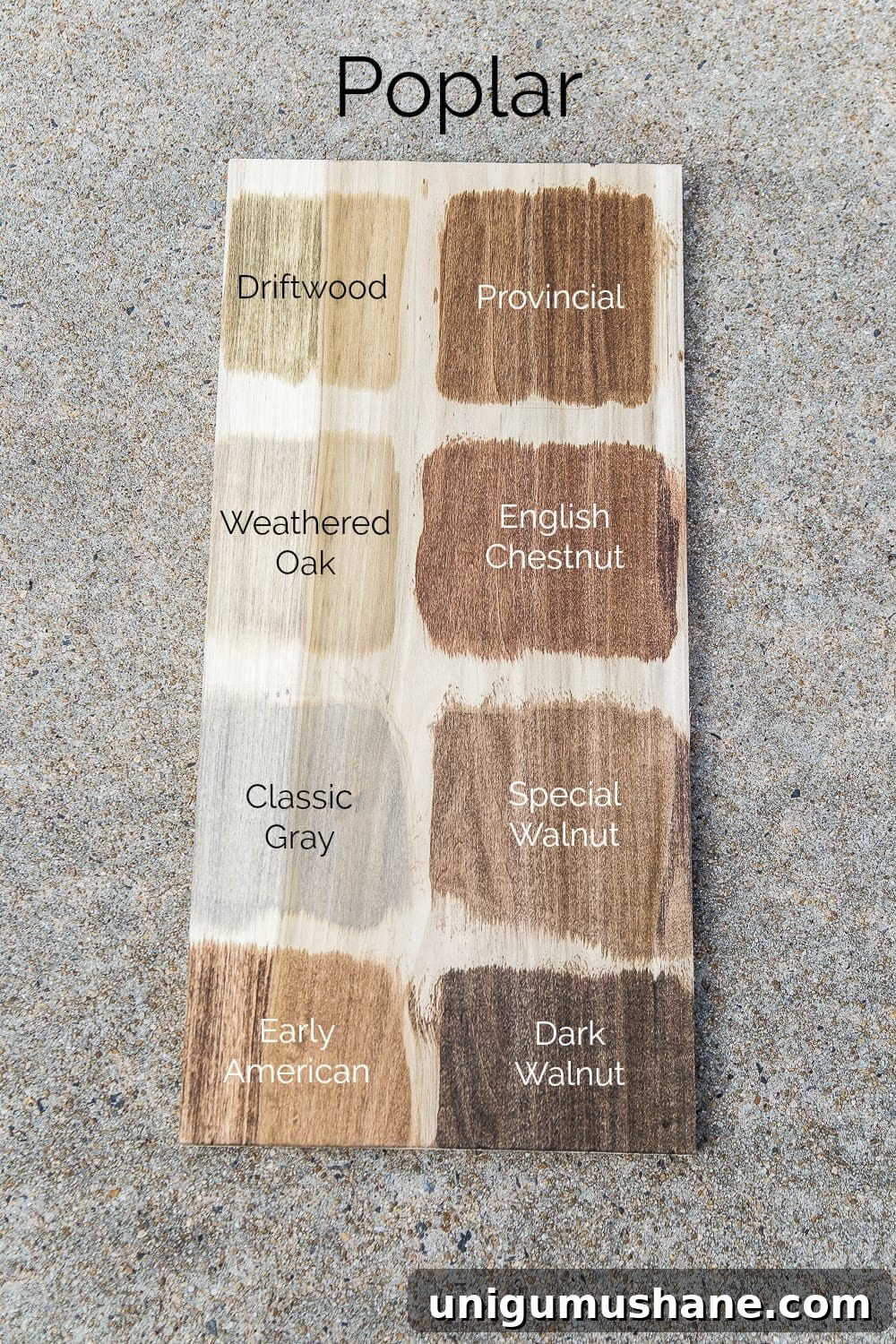
For a close alternative, Minwax Special Walnut offers a slightly lighter option that still feels enduring and balanced.
Final Thoughts
It’s tempting to be swayed by trendy finishes—whitewashed planks or deep espresso hues can look beautiful in photos—but when you step back and consider longevity, provincial stain checks a lot of boxes. Our floors have been in use for more than 60 years and still look strong and welcoming. If you’re choosing floors or planning a refinish, consider a provincial tone: it’s a practical, flexible, and stylish choice that tends to stand the test of time.
More Wood Stain Resources
- Best Deck Stain Color for a Neutral Driftwood Look
- How to Stain Over Stained Furniture Without Sanding
- Easy DIY Wood Stain Using Vinegar and Steel Wool