
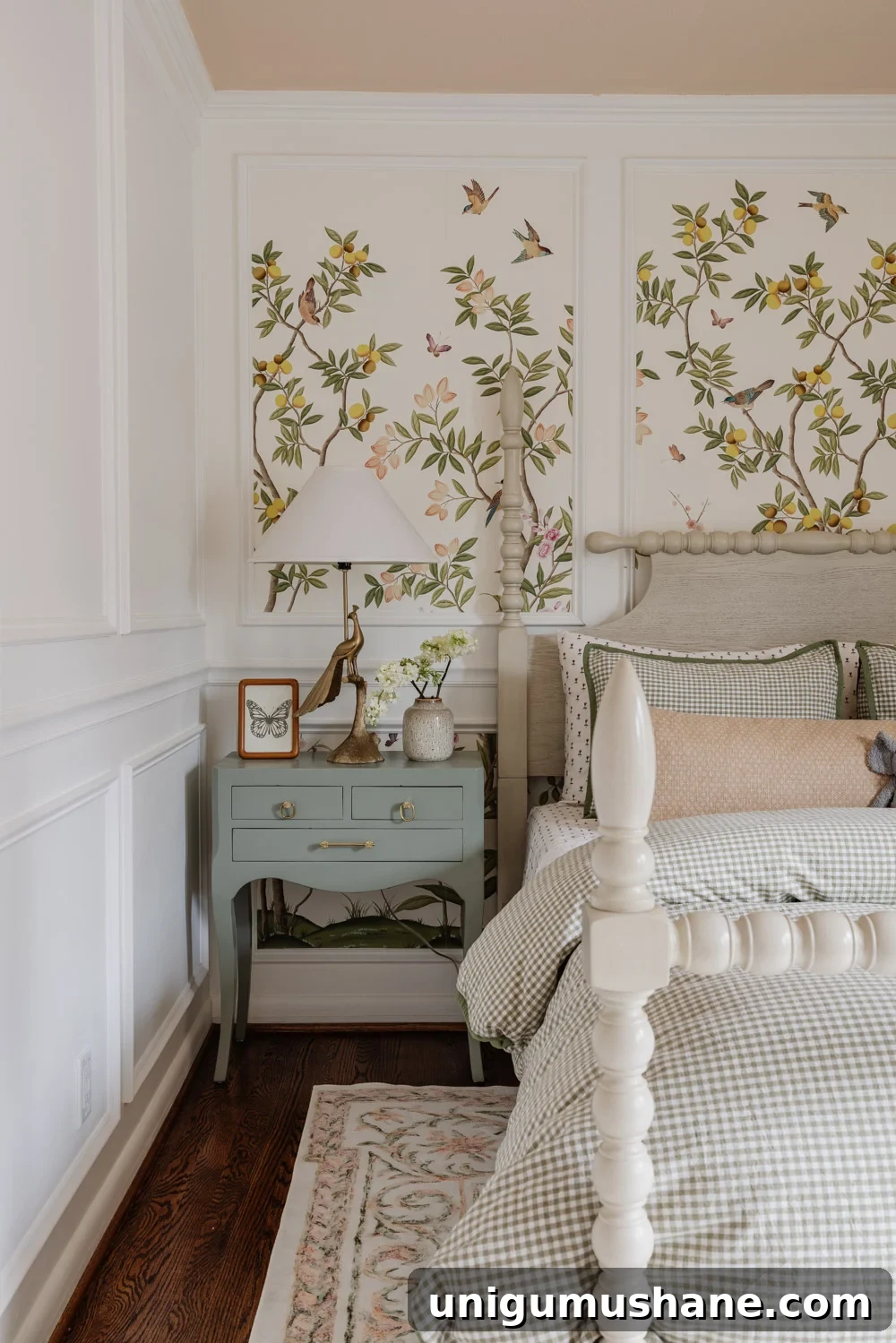
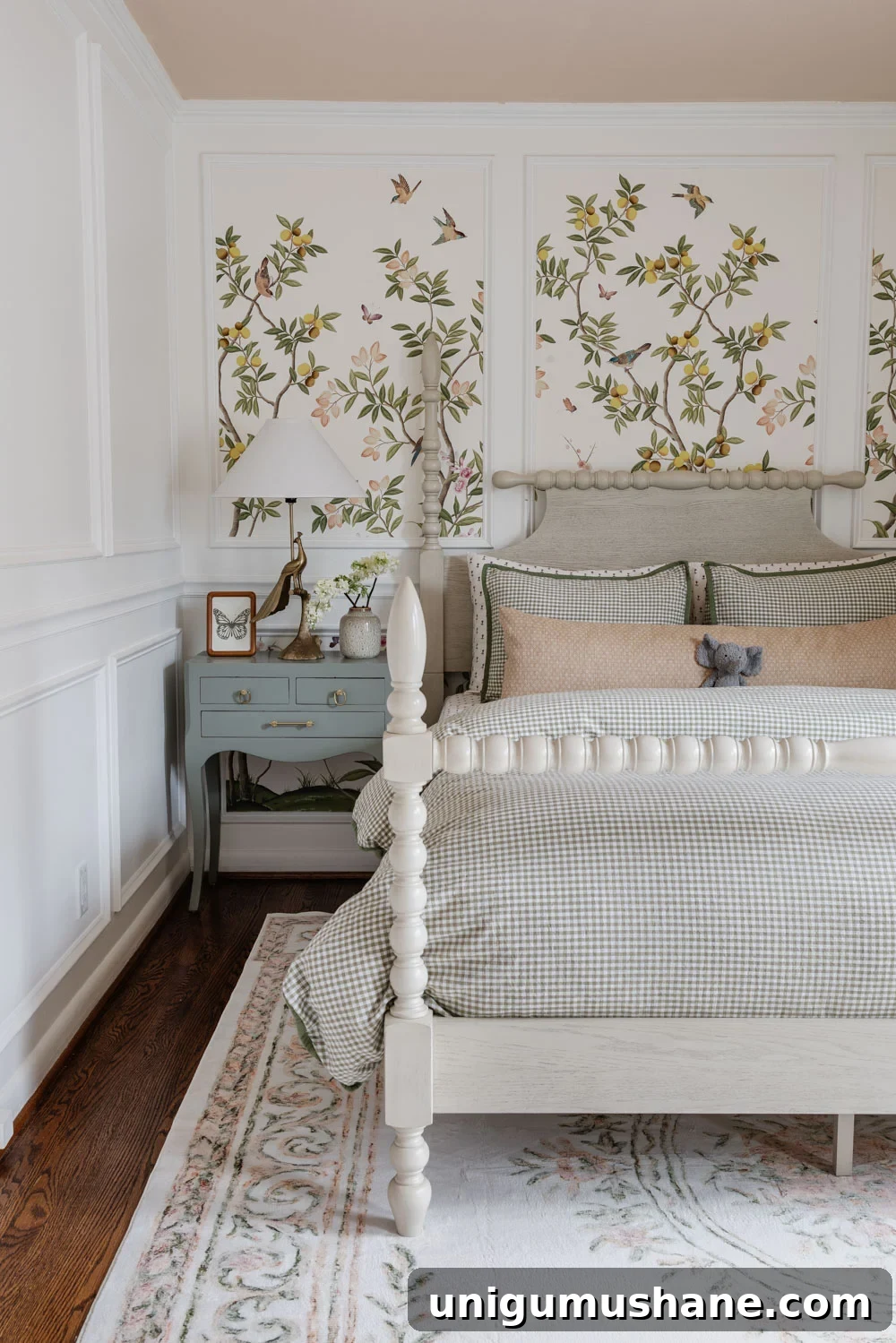
For a long time I assumed mixing patterns was an innate talent some people were simply born with. You know the ones: they pair floral wallpaper with striped curtains and a plaid pillow, and the result looks effortless instead of chaotic. Meanwhile, I’d be clutching a single patterned cushion, convinced that adding one more print would ruin the whole room.
Pattern mixing isn’t mystique or luck. It’s a repeatable process built on a few clear rules. Once you learn them, combining prints becomes less intimidating and surprisingly forgiving. After experimenting with floral wallpapers, geometric bedding, striped accents, and patterned pillows throughout my kids’ bedrooms and other rooms in our home, I discovered common principles that make a space feel layered and intentional.
1. Start With One Pattern You Absolutely Love
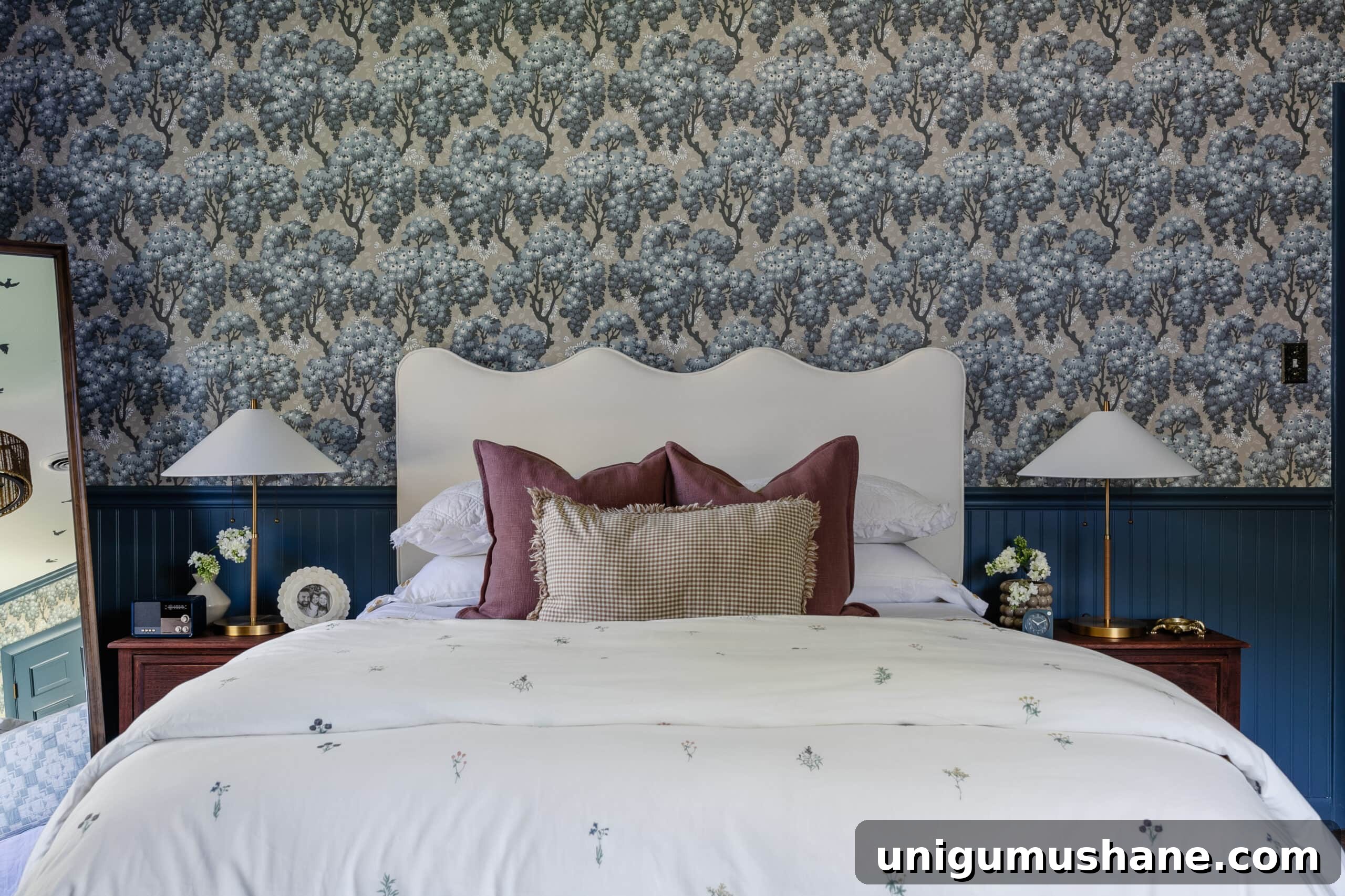
Trying to pick several patterns at once leads to overwhelm. Begin with one “hero” pattern that you genuinely love—a wallpaper, a rug, a duvet, or an eye-catching chair fabric. Let this pattern be your starting point and guide the palette and mood for the room. Once the hero pattern is set, choosing complementary prints becomes far easier because you can anchor choices to that single reference.
Related: Our Cottagecore Style Girl’s Room Makeover
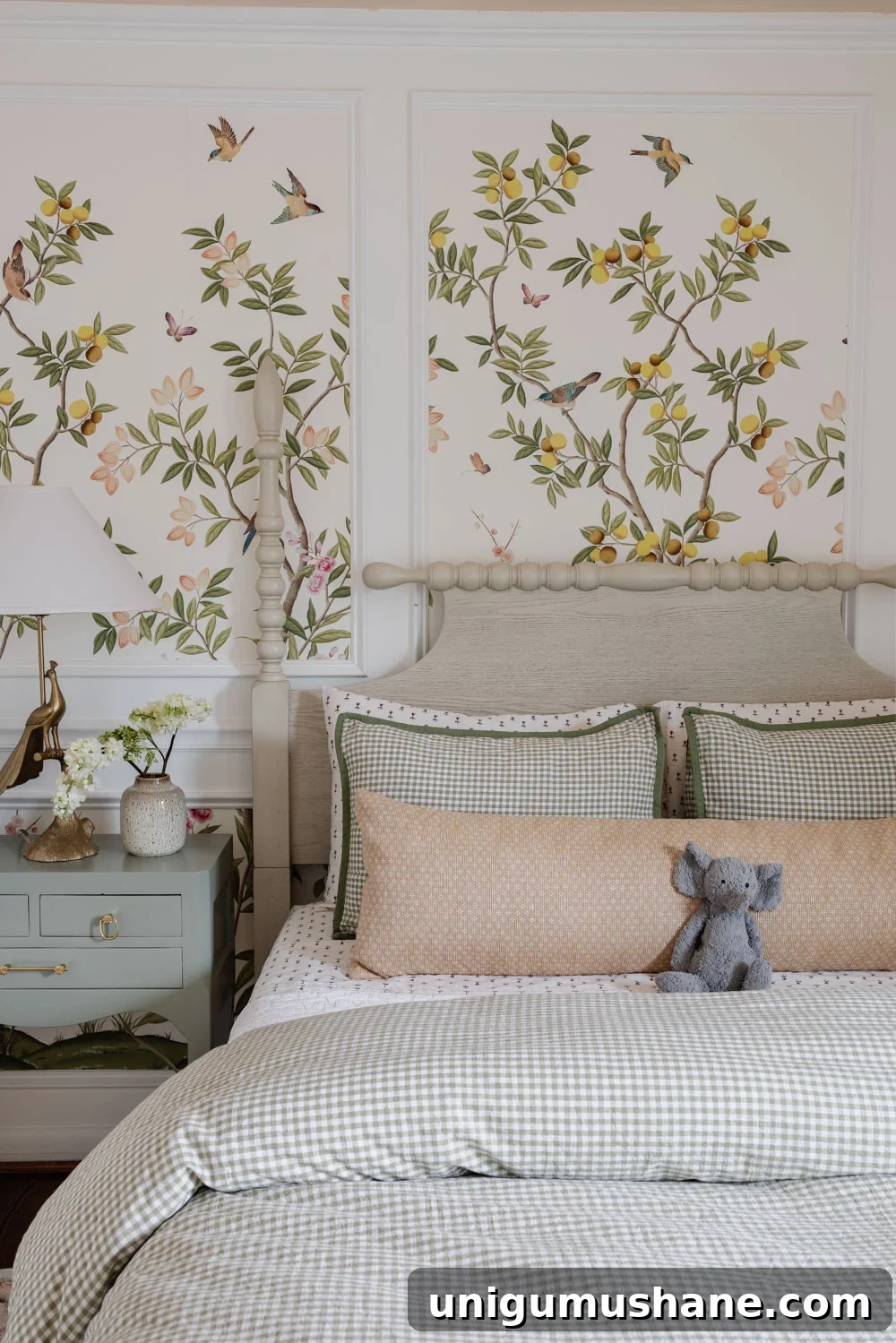
Shop: Regan’s Room
2. Mix Different Pattern Sizes
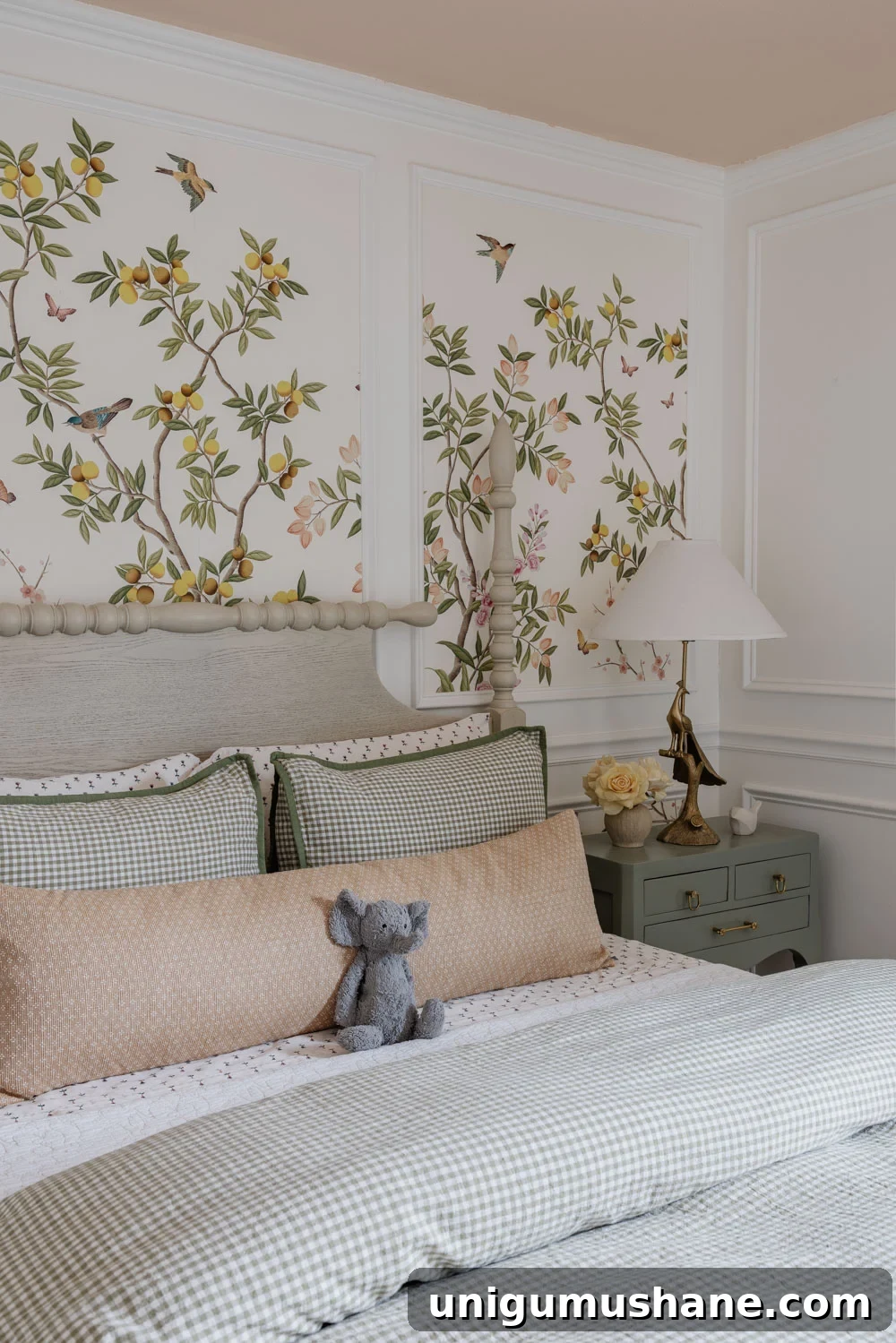
This is one of the most important rules. When every pattern has the same scale, they compete visually and the room feels noisy. Think of patterns like voices in a conversation: if everyone speaks at the same volume, nothing stands out. Combine a large-scale pattern, a medium-scale one, and a small-scale print so each design has space to read.
For example, pair bold floral wallpaper with a medium striped duvet and a small ditsy-print pillow. The variation in scale creates depth and prevents visual fighting.
3. Repeat Colors Throughout the Room
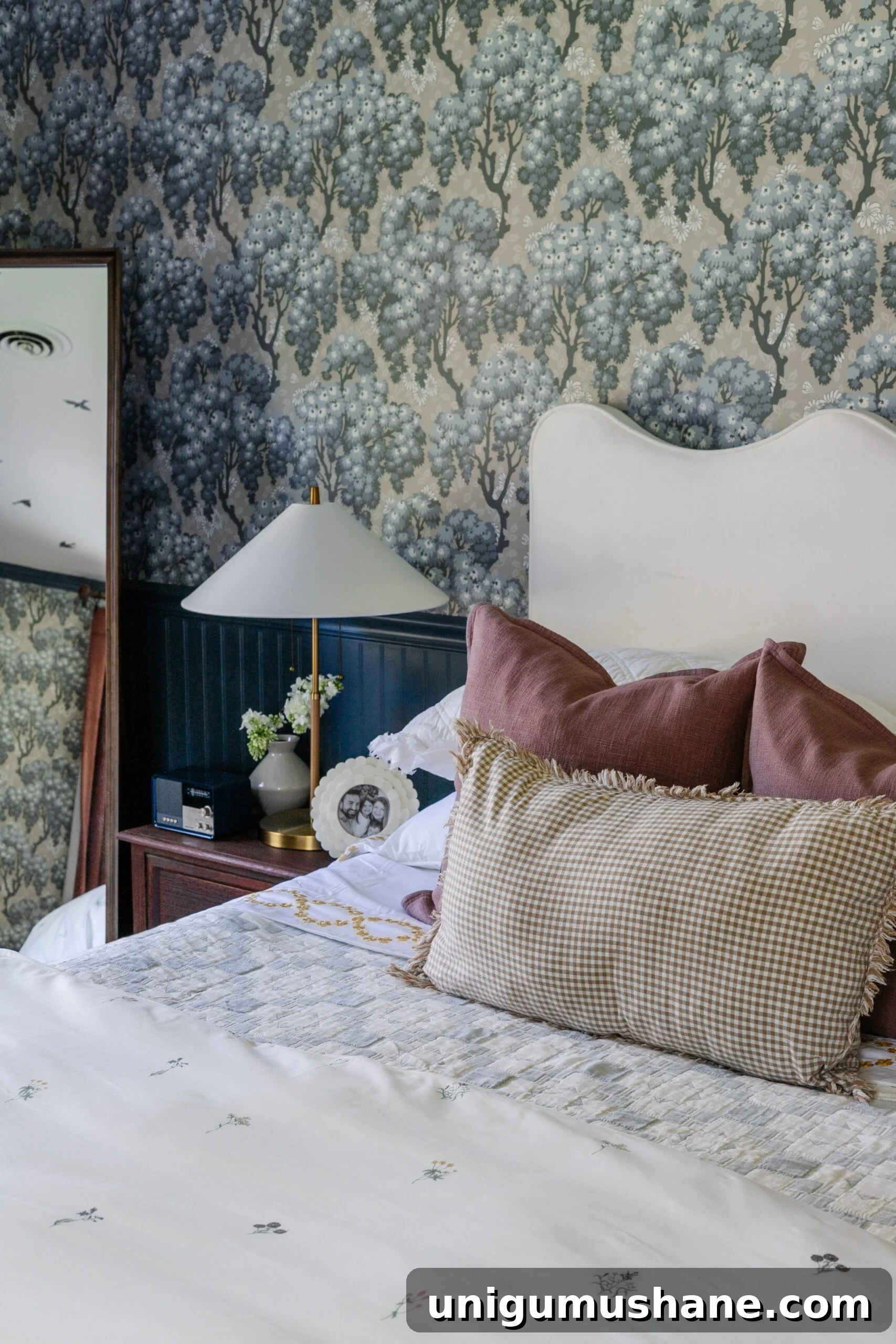
Color consistency is the glue that binds different prints. Even very different patterns will harmonize if they share a similar palette. If your wallpaper includes shades of blue, green, and ivory, echo those colors in bedding, pillows, rugs, and curtains. The repeated colors create cohesion so the eye perceives the room as a unified composition rather than a random assortment.
Think of color as the common language that lets diverse patterns communicate.
Shop: Olivia’s Room
4. Mix Structured Patterns With Organic Ones
Balance comes from contrast. Structured prints—stripes, plaids, checks, and geometric patterns—read as orderly and crisp. Organic patterns—florals, botanicals, watercolors, and nature-inspired motifs—feel softer and more fluid. Using both types together prevents a room from appearing too rigid or excessively sweet. One style grounds the space while the other adds movement and interest.
Structured patterns include:
- Stripes
- Plaids and checks
- Geometric prints
Organic patterns include:
- Florals
- Botanical and nature-inspired motifs
- Abstract watercolor designs
5. Don’t Forget About Solids
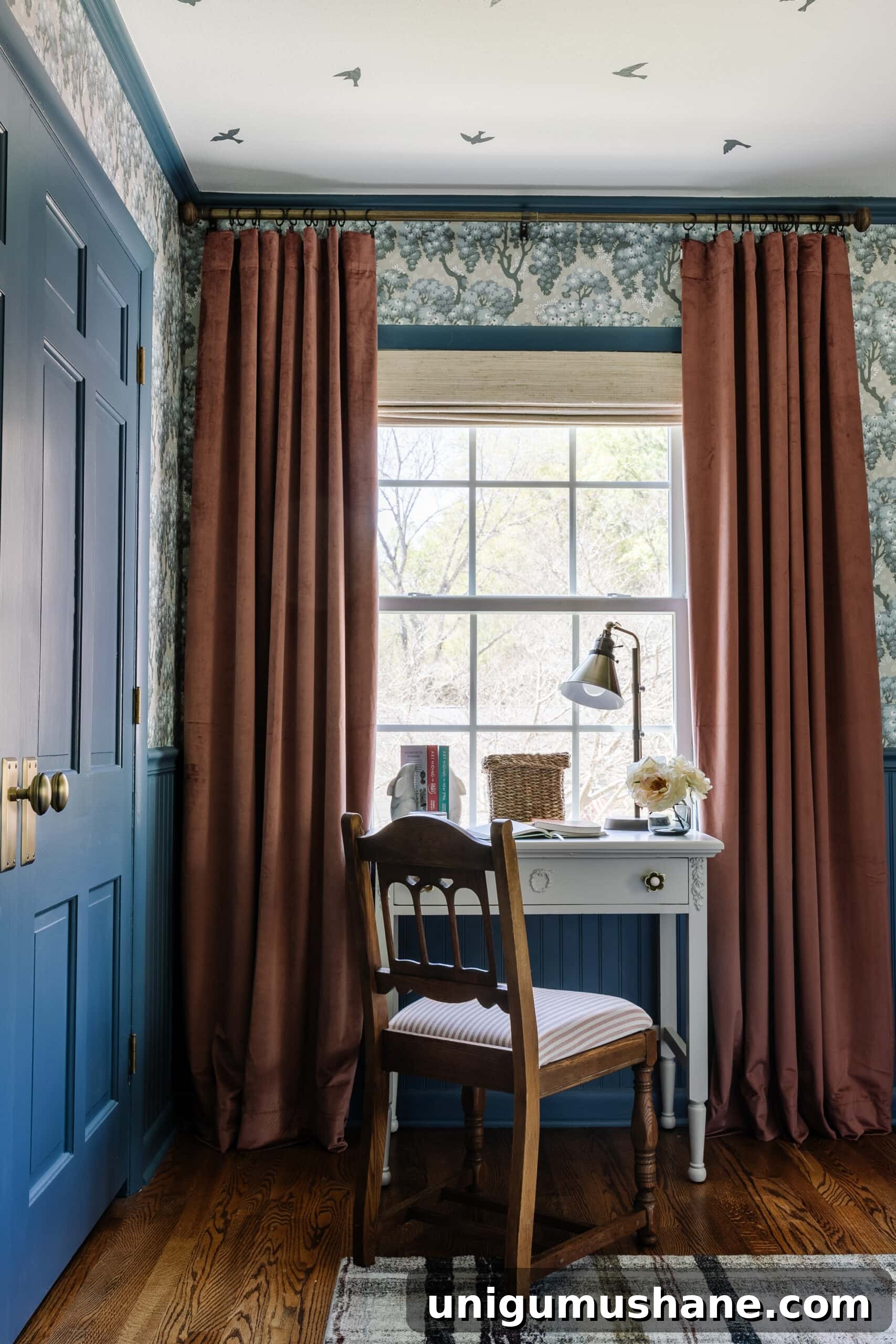
Solids are essential because they give the eye a place to rest. If everything in a room is patterned, the space soon feels cluttered. Incorporate solid bedding, painted furniture, neutral curtains, or a simple rug to create breathing room between prints. These calm elements act like punctuation—they make the patterned pieces read more clearly and give the overall composition balance.
6. Let One Pattern Be the Star
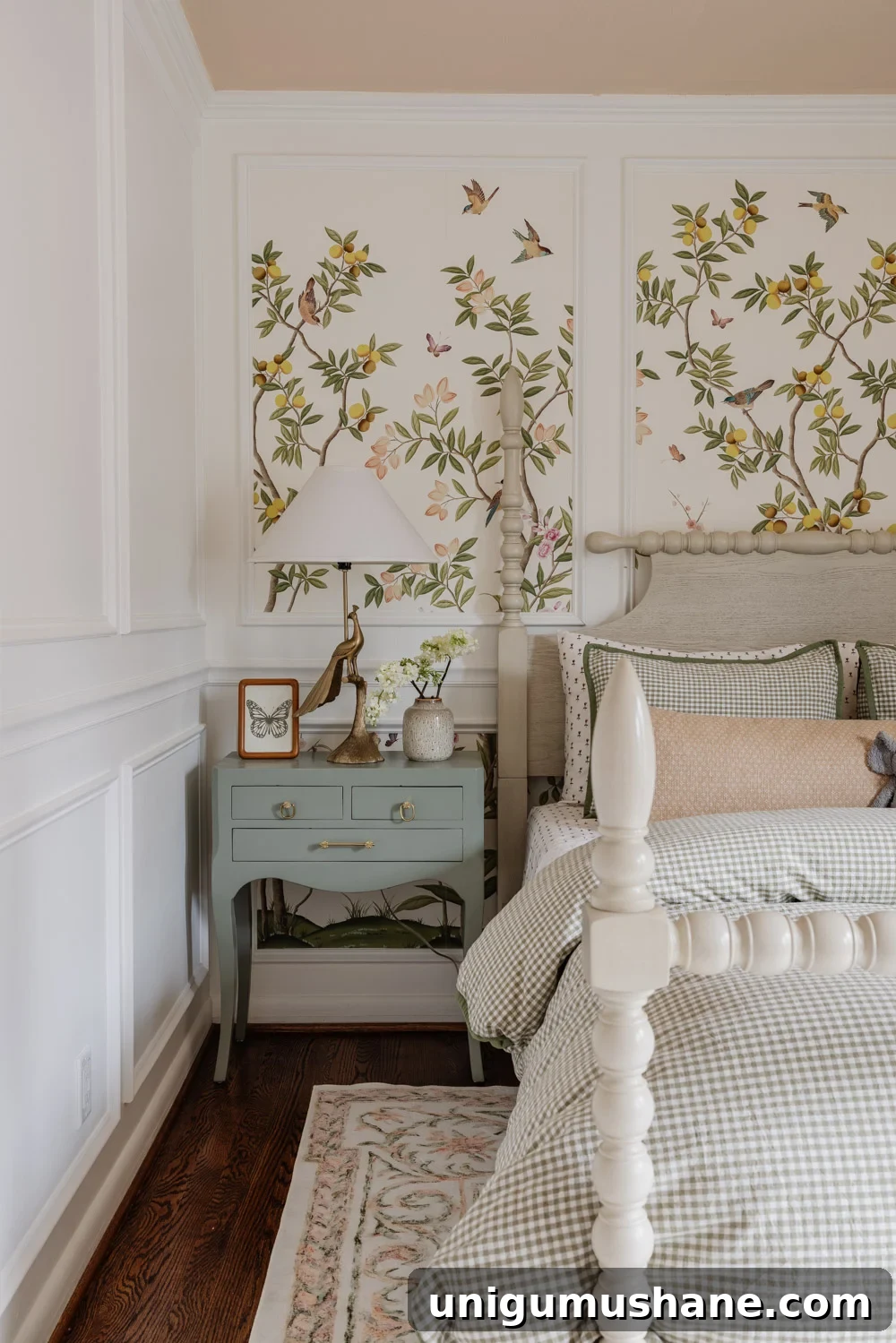
Every room needs a focal point. If every pattern vies for attention, the space becomes visually confusing. Usually the largest or most graphic pattern naturally claims the spotlight—often wallpaper, a rug, or a bold upholstered piece. Let that pattern lead, and use other prints to support it rather than compete. Ask yourself: which pattern do I want people to notice first? Make that the star and let the rest play supporting roles.
7. Trust the Process
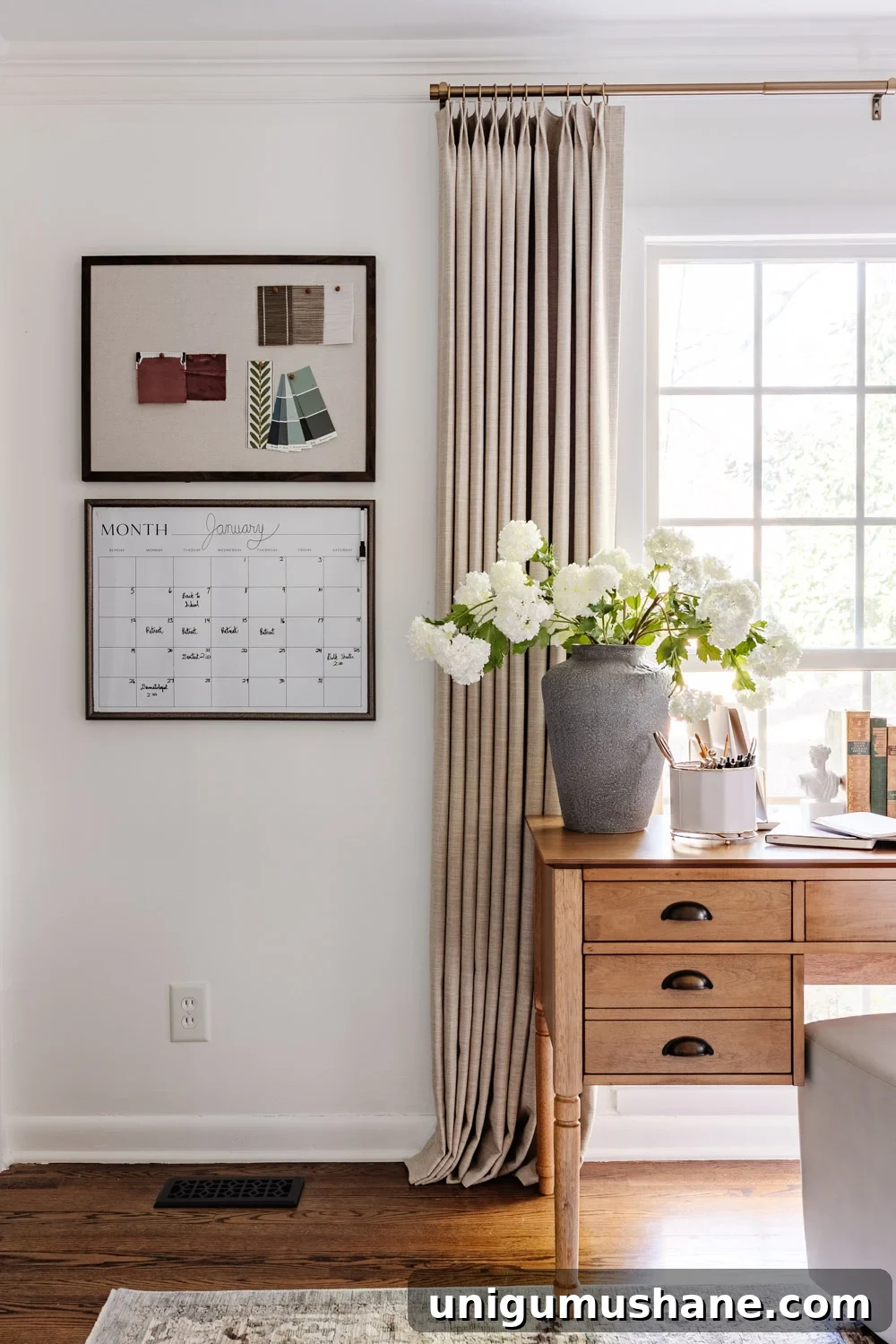
Pattern mixing often looks awkward midway through a project. You may add wallpaper, then a rug, then bedding and still feel unsure. That’s normal. The room typically comes together in the final layering stage—artwork, lighting, accessories, and solid elements unify everything. Don’t panic halfway through; trust that patience and the final touches will transform the space.
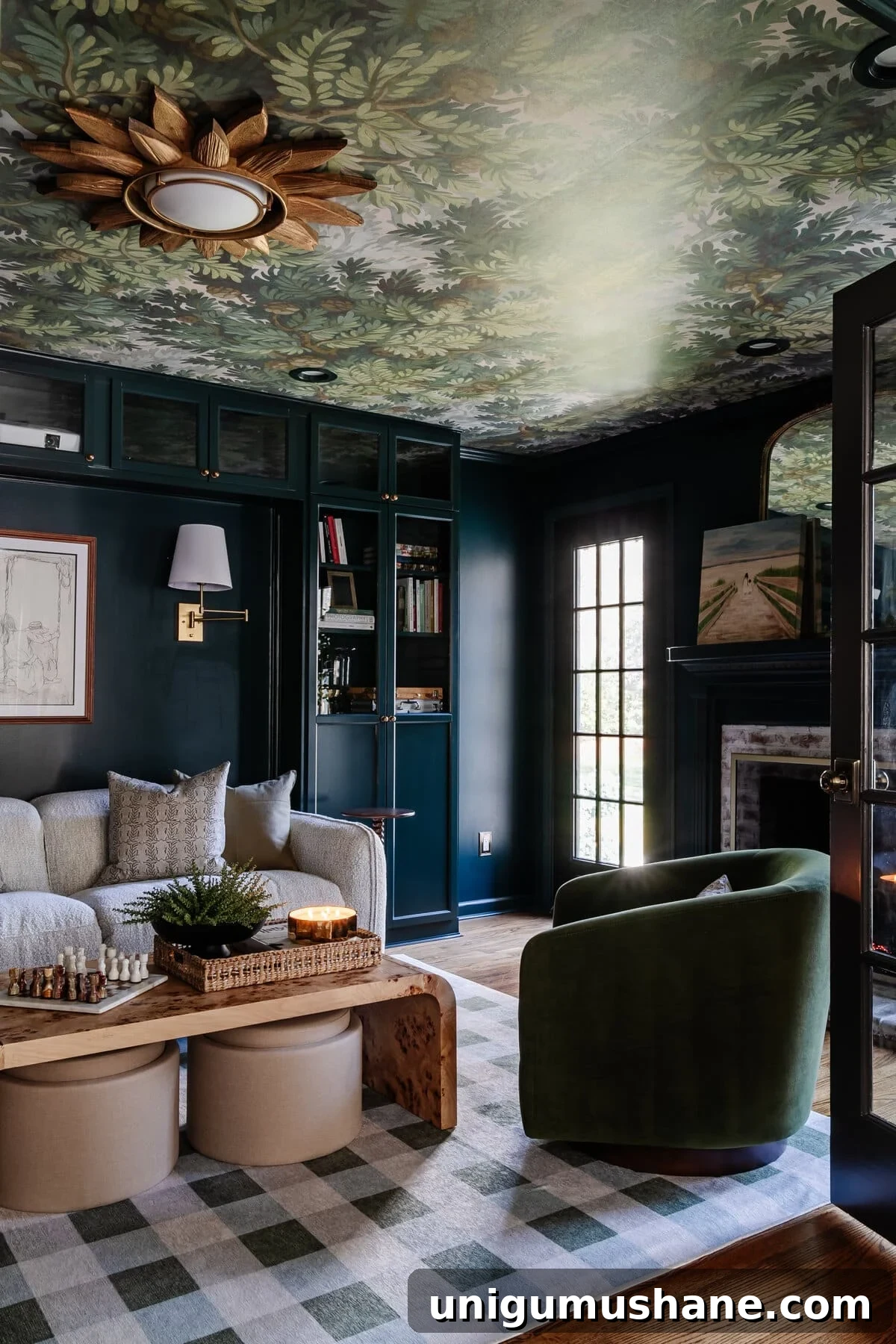
Shop Our Media Room
Source: Media Room Makeover Reveal
Pattern Mixing Is a Formula, Not a Talent
After years of decorating, I’ve learned that many techniques perceived as designer instincts are actually repeatable principles. Pattern mixing is one of those techniques. Focus on scale variation, repeated colors, a balance of structured and organic prints, and strategic use of solids. Those elements form a reliable formula that makes mixing prints approachable and even enjoyable.
With these guidelines, rooms that once felt out of reach become entirely achievable. Decorating isn’t about being born with an exclusive talent—it’s about learning the formulas that help a space work.
Want More Decorating Tricks the Pros Use?
- How to Layer Rugs + Rug Pairings That Always Work Together
- What to Put on a Coffee Table: My Go-To Decorating Toolkit
- 23 Clever Ways to Make a Small Room Seem Bigger