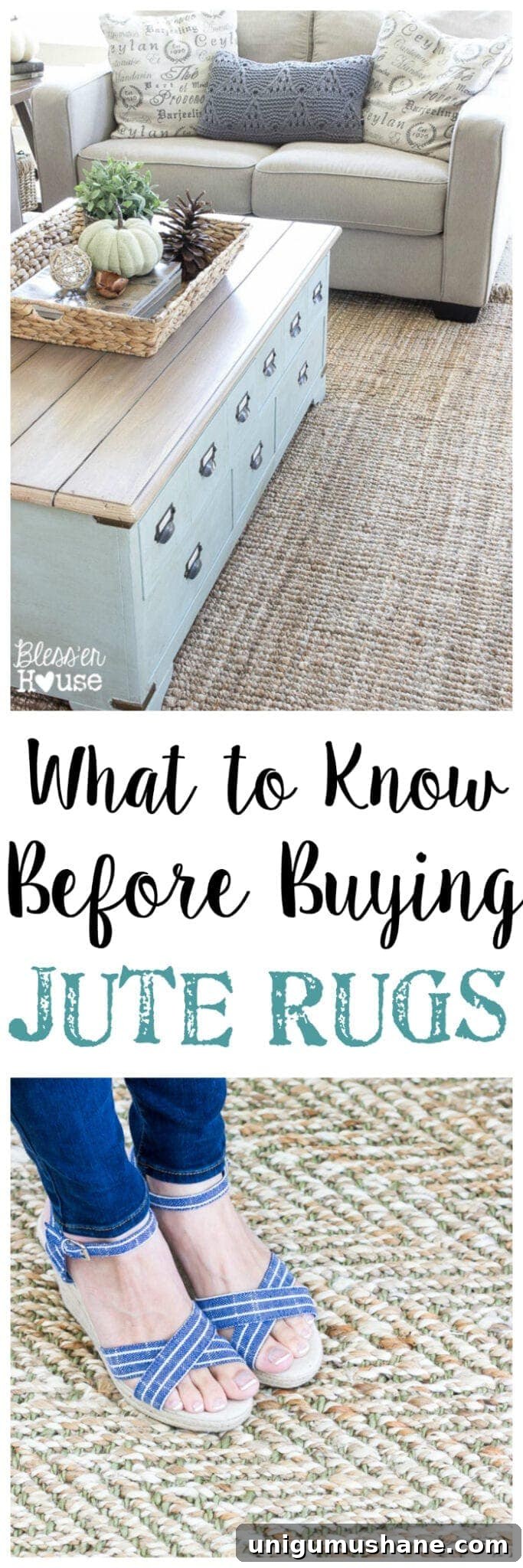
A totally honest review with the pros and cons for what to know before buying jute rugs along with where to buy them on a budget.
Affiliate links may be used in posts for convenience. For full disclosure, see my website.
My husband jokes about my rug obsession. He teases that when we move someday we’ll need a moving truck just for my collection. Maybe he’s half right. Rugs are my favorite finishing touch—the “sixth wall” that makes a room feel lived-in and cozy.
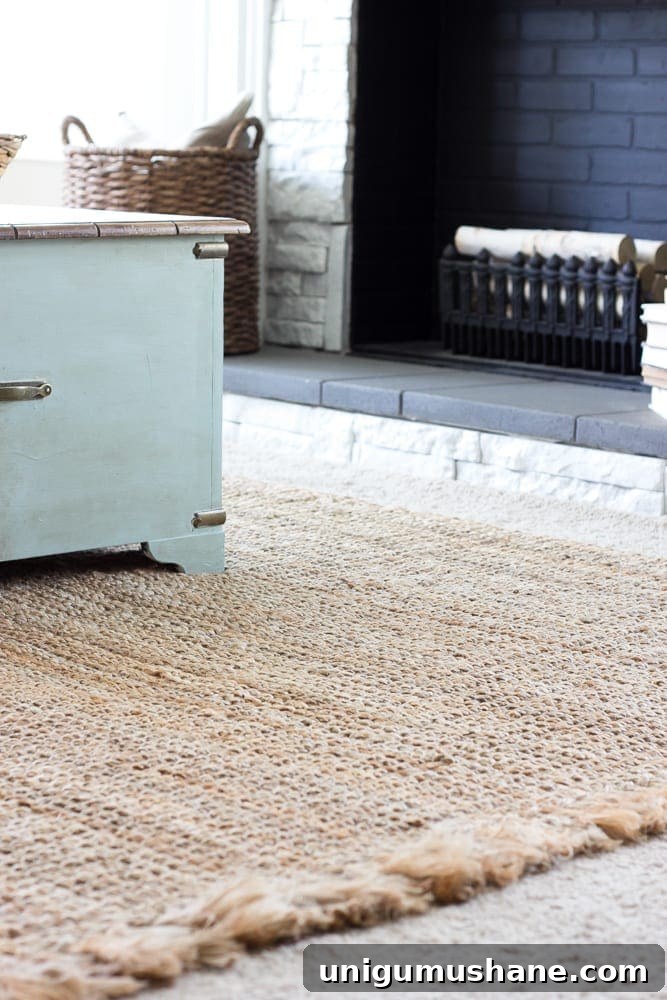
Of all the rugs I own, jute is my favorite. If you’re considering buying jute rugs, here’s an honest, practical guide based on what I’ve learned: how they feel, how they wear, cleaning and care, where to find budget-friendly options, and the pros and cons to keep in mind.
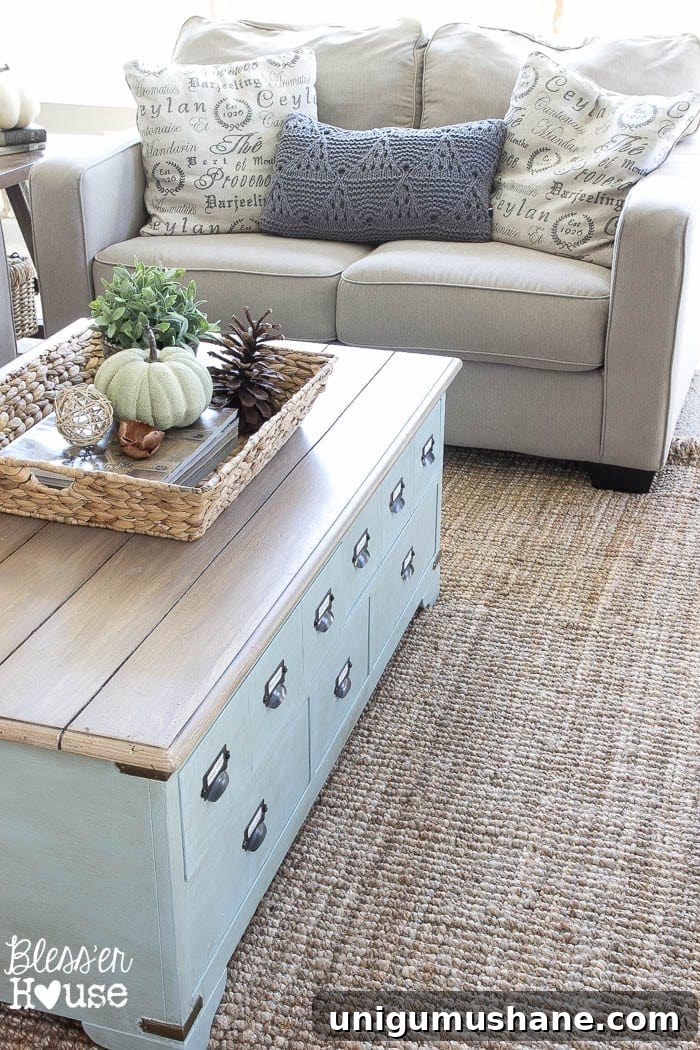
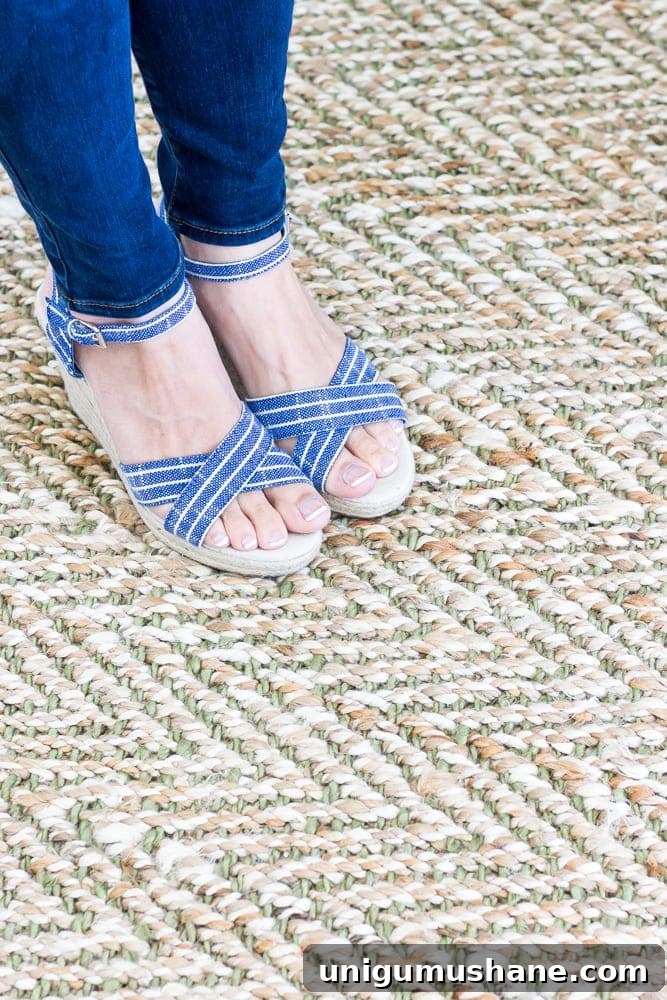
The first jute rug I bought was a chunky loop-style jute on clearance, and I immediately loved it. Jute isn’t as plush as a shag carpet, but the textured knots feel pleasant underfoot—more like a gentle foot massage than walking on prickly grass. They’re comfortable to stand on and add a natural, tactile layer to any room.
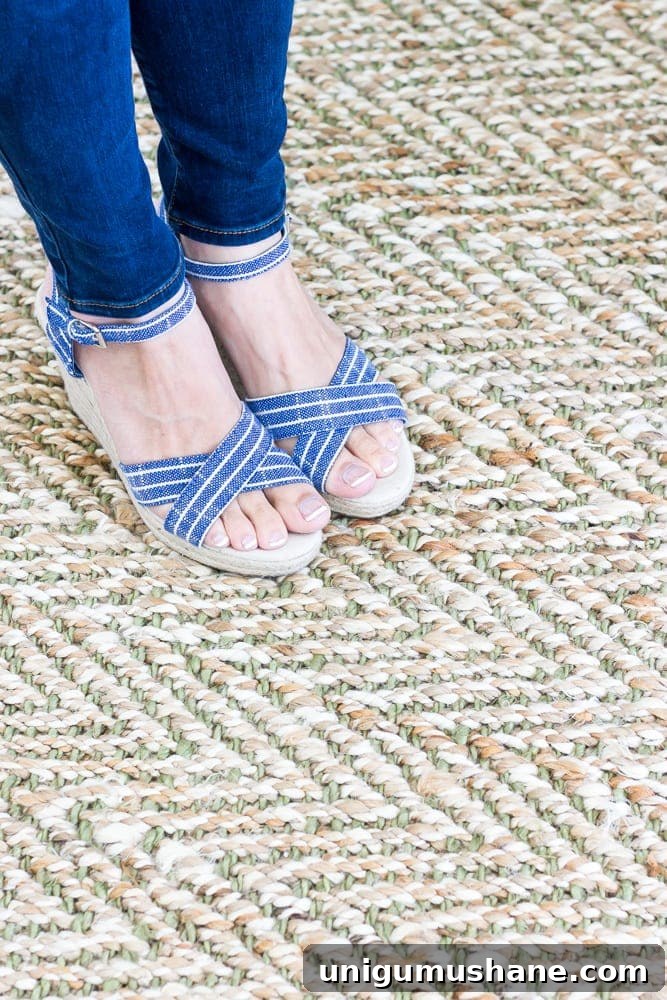
This olive green herringbone jute rug I bought for my office during a big sale has been a favorite. Jute works well with different decor styles and pairs especially nicely with casual or rustic looks.
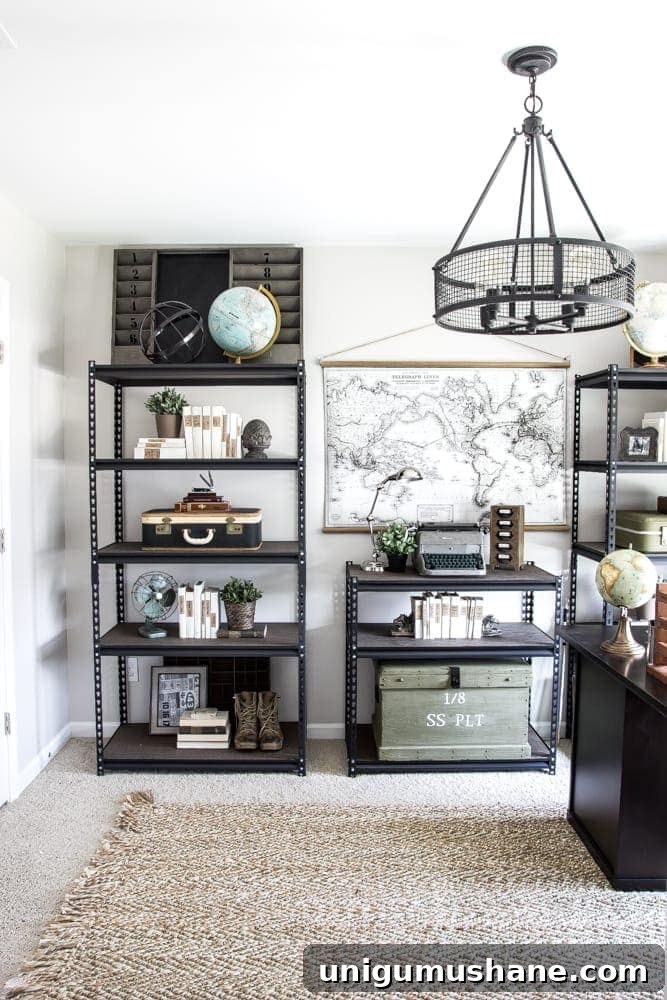
Cleaning and maintenance are straightforward. For everyday care, vacuuming usually does the job. For spills or messes, blot spills quickly and follow general natural-fiber cleaning steps—avoid soaking the rug, gently dab with a mild cleaner, and allow it to dry flat. Jute can shed a bit, especially when new, but most loose fibers vacuum up easily. If your floors are dark or very smooth, you may notice more stray fibers, but they’re generally not a long-term problem.
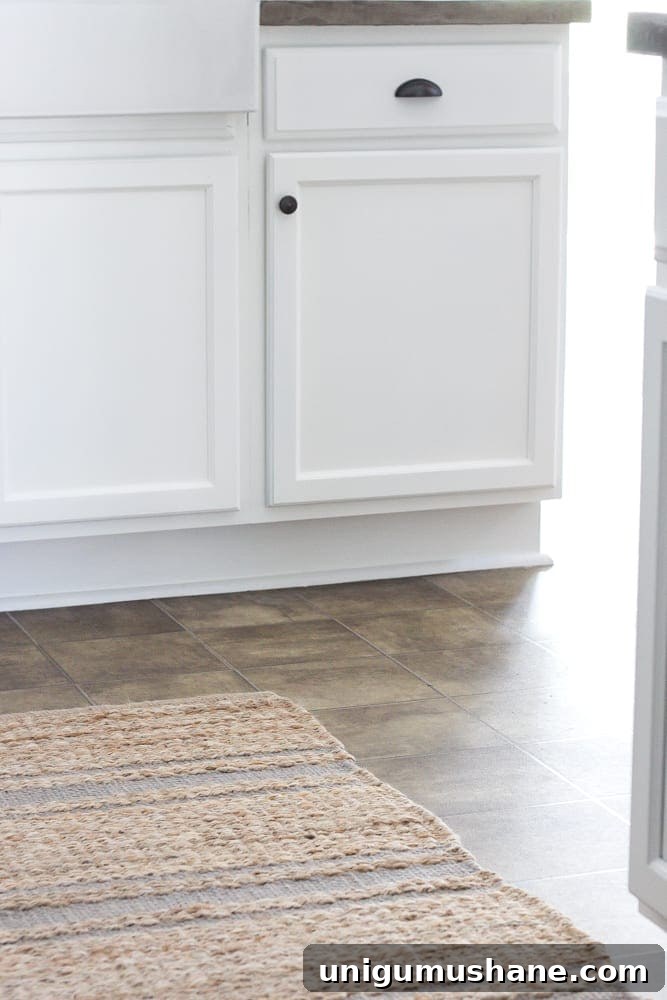
With kids and pets, jute holds up well because it doesn’t show dirt easily. In high-traffic areas like kitchens, runners in jute provide a little cushion and hide crumbs better than many light-colored rugs. A quick pass with the vacuum wand is usually enough to refresh them.
A few practical things to consider before buying jute rugs:
- Smell: New jute sometimes has an earthy, burlap-like scent when unpacked. It usually fades within a day or two with air circulation.
- Texture: Jute is textured and not meant for lying down for naps—comfortable for standing and walking, less so for lounging.
- Shedding: New jute may shed a little at first, but regular vacuuming reduces loose fibers over time.
- Allergies: If you have severe allergies to natural fibers or dust, consider this before purchasing; airing out the rug and regular cleaning can help.
- Eco-friendliness: Jute is a natural, biodegradable fiber, so it’s a good option if you prefer eco-friendly home decor over synthetic materials.
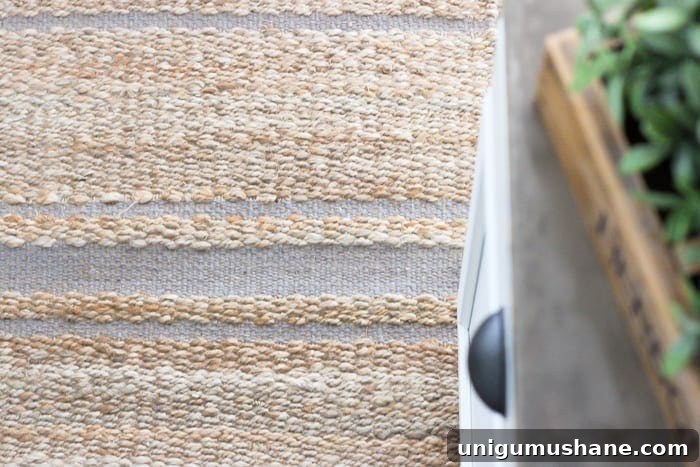
Why I keep buying jute rugs: they’re versatile and neutral, which makes redecorating easy and affordable. A jute rug warms up a room, adds texture, and acts like a woven basket on the floor—perfect for layering with smaller rugs or changing other decor accents without replacing the rug. I added a jute-and-denim loomed rug to our dining room recently, and it made the space feel instantly cozier.
Where to find budget jute rugs: check clearance sections and seasonal sales at national home retailers, discount stores, and specialty decor shops. I’ve had luck with clearance and sale events—Target, World Market, and other outlets often offer good deals on durable jute pieces. Buying during sales can get you attractive, well-made jute rugs without paying full price.
In short, jute rugs aren’t for everyone, but they’re an excellent choice if you want a natural, low-maintenance, and stylish rug that works with many decor styles. They add warmth and texture, are relatively easy to care for, and can be a budget-friendly investment when bought on sale.
Are you a jute rug fan too? Share your experiences—favorite finds, cleaning tips, or where you like to shop for budget rugs.