As an Amazon Associate, I earn from qualifying purchases. (full disclosure)
We’ve been slowly—sometimes at a snail’s pace—bringing character back to our home. Over time I’ve learned that the smallest details often make a house feel like it has history. Those little hardware touches, the finishes that hint at age, and the unexpected accents are the things that make visitors pause and ask, “What is that?”
One of my favorite subtle updates is classic hardware: aged brass, old-style latches, and the tiny bits that add personality. Recently I discovered a small, often overlooked detail that fits right into that category: stair dust corners.
Related: Our Staircase Gallery Wall Formula
What the Heck Are Stair Dust Corners?
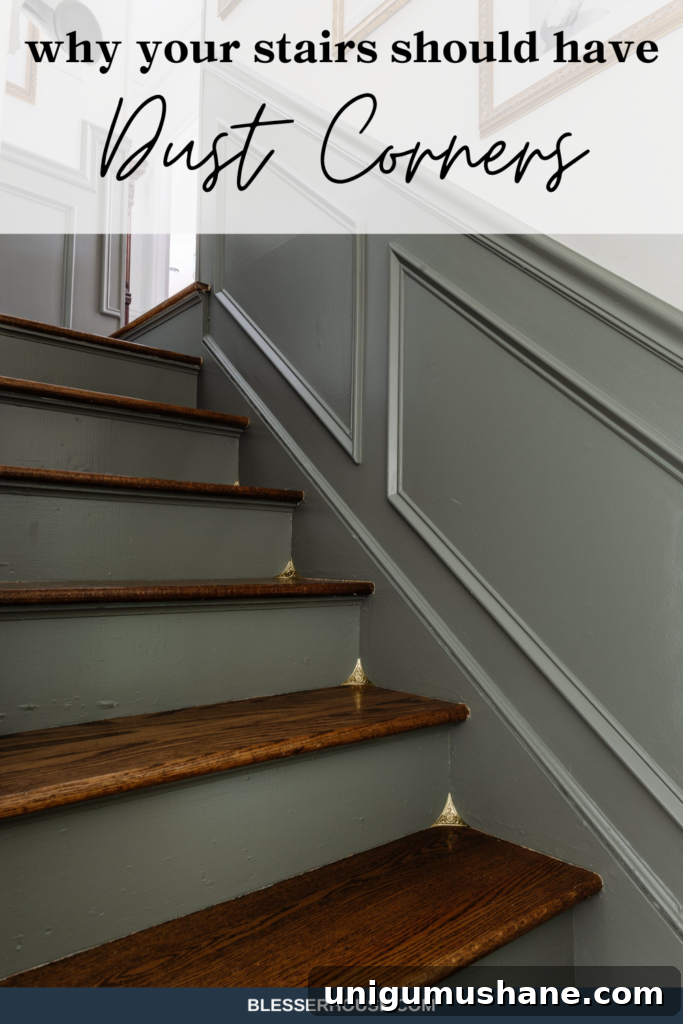
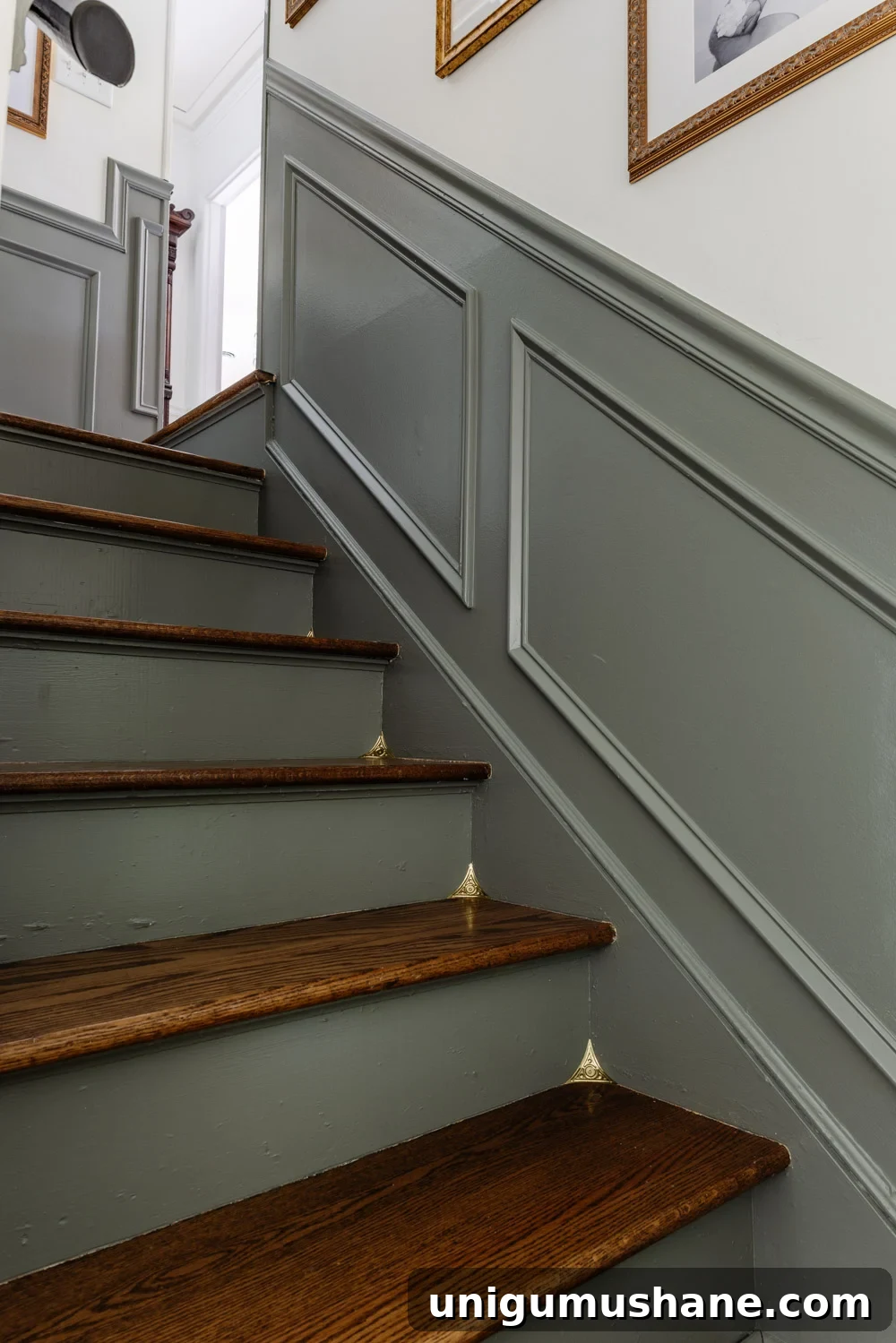
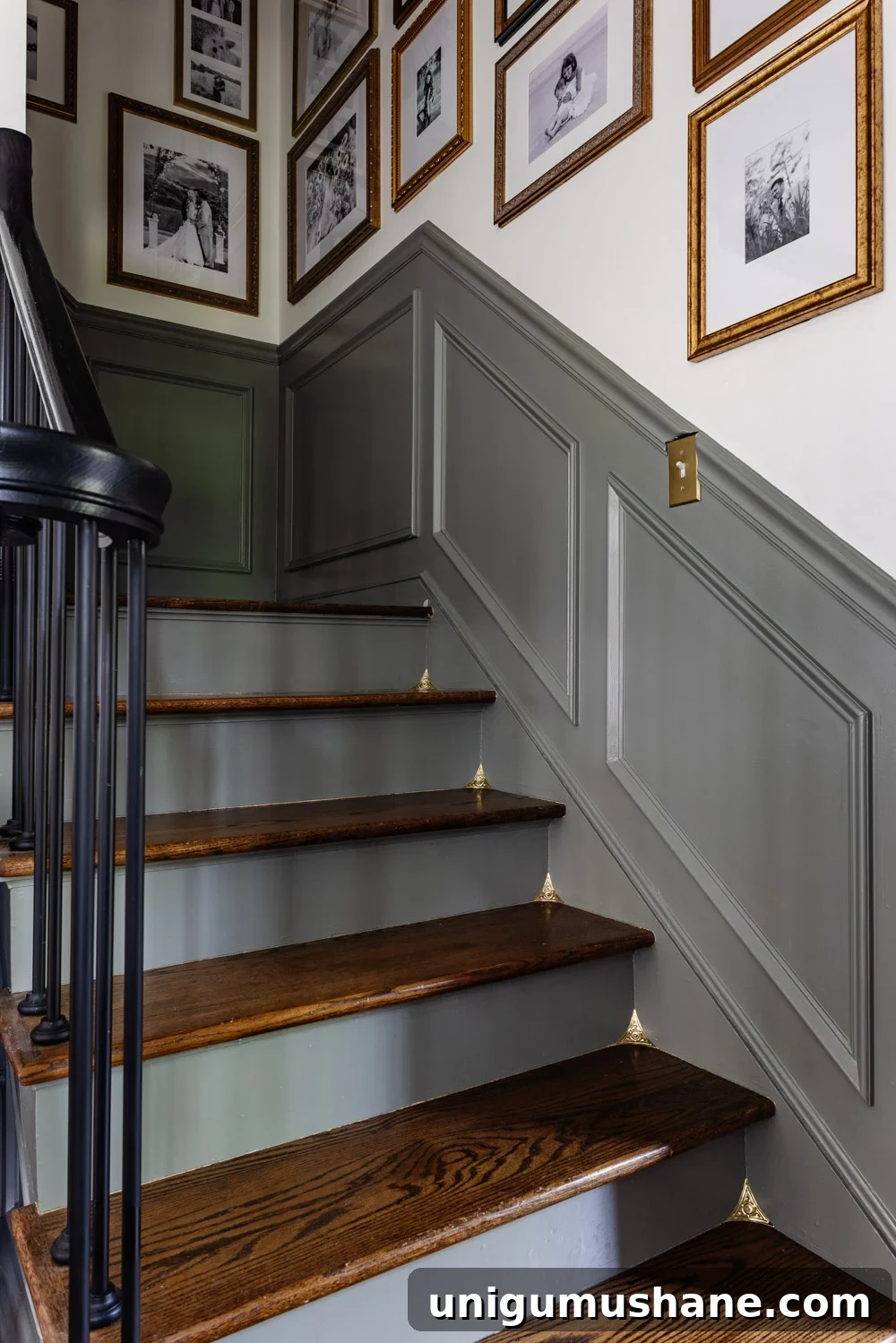
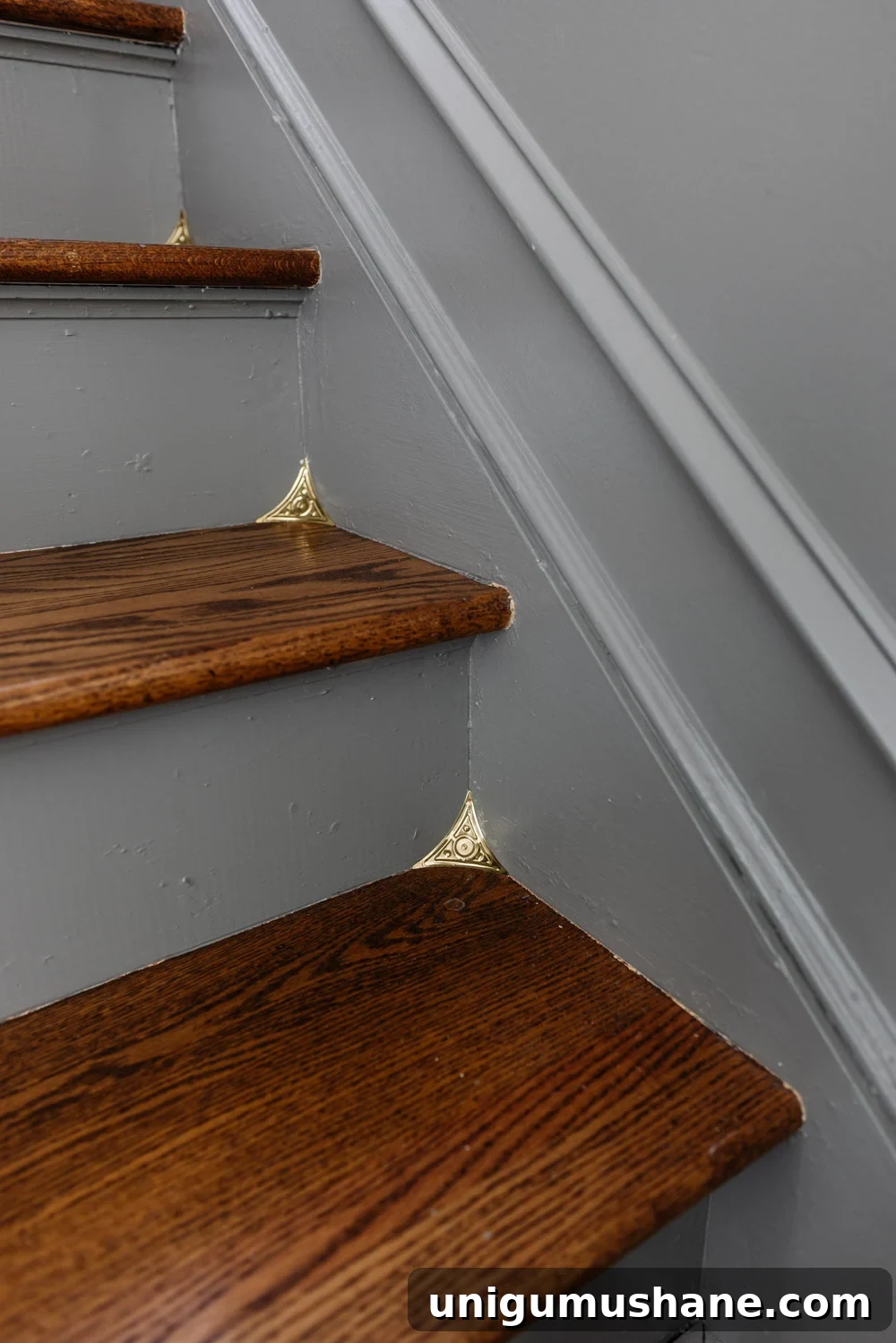
If you haven’t run across them before, stair dust corners are tiny, triangle-shaped metal fittings that sit in the inside corner where the stair tread meets the riser and the stringer. They were common in Victorian-era houses to prevent dust and debris from settling into those tight corners vacuum nozzles never quite reach.
Besides keeping those tricky nooks cleaner, dust corners add a little architectural detail that gives stairs a finished, vintage look.
Related: 30 Ways to Make Your House Look Expensive on a Small Budget
A Little History Lesson (Because I’m a Nerd Like That)
These little fittings became popular in the late 1800s as household cleaning and hygiene standards evolved alongside new ideas about germ theory. Homeowners looked for simple ways to keep living spaces cleaner, and dust corners were an elegant, low-tech solution.
There are stories that some well-known historic homes used decorative dust corners for both practicality and style. If you own an older home or are trying to add period-appropriate detail, they’re an easy way to lean into that vintage aesthetic.
Related: Foyer Decorating Ideas for $300 or Less
Why I Love Them (And Think You Will Too)
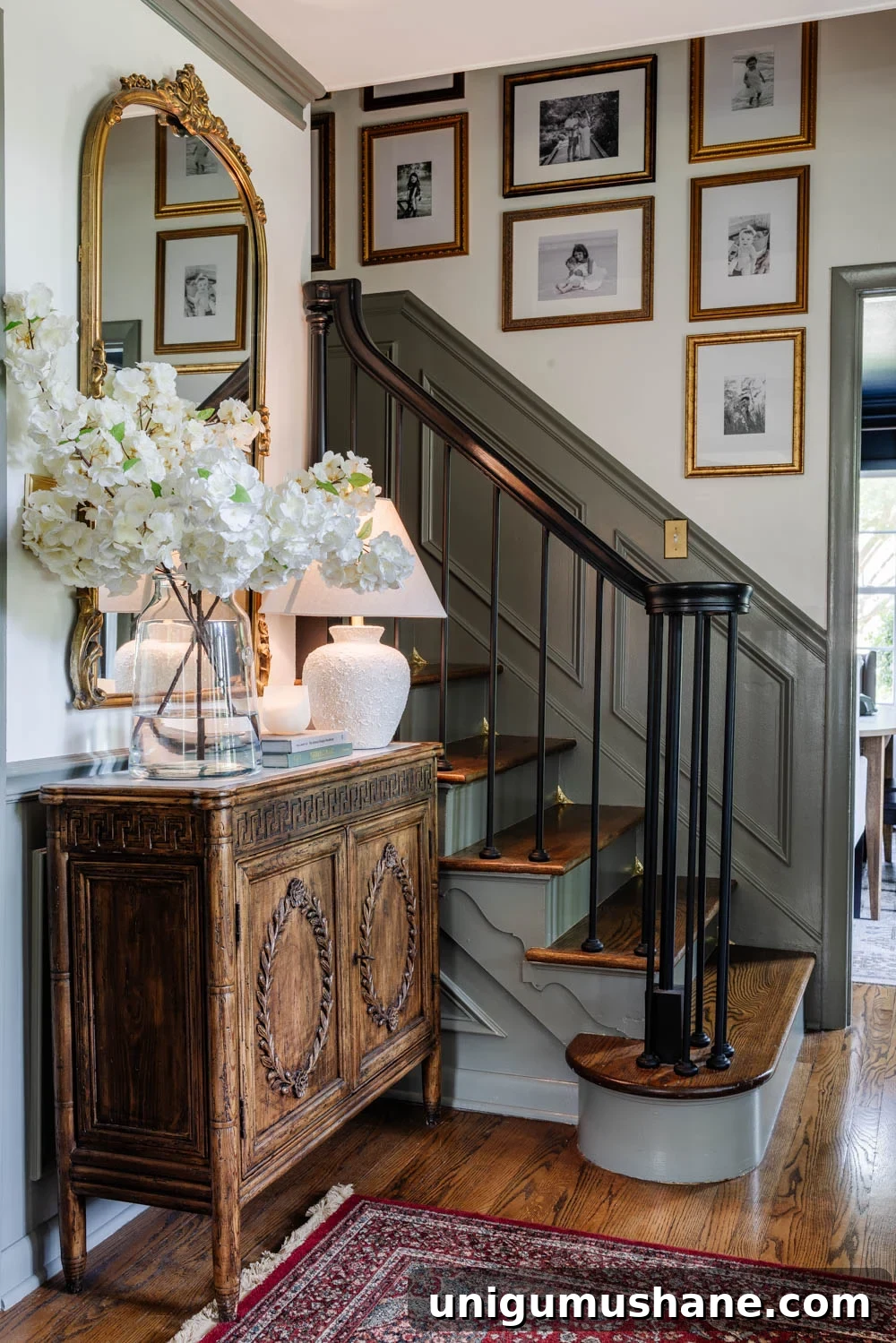
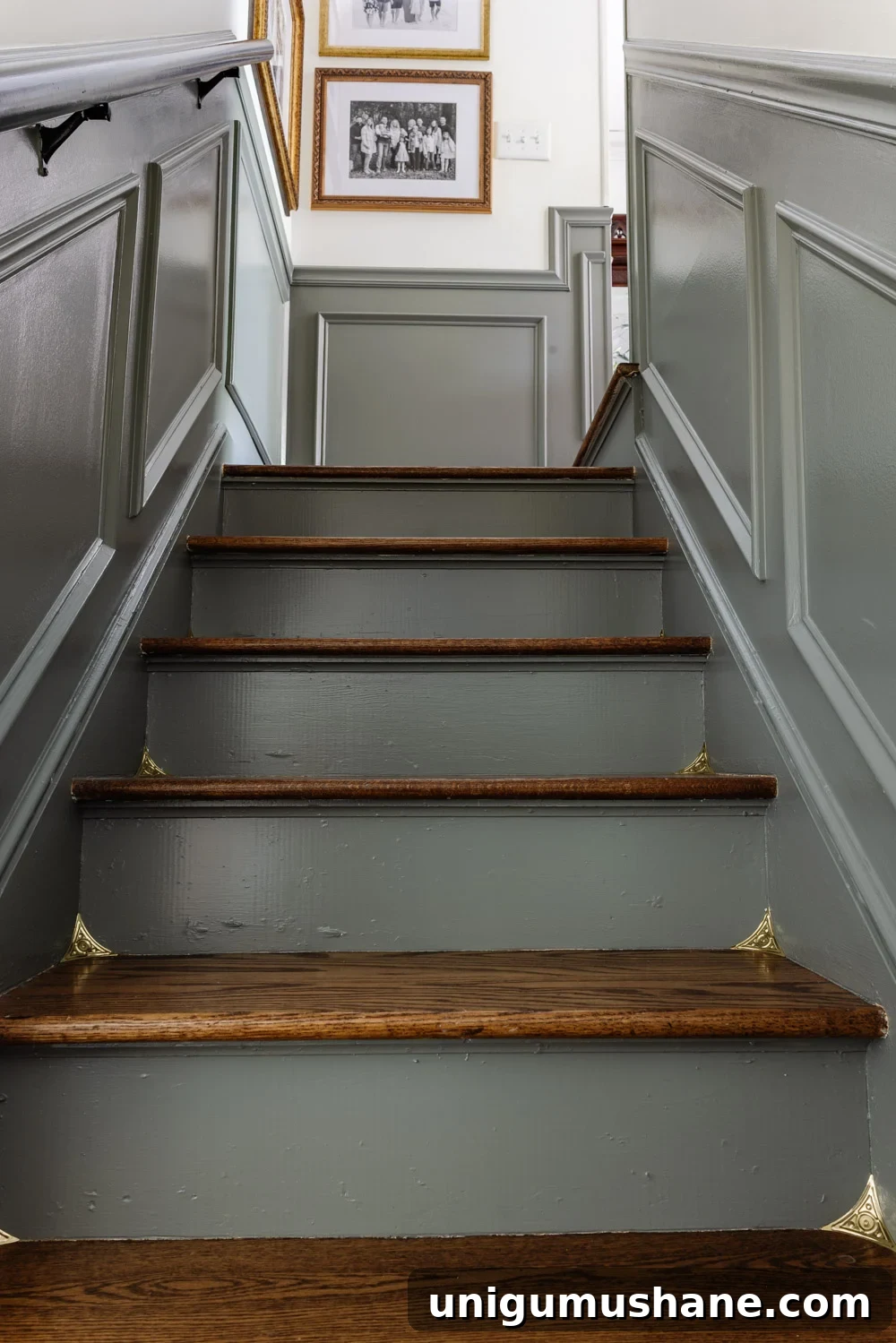
We added stair dust corners to our stairway and the effect was immediate. They do exactly what they promise—fill the corner so dust doesn’t accumulate—and they give the stairs a quiet sense of refinement. It’s one of those changes that feels intentional without being flashy.
Functionally, they reduce cleaning time. Aesthetically, they’re like a small piece of jewelry for the staircase—simple, classic, and mood-setting.
Related: Classic Interior Design Trends That Never Go Out of Style
The Easiest DIY Ever
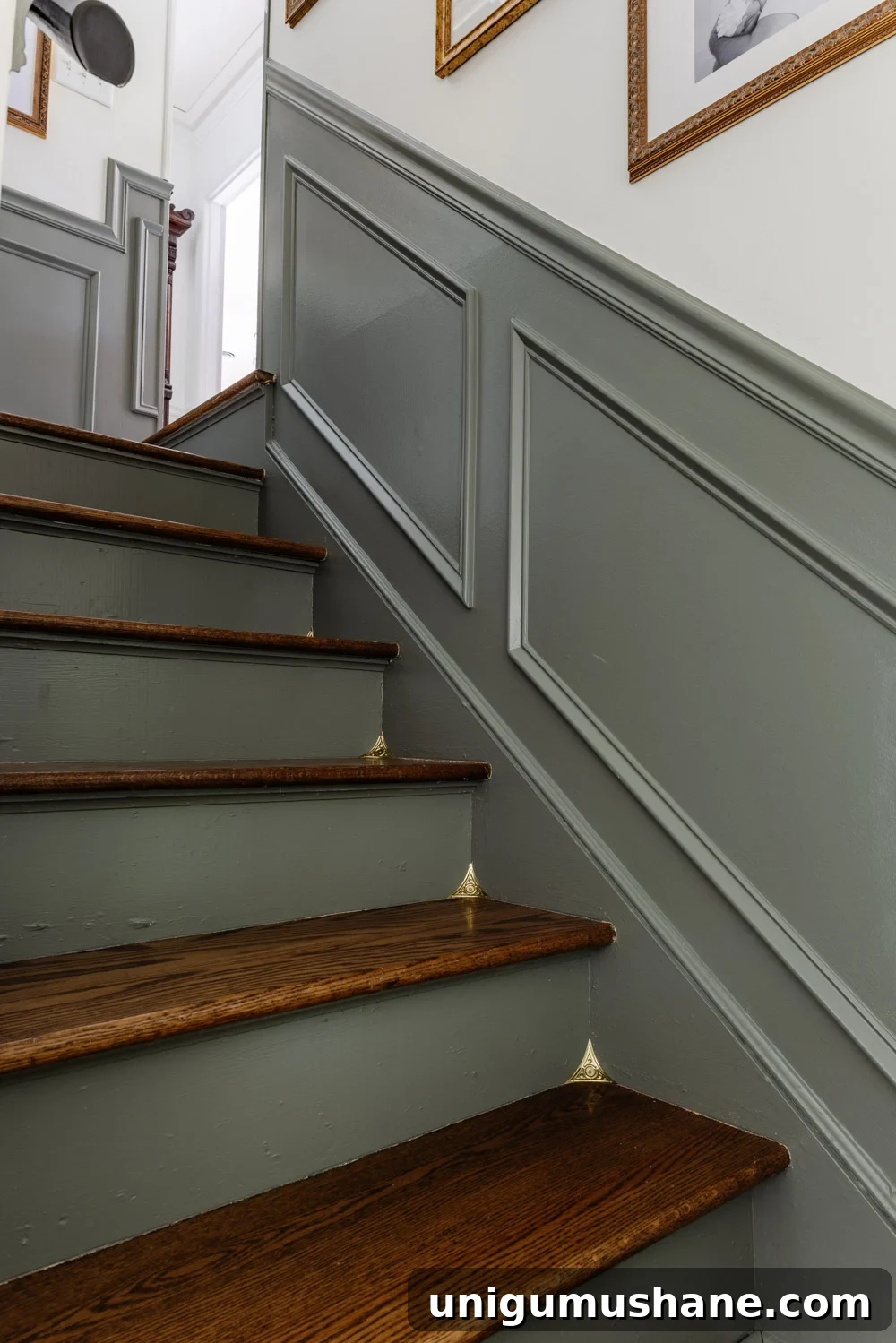
If this sounds like a complicated renovation, it’s not. Installing stair dust corners is one of the simplest updates you can do yourself. Here’s how we did it:
- Clear and clean the inside corner where the tread, riser, and stringer meet so the metal sits flush.
- Position the dust corner so it fits snugly into the joint.
- Tap the tiny finishing nail through the hole in the hardware and into the wood until it’s secure. That’s it—you can finish several in an afternoon and still have time for a break.
DIY Tip: If the nail is hard to sink flush, pre-drill a small pilot hole where the nail will go. That makes installation smoother and prevents the wood from splitting.
Where to Find Them
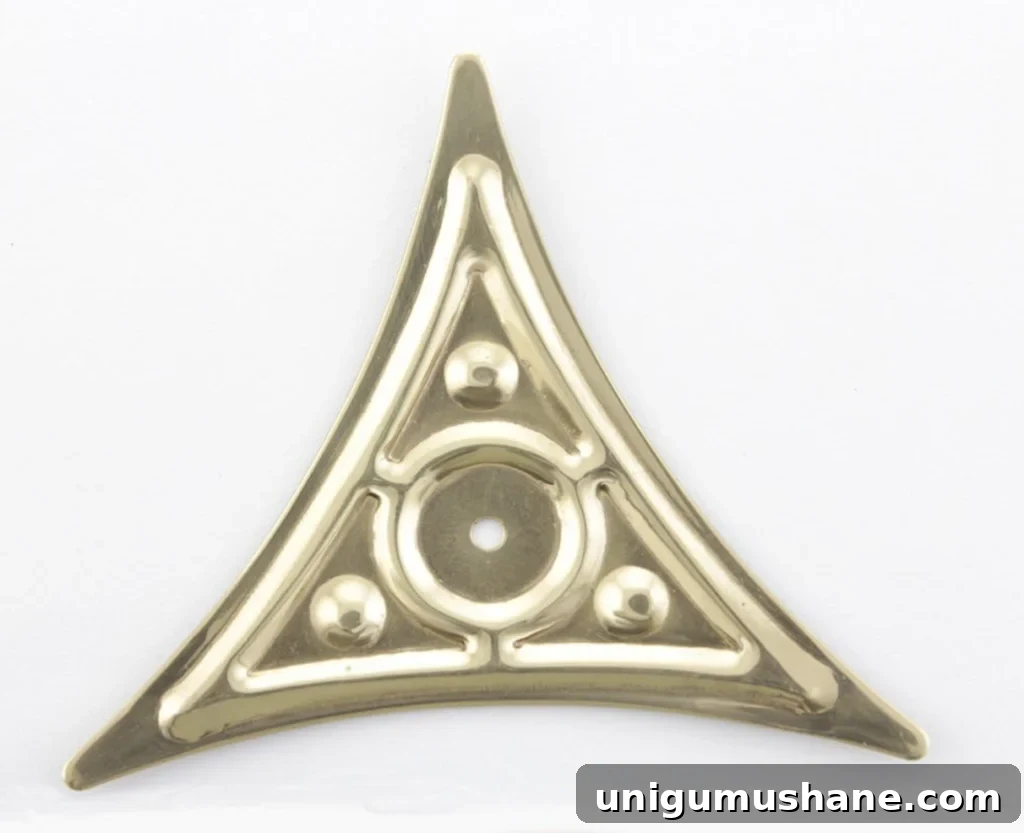
Stair dust corners are available from sellers who offer reproduction or antique-style hardware. You’ll see finishes like brass, copper, or nickel so you can pick a tone that complements your trim and stair treads. We chose brass for a warm, timeless look.
Small projects like this often deliver the biggest satisfaction. Adding stair dust corners feels like a subtle nod to history while making everyday maintenance a little easier. If you like the idea of small, impactful details that add character, these are definitely worth considering.
More Ideas to Add Character to Your Home
- DIY Fireplace Molding Makeover
- Window Film Ideas to Create Decorative Glass Around Your Home
- DIY-able Wall Molding Ideas
Pin this post to save for later: